Kids Full Face Bicycle Helmet Suppliers and Manufacturers
Compare 23 verified suppliers for Kids Full Face Bicycle Helmet based on location, lead time, and response time. Review product specifications like size and certification before contacting factories in Guangdong or Anhui to source your order; review the available evidence before requesting comparable quotations from suitable candidates.
Updated
Suppliers List
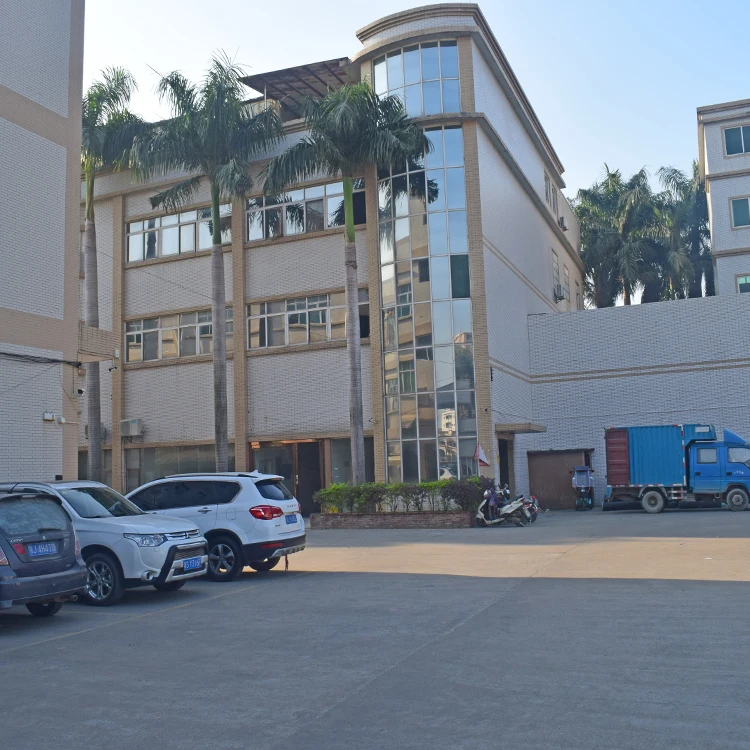
Huizhou Langsi Outdoor Products Co., Ltd
- Manufacturer, Trading Company
- guangdong, China
- Lead time15 days
- Avg. response≤ 8h
Main productsRiding helmet,Scooter helmet,Balance bike helmet,Skate helmet,Roller skating helmet
Main marketsNorth America(10.00%), Eastern Europe(5.00%), Africa(5.00%), South America(5.00%), Southeast Asia(4.00%), Oceania(3.00%), Northern Europe(2.00%), Mid East(2.00%), Southern Europe(2.00%), Domestic Market(1.00%), Central America(1.00%), South Asia(1.00%)
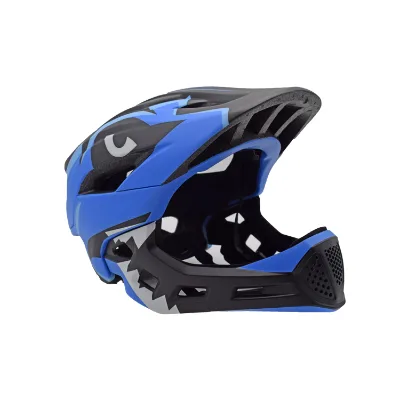
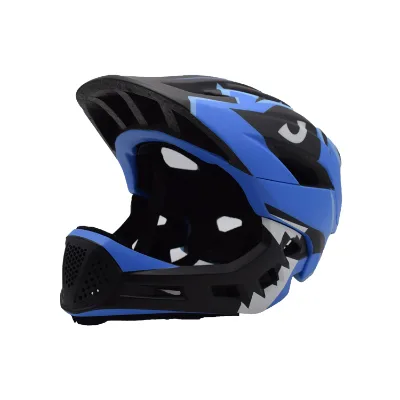
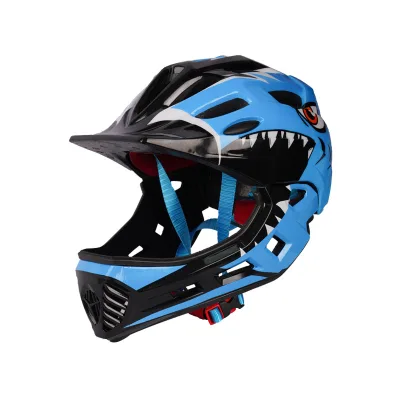
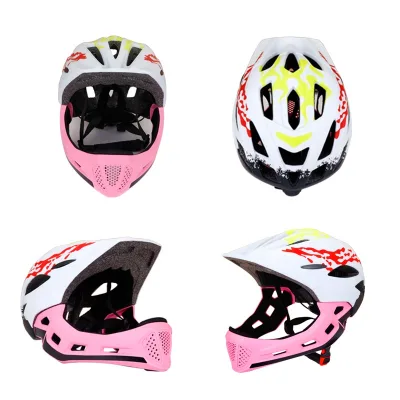
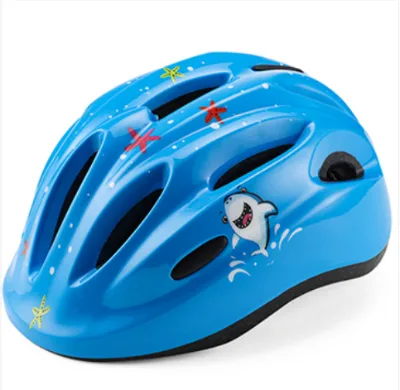
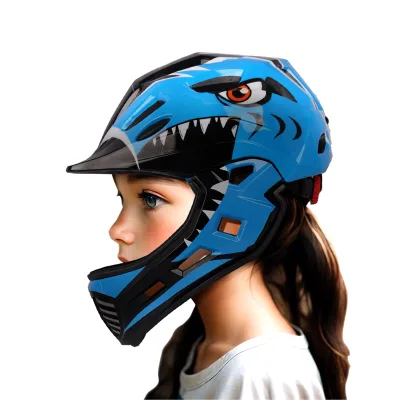
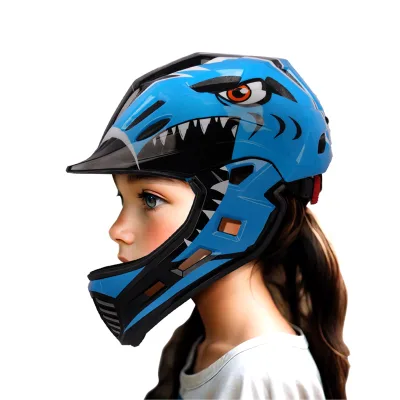
Sports Helmet Full Face Oem Breathable Shark Blue Kids Bicycle Helmet
$25.6449 - $29.3369
MOQ: 1 pieces
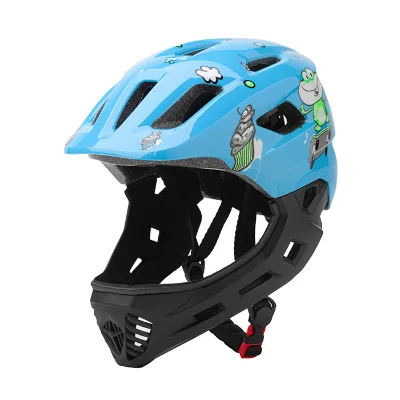
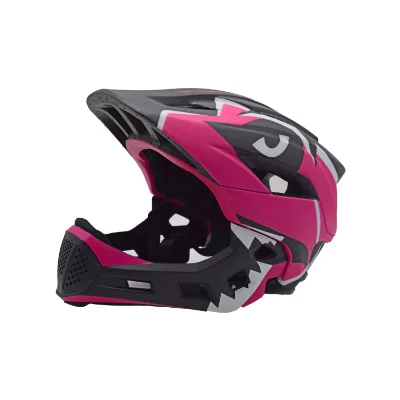
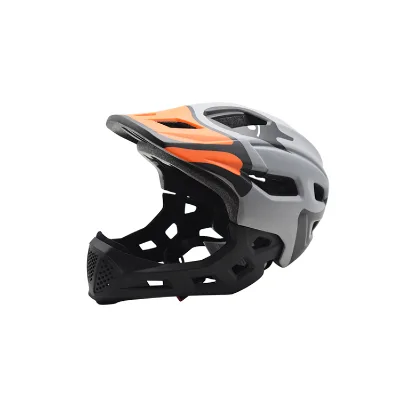

Anhui Liteduro Technology Co., Ltd.
- Trading Company,Manufacturer/Factory
- China Anhui
- Lead time45 days
- Avg. response≤ 11h
Main productsBicycle Frame, Electric Bike Frame, Bike Shock, Bicycle Fork, Full Suspesion MTB Frame, Bicycle Assembly, Kids Bicycles, Mountain Bike, Wheelset, Electric Bicycle
Main marketsSouth America,Eastern Europe,Mid East,North America,Southeast Asia,Eastern Asia,Oceania,Western Europe,Africa

Shenzhen Explorer Outdoor Products Co., Ltd.
- Manufacturer
- Guangdong, China
- Lead time25 days
- Avg. response≤ 6h
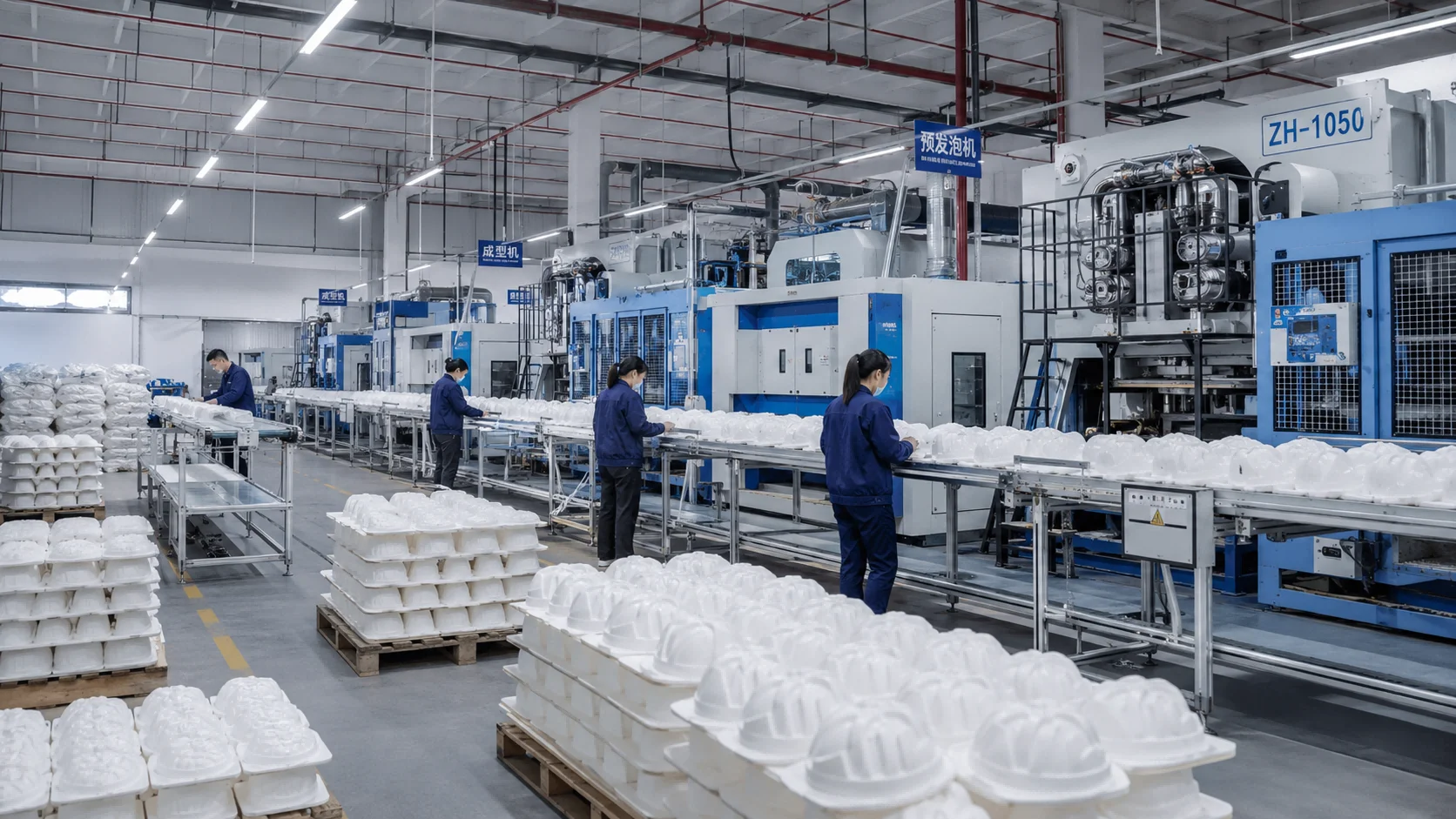
Main productsBike Helmet,Mountain Bike Helmet,Cycling Helmet,Kid Helmet,OEM Helmet
Main marketsSoutheast Asia(20.00%), Central America(20.00%), Eastern Asia(15.00%), South America(15.00%), South Asia(10.00%), Northern Europe(10.00%), Mid East(10.00%)
Shenyang Bax Technology Co., Ltd.
- Manufacturer, Trading Company
- Liaoning, China
- Lead time5 days
- Avg. response≤ 4h
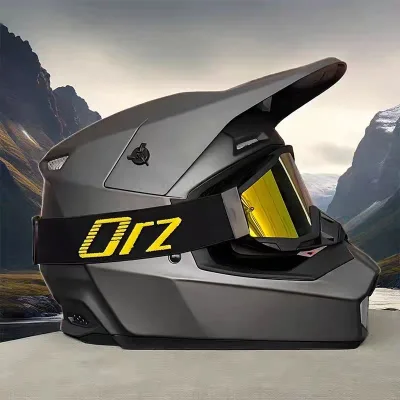
Main productsMotorcycle Helmet,Motorcycle Gloves,Motorcycle Gears,Motorcycle Goggles,Motorcycle Clothes/Armor
Main marketsNorth America(50.00%), Southeast Asia(10.00%), Central America(10.00%), South America(10.00%), Africa(8.00%), Northern Europe(5.00%), Southern Europe(4.00%), Eastern Asia(1.00%), Oceania(1.00%), Eastern Europe(1.00%)
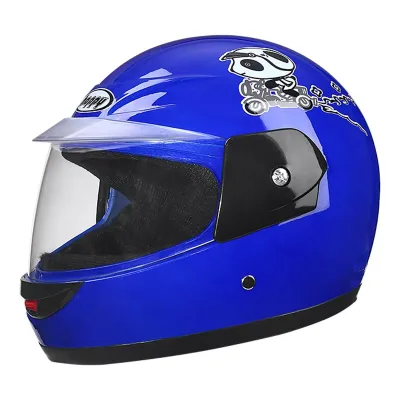
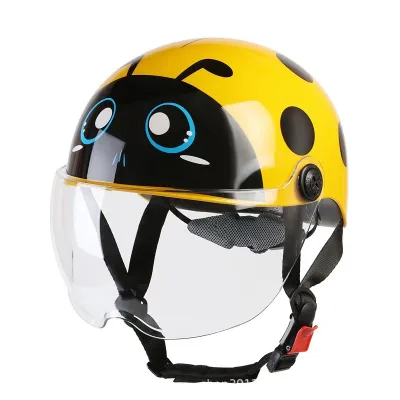
$6.2988 - $7.5625
MOQ: 2 pieces
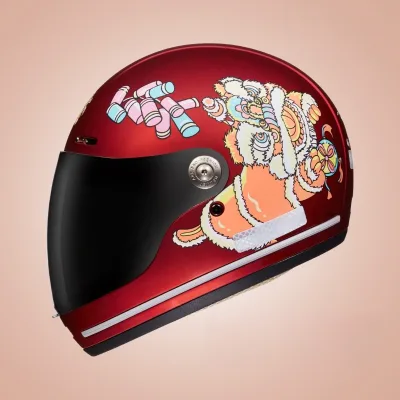
$13.4056 - $14.5343
MOQ: 10 pieces

Ningbo Jalyn International Trading Co., Ltd.
- Trading Company,Manufacturer/Factory
- China Zhejiang
- Lead time30 days
- Avg. response≤ 17h
Main productsMotorcycle Parts, Motorcycle Accessories, Aftermarket Motorcycle Parts, ATV Parts, Bicycle Parts, Motorcycle Plastic Parts, Motorcycle Mirror, Motorcycle Handle Grips, Motorcycle Engine, Bicycle Accessories
Main marketsSouth America,Eastern Europe,North America,Eastern Asia,Oceania,Western Europe,Africa

Yongkang Chochi Fitness Co., Ltd.
- Verified by BV
- Manufacturer/Factory
- China Zhejiang
- Lead time15 days
- Avg. response≤ 10h
Main productsGym Fitness Equipment, Treadmill, Exercise Bike, Helmet, Scooter, Skateboard, Roller Skateshoes, Camping Chair, Camping Trolley
Main marketsSouth America,Eastern Europe,Mid East,North America,Southeast Asia,Eastern Asia,Oceania,Western Europe,Africa


Kid Safety Helmet Protective Child Scooter Bike Bicycle Helmet with LED Light
$3.45 - $3.90
MOQ: 100 Sets


Dongguan Changzhuo Outdoor Products Co., Ltd.
- Verified by TUVRHEINLAND
- Manufacturer/Factory
- China Guangdong
- Lead time45 days
- Avg. response≤ 21h
Main productsBicycle Helmet, Skateboard Helmet, Ski Helmet, Bike Helmet, Swim Goggle, Ski Goggle, Swim Cap, Cycling Helmet
Main marketsSouth America,Eastern Europe,North America,Eastern Asia,Oceania,Western Europe

Kids Bike Helmet Cycle Helmet Cycling Safety Helmet for Safety Protection
$6.45 - $7.75
MOQ: 300 Pieces

Breathable Kids Bicycle Helmet PVC+EPS Ultralight Children Cycling Helmet Safety Kids Bike Helmet
$6.45 - $7.75
MOQ: 300 Pieces

Kids in-Mold Bike Helmet for Cycle Safety Protection Children Bicycle Helmets
$6.45 - $7.75
MOQ: 300 Pieces


$6.45 - $7.75
MOQ: 300 Pieces
- Trading Company
- Zhejiang, China
- Lead time5 days
- Avg. response≤ 4h
Main productsBike parts,Cycling equipment,Yoga accessories,Sports wear,Indoor fitness
Main marketsNorth America(30.00%), Eastern Europe(20.00%), South America(20.00%), Northern Europe(10.00%), Southeast Asia(10.00%), South Asia(5.00%), Western Europe(5.00%)
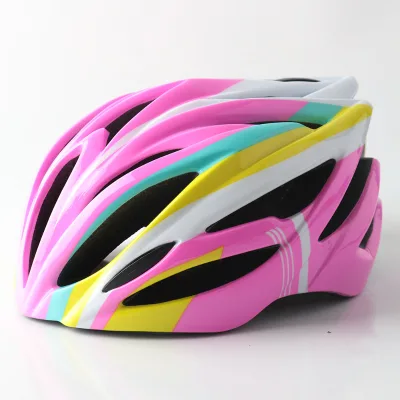
Children Bicycle Helmet Safety Skateboarding Outdoor Sports Kids Bike Helmet
$4.518 - $5.6992
MOQ: 2 pieces

Hebei Hongchi Bicycles Co., Ltd
- Verified by BV
- Manufacturer
- China Hebei
- Lead time15 days
- Avg. response≤ 7h
Main productsChainwheel&Crank, Bicycle Parts, Bicycle Accessories, Children Bike, Children Toy, Scooter, Stroller, Electric Car, Saddle, Basket
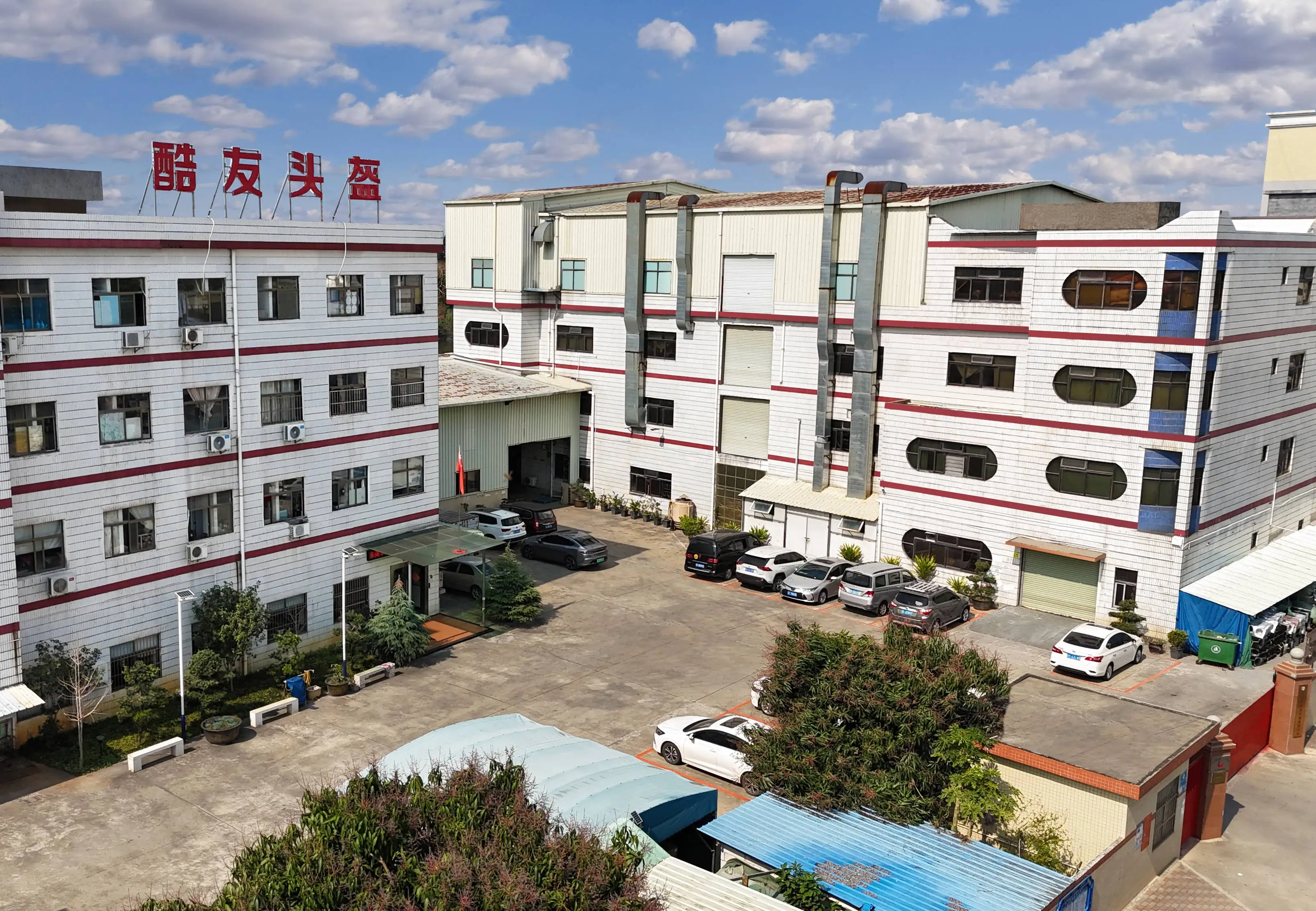
Dongguan Kuyou Helmet Co., Ltd.
- Manufacturer, Trading Company
- Guangdong, China
- Lead time20 days
- Avg. response≤ 3h
Main productsBike/Bicycle Helmet,Skate/Skateboard Helmet,Ski Helmet,Smart Helmet,Sports Protective Gear
Main marketsWestern Europe(50.00%), North America(30.00%), Domestic Market(10.00%), South America(10.00%)
- Trading Company
- Zhejiang, China
- Lead time7 days
- Avg. response≤ 4h
Main productsskateboard,skateboard hardware,sports products,baseball hats,Beanie hats
Main marketsNorth America(18.00%), Southern Europe(15.00%), Northern Europe(15.00%), Eastern Europe(15.00%), Western Europe(15.00%), Central America(11.00%), South America(5.00%), Domestic Market(1.00%), South Asia(1.00%), Africa(1.00%), Southeast Asia(1.00%), Mid East(1.00%), Eastern Asia(1.00%)
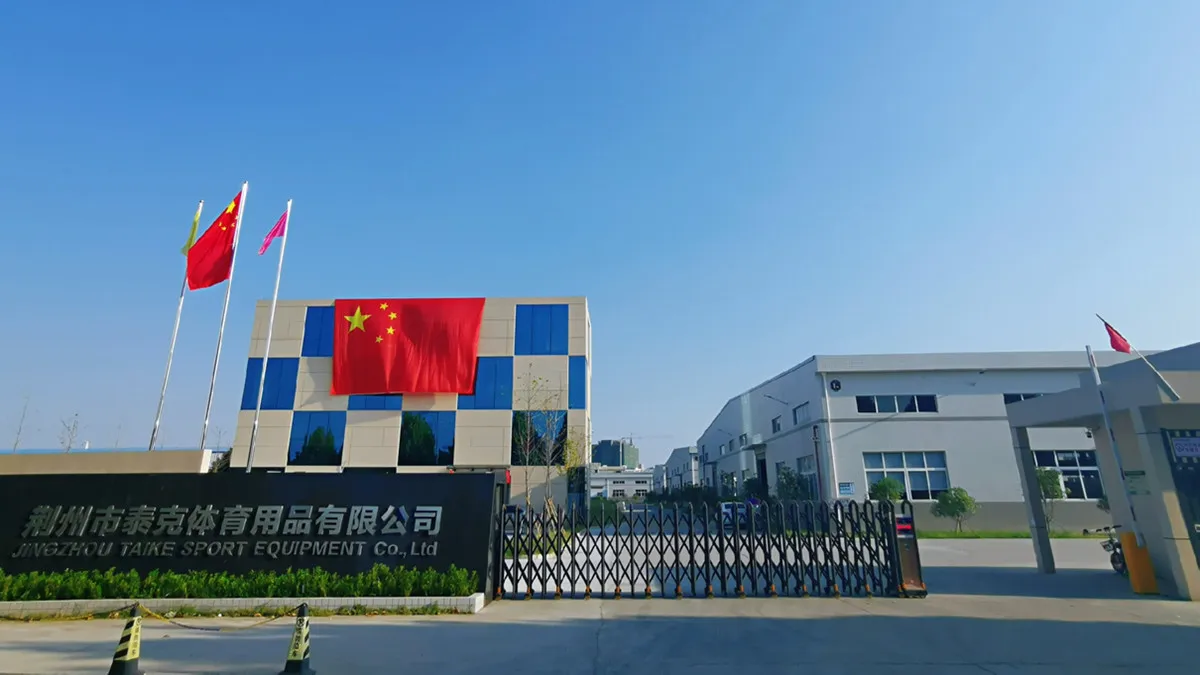
Jingzhou Taike Sports Equipment Co., Ltd.
- Manufacturer
- Hubei, China
- Lead time40 days
- Avg. response≤ 2h
Main productsBike Helmet,Skate Helmet,Ski Helmet,Kids Helmet
Main marketsNorth America(40.00%), Domestic Market(15.00%), Oceania(10.00%), Western Europe(10.00%), Eastern Asia(10.00%), Eastern Europe(5.00%), Northern Europe(5.00%), Southern Europe(2.00%), Southeast Asia(1.00%), Mid East(1.00%), South America(1.00%)
CYS Guangzhou Import & Export Trading Co., Ltd.
- Verified by SGS Group
- Manufacturer, Trading Company
- Guangdong, China
- Lead time7 days
- Avg. response≤ 5h
Main productsBicycle Helmets, MTB Helmets, Ski Helmets, Protective Gear, Bicycle Bags
Main marketsSouth America(20%), Eastern Europe(20%), Western Europe(20%)
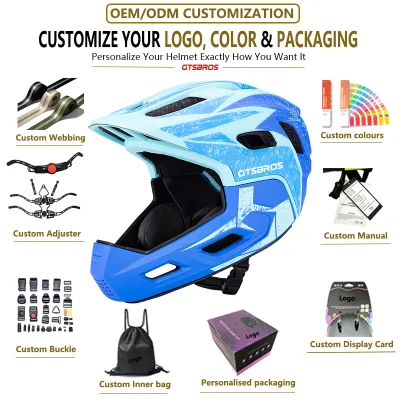
Detachable Full-Face Helmet for Kids, Boys & Girls, Multi-Sport, Head Size 51-54cm
$13.76 - $13.94
MOQ: 200
Dongguan Yongbao Sports Goods Co., Ltd.
- Verified by Intertek
- Manufacturer, Trading Company
- Lead time0 days
- Avg. response≤ 1h
Main productsBicycle Helmet
Main marketsDomestic Market(81%), Western Europe(7%), North America(4%)

Shenzhen Gloffie Outdoor Products Co., Ltd
- Verified by SGS
- Manufacturer/Factory
- China Guangdong
- Lead time45 days
- Avg. response≤ 3h
Main productsSwimming Goggles, Diving Mask, Skiing Goggles, Swimming Cap, Snorkel, Fins, Power Inverter, Helmet, Solar Inverter, Sunglass
Main marketsSouth America,Eastern Europe,Mid East,North America,Southeast Asia,Eastern Asia,Oceania,Western Europe,Africa


Children's Sports Bike Helmet Skateboard Animal Cartoon Bicycle Safety Kids Cycling Helmet
$13.50 - $14.10
MOQ: 300 Pieces
Yiwu Lutuo Network Technology Co., Ltd.
- Verified by TüVRheinland
- Trading Company
- Lead time0 days
- Avg. response≤ 4h
Main productsBicycle Pump, Bicycle Light, Bicycle Lock, Bicycle Pedal, Bicycle Mirror
Main marketsNorth America(35%), Southeast Asia(17%), Domestic Market(16%)
Dongguan Wencan Sporting Goods Co., Ltd.
- Verified by Intertek
- Manufacturer, Trading Company
- Lead time30 days
- Avg. response≤ 1h
Main productsBicycle Helmet, Ski Helmet, Roller Skating Helmet
Main marketsDomestic Market(40%), North America(20%), South America(10%)
Tianjin Panda Technology Group Co., Ltd.
- Verified by SGS Group
- Trading Company
- Lead time5 days
- Avg. response≤ 1h
Main productsBicycle, Bicycle Accessories, Electric Bicycle, Mountain Bicycle, City and Child Bicycle
Main marketsEastern Europe(30%), South America(20%), Southeast Asia(20%)
Kunzhuo Guanyang (guizhou) International Trade Co., Ltd.
- Verified by TüVRheinland
- Trading Company
- Lead time15 days
- Avg. response≤ 2h
Main productsGo Karts, ATVs, UTVs, Bike, Scooters
Main marketsNorth America(45%), Mid East(15%), Western Europe(15%)
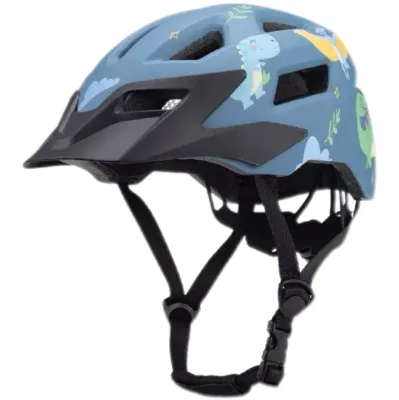
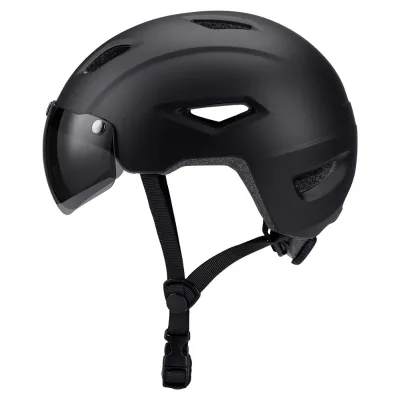
High Quality Kids Road Bike Safety Helmet Motorcycle Custom Child Balance Bicycle Riding Helmet
$9.33 - $11.03
MOQ: 10 pieces
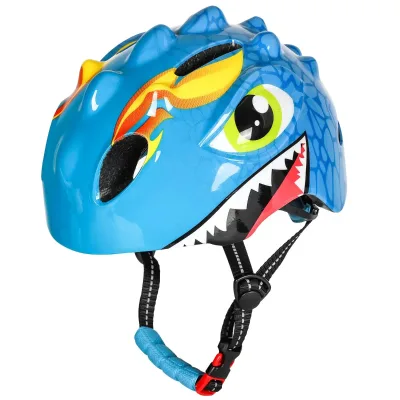
$9.33 - $11.03
MOQ: 10 pieces
Huizhou Lanova Outdoor Products Co., Ltd.
- Verified by SGS Group
- Manufacturer, Trading Company
- Lead time0 days
- Avg. response≤ 2h
Main productsBicycle Helmets, Ski Helmets, Skateboard Helmets, Electric Vehicle Helmets, Skateboard Protective Gear
Main marketsWestern Europe(55%), Eastern Asia(10%), Domestic Market(10%)

- Verified by BV
- Trading Company
- China Fujian
- Lead time23 days
- Avg. response≤ 3h
Main productsMouth Care and Soap, Field Kitchen Trailer, Camping Tents, Boots and Shoes, Camo Uniform and Clothes, Outdoor Backpacks and Bags, Camouflage Net and Ghillie Suit, Blankets and Sleeping Bags, Canteens and Mess Tins, Tactical Helmet
Main marketsSouth America,Africa,Southeast Asia/ Mideast,East Asia(Japan/ South Korea),Europe,Australia,North America

Children's Bicycle Helmet with Tail Light Adjustable Youth Cycling Helmet
$13.20 - $14.50
MOQ: 50 Pieces

$13.20 - $14.50
MOQ: 50 Pieces
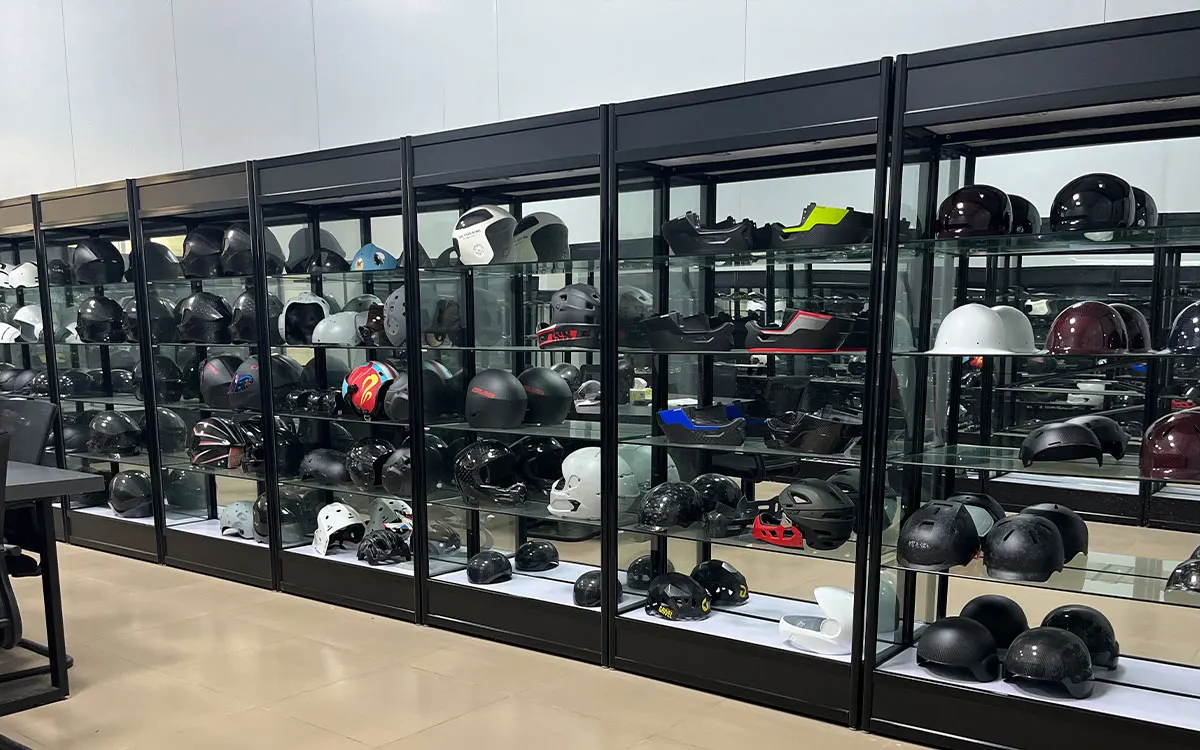
Dongguan Zhonghang Carbon Fiber Technology Co., Ltd.
- Manufacturer
- Guangdong, China
- Lead time20 days
- Avg. response≤ 2h
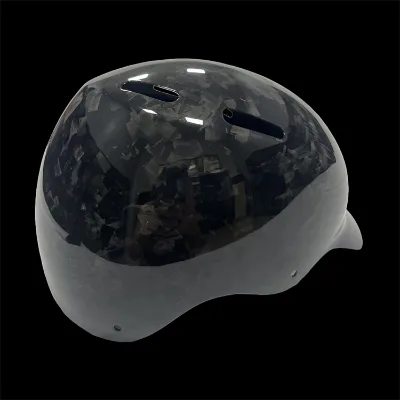
Main productsCarbon Fiber Helmet,Carbon Fiber Auto Components,Carbon Fiber Custom Solutions
Main marketsNorth America(30.00%), Western Europe(20.00%), Eastern Europe(10.00%), Northern Europe(10.00%), Oceania(10.00%), Southeast Asia(10.00%), Domestic Market(5.00%), Mid East(5.00%)
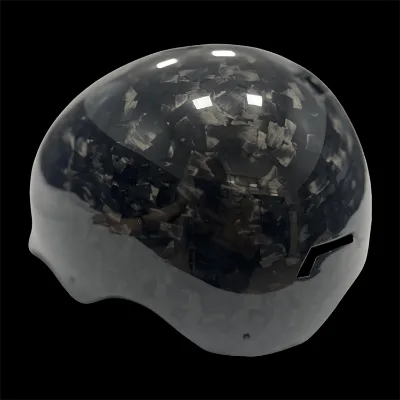
$123.2058 - $154.0073
MOQ: 500 pieces
$123.2058 - $154.0073
MOQ: 500 pieces
Changzhou Iron Donkey Sports Goods Co., Ltd.
- Trading Company
- Lead time旺季: "1 - 5":7,"6 - 50":9,"> 50":"To be negotiated", 淡季: "1 - 5":7,"6 - 50":9,"> 50":"To be negotiated"
- Avg. response≤ 7h
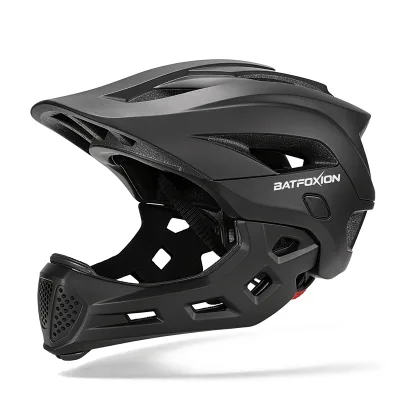
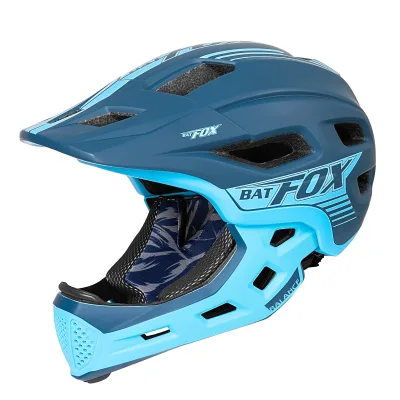
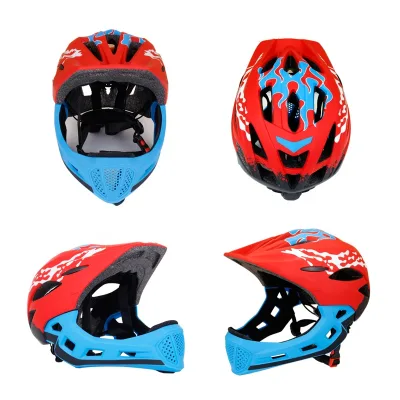
Main productsBicycle Accessories,Motorcycle Accessories,Automobile and motorcycle parts,Outdoor Products,Sporting Goods




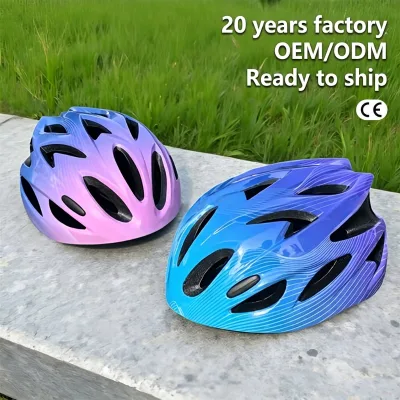
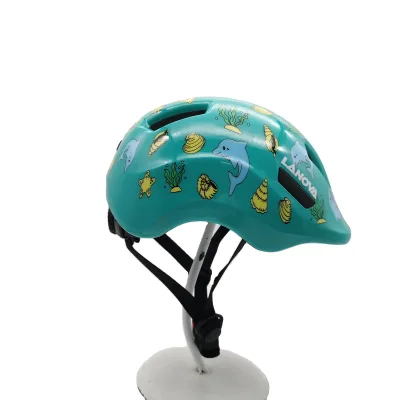
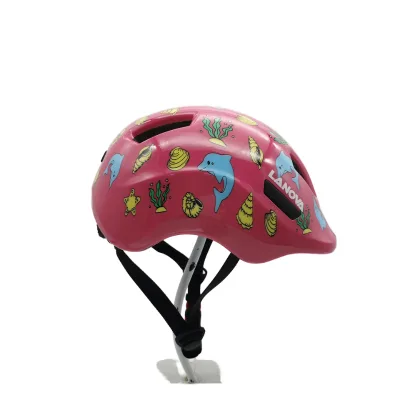
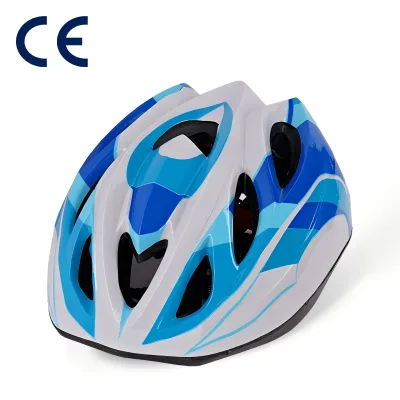
Comprehensive Sourcing Guide
Kids Full Face Bicycle Helmet Supplier Concentration and Factory Types
The current supplier landscape for kids full face bicycle helmets reveals a distinct geographic concentration in Guangdong, China, which serves as a primary manufacturing hub for this specific product category. This region is well-established for producing protective sports gear, including riding helmets, scooter helmets, and balance bike helmets, leveraging a mature supply chain for materials like polycarbonate and high-density EPS foam. The presence of manufacturers in this area suggests a high degree of specialization in injection molding and assembly processes required for complex helmet structures. Buyers evaluating suppliers should note that while Guangdong dominates the visible results, other regions such as Anhui, China, also host facilities capable of producing these items, indicating that sourcing is not exclusively limited to the southern coastal provinces. Understanding this geographic distribution helps in assessing logistics costs and lead times, as proximity to ports in Guangdong often facilitates faster export processes for international orders.
In terms of company structure, the market features a mix of pure manufacturers and trading companies, each offering different advantages for procurement. Manufacturers typically provide direct access to production lines, allowing for greater control over customization options such as color, decals, and structural modifications like the number of vents or specific foam densities. Trading companies, on the other hand, may offer a broader portfolio of related products, such as bicycle frames, electric bike components, or wheelsets, which can be beneficial for buyers seeking to consolidate orders across multiple product lines. The distinction is crucial because it affects communication efficiency, pricing transparency, and the ability to handle small versus large volume orders. Some entities operate as hybrid entities, labeled as both manufacturer and trading company, which can blur the lines but often indicates a factory with a dedicated sales arm. Buyers must carefully review the main products listed to determine if the supplier’s core competency aligns with their specific needs for full-face helmets or if they are a generalist distributor.
How to Verify Kids Full Face Bicycle Helmet Suppliers
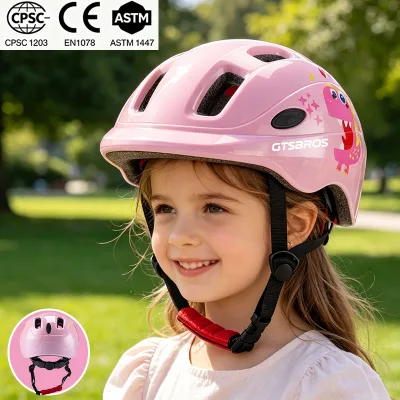
Verifying the legitimacy and capability of a supplier requires a multi-layered approach that goes beyond surface-level product listings. One critical step is to examine the system certifications displayed, such as ISO 9001 for quality management or ISO 14001 for environmental management, which indicate a structured approach to production and compliance. For helmets, safety certifications like CE are paramount, as they demonstrate that the product meets specific regulatory standards for protective equipment in target markets. Buyers should request copies of these certificates and verify their validity through the issuing bodies, ensuring that the certification covers the specific model numbers being ordered, such as JC012 or JC014. Additionally, checking the response time of the supplier provides insight into their operational efficiency; a faster response time often correlates with better customer service and more agile communication channels, which are essential when resolving issues related to custom designs or urgent shipments.
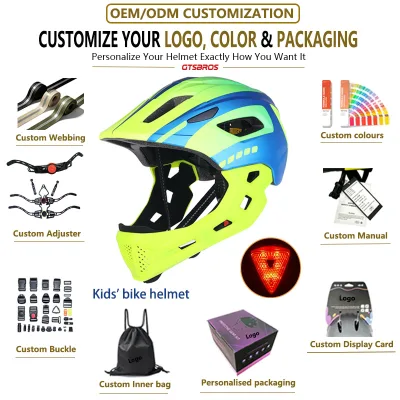
Another vital verification method involves assessing the supplier’s production capacity and customization capabilities. Suppliers that offer OEM and ODM services, as seen in some results, demonstrate the ability to tailor products to specific brand requirements, including unique packaging and branding. Buyers should inquire about the minimum order quantities for customized items, as these often differ from standard stock items. For instance, while some suppliers may accept low MOQs for standard products, customized helmets might require higher volumes to justify the setup costs for molding and printing. It is also important to verify the physical address and company registration details to ensure the supplier is a legitimate entity. Cross-referencing the supplier’s claimed main products with their actual inventory can reveal if they are a specialized manufacturer or a general trader. Engaging in detailed technical discussions about materials, such as the use of PC plus high-density EPS foam versus PVC, can further test the supplier’s expertise and transparency.
What to Compare Across Kids Full Face Bicycle Helmet Suppliers
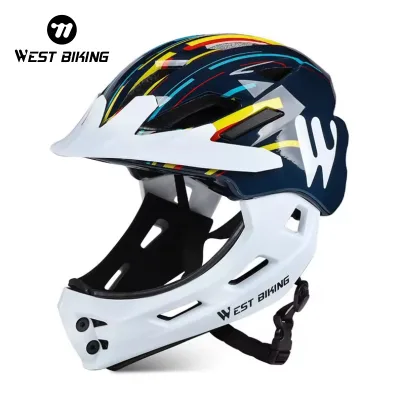
When evaluating multiple suppliers, comparing key operational metrics is essential to determine the best fit for your business needs. Lead time is a critical factor, with some suppliers offering as little as 15 days for production, while others may require up to 45 days. This variance can significantly impact your inventory planning and ability to meet market demand, especially during peak seasons. Buyers should also compare the minimum order quantities, which range from as low as one unit for sample orders to 500 units for bulk production. Understanding these thresholds helps in calculating the total cost of ownership, including shipping and handling, for different order sizes. Additionally, comparing the price ranges for similar products, such as full-face helmets with 13 vents versus those with fewer vents, allows for a more accurate assessment of value. Prices can vary based on material quality, customization options, and order volume, so it is important to request detailed quotes that break down these components.
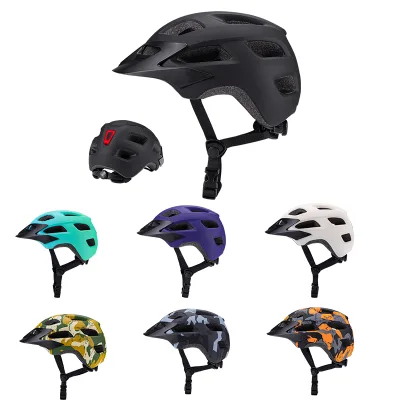
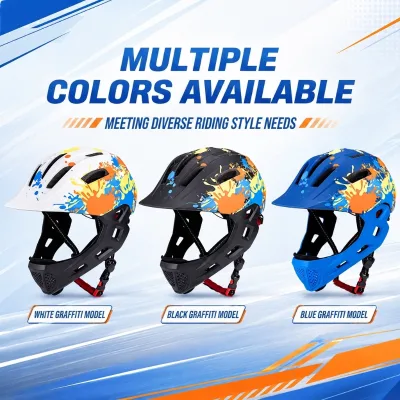
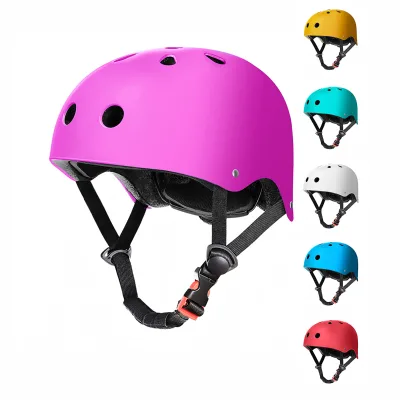
Response time and communication quality are equally important when comparing suppliers, as they affect the smoothness of the procurement process. Suppliers with faster response times, such as those averaging eight hours, are often more responsive to inquiries and issues, which can prevent delays in order processing. Buyers should also compare the available customization options, such as the ability to customize colors, decals, and packaging details. Some suppliers offer a wide range of color options, including blue, pink, red, and yellow, while others may have more limited palettes. The structure of the helmet, whether it is made from composites or specific foam blends, is another point of comparison that affects durability and safety. By systematically comparing these attributes, buyers can create a weighted scorecard to objectively rank suppliers based on their specific priorities, whether that be cost, speed, quality, or flexibility.
Common Kids Full Face Bicycle Helmet Sourcing Risks
One of the primary risks in sourcing kids full face bicycle helmets is the potential discrepancy between the claimed safety standards and the actual product quality. While suppliers may list certifications like CE, the actual testing and compliance of each batch can vary, posing a risk to brand reputation and legal liability. Buyers must ensure that the helmets meet the specific safety regulations of their target market, as standards can differ significantly between regions. Another risk is the inconsistency in material quality, such as the density of the EPS foam or the thickness of the polycarbonate shell, which can affect the helmet’s protective capabilities. Suppliers may use lower-grade materials to reduce costs, which can compromise safety and durability. It is crucial to request samples and conduct independent testing to verify that the materials meet the specified standards, such as the use of high-density EPS foam for impact absorption.
Logistical and communication risks are also prevalent, particularly when dealing with suppliers in different time zones or with varying levels of English proficiency. Miscommunication regarding customization details, such as color codes or packaging specifications, can lead to costly errors and delays. Additionally, the variability in lead times can disrupt supply chain planning, especially if suppliers fail to meet their promised delivery dates. Buyers should establish clear communication protocols and regular check-ins to monitor production progress. Another risk is the lack of transparency in pricing, where hidden costs for molds, samples, or shipping may emerge later in the process. To mitigate these risks, buyers should use secure payment methods like escrow, which provides protection until the goods are received and verified. Establishing a detailed contract with clear terms on quality, delivery, and penalties for non-compliance can also help protect the buyer’s interests.
Kids Full Face Bicycle Helmet Regional Sourcing and Logistics
Sourcing from Guangdong, China, offers significant logistical advantages due to its proximity to major international ports and well-developed infrastructure. This region is a hub for manufacturing and export, making it easier to arrange freight forwarding and reduce transit times for international shipments. Buyers should consider the impact of location on shipping costs, as suppliers in Guangdong may offer more competitive freight rates compared to those in inland regions like Anhui. The concentration of suppliers in this area also facilitates easier factory audits and quality inspections, as travel logistics are more streamlined. However, buyers should also be aware of potential congestion at ports during peak seasons, which can delay shipments. Planning for these delays by ordering earlier or using expedited shipping options can help mitigate the impact on delivery schedules.
For suppliers located in other regions, such as Anhui, logistics may involve additional inland transportation to reach coastal ports, potentially increasing lead times and costs. Buyers should evaluate the total logistics cost, including inland freight, port fees, and ocean or air shipping, to determine the true cost of sourcing from different locations. The choice of shipping method, whether by sea or air, will also depend on the urgency of the order and the volume of goods. Sea freight is more cost-effective for large orders but takes longer, while air freight is faster but more expensive. Buyers should work with their suppliers to determine the most efficient shipping route and method, considering factors such as product weight, dimensions, and value. Additionally, understanding the import regulations and duties in the destination country is crucial for calculating the final landed cost and ensuring smooth customs clearance.
Kids Full Face Bicycle Helmet Commercial Terms and Order Planning
Effective order planning requires a clear understanding of the commercial terms offered by suppliers, including payment terms, pricing structures, and after-sales support. Many suppliers offer flexible payment options, such as partial payments upfront and the balance upon shipment, which can help manage cash flow. Buyers should negotiate for favorable terms, such as discounts for larger orders or extended payment periods for repeat customers. It is also important to clarify the pricing for customization, including any additional costs for molds, samples, or special packaging. Some suppliers may offer free samples for standard products, while others may charge for samples and customization setup. Understanding these costs upfront helps in budgeting accurately and avoiding unexpected expenses.
In addition to pricing, buyers should consider the supplier’s capacity for handling large orders and their ability to scale production as demand grows. Suppliers with established manufacturing capabilities, such as those with ISO certifications, are often better equipped to handle volume increases without compromising quality. Buyers should also inquire about the supplier’s policy on defective products and returns, as this can impact the overall cost of sourcing. Establishing a long-term relationship with a reliable supplier can lead to better pricing, priority production, and improved support. Regular communication and feedback on product quality and delivery performance can help strengthen this relationship and ensure continuous improvement. By carefully planning orders and negotiating favorable commercial terms, buyers can optimize their sourcing strategy and achieve better value from their suppliers.
FAQs
What is the price range for kids full face bicycle helmets?
Prices typically range from $10.50 to $30.00 per unit depending on specifications. Basic models start around $10.50, while premium options with advanced features cost up to $30.00. Buyers should verify exact pricing based on order volume and customization requirements before finalizing procurement decisions.
What is the minimum order quantity for these helmets?
Minimum order quantities vary significantly by supplier and product type. Some manufacturers accept orders as low as one unit, while others require a minimum of 50 or 500 pieces. Buyers must check specific product listings to confirm the applicable MOQ for their desired quantity and model selection.
Where are these helmets manufactured?
Most suppliers are located in Guangdong, China, with some operations in Anhui, China. These regions are known for manufacturing sports protective gear. Buyers should verify the specific place of origin for each product listing to ensure alignment with their sourcing preferences and logistics planning.
What certifications do these helmets have?
Many helmets carry CE certification, indicating compliance with European safety standards. Some suppliers also hold ISO 9001 and ISO 14001 system certifications. Buyers should request specific test reports and certification documents to verify safety compliance for their target market before placing bulk orders.
What is the typical lead time for production?
Lead times generally range from 15 to 45 days depending on the supplier and order complexity. Standard production cycles often take around 15 days, while larger or customized orders may require up to 45 days. Buyers should confirm exact timelines with suppliers to align with their delivery schedules.
What materials are used in these helmets?
Common materials include PC shells with high-density EPS foam for impact absorption. Some models use composites or PVC for specific components. The structure often involves integral molding for durability. Buyers should review product specifications to understand material composition and ensure suitability for their intended use cases.