Kids Beach Sand Bucket Suppliers and Manufacturers in China
Compare 33 verified suppliers offering Kids Beach Sand Bucket options with varying lead times, certifications, and MOQs. Review response times and customization capabilities to select the right factory for your order; review the available evidence before requesting comparable quotations from suitable candidates.
Updated
Suppliers List

Shantou Chenghai Xaqi Toys Industrial Co., Limited
- Verified by BV
- Combined
- China Guangdong
- Lead time23 days
- Avg. response≤ 5h
Main productsRemote Control Car, Educational Toy, Sport Toy, Pretend Play Toys, Remote Contro Toy, Baby Toy, Summer Toy, B/O Toy
Main marketsSoutheast Asia/ Mideast,Domestic,Europe

Shantou Kaixin Trading Co., Ltd
- Verified by BV
- Manufacturer
- China Guangdong
- Lead time23 days
- Avg. response≤ 6h
Main productsToy, Educational Toy, Remote Control Toy, Pretend Play Toy Set, Summer Toy, Vehicle Toy, Doll, Promotion Toy, Baby Toy, Game Toy
Guangdong Banatoys Co., Limited
- Verified by SGS Group
- Manufacturer, Trading Company
- Lead time20 days
- Avg. response≤ 6h
Main productsBeach Toy, Educational Toys, Science Toys, Pretend Toys, Building Block
Main marketsNorth America(25%), Western Europe(19%), Southeast Asia(10%)
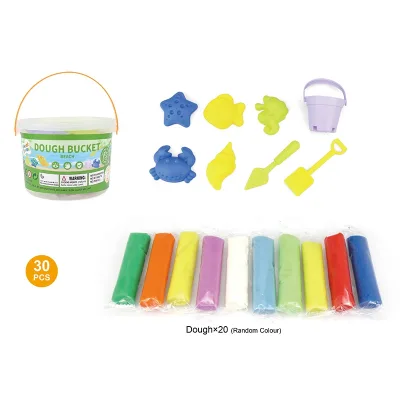
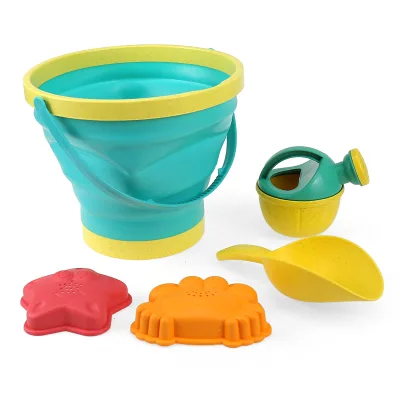
$1.6219 - $2.0611
MOQ: 480 sets
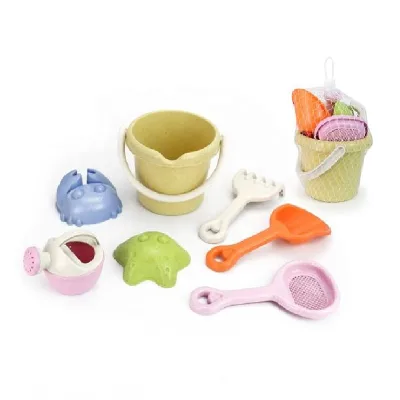
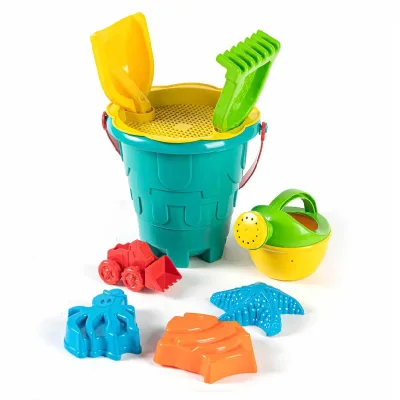
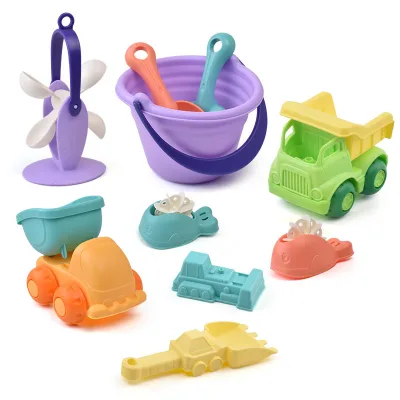
2024 Hot-selling Outdoor Summer Sand Play Toy RPP Material Beach Bucket Set 9 Pcs
$1.21 - $1.52
MOQ: 360

- Verified by BV
- Manufacturer/Factory
- China Fujian
- Lead time15 days
- Avg. response≤ 25h
Main productsWater Bottle, Kitchen Ware, Shoes, Plastic Product, Bag, Toy
Main marketsSouth America,Eastern Europe,Mid East,North America,Southeast Asia,Eastern Asia,Oceania,Western Europe,Africa

Dongguan Chengda Rubber and Plastic Co., Ltd
- Verified by SGS
- Trading Company,Manufacturer/Factory
- China Guangdong
- Lead time23 days
- Avg. response≤ 5h
Main productsSilicone Products, Machnie Part, Silicone Gifts, Silicone Bag, Medicial Products, Silicone Bra, Custom Silicone Product, Silicone Toy
Main marketsEastern Europe

- Verified by SGS
- Trading Company
- China Zhejiang
- Lead time0 days
- Avg. response≤ 11h
Main productsTents, BBQ Grill, Luggage, Kids Toy, Fitness Equpments, Cookware, Kitchen Utensils and Gadgets, Yoga Mat, Bathroom Rugs, Pets Items
Main marketsSouth America,Eastern Europe,Mid East,North America,Southeast Asia,Eastern Asia,Oceania,Western Europe,Africa


$2.43 - $2.45
MOQ: 1000 Pieces
Shantou Chenghai Hengya Toys Co., Ltd.
- Trading Company
- Guangdong, China
- Lead time30 days
- Avg. response≤ 6h
Main productsR/C Toys,Baby Toys,Vehicle Toys,Sports Toys,Girl Toys
Main marketsNorth America(30.00%), Eastern Europe(20.00%), Western Europe(20.00%), Domestic Market(10.00%), South America(10.00%), Mid East(10.00%)

Shantou XIQI Plastic Products Co., Ltd.
- Verified by SGS
- Manufacturer
- China Guangdong
- Lead time15 days
- Avg. response≤ 2h
Main productsToys Gift Electrical Equipment Household Effe
Main marketsEast Asia(Japan/ South Korea),Europe,North America

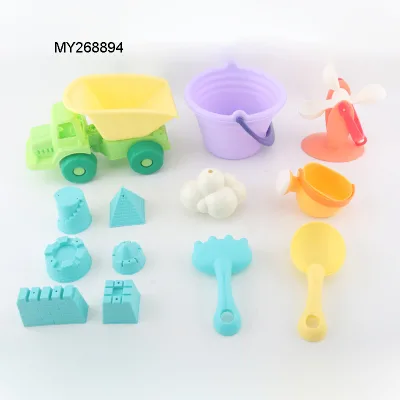
Children's Summer Outdoor Beach Toy Collection Beach Toy Bucket Collection Beach Sand Toys
$0.60 - $2.10
MOQ: 192 Pieces

Factory Soft Square Shape Silicone Folding Bucket 3L Summer Outdoor Beach Sand Bucket for Kids
$1.10 - $1.20
MOQ: 96 Sets


$2.20 - $2.30
MOQ: 36 Pieces

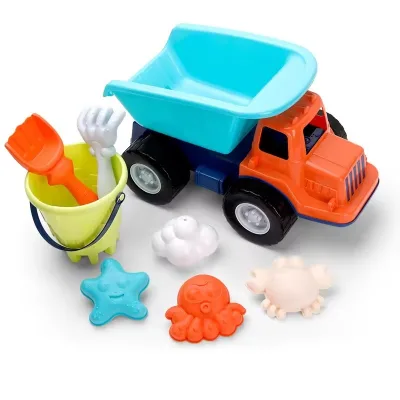
Beach Set Toys Bucket Shovel 3 in 1 Sand Outdoor Beach Play Tool Set Toys for Kids
$1.80 - $2.00
MOQ: 48 Sets

Children 8 Hourglass Sand Bucket Sand Shovel Fish Bucket Plastic Windmill Toy Set
$2.60 - $4.10
MOQ: 24 Pieces

- Verified by TUVRHEINLAND
- Combined
- China Guangdong
- Lead time23 days
- Avg. response≤ 5h
Main marketsSouth America

Wholesale Summer Outdoor Kids Sand Bucket Summer Beach Plastic Outdoor Toy
$11.53 - $11.85
MOQ: 40 Pieces

Wholesale Plastic Beach Outside Kids Beach Bucket and Spade Silicone Summer Play Sand Toy
$1.13 - $1.20
MOQ: 1200 Pieces
- Verified by SGS Group
- Trading Company
- Lead time15 days
- Avg. response≤ 3h
Main productsPlastic Toys, RC Cars, Sport Toys, Sand Beach Toys, Pretend Play Toys
Main marketsWestern Europe(84%), North America(5%), Eastern Europe(2%)
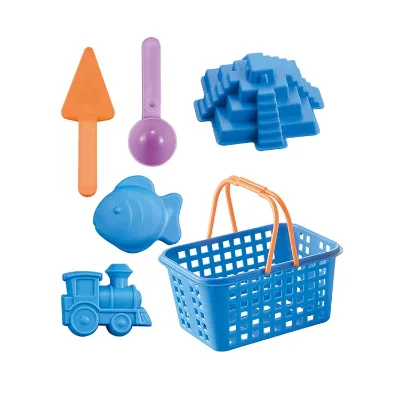
$0.97 - $1.03
MOQ: 960 pieces
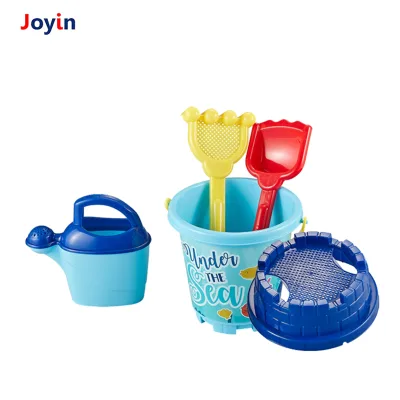
$1.4091 - $1.493
MOQ: 150 pieces

- Verified by BV
- Trading Company,Manufacturer/Factory
- China Zhejiang
- Lead time15 days
- Avg. response≤ 9h
Main productsCeramic Mug, Kitchen Storage, Water Bottle, Cookware Set, Charger Plates, Shaker Set, Storage Rack, Food Container, Kitchen Accessories, Yiwu Agent
Main marketsSouth America,Eastern Europe,Mid East,North America,Southeast Asia,Eastern Asia,Oceania,Western Europe,Africa


New Children Beach Toys Kids Play Water Toys Sand Box Set Kit Sand Bucket Summer Toys for Beach
$1.00 - $10.00
MOQ: 1000 Pieces


- Verified by TüVRheinland
- Manufacturer, Trading Company
- Lead time7 days
- Avg. response≤ 4h
Main productsPuffer Balls, Festival Puffer Balls, Animal Toys, Bouncing Balls, Beach Toys
Main marketsNorth America(32%), Domestic Market(26%), Western Europe(10%)
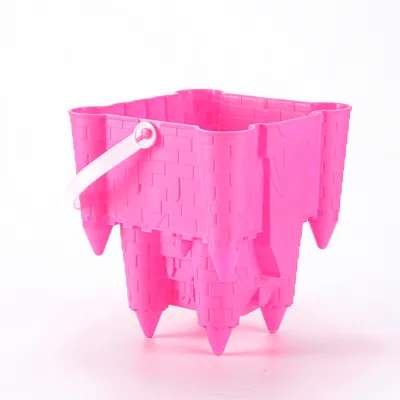
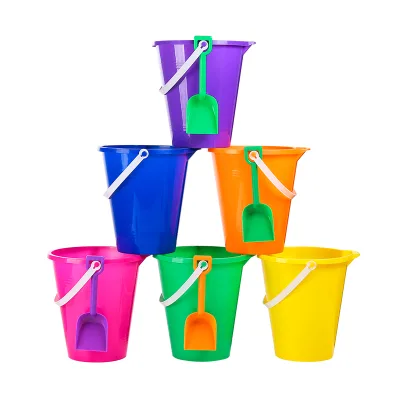
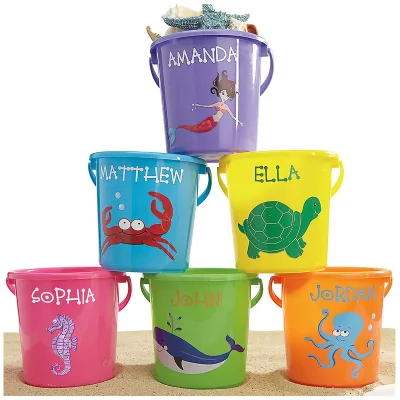
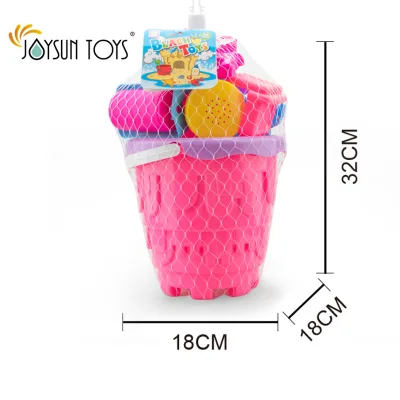
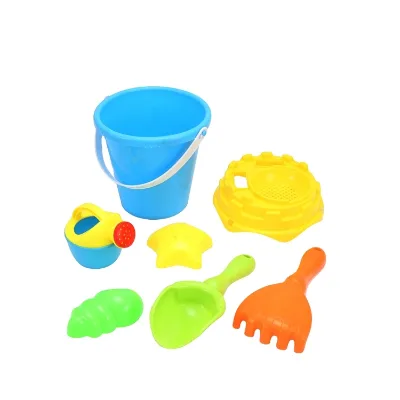
Wholesale Hot Sale Children Summer Castle Plastic Sand Bucket Beach Toy With a Shove
$0.37 - $0.39
MOQ: 1200 pieces
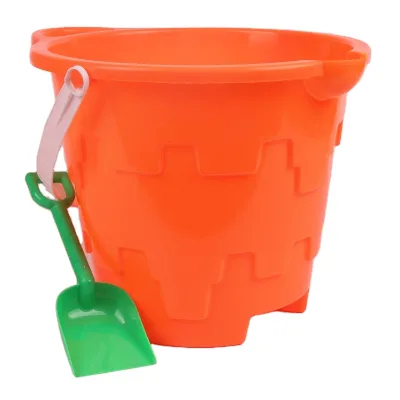
- Verified by SGS Group
- Manufacturer, Trading Company
- Lead time45 days
- Avg. response≤ 4h
Main productsBaby Toys, Play At Home Toys, Outdoor Toys
Main marketsNorth America(38%), Western Europe(23%), South America(8%)
$4.2107 - $5.0112
MOQ: 36 pieces
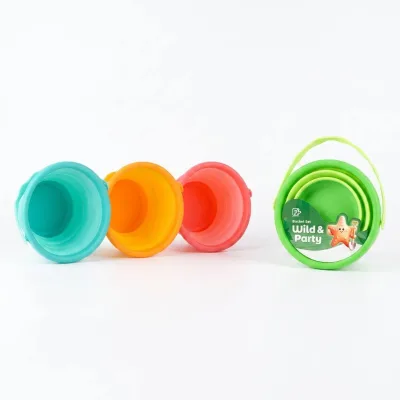

- Verified by SGS
- Trading Company
- China Zhejiang
- Lead time15 days
- Avg. response≤ 13h
Main productsTents, BBQ Grill, Folding Table and Chair, Cooler Bag, Outdoor Lamp, Beach Mat, Picnic Blanket, Sleeping Bag, Water Bottle, Hammock
Main marketsEurope,Australia

Shantou Chenghai Jiuyi Toy Factory
- Verified by BV
- Combined
- China Guangdong
- Lead time15 days
- Avg. response≤ 1h
Main productsDrone
Main marketsSouth America,Africa,Southeast Asia/ Mideast,Europe,Australia,North America
Guangzhou Baolilong Toys Trading Co., Limited
- Trading Company
- Guangdong, China
- Lead time45 days
- Avg. response≤ 8h
Main productspromotion toys,dollar chain shop toys,OEM and ODM,candy toy,capsule toy
Main marketsNorthern Europe(35.00%), Mid East(25.00%), Eastern Europe(25.00%), South Asia(10.00%), South America(5.00%)
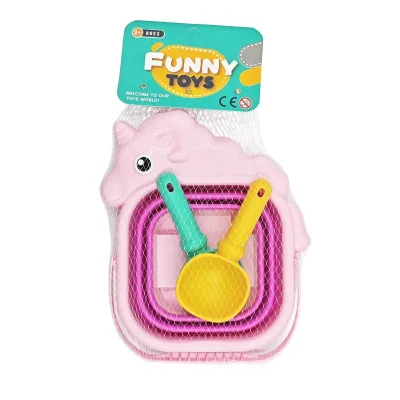
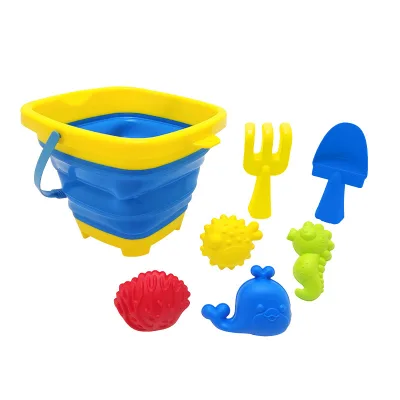
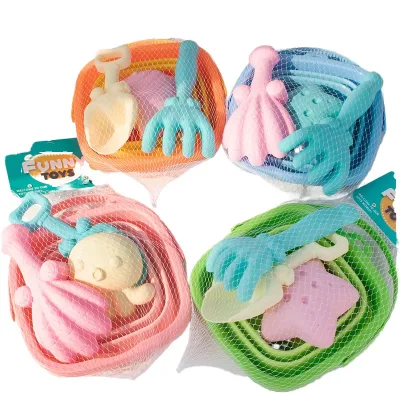
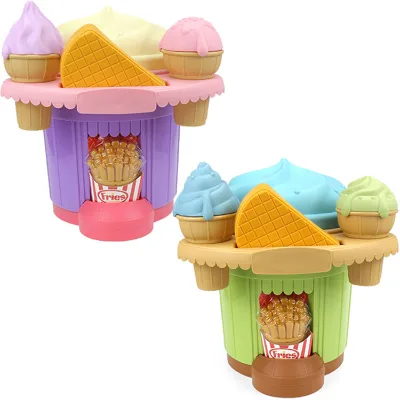
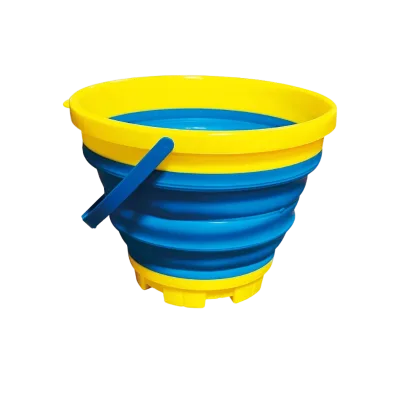
Summer Foldable Pails Collapsible Beach Sand Buckets with Shovels Multi-Purpose
$0.84
MOQ: 5000 pieces
Shantou Chenghai Zhuochen Trading Firm
- Verified by SGS Group
- Manufacturer, Trading Company
- Lead time30 days
- Avg. response≤ 4h
Main productsPlay Mat, Baby & Toddler Toys, Educational Toys, Baby Suppliers & Products, Dolls & Doll clothes Accessories
Main marketsNorth America(50%), South America(20%), Western Europe(20%)
Shantou Chenghai Bingxin Toy Factory
- Trading Company
- Guangdong, China
- Lead time35 days
- Avg. response≤ 4h
Main productsTOYS,water gun toys
Main marketsSouth America(30.00%), South Asia(20.00%), Eastern Europe(20.00%), Domestic Market(10.00%), Southeast Asia(10.00%), Southern Europe(10.00%)

- Verified by SGS
- Trading Company
- China Guangdong
- Lead time15 days
- Avg. response≤ 3h
Main productsPlastic Toys, Educational Toys, Baby Toys, RC Toys, Pretend Play Toys, Doll Toys, Robot Toys, Summer Toys, Sport Toys
Main marketsSoutheast Asia/ Mideast,Europe
Dongguan Fubang Rubber Products Co., Ltd.
- Manufacturer, Trading Company
- Guangdong, China
- Lead time20 days
- Avg. response≤ 4h
Main productsSilicone Baby Feeding Items,Silicone Household Products,Silicone Kitchenware,Silicone Pet Supply,Silicone Toys
Main marketsWestern Europe(20.00%), Northern Europe(15.00%), North America(15.00%), Eastern Asia(10.00%), South America(6.00%), Southeast Asia(6.00%), Eastern Europe(5.00%), Central America(5.00%), Southern Europe(5.00%), Domestic Market(5.00%), South Asia(3.00%), Mid East(3.00%), Oceania(2.00%)
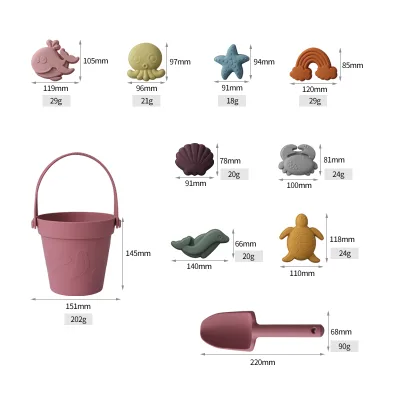
$4.8358 - $5.1461
MOQ: 500 pieces
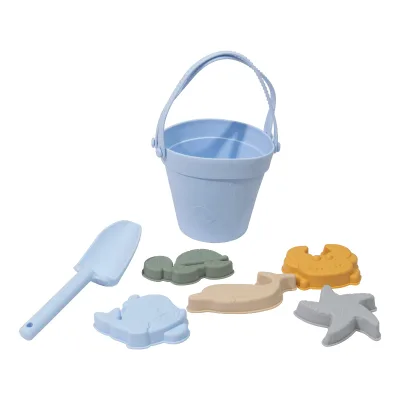
$4.8163 - $5.1236
MOQ: 500 pieces

- Verified by TUVRHEINLAND
- Combined
- China Guangdong
- Lead time15 days
- Avg. response≤ 19h
Main productsGun Toys, Child Toy, Baby Toy, Sport Toy, Outdoor Toys, Educational Toy, RC Toy, Plastic Toy
Main marketsDomestic,Europe,North America


$3.35 - $3.77
MOQ: 120 Pieces

Guangzhou Ibay International Co., Ltd.
- Verified by SGS
- Manufacturer
- China Guangdong
- Lead time30 days
- Avg. response≤ 4h
Main productsToy, Educational Toys, Children's Book, Stationery Set, Maternity and Baby Products, Printing
Main marketsSouth America,Europe,North America

Taizhou Xiongshi Plastic Mould Co., Ltd.
- Verified by SGS
- Combined
- China Zhejiang
- Lead time60 days
- Avg. response≤ 2h
Main productsMould, Plastic Mould, Injection Mould, Cap Mould, Preform Mould, Automotive Injection Mould, Household Injection Mould, Home Appliance Injection Mould, Industrial Part Mould, Motorcycle Injection Mould
Main marketsOthers(foreignTradeCapacity.exportBusinessCapacityMarketOther)

Environmental Portable Water Sand Beach Plastic Pail Bucket Injection Mold for Kid Funny Bucket
$3000.00 - $6000.00
MOQ: 1 Sets

$3000.00 - $6000.00
MOQ: 1 Sets
Ningbo Ags Imp. & Exp. Co., Ltd.
- Verified by TüVRheinland
- Manufacturer, Trading Company
- Zhejiang, China
- Lead time50 days
- Avg. response≤ 3h
Main productsInflatable Pool Float, Pool Loungers, Inflatable Swimming Pool, Inflatable furniture, Airbeds
Main marketsEastern Europe(26%), North America(21%), Western Europe(17%)
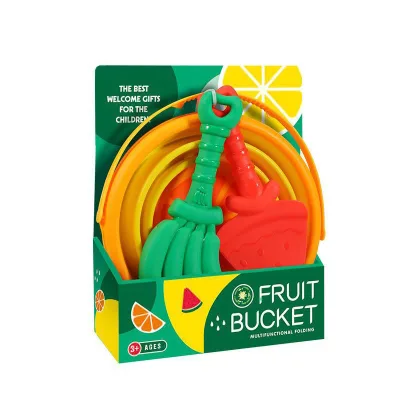
$1.7433 - $2.6667
MOQ: 3000 pieces
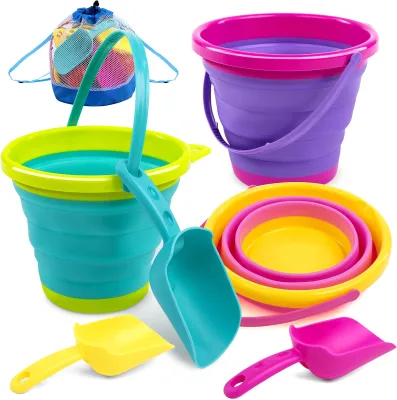
$1.6429 - $2.5678
MOQ: 3000 pieces
Shantou Chenghai Givelong Toys Gift Factory
- Verified by Intertek
- Manufacturer, Trading Company
- Lead time7 days
- Avg. response≤ 5h
Main productsTable Lamp, Mini Fan, Kitchen Toys, RC Car, Baby Toys
Main marketsDomestic Market(18%), North America(13%), Eastern Europe(12%)

Xiamen Newtop Material Company
- Verified by TUVRHEINLAND
- Combined
- China Fujian
- Lead time15 days
- Avg. response≤ 3h
Main productsSilicone Pet Prodcuts, Silicone Housewares Product, Silicone Baby Product, Silicone Parts, Silicone Cap, Silicone Breast Pump, Slow Feeder, Silicone Pet Mat, Silicone Gasket, Silicone Hose
Main marketsEurope,North America
- Manufacturer, Trading Company
- Lead time旺季: "1 - 500":15,"501 - 3000":25,"3001 - 5000":35,"> 5000":"To be negotiated", 淡季: "1 - 500":15,"501 - 3000":25,"3001 - 5000":35,"> 5000":"To be negotiated"
- Avg. response≤ 6h
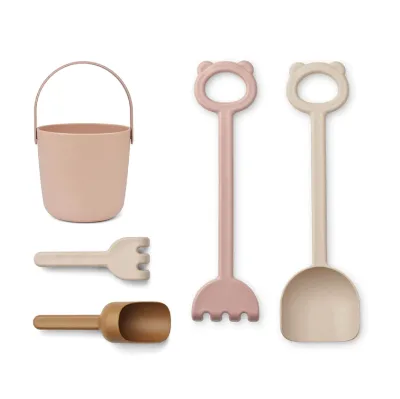
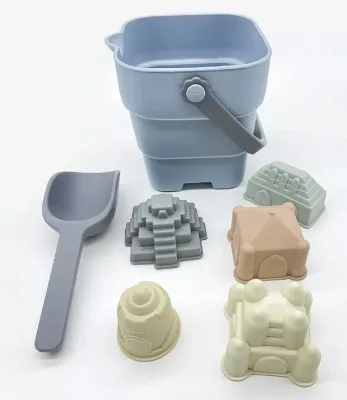
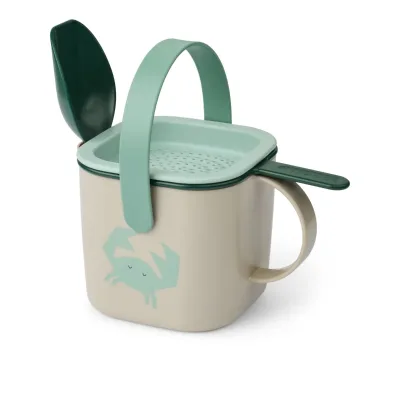
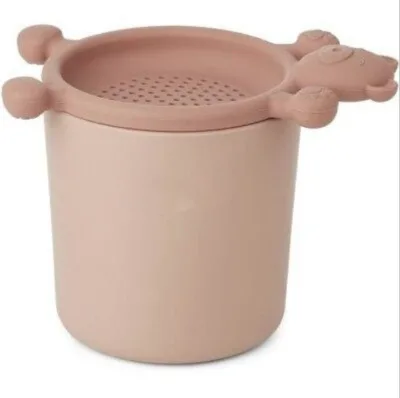
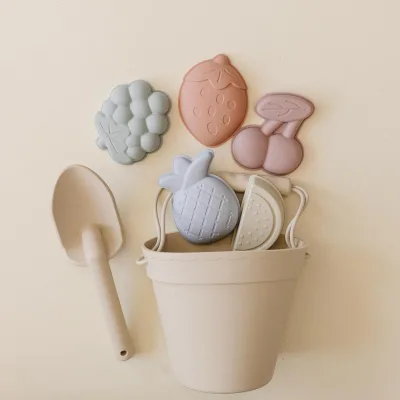
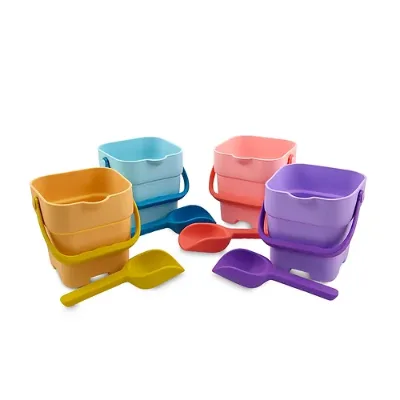
Main productsSilione beach set, Silicone bath toys, Silicone suction toys, Silicone doctor toys, Silicone educational toys
$5.1131 - $5.8011
MOQ: 40 sets

Milesun Rubber & Plastic Technology Co., Ltd.
- Verified by CTI
- Manufacturer/Factory
- China Guangdong
- Lead time23 days
- Avg. response≤ 13h
Main productsRubber Components, Rubber Damper/Shock Absorber/Sheet, Rubber-Metal Components, Sealing Ring, Home Appliance Rubber and Metal Components, Power Tool Rubber and Metal Components, Auto Rubber and Metal Components, Sanitary Rubber and Metal Components, Kitchen Ware / Daily Use Rubber Products, Food Grade Rubber Products/Toy
Main marketsSouth America,Eastern Europe,Mid East,North America,Southeast Asia,Eastern Asia,Oceania,Western Europe,Africa
Shantou Chenghai Hua Nuo Intelligent Technology Co., Ltd.
- Verified by SGS Group
- Manufacturer, Trading Company
- Lead time20 days
- Avg. response≤ 4h
Main productsKid Makeup Toy, Educational Toy, Water Gun, RC Toy-RC Car, Bubble Toys
Main marketsNorth America(40%), Eastern Europe(20%), South America(10%)
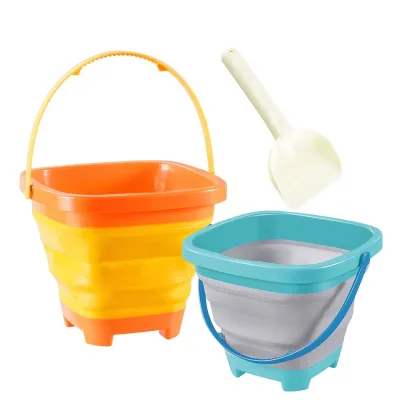
Kids Collapsible Bucket Castle Molds Shovels Tool Kits Foldable Sand Toys Set Beach Buckets
$1.28 - $1.58
MOQ: 5 pieces
Quanzhou Lanjin Chuangze Trading Co., Ltd.
- Trading Company
- Fujian, China
- Lead time7 days
- Avg. response≤ 5h
Main productsSales of maternal and infant products,Hardware fittings,Toys,Clothing customization,Shoes and hats
Main marketsDomestic Market(1.00%), South Asia(1.00%), Southern Europe(1.00%), Northern Europe(1.00%), Central America(1.00%), Western Europe(1.00%), Eastern Asia(1.00%), Mid East(1.00%), Oceania(1.00%), Africa(1.00%), Southeast Asia(1.00%), Eastern Europe(1.00%), South America(1.00%), North America(1.00%)

Zhongshan Mingxin Silicone Manufactory
- Verified by SGS
- Combined
- China Guangdong
- Lead time15 days
- Avg. response≤ 5h
Main productsSilicone Kitchenware, Silicone Keypaid, Silicone Bracelet, Silicone Wristband, Silicone Ashtray, Silicone Tube, Silicone Watch, Silicone Rubber, Silicone Sex Doll, Silicone Mold
Main marketsEurope,North America

Summer Outdoor Collapsible Sand Toys Travel Beach Set Silicone Beach Bucket Sand Toys Set
$6.50 - $6.80
MOQ: 100 Sets

6PCS Silicone Beach Toy Shovel Set Sand Bucket Molds with Bag for Toddlers Kids
$6.50 - $6.80
MOQ: 100 Sets

Shenzhen Dimenqi Toys Co., Ltd.
- Manufacturer, Trading Company, Agent, Distributor/Wholesaler
- Guangdong, China
- Lead time7 days
- Avg. response≤ 2h
Main productsRC toy,Home Cooking Tools,gun,Kitchen toys,Kids EDUCATIONAL TOYS
Main marketsNorthern Europe(25.00%), Western Europe(20.00%), North America(20.00%), South America(10.00%), Southern Europe(10.00%), Africa(10.00%), Southeast Asia(5.00%), South Asia(5.00%), Mid East(5.00%), Central America(5.00%)
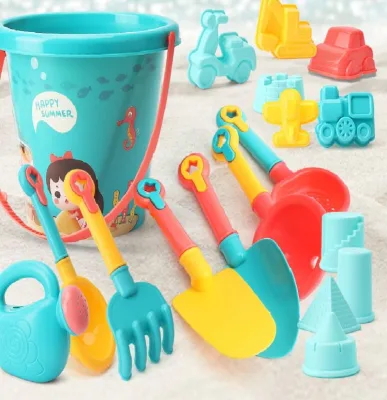
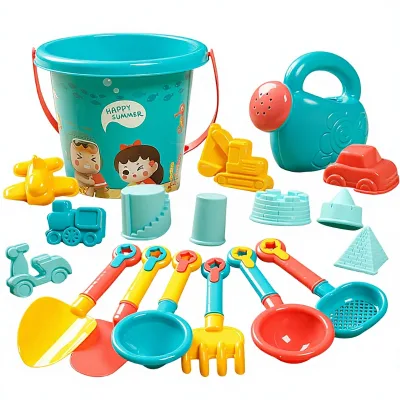
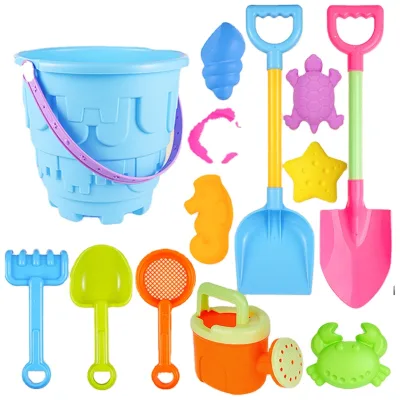
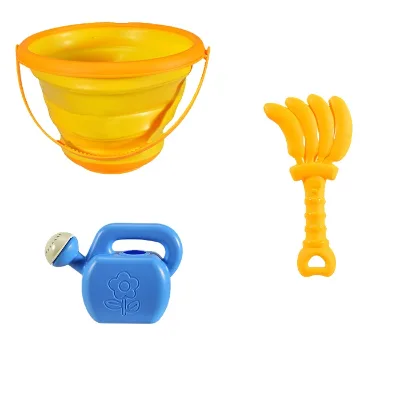
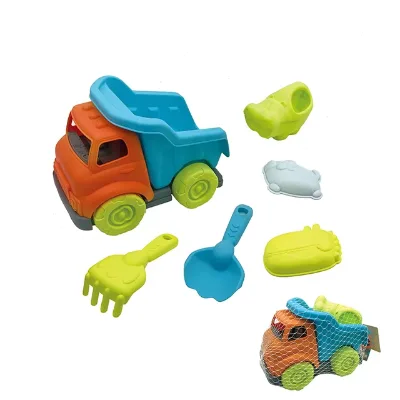
Kids 3-10 Years Old Outdoor Beach Sand Toys Set Plastic Watering Can Shovel Rake Sand Molds
$1.0688 - $1.562
MOQ: 10 Minimum
Suzhou Innovation Packaging Materials Co., Ltd.
- Verified by Intertek
- Trading Company
- Lead time15 days
- Avg. response≤ 3h
Main productsPlastic Containers, Household Containers, Outdoor Containers, Folding Containers
Main marketsOceania(35%), North America(30%), South America(8%)
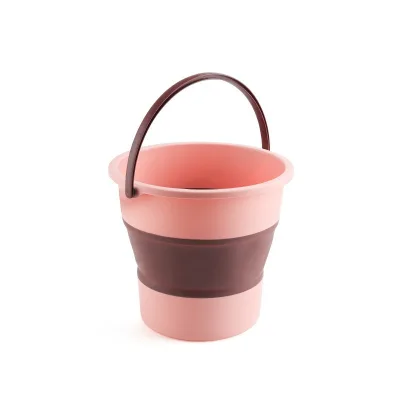
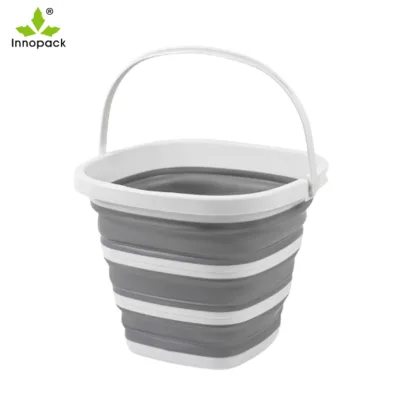
Custom logo Supply Multifunctional Folding Bucket Portable Travel Portable Beach Toy Bucket
$1.0778 - $1.3341
MOQ: 500 pieces








Comprehensive Sourcing Guide
Kids Beach Sand Bucket Supplier Concentration and Factory Types
The current supplier landscape for kids beach sand buckets reveals a distinct concentration of manufacturing activity within China, specifically in the Guangdong province. This regional clustering is significant because it indicates a mature industrial ecosystem where raw material supply chains, injection molding capabilities, and logistics networks are highly optimized for plastic toy production. When evaluating potential partners, buyers should recognize that suppliers located in this region often benefit from established infrastructure that supports high-volume output. The presence of both combined trading companies and pure manufacturers in the results suggests a diverse market structure. Combined entities may offer broader product assortments, such as remote control cars or educational toys alongside beach buckets, which can simplify sourcing for buyers looking for a one-stop shop. However, pure manufacturers might provide deeper specialization in specific toy categories, potentially offering more competitive pricing or technical expertise for custom plastic molding projects. Understanding this factory type distinction is crucial for aligning your procurement strategy with your operational needs, whether you prioritize variety or specialized production capacity.
Within this concentrated region, the types of companies available range from small workshops to large-scale factories with extensive OEM and ODM capabilities. The data indicates that many suppliers offer both Original Equipment Manufacturing and Original Design Manufacturing services, allowing buyers to either produce their own designs or leverage existing supplier innovations. This flexibility is particularly valuable for brands seeking to differentiate their Kids Beach Sand Bucket offerings through unique shapes, colors, or functional additions like collapsible features or integrated tools. Buyers should assess whether a supplier’s primary focus aligns with their volume requirements and customization expectations. For instance, a supplier listing main products like summer toys and pretend play sets might have the mold inventory and production lines ready to accommodate quick changes for beach bucket designs. Conversely, a supplier focusing heavily on vehicle toys or dolls might have different operational strengths. By identifying the specific factory type and its associated capabilities, buyers can better predict lead times, quality consistency, and the level of support available during the product development phase, ensuring a smoother partnership from initial inquiry to final delivery.
How to Verify Kids Beach Sand Bucket Suppliers
Verification is a critical step in mitigating risk when sourcing kids beach sand buckets, especially given the stringent safety regulations governing children’s products. Buyers should prioritize suppliers who display third-party verification badges, such as BV (Bureau Veritas), which indicates that the company has undergone a rigorous assessment of its business legitimacy and operational capabilities. This verification status serves as an initial filter, helping to distinguish established entities from potentially unreliable sources. Beyond basic verification, it is essential to examine the specific certifications listed for the products themselves. The current results show various certification claims, including ENASTM, CE, EN71, and EN62115. These standards are not interchangeable; EN71 and ASTM F963 are critical for toy safety in European and American markets, respectively. Buyers must confirm that the supplier can provide valid, up-to-date test reports from accredited laboratories for the specific models they intend to purchase. Relying solely on a supplier’s claim of certification without requesting documentary proof can lead to compliance failures at customs or in retail channels.
In addition to product certifications, buyers should evaluate the supplier’s responsiveness and transparency as indicators of reliability. The response time metric, which appears in the supplier data, offers a quantitative measure of how quickly a potential partner communicates. A faster response time often correlates with better customer service and more efficient problem-solving during the sourcing process. Buyers should also look for detailed product attributes that demonstrate a supplier’s attention to detail, such as specific packing standards, material compositions, and age recommendations. For example, some suppliers specify materials like PP (Polypropylene) or plastic, and provide precise dimensions for their beach bucket sets. These details help buyers assess whether the supplier understands the technical requirements of their product. Furthermore, checking for OEM availability and sample policies is vital. Suppliers that explicitly state that samples are available and provide sample times allow buyers to physically inspect quality before committing to large orders. This hands-on verification process, combined with digital due diligence, creates a robust framework for selecting trustworthy suppliers who can deliver safe, high-quality kids beach sand buckets.
What to Compare Across Kids Beach Sand Bucket Suppliers
When comparing suppliers, buyers must look beyond the unit price and consider a holistic set of commercial and operational metrics. One of the most significant variables is the Minimum Order Quantity (MOQ), which can vary dramatically across different suppliers. The data shows MOQs ranging from as low as 120 pieces to as high as 960 pieces for similar beach bucket products. This variance allows buyers with different inventory strategies to find suitable partners; smaller MOQs are ideal for testing new markets or managing cash flow, while larger MOQs often unlock lower per-unit costs. Alongside MOQ, the lead time is a critical factor for supply chain planning. Suppliers with lead times around 23 days or production times of 7-15 days offer different scheduling flexibility. Buyers should compare these timelines against their sales cycles to ensure they can replenish stock without facing stockouts or excessive inventory holding costs. Additionally, the response time metric provides insight into the supplier’s operational efficiency. A supplier with a lower response time may be more agile in addressing queries, negotiating terms, or resolving issues, which can be invaluable during the initial stages of a partnership.
Another key dimension for comparison is the range of main products and customization options offered. Suppliers listing a broad array of main products, such as educational toys, remote control cars, and summer toys, may offer synergistic sourcing opportunities. This breadth can simplify logistics if a buyer intends to consolidate shipments of various toy categories. However, buyers should also assess the depth of customization available. Some suppliers offer full customization with logo printing, pad printing, or silk printing, while others may have limited options like simple color variations. The material composition is another crucial comparison point; while most suppliers use plastic, some specify PP, which may have different durability or environmental characteristics. Buyers should also compare the packaging standards, such as carton versus net bag packing, as this affects shipping volume and cost efficiency. By systematically comparing these attributes—MOQ, lead time, response speed, product range, and customization depth—buyers can create a weighted scoring model to identify the supplier that best aligns with their specific business goals, whether those goals prioritize cost, speed, flexibility, or product variety.
Common Kids Beach Sand Bucket Sourcing Risks
Sourcing kids beach sand buckets involves several inherent risks that buyers must proactively manage to ensure a successful procurement process. One of the primary risks is non-compliance with international safety standards. Since these products are intended for children, they are subject to rigorous testing for chemical composition, physical hazards, and mechanical safety. Suppliers may claim compliance with standards like EN71 or ASTM, but without verified test reports, there is a significant risk that the products could fail inspection upon arrival in the destination country. This can lead to product recalls, legal liabilities, and damage to brand reputation. Buyers must ensure that their suppliers have a robust quality control system in place and are willing to provide comprehensive documentation. Additionally, the risk of material defects is prevalent in plastic toy manufacturing. Issues such as brittle plastic, sharp edges, or color fading can arise if the supplier uses low-quality raw materials or has inconsistent molding processes. Buyers should request samples to physically inspect the product’s durability and finish, paying close attention to the quality of the plastic and the precision of the molding.
Another significant risk is the variability in supplier performance and communication. The data shows a range of response times, indicating that some suppliers may be slower to engage, which can delay the sourcing process and impact time-to-market. Poor communication can also lead to misunderstandings regarding product specifications, packaging requirements, or shipping instructions, resulting in errors that are costly to rectify. Furthermore, there is a risk of intellectual property infringement if buyers work with suppliers who do not respect design confidentiality. Buyers should ensure that their designs are protected through non-disclosure agreements and that the supplier has a track record of respecting IP rights. Additionally, the risk of logistical delays cannot be overlooked. Suppliers located in specific regions may face port congestion or shipping capacity issues, which can extend lead times beyond the quoted estimates. Buyers should maintain open communication with their suppliers regarding production status and shipping arrangements, and consider having contingency plans in place, such as alternative suppliers or shipping methods, to mitigate these potential disruptions. By identifying and addressing these risks early in the sourcing process, buyers can build a more resilient and reliable supply chain for their Kids Beach Sand Bucket products.
Kids Beach Sand Bucket Regional Sourcing and Logistics
The regional concentration of suppliers in China, particularly in Guangdong, offers distinct advantages and challenges for sourcing kids beach sand buckets. Guangdong is a major manufacturing hub for toys, benefiting from a dense network of suppliers, raw material providers, and logistics services. This clustering facilitates efficient production and reduces lead times for manufacturing. However, buyers must also consider the logistical implications of sourcing from this region. The proximity to major ports like Shenzhen and Shantou, as indicated in some supplier data, simplifies the export process and provides multiple shipping options. Buyers can choose between sea freight, air freight, or express delivery based on their urgency and budget constraints. Sea freight is typically the most cost-effective option for large volumes of beach buckets, which are often bulky and lightweight. Air freight may be necessary for urgent replenishments or smaller orders, while express delivery is suitable for samples or very small quantities. Understanding these logistics options allows buyers to optimize their shipping strategy and manage costs effectively.
In addition to port proximity, buyers should evaluate the supplier’s experience with international shipping and documentation. Suppliers who frequently export to various markets are likely to be familiar with the necessary customs documentation, labeling requirements, and compliance standards for different regions. This expertise can streamline the import process and reduce the risk of delays at customs. Buyers should also consider the impact of regional trade policies and tariffs on their total landed cost. While sourcing from China may offer competitive manufacturing costs, buyers must factor in import duties, taxes, and any potential trade barriers that could affect their profitability. Furthermore, the environmental and social responsibility of the supply chain is increasingly important. Buyers should assess whether their suppliers adhere to sustainable manufacturing practices and ethical labor standards, as these factors can influence brand perception and regulatory compliance in many markets. By carefully evaluating the regional logistics landscape and the supplier’s logistical capabilities, buyers can ensure a smooth and efficient supply chain for their Kids Beach Sand Bucket products, minimizing disruptions and maximizing value.
Kids Beach Sand Bucket Commercial Terms and Order Planning
Effective order planning for kids beach sand buckets requires a thorough understanding of commercial terms and financial considerations. Pricing is a primary factor, with unit costs varying based on order volume, customization level, and material quality. The data shows price ranges that reflect these variables, with basic plastic buckets starting at lower price points and more complex, customized sets commanding higher prices. Buyers should negotiate pricing based on their projected order volumes and seek volume discounts where applicable. Additionally, payment terms are crucial for cash flow management. Buyers should clarify whether suppliers require upfront deposits, letters of credit, or open account terms, and assess the financial risk associated with each option. Escrow services can provide an additional layer of security by holding funds until the buyer confirms receipt and quality of the goods. Understanding these payment structures helps buyers manage their financial exposure and maintain healthy supplier relationships.
Beyond pricing and payment, buyers must plan for the total cost of ownership, which includes shipping, insurance, customs duties, and potential warehousing costs. The MOQ and lead time directly impact inventory planning; higher MOQs require larger capital outlays and storage space, while longer lead times necessitate earlier ordering and potentially higher safety stock levels. Buyers should align their order quantities with their sales forecasts and storage capacity to avoid overstocking or stockouts. Furthermore, buyers should
FAQs
What is the price range for kids beach sand buckets?
Prices for plastic beach buckets typically range from $0.45 to $3.35 per unit. The final cost depends on the set size, material quality, and customization options. Buyers should check specific product listings for exact pricing tiers based on order volume and design requirements.
What certifications are available for these beach toys?
Many suppliers offer products certified to EN71, ASTM, and CE standards. Some listings also mention HR4040 and 3C certifications. These ensure the toys meet international safety requirements for children. Buyers should verify the specific certificate listed for each product model before placing orders.
What is the minimum order quantity for beach buckets?
Minimum order quantities vary significantly by supplier and product design. Ranges observed include 120, 180, 300, 480, and 960 units. Lower MOQs are often available for standard items, while customized designs may require higher volumes. Check individual product pages for precise MOQ details.
Where are these beach toys manufactured?
Most suppliers are located in Guangdong, China, with many specifically based in Shantou. This region is a major hub for toy manufacturing. Buyers can expect efficient logistics from ports like Shantou or Shenzhen. Verify the exact origin listed for each product to confirm manufacturing location.
Can I customize the beach bucket designs?
Customization is widely available, including OEM and ODM services. Buyers can often request custom logos, colors, and packaging. Some suppliers offer full-color printing or pad printing options. Lead times for customized orders may vary, so confirm production schedules and design approval processes with the supplier.
What is the typical response time for suppliers?
Supplier response times generally range from 4.45 to 5.08 hours. This indicates a relatively quick turnaround for initial inquiries. Faster response times can help streamline the sourcing process. Buyers should contact multiple suppliers to compare responsiveness and service quality before making a final decision.
What materials are used for these beach buckets?
Most beach buckets are made from durable plastic materials like PP. Some products may use silicone or other safe plastics. The material choice affects durability and safety. Buyers should check product specifications to ensure the material meets their quality standards and safety requirements for children's toys.