Kids Popping Candy Lollipop Suppliers and Manufacturers
Find 24 verified suppliers offering Kids Popping Candy Lollipop with BRC, HACCP, and ISO certifications. Compare response times, lead times, and MOQs to source custom OEM options from Guangdong factories. Review product details and request quotes today; review the available evidence before requesting comparable quotations from suitable candidates.
Updated
Suppliers List

- Verified by TUVRHEINLAND
- Trading Company,Manufacturer/Factory,Other
- China Guangdong
- Lead time0 days
- Avg. response≤ 15h
Main productsCandy, Lollipop, Biscuit, Chewing Gum, Olivary Gum, Pectol Mint Candy, Bubble Gum, Toy Candy, Hard Candy, Jelly

CHAOZHOU QIAOXIANG FOODSTUFF FACTORY
- Verified by BV
- Trading Company,Manufacturer/Factory
- China Guangdong
- Lead time30 days
- Avg. response≤ 15h
Main productsLollipop, Candy, Hard Candy, Fruit Candy, Confectionery, Sweets, Candy Relating Items
Main marketsSouth America,Eastern Europe,Mid East,North America,Southeast Asia,Eastern Asia,Oceania,Western Europe,Africa

Lollipop with Popping Candy Fruit Flavored Lollipop Toy Candy Children's Sweets
$0.033 - $0.034
MOQ: 360000 Pieces

Lollipop with Popping Candy Fruit Flavored Lollipop Toy Candy Sweets
$0.033 - $0.034
MOQ: 360000 Pieces


Lollipop with Popping Candy Fruit Flavored Lollipop Toy Candy Snack
$0.033 - $0.034
MOQ: 360000 Pieces

Lollipop with Popping Candy Fruit Flavored Lollipop Toy Candy Confectionery
$0.033 - $0.034
MOQ: 360000 Pieces

Lollipop with Popping Candy Fruit Flavored Lollipop Toy Candy Candy Factory
$0.033 - $0.034
MOQ: 360000 Pieces
Shantou Yangyu Foodstuff Co., Ltd.
- Trading Company
- Lead time旺季: "1 - 30000":20,"> 30000":"To be negotiated", 淡季: "1 - 30000":20,"> 30000":"To be negotiated"
- Avg. response≤ 4h
Main productscandy,chewing gum,candy toys,lollipop,chocolate
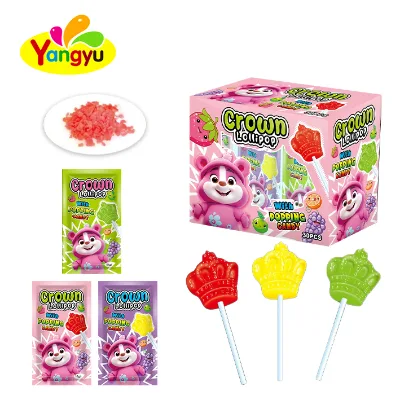
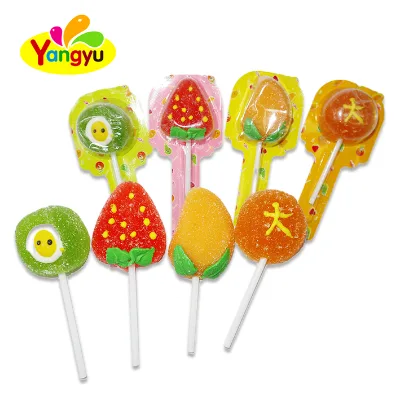
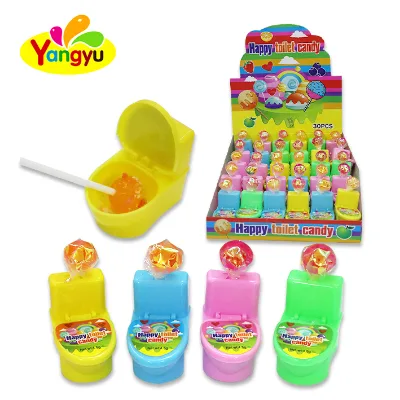
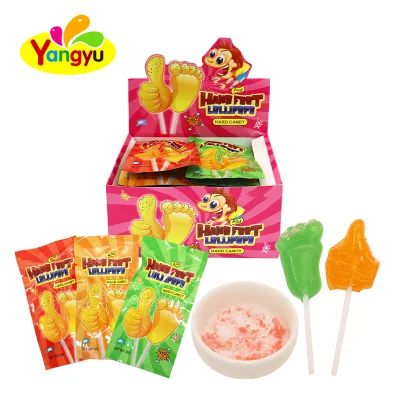
Children's Candy Snack Candy Little Yellow Duck Soft Candy Lollipop
$2.5941 - $2.6988
MOQ: 25000 pieces
Chaozhou Chaoan Happiness Food Co., Ltd.
- Manufacturer, Trading Company
- Guangdong, China
- Lead time20 days
- Avg. response≤ 5h
Main productshard candy,soft candy,lollipop
Main marketsMid East(30.00%), Africa(30.00%), Southeast Asia(15.00%), South America(15.00%), Domestic Market(5.00%), Northern Europe(5.00%)
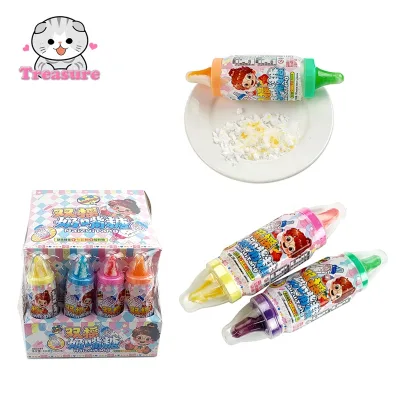
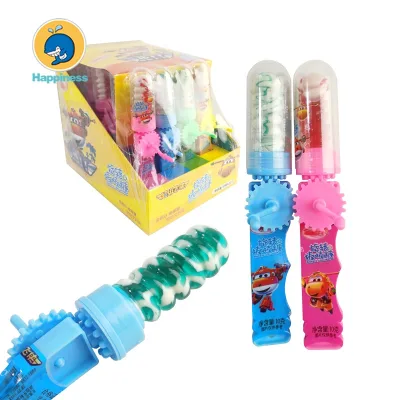
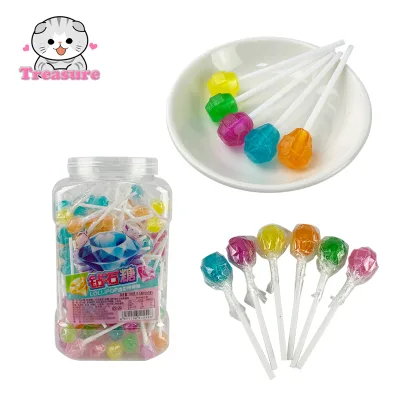
OEM New Item Sweets Lollipop Candy Individually Wrapped Fruity Hard Candy Lollipop
$20.00 - $30.00
MOQ: 500
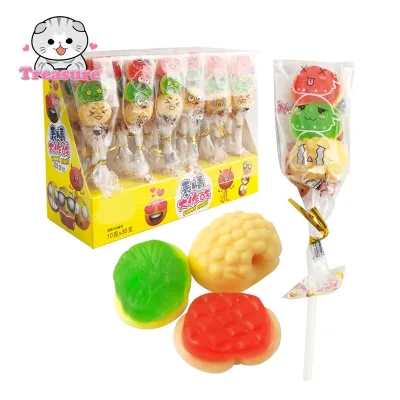
Cartoon Facial Expression Gummy Candy Stick Lollipop
$20.00 - $30.00

Shantou Jinju Candy Toy Co., Ltd.
- Trading Company
- Guangdong, China
- Lead time0 days
- Avg. response≤ 3h
Main productsCandy
Main marketsNorth America(30.00%), Western Europe(20.00%), Mid East(15.00%), South America(15.00%), Eastern Europe(10.00%), Southern Europe(5.00%), Northern Europe(5.00%)
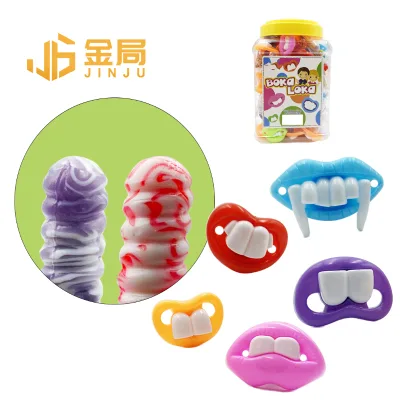
Halloween Kids Candy Tooth Mouth Shape Lollipop Hard Candy Sweets Lollipop Candy
$21.00 - $25.00
MOQ: 50 Minimum

New Product Halal Sweet Fruity Lollipop Double Shake Sugar Lolly Pop Kids Candy Toy Lollipop
$34.00 - $38.00
MOQ: 10 Minimum
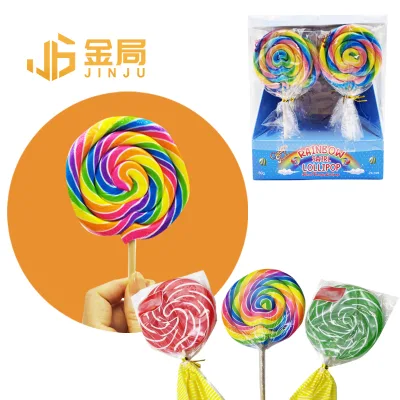
80g Variety Party Custom Lollipops Kids Swirl Pops Candy Lollipop Hard Candy Swirl Lollipop
$23.50 - $25.50
MOQ: 500 cartons
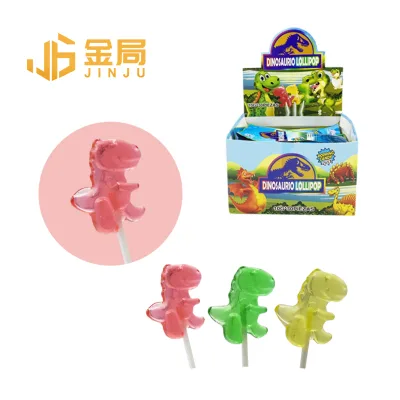
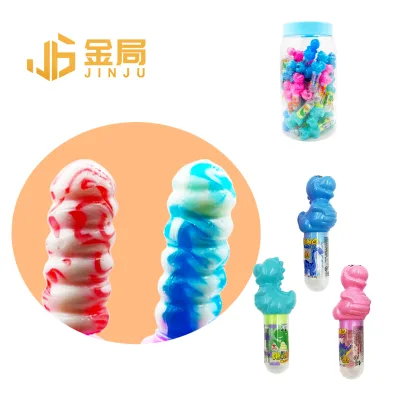
High Quality Kids Delicious Hard Lollipop Candy Hard Candy Sweets Lolly Dinosaur Lollipop
$21.6666 - $25.7925
MOQ: 50 Minimum
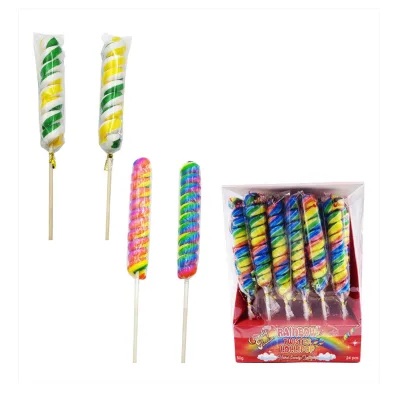
Wholesale Children Lolly Leisure Food Wave Plate Spiral Twist Lollipop Hard Candy Lollipops
$21.00 - $25.00
MOQ: 50 Minimum
- Trading Company
- Guangdong, China
- Lead time25 days
- Avg. response≤ 2h
Main productsChocolate,Candy,Marshmallow,Bubble Gum,Toy candy
Main marketsMid East(45.00%), Eastern Europe(45.00%), Africa(10.00%)
Guangdong Chuanghui Foodstuffs Co., Ltd.
- Verified by SGS Group
- Manufacturer, Trading Company
- Lead time30 days
- Avg. response≤ 3h
Main productsPop Rocks popping candy, 16g Flat lollipop with Popping candy, 2 in 1 Double Flavors Lollipop, Sour powder filled Rainbow Gummy, Straw gummy candy with sour powder
Main marketsDomestic Market(30%), South America(15%), Central America(14%)
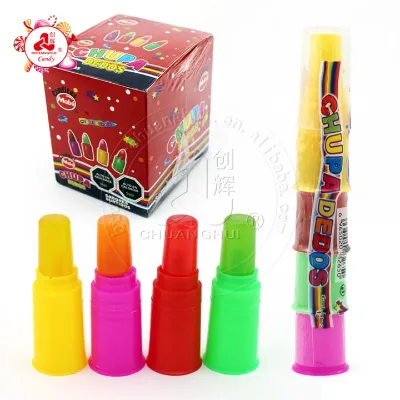
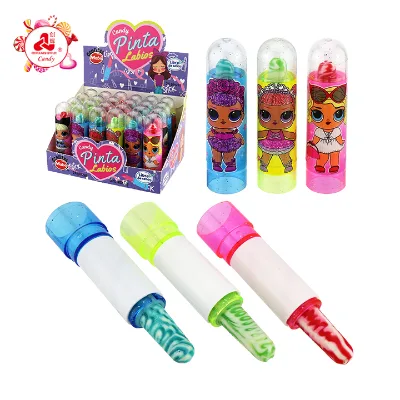
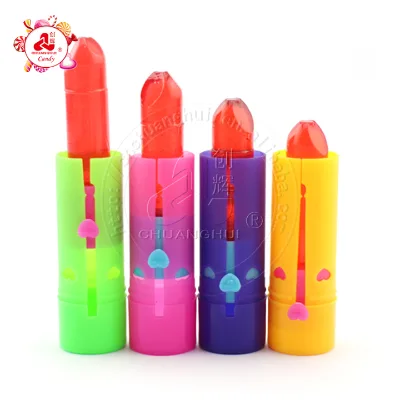
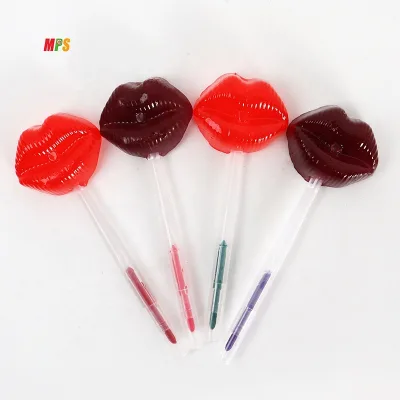
High Quality 4 Colours Lipstick Candy for Kids / Lipstick Lollipop for Girl
$26.00 - $30.00
MOQ: 500 Minimum

- Manufacturer/Factory
- China Guangdong
- Lead time30 days
- Avg. response≤ 4h
Main productsCandy, Marshmallow Candy, Gummy Candy, Lollipop Hard Candy, Liquid Candy Chocolate Egg, Jelly Candy Chocolate Candy, Bubble Gum, Chewy Candy, Candy Powder, Candy Toy
Main marketsSouth America,Eastern Europe,Mid East,North America,Southeast Asia,Eastern Asia,Oceania,Western Europe,Africa

Wholesale Dulces Halal Fruity Sweet Candy Toys Kids Lollipop with Popping Candy
$20.00 - $25.00
MOQ: 500 Boxes


Jinjiang Xiexiang Trade Corp., Ltd.
- Verified by CTI
- Trading Company
- China Fujian
- Lead time30 days
- Avg. response≤ 23h
Main productsCandy, Confectionary, Sweet, Chocolate, Snack, Food, Bubble Gum, Lollipop, Milk Candy, Spray Candy
Main marketsAfrica,Southeast Asia/ Mideast,East Asia(Japan/ South Korea)

Guangdong Haiyi Health Technology Co., Ltd.
- Verified by SGS
- Combined
- China Guangdong
- Lead time15 days
- Avg. response≤ 15h
Main marketsSouth America,Southeast Asia/ Mideast,East Asia(Japan/ South Korea),Europe,North America

Big Packing Lollipop + Popping Candy Sweet Gift for Children Lollipop Wholesale Candy
$0.08 - $0.10
MOQ: 500 Pieces

Big Packing Lollipop + Popping Candy Halloween Gift for Children Lollipop Wholesale Candy
$0.08 - $0.10
MOQ: 500 Pieces

Big Packing Lollipop + Popping Candy Funny Gift for Children Lollipop Wholesale Candy
$0.08 - $0.10
MOQ: 500 Pieces

Big Packing Lollipop + Popping Candy Children's Favorite Lollipop Wholesale Candy
$0.08 - $0.10
MOQ: 500 Pieces
Lianyungang Jiayun International Trade Co., Ltd.
- Verified by Intertek
- Manufacturer, Trading Company
- Lead time30 days
- Avg. response≤ 4h
Main productsLollipop, Chocolate, Hard Candy, Marshmallows, Gummy Candy
Main marketsNorth America(30%), Southeast Asia(20%), Mid East(20%)
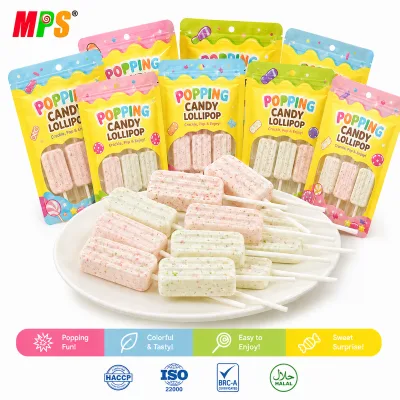
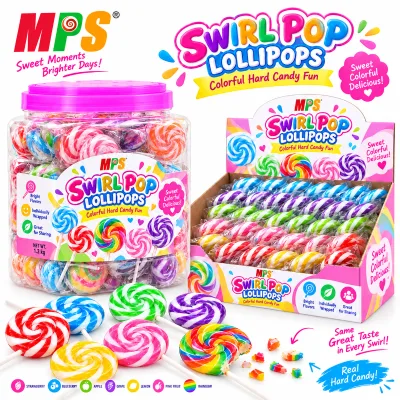
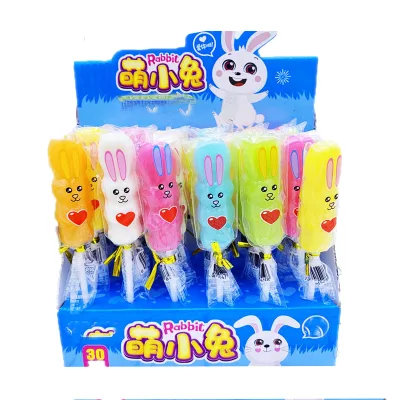
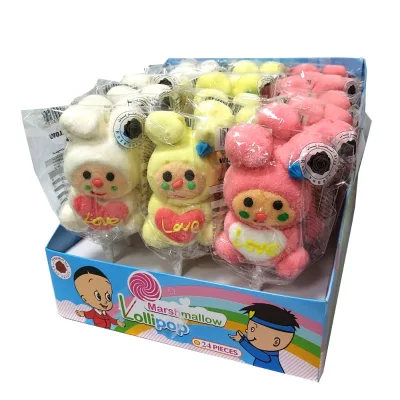
OEM CUSTOM Cute Cartoon Shape Lollypop Children's Candy Snack Animal Rabbit Lollipop
$0.0513 - $0.0821
MOQ: 100 Minimum
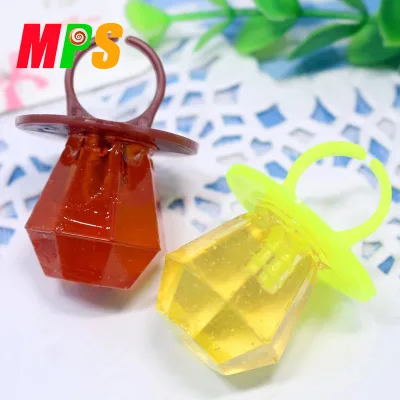
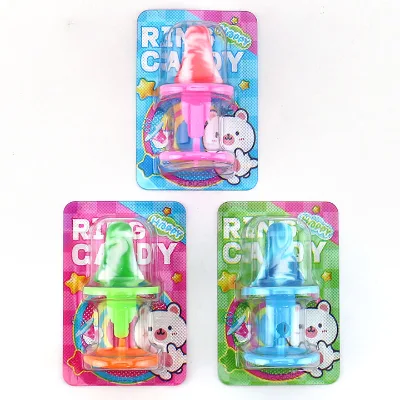
Hot Funny Ring Pop Lollipop Candy Toys for Wholesale
$0.08 - $0.09

Guangdong Chuanghui Foodstuffs Co., Ltd.
- Verified by BV
- Combined
- China Guangdong
- Lead time30 days
- Avg. response≤ 5h
Main productsCandy, Toy Candy, Lollipop, Soft Candy, Bubble Gum, Jelly, Cc Stick, Pressed Candy, Popping Candy, Chocolate
Main marketsSouth America,Southeast Asia/ Mideast,Domestic,Europe

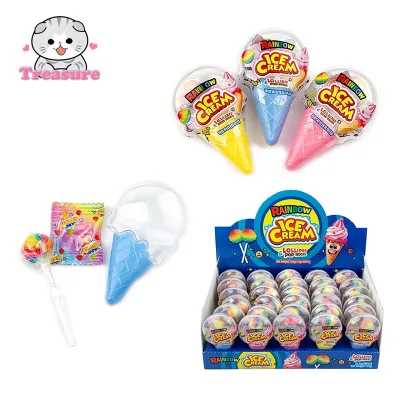
Ice Cream Lollipop+Popping Candy Popsicle Shaped Fruit Flavored Lollipop+Popping Candy
$17.00 - $20.00
MOQ: 600 Boxes


- Verified by Intertek
- Manufacturer, Trading Company
- Lead time15 days
- Avg. response≤ 3h
Main productsHard Candy, Lollipop, Gummy Candy, Fruit Candy
Main marketsDomestic Market(30%), North America(20%), Mid East(20%)
- Verified by TüVRheinland
- Trading Company
- Lead time0 days
- Avg. response≤ 2h
Main productsCandy, Herbs Products
Main marketsDomestic Market(35%), Mid East(30%), Southeast Asia(20%)
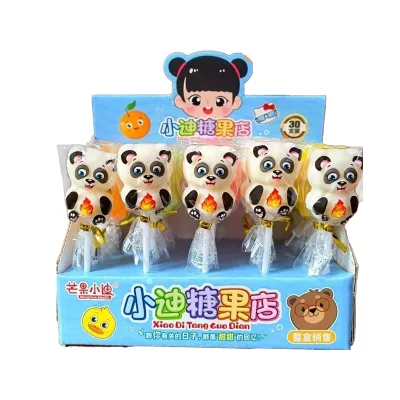
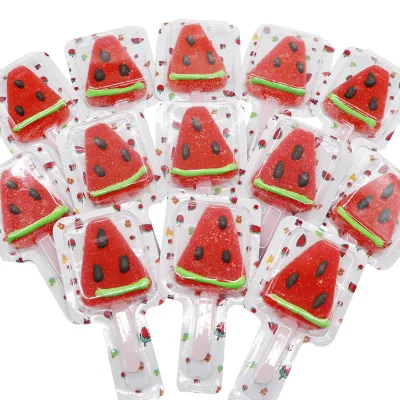
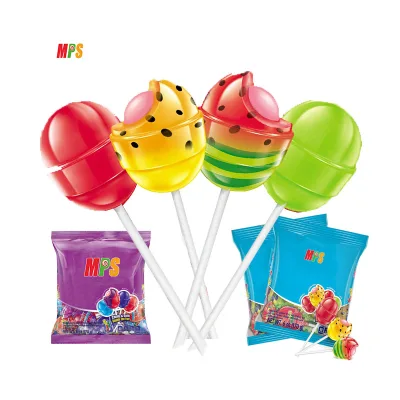
China Manufacture OEM ODM Sweet Candy Children Snacks Watermelon Shape Gummy Lollipop
$5.0011 - $5.6848
MOQ: 50 boxes
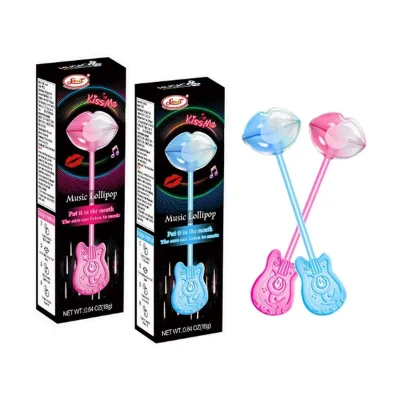
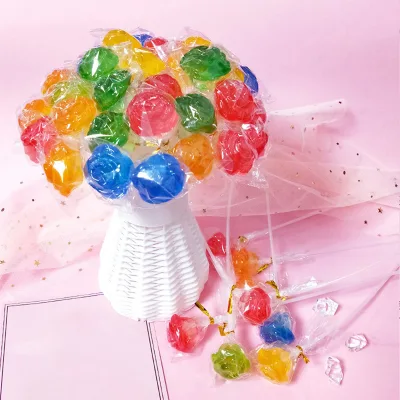
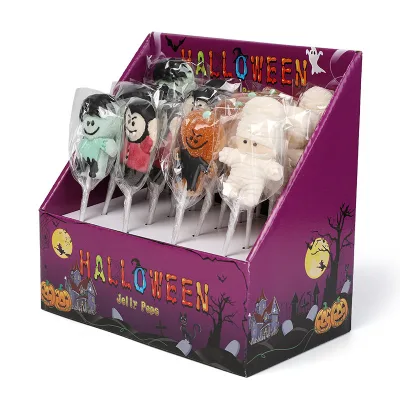
- Guangdong, China
- Lead time0 days
- Avg. response≤ 5h
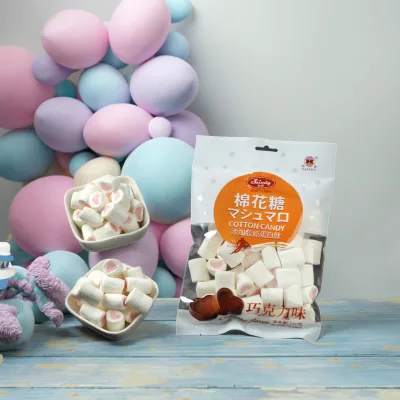
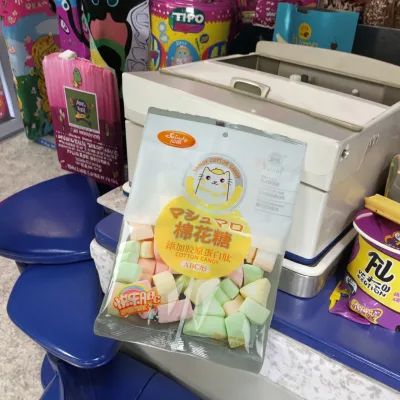
Kids For Children Sweet Smile Lollipops Fruity Lollipop Candy Artificial Marshmallow Made In China
$11.14 - $11.50
MOQ: 300 cartons

Henan Xingran Supply Chain Management Co., Ltd.
- Trading Company
- Henan, China
- Lead time15 days
- Avg. response≤ 7h
Main productsDrinks,Biscuit,candy,instant noodles,Customization of various types of food
Main marketsNorth America(60.00%), Eastern Europe(20.00%), Eastern Asia(15.00%), Northern Europe(5.00%)
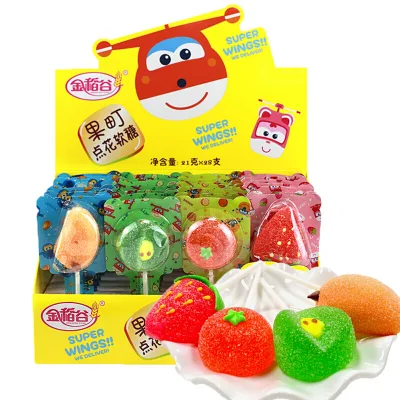
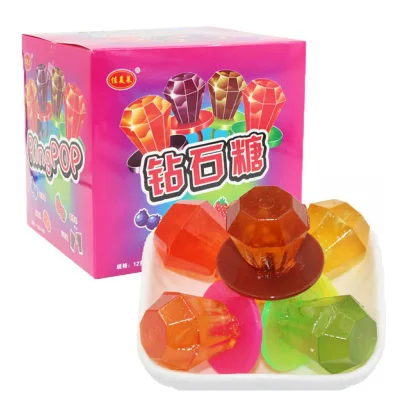
Fruit Flavors Diamond Ring Toy Child Candy Finger Ring Pop Candy Sweet Lollipop Hard Candy Wholesale
$0.10 - $0.11
MOQ: 720 pieces
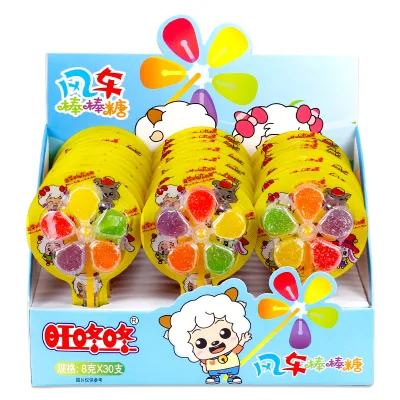
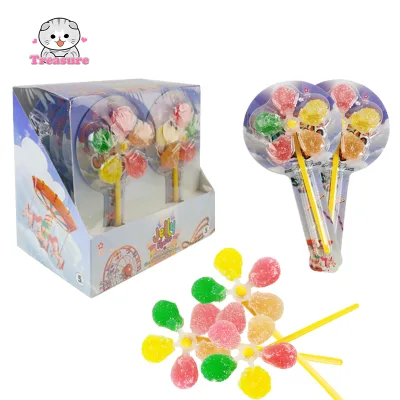
Wholesale Colorful Windmill Candychildren's Small Snacksfun Rotating Lollipopsboxed Candy
$0.06 - $0.09
MOQ: 60 pieces

Hunan Shuangjiao Foodstuff Co., Ltd.
- Trading Company,Manufacturer/Factory
- China Hunan
- Lead time0 days
- Avg. response≤ 13h
Main productsCandy, Lollipop, Marshmallow, Jelly Sweet, Spicy Strip, Latiao, Hot Sticks


High-Value and Cute Lollipops Support Custom Fruit Flavors Toy Candy Lollipop for Multiple Styles
$0.04 - $0.06
MOQ: 10000 Pieces
Henan Grade Import And Export Co., Ltd.
- Verified by SGS Group
- Trading Company
- Henan, China
- Lead time10 days
- Avg. response≤ 3h
Main productsDrinks, Potato Chips, Biscuits, Candies, Fruit Ice Cream
Main marketsNorth America(70%), Western Europe(20%), Southeast Asia(10%)
Shijiazhuang Beautiful Year Food Co., Ltd.
- Verified by TüVRheinland
- Manufacturer, Trading Company
- Lead time10 days
- Avg. response≤ 3h
Main productsChewing Gum With Tattoo, Lollipop, Bubble Gum, Gummy Candy
Main marketsMid East(35%), South America(20%), Southeast Asia(20%)

Guangdong Jusicylove Food Technology Co., Ltd
- Verified by TUVRHEINLAND
- Trading Company
- China Guangdong
- Lead time30 days
- Avg. response≤ 5h
Main productsToy, Candy Toy, Lollipop, Marshmallow, Bubble Gum, Popping Candy, Chocolate.
Main marketsOthers(foreignTradeCapacity.exportBusinessCapacityMarketOther)
Guangdong Zhenshangmei Food Import And Export Co., Ltd.
- Manufacturer, Distributor/Wholesaler
- Guangdong, China
- Lead time30 days
- Avg. response≤ 4h
Main productsCandies,Candy toys,Hard candies,Lollipop,Soft candies
Main marketsSoutheast Asia(35.00%), Mid East(30.00%), Eastern Asia(20.00%), Africa(15.00%), South Asia(10.00%), Central America(5.00%), Northern Europe(5.00%), North America(5.00%), South America(5.00%), Southern Europe(3.00%), Western Europe(1.00%), Eastern Europe(1.00%)
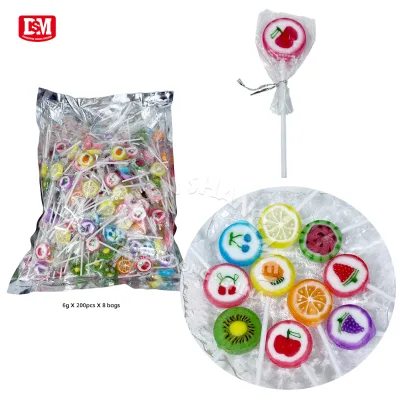
Chinese Factory Kids' Lollipops Cute Designs Jelly & Pudding Popular with Children
$0.9769 - $0.9978
MOQ: 1000 Minimum
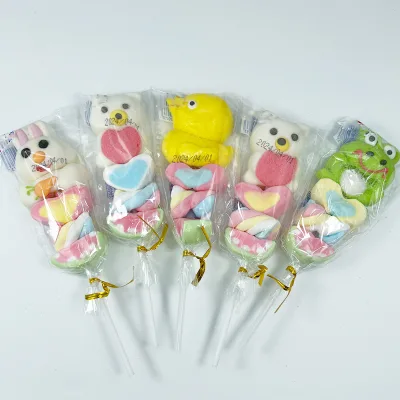
$0.58 - $0.64
MOQ: 5000 pieces
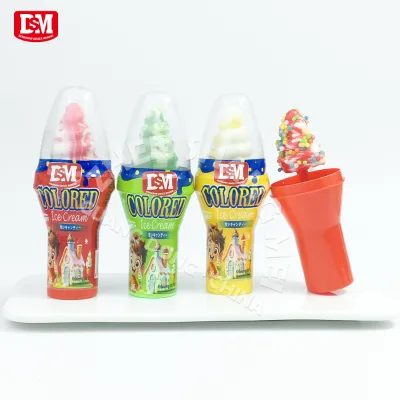
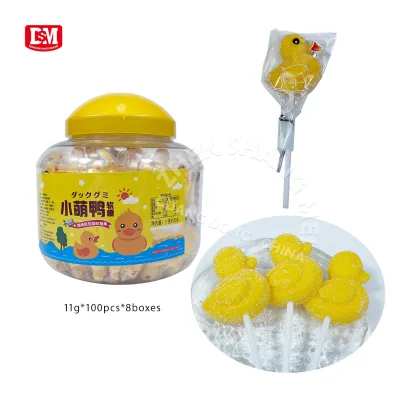
$15.00 - $20.00
MOQ: 500 cartons
Shenzhen Fuhuitong Industrial Co., Ltd.
- Manufacturer, Trading Company
- Guangdong, China
- Lead time35 days
- Avg. response≤ 5h
Main productsmarshmallow,lollipop,sweets,candy,toy candy
Main marketsDomestic Market(30.00%), Western Europe(20.00%), North America(10.00%), Mid East(10.00%), Northern Europe(5.00%), Africa(5.00%), Southern Europe(5.00%), Eastern Europe(5.00%), Oceania(5.00%), South America(3.00%), Central America(2.00%)

Hebei Jinyirui Trading Co., Ltd.
- Verified by SGS
- Combined
- China Hebei
- Lead time30 days
- Avg. response≤ 1h
Main productsCandy, Lollipop, Gummy Candy, Jelly Candy, Cc Stick Candy, Candy Cane, Bubble Candy, Toy Candy, Fruit Candy, Confectionery
Main marketsAfrica,Others(foreignTradeCapacity.exportBusinessCapacityMarketOther),Southeast Asia/ Mideast

Christmas Hot String Lollipop Children's Snack Candy Cartoon Mixed Hard Lollipop
$21.00 - $23.00
MOQ: 500 Boxes


- Verified by TUVRHEINLAND
- Trading Company
- China Jiangxi
- Lead time30 days
- Avg. response≤ 4h
Main productsLollipop, Candy, Gummy, Chocolates, Jelly, Honey
Main marketsEurope,North America








Comprehensive Sourcing Guide
Kids Popping Candy Lollipop Supplier Concentration and Factory Types
The current supplier landscape for kids popping candy lollipops reveals a distinct concentration of manufacturing and trading entities within China, specifically in the Guangdong region. This geographic clustering is significant for buyers seeking efficient supply chains, as it indicates a mature industrial ecosystem dedicated to confectionery production. The available data confirms that suppliers operating in this area are primarily categorized as either Trading Companies or Manufacturer/Factories, with some entities identifying as Other types. This mix suggests that buyers can access both direct factory pricing and the logistical flexibility of trading firms. The presence of Guangdong-based suppliers provides a tangible anchor for sourcing strategies, allowing purchasers to focus their due diligence on regions known for high-volume candy output. Understanding this concentration helps in predicting lead times and logistical complexities, as goods originating from this specific province often benefit from established export infrastructure. Buyers should leverage this geographic insight to narrow their search parameters, ensuring they engage with suppliers who have proven experience in this specific regional manufacturing context.
Beyond location, the operational models of these suppliers vary, offering different advantages for different procurement needs. Many of the observed entities support Own Brand, OEM, and ODM capabilities, indicating a high degree of customization potential for private label buyers. This flexibility is crucial for brands looking to differentiate their Kids Popping Candy Lollipop offerings in a competitive market. The ability to customize packaging, flavors, and toy integrations allows for tailored product development that aligns with specific marketing campaigns. Furthermore, the coexistence of trading companies and factories means that buyers can choose between direct manufacturing relationships for cost efficiency or trading partners for consolidated sourcing and reduced administrative burden. It is important to verify the actual production capacity of each supplier, as some trading companies may act as intermediaries for multiple factories. By understanding the specific company type and its associated capabilities, buyers can make more informed decisions about which supplier structure best fits their volume requirements and brand positioning strategies.
How to Verify Kids Popping Candy Lollipop Suppliers
Verification is a critical step in ensuring the reliability and quality of Kids Popping Candy Lollipop suppliers, particularly given the diverse range of company types and certifications available. Buyers should prioritize suppliers who have undergone rigorous third-party verification processes, as these provide an objective assessment of their operational legitimacy. In the current results, several suppliers have been verified by reputable agencies such as TÜV Rheinland and Bureau Veritas (BV). These verifications offer a layer of trust, confirming that the supplier has met specific standards for business operations and product safety. Additionally, system certifications like BRC, HACCP, ISO 22000, FDA, and HALAL are prominently displayed by some suppliers. These certifications are not merely badges but indicate adherence to international food safety and quality management standards. Buyers should actively check for these credentials, as they are essential for importing confectionery products into many regulated markets. The presence of multiple certifications, such as HACCP, FDA, ISO, BRC, and HALAL on a single product listing, suggests a comprehensive approach to quality control that can mitigate risks associated with food contamination or non-compliance.
Beyond certifications, buyers must assess the responsiveness and transparency of the supplier during the initial inquiry phase. The response time is a key indicator of a supplier’s operational efficiency and customer service commitment. In the observed data, response times are recorded around 14.15 to 14.23 hours, which provides a benchmark for expected communication delays. Buyers should use this metric to gauge whether a supplier is likely to provide timely updates on order status and production progress. It is also important to verify the authenticity of the claimed certifications by requesting copies of the certificates and checking their validity with the issuing bodies. Furthermore, buyers should inquire about the specific testing protocols used for the popping candy lollipops, including checks for allergens, heavy metals, and microbial safety. While the data provides some product evidence, such as shelf life and storage methods, buyers should not rely solely on listed attributes. Instead, they should request detailed product specifications and test reports to ensure that the final product meets their specific quality and safety requirements. This proactive verification process helps in building a robust supplier base that can consistently deliver high-quality kids popping candy lollipops.
What to Compare Across Kids Popping Candy Lollipop Suppliers
When evaluating multiple suppliers for kids popping candy lollipops, buyers must compare a range of operational and commercial metrics to identify the most suitable partner. One of the primary differentiators is the Minimum Order Quantity (MOQ), which varies significantly across different product listings. For instance, some suppliers offer an MOQ of 500 cartons, while others may require much larger volumes, such as 360,000 units. This disparity is crucial for buyers with varying inventory capacities and sales channels. Smaller MOQs are ideal for testing new markets or for brands with limited storage space, whereas larger MOQs may offer better unit economics for established distributors. Buyers should also compare the lead times, which indicate how quickly an order can be fulfilled. While some data points show a lead time of zero, which may indicate stock availability, others specify a lead time of 30 days, suggesting a production-based model. Understanding these lead time variations helps in planning inventory replenishment and avoiding stockouts. Additionally, the response time should be considered as a proxy for supplier reliability and communication efficiency.
Another critical aspect of comparison is the range of main products and customization options offered by each supplier. Some suppliers specialize in a broad range of confectionery items, including candy, lollipops, biscuits, and chewing gum, while others focus more narrowly on lollipops and related sweets. This specialization can impact the supplier’s expertise and ability to innovate in specific product categories. Buyers should also examine the packaging options and materials, as these affect both product protection and brand presentation. The data shows variations in packaging materials, including plastic, paper, and cans, as well as different packing formats like bags, boxes, and cartons. Furthermore, the availability of OEM and ODM services is a key factor for brands seeking unique product designs. Suppliers that offer extensive customization, such as specific toy integrations or unique flavor profiles, can provide a competitive advantage. By systematically comparing these attributes, buyers can create a shortlist of suppliers that align with their specific operational needs, budget constraints, and brand identity. This comparative analysis ensures that the final selection is based on a holistic view of each supplier’s capabilities and value proposition.
Common Kids Popping Candy Lollipop Sourcing Risks
Sourcing kids popping candy lollipops involves several inherent risks that buyers must proactively manage to ensure a smooth procurement process. One significant risk is the variability in product quality and safety standards, particularly when dealing with suppliers who have different certification levels. While some suppliers display comprehensive certifications like BRC, HACCP, and FDA, others may only have basic or no listed certifications. This inconsistency can lead to compliance issues in destination markets, potentially resulting in product recalls or legal penalties. Buyers must ensure that all suppliers meet the specific regulatory requirements of their target markets, regardless of the supplier’s home country. Another risk is the potential for miscommunication regarding product specifications, especially when customizing items like toy-integrated lollipops. The data shows various product models and keywords, such as "Rose Lollipop with Popping Candy" or "Funny Magic Pop Candy," which may have different structural or safety implications. Buyers must clearly define all technical specifications, including ingredient lists, allergen information, and toy safety standards, to avoid receiving products that do not match their expectations.
Logistical and supply chain disruptions also pose a considerable risk in the confectionery sector. Factors such as raw material shortages, production delays, or shipping bottlenecks can impact the timely delivery of orders. While some suppliers report a lead time of zero, indicating immediate availability, others have a 30-day lead time, which requires careful planning. Buyers should assess the supplier’s production capacity and inventory management practices to gauge their ability to handle peak demand periods. Additionally, the risk of intellectual property infringement is a concern for brands investing in unique designs or proprietary formulas. Buyers must ensure that their suppliers respect intellectual property rights and do not produce counterfeit or unauthorized versions of their products. Furthermore, the reliance on third-party logistics can introduce risks related to product damage or loss during transit. Given that the products are often fragile or sensitive to temperature, proper packaging and handling procedures are essential. Buyers should verify that suppliers use appropriate packaging materials, such as five-layer corrugated boxes or specific carton types, to protect the integrity of the kids popping candy lollipops during shipping. Mitigating these risks requires thorough due diligence and continuous monitoring of supplier performance.
Kids Popping Candy Lollipop Regional Sourcing and Logistics
The regional concentration of suppliers in China, particularly in Guangdong, offers distinct advantages and challenges for international buyers sourcing kids popping candy lollipops. Guangdong is a major manufacturing hub with well-developed infrastructure, including ports and logistics networks, which facilitates efficient export operations. This geographic advantage can lead to shorter transit times and lower shipping costs compared to sourcing from more remote regions. However, buyers must also consider the potential for increased competition and price volatility in this region. The high density of suppliers can lead to aggressive pricing strategies, but it also requires buyers to be vigilant about quality control and supplier reliability. Additionally, the proximity to raw material suppliers in the region can ensure a steady supply of key ingredients, reducing the risk of production delays. Buyers should leverage this regional insight to negotiate better terms and establish strong relationships with local suppliers. Understanding the local business culture and practices can also enhance communication and collaboration, leading to more successful partnerships.
Logistics planning is a critical component of sourcing from this region, as it directly impacts the overall cost and efficiency of the supply chain. Buyers must consider various factors, such as shipping methods, customs clearance, and final mile delivery. The data indicates that products are often packed in cartons, bags, or boxes, which affects the volume and weight of the shipment. Proper packaging is essential to prevent damage during transit, especially for fragile items like lollipops with integrated toys. Buyers should work with suppliers to optimize packaging designs to maximize container space and minimize shipping costs. Furthermore, buyers must be aware of the import regulations and tariffs in their destination countries, as these can significantly affect the final landed cost. It is advisable to engage with experienced freight forwarders who can navigate the complexities of international shipping and ensure compliance with all regulatory requirements. By carefully planning the logistics strategy, buyers can mitigate risks and ensure the timely delivery of kids popping candy lollipots to their customers. This proactive approach to logistics management is essential for maintaining a competitive edge in the global confectionery market.
Kids Popping Candy Lollipop Commercial Terms and Order Planning
Effective order planning and negotiation of commercial terms are essential for successful sourcing of kids popping candy lollipops. Buyers must carefully analyze the pricing structures provided by suppliers, which can vary widely based on order volume and product complexity. For example, some listings show prices ranging from $0.033 to $0.034 per unit for bulk orders, while others indicate higher price points for specialized or novelty items. Understanding these price variations helps buyers budget accurately and identify the most cost-effective suppliers. Additionally, buyers should negotiate payment terms that align with their cash flow requirements, such as using escrow services or letter of credit arrangements to secure transactions. The availability of OEM and ODM services also impacts the commercial terms, as custom orders may require upfront deposits or higher minimum prices. Buyers must ensure that all commercial terms are clearly documented in the contract to avoid disputes and ensure mutual understanding.
Inventory management is another critical aspect of order planning, as it directly affects the ability to meet customer demand without
FAQs
What certifications do these popping candy lollipop suppliers hold?
Suppliers offer BRC, HACCP, ISO 22000, FDA, and Halal certifications. These credentials ensure compliance with international food safety standards. Buyers should verify specific certificates for their target markets. Some suppliers display BRC and HACCP on their profiles. Others provide additional FDA and ISO approvals. Always confirm the exact list of valid certifications before placing orders.
What is the minimum order quantity for custom popping candy lollipops?
The minimum order quantity varies by product type. Some items require 500 cartons as the baseline MOQ. Others may have higher thresholds like 360,000 pieces for bulk wholesale. Buyers should check the specific product page for accurate MOQ details. Customization options are generally available for larger orders. Smaller quantities might be limited to standard stock items.
How long does production take for these candy orders?
Lead times depend on the specific supplier and order volume. One supplier indicates a lead time of 30 days. Other listings show zero days, which may reflect stock availability or placeholder data. Buyers should confirm actual production schedules directly with the manufacturer. Rush orders might incur additional fees. Always verify the delivery timeline before finalizing payment terms.
Are OEM and ODM services available for these lollipops?
Yes, most suppliers offer both OEM and ODM services. Buyers can customize packaging, flavors, and shapes. Some factories support own brand development. Customization is explicitly listed as available for many products. This allows businesses to create unique market offerings. Contact the supplier to discuss specific design requirements and minimums for custom runs.
Where are these popping candy lollipop manufacturers located?
The primary manufacturing location is Guangdong, China. This region is known for its confectionery production capabilities. Suppliers based here benefit from established supply chains. Buyers can source directly from these factories. The location ensures efficient logistics for international shipping. Verify the exact factory address during the due diligence process.
What is the typical response time for supplier inquiries?
Response times are generally fast, averaging around 14 hours. This indicates active customer service teams. Buyers can expect timely communication regarding quotes and samples. Faster response times help streamline the sourcing process. However, times may vary during peak seasons. It is advisable to send detailed inquiries to receive accurate and prompt feedback.