Kitten and Puppy Cat Bed Suppliers and Manufacturers
Explore 31 verified suppliers offering Kitten and Puppy Cat Bed options with varying lead times, MOQs, and certifications. Compare response times, locations, and product specs to select the right partner for your needs; review the available evidence before requesting comparable quotations from suitable candidates.
Updated
Suppliers List

Hangzhou Huiji Biotechnology Co., Ltd.
- Verified by BV
- Combined
- China Zhejiang
- Lead time30 days
- Avg. response≤ 12h
Main productsShampoo, Detergent, Dish Washing, Hand Liquid Soap, Air Freshener, Conditioner, Urinal Block, Shower Gel, Glass Cleaner, Floor Cleaner
Main marketsSouth America,Africa,Southeast Asia/ Mideast,East Asia(Japan/ South Korea),Domestic,Europe,Australia,North America
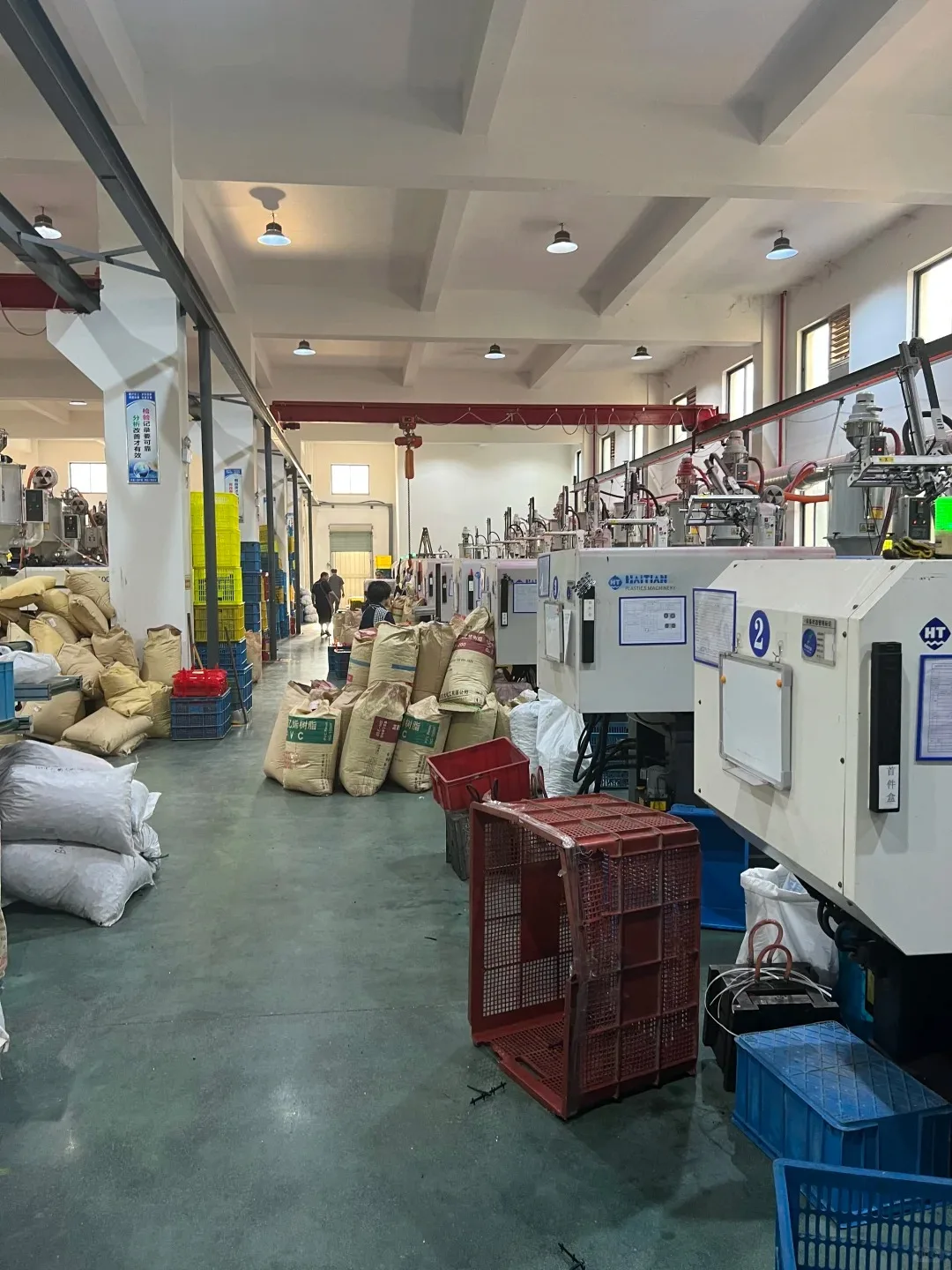
Ningbo Fun Maker Health Technology Co., Ltd.
- Trading Company
- Zhejing, China
- Lead time0 days
- Avg. response≤ 3h
Main productsPet Interactive & Movement Toys,Pet Bowls & Feeders,Pet Cleaning & Bathing,Pet Tracker,Pet Grooming Products
Main marketsNorth America(50.00%), Southeast Asia(5.00%), Eastern Europe(5.00%)
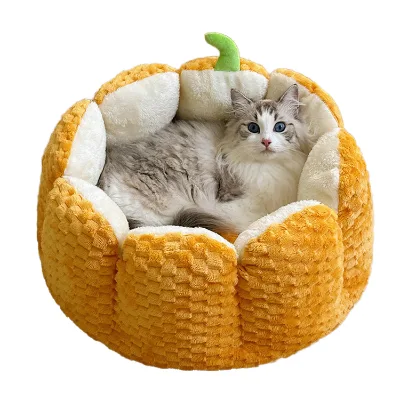
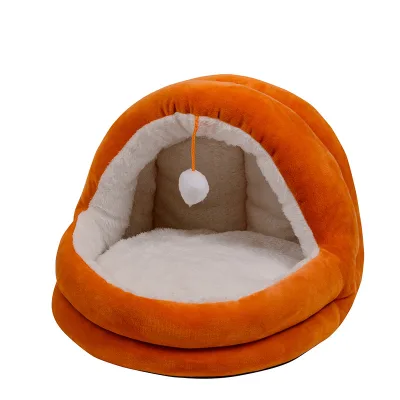
Warm Pet Bed Manufacturer Pumpkin Cat Nest Bed Autumn and Winter Pet Bed for Dogs and Cats
$3.88 - $5.55
MOQ: 30 Minimum
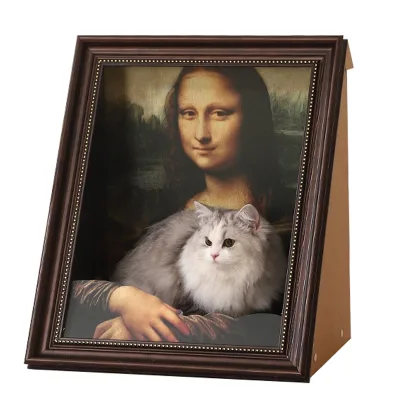
Luxury Cat Bed with Integrated Scratcher Durable and Customizable for Indoor Use
$8.2145 - $9.2423
MOQ: 30 pieces

Ningbo Junxiang E-Commerce Co., Ltd.
- Verified by SGS
- Trading Company
- China Zhejiang
- Lead time30 days
- Avg. response≤ 2h
Main productsPet Toys, Cat Toys, Dog Toys, Pet Supplier, Ride on Car, Bird Toys, Pet Leash, Pet Feeder, Pet Collar, Pet House
Main marketsEurope

Hangzhou Chosen Textile Co., Ltd
- Verified by CTI
- Trading Company
- China Zhejiang
- Lead time45 days
- Avg. response≤ 7h
Main productsOutdoor Products, Textile Products, Home Textile, Weighted Products, Promotional Products, Gift Products
Main marketsAfrica,Southeast Asia/ Mideast,East Asia(Japan/ South Korea),Europe,Australia,North America

Tianjin Smart Pets Technology Co., Ltd.
- Verified by BV
- Manufacturer/Factory
- China Tianjin
- Lead time23 days
- Avg. response≤ 2h
Main productsPet Products, Pet Accessories, Pet Supply, Pet Food, Dog Food, Cat Food, Pet Snack, Cat Litter, Pet Training Pad, Pet Treat
Main marketsSouth America,Eastern Europe,Mid East,North America,Southeast Asia,Eastern Asia,Oceania,Western Europe,Africa

Rizhao Spring Trading Co., Ltd.
- Verified by CTI
- Manufacturer/Factory
- China Shandong
- Lead time15 days
- Avg. response≤ 4h
Main productsWalnut, Pet House, Peanut, Cat Litter, Pet Products, Pet Food, Cat Food, Pet Treats, Dog Food, Pet Toys
Main marketsMid East,North America,Western Europe
Dalian Usmile Pet Technology Co., Ltd.
- Verified by Intertek
- Trading Company
- Liaoning, China
- Lead time7 days
- Avg. response≤ 2h
Main productsPet Cleaning and Grooming Equipment, Veterinary and Rehabilitation Equipment , Pet Smart Products , Pet Health Care And Supplements, Basic Pet Supplies
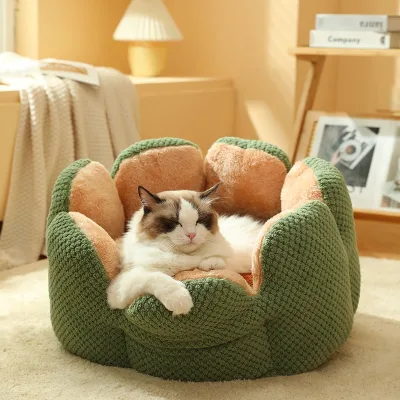
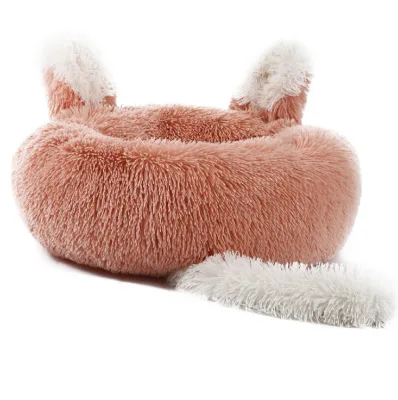
Upgrade Cat Bed Fluffy Plush Calming Dog Bed Anti Anxiety Pet Beds for Dogs & Cats
$2.25 - $10.90
MOQ: 10 Minimum

Dongying Jiusheng Trading Co., Ltd
- Combined
- China Shandong
- Lead time15 days
- Avg. response≤ 15h
Main productsFoam Mattress, Mattress, PU Foam, Tri-Fold Mattress, Foam Sofa Bed, Foam Cushion, Custom Sponge Foam, Household Sponge Foam, PU Foam Sheet, PU Foam Block
Main marketsEast Asia(Japan/ South Korea)

Hefei Sada Medical Equipment Co., Ltd.
- Verified by TUVRHEINLAND
- Trading Company,Manufacturer/Factory
- China Anhui
- Lead time23 days
- Avg. response≤ 8h
Main productsAutoclave, Sterilizer, Autoclave Machine, Steam Steriilzer, Medical Autoclave, Hospital Autoclave, High Pressure Autoclave, Autoclave Sterilizer, Horizontal Autoclave, Dental Autoclave
Main marketsSouth America,Eastern Europe,Mid East,Southeast Asia,Eastern Asia,Oceania,Africa
Hangzhou Hellomoon Trading Co., Ltd.
- Verified by Intertek
- Trading Company
- Lead time5 days
- Avg. response≤ 4h
Main productsPet Clothes, Pet Toys, Pet Feeders, Pet Leads, Pet Beds
Main marketsNorth America(39%), Eastern Europe(13%), Oceania(11%)
Ningbo Homecrest Imp.& Exp. Co., Ltd.
- Trading Company
- Zhejiang, China
- Lead time20 days
- Avg. response≤ 6h
Main productsKitchen Organizer, Home Organizer, Bathroom Organizer, Home Decor
Main marketsNorth America(40.00%), Northern Europe(40.00%), Oceania(10.00%), Eastern Asia(10.00%)
Huachuang Wisdom Household Co., Ltd.
- Trading Company
- Lead time旺季: "1 - 500":25,"501 - 1000":30,"1001 - 3000":40,"> 3000":"To be negotiated", 淡季: "1 - 500":25,"501 - 1000":30,"1001 - 3000":40,"> 3000":"To be negotiated"
- Avg. response≤ 5h
Main productsBathroom rack,bathroom organizer,towel rack,coat rack
Jinhua Ivy Home Textile Co., Ltd.
- Manufacturer, Trading Company
- Lead time旺季: "1 - 500":30,"501 - 1000":35,"1001 - 3000":40,"> 3000":"To be negotiated", 淡季: "1 - 500":30,"501 - 1000":35,"1001 - 3000":40,"> 3000":"To be negotiated"
- Avg. response≤ 3h
Main productsPet Cloth Diaper, Pet Carrier Bag, Pet Bed, Storage Bags, Pet Clothes

Tianjin Maynas International Trade Co.,Ltd
- Verified by SGS
- Trading Company
- China Tianjin
- Lead time15 days
- Avg. response≤ 9h
Main productsPet Stroller, Pet Bed, Pet Toy, Cat Tree, Pet Carrier Bag, Pet Bowl, Pet Collar, Pet Harness & Leash, Pet Cage, Pet Grooming
Main marketsSoutheast Asia/ Mideast,Europe,North America


Comfortable Pet Sofa Disassembled Dog Bed Cat Bed for Cat Puppy Pet Supplies
$12.50 - $19.90
MOQ: 200 Pieces


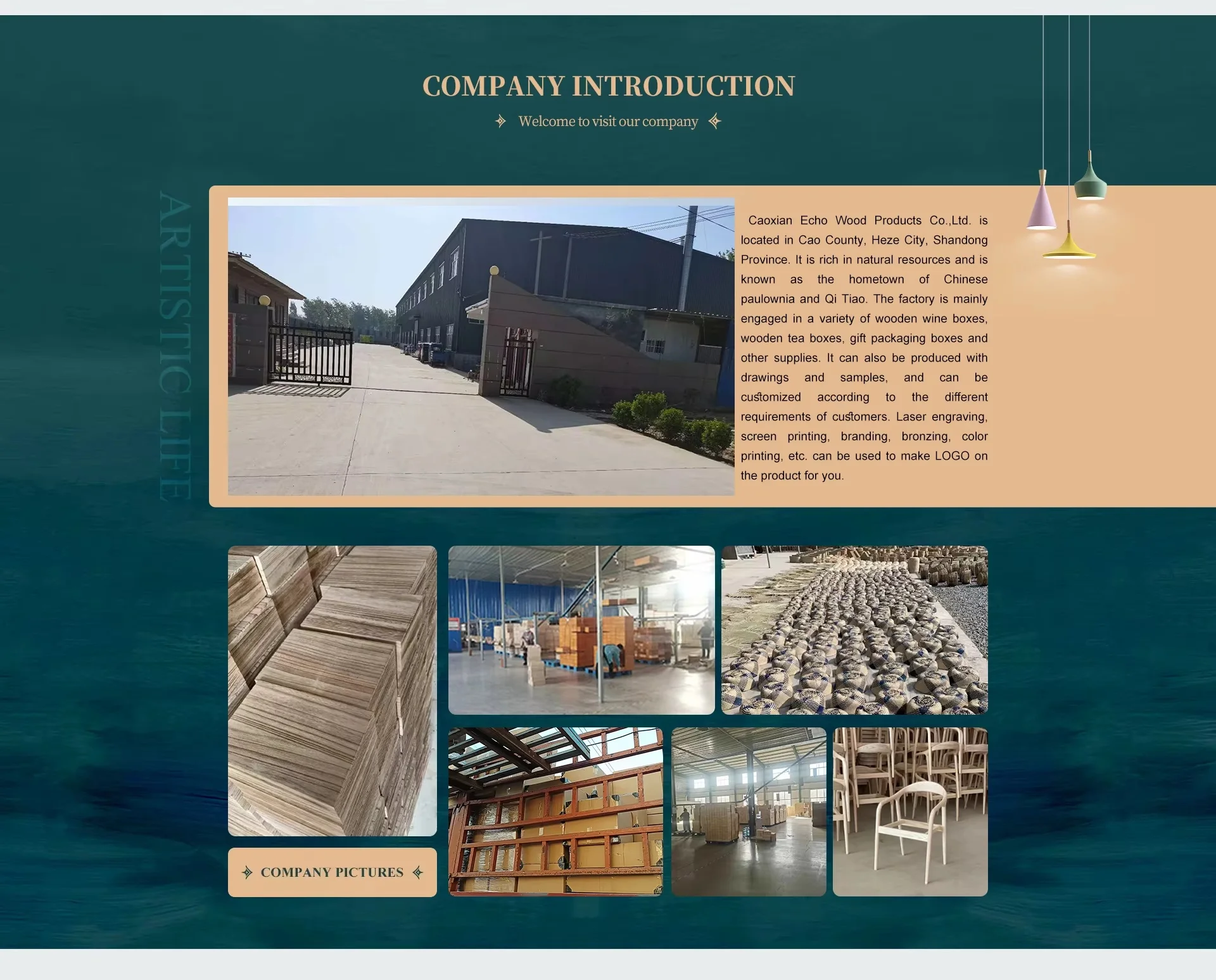
Caoxian Echo Wood Products Co., Ltd.
- Manufacturer, Trading Company
- Shandong, China
- Lead time15 days
- Avg. response≤ 2h
Main productsBird Houses,Pet products,Home Decoration,Office Supplies,Outdoor products
Main marketsNorth America(30.00%), Western Europe(25.00%), Mid East(20.00%), Eastern Asia(10.00%), South America(5.00%), Africa(5.00%), Eastern Europe(5.00%)

Suzhou Becpet E-commerce Co.,Ltd.
- Verified by BV
- Trading Company
- China Jiangsu
- Lead time15 days
- Avg. response≤ 3h
Main productsPet Food Container, Storage Container, Pet Bowls, Pet Toys, Pet Feed Bins, Pet Feeder, Dog Leash, Pet Bed
Main marketsSouth America,Europe,North America
Shenzhen Qizhu Technology Co., Ltd.
- Verified by TüVRheinland
- Trading Company
- Lead time30 days
- Avg. response≤ 3h
Main productsPet Nail Trimmer, Pet Brush, Pet Hair Dryer, Pet Grooming Set, Air Pump
Main marketsNorth America(50%), Western Europe(35%), Eastern Europe(5%)
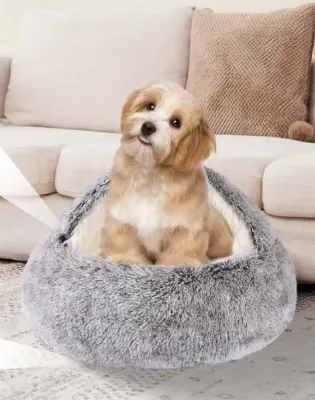
$5.5846 - $9.8676
MOQ: 100 pieces
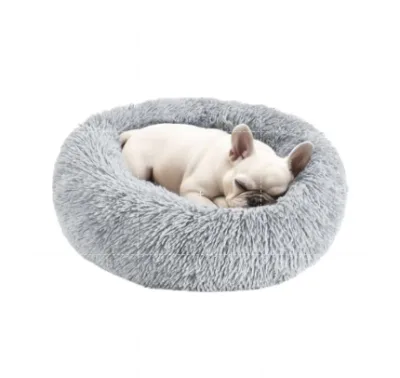

- Verified by SGS
- Trading Company
- China Zhejiang
- Lead time15 days
- Avg. response≤ 13h
Main productsPet Harness, Pet Collar, Pet Leash, Pet Feeder, Pet Carries, Pet Toy, Pet Bed, Pet Grooming, Pet Accessories
Main marketsEurope,Australia


Small Dog Bed for Small Dogs, Cat Beds for Indoor Cats, Pet Bed for Puppy and Kitty
$2.60 - $2.71
MOQ: 100 Pieces



Hangzhou Lumin Import And Export Co., Ltd.
- Trading Company
- Zhejiang, China
- Lead time25 days
- Avg. response≤ 4h
Main productsPet Bed & Sofa,Pet Collar & Leash,Pet Grooming Products,Pet Toys,Pet Carriers
Main marketsWestern Europe(35.00%), North America(32.00%), South America(10.00%), Southern Europe(5.00%), Eastern Asia(3.00%), Oceania(3.00%), Southeast Asia(3.00%), Northern Europe(2.00%), Eastern Europe(2.00%), Mid East(2.00%), South Asia(1.00%), Central America(1.00%), Africa(1.00%)
Xi'an Canal Fashion Bio-Tech Co., Ltd.
- Verified by Intertek
- Trading Company
- Lead time5 days
- Avg. response≤ 3h
Main productsPet Clothes, Pet Toys, Pet Collars & Leashes, Pet Ornaments, Pet Food

Hangzhou Tianyuan Pet Products Co., Ltd.
- Verified by TUVRHEINLAND
- Combined
- China Zhejiang
- Lead time30 days
- Avg. response≤ 12h
Main productsPet Beds, Cat Trees, Pet Products, Pet Accessories, Pet Supplies, Pet Collar, Pet Toy, Pet Brush, Pet Bowl, Pet Clothes
Main marketsEurope,North America
Qingdao Etrip Smart Home Co., Ltd.
- Manufacturer, Trading Company
- Lead time旺季: "1 - 100":14,"101 - 5000":30,"5001 - 10000":60,"> 10000":"To be negotiated", 淡季: "1 - 100":14,"101 - 5000":30,"5001 - 10000":60,"> 10000":"To be negotiated"
- Avg. response≤ 4h
Main productsPet Beds, Pet Mats & Pads, Pet Blanket & Throws, Pet Clothes, Pet Carrier

Qingdao Meowlove Pet Products Co., Ltd.
- Manufacturer, Trading Company
- Shandong, China
- Lead time30 days
- Avg. response≤ 1h
Main productsCat Scratching Board,Cat Climbing Frame,Cat Nest,Pet Furniture,Pet Toy
Main marketsDomestic Market(50.00%), North America(10.00%), Eastern Europe(9.00%), Oceania(6.00%), South America(5.00%), Southern Europe(5.00%), Western Europe(5.00%), Central America(4.00%), South Asia(1.00%), Mid East(1.00%), Southeast Asia(1.00%), Northern Europe(1.00%), Eastern Asia(1.00%), Africa(1.00%)
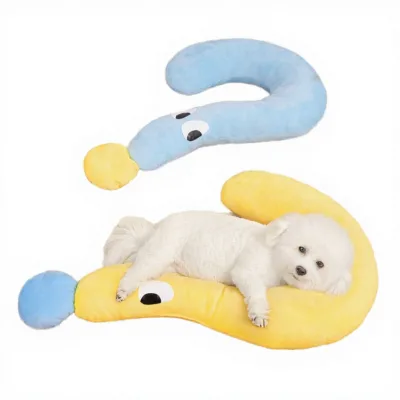
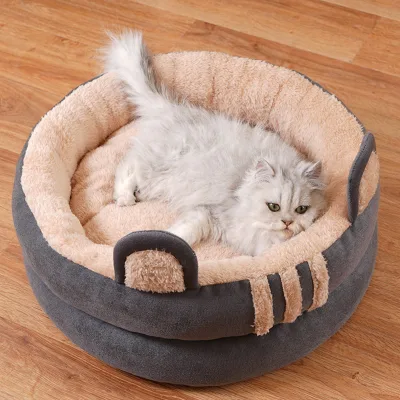
$6.00 - $6.50

- Trading Company,Manufacturer/Factory
- China Anhui
- Lead time38 days
- Avg. response≤ 4h
Main productsPet Beds&Mats, Pet Clothes, Pet Carrier, Pet Stroller
Main marketsEastern Europe,Mid East,North America,Southeast Asia,Oceania,Western Europe

- Trading Company
- Jiangsu, China
- Lead time60 days
- Avg. response≤ 4h
Main productsaquarium products,aquarium accessories,bird series,cat series,rabbit series
Main marketsSouth Asia(15.00%), Northern Europe(15.00%), Eastern Asia(10.00%), Southern Europe(9.00%), Western Europe(8.00%), North America(8.00%), Africa(8.00%), Eastern Europe(7.00%), South America(7.00%), Southeast Asia(5.00%), Central America(4.00%), Oceania(3.00%), Mid East(1.00%)

Xiamen Furvorite Pet Supplies Co., Ltd.
- Verified by SGS
- Trading Company,Manufacturer/Factory
- China Fujian
- Lead time45 days
- Avg. response≤ 4h
Main productsDog Harness, Pet Clothes, Dog Leash, Dog Collar, Pet Bed, Pet Accessories, Pet Grooming Tool, Pet Gates & Furniture, Pet Bowls & Feeding, Dog Brace
Main marketsSouth America,Eastern Europe,Mid East,North America,Southeast Asia,Eastern Asia,Oceania,Western Europe,Africa

Hot Selling Soft Warm and Comfortable Pet Bed for Indoor Cats and Small Dogs
$6.60 - $8.60
MOQ: 5 Pieces

Hangzhou Hachong Pet Products Co., Ltd.
- Verified by TüVRheinland
- Manufacturer, Trading Company
- Lead time0 days
- Avg. response≤ 5h
Main productsPet Beds, Pet Toys, Pet Clothes, Cat Tree, Pet Grooming
Main marketsNorth America(40%), Eastern Asia(20%), Western Europe(20%)
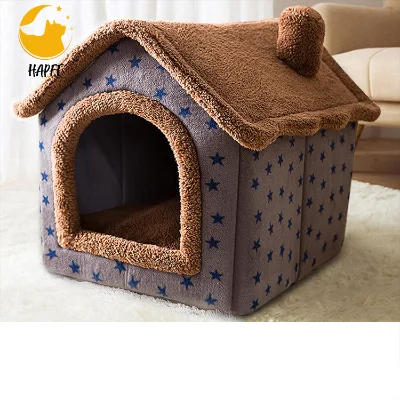
$8.00 - $12.00
MOQ: 500 pieces
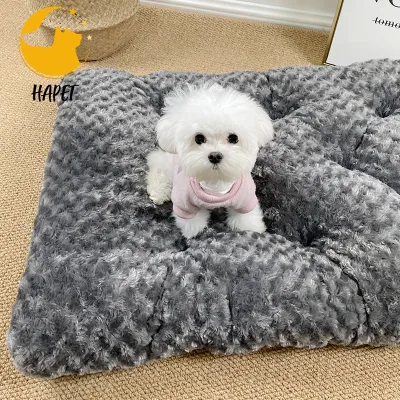
Gray Inch-Appropriate Plush Pet Bed for Toy Dog Breeds Swirl Cat Bed Designed for Comfortable Pets
$4.50 - $6.30
MOQ: 500 pieces

Shanghai Langyi Enterprise Development Co., Ltd
- Verified by SGS
- Manufacturer/Factory
- China Shanghai
- Lead time105 days
- Avg. response≤ 4h
Main productsPet Toy, Pet Bed, Dog Toy, Cat Toy, Dog Bed, Cat Tree, Dog Collar and Leash, Pet Bowl
Main marketsSouth America,Eastern Europe,Mid East,North America,Oceania,Western Europe
Hangzhou Hachong Pet Products Co., Ltd.
- Trading Company
- Lead time旺季: "1 - 500":30,"> 500":"To be negotiated", 淡季: "1 - 500":30,"> 500":"To be negotiated"
- Avg. response≤ 3h
Main productsPet Beds, Pet Toys, Pet Clothes, Cat Tree, Pet Grooming
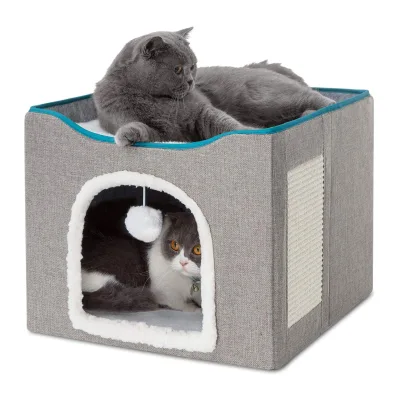
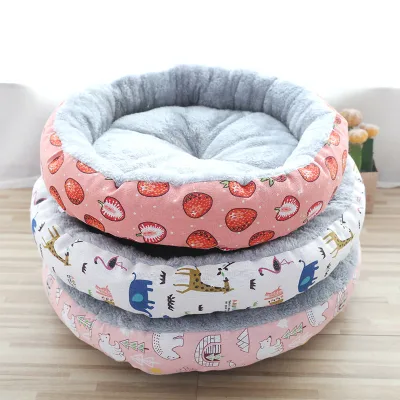
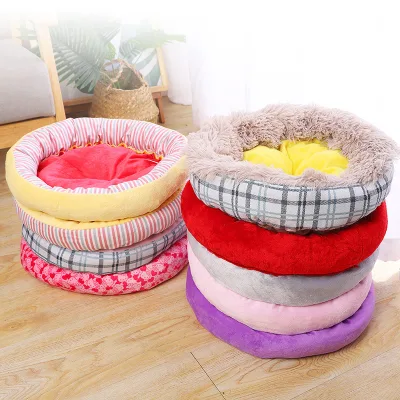
Cat bed dog round cotton bed dog cat universal bed manufacturer wholesale
$2.57 - $2.80
MOQ: 300 pieces
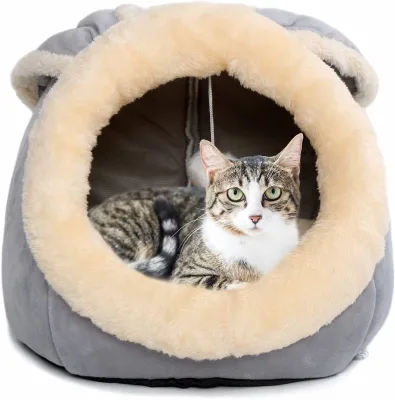
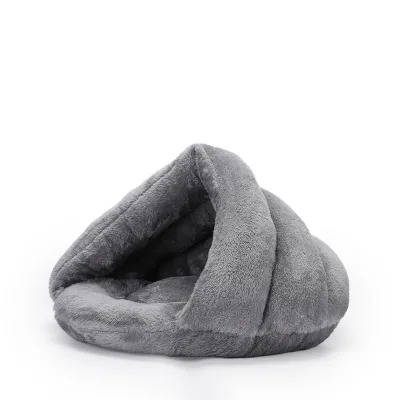
$3.43 - $5.14
MOQ: 500 Minimum

Shenzhen Sweetpet Pet Product Co., Ltd.
- Trading Company,Manufacturer/Factory
- China Guangdong
- Lead time23 days
- Avg. response≤ 5h
Main productsDog Collar, Dog Leash, Dog Harness, Dog Clothes, Dog Bed, Pet Supply, Pet Accessory, Pet Toys, Pet Bowl, Cat Toys
Main marketsSouth America,Eastern Europe,North America,Oceania,Western Europe


Warm Cotton Pet Cat Dog House Kennel Puppy Round Sleep Bed Soft Mat Pad Cat Bed
$7.88 - $13.88
MOQ: 50 Pieces


- Verified by TüVRheinland
- Manufacturer, Trading Company
- Lead time15 days
- Avg. response≤ 5h
Main productsPet Stroller, Pet Seat Cover, Pet Bed, Pet Accessories
Main marketsEastern Asia(36%), Domestic Market(27%), North America(12%)


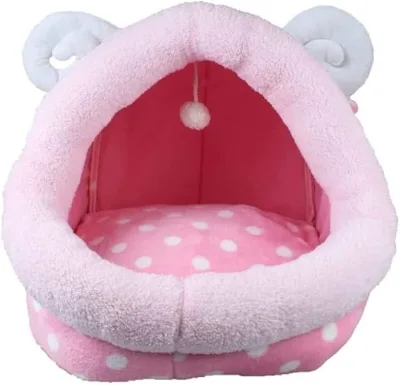
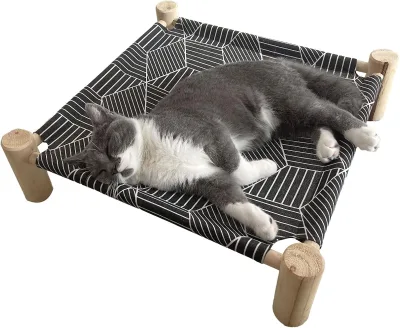
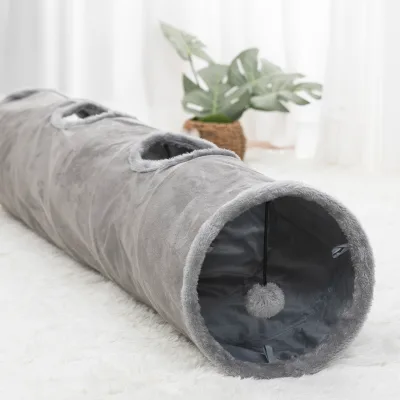
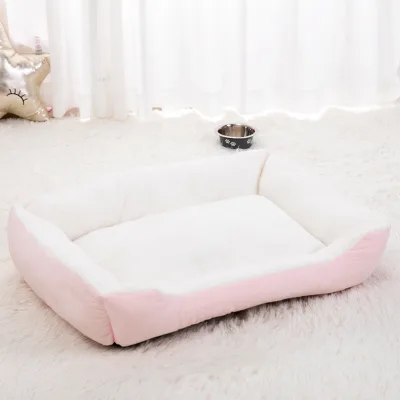






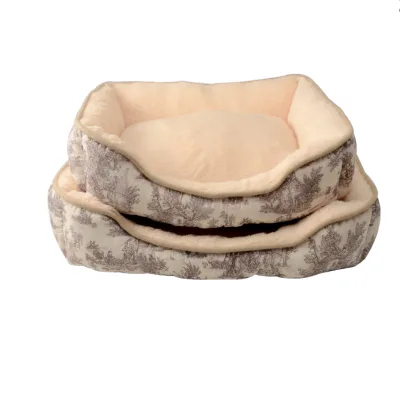


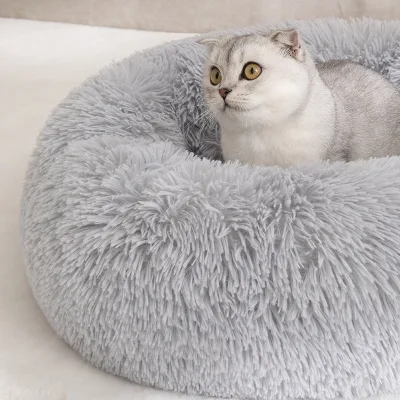
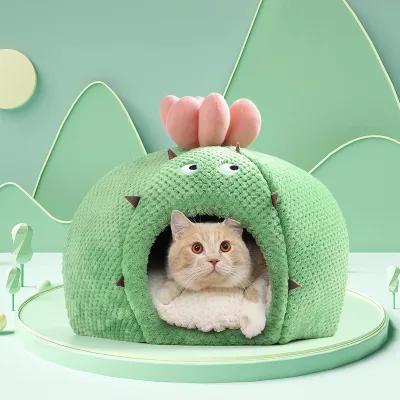
Comprehensive Sourcing Guide
Kitten and Puppy Cat Bed Supplier Concentration and Factory Types
The current supplier landscape for kitten and puppy cat beds reveals a diverse mix of manufacturing capabilities, primarily concentrated in China. Specifically, results indicate a significant presence in the Zhejiang region, where suppliers operate as both combined entities and trading companies. This geographic clustering suggests a mature supply chain ecosystem for pet products, leveraging local textile and plastic manufacturing infrastructure. Buyers should note that while some suppliers are identified as trading companies, others offer combined services that may include both trading and manufacturing functions. This distinction is crucial for understanding the directness of the supply chain and the potential for cost negotiation. The concentration in Zhejiang implies that logistics and raw material sourcing are likely optimized for this region, potentially offering competitive advantages in terms of production speed and material availability. However, buyers must verify the actual factory location versus the registered business address, as trading companies may list their headquarters in major hubs while sourcing from smaller workshops elsewhere. Understanding this structural nuance helps in assessing the true origin of the product and the reliability of the supply chain.
Supplier types vary significantly in their operational focus, which directly impacts the buyer’s sourcing strategy. Some suppliers specialize in a broad range of pet accessories, including toys, feeders, and grooming products, while others focus more narrowly on beds and resting accessories. This specialization can influence the depth of expertise and the quality control measures in place for specific products like cat beds. For instance, suppliers listing main products such as pet interactive toys might have different quality standards for plush materials compared to those specializing in durable plastic or fabric beds. Buyers should evaluate whether the supplier’s core competencies align with their specific product requirements. A supplier with a strong background in pet toys might offer innovative designs but may lack the specialized machinery for high-volume bed production. Conversely, a combined supplier might offer a one-stop solution but could lack the niche expertise of a specialized manufacturer. Therefore, assessing the supplier’s primary product focus is essential for ensuring that the chosen partner has the necessary experience and infrastructure to meet the specific demands of Kitten and Puppy Cat Bed production.
How to Verify Kitten and Puppy Cat Bed Suppliers
Verification is a critical step in mitigating risk when sourcing kitten and puppy cat beds from international suppliers. Buyers should prioritize suppliers who have undergone third-party verification processes, as these provide an additional layer of confidence in the supplier’s legitimacy and operational capacity. In the current results, some suppliers are verified by recognized agencies such as BV and SGS. These verifications often involve on-site inspections of the factory, review of business licenses, and assessment of production capabilities. Buyers should request and review these verification reports to understand the scope of the inspection and the findings. A BV or SGS verification indicates that the supplier has met certain baseline standards for business operations and product quality. However, buyers should not rely solely on the verification badge; they should also check the date of the verification to ensure it is current. Outdated verifications may not reflect recent changes in the supplier’s operations or financial stability. Additionally, buyers should look for suppliers who are transparent about their verification status and willing to provide supporting documentation upon request.
Beyond third-party verification, buyers should assess the supplier’s responsiveness and communication efficiency as indicators of reliability. The response time is a key metric that can reveal the supplier’s operational efficiency and customer service quality. In the observed data, response times vary, with some suppliers responding within hours, while others may take longer. A quick response time, such as under two hours, often indicates a well-staffed and organized sales team that is attentive to buyer inquiries. This responsiveness is particularly important during the negotiation and order placement phases, where timely communication can prevent delays and misunderstandings. Buyers should also evaluate the quality of the responses, looking for detailed and professional answers that address specific questions about product specifications, customization options, and shipping terms. Suppliers who provide comprehensive and accurate information are more likely to be reliable partners. Furthermore, buyers should consider the supplier’s willingness to provide samples and conduct video calls or virtual factory tours. These actions demonstrate transparency and a commitment to building a trustworthy business relationship, which are essential for long-term sourcing success.
What to Compare Across Kitten and Puppy Cat Bed Suppliers
When evaluating multiple suppliers for kitten and puppy cat beds, buyers must compare key operational metrics to identify the most suitable partner. One critical factor is the minimum order quantity (MOQ), which varies significantly across suppliers. Some suppliers offer low MOQs, such as thirty units, which is ideal for testing the market or for smaller orders. Others may require higher MOQs, such as one hundred units, which can be more cost-effective for larger volumes but poses a higher financial risk for new buyers. Buyers should align their MOQ requirements with their sales forecast and inventory capacity. Additionally, the lead time is a crucial consideration, as it impacts the overall supply chain efficiency. While some suppliers list a lead time of thirty days, others may have different timelines based on production capacity and order volume. Buyers should clarify the lead time for both sample production and bulk orders to ensure it aligns with their launch schedule. Comparing these metrics across suppliers helps in identifying those that offer the best balance of flexibility and efficiency.
Price and customization options are also vital factors in supplier comparison. The price range for kitten and puppy cat beds can vary based on materials, design complexity, and order volume. Buyers should request detailed quotations that break down costs for materials, labor, and shipping. It is important to compare not just the unit price but also the total landed cost, including tariffs and freight. Furthermore, customization capabilities should be assessed, as many buyers require specific designs, colors, or branding. Suppliers that offer OEM and ODM services provide greater flexibility in product development. Buyers should inquire about the customization process, including design approval timelines and any additional costs associated with custom features. Additionally, the range of available materials, such as cotton, fabric, or plastic, should be compared to ensure the supplier can meet the desired product specifications. By systematically comparing these factors, buyers can make informed decisions that balance cost, quality, and operational efficiency, ultimately selecting a supplier that best fits their business needs.
Common Kitten and Puppy Cat Bed Sourcing Risks
Sourcing kitten and puppy cat beds from international suppliers involves several potential risks that buyers must proactively manage. One significant risk is the discrepancy between product samples and bulk production. Suppliers may provide high-quality samples that do not reflect the quality of the mass-produced items. This can lead to customer dissatisfaction and returns if the bulk order does not meet expectations. To mitigate this risk, buyers should establish clear quality standards and specifications in the contract and conduct pre-shipment inspections. It is also advisable to request production samples from the actual production line before finalizing the order. Another risk is the variability in material quality, particularly for plush and fabric beds. Suppliers may use different grades of cotton or filling materials, which can affect the comfort and durability of the bed. Buyers should specify the exact material composition and request material certificates or test reports to ensure compliance with safety and quality standards.
Shipping and logistics delays are another common risk in international sourcing. Lead times can be extended due to production bottlenecks, customs clearance issues, or carrier capacity constraints. Buyers should maintain open communication with their suppliers to monitor production progress and anticipate potential delays. It is also important to have a contingency plan in place, such as identifying alternative suppliers or shipping methods. Additionally, buyers should be aware of the risk of intellectual property infringement, especially when working with suppliers that offer customization services. If the buyer provides unique designs or branding, they should ensure that the supplier signs a non-disclosure agreement and respects intellectual property rights. Finally, currency fluctuation and payment risks should be considered. Buyers should use secure payment methods, such as escrow services, to protect their funds until the goods are received and verified. By identifying and addressing these risks early in the sourcing process, buyers can minimize disruptions and ensure a smoother procurement experience.
Kitten and Puppy Cat Bed Regional Sourcing and Logistics
Regional sourcing plays a pivotal role in determining the cost and efficiency of Kitten and Puppy Cat Bed procurement. The current results highlight a concentration of suppliers in China, particularly in the Zhejiang region. This geographic clustering offers several advantages, including access to a robust supply chain for raw materials like cotton and plastic, as well as established logistics networks. Buyers sourcing from this region can benefit from competitive pricing and faster production times due to the density of manufacturing facilities. However, buyers should also consider the logistics implications of sourcing from this region. Shipping costs and transit times can vary depending on the destination country and the chosen shipping method. For instance, sea freight may be more cost-effective for large orders but involves longer transit times, while air freight offers speed at a higher cost. Buyers should evaluate their inventory needs and budget to determine the most appropriate shipping strategy.
In addition to China, buyers may explore sourcing from other regions to diversify their supply chain and mitigate risks. However, the current data does not provide specific information on suppliers from other regions, so buyers should conduct their own research to identify alternative sourcing locations. When evaluating regional logistics, buyers should also consider the impact of tariffs and trade regulations. Different countries have varying import duties and compliance requirements that can affect the total cost of goods. Buyers should consult with freight forwarders and customs brokers to understand the specific requirements for their destination market. Furthermore, buyers should assess the reliability of local logistics providers in the supplier’s region. A reliable logistics partner can ensure timely delivery and proper handling of goods, reducing the risk of damage or loss during transit. By carefully considering regional sourcing and logistics factors, buyers can optimize their supply chain for cost, speed, and reliability.
Kitten and Puppy Cat Bed Commercial Terms and Order Planning
Effective commercial terms and order planning are essential for successful sourcing of kitten and puppy cat beds. Buyers should negotiate clear payment terms that protect their interests, such as using escrow services or letter of credit arrangements. These methods ensure that payment is released only after the goods are verified and received. Additionally, buyers should define the warranty and return policies in the contract to address any quality issues that may arise after delivery. It is also important to specify the Incoterms, such as FOB or CIF, to clarify the responsibilities of both parties regarding shipping and insurance. Clear commercial terms help prevent disputes and ensure a smooth transaction process. Furthermore, buyers should plan their orders based on accurate sales forecasts and inventory requirements. Overordering can lead to excess inventory and increased storage costs, while underordering can result in stockouts and lost sales. Buyers should work closely with their suppliers to align production schedules with their sales cycles.
Order planning also involves managing the customization and production timeline. Buyers should provide detailed specifications and design files well in advance to allow sufficient time for sample approval and production setup. It is advisable to build in buffer time for potential delays and revisions. Buyers should also consider the seasonal demand for kitten and puppy cat beds, as certain periods may see higher demand and longer lead times. By planning orders strategically, buyers can ensure timely delivery and meet customer expectations. Additionally, buyers should maintain a strong relationship with their suppliers through regular communication and feedback. This helps in building trust and ensures that any issues are addressed promptly. Finally, buyers should review and update their supplier evaluation criteria regularly to ensure they are selecting the best partners for their evolving needs. By focusing on robust commercial terms and strategic order planning, buyers can enhance their sourcing efficiency and drive business growth.
FAQs
What is the price range for pet beds?
Prices for pet beds typically range from $3.88 to $11.90 per unit. The cost varies based on material, size, and customization options. Buyers can find budget-friendly cotton options starting at $3.88 or premium plastic beds around $9.24. Minimum order quantities usually start at 30 units, making bulk purchasing more cost-effective for retailers.
What materials are used in these beds?
Common materials include cotton, fabric, and plastic. Cotton beds offer softness and eco-friendly features, while plastic options provide durability for scratching. Some beds feature removable covers for easy washing. Fill materials are often cotton, ensuring comfort for cats and dogs. Buyers should check specific product attributes to confirm material composition and wash instructions.
What are the minimum order quantities?
Minimum order quantities vary by supplier, typically ranging from 30 to 100 units. Lower MOQs of 30 units are available for specific models like pumpkin cat nests. Higher MOQs of 100 units may apply to standard cotton beds. Buyers should verify the exact MOQ for each product model to ensure it aligns with their inventory needs and budget constraints.
How long does production take?
Lead times generally range from 0 to 30 days depending on the supplier and order volume. Some suppliers offer immediate availability with zero lead time, while others require up to 30 days for production. Buyers should confirm the specific lead time with the supplier before placing orders to ensure timely delivery and inventory planning for their retail operations.
Are customization options available?
Yes, customization is available for many pet beds. Buyers can request custom sizes, colors, and materials. Options include S, M, and L sizes with various color choices like white, gray, or orange. Some suppliers offer OEM and ODM services for branded products. Buyers should specify their customization requirements to ensure the final product meets their brand standards.
What certifications do suppliers have?
Suppliers may hold ISO9001:2015 certification for quality management systems. Verification services like BV and SGS are also available for certain suppliers. These certifications indicate adherence to international quality and safety standards. Buyers should request certification documents to verify compliance and ensure the products meet their market requirements and regulatory standards for pet supplies.