Kitchen Bread Storage Box Suppliers and Manufacturers
Compare 22 verified suppliers offering kitchen bread storage boxes with varying lead times, MOQs, and certifications. Review product specs like material and dimensions, then request quotes to confirm pricing and customization options; review the available evidence before requesting comparable quotations from suitable candidates.
Suppliers List

Jiangmen Kamstrong Metal Products Co., Ltd
- Verified by SGS
- Manufacturer/Factory
- China Guangdong
- Lead time45 days
- Avg. response≤ 6h
Main productsToilet Paper Holder, Bread Bin, Step Bin, Ice Bucket, Tissue Holder, Canisters, Trash Can, Waste Bin, Bread Box, Wine Cooler
Main marketsSouth America,Eastern Europe,Southeast Asia,Africa


Iron Food Storage Bread Box Storage Container Storage Container Kitchen Organizer
$5.71
MOQ: 1000 Pieces

Shenzhen Timlife Industry Limited
- Verified by TUVRHEINLAND
- Manufacturer/Factory
- China Guangdong
- Lead time60 days
- Avg. response≤ 3h
Main productsKitchenware, Homeware, Electrical Appliances
Main marketsSouth America,Eastern Europe,Mid East,North America,Southeast Asia,Eastern Asia,Oceania,Western Europe,Africa


Tea Coffee Kitchen Counter Bread Storage Container Metal Bread Box Canister
$1.00 - $3.50
MOQ: 1000 Pieces


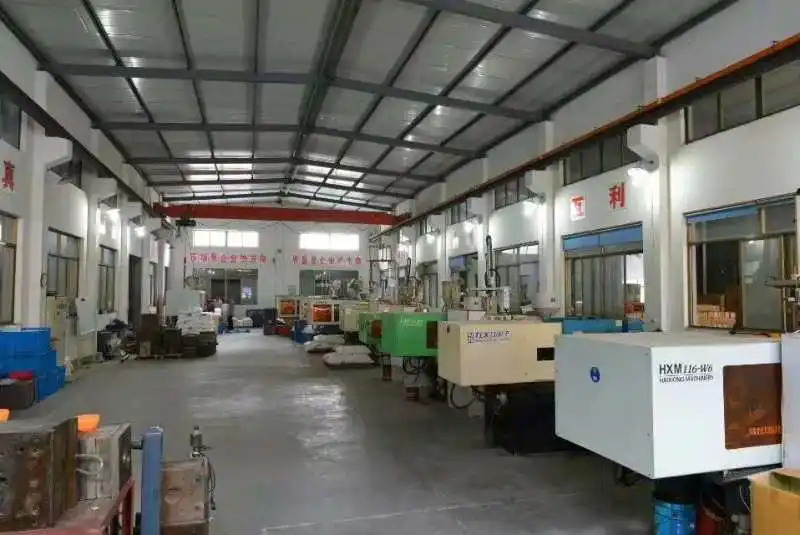
Guangzhou Kingpeak Household Product Co., Ltd.
- Manufacturer, Trading Company
- Guangdong, China
- Lead time25 days
- Avg. response≤ 2h
Main productsFood Container,tumbler,Vacuum Flasks & Thermoses,baby products,camping shovel
Main marketsNorth America(30.00%), Western Europe(27.00%), Oceania(10.00%), Central America(5.00%), South America(5.00%), Northern Europe(5.00%), Eastern Europe(5.00%), Southern Europe(5.00%), Southeast Asia(5.00%), Mid East(2.00%), Africa(1.00%)
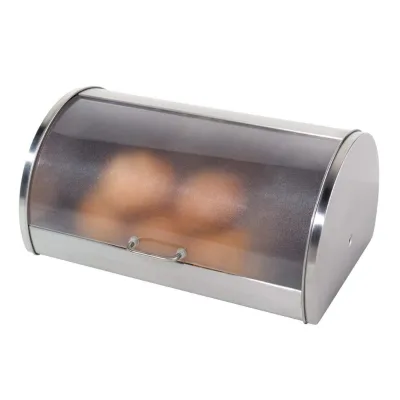
Bread Box for Kitchen Bread Storage Bin Stainless Steel with Frosted Roll Top Bread Holder
$1.04 - $5.21
MOQ: 1000 pieces
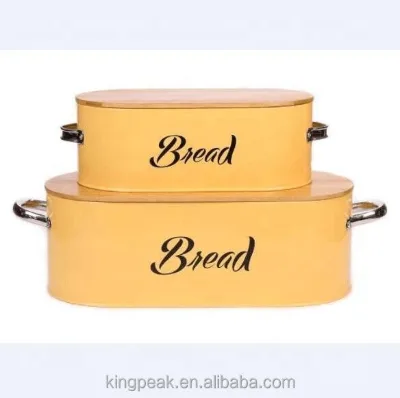
Hot Selling Bread Box for Kitchen Bread Holder with Lid Bread Storage Container Counter Organizer
$3.09 - $4.13
MOQ: 1000 pieces
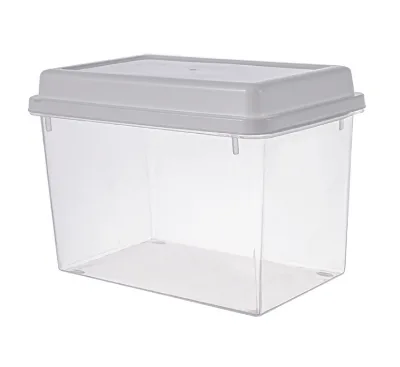
$2.00 - $3.00
MOQ: 3000 pieces
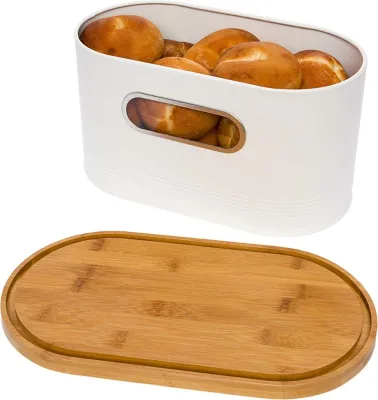
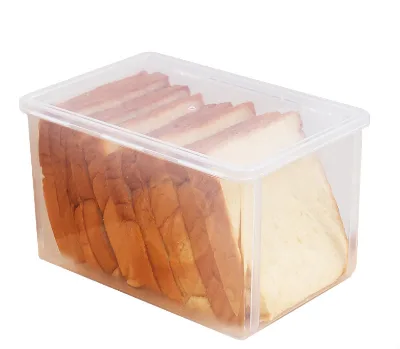

TAIZHOU HARSOUL IMP. & EXP. CO., LTD.
- Trading Company
- China Zhejiang
- Lead time30 days
- Avg. response≤ 15h
Main productsPromotion Gifts, Promotional Bag, Promotional Jewelry, Promotional Toys, Promotional Stationery, Promotional Plastic Goods
Main marketsOthers(foreignTradeCapacity.exportBusinessCapacityMarketOther),Europe,North America

XIAMEN TWO CITY IMP AND EXP CO., LTD.
- Verified by SGS
- Trading Company
- China Fujian
- Lead time30 days
- Avg. response≤ 4h
Main productsBamboo Panel, Bamboo Plywood, Bamboo Cutting Board, Bamboo Chopping Board, Bamboo Products, Bamboo Kitchenware, Bamboo Tableware, Bamboo Furniture, Wood Product, Wood Root Carving Product
Main marketsSoutheast Asia/ Mideast,Europe,North America

Bread Storage Container Bread Box for Kitchen Countertop Wood Lidded Bread Box
$3.35 - $5.02
MOQ: 500 Pieces


Bamboo Bread Box for Kitchen Counter-Large Capacity Bread Storage Container Window Bread Holder
$4.99 - $6.92
MOQ: 500 Pieces


Ningbo Toprank Imp. & Exp. Co., Ltd.
- Verified by Intertek
- Trading Company
- Lead time30 days
- Avg. response≤ 8h
Main productsPlastic Storage Box, Food Storage and Containers, Storage Rack, Cosmetics Storage, Coffee Table
Main marketsNorth America(25%), Eastern Europe(25%), Africa(23%)
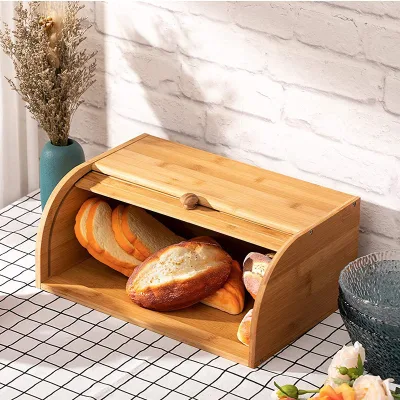
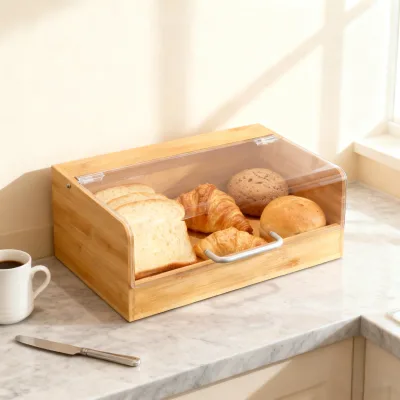
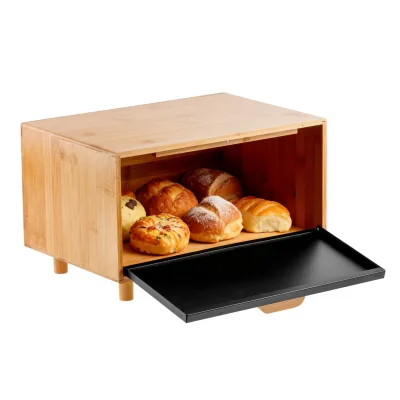
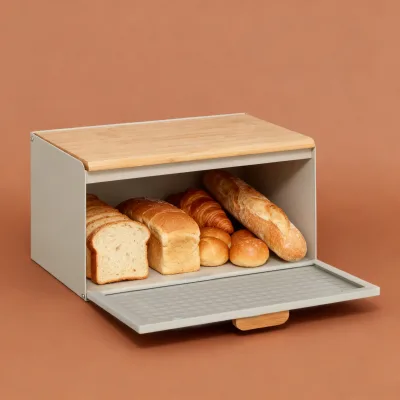
Bamboo Bread Box Kitchen Dustproof Bread Storage Box Food Storage Box Bamboo Kitchen Snack Storage
$10.09 - $20.13
MOQ: 1000 Minimum
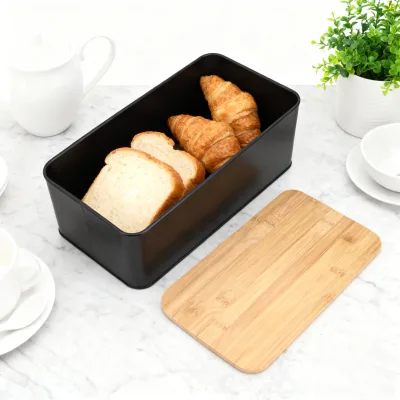
Caoxian Zhecheng Wood Industry Co.,ltd
- Verified by SGS Group
- Manufacturer, Trading Company
- Lead time20 days
- Avg. response≤ 2h
Main productsWooden box, Wooden tray, Wooden shelf, Wooden crate
Main marketsNorth America(50%), Western Europe(30%), Mid East(10%)
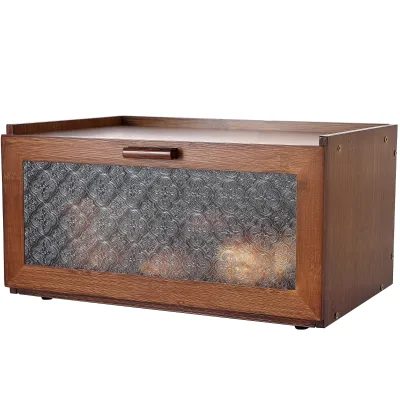
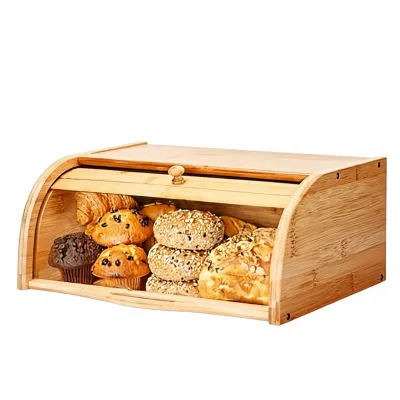
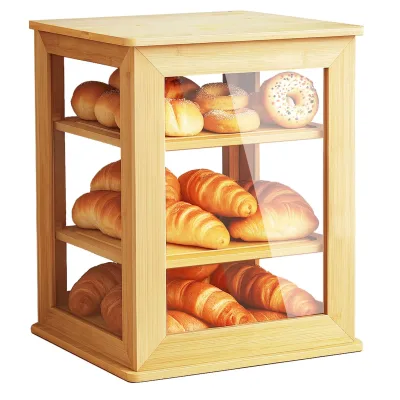
Retro Brown Bread Box - Vintage Style Kitchen Countertop Storage Container
$6.70 - $9.02
MOQ: 200 pieces

Jiangmen Xinxin Houseware Co., Ltd.
- Verified by BV
- Trading Company,Manufacturer/Factory
- China Guangdong
- Lead time30 days
- Avg. response≤ 5h
Main productsLunch Box, Coffeeware, Kitchenware, Chafing Dishes, Gn Pan, Juice Dispenser, Trolley, Stock Pot, Bar Sets, Storages Box
Main marketsEastern Europe,Mid East,North America,Southeast Asia,Eastern Asia,Oceania,Western Europe

Bread Box Kitchen Counter Stainless Steel Bread Storage Bin Roll up Container
$5.18 - $5.58
MOQ: 600 pieces

Kitchen Counter Large Capacity Keeper Metal Bread Box Countertop Bread Storage Bin Rolltop Breadbox
$5.90 - $7.20
MOQ: 600 sets

Wooden Bamboo Bottom Bread Box Kitchen Food Storage Container Bread Holder Roll Top Breadbox
$5.58 - $6.18
MOQ: 600 pieces

Pastries Storage Box Baked Goods Storage Box Kitchen Bread Tin Storage Box with Lid
$3.80 - $4.20
MOQ: 600 pieces

Xiamen Eco Go Industry Co., Ltd.
- Verified by Intertek
- Trading Company
- Lead time0 days
- Avg. response≤ 4h
Main productsBamboo and Wooden Kitchenware, Bamboo and Wooden Office Items, Bamboo and Wooden Bathroom Items, Bamboo and Wooden Household Items
Main marketsNorth America(50%), Western Europe(38%), Northern Europe(5%)

Xiamen Ebei Import & Export Co., Ltd.
- Verified by CTI
- Trading Company,Manufacturer/Factory
- China Fujian
- Lead time45 days
- Avg. response≤ 2h
Main productsEco-Friendly Products, Bamboo Tableware, Bamboo Furniture, Bamboo Kitchenware, Bamboo Office Supply, Bamboo Fibre Products, Biodegradable Products, Bamboo Towel, Solar Energy Products, Bamboo Garden Products
Main marketsSouth America,Eastern Europe,Mid East,North America,Southeast Asia,Eastern Asia,Oceania,Western Europe,Africa


White Bread Storage Container for Kitchen Countertop with Multifunction Bamboo Lid
$7.95 - $8.63
MOQ: 500 Sets


Bamboo Triangle Bread Box /Kitchen Storage Box
MOQ: 200 Sets

Bamboo Bread Box Bread Bin with Lid for Kitchen Use
MOQ: 200 Pieces
Jiangmen Kingsway Houseware Co., Ltd.
- Verified by SGS Group
- Trading Company
- Lead time50 days
- Avg. response≤ 11h
Main productsTrash Bin, Wire Rack, Toilet Brush, Dish Rack, Storage Canister
Main marketsWestern Europe(40%), Northern Europe(20%), North America(20%)

Fujian Hoyee Household Items Co., Ltd.
- Verified by BV
- Manufacturer/Factory
- China Fujian
- Lead time0 days
- Avg. response≤ 10h
Main productsBamboo Products, Cutting Board, Bathtub Caddy, Bath Mat, Bath Towel Rack, Shoes Rack, Office Organizer, Desk Organizer, Cheese Board, Serving Tray

Bamboo Large Capacity Bread Box/ Countertop Bread Storage for Kitchen Counter Retro Bread Bin
$6.50 - $7.50
MOQ: 500 Pieces

Double Layer Bread Box for Kitchen Large Bamboo Capacity Food Storage
$12.00 - $13.00
MOQ: 2000 Pieces
Jiangmen Co-Win Houseware Co., Ltd.
- Verified by TüVRheinland
- Trading Company
- Lead time40 days
- Avg. response≤ 3h
Main productsStorage Rack, Trash Bin, Smart Trash Bin
Main marketsNorth America(60%), Western Europe(30%), South America(5%)
Zhejiang Yimei Technology Co., Ltd.
- Verified by Intertek
- Manufacturer, Trading Company
- Lead time25 days
- Avg. response≤ 3h
Main productsPlastic Homeware, Plastic Storage Basket, PET Fridge Organizer, Plastic Folded Crate
Main marketsDomestic Market(33%), North America(25%), Southeast Asia(25%)
Fuzhou Bridge Trading Co., Ltd.
- Verified by TüVRheinland
- Manufacturer, Trading Company
- Lead time45 days
- Avg. response≤ 2h
Main productsCutting Board, Cheese Board, Bamboo Drawer Organizer, Bath Tray, Bamboo Storage Box
Main marketsNorth America(60%), Western Europe(40%)

Ningbo Better Life Houseware Co., Ltd
- Verified by CTI
- Trading Company
- China Zhejiang
- Lead time30 days
- Avg. response≤ 6h
Main productsHouseware Products.
Main marketsSouth America,Africa,Southeast Asia/ Mideast,Europe,Australia,North America
Cao County Huiyifeng Crafts Co., Ltd.
- Manufacturer, Trading Company
- Shandong, China
- Lead time25 days
- Avg. response≤ 4h
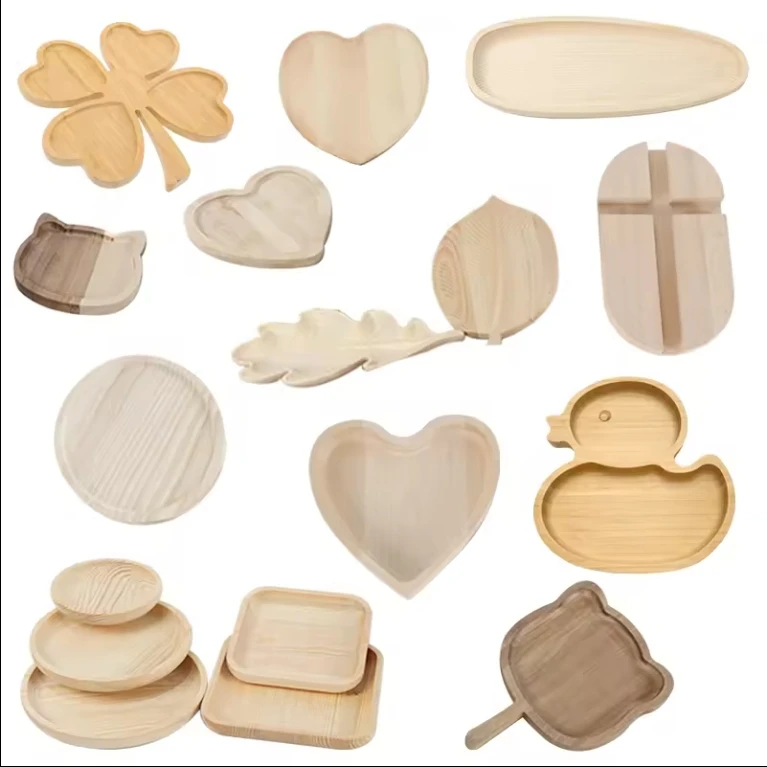
Main productswood decor,wood box,wood coaster,wood craft,wood shelf
Main marketsNorth America(35.00%), Eastern Europe(20.00%), Western Europe(10.00%), Eastern Asia(10.00%), Central America(5.00%), Southeast Asia(5.00%), Northern Europe(4.00%), Mid East(3.00%), Africa(3.00%), South America(3.00%), Oceania(2.00%)

Hangzhou Junshengjia International Trade Co., Ltd.
- Trading Company
- China Zhejiang
- Lead time0 days
- Avg. response≤ 1h
Main productsPlastic Cup, Plastic Box, Egg Box, Fruit Box, Clear Plastic Cup
Cao County Jinpengyuan Container Packaging Co., Ltd.
- Verified by SGS Group
- Manufacturer, Trading Company
- Lead time30 days
- Avg. response≤ 4h
Main productsOak Barrel, Wooden Box, Wood Tray, Fumigator, Cutting Board
Main marketsDomestic Market(30%), North America(15%), South America(10%)
Guangdong Qixiang Technology Co., Ltd.
- Manufacturer
- Guangdong, China
- Lead time30 days
- Avg. response≤ 7h
Main productsCup Turner,DIY Set,Aroma diffuser,Humidifier,Aroma diffuser holder
Main marketsNorth America(50.00%), Central America(30.00%), Southeast Asia(8.00%), Mid East(8.00%), South Asia(4.00%)

Huizhou Minxu Home Products Co., LTD
- Verified by BV
- Combined
- China Guangdong
- Lead time30 days
- Avg. response≤ 3h
Main productsWine Rack, Wall Mounted Wine Rack, Wine Pegs, Wine Glass Holder, Wine Cabinet, Wine Cellar, Pet Cabinet
Main marketsAustralia
Quanzhou Bestowal Trading Co., Ltd.
- Verified by Intertek
- Trading Company
- Lead time60 days
- Avg. response≤ 2h
Main productsBamboo Rack/Shelf, Bamboo Furniture, Bamboo Kitchenware Accessories
Main marketsMid East(35%), South Asia(30%), North America(25%)










Comprehensive Sourcing Guide
Kitchen Bread Storage Box Supplier Concentration and Factory Types
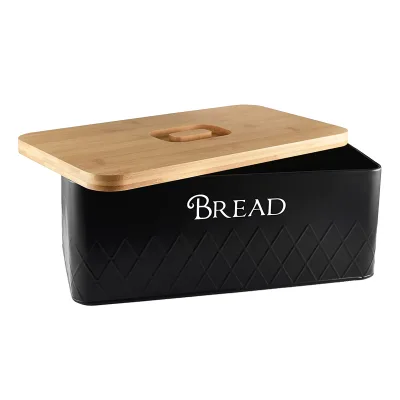
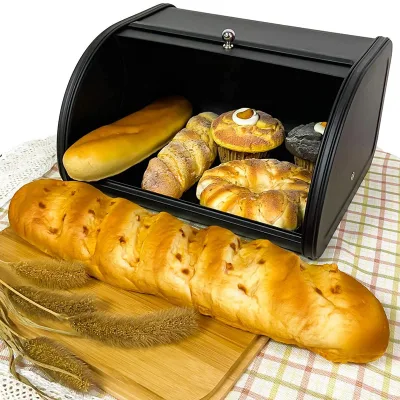
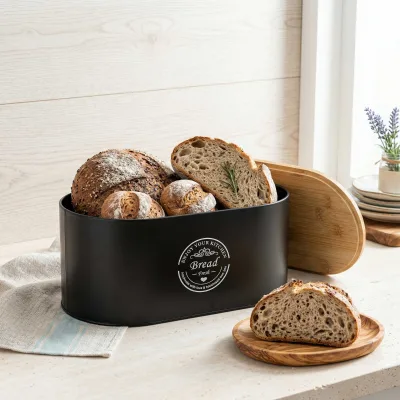
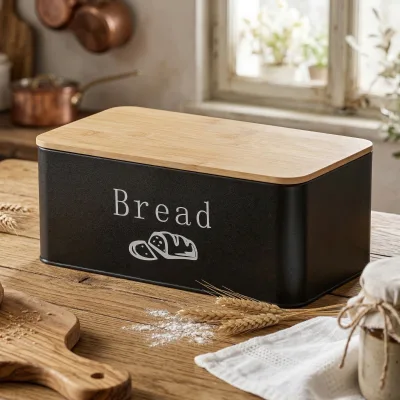
The current supplier landscape for kitchen bread storage boxes shows a distinct concentration of manufacturing activity in China, specifically within the Guangdong region. This area serves as a primary hub for metal fabrication and home organization products, offering a dense network of factories capable of producing stainless steel and carbon steel storage solutions. Buyers observing results from this location can expect a high volume of manufacturers specializing in items like bread bins, canisters, and countertop organizers. The presence of these facilities suggests a mature supply chain with established logistics for raw materials such as metal sheets and powder coating services. When evaluating potential partners, it is crucial to confirm if the factory is located within this specific cluster, as proximity often correlates with faster communication and more competitive pricing on metal-based goods.
Factory types in this sector vary between pure manufacturers and trading companies, though the majority of verified results indicate a strong presence of Manufacturer/Factory entities. These facilities typically handle the entire production cycle, from cutting and shaping metal to applying finishes like powder coating in colors such as black, white, red, and blue. Some suppliers also offer OEM and ODM capabilities, allowing for custom branding and design modifications on standard models. Buyers should verify the company type to ensure they are dealing directly with the production source rather than an intermediary. Understanding the factory's specific output, whether it focuses on square or rectangular shapes and various capacities, helps in aligning product requirements with the supplier's actual production lines and expertise.
How to Verify Kitchen Bread Storage Box Suppliers
Verification is a critical step when sourcing kitchen bread storage boxes, as the market contains a mix of established factories and less experienced traders. Several suppliers in the current results display verification badges from recognized third-party agencies such as SGS and TÜV Rheinland. These certifications indicate that the supplier has undergone external audits regarding their business legitimacy and production capabilities. Buyers should prioritize suppliers with these visible verification marks to reduce the risk of fraud or non-compliance. It is important to note that verification status can change, so confirming the current validity of these badges directly with the supplier or the certifying body is a necessary due diligence step before committing to an order.
Beyond third-party verification, buyers must assess the supplier's response time and communication efficiency as indicators of reliability. Data from current results shows response times varying significantly, with some suppliers responding within approximately two hours while others take over five hours. A faster response time often correlates with better project management and a higher likelihood of addressing issues promptly during the production phase. Additionally, checking for system certifications like ISO 9001, ISO 14001, and BSCI provides insight into the supplier's internal quality management and social compliance standards. These credentials suggest a structured approach to manufacturing that can help ensure consistent product quality and ethical labor practices throughout the supply chain.
What to Compare Across Kitchen Bread Storage Box Suppliers
When comparing suppliers, the minimum order quantity (MOQ) is a primary differentiator that impacts budget and inventory planning. Current product data indicates that many metal bread storage boxes have an MOQ of 1000 pieces, which may be a barrier for smaller buyers or those testing new product lines. Some suppliers offer customization options, but these often come with the same high volume requirements. Buyers must calculate whether the 1000-piece threshold aligns with their sales projections or if they need to negotiate a lower MOQ, potentially at a higher unit cost. Comparing the price per unit against the MOQ helps determine the total capital required to initiate a partnership, ensuring that the financial commitment matches the buyer's market strategy.
Lead times and production capacity are equally vital metrics for comparison, as they dictate the speed of market entry. The observed lead times for these metal storage containers range from 45 to 60 days, depending on the specific factory and order complexity. Suppliers with shorter lead times, such as those offering 45-day delivery, may be better suited for urgent restocking needs or seasonal launches. Buyers should also compare the specific product attributes, such as material thickness, volume capacity, and available colors, to ensure the supplier can meet precise design specifications. Evaluating these factors side-by-side allows buyers to select a partner that balances cost, speed, and product quality to meet their specific operational requirements.
Common Kitchen Bread Storage Box Sourcing Risks
One significant risk in sourcing kitchen bread storage boxes involves the variability in product specifications and material quality. While many suppliers list materials as metal, the specific type, such as carbon steel or stainless steel, and the thickness, often cited as 0.4mm, can vary between batches or suppliers. Inconsistent thickness or material grade can lead to durability issues, such as dents or rust, which damage brand reputation. Buyers must request physical samples to verify the actual weight, finish, and structural integrity of the product before placing a large order. Relying solely on digital descriptions without physical verification increases the risk of receiving goods that do not meet the expected quality standards for food storage applications.
Another major risk is the potential for miscommunication regarding customization and packaging requirements. Although many suppliers advertise customization as available, the specifics of logo placement, color matching, and packaging design can lead to discrepancies if not clearly defined. Some results indicate options for custom logos and colors, but the final output depends heavily on the clarity of the initial brief. Additionally, packaging standards vary, with some suppliers using gift boxes with cartons while others use bulk loading. Failure to agree on precise packaging details can result in damaged goods during transit or non-compliance with retail requirements. Clear, written agreements on all customization and packaging details are essential to mitigate these risks.
Kitchen Bread Storage Box Regional Sourcing and Logistics
Sourcing from the Guangdong region in China offers logistical advantages due to the area's extensive port infrastructure and established export networks. Factories in this location typically ship via major ports like Shenzhen, which facilitates efficient container loading and faster transit times to global markets. The proximity of suppliers to these ports reduces inland transportation costs and minimizes the risk of delays associated with long-haul trucking. Buyers should verify the specific FOB port listed in the supplier's product details, as this determines who is responsible for the initial leg of the shipping journey. Understanding the logistics hub helps in estimating total landed costs and planning inventory replenishment schedules more accurately.
Logistics planning must also account for the specific shipping methods and container loading capabilities of the supplier. Current data shows options for mix loading, bulk loading, and full container loading, each with different implications for cost efficiency and space utilization. Suppliers offering full container loading options can help maximize the volume of goods shipped per trip, reducing the per-unit shipping cost. However, buyers need to ensure that the product dimensions, such as the standard sizes of 30.52016CM or 413954CM, fit efficiently within the chosen container type. Coordinating with the supplier on optimal packing configurations ensures that the shipment is secure and cost-effective, preventing wasted space or product damage during transit.
Kitchen Bread Storage Box Commercial Terms and Order Planning
Commercial terms regarding pricing and payment structures are fundamental to successful order planning for kitchen bread storage boxes. The observed price range for these metal containers varies, with some models priced around $5.71 per unit and others ranging from $1.00 to $6.00 depending on the specific model and customization level. Buyers must analyze these price points in the context of their target retail margin and the MOQ requirements. It is essential to confirm whether the quoted price includes all necessary components, such as the metal body, lid, and any specific finishes like powder coating. Understanding the full cost structure prevents unexpected expenses that could erode profit margins and ensures the final product remains competitive in the target market.
Order planning should also incorporate the supplier's production capacity and ability to handle volume fluctuations. Some suppliers indicate capabilities for OEM, ODM, and own-brand production, which suggests flexibility in scaling orders up or down based on demand. However, the lead times of 45 to 60 days mean that buyers must plan their inventory orders well in advance to avoid stockouts. Establishing a clear production schedule with the supplier, including milestones for material procurement, manufacturing, and quality inspection, is crucial for maintaining a steady supply chain. Regular communication regarding production status helps buyers anticipate any delays and adjust their sales and marketing strategies accordingly to maintain business continuity.
FAQs
What is the typical lead time for bread storage boxes?
Manufacturers generally require 45 to 60 days to produce and ship orders. This timeframe allows for material sourcing, metal fabrication, and quality inspections. Buyers should confirm exact delivery schedules with suppliers before placing bulk orders to ensure timely inventory replenishment.
What is the minimum order quantity for metal bread boxes?
The standard minimum order quantity is 1000 pieces per model. This threshold applies to most metal storage containers and bread bins. Buyers seeking smaller quantities may need to negotiate directly with manufacturers or look for suppliers offering lower MOQs for trial orders.
Are customization options available for bread storage containers?
Yes, customization is widely available for metal bread boxes. Suppliers offer options for custom colors, logos, sizes, and packaging designs. Buyers can request specific dimensions or branding to align with their retail requirements, ensuring the final product matches their market strategy.
What materials are used for kitchen bread storage boxes?
Most bread storage boxes are constructed from metal or carbon steel. These materials provide durability and protection for stored food items. Some models feature powder coatings for added resistance to rust and scratches, ensuring longevity in busy kitchen environments and commercial settings.
What is the price range for wholesale bread bins?
Wholesale prices for bread bins typically range from $1.00 to $9.23 per unit. Costs vary based on material thickness, design complexity, and customization requirements. Buyers should request detailed quotes to understand pricing tiers and potential discounts for larger volume purchases.
How quickly do suppliers respond to inquiries?
Supplier response times vary, with some responding within 2.23 hours and others taking up to 5.06 hours. Faster response times indicate active sales teams ready to assist with quotes and specifications. Buyers should prioritize suppliers with quicker response rates for efficient communication.
Where are these bread storage box manufacturers located?
Manufacturers are primarily located in Guangdong, China. This region is known for its robust manufacturing infrastructure and supply chain efficiency. Buyers can expect reliable production capabilities and access to a wide variety of storage solutions from suppliers in this geographic area.