Automatic Xiaolong Baozi Making Machine Suppliers and Manufacturers
Source 26 verified suppliers for Automatic Xiaolong Baozi Making Machine units from China Zhejiang and Henan. Compare key dimensions including lead times, MOQs, response times, and certifications like CE and ISO. Request quotes to evaluate pricing and customization options for your production needs.
Updated
Suppliers List

Ningbo Jiangbei Fuxin Food Machinery Co., Ltd.
- Verified by CTI
- Combined
- China Zhejiang
- Lead time15 days
- Avg. response≤ 2h
Main productsSiomay Machine, Dumpling Machine, Bun Machine
Main marketsSouth America,East Asia(Japan/ South Korea),Europe,Australia,North America

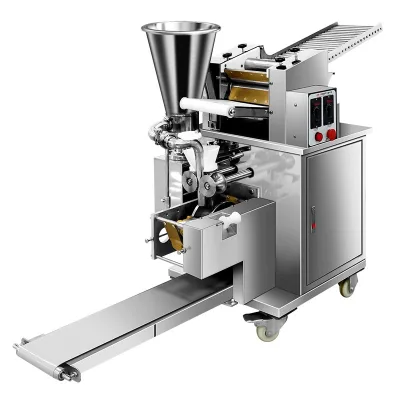
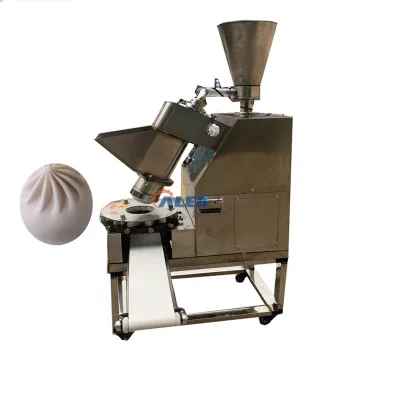
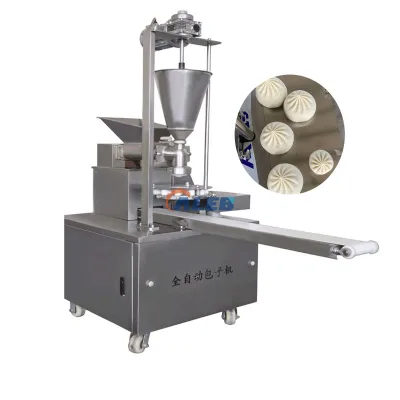
Multifunctional Baozi Making Machine Xiaolong Bao/Baozi Machine Soup Filling Baobao Making Machine
$16500.00 - $19800.00
MOQ: 1 sets

$17500.00 - $20500.00
MOQ: 1 sets

Multi-Functional Automatic Soup Bao Machine, Baozi Molding Machine, Xiaolongbao Production Machine
$16000.00 - $19000.00
MOQ: 1 sets

Commercial Dumpling Baozi Making Machine Siomai Shaomai Shumai Machine
$17850.00 - $22000.00
MOQ: 1 sets


Jiaozuo Taoding Trading Co., Ltd
- Verified by SGS
- Trading Company
- China Henan
- Lead time15 days
- Avg. response≤ 3h
Main productsVarious Food Machines, Dumpling Machine, Meat Cutting Machine, Roti Machine, Vegetable Cutting Machine, Snack Machine, Packing Machine
Main marketsSouth America,Africa,Southeast Asia/ Mideast,East Asia(Japan/ South Korea),Europe,Australia,North America
Chongqing Fuchuanggui Trade Co., Ltd.
- Trading Company
- Chongqing, China
- Lead time20 days
- Avg. response≤ 2h
Main productsFood Dryer,Popcorn Machine,Ercial Meat Slicing Machine,Dumpling Machine
Main marketsAfrica(15.00%), South Asia(15.00%), South America(10.00%), Central America(10.00%), North America(10.00%), Northern Europe(8.00%), Eastern Asia(8.00%), Southern Europe(5.00%), Oceania(5.00%), Mid East(5.00%), Domestic Market(5.00%), Western Europe(2.00%), Southeast Asia(2.00%)
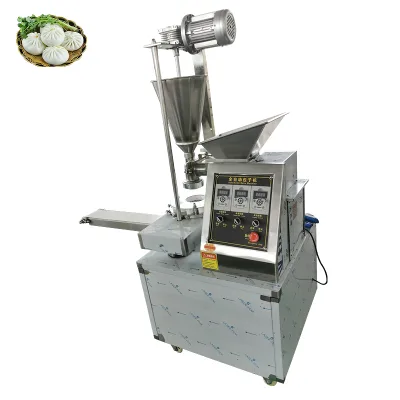
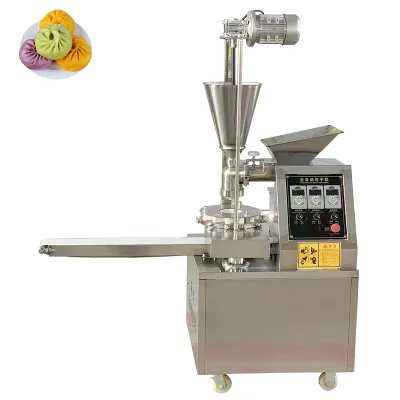
Baozi Forming Machine Automatic Banh Xiao Long Tang Bao Siopao Maker Momo Making Machine
$929.8373 - $1012.4898
MOQ: 1 sets
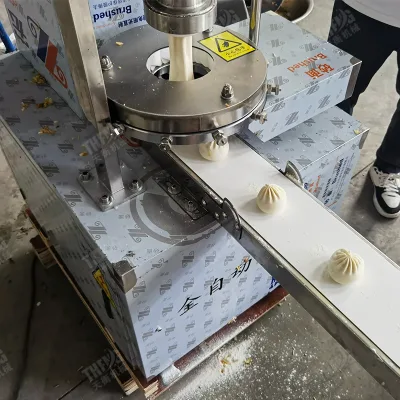
$922.1898 - $1004.1631
MOQ: 1 sets
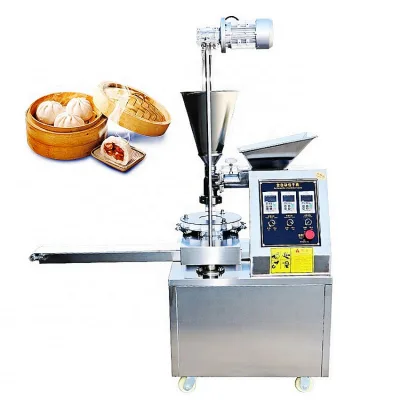
$918.4198 - $1000.058
MOQ: 1 sets
$929.8373 - $1012.4898
MOQ: 1 sets
$918.4198 - $1000.058
MOQ: 1 sets
Henan Huanor Import And Export Trade Co., Ltd.
- Verified by TüVRheinland
- Trading Company
- Lead time0 days
- Avg. response≤ 6h
Main productsMeat Grinder, Bowl Cutter, Slicer, Beef Patty Machine
Main marketsNorth America(20%), Western Europe(20%), Eastern Europe(8%)
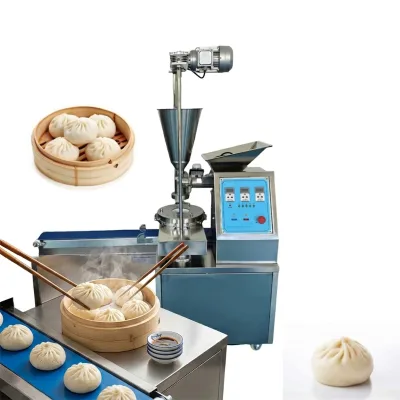
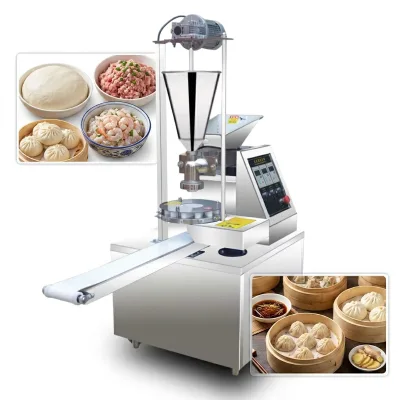
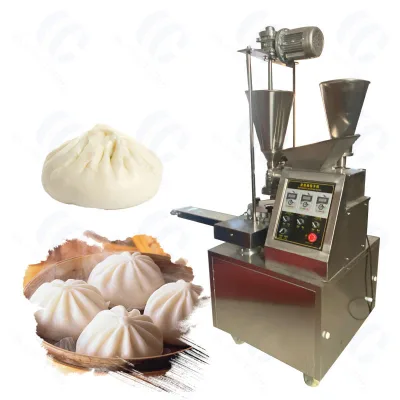
Multifunctional Baozi Chinese Xiao Long Bao Machine Dim Sum Soup Dumpling Momo Making Machine
$1300.00 - $1400.00
MOQ: 1 sets
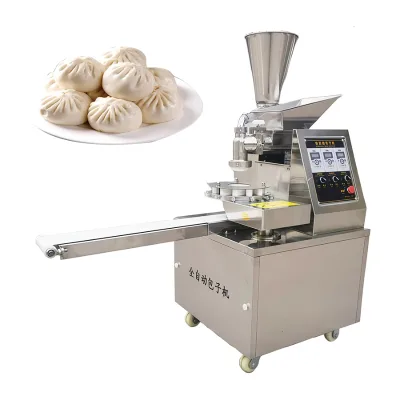
Small Business Full-Automatic Momos and Burger Bun Maker Machine Core Component Motor
$900.00 - $1250.00
MOQ: 1 sets
Shanghai Longyu Electro-Mechanic Technology Co., Ltd.
- Verified by SGS Group
- Manufacturer, Trading Company
- Lead time10 days
- Avg. response≤ 4h
Main productsCookies Machine, Maamoul Mooncake Production Line, Bread Making Machine, Encrusting Machine, Pizza Production Line
Main marketsDomestic Market(65%), North America(10%), Southeast Asia(10%)
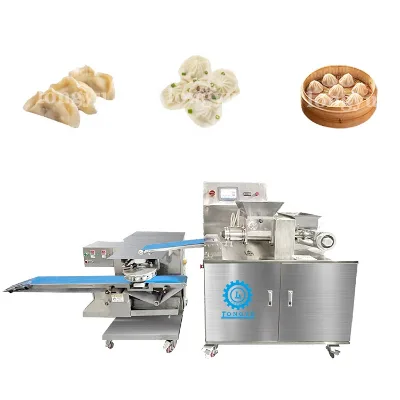
SV-207 Xiao Long Tang Bao Baozi Making Machine Automatic Soupy Dumpling Machnie
$11077.6227 - $11905.8562
MOQ: 1 sets
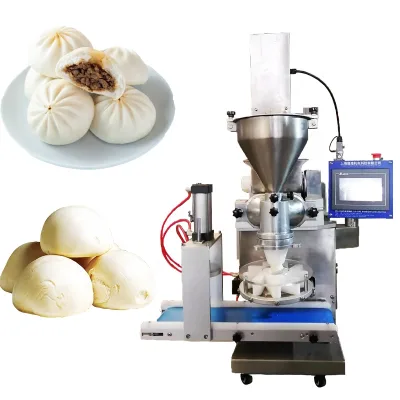
Longyu Commercial Baozi Machine Automatic Baozi Making Machine Baozi Maker Encrusting Machine
$4100.00 - $4500.00
MOQ: 1 sets

HE NAN PENG HUI MACHINERY AND EQUIPMENT CO., LTD.
- Verified by CTI
- Manufacturer/Factory
- China Henan
- Lead time15 days
- Avg. response≤ 3h
Main productsMeat Processing Machine, Fruit Processing Machine, Vegetable Processing Machine, Seafood Processing Machine, Grain Product Processing Machine, Snack Machine, Nuts Processing Machine, Quilting Machine, Textile Machine, Paper Product Processing Machine
Main marketsSouth America,Eastern Europe,Mid East,North America,Southeast Asia,Eastern Asia,Oceania,Western Europe,Africa

Nepal Momo Xiao Long Bao Making Machine Baozi Forming Sipao Maker Machine
$1200.00 - $2000.00
MOQ: 1 Pieces

Siu Mai Shumai Siumai Shaomai Machine Shao Mai Siomai Baozi Making Machine
$3000.00 - $4000.00
MOQ: 1 Pieces

Automatic Siomai Maker Shaomai Making Machine Tabletop Siu Mai Making Machine
$8000.00 - $9000.00
MOQ: 1 Pieces
Henan Orange Industry Co.,Ltd.
- Verified by SGS Group
- Manufacturer, Trading Company
- Lead time30 days
- Avg. response≤ 2h
Main productsCandy Production Line, Yogurt Production Line, Bread Production Line, Pita Production Line, Chocolate Coating Production Line
Main marketsSoutheast Asia(31%), Western Europe(17%), Africa(16%)
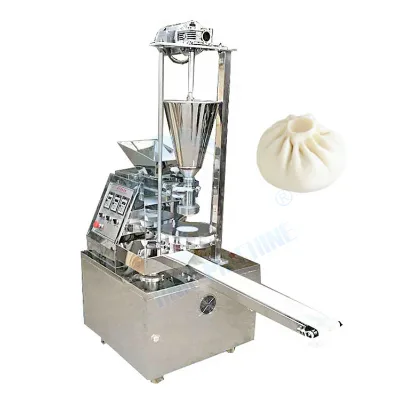
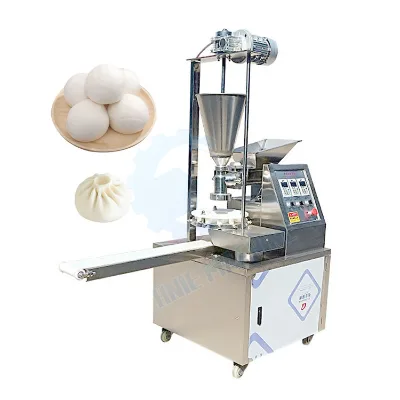
Baozi Forming Machine Banh Xiao Long Tang Bao Automatic Siopao Machine Maker
$1640.5734
MOQ: 1 Minimum

Henan Chanda Machinery Co., Ltd
- Verified by TUVRHEINLAND
- Trading Company,Manufacturer/Factory
- China Henan
- Lead time15 days
- Avg. response≤ 4h
Main productsFood Machine, Vegetable Cutting Machine, Bun Making Machine, Roti Making Machine, Samosa Making Machine, Skin Vacuum Packing Machine, Peeling Machine, Tablet Press Machine, Noodle Boiler, Meat Cutting Machine
Main marketsSouth America,Eastern Europe,Mid East,North America,Southeast Asia,Eastern Asia,Oceania,Western Europe,Africa

Automatic Baozi Bao Pow Steamed Stuffed Bun Making Machine Baozi Making Machine
$1320.00
MOQ: 1 Pieces

Stainless Steel Baozi Making Machine High Speed Momo Making Machine Made in China
$4860.00 - $4880.00
MOQ: 1 Pieces


$170.00 - $180.00
MOQ: 1 Pieces

Tabletop Chinese Dim Sum Machine Baozi Wonton Dumpling Maker Siumai Siomai Making Machine
$4200.00 - $4300.00
MOQ: 1 Pieces

Shenzhen Hanbeter Technology Co., Ltd.
- Manufacturer
- Guangdong Province, China
- Lead time15 days
- Avg. response≤ 2h
Main productsFood & Beverage Machinery,Drying Equipments,Grain processing machine,Quick Freezing Equipment,Food Packing Machine
Main marketsNorth America(30.00%), Western Europe(15.00%), South America(10.00%), Northern Europe(10.00%), Eastern Europe(10.00%), Southern Europe(5.00%), Central America(3.00%), South Asia(3.00%), Oceania(3.00%), Mid East(3.00%), Domestic Market(2.00%), Africa(2.00%), Eastern Asia(2.00%), Southeast Asia(2.00%)
Henan Grande Machinery Co., Ltd.
- Trading Company
- Henan, China
- Lead time15 days
- Avg. response≤ 5h
Main productsGrain Product Making Machine, Fruit & Vegetable Processing Machines, Meat Processing Machinery, Water Filling Line, Packing Machine
Main marketsNorth America(38.00%), Eastern Europe(20.00%), Africa(11.00%), Southeast Asia(9.00%), South America(5.00%), Oceania(5.00%), Western Europe(5.00%), Central America(5.00%), Eastern Asia(1.00%), Mid East(1.00%), South Asia(0.00%), Southern Europe(0.00%), Northern Europe(0.00%), Domestic Market(0.00%)
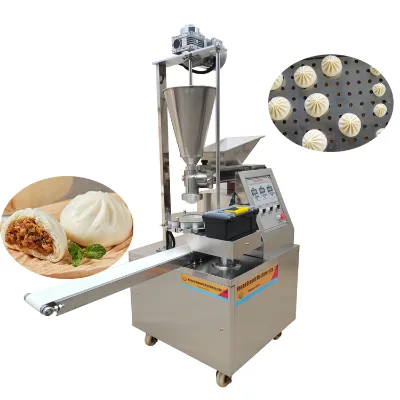
$902.9347 - $1128.6677
MOQ: 1 Minimum
Henan Maggie Trading Co., Ltd.
- Trading Company
- Lead time旺季: "1 - 1":15,"2 - 5":20,"> 5":"To be negotiated", 淡季: "1 - 1":15,"2 - 5":20,"> 5":"To be negotiated"
- Avg. response≤ 1h
Main productsSnacks,meat,vegetables,and grain processing machinery,Vending machines and packaging machines
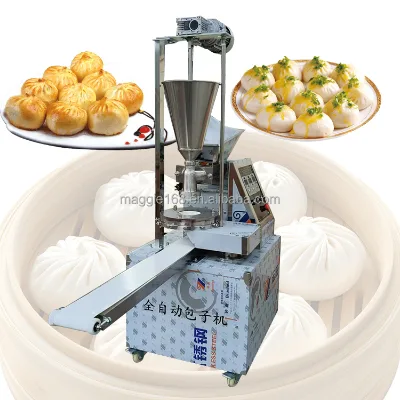
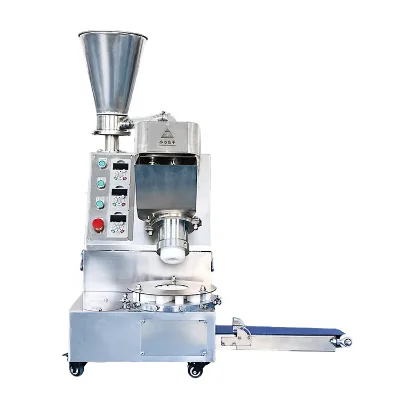
$1117.0812 - $1241.315
MOQ: 1 sets
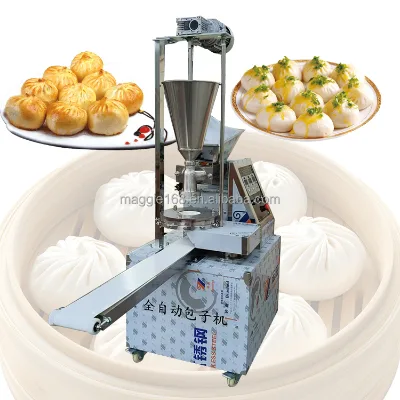
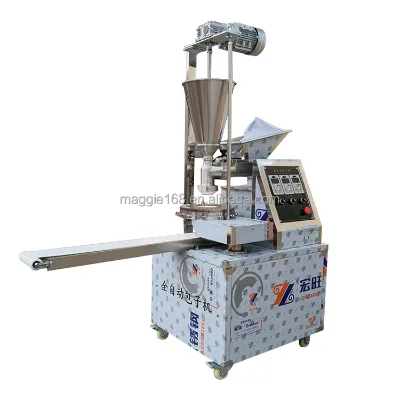
$1130.00 - $1180.00
MOQ: 1 sets

Wuxi Henghao Machinery Technology Co., Ltd
- Verified by TUVRHEINLAND
- Combined
- China Jiangsu
- Lead time30 days
- Avg. response≤ 2h
Main productsBread Production Line, Bread Making Machine, Automatic Encrusting Machine, Dough Divider Rounder, Dough Pressing Machine, Maamoul Mooncake Production Line, Dough Mixer, Soup Dumpling Making Machine, Cake Whipping Machine, Cake Continuous Aerator Machine
Main marketsEast Asia(Japan/ South Korea),Domestic


Compact Xiaolongbao Equipment Space Saving Design Automatic Xiaolongbao Machine
$5000.00 - $20000.00
MOQ: 1 set


Guangzhou Tianyin Industrial Co., Ltd.
- Verified by SGS
- Trading Company,Manufacturer/Factory
- China Guangdong
- Lead time15 days
- Avg. response≤ 6h
Main productsIce Maker Machine, Ice Cream Machine, Somosa Making Machine, Dumpling Making Machine, Food Machine, Dough Sheeter, Bakery Equipment, Meat Cutting Machine, Vegetable Cutting Machine
Main marketsSouth America,Eastern Europe,Mid East,North America,Southeast Asia,Eastern Asia,Oceania,Western Europe,Africa
Henan Yanneng Intelligent Technology Co., Ltd.
- Trading Company
- Henan, China
- Lead time10 days
- Avg. response≤ 3h
Main productsFood processing machinery,Packaging machinery
Main marketsNorthern Europe(30.00%), North America(20.00%), Mid East(20.00%), Southeast Asia(20.00%), Domestic Market(10.00%)
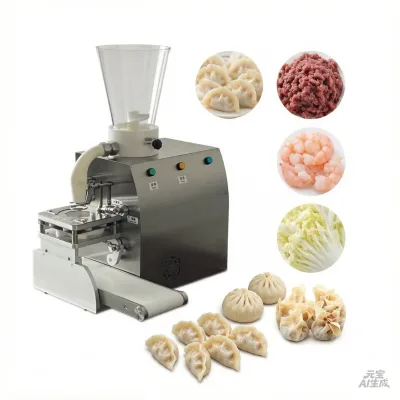
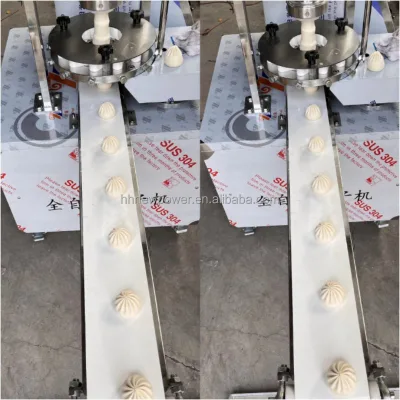
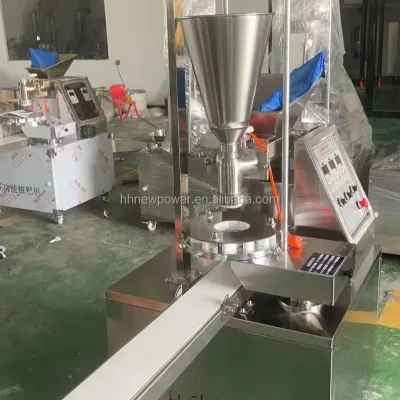
$930.4836 - $1292.339
MOQ: 1 sets
Cangzhou Pukka Machinery Co., Ltd.
- Trading Company
- Hebei, China
- Lead time7 days
- Avg. response≤ 4h
Main productsFood Machinery,Chocolate Machine,Testing Machine,Package Machine,Garlic Machine
Main marketsMid East(17.00%), North America(16.00%), Africa(13.00%), Domestic Market(10.00%), South Asia(8.00%), South America(8.00%), Southeast Asia(6.00%), Southern Europe(5.00%), Oceania(3.00%), Eastern Europe(3.00%), Northern Europe(3.00%), Central America(3.00%), Western Europe(3.00%), Eastern Asia(2.00%)
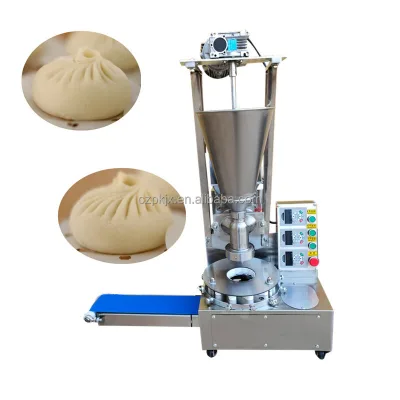
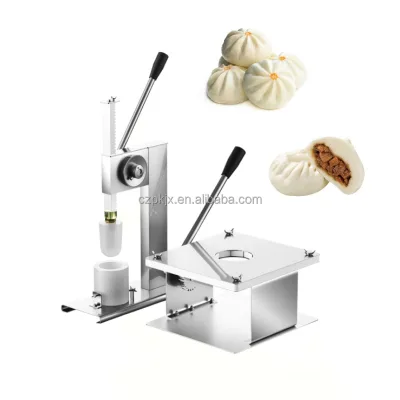
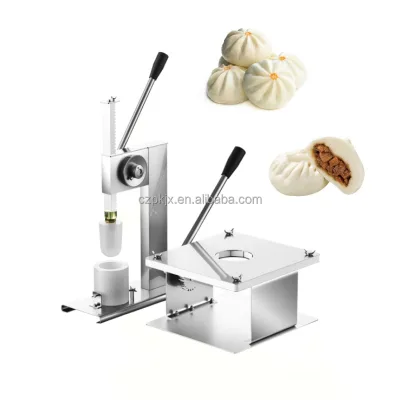
Stainless Steel Manual Xiaolongbao Making Machine Hot Sales Momo Baozi Forming Equipment on Sale
$187.5221 - $229.1932
MOQ: 1 sets
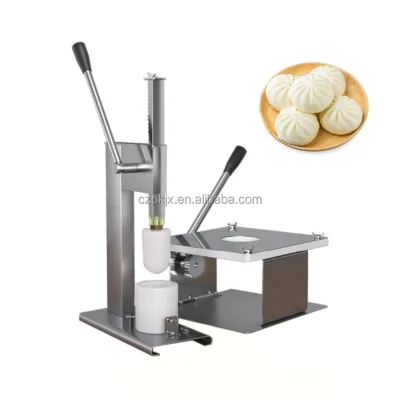
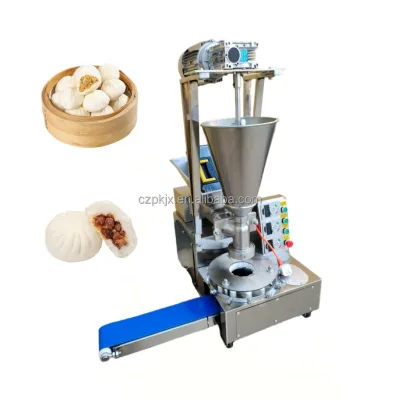
Easy Operation Whole Set Baozi Filling Machine High Quality Xiaolongbao Momo Making Machine
$187.5221 - $229.1932
MOQ: 1 sets
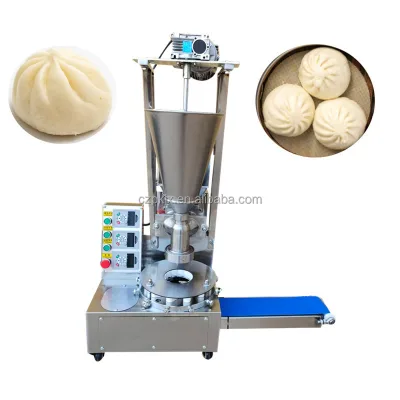
$187.5221 - $229.1932
MOQ: 1 sets
$1333.485 - $1406.409
MOQ: 1 sets
Henan Growing Mechanical Equipment Co.,ltd
- Trading Company
- Henan, China
- Lead time0 days
- Avg. response≤ 2h
Main productsagricultural machinery,food machinery,stockbreeding machinery,garden machinery,oil press machinery
Main marketsNorth America(25.00%), Africa(15.00%), Southeast Asia(12.00%), Northern Europe(5.00%), Central America(5.00%), South Asia(5.00%), Mid East(5.00%), South America(5.00%), Domestic Market(1.00%), Eastern Asia(1.00%)
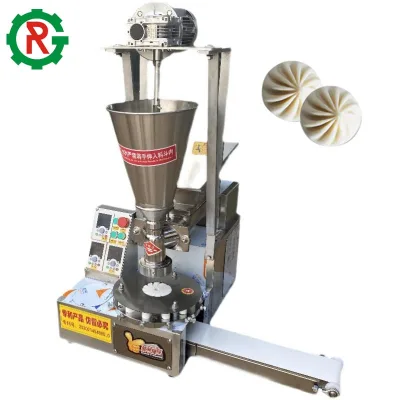
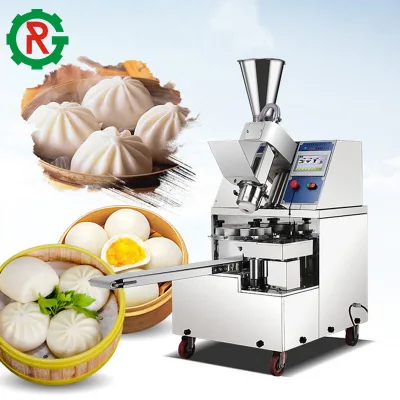
Nepal Momo Making Machine Automatic Baozi Momo Making Machine
$5369.00 - $5600.00
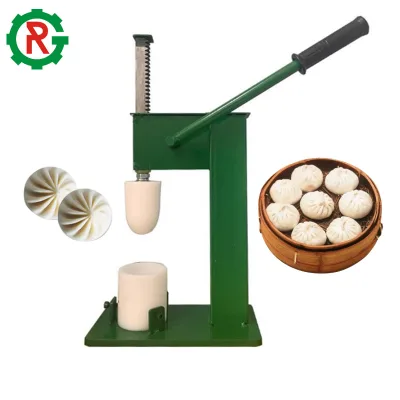

Henan Efficient Machinery CO., LTD
- Verified by BV
- Trading Company
- China Henan
- Lead time15 days
- Avg. response≤ 5h
Main productsPlastic Recycling Machinery, Woodworking Machinery, Charcoal Machinery, Food Machinery, Agricultural Machinery, Packaging Machinery, Metal Baler, Egg Tray Making Machinery
Main marketsAfrica

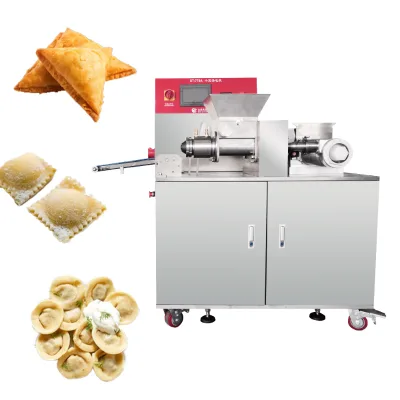
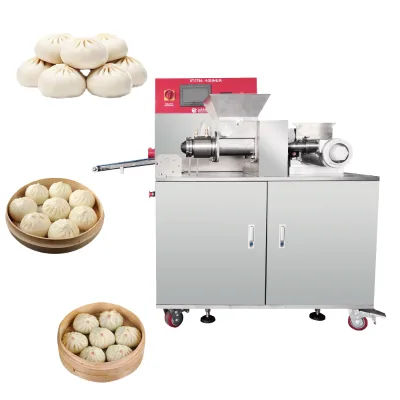
Automatic Xiao Long Bao Soup Dumpling Making Machine Dim Sum Making Machine
$8300.00 - $9000.00
MOQ: 1 Pieces

High Efficiency Siopao Baozi Bun Maker Automatic Soup Dumpling Machine
$8300.00 - $9000.00
MOQ: 1 Pieces
- Trading Company
- Henan, China
- Lead time10 days
- Avg. response≤ 2h
Main productsGrain Product Making Machines,Industrial Sewing Machine,Bakery Dough Mixer,Snack Machines,Dumpling Making Machine
Main marketsEastern Europe(14.00%), Eastern Asia(12.00%), Southeast Asia(10.00%), North America(10.00%), Oceania(8.00%), Western Europe(7.00%), Southern Europe(7.00%), Africa(7.00%), Mid East(6.00%), Northern Europe(6.00%), South America(6.00%), Central America(3.00%), Domestic Market(2.00%), South Asia(2.00%)
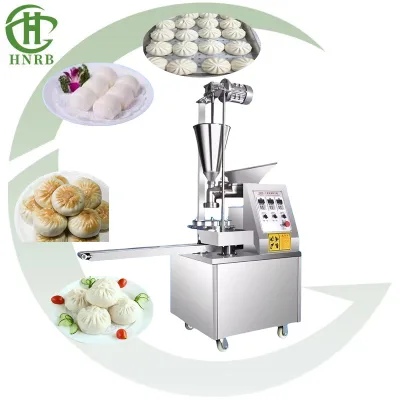
$1131.7779 - $1419.8671
MOQ: 1 sets

Henan Topp Machinery Co., Ltd.
- Verified by BV
- Trading Company,Manufacturer/Factory
- China Henan
- Lead time23 days
- Avg. response≤ 2h
Main productsFruit Juicing Machine, Fruit Stone Extractor, Fruit and Vegetable Peeling Machine, Fruit Sorting Machine, Snack Machinery, Soft Ice Cream Machine, Peanut Brittle Machine, Donut Making Machine, Candy Cane Production Line, Cookies Making Machine
Main marketsSouth America,Eastern Europe,Mid East,North America,Southeast Asia,Eastern Asia,Oceania,Western Europe,Africa
Henan Chuang Qin Mechanical Equipment Co., Ltd.
- Verified by TüVRheinland
- Trading Company
- Lead time15 days
- Avg. response≤ 2h
Main productsCoffee Roasters, Freeze Dryers, Meat Processing Machines, Pasta Production Equipment
Main marketsNorth America(38%), South America(13%), Southeast Asia(13%)
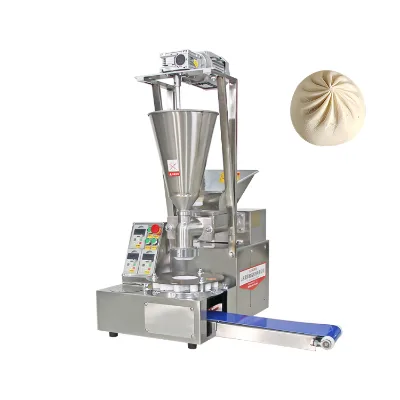
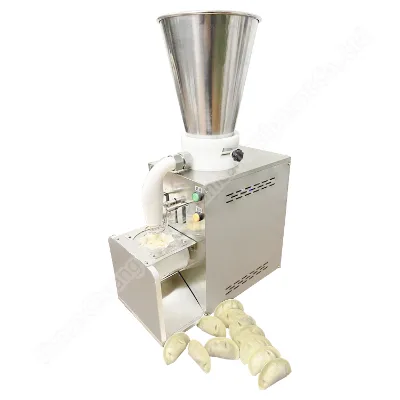
$1800.00 - $1980.00
MOQ: 1 sets
Henan H&d Industrial Co., Ltd.
- Trading Company
- Henan, China
- Lead time7 days
- Avg. response≤ 1h
Main productsFood Machinery,Farm Machinery,Vending Machine,Beverages Machinery,Juicing Machine
Main marketsNorth America(40.00%), Northern Europe(10.00%), Southeast Asia(10.00%), South Asia(5.00%), Central America(5.00%), Eastern Europe(5.00%), Western Europe(5.00%), South America(5.00%), Mid East(5.00%), Oceania(5.00%), Africa(5.00%)
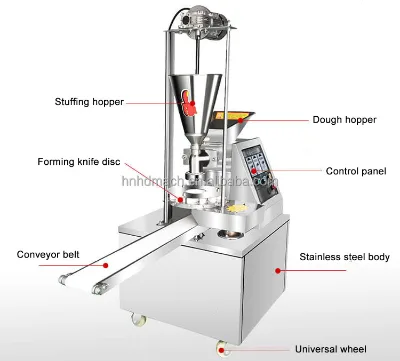
Xiao Long Bao Momo Making Machine Fully Automatic Mochi Encrusting Steam Bun Baozi Machine
$850.00 - $1250.00
MOQ: 1
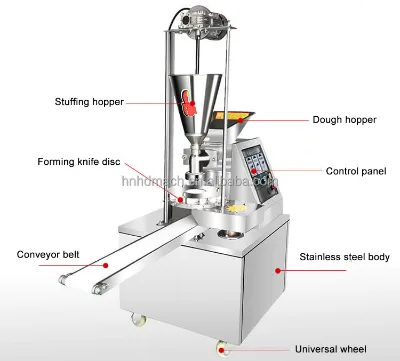
Small Baozi Momo Making Machine Bakpao Momo Bun Machinery Chinese Nikuman Forming Bun Making Machine
$850.00 - $1250.00
MOQ: 1 sets
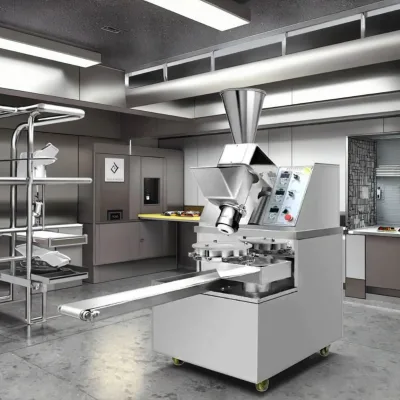
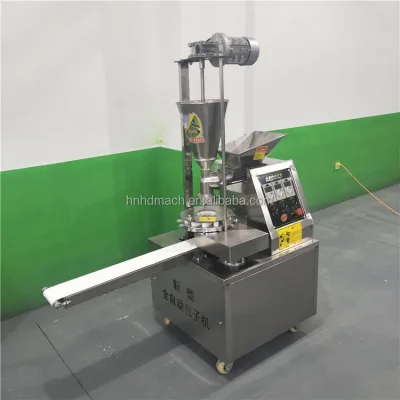
$850.00 - $1250.00
MOQ: 1 sets
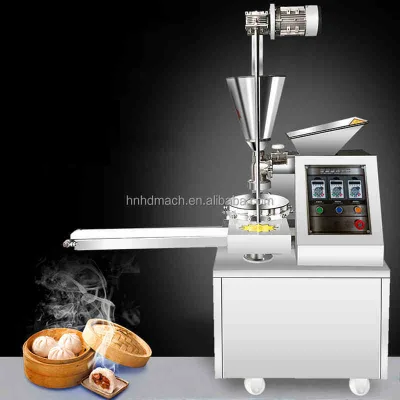
$850.00 - $1250.00
MOQ: 1 sets
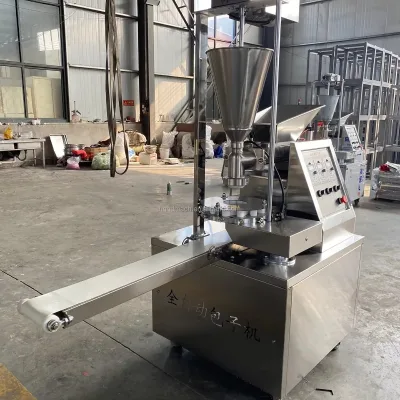
Commercial Manufacturer's Stainless Steel Baozi & Momo Filling Machine with Motor As Core Component
$850.00 - $1250.00
MOQ: 1 sets

Shanghai Chengtao Intelligent Equipment Co., Ltd
- Verified by SGS
- Combined
- China Shanghai
- Lead time45 days
- Avg. response≤ 1h
Main productsDumpling Machine, Siomai Machine, Kubba Machine, Maamoul Machine, Encrusting Machine, Spring Roll Machine, Samosa Machine, Bread Machine, Gyoza Machine, Wonton Machine
Main marketsAfrica,Southeast Asia/ Mideast,East Asia(Japan/ South Korea),Domestic,Europe,Australia,North America

$12000.00 - $13000.00
MOQ: 1 Pieces


Semi-Automatic Shaomai Making Machine High Efficiency Easy Operation
$7000.00 - $7300.00
MOQ: 1 Pieces

Zhengzhou Caleb Machinery Co., Ltd.
- Verified by SGS Group
- Trading Company
- Lead time10 days
- Avg. response≤ 1h
Main productsAgricultural Machinery, Harvesting Machine, TMR Mixer, Silage Machine, Food Machinery
Main marketsSoutheast Asia(25%), North America(20%), Western Europe(15%)

Henan Wealth Machinery Co., Ltd
- Verified by SGS
- Trading Company
- China Henan
- Lead time15 days
- Avg. response≤ 4h
Main productsGrain Product Making Machine, Meat Processing Machine, Fruit & Vegetable Processing Machine, Biscuit/ Cookies Machine, Frying Machine, Candy Making Machine, Tortilla Machine, Sausage Production Line, Egg Roll/ Ice Cream Cone Making Machine
Main marketsSouth America,Southeast Asia/ Mideast,Europe


$1000.00 - $1300.00
MOQ: 1 Sets

Luohe Tianheng Machinery Co., Ltd.
- Verified by TUVRHEINLAND
- Combined
- China Henan
- Lead time15 days
- Avg. response≤ 4h
Main productsPackaging Machinery, Grain Machinery, Flour Mill, Oil Press, Food Machinery.
Main marketsSoutheast Asia/ Mideast

High Efficiency Easy Operation Steamed Bun Baozi Momo Making Processing Machine
$800.00 - $1000.00
MOQ: 1 Pieces

Customized High Production Fully Automatic Steamed Bun Baozi Processing Making Maker Machine
$800.00 - $1000.00
MOQ: 1 Pieces

High Production Automatic Steamed Bun Baozi Momo Processing Making Maker Machine
$800.00 - $1000.00
MOQ: 1 Pieces

Food Grade Stainless Steel Automatic Small Dumplings Momo Baozi Making Maker Machine
$800.00 - $1000.00
MOQ: 1 Pieces

Hot Sale Stainless Steel Fully Automatic Bun Baozi Momo Making Maker Processing Machine
$800.00 - $1000.00
MOQ: 1 Pieces
Zhengzhou Jawo Machinery Co., Ltd.
- Trading Company
- Henan, China
- Lead time10 days
- Avg. response≤ 5h
Main productsFruit and vegetable processing machine,Grain processing machine,Meat processing machines,Drying Machines,Building Machines
Main marketsNorthern Europe(15.00%), Mid East(10.00%), Western Europe(10.00%), Oceania(9.00%), Eastern Europe(8.00%), South America(8.00%), North America(8.00%), South Asia(6.00%), Southeast Asia(6.00%), Africa(6.00%), Southern Europe(5.00%), Eastern Asia(5.00%), Domestic Market(2.00%), Central America(2.00%)




Comprehensive Sourcing Guide
Automatic Xiaolong Baozi Making Machine Supplier Concentration and Factory Types
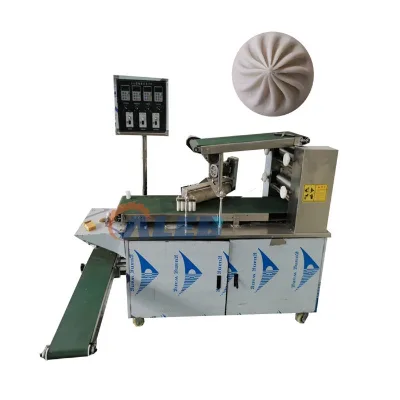
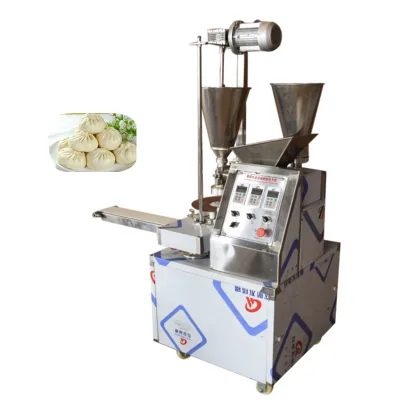
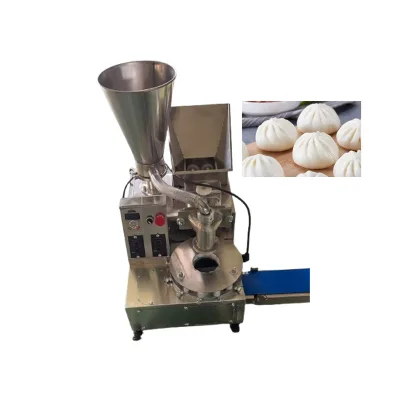
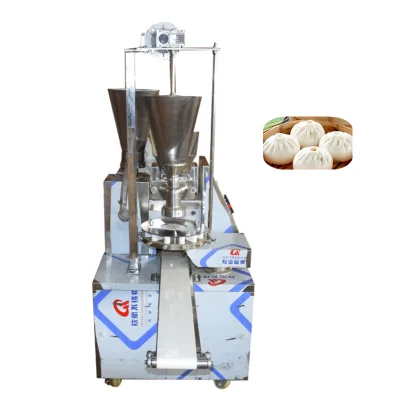
The current supplier landscape for automatic xiaolong baozi making machines reveals a distinct concentration of manufacturing activity within specific Chinese provinces, with Zhejiang and Henan emerging as primary hubs for this specialized food processing equipment. Suppliers located in Zhejiang, China, often present themselves as combined entities capable of handling both original design manufacturing and original equipment manufacturing, indicating a robust internal capability to adapt machinery to specific client requirements. These Zhejiang-based suppliers typically list main products that include a variety of dumpling and bun machines, suggesting a focused expertise in dough-based product formation. The presence of such specialized product lines implies that these factories have developed proprietary mechanisms for handling the delicate filling and wrapping processes unique to xiaolongbao, rather than relying on generic dough sheeters. Buyers evaluating suppliers from this region should note that the combination of OEM and ODM capabilities allows for greater flexibility in machine customization, which is critical when adapting standard equipment for the specific dough thickness and filling volume required for soup dumplings.
In contrast, suppliers operating from Henan, China, often identify as trading companies rather than direct manufacturers, offering a broader portfolio that includes various food machines such as meat cutters, roti makers, and vegetable processors alongside dumpling equipment. This structural difference in company type suggests that Henan-based suppliers may act as aggregators, sourcing machinery from multiple factories to provide a one-stop solution for diverse kitchen needs. While this can simplify procurement for buyers seeking multiple machine types, it introduces a layer of separation between the end-user and the actual production facility. Trading companies may offer different verification standards, such as SGS verification, which provides an additional layer of third-party validation for the supplier’s business legitimacy. However, the lack of direct manufacturing control might impact the ability to customize core components or provide rapid technical support for complex mechanical issues. Understanding whether a supplier is a direct factory or a trading entity is essential for determining the depth of technical support, the transparency of the supply chain, and the potential for negotiating better terms on custom engineering requests.
How to Verify Automatic Xiaolong Baozi Making Machine Suppliers
Verifying the legitimacy and technical competence of Automatic Xiaolong Baozi Making Machine suppliers requires a multi-layered approach that goes beyond simple profile reviews. Buyers should prioritize suppliers who have undergone third-party verification processes, as these provide objective evidence of business operations. For instance, some suppliers display CTI verification, which confirms the authenticity of the company’s registration and operational status, while others may hold SGS verification, indicating a broader assessment of their business practices. These verification badges serve as a foundational trust signal, reducing the risk of engaging with fraudulent entities. However, verification alone does not guarantee product quality or technical reliability. Buyers must dig deeper into the specific product evidence provided, such as detailed product attributes and specifications, to ensure the supplier has genuine engineering capabilities. Looking for consistent data across multiple product listings, such as standardized dimensions, voltage requirements, and material specifications, can help identify suppliers who maintain rigorous quality control standards in their documentation.
Beyond verification badges, buyers should critically assess the technical documentation and warranty terms offered by suppliers. A reliable supplier will provide comprehensive product attributes, including the voltage (such as 220V), power consumption (ranging from 870W to 3420W depending on the model), and the material composition of the machine, such as food-standard stainless steel or SUS304 main components. The presence of specific model numbers, like FX-910 or TDBZJ-300, indicates a structured product line rather than ad-hoc assembly. Additionally, buyers should look for evidence of post-sale support, such as video outgoing inspections and video technical support, which demonstrate the supplier’s commitment to transparency and long-term customer service. The warranty of core components, often listed as one year, is a standard indicator of manufacturer confidence, but buyers should verify what specific parts are covered and whether the warranty is backed by the manufacturer or a third-party distributor. Cross-referencing these technical details with the supplier’s stated main products and company type can help build a comprehensive picture of their operational integrity and technical expertise.
What to Compare Across Automatic Xiaolong Baozi Making Machine Suppliers
When evaluating multiple suppliers for automatic xiaolong baozi making machines, buyers must compare a range of operational and commercial metrics to identify the best fit for their production needs. One critical dimension is the lead time, which can vary significantly between suppliers and directly impacts production planning. For example, some suppliers may offer a lead time of 15 days, allowing for quicker deployment of equipment, while others might require longer periods due to custom engineering or supply chain constraints. Buyers should also compare the minimum order quantity (MOQ), which in this category is often set at one unit, providing flexibility for small-scale operations or trial orders. However, a low MOQ does not necessarily indicate lower quality or higher per-unit costs; buyers must analyze the price range alongside the MOQ to understand the total cost of ownership. Price variations can be substantial, with some machines ranging from approximately $6,550 to $8,798 for smaller models, while larger, more complex units may cost between $16,000 and $22,000. These price differences often reflect variations in capacity, automation level, and material quality.
Another essential comparison point is the response time and the breadth of main products offered by each supplier. Suppliers with faster response times, such as those averaging 1.36 days, may provide more agile customer service, which is crucial for resolving technical queries or negotiating custom specifications. Additionally, the scope of main products can indicate the supplier’s specialization; those focusing exclusively on dumpling and bun machines may offer deeper technical expertise in this niche compared to general food machine traders. Buyers should also compare the specific technical attributes of the machines, such as the stuffing bucket capacity, which can range from 7.5 liters to 30 liters, and the width of the dough, which affects the size and shape of the final product. The power consumption and weight of the machine are also important factors, as they impact energy costs and factory floor space requirements. By systematically comparing these dimensions, buyers can create a weighted scoring matrix that aligns supplier capabilities with their specific operational priorities, ensuring a data-driven selection process.
Common Automatic Xiaolong Baozi Making Machine Sourcing Risks
Sourcing automatic xiaolong baozi making machines involves several inherent risks that buyers must proactively manage to avoid operational disruptions and financial losses. One significant risk is the discrepancy between advertised specifications and actual machine performance, particularly regarding the consistency of the xiaolongbao output. Machines may claim to handle specific dough thicknesses and filling volumes, but without rigorous testing or video evidence of outgoing inspections, buyers cannot be certain of the machine’s reliability in a high-volume production environment. The lack of machinery test reports for some products further exacerbates this uncertainty, leaving buyers to rely on supplier claims rather than independent verification. This gap in evidence can lead to unexpected downtime or product quality issues once the machine is installed. Buyers should mitigate this risk by requesting detailed video demonstrations of the machine in operation, focusing on the filling injection process and the sealing of the dumpling, which are critical for maintaining the soup integrity of xiaolongbao.
Another common risk is the variability in after-sales support and warranty enforcement, especially when dealing with trading companies or suppliers located in different regions. While many suppliers offer video technical support and a one-year warranty on core components, the actual availability of spare parts and the speed of technical intervention can vary widely. Buyers may face challenges in obtaining replacement motors or control panels if the supplier does not maintain a local inventory or has a complex logistics network for spare parts. Additionally, the customization options, while attractive, can introduce risks if the supplier lacks the engineering capacity to deliver on complex modifications. Customized molds or adjusted dough widths may require significant retooling, leading to delays or quality inconsistencies. To manage these risks, buyers should establish clear communication channels for technical support, verify the supplier’s ability to provide spare parts, and consider including performance guarantees in the purchase contract. Understanding these potential pitfalls allows buyers to negotiate better terms and implement contingency plans for machine maintenance and repair.
Automatic Xiaolong Baozi Making Machine Regional Sourcing and Logistics
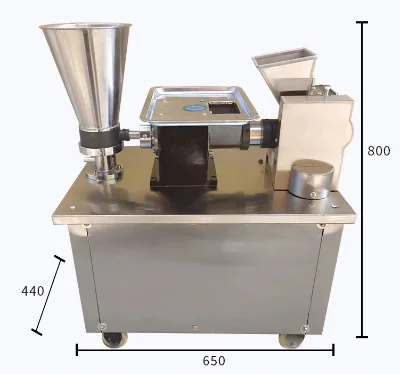
The regional concentration of Automatic Xiaolong Baozi Making Machine suppliers in China, particularly in Zhejiang and Henan, has significant implications for logistics and supply chain management. Suppliers in Zhejiang, being a major manufacturing hub, often benefit from established infrastructure for exporting heavy machinery, which can streamline the shipping process for large, bulky items like baozi making machines. The dimensions of these machines, such as 11368160cm or 115130180cm, require careful planning for container loading and freight costs. Buyers should consider the packaging standards, which often include wooden boxes or wooden cases, to ensure the machines are protected during transit. The weight of the machines, ranging from 270 kg to 800 kg, also impacts handling requirements at both the origin and destination ports. Understanding the logistical nuances of sourcing from these regions can help buyers optimize shipping costs and reduce the risk of damage during transit. Additionally, buyers should be aware of any regional trade policies or export restrictions that might affect the shipment of industrial machinery.
For suppliers located in Henan, the logistics landscape may differ due to the inland location and the nature of trading companies. Trading companies may consolidate shipments from multiple factories, which can simplify logistics for buyers but may also introduce complexities in tracking and documentation. Buyers should verify the shipping terms and responsibilities, such as whether the supplier handles customs clearance and freight forwarding. The response time of the supplier can also influence logistics, as faster communication can help resolve shipping issues more quickly. Additionally, buyers should consider the impact of regional manufacturing clusters on lead times; suppliers in established industrial zones may have faster access to raw materials and components, potentially reducing production delays. By understanding the logistical characteristics of each sourcing region, buyers can make informed decisions about which suppliers to engage with, ensuring a smooth and efficient procurement process. This includes planning for installation and commissioning, which may require on-site technical support from the supplier or a local partner.
Automatic Xiaolong Baozi Making Machine Commercial Terms and Order Planning
Effective order planning for automatic xiaolong baozi making machines requires a thorough understanding of the commercial terms and financial structures offered by suppliers. The price range for these machines varies significantly, with entry-level models starting around $6,550 and high-capacity units reaching up to $22,000. Buyers should analyze these prices in the context of the machine’s capacity, automation level, and material quality to determine the value proposition. The minimum order quantity is typically one unit, allowing for flexible purchasing, but buyers should negotiate for volume discounts if planning to acquire multiple machines. Payment terms are another critical aspect of commercial planning; buyers should seek clear terms that protect their interests, such as escrow services or milestone-based payments, to ensure that funds are released only upon satisfactory delivery and installation. Understanding the warranty terms, including the coverage of core components and the duration of support, is essential for long-term cost management.
In addition to pricing and payment terms, buyers should consider the total cost of ownership, which includes energy consumption, maintenance, and potential downtime. Machines with higher power ratings, such as 3420W, may incur higher electricity costs, while those with more robust construction may require less frequent maintenance. Buyers should also evaluate the supplier’s customization capabilities, as tailored solutions may involve additional costs but can improve production efficiency. Clear communication regarding delivery schedules and lead times is crucial for aligning machine arrival with production planning.
FAQs
What is the price range for automatic xiaolong baozi making machines?
Prices typically range from $1,100 to $22,000 depending on capacity and features. Smaller semi-automatic units start around $6,550, while heavy-duty commercial models cost up to $22,000. Buyers should verify specific pricing for their required production volume and customization needs.
What is the minimum order quantity for these machines?
The minimum order quantity is generally one unit for most suppliers. This allows buyers to test equipment quality before placing larger orders. Always confirm the MOQ directly with the supplier, as some may require higher quantities for custom molds or specific voltage configurations.
How long does delivery take for these machines?
Standard lead times are approximately 15 days for production and shipping. This timeline applies to most standard models available from Chinese manufacturers. Buyers should request a confirmed schedule from the supplier, as customizations or peak seasons may extend the delivery window significantly.
Are these machines customizable for different dough thicknesses?
Yes, many models offer tunable dough sheet thickness, typically ranging from 0.3 to 1mm. Some machines allow width customization for dough sheets as well. Buyers should specify their exact thickness requirements when requesting quotes to ensure the machine meets their specific production standards.
What certifications do these machines have?
Some suppliers provide CE and ISO certifications for their equipment. Verification services like CTI and SGS are also available for certain manufacturers. Buyers should request valid certification documents before purchase to ensure compliance with local safety and electrical standards in their destination country.
What is the power consumption of these machines?
Power ratings vary from 870W for smaller units to 3420W for larger commercial models. Most standard machines operate on 220V power supplies. Buyers must verify the exact voltage and power requirements with the supplier to ensure compatibility with their facility's electrical infrastructure.