Korean Style Alloy and Cloth Hair Clip Set Suppliers and Manufacturers
Explore 26 verified options for Korean Style Alloy and Cloth Hair Clip Set from Zhejiang and Fujian. Compare response times, lead times, and MOQs directly. Contact suppliers to request samples and confirm pricing details; review the available evidence before requesting comparable quotations from suitable candidates.
Updated
Suppliers List
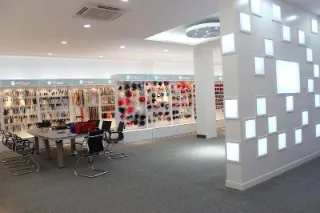
Yiwu B-Phne Accessories Co., Ltd.
- Manufacturer, Trading Company
- Zhejiang, China
- Lead time25 days
- Avg. response≤ 7h
Main productsHair Clip, Headband, Hair Scrunchies, Jewelry, Hair Ties
Main marketsWestern Europe(25.00%), North America(20.00%), Eastern Europe(20.00%), Oceania(10.00%), Africa(10.00%), Mid East(10.00%), Southeast Asia(5.00%)
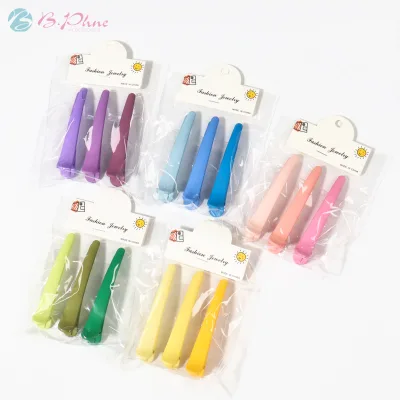
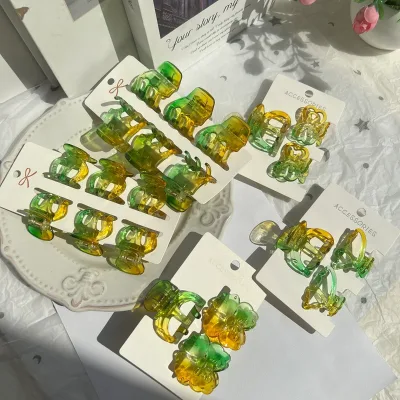
New Design Plastic Hair Clips Korean Fashion Women Hairpins Colorful Alligator Hair Clip Set
$0.38 - $0.46
MOQ: 10 sets

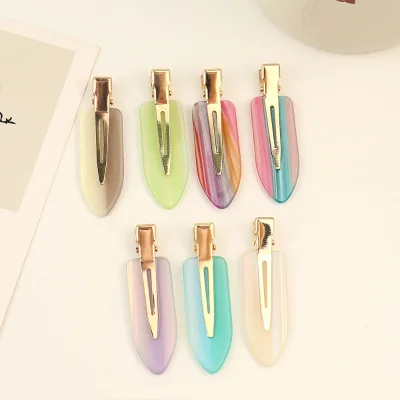

Jinjiang Jiayi Supply Chain Management Co., Ltd.
- Verified by BV
- Trading Company
- China Fujian
- Lead time30 days
- Avg. response≤ 1h
Main productsGift, Shoe, Garment, Machine
Main marketsDomestic
- Trading Company
- Guangdong, China
- Lead time25 days
- Avg. response≤ 2h
Main productsHair accessories,Bag case
Main marketsCentral America(15.00%), Southern Europe(10.00%), Northern Europe(10.00%), North America(10.00%), Western Europe(10.00%), South Asia(10.00%), South America(10.00%), Mid East(7.00%)
Yiwu Junqiao Jewelry Co., Ltd.
- Verified by TüVRheinland
- Manufacturer, Trading Company
- Zhejiang, China
- Lead time15 days
- Avg. response≤ 2h
Main productsHair Ties, Hair Clips, Hair Claws, Elastic Hair Bands, Headband
Main marketsDomestic Market(60%), Southeast Asia(20%), North America(10%)
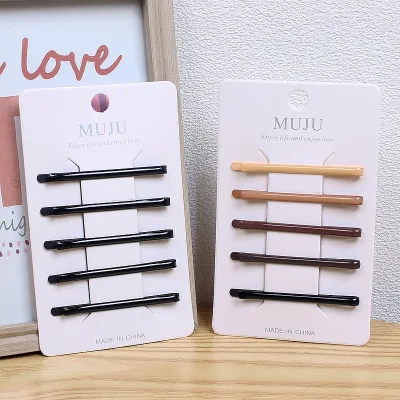
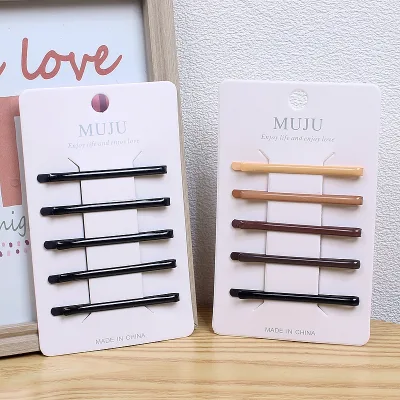
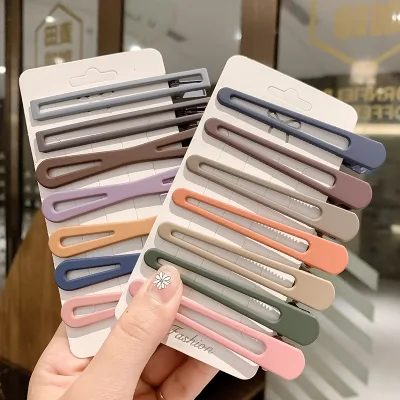
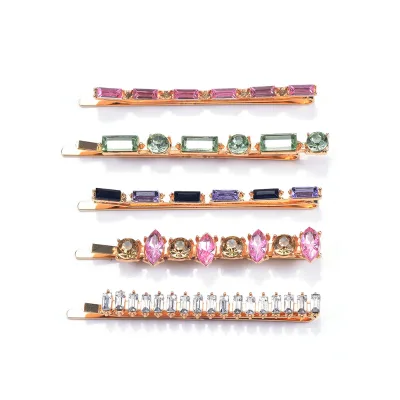
5-Piece Korea Women's Hair Tie Set Milk Tea Color One-Line Hairpins Hair Decoration Accessories
$0.1961 - $0.2066
MOQ: 400 sets

- Verified by CTI
- Trading Company
- China Zhejiang
- Lead time23 days
- Avg. response≤ 14h
Main productsEarring, Vase, Scented Candles, Hair Ties, Bags
Main marketsSouth America,Europe,North America


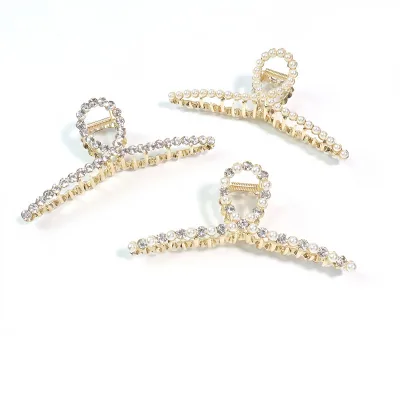
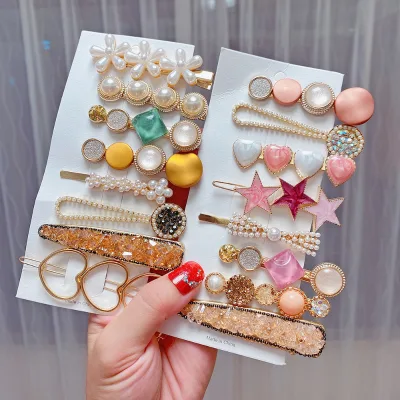
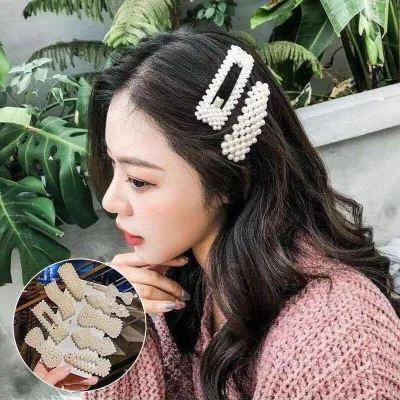
Fashion Korean Ladies Hair Clip Set Pearl Geometric Flower Hair Accessories
$0.59 - $0.69
MOQ: 12 Pieces

Colorful Diverse Hot Children's Hair Clip Gift Box Girl Side Clip Korean Hair Accessories Set
$2.23 - $2.46
MOQ: 10 Pieces

Pearl Hair Clip for Women Korean Hairpin Geometric Crystal Hair Barrettes
$1.25 - $1.45
MOQ: 12 Pieces

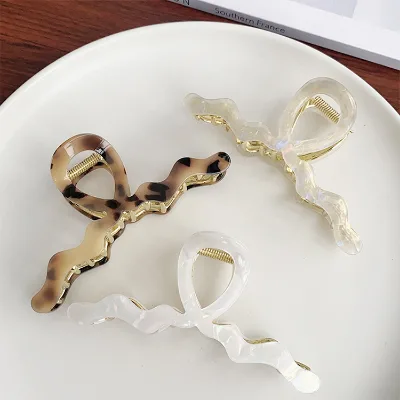
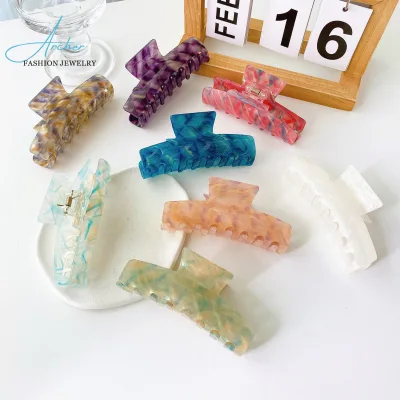
Acetate Hair Clip Korean Fashion Hair Clip Tortoiseshell for Women Hair Accessories
$1.94 - $2.14
MOQ: 12 Pieces


Jiuya Huitong (Qingdao) International Trade Co., Ltd.
- Verified by SGS
- Trading Company,Manufacturer/Factory
- China Shandong
- Lead time90 days
- Avg. response≤ 5h
Main productsClothes, Abaya, Camping Tent, Camping Furniture, Solar Light
Main marketsSouth America,Eastern Europe,Mid East,North America,Southeast Asia,Eastern Asia,Oceania,Western Europe,Africa


Korean Pearl Hair Clips Wholesale Sweet Hair Accessories Alloy Hairpin Sets
$1.00 - $2.00
MOQ: 500 Pieces


Zhejiang Extra Accessorise Co., Ltd.
- Verified by TüVRheinland
- Manufacturer, Trading Company
- Lead time15 days
- Avg. response≤ 4h
Main productsHair Claw & Clip, Headbands, Scrunchies, Bandana, Party Accessories
Main marketsWestern Europe(35%), North America(30%), Mid East(10%)
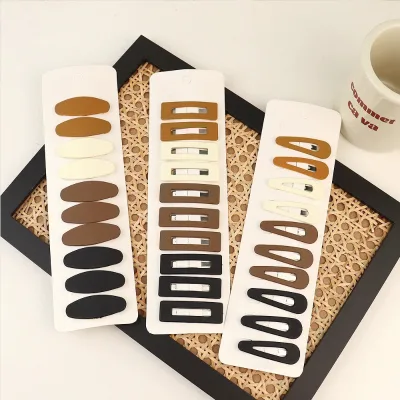
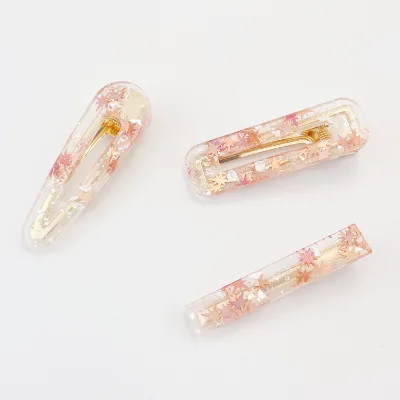
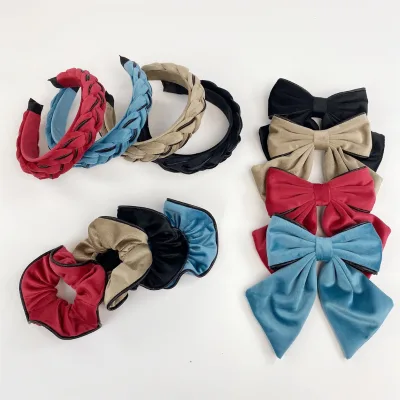
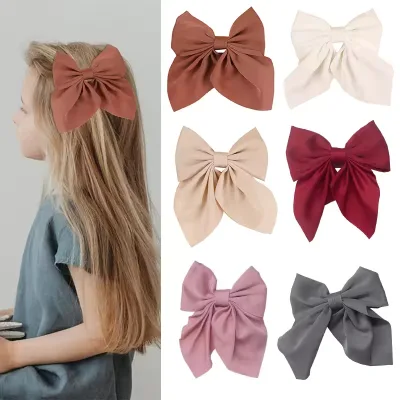
New Design Velvet Cloth Hair Accessories Bow Hair Clip Hair Claw Clips HeadBands Set
$0.93 - $1.76
MOQ: 10 Minimum

- Verified by SGS
- Manufacturer/Factory
- China Zhejiang
- Lead time30 days
- Avg. response≤ 1h
Main productsNecklace, Bracelets, Earring, Ring, Brooch, Phone Lanyard, Key Chain, Body Jewelry, Hair Clip, Hair Band
Main marketsSouth America,Eastern Europe,Mid East,North America,Southeast Asia,Eastern Asia,Oceania,Western Europe,Africa
Yiwu Jieluan Trading Co., Ltd.
- Trading Company
- ZHEJIANG, China
- Lead time0 days
- Avg. response≤ 2h
Main productsFashion Accessories; Hair Clips; Jewelry; Hats; Home Decor
Main marketsNorth America(70.00%), South Asia(10.00%), Western Europe(10.00%), Eastern Asia(10.00%)
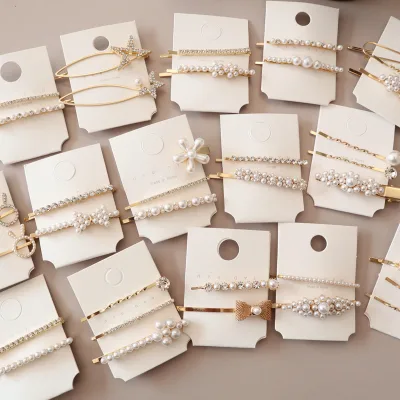
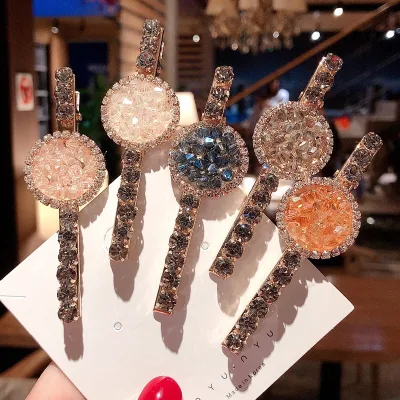
Korean Hair Clips Girls Crystal Hair Clips Fashion Hair Accessories Women
$0.6108 - $0.8174
MOQ: 12 pieces
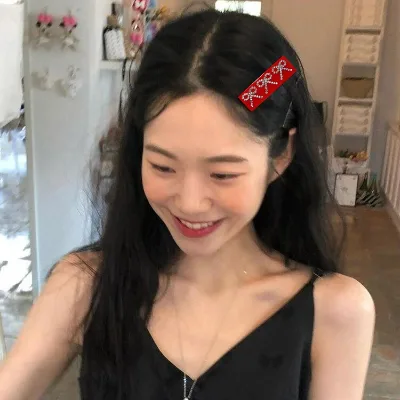
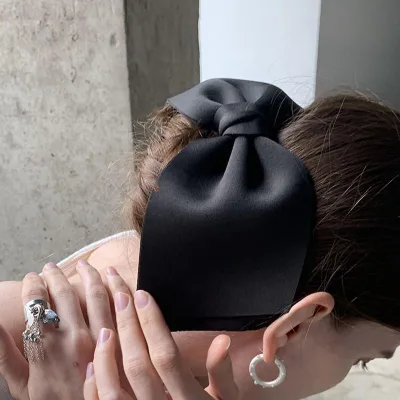
Ins Red Bow Hairgrip Korean Fashion Hairpin High Quality Hair Clips Women Hair Accessories
$1.69 - $1.79
MOQ: 20 pieces
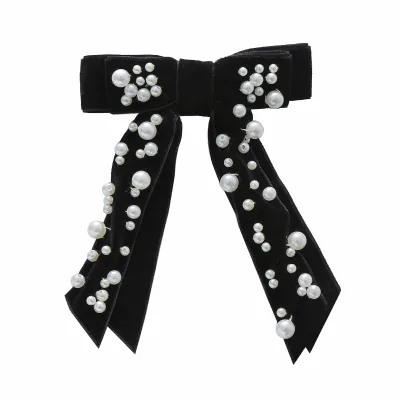
Yiwu Noya Accessories Co., Ltd.
- Trading Company
- Zhejiang, China
- Lead time25 days
- Avg. response≤ 10h
Main productsaccessories,Jewelry,headband,bag,agent
Main marketsWestern Europe(30.00%), North America(30.00%), Domestic Market(10.00%), Northern Europe(10.00%), Eastern Europe(10.00%)
- Manufacturer, Trading Company
- Zhejiang, China
- Lead time0 days
- Avg. response≤ 3h
Main productshairpin,hair band,hair clasp,comb
Main marketsNorth America(30.00%), South America(10.00%)

- Verified by SGS
- Trading Company
- China Zhejiang
- Lead time15 days
- Avg. response≤ 3h
Main productsYiwu Sourcing Agent, DIY Toys, DIY Jewelry, Travel Souvenirs, Stationery, School Furtiture, Outdoor Products, Caps & Shoes & Socks, Costumes & Props, Beauty Tools
Main marketsAfrica,East Asia(Japan/ South Korea),North America

Yiwu Kaka Accessories Co., Ltd.
- Manufacturer, Trading Company
- Zhejiang, China
- Lead time7 days
- Avg. response≤ 4h
Main productsHair Clip,Jaw clip,necklace,earring,ring
Main marketsWestern Europe(30.00%), North America(25.00%), Eastern Asia(10.00%), Eastern Europe(10.00%), South America(5.00%), Southern Europe(5.00%), Northern Europe(5.00%), Southeast Asia(5.00%), Oceania(5.00%)
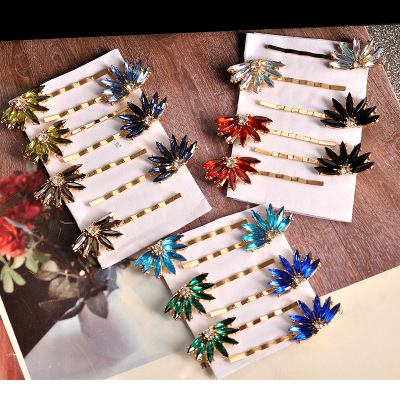
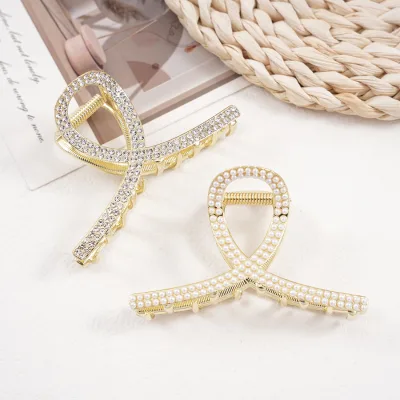
Korea Pearl Hair Claw Clip Metal 14K Gold Plated with Zircon Hairgrip Alloy Disc Hair Shark Clip
$0.79 - $1.09
MOQ: 12 pieces
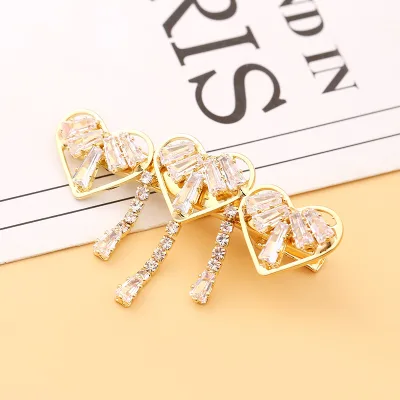

Yiwu Saidong Jewelry Co., Ltd.
- Verified by SGS
- Trading Company
- China Zhejiang
- Lead time15 days
- Avg. response≤ 4h
Main productsAccessory, Hair Accessories, Plaything, Hair Band, Barrette, Bandeau, Pendant, Ring, Body Chain, Bag
Main marketsEurope

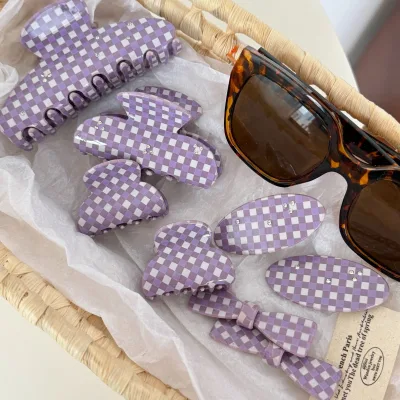
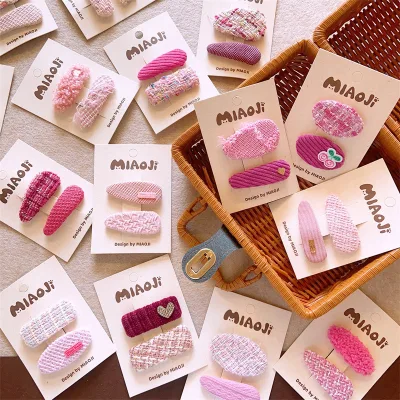
Designer Oo Logo Hair Clip for Spring and Summer Simple Check Pattern Chic Korean-Style Hair Clip
$1.99 - $2.15
MOQ: 10 Pieces


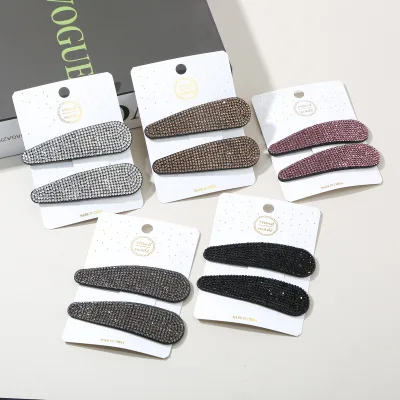
Shiny Duckbill Hair Clip with Star Design Cute Korean-Style Hair Accessory
$0.60 - $0.75
MOQ: 50 pieces

YIWU JINYE IMPORT AND EXPORT CO., LTD
- Verified by SGS
- Trading Company
- China Zhejiang
- Lead time15 days
- Avg. response≤ 25h
Main productsBangle, Wrist Band, Bracelet, Fashion Jewelry
Main marketsNorth America

- Verified by SGS
- Trading Company,Manufacturer/Factory,Other
- China Zhejiang
- Lead time38 days
- Avg. response≤ 16h
Main productsBath Mat, Cushion, Wooden Toys, Fitness Equipment, Cosmetic Bag, Luggage, Festival Products, Gym Items, Face Mask, Paracord Bracelet
Main marketsSouth America,Eastern Europe,Mid East,North America,Southeast Asia,Eastern Asia,Oceania,Western Europe,Africa

South Korea's New Hair Clips Cow Color Series Suits Grab Clips Black and White Medium Clip
$1.00 - $1.54
MOQ: 100 Pieces


$1.00 - $1.54
MOQ: 100 Pieces

Acetate Korean Version Fashion Hair Accessories Girly Temperament Hairpin Simple Geometric Top Clip
$1.00 - $1.54
MOQ: 100 Pieces
Sihui City Artstar Accessories Co., Ltd.
- Verified by SGS Group
- Manufacturer, Trading Company
- Lead time0 days
- Avg. response≤ 4h
Main productsPlastic Hair Clips, Hair Accessories
Main marketsDomestic Market(60%), South Asia(20%), South America(5%)

Yangzhou Muhe Trading Co., Ltd.
- Trading Company
- China Jiangsu
- Lead time15 days
- Avg. response≤ 2h
Main productsHeadband, Bamboo Fiber Scrunchie, Bamboo Cotton Make up Removers Pads, Silk Scrunchie, Hair Claw Clip, Bow Hair Clip, Cellulose Acetate Hair Claw Clip, Fashion Hair Accessories, Flannel Wristband & Headband
Main marketsSoutheast Asia/ Mideast,Europe

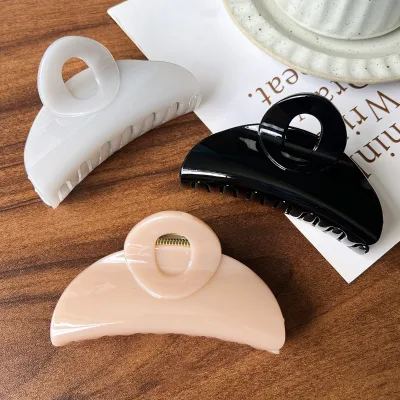
Korean Style Acetate Hair Claw Clips Wholesale Non Slip Fashion Hair Accessories
$1.88
MOQ: 300 Pieces


Ins Korean Trend Acetate Hair Clamps Vintage Marble Color Hair Claw Clips for Daily Wear
$1.58 - $1.72
MOQ: 300 Pieces
Yiwu Glory Hair Accessories Co., Ltd.
- Verified by SGS Group
- Manufacturer, Trading Company
- Lead time30 days
- Avg. response≤ 2h
Main productsHair Clips, Headbands, Scrunchies, Hair Combs
Main marketsNorth America(23%), Western Europe(22%), Oceania(18%)
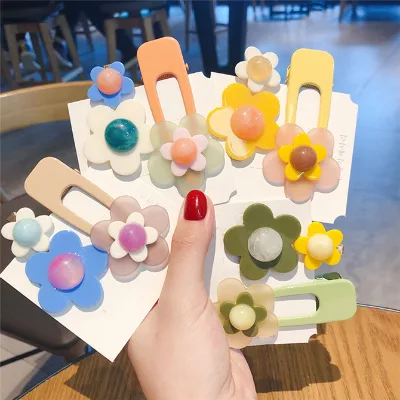
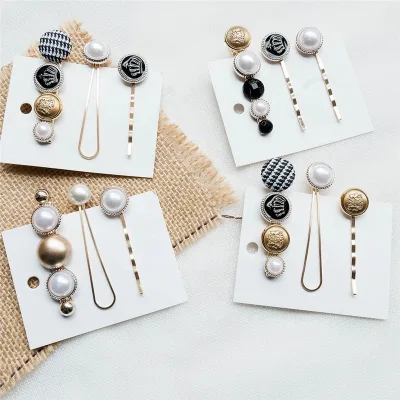
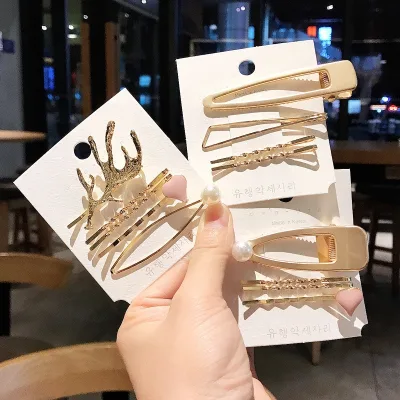
Hot Selling Korean Hair Accessories 3 Pcs/set Alloy Pearl Hair Clips for Girls Women
$0.44 - $0.86
MOQ: 120 sets
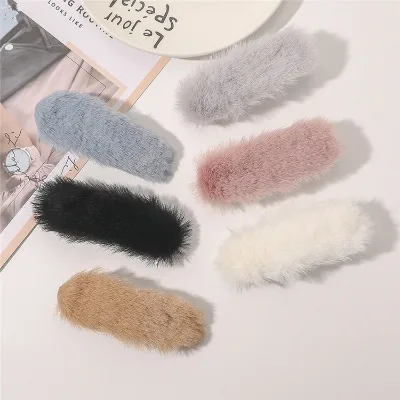
Korean Simple Hairpin Women Fur Hair Clip Large Boutique Plastic Pelican Clips
$0.6033 - $0.7695
MOQ: 60 pieces
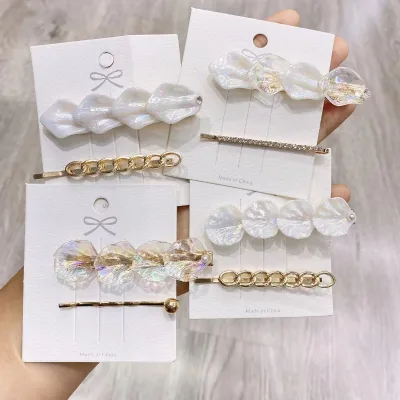
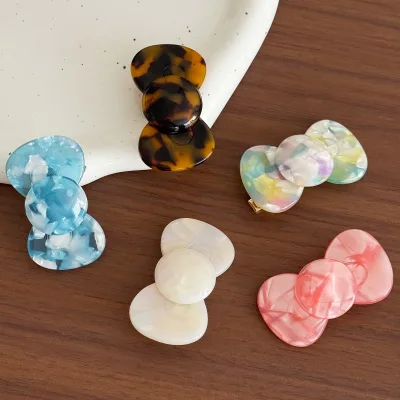
Wholesale New Design Bow Hair Clip Hair Accessories Set Simple Acetate Hair Clips for Girls
$1.00 - $1.15
MOQ: 10 sets

Foshan Youyan Clothing Co., Ltd.
- Combined
- China Guangdong
- Lead time30 days
- Avg. response≤ 8h
Main productsHeadband, Scrunchies, Hair Tie, Hair Clip, Hairband
Main marketsSouth America,Africa,Southeast Asia/ Mideast,East Asia(Japan/ South Korea),Domestic,Europe,Australia,North America


3PCS/Set Purple Floral Cute Hairgrips Hairpins Baby Girls Bow Hair Clips Set
$0.72 - $1.03
MOQ: 10 pieces

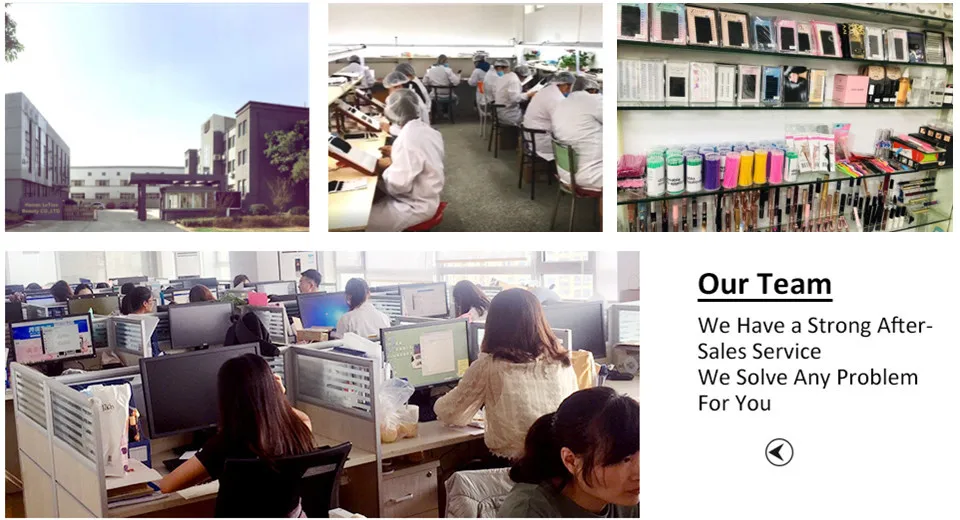
Zhengzhou Letiao Beauty Trading Co., Ltd.
- Trading Company
- Henan, China
- Lead time5 days
- Avg. response≤ 3h
Main productsSynthetic Hair,Human Hair,False Eyelashes,Beauty Products,Personal Articles
Main marketsNorth America(30.00%), Eastern Europe(20.00%), South America(20.00%), Northern Europe(5.00%), Western Europe(5.00%)

- Verified by SGS
- Trading Company
- China Zhejiang
- Lead time15 days
- Avg. response≤ 20h
Main productsEyelashes, Makeup Brush, Cosmetic Brush, Eyelash Extension, Lipstick, Eyeshadow, Mascara, Nail Sticker, Nail Lamp, Mask
Main marketsEurope,Australia

NINGBO AOVEA IMPORT & EXPORT CO., LTD.
- Verified by TUVRHEINLAND
- Trading Company
- China Zhejiang
- Lead time30 days
- Avg. response≤ 6h
Main productsMakeup Brush, Cosmetic Brush, Make up Brush, Cosmetic Bag Case, Makeup Tools, Jade Roller and Gua Sha, Hair Brush, Body Brush, Hair Accessories, Makeup Sponge
Main marketsSouth America,Africa,Southeast Asia/ Mideast,Europe,Australia,North America

Latest Design Promotional Colorful Korean Hair Claw Clips Acetate Butterfly Hair Clip Claw
$1.26 - $1.46
MOQ: 100 Pieces

Ins Korean Style Acetate Hair Claws High Quality Rectangle Oversized Claw Hair Clips
$1.95 - $2.15
MOQ: 100 Pieces

$2.16 - $2.36
MOQ: 100 Pieces
Shenzhen Kingyard Int'l Trading Co., Ltd.
- Verified by SGS Group
- Trading Company
- Lead time30 days
- Avg. response≤ 4h
Main productsHair Accessories, Sport Accessories, Fashion Jewellery, Beauty Tools, Cosmetic Bag
Main marketsNorth America(40%), Western Europe(30%), Oceania(10%)
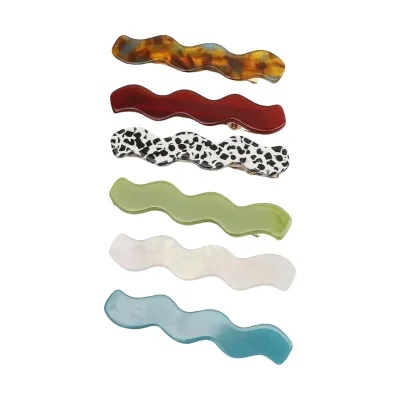
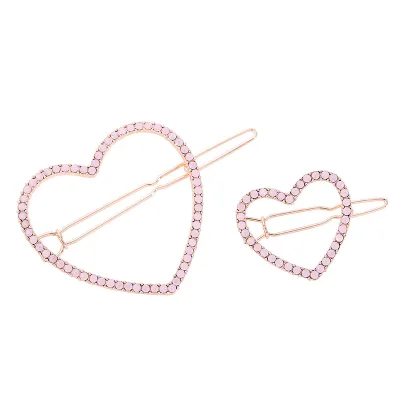
$1.1662 - $1.473
MOQ: 50 pieces
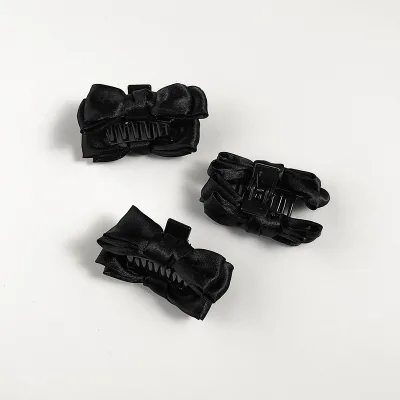

GOODLINESS JEWELLERY CO., LIMITED
- Verified by SGS
- Manufacturer
- China Guangdong
- Lead time23 days
- Avg. response≤ 6h
Main productsFashion Glasses, Fashion Watch, Fashion Hair Accessory, Stainless Steel Necklace, Stainless Steel Ring, Stainless Steel Earrings, Key Chain, Brooch
Main marketsSoutheast Asia/ Mideast,Europe,North America
- Verified by SGS Group
- Manufacturer, Trading Company
- Lead time25 days
- Avg. response≤ 9h
Main productsHair Accessories, Earrings, Necklaces, Rings, Bracelets
Main marketsEastern Asia(50%), Western Europe(20%), North America(15%)


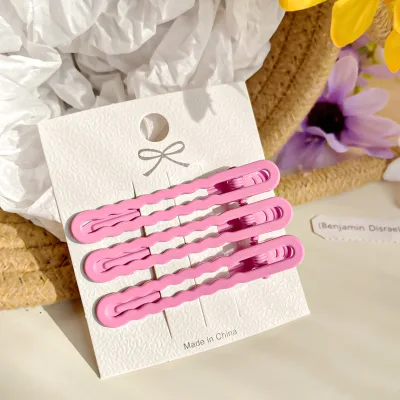
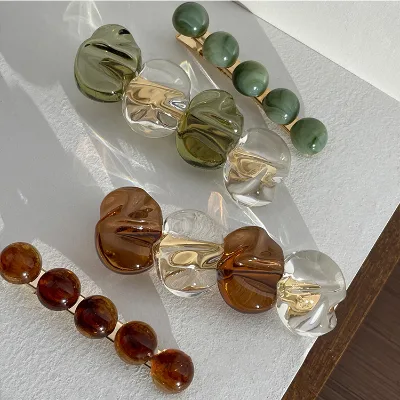


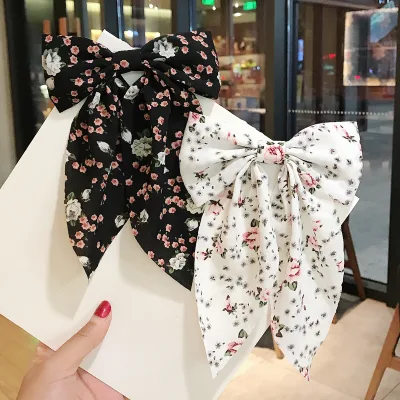
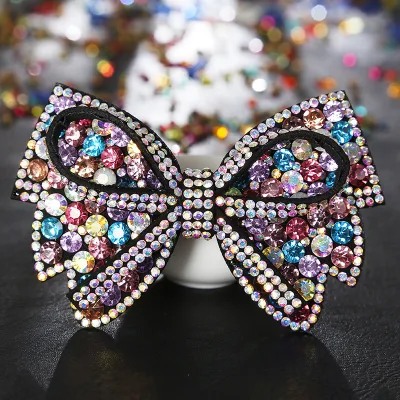


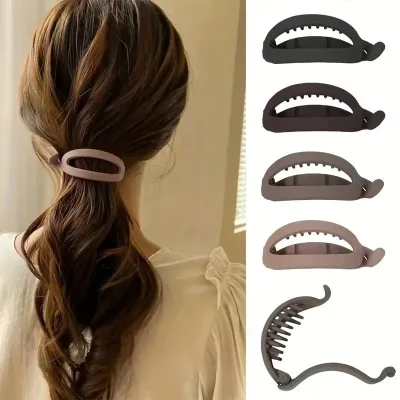
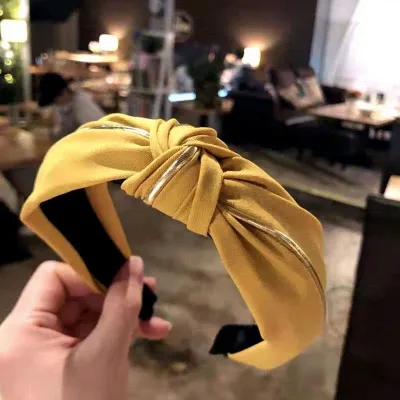
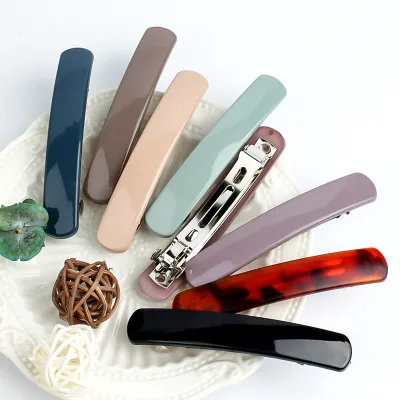
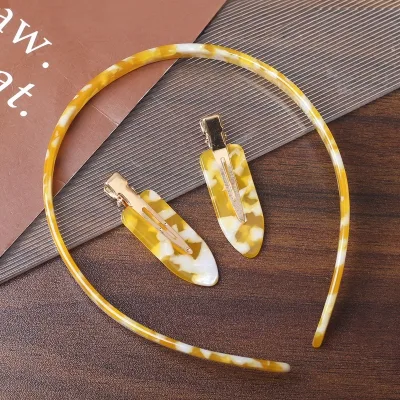


Comprehensive Sourcing Guide
Korean Style Alloy and Cloth Hair Clip Set Supplier Concentration and Factory Types
The available data indicates that suppliers for these hair accessories are concentrated in Zhejiang, China, where manufacturers and trading companies operate side by side. This region serves as a primary hub for producing items like plastic and metal hair clips, with specific product evidence confirming origins in this province. Buyers should prioritize verifying the physical address and factory floor presence when evaluating potential partners in this cluster, as the distinction between a pure manufacturer and a trading company affects production control and customization capabilities. The presence of both entity types suggests a competitive market where direct factory relationships may offer better pricing, while trading companies might provide broader product variety and logistics support.
In contrast, other regions such as Fujian, China, appear in the results with different main product focuses like gifts and garments, indicating that sourcing for hair clips specifically requires filtering for the correct manufacturing cluster. When assessing supplier types, buyers must confirm whether the entity is a Manufacturer or a Trading Company, as this determines the ability to handle custom molds and sample making services. Evidence shows that some suppliers offer both mold and sample making, which is critical for developing unique Korean-style designs. However, without explicit confirmation of a supplier's specific location or type in every case, buyers should request proof of business licenses and factory audits to validate their operational status before committing to an order.
How to Verify Korean Style Alloy and Cloth Hair Clip Set Suppliers
Verification begins with checking for third-party credentials such as BV verification, which is explicitly noted for some suppliers in the current results. This badge indicates that an independent body has assessed the company's business license and operational capacity, providing a baseline level of trust. Buyers should look for this specific verification status when filtering results, as it reduces the risk of dealing with unregistered entities. Additionally, confirming the supplier's response time is a practical step; a seven-day response window suggests a standard level of engagement, though faster communication may be available for urgent inquiries. Buyers should test this responsiveness early in the negotiation process to gauge the supplier's reliability and customer service quality.
Beyond digital badges, buyers must verify the specific product attributes listed in the supplier's catalog to ensure they match the desired Korean style alloy and cloth specifications. Product evidence shows details like material composition (plastic, metal, acrylic) and specific model numbers, which serve as tangible proof of the supplier's actual inventory. It is essential to cross-reference these details with physical samples before placing large orders. For instance, if a supplier claims to offer alloy and cloth sets, the buyer should request a sample to verify the material quality and finish. Relying solely on online descriptions without physical verification can lead to discrepancies in the final product, so demanding sample making services and confirming the associated costs is a necessary step in the verification process.
What to Compare Across Korean Style Alloy and Cloth Hair Clip Set Suppliers
When comparing suppliers, the minimum order quantity (MOQ) is a critical differentiator that impacts inventory planning and cash flow. Current data reveals a range of MOQs, from as low as six pieces for certain gift sets to twelve pieces for specific clip designs, and ten sets for other plastic variations. Buyers should calculate their total volume needs against these thresholds to avoid overstocking or incurring unnecessary per-unit costs. Additionally, the price range varies significantly, with some items listed between $0.35 and $0.46 per unit, while others range from $0.86 to $1.20. Understanding these price bands helps buyers identify suppliers that align with their target margin and budget constraints without assuming all suppliers offer the same pricing structure.
Lead times and response capabilities also require careful comparison to ensure supply chain stability. The observed lead time of 25 days for some products indicates a standard production cycle, while others may offer faster delivery windows of 7 to 15 days. Buyers must align these timelines with their sales schedules to prevent stockouts. Furthermore, the supply ability, such as 10,000 pieces per month, provides insight into a supplier's capacity to handle large orders. Comparing these operational metrics across multiple vendors allows buyers to select partners who can meet both volume and speed requirements. It is also vital to check the payment terms, such as L/C, T/T, or Western Union, to ensure they match the buyer's financial policies and risk tolerance.
Common Korean Style Alloy and Cloth Hair Clip Set Sourcing Risks
One significant risk involves the discrepancy between advertised materials and actual product composition. While product evidence lists materials like plastic, metal, and acrylic, buyers must be vigilant about claims regarding alloy and cloth combinations, as these specific materials may not be present in all listed items. Some products are described as "plastic" or "metal" without explicit mention of cloth, which could lead to receiving goods that do not meet the aesthetic or functional requirements of the Korean style. To mitigate this, buyers should explicitly request material certificates or detailed specifications for every order, ensuring that the "alloy and cloth" description is accurate before production begins.
Another risk is the variability in packaging and shipping details, which can affect the final presentation and condition of the goods. Evidence shows packaging details ranging from simple OPP bags to custom cartons and cloth bags, with single package sizes varying from 6.5 cm to 16 cm. Inconsistent packaging can lead to damage during transit or increased shipping costs if the volume is not optimized. Additionally, the port of dispatch, such as Shanghai or Ningbo, may vary by supplier, affecting freight rates and delivery times. Buyers should verify the packaging customization options and ensure they match their branding needs. Failing to confirm these logistical details upfront can result in unexpected costs and delays, undermining the efficiency of the sourcing process.
Korean Style Alloy and Cloth Hair Clip Set Regional Sourcing and Logistics
Sourcing from Zhejiang, China, offers access to a dense network of manufacturers specializing in hair accessories, but buyers must navigate the logistics of this specific region. The data confirms that products originate from Zhejiang, with ports like Shanghai and Ningbo serving as key dispatch points for international shipments. These ports provide efficient connectivity to global markets, but buyers should verify the specific port associated with each supplier to calculate accurate freight costs. The distance from the factory to the port can influence the lead time, so understanding the local logistics infrastructure is essential for planning. Buyers should also consider the seasonal capacity of these ports, as peak seasons may cause delays in loading and shipping.
For suppliers located in other regions like Fujian, the logistics profile may differ, potentially involving different ports or transport routes. Since the main products in Fujian include gifts and garments, sourcing hair clips from this region might require additional verification to ensure the supplier has the specific expertise and equipment for hair accessories. Buyers should confirm the port of dispatch for every supplier to avoid confusion in shipping documentation. Additionally, the single gross weight of products, ranging from 0.015 kg to 0.100 kg, impacts shipping calculations. Accurate weight data is crucial for determining freight charges and ensuring that the total landed cost remains within budget. Buyers must request this information for each item to optimize their shipping strategy.
Korean Style Alloy and Cloth Hair Clip Set Commercial Terms and Order Planning
Commercial terms such as payment methods and delivery timelines are fundamental to successful order planning. The available data indicates that suppliers accept various payment options including L/C, T/T, and Western Union, giving buyers flexibility in managing their financial transactions. However, buyers should negotiate terms that align with their risk management strategies, such as using escrow services for larger orders to protect against non-delivery. The lead time of 25 days observed in some cases suggests a standard production window, but buyers should confirm if expedited options are available for urgent needs. Understanding these terms helps in creating a realistic production schedule and avoiding bottlenecks in the supply chain.
Order planning must also account for the specific product attributes and customization requirements to ensure the final output meets expectations. Evidence shows that suppliers offer customization for packaging and mold making, which can be vital for branding and product differentiation. Buyers should clarify the costs and timelines associated with these custom services, as they can extend the overall lead time. Additionally, the selling units and package sizes, such as single items or sets of six, influence how orders are consolidated and shipped. Buyers should plan their order quantities to maximize container utilization and minimize shipping costs. By carefully reviewing these commercial and logistical details, buyers can streamline their procurement process and ensure a smooth transition from order placement to product delivery.
FAQs
What is the minimum order quantity for hair clip sets?
The minimum order quantity varies by product design. Some sets require a minimum of 6 pieces, while others need 10 sets or 12 pieces. Buyers should check the specific product listing for the exact MOQ requirement before placing an order to ensure it meets their needs.
Where are these hair accessories manufactured?
The hair clip sets are manufactured in Zhejiang, China. This region is known for its strong manufacturing capabilities in fashion accessories. Buyers can expect consistent quality and production efficiency from suppliers located in this area, which is a major hub for hair accessory exports.
What materials are used in these hair clips?
These hair clips are made from various materials including plastic, metal, acrylic, and acetate. Some sets feature gradient colors or matte finishes. The material choice depends on the specific design, offering options for durability, style, and cost-effectiveness to suit different market preferences and buyer requirements.
What is the typical lead time for orders?
The typical lead time for these orders is around 25 days. Some specific products may have a delivery time of 7 to 15 days. Buyers should confirm the exact lead time with the supplier, as it can vary based on order volume and production schedule.
What is the price range for these sets?
The price range for these hair clip sets is approximately $0.35 to $1.20 per unit. The exact price depends on the material, design complexity, and order quantity. Buyers can find options ranging from basic plastic sets to more premium metal or acrylic designs within this price bracket.
Do suppliers offer sample making services?
Yes, some suppliers offer sample making and mould making services. This allows buyers to test product quality before placing a large order. Buyers should inquire about sample costs and availability directly with the supplier to ensure the product meets their specific design and quality expectations.
What payment methods are accepted?
Common payment methods include L/C, T/T, and Western Union. Buyers should verify the accepted payment methods with the specific supplier before finalizing the order. These options provide flexibility for international transactions, ensuring secure and convenient payment processes for both buyers and suppliers.