Korean Style Simple Hair Headband Suppliers and Manufacturers
Explore 24 verified options for Korean Style Simple Hair Headband from manufacturers and trading companies. Compare response times, lead times, certifications, and prices to find the right partner. Contact suppliers directly to request samples; review the available evidence before requesting comparable quotations from suitable candidates.
Updated
Suppliers List
Guangzhou Chenlan Trading Co., Ltd.
- Verified by SGS Group
- Manufacturer, Trading Company
- Lead time20 days
- Avg. response≤ 2h
Main productsPony Cuff, Hair Accessory, Hair Clip, Hair Claw Clip, Hairpin
Main marketsNorth America(42%), Western Europe(20%), Northern Europe(18%)
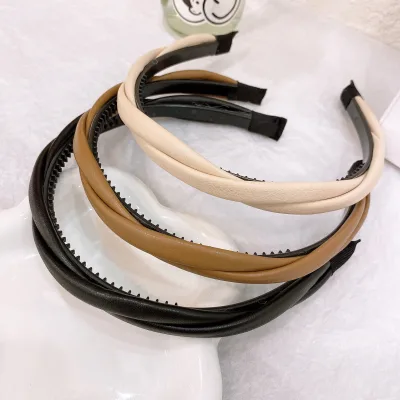
Korean Fashion Simple PU Braided Leather Headband Weave Hairband Headband for Girl
$0.7126 - $0.7844
MOQ: 12 pieces
Yiwu Heite Electronic Commerce Co., Ltd.
- Trading Company
- Zhejiang, China
- Lead time15 days
- Avg. response≤ 8h
Main productshair accessory,headband,False beards,hair ties
Main marketsSouth America(50.00%), Eastern Europe(20.00%), Northern Europe(10.00%), Western Europe(10.00%), Mid East(10.00%)
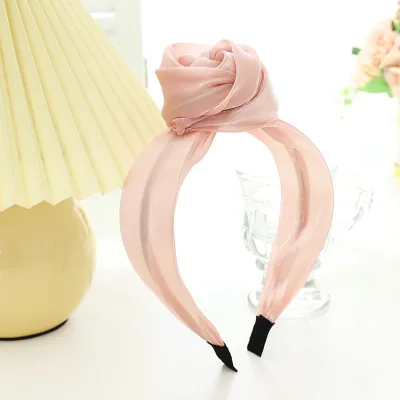
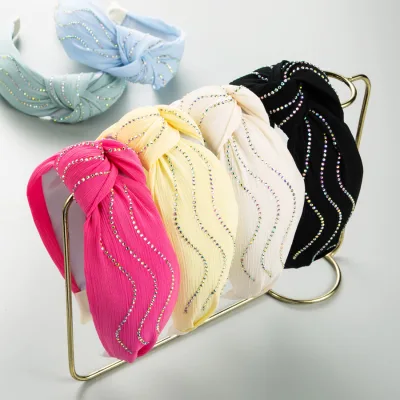
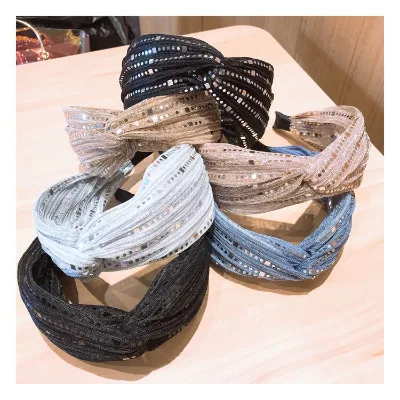
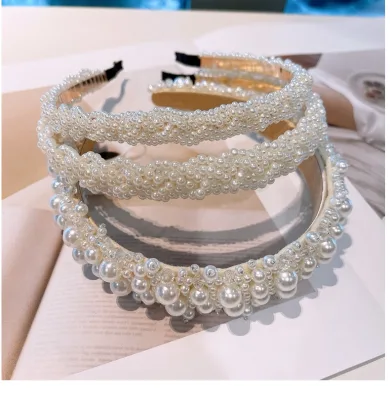
Korean Version New Temperament Knotted Headband Simple Niche Hair Accessories Wholesale
$1.7365 - $2.0449
MOQ: 3 pieces
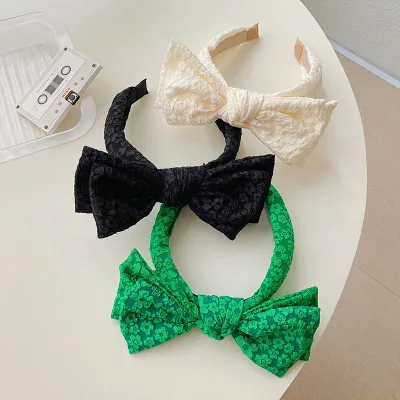
$1.6452 - $1.9536
MOQ: 4 pieces

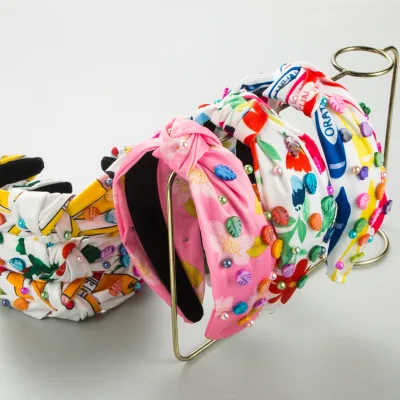
Shenzhen Kingyard Int'l Trading Co., Ltd.
- Verified by SGS Group
- Trading Company
- Lead time30 days
- Avg. response≤ 4h
Main productsHair Accessories, Sport Accessories, Fashion Jewellery, Beauty Tools, Cosmetic Bag
Main marketsNorth America(40%), Western Europe(30%), Oceania(10%)
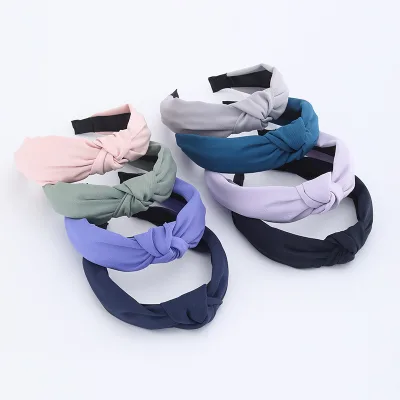
Korea Solid Color Hair Band Women Wide Edge Simple Headband Accessories Hair Band
$0.44 - $0.52
MOQ: 500
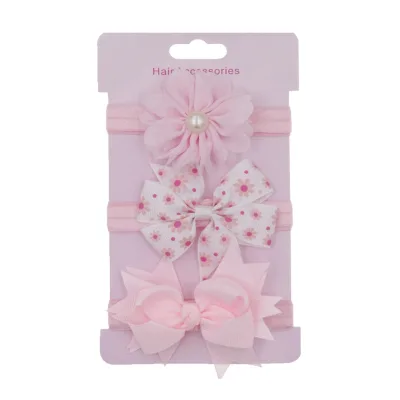
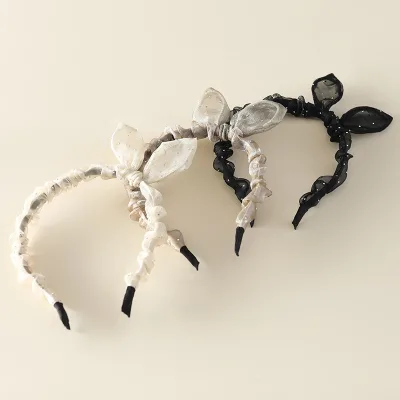
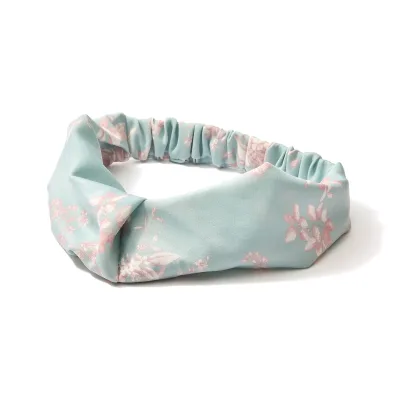
Korean Cross-elastic Hair Band Chiffon Women's Headband Hair Accessory Korean Version Hair Band
$0.30 - $0.38
MOQ: 100 pieces
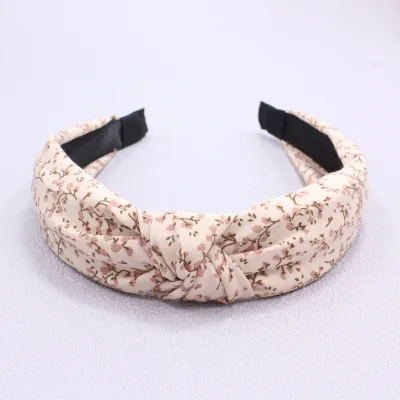
$0.4416 - $0.6093
MOQ: 100 pieces
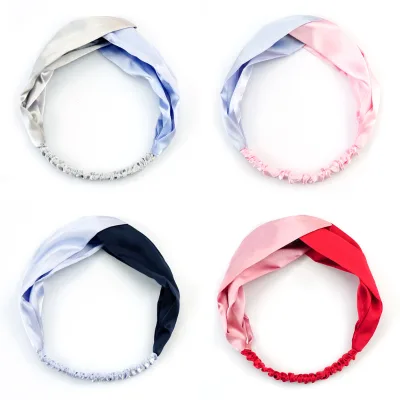
Satin Silk Color Splicing Headband Korean Fashion Personality Bundle Headband
$0.52 - $0.56
MOQ: 100 pieces

HANGZHOU PERSERPRO GARMENT CO., LTD.
- Other
- China Zhejiang
- Lead time45 days
- Avg. response≤ 24h
Main productsKnitwear, Kid's Knitwear, Pet Clothes, Men's Knitwear, Knitting Blanket, Sweater, Knitting Accessories, Ladie's Knitwear, Blanket
Main marketsSouth America,Eastern Europe,Mid East,North America,Western Europe


Korean Hairband for Women Knitted Hair Band Wide Winter Hairbands for Hair Accessories
$0.85 - $0.95
MOQ: 100 PCS


Fashion Hair Bands Elastic Bow Hair Band Hair Accessories Girl Knitted Headband
$0.50 - $0.90
MOQ: 100 PCS


- Verified by SGS
- Trading Company
- China Zhejiang
- Lead time15 days
- Avg. response≤ 3h
Main productsYiwu Sourcing Agent, DIY Toys, DIY Jewelry, Travel Souvenirs, Stationery, School Furtiture, Outdoor Products, Caps & Shoes & Socks, Costumes & Props, Beauty Tools
Main marketsAfrica,East Asia(Japan/ South Korea),North America

Korean Sponge Fine Hair Headband for Women, Fashionable and Simple Temperament, Solid Color Headband
$1.32 - $1.92
MOQ: 20 Pieces

$1.26 - $1.75
MOQ: 20 Pieces


$0.40 - $0.45
MOQ: 120 Pieces


Fuzhou Cangshan District Lvzhiguang Daily Necessities Co., Ltd.
- Trading Company
- Fujian, China
- Lead time50 days
- Avg. response≤ 5h
Main productsbag,Hair accessories,belt,wallet,hat
Main marketsEastern Europe(15.00%), Mid East(11.00%), Africa(10.00%), North America(9.00%), Northern Europe(8.00%), Southern Europe(8.00%), South America(7.00%), Western Europe(7.00%), South Asia(4.00%), Southeast Asia(4.00%)
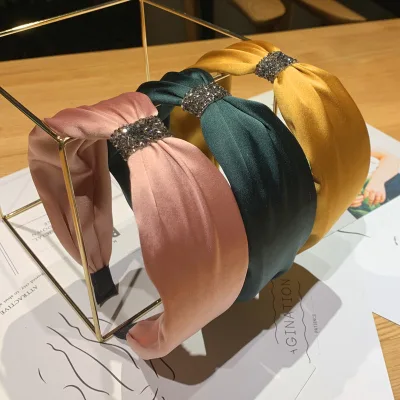
Vintage Headband Simple Korean Wide-brimmed Headband Women Hair Accessories
$0.8114 - $0.9132
MOQ: 10 pieces
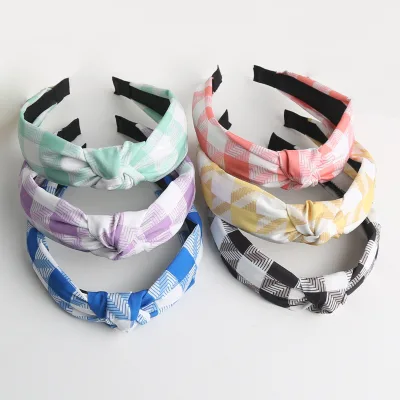
New Plaid Headband Korean Print Middle Knot Headband for Women Young Girls Wholesale Cheap Headbands
$0.43 - $0.49
MOQ: 12 pieces

Quanzhou Changyi Crafts Gifts Limited
- Verified by TUVRHEINLAND
- Manufacturer/Factory
- China Fujian
- Lead time23 days
- Avg. response≤ 6h
Main productsBallpoint Pen, Silicone Bracelet, Name Card Holder, Luggage Tag, Gift Set, Mobile Phone Accessory, Passport Cover, Ceramic Coaster, Gift Bag, Gift Box
Main marketsSouth America,Mid East,North America,Southeast Asia,Eastern Asia,Oceania,Western Europe,Africa

Elastic Headband Women's Fashion Pure Color Simple Casual Hair Accessories Headdress Headband
$0.54 - $0.88
MOQ: 100 Pieces

Yiwu Zelue Accessories Co., Ltd.
- Verified by SGS Group
- Manufacturer, Trading Company
- Zhejiang, China
- Lead time30 days
- Avg. response≤ 6h
Main productsHair Accessories, Jewelry, Keychain, Hair Claw, Hair Clip
Main marketsNorth America(15.00%), Western Europe(15.00%), Northern Europe(15.00%), Southern Europe(12.00%), Eastern Europe(10.00%), South Asia(5.00%), Eastern Asia(5.00%), Central America(5.00%), Southeast Asia(5.00%), Domestic Market(4.00%), Mid East(3.00%), South America(2.00%), Oceania(2.00%), Africa(2.00%)
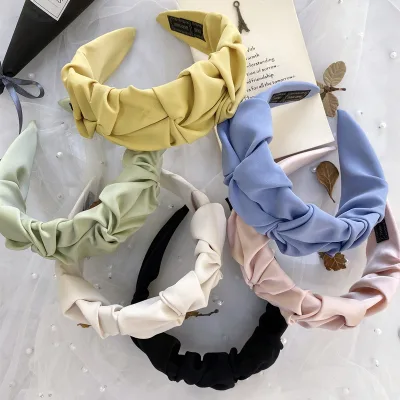
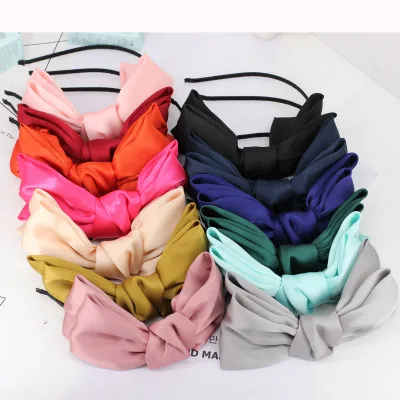
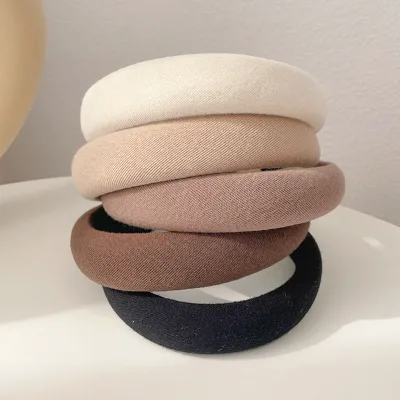
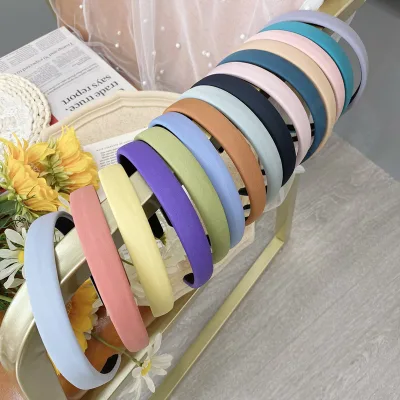
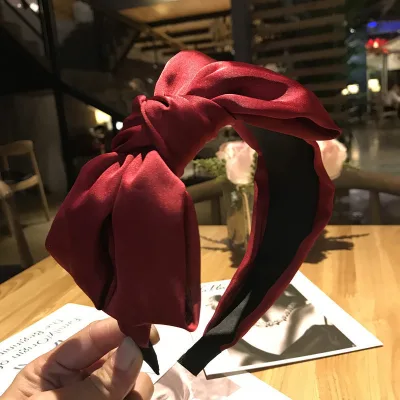
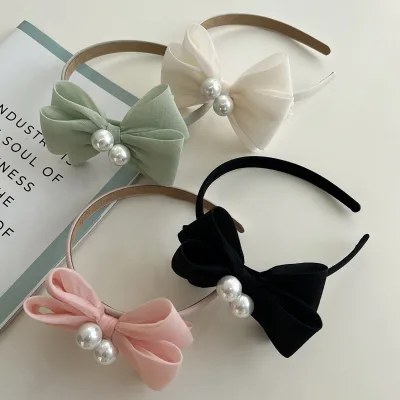
Bow Headband Female Korean of Chiffon Cloth Art Headband Solid Color Headband
$0.9461 - $1.2186
MOQ: 12 pieces
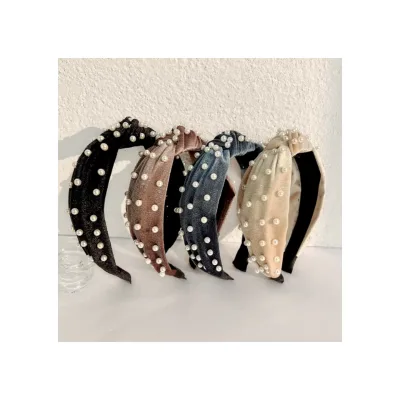
Wholesale Korea Fashion Hair Band Women Hair Accessories Pearl Twisted Knot Headband for Girls
$0.80 - $1.20
MOQ: 12 pieces
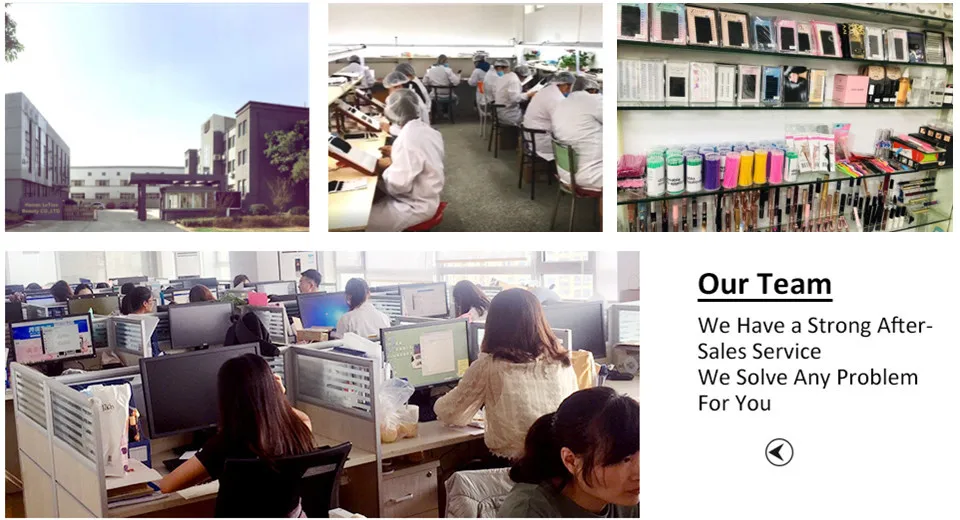
Zhengzhou Letiao Beauty Trading Co., Ltd.
- Trading Company
- Henan, China
- Lead time5 days
- Avg. response≤ 3h
Main productsSynthetic Hair,Human Hair,False Eyelashes,Beauty Products,Personal Articles
Main marketsNorth America(30.00%), Eastern Europe(20.00%), South America(20.00%), Northern Europe(5.00%), Western Europe(5.00%)
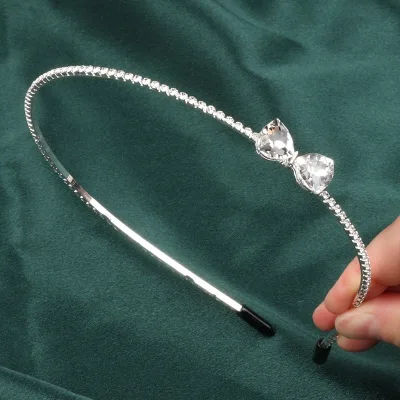
$0.9236 - $1.2305
MOQ: 100 pieces
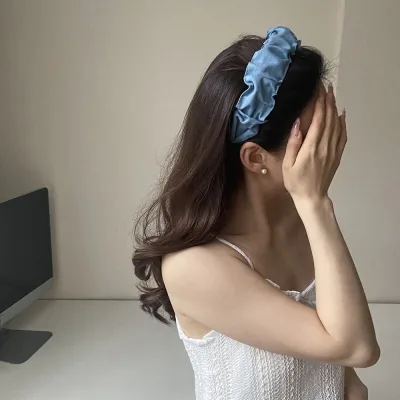
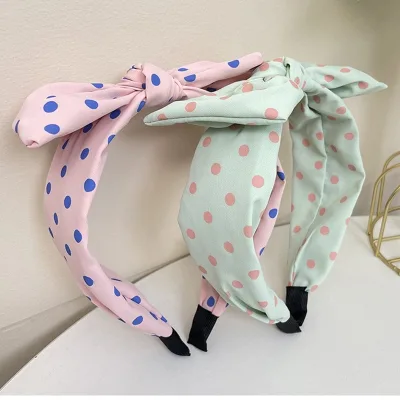

Yiwu Kaka Accessories Co., Ltd.
- Manufacturer, Trading Company
- Zhejiang, China
- Lead time7 days
- Avg. response≤ 3h
Main productsHair Clip,Jaw clip,necklace,earring,ring
Main marketsWestern Europe(30.00%), North America(25.00%), Eastern Asia(10.00%), Eastern Europe(10.00%), South America(5.00%), Southern Europe(5.00%), Northern Europe(5.00%), Southeast Asia(5.00%), Oceania(5.00%)
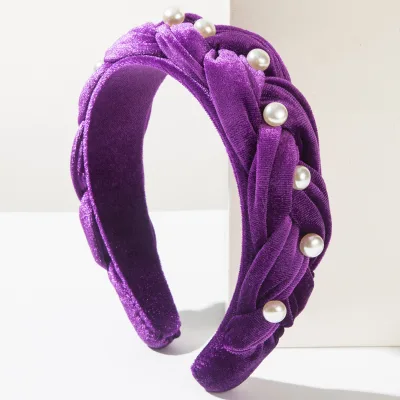
Korean Velvet Twists Braid Headband with Pearl Hair Accessories Simple Solid Color Headbands
$2.8503 - $4.0644
MOQ: 12 pieces
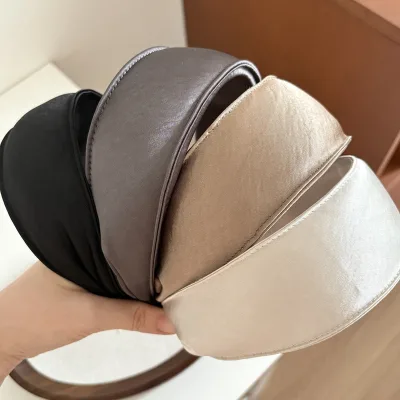
Korean Wide Satin Sponge Headband Solid Color Headband for Women Soft Elastic Hair Accessory
$0.89 - $1.19
MOQ: 12 pieces
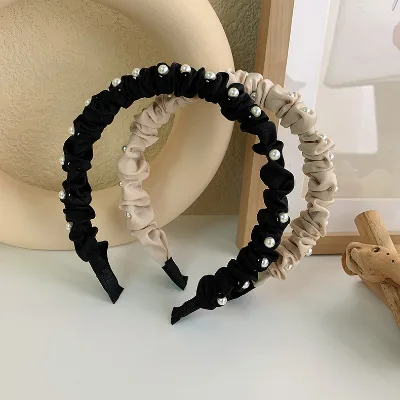
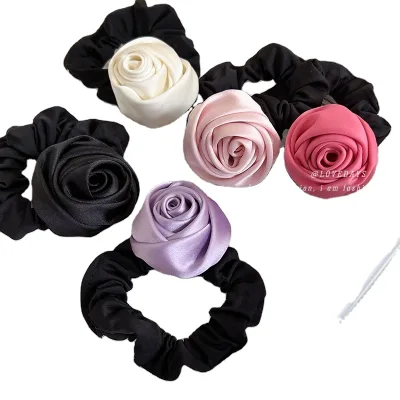
Korea Handmade Satin Rose Flower Hair Band Headdress High Elasticity Tie Hair Jewelry Headband
$0.4311 - $0.8099
MOQ: 12 pieces
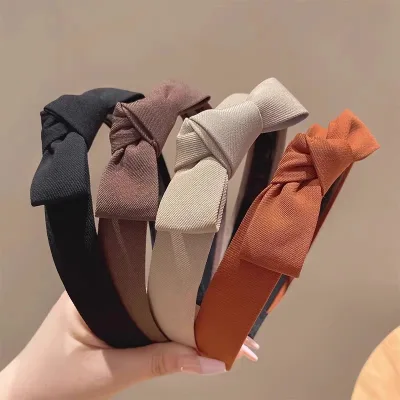
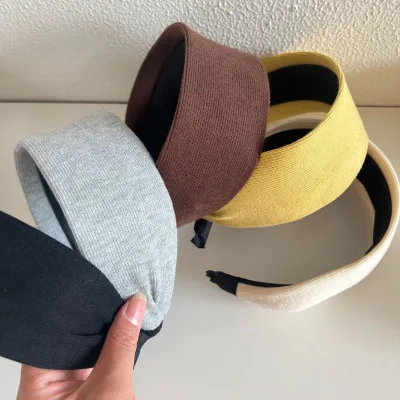
Korean Minimalist Anti-Slip Bow Headband with Teeth Elegant Headband Hair Accessory
$0.49 - $0.79
MOQ: 12 pieces

YIWU JINYE IMPORT AND EXPORT CO., LTD
- Verified by SGS
- Trading Company
- China Zhejiang
- Lead time15 days
- Avg. response≤ 25h
Main productsBangle, Wrist Band, Bracelet, Fashion Jewelry
Main marketsNorth America


Chain Hair Band Korean Middle Knotted PU Leather Headband Wide Edge Leather Hair Band
$0.98 - $3.89
MOQ: 20 Pieces


NINGBO AOVEA IMPORT & EXPORT CO., LTD.
- Verified by TUVRHEINLAND
- Trading Company
- China Zhejiang
- Lead time30 days
- Avg. response≤ 6h
Main productsMakeup Brush, Cosmetic Brush, Make up Brush, Cosmetic Bag Case, Makeup Tools, Jade Roller and Gua Sha, Hair Brush, Body Brush, Hair Accessories, Makeup Sponge
Main marketsSouth America,Africa,Southeast Asia/ Mideast,Europe,Australia,North America


Korea Wide Edge Elastic Headband Sport Hairbands Knitted Solid Color Hair Band Hair Accessories
$0.49 - $0.59
MOQ: 100 Pieces

Hair Bow Headband Hair Head Band Women Makeup Cotton Soft and Comfortable, Water Absorption
$0.89 - $0.99
MOQ: 100 Pieces
Dongyang Yilibei Hair Accessory Factory
- Verified by Intertek
- Manufacturer, Trading Company
- Lead time25 days
- Avg. response≤ 4h
Main productsHair Accessories, Jewelry
Main marketsNorth America(30%), Eastern Europe(30%), Western Europe(30%)
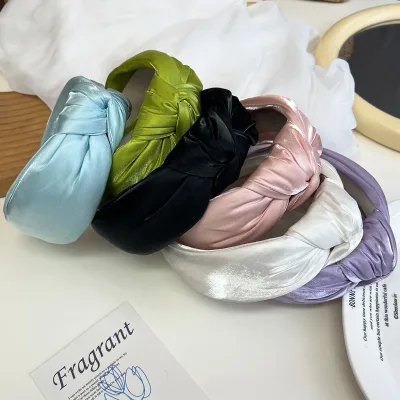
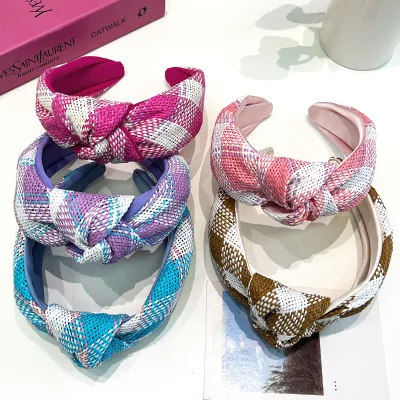
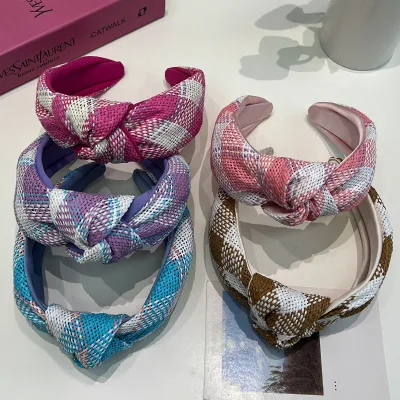
New Korean Wide Brim Knotted Headband Retro Design Woven Headband Fashion Hair Accessories
$1.765 - $1.9281
MOQ: 12 pieces
Yiwu Jieluan Trading Co., Ltd.
- Trading Company
- ZHEJIANG, China
- Lead time0 days
- Avg. response≤ 2h
Main productsFashion Accessories; Hair Clips; Jewelry; Hats; Home Decor
Main marketsNorth America(70.00%), South Asia(10.00%), Western Europe(10.00%), Eastern Asia(10.00%)
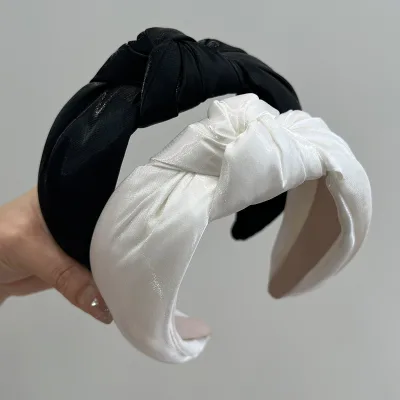
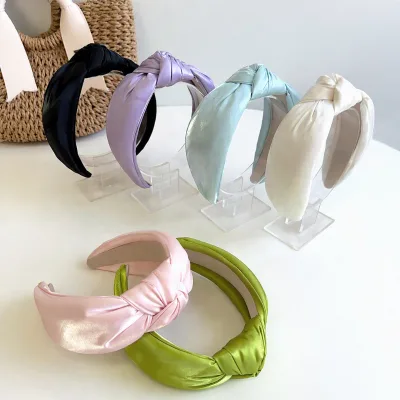
New Korean elegant temperament silk satin headband knotted Hairband for women
$1.25 - $1.49
MOQ: 3 pieces
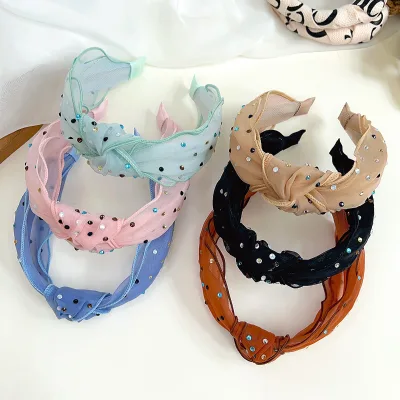
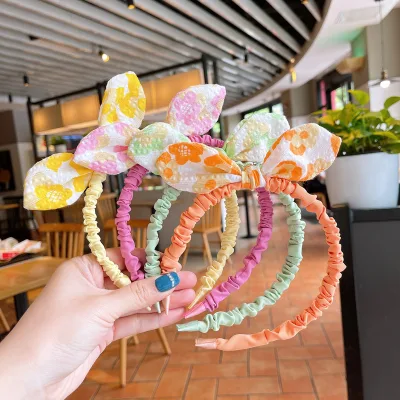
Summer New Korea Small Fresh Wide Edge Mesh Hairband Women's Knot High Headband Hair Accessories
$1.19 - $1.39
MOQ: 3 pieces
Yiwu Glory Hair Accessories Co., Ltd.
- Verified by SGS Group
- Manufacturer, Trading Company
- Zhejiang, China
- Lead time30 days
- Avg. response≤ 2h
Main productsHair Clips, Headbands, Scrunchies, Hair Combs
Main marketsNorth America(23%), Western Europe(22%), Oceania(18%)
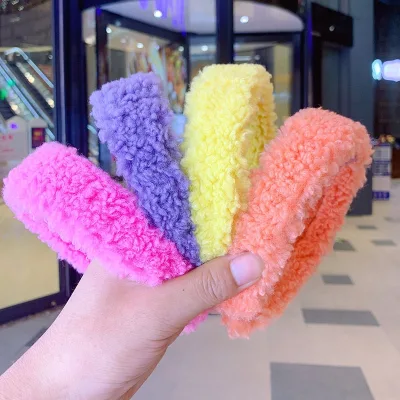
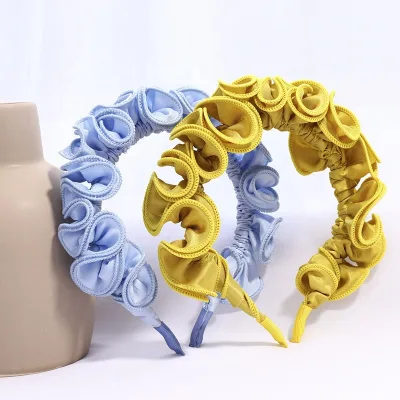
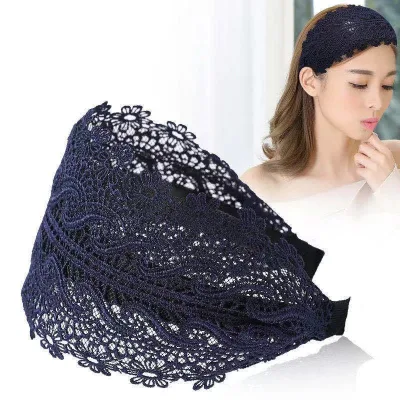
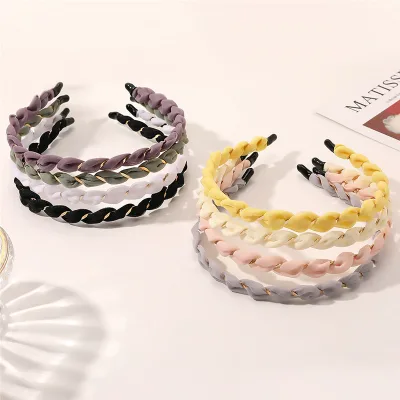
Korean Sweet Organza Headbands for Girls Solid Color Fresh Style Metal Headband Hair Ornaments
$0.45 - $0.61
MOQ: 60 pieces
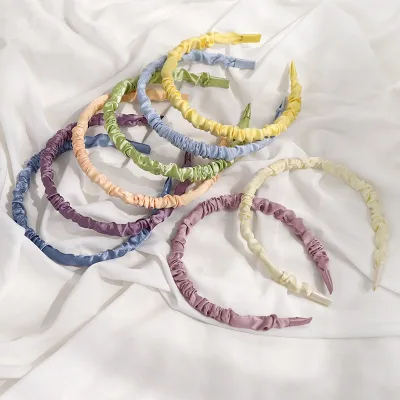
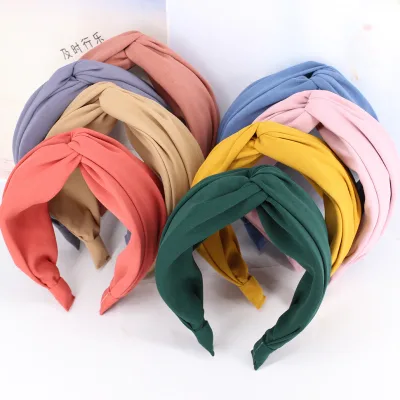
High Quality Simple Design Wide Girl Hairbands Fashion Handmade Cross Plain Headbands for Women
$0.85 - $1.40
MOQ: 30 pieces

Ningbo Two Birds Industry Co., Ltd.
- Verified by BV
- Trading Company,Manufacturer/Factory
- China Zhejiang
- Lead time45 days
- Avg. response≤ 6h
Main productsCosmetic & Makeup Items, Cleaning Tool, Pet Supplies, Bathroom Products, Bags, Kitchen Accessories, Hair Accessories, Home Textile, Consumable Items, Home Storage
Main marketsSouth America,Eastern Europe,Mid East,North America,Southeast Asia,Eastern Asia,Oceania,Western Europe,Africa
- Trading Company
- Zhejiang, China
- Lead time0 days
- Avg. response≤ 2h
Main productshair clip,hair tie,charm&pendant,bracelet,jewelry accessories
Main marketsNorth America(35.00%), Western Europe(30.00%), Mid East(10.00%), Southern Europe(5.00%), Eastern Europe(5.00%), South America(5.00%), Africa(3.00%), Eastern Asia(2.00%)
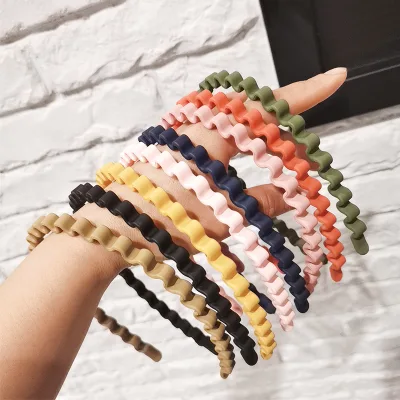
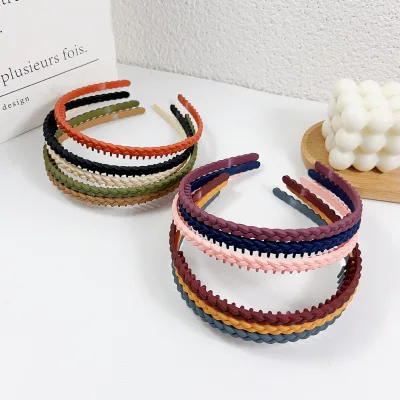
Women Korean Hair Accessories Solid Color Non Slip Head Band Plastic Wavy Hairband
$0.50 - $0.60
MOQ: 12 pieces
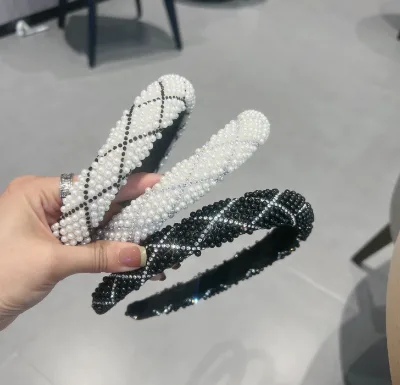

Yiwu Saidong Jewelry Co., Ltd.
- Verified by SGS
- Trading Company
- China Zhejiang
- Lead time15 days
- Avg. response≤ 4h
Main productsAccessory, Hair Accessories, Plaything, Hair Band, Barrette, Bandeau, Pendant, Ring, Body Chain, Bag
Main marketsEurope


Korean Spring/Summer Candy Color Sequin Sponge Foam Headband Fashion Hair Accessories
$1.20 - $1.79
MOQ: 20 pieces
Sihui City Artstar Accessories Co., Ltd.
- Verified by SGS Group
- Manufacturer, Trading Company
- Lead time0 days
- Avg. response≤ 4h
Main productsPlastic Hair Clips, Hair Accessories
Main marketsDomestic Market(60%), South Asia(20%), South America(5%)

Yiwu Zhuola Accessories Co., Ltd.
- Verified by CTI
- Combined
- China Zhejiang
- Lead time15 days
- Avg. response≤ 18h
Main productsHair Accessories, Hair Ornaments, Elastic Hair Bands, Hair Band, Hair Tie, Ponytail Holder, Hair Clips, Headband, Hair Decoration, Rubber Hair Band
Main marketsAfrica

Tianjin Smile Imp & Exp Co., Ltd.
- Verified by TUVRHEINLAND
- Trading Company
- China Tianjin
- Lead time30 days
- Avg. response≤ 1h
Main productsBalloon, Curtain, Tablecloth, Iron Arch, Bunting, Paper Garland, Tiara, Paper Tableware, Gift Bag, Confetti
Main marketsOthers(foreignTradeCapacity.exportBusinessCapacityMarketOther),Europe,North America

- Verified by TUVRHEINLAND
- Trading Company
- China Zhejiang
- Lead time15 days
- Avg. response≤ 12h
Main productsWooden Toy, Outdoor Product, Kitchen Item, Personal Care Tool, Painting Set, Disk Rack, Yoga, Garden
Main marketsSouth America,Europe,North America


Black Large Headband Korean Premium Hair Adornment Satin French Pleated Headband Face Wash
$0.67 - $0.88
MOQ: 50 Pieces
Yiwu Joyce Accessories Manufactory
- Manufacturer, Trading Company
- Zhejiang, China
- Lead time0 days
- Avg. response≤ 6h
Main productshair bows clip,scrunchies,headbands,bow keychain,hair tie
Main marketsNorth America(60.00%), Southern Europe(20.00%), Eastern Europe(20.00%), Western Europe(20.00%), Domestic Market(5.00%), South Asia(5.00%), Southeast Asia(5.00%), Northern Europe(5.00%), Central America(5.00%), South America(5.00%), Eastern Asia(5.00%), Mid East(5.00%), Oceania(5.00%), Africa(5.00%)
Yiwu Jianyin E-Commerce Co., Ltd.
- Trading Company
- Zhejiang, China
- Lead time30 days
- Avg. response≤ 7h
Main productsFashion accessories,Hair accessories,Ties,Brooches,Keychain
Main marketsNorth America(50.00%), Northern Europe(5.00%), Western Europe(5.00%), Eastern Asia(5.00%), Southern Europe(5.00%), Oceania(5.00%), Africa(5.00%), Southeast Asia(5.00%), Eastern Europe(5.00%), South America(5.00%), South Asia(2.00%), Domestic Market(1.00%), Central America(1.00%), Mid East(1.00%)
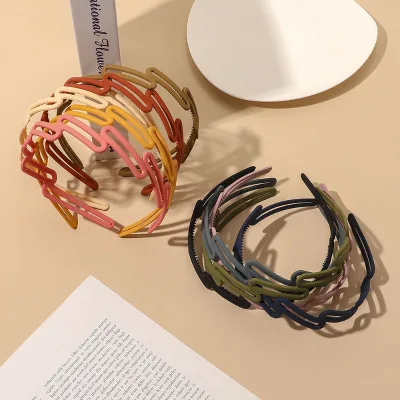
$0.19 - $0.23
MOQ: 50 pieces




Comprehensive Sourcing Guide
Korean Style Simple Hair Headband Supplier Concentration and Factory Types
Sourcing this category starts with understanding who actually makes Korean style simple hair headbands and where they cluster. The supplier results available here point to Zhejiang, China as an origin location for headband products, which is consistent with how hair accessory production is organized in eastern China. Buyers should treat that as a verified data point from the listings rather than a universal rule, and should confirm with each supplier where their headband orders are actually produced. When no location is displayed for a candidate supplier, ask directly for the production city and province, because freight quotes, sample dispatch speed and cluster-level material availability all depend on it.
Supplier types in this category split into manufacturers, trading companies and hybrid businesses. The current listings include one business describing itself as both manufacturer and trading company, and another as a pure trading company, so both models are represented. Manufacturers are typically better positioned for custom headband development, proprietary tooling and price control, while trading companies aggregate multiple accessory workshops and can fill mixed-product orders. The main product lines listed here — headbands, hair ties, pony cuffs, hair clips and claw clips — show that many of these businesses are accessory generalists rather than headband specialists. Check whether headbands are a core line or a side catalog item, because depth of range usually reflects production familiarity.
How to Verify Korean Style Simple Hair Headband Suppliers
Verification for this category rests on three pillars: third-party vetting, company disclosures and product-level evidence. In the current results, at least one supplier carries an SGS verification mark, which is an externally performed check rather than a self-declared credential. Ask any candidate whether they hold third-party verification, which body performed it and what scope it covered — verification of a trading entity does not confirm the quality system of the underlying workshop. Request the business license, the legal entity name behind the store account and proof that the entity matches the name on invoices and payments before transferring any funds.
Product evidence is equally telling. The listings here show detailed attribute sets: declared place of origin, model numbers, materials such as fabric or metal alloy, packaging formats, and explicit OEM/ODM acceptance. A supplier whose headband listings include model numbers, declared materials and packaging details is documenting products they routinely ship; sparse listings deserve extra questioning. Check main product lines against what you need — a hair-accessory specialist listing headbands, clips and hair ties is more credible for this keyword than a generalist that lists headbands among unrelated goods. Finally, verify capacity claims in writing: the results show options such as sample processing, graphic processing, customization on demand and light customization. Ask which of these apply to headbands specifically, request a sample from actual stock, and confirm the sample matches the listed material and dimensions before committing.
What to Compare Across Korean Style Simple Hair Headband Suppliers
Build a comparison table before contacting anyone, using only attributes that are actually displayed, because not every supplier exposes the same fields. Useful dimensions in the current data include lead time, quoted response speed, location, main products, verification status and company type. Lead times in the results range from 15 to 30 days, which materially affects your restocking calendar, and displayed response times range from about 2 hours to 8 hours, a practical signal of how quickly a supplier handles trade questions. Record these as displayed values, then re-confirm them against your specific order because quoted lead times rarely apply unchanged to custom or high-volume headband runs.
Price and MOQ comparisons should stay product-specific. Displayed headband prices in these results span roughly 0.71 to 4.30 per piece, and MOQs range from as low as 2 or 3 units on some styles to 24 on others, reflecting differences between lightweight fabric bands, beaded styles and pearl-set alloy headbands. Compare like with like: a knotted fabric headband and a hand-woven sponge headband sit in different price bands for legitimate reasons. Also weigh customization capability, since some listings advertise sample processing and graphic processing while others offer only light customization. Establishment year, escrow availability and service scope appear on some marketplace profiles but not all, so treat blank fields as questions to ask rather than facts to assume, and note each supplier's answer in your table with its date.
Common Korean Style Simple Hair Headband Sourcing Risks
The most frequent risk in this category is material and construction mismatch. Displayed listings cover fabric, PU braided leather, alloy and pearl-set constructions, so a sample that matches a photograph can still differ in stiffness, lining quality or metal content from the bulk run. Always approve a golden sample and reference its model number in the purchase contract. Color is a second chronic issue: the listings show palettes of three to nine named shades, often described with informal color names rather than standardized codes. Insist on a physical color swatch or Pantone reference per shade, because rose red, taro-colored and beige can vary widely between dye lots.
Quantity and consistency risks follow. Low displayed MOQs — some as small as two or three units — are attractive for testing but often reflect stock-lot or small-batch production, which can mean inconsistent sizing, uneven glue work on embellishments or discontinuation of a style mid-season. Confirm whether the MOQ applies to repeated production or only to the first trial order. Communication risk shows up as slow replies: displayed response times in this dataset span roughly 2 to 8 hours, and slower responders tend to be slower at every production stage. Finally, packaging is frequently overlooked — listings here describe simple opp-bag packing and small package dimensions, which may not survive consolidation shipping. Specify inner packaging, barcode labels and export cartons in writing before deposit.
Korean Style Simple Hair Headband Regional Sourcing and Logistics
Geography shapes both cost and speed for this category. The verified location in the current results is Zhejiang, China, a coastal province with dense access to fabric, trims and accessory hardware, which suits headband production that combines textile bands with beads, pearls and alloy components. Where a candidate supplier displays a location, use it to estimate domestic transit to the nearest consolidation point; where none is displayed, require the production city and province in writing before quoting. Do not assume proximity between a trading company's office address and its factories — accessory traders in coastal provinces commonly source from multiple workshops across neighboring regions.
Logistics planning should follow the product's physical profile. The listings describe small single-package dimensions in the 15 cm range and single gross weights around 30 grams, which means headbands ship economically by volume rather than weight — carton utilization, not kilograms, drives your freight cost. Consolidating multiple headband styles into full cartons with a single export declaration usually beats per-style shipments. Displayed lead times of 15 to 30 days plus separately stated 7 to 15 day delivery windows on some listings indicate production and dispatch are quoted separately; confirm which clock applies to your order. Plan around seasonal peaks in Chinese accessory manufacturing, request estimated dispatch dates rather than production dates, and ask whether the supplier supports direct-to-forwarder handoff, since small, high-value-volume goods like headbands benefit from professional consolidation before international transit.
Korean Style Simple Hair Headband Commercial Terms and Order Planning
Commercial terms determine how much of the sourcing risk you carry. Payment options referenced in the current listings include L/C, T/T and Western Union, but payment method is only safe when tied to a verified legal entity — never pay a personal account regardless of the method. Ask whether the marketplace offers escrow or platform-protected payment for your order size, and split payments so the deposit covers materials and the balance is due against inspection of finished, packed goods. Record currency, whether prices are FOB or include domestic freight, and what happens to tooling or printing plates for customized headbands if the relationship ends.
Order planning for this category should exploit its low entry MOQs deliberately. Displayed MOQs of 2 to 24 units per style let you build a mixed trial order across several headband designs, then concentrate volume on the styles that sell, which is a category-specific advantage compared with goods demanding high minimums. Timeline backward from your retail date using displayed benchmarks: 7 to 15 day delivery windows on some listings, 15 to 30 day lead times on others, plus sampling and international transit. Lock reorder terms after the first run — repeat styles, confirmed colors and model numbers — because fashion headband assortments rotate quickly. Finally, verify certification and compliance needs for your market in writing; some suppliers here display system certifications such as RoHS, but you must confirm which certificates cover your specific headband materials and destination regulations.
FAQs
What is the price range for Korean style simple hair headbands?
Prices for these headbands typically range from $0.71 to $4.30 per unit. The final cost depends on the specific material, such as PU leather, fabric, or metal alloy, and the complexity of the design. Buyers should check the minimum order quantity to determine the exact per-unit price for their order volume.
What is the minimum order quantity for these headbands?
The minimum order quantity varies by supplier and product style. Some listings accept orders as low as 2 or 3 pieces, while others require a minimum of 12 or 24 units. Buyers should verify the specific MOQ for the desired color and material before placing an order to ensure it meets their needs.
How long does delivery take for these hair accessories?
Delivery times generally range from 7 to 30 days depending on the supplier and order size. Some manufacturers offer faster turnaround times of around 15 days, while others may require up to 30 days for production and shipping. Buyers should confirm the estimated lead time with the supplier before finalizing the purchase.
Are these headbands available for custom branding or OEM?
Many suppliers accept OEM and ODM requests for custom branding and designs. Buyers can often request specific logos, colors, and packaging options to match their brand identity. It is advisable to discuss customization requirements and any associated costs directly with the supplier to ensure the final product meets your specific business needs.
Where are these Korean style headbands manufactured?
These hair accessories are primarily manufactured in Zhejiang, China. This region is known for its strong manufacturing capabilities in fashion accessories and jewelry. Buyers sourcing from this location can expect a wide variety of styles and competitive pricing due to the established supply chain infrastructure in the area.
What materials are used to make these headbands?
Common materials include PU leather, fabric, metal, and alloy. Some headbands feature decorative elements like pearls, sequins, or braided leather. The choice of material affects the durability, comfort, and aesthetic appeal of the headband. Buyers should review the product specifications to select the material that best suits their target market.