Kydex Leather Hybrid Holster Suppliers and Manufacturers
Source 19 verified suppliers for Kydex Leather Hybrid Holster products. Compare key dimensions including lead times, MOQs, response speeds, and certifications from factories in Shanghai, Zhejiang, and Jiangsu. Review product specs and request quotes directly; review the available evidence before requesting comparable quotations from suitable candidates.
Suppliers List

China Xinxing Shanghai Import and Export Co., Ltd.
- Verified by TUVRHEINLAND
- Trading Company
- China Shanghai
- Lead time15 days
- Avg. response≤ 8h
Main productsAnti-Riot Suit
Main marketsSouth America,Africa,Southeast Asia/ Mideast,Europe

Zhejiang Ganyu Police Equipment manufacturing Co., Ltd.
- Verified by SGS
- Combined
- China Zhejiang
- Lead time15 days
- Avg. response≤ 14h
Main productsAnti Riot Suit, Anti Riot Helmet, Anti Riot Shield, Tactical Vest, Safety Products, Anti Riot Gear
Main marketsSouth America

Nanjing Kango Outdoor Products Co., Ltd.
- Verified by TUVRHEINLAND
- Trading Company
- China Jiangsu
- Lead time30 days
- Avg. response≤ 7h
Main productsTactical Uniform, Tactical Vest, Sleeping Bag, Anti Roit Item, Tactical Boots, Tactical Backpack, Tactical Raincoat, Woobie Hoodie, Poncho Liner
Main marketsSouth America,Africa,Others(foreignTradeCapacity.exportBusinessCapacityMarketOther),Southeast Asia/ Mideast,East Asia(Japan/ South Korea),Europe,Australia,North America


Kango Concealed Armpit Double Magazine Holster Portable Outdoor Tactical Holster
$3.85 - $6.50
MOQ: 50 Pieces


Jiangmen Xiaohe Trading Co., Ltd.
- Trading Company
- Guangdong, China
- Lead time7 days
- Avg. response≤ 2h
Main productsTactical Attachments,Belt Clips,knife accessories,Holster Parts,Camping Accessory
Main marketsNorth America(25.00%), South America(15.00%), Southern Europe(10.00%), Northern Europe(10.00%), Domestic Market(10.00%), Western Europe(10.00%), Eastern Europe(10.00%), Central America(5.00%), South Asia(5.00%)
Dongguan Zunwin Outdoor Products Co., Limited
- Verified by Intertek
- Manufacturer, Trading Company
- Lead time20 days
Main productsGun Holster, Tactical Belt, Neoprene Holster, Belly Band Holster
Main marketsNorth America(62%), Northern Europe(12%), Eastern Europe(6%)
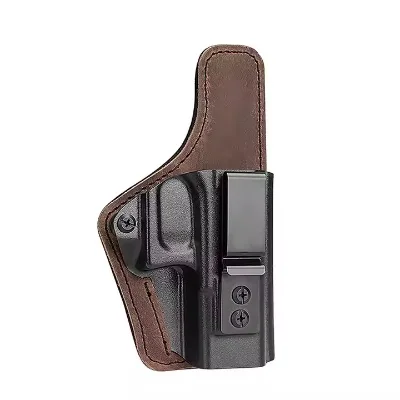
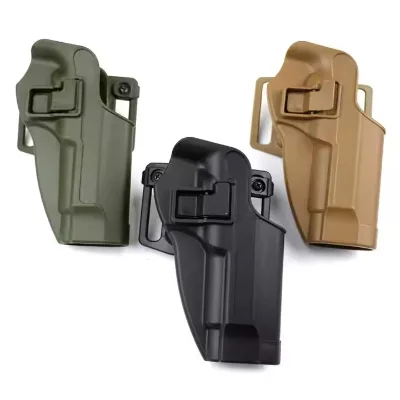
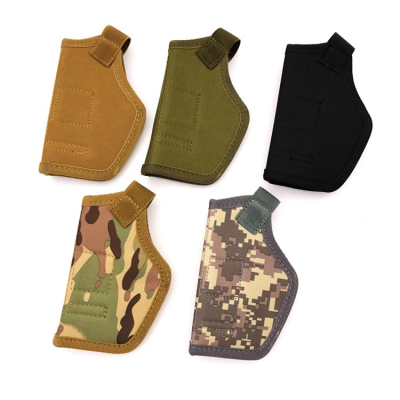
$1.84 - $2.18
MOQ: 500 pieces


PU Leather Tactical Holster Quick-Draw Universal Holster Spot Cowhide Belt Holster
$5.80 - $6.50
MOQ: 500 pieces

Wuhan Corhunter Garment Co., Ltd.
- Verified by BV
- Combined
- China Hubei
- Lead time15 days
- Avg. response≤ 11h
Main productsUniform, Jacket, Shirt, Pants, Shorts, Boots, Gloves, Hat, Belt, Camouflage Uniform
Main marketsAfrica,Southeast Asia/ Mideast,North America

Outdoor Tactical Underarm Holster Multi-Purpose Adjustable Soft Shoulder
$3.20 - $3.70
MOQ: 100 Pieces


$4.00 - $5.00
MOQ: 50 Pieces
Shenzhen Gf Industrial Co., Ltd.
- Manufacturer
- Guangdong, China
- Lead time30 days
- Avg. response≤ 7h
Main productsTactical Flashlight,Gun light,Gun Holster,Bag & Case,Tactical Products
Main marketsNorth America(60.00%), Eastern Europe(15.00%), Domestic Market(10.00%), South America(5.00%), Southeast Asia(5.00%), Mid East(4.00%), Africa(1.00%)


Gun&Flower IWB Carbon Fiber Kydex Sheet Holster for Cover Equipment On-the-pant Holder
$9.50 - $10.50
MOQ: 50 pieces


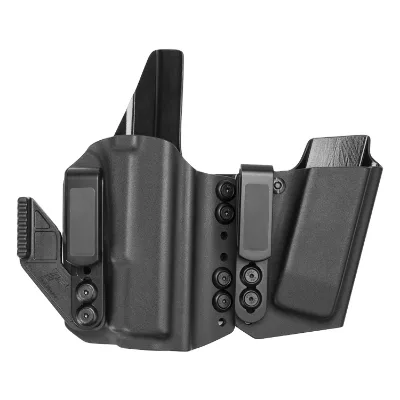
IWB Kydex Holster Concealed Daily Carry Compatible with Holster+Single Mag Pouch+Claw
$21.15 - $23.15
MOQ: 50

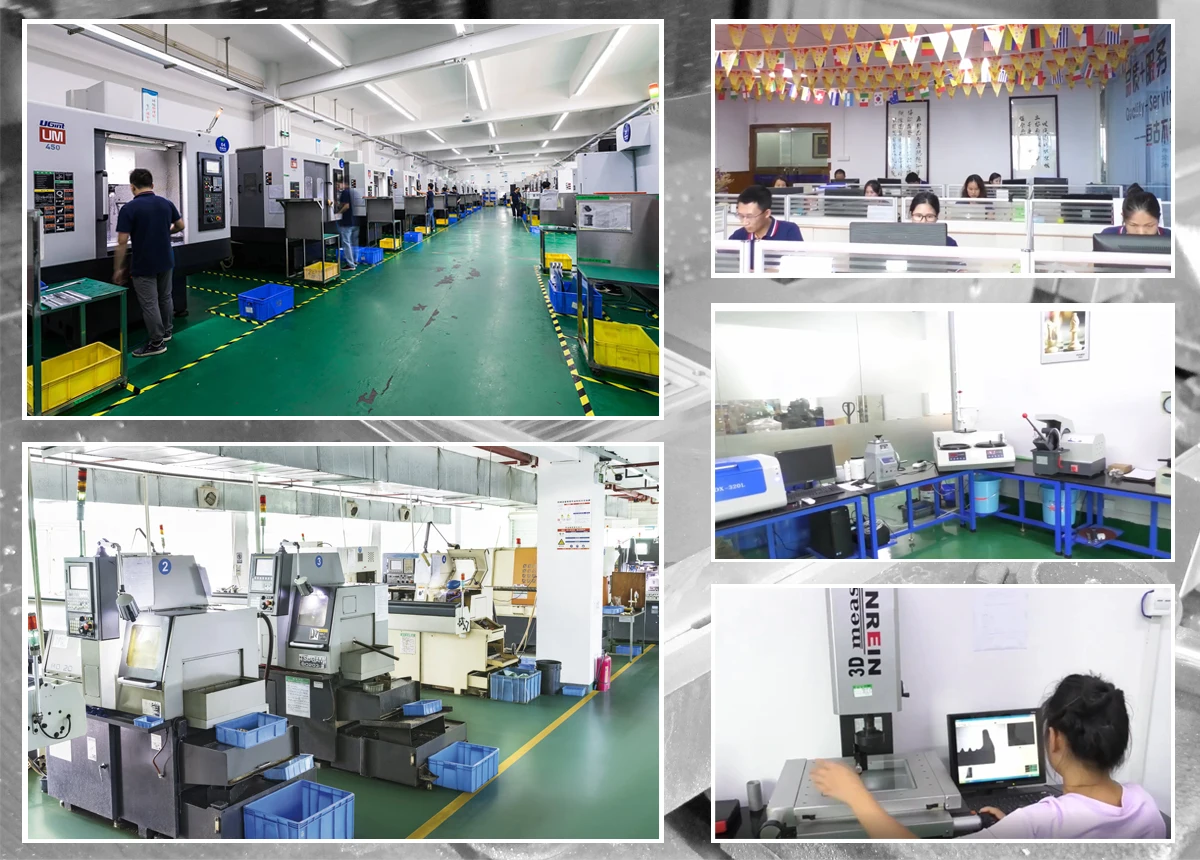
Chengdu Moerxing Outdoor Products Co., Ltd.
- Trading Company
- Sichuan, China
- Lead time15 days
- Avg. response≤ 10h
Main productsGRIPS,HOLSTER,ARCHERY BOW,HUNTING KNIVES,SLINGSHOTS
Main marketsNorth America(30.00%), Northern Europe(20.00%), South America(10.00%), Eastern Europe(5.00%), Southern Europe(5.00%), Western Europe(5.00%), Eastern Asia(5.00%), Mid East(5.00%), Oceania(5.00%), Africa(5.00%), Southeast Asia(5.00%)

Yuemai Outdoor & Camping Co., Ltd.
- Manufacturer/Factory
- China Jiangsu
- Lead time90 days
- Avg. response≤ 6h
Main productsTactical Vest, Body Armor Vest, Military Backpack, Tactical Clothing, Police Equipment, Outdoor, Tactical Gears, Army Rainwears, Airsoft and Paintball Articles, Army Uniforms
Main marketsEastern Europe,Mid East,North America,Southeast Asia,Western Europe,Africa


Lightweight Self-Defense Portable Field Black Leather Waistband Tactical Concealed Gun Holster
$1.49 - $1.89
MOQ: 20 Sets


LITAI(QUANZHOU)BAGS CORP., LIMITED
- Trading Company,Manufacturer/Factory
- China Fujian
- Lead time45 days
- Avg. response≤ 7h
Main productsMilitary Bags, Military Backpack, Military Vest, Army Backpack, Tactical Backpack, Tactical Holster, Tactical Sling, Army Bags, Medical Bag
Main marketsSouth America,Eastern Europe,Mid East,North America,Eastern Asia,Western Europe,Africa
Guangzhou Dinghong Tourism Supplies Co., Ltd.
- Manufacturer
- Guangdong, China
- Lead time3 days
- Avg. response≤ 3h
Main productsTactical Backpacks,Tactical Vests,Gun Holster,Gun Bag&Packs,Tactical Accessories
Main marketsNorth America(25.00%), Central America(20.00%), South America(15.00%), Domestic Market(10.00%), Southern Europe(5.00%), Eastern Europe(5.00%), Northern Europe(5.00%), Western Europe(5.00%), Eastern Asia(2.00%), Southeast Asia(2.00%), Mid East(2.00%), South Asia(2.00%), Oceania(1.00%), Africa(1.00%)

- Verified by SGS
- Combined
- China Zhejiang
- Lead time15 days
- Avg. response≤ 13h
Main productsAnti Riot Suit, Anti Riot Shield, Anti Riot Helmt, Gas Mask, Bullet Proof Vest, Stab Proof Vest, Handcuff, Knee Pad, Elbow Pad
Main marketsSouth America,Africa,Others(foreignTradeCapacity.exportBusinessCapacityMarketOther),Southeast Asia/ Mideast,Domestic,Europe,North America

Outdoor Bag Tactical_Holster Universal Concealed Shoulder Case Holster with 2 Magazine Pouch
$5.00 - $7.00
MOQ: 100 Pieces



Dongguan Nenggong Technology Co., Ltd.
- Manufacturer, Trading Company
- Guangdong, China
- Lead time30 days
- Avg. response≤ 1h
Main productsGun holster,Tactical Belt,Cleaning Kit,Tactical Backpack,Tactical Products
Main marketsDomestic Market(35.00%), Eastern Europe(16.50%), Southeast Asia(15.00%), South America(6.50%), Eastern Asia(4.50%), Western Europe(2.50%), North America(2.50%), South Asia(2.50%), Africa(1.50%), Mid East(1.50%)

Jingjiang Dengtu Outdoor Equipment Co., Ltd
- Verified by SGS
- Trading Company
- China Jiangsu
- Lead time15 days
- Avg. response≤ 4h
Main productsSelf Defense Equipment, Outdoor Products, Tactical Equipment, Metal Tool, Flashlight, Detector, Sport Equipment, Keychain Kit Crafts, Security Equipment, Traffic Equipment
Main marketsAfrica,Domestic

Shenzhen Bluetac Industrial Technology Co., Ltd.
- Manufacturer, Trading Company
- Guangdong, China
- Lead time20 days
- Avg. response≤ 5h
Main productsHolster
Main marketsNorth America(60.00%), Southeast Asia(20.00%), Western Europe(10.00%), South America(2.00%), Southern Europe(2.00%), Central America(2.00%), Northern Europe(2.00%), Eastern Europe(2.00%)
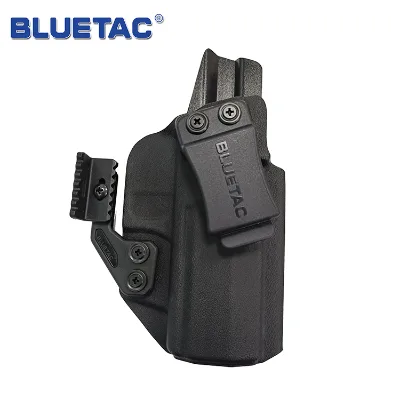
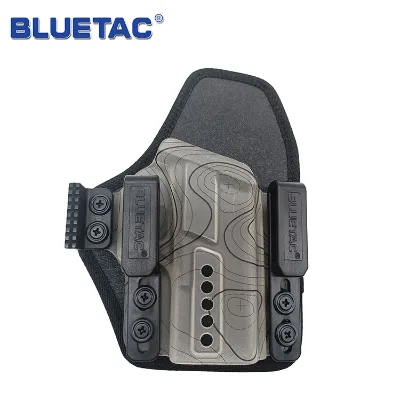


Bluetac Hiqh Quality Tactical Duty Gear Holder Holster with Belt Clip Carry Attachment
$6.00 - $8.00
MOQ: 10 pieces
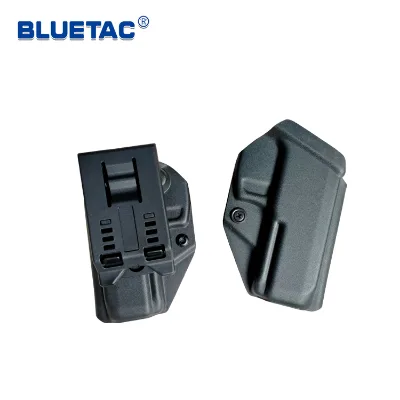
Tactical Kydex Retention Holster Plastic Roto holster with belt clip attachment
$9.00 - $12.00
MOQ: 2 pieces

Colorful Kydex Maximize Universal Holster With Belt Loop for Compact Standard Guns 300+
$16.68 - $25.02
MOQ: 5 pieces
Guangzhou Qiaolin Trading Co., Ltd.
- Manufacturer
- Guangdong, China
- Lead time旺季: "1 - 50":9,"51 - 1000":10,"> 1000":"To be negotiated", 淡季: "1 - 50":9,"51 - 1000":10,"> 1000":"To be negotiated"
- Avg. response≤ 5h
Main productshandbag,tote bag,travel duffle bag,backpack,crossbody bag
Main marketsNorth America(70.00%), Mid East(10.00%), Domestic Market(10.00%), Western Europe(7.00%), Southeast Asia(2.00%), Eastern Europe(1.00%)

Jiangsu Crown Police Equipment Manufacturing Co., Ltd.
- Verified by SGS
- Combined
- China Jiangsu
- Lead time15 days
- Avg. response≤ 5h
Main productsAnti-Riot Helmet, Anti-Riot Shield, Pepper Spray, Tactical Vest, Helmet, Anti-Riot Suit
Main marketsSouth America,Africa,Southeast Asia/ Mideast,East Asia(Japan/ South Korea),Domestic,Europe,Australia,North America

Dongguan Zunwin Outdoor Products Co., Limited
- Verified by SGS
- Manufacturer
- China Guangdong
- Lead time15 days
- Avg. response≤ 11h
Main marketsSouth America,Africa,Southeast Asia/ Mideast,East Asia(Japan/ South Korea),Europe,Australia,North America
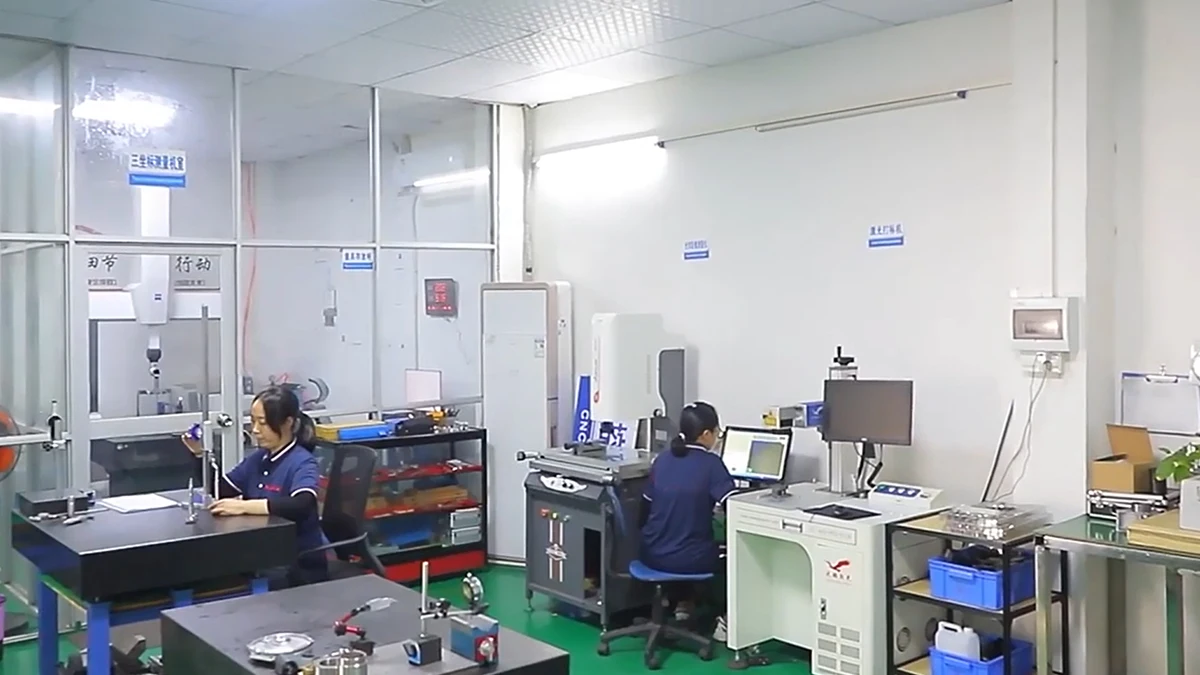
Chongqing Erbo Hardware Co., Ltd.
- Trading Company
- Chongqing, China
- Lead time15 days
- Avg. response≤ 12h
Main productsSight Scope,Tactical Helmet,Tactical Light,Shooting Grip,Holster
Main marketsNorth America(30.00%), South America(20.00%), Southern Europe(5.00%), Northern Europe(5.00%), Central America(5.00%), Western Europe(5.00%), Eastern Asia(5.00%), Mid East(5.00%), Oceania(5.00%), Africa(5.00%), Southeast Asia(5.00%), Eastern Europe(5.00%)


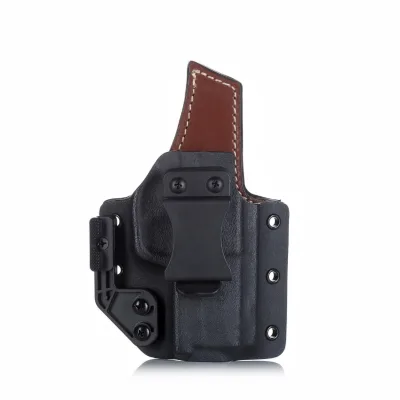
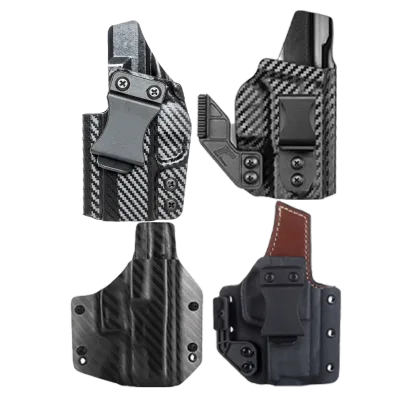


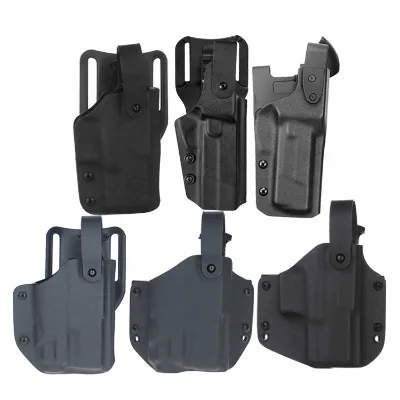


Comprehensive Sourcing Guide
Kydex Leather Hybrid Holster Supplier Concentration and Factory Types
The current supplier landscape for tactical gear reveals a distinct concentration of manufacturing and trading entities within specific Chinese provinces, particularly Shanghai, Zhejiang, and Jiangsu. These regions serve as critical hubs for the production of personal defense equipment, including the various holster types observed in recent market data. Suppliers in Shanghai often operate as trading companies, leveraging their proximity to major ports to facilitate efficient export logistics for items like leather gun holsters and tactical shoulder cases. This geographic clustering allows for streamlined supply chain management, where raw materials such as thick leather, plastic steel, and tough rubber can be sourced locally before final assembly. The presence of verified entities like TUVRHEINLAND in Shanghai indicates a mature ecosystem where quality control standards are increasingly integrated into the manufacturing process. Buyers evaluating this market should recognize that Shanghai-based suppliers may offer a blend of trading services and direct factory access, providing flexibility in order sizes and customization options. The concentration of these firms suggests that buyers can expect a competitive environment with diverse product offerings, ranging from high-quality thick leather holsters to more utilitarian nylon-based tactical gear. Understanding this regional distribution helps in identifying suppliers who are not only geographically convenient but also culturally aligned with international trade practices. The density of suppliers in these areas often correlates with a higher volume of product evidence and detailed specifications, making it easier for buyers to compare attributes such as material composition, weight, and packaging standards. This concentration also implies that logistics costs may be optimized for shipments originating from these ports, potentially reducing overall landed costs for international buyers. However, the distinction between pure trading companies and combined manufacturing entities remains crucial, as it affects the level of direct control a buyer has over production timelines and quality assurance protocols.
In contrast to the trading-focused entities in Shanghai, suppliers in Zhejiang and Jiangsu present a different operational profile, often characterized by combined company types or specialized manufacturing capabilities. Zhejiang-based suppliers frequently list a broad range of main products, including anti-riot suits, helmets, and tactical vests, suggesting a diversified production capacity that can accommodate holster orders alongside other safety products. These suppliers often hold certifications such as SGS verification, which adds a layer of trust regarding their operational legitimacy and quality management systems. The presence of ISO9001 and ISO14001 certifications in some Shanghai-based listings further highlights the varying degrees of standardization across different regional clusters. Jiangsu-based suppliers, on the other hand, may focus on tactical uniforms and related gear, indicating a specialization in textile-based tactical equipment. This diversification means that buyers looking for kydex leather hybrid holsters might encounter suppliers who produce these items as part of a broader tactical portfolio rather than as a niche specialty. The variation in company types, from pure trading to combined manufacturing, necessitates a careful assessment of each supplier’s core competencies. Buyers should investigate whether a supplier’s primary focus aligns with their specific needs, as a company primarily engaged in anti-riot gear might have different quality controls for leather holsters compared to a dedicated tactical equipment manufacturer. The regional differences also extend to the types of materials used, with some suppliers emphasizing cowhide or nylon, while others offer plastic steel and rubber combinations. This diversity in material sourcing and manufacturing focus underscores the importance of verifying each supplier’s specific capabilities rather than relying on general regional assumptions. By understanding these nuances, buyers can better navigate the supplier landscape and identify partners who offer the best balance of quality, cost, and reliability for their specific holster requirements.
How to Verify Kydex Leather Hybrid Holster Suppliers
Verifying the legitimacy and capability of suppliers requires a multi-layered approach that goes beyond simple profile reviews. The first step involves scrutinizing third-party verification badges, such as those from TUVRHEINLAND or SGS, which provide independent confirmation of a supplier’s business status and operational practices. These verifications are critical indicators of a supplier’s commitment to transparency and quality management. Buyers should prioritize suppliers who have undergone rigorous third-party audits, as these entities are more likely to adhere to international standards and maintain accurate business records. Additionally, examining the supplier’s certification history is essential; for instance, the presence of ISO9001:2015 and ISO14001:2015 certificates indicates a structured approach to quality and environmental management. However, buyers must ensure that these certifications are current and relevant to the specific products being ordered, as some suppliers may hold certifications for unrelated product lines. The verification process should also include a review of the supplier’s response time and communication efficiency, as these metrics can reflect their operational readiness and customer service quality. A supplier with a rapid response time, such as those observed in the Shanghai cluster, may be better equipped to handle urgent orders or complex customization requests. Furthermore, buyers should assess the supplier’s product evidence, including detailed specifications, material descriptions, and packaging standards, to ensure alignment with their quality expectations. The availability of comprehensive product data, such as weight, dimensions, and material composition, is a strong indicator of a supplier’s professionalism and attention to detail. Buyers should also look for suppliers who provide clear information about their customization capabilities, including logo printing and material options, as this demonstrates flexibility and customer-centricity. By combining these verification methods, buyers can build a robust profile of each supplier’s reliability and suitability for their specific needs.
Beyond initial verification, buyers should conduct deeper due diligence by requesting samples and conducting factory audits when possible. Sampling allows buyers to physically assess the quality of materials, such as the thickness of leather or the durability of nylon, and to verify that the product matches the provided specifications. It is crucial to test the samples under realistic conditions to ensure they meet the intended use cases, whether for law enforcement, tactical operations, or concealed carry. Factory audits, although more resource-intensive, provide invaluable insights into the supplier’s production capabilities, quality control processes, and working conditions. These audits can reveal potential risks, such as inconsistent quality control or inadequate safety measures, which may not be apparent from online profiles alone. Buyers should also verify the supplier’s export history and market reach, as a global export presence often indicates a higher level of compliance with international trade regulations. Additionally, checking for any past disputes or negative feedback can provide a more balanced view of the supplier’s performance. It is important to note that while some suppliers may display high response times or extensive product listings, these metrics alone do not guarantee quality or reliability. Buyers must cross-reference these indicators with tangible evidence, such as verified certifications and positive customer testimonials, to form a comprehensive assessment. The verification process should be ongoing, as supplier capabilities and market conditions can change over time. By maintaining a rigorous verification protocol, buyers can mitigate risks and establish long-term partnerships with suppliers who consistently deliver high-quality kydex leather hybrid holsters. This proactive approach ensures that buyers are well-equipped to navigate the complexities of international sourcing and make informed decisions that align with their business objectives.
What to Compare Across Kydex Leather Hybrid Holster Suppliers
When evaluating multiple suppliers, buyers must systematically compare key operational and commercial metrics to identify the most suitable partner. One of the primary dimensions for comparison is the minimum order quantity (MOQ), which varies significantly across different suppliers and product lines. For instance, some suppliers may require an MOQ of 500 units for certain leather holsters, while others might accept orders as low as 100 units for tactical shoulder holsters. Understanding these MOQ requirements is crucial for buyers who need to balance inventory costs with production efficiency. Buyers should also compare lead times, as these directly impact supply chain responsiveness and customer satisfaction. Suppliers with shorter lead times, such as those offering 15-day production cycles, may be preferable for buyers with urgent delivery needs, while those with longer lead times, such as 30 days, might be suitable for planned, large-scale orders. Response time is another critical factor, as it reflects the supplier’s ability to communicate effectively and resolve issues promptly. Suppliers with faster response times, such as those averaging under eight hours, are often more reliable in handling inquiries and custom requests. Buyers should also assess the range of customization options available, including logo printing, material selection, and packaging preferences. Suppliers who offer extensive customization capabilities, such as accepting customized logos or providing various material choices, provide greater flexibility for brand differentiation. Additionally, comparing price ranges is essential, as costs can vary based on material quality, production complexity, and order volume. Buyers should analyze the price per unit across different MOQ tiers to determine the most cost-effective option. It is also important to compare the supplier’s main product focus, as suppliers specializing in tactical gear may offer higher quality and more specialized expertise than those with a broader, less focused product range. By systematically comparing these dimensions, buyers can create a comprehensive evaluation matrix that highlights the strengths and weaknesses of each supplier. This structured approach ensures that buyers make data-driven decisions that align with their specific operational and financial requirements.
In addition to operational metrics, buyers should compare the supplier’s certification status and verification badges to assess their commitment to quality and compliance. Suppliers with recognized certifications, such as ISO9001 or ISO14001, demonstrate a structured approach to quality management and environmental responsibility. Buyers should verify the validity and scope of these certifications to ensure they are relevant to the products being ordered. The presence of third-party verification badges, such as SGS or TUVRHEINLAND, further enhances the credibility of a supplier’s claims. Buyers should also compare the supplier’s product evidence, including detailed specifications, material descriptions, and packaging standards, to ensure alignment with their quality expectations. Suppliers who provide comprehensive product data, such as weight, dimensions, and material composition, are often more transparent and professional. Additionally, buyers should assess the supplier’s export markets and global reach, as a diverse customer base can indicate a higher level of compliance with international trade regulations. It is also important to compare the supplier’s after-sales support and warranty policies, as these factors can significantly impact the overall buying experience. Suppliers who offer robust after-sales support, such as responsive customer service and clear return policies, provide greater peace of mind for buyers. By comparing these additional dimensions, buyers can gain a holistic view of each supplier’s capabilities and reliability. This comprehensive comparison process helps buyers identify suppliers who not only meet their immediate needs but also offer long-term value and stability. Ultimately, the goal is to select a supplier who provides the best balance of quality, cost, and service, ensuring a successful and sustainable sourcing partnership.
Common Kydex Leather Hybrid Holster Sourcing Risks
Sourcing kydex leather hybrid holsters involves several inherent risks that buyers must proactively manage to ensure a smooth procurement process. One of the most significant risks is quality inconsistency, particularly when dealing with suppliers who have diverse product portfolios. Suppliers who produce a wide range of tactical gear, from anti-riot suits to holsters, may not have specialized expertise in leatherworking or hybrid material integration. This lack of specialization can lead to variations in material quality, stitching durability, and overall product performance. Buyers must be vigilant in verifying the specific materials used, such as the grade of leather or the type of kydex, to ensure they meet their standards. Another common risk is the discrepancy between product samples and bulk production. Suppliers may provide high-quality samples that do not reflect the quality of mass-produced items, leading to customer dissatisfaction and potential returns. To mitigate this risk, buyers should implement strict quality control measures, including third-party inspections and regular production audits. Additionally, buyers should clearly define quality specifications in their contracts and include penalties for non-compliance. Communication barriers also pose a significant risk, especially when working with suppliers in different time zones and cultural contexts. Misunderstandings regarding product specifications, customization requirements, or delivery timelines can lead to costly errors and delays. Buyers should establish clear communication protocols, including regular
FAQs
What materials are used for hybrid tactical holsters?
Suppliers offer holsters made from leather, nylon, cowhide, and plastic steel combined with tough rubber. Leather options provide a classic concealed carry feel, while nylon and hybrid materials ensure durability for law enforcement use. Buyers can select materials based on weight, comfort, and specific tactical requirements for their gear.
What is the minimum order quantity for custom holsters?
Minimum order quantities vary by material and supplier. Leather shoulder holsters typically require a minimum of 100 units, while nylon tactical holsters often have a higher threshold of 1000 units. Some thick leather gun holsters may require a minimum of 500 units. Buyers should verify specific MOQs for their chosen model.
How long does production take for tactical gear?
Lead times depend on the supplier and location. Suppliers in Shanghai generally have a lead time of 15 days, while those in Jiangsu may require up to 30 days for production. Buyers should confirm current production schedules with their chosen supplier to ensure timely delivery for their specific order volume and customization needs.
Can I customize the logo on tactical holsters?
Yes, customization is available for most tactical holster models. Suppliers allow buyers to add customized logos to leather, nylon, and hybrid products. This service is offered for various items including shoulder holsters and gun cases. Buyers should specify their logo requirements during the inquiry process to ensure proper branding on the final products.
What certifications do these suppliers hold?
Many suppliers hold ISO9001:2015 and ISO14001:2015 system certifications. Some also display ISO2001 standards for specific products. Verification services like TÜV Rheinland and SGS are used to confirm supplier reliability. Buyers should request current certification documents to ensure the products meet international quality and safety standards for tactical and personal defense equipment.
What is the price range for tactical holsters?
Prices vary significantly based on material and complexity. Nylon holsters can range from $0.80 to $1.00 per unit, while leather shoulder holsters cost between $5.00 and $7.00. High-quality thick leather gun holsters may range from $14.00 to $38.00. Buyers should compare quotes based on their specific material and quantity requirements.