L Hook Foundation Bolt Suppliers and Manufacturers
Compare 24 verified suppliers offering l hook foundation bolts with varying lead times, MOQs, and certifications. Review response times and origin details to select the right partner for your construction needs today; review the available evidence before requesting comparable quotations from suitable candidates.
Suppliers List
Handan Chang Lan Fastener Manufacturing Co., Ltd.
- Manufacturer, Trading Company
- Lead time旺季: "1 - 5":15,"> 5":"To be negotiated", 淡季: "1 - 5":15,"> 5":"To be negotiated"
- Avg. response≤ 3h
Main productsNut, Bolt, Lead Screw
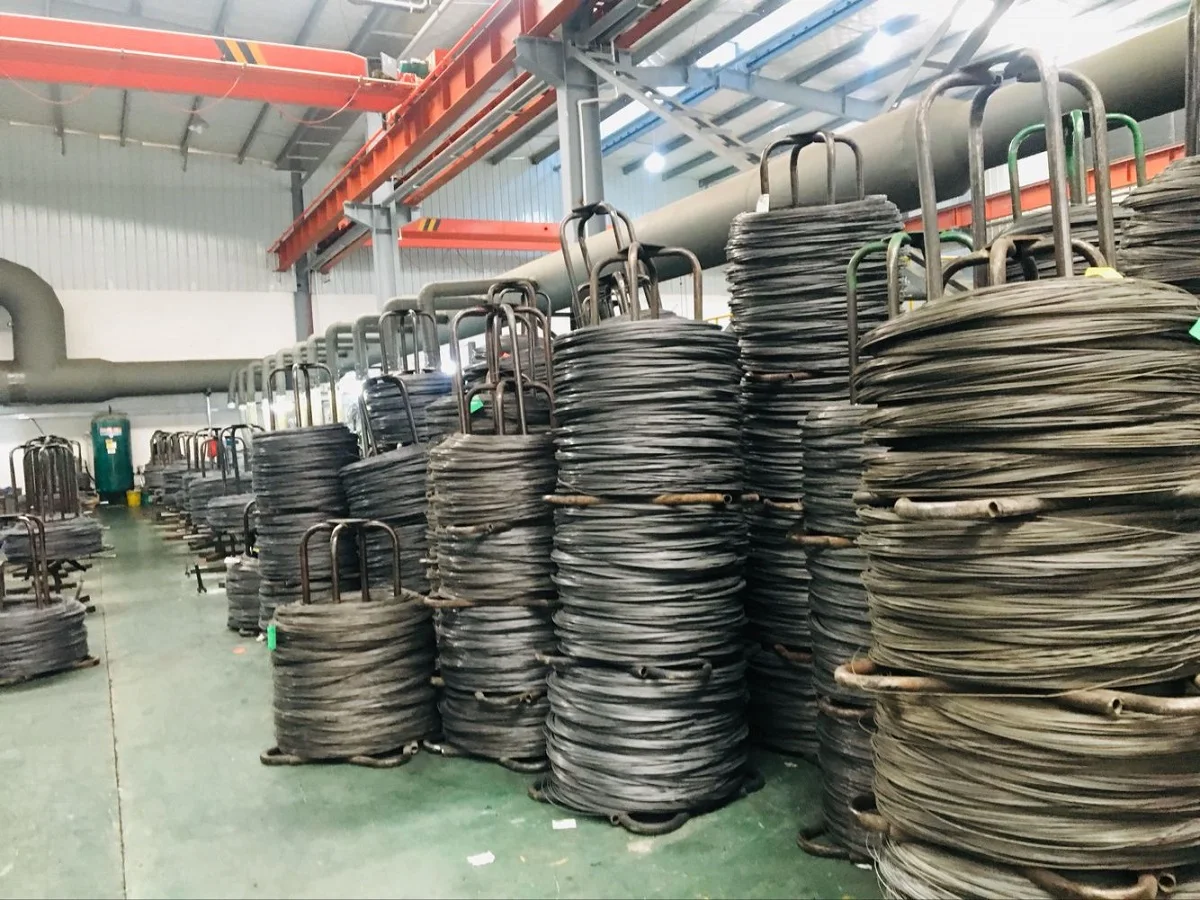
Zhejiang Dehong Machinery Co., Ltd
- Trading Company
- Zhejiang, China
- Lead time20 days
- Avg. response≤ 2h
Main productsscrews,Nuts,Bolts,clamps,washers
Main marketsEastern Europe(60.0%), Domestic Market(30.0%), North America(2.0%), Western Europe(2.0%)

Ningbo Kingli Fastener Co., Ltd.
- Verified by BV
- Combined
- China Zhejiang
- Lead time23 days
- Avg. response≤ 7h
Main productsBolts, B8 Stud, Castle Nut, B7 Bolt, B8m Stud, 8m Nut, 2h Nut, 2hm Nut, DIN912 Screw, A325 Bolt
Main marketsSouth America,Africa,Southeast Asia/ Mideast,East Asia(Japan/ South Korea),Domestic,Europe,Australia,North America
Ningbo Anbor Hardware Co., Ltd.
- Verified by BV
- Trading Company,Manufacturer/Factory
- China Zhejiang
- Lead time23 days
- Avg. response≤ 3h
Main productsRoofing Screw, Drywall Screw, Thread Rod/B7 Thread Rod, Blind Rivet, Anchors, Bolts, Nuts/2h Hex Nut, Washers, Stainless Steel Fasteners, Stampings
Main marketsSouth America,Eastern Europe,Mid East,North America,Southeast Asia,Eastern Asia,Oceania,Western Europe,Africa


Carbon Steel Zinc Plated Threaded Bolt Eye L J Hook Type Head Hook Expansion Anchor
$0.01 - $0.50
Moq: 1000

Shanghai Jian & Mei Industry and Trade Co., Ltd.
- Verified by BV
- Trading Company
- China Shanghai
- Lead time38 days
- Avg. response≤ 5h
Main productsMachining Parts, Stamping Parts, Bolt, Nut, Washer, Screw, Stud, High Temperature Alloy Fasteners, Special Alloy Fasteners, Custom Fasteners
Main marketsSouth America,Africa,Southeast Asia/ Mideast,Domestic,Europe,Australia,North America
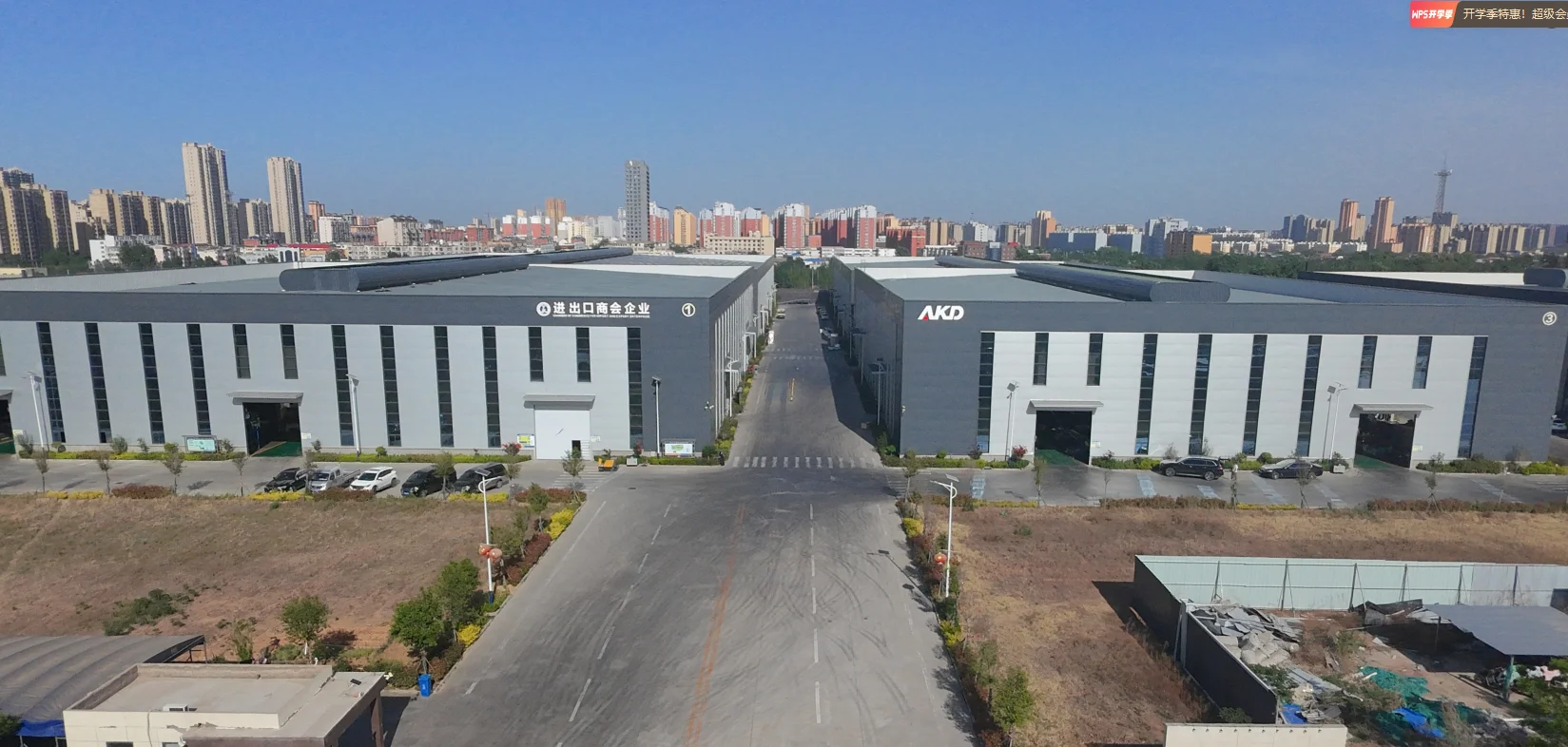
Hebei Ninggu Fastener Co., Ltd.
- Manufacturer, Trading Company
- Hebei, China
- Lead time0 days
- Avg. response≤ 8h
Main productsBolt,Nut
Main marketsMid East(50.0%), Southeast Asia(50.0%)
Shanghai Jian & Mei Industry And Trade Co., Ltd.
- Verified by SGS Group
- Trading Company
- Lead time30 days
- Avg. response≤ 6h
Main productsBolts, Nuts, Screws, Machining Parts, Metal Stamping Parts
Main marketsNorth America(25%), Oceania(15%), Western Europe(14%)
Ningbo Zhixin Metal Product Co., Ltd
- Verified by TUVRHEINLAND
- Trading Company,Manufacturer/Factory
- China Zhejiang
- Lead time0 days
- Avg. response≤ 8h
Main productsFastener, Tool Set, Sheet Metal Fabrication, Metal Stamping Part, CNC Machining Parts

Xiamen Vigor Technology Co., Ltd.
- Verified by SGS
- Manufacturer/Factory
- China Fujian
- Lead time15 days
- Avg. response≤ 10h
Main productsUndercut Anchors, Stainless Steel Brackets, Aluminium Brackets, Diamond Drill Bits, Anchor Hole Drill Machines, Roller Shutter Springs, Garage Door Springs, Pulley Wheels, Roller Door Slats, Shutter Door Accessories
Main marketsSouth America,Eastern Europe,Mid East,North America,Southeast Asia,Eastern Asia,Oceania,Western Europe,Africa

Dezhou Hualude Hardware Products Co., Ltd.
- Trading Company
- China Shandong
- Lead time30 days
- Avg. response≤ 9h
Main productsIron Nail, Iron Wire, Fence Post, Fence Gate, Wire Mesh, Galvanized Corrugated Sheet, Galvanized Coil, Roll Forming Machine, Concrete Accessory, PPGI Coils
Main marketsSouth America,Africa,Southeast Asia/ Mideast,East Asia(Japan/ South Korea),Europe,Australia,North America
Handan Hangfan Metal Products Co., Ltd.
- Verified by Intertek
- Trading Company
- Lead time7 days
- Avg. response≤ 3h
Main productsBolts, Nuts, Screws, Anchors, Washers
Main marketsSouth America(30%), Mid East(30%), Southeast Asia(15%)

Dezhou Xinjiayuan Hardware Products Co., Ltd.
- Verified by TUVRHEINLAND
- Trading Company
- China Shandong
- Lead time23 days
- Avg. response≤ 4h
Main productsEarth Anchor/Pole Anchor, Galvanized Corrugated Steel Sheets, Nail, Welding Wire, Anchor Bolt/Foundation Bolt, Iron Wire, Farm Fence and Wire Mesh, Snap Tie, SOD Staple, Steel Coil
Main marketsSouth America,Eastern Europe,Mid East,North America,Southeast Asia,Eastern Asia,Oceania,Western Europe,Africa

Younsion Fastening Industrial Co., Ltd.
- Verified by CTI
- Combined
- China Hebei
- Lead time15 days
- Avg. response≤ 8h
Main productsDrop in Anchor, Wedge Anchor, Thread Rod, DIN985, Mivan Pin, Dry Wall Screw, Hex Nut/Flange Nut, Machine Screw
Main marketsSouth America,Southeast Asia/ Mideast,Europe

Jiaxing Sini Fastener Co., Ltd.
- Verified by TUVRHEINLAND
- Combined
- China Zhejiang
- Lead time30 days
- Avg. response≤ 13h
Main productsBolt, Nut, Carriage Bolt, Hex Lag Screw, Flange Bolt, Hex Bolt
Main marketsNorth America
Yangzhou Shuojia Electromechanical Co., Ltd.
- Verified by SGS
- Trading Company
- China Jiangsu
- Lead time15 days
- Avg. response≤ 4h
Main productsHex Nut, Flat Washer, Screw
Main marketsOthers(foreignTradeCapacity.exportBusinessCapacityMarketOther),Southeast Asia/ Mideast,Domestic,Europe

YUYAO MEIGESI FASTENER CO.,LTD.
- Trading Company
- China Zhejiang
- Lead time45 days
- Avg. response≤ 17h
Main productsScrew, Bolt, Nut, Anchor, Washer, Rigging
Main marketsSouth America,Africa,Southeast Asia/ Mideast,East Asia(Japan/ South Korea),Europe,Australia,North America

Hangzhou Xinyang Ribbon Co., Ltd.
- Combined
- China Zhejiang
- Lead time23 days
- Avg. response≤ 6h
Main productsHook and Loop, Hook Loop Fasterner, Velcro, Pile and Stick
Main marketsSoutheast Asia/ Mideast

Handan Qijing Fastener Manufacture Co., Ltd.
- Verified by TUVRHEINLAND
- Combined
- China Hebei
- Lead time15 days
- Avg. response≤ 7h
Main productsBolt, Nut, Thread Rod, Anchor Bolt, Screw, Washer, Rigging, Spring, Flange Plate, U Bolt
Main marketsDomestic

Shanghai G&T Industry Co., Ltd.
- Verified by TUVRHEINLAND
- Trading Company
- China Shanghai
- Lead time15 days
- Avg. response≤ 2h
Main productsBolt, Nut, Threaded Rod &Stud Bolts, A193 B7/B7m/B16/L7/L7m, A193 B8/B8m, Customized Fastener, A453 Gr660
Main marketsSouth America,Africa,Southeast Asia/ Mideast,Europe,Australia,North America
- Verified by TUVRHEINLAND
- Combined
- China Hebei
- Lead time30 days
- Avg. response≤ 4h
Main productsFormwork, Scaffolding, Ringlock Scaffolding  , Euro Symons Form
Main marketsSouth America,Africa,Southeast Asia/ Mideast,East Asia(Japan/ South Korea),Domestic,Europe,Australia,North America


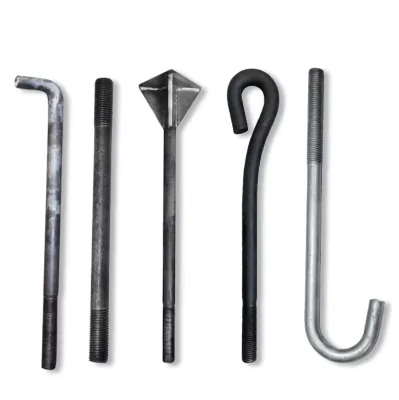
Construction Concrete Anchor Bolt Hook Bolt Foundation Bolts with Nuts and Washer
$0.10 - $0.99
Moq: 5000
Beijing Winner Electric Power Energy Co., Ltd
- Verified by SGS
- Trading Company,Manufacturer/Factory
- China Beijing
- Lead time23 days
- Avg. response≤ 6h
Main productsSocket Eye, Dead End Loop Clamp, Strain Clamp, Lead Pin, Polymer Insulator, Anchor Rod, Thimble Eye, Hot Link, Mounting Bracket, Alley Arm
Main marketsSouth America,Eastern Europe,Mid East,North America,Southeast Asia,Eastern Asia,Oceania,Western Europe,Africa
Hebei Yunchang Fastener Manufacturing Co., Ltd.
- Verified by SGS
- Manufacturer
- China Hebei
- Lead time15 days
- Avg. response≤ 6h
Main productsFastener, Hex Bolt, Foundation Bolt, Embedded Bolts, Hex Nut, Flange Nut, Allen Socket Bolt, High-Strength Bolt, Washer, Threaded Rods
Main marketsDomestic

Guangdong Chunqing Hardware Electronics Co., Ltd.
- Manufacturer
- China Guangdong
- Lead time23 days
- Avg. response≤ 24h
Main productsFastener, Bolts, Screws, Nut, CNC Machining, Rivet
Main marketsSoutheast Asia/ Mideast,Domestic,Europe,North America
Ningbo Joy International Trade Co., Ltd.
- Verified by BV
- Trading Company
- China Zhejiang
- Lead time30 days
- Avg. response≤ 6h
Main marketsEurope
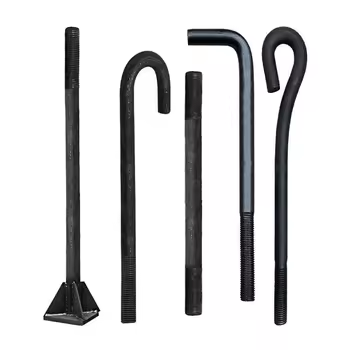
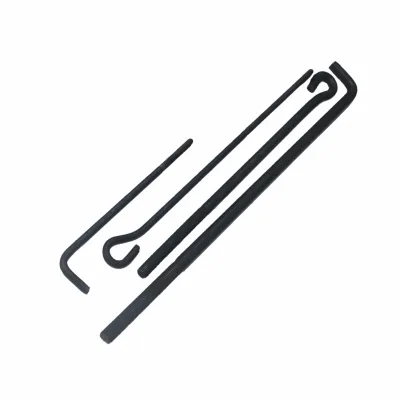
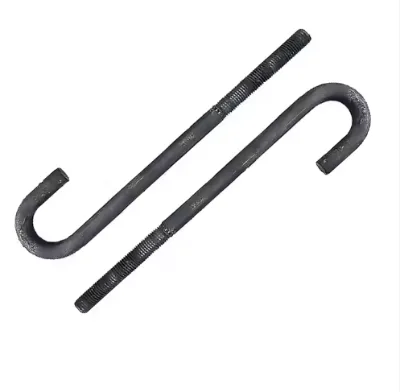
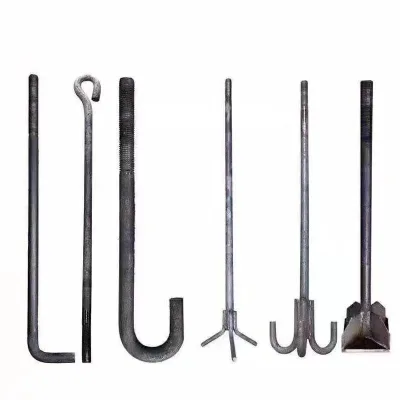
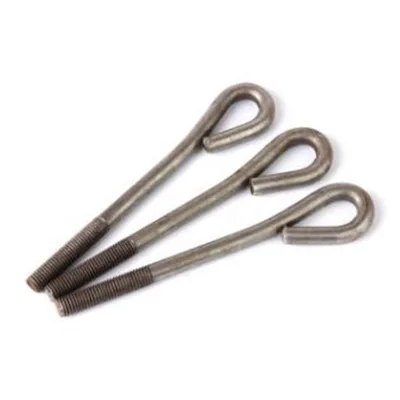
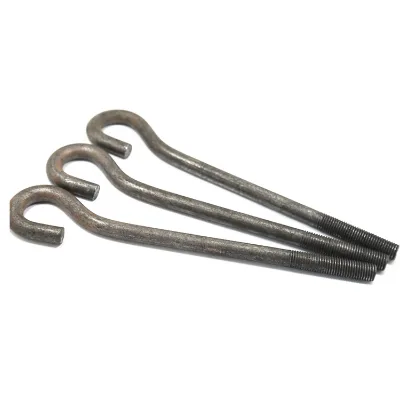


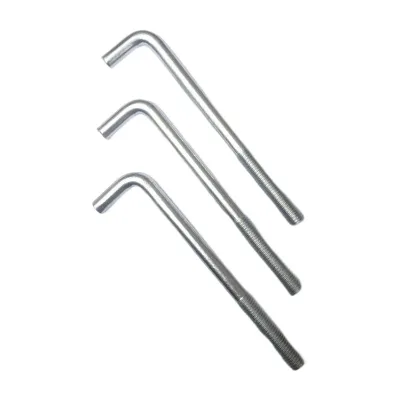
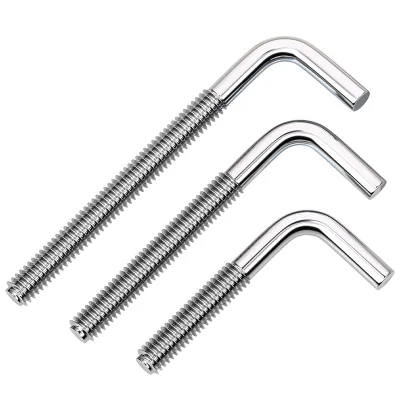
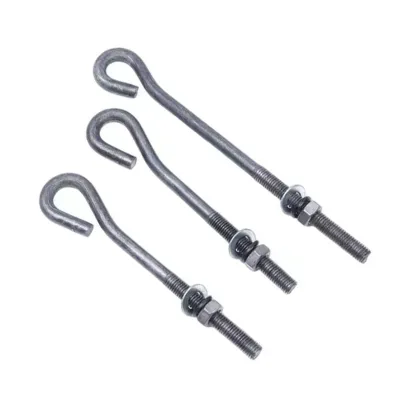
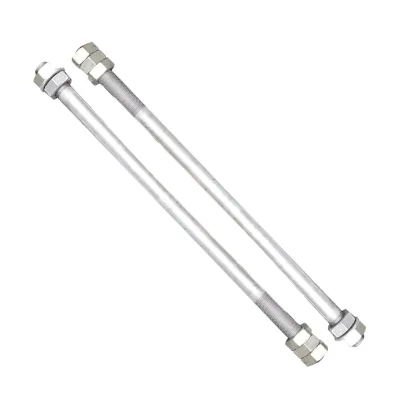
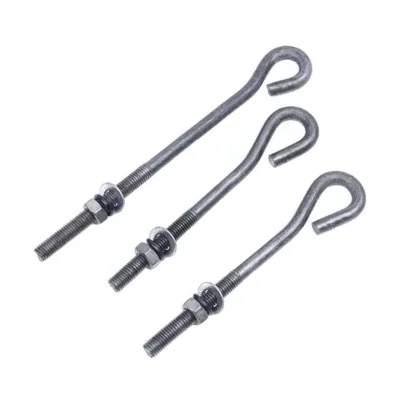


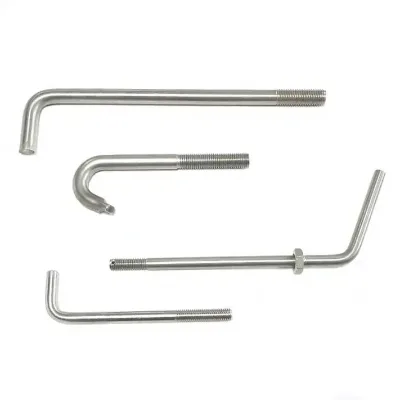


Comprehensive Sourcing Guide
L Hook Foundation Bolt Supplier Concentration and Factory Types
The current supplier landscape for L Hook Foundation Bolts reveals a mix of manufacturing entities and trading companies operating within specific industrial zones. Evidence indicates that a significant portion of these suppliers are located in Hebei, China, a region known for its fastener production capabilities. Some listings also point to Zhejiang, China, as a secondary hub where trading companies and manufacturers alike operate. These locations are critical for buyers to identify, as they often correlate with established supply chains for carbon steel and stainless steel fasteners. The presence of these clusters suggests that buyers can expect a concentration of specialized factories in these areas, though the exact number of active facilities fluctuates based on market demand and seasonal production cycles.
When evaluating the type of entity, it is essential to distinguish between direct manufacturers and trading companies. The data shows that some suppliers identify as manufacturers, offering products like foundation bolts with specific attributes such as zinc plating and carbon steel composition. Others operate as trading companies, potentially sourcing from multiple factories to offer a broader range of items including screws, nuts, and washers. This distinction impacts the buyer's ability to verify production capacity and quality control directly. While manufacturers may offer more direct communication regarding custom specifications, trading companies might provide greater flexibility in order consolidation. Buyers should verify the company type listed in the supplier profile to ensure alignment with their specific sourcing strategy, whether that involves direct factory engagement or a more flexible trading arrangement.
How to Verify L Hook Foundation Bolt Suppliers
Verification of L Hook Foundation Bolt suppliers requires a rigorous examination of product attributes and company credentials found in the listing data. Buyers should scrutinize specific product details such as the thread type, material composition, and finish to ensure they match project requirements. For instance, some listings specify carbon steel with zinc plating, while others may offer stainless steel options. The presence of certifications like ISO9001, CTI, or ROHS in the product attributes serves as a strong indicator of quality management systems, though these must be confirmed through direct documentation rather than assumed from the listing alone. Additionally, checking the place of origin, such as Hebei or Zhejiang, helps validate the supplier's claimed manufacturing base against known industrial clusters.
Beyond product specifications, buyers must assess the supplier's responsiveness and operational reliability. Response times listed in the data, such as a two-day or three-day window, provide a baseline for communication efficiency, but these figures should be tested through actual inquiries. It is also crucial to verify the availability of samples, as some suppliers explicitly state that samples are available, which allows for physical inspection before bulk ordering. Quality control measures, such as 100% inspection claims, should be backed by detailed reports or third-party verification. Buyers should request proof of these claims, including test reports or certification documents, to ensure that the supplier's stated capabilities are genuine and not merely marketing assertions. This due diligence minimizes the risk of receiving substandard products that fail to meet structural or safety standards.
What to Compare Across L Hook Foundation Bolt Suppliers
Comparing suppliers involves analyzing key operational metrics such as lead times, minimum order quantities, and pricing structures. The data indicates varying lead times depending on the season, with some suppliers listing specific windows like 15 days for smaller orders during peak seasons, while larger orders may require negotiation. Minimum order quantities also differ significantly, ranging from as low as two units to higher thresholds like four or five units, which can influence the total cost and feasibility for smaller projects. Buyers should create a comparison matrix that includes these variables to determine which suppliers offer the most favorable terms for their specific volume requirements. Additionally, the main products listed by each supplier, such as whether they focus solely on bolts or offer a broader range of fasteners, can impact the efficiency of the sourcing process.
Pricing is another critical factor in the comparison process, with some listings showing specific price points while others may require negotiation. The data reveals price variations based on product specifications, such as bolt length and thread size, which can affect the final cost per unit. Buyers should request detailed quotations that break down costs by material, processing, and shipping to ensure transparency. It is also important to compare the service offerings, such as OEM and ODM capabilities, which some suppliers explicitly mention. These services can be vital for buyers requiring custom dimensions or branding. By systematically comparing these attributes, buyers can identify suppliers that not only meet their technical requirements but also offer the most competitive commercial terms and reliable service levels.
Common L Hook Foundation Bolt Sourcing Risks
One of the primary risks in sourcing L Hook Foundation Bolts is the potential discrepancy between advertised specifications and actual product quality. Listings may claim specific grades, such as Class 4 or DIY grades, but without independent verification, these claims can be misleading. Buyers must be cautious of suppliers who do not provide clear evidence of their quality control processes or who lack third-party certifications. The risk is compounded if the supplier is a trading company rather than a manufacturer, as the chain of custody becomes longer and harder to verify. In such cases, the buyer may face challenges in tracing the origin of the materials or ensuring that the production standards are consistently met across different batches.
Another significant risk involves lead time variability and the potential for delays, particularly during peak seasons. The data suggests that lead times can extend or require negotiation for larger orders, which can disrupt project schedules. Buyers should account for these potential delays in their planning and maintain open communication with suppliers to monitor production progress. Additionally, there is a risk associated with shipping and logistics, as some suppliers may not have established relationships with reliable freight forwarders. This can lead to unexpected costs or delays in delivery. To mitigate these risks, buyers should request detailed shipping schedules and confirm the supplier's ability to handle logistics efficiently, ensuring that the supply chain remains robust and responsive to any changes in demand or production capacity.
L Hook Foundation Bolt Regional Sourcing and Logistics
Regional sourcing plays a pivotal role in the efficiency and cost-effectiveness of acquiring L Hook Foundation Bolts. The data highlights Hebei and Zhejiang as key regions where suppliers are concentrated, offering buyers access to established industrial clusters. These regions are known for their expertise in fastener manufacturing, which can translate to higher quality products and more competitive pricing. However, buyers must also consider the logistics implications of sourcing from these locations. Shipping from inland regions like Hebei may involve different transit times and costs compared to coastal areas like Zhejiang, which often have direct access to major ports such as Shanghai and Ningbo. Understanding these logistical nuances is essential for optimizing the supply chain and minimizing transportation expenses.
Logistics planning should also account for the specific requirements of the buyer, such as the need for expedited shipping or the ability to consolidate orders from multiple suppliers. Some suppliers offer services like bulk packing or small packing, which can influence the overall shipping volume and cost. Buyers should work closely with their chosen suppliers to determine the most efficient shipping methods, whether by sea or air, based on the urgency of the order and the total volume. Additionally, it is important to verify the supplier's experience with international shipping, including their ability to handle customs documentation and ensure compliance with import regulations. By carefully planning the logistics, buyers can ensure a smooth and timely delivery of their L Hook Foundation Bolts, reducing the risk of delays and additional costs.
L Hook Foundation Bolt Commercial Terms and Order Planning
Commercial terms and order planning are critical components of a successful sourcing strategy for L Hook Foundation Bolts. Buyers should pay close attention to the payment terms, delivery schedules, and any additional fees that may apply. The data indicates that some suppliers offer flexible terms, such as negotiable lead times for larger orders, which can be beneficial for buyers with fluctuating demand. It is also important to clarify the scope of the order, including the specific dimensions, materials, and finishes required, to avoid any misunderstandings that could lead to disputes. Buyers should ensure that all commercial terms are clearly documented in the purchase agreement to protect their interests and ensure that both parties are aligned on expectations.
Order planning should also consider the potential for customization and the need for ongoing supply. Some suppliers offer OEM and ODM services, which can be valuable for buyers requiring custom specifications or branding. However, these services may come with higher minimum order quantities or longer lead times, which must be factored into the planning process. Buyers should also consider the scalability of the supplier's production capacity to ensure they can meet future demand without compromising quality or delivery schedules. By developing a comprehensive order plan that accounts for these variables, buyers can establish a reliable and efficient supply chain for their L Hook Foundation Bolts, ensuring that they have the necessary materials to support their projects while maintaining cost-effectiveness and quality standards.
FAQs
What are the typical lead times for foundation bolts?
Lead times vary by season and order volume. During peak seasons, orders of 1 to 5 units take 15 days, while larger orders require negotiation. In off-peak seasons, the same 15-day timeline applies for small quantities, ensuring consistent delivery planning for your projects.
What is the minimum order quantity for anchor bolts?
Minimum order quantities differ by specific product listing. Some foundation bolts require a minimum of 2 units, while others start at 4 or 5 units. Buyers should verify the specific MOQ for each item to ensure compliance with supplier requirements before placing an order.
Which certifications are available for carbon steel bolts?
Certain listings offer ISO9001, CTI, and ROHS certifications for carbon steel foundation bolts. These certifications indicate quality control standards and material compliance. Buyers should check individual product details to confirm if specific certifications are included with the order.
What materials are used for foundation anchor bolts?
Foundation bolts are commonly made from carbon steel or stainless steel. Some listings specify iron or general steel materials. The choice depends on the required grade and environmental conditions, with options available in various sizes ranging from M6 to M48.
Where are these foundation bolts manufactured?
Most foundation bolts originate from Hebei or Zhejiang provinces in China. Specific products list Hebei as the place of origin, while others indicate Zhejiang. Buyers should verify the exact location on the product page to understand shipping logistics and regional capabilities.
What is the response time for supplier inquiries?
Supplier response times are typically 2 to 3 days based on current data. This metric helps buyers gauge communication speed. Faster response times may indicate higher availability, but actual reply times can vary depending on the specific trading company or manufacturer contacted.
What is the price range for L-shaped anchor bolts?
Prices vary significantly by specification and quantity. Some listings show prices around 0.28 per unit, while others range from 791 to 1028 for specific configurations. Buyers must check the exact price per unit for the desired size and finish to get an accurate cost estimate.