lace-up elastic ankle support brace Suppliers and Manufacturers
Compare 24 verified suppliers offering lace-up elastic ankle support braces with varying lead times, certifications, and MOQs. Review response times and customization options to select the right partner for your needs; review the available evidence before requesting comparable quotations from suitable candidates.
Updated
Suppliers List

Xiamen Huakang Orthopedic Co., Ltd.
- Verified by TUVRHEINLAND
- Combined
- China Fujian
- Lead time30 days
- Avg. response≤ 9h
Main productsKnee Support, Back Support., Walker Boot, Ankle Brace, Shoulder Brace, Elbow Brace, Wrist Brace, Neck Brace, Finger Splint
Main marketsSoutheast Asia/ Mideast,Europe,North America

Bandage Straps Sports Safety Adjustable Ankle Support Protector Lace up Ankle Brace
$5.50 - $7.43
MOQ: 150 Pieces


- Verified by TUVRHEINLAND
- Trading Company,Manufacturer/Factory
- China Guangdong
- Lead time45 days
- Avg. response≤ 10h
Main productsElectric Wheelchair, Manual Wheelchair, Sports Wheelchair, Hospital Bed, Crtuches, Walking Aids, Shower Chair, Trailer Mobility Scooter, Commode Wheelchair, Stretcher
Main marketsSouth America,Eastern Europe,Mid East,North America,Oceania,Western Europe,Africa


Customized Design Protector Elastic Anti-Slip Adjustable Strap Brace Ankle Support
$6.90 - $10.40
MOQ: 100 Pieces

Ningbo Kangbeien Health Tech. Co., Ltd.
- Verified by SGS
- Combined
- China Zhejiang
- Lead time30 days
- Avg. response≤ 11h
Main marketsDomestic


Breathable Ajustable Lace-up Ankle Brace with Aluminum Plate Support Stays Fits Left or Right Ankle
$5.10 - $5.60
MOQ: 1000 Pieces


Lace-up Anti-Slip Running Soccer Ankle Brace for Sprain Prevention Sports Protection
$3.50 - $4.00
MOQ: 100 Pieces

Dongguan Supercare Medical Products Co., Ltd.
- Manufacturer, Trading Company
- Guangdong, China
- Lead time35 days
- Avg. response≤ 19h
Main productsKnee Support,Wrist Support,Back Support,Elbow Support,Ankle Support
Main marketsNorth America(40.00%), Central America(10.00%), Africa(10.00%), Southeast Asia(10.00%), Eastern Europe(10.00%), South America(10.00%), Mid East(5.00%), Western Europe(5.00%)

Ningbo Beiduoen Health Tech. Co., Ltd.
- Verified by CTI
- Combined
- China Zhejiang
- Lead time23 days
- Avg. response≤ 6h
Main productsKnee Support, Ankle Brace, Compression Arthritis Glove, Wrist Support, Waist Belt, Foot Care, Insoles, Toe Separator, Compresson Sock Glove Knee Brace, Copper Supports
Main marketsSouth America,Southeast Asia/ Mideast,Europe,Australia,North America


Lace up Adjustable Ankle Compression Support Brace for Ankle Protection and Ankle Sprain
$2.50 - $2.90
MOQ: 500 Pieces


Open Heel Premium Adjustable Compression Breathable Neoprene Ankle Support Brace
$1.50 - $1.90
MOQ: 100 Pieces
Hengshui Jingkang Medical Device Co., Ltd.
- Manufacturer, Trading Company
- Hebei, China
- Lead time5 days
- Avg. response≤ 6h
Main productsmaternity support,lumbar support,tourmaline magnetic,crutch,arm sling
Main marketsNorth America(40.00%), South America(20.00%), Eastern Europe(15.00%), Domestic Market(5.00%)
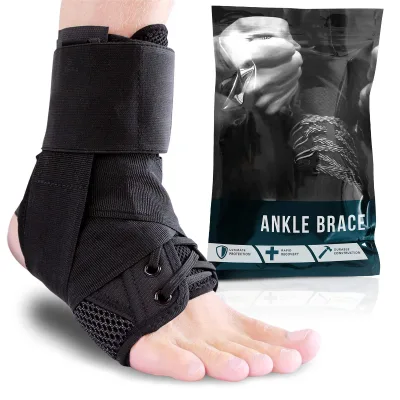
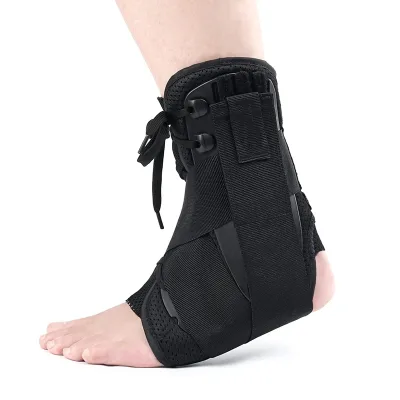
$3.6323 - $4.669
MOQ: 26 pieces
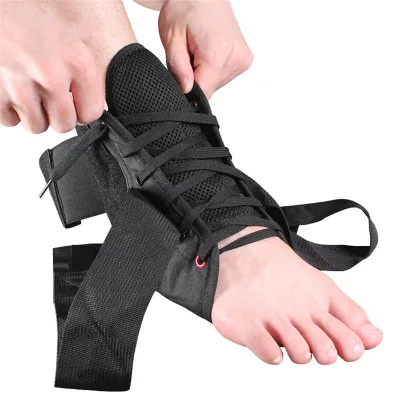
$2.0615 - $3.0967
MOQ: 100 pieces
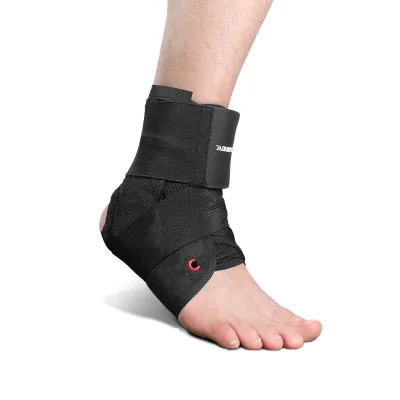
Black Adjustable Ankle Brace Lace up Support Spandex & Nylon Basic Protection Ankle Foot Orthosis
$3.7789 - $4.4671
MOQ: 2 pieces
- Manufacturer, Trading Company
- Jilin, China
- Lead time10 days
- Avg. response≤ 1h
Main productsFirst aid kits,Knee brace,Wrist support,Urine Collection Products,Pet supplies
Main marketsDomestic Market(40.00%), Southeast Asia(10.00%), South Asia(10.00%), Africa(10.00%), North America(8.00%), Central America(8.00%), South America(7.00%), Mid East(5.00%), Eastern Europe(2.00%)
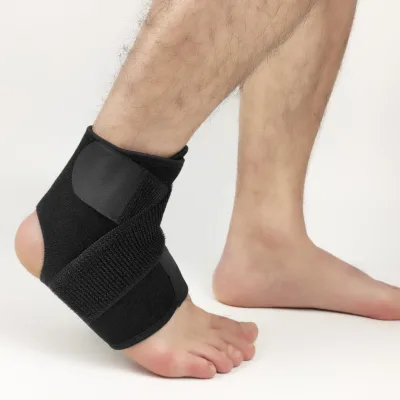
Adjustable Ankle Brace Lace up Ankle Support Ankle Pain Sprain Guard Strap Brace
$1.6576 - $1.9373
MOQ: 10 pieces
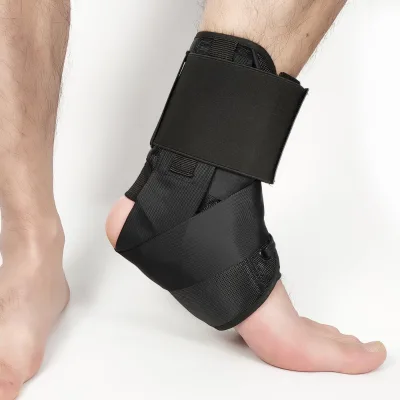
Lace-Up Breathable Compression Ankle Support Brace Stabilizer for Protection
$3.0653 - $3.7954
MOQ: 2 pieces

- Combined
- China Guangdong
- Lead time30 days
- Avg. response≤ 10h
Main productsFirst Aid Kits, Kinesiology Tape, Rigid Strapping Tape, Coach Tape, Lite Eab, Precut Kinesio, CPR Mask, Band Aid Box, Zinc Oxide Tape, Cohesive Bandage
Main marketsSouth America,Africa,Southeast Asia/ Mideast,East Asia(Japan/ South Korea),Domestic,Europe,Australia,North America

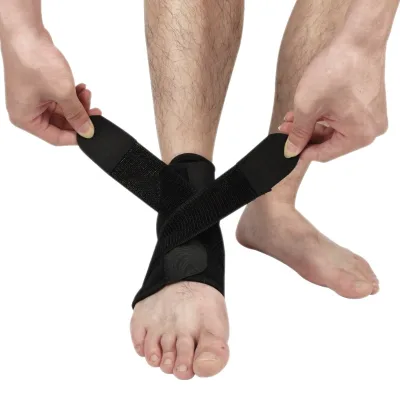
Promotion Sports Ankle Protector Ankle Foot Brace Adjustable Medical Lace up Ankle Brace Support
$1.03 - $1.08
MOQ: 100 Pieces

$1.03 - $1.08
MOQ: 100 Pieces


XIAMEN DORRELLA HEALTH TECHNOLOGY CO.,LTD
- Verified by SGS
- Trading Company,Manufacturer/Factory,Group Corporation
- China Fujian
- Lead time23 days
- Avg. response≤ 6h
Main productsOrthotic Brace, Ankle Brace, Arm Brace, Back Brace, Cervical Collar, Finger Splint, Hip Abduction Braces, Hand and Wrist Brace, Post-Op Shoes, Orthopedic Waiking Boot
Main marketsSouth America,Eastern Europe,Mid East,North America,Southeast Asia,Eastern Asia,Oceania,Western Europe,Africa


Adjustable Ankle Brace Active Hinged Medical Brace Lace up Adjustable Elastic Ankle Support Brace
$6.80 - $7.80
MOQ: 10 Sets


Ankle Stabilizer Support Foot Guard Compression Straps Brace Ankle Lace up Ankle Sleeve
$1.60 - $2.50
MOQ: 10 Sets


Ankle Support Brace Nylon Black Compression Foot Ankle Support Strap Wrap Ankle Protector
$4.50 - $5.70
MOQ: 10 Pieces
Dongguan Keboshi Technology Co., Ltd.
- Verified by TüVRheinland
- Manufacturer, Trading Company
- Lead time10 days
- Avg. response≤ 2h
Main productsRed Light Therapy Cap, Red Light Therapy Belt, Red Light Therapy Knee, Red Light Therapy Mask, Red Light Therapy Panel
Main marketsNorth America(60%), Western Europe(30%), Mid East(5%)

Handan Wuxin Medical Devices Co., Ltd.
- Verified by TUVRHEINLAND
- Trading Company
- China Fujian
- Lead time15 days
- Avg. response≤ 2h
Main productsKnee Brace, Back Brace, Neck Brace, Waist Trainer, Body Shaper, Sportswear, Posture Corrector, Sexy Lingerie, Orthopedic Products, Gym Equipment
Main marketsEurope

Lace up Ankle Stabilizer Brace Support Guard Basketball Protection Straps Foots Brace
$4.10 - $5.20
MOQ: 100 Pieces

Lace up Adjustable Ankle Support Brace for Running, Basketball, Injury Recovery, Sprain
$4.50 - $5.80
MOQ: 100 Pieces

Adjustable Breathable Elastic Lace up Fixed Wrap Stabilizer Orthopedic Achilles Ankle Support Brace
$4.10 - $5.20
MOQ: 100 Pieces

Private Label Adjustable Plastic Shell Laces Crossfit Ankle Support Brace
$4.10 - $5.20
MOQ: 100 Pieces


Adjustable Ankle Wrap Sports Ankle Support Compression Ankle Brace for Running Walking
$0.95 - $1.35
MOQ: 100 Pieces
Hengshui Gangsheng Medical Instruments Co., Ltd.
- Verified by SGS Group
- Manufacturer, Trading Company
- Lead time7 days
- Avg. response≤ 3h
Main productsCervical Collar, Lumbar Back Brace, Posture Corrector, Knee Brace, Arm Sling
Main marketsNorth America(34%), Western Europe(15%), Domestic Market(11%)
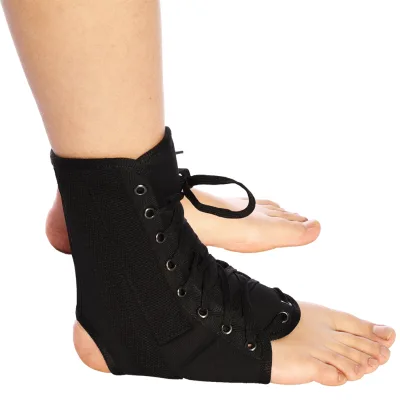
Compression Foot Sleeve Sports Adjustable Ankle Stabilizer Straps Lace up Ankle Support
$3.6248 - $4.66
MOQ: 100 pieces
Hengshui Runde Medical Instruments Co., Ltd.
- Manufacturer, Trading Company
- Hebei, China
- Lead time10 days
- Avg. response≤ 2h
Main productsBack Brace,Tourniquet,Pregnancy Support Belt,Crutch,Splint
Main marketsEastern Asia(100.00%), North America(50.00%), Western Europe(10.00%), Domestic Market(5.00%), South America(5.00%), Southern Europe(5.00%), Eastern Europe(5.00%), Northern Europe(5.00%), Oceania(4.00%), South Asia(3.00%), Mid East(2.00%), Africa(2.00%), Southeast Asia(2.00%), Central America(2.00%)
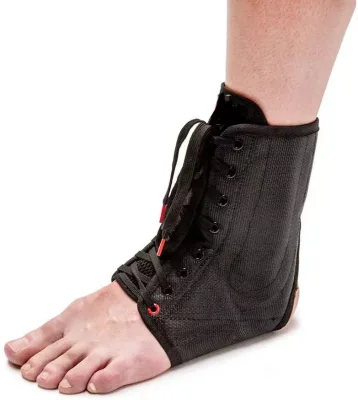
$2.9726 - $3.2284
MOQ: 200 pieces
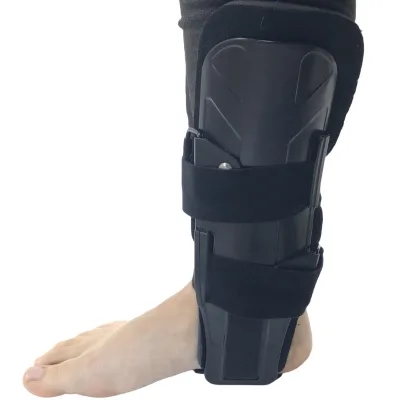
Yangzhou Boli Sporting Goods Co., Ltd.
- Verified by SGS Group
- Manufacturer, Trading Company
- Lead time25 days
- Avg. response≤ 5h
Main productsKnee Brace, Wrist Supports, Back Supports, Elbow Sleeve, Table Tennis Racket
Main marketsDomestic Market(40%), North America(25%), Eastern Asia(15%)

Telamon Sports Goods (Shanghai) Co., Ltd.
- Verified by BV
- Trading Company
- China Shanghai
- Lead time15 days
- Avg. response≤ 11h
Main marketsNorth America


Ankle Support Protection Brace Compression for Basketball Running Football
$1.06 - $3.11
MOQ: 100 Pieces

Ankle Support Protection Brace Comfortable Different Types for Ice Skating Exercise
$1.06 - $3.11
MOQ: 100 Pieces

Fitness Ankle Support Brace Durable Comfortable Gym Training Ankle Adjustable
$1.06 - $3.11
MOQ: 100 Pieces

Good Ankle Support Protection Brace Medical Adjustable for Hiking with Straps
$1.06 - $3.11
MOQ: 100 Pieces

Shanghai Goldenwell Medical Technology Co., Ltd.
- Verified by CTI
- Trading Company
- China Shanghai
- Lead time15 days
- Avg. response≤ 5h
Main productsMedical Devices, Sports Support, Medical Dressings
Main marketsSoutheast Asia/ Mideast,Europe
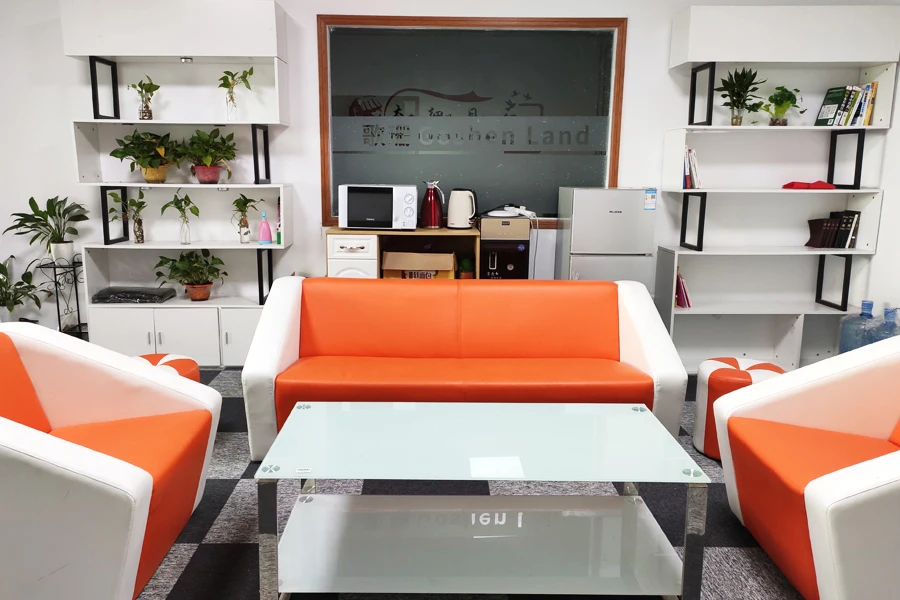
Ningbo Beiduoen Health Tech. Co., Ltd.
- Manufacturer, Trading Company
- Zhejiang, China
- Lead time30 days
- Avg. response≤ 6h
Main productsPosture Corrector, Ankle Brace, Knee Support & Wrist Support, Bunion Corrector, Sports Insole
Main marketsSouth America(25.00%), Eastern Europe(20.00%), North America(18.00%), Western Europe(17.00%), Eastern Asia(10.00%), Oceania(5.00%), Africa(2.00%), Mid East(2.00%), Central America(1.00%)
Shijiazhuang Aofeite Imp & Exp Co., Ltd.
- Manufacturer, Trading Company
- Lead time旺季: "1 - 100":10,"> 100":"To be negotiated", 淡季: "1 - 100":10,"> 100":"To be negotiated"
- Avg. response≤ 2h
Main productsKnee Brace, Lumbar Support Belt
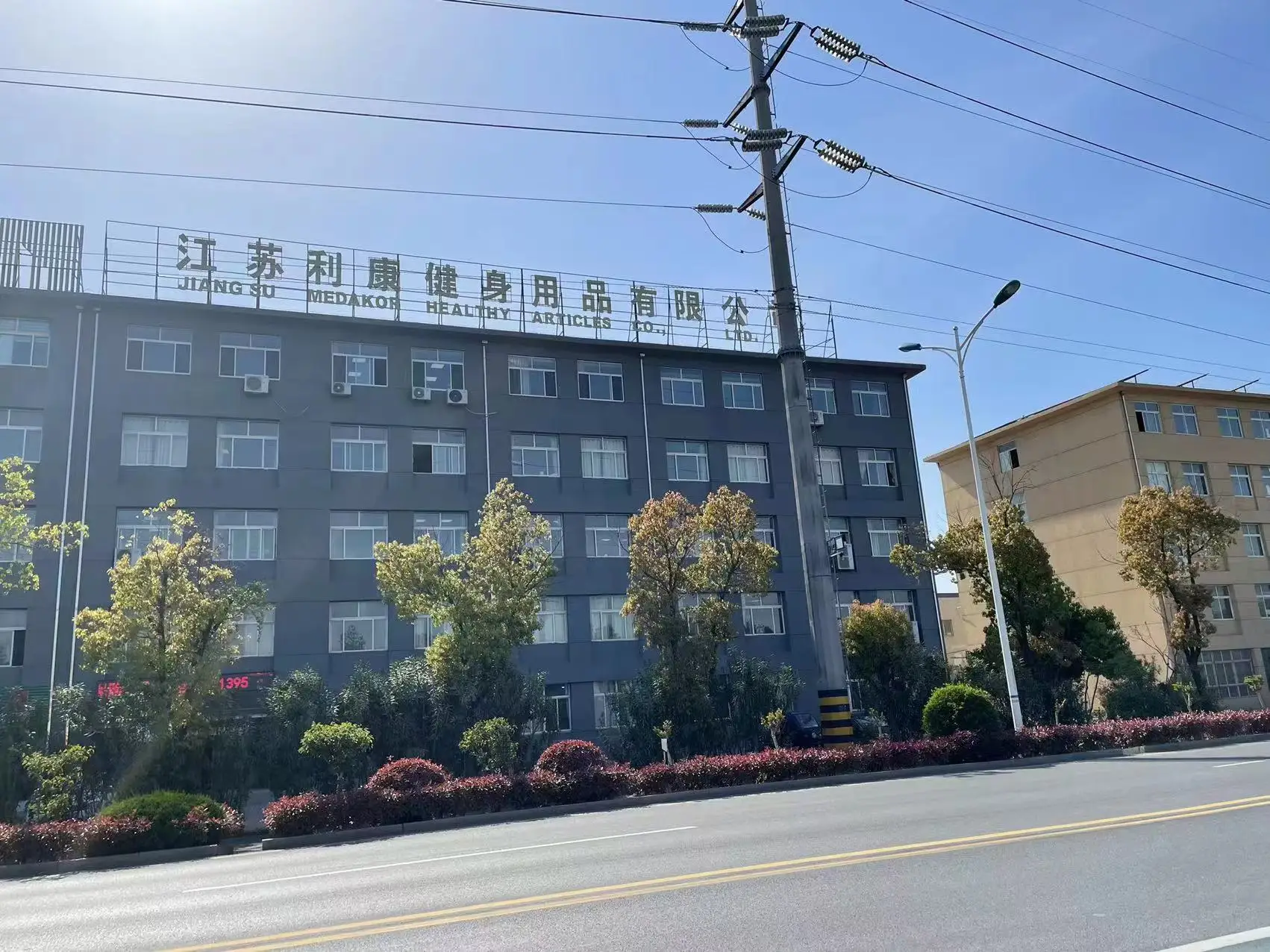
Jiangsu Medakor Healthy Articles Co., Ltd.
- Manufacturer, Trading Company
- Jiangsu, China
- Lead time40 days
- Avg. response≤ 8h
Main productsWrist Support,Knee Support,Elbow Support,Ankle Support,Back Support
Main marketsSouth America(35.00%), North America(25.00%), Eastern Europe(20.00%), Western Europe(10.00%), Mid East(5.00%), South Asia(1.00%), Southern Europe(1.00%), Southeast Asia(1.00%), Africa(1.00%), Oceania(1.00%)
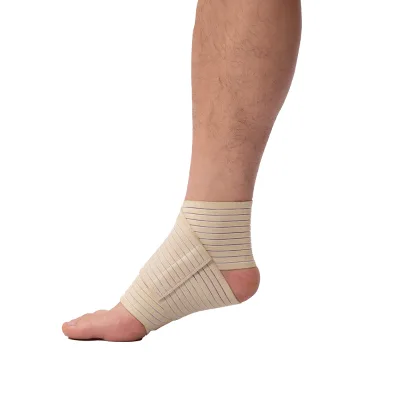
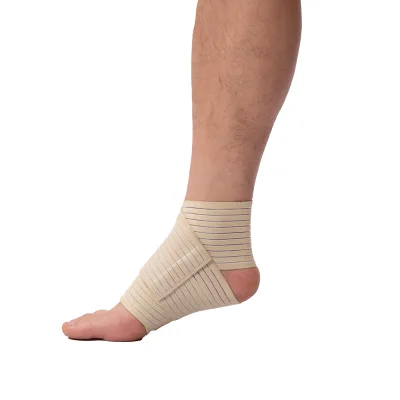
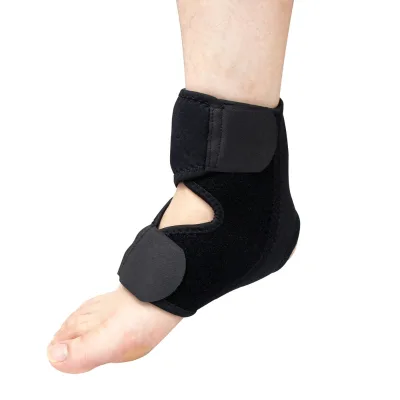
Good Quality Elastic Compression Protector Strapped Ankle Brace for Football Professional
$1.0547 - $1.1983
MOQ: 200
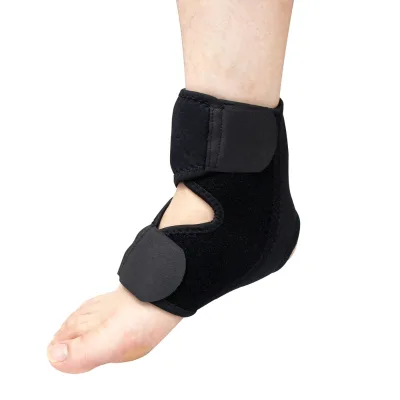
$1.0547 - $1.1983
MOQ: 200 pieces

Hebei Denovo Medical Device Co., Ltd.
- Verified by BV
- Trading Company,Manufacturer/Factory
- China Hebei
- Lead time23 days
- Avg. response≤ 4h
Main productsBack Support, Knee Support, Posture Corrector, Foot Night Splint, Arm Slings, Hernia Belts, Cervical Collars, Abduction Orthosis
Main marketsSouth America,Eastern Europe,Mid East,North America,Southeast Asia,Eastern Asia,Oceania,Western Europe,Africa


Ankle-Foot Drop Elastic Breathable Strap Adjustable Ankle Support Foot Drop Orthotic Brace
$2.50 - $2.80
MOQ: 100 Pieces


Lace-up Ankle Brace with Adjustable Straps for Sports Injury Prevention and Recovery
$5.00 - $10.00
MOQ: 100 Pieces

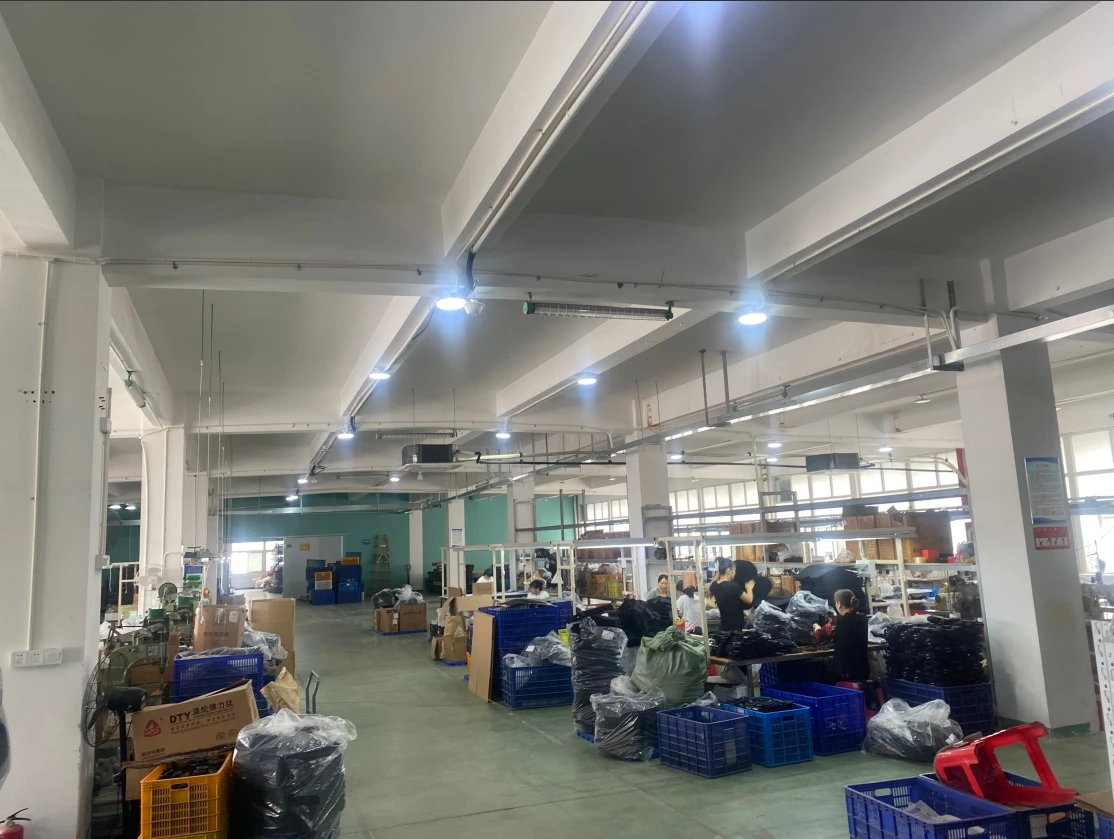
Xiamen Longstar Medical Equipment Co., Ltd.
- Manufacturer
- Fujian, China
- Lead time30 days
- Avg. response≤ 1h
Main productsCervical Collar,Shoulder Brace,Back Brace,Knee brace,Ankle brace
Main marketsDomestic Market(40.00%), Western Europe(20.00%), Eastern Europe(20.00%), North America(10.00%), Mid East(10.00%)
Xiamen Bosegrow Medical Equipment Co., Ltd.
- Verified by SGS Group
- Manufacturer, Trading Company
- Lead time30 days
- Avg. response≤ 2h
Main productsWalker Boot, Rom Knee Brace, Ankle Foot Orthosis, Lumbar Support, Cervical Collar
Main marketsNorth America(30%), South America(20%), Southeast Asia(10%)
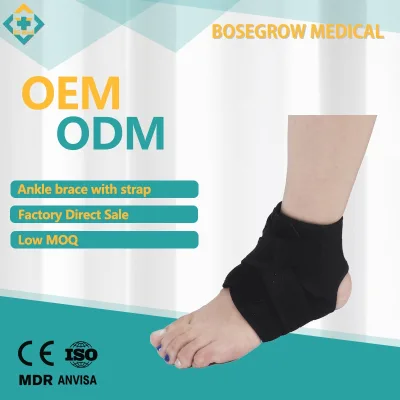
Ankle Straps Support Compression Sleeve Brace with Side Stabilizers Adjustable Ankle Support
$1.5379 - $2.0495
MOQ: 2 pieces
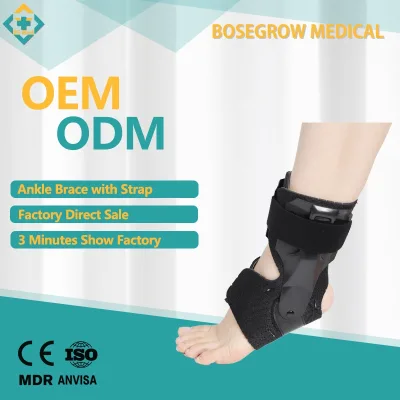
High Quality Lace up Ankle Support Brace Centered Shoelace Finger Loops Optimal Support for Athletes
$3.6024 - $4.3429
MOQ: 2 pieces
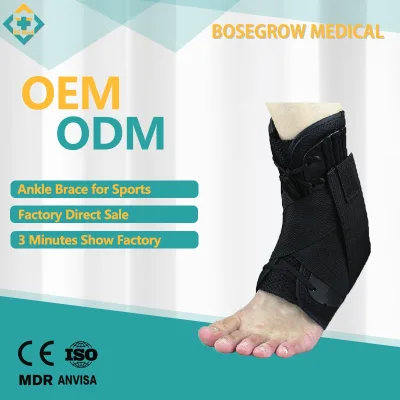
CE Basketball Ankle Brace Breathable Nylon Lace-Up Stabilizer for Sports Protection & Rehabilitation
$3.6024 - $4.6301
MOQ: 2 pieces
Hebei Kang Sheng Yuan Sports Goods Co., Ltd.
- Verified by SGS Group
- Manufacturer, Trading Company
- Lead time5 days
- Avg. response≤ 3h
Main productsWaist Support; Back Posture Corrector; Knee Brace; Body Shaper Corset; Hip Resistance Bands
Main marketsNorth America(30%), Domestic Market(30%), Western Europe(15%)
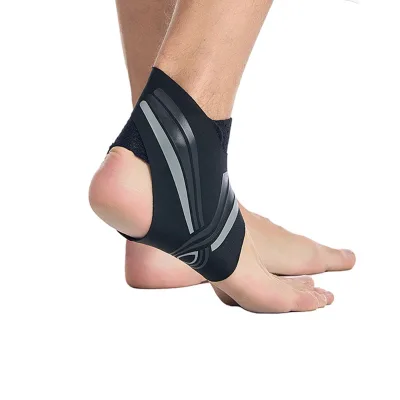
$2.5671 - $2.6389
MOQ: 10 pieces
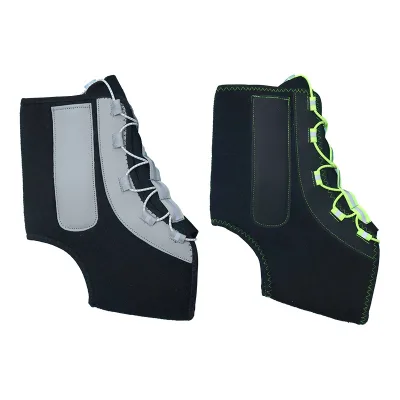
Xiamen Huakang Orthopedic Co., Ltd.
- Verified by TüVRheinland
- Manufacturer, Trading Company
- Lead time45 days
- Avg. response≤ 2h
Main productsOrthopedic Braces
Main marketsNorth America(84%), Western Europe(12%), Africa(2%)
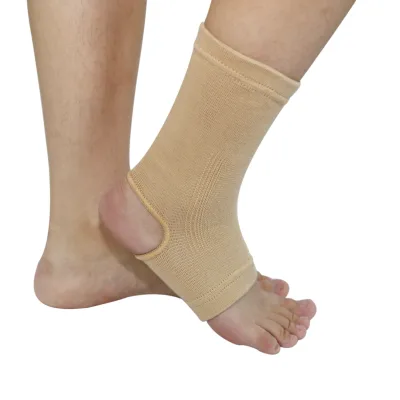
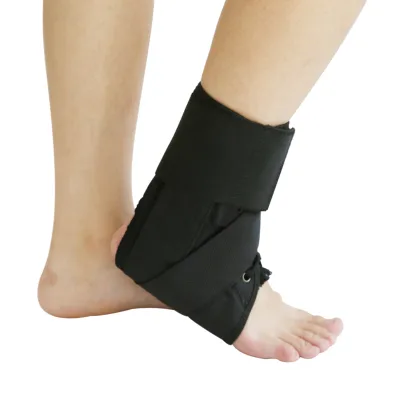
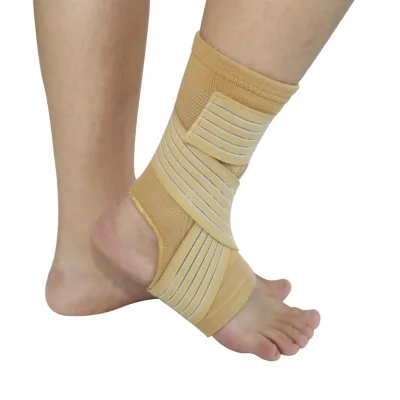
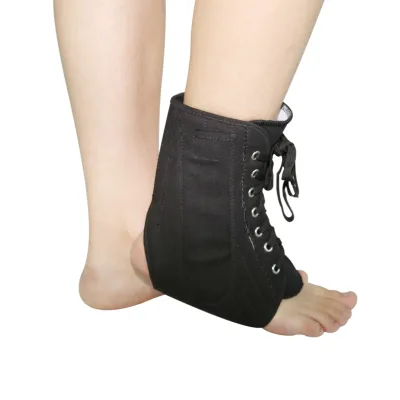
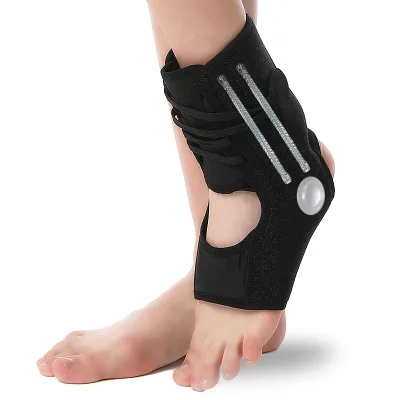
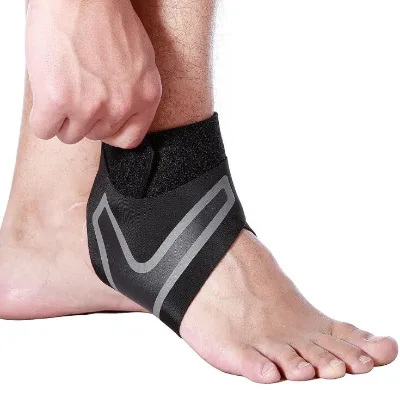
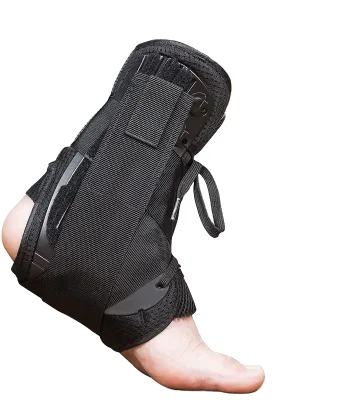
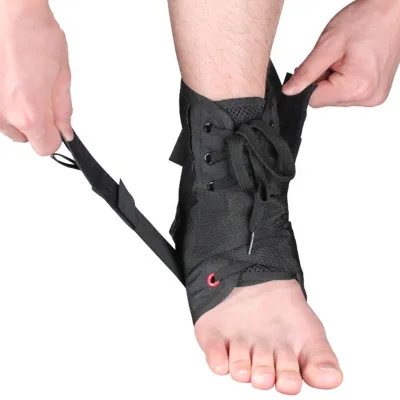


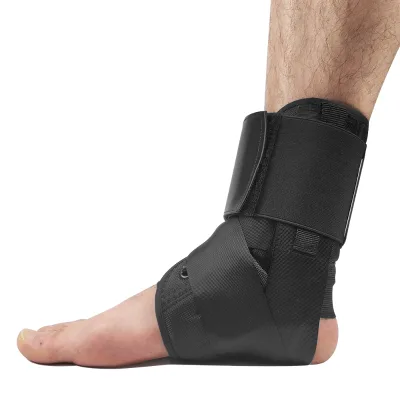
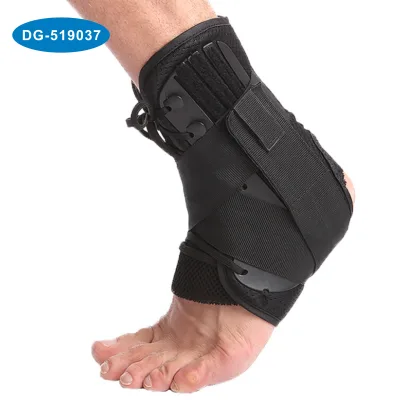
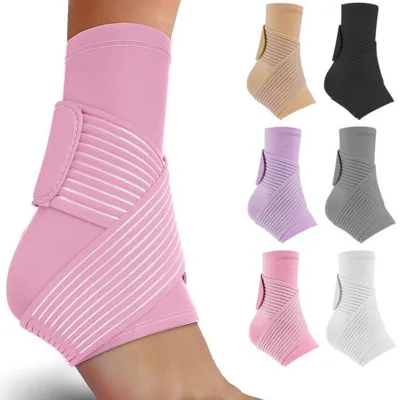
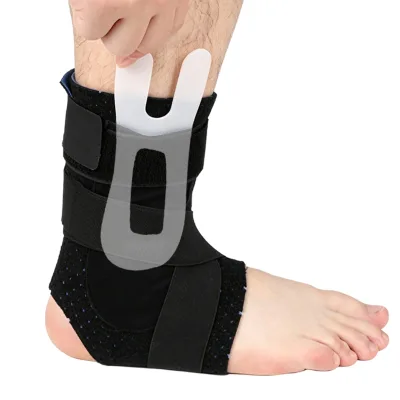
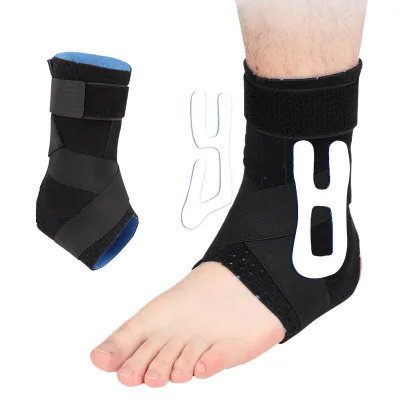
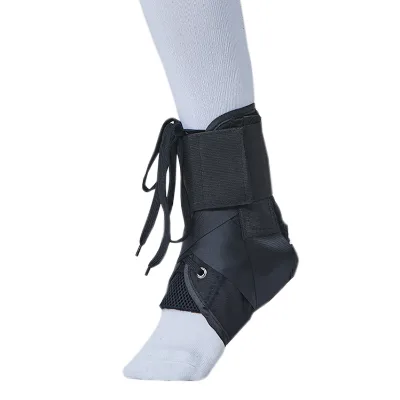
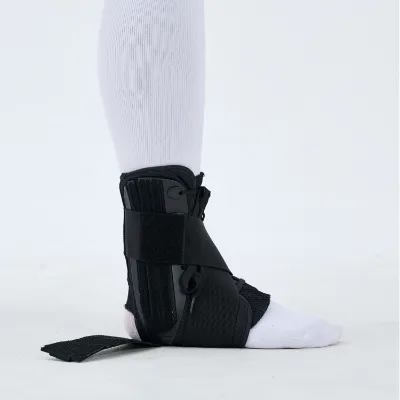
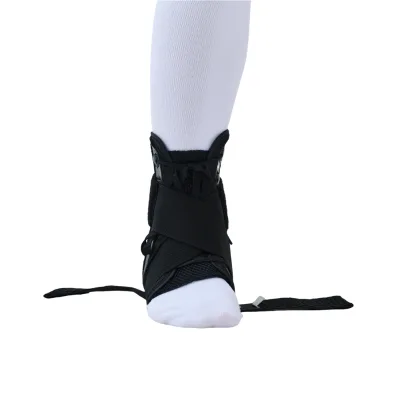
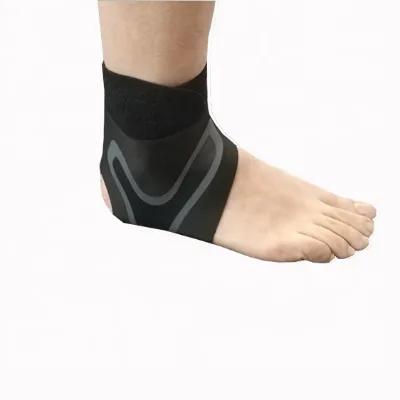
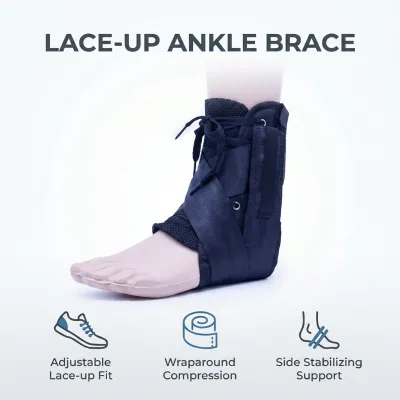
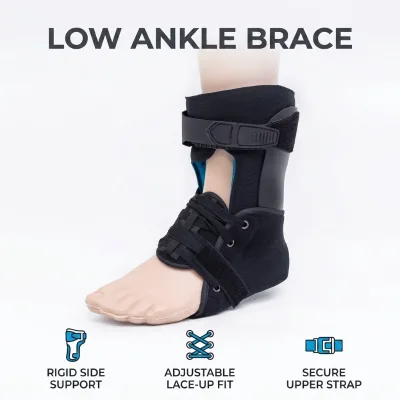
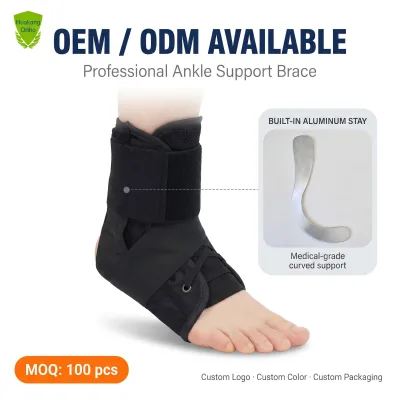
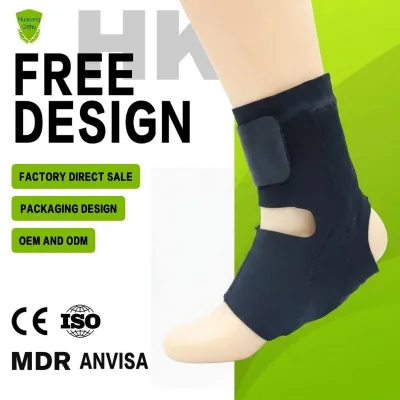
Comprehensive Sourcing Guide
Lace-Up Elastic Ankle Support Brace Supplier Concentration and Factory Types
The current supplier landscape for lace-up elastic ankle support braces reveals a distinct geographic concentration in China, with active manufacturing and trading entities located in Fujian, Guangdong, and Zhejiang provinces. Suppliers in Fujian, particularly those based in Xiamen, often specialize in sports safety and rehabilitation products, offering a wide range of items including knee supports, back supports, and various braces. These facilities frequently operate as combined entities, providing both OEM and ODM services alongside their own brands, which allows for flexible production models tailored to specific buyer needs. The presence of verified suppliers in this region indicates a mature supply chain capable of handling complex customization requests, such as logo printing and specific material selections like Oxford fabric or elastic blends. Buyers looking for specialized sports safety equipment will find a dense cluster of capable manufacturers here, many of whom have established reputations for producing durable, functional ankle supports designed for activities like basketball, running, and general injury prevention.
In contrast, suppliers located in Guangdong often present themselves as trading companies or manufacturer-factory hybrids, focusing on a broader portfolio that includes electric wheelchairs, manual wheelchairs, hospital beds, and walking aids alongside ankle braces. This diversification suggests that these entities may have robust logistics networks and experience in handling medical-grade mobility equipment, which can be advantageous for buyers seeking comprehensive healthcare solutions. Meanwhile, suppliers in Zhejiang may operate with different verification statuses and capacity structures, potentially offering alternative sourcing options for buyers who wish to diversify their supply base away from the primary coastal manufacturing hubs. The variety in company types, ranging from pure manufacturers to combined trading and production entities, means that buyers must carefully assess the specific operational model of each supplier to ensure alignment with their procurement goals, whether that involves direct factory pricing, flexible order sizes, or integrated logistics services.
How to Verify Lace-Up Elastic Ankle Support Brace Suppliers
Verification is a critical step in ensuring the reliability and quality of lace-up elastic ankle support brace suppliers, as the market includes a mix of verified and unverified entities. Buyers should prioritize suppliers who have undergone third-party verification processes, such as those conducted by TÜV Rheinland or SGS, as these audits provide an independent assessment of the supplier’s business legitimacy and operational capabilities. For instance, some suppliers in the current results are verified by TÜV Rheinland, indicating a level of scrutiny regarding their business practices and product standards. Additionally, system certifications such as ISO 13485 and ISO 9001 are key indicators of a supplier’s commitment to quality management systems, particularly for medical or rehabilitation products. Suppliers displaying these certifications are likely to have more rigorous internal controls, which can reduce the risk of receiving substandard products. Buyers should actively look for these verification badges and certification documents in the supplier profiles to gauge their trustworthiness and compliance with international standards.
Beyond verification badges, buyers should examine the specific product certifications listed for individual items, as these provide evidence of compliance with regional regulatory requirements. Many lace-up ankle braces in the current results are listed with CE and ISO certifications, and some even include FDA compliance, which is crucial for selling in certain international markets. It is important to note that not all suppliers have displayed certifications, and some may list "NIL" or "Others" for system certifications, which requires further investigation. Buyers should request copies of these certificates directly from the supplier to verify their authenticity and ensure they cover the specific products being ordered. Furthermore, checking the supplier’s response time and verification status can provide additional insights into their professionalism and reliability. A supplier with a high response time score and a verified status is generally more likely to provide accurate information and maintain consistent communication throughout the procurement process, reducing the risk of misunderstandings or delays.
What to Compare Across Lace-Up Elastic Ankle Support Brace Suppliers
When evaluating multiple suppliers for lace-up elastic ankle support braces, buyers should compare key operational metrics such as lead times, minimum order quantities (MOQs), and response speeds to determine the best fit for their supply chain. Lead times vary significantly among suppliers, with some offering a standard 30-day turnaround while others, particularly those providing customized products, may require up to 45 days. This difference is crucial for buyers managing inventory levels and fulfilling customer orders on tight schedules. Similarly, MOQs can range from as low as 100 pieces to 500 pieces or more, depending on the supplier’s production capacity and customization requirements. Buyers with smaller order volumes may need to seek out suppliers with lower MOQs, while those planning large-scale productions can leverage higher volumes for better pricing. Response times are another important factor, with scores ranging from approximately 8 to 11, indicating how quickly a supplier is likely to communicate and resolve issues. A faster response time can be indicative of a more responsive and customer-focused supplier, which is valuable for maintaining smooth operations.
In addition to operational metrics, buyers should compare product-specific attributes such as materials, certifications, and customization options to ensure the products meet their quality and branding requirements. Materials like Oxford fabric and elastic blends are common, and buyers should verify which materials are used for durability and comfort. Customization options, including logo printing and packaging, are widely available, but the methods and costs may vary. Some suppliers offer heat-transfer printing, while others may have different capabilities. Certifications are also a key differentiator, with some products holding CE, ISO, and FDA approvals, while others may only have CE certification. Buyers should align their product specifications with the supplier’s capabilities to avoid mismatches. Additionally, comparing the main products offered by each supplier can help identify those with specialized expertise in ankle braces versus those with a broader range of medical or sports equipment. This holistic comparison ensures that buyers select suppliers who not only meet their logistical needs but also provide high-quality, compliant products that align with their brand identity.
Common Lace-Up Elastic Ankle Support Brace Sourcing Risks
One of the primary risks in sourcing lace-up elastic ankle support braces is the potential discrepancy between advertised certifications and actual product compliance. While many suppliers list CE, ISO, or FDA certifications for their products, buyers must verify that these certifications are valid and applicable to the specific items being ordered. Some suppliers may display generic certifications that do not cover the entire product range, or they may use outdated or invalid certificates. This risk is particularly acute when dealing with suppliers who have less transparent verification processes or who list "NIL" for system certifications. Buyers should be cautious of suppliers who cannot provide immediate proof of certification or who are reluctant to share detailed documentation. Additionally, the risk of receiving products that do not match the specified materials or construction quality is significant, especially when ordering from suppliers with lower response times or less rigorous verification. Buyers should request samples before placing large orders to verify the quality, fit, and durability of the ankle braces, ensuring they meet the required standards for comfort and support.
Another common risk is the variability in lead times and production capacities, which can disrupt supply chain planning. Suppliers may advertise short lead times but fail to deliver on time due to capacity constraints or poor production management. This is particularly relevant for customized products, which require additional time for design approval and production setup. Buyers should be aware that lead times can extend to 45 days or more for customized orders, and they should plan their inventory accordingly to avoid stockouts. Furthermore, the risk of communication breakdowns is higher with suppliers who have slower response times or who operate in different time zones without adequate support. Buyers should establish clear communication channels and set expectations for response times and issue resolution. Additionally, the risk of intellectual property infringement exists when working with suppliers who offer OEM services, as buyers must ensure that their designs and logos are protected. It is essential to have clear contracts and agreements in place to safeguard intellectual property rights and ensure that suppliers adhere to confidentiality and quality standards throughout the production process.
Lace-Up Elastic Ankle Support Brace Regional Sourcing and Logistics
Sourcing lace-up elastic ankle support braces from China offers access to established manufacturing clusters in Fujian, Guangdong, and Zhejiang, each with distinct logistical advantages. Suppliers in Fujian, particularly those in Xiamen, are well-positioned for export due to the region’s strong port infrastructure and experience in handling sports and medical equipment. This proximity to major shipping routes can facilitate faster and more cost-effective logistics for buyers targeting international markets. Additionally, the concentration of suppliers in this region often leads to competitive pricing and a wide variety of product options, making it easier for buyers to find suitable partners. However, buyers should also consider the logistical implications of sourcing from Guangdong, where suppliers may have more diversified product lines and potentially more complex supply chains. While this can offer benefits in terms of product variety, it may also introduce additional complexity in logistics and quality control. Buyers should evaluate the specific logistical capabilities of each supplier, including their experience with international shipping and their ability to handle customs documentation, to ensure smooth delivery.
Zhejiang suppliers, while present in the current results, may offer different logistical profiles, potentially appealing to buyers who wish to diversify their supply base. The region’s manufacturing ecosystem is known for its efficiency and cost-effectiveness, which can be advantageous for buyers seeking competitive pricing. However, buyers should verify the logistical support provided by these suppliers, as not all may have the same level of experience with international exports as those in Fujian or Guangdong. Additionally, buyers should consider the impact of regional trade policies and tariffs on their overall costs. Sourcing from multiple regions can help mitigate risks associated with regional disruptions, such as natural disasters or political changes, but it also requires more complex coordination and management. Buyers should work with suppliers who have clear logistics plans and who can provide tracking and updates throughout the shipping process. By carefully evaluating the logistical capabilities of suppliers in each region, buyers can optimize their supply chain for efficiency, cost, and reliability, ensuring that their lace-up elastic ankle support braces arrive on time and in good condition.
Lace-Up Elastic Ankle Support Brace Commercial Terms and Order Planning
Commercial terms for lace-up elastic ankle support braces vary significantly among suppliers, with prices ranging from approximately $3.85 to $10.40 per unit, depending on the product specifications, materials, and customization requirements. Buyers should carefully review the price ranges provided for each product, as they often reflect the cost of different models or configurations. For example, basic lace-up ankle braces may be priced lower, while those with additional features like steel stays or specific certifications may command higher prices. It is essential for buyers to request detailed quotations that include all costs, such as shipping, taxes, and any additional fees for customization, to avoid unexpected expenses. Additionally, buyers should negotiate payment terms that align with their cash flow needs, such as using escrow services for secure transactions or arranging for partial payments upfront and the balance upon delivery. Understanding the commercial terms is crucial for accurate budgeting and ensuring that the total cost of ownership remains within the desired range.
Order planning is equally important, as buyers must balance their inventory needs with the suppliers’ MOQs and lead times. Suppliers with lower MOQs, such as 100 or 150 pieces, are suitable for buyers who want to test the market or manage smaller inventory levels, while those with higher MOQs may offer better unit prices for larger orders. Buyers should also consider the lead times, which can range from 30 to 45 days, and plan their orders accordingly to avoid stockouts or excess inventory. It is advisable to place orders well in advance, especially for customized products, to allow sufficient time for production and shipping. Additionally, buyers should establish a clear communication plan with their suppliers to monitor production progress and address any issues promptly. By carefully managing commercial terms and order planning, buyers can optimize their procurement process, reduce risks, and ensure a steady
FAQs
What certifications do lace-up ankle braces have?
Most lace-up ankle braces carry CE and ISO certifications, with some models also holding ISO 13485 or FDA approval. These credentials ensure the products meet international safety and quality standards for medical and sports use. Buyers should verify specific certificates for each product model to confirm compliance with regional regulations before placing orders.
What is the typical lead time for these braces?
The standard lead time for lace-up ankle braces is generally 30 to 45 days, depending on the supplier and order volume. Some manufacturers offer faster turnaround times for smaller quantities, while larger OEM orders may require the full 45-day period. Buyers should confirm exact delivery schedules with suppliers to align with their inventory needs.
What is the minimum order quantity for these products?
Minimum order quantities vary significantly, ranging from 100 to 500 pieces per model. Some suppliers accept orders as low as 100 units, while others require 500 pieces for specific designs. Buyers should check the MOQ for each product variant to determine the best fit for their initial procurement strategy and budget constraints.
Where are these ankle braces manufactured?
These braces are primarily manufactured in China, with key production hubs located in Fujian, Guangdong, and Zhejiang provinces. Suppliers in these regions offer diverse options, including OEM and ODM services. Buyers can filter results by specific provinces to locate manufacturers closer to their preferred logistics routes or quality standards.
What is the price range for lace-up ankle braces?
Prices typically range from $3.85 to $10.40 per unit, depending on materials, certifications, and customization options. Basic models start around $3.85, while those with side stabilizers or premium packaging may cost up to $10.40. Buyers should request detailed quotes to understand how features like logo printing affect the final unit price.
Can I customize the logo and packaging?
Yes, most suppliers offer customization for logos and packaging, including heat-transfer printing and customized boxes. Buyers can request their own branding on the products and packaging materials. This service is widely available across different models, allowing businesses to maintain brand consistency while sourcing medical or sports support equipment from verified manufacturers.