Large Pockets Canvas Tote Bag Suppliers and Manufacturers
Compare 31 verified suppliers offering Large Pockets Canvas Tote Bag options with customizable materials, logos, and sizes. Review response times, lead times, and pricing to source from factories in China Zhejiang and Shanghai; review the available evidence before requesting comparable quotations from suitable candidates.
Updated
Suppliers List

Hangzhou Initi Imp&Exp Co., Ltd.
- Verified by SGS
- Combined
- China Zhejiang
- Lead time30 days
- Avg. response≤ 7h
Main productsTote Bag, Cotton Bag, Canvas Bag, Drawstring Bag, Garment Bag, Cooler Bag, Cosmetic Bag, Shaker Bottle, Felt Bag, Corduroy Bag
Main marketsSoutheast Asia/ Mideast,East Asia(Japan/ South Korea),Europe,Australia,North America


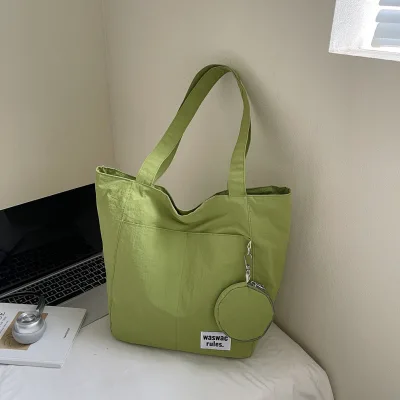
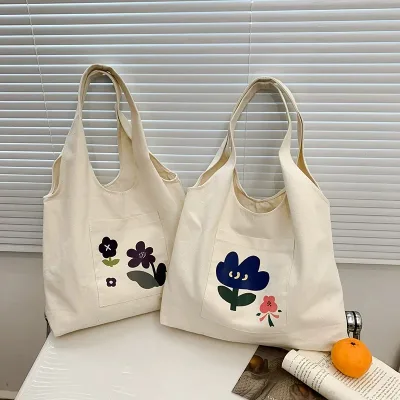
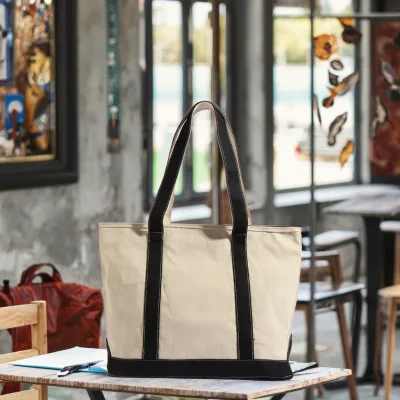
Shoulder Crossbody Bag Custom Cotton Canvas Tote Bag with Pockets and Logo
$3.50 - $3.80
MOQ: 100 Pieces

Shanghai Tuanjue Trading Co., Ltd.
- Trading Company
- China Shanghai
- Lead time0 days
- Avg. response≤ 25h
Main productsLadies' Bag

Laizhou Dechen Machinery Co., Ltd.
- Verified by TUVRHEINLAND
- Combined
- China Shandong
- Lead time15 days
- Avg. response≤ 3h
Main productsPaper Bag, Paper Box, Lunch Box, Food Wrapping Paper, Food Container, Drinking Straw, Stone Machinery, Cornstarch Food Container, PLA Straw, Cupcake Box
Main marketsSouth America,Southeast Asia/ Mideast,Europe,Australia,North America

Wenzhou Guanmin Import and Export Co., Ltd.
- Verified by BV
- Trading Company,Manufacturer/Factory
- China Zhejiang
- Lead time120 days
- Avg. response≤ 7h
Main productsShopping Bag, Cooler Bag, Notebook, Pen, Color Pencil, Lanyard, Beach Ball, Umbrella, Sunshade, Air Freshener
Main marketsSouth America,Eastern Europe,Mid East,North America,Southeast Asia,Eastern Asia,Western Europe
Shenzhen Honghaolian Packing Gift Co., Ltd.
- Verified by Intertek
- Manufacturer, Trading Company
- Lead time15 days
- Avg. response≤ 5h
Main productsShopping Bags, Cooler Bags, Packsack, Tool Bag, Cosmetic Bags & Cases
Main marketsEastern Asia(30%), North America(15%), South America(10%)
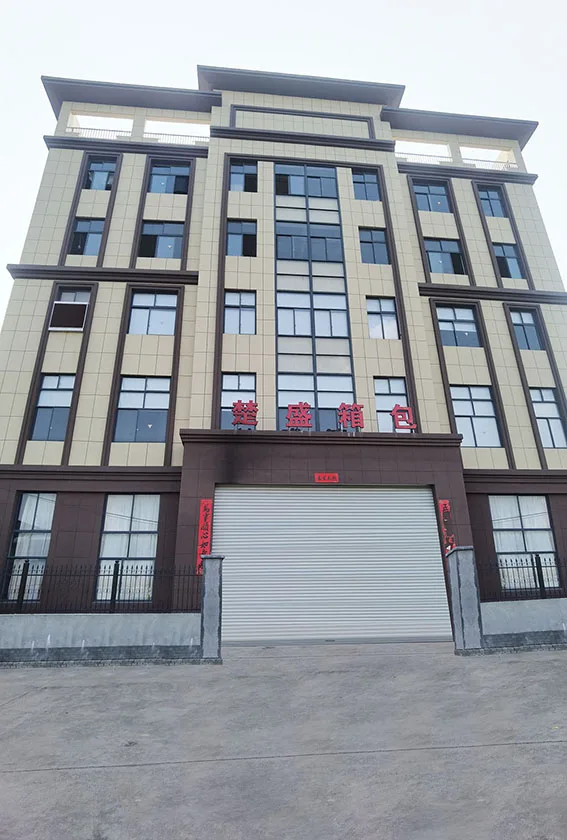
Zhejiang Chusheng Luggage Co., Ltd.
- Manufacturer, Trading Company
- Zhejiang, China
- Lead time30 days
- Avg. response≤ 1h
Main productsOrganizer bag,Backpack,Shopping Bag,Cosmetic Bag,Travel bag
Main marketsNorth America(20.00%), Central America(15.00%), Eastern Europe(15.00%), Western Europe(15.00%), Domestic Market(10.00%), Southeast Asia(5.00%), South America(5.00%), Southern Europe(5.00%), Northern Europe(5.00%), Mid East(2.00%), Oceania(2.00%), Africa(1.00%)

Guangzhou Zexin Leather Co., Ltd.
- Verified by SGS
- Combined
- China Guangdong
- Lead time30 days
- Avg. response≤ 17h
Main productsLadies Handbag, Handbag, Fashion Handbag, PU Handbag, Leather Handbag, Women Handbag, Fashion Bag, Designer Handbag, Lady Bag, Leather Bag
Main marketsDomestic,Europe,North America

Quanzhou Wuzhou Minstarbags Co., Ltd.
- Verified by SGS
- Trading Company
- China Fujian
- Lead time60 days
- Avg. response≤ 3h
Main marketsSouth America,Southeast Asia/ Mideast,Europe,Australia,North America
Changshu Zhitang Marys Bag Factory
- Manufacturer, Trading Company
- Jiangsu, China
- Lead time20 days
- Avg. response≤ 9h
Main productsShopping Bag,Non Woven Bag,Promotional Bag,apron
Main marketsSouth Asia(7.69%), Southern Europe(7.69%), Northern Europe(7.69%), Central America(7.69%), Western Europe(7.69%), Eastern Asia(7.69%), Mid East(7.69%), Oceania(7.69%), Africa(7.69%), Southeast Asia(7.69%), Eastern Europe(7.69%), South America(7.69%), North America(7.69%)
- Verified by SGS Group
- Trading Company
- Lead time45 days
- Avg. response≤ 2h
Main productsGym Bags, Running Vest, Bicycle Bags, Racket Bags, Cooler Bags
Main marketsWestern Europe(40%), North America(30%), Mid East(10%)

Jinjiang Jiaxing Supply Management Co., Ltd.
- Verified by TUVRHEINLAND
- Trading Company
- China Fujian
- Lead time30 days
- Avg. response≤ 2h
Main productsEVA Clogs, Flip Flop, Shoe Charms, Shopping Bags, Wristbands, Gifts, Promotional Gifts, Slipper, Sport Cap, Ball
Main marketsNorth America
Xiamen Fei Fei Bag Manufacturing Co., Ltd.
- Manufacturer, Trading Company
- Lead time旺季: , 淡季:
- Avg. response≤ 3h
Main productsShopping Bag, Non Woven Bags, Tote Bag, Drawstring Bag, Cooler Bag
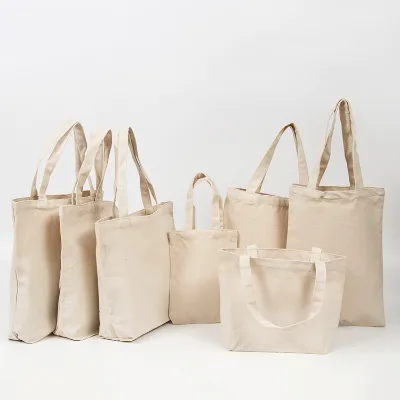
Big Canvas Tote Bag Mock up Shopping Bag
$0.8215 - $0.9249
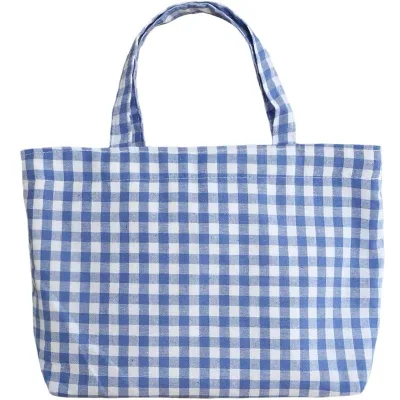

Quanzhou Golden Nonwoven Co., Ltd.
- Verified by BV
- Trading Company
- China Fujian
- Lead time23 days
- Avg. response≤ 4h
Main productsNonwoven Bag, Cooler Bag, Jute Bag, Canvas Bags, Garment Bag, PP Woven Bag, Backpack, Nonwoven Fabric, T-Shirt/D-Cut Nonwoven Bag, RPET PLA Nonwoven Bag
Main marketsSouth America,Southeast Asia/ Mideast,Europe,North America

Xiamen Top Green Bags Co., Ltd.
- Verified by SGS
- Trading Company,Manufacturer/Factory
- China Fujian
- Lead time45 days
- Avg. response≤ 5h
Main productsCooler Bags, Sports Bags, Apron, Promotional Bag, Waist Bag, Shoulder Bag, Travel Bags, Cosmetic Bag, Laptop Bag, Pencil Bag
Main marketsSouth America,Eastern Europe,North America,Southeast Asia,Eastern Asia,Oceania,Western Europe,Africa
Longgang City Lemei Bags Co., Ltd.
- Verified by SGS Group
- Manufacturer, Trading Company
- Lead time20 days
- Avg. response≤ 3h
Main productsNon Woven Bag, Aprons, shopping bag, Cooler Bag, Cotton Bag
Main marketsNorth America(36%), Northern Europe(31%), Western Europe(20%)
- Trading Company
- Jiangsu Province, China
- Lead time0 days
- Avg. response≤ 8h
Main productswooden jigsaw puzzles,wooden balance board,wooden toys,wooden coatrack,wooden stools
Main marketsNorth America(30.00%), Western Europe(20.00%), South America(10.00%), Eastern Asia(10.00%), Northern Europe(10.00%), South Asia(5.00%), Southern Europe(5.00%), Mid East(5.00%), Central America(5.00%)

- Verified by CTI
- Manufacturer/Factory
- China Fujian
- Lead time45 days
- Avg. response≤ 8h
Main productsBackpack, Duffle Bag, Cooler Bag, Medical Bag, Canvas Bag, Pet Carrier, Tote Bag, Tool Bag, Makeup Bag, Drawstring Bag
Main marketsSouth America,Eastern Europe,Mid East,North America,Southeast Asia,Eastern Asia,Oceania,Western Europe,Africa
Chengdu Lilalila Trading Co., Ltd.
- Verified by SGS Group
- Manufacturer, Trading Company
- Lead time15 days
- Avg. response≤ 2h
Main productsCanvas Bag, Non-woven Bags, Paper Bags, Beeswax Bread Bags, Cooler Bags
Main marketsNorth America(60%), Eastern Europe(10%), Western Europe(5%)
- Trading Company
- Zhejiang, China
- Lead time7 days
- Avg. response≤ 2h
Main productsKid's Bag,Schoolbag,Men's Bag,Women's Bag,Duffel Bag
Main marketsNorthern Europe(20.00%), Mid East(20.00%), North America(20.00%), South Asia(10.00%), Southeast Asia(10.00%), Eastern Asia(10.00%), South America(10.00%)
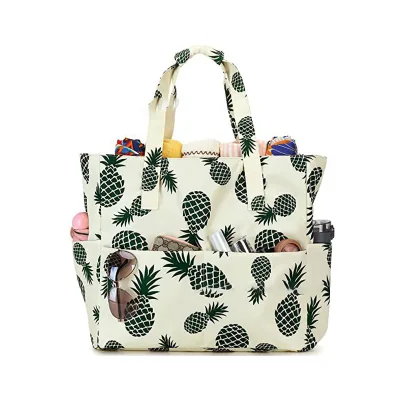
Multi Functional Outdoor Travel Canvas Storage Bags Durable Canvas Tote Bag High Capacity Beach Bag
$4.8433 - $6.1849
MOQ: 2 pieces
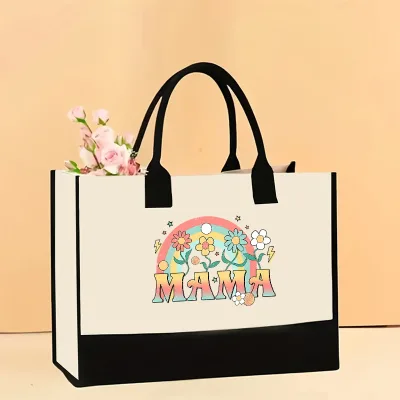
Mother's Day Gift Canvas Bag Customized Canvas Tote Bags for Daily Work Outdoor
$2.7776 - $10.3251
MOQ: 2 Minimum
- Verified by TüVRheinland
- Trading Company
- Lead time25 days
- Avg. response≤ 4h
Main productsCanvas Bag, Backpack, Luggage Case, Handbag, Cooler Bag
Main marketsAfrica(33%), Domestic Market(21%), Southeast Asia(13%)
Yongkang Focus Industry & Trade Co., Ltd.
- Verified by Intertek
- Trading Company
- Lead time0 days
- Avg. response≤ 2h
Main productsStainless Steel Cup , Glass Cup, Plastic Cup, Ceramic Cup
Main marketsNorth America(63%), Oceania(15%), Western Europe(10%)
Guangzhou Lantu Packing Products Co., Ld.
- Manufacturer, Trading Company
- Guangdong, China
- Lead time15 days
- Avg. response≤ 3h
Main productsCanvas Bag,Suit Bag
Main marketsDomestic Market(50.00%), Southeast Asia(30.00%), Oceania(20.00%)

Shanghai David International Trade Co., Ltd.
- Verified by TUVRHEINLAND
- Combined
- China Shanghai
- Lead time15 days
- Avg. response≤ 10h
Main productsPromotional Gifts, Gift Sets, Tshirts, Hats, Hot Packs, Hot Cold Packs, Ice Packs, Bags, Umbrellas, Water Bottles
Main marketsSouth America,Africa,Southeast Asia/ Mideast,East Asia(Japan/ South Korea),Domestic,Europe,Australia,North America
Dongguan Vansun E-Commerce Co., Ltd.
- Trading Company
- Guangdong, China
- Lead time15 days
- Avg. response≤ 1h
Main productsCanvas bag,Tote Bag,Cosmetic makeup bag,hats,caps
Main marketsWestern Europe(15.00%), Southern Europe(10.00%), Northern Europe(10.00%), Central America(10.00%), North America(10.00%), Eastern Europe(10.00%), South America(10.00%), Southeast Asia(8.00%), Africa(5.00%), Eastern Asia(5.00%), South Asia(2.00%), Mid East(2.00%), Oceania(2.00%)
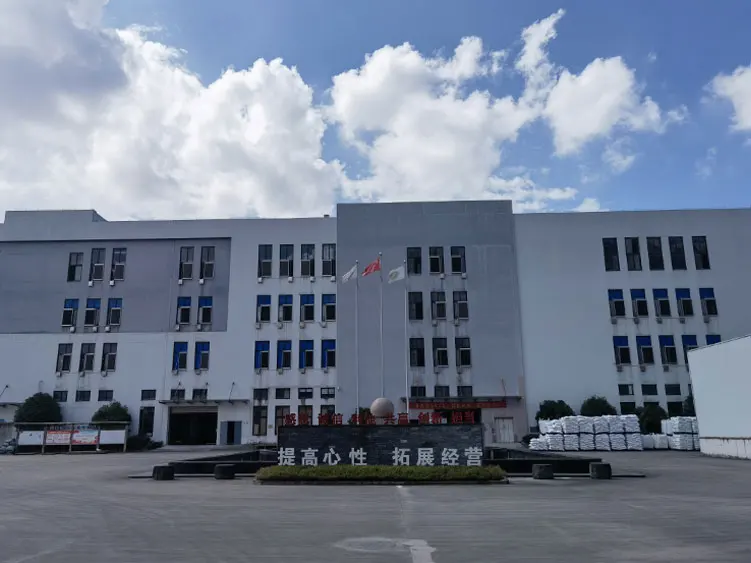
Wenzhou Ecotrend Packaging Technology Co., Ltd.
- Trading Company
- Zhejiang, China
- Lead time15 days
- Avg. response≤ 2h
Main productstote bag,cotton bag,canvas bag,jute bag,PVC bag
Main marketsNorth America(40.00%), Western Europe(15.00%), Southeast Asia(10.00%), Southern Europe(5.00%), South America(5.00%), Africa(5.00%), Eastern Europe(5.00%), Northern Europe(3.00%), Mid East(3.00%), South Asia(3.00%), Eastern Asia(3.00%), Central America(2.00%), Oceania(1.00%)

Xiamen Minghui Import and Export Co., Ltd.
- Verified by BV
- Manufacturer/Factory
- China Fujian
- Lead time30 days
- Avg. response≤ 12h
Main productsBag, Sport Bag, Duffel Bag, Travel Bag, School Bag, Backpack, Rucksack, Laptop Bag, Cosemtic Bag, Document Bag
Main marketsSouth America,Eastern Europe,Mid East,North America,Southeast Asia,Eastern Asia,Oceania,Western Europe,Africa


Canvas Bags Canvas Backpack Handbag Cotton Canvas Tote with Custom Printed Logo
$2.55 - $2.98
MOQ: 500 Pieces

Hangzhou Langjie Technology Co., Ltd.
- Verified by TUVRHEINLAND
- Trading Company
- China Zhejiang
- Lead time15 days
- Avg. response≤ 4h
Main productsNon-Woven Bag, Paper Box, Laminated Bag, Thermal Insulation Bag, Paper Bag, Canvas Bag, Notebook, Clothing Dust-Proof Bag, Sticker, Cosmetics Bag
Main marketsDomestic,North America
Ningbo Luckystar E-Commerce Co., Ltd.
- Verified by TüVRheinland
- Trading Company
- Lead time15 days
- Avg. response≤ 4h
Main productsShopping Bags, Cosmetic Bags, Drawstring Bags, Paper Bags, Paper Boxes
Main marketsNorth America(50%), Southeast Asia(15%), Eastern Europe(5%)

Qingdao Sanliang Yipin Network Technology Co., Ltd
- Verified by SGS
- Manufacturer/Factory
- China Shandong
- Lead time30 days
- Avg. response≤ 8h
Main productsBag, Plush Toys, Clothes, Pet Accessories, Jewellery
Main marketsSouth America,Eastern Europe,Mid East,North America,Southeast Asia,Eastern Asia,Oceania,Western Europe,Africa
Guangzhou Baiyun District Sanyuanli Gusi Leather Firm
- Trading Company
- Guangdong, China
- Lead time22 days
- Avg. response≤ 23h
Main productsWallet, Cossbody Bags, Passport Holder, Handbags, Belts
Main marketsSouth Asia(25.00%), Mid East(20.00%), Eastern Asia(15.00%), North America(10.00%), South America(10.00%), Africa(10.00%), Eastern Europe(10.00%)

Shenzhen Lebon Handbags Luggage Co., Ltd
- Verified by SGS
- Combined
- China Guangdong
- Lead time30 days
- Avg. response≤ 3h
Main marketsNorth America


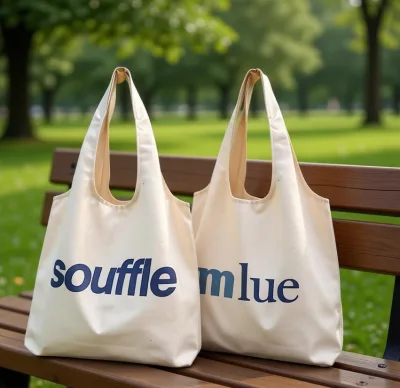
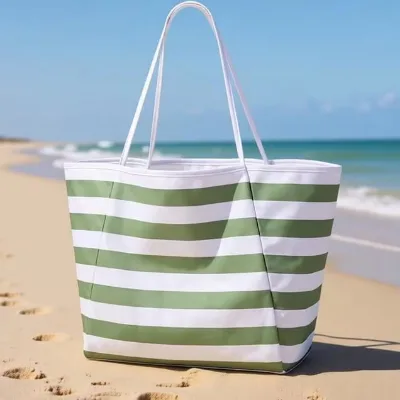


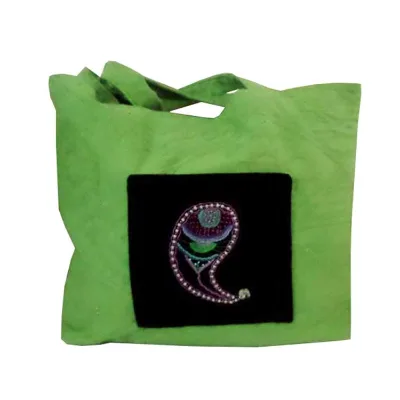
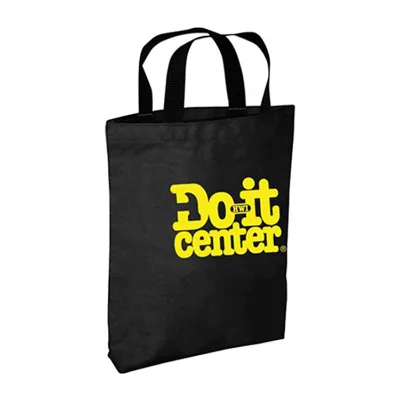




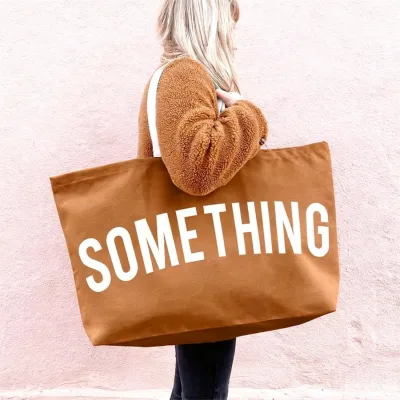
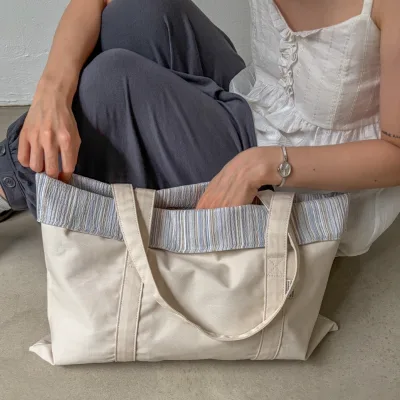
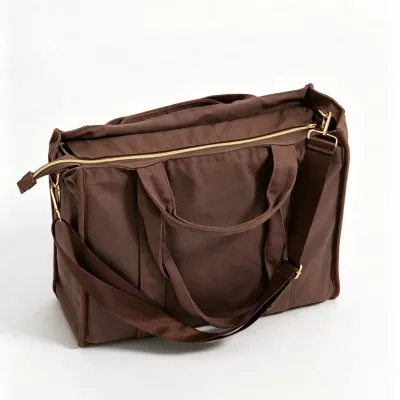
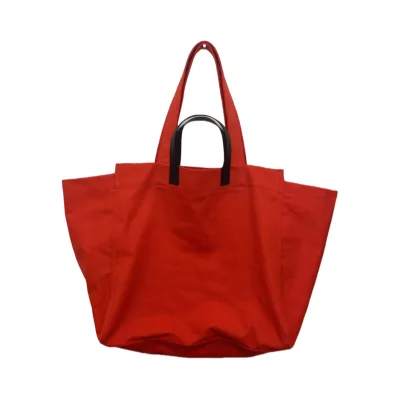



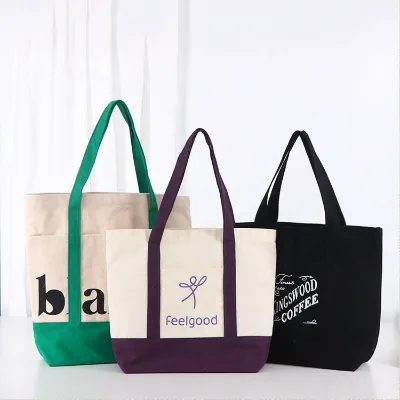


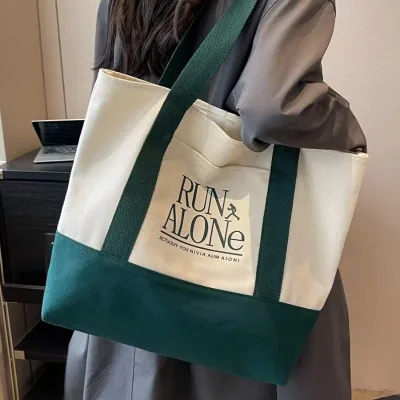
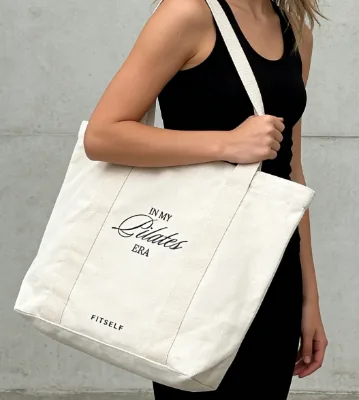


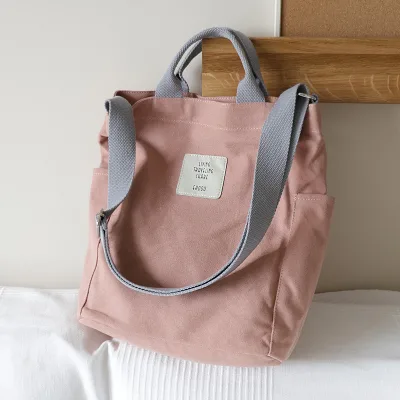
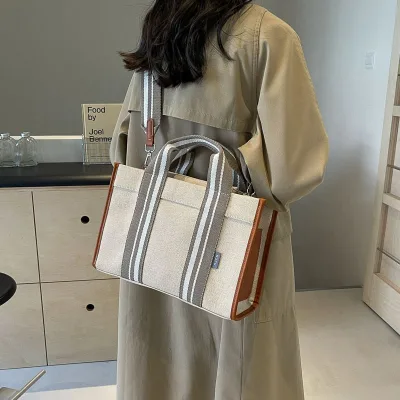


Comprehensive Sourcing Guide
Large Pockets Canvas Tote Bag Supplier Concentration and Factory Types
The current supplier landscape for large pockets canvas tote bags reveals a distinct geographic and structural concentration that buyers must navigate carefully. Evidence indicates that a significant portion of available suppliers are located in China, specifically within the Zhejiang province. This region is historically known for its robust textile manufacturing infrastructure, which supports the production of canvas, cotton, and other fabric-based accessories. The presence of suppliers in Zhejiang suggests a mature ecosystem where raw material sourcing, dyeing, and sewing operations are often co-located or closely linked, potentially offering efficiencies in production speed and cost management. However, buyers should not assume that all suppliers in this category are factories. The data shows a mix of company types, including combined entities and trading companies. A trading company, such as those identified in Shanghai, may offer a different value proposition compared to a factory in Zhejiang. Trading companies often aggregate products from multiple smaller workshops, providing a wider variety of styles and easier communication for international buyers, but they may have less direct control over the manufacturing process. In contrast, combined or factory-type suppliers might offer more direct OEM and ODM capabilities, allowing for deeper customization of materials and construction. Understanding this distinction is crucial because it affects how a buyer evaluates quality control, communication channels, and pricing structures. The concentration in Zhejiang does not guarantee that every supplier there is a manufacturer; some may be trading arms of larger groups. Therefore, buyers must look beyond the location tag and examine the company type designation to determine if they are dealing with a direct producer or an intermediary. This structural clarity helps in setting realistic expectations for lead times and minimum order quantities, as factories often have higher MOQs but lower unit prices, while trading companies may offer lower MOQs with slightly higher costs due to their margin.
Furthermore, the product evidence highlights a variety of main products offered by these suppliers, ranging from simple tote bags to more complex items like cooler bags and shaker bottles. This diversification suggests that many suppliers are not niche specialists but rather generalist bag manufacturers. For a buyer seeking large pockets canvas tote bags specifically, this generalist nature can be both an advantage and a risk. On one hand, these suppliers have broad experience in handling different bag types, which may translate to versatile production capabilities. On the other hand, it may indicate that the large pockets canvas tote is just one of many products, potentially receiving less specialized attention than a dedicated boutique manufacturer might provide. Buyers should assess whether the supplier’s primary focus aligns with their specific needs. If the goal is high-volume, low-cost production of standard tote bags, a generalist factory in Zhejiang might be ideal. If the goal is highly specialized design or unique pocket configurations, a supplier with a stronger focus on custom canvas bags might be preferable. The presence of suppliers in Shanghai, often trading companies, adds another layer to this landscape. These entities may serve as gateways to the broader Chinese manufacturing market, offering services that factories do not, such as consolidated shipping or multi-supplier sourcing. However, this convenience comes with the trade-off of potentially higher costs and less direct oversight. Buyers must weigh the benefits of geographic and structural diversity against the need for direct control and specialized expertise. The key is to match the supplier type and location to the specific strategic goals of the procurement project, whether that be cost reduction, speed to market, or product innovation.
How to Verify Large Pockets Canvas Tote Bag Suppliers
Verifying the legitimacy and capability of Large Pockets Canvas Tote Bag suppliers requires a multi-layered approach that goes beyond simple profile reviews. One of the most critical steps is to check for third-party verification badges, such as SGS, which serves as an independent confirmation of a supplier’s business status and operational capabilities. In the current results, some suppliers display SGS verification, which provides a baseline level of trust regarding their legal existence and basic operational integrity. However, verification badges alone are not sufficient to guarantee product quality or reliability. Buyers must dig deeper into the supplier’s production capabilities and quality control processes. This involves requesting detailed information about their factory layout, production lines, and quality assurance protocols. For suppliers claiming to be factories, buyers should ask for video tours or recent photos of the production floor to confirm that they actually manufacture the goods rather than just trading them. For trading companies, buyers should inquire about their relationship with their manufacturing partners, including the duration of the partnership and the ability to conduct factory audits. This distinction is vital because it affects who is ultimately responsible for quality issues. If a defect arises, a trading company may need to coordinate with a third-party factory, which can complicate the resolution process. Therefore, verifying the supply chain structure is as important as verifying the supplier’s identity. Buyers should also look for evidence of past performance, such as case studies or references from other international clients, to gauge the supplier’s reliability in handling export orders and meeting deadlines.
In addition to structural verification, buyers must assess the supplier’s responsiveness and communication efficiency, as these are strong indicators of their operational health. The data shows varying response times, with some suppliers responding in under seven hours and others taking significantly longer. A rapid response time, such as 6.63 hours, often indicates a well-staffed sales team and efficient internal processes, which are crucial for handling urgent orders or quick revisions. Conversely, slower response times may signal potential bottlenecks in communication, which can lead to delays in sampling, production, and shipping. Buyers should test the supplier’s responsiveness by sending detailed inquiries and noting how quickly and thoroughly they respond. This test can reveal whether the supplier has the capacity to handle complex customization requests, such as specific pocket configurations or logo placements. Furthermore, buyers should verify the supplier’s certifications and compliance with international standards. While some suppliers may not display specific system certifications, buyers should still inquire about their adherence to labor standards, environmental regulations, and product safety requirements. For canvas bags, this might include checks for harmful substances in dyes or materials. Buyers should request test reports from accredited laboratories to ensure that the products meet the regulatory requirements of their target markets. This due diligence is essential to avoid costly recalls or legal issues downstream. By combining structural verification, responsiveness testing, and compliance checks, buyers can build a comprehensive profile of each supplier, reducing the risk of partnering with unreliable or non-compliant entities. This thorough verification process ensures that the selected supplier can meet both the quantitative and qualitative demands of the Large Pockets Canvas Tote Bag order.
What to Compare Across Large Pockets Canvas Tote Bag Suppliers
When evaluating multiple suppliers for large pockets canvas tote bags, buyers must systematically compare key operational and commercial metrics to identify the best fit for their specific needs. One of the most critical dimensions is the minimum order quantity (MOQ). The data indicates that many suppliers have an MOQ of 100 pieces, which is relatively low and accessible for small to medium-sized buyers. However, buyers should also look for suppliers with higher MOQs if they are planning for larger volumes, as these suppliers may offer more competitive unit prices. Comparing MOQs helps buyers align their order size with their inventory strategy and cash flow constraints. Another crucial factor is the lead time, which varies significantly among suppliers. Some suppliers list a lead time of 30 days, while others provide more detailed breakdowns, such as a 7-day sample time and a 15-20 day bulk production time. Buyers should compare these timelines to ensure they can meet their market launch dates. A supplier with a shorter and more predictable lead time may be preferable for fast-moving fashion items, while a supplier with a longer lead time might be suitable for seasonal products with earlier planning horizons. Additionally, buyers should compare the customization options available. The evidence shows that many suppliers offer customization for materials, logos, sizes, and packing. Buyers should assess the extent of this customization, including whether they can provide their own designs or if they are limited to the supplier’s existing templates. This comparison helps determine the level of brand control and product uniqueness the buyer can achieve.
Price is another essential dimension for comparison, but it should not be viewed in isolation. The data shows a wide range of prices, from as low as $0.32 to over $3.80 per piece, depending on the product specifications and customization level. Buyers should compare the price structure, including any additional costs for sampling, tooling, or special packaging. A lower unit price may come with higher hidden costs, such as expensive shipping or strict payment terms. Therefore, buyers should calculate the total landed cost, including product price, shipping, duties, and any customization fees. Payment terms are also a critical comparison point. Some suppliers require a 30% deposit with the balance paid before shipping, which is a common industry standard. However, buyers should compare these terms to assess the financial risk. Suppliers offering more flexible payment terms, such as escrow services or letters of credit, may provide greater security for the buyer. Furthermore, buyers should compare the supplier’s main products and expertise. A supplier whose main products are ladies' bags may have different design sensibilities and quality standards compared to a supplier specializing in tote bags and canvas accessories. This comparison helps ensure that the supplier’s core competencies align with the buyer’s product requirements. By systematically comparing MOQs, lead times, customization options, total costs, payment terms, and product expertise, buyers can make a data-driven decision that balances cost, quality, and risk. This structured comparison process reduces the likelihood of selecting a supplier that appears attractive on the surface but fails to meet the buyer’s operational needs in practice.
Common Large Pockets Canvas Tote Bag Sourcing Risks
Sourcing large pockets canvas tote bags from international suppliers, particularly those in China, involves several inherent risks that buyers must proactively manage to ensure a successful procurement outcome. One of the most significant risks is quality inconsistency, especially when dealing with suppliers who offer extensive customization options. The evidence shows that many suppliers allow customization of materials, logos, and sizes, which can lead to variations in product quality if not strictly controlled. For instance, the hardness of the canvas or the durability of the stitching may vary between batches if the supplier does not maintain rigorous quality control standards. Buyers should mitigate this risk by requesting pre-production samples and conducting thorough inspections before approving bulk production. Additionally, buyers should consider hiring third-party inspection services to verify that the final products meet the agreed-upon specifications. Another common risk is communication breakdown, which can lead to misunderstandings about design details, packaging requirements, or delivery schedules. The data shows varying response times among suppliers, with some taking up to 25 hours to respond. Slow or unclear communication can delay the sampling process and lead to errors in the final product. Buyers should establish clear communication protocols, including regular check-ins and detailed written specifications, to minimize the risk of miscommunication. It is also important to verify that the supplier has the capacity to handle the order volume within the agreed timeframe. Some suppliers may overpromise on lead times to secure the order, only to deliver late due to capacity constraints. Buyers should assess the supplier’s current workload and production capacity to ensure they can meet the delivery deadline.
Intellectual property (IP) protection is another critical risk, particularly for buyers who require unique designs or custom logos. The evidence shows that many suppliers offer custom logo printing, which requires the buyer to share their brand assets. If the supplier lacks proper IP protection measures, there is a risk that the designs could be leaked or used for unauthorized production. Buyers should sign non-disclosure agreements (NDAs) and, if possible, register their trademarks in the supplier’s country to strengthen their legal position. Furthermore, buyers should be cautious of suppliers who offer prices that seem too good to be true, as this may indicate the use of substandard materials or unethical labor practices.
FAQs
What is the minimum order quantity for canvas tote bags?
The minimum order quantity is 100 pieces for most canvas tote bag options. Some listings specify 100 PCS as the standard threshold for customization. Buyers should verify specific model requirements before placing an order to ensure compliance with supplier policies.
How long does it take to receive bulk orders?
Bulk production time typically ranges from 15 to 20 days after sample approval. Some suppliers list a standard lead time of 30 days for general orders. Sample preparation usually takes about 7 days before mass production begins.
Are custom logos and printing available on these bags?
Yes, customization is available for logos, printing, labels, and packing. Buyers can request custom sizes and materials to meet specific needs. Most suppliers offer these services for canvas and cotton tote bags with flexible design options.
What is the price range for large capacity canvas tote bags?
Prices vary from 0.32 to 3.80 per unit depending on the model and customization level. Basic canvas bags start at lower prices while specialized designs with pockets cost more. Bulk orders often influence the final unit price significantly.
Where are these canvas tote bag suppliers located?
Suppliers are primarily located in Zhejiang and Shanghai, China. These regions are known for manufacturing textile products like canvas bags. Buyers should confirm specific factory locations when requesting quotes for shipping and logistics planning.
Do suppliers offer OEM and ODM services?
Yes, suppliers provide ODM, OEM, and own brand services. Buyers can request custom designs or use existing models with modifications. This flexibility allows for tailored solutions that fit specific brand requirements and market needs effectively.
What payment terms are accepted for these orders?
Standard payment terms include a 30% deposit and 70% balance before shipping. Buyers must agree to these terms before production starts. Specific payment conditions may vary by supplier, so confirmation is necessary prior to finalizing any purchase agreement.