Lotus Melamine Mug Suppliers and Manufacturers in China
Explore 26 verified suppliers offering Lotus Melamine Mug options with varying lead times, MOQs, and certifications like FDA and LFGB. Compare response times, locations, and product specs to find the right partner for your needs; review the available evidence before requesting comparable quotations from suitable candidates.
Updated
Suppliers List
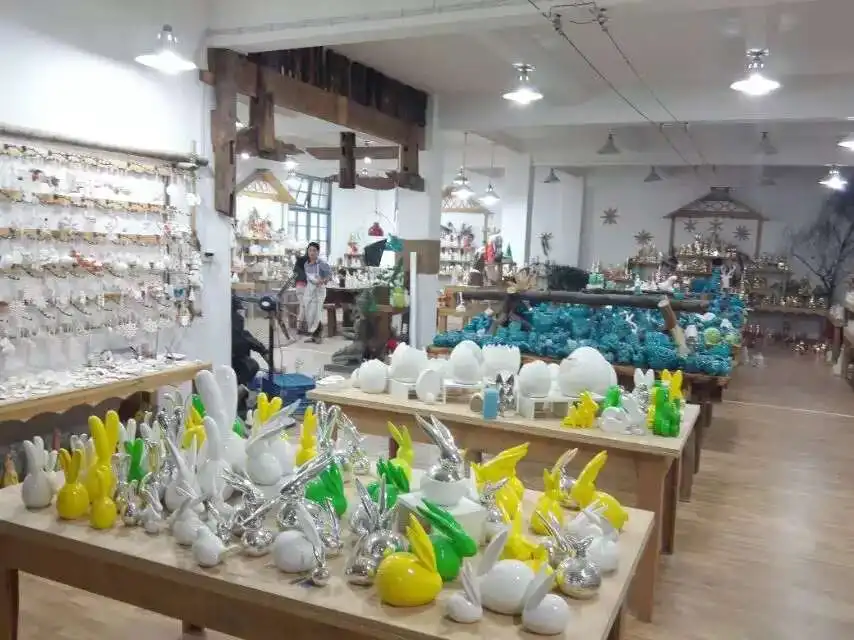
Dehua Beauty Rich Arts & Crafts Co., Ltd.
- Manufacturer, Trading Company
- Fujian, China
- Lead time30 days
- Avg. response≤ 7h
Main productsPolyresin crafts,Ceramic crafts,PVC crafts,Home decoration,Garden decoration
Main marketsEastern Europe(15.00%), North America(15.00%), South America(12.00%), Mid East(5.00%), Oceania(5.00%), South Asia(3.00%), Southern Europe(3.00%), Northern Europe(3.00%), Central America(3.00%), Western Europe(3.00%), Eastern Asia(3.00%), Domestic Market(3.00%), Southeast Asia(3.00%), Africa(2.00%)
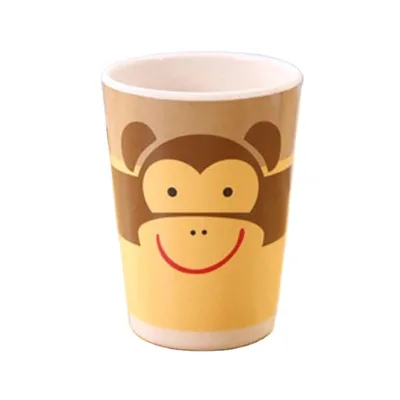
Safety Health Customized Stripped Cartoon Melamine Cups Mug for Kids
$2.8712 - $5.1347
MOQ: 500 pieces

Dongguan ShunTa Melamine Products Co., Ltd.
- Verified by CTI
- Combined
- China Guangdong
- Lead time15 days
- Avg. response≤ 9h
Main productsMelamine, Table Ware, Tableware, Household, Kitchen Ware, Pets Accessories, Chopsticks, Ashtray, Cushions, Bowls
Main marketsSoutheast Asia/ Mideast,East Asia(Japan/ South Korea),Domestic,Europe,Australia,North America


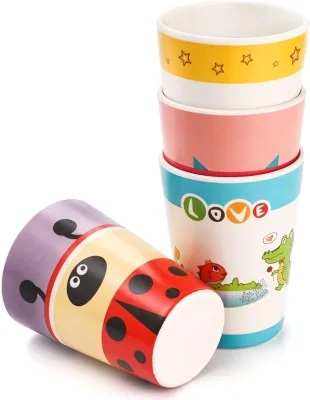
Melamine Cup Unbreakable Melamine Tableware Restaurant Cup Japanese Style Melamine Mug
$0.77 - $1.15
MOQ: 200 Pieces



Anhui Greensun Biotech Production Co., Ltd.
- Manufacturer
- Anhui, China
- Lead time50 days
- Avg. response≤ 24h
Main productsTableware,Pet Bowl,Flower Pot,Melamine machine,Melamine mold
Main marketsWestern Europe(20.00%), Eastern Europe(20.00%), South America(20.00%), North America(20.00%), Southern Europe(10.00%), Northern Europe(10.00%)
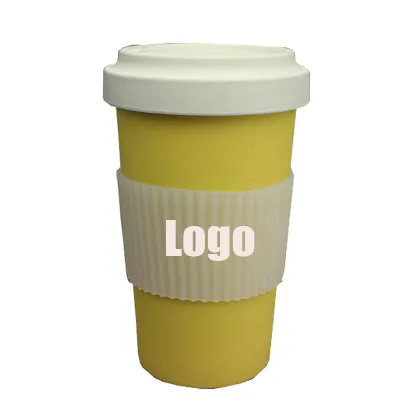
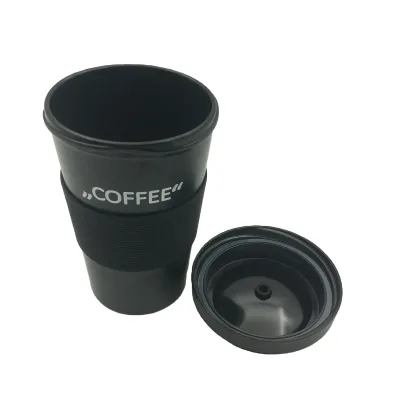
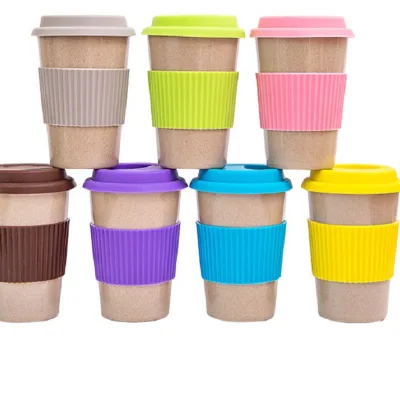
ECO-friendly High Quality Natural Plant Fibers Mugs Coffee Mugs for Sale Wheat Straw Cup
$1.1781 - $1.229
MOQ: 2 sets
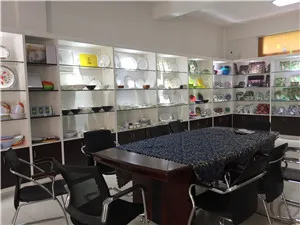
Quanzhou AIMI Melamine Ware Co., Ltd.
- Manufacturer, Trading Company
- Fujian, China
- Lead time35 days
- Avg. response≤ 6h
Main productsDishes&Plates,Dinnerware Sets,Tableware,Kids Dining,Mugs
Main marketsNorth America(30.00%), Africa(20.00%), Southeast Asia(20.00%), Northern Europe(10.00%), South America(10.00%), Eastern Asia(5.00%), Western Europe(5.00%)
Hefei Ebcio Household Products Co., Ltd.
- Trading Company
- Anhui, China
- Lead time35 days
- Avg. response≤ 3h
Main productsbamboo fiber products,plastic products,silicone products,RPET products,stainless steel products
Main marketsNorth America(30.00%), South America(20.00%), Mid East(10.00%), Southeast Asia(10.00%), Eastern Europe(10.00%), Domestic Market(5.00%), Western Europe(5.00%), Eastern Asia(5.00%), Africa(5.00%)
Hunan Dongyu Technology Co., Ltd.
- Verified by Intertek
- Manufacturer, Trading Company
- Lead time0 days
- Avg. response≤ 3h
Main productsMelamine Tableware Set, Melamine Tableware Plates
Main marketsDomestic Market(60%), Western Europe(10%), Northern Europe(10%)
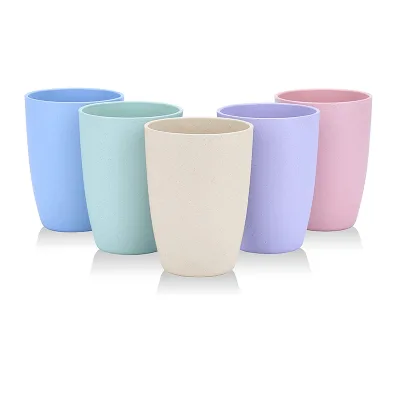
$0.5689 - $0.6707
MOQ: 500 pieces
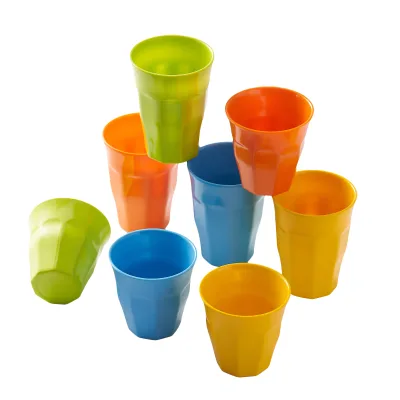
Custom BPA Free Break Resistant Colorful Melamine Coffee Mug Reusable Drink Mug
$0.60 - $0.85
MOQ: 500 pieces
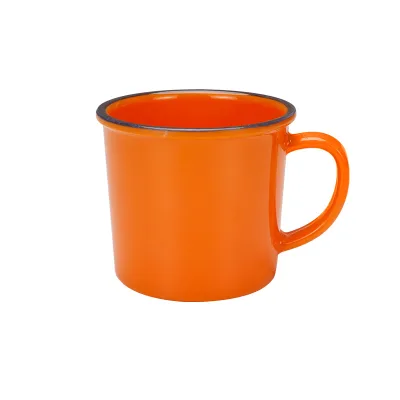
$1.8892 - $1.9506
MOQ: 500 pieces

Xiamen Kingwell Manufacturing & Trading Co., Ltd.
- Manufacturer
- Fujian, China
- Lead time25 days
- Avg. response≤ 5h
Main productsbamboo fiber Dinnerware,Melamine Cooking Wares,bamboo fiber Tray,bamboo fiber Kids Dinnerware,bamboo fiber plate and Bowl
Main marketsEastern Europe(25.00%), Western Europe(25.00%), Central America(20.00%), South America(10.00%), North America(10.00%), Southern Europe(5.00%), Northern Europe(5.00%)
- Verified by SGS Group
- Trading Company
- Lead time35 days
- Avg. response≤ 2h
Main productsMelamine Plates, Melamine Bowls, Melamine Trays, Melamine Dinner Set, Melamine Mugs
Main marketsNorth America(45%), Eastern Asia(20%), South America(10%)
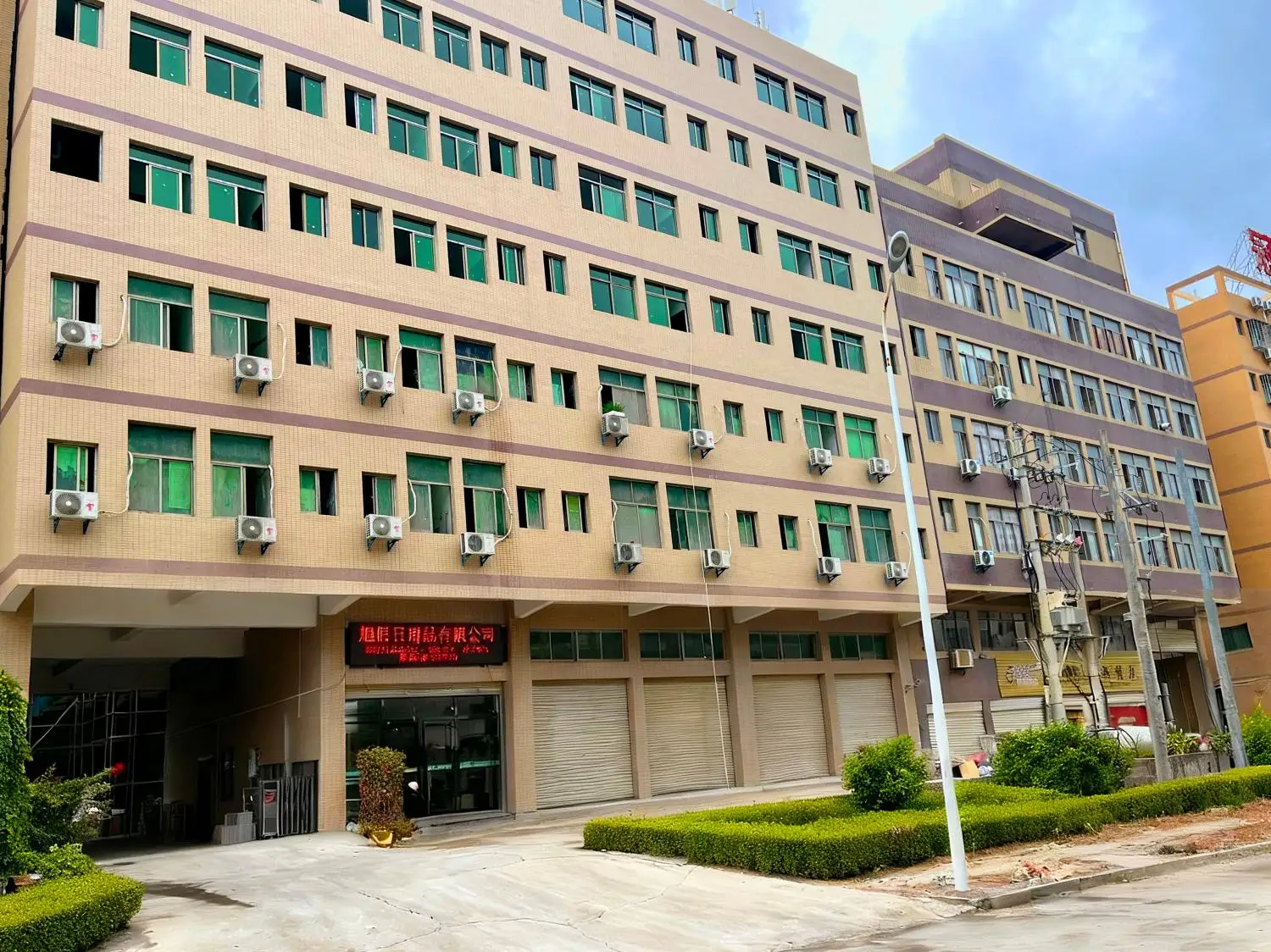
Jinjiang Sebest Housewares Co., Ltd.
- Manufacturer, Trading Company
- Fujian, China
- Lead time30 days
- Avg. response≤ 3h
Main productsMelamine Dinnerware Set,Melamine Plate,Melamine Bowl,Melamine Tray,Melamine Cup
Main marketsNorth America(30.00%), Western Europe(15.00%), South America(13.00%), Eastern Asia(10.00%), Southeast Asia(10.00%), Eastern Europe(7.00%), South Asia(5.00%), Africa(5.00%), Mid East(5.00%)
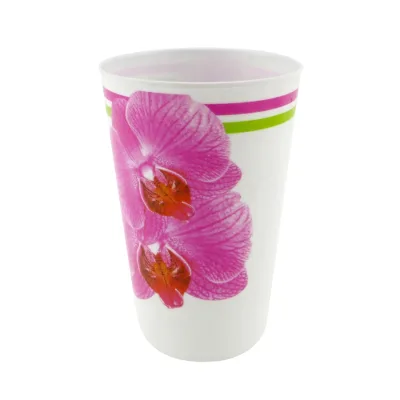
Wholesale New Design Tea Tumbler Melamine Cups
$0.40 - $0.60
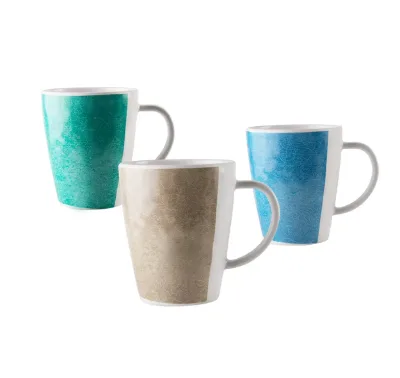

Xiamen Enchen Houseware Co., Ltd.
- Trading Company
- Fujian, China
- Lead time45 days
- Avg. response≤ 2h
Main productsMelamine Products,melamine wares,melamine dinner ware,melamine dinnerware set,melamine plates
Main marketsCentral America(100.00%), Western Europe(100.00%), Eastern Asia(100.00%), Domestic Market(100.00%), Oceania(100.00%), Southern Europe(100.00%), Southeast Asia(100.00%), Eastern Europe(100.00%), South Asia(100.00%), Northern Europe(100.00%), North America(50.00%), Africa(30.00%), Mid East(10.00%), South America(10.00%)
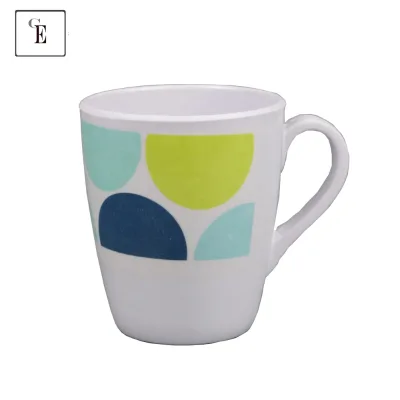
Plastic Drinkware Printing Melamine Mug High Quality Tea Cup Plastic Melamine Cup
$0.3099
MOQ: 1 Minimum

- Verified by TUVRHEINLAND
- Trading Company,Manufacturer/Factory
- China Fujian
- Lead time45 days
- Avg. response≤ 19h
Main productsMelamine Tableware, Melamine Ware, Horeca Products, Dinner Ware, Melamine Dinner Plate, All Kinds of Melamine Ware
Main marketsSouth America,Mid East,North America,Southeast Asia,Eastern Asia,Oceania,Western Europe,Africa

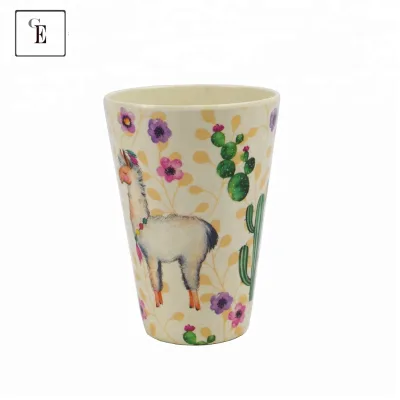
Stackable Melamine Cups Water Cup Coffee Cup Colourworks Melamine Tumbler, Multi-Colour
$0.95 - $0.98
MOQ: 2000 Pieces


Bright Colors Latte Cup Rose Color, 275 Ml Capacity Travel Cup Drinking Cup
$0.50 - $0.80
MOQ: 1000 Pieces

Foshan Ron Hospitality Supplies Co., Ltd.
- Verified by BV
- Manufacturer/Factory,Group Corporation
- China Guangdong
- Lead time45 days
- Avg. response≤ 2h
Main productsRestaurant Furniture, Restaurant Booth, Restaurant Chair, Restaurant Table, Bar Stools, Wedding Chairs, Flatware Sets, Dinnerware Sets, Garden Chairs, Disposable Dinnerware & Tableware
Main marketsSouth America,Eastern Europe,Mid East,North America,Southeast Asia,Eastern Asia,Oceania,Western Europe,Africa


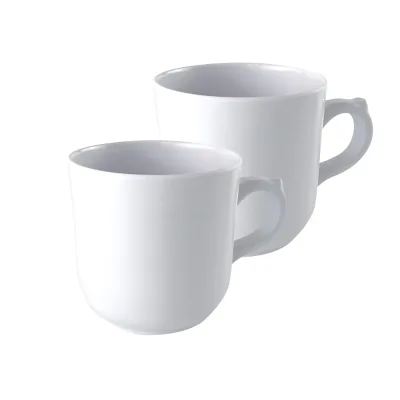
Minimalist Custom Restaurant Coffee Shop White Melamine Porcelain Ceramic Tea Coffee Cup
$1.38 - $1.42
MOQ: 100 pieces

ZHOUKOU BEST KITCHENWARE CO., LTD.
- Verified by TUVRHEINLAND
- Trading Company
- China Henan
- Lead time15 days
- Avg. response≤ 10h
Main productsEnamelware, Enamel Mug, Enamel Casserole, Enamel Storage Bowl, Enamel Kettle, Enamel Basin, Round Tray, Cup, Enamel Pot, Enamel Plate
Main marketsAfrica,Europe
Xiamen Dashing Jewelry Co., Ltd.
- Trading Company
- Lead time旺季: "1 - 6000":15,"> 6000":"To be negotiated", 淡季: "1 - 6000":15,"> 6000":"To be negotiated"
- Avg. response≤ 5h
Main productsDrinkware, Party Supplies, Home Decoration, Garden Supplies
- Trading Company
- Anhui, China
- Lead time15 days
- Avg. response≤ 13h
Main productsRPET tableware,PLA tableware,Bamboo fiber tableware,outdoor furniture,ECO daily necessities
Main marketsEastern Europe(15.00%), Western Europe(15.00%), North America(15.00%), Oceania(13.00%), Domestic Market(10.00%), Northern Europe(10.00%), Southern Europe(10.00%), Eastern Asia(5.00%), Mid East(3.00%), South America(2.00%), Southeast Asia(2.00%)

Linyi Feifan Imp. & Exp. Co., Ltd.
- Verified by TUVRHEINLAND
- Trading Company
- China Shandong
- Lead time30 days
- Avg. response≤ 13h
Main productsEnamel Mug/Cup, Enamel Bowl, Enamel Basin, Enamel Plate/Tray/Kettle, Enamel Casserole/Pot, Enamel Bucket, Safety Shoe/Boot, Safety Gloves
Main marketsSoutheast Asia/ Mideast,Domestic


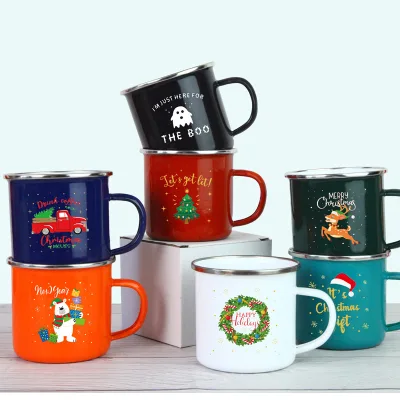
Enamel Coffee Mug/ Milk Cup with Ice Flowers/Splash-Ink Process Way Coffee Mug
$1.15 - $1.35
MOQ: 2000 Pieces

High Quality Enamel Mug with Different Color/Coffee Mug/Milk Cup/Water Cup
$1.15 - $1.35
MOQ: 2000 Pieces
Kindest Xiamen Trading Co., Ltd.
- Verified by SGS Group
- Trading Company
- Lead time35 days
- Avg. response≤ 7h
Main productsCeramic Tableware, Ceramic Kitchen Ware, Ceramic Home Decoration
Main marketsNorth America(60%), Oceania(20%), Southeast Asia(10%)
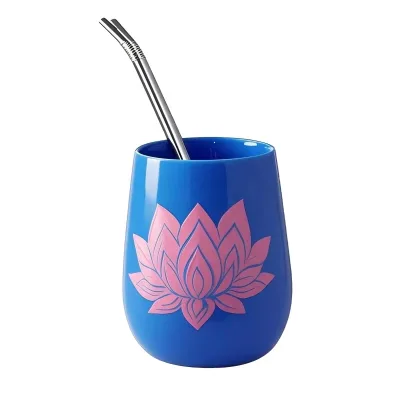
Lotus Themed Mate Cups with Stainless Steel Straws High-Quality Ceramic for an Authentic Tea Journey
$1.70 - $1.85
MOQ: 499 pieces
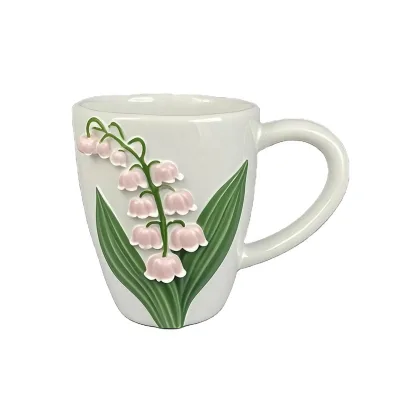
Classic Celebrate May with Lily of the Valley Mug Perfect for Birthdays and Festive Gifts
$1.60 - $1.70
MOQ: 499 pieces
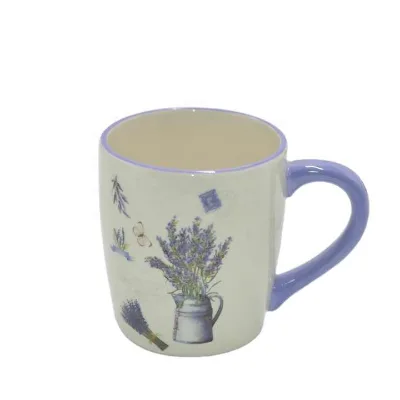
Lavender Pattern Stoneware Mug Coffee Mugs Custom Logo Printed Tea Cup Ceramic Nordic Mugs
$1.79 - $2.09
MOQ: 500 pieces

Xiamen Yoyo Ceramic Trading Co., Ltd.
- Verified by BV
- Combined
- China Fujian
- Lead time23 days
- Avg. response≤ 11h
Main productsCeramic Mugs, Ceramic Plates, Teawares, Ceramic Canisters, Ceramic Vases, Ceramic Flower Planters, Ceramic Coin Bank, Flowerpot, Canisters, Resin Crafts
Main marketsSouth America,Africa,Southeast Asia/ Mideast,East Asia(Japan/ South Korea),Europe,Australia,North America
Shenzhen Chengshi Home Gifts Co., Ltd.
- Manufacturer, Trading Company, Buying Office
- Guangdong, China
- Lead time0 days
- Avg. response≤ 5h
Main productsKitchenware & Tableware,festival &party,Water bottle,promotion gifts,Coffee mug
Main marketsWestern Europe(20.00%), Eastern Asia(20.00%), Mid East(20.00%), Northern Europe(20.00%), Southern Europe(10.00%), Eastern Europe(10.00%)
Xiamen Dashuiwa Network Technology Co., Ltd.
- Trading Company
- Fujian, China
- Lead time7 days
- Avg. response≤ 3h
Main productsCeramic Vases, Glass Vases, Ceramic Flowerpots, Ceramic Candlesticks, Artificial Flowers
Main marketsNorth America(60.00%), Western Europe(30.00%), Oceania(10.00%)

Wenzhou Guanmin Import and Export Co., Ltd.
- Verified by BV
- Trading Company,Manufacturer/Factory
- China Zhejiang
- Lead time120 days
- Avg. response≤ 6h
Main productsShopping Bag, Cooler Bag, Notebook, Pen, Color Pencil, Lanyard, Beach Ball, Umbrella, Sunshade, Air Freshener
Main marketsSouth America,Eastern Europe,Mid East,North America,Southeast Asia,Eastern Asia,Western Europe
Hangzhou Jade New Materials Co., Ltd
- Trading Company
- Zhejiang, China
- Lead time30 days
- Avg. response≤ 1h
Main productsHome decoration,Coffee&Tea Cup,Kitchenware Set,Glassware,Dinnerware Set
Main marketsWestern Europe(40.00%), North America(30.00%), Mid East(20.00%), South America(15.00%), Africa(15.00%), South Asia(10.00%), Eastern Asia(10.00%), Southeast Asia(10.00%)
Haosheng (zibo) International Trade Co., Ltd.
- Verified by Intertek
- Trading Company
- Lead time35 days
- Avg. response≤ 3h
Main productsCeramic Mug, Stainless Steel Tumblers
Main marketsNorth America(40%), Northern Europe(30%), Eastern Asia(10%)
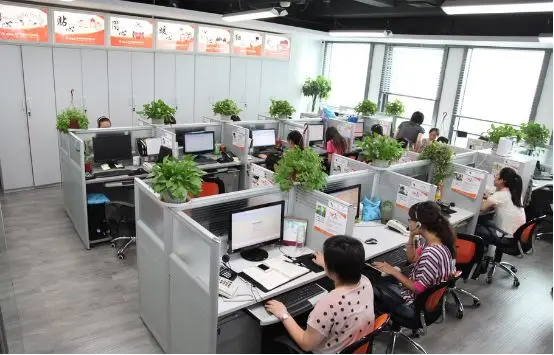
Shenyang Kaixin Technology Co., Ltd.
- Trading Company
- Liaoning, China
- Lead time30 days
- Avg. response≤ 1h
Main productsrice husk home&garden products,rice husks dinnerware Environmental protection material,kid's dinnerware&bathroom sets,OEM dinnerware&chopping board &cutting board,pet's products pet's bowl
Main marketsSoutheast Asia(20.00%), Eastern Europe(20.00%), Northern Europe(10.00%), Western Europe(10.00%), Mid East(10.00%), Africa(10.00%), South America(10.00%), North America(10.00%)
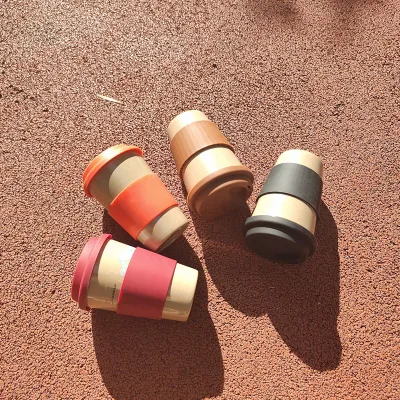
Wholesale Kids Promotional Holiday Custom Korean Style Water Mug With Press Lid
$0.99 - $1.71
MOQ: 1000 pieces
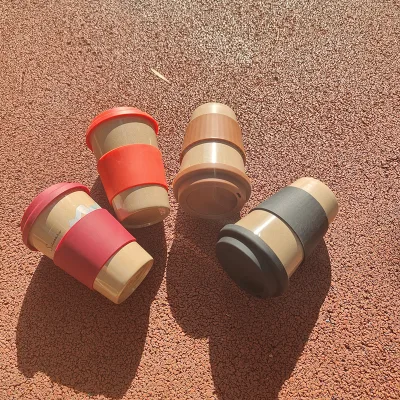
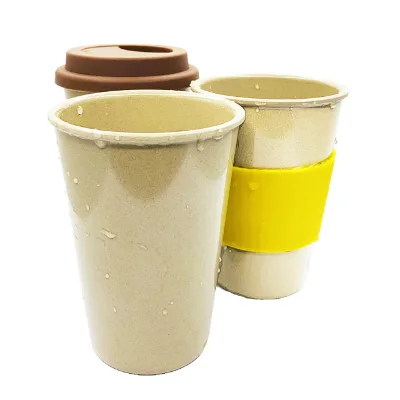
Personalised popular design biodegradable rice husk christmas sublimation tea coffee mug cute
$1.29 - $1.57
MOQ: 100 pieces
- Manufacturer, Trading Company
- Shandong, China
- Lead time30 days
- Avg. response≤ 1h
Main productsMug,Sublimaion mug,Coffee mug,Ceramic mug,Decal mug
Main marketsWestern Europe(30.00%), North America(30.00%), Southern Europe(10.00%), Northern Europe(10.00%), Eastern Europe(10.00%), Oceania(10.00%)
Shenzhen Fuyang Industrial Co., Ltd.
- Manufacturer
- Guangzhou, China
- Lead time30 days
- Avg. response≤ 4h
Main productspromtional gift,amazon shipppingg service
Main marketsNorth America(45.00%), South America(35.00%), Eastern Europe(15.00%), Western Europe(5.00%)






Comprehensive Sourcing Guide
Lotus Melamine Mug Supplier Concentration and Factory Types
When sourcing Lotus Melamine Mug products, buyers will encounter several distinct supplier archetypes rather than a single factory model. Some listings combine manufacturing with trading operations, offering both in-house production and access to partner workshops. Pure manufacturers sit at the opposite end, typically running melamine compression molding lines and controlling their own tooling. Trading companies that list melamine drinkware among broader gift and craft categories may subcontract entirely, which affects pricing transparency and quality control but can widen design options. Understanding which archetype you are dealing with is the first step in shortlisting, because the same lotus motif can come from a molding specialist or from an agent consolidating orders across factories.
Cluster identification should follow the evidence visible in supplier profiles rather than assumption. Check where a supplier states its location, what it lists as main products, and whether melamine tableware appears as a core line or an occasional listing. A profile listing melamine machines and molds alongside finished tableware, for example, signals genuine molding capability. Profiles combining polyresin, ceramic, and PVC crafts with home decoration suggest a diversified maker whose mug output may depend on seasonal capacity. Buyers should map these signals across multiple profiles, note which regions recur, and then verify regional specialization independently before committing to a sampling trip or factory audit.
How to Verify Lotus Melamine Mug Suppliers
Verification begins with the credentials a supplier actually displays, not with claims you hope are true. Some profiles show a system certification such as ISO9001:2015, and a few carry third-party verification badges from inspection bodies. Others display no certification at all, which is not automatically disqualifying but does shift the burden onto your own due diligence. Product listings may state food-contact certifications at the item level, such as FDA or LFGB, and these should be cross-checked by requesting the underlying test reports for the specific mug model you intend to order. Always confirm that any certificate shown is current, matches the registered company name, and covers the material and printing processes involved.
Beyond paperwork, verify operational reality. Response time is often displayed per supplier and varies widely; a supplier answering in single-digit hours behaves very differently from one taking a full day or more, and slow responses during quoting usually worsen after deposit payment. Ask for video calls from the production floor, request references from buyers in your market, and confirm whether the company type shown—manufacturer, trading company, or combined—matches what sales staff describe. For melamine drinkware specifically, ask which molding and decal steps happen in-house. If a supplier cannot explain its own process flow in specific terms, treat that as a verification red flag regardless of displayed credentials.
What to Compare Across Lotus Melamine Mug Suppliers
Build a comparison table using the attributes suppliers actually display, and record gaps honestly rather than assuming them. Comparable dimensions typically include lead time, minimum order quantity, response speed, location, company type, main product lines, and establishment history where shown. Lead times in comparable drinkware listings range from roughly two weeks to over a month, so a supplier promising faster delivery deserves scrutiny about whether the lotus design requires new tooling or decal development. MOQs likewise vary dramatically between listings for similar mug products, and the difference often reflects whether the supplier holds stock tooling or would open a mold for your artwork.
Main products reveal fit better than any single attribute. A supplier whose catalog centers on melamine cups, mugs, and tableware will handle lotus motifs through established decal and in-mold processes, while a ceramics or crafts specialist may outsource the melamine portion. Compare product-level details where shown: stated capacities, dimensions, packing formats, and whether customization and logo printing are explicitly offered. Response time is a practical proxy for account management quality—suppliers responding within hours versus nearly a full day will handle revisions differently. Weight these displayed attributes against your order volume, and remember that missing fields are data points too; a profile that omits lead time or MOQ forces you to extract those basics before real comparison can begin.
Common Lotus Melamine Mug Sourcing Risks
The most frequent risk in melamine drinkware sourcing is material substitution or unverified food-contact safety. Melamine products vary in grade, and a lotus mug intended for hot beverages must meet relevant migration standards. When a listing shows a certification such as FDA or LFGB, buyers sometimes assume it extends to their customized version with a new decal, but inks and coatings change the compliance picture. Request test reports tied to your exact decoration method, and budget for independent third-party testing before shipment. Without this, you may discover issues only after goods reach your market, when recall or destruction costs fall entirely on you.
Decorative and tooling risks follow closely. A detailed lotus motif usually requires decal paper or in-mold printing, and color matching across production runs is a common failure point—approve a sealed golden sample and specify tolerance for color deviation. Mold ownership is another quiet risk: if a supplier opens tooling for your design but retains it, your exclusivity depends entirely on contract terms. Capacity conflicts also arise with diversified suppliers who produce crafts, home décor, and pet products alongside drinkware; your mug order may be deprioritized during peak seasons. Finally, verify packing specifications early, since mug products are breakage-prone even in melamine when handled roughly, and inadequate inner-box packing leads to disputed damage claims.
Lotus Melamine Mug Regional Sourcing and Logistics
Regional context shapes both pricing and logistics for melamine drinkware. Supplier results in this category point to sourcing across several Chinese provinces, with profiles showing locations such as Fujian, Guangdong, and Anhui. These regions host different supplier profiles: an Anhui-based manufacturer listing melamine machines and molds alongside tableware indicates deep vertical integration, while a Fujian profile combining polyresin, ceramic, and PVC crafts suggests a decoration-heavy producer. Guangdong profiles in this category combine melamine tableware with household and kitchenware lines. Rather than defaulting to one province, match region to need—molding depth versus decorative breadth—and factor inland versus coastal transport into your landed-cost model.
Logistics planning should account for the wide lead-time spread visible among comparable suppliers, from around two weeks to fifty days. Longer lead times often reflect mold development, decal production, or queuing behind other product lines, so confirm what drives the timeline before booking freight. Mug products ship efficiently in master cartons with inner boxes, and many listings specify this packing format, which simplifies container calculations. For first orders, consider consolidating samples from several regions before committing to a full container, since melamine mug shipments are dense and heavy; freight cost per unit shifts materially with volume. Clarify incoterms, export documentation responsibility, and whether the supplier handles customs clearance at origin, as these vary more between trading companies and manufacturers than buyers expect.
Lotus Melamine Mug Commercial Terms and Order Planning
Commercial terms in this category vary enough to reward careful negotiation. Displayed price ranges for comparable melamine cups span a wide band, and the lotus decoration typically sits above a plain mug's floor price due to decal and printing steps. Negotiate price against the specific configuration: capacity, handle style, decoration method, and packing. MOQs in this category range from a couple hundred pieces on some listings to several thousand on others, so a supplier's displayed minimum may or may not fit your launch volume. Ask whether MOQ flexibility exists for a first trial order at a higher unit price, which is a common and reasonable structure for decorated drinkware.
Payment and order protection deserve explicit attention. Some supplier profiles display escrow-style protection arrangements, which reduce counterparty risk on first orders, while others rely on standard wire transfers with terms negotiated directly. Structure payments to keep leverage until goods pass inspection—typically a deposit with balance against inspection results. Confirm lead time in writing with a defined start point, whether deposit receipt, sample approval, or artwork confirmation, since suppliers measure this differently and displayed lead times may assume an existing mold. Finally, plan reorders: if the lotus design performs, lock in tooling ownership, price validity periods, and sample retention so repeat orders reproduce the approved golden sample without renegotiation from zero.
FAQs
What is a Lotus Melamine Mug and who buys it?
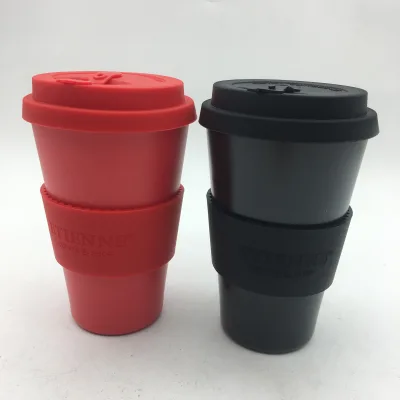
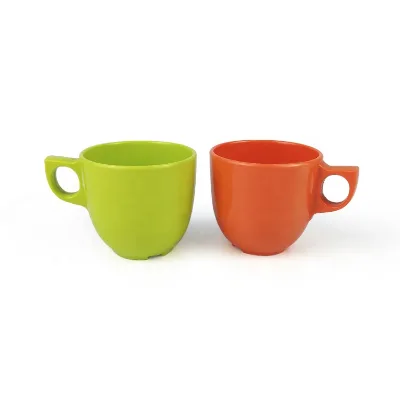
A Lotus Melamine Mug is a lightweight, break-resistant drinkware cup shaped or decorated with lotus motifs, molded from melamine. Buyers include restaurants, hotels, retailers, and promotional gift distributors. It suits outdoor dining and children's use because it resists breakage. Listings in the current results include both decorative and simple unicolor melamine mug styles suitable for customization with a logo.
What price range can I expect for melamine mugs?
Prices in the current supplier results range from about $0.51 to $5.13 per piece, depending on design, capacity, and certification requirements. Basic unicolor cups with FDA listing sit near the lower end, while decorated cartoon kids' mugs sit near the top. Request quotes for your exact lotus design, order quantity, and packaging before comparing final landed costs.
What minimum order quantities do melamine mug suppliers require?
Minimum order quantities in the current results vary by product: one melamine cup listing shows an MOQ of 200 pieces, a kids' melamine mug shows 500 pieces, and an eco-friendly melamine cup listing shows 3000 pieces. MOQ depends on tooling, decoration, and material cost. Confirm the MOQ for your specific lotus design and whether sample orders are possible before committing.
How long is the typical lead time for melamine mugs?
Lead times reported by suppliers in the current results range from 15 to 50 days. Shorter lead times generally apply to existing molds and standard designs, while custom lotus shapes, colors, or logo printing add production time. Confirm lead time in writing for your order quantity, and factor in extra days for sample approval before mass production begins.
Which certifications should melamine mugs have for food contact?
For food-contact drinkware, look for FDA compliance for the United States market or LFGB compliance for Europe, both of which appear on melamine mug listings in the current results. Some suppliers also hold an ISO9001:2015 quality management certificate. Always request recent test reports from an accredited laboratory for your specific product and confirm the material grade before placing volume orders.
Can melamine mug suppliers provide customization and logo printing?
Yes, customization appears on multiple melamine mug listings in the current results, with logo printing marked acceptable and ODM and OEM services offered by at least one supplier. Options typically include custom colors, decals, shapes, and packaging. Provide artwork files early, ask for a pre-production sample, and confirm whether custom molds affect the MOQ, unit price, and lead time.
Where are the melamine mug suppliers in these results located?
Suppliers in the current results are located in Fujian, Guangdong, and Anhui provinces in China. Fujian listings emphasize polyresin, ceramic, and craft products including mugs, while Guangdong and Anhui suppliers focus on melamine tableware and drinkware. Location affects shipping ports and freight cost, so compare suppliers across regions and confirm the nearest export port with each factory.
How quickly do these suppliers respond to inquiries?
Average response times in the current results range from about 7 to 24 hours. Faster response helps when you need quick quotes, sample coordination, or production updates. Response speed does not guarantee production quality, so evaluate replies for detail and accuracy as well. Send a clear RFQ with quantities, target price, and certification needs to get usable answers quickly.