Water Resistant Lightweight Hydration Backpack Suppliers and Manufacturers
Explore 31 verified options for water resistant lightweight hydration backpacks from factories in China Fujian. Compare response times, lead times, certifications like BSCI and ISO 9001, and pricing ranges to find the right partner. Contact suppliers directly to request samples and confirm production details.
Updated
Suppliers List

QUANZHOU DANKIN IMP AND EXP CO., LTD.
- Manufacturer/Factory
- China Fujian
- Lead time45 days
- Avg. response≤ 3h
Main productsBackpack, Cooler Bag, Tool Bag, Laptop Bag, Gun Bag, Travel Bag, Hiking Bag, Tennis Bag, Running Bag, Diaper Bag
Main marketsSouth America,Eastern Europe,Mid East,North America,Southeast Asia,Eastern Asia,Oceania,Western Europe,Africa


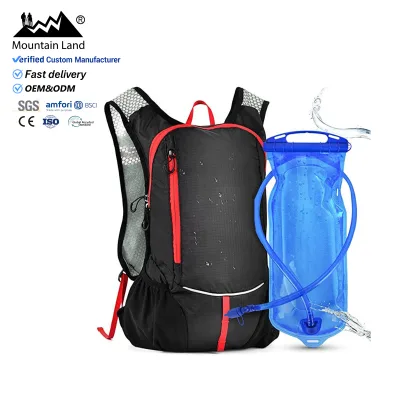
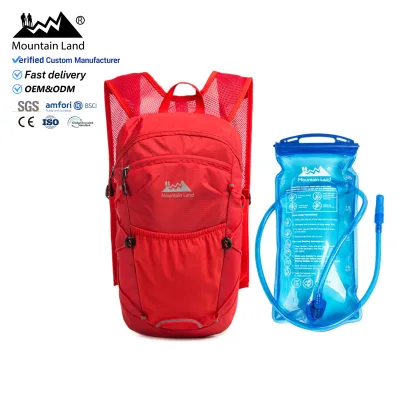
Lightweight Hydration Pack with 2L Water Bladder - Water Backpack for Hiking
$13.20 - $15.60
MOQ: 500 Pieces


Hydration Backpack Tactical Hydration Water Backpack Style Daypack Water Bag
$14.00 - $15.99
MOQ: 500 Pieces

Xiamen Lemay Trading Co., Ltd.
- Trading Company,Manufacturer/Factory,Other
- China Fujian
- Lead time23 days
- Avg. response≤ 2h
Main productsHyration Pack, Water Bladder, Dry Bag, Self-Inflatable Mattress, Outdoor Furniture, Camping Equipment, Quick Tent, Insulation Bag, Gym Protection, Sports
Main marketsSouth America,Eastern Europe,Mid East,North America,Southeast Asia,Eastern Asia,Oceania,Western Europe,Africa
- Verified by TüVRheinland
- Trading Company
- Lead time35 days
- Avg. response≤ 5h
Main productsBackpack, Roller Bag, Tennis Bag, Travel Sport Bag, Tool Bag
Main marketsNorth America(30%), South America(30%), Western Europe(20%)

Xiamen Ederbou Industry&Trade Co., Ltd.
- Verified by CTI
- Combined
- China Fujian
- Lead time30 days
- Avg. response≤ 5h
Main productsCooler Insulated Bags, Backpacks, Delivery Bags, Travel Bags, Sports Bags, Picnic Bags
Main marketsSouth America,Southeast Asia/ Mideast,East Asia(Japan/ South Korea),Europe,Australia,North America


Lightweight Hydration Pack Backpack Water Reservoir Waterproof for Running Hiking Cycling.
$7.50 - $9.00
MOQ: 300 Pieces

Hydration Pack Backpack Lightweight Waterproof for Hiking Cycling Running Climbing Outdoorer Bag
$7.50 - $9.00
MOQ: 300 Pieces


LITAI(QUANZHOU)BAGS CORP., LIMITED
- Trading Company,Manufacturer/Factory
- China Fujian
- Lead time45 days
- Avg. response≤ 8h
Main productsMilitary Bags, Military Backpack, Military Vest, Army Backpack, Tactical Backpack, Tactical Holster, Tactical Sling, Army Bags, Medical Bag
Main marketsSouth America,Eastern Europe,Mid East,North America,Eastern Asia,Western Europe,Africa

Quan Zhou Xinqi Light Industry Co., Ltd.
- Verified by SGS
- Combined
- China Fujian
- Lead time45 days
- Avg. response≤ 4h
Main productsSports Glove, Glove, Cap, Sports Bag, Backpack, Fitness Products, Working Glove, Tool Bag, Running Glove and Bag, Cycling Bag and Glove
Main marketsSouth America,Europe,North America

Quanzhou Qiming Import and Export Trading Co., Ltd
- Verified by SGS
- Combined
- China Fujian
- Lead time45 days
- Avg. response≤ 4h
Main marketsAustralia,North America
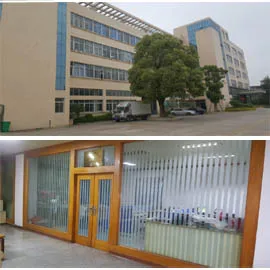
Quanzhou Frontline Outdoor Products Co., Ltd.
- Trading Company
- Fujian, China
- Lead time45 days
- Avg. response≤ 4h
Main productsBackpacks,Duffle bags,gym bags,fanny packs,Tote bags
Main marketsNorth America(50.00%), Northern Europe(15.00%), Domestic Market(10.00%), South America(10.00%), Southeast Asia(5.00%), Eastern Europe(5.00%), Western Europe(5.00%)

Shanghai Sky Industrial Products Co., Ltd
- Verified by SGS
- Trading Company
- China Shanghai
- Lead time30 days
- Avg. response≤ 18h
Main productsMilitary Uniform, Military Boot, Military Backpack, Belt, Buckle, T-Shirt, Badge
Main marketsDomestic
Xiamen Furvorite Pet Supplies Co., Ltd.
- Manufacturer, Trading Company, Distributor/Wholesaler
- Fujian, China
- Lead time35 days
- Avg. response≤ 2h
Main productsDog Brace,Dog Harness,Pet Clothes,Pet Accessories,Pet Toys
Main marketsNorth America(50.00%), Southern Europe(5.00%), Northern Europe(5.00%), Central America(5.00%), Western Europe(5.00%), Mid East(5.00%), Oceania(5.00%), Africa(5.00%), Southeast Asia(5.00%), Eastern Europe(5.00%), South America(5.00%)
- Verified by SGS Group
- Manufacturer, Trading Company
- Lead time30 days
- Avg. response≤ 2h
Main productsDry Backpack, Cooler Bag, Hiking Backpack, Tactical Bag, Waterproof Duffel Bag
Main marketsWestern Europe(45%), North America(25%), Northern Europe(15%)
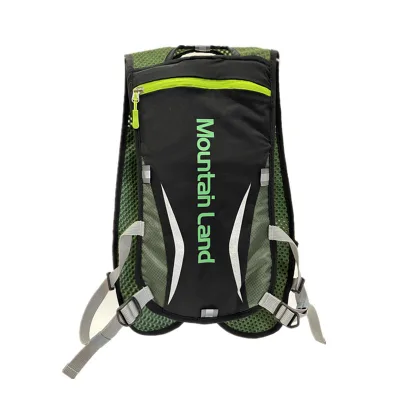
Lightweight Hydration Backpack Running Bike Bicycle Water Bladder Vest Outdoors Bag
$4.0968 - $5.0217
MOQ: 300 pieces
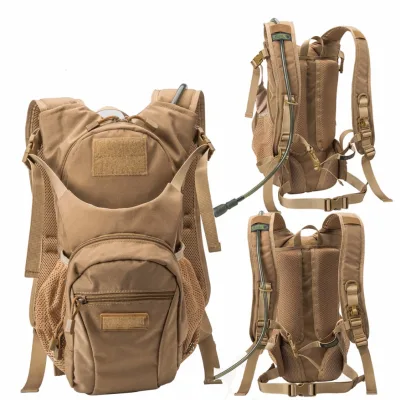
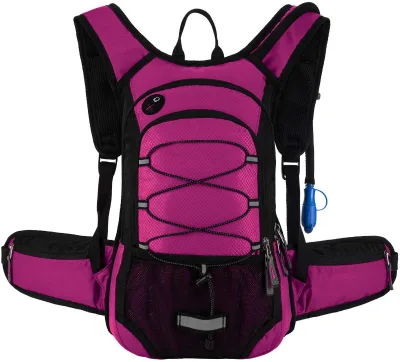
$4.443 - $4.9602
MOQ: 300 pieces
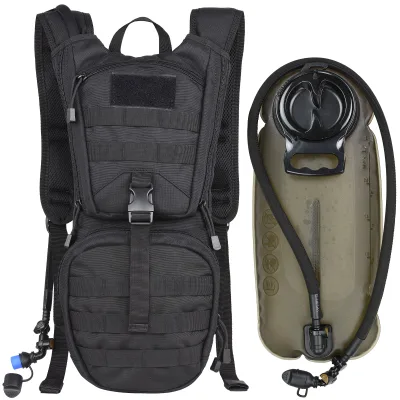
$9.036 - $10.0628
MOQ: 300 pieces

Jingjiang Dengtu Outdoor Equipment Co., Ltd
- Verified by SGS
- Trading Company
- China Jiangsu
- Lead time15 days
- Avg. response≤ 4h
Main productsSelf Defense Equipment, Outdoor Products, Tactical Equipment, Metal Tool, Flashlight, Detector, Sport Equipment, Keychain Kit Crafts, Security Equipment, Traffic Equipment
Main marketsEurope,North America

Outdoor Lightweight Cycling Waterproof Sport Pack Hydration Pack Running Backpack
$2.50 - $6.00
MOQ: 100 Pieces

Tactical Water Hydration Pack Backpack for Outdoor Travel Hiking Cycling
$2.50 - $6.00
MOQ: 100 Pieces
Cangnan Perserve Industry And Trade Co., Ltd.
- Verified by Intertek
- Manufacturer, Trading Company
- Lead time10 days
- Avg. response≤ 3h
Main productsPlastic Bag, Jute Bag, Tote Bags, Cotton Bag, Drawstring Bag
Main marketsNorth America(40%), Western Europe(15%), South America(7%)
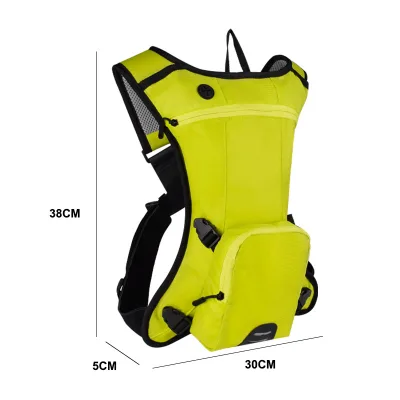
Wholesale Lightweight Water Camping Hydration Back Pack SportWith Water Bladder
$3.4912 - $5.0321
MOQ: 50 pieces
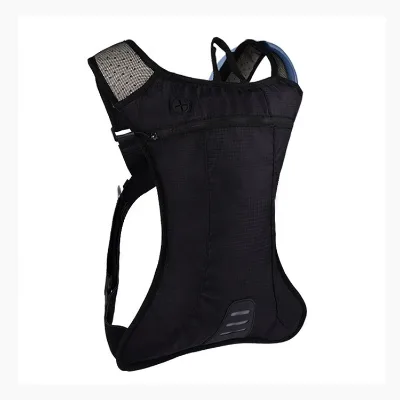

Changrun Bag & Case Manufacture Co., Ltd.
- Verified by TUVRHEINLAND
- Combined
- China Guangdong
- Lead time23 days
- Avg. response≤ 4h
Main productsBackpack, Travel Bag, Laptop Bag, Trolley Bag, Cosmetic Bags, Handbag, Duffel Bag, Bag, China Backpack, China Travel Bag
Main marketsDomestic

Compact Hydration Pack for Hiking and Outdoor Foldable Lightweight Sports Backpack
$2.19 - $2.99
MOQ: 1000 Pieces


Versatile Waterproof Backpack for Professionals and Outdoor Enthusiasts
$4.99 - $11.89
MOQ: 1000 Pieces


FUZHOU SHOO-IN IMP & EXP CO., LTD.
- Verified by SGS
- Trading Company
- China Fujian
- Lead time15 days
- Avg. response≤ 3h
Main productsPadel Ball, Tennis Ball, Hat, Pet Leash, Pickleball, Yoga Mat, Sports Towel
Main marketsEast Asia(Japan/ South Korea),North America

Fashionable Sports Lightweight Breathable Unisex Running Hydration Backpack
$9.25 - $99.90
MOQ: 300 Pieces

Custom-Made High-Quality Lightweight Design Reflective Breathable Hydration Backpack
$9.85 - $99.90
MOQ: 300 Pieces

Custom Fashion Hiking Unisex Hydration Pack Backpack for Running and Water Sports
$9.25 - $99.90
MOQ: 300 Pieces

Xiamen Minghui Import and Export Co., Ltd.
- Verified by BV
- Manufacturer/Factory
- China Fujian
- Lead time30 days
- Avg. response≤ 12h
Main productsBag, Sport Bag, Duffel Bag, Travel Bag, School Bag, Backpack, Rucksack, Laptop Bag, Cosemtic Bag, Document Bag
Main marketsSouth America,Eastern Europe,Mid East,North America,Southeast Asia,Eastern Asia,Oceania,Western Europe,Africa

Water Resistant Hiking Backpack Travel Backpacks Lightweight Day Pack for Travel Camping
$6.66 - $7.99
MOQ: 500 Pieces


Quanzhou Song Hu Bags Co., Ltd.
- Verified by BV
- Combined
- China Fujian
- Lead time30 days
- Avg. response≤ 2h
Main productsTravel Bag, Backpacks, School Bag, Cooler Bag, Bike Bags, Laptop Documents Briefcase, Documents Bag, Sports Bag, Hydration Bag, Mountain Backpacks
Main marketsDomestic
- Verified by SGS Group
- Manufacturer, Trading Company
- Lead time29 days
- Avg. response≤ 2h
Main productsRunning vest, Cooler Bag, Hiking Backpack, Tactical Bag, Gym bag
Main marketsWestern Europe(45%), North America(25%), Northern Europe(15%)

WeIVan (Hangzhou) International Import and Export Trading Co., Ltd.
- Verified by SGS
- Trading Company
- China Zhejiang
- Lead time23 days
- Avg. response≤ 3h
Main productsBag, Suitcase, Outdoor Bag, Backpack Bag, Acrylic Products
Main marketsEurope
Quanzhou Lingke Bags Co., Ltd.
- Verified by SGS Group
- Trading Company
- Lead time45 days
- Avg. response≤ 4h
Main productsBackpack, School Bag, Trolley Bag, Laptop Bag, Travel Bag
Main marketsSouthern Europe(70%), North America(30%)
Xiamen Beichenxi Supply Chain Management Co., Ltd.
- Manufacturer, Trading Company, Distributor/Wholesaler
- Fujian, China
- Lead time20 days
- Avg. response≤ 3h
Main productsHiking Backpacks,Waterproof Bags,Cooler Bags & Lunch Bags,Sports & Duffel Bags,Outdoor Gear Bags
Main marketsNorthern Europe(20.00%), Western Europe(20.00%), North America(20.00%), Southern Europe(10.00%), Mid East(10.00%), Central America(10.00%), Eastern Europe(10.00%)

Quanzhou Jiahui Trading Co., Ltd.
- Trading Company
- Fujian, China
- Lead time0 days
- Avg. response≤ 2h
Main productsschool bag,laptop backpack,travel bag,shoulder bag,hiking bag
Main marketsCentral America(30.00%), South America(30.00%), Eastern Europe(20.00%), Northern Europe(20.00%), Western Europe(10.00%)
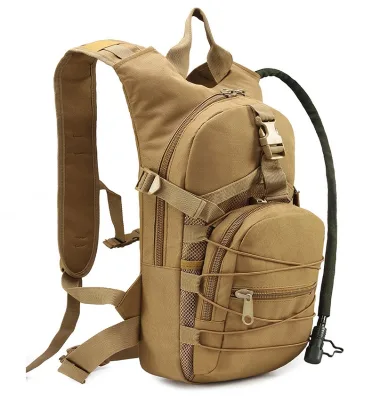
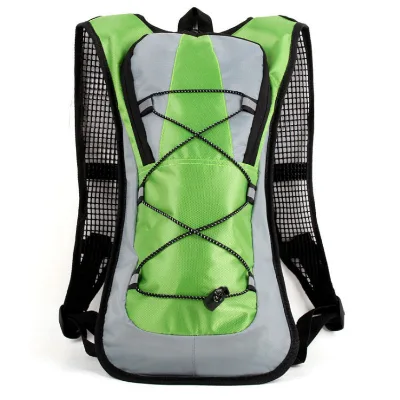
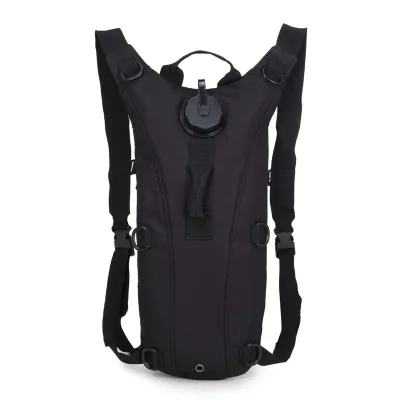
Custom Hydration Backpack Custom Hydration Backpack Custom logo Hydration Backpack
$4.90 - $7.80
MOQ: 500
- Verified by TüVRheinland
- Trading Company
- Lead time25 days
- Avg. response≤ 4h
Main productsCanvas Bag, Backpack, Luggage Case, Handbag, Cooler Bag
Main marketsAfrica(33%), Domestic Market(21%), Southeast Asia(13%)
Xishui Jingcheng Sporting Goods Co., Ltd.
- Trading Company
- Guizhou Province, China
- Lead time25 days
- Avg. response≤ 1h
Main productssports bag,Tennis and Badminton Bag,Outdoor bags,travel bag,Fitness Series
Main marketsNorth America(15.00%), Northern Europe(10.00%), Central America(10.00%), Mid East(10.00%), Eastern Europe(10.00%), South America(10.00%), South Asia(5.00%), Southern Europe(5.00%), Oceania(5.00%), Africa(5.00%), Western Europe(5.00%), Eastern Asia(5.00%), Southeast Asia(5.00%)
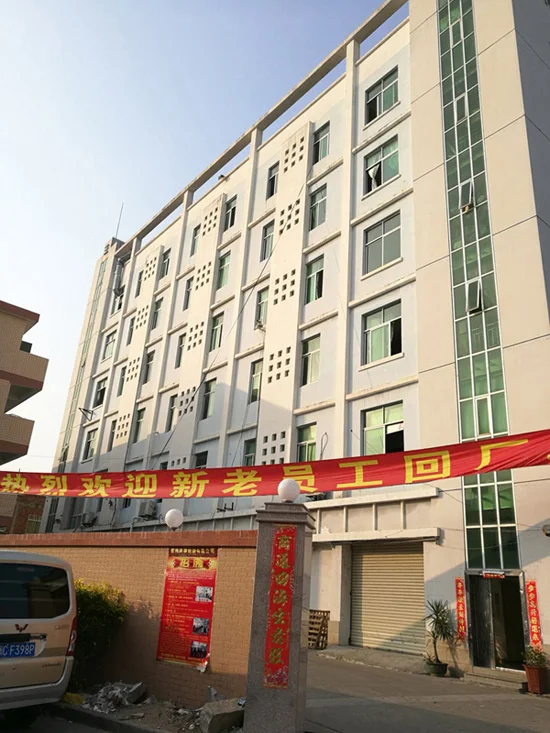
Quanzhou Leadking Bags Co., Ltd.
- Trading Company
- Fujian, China
- Lead time45 days
- Avg. response≤ 5h
Main productsDiaper bags,Laptop bags,Backpack,metal detecting bag,Duffle bags
Main marketsNorth America(35.00%), Eastern Europe(9.00%), Western Europe(7.00%), Southern Europe(5.00%), Domestic Market(5.00%), Central America(5.00%), South America(5.00%), Eastern Asia(5.00%), South Asia(5.00%), Oceania(5.00%), Africa(5.00%), Southeast Asia(5.00%), Northern Europe(2.00%), Mid East(2.00%)
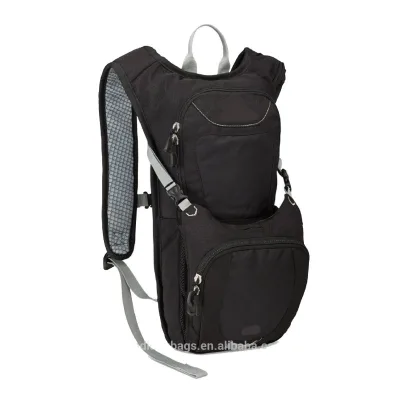
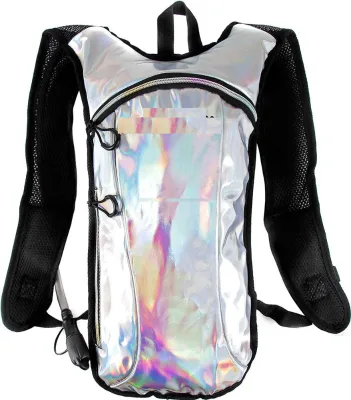
Hydration Pack Backpack 2L Water Bladder Included for Hiking Biking Climbing Running
$4.00 - $8.00
MOQ: 500
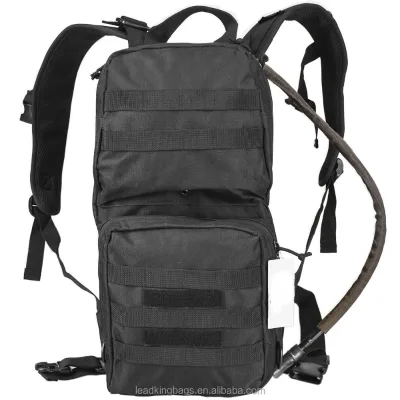
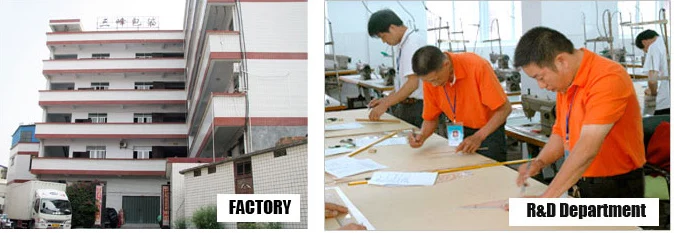
- Manufacturer, Trading Company
- Fujian, China
- Lead time35 days
- Avg. response≤ 5h
Main productsBackpack,Sports Bag,Bike Bag,Outdoor Bag,Bike Bag
Main marketsWestern Europe(50.00%), North America(25.00%), Eastern Europe(5.00%), Southern Europe(4.00%), South America(4.00%), Northern Europe(3.00%), Mid East(2.00%), Central America(2.00%), Oceania(2.00%), Southeast Asia(2.00%), Eastern Asia(1.00%)
- Manufacturer, Trading Company
- Lead time旺季: "1 - 500":35,"> 500":"To be negotiated", 淡季: "1 - 500":35,"> 500":"To be negotiated"
- Avg. response≤ 2h
Main productsCosmetic Bag,School Bag,RFID Wallet,Cooler Bag,Diaper Bag

Quanzhou Xiangshun Bags Co., Ltd
- Verified by CTI
- Trading Company,Manufacturer/Factory
- China Fujian
- Lead time60 days
- Avg. response≤ 7h
Main productsDisc Golf Bag, Bicycle Bag, Garment Bag, Sport Bag, Gym Bag, Team Bag, Waterproof Bag, Grill Cover
Main marketsMid East,North America


Custom Hydration Pack Backpack with 2L Water Bladder for Running, Hiking, Cycling, Climbing, Camping
$8.50 - $12.50
MOQ: 500 Pieces

Fuzhou ADF International CO., LTD.
- Verified by BV
- Trading Company,Manufacturer/Factory
- China Fujian
- Lead time45 days
- Avg. response≤ 5h
Main productsBags, Suitcase, Backpack, Travel Bags, School Bags, Storage Ottoman, Luggage, Cooler Bag, Household Products
Main marketsSouth America,Eastern Europe,Mid East,North America,Southeast Asia,Eastern Asia,Oceania,Western Europe,Africa

Wholesale Ultra-Light Waterproof Cycling Backpack Unisex Nylon Hydration Backpack
$8.00 - $12.00
MOQ: 1000 Pieces


Guangzhou Gerannur Leather Co., Ltd.
- Verified by SGS Group
- Manufacturer, Trading Company
- Lead time25 days
- Avg. response≤ 2h
Main productsSports & Outdoor Bags, Mother & Baby Bags, Pet Bags, Luggage Bags, Tool Bags
Main marketsNorth America(50%), Domestic Market(12%), South America(10%)
- Verified by SGS Group
- Trading Company
- Lead time45 days
- Avg. response≤ 2h
Main productsGym Bags, Running Vest, Bicycle Bags, Racket Bags, Cooler Bags
Main marketsWestern Europe(40%), North America(30%), Mid East(10%)


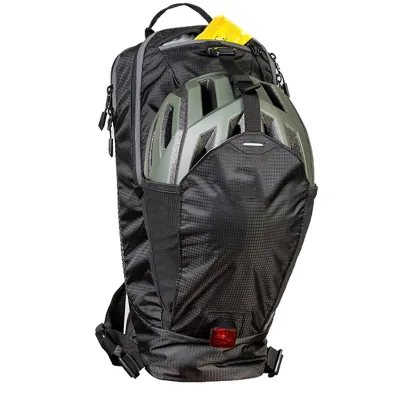
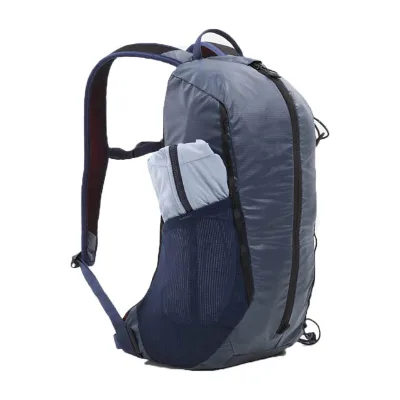
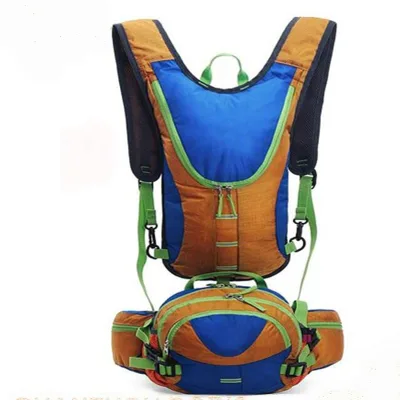


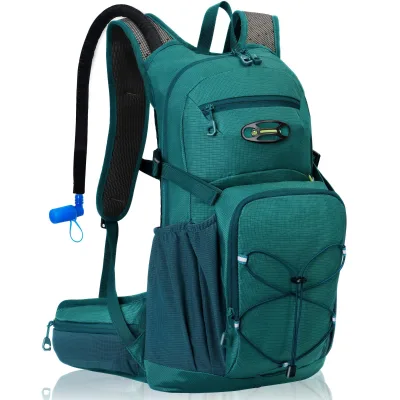
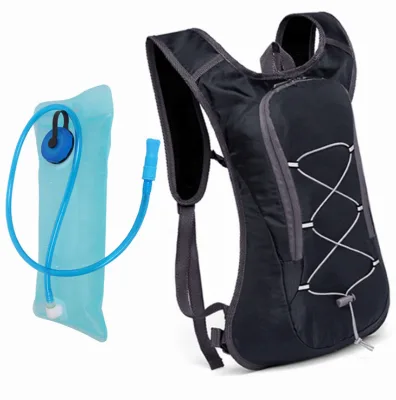
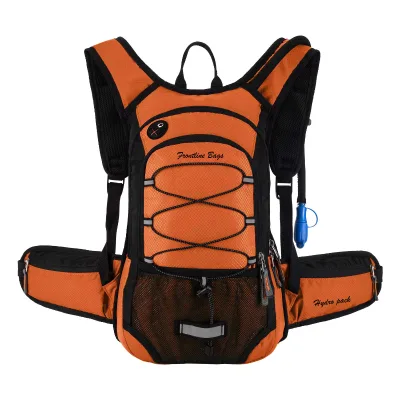


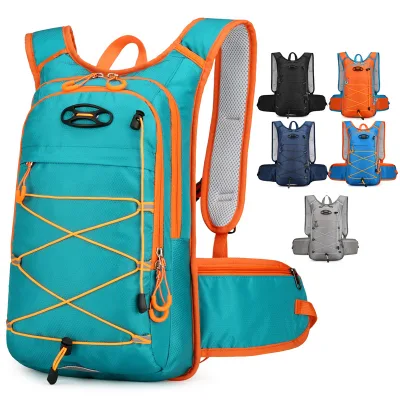
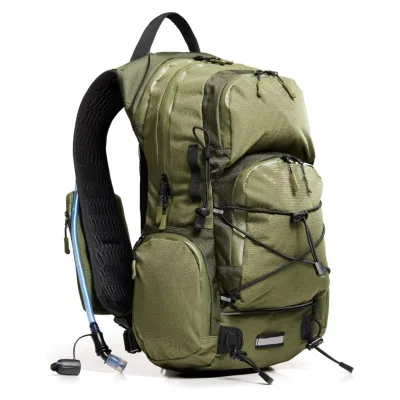
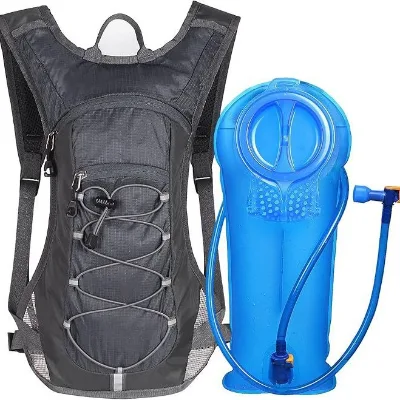


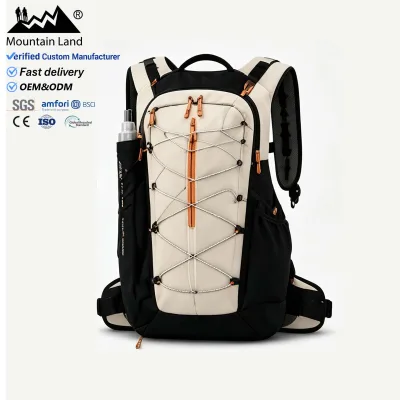
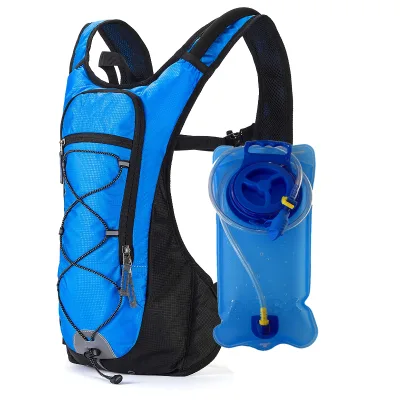


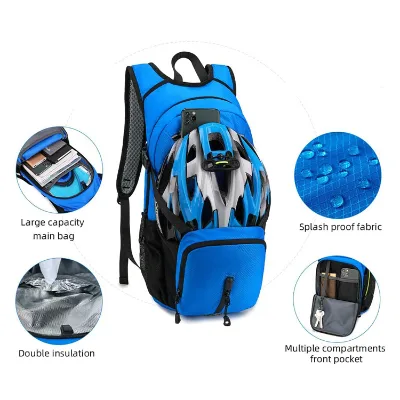
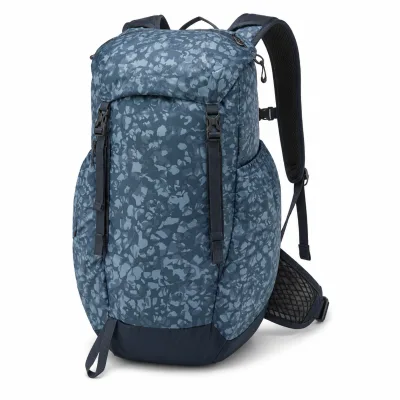
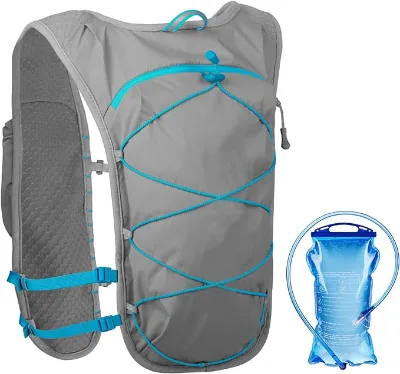
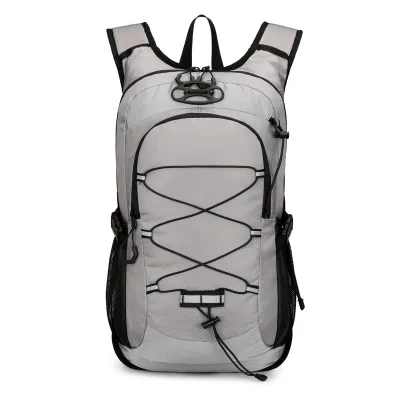
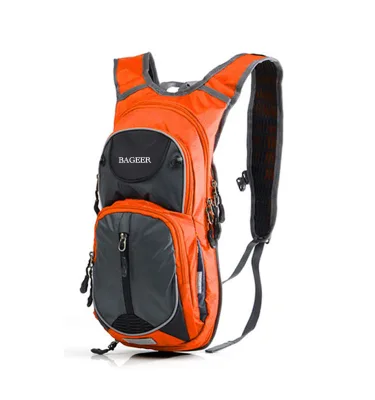
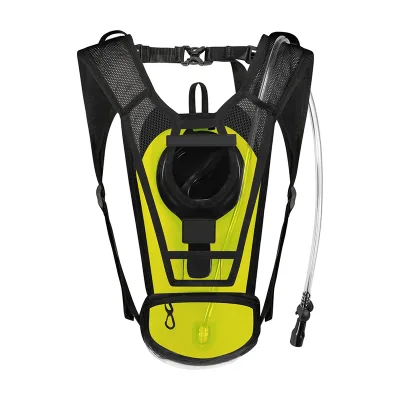
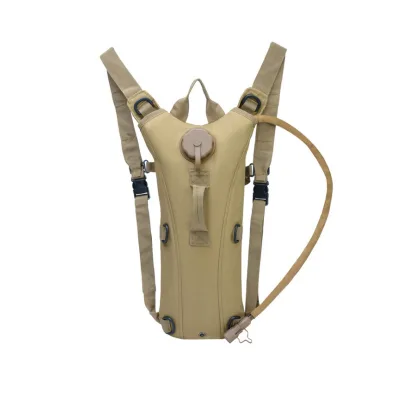
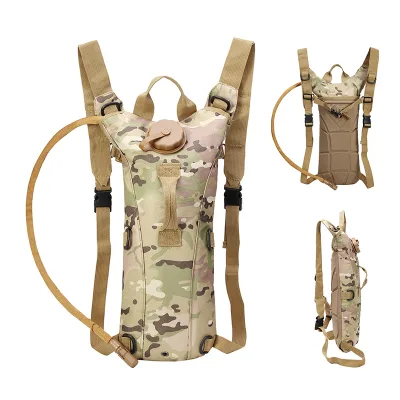
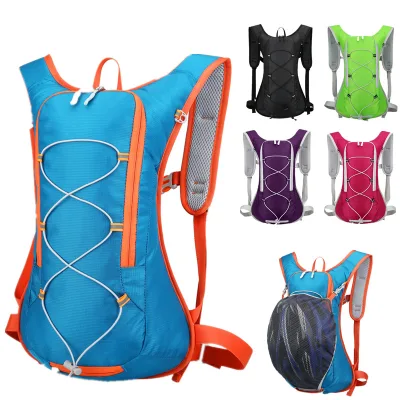
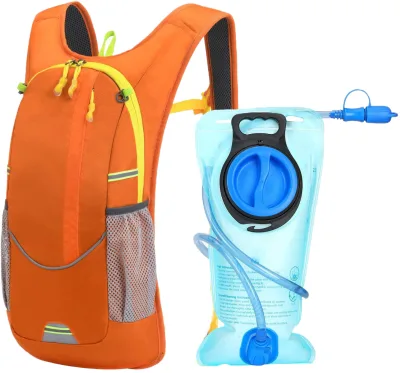
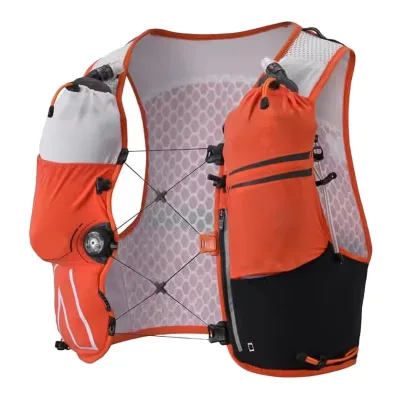
Comprehensive Sourcing Guide
Water Resistant Lightweight Hydration Backpack Supplier Concentration and Factory Types
The current supplier landscape for water resistant lightweight hydration backpacks reveals a distinct concentration of manufacturing capabilities within specific geographic regions, with China Fujian emerging as a notable hub for production. This location is associated with a diverse array of main products that extend beyond hydration packs to include cooler bags, tool bags, laptop bags, gun bags, travel bags, hiking bags, tennis bags, running bags, and diaper bags. This breadth of product offerings suggests that many suppliers in this cluster possess versatile manufacturing infrastructure capable of handling various bag types, which may indicate a mature supply chain ecosystem for textile and soft goods. The presence of such a wide product range implies that factories in this region are not limited to single-item production lines but rather operate with flexible capabilities to serve multiple market segments simultaneously. Buyers evaluating suppliers from this location should consider how this versatility might impact quality control consistency and the ability to scale production for specific hydration backpack orders.
Supplier types in this market are varied, encompassing manufacturer/factory entities, trading companies, and other business structures. The data indicates that some suppliers operate strictly as manufacturers or factories, while others combine trading company functions with manufacturing capabilities or list themselves under broader categories. This distinction is critical for buyers because it directly influences pricing structures, communication efficiency, and control over the production process. Manufacturer/factory suppliers typically offer more direct access to production lines and potentially lower base costs, whereas trading companies may provide broader sourcing options and consolidated logistics services. The presence of suppliers listing multiple company types suggests a complex market where some entities may act as intermediaries while others are direct producers. Buyers must carefully distinguish between these types to understand who they are contracting with, as this affects accountability for defects, lead time reliability, and the ability to implement custom design changes. Understanding the actual operational nature of the supplier is essential for establishing clear expectations regarding production oversight and quality assurance protocols.
How to Verify Water Resistant Lightweight Hydration Backpack Suppliers
Verifying the legitimacy and capability of suppliers requires a systematic approach to checking certifications and system standards. The available data highlights specific certifications such as BSCI, ISO 9000, ISO 9001, SEDEX, BRC, and GMP. These certifications serve as indicators of a supplier’s commitment to quality management, social responsibility, and food safety standards, which are particularly relevant for products involving water bladders. Buyers should request valid certificates and verify their authenticity through the issuing bodies, as these documents provide objective evidence of compliance with international standards. The presence of ISO 9001, for instance, suggests a structured quality management system, while BSCI and SEDEX indicate adherence to ethical labor practices. It is crucial to ensure that the certifications are current and cover the specific manufacturing facilities that will produce the hydration backpacks. Buyers should not rely solely on the presence of these badges but should cross-reference them with audit reports or third-party verification services to confirm that the supplier’s operations align with the claimed standards. This verification process helps mitigate risks associated with non-compliance and ensures that the supplier maintains consistent quality and ethical practices throughout the production cycle.
Response time and lead time metrics offer additional insights into a supplier’s operational efficiency and reliability. The data shows response times ranging from approximately 1.03 to 2.56, which may indicate the speed of initial communication or inquiry handling. Faster response times can be a positive indicator of a supplier’s attentiveness and organizational structure, suggesting that they have dedicated teams to manage buyer inquiries promptly. However, buyers should also consider the context of these metrics, as response speed alone does not guarantee production quality or delivery reliability. Lead times are another critical factor, with some suppliers indicating a general lead time of 23 days, while specific product attributes mention production times of 45-60 days after receiving a deposit. Sample lead times are consistently noted as being about 7-10 days. Buyers should use these metrics to set realistic expectations for their procurement timeline and to evaluate whether the supplier’s capacity aligns with their project deadlines. It is important to clarify whether the stated lead times include sample production, bulk manufacturing, and shipping, as misunderstandings in this area can lead to significant delays. Verifying these timelines through direct communication and historical performance data can help buyers assess the supplier’s ability to meet their specific scheduling requirements.
What to Compare Across Water Resistant Lightweight Hydration Backpack Suppliers
When comparing suppliers, buyers should focus on key dimensions such as price ranges, minimum order quantities (MOQ), and customization capabilities. The price data reveals a wide spectrum, with some products ranging from $5.99 to $7.99, while others are priced between $10.30 and $15.99. This variation suggests that factors such as material quality, design complexity, and included accessories significantly impact cost. Buyers should analyze these price points in the context of the product specifications, such as material type (Nylon or Polyester), waterproof features, and included water bladder capacity. Additionally, MOQs are consistently listed as 500 pieces, which is a common threshold for manufacturing runs. Buyers with smaller volume requirements may need to negotiate MOQs or seek suppliers with lower thresholds, while larger buyers can leverage volume for better pricing. Customization options are widely available, with many suppliers offering logo printing, color variations, and design modifications. Buyers should compare the extent of customization offered, including the availability of OEM and ODM services, to determine which supplier best aligns with their brand identity and product requirements. Understanding the cost implications of different customization levels is essential for budgeting and ensuring that the final product meets all desired specifications.
Material composition and product attributes are another critical area for comparison. The data indicates that materials primarily consist of Nylon and Polyester, with some products specifying soft bag types and waterproof features. Buyers should evaluate the durability, weight, and water resistance of these materials to ensure they meet the performance standards required for their target market. Product attributes such as capacity, color options, and intended usage (e.g., cycling, hiking, running) also vary across suppliers. For instance, some hydration backpacks are designed for unisex use with medium capacity, while others may have specific sport-type orientations. Buyers should compare these attributes to identify suppliers whose product lines align with their customer base’s preferences. Additionally, packing methods, such as one bag per polybag, and standard dimensions should be considered for logistics planning. By systematically comparing these product-specific details, buyers can identify suppliers that offer the best balance of quality, functionality, and cost-effectiveness for their specific sourcing needs. This detailed comparison helps in selecting suppliers who can deliver products that meet both functional requirements and aesthetic expectations.
Common Water Resistant Lightweight Hydration Backpack Sourcing Risks
One significant risk in sourcing hydration backpacks is the potential discrepancy between sample quality and bulk production output. While samples may exhibit high-quality materials and precise craftsmanship, bulk orders can sometimes suffer from inconsistencies in stitching, material thickness, or waterproofing integrity. This risk is exacerbated when suppliers have limited quality control processes or when production is rushed to meet tight deadlines. Buyers should mitigate this risk by implementing rigorous quality assurance protocols, including pre-shipment inspections and third-party testing for waterproofing and material durability. It is also advisable to request detailed production specifications and material certificates to ensure that the bulk order matches the approved sample. Clear communication regarding quality standards and acceptance criteria is essential to minimize the likelihood of receiving substandard products. Additionally, buyers should consider including quality clauses in their contracts that allow for penalties or replacements in case of non-compliance. By proactively addressing these quality risks, buyers can protect their brand reputation and ensure customer satisfaction with the final products.
Another risk involves the reliability of lead times and the potential for production delays. Suppliers may quote attractive lead times, but unforeseen issues such as material shortages, labor disruptions, or logistical bottlenecks can cause significant delays. The data shows varying lead times, with some suppliers indicating 23 days and others 45-60 days for production. Buyers should verify these timelines by checking the supplier’s historical performance and current capacity. It is also important to understand the factors that influence lead times, such as the complexity of customization and the availability of raw materials. To mitigate this risk, buyers should establish clear communication channels with suppliers and request regular production updates. Including buffer time in the procurement schedule can help accommodate potential delays without disrupting the overall supply chain. Additionally, buyers should consider diversifying their supplier base to reduce dependency on a single source, thereby enhancing supply chain resilience. By anticipating and planning for these logistical risks, buyers can maintain consistent product availability and meet market demands effectively.
Water Resistant Lightweight Hydration Backpack Regional Sourcing and Logistics
Sourcing from regions like China Fujian offers logistical advantages due to the area’s established manufacturing infrastructure and proximity to major shipping ports. The concentration of suppliers in this region facilitates easier coordination and potentially lower freight costs, as many factories are located near transportation hubs. Buyers should leverage this geographic advantage by working with suppliers who have experience in international shipping and can provide accurate freight estimates. Understanding the local logistics landscape can help buyers optimize their supply chain, from factory gate to final destination. Additionally, the presence of a diverse range of suppliers in the region allows for easier comparison and selection based on specific logistical needs, such as packaging requirements and shipping methods. Buyers should also consider the impact of regional trade policies and tariffs on their overall costs, as these factors can influence the final landed cost of the products. By carefully evaluating the logistical implications of sourcing from this region, buyers can make informed decisions that enhance efficiency and reduce transportation expenses.
Logistics planning also involves understanding the packing standards and dimensions provided by suppliers. The data indicates that products are typically packed in polybags, with specific dimensions provided for some models, such as 13.5*44CM or 19 x 9 x 2 inches. These dimensions are crucial for calculating container loading quantities and optimizing shipping space. Buyers should use this information to plan their freight arrangements and ensure that the packaging is suitable for international transit. Additionally, buyers should verify that the packing methods comply with the destination country’s regulations, particularly regarding labeling and material restrictions. Working closely with suppliers to standardize packing procedures can help prevent damage during transit and ensure that products arrive in good condition. By integrating logistical considerations into the sourcing process, buyers can streamline their operations and reduce the risk of delays or additional costs associated with shipping and handling. This holistic approach to logistics ensures that the supply chain is efficient and resilient.
Water Resistant Lightweight Hydration Backpack Commercial Terms and Order Planning
Commercial terms such as payment methods and price conditions are fundamental to order planning and financial risk management. The data shows that payment terms often include T/T (Telegraphic Transfer), which is a common method for international trade. Buyers should negotiate clear payment terms that align with their cash flow needs and risk tolerance, such as partial payments upfront and the balance upon shipment or inspection. Price conditions like FOB Xiamen indicate that the supplier is responsible for costs up to the port of loading, after which the buyer assumes responsibility for freight and insurance. Understanding these terms is essential for calculating the total landed cost and ensuring that there are no hidden expenses. Buyers should also clarify any additional costs, such as customs duties or handling fees, to avoid surprises. By establishing transparent commercial terms, buyers can protect their financial interests and ensure a smooth transaction process. This clarity helps in budgeting accurately and prevents disputes over payment obligations.
Order planning requires careful consideration of production times and sample lead times to align with market demands. The data indicates sample lead times of about 7-10 days and production times of 45-60 days after receiving a deposit. Buyers should use these timelines to create a realistic procurement schedule that accounts
FAQs
What is the typical lead time for hydration backpacks?
Manufacturers generally require 45 to 60 days for production after receiving the deposit. Sample lead times are typically about 7 to 10 days. Some suppliers list a general lead time of 23 days, but bulk orders usually follow the longer production schedule. Buyers should confirm specific timelines during negotiation.
What is the minimum order quantity for these bags?
The standard minimum order quantity is 500 pieces. This requirement applies to most lightweight hydration backpacks listed. Buyers seeking smaller quantities may need to negotiate directly or look for stock items. Confirming the MOQ with the supplier before placing an order is essential to avoid delays.
Are these hydration backpacks waterproof?
Yes, most listed models are described as waterproof. Materials such as nylon and polyester are commonly used to ensure water resistance. Some products feature insulated designs to maintain water temperature. Buyers should verify specific waterproof ratings with the supplier to ensure suitability for their intended outdoor activities.
What certifications do the suppliers hold?
Suppliers hold various certifications including BSCI, ISO 9000, ISO 9001, and SEDEX. Other providers may have BRC or GMP certifications. These credentials indicate adherence to quality and social responsibility standards. Buyers should request valid certificates to ensure compliance with their specific market regulations.
What is the price range for these backpacks?
Prices typically range from $5.99 to $15.99 per unit. The cost depends on the material, customization options, and order volume. Some models are priced between $10.30 and $15.90, while others start at $11.90. Buyers should request detailed quotes to understand the final cost including shipping.
Can I customize the logo on the backpack?
Customization is available for most hydration backpacks. Buyers can add their logo to the bag design. Options include different colors and styles to match brand identity. Suppliers offer OEM and ODM services to accommodate specific design requirements. Confirm customization details and additional costs with the manufacturer.
Where are these suppliers located?
Suppliers are primarily located in China, specifically in Fujian. This region is known for manufacturing luggage and bags. Buyers can source products directly from these factories or trading companies. Verifying the exact location helps in calculating shipping costs and lead times accurately.