Vintage Natural Crochet Bag Suppliers and Manufacturers
Explore 28 verified suppliers offering Vintage Natural Crochet Bag options with varying lead times, response speeds, and certifications like ISO 9001. Compare factory capabilities and product specs to find the right partner for your order; review the available evidence before requesting comparable quotations from suitable candidates.
Updated
Suppliers List
Dongguan Guoou Trading Co., Ltd.
- Verified by TüVRheinland
- Manufacturer, Trading Company
- Lead time28 days
- Avg. response≤ 6h
Main productsWomens Sweater, Men's Sweater, Knitting Dresses, Cardigan, Pants
Main marketsEastern Europe(30%), Northern Europe(30%), Western Europe(20%)
Luoyang Yuyue Trading Co., Ltd.
- Trading Company
- Henan, China
- Lead time7 days
- Avg. response≤ 8h
Main productsKnitted bag,Handbag,Beach bag,Shoulder bag,Makeup bag
Main marketsSoutheast Asia(30.00%), North America(30.00%), Mid East(20.00%), Central America(10.00%), South Asia(5.00%), Africa(5.00%)

Fuzhou ADF International CO., LTD.
- Verified by BV
- Trading Company,Manufacturer/Factory
- China Fujian
- Lead time45 days
- Avg. response≤ 5h
Main productsBags, Suitcase, Backpack, Travel Bags, School Bags, Storage Ottoman, Luggage, Cooler Bag, Household Products
Main marketsSouth America,Eastern Europe,Mid East,North America,Southeast Asia,Eastern Asia,Oceania,Western Europe,Africa


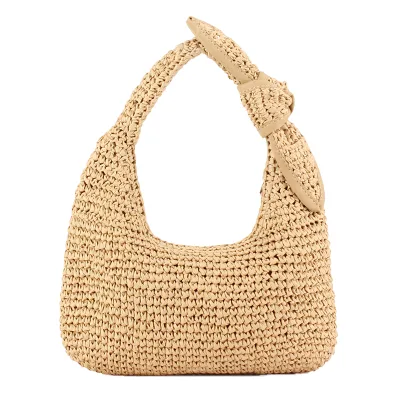
Handmade Crochet Bag with Genuine Leather Handles-Chic Summer Shoulder Bag
$4.80 - $5.25
MOQ: 300 Pieces


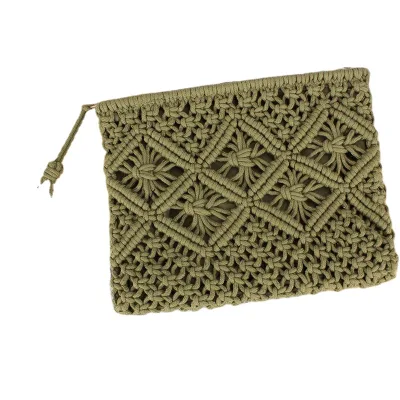
Handmade Crochet Beach Bag-Elegant Hollow-out Knit Tote with Braided Handles
$4.92 - $5.41
MOQ: 300 Pieces

Ningbo Kun E-Commerce Co., Ltd.
- Trading Company
- Zhejiang, China
- Lead time35 days
- Avg. response≤ 3h
Main productshandbags,cosmetic bag,shopping bags,crossbody bag,fanny pack
Main marketsNorth America(60.00%), South America(20.00%), Africa(10.00%), South Asia(2.00%), Northern Europe(2.00%), Mid East(2.00%), Eastern Europe(2.00%), Southeast Asia(2.00%)
Qingdao Beaufy Arts And Crafts Co., Ltd.
- Verified by Intertek
- Manufacturer, Trading Company
- Lead time15 days
- Avg. response≤ 4h
Main productsStorage Basket, Handbags, Storage Ottoman, Storage Box
Main marketsNorth America(35%), Western Europe(20%), Northern Europe(15%)
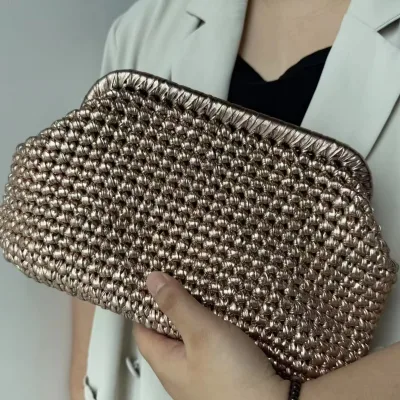
$9.3043 - $12.4057
MOQ: 2 pieces
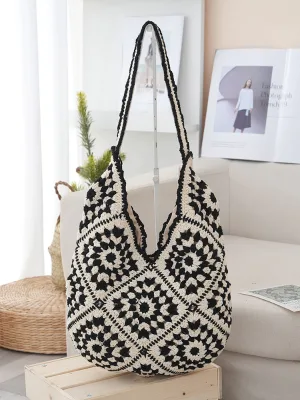
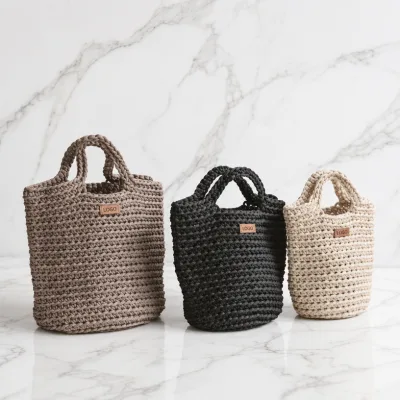

Sihang Import and Export Trade (Dazhou) Co., Ltd.
- Verified by SGS
- Trading Company
- China Sichuan
- Lead time15 days
- Avg. response≤ 10h
Main productsCrochet Flowers, Crochet Toys, Crochet Gifts, Crochet Bouquets, Crochet Bags, Tote Bags Pouch Bags Clutch Bags Handbags, Blanket, Wallhangings, 100% Handmade Products, Crochet Keychains
Main marketsSouth America,Eastern Europe,Mid East,North America,Southeast Asia,Eastern Asia,Oceania,Western Europe,Africa

100% Handmade Gift Finished Handbag Cotton Yarn Crochet Knitting Tote Bag Beach Crochet Bag
$4.00 - $30.00
MOQ: 1 Pieces

Wholesale Crochet Makeup Bag Pinterest Etsy Crochet T-Shirt Yarn Fabric Crochet Bag
$0.05 - $5.00
MOQ: 1 Pieces

Wholesale 100% Handmade Cross Body Crochet Bag Chunky Crochet Bag Amazon Shoppee Crochet Bag
$0.05 - $5.00
MOQ: 1 Pieces

Handmade Lady's Bag Crochet Gift Tote Bag Crossbody Bag Knitted Bag Crochet Granny Bag
$4.00 - $30.00
MOQ: 1 Pieces


$0.05 - $5.00
MOQ: 1 Pieces
Yiwu Jiandie Trading Co., Ltd.
- Trading Company
- Zhejiang, China
- Lead time25 days
- Avg. response≤ 3h
Main productsHandbags,Backpacks,Travel Bags,Shoulder Bags,Evening Bags
Main marketsOceania(20.00%), Africa(20.00%), North America(20.00%), Mid East(10.00%), Western Europe(10.00%), Southeast Asia(10.00%), Domestic Market(2.00%), Southern Europe(2.00%), Eastern Asia(1.00%), South Asia(1.00%), Eastern Europe(1.00%), Northern Europe(1.00%), Central America(1.00%), South America(1.00%)

Fuzhou Haomin Imp. & Exp. Co., Ltd.
- Verified by SGS
- Trading Company
- China Fujian
- Lead time30 days
- Avg. response≤ 4h
Main productsBackpacks, Beach Bags, School Bags, Shopping Bags, Canvas Bags, Sports Bags, Cosmetic Bags, Pet Bags, Cotton Bag, Travel Bag
Main marketsEast Asia(Japan/ South Korea),Europe,North America

Original Crochet Stripe Flora Knit Tote Bag Woman Knitting Bags with Strap
$0.88 - $1.48
MOQ: 1000 Pieces

Large Capacity Women′ S Handbag Outdoor Woven Knitted Crochet Tote Bag
$0.88 - $1.98
MOQ: 1000 Pieces

Crochet Cotton Thread Shoulder Bag for Women Large Urban Tote Shopping Bag
$0.88 - $1.98
MOQ: 1000 Pieces

$0.88 - $1.98
MOQ: 1000 Pieces

Longgang Green Harmony Bags & Trading Co., Ltd.
- Verified by SGS
- Trading Company
- China Zhejiang
- Lead time15 days
- Avg. response≤ 1h
Main productsNon Woven Bags, Canvas Bags, Non Woven Laminated Bags, Tyvek Bags, Jute Bags, Non Woven Suit Cover, Cotton Bags, Non Woven Ultrasonic Bags, PP Woven Bags, Polyester Drawstring Bags
Main marketsSouth America,North America


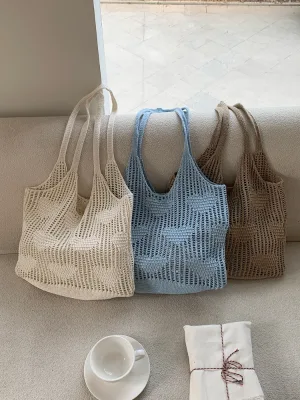
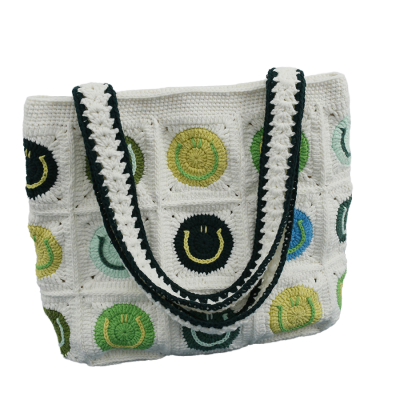
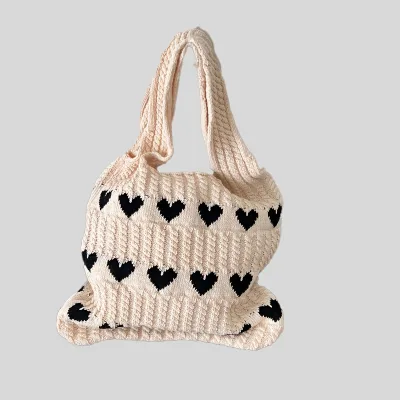
Handmade Crochet Cotton Tote Bag Hollow Heart Pattern Women Shoulder Bag
$5.28 - $5.95
MOQ: 300 Pieces


Wenzhou Xingcheng Ribbon Co., Ltd.
- Manufacturer/Factory
- China Zhejiang
- Lead time23 days
- Avg. response≤ 3h
Main productsZipper, Webbing, Fabric, Bag
Main marketsSouth America,Eastern Europe,North America,Southeast Asia,Eastern Asia,Western Europe,Africa

New Design Retro Colorful Knitted Handbag Crochet Purse Knitting Tote Gift Bag for Women
$0.50 - $1.00
MOQ: 100 Pieces

Fashion Design Flower Pattern Knitted Handbag Cute Ladies Casual Crochet Wallet Knitted Tote Bag
$0.50 - $1.00
MOQ: 100 Pieces
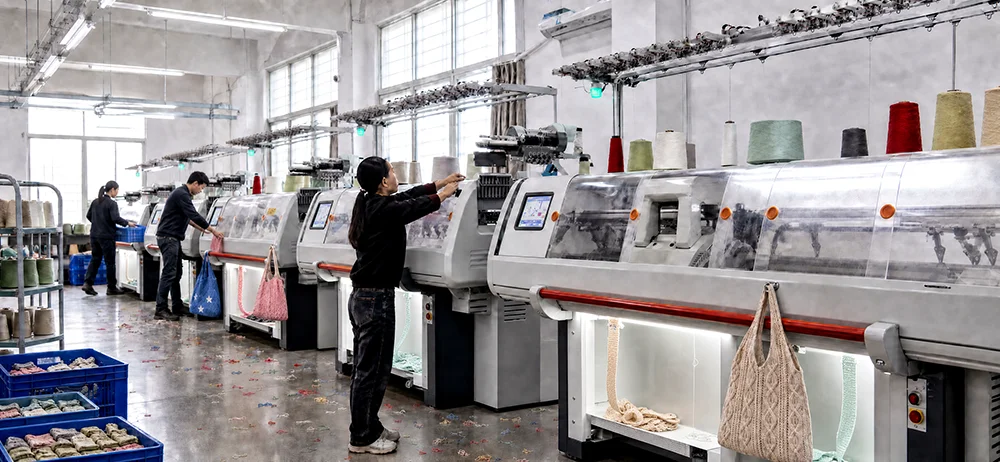
Shenzhen Xuancai Mofang Technology Co., Ltd.
- Trading Company, Buying Office, Agent
- Guangdong, China
- Lead time7 days
- Avg. response≤ 3h
Main productsKnit Bags,Crochet Bags,Women's Handbags,Evening Bags,Bag Components
Main marketsNorth America(15.00%), Southeast Asia(10.00%), Mid East(10.00%), South America(10.00%), Western Europe(5.00%), Eastern Asia(5.00%), Eastern Europe(5.00%), Oceania(5.00%), Africa(5.00%)
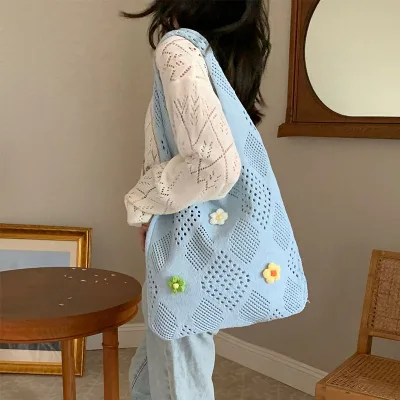
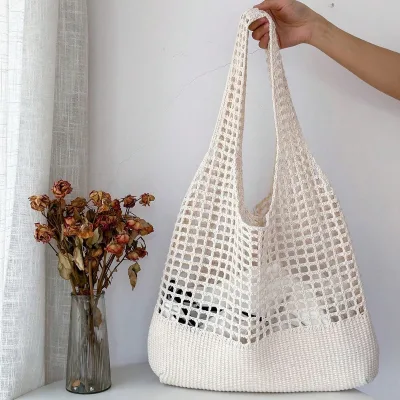
Minimalist Crochet Bag Hollow Out Design Vacation
$3.11 - $3.55
Ningbo Feinade Electrical Appliance Co., Ltd.
- Manufacturer, Trading Company
- Zhejiang, China
- Lead time30 days
- Avg. response≤ 2h
Main productsBaseball caps,Beanies,Straw hats,Backpacks,Shoulder bags
Main marketsEastern Europe(40.00%), North America(30.00%), Domestic Market(10.00%), Southeast Asia(4.00%), Southern Europe(3.00%), Eastern Asia(3.00%), Northern Europe(2.00%), Mid East(2.00%), South America(1.00%), South Asia(1.00%), Oceania(1.00%), Africa(1.00%), Central America(1.00%), Western Europe(1.00%)

- Verified by SGS
- Manufacturer
- China Shanghai
- Lead time23 days
- Avg. response≤ 2h
Main productsScarf, Bag, Hat, Blanket, House Shoes, Indoor Slippers, Scarf & Warmth Set, Shawl, Hijab Headscarf, Cap
Main marketsEast Asia(Japan/ South Korea),Domestic,Europe,North America

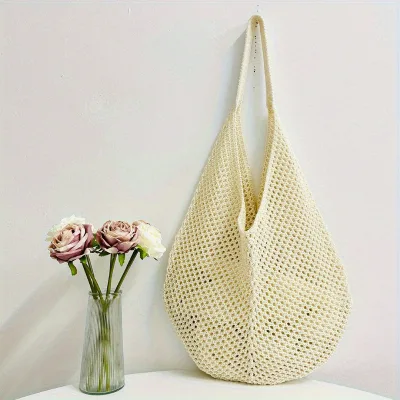
Eco-Friendly Crochet Woven Net Bag Large Capacity Handbag Shoulder Bag Casual Outing
$7.70 - $8.60
MOQ: 50 Pieces


Laizhou Dongyuan Arts & Crafts Factory
- Verified by Intertek
- Manufacturer, Trading Company
- Lead time0 days
- Avg. response≤ 4h
Main productsStraw Bag, Woven Bag
Main marketsDomestic Market(40%), Southern Europe(30%), North America(10%)

Anhui Magic Industry Co., Ltd.
- Verified by SGS
- Manufacturer/Factory
- China Anhui
- Lead time98 days
- Avg. response≤ 8h
Main productsCanvas Bag, Tote Bag, Backpack, Shoulder Bag, Drawstring Bag, Cosmetic Bag, Customize Bag, Sports Bag, Shopping Bag, Cooler Bag
Main marketsSouth America,Eastern Europe,Mid East,North America,Southeast Asia,Eastern Asia,Oceania,Western Europe,Africa

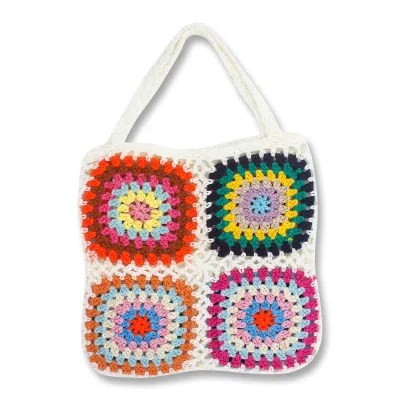
Crochet Women Shoulder Bags Granny Square Tote Bag Knitted Handbags Handmade Woven Summer Beach Bag
$3.92 - $4.14
MOQ: 100 Pieces

New Customized Handmade Crochet Bags Cotton Hand Crochet Bag for Women Beach Straw Tote Bag W1213
$5.10 - $6.00
MOQ: 50 Pieces

New Style Personalized Fashion New Arrivals Straw Bag Tote, Straw Crochet Bag Handmade
$10.20 - $11.00
MOQ: 50 Pieces

New Style Personalized Fashion New Arrivals Straw Bag Tote, Straw Crochet Bag Handmade
$10.20 - $11.00
MOQ: 50 Pieces

Hangzhou Inshine Arts and Crafts Company Limited
- Verified by BV
- Trading Company
- China Zhejiang
- Lead time23 days
- Avg. response≤ 1h
Main productsPerfume, Crochet Gift
Main marketsEurope

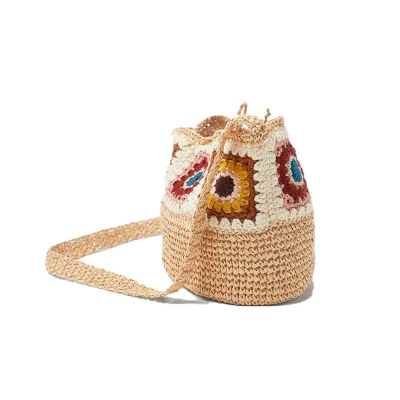
Colorful Creative Handmade Woven Cotton Crochet Hand Bag, Knitted New Tote Bucket Crossbody Bag
$5.00 - $10.00
MOQ: 20 Pieces

Creative Handmade Woven Cotton Big Crochet Tote Bag, Wholesale Crafted Bucket Crossbody Bag
$5.00 - $10.00
MOQ: 20 Pieces

Handmade Crochet Creative Cute Strewberry Crochet Bag Wholesale Artificial Cute Textile Bag
$3.50 - $10.00
MOQ: 20 Pieces

Handmade Cute Creative Knitted Strewberry Crochet Bag for Women Crocheted Wool Bag
$5.00 - $10.00
MOQ: 20 Pieces

Knitted Wholesale Woven Cotton Tote Single-Shoulder Crossbody Bag, Handmade Girl Fashion Crochet Bag
$5.00 - $10.00
MOQ: 20 Pieces

Handmade Wool Creative Sunflower Cute Crochet Bag Knitted Woven Single-Shoulder Tote Bag
$5.00 - $10.00
MOQ: 20 Pieces
Laizhou Yiyou Handicrafts Co., Ltd.
- Verified by TüVRheinland
- Manufacturer, Trading Company
- Lead time15 days
- Avg. response≤ 2h
Main productsStraw Bag, Handbag, Tote Bags, Shoulder Bag, Storage Baskets
Main marketsSoutheast Asia(35%), North America(20%), South America(18%)
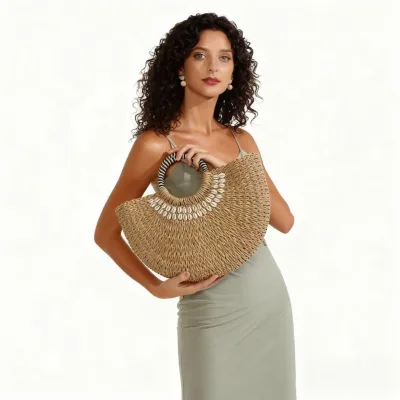
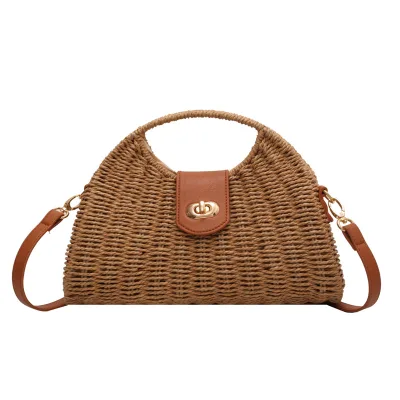
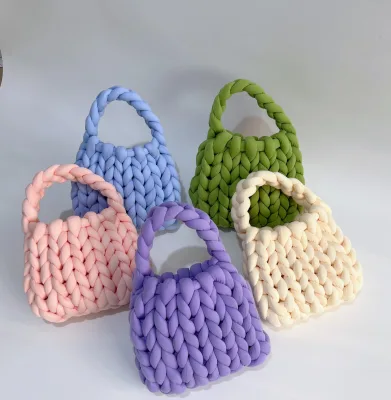
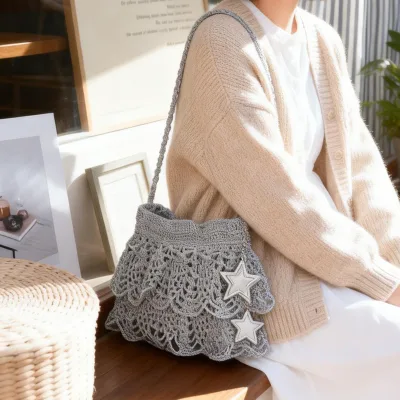
Lightweight Soft Comfortable Luxury Handbag Chunky Knit Thick Yarn Crochet Handmade Woven Bag
$4.3216 - $4.9392
MOQ: 3 pieces
Luohe Yueyang Packaging Products Co., Ltd.
- Trading Company
- Henan, China
- Lead time15 days
- Avg. response≤ 2h
Main productsPaper Packaging,Plastic Packaging,Metal Packaging,Pens,Notebooks
Main marketsNorth America(27.00%), Oceania(12.00%), Mid East(10.00%), Northern Europe(8.00%), Southern Europe(7.00%), Western Europe(6.00%), Southeast Asia(5.00%), Central America(5.00%), South Asia(5.00%), Eastern Asia(5.00%), Eastern Europe(5.00%), Africa(3.00%), South America(2.00%)
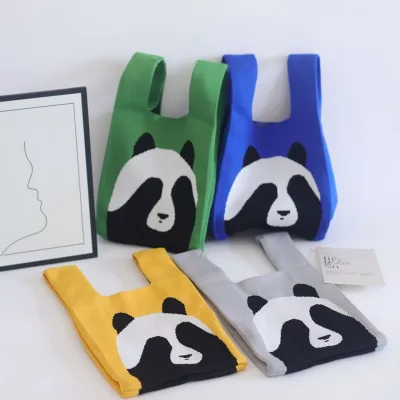
$0.75 - $1.20
MOQ: 10 pieces
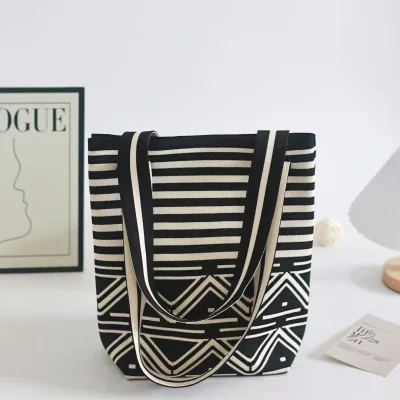
Factory Price Large Capacity Hand Crochet Bags Elegant Commuter Shoulder Bag
$2.50 - $3.50
MOQ: 10 pieces

Yiwu Zhengshang International Trade Co., Ltd.
- Trading Company
- China Zhejiang
- Lead time0 days
- Avg. response≤ 14h

Bohemian Style Crochet Bag with Buckle and Tassel Design, Shoulder and Crossbody Beach Bag
$3.86 - $4.64
MOQ: 1 Pieces

$4.26 - $5.57
MOQ: 2 Pieces
Hefei Ming'en Trading Co., Ltd.
- Trading Company
- Anhui, China
- Lead time30 days
- Avg. response≤ 1h
Main productsBackpack,Handbag,Hats,Apparels,Accessories
Main marketsNorth America(60.00%), Eastern Asia(5.00%), Oceania(5.00%), Southern Europe(5.00%), Southeast Asia(5.00%), Northern Europe(5.00%), Western Europe(5.00%), Mid East(4.00%), Domestic Market(1.00%), South Asia(1.00%), Africa(1.00%), Eastern Europe(1.00%), Central America(1.00%), South America(1.00%)
- Trading Company
- Zhejiang, China
- Lead time0 days
- Avg. response≤ 2h
Main productsBag,Clothing,Accessory,Festival Product,OEM servise
Main marketsNorth America(60.00%), South America(10.00%), Eastern Europe(10.00%), Southeast Asia(10.00%), South Asia(10.00%)
Acki (Shenzhen) Holding Co., Ltd.
- Trading Company
- Guangdong, China
- Lead time30 days
- Avg. response≤ 3h
Main productscrochet bags,crochet handbags,crochet shoulder bags,crochet hats,crochet dolls
Main marketsNorth America(60.00%), Oceania(10.00%), Western Europe(10.00%), Southeast Asia(10.00%), Eastern Europe(5.00%), Mid East(5.00%)
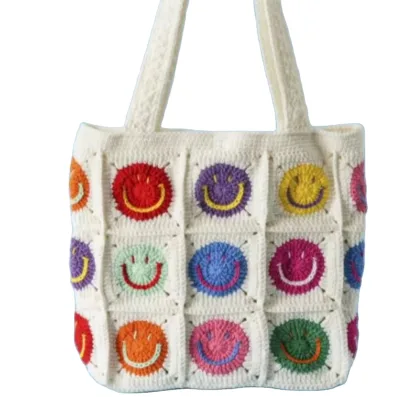
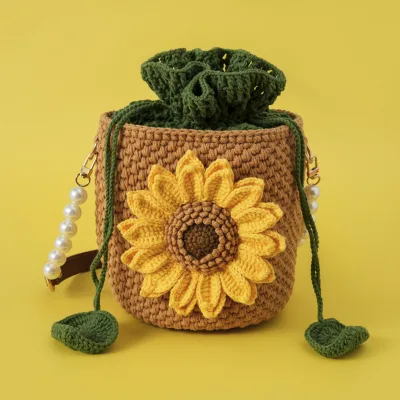
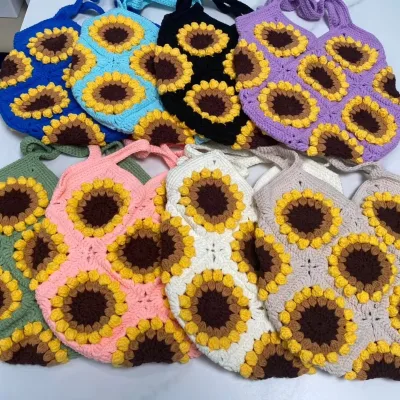
$8.2775 - $12.4147
MOQ: 10 pieces
- Trading Company
- Zhejiang, China
- Lead time15 days
- Avg. response≤ 3h
Main productsCrochet Hook,Knitting Needle,Circular Needle,Sewing Accessories,Storage Bag
Main marketsSouth America(30.00%), North America(30.00%), Northern Europe(10.00%), Western Europe(10.00%), Oceania(10.00%), Eastern Europe(10.00%)
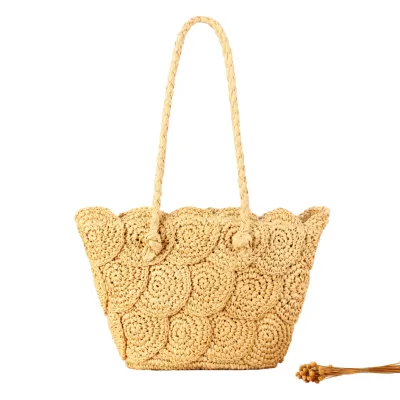
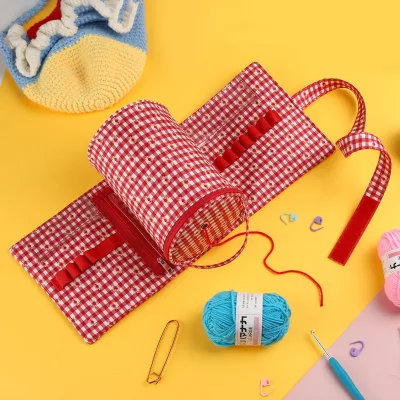
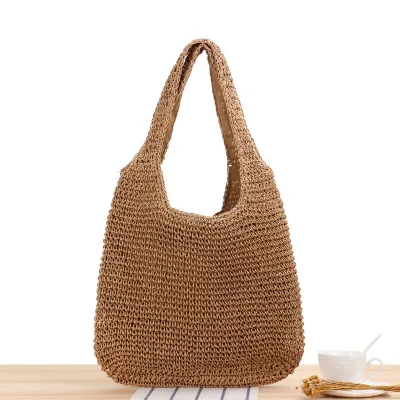
$4.1073 - $5.1341
MOQ: 100 pieces

Dongguan Landmark Trading Co., Ltd.
- Verified by BV
- Trading Company
- China Guangdong
- Lead time30 days
- Avg. response≤ 1h
Main productsCrochet Flower, Plush Toy, Hat, Crochet Blanket, Crochet Bouquet, Hand Knitting Flower, Hand-Made Crochet Flower
Main marketsSouth America,Southeast Asia/ Mideast,Europe
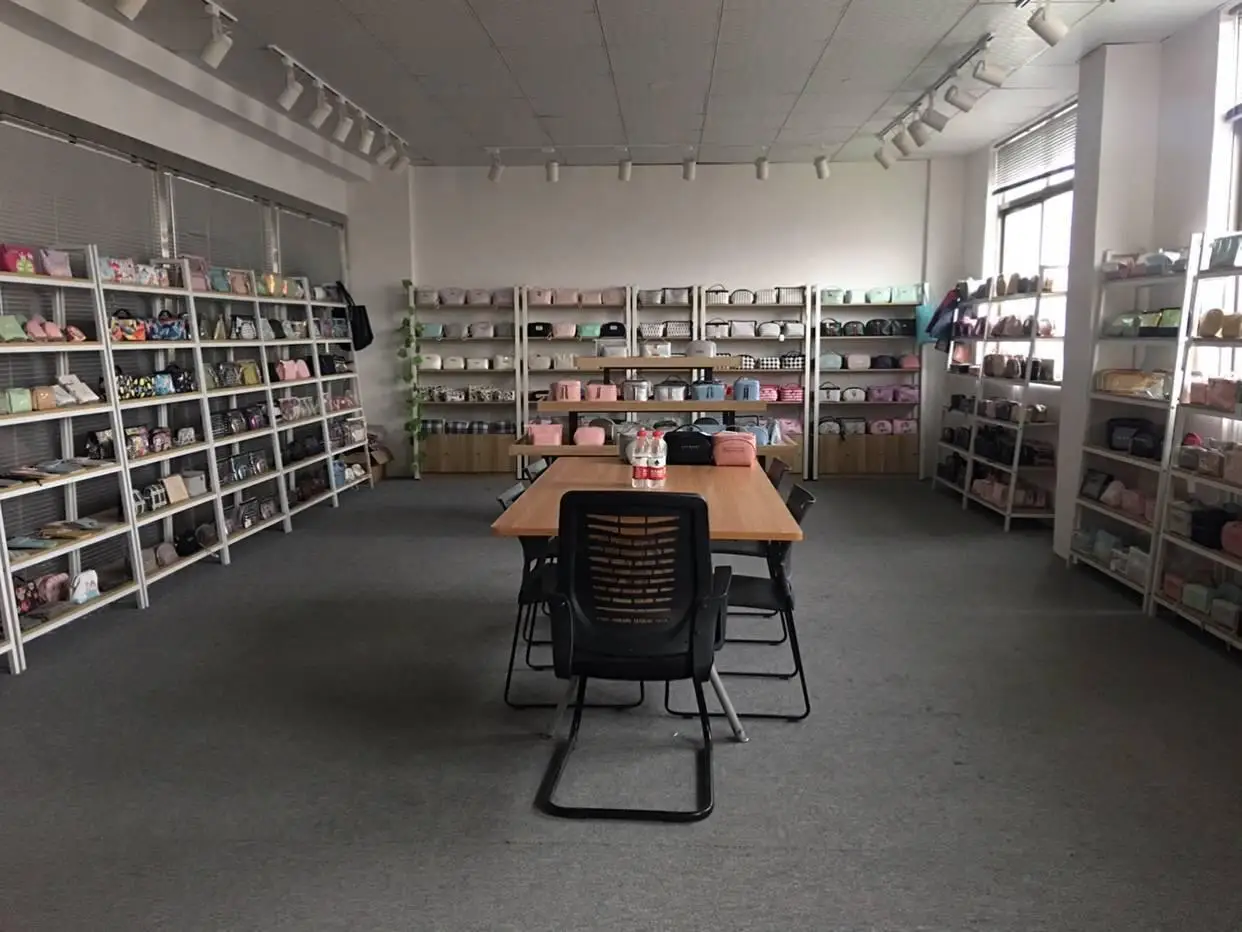
Anhui Youya Langdao Trade Co., Ltd.
- Trading Company
- Anhui, China
- Lead time30 days
- Avg. response≤ 6h
Main productsPVC Bag/Cosmetic Bag/Makeup Bag/PU Bag/Totebag,towel
Main marketsSouthern Europe(20.00%), North America(20.00%), Africa(15.00%), Eastern Europe(10.00%), Western Europe(10.00%), Mid East(10.00%), South Asia(10.00%), Oceania(5.00%)
- Verified by TüVRheinland
- Manufacturer, Trading Company
- Lead time25 days
- Avg. response≤ 3h
Main productsBeanie, Scarf, Glove, Sock, Crochet Doll
Main marketsNorth America(35%), Eastern Europe(20%), Western Europe(20%)
Suzhou Three Friends Home Technology Co., Ltd.
- Trading Company
- Jiangsu, China
- Lead time0 days
- Avg. response≤ 7h
Main productsshoes,customization Shoes and accessories,customization Tote bag,Suede / leather shoes,EVA slipper
Main marketsSouth America(20.00%), North America(20.00%), Southeast Asia(10.00%), South Asia(5.00%), Southern Europe(5.00%), Northern Europe(5.00%), Central America(5.00%), Western Europe(5.00%), Eastern Asia(5.00%), Mid East(5.00%), Oceania(5.00%), Africa(5.00%), Eastern Europe(5.00%)
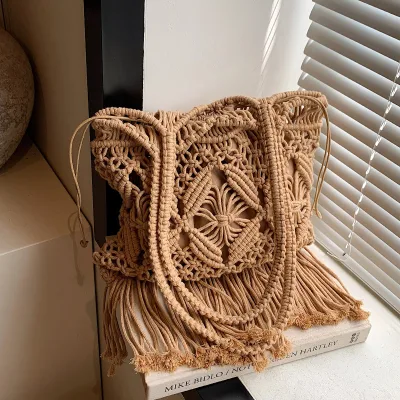
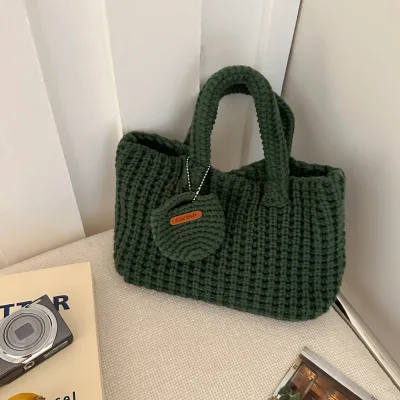
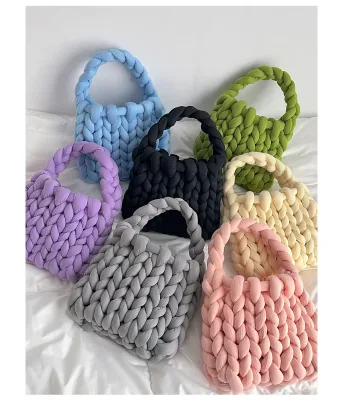
New Fashion Custom Color Handmade Large Capacity Hand Crochet Bag Pure Color Diy Knitting Bag Women
$4.9257 - $5.951
MOQ: 10 pieces
- Verified by TüVRheinland
- Trading Company
- Lead time25 days
- Avg. response≤ 4h
Main productsCanvas Bag, Backpack, Luggage Case, Handbag, Cooler Bag
Main marketsAfrica(33%), Domestic Market(21%), Southeast Asia(13%)
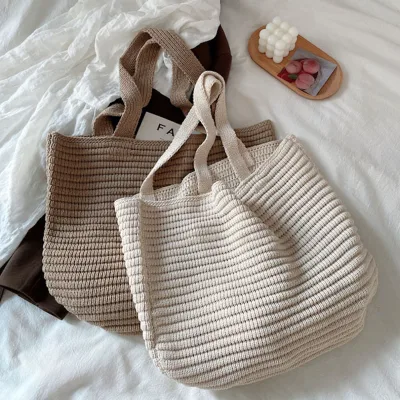
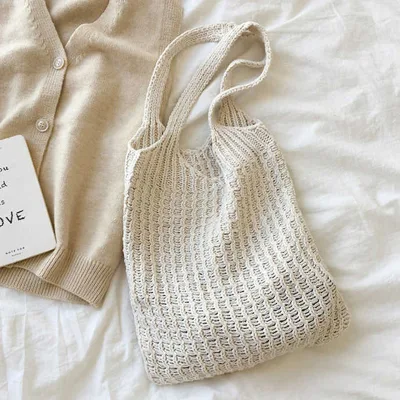
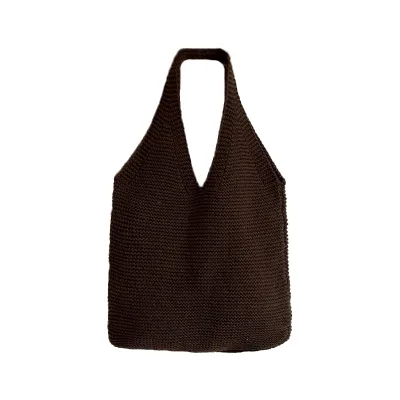
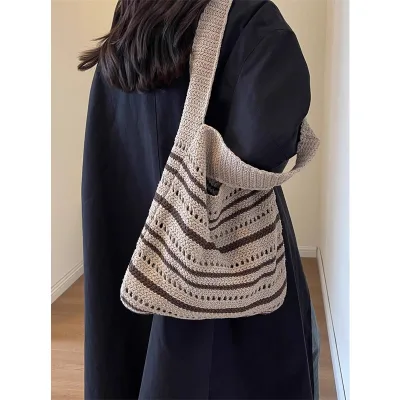
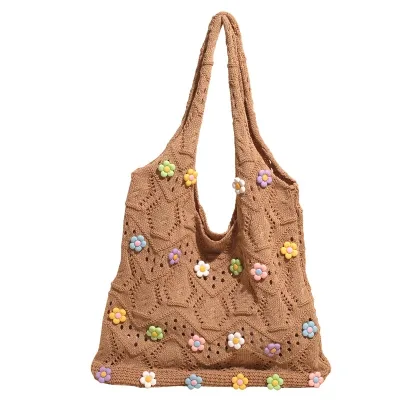
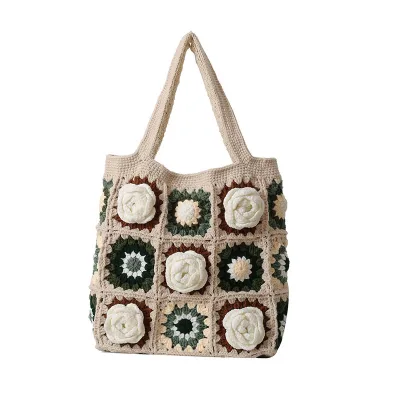
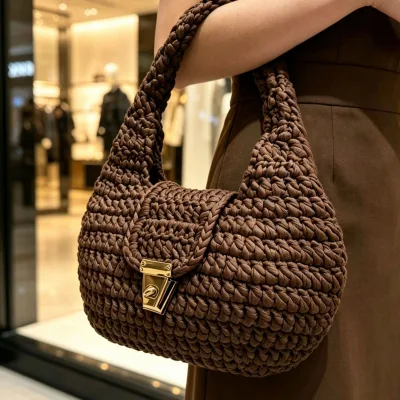
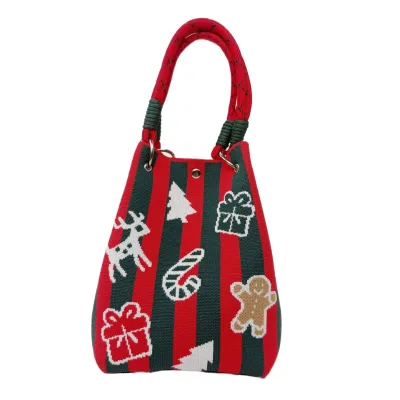
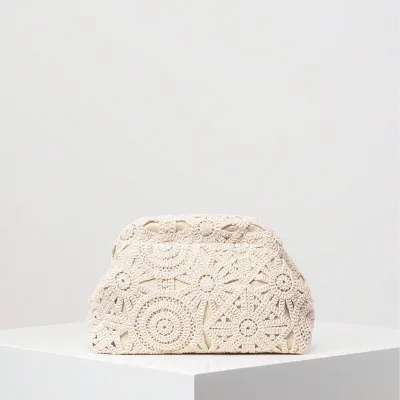
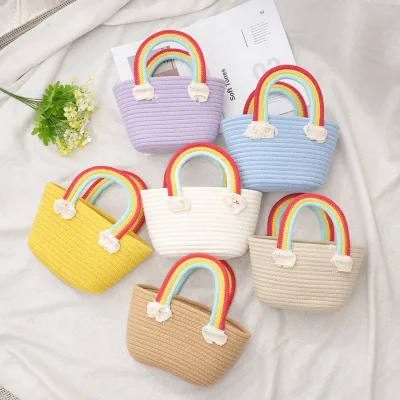
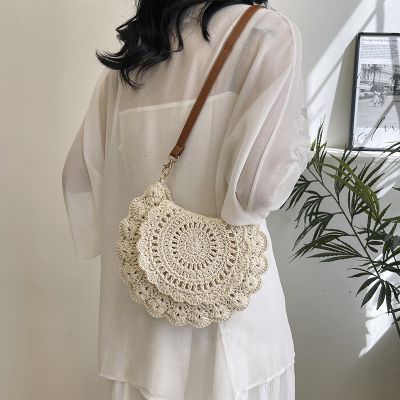


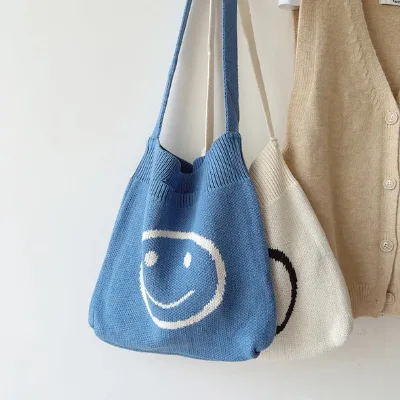
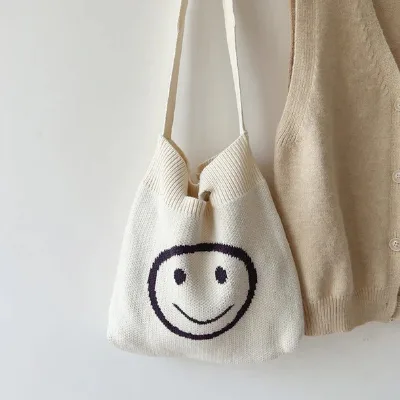
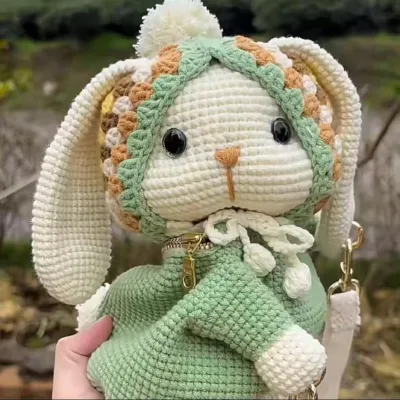
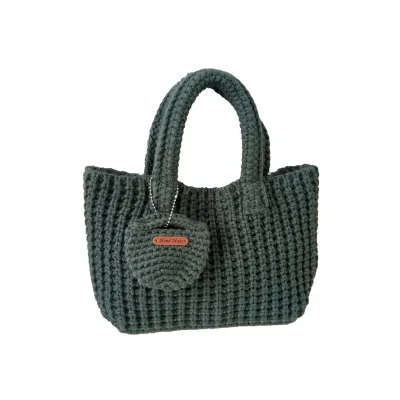
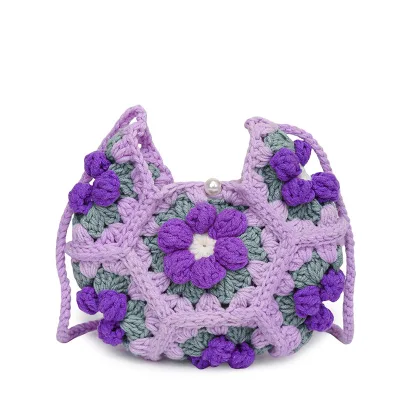
Comprehensive Sourcing Guide
Vintage Natural Crochet Bag Supplier Concentration and Factory Types
The sourcing landscape for vintage natural crochet bags features a mix of manufacturing entities and trading companies, each offering distinct advantages for buyers seeking specific production capabilities. Current data indicates that suppliers are categorized primarily as manufacturers, trading companies, or a hybrid of both, such as manufacturer/factory setups. This diversity allows buyers to choose between direct factory engagement for cost control or trading companies for broader product variety and logistical support. The presence of both types suggests that the supply chain is flexible, accommodating different order sizes and customization needs. Buyers should carefully review the company type listed for each potential partner to align with their strategic goals, whether that involves deep customization or rapid access to existing inventory.
Main products across these suppliers often include a range of knitted and woven items, with specific focus on handbags, tote bags, and shoulder bags. Some suppliers list broader categories such as luggage, backpacks, and storage ottomans, indicating a versatile production capability that extends beyond just crochet bags. This versatility can be beneficial for buyers looking to diversify their product lines or source complementary items from a single vendor. The emphasis on handmade and retro styles in product descriptions highlights a niche market focus, appealing to buyers interested in unique, artisanal aesthetics. Understanding the primary product focus of each supplier helps in assessing their expertise and reliability in delivering high-quality vintage-style crochet goods.
How to Verify Vintage Natural Crochet Bag Suppliers
Verification is a critical step in ensuring the reliability and legitimacy of potential suppliers in the Vintage Natural Crochet Bag market. Buyers should prioritize suppliers that have undergone third-party verification processes, as these provide an additional layer of trust and assurance. For instance, some suppliers are verified by recognized entities such as TüVRheinland or BV, which indicates that their business operations, production capabilities, and quality management systems have been independently assessed. This verification status is a strong indicator of a supplier’s commitment to maintaining high standards and transparency in their business practices. Buyers should look for these verification badges and understand the scope of the verification to ensure it covers the relevant aspects of their procurement needs.
In addition to third-party verification, buyers should examine the certifications held by suppliers, which serve as evidence of their adherence to international standards. Common certifications observed in this sector include ISO 9001 for quality management, ISO 14001 for environmental management, and GRS for recycled supply chains. These certifications demonstrate that the supplier has implemented robust systems for quality control, environmental responsibility, and ethical sourcing. For buyers concerned with sustainability and ethical production, certifications like GRS are particularly important as they validate the use of recycled materials and responsible manufacturing processes. Buyers should request copies of these certificates and verify their validity to ensure that the supplier’s claims are substantiated by independent audits.
What to Compare Across Vintage Natural Crochet Bag Suppliers
When evaluating multiple suppliers, buyers should compare key operational metrics to determine the best fit for their specific requirements. Response time is a crucial factor, as it reflects the supplier’s efficiency in communication and problem-solving. Data shows that response times can vary, with some suppliers responding within hours, which is essential for maintaining smooth project timelines and addressing urgent inquiries. Buyers should prioritize suppliers with faster response times to ensure timely communication and collaboration throughout the sourcing process. Additionally, lead time is a critical metric that impacts inventory planning and delivery schedules. Lead times can range significantly, from a few days to several weeks, depending on the complexity of the order and the supplier’s production capacity.
Another important aspect to compare is the minimum order quantity (MOQ) and pricing structure. MOQs can vary widely, with some suppliers requiring larger orders to ensure production efficiency, while others may offer lower MOQs for smaller buyers. Understanding the MOQ requirements helps buyers assess the feasibility of working with a supplier based on their order volume. Pricing is also a key differentiator, with costs varying based on materials, customization options, and order size. Buyers should request detailed quotes that break down costs for materials, labor, and shipping to ensure transparency and avoid hidden fees. Comparing these metrics across suppliers allows buyers to make informed decisions that balance cost, quality, and service levels.
Common Vintage Natural Crochet Bag Sourcing Risks
Sourcing vintage natural crochet bags involves several risks that buyers must proactively manage to ensure a successful procurement process. One significant risk is the variability in product quality, as handmade items can differ in craftsmanship and consistency. Buyers should request samples to evaluate the quality of materials, stitching, and overall finish before committing to large orders. This step helps identify any potential issues with durability or aesthetic appeal that may not be apparent from product images or descriptions. Additionally, buyers should establish clear quality standards and inspection criteria to ensure that the final products meet their expectations and brand requirements.
Another risk is the potential for delays in production and delivery, which can disrupt supply chains and impact customer satisfaction. Lead times can be affected by factors such as material availability, production capacity, and logistical challenges. Buyers should communicate clearly with suppliers about expected timelines and request regular updates on production progress. It is also important to have contingency plans in place, such as identifying alternative suppliers or adjusting inventory levels, to mitigate the impact of potential delays. By understanding and addressing these risks, buyers can enhance the reliability and resilience of their sourcing operations.
Vintage Natural Crochet Bag Regional Sourcing and Logistics
The geographic location of suppliers plays a significant role in determining logistics costs, lead times, and overall sourcing strategy. Current data indicates that suppliers are located in various regions, including Henan, China, and Fujian, China. These locations can influence the availability of raw materials, labor costs, and transportation infrastructure. Buyers should consider the proximity of suppliers to their target markets to minimize shipping costs and reduce lead times. For instance, sourcing from suppliers in China may offer cost advantages due to established manufacturing clusters, but buyers should also factor in import duties and customs clearance processes.
Logistics planning is essential for ensuring timely delivery and efficient inventory management. Buyers should work with suppliers to determine the most cost-effective shipping methods, whether by sea, air, or express courier, based on the urgency and volume of orders. Additionally, buyers should consider the packaging and labeling requirements to ensure compliance with destination country regulations. Understanding the logistical landscape helps buyers optimize their supply chain and reduce overall costs. By carefully evaluating regional sourcing options and logistics strategies, buyers can enhance the efficiency and reliability of their procurement operations.
Vintage Natural Crochet Bag Commercial Terms and Order Planning
Commercial terms and order planning are critical components of successful supplier relationships in the Vintage Natural Crochet Bag market. Buyers should negotiate clear payment terms, such as deposits and balance payments, to manage cash flow and mitigate financial risks. It is also important to establish clear delivery terms, including Incoterms, to define responsibilities for shipping, insurance, and customs clearance. Buyers should ensure that these terms are documented in the purchase contract to avoid misunderstandings and disputes. Additionally, buyers should plan for potential variations in order quantities and lead times by maintaining open communication with suppliers and adjusting orders as needed.
Customization options are another key consideration, as many buyers seek unique designs and branding for their vintage natural crochet bags. Buyers should discuss customization capabilities with suppliers, including logo printing, packaging design, and material selection. Some suppliers offer OEM and ODM services, allowing for greater flexibility in product development. Buyers should also consider the impact of customization on lead times and costs, as these factors can vary based on the complexity of the design. By carefully planning commercial terms and customization requirements, buyers can ensure that their orders align with their brand identity and business objectives.
FAQs
What is the price range for vintage natural crochet bags?
Prices for these bags typically range from $1.70 to $20.00 per unit depending on material and complexity. Basic polyester or straw styles are available at the lower end, while premium cotton or leather-accented designs command higher rates. Buyers should check specific product listings for exact tiered pricing based on order volume.
What are the typical lead times for manufacturing these bags?
Manufacturing lead times vary significantly by supplier capability, ranging from 7 to 45 days. Some trading companies offer faster turnaround times around one week, while larger factories with complex OEM requirements may require up to 45 days. Buyers should confirm specific production schedules with their chosen supplier before placing bulk orders.
What certifications do these suppliers typically hold?
Many verified suppliers hold ISO 9001 and ISO 14001 certifications for quality and environmental management. Some also possess GRS or BSCI certifications. These credentials indicate adherence to international standards for production processes and social responsibility. Buyers should request valid certificate copies to ensure compliance with their specific market regulations.
What is the minimum order quantity for custom designs?
Minimum order quantities for customized vintage crochet bags often start at 300 units. This threshold allows suppliers to cover setup costs for specific patterns or logo printing. Buyers seeking smaller trial orders should look for ready-made stock items, which may have lower or no MOQ requirements compared to fully customized production runs.
How quickly do suppliers typically respond to inquiries?
Response times for these suppliers generally range from 4.73 to 8 hours. Faster response rates are often associated with verified manufacturers or trading companies with dedicated sales teams. Prompt communication helps clarify customization details and shipping logistics. Buyers should prioritize suppliers with shorter response times for efficient project management.
Where are these crochet bag suppliers located?
Suppliers are primarily located in Guangdong, Henan, and Fujian provinces in China. These regions are known for strong textile and bag manufacturing clusters. Guangdong often features higher-end craftsmanship, while Henan and Fujian offer competitive pricing for mass production. Buyers can filter results by location to reduce shipping costs and lead times.