Leather Polishing Blade Sharpener Suppliers and Manufacturers
Compare 14 verified Leather Polishing Blade Sharpener suppliers in China Shandong based on response times, lead times, and certifications. Review product specifications like CE and ISO standards before contacting factories for quotes; review the available evidence before requesting comparable quotations from suitable candidates.
Suppliers List

Shandong MINGHUNG Wood Based Panel Machinery Co., Ltd
- Manufacturer
- China Shandong
- Lead time30 days
- Avg. response≤ 5h
Main productsVeneer Peeling Machine, Plywood Machine, Hot Press Machine, Veneer Dryer Machine, Glue Spreader, Plywood Cold Press Machine, Plywood Saw Machine, Plywood Sanding Machine, Wood Debarker, Vacuum Veneer Stacker
Main marketsSouth America,Africa,Southeast Asia/ Mideast,East Asia(Japan/ South Korea),Europe,Australia,North America

LINYI ZHONGHE IMP. & EXP. CO., LTD.
- Verified by SGS
- Trading Company
- China Shandong
- Lead time15 days
- Avg. response≤ 2h
Main productsPlywood Machine, Particle Board OSB Board Machine, Plywood Hot Press Machine, Firber Board MDF HDF Board Machine, Wood Veneer Peeling Machine, Short Cycle Laminating Hot Press Machine, Wood Veneer Production Line, Wood Door Hot Press Machine, Wood Veneer Dryer, Face Veneer Paper PVC Pet Faced Board Machine
Main marketsSouth America,Africa
- Combined
- China Zhejiang
- Lead time30 days
- Avg. response≤ 11h
Main productsButcher Knife, Meat Grinder Knife, Commercial Kitchen Knives, Slaughtering Knives, Butchery Supply Knives Tools, Meat Mincer Knives Blades
Main marketsSouth America,Africa,Southeast Asia/ Mideast,East Asia(Japan/ South Korea),Domestic,Europe,Australia,North America


Diamond Core Coating Knife Sharpening Steel Sharpener
MOQ: 1000 Pieces
Nanjing Quality Machinery Technology Co., Ltd
- Verified by TUVRHEINLAND
- Trading Company,Manufacturer/Factory
- China Jiangsu
- Lead time23 days
- Avg. response≤ 2h
Main productsMachine and Machine Parts, Paper Roll Machine, Crusher, Shredder Machine, Copper Wire Granulator, Crusher Blade, Mini Shredder Machine, Shredder Blade, Recycling Machine, Single Shaft Shredders
Main marketsSouth America,Mid East,North America,Southeast Asia,Oceania,Western Europe,Africa

Industrial Knife Sharpener Crusher Knife Grinding Machine Blade Sharpening
$15.00 - $20.00
MOQ: 1 Pieces

Round Blade Grinder Grinding Machine Sharpening for Fabric Strip Cutting Machine
$2000.00 - $2200.00
MOQ: 1 Pieces

Henan Share M&E Equipment Co., Ltd
- Verified by TUVRHEINLAND
- Trading Company
- China Henan
- Lead time15 days
- Avg. response≤ 5h
Main productsBag Printing Machine, Brick Making Machine, Quilting Machine, Water Well Drilling Rig, Roll Forming Machine
Main marketsSouth America,Africa,Others(foreignTradeCapacity.exportBusinessCapacityMarketOther),Southeast Asia/ Mideast,East Asia(Japan/ South Korea),Domestic,Europe,Australia,North America

Shandong Zouping Shuanghuan Machinery Manufacturing Co., Ltd.
- Verified by TUVRHEINLAND
- Combined
- China Shandong
- Lead time15 days
- Avg. response≤ 4h
Main productsSawmill, Wood Pallet Machine, Wood Chipper Machine, Wood Circular Saw, Portable Sawmill, Vertical Band Sawmill, Horizontal Band Sawmill, Chain Saw Mill, Wood Working Machinery, Solid Floor Production Line
Main marketsNorth America

LINYI METRO MACHINERY CO.,LIMITED
- Verified by SGS
- Manufacturer
- China Shandong
- Lead time30 days
- Avg. response≤ 14h
Main productsPlywood Machinery, Particleboard Line, MDF Line, LVL Line, Boiler, Veneer Making Machinery, OSB Line, Wood-Based Panel Machinery, Blockboard Machinery, Woodworking Machinery
Main marketsDomestic

Xingtai Yashida Machinery Manufacturing Co., Ltd.
- Verified by TUVRHEINLAND
- Combined
- China Hebei
- Lead time15 days
- Avg. response≤ 6h
Main productsWoodworking Vertical Band Saw, Wood Horizontal Band Saw Machine, Wood Cutting Log Carriage, Saw Blade Maintenance Machinery, Log Multi-Blade Rip Saw, Woodworking Sliding Table Saw, Automatic Trunk Sawmill Cutting Line, Portable Diesel Engine Horizontal Bandsaw Miill
Main marketsSoutheast Asia/ Mideast


Sharpener Machine High Quality and Efficiency Circular Blade Sharpener Machine Tool
$690.00 - $750.00
MOQ: 1 Pieces

Henan Share M&E Equipment Co.,Ltd
- Verified by SGS Group
- Trading Company
- Lead time7 days
- Avg. response≤ 3h
Main productsTextile Machinery, Printing Machinery, Construction Machinery, Wood Machinery
Main marketsNorth America(20%), South America(20%), Eastern Europe(10%)
- Verified by TUVRHEINLAND
- Trading Company,Manufacturer/Factory,Group Corporation
- China Shandong
- Lead time38 days
- Avg. response≤ 17h
Main productsWoodworking Machine, Plywood Machine, Veneer Dryer, Hot Press Machine, Glue Spreader, Engineered Panel Board Making Machine, Timber Block Handling Machine, Vacuum Gripper, Straight Knife Blade Grinder, Veneer Peeling Knife
Main marketsSouth America,Eastern Europe,Mid East,North America,Eastern Asia,Oceania,Western Europe,Africa

Shenzhen Alisi Electronic Technology Co., Ltd.
- Trading Company, Distributor/Wholesaler
- Guangdong, China
- Lead time3 days
- Avg. response≤ 2h
Main productselectron component,temperature controller,Auto parts,sensor,Wireless Controller
Main marketsSouth America(20.00%), Eastern Europe(20.00%), North America(15.00%), Western Europe(5.00%), Domestic Market(5.00%), South Asia(5.00%), Southern Europe(5.00%), Northern Europe(5.00%), Central America(5.00%), Eastern Asia(3.00%), Mid East(3.00%), Oceania(3.00%), Africa(3.00%), Southeast Asia(3.00%)
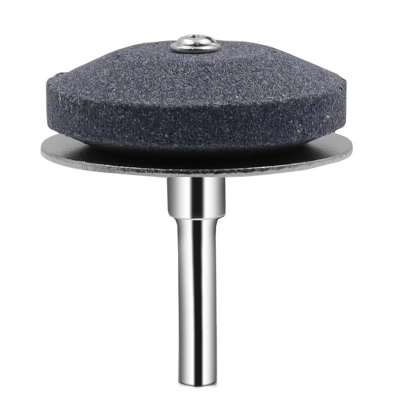
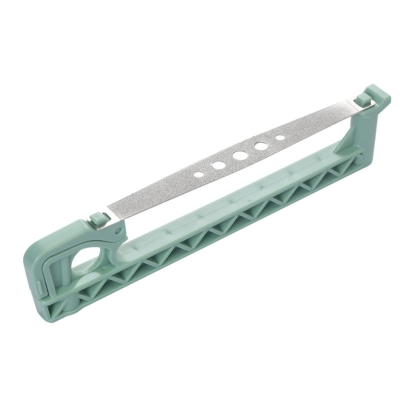
$0.55 - $1.23
MOQ: 10 Minimum


Difanmax Tech Lianyungang Co., Ltd.
- Verified by BV
- Manufacturer/Factory
- China Jiangsu
- Lead time23 days
- Avg. response≤ 4h
Main productsConsumer Electronics, Kinesiology Tape Adhesive Tapes, Industrial Tools, Home & Garden, Gifts & Crafts, Sport Products Entertainment, Health & Medical, Auto Parts E-Bike Auto Tools & Components, Clothes Apparel, Bicycle Hardware Laboratory Measuring Protective
Main marketsSouth America,North America,Southeast Asia,Oceania,Western Europe
Shanghai Hystrong Industrial Co., Ltd.
- Verified by SGS
- Trading Company
- China Shanghai
- Lead time30 days
- Avg. response≤ 3h
Main productsLog Splitter, Trencher, Drill Press, Table Saw, Wood Chipper, Magnetic Drill Press, Band Saw, Miter Saw, Log Saw, Wood Lathe
Main marketsSouth America,Southeast Asia/ Mideast,Europe


Multifunctional Industrial Professional High Precision Knife Grinder and Sharpening Tool
$600.00 - $780.00
MOQ: 1 pieces

Professional Multifunctional Industrial High Precision Sharpening Equipment Tool
$600.00 - $780.00
MOQ: 1 pieces

Multifunctional Professional Industrial High Precision Blade Grinding and Sharpening Tool
$600.00 - $780.00
MOQ: 1 pieces


ZHANGJIAGANG RETECH MACHINERY CO., LTD.
- Trading Company,Manufacturer/Factory
- China Jiangsu
- Lead time45 days
- Avg. response≤ 4h
Main productsPlastic Recycling Machine, LDPE Film Recycling Machine, PP Raffia Recycling Machine, Pet Bottle Recycling Washing Machine, LDPE HDPE LLDPE Recycling Washing Line, PE PP Film Granulating Recycling Plant, Pet PVC HDPE PP PS ABS EPS PC Pelletizing Line, EPS EPE EPP Hot Melting Compressing Machine, Plastic PE PP PPR PVC Pipe Extrusion Line, Plastic Board Extrusion Production Plant
Main marketsSouth America,Eastern Europe,Mid East,North America,Southeast Asia,Eastern Asia,Oceania,Western Europe,Africa


Comprehensive Sourcing Guide
Leather Polishing Blade Sharpener Supplier Concentration and Factory Types
The current search results indicate a concentration of manufacturing activity in China, specifically within the Shandong province. This region hosts suppliers who list Veneer Peeling Machines, Plywood Machines, and Hot Press Machines as their primary products, suggesting a specialized industrial cluster for wood processing equipment. While the core keyword focuses on leather polishing, the available data reveals that many factories in this area also produce Knife Grinding Sharpener and Blade Sharpening Machine units. These facilities often operate with an Own brand, ODM, and OEM capacity, indicating they can customize machinery for specific industrial needs. Buyers should verify if a supplier's main product list includes the specific blade sharpening technology required, as some entities may be trading companies rather than direct manufacturers.
Factory types vary significantly among the results, with some entities identified strictly as Manufacturers and others as Trading Companies. The manufacturer profiles often display detailed product attributes such as Semi-Automatic or Automatic grades, specific power ratings like 4kw or 6kw, and certifications including CE and ISO. In contrast, trading company profiles may emphasize faster response times, such as 1.66 hours compared to 4.56 hours for some manufacturers, and shorter lead times of 15 days versus 30 days. When evaluating concentration, buyers must distinguish between a factory that produces the core grinding mechanism and a trader who aggregates products from various sources. The presence of specific model numbers like MH-KG3200 or MH-KG suggests standardized production lines, but the buyer must confirm if these models are suitable for leather polishing applications or if they are primarily designed for wood veneer processing.
How to Verify Leather Polishing Blade Sharpener Suppliers
Verification begins with scrutinizing the specific product evidence provided in the search results, particularly regarding certifications and technical specifications. Several listed products carry CE and ISO certifications, which are critical for industrial machinery safety and quality assurance. However, buyers must ensure these certifications apply to the specific Leather Polishing Blade Sharpener model being considered, as some listings show certifications for general Knife Grinding Machines that may differ in application. The presence of "Others" under system certification for some manufacturers requires direct inquiry to confirm if specific leather industry standards are met. Additionally, the condition of the machinery is listed as "New" for certain models, but buyers should request proof of origin and manufacturing dates to ensure the equipment is not refurbished stock.
Response time and verification status are also vital indicators of supplier reliability. The data shows response times ranging from 1.66 hours to 4.56 hours, with some suppliers holding SGS verification status. A faster response time often correlates with a trading company structure, while manufacturers may take longer to respond due to production scheduling. Buyers should verify the "is_verified" status directly, as this indicates third-party validation of the company's existence and operational capacity. Furthermore, checking the "Warranty of Core Components" listed as 1 Year for some automatic models provides a baseline for after-sales support. It is essential to confirm that the warranty covers the specific grinding wheels or magnetic tables used in leather polishing, as these are high-wear components that may require frequent replacement.
What to Compare Across Leather Polishing Blade Sharpener Suppliers
When comparing suppliers, the primary differentiators are lead time, minimum order quantity, and response speed. The available data indicates lead times can vary from 15 days to 30 days, which significantly impacts production planning and inventory management. Some suppliers offer a Minimum Order Quantity of just 1 unit, which is advantageous for small-scale operations or testing phases, while others may have higher thresholds not explicitly listed in the summary. Response times also vary, with some suppliers responding in under two hours, suggesting a dedicated sales team, while others take nearly five hours. Buyers should prioritize suppliers who align with their urgency requirements, balancing the potential cost savings of a longer lead time against the need for rapid deployment.
Product specifications and pricing structures offer another layer of comparison. Prices for similar grinding machines range from 2,500 to 10,000 units, depending on features like automatic grade, power consumption, and maximum knife length. For instance, a Semi-Automatic model with a 1500mm capacity may cost significantly less than an Automatic CNC model with a 3000mm capacity. Buyers must compare the "Total Power" ratings, which range from 4kw to 6.8kw, to ensure the machine fits their facility's electrical infrastructure. Additionally, the "Weight" of the machinery, varying from 900kg to 2800kg, affects shipping costs and floor space requirements. It is crucial to verify if the price includes packaging, such as Plastic Film, or if additional costs apply for heavy-duty crating required for international transport.
Common Leather Polishing Blade Sharpener Sourcing Risks
One significant risk involves the mismatch between the supplier's primary product focus and the buyer's specific application needs. Many listed suppliers specialize in Veneer Peeling Machines and Plywood Processing equipment, which may not be optimized for leather polishing blades. While the product keywords include "Knife Sharpener," the detailed attributes often reference wood processing contexts, such as "Wood Veneer Machine" or "Plywood Manufacturing Machine." Buyers risk purchasing machinery that lacks the precision or surface finish required for leather applications if they do not explicitly confirm the machine's suitability. The presence of "Veneer Machine" in product keywords for a leather sharpener listing is a red flag that requires immediate clarification to avoid operational inefficiencies.
Another risk relates to the variability in certification claims and the lack of standardized testing for niche applications. While some products list CE and ISO certifications, others only list "Others" or specific certifications like CE without ISO. This inconsistency can lead to compliance issues in certain markets or insurance complications. Furthermore, the "Customization" attribute is listed as "Available" for many models, but the extent of this customization is undefined. Buyers may assume that a supplier can adapt a wood-grinding machine for leather use, but without a formal engineering assessment, this assumption carries the risk of equipment failure. The "Condition" being listed as "New" does not guarantee that the internal components are suitable for the abrasive nature of leather polishing, necessitating a detailed technical review before finalizing any order.
Leather Polishing Blade Sharpener Regional Sourcing and Logistics
The primary sourcing region identified in the results is China, with specific mentions of Shandong province and Linyi City. These locations are known for their industrial machinery manufacturing base, which includes a wide array of wood processing and grinding equipment. Buyers sourcing from this region must account for the logistical complexities of shipping heavy industrial machinery, as weights range from 900kg to 2800kg. The "prod_standard" dimensions, such as 360010001300mm or 460010001300mm, indicate that these machines require specialized freight arrangements, likely involving flat racks or open-top containers. Understanding the specific port of loading in Shandong or Linyi is essential for calculating accurate freight costs and transit times.
Logistics planning must also consider the packaging standards provided in the product evidence. Most listings specify "Plastic Film" as the primary packing method, which may be insufficient for long-distance ocean freight without additional wooden crating. Buyers should verify if the supplier includes protective packaging for the magnetic tables and grinding wheels, which are sensitive to moisture and impact. The "prod_origin" is consistently listed as China, but the specific city of origin can influence local customs procedures and export documentation requirements. For buyers in regions with strict import regulations, confirming the origin city helps in preparing the necessary certificates of origin and ensuring compliance with local safety standards. Additionally, the "Working Way" of the machines, such as "Backforws and Forwards," may require specific training for local operators, which should be factored into the logistics and onboarding timeline.
Leather Polishing Blade Sharpener Commercial Terms and Order Planning
Commercial terms regarding payment and warranty are critical components of the order planning process. While specific payment terms are not explicitly detailed in the summary, the presence of "Escrow" as a potential verification method suggests that secure payment channels should be utilized. Buyers should negotiate clear terms for the "Warranty of Core Components," which is listed as 1 Year for some automatic models. It is vital to define what constitutes a core component failure and whether the warranty covers shipping costs for repairs or replacements. The "Customization" availability implies that additional costs may be incurred for non-standard configurations, and these costs must be agreed upon before production begins to avoid budget overruns.
Order planning must also account for the production capacity and lead time variations observed in the supplier data. With lead times ranging from 15 to 30 days, buyers should align their production schedules to accommodate these windows. The "rd_capacity" of Own brand, ODM, and OEM indicates that suppliers can handle custom orders, but this may extend the lead time beyond the standard 15-day window. Buyers should plan for potential delays by ordering well in advance of their required delivery dates. Furthermore, the "Automatic Grade" of the machines, whether Semi-Automatic or Automatic, affects the training and operational setup time. Integrating these machines into an existing workflow requires careful planning to ensure that the transition from manual to automated sharpening is seamless and does not disrupt overall production efficiency.
FAQs
Where are these blade sharpeners manufactured?
The available suppliers are located in China, specifically in Shandong province and Linyi City. Buyers should verify the exact factory address for each specific model before placing an order to ensure logistics compatibility.
What is the typical lead time for delivery?
Lead times vary between 15 and 30 days depending on the supplier type and order volume. Trading companies may offer faster turnaround times of 15 days, while manufacturers often require up to 30 days for production and shipping.
Do these machines come with CE and ISO certifications?
Yes, many models listed include CE and ISO certifications as standard compliance. Some specific units also carry additional certifications, but buyers must confirm the exact certificate documents for the specific model they intend to purchase.
What is the minimum order quantity for these machines?
The minimum order quantity is typically one unit for most knife grinding and sharpening machines. This allows buyers to test the equipment without committing to large bulk orders immediately upon initial purchase.
Are these machines available in automatic or semi-automatic versions?
Both automatic and semi-automatic versions are available in the current product listings. Buyers can choose based on their production needs, with some models offering CNC controlling modes for higher precision and efficiency.
What is the price range for these sharpening machines?
Prices range from approximately 2500 to 10000 USD depending on the model specifications and features. Factors influencing cost include power rating, maximum knife length capacity, and whether the machine includes advanced customization options.
Can these machines be customized for specific needs?
Customization is available for most models listed in the current results. Buyers can request specific modifications to fit their production lines, though they should confirm the exact scope of customization with the supplier before finalizing the deal.