Leather Embossed Wine Carrier Suppliers and Manufacturers
Find 31 verified Leather Embossed Wine Carrier suppliers in China with BSCI, ISO 9001, and SEDEX certifications. Compare response times, lead times, and MOQs to source custom leather wine bags with screen printing or embossing options; review the available evidence before requesting comparable quotations from suitable candidates.
Suppliers List

Fuzhou Haomin Imp. & Exp. Co., Ltd.
- Verified by SGS
- Manufacturer/Factory
- China Fujian
- Lead time23 days
- Avg. response≤ 4h
Main productsBackpacks, Beach Bags, School Bags, Shopping Bags, Canvas Bags, Sports Bags, Cosmetic Bags, Pet Bags, Cotton Bag, Travel Bag
Main marketsSouth America,Eastern Europe,Mid East,North America,Southeast Asia,Eastern Asia,Oceania,Western Europe,Africa

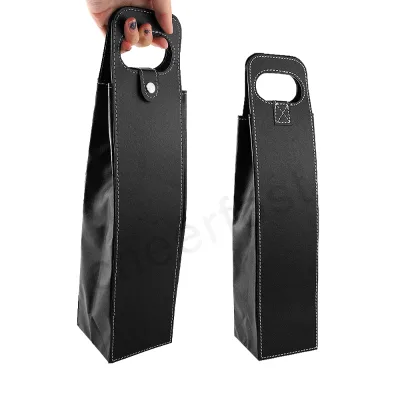
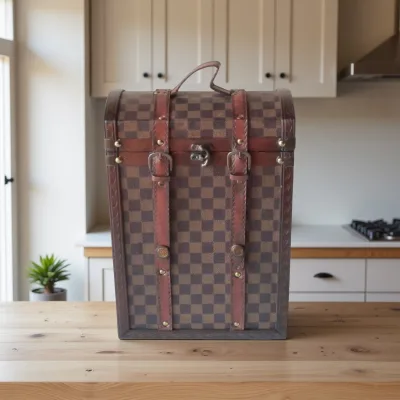
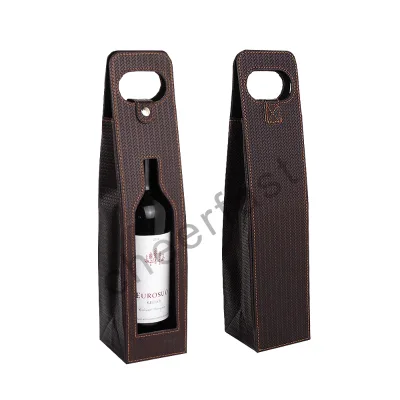
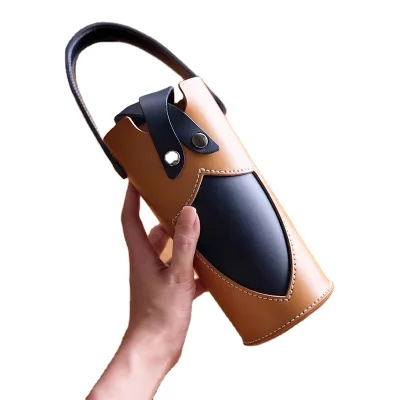
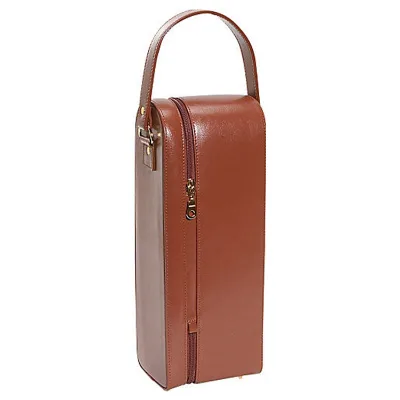
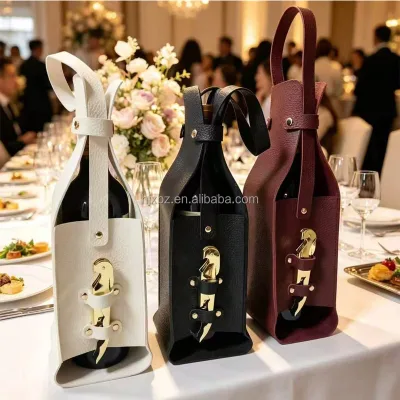
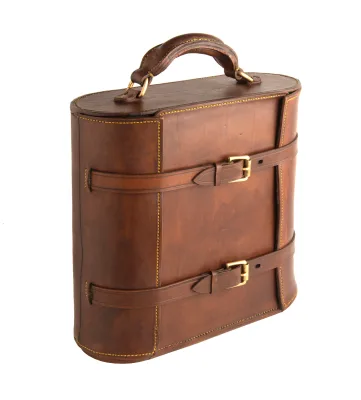
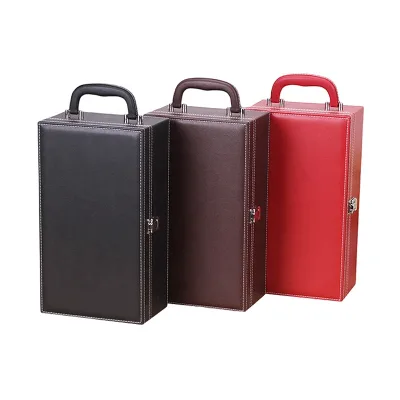
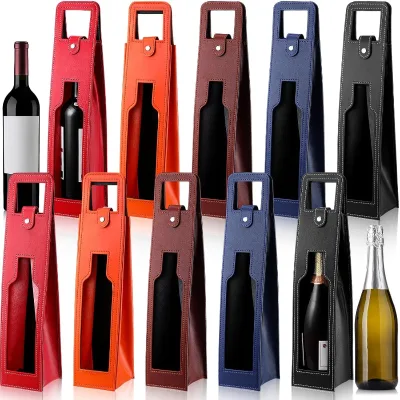
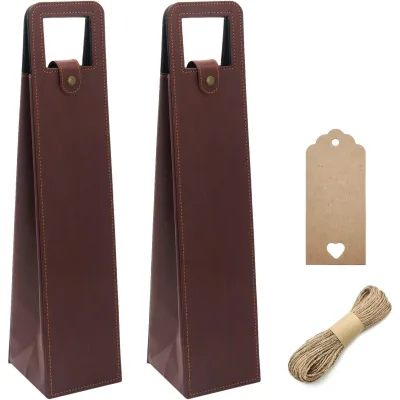
Vintage Square Leather Wine Carrier Handheld Luxury Collection Style Leather Wine Bag
$16.99 - $18.99
Moq: 500


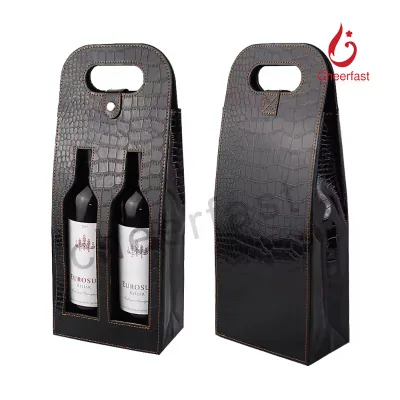
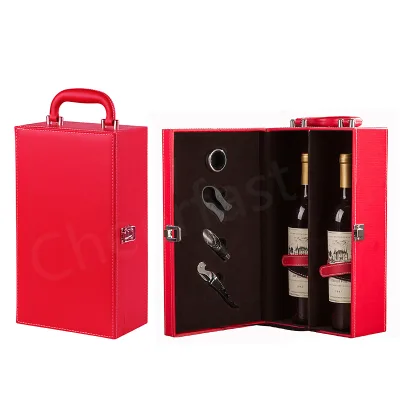
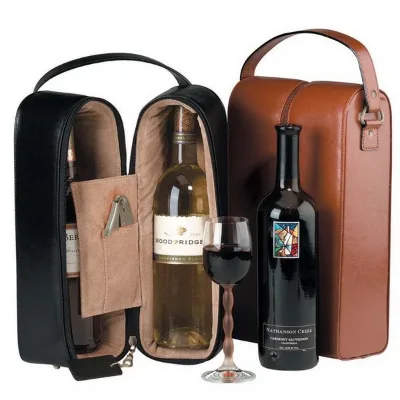
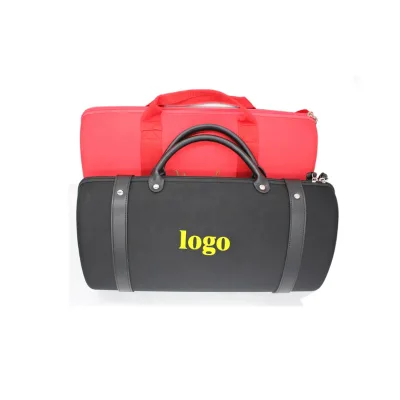
2-Bottle Vintage Leather Wine Suitcase, Portable Storage Style Leather Wine Bag
$9.79 - $11.29
Moq: 500


Forever Standing Stationery Co., Ltd.
- Combined
- China Guangdong
- Lead time30 days
- Avg. response≤ 25h
Main productsCosmetic Box, Jewelry Box, Make up Box, Wine Box, Wine Bags, Wine Rack, Storage Box, Gift Packing Box, Photo Albums, Stationery and Office Supply
Main marketsSouth America,Africa,Southeast Asia/ Mideast,East Asia(Japan/ South Korea),Domestic,Europe,Australia,North America

Dongguan Miao Xin Craft Co., Ltd.
- Verified by BV
- Trading Company
- China Guangdong
- Lead time15 days
- Avg. response≤ 6h
Main productsPaper Box, Gift Box, Tissue Paper, Sticker, Jewelry Box, Corrugated Carton, Paper Bag, Booklet, Name Card, Playing Card
Main marketsNorth America
Ningbo Xianying Packing Material Co., Ltd.
- Verified by TUVRHEINLAND
- Trading Company
- China Zhejiang
- Lead time15 days
- Avg. response≤ 3h
Main productsSticker, Thank You Card, Business Card, Flyer, Brochures, Paper Bag, Paper Box
Main marketsSoutheast Asia/ Mideast,Europe,Australia,North America
Dongguan Runhong Sports Products Co., Ltd.
- Verified by SGS
- Manufacturer
- China Guangdong
- Lead time15 days
- Avg. response≤ 7h
Main productsLoptop Bag, Cup Covers, Lunch Bag, Wine Bags, Stubby Holders, Cooler Bags, Koozies, Beach Tote Bag
Main marketsSouth America,Southeast Asia/ Mideast,Europe,Australia,North America

Hangzhou Happyway Imp and Exp Co., Ltd.
- Verified by CTI
- Trading Company
- China Zhejiang
- Lead time30 days
- Avg. response≤ 4h
Main productsWine Tool, Wine Opener, Wine Stopper, Champagne Stopper, Ice Bucket, Dropstop Disc, Wine Aerator, Wine Box/Wine Tote
Main marketsSouth America,Europe,North America
Shenzhen Cheerfast Wine Accessories Co., Ltd.
- Trading Company
- Lead time旺季: "1 - 3000":35,"> 3000":"To be negotiated", 淡季: "1 - 3000":35,"> 3000":"To be negotiated"
- Avg. response≤ 3h
Main productsWhiskey Accessories, Wine Accessories, Bar Tools, Custom Packaging, Drinkware

KKS Enterprises Co., Ltd. Hangzhou
- Verified by SGS
- Manufacturer/Factory
- China Zhejiang
- Lead time23 days
- Avg. response≤ 12h
Main productsBar Runner, Floor Mats, Bar Mats, Logo Mats, Carpet, Promotional Products, Ice Bucket, Dust Control Mats, Bar Tray, Bottle Openers
Main marketsSouth America,Eastern Europe,Mid East,North America,Southeast Asia,Eastern Asia,Oceania,Western Europe,Africa
Suzhou Innovation Packaging Materials Co., Ltd.
- Verified by SGS
- Trading Company
- China Jiangsu
- Lead time30 days
- Avg. response≤ 11h
Main productsOutdoor Camping, Pet Airline Box, Cat Litter Box, Outdoor Camper, Pet Folding Bowl, Fishing Bucket, Pet Food Storage Bucket, Folding Swimming Ring, Outdoor Folding Chair, Folding Toilet
Main marketsSouth America,Europe

Xiamen Le Young Imp. & Exp. Co., Ltd
- Verified by BV
- Trading Company,Manufacturer/Factory
- China Fujian
- Lead time23 days
- Avg. response≤ 3h
Main productsLeather Folder, Trave Wallet, Leather Notebook, Leather Compendium, Leather Portfolio, Leather Diary, Leather Journal, Hotel Supply, Leather Card Holder, Leather Wallet
Main marketsSouth America,Eastern Europe,Mid East,North America,Southeast Asia,Eastern Asia,Oceania,Western Europe,Africa
Laizhou Pairuike Crafts Co., Ltd.
- Manufacturer/Factory
- China Shandong
- Lead time45 days
- Avg. response≤ 3h
Main productsBusiness Scope: Processing and Selling Hand-Wove, PLA Non Woven Bag, RPET Woven Bag, PP Woven Bag, Lamination Non Woven Bag, Non Woven Bag
Main marketsSouth America,Eastern Europe,Mid East,North America,Southeast Asia,Eastern Asia,Oceania,Western Europe,Africa
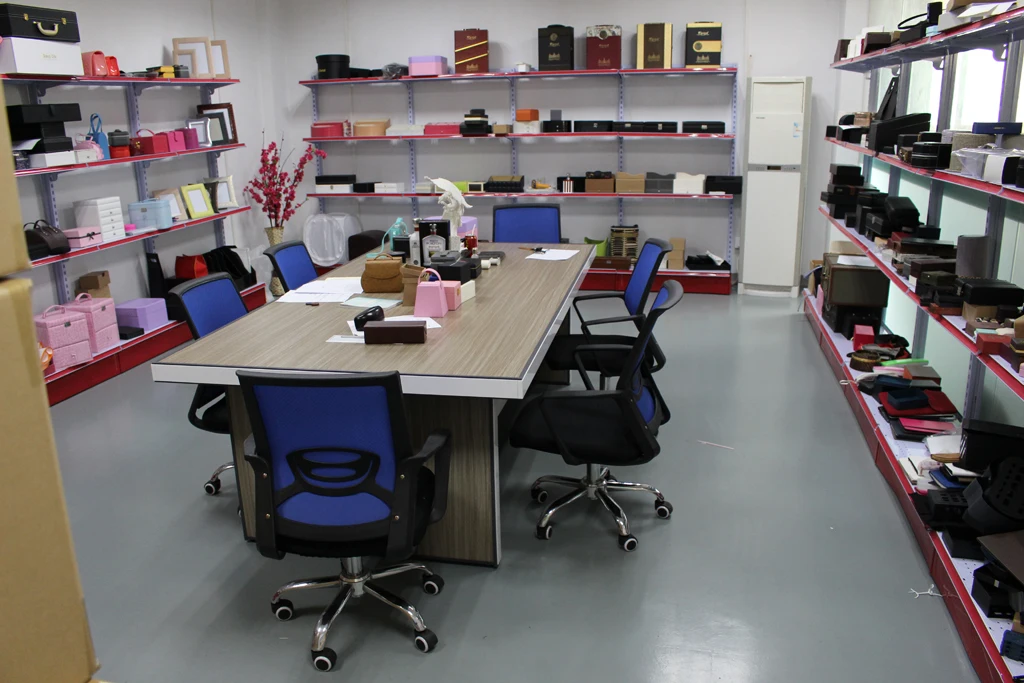
Dongguan Dalingshan Xiangyu Packaging Store
- Trading Company
- Guangdong, China
- Lead time35 days
- Avg. response≤ 3h
Main productsGame Set,Gift Packaging Box,Jewelry Box,Hotel&Houseware,Office Supplies
Main marketsSouth America(30.0%), North America(20.0%), Western Europe(10.0%), Mid East(10.0%), Central America(10.0%), Eastern Europe(10.0%), Domestic Market(5.0%), Africa(5.0%)
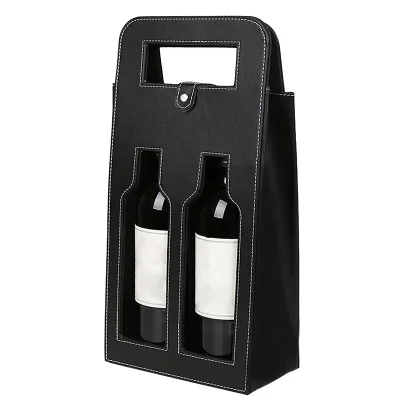
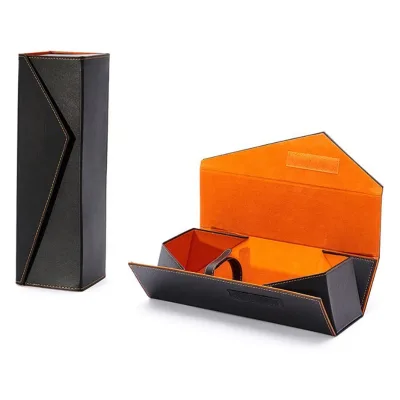
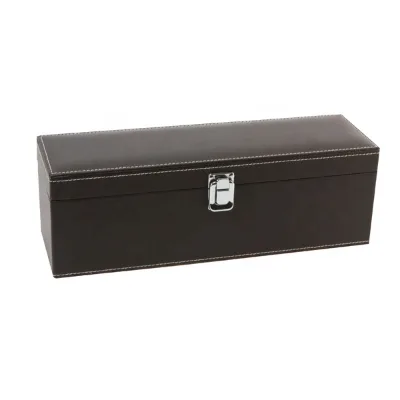
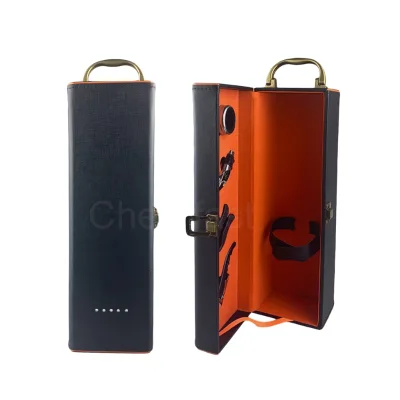
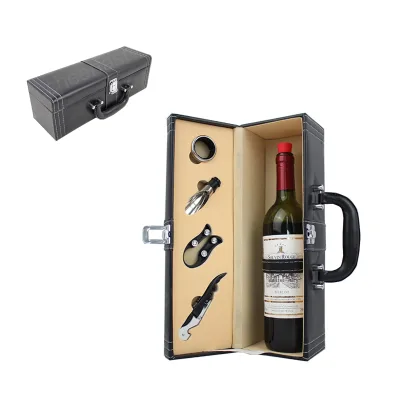
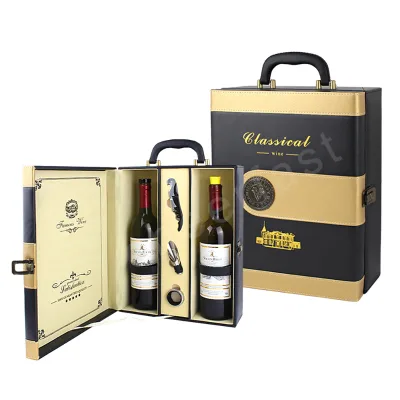
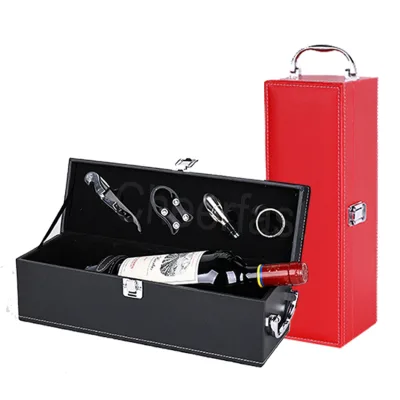
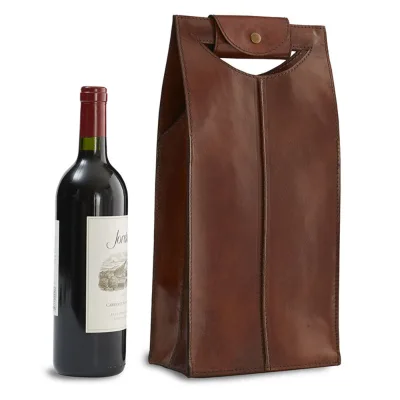
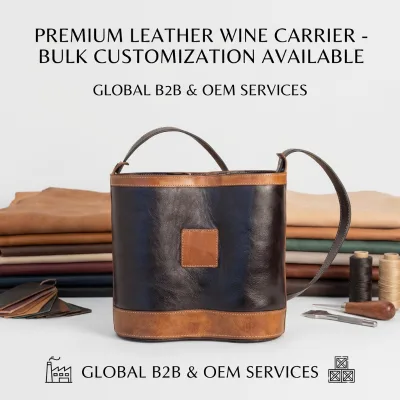
Handmade Premium Wine Carrier Case Single Black Wine Bottle Gift Packaging Box Wine Box
$6.01 - $12.11
Moq: 500
Fuzhou Yuanyang Future Import and Export Co., Ltd.
- Verified by SGS
- Combined
- China Fujian
- Lead time15 days
- Avg. response≤ 3h
Main productsPackaging Bag, Bag, Travel Bag, Shopping Bag, Tote Bag, Paper Bag, Sports Bag, Backpack, Gift Bag, Promotioan Bag
Main marketsAustralia

XIAMEN SHUNSTONE HOMEWARE CO., LTD.
- Manufacturer/Factory
- China Fujian
- Lead time23 days
- Avg. response≤ 5h
Main productsWhiskey Gift Set, Whiskey Glass, Wine Glass, Cocktail Shaker, Cooking Steak Stone, Whiskey Decanter, Wine Decanter, Wine Opener
Main marketsSouth America,Eastern Europe,Mid East,North America,Southeast Asia,Eastern Asia,Oceania,Western Europe,Africa

Guangzhou Vitality Printing Co., Ltd
- Verified by SGS
- Trading Company,Manufacturer/Factory
- China Guangdong
- Lead time105 days
- Avg. response≤ 6h
Main productsPaper Packaging, Paper Folding Box, Booklet, Paper Can, Gift Box, Book Printing Service, PVC Box, Cosmetics Packaging, Food Container, Children Book Printing
Main marketsEastern Europe,North America,Southeast Asia,Eastern Asia,Western Europe,Africa

- Verified by TUVRHEINLAND
- Manufacturer/Factory
- China Zhejiang
- Lead time45 days
- Avg. response≤ 3h
Main productsIce Bucket, Toys, Kitchen Products, Hip Flask, Shaker, Bar Caddy, Menu Board, Bottle Opener, Barwares, Wine Glasses
Main marketsSouth America,Eastern Europe,Mid East,North America,Southeast Asia,Eastern Asia,Oceania,Western Europe,Africa
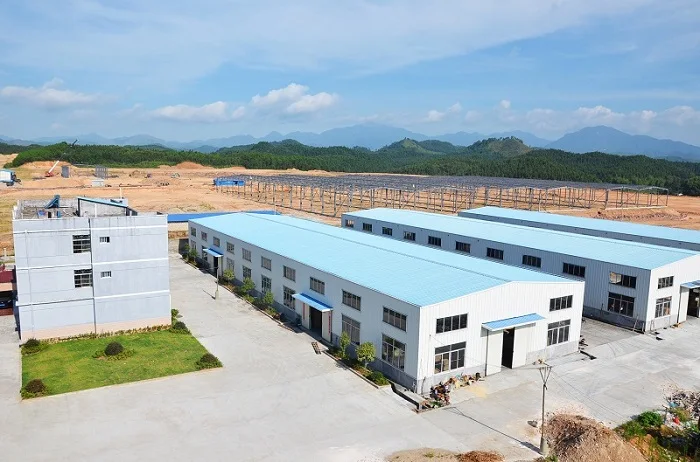
Guangze County Harvest Season Crafts Co., Ltd.
- Manufacturer
- Fujian, China
- Lead time35 days
- Avg. response≤ 3h
Main productsWooden Box,Wooden Wine Box,Treasure Chest,Wooden Trunk,Wooden Wine Rack
Main marketsWestern Europe(11.11%), Eastern Asia(11.11%), Mid East(11.11%), Oceania(11.11%), Africa(11.11%), Southeast Asia(11.11%), Eastern Europe(11.11%), South America(11.11%), North America(11.11%)

Dongguan DianYa Packaging MFG. Co., Ltd.
- Verified by TUVRHEINLAND
- Manufacturer/Factory
- China Guangdong
- Lead time30 days
- Avg. response≤ 1h
Main productsBox, Paper Box, Wooden Box, Leather Box, Plastic Box, Jewellery Box, Watch Box, Wine Box, Perfume Box, Cigar Box
Main marketsSouth America,Eastern Europe,Mid East,North America
Shenzhen Cheerfast Wine Accessories Co., Ltd.
- Verified by Intertek
- Trading Company
- Lead time0 days
- Avg. response≤ 2h
Main productsWhiskey Accessories, Wine Accessories, Bar Tools, Custom Packaging, Drinkware
Main marketsNorth America(36%), Eastern Europe(20%), Southeast Asia(10%)
Xiamen BG Industrial Co., Ltd.
- Verified by TüVRheinland
- Trading Company
- Lead time30 days
- Avg. response≤ 6h
Main productsPortfolio, Passport Wallet, Decor Tray, Notebook, Luggage Tag
Main marketsNorth America(70%), Oceania(10%), Eastern Asia(10%)
Zhongshan Go Beyond Gifts Co.,Ltd
- Manufacturer, Trading Company
- Guangdong, China
- Lead time12 days
- Avg. response≤ 4h
Main productsKeychain,card holder,USB driver,measure tape,calendar
Main marketsNorth America(30.0%), Western Europe(13.0%), Eastern Europe(10.0%), South America(7.000000000000001%), Southeast Asia(5.0%), Eastern Asia(5.0%), Mid East(5.0%), Domestic Market(5.0%), Northern Europe(5.0%), Africa(5.0%), Oceania(3.0%), South Asia(3.0%), Central America(2.0%), Southern Europe(2.0%)

Foshan Kylin Industry Company Limited
- Verified by TUVRHEINLAND
- Trading Company,Manufacturer/Factory
- China Guangdong
- Lead time90 days
- Avg. response≤ 8h
Main productsNapkin Dispenser, Bottle Opener, Ice Bucket, Blackboard, Menu Holder, Tray, Straw Dispenser, Toothpick Dispenser, Bottle&Can Carrier, Clock&Timer
Main marketsSouth America,Eastern Europe,Mid East,North America,Southeast Asia,Eastern Asia,Oceania,Western Europe,Africa
Shenzhen Haojunxin Packaging Products Co., Ltd.
- Verified by SGS Group
- Manufacturer, Trading Company
- Lead time0 days
- Avg. response≤ 2h
Main productsTextile Packaging Bag, Gift Bag Packaging Bag, Watch or Jewelry Gift Bag, Daily Necessities Dust Bag, Tote Bag
Main marketsDomestic Market(30%), Southeast Asia(20%), Mid East(10%)
- Verified by Intertek
- Manufacturer, Trading Company
- Lead time30 days
- Avg. response≤ 2h
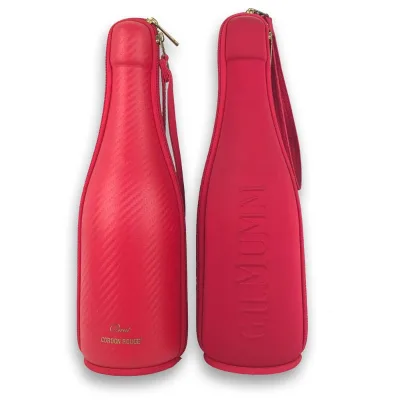
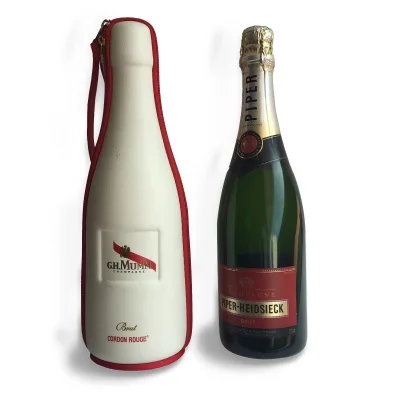
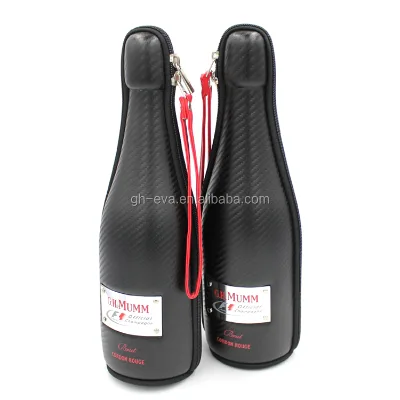
Main productsEVA Packaging Cases, EVA Mats
Main marketsEastern Europe(25%), North America(20%), Central America(15%)
Guangzhou HIBO Industries Co., Ltd.
- Verified by Intertek
- Manufacturer, Trading Company
- Lead time60 days
Main productsHunting Accessories, Racket Sports Bag, Golf Bag And Accessories, Tool Accessories, Luggage
Main marketsWestern Europe(35%), Northern Europe(25%), North America(20%)

Yantai LSL Wood Arts &Crafts Co., Ltd.
- Trading Company
- Shandong, China
- Lead time30 days
- Avg. response≤ 3h
Main productsWooden Holder and Rack, Wooden Cutting Board, Wooden Photo Frame, Storage Box and Bin, Wooden Box
Main marketsNorth America(28.999999999999996%), South America(10.0%), Western Europe(10.0%), Southern Europe(10.0%), Northern Europe(10.0%), Eastern Europe(10.0%), Eastern Asia(5.0%), Oceania(5.0%), Mid East(5.0%), Africa(2.0%), Southeast Asia(2.0%), South Asia(1.0%), Central America(1.0%)
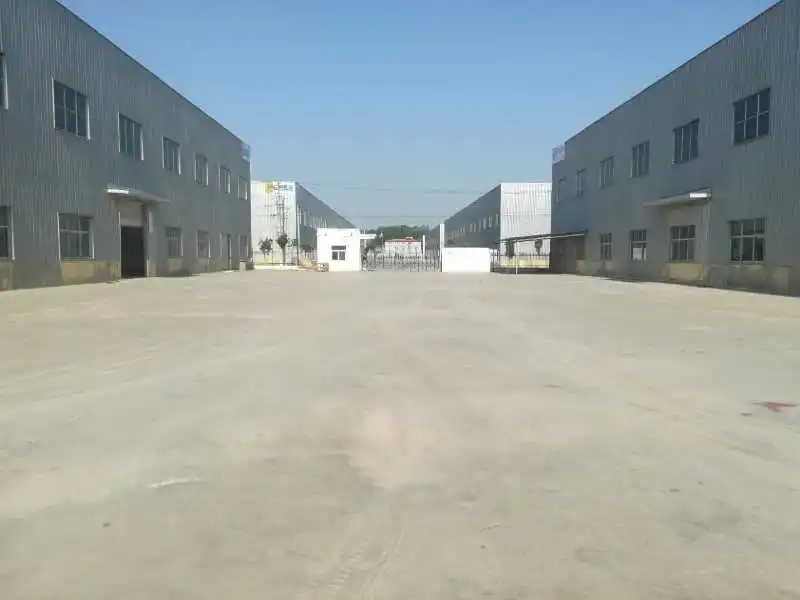
Cao County Dream Sun Furniture Co., Ltd.
- Manufacturer, Trading Company
- Shandong, China
- Lead time45 days
- Avg. response≤ 4h
Main productsWOODEN BOX,FURNITURE,WINE BARREL,Wall Storage Shelves,Kitchen&Bathroom Products
Main marketsDomestic Market(20.0%), Northern Europe(20.0%), Eastern Asia(10.0%), Mid East(10.0%), Western Europe(10.0%), Eastern Europe(10.0%), North America(5.0%), Southern Europe(5.0%), South Asia(5.0%), Central America(3.0%), South America(1.0%), Africa(1.0%)

YONGKANG ONWARD INDUSTRY & TRADE CO., LTD.
- Combined
- China Zhejiang
- Lead time30 days
- Avg. response≤ 18h
Main productsWine Rack, Wine Gift, Corkscrew, Bottle Openers, Egg Cutter, Decanter
Main marketsDomestic
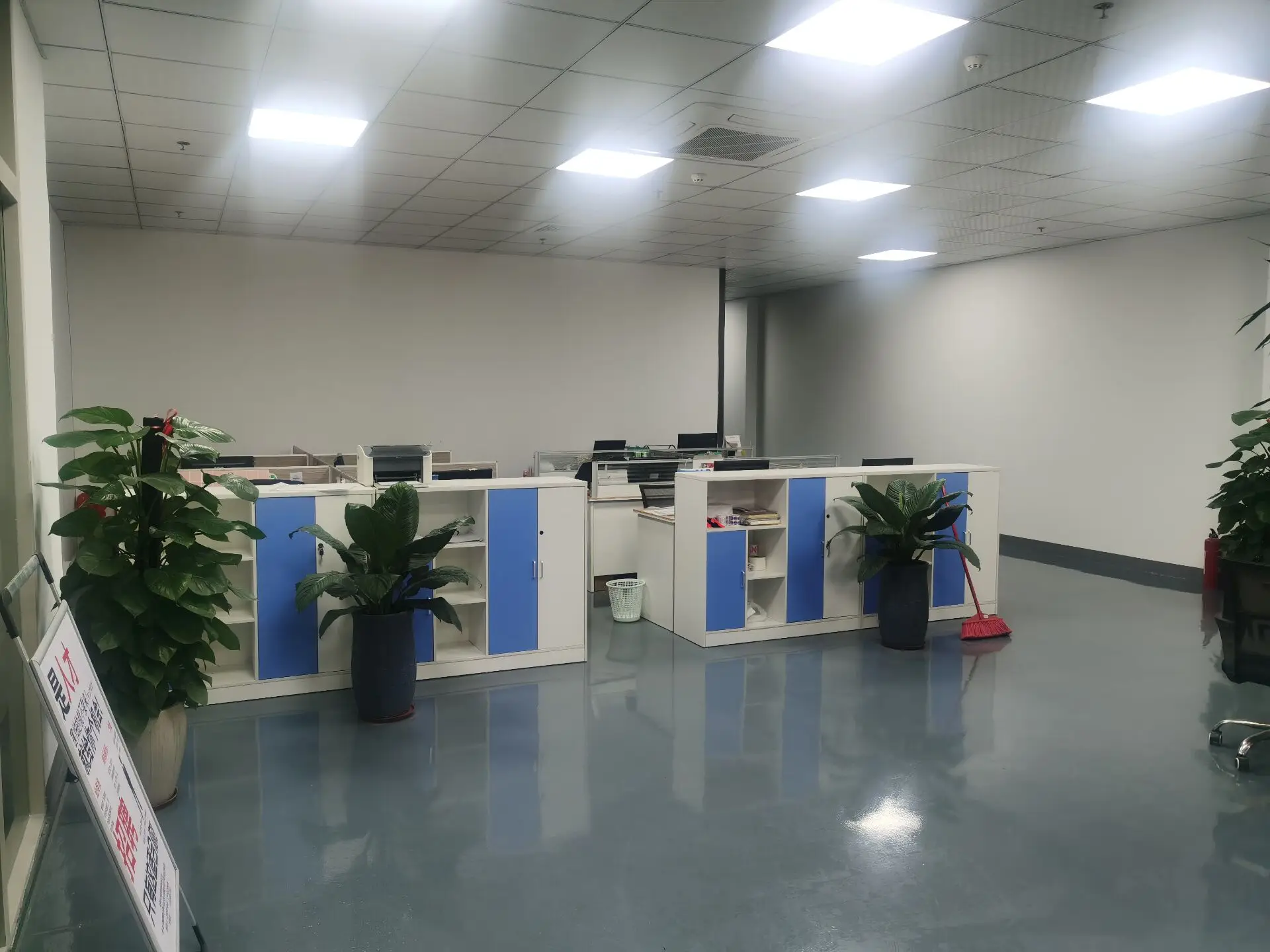
Dongguan Tangxia Fenghehai Trading Firm
- Trading Company
- Guangdong, China
- Lead time0 days
- Avg. response≤ 4h
Main productsstickers,labels,Splash target paper,Gel stickers,Stationery supplies
Main marketsNorth America(50.0%)
Shenzhen Guohui Craft Products Co., Ltd.
- Manufacturer, Trading Company
- Guangdong, China
- Lead time24 days
- Avg. response≤ 2h
Main productsEVA Case for 3C,EVA Case for Home Life,EVA Case for Entertainment,EVA Case for First Aid Kits,EVA Case for Kids
Main marketsNorth America(35.0%), Domestic Market(25.0%), Western Europe(25.0%), South America(10.0%), Eastern Asia(5.0%)

Xiamen Polaris Innovate Co., Ltd.
- Trading Company
- China Fujian
- Lead time23 days
- Avg. response≤ 3h
Main productsBar Tools, Brewery Point of Sale Materials, LED Bar Decoration, Packaging Materials, Promotional Gifts
Main marketsAfrica,East Asia(Japan/ South Korea),Europe,Australia,North America


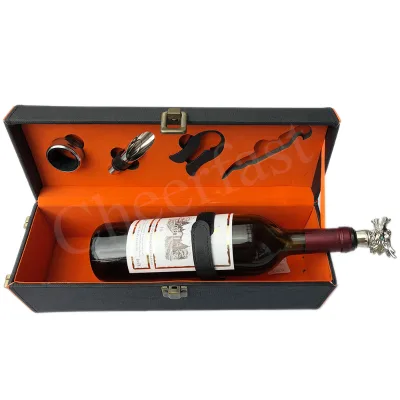










Comprehensive Sourcing Guide
Leather Embossed Wine Carrier Supplier Concentration and Factory Types
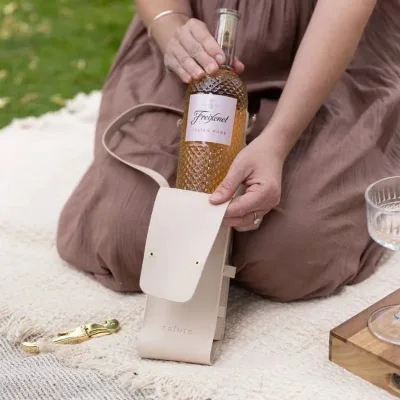
Current supplier data indicates a concentration of manufacturers and factories located in China, specifically within the Fujian and Guangdong provinces. These regions host facilities that list main products including various bag types such as backpacks, school bags, and specifically leather wine bags alongside cosmetic and jewelry boxes. The presence of combined company types suggests a mix of direct manufacturing and trading operations within these clusters. Buyers should verify if a specific facility is a pure manufacturer or a combined entity, as this distinction impacts production control and customization capabilities. The observed data points to a significant volume of production capacity in these areas, with some facilities reporting daily production capabilities reaching 100,000 pieces for related textile items.
When assessing the factory type, it is critical to distinguish between entities that solely produce goods and those that combine sourcing with manufacturing. The available facts show that some suppliers operate as manufacturers with OEM and ODM capabilities, allowing for custom leather types and embossing styles. Others may function as combined entities offering a broader range of packaging solutions like wine racks and gift boxes. Buyers must confirm the specific nature of the supplier's operation to ensure they can meet the technical requirements for embossing leather. Without explicit confirmation of a factory's primary function, assumptions about their ability to handle complex leather treatments should be avoided. Verification of the company type ensures the buyer engages with a partner capable of delivering the specific craftsmanship required for luxury leather wine carriers.
How to Verify Leather Embossed Wine Carrier Suppliers
Verification of suppliers relies on checking specific credentials and third-party audit results rather than assuming quality based on product images. The observed data includes suppliers with BSCI, ISO 9001, and SEDEX system certifications, alongside SGS verification status. These credentials indicate adherence to social compliance, quality management, and ethical sourcing standards, which are vital for leather goods production. Buyers should request current certificates to confirm that the supplier maintains these standards specifically for their leather embossing processes. The presence of these certifications suggests a baseline of operational maturity, but they must be validated against the specific product line being sourced.
Response time and verification status are also key indicators of supplier reliability and communication efficiency. Data shows response times ranging from approximately 3.36 hours to over 24 hours, which can significantly impact the speed of negotiation and sample approval. A faster response time often correlates with a more active sales team and better project management. Additionally, the presence of an SGS verification badge provides an external layer of trust regarding the supplier's business legitimacy. Buyers should prioritize suppliers with verified status and prompt response metrics to ensure smooth communication. It is essential to confirm that the verification applies to the specific entity offering the leather wine carriers and not just a broader corporate group.
What to Compare Across Leather Embossed Wine Carrier Suppliers
Comparing suppliers requires a detailed analysis of lead times, minimum order quantities, and pricing structures to find the best fit for the project. Observed lead times vary, with some facilities indicating a 23-day production window while others suggest up to 30 days. Minimum order quantities also differ significantly, ranging from 500 pieces for certain leather models to 1,000 pieces for eco-friendly cotton alternatives. Pricing data shows a wide spectrum, with leather wine bags listed between $16.99 and $18.99 per unit, while other carrier types start as low as $0.30. Buyers must align these metrics with their budget and timeline constraints to avoid delays or cost overruns.
Beyond basic metrics, the comparison should extend to customization options and material specifications. Some suppliers offer custom logo printing, silk screen printing, and embossing on PU leather, while others focus on felt or cotton materials. The ability to customize size, shape, and color is a critical differentiator for luxury wine carriers. Data indicates that customization is available across several product lines, but the specific techniques like hot stamping or embossing must be confirmed. Buyers should also evaluate the daily production capacity, which can range from standard factory output to 100,000 pieces for specific items. A thorough comparison ensures the selected supplier can meet both the aesthetic and volume requirements of the order.
Common Leather Embossed Wine Carrier Sourcing Risks
One significant risk involves the discrepancy between advertised customization capabilities and actual production quality. While data confirms that customization is available for leather wine bags, the specific techniques like silk screen printing or embossing may vary in execution. Buyers face the risk of receiving products that do not match the requested luxury or premium style if the supplier lacks the specific machinery or skilled labor. The variation in leather types, such as PU leather versus genuine leather, also introduces a risk of material inconsistency if not strictly defined in the contract. Ensuring that the supplier can replicate the exact texture and finish is essential to avoid costly returns or brand damage.
Another risk relates to the reliability of lead times and the potential for production bottlenecks. Although some suppliers list a 23-day lead time, external factors can cause delays, especially for custom orders requiring specific embossing dies. The difference in response times, from under four hours to over a day, can also signal potential communication gaps that lead to misunderstandings about order specifications. If a supplier is a combined entity rather than a direct factory, there is an added layer of complexity in managing the supply chain. Buyers must mitigate these risks by establishing clear communication channels and setting realistic expectations for delivery dates based on the supplier's historical performance.
Leather Embossed Wine Carrier Regional Sourcing and Logistics
Sourcing from China, particularly Fujian and Guangdong, offers access to established manufacturing clusters for leather goods and packaging. These regions are known for their expertise in producing bags, cosmetic boxes, and wine carriers, supported by a robust supply chain for raw materials like PU leather and cotton. The proximity of suppliers to major ports facilitates efficient logistics, though buyers must account for the specific shipping requirements of heavy or bulky leather items. The data indicates that products originate from these Chinese provinces, making them the primary hubs for this category of goods. Understanding the regional strengths helps buyers target the most capable facilities for their specific leather embossing needs.
Logistics planning must consider the packaging standards and dimensions provided by the suppliers to optimize shipping costs. Observed packing details include carton packaging with specific dimensions like 411335cm for leather boxes and 15*35cm for cotton carriers. These dimensions influence the number of units that can fit into a container, directly affecting the landed cost per unit. Buyers should verify the packing method to ensure the leather wine carriers are protected during transit, especially given the delicate nature of embossed surfaces. Additionally, the origin location impacts customs duties and import regulations, so accurate declaration of the product origin is necessary. Proper logistics planning ensures that the goods arrive in pristine condition and within the expected timeframe.
Leather Embossed Wine Carrier Commercial Terms and Order Planning
Commercial terms for leather embossed wine carriers often include specific pricing tiers based on order volume and customization complexity. The observed price range for leather wine bags spans from approximately $16.99 to $18.99, while other carrier types may be priced lower. Buyers must negotiate these terms carefully, considering the MOQ requirements which can be as high as 1,000 pieces for certain models. Understanding the price structure helps in budgeting for the total order value, including any additional costs for custom logos or special leather treatments. Clear commercial terms prevent disputes and ensure that both parties have a shared understanding of the financial obligations.
Order planning should account for the production capacity and the specific attributes of the requested items. Some suppliers report a daily production capacity of 100,000 pieces, which suggests they can handle large volume orders efficiently. However, the lead time of 23 to 30 days must be factored into the overall project timeline to ensure timely delivery. Buyers should also consider the customization options available, such as logo printing and specific leather types, as these may extend the production schedule. Planning for these variables ensures that the order is executed smoothly and meets the market launch date. Effective order planning minimizes risks and maximizes the efficiency of the sourcing process.
FAQs
What is the price range for leather wine bags?
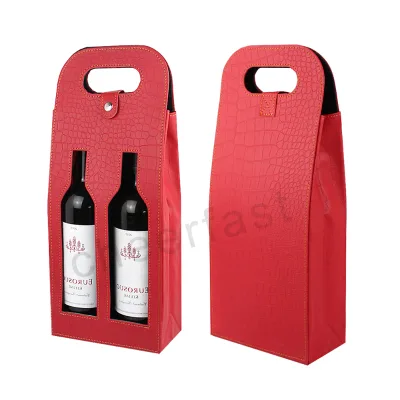
Leather wine bags typically range from 5.39 to 18.99 USD per unit based on current listings. Specific models like vintage square carriers start at 16.99 USD, while double-opening portable cases begin at 5.39 USD. Prices vary depending on customization options and leather type selected.
What is the minimum order quantity for these bags?
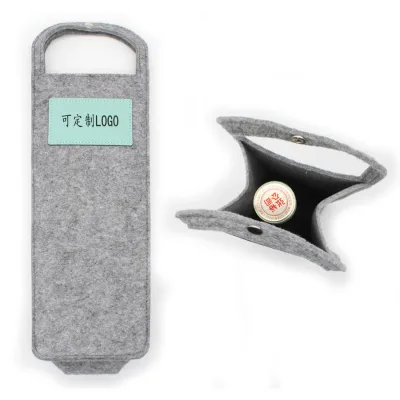
The minimum order quantity for leather wine bags is generally 500 units for standard models. Some eco-friendly cotton options require 1000 pieces, while felt carriers may start at 500 units. Buyers should verify specific MOQs for custom designs or unique leather types before placing orders.
How long does production take for custom orders?
Production lead times for custom leather wine bags are approximately 23 days for factory orders. Combined suppliers may require up to 30 days for complex requests. Buyers should confirm exact timelines with manufacturers to ensure timely delivery for their specific event or promotional needs.
Are these bags available with custom logo printing?
Yes, custom logo printing is available on most leather wine bags using silk screen printing or embossing techniques. Options include hot stamping and silver finishes for premium branding. Buyers can request specific logo placements and colors to match their corporate identity or gift packaging requirements effectively.
What certifications do the manufacturers hold?
Manufacturers in this category hold BSCI, ISO 9001, and SEDEX certifications for quality and ethical standards. Some suppliers also undergo SGS verification to ensure product safety and reliability. These credentials help buyers trust the supply chain and maintain compliance with international trade regulations.
Where are the leather wine bag manufacturers located?
Most manufacturers are located in Fujian and Guangdong provinces in China. These regions specialize in leather goods and bag production with established supply chains. Buyers can expect efficient logistics from these hubs, though shipping times will depend on the specific port and destination country selected.
What materials are used for the wine carriers?
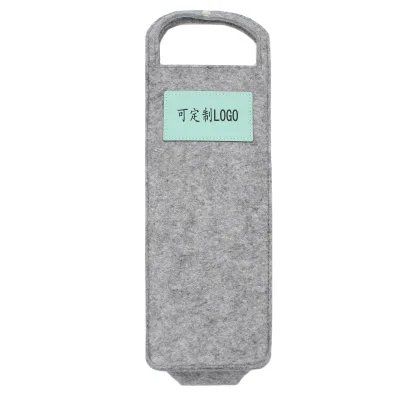
Materials include PU leather, genuine leather, cotton, and felt for various carrier styles. PU leather offers a premium look with scratch resistance, while cotton provides an eco-friendly alternative. Felt options offer soft protection with contrast colors, ensuring durability and style for different usage scenarios.