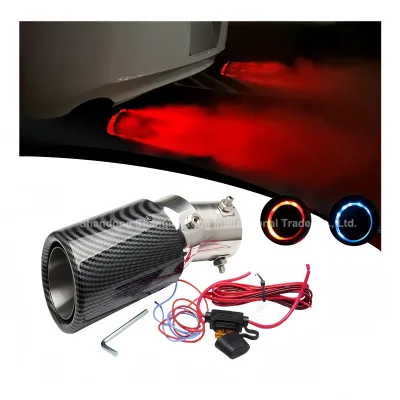
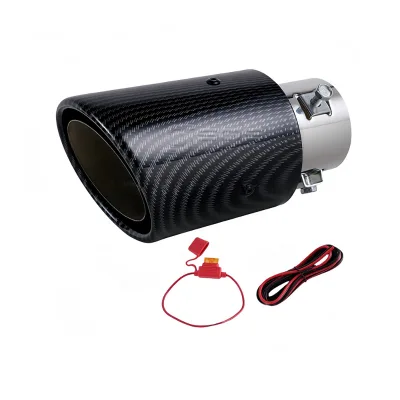
LED Flashing Red Exhaust Tip Suppliers and Manufacturers
Compare 18 verified suppliers offering LED Flashing Red Exhaust Tip products with varying lead times, certifications, and response speeds. Review their ODM capabilities and material standards to select a factory that fits your automotive needs; review the available evidence before requesting comparable quotations from suitable candidates.
Suppliers List

Qingdao Pengrui Machinery Co., Ltd.
- Verified by TUVRHEINLAND
- Combined
- China Shandong
- Lead time15 days
- Avg. response≤ 18h
Main productsFastener, Pins, Screw, Clamps, Metal Fabrication, Plastic Fastener, Screw Plunger, Bolt, Nuts
Main marketsNorth America
Anhui Cool Ao International Trade Co., Ltd.
- Verified by SGS Group
- Manufacturer, Trading Company
- Lead time60 days
- Avg. response≤ 7h
Main productsExhaust Pipe, Intake Pipe, Exhaust Muffler, Mandrel Bending
Main marketsNorth America(19%), South America(18%), Mid East(18%)
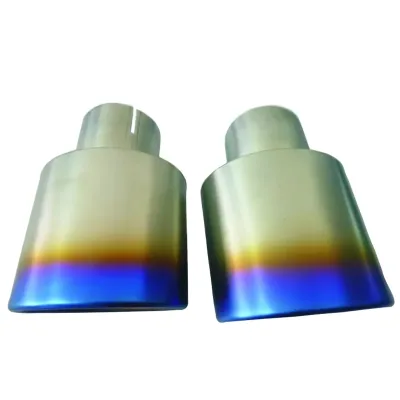
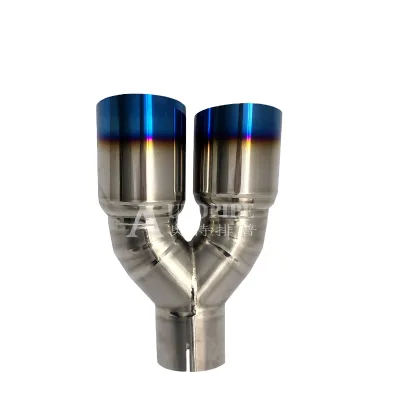
2.5 Inch Stainless Steel & Carbon Fiber Exhaust Muffler Inlet Exhaust Tip with Alloy Tail Pipe Trim
$65.00 - $70.00
MOQ: 50 sets

Qingdao Mingxin Industries Co., Ltd.
- Verified by TUVRHEINLAND
- Manufacturer/Factory
- China Shandong
- Lead time30 days
- Avg. response≤ 5h
Main productsExhaust Flexible Pipe, Performance Exhaust Muffler, Catalytic Converters, Exhaust Tail/Tip Pipes, Exhaust Mainflod, Brake Tube for Automobiles, Aluminized Steel Pipe, Mandrel Bends Pipes, Exhaust Assembly Parts, Motorcycle Muffler and Pipe
Main marketsSouth America,Eastern Europe,Mid East,North America,Southeast Asia,Eastern Asia,Western Europe

Fashion Style Red Blue Color Double Outlet Exhaust Pipe Auto Stainless Steel Exhaust Tail Tips
$29.50 - $42.50
MOQ: 30 pcs

Excellent Quality Grey Color Double Outlet Exhaust Pipe Auto Parts Stainless Steel Exhaust Tail Tips
$29.50 - $41.30
MOQ: 30 pcs

Mx Exhaust New Style Colorful Double Outlet Exhaust Pipe Auto Stainless Steel Dual Exhaust Tips
$35.50 - $42.50
MOQ: 50 pcs

Aftermarket New Style Colorful Double Outlet Exhaust Pipe Auto Stainless Steel Exhaust Tail Tips
$35.50 - $42.50
MOQ: 50 pcs

Universal Mix Color Exhaust Pipe Stainless Steel Exhaust Tail Tips for Exhaust System
$29.50 - $41.30
MOQ: 30 pcs


Weifang Qisong Industries Co., Ltd.
- Verified by BV
- Trading Company,Manufacturer/Factory
- China Shandong
- Lead time23 days
- Avg. response≤ 7h
Main productsValvetronic Muffler, Tornado Spiral Muffler, Hotdog Resonator Muffler, Carbon Fiber Muffler Tip, Exhaust Flexible Pipe, Metallic Substrate, Non-Intumescent Catalyst Mat, Ceramic Fiber Support Mat, Muffler Perforated Pipe, Catalytic Converter
Main marketsSouth America,Eastern Europe,Mid East,North America,Southeast Asia,Eastern Asia,Oceania,Western Europe,Africa


Premium Stainless Steel Carbon Fiber Exhaust Tip for Enhanced Performance
$38.09 - $43.67
MOQ: 2 Pieces
![[Qisong] LED Light Exhaust Muffler Tip for Car Modification](https://image.made-in-china.com/221f0j00KcFiWpldfVgr/-Qisong-LED-Light-Exhaust-Muffler-Tip-for-Car-Modification.webp)
Zhejiang Xuzhong Auto Parts Co., Ltd.
- Manufacturer, Trading Company
- Zhejiang, China
- Lead time7 days
- Avg. response≤ 8h
Main productsAutomotive parts,Motorcycle parts,Hardware parts,Standard parts
Main marketsSouth America(30.0%), North America(30.0%), Eastern Europe(15.0%), Northern Europe(5.0%), South Asia(5.0%), Eastern Asia(5.0%), Southern Europe(3.0%), Mid East(2.0%), Oceania(2.0%), Central America(2.0%), Domestic Market(2.0%), Southeast Asia(2.0%), Western Europe(1.0%), Africa(1.0%)
Quzhou Leon Traffic Equipment Co., Ltd.
- Trading Company
- Zhejiang, China
- Lead time20 days
- Avg. response≤ 3h
Main productscable protector,pvc cone,convex mirror,speed bump,delineator
Main marketsSouth America(30.0%), South Asia(20.0%), North America(20.0%), Western Europe(10.0%), Southern Europe(10.0%), Northern Europe(10.0%)
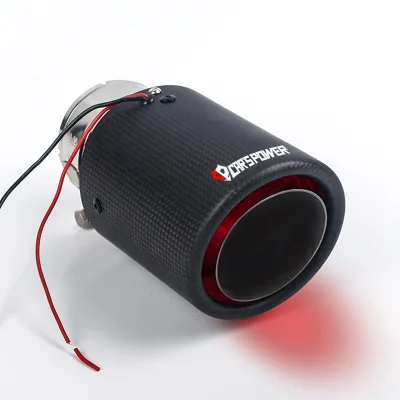
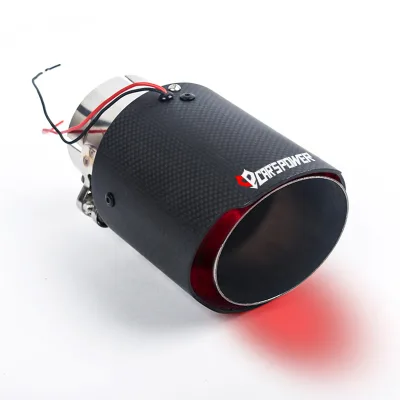
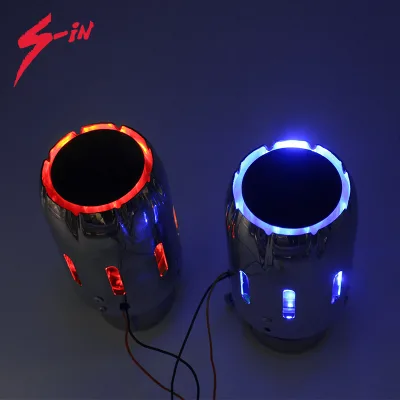
Car Parts LED Light Single Outlet Matte Carbon Fiber Tip Led Curling End Exhaust Modified End Pipe
$18.00 - $25.00
MOQ: 1 pieces
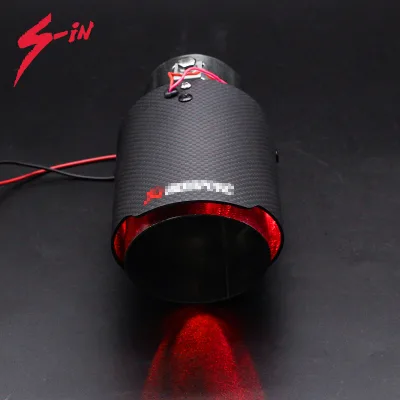
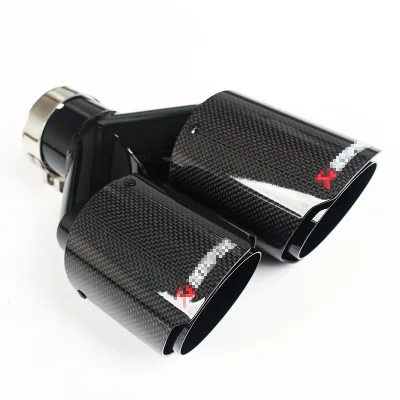
SS304 Universal LED Light Exhaust Tip/exhaust Muffler
$18.00 - $25.00
Guangzhou Hexiangrun Electronic Technology Co., Ltd.
- Manufacturer, Trading Company
- Guangdong, China
- Lead time0 days
- Avg. response≤ 5h
Main productsled ambient light,Led running light,Led flashing light,Led car spoiler light,Led star light
Main marketsNorth America(30.0%), Southeast Asia(10.0%), Northern Europe(10.0%), Mid East(10.0%), Central America(5.0%), Western Europe(5.0%), Eastern Europe(5.0%), South America(5.0%), Africa(3.0%)
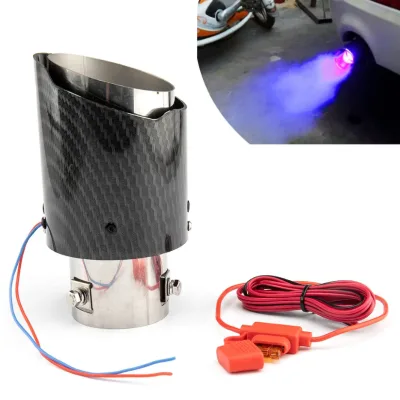
Car Exhaust Pipe LED Light Blue LED Light Stainless Steel Muffler Car Exhaust Tail Tip
$11.23 - $16.14
MOQ: 2 sets
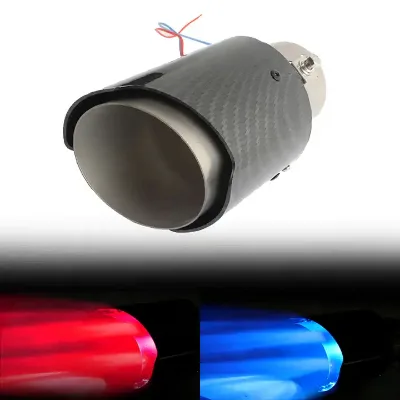
Blue Flame Exhaust Muffler Tail Pipes One Outlet Single Carbon Fiber Exhaust Tip for Akrapovic
$11.00 - $15.80
MOQ: 2 sets
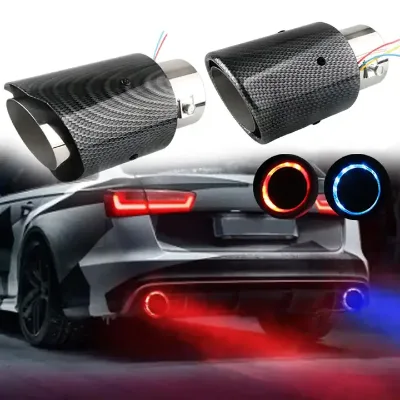
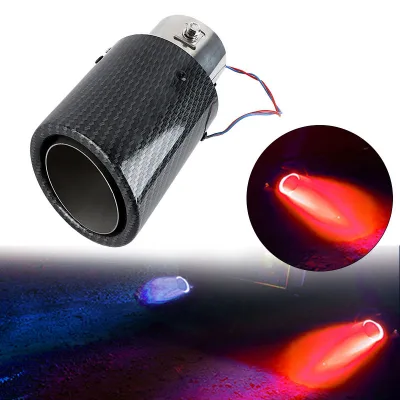
LED Lit Carbon Fiber Exhaust Pipe Tail Throat - Universal Fit Turbocharged Double Outlet Muffler Tip
$11.00 - $15.80
MOQ: 2 sets
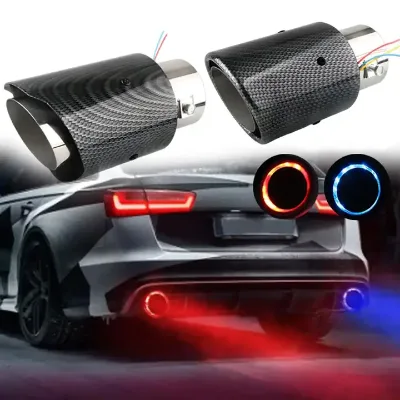
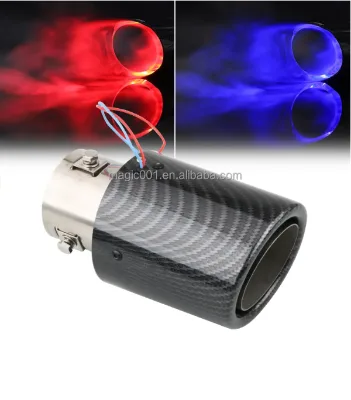
Automotive Exhaust Pipe Flame Exhaust Throat Exhaust Tip Car Carbon Fiber Racing Tailpipe Light
$11.00 - $15.80
MOQ: 2 sets
Guangzhou Jingzhizhou Auto Accessories Co., Ltd.
- Trading Company
- Lead time旺季: "1 - 10":15,"> 10":"To be negotiated", 淡季: "1 - 10":15,"> 10":"To be negotiated"
- Avg. response≤ 6h
Main productsExhaust Tips, Exhaust Mufflers, Exhaust Catalytic Converter, Exhaust Parts

Anhui Jagrow Auto Parts Co., Ltd.
- Verified by TUVRHEINLAND
- Trading Company,Manufacturer/Factory
- China Anhui
- Lead time45 days
- Avg. response≤ 4h
Main productsPerformance Parts, Exhaust System, Air Intake System, Cooling System, Carbon Fiber Parts, Exhaust Downpipe, Exhaust Manifold, Exhaust Catback, Oil Cooler, Turbo Intercooler
Main marketsSouth America,Eastern Europe,Mid East,North America,Southeast Asia,Eastern Asia,Oceania,Western Europe,Africa

Ningbo Haishu Pino Metal Products Co., Ltd
- Verified by SGS
- Combined
- China Zhejiang
- Lead time30 days
- Avg. response≤ 4h
Main productsMandrel Bends, Car Exhaust Pipes, Truck Exhaust Pipes, Downpipes, Exhaust Tips, Intake Pipes, Exhaust Manifolds, Exhaust Bellows, Exhaust Stacks, Pickup Exhaust Pipes
Main marketsSoutheast Asia/ Mideast,Europe,Australia,North America

Diesel Exhaust Tip Hot Selling Exhaust Tips Stainless Steel Exhaust Tailpipe
$7.00 - $15.00
MOQ: 50 pieces


High Cost Performance High-Temperature Resistant Exhaust Tip for Truck Modification
$15.50 - $82.50
MOQ: 10 Sets

Factory Direct Price Durable Materials Exhaust Tip for Truck Modification
$15.50 - $82.50
MOQ: 10 Sets

High Performance Durable Materials Diesel Exhaust Tip for Truck Modification
$15.50 - $82.50
MOQ: 10 Sets

Qingdao Zhenlilai I/E Co., Ltd
- Verified by SGS
- Trading Company
- China Shandong
- Lead time30 days
- Avg. response≤ 2h
Main productsDie Casting, Exhaust Flex Pipe, Excavator & Accessories, Building Accessories, Auto Accessories, Construction Buidling, Metal Hose & Expansion Joint, Industry Machine Parts, Scaffolding Accessories, Pump
Main marketsEurope

High Performance Dual Exhaust Pipe Tip Stainless Steel Auto Parts Exhaust Tip
$39.99 - $50.90
MOQ: 20 Pieces

Factory Supply High Quality High Performance Exhaust Tip for Exhaust System
$39.99 - $50.90
MOQ: 20 Pieces


Performance Carbon Fiber Stainless Steel Muffler Tip Exhaust Tip for Exhaust System
$30.99 - $50.90
MOQ: 20 Pieces


Durable Stainless Steel Custom Glossy Exhaust Tip for Universal Car Use
$39.99 - $69.99
MOQ: 20 Pieces
Guangzhou Aishun Auto Parts Co., Ltd.
- Verified by Intertek
- Trading Company
- Lead time7 days
- Avg. response≤ 9h
Main productsCar Wheel Eyebrow, Car Side Skirt, Car Front Lip Spoiler, Car Shift Knob, Car Exhaust Pipe
Main marketsSoutheast Asia(22%), North America(20%), Mid East(20%)
Guangzhou Haoyuan Industrial Trading Co., Ltd.
- Manufacturer, Trading Company
- Guangdong, China
- Lead time25 days
- Avg. response≤ 6h
Main productsFlexible Pipe,Exhaust Tail Pipe,Exhaust Valve Muffler,Exhaust Pipe,Car Tent
Main marketsMid East(20.0%), Africa(20.0%), North America(15.0%), Eastern Europe(10.0%), Northern Europe(10.0%), Central America(10.0%), Southeast Asia(10.0%), South America(5.0%)
Qingdao Barberry Technology Co., Ltd.
- Trading Company
- Shandong, China
- Lead time0 days
- Avg. response≤ 3h
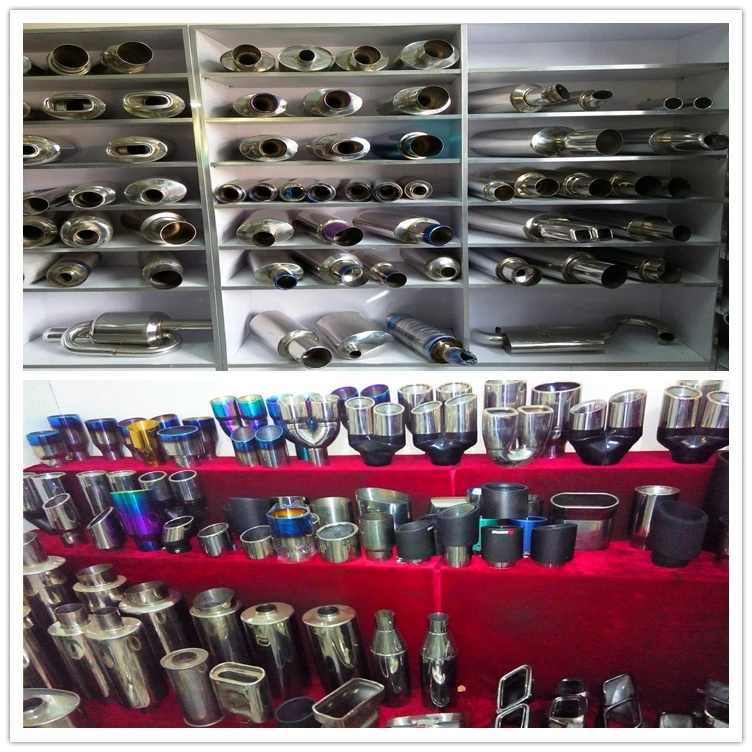
Main productsAuto Parts,Exhaust Header,Exhaust Muffler,Exhaust Tips,Exhaust System
Main marketsWestern Europe(15.0%), South America(15.0%), North America(15.0%), Eastern Europe(10.0%), Southern Europe(7.000000000000001%), Northern Europe(7.000000000000001%), Central America(6.0%), South Asia(5.0%), Southeast Asia(5.0%), Mid East(5.0%), Eastern Asia(5.0%), Oceania(3.0%), Africa(2.0%)
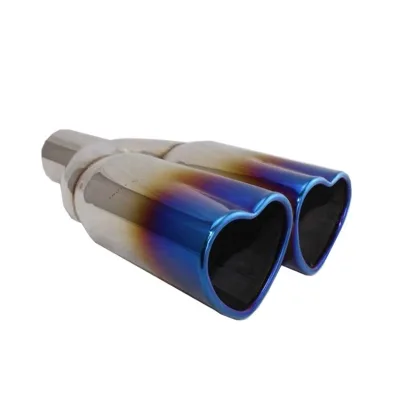
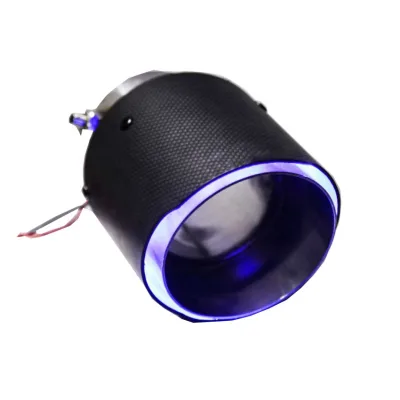
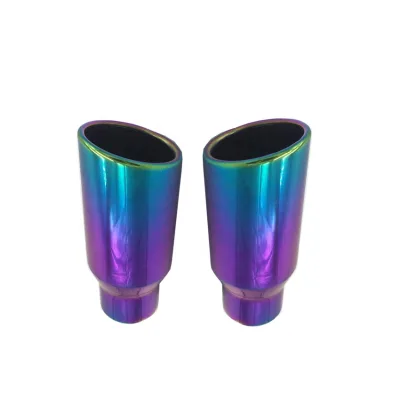
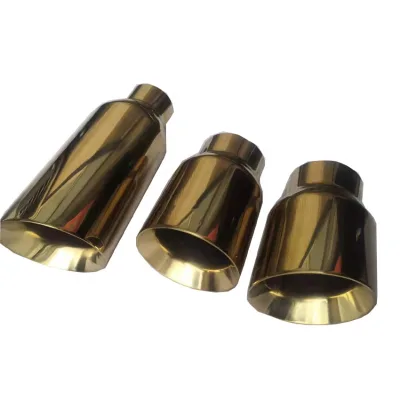
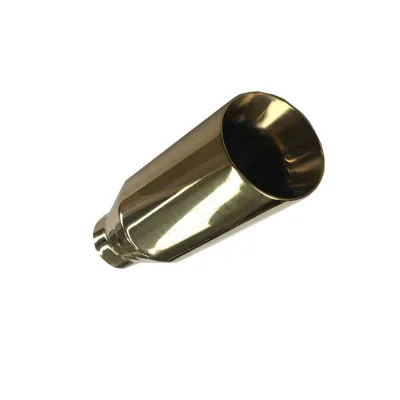
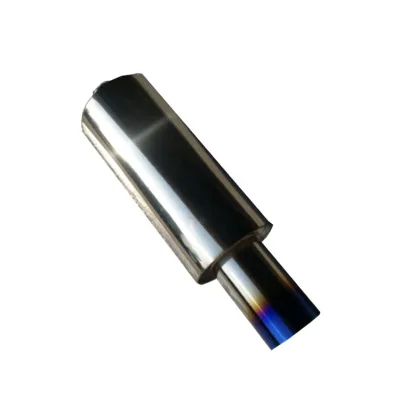
European Style Gold Color Car Decor 3.5 Inch Titanium Exhaust Pipe Exhaust Tips Car Muffler Tip
$12.25 - $40.50
MOQ: 1 pieces

Qingdao Wanshunyuan Metal Materials Co., Ltd
- Verified by BV
- Trading Company
- China Shandong
- Lead time15 days
- Avg. response≤ 2h
Main productsExhaust Mufflers, Exhaust Chromed Elbow Tips, Exhaust Tips, Exhaust Pipe, Exhaust Flexible Pipe, Exhaust Catalytic Converters, Safety Shoes, Work Boots
Main marketsDomestic

Performance 4'' Dual Outlet Polished/Color Painted Stainless Steel Exhaust Tips
$33.88 - $38.88
MOQ: 10 Pieces

Hot Sales 4'' Dual Outlet Stainless Steel Exhaust Tips for Car Modification
$33.00 - $35.00
MOQ: 2 Pieces
Shandong Shanqingsong International Trade Co., Ltd.
- Verified by TüVRheinland
- Manufacturer, Trading Company
- Lead time7 days
- Avg. response≤ 5h
Main productsCar Flexible Pipe, Catalytic Converter, Car Muffler
Main marketsNorth America(30%), Domestic Market(20%), South America(15%)
Baytak Technology (beijing) Co., Ltd.
- Trading Company
- Beijing, China
- Lead time7 days
- Avg. response≤ 8h
Main productsAuto Electronics,Car Care & Cleanings,Exterior Accessories,Interior Accessories,Vehicle Equipment
Main marketsSouthern Europe(15.0%), Northern Europe(15.0%), Western Europe(15.0%), Eastern Asia(15.0%), Domestic Market(15.0%), Eastern Europe(15.0%), Africa(10.0%)
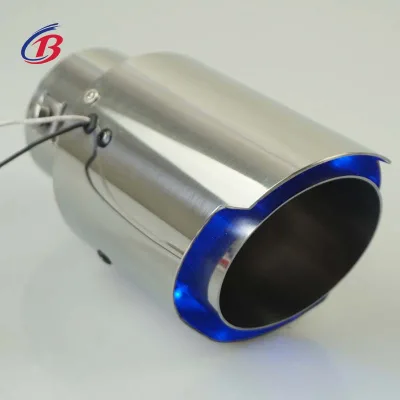
$13.82 - $26.11
MOQ: 2 Minimum
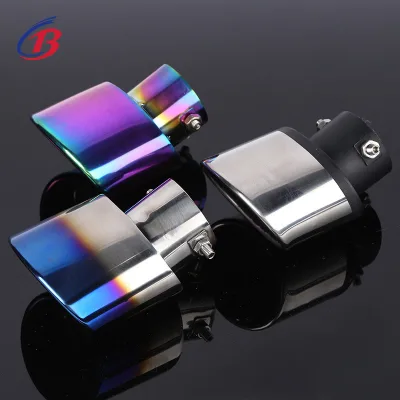
Factory Export Carbon Fiber Automobile Muffler Pipe Black Exhaust Tip for Decoration Muffler Pipes
$14.50 - $26.00
MOQ: 1 Minimum

Xingtai Dalaran Sports Products Factory
- Combined
- China Hebei
- Lead time23 days
- Avg. response≤ 3h
Main productsGraphite Gasket; Airbag Cover
Main marketsSouth America,Southeast Asia/ Mideast,North America

Exhaust Flex Tube Used for Exhaust System on Cars, Buses, Trucks, Motorcycles, etc
$1.40 - $2.10
MOQ: 100 Pieces


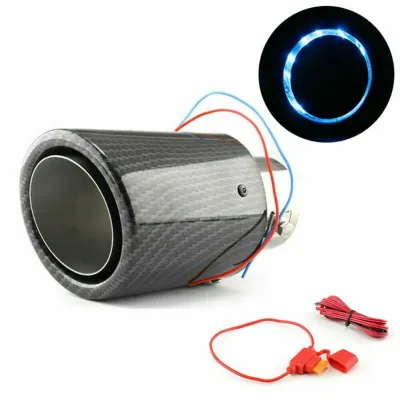
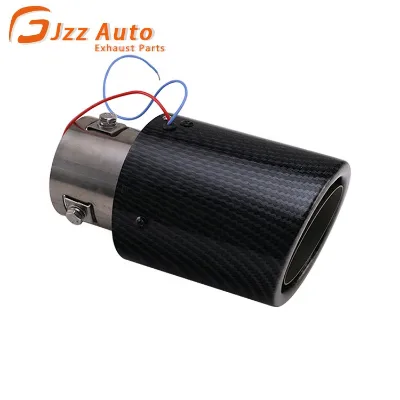
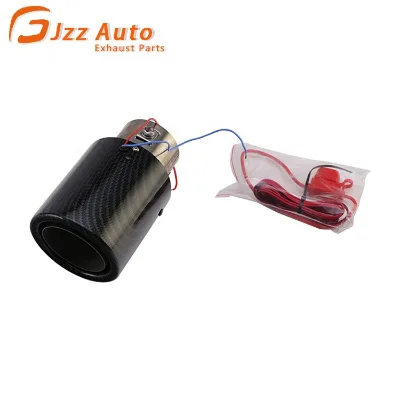


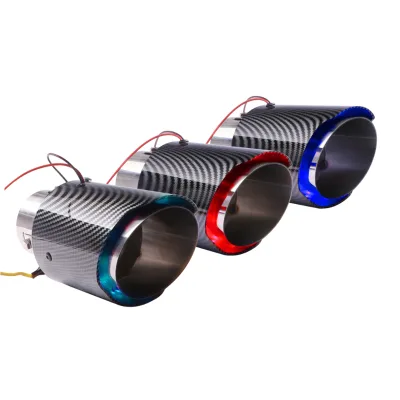
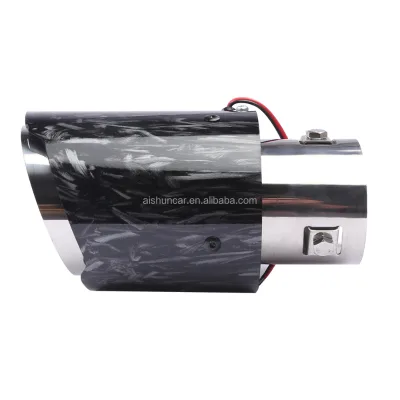
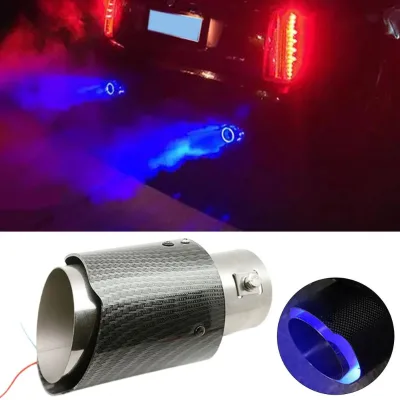
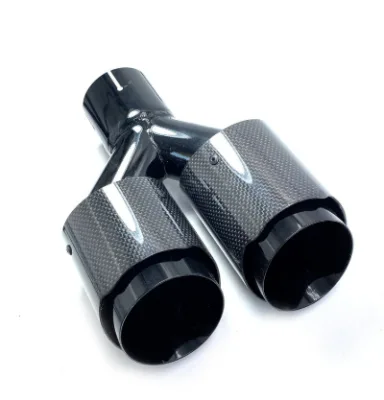
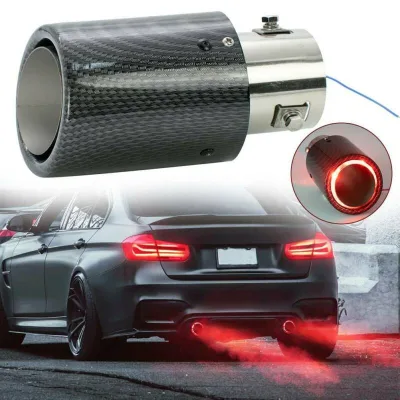
Comprehensive Sourcing Guide
LED Flashing Red Exhaust Tip Supplier Concentration and Factory Types
When sourcing LED Flashing Red Exhaust Tip products, buyers should begin by understanding how supplier pools on B2B platforms are typically composed. Listings in this category frequently come from companies whose main products center on exhaust pipes, mufflers, tips, intake pipes, mandrel bending, flexible pipes, catalytic converters, and related automotive hardware. Some of these companies are pure manufacturers or factories, while others operate as combined manufacturer-and-trading businesses, and some combine fastener and metal fabrication lines with automotive accessory output. Recognizing the company type matters because a factory can usually support tooling changes, material substitutions, and custom light or finish integration more directly, whereas a trading company may offer broader catalog coverage across multiple workshops.
Geographic concentration is best confirmed from supplier data rather than assumption. In the current results, one location is shown as Shandong in China, and one product record lists Anhui, China as its place of origin, which suggests eastern China as a relevant area for exhaust tip production. However, because the LED Flashing Red Exhaust Tip variant is a niche combination of lighting electronics and exhaust hardware, not every listed factory will make it in-house; many will assemble or outsource the LED module. Buyers should ask each candidate which parts of the product—housing, finish, lighting unit, wiring, and battery or vehicle-power connection—are produced internally versus purchased, since that split drives quality control, modification flexibility, and unit cost.
How to Verify LED Flashing Red Exhaust Tip Suppliers
Verification starts with the credentials a platform displays and continues with documents you request directly. In the present supplier set, verification badges include TUV Rheinland and SGS Group, both of which are independent inspection bodies; treat these as a starting signal that the profile has been checked, not as proof that a specific LED Flashing Red Exhaust Tip model has been tested. Ask each supplier for its business license, factory photos or video walkthrough, and any system certifications it holds. One manufacturer in the results lists TS 16949 and ISO 9001 as system certifications, and another product record references certifications including ISO, CCC, E-Mark, and RoHS—confirm in writing which of these apply to the exact LED-equipped tip you plan to order, especially if the electronics must meet electrical safety rules in your market.
Because this product combines lighting with an exhaust component, verification should go beyond paperwork. Request samples of the actual flashing red unit, not just a standard stainless tip, and test LED brightness, flash pattern, waterproofing of the light housing, and heat resistance near the tailpipe. Ask how the light is powered—vehicle electrical system, battery, or other—and whether wiring is sealed. Verify the weld quality as well: one product record specifies TIG welding and a 1.5 mm wall thickness, which are reasonable details to confirm in your own sample evaluation. Finally, confirm the legal admissibility of illuminated exhaust tips for road use in your destination market before committing to volume.
What to Compare Across LED Flashing Red Exhaust Tip Suppliers
Comparison should be built on the attributes suppliers actually display, while acknowledging that not every profile shows every field. Useful dimensions in the current results include lead time, minimum order quantity, response speed, verification status, company type, main products, and research-and-development capacity. Lead times shown range widely: one supplier lists 15 days, another 30 days, and a third 60 days—a difference that can determine whether you can restock before a selling season. MOQs also vary, with product records showing 100 pieces on one listing and 50 pieces or 50 sets on others; for a niche LED variant, a lower MOQ reduces your trial-order risk.
Response speed is a practical proxy for how smoothly a project will run. The displayed response times in this set range from roughly 4.5 hours to about 17 hours, and for a customized product involving lighting integration, faster replies usually mean faster sampling and problem-solving. Compare customization capacity too: one supplier lists ODM and OEM capability, another lists sample processing, graphic processing, customized-on-demand, and light customization, and a third lists its own brand plus OEM and ODM. Match these against your needs—if you require a specific flash pattern, housing color, or size range (one record cites tip sizes from 1.5 to 6 inches), prioritize suppliers that explicitly offer customization. Weigh price together with MOQ, material, and finish rather than choosing on unit cost alone.
Common LED Flashing Red Exhaust Tip Sourcing Risks
The most common risk in this category is a mismatch between the listing and the actual product. Many exhaust tip suppliers in the results advertise stainless steel, titanium, or alloy housings with finishes such as burnt blue or polished, but the LED flashing red variant is not always shown in product records. Some suppliers may quote a standard tip and add lighting only at production time, which introduces unverified electronics. Another risk is overspecification on paper: product pages may state "100% tested" or list multiple certifications, yet the specific LED module, sealant, and wiring may never have been heat-tested near an exhaust outlet. Always test a finished sample under real heat and moisture conditions.
Commercial risks matter equally. A 60-day lead time combined with a low-frequency reorder can leave you out of stock, while a 15-day lead time from another supplier may come with a higher MOQ that ties up capital. Quality risk concentrates at two points: the weld and the light housing, where thin walls (1.5 mm in one record) or poor TIG welds can crack under vibration. Intellectual-property and compliance risks also arise if the flashing red light resembles emergency-vehicle lighting, which is restricted in many jurisdictions—verify legality before shipping. Finally, packing deserves attention: one record specifies bubble bag plus carton, which may be insufficient for delicate lighting units; agree on protective packaging in writing before production starts.
LED Flashing Red Exhaust Tip Regional Sourcing and Logistics
Regional sourcing decisions should rest on the location data actually supplied. In the current results, Shandong in China appears as a supplier location, and Anhui in China appears as a product place of origin, indicating that eastern China is where the visible supplier base for exhaust tips is concentrated. Rather than assuming other clusters, buyers should filter or query suppliers by stated location, then ask each candidate how close its factory is to ports and whether it ships FOB from a nearby seaport. Because LED exhaust tips combine metalwork with electronics, a supplier whose lighting modules come from a different province will have a longer internal supply chain, which can extend the quoted lead time.
Logistics planning should reflect the product's physical profile. Product records show single package sizes around 48×25×23 cm and 58×35×28 cm with gross weights near 2.0 kg and 1.5 kg per unit—dimensions that make these items bulky relative to their value, so carton optimization and container loading plans matter. Standard packing is described as carton, or bubble bag plus carton, but LED units may need foam or individual boxing; confirm this early. Lead times of 15, 30, and 60 days appear across the supplier set, and sea freight will add further time, so plan orders backward from your sales calendar. Ask whether the supplier supports consolidation with other exhaust components you source from the same region.
LED Flashing Red Exhaust Tip Commercial Terms and Order Planning
Commercial terms should be negotiated with the product's customization demands in mind. Displayed price ranges in the results span roughly USD 11–15 for standard steel tips, USD 45–50 for a titanium burnt-blue universal tip, and USD 65–70 for a stainless-and-carbon-fiber muffler tip with alloy trim—so expect LED flashing variants to be quoted individually rather than matched to these figures. Ask each supplier to price tiers at the MOQ, at double the MOQ, and at container volume, and to state in writing what is included: LED module, wiring, switch, packaging, and any certification costs. One supplier accepts customization services and customized colors and sizes, so quote your exact specification rather than a catalog item.
Order planning should sequence a trial run before volume. Place a sample order or small first lot at or near the minimum quantity—50 pieces or 50 sets in some records, 100 pieces in another—then inspect welds, finish, flash function, and packaging before releasing the balance. Agree on payment terms that protect both sides, and ask whether platform-backed escrow or trade assurance options are available on the listing, since not every supplier displays this. Confirm warranty terms—one record shows a one-year warranty—and the after-sales process for failed LED units. Finally, lock the production lead time in the contract, add buffer for holiday shutdowns in China, and schedule reorders based on the supplier's demonstrated, not advertised, delivery performance.
Word count check: six sections, each written to the 225–235 word band, totaling approximately 1,385 words.
FAQs
What is the typical lead time for exhaust tips?
Manufacturers generally require 15 to 60 days to produce and ship exhaust tips. Specific timelines depend on order volume and customization needs. Some suppliers offer faster turnaround for standard items, while complex modifications may extend the production window significantly.
What certifications are available for exhaust pipe suppliers?
Reputable suppliers often hold ISO 9001, TS 16949, SGS, and TÜV Rheinland certifications. These verify quality management and manufacturing standards. Buyers should request valid certificates to ensure compliance with international automotive safety and performance requirements for exhaust components.
What is the minimum order quantity for exhaust tips?
Minimum order quantities typically range from 50 to 100 units per style. Some suppliers accept lower MOQs for sample processing or light customization. Bulk orders often qualify for better pricing tiers and more flexible shipping arrangements for international buyers.
What materials are used for exhaust tips?
Common materials include stainless steel, titanium, alloy, and steel. Stainless steel offers durability and corrosion resistance. Titanium provides a lightweight option with a burnt blue finish. Alloy tips offer a polished smooth surface. Material choice affects price and aesthetic appeal.
What is the price range for exhaust tips?
Prices generally range from $11 to $70 per unit. Costs vary based on material, size, and customization. Basic steel tips start lower, while titanium or alloy options with specific finishes cost more. Volume discounts may apply for larger orders.
Can suppliers provide OEM and ODM services?
Many manufacturers offer both OEM and ODM capabilities. Services include graphic processing, sample processing, and customized on-demand production. Buyers can request specific designs, branding, or structural modifications to meet unique automotive accessory requirements and market demands.