LED Unicorn Headband Suppliers and Manufacturers
Compare 24 verified suppliers of LED unicorn headbands on location, product range, MOQ, lead time, response time, and certifications. Send inquiries to shortlisted manufacturers to request quotes and samples before committing to an order; review the available evidence before requesting comparable quotations from suitable candidates.
Updated
Suppliers List
Yiwu Glory Hair Accessories Co., Ltd.
- Verified by SGS Group
- Manufacturer, Trading Company
- Zhejiang, China
- Lead time30 days
- Avg. response≤ 2h
Main productsHair Clips, Headbands, Scrunchies, Hair Combs
Main marketsNorth America(23%), Western Europe(22%), Oceania(18%)
- Trading Company
- Guangdong, China
- Lead time15 days
- Avg. response≤ 6h
Main productsled Halloween mask,sound activated LED bracelet,LED glasses,LED necklace,LED headband
Main marketsNorth America(25.00%), Western Europe(24.00%), South America(18.00%), Eastern Europe(10.00%), Northern Europe(9.00%), Southern Europe(9.00%), Oceania(5.00%)
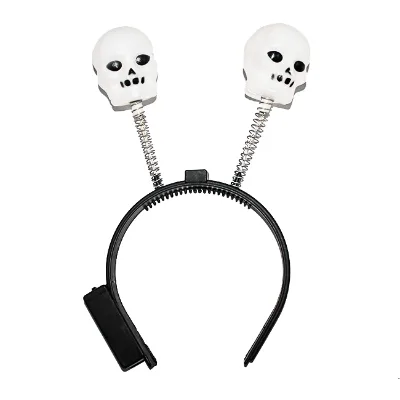
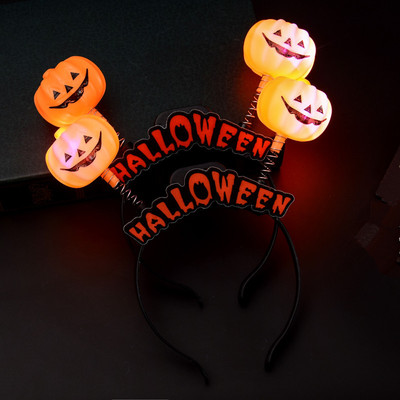
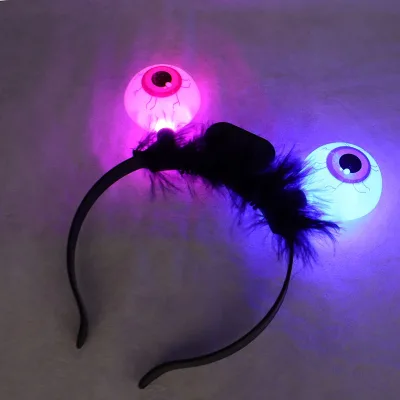
Halloween Pumpkin Led Hairband/ Skeleton Led Headband/Monster Eye Led Headband
$0.45 - $0.65
MOQ: 1000 pieces

Foshan Youyan Clothing Co., Ltd.
- Combined
- China Guangdong
- Lead time30 days
- Avg. response≤ 7h
Main productsHeadband, Scrunchies, Hair Tie, Hair Clip, Hairband
Main marketsSouth America,Africa,Southeast Asia/ Mideast,East Asia(Japan/ South Korea),Domestic,Europe,Australia,North America


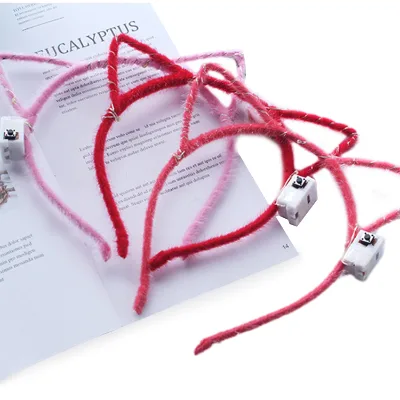
Festival LED Cute Luminous Children Kids Christmas Tree Headbands with Lights
$1.18 - $1.68
MOQ: 10 pieces

- Verified by SGS
- Trading Company
- China Shandong
- Lead time0 days
- Avg. response≤ 14h
Main productsProtective Clothing, Baseball Caps, Microfiber Cloth, LED String Light, Disposable Nitrile Gloves, LED Glowing Stick, Sport Cap, Cleaning Cloth, Bicycle Light, Microfiber Mask

- Verified by TUVRHEINLAND
- Trading Company,Manufacturer/Factory
- China Jiangsu
- Lead time23 days
- Avg. response≤ 4h
Main productsMedal, Coin, Lapel Pin, PVC Patch, Embroidery Patch, Keychain, Button Badge, Silicone Wristband, Lanyards, Gift
Main marketsSouth America,Eastern Europe,Mid East,North America,Oceania,Western Europe

- Verified by BV
- Manufacturer/Factory
- China Guangdong
- Lead time15 days
- Avg. response≤ 6h
Main productsOutdoor and Indoor Lighting, Bar Lights, Festival Lights, Pet Products, Kid Toys
Main marketsSouth America,Eastern Europe,Mid East,North America,Southeast Asia,Eastern Asia,Oceania,Western Europe,Africa


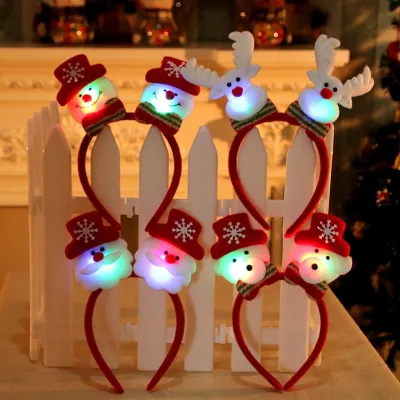
Lighted Christmas LED Flashing Light up Headbands Birthday Party Lovely LED Headband
$0.35 - $0.45
MOQ: 300 Pieces


$0.90 - $1.00
MOQ: 200 Pieces

$1.00 - $1.20
MOQ: 200 Pieces

Party Lights LED Flashing Hair Band Blinking Hairband Hair Garland Headband
$0.25 - $0.30
MOQ: 1000 Pieces
Shenzhen Xingdelong Technology Limited
- Manufacturer, Distributor/Wholesaler
- Guangdong, China
- Lead time15 days
- Avg. response≤ 3h
Main productsLED gift,LED pharmacy cross Display,LED car sign,LED sign,led license frame
Main marketsNorth America(50.00%), Western Europe(20.00%), South America(10.00%), Mid East(5.00%), Oceania(5.00%), Africa(5.00%), Eastern Asia(4.00%), Eastern Europe(1.00%)
Shenzhen New Dody Technology Co., Ltd.
- Manufacturer, Trading Company
- Guangdong, China
- Lead time18 days
- Avg. response≤ 4h
Main productsLED Bracelets remote control,Party Glasses Masks Hats,LED Toy Swords & Gun Wands,LED Cups & Drink Wares,led toys for Halloween Christmas
Main marketsMid East(100.00%), Domestic Market(100.00%), Oceania(100.00%), Africa(100.00%), Southern Europe(100.00%), Northern Europe(100.00%), Central America(100.00%), North America(60.00%), Eastern Asia(20.00%), South Asia(6.00%), Eastern Europe(6.00%), Western Europe(6.00%), Southeast Asia(1.00%), South America(1.00%)

- Combined
- China Guangdong
- Lead time23 days
- Avg. response≤ 3h
Main productsPromotion Gift, Toy, Flashing Item, Free Gift, Business Gift, Novelty
Main marketsAfrica,Europe,North America

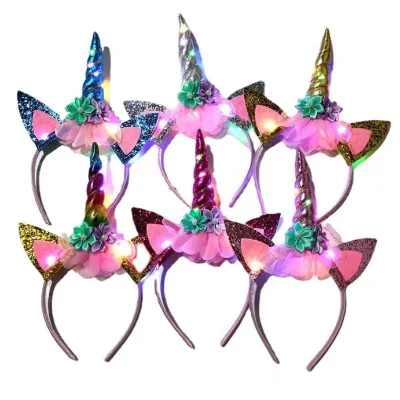
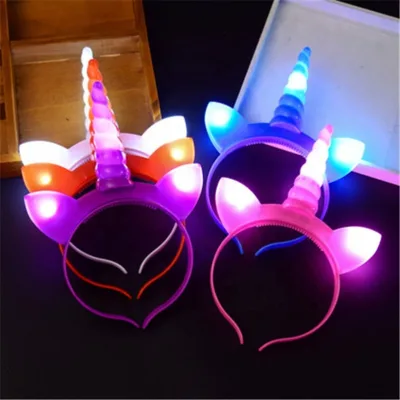
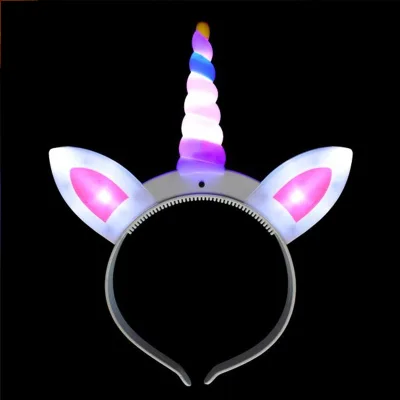
Unicorn Glowing Headband, Dance, Birthday, Holiday Party Headwear, Children's Toys
$0.83 - $0.85
MOQ: 200 Pieces


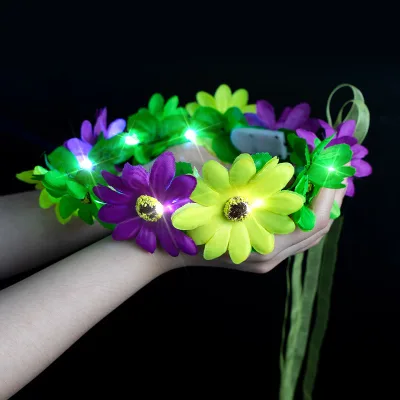
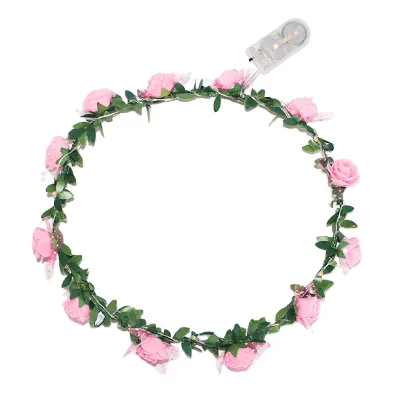
LED Flower Crown Wreath Headband Luminous Headpiece Headdress for Girls Party
$0.29 - $0.72
MOQ: 1000 Pieces


Ningbo Shinein Import & Export Co., Ltd
- Verified by CTI
- Manufacturer/Factory
- China Zhejiang
- Lead time15 days
- Avg. response≤ 12h
Main productsHair Extensions, Face Jewels, Body Glitter, Tattoos, Braiding Hair, Glitters, Plastic Buttons, Shell Buttons, Nipple Covers, Rhinestone Stickers
Main marketsSouth America,Eastern Europe,Mid East,North America,Southeast Asia,Eastern Asia,Oceania,Western Europe,Africa

Cosplay LED Angel Halo Headband Light up Fairy Angel Halo Feather Headband
$0.40 - $0.60
MOQ: 100 Pieces

LED Feather Headband Costume Accessory Halloween Light up White Angel Halo Headband
$0.40 - $0.60
MOQ: 100 Pieces
- Manufacturer, Trading Company
- Zhejiang, China
- Lead time10 days
- Avg. response≤ 2h
Main productsHats,Wedding veil,Pajamas,Belts,Pants
Main marketsNorth America(35.00%), Western Europe(15.00%), Domestic Market(10.00%), Mid East(8.00%), South America(5.00%), Eastern Europe(5.00%), Central America(5.00%), Oceania(5.00%), Northern Europe(5.00%), Southeast Asia(3.00%), Eastern Asia(1.00%), South Asia(1.00%), Southern Europe(1.00%), Africa(1.00%)
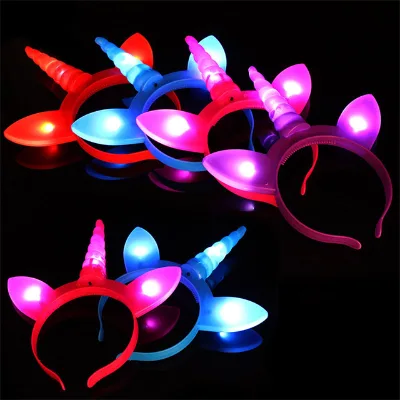
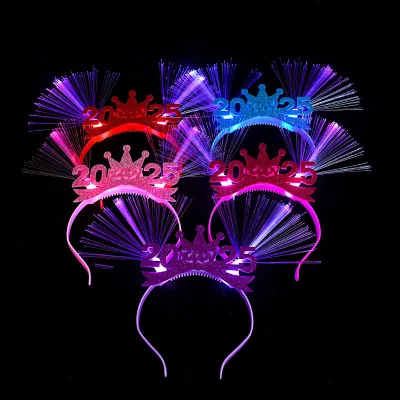
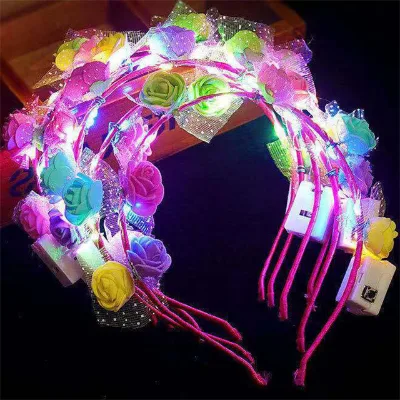
LU-0297 Cat Ear Flower Crown Led Light up Flashing Glow Hairbands Women Girls Costume Headband
$0.17 - $0.35
MOQ: 12 pieces

- Verified by SGS
- Trading Company
- China Zhejiang
- Lead time0 days
- Avg. response≤ 12h
Main productsTents, BBQ Grill, Luggage, Kids Toy, Fitness Equpments, Cookware, Kitchen Utensils and Gadgets, Yoga Mat, Bathroom Rugs, Pets Items
Main marketsSouth America,Eastern Europe,Mid East,North America,Southeast Asia,Eastern Asia,Oceania,Western Europe,Africa

Plastic Unicorn Headband Headband for Ladies Girls Everyday Wear and Party Decoration
$0.048 - $0.05
MOQ: 50000 Pieces

Shenzhen Goldshine Electronics Co.,ltd
- Verified by SGS Group
- Manufacturer, Trading Company
- Lead time20 days
- Avg. response≤ 2h
Main productsLED Glow Sticks, LED Bottle Sticker, LED Wristband, LED Cups, Party Suppliers
Main marketsEastern Asia(25%), Southeast Asia(20%), Domestic Market(18%)
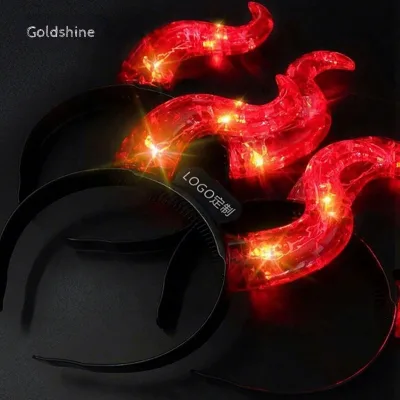
$0.7036 - $0.9222
MOQ: 1000 pieces
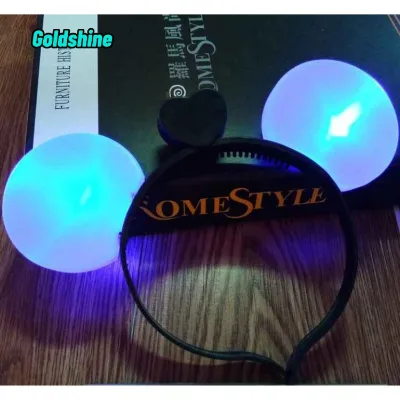
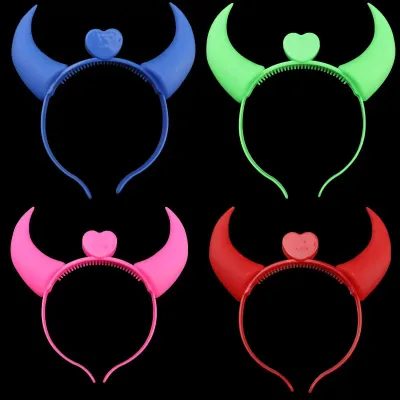
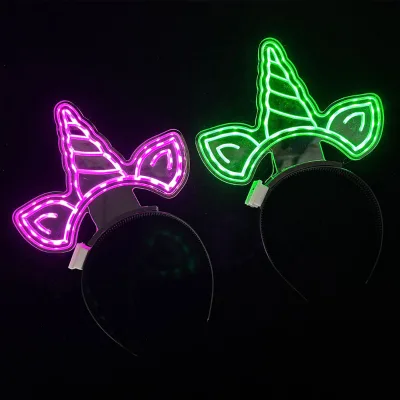
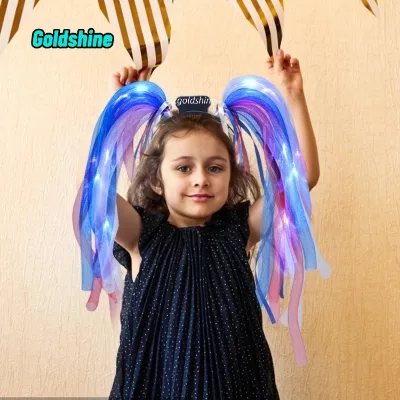
$2.5913 - $3.0464
MOQ: 500 pieces
Guangzhou Yuehui Lighting Technology Co., Ltd.
- Verified by Intertek
- Manufacturer, Trading Company
- Lead time7 days
- Avg. response≤ 8h
Main productsLight Up Cowboy Hat, LED Glasses, Luminous Mask, Luminous Fan, Performance Clothes
Main marketsWestern Europe(30%), South America(22%), North America(13%)
- Verified by SGS Group
- Trading Company
- Lead time15 days
- Avg. response≤ 7h
Main productsBalloons, Gifts, Package Printing, Party Decoration, Christmas Products
Main marketsNorth America(60%), Western Europe(20%), Eastern Europe(10%)
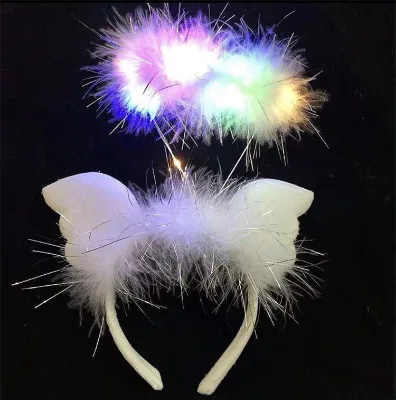
Hot Sale Children Flash Light Led Feather Garland Headbands Led Light Angle Headband Toy
$0.4521 - $0.6302
MOQ: 3 pieces
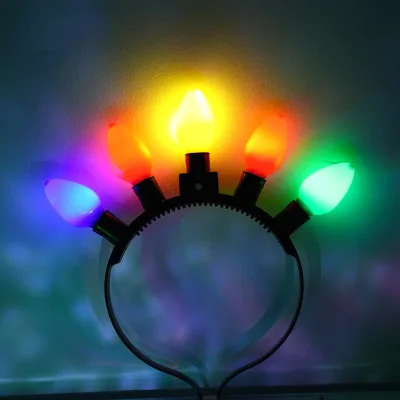
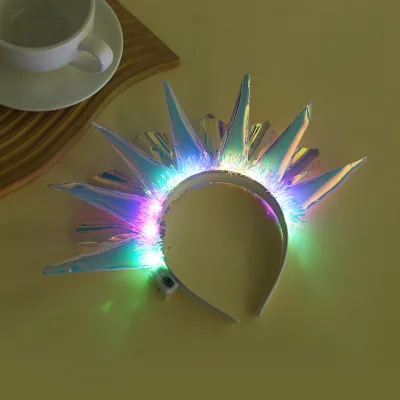
Factory Sale Creative Luminous Sequins Light up Headband Glowing Hair Band
$1.8907 - $2.7305
MOQ: 50 pieces

Yiwu Jingyi Import And Export Co., Ltd.
- Trading Company
- Zhejiang, China
- Lead time0 days
- Avg. response≤ 4h
Main productswater bottle,party product,wedding product
Main marketsNorth America(50.00%)
Shanghai Joomee Trading Company Limited
- Trading Company
- Shanghai, China
- Lead time15 days
- Avg. response≤ 4h
Main productsnecklace,ring,earring,bracelet,bag
Main marketsNorth America(40.00%), Western Europe(15.00%), South America(15.00%), Eastern Europe(10.00%), Northern Europe(9.00%), Southern Europe(8.00%), Eastern Asia(3.00%)
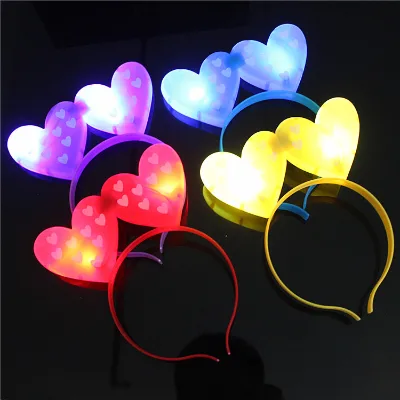
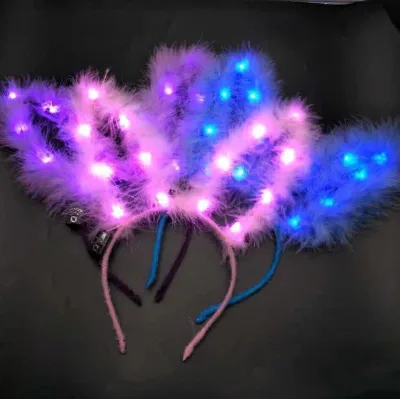
$0.8204 - $0.9731
MOQ: 50 pieces

Jinjiang Jiaxing Supply Management Co., Ltd.
- Verified by TUVRHEINLAND
- Trading Company
- China Fujian
- Lead time30 days
- Avg. response≤ 1h
Main productsEVA Clogs, Flip Flop, Shoe Charms, Shopping Bags, Wristbands, Gifts, Promotional Gifts, Slipper, Sport Cap, Ball
Main marketsNorth America
Shenzhen Richshining Technology Co., Ltd.
- Verified by SGS Group
- Manufacturer, Trading Company
- Guangdong, China
- Lead time10 days
- Avg. response≤ 3h
Main productsLED Party Light, LED Barware, LED Outdoor Sports Products, LED Advertising Products
Main marketsNorth America(20%), Southeast Asia(20%), Eastern Asia(20%)
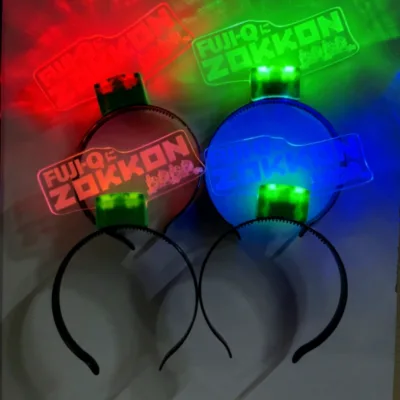
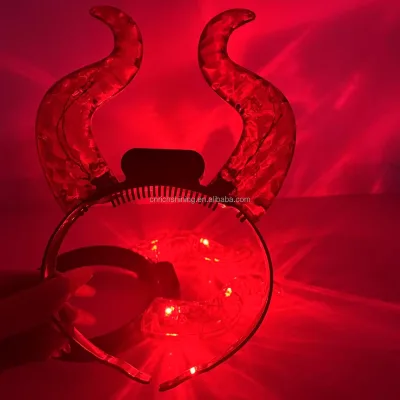
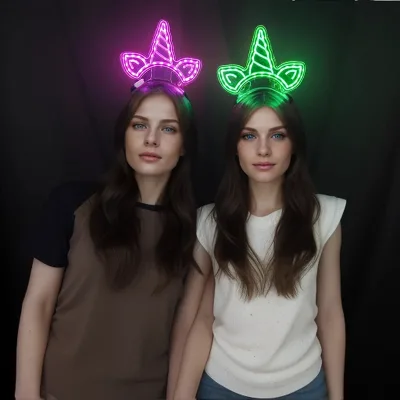
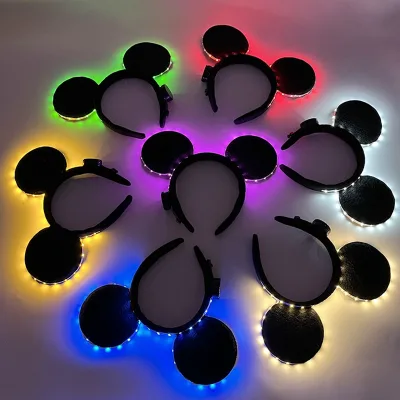
$2.5674 - $3.0808
MOQ: 500 pieces
Shenzhen Hejia Industry Co., Ltd.
- Verified by SGS Group
- Trading Company
- Lead time0 days
- Avg. response≤ 7h
Main productsAluminium Tin, Pill Box , Vials Box, LED Stick
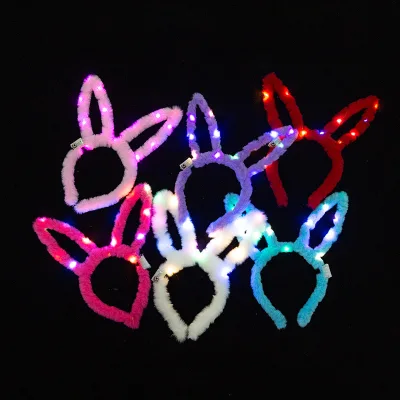
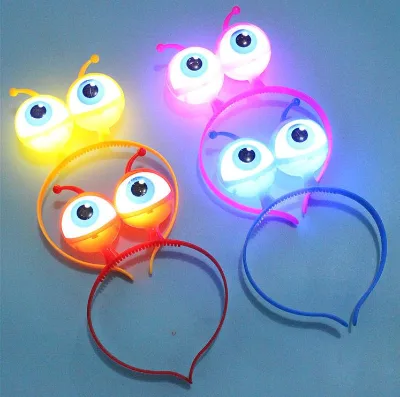
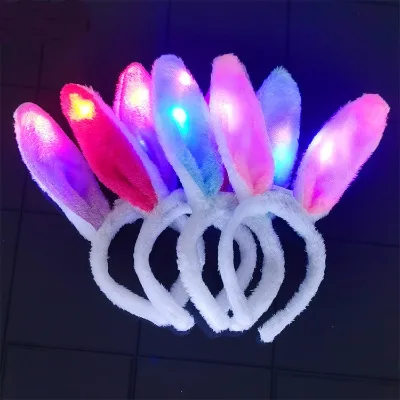
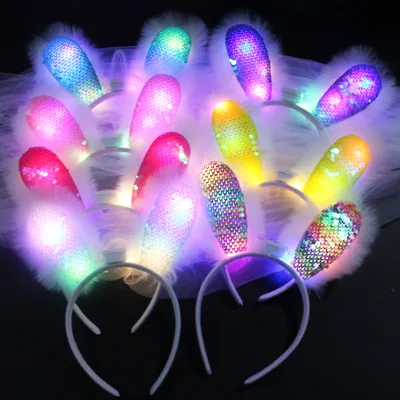
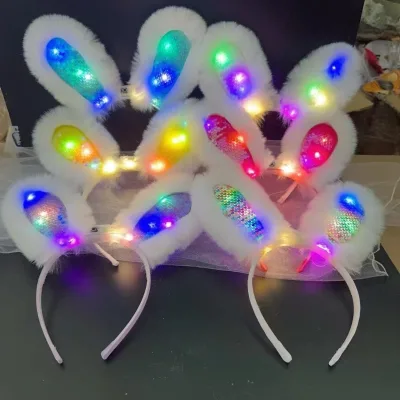
Party Favors LED Rabbit Headband Soft Bendable Light up Plush Bunny Ears Headband
$0.35 - $0.45
MOQ: 100 pieces
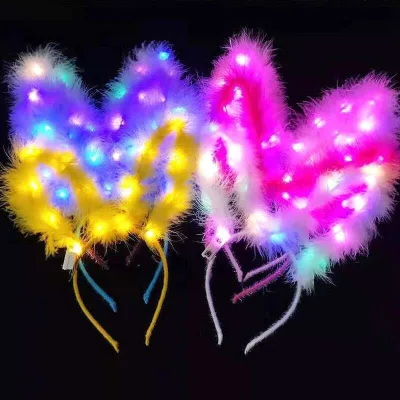
LED Bunny Ear Feather Headband Luminous Hair Band Party Decoration for Women Kids
$0.35 - $0.46
MOQ: 100 pieces
- Verified by Intertek
- Trading Company
- Lead time15 days
- Avg. response≤ 5h
Main productsParty Decorations, Light Up Supplies, Party Hats, Balloon Arch Kit, Acrylic Decorations
Main marketsNorth America(50%), Western Europe(30%), South America(10%)
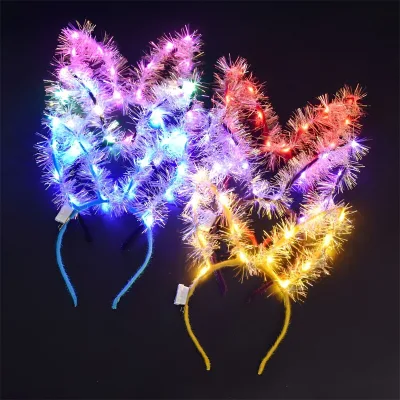
$0.2859 - $0.7156
MOQ: 100 pieces
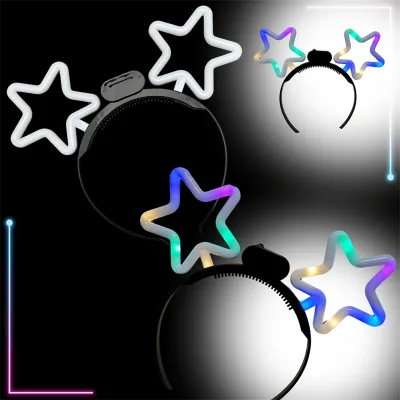
$0.8728 - $1.2305
MOQ: 100 pieces

Ningbo Yoheng Imp & Exp Co., Ltd.
- Verified by SGS
- Trading Company
- China Zhejiang
- Lead time30 days
- Avg. response≤ 4h
Main marketsEurope

Guangzhou Weifang Optoelectronic Technology Co., Ltd.
- Verified by BV
- Combined
- China Guangdong
- Lead time30 days
- Avg. response≤ 2h
Main productsEL Backlight, LED Backlight, EL Glow, EL Luminous Shoes, EL Luminous Hat, EL Scooter Stickers, EL Luminous Mask
Main marketsDomestic

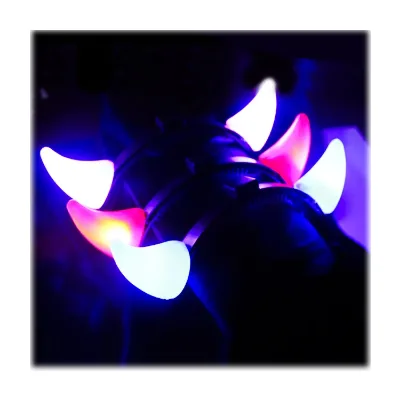
Wholesale Halloween Carnival Flashing Horn Headband, Glowing LED Headband, Anniversary Party Props
$0.95 - $1.15
MOQ: 100 Pieces


$0.85 - $2.50
MOQ: 200 Pieces

Yiwu Shuangyuan Christmas Artware Co., Ltd.
- Verified by TUVRHEINLAND
- Combined
- China Zhejiang
- Lead time30 days
- Avg. response≤ 6h
Main productsChristmas Decoration, Christmas Tree, Christmas Ball, Christmas Santa, Christmas Ornament, Christmas Gift, Christmas Wreath
Main marketsOthers(foreignTradeCapacity.exportBusinessCapacityMarketOther)


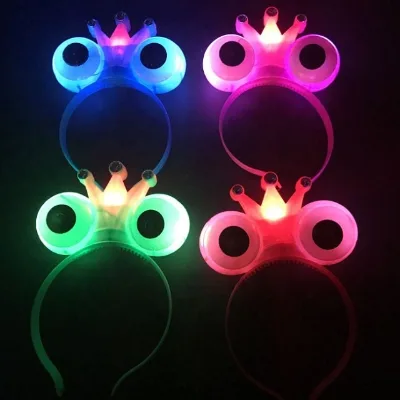
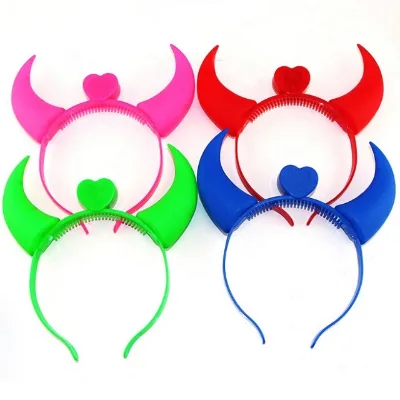
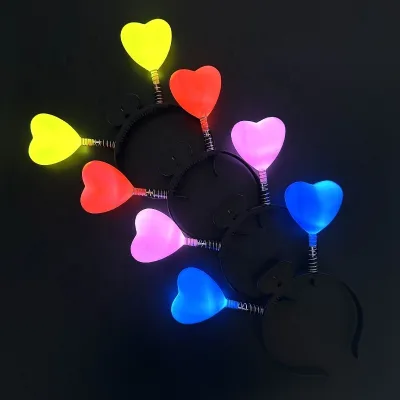
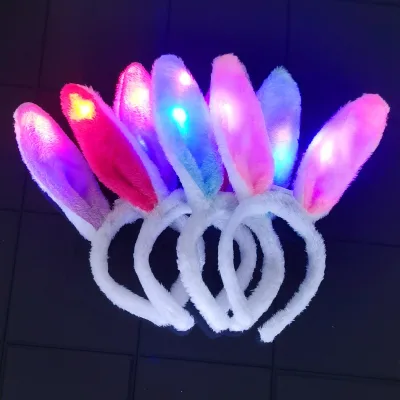


Comprehensive Sourcing Guide
LED Unicorn Headband Supplier Concentration and Factory Types
The sourcing landscape for LED unicorn headbands reveals a distinct concentration of manufacturing capabilities within specific Chinese provinces, primarily Zhejiang and Guangdong. Suppliers located in Zhejiang often operate as a hybrid of manufacturers and trading companies, offering a broad spectrum of hair accessories that include headbands, scrunchies, and clips. This dual operational model allows for greater flexibility in production, as these entities can leverage internal manufacturing for core assembly while utilizing trading arms to manage complex logistics and diverse product lines. The presence of such mixed entity types suggests a mature industrial cluster where supply chain integration is high, enabling buyers to access both direct factory pricing and the service-oriented support typical of trading firms. In contrast, suppliers based in Guangdong tend to specialize more narrowly in electronic party supplies, such as LED masks, bracelets, and light-up headbands, often functioning exclusively as trading companies. This specialization indicates a regional focus on the electronic components and festive novelty aspects of the product, rather than the textile or plastic molding aspects of the headband structure itself. Understanding this geographic and structural divide is crucial for buyers, as it dictates whether they are engaging with a facility that controls the entire production chain from raw material to finished good or an intermediary that aggregates products from multiple specialized factories. The concentration in these two regions highlights the importance of verifying the actual operational nature of the supplier, as the distinction between a pure manufacturer and a trading company significantly impacts communication efficiency, quality control access, and pricing transparency. Buyers must recognize that while Zhejiang suppliers may offer broader customization capabilities for the physical headband design, Guangdong-based trading companies might provide faster access to specific electronic LED components and festive-themed variations. This regional specialization does not imply superiority but rather different strategic advantages depending on whether the buyer prioritizes structural customization or electronic functionality and speed of delivery for party-specific items.
How to Verify LED Unicorn Headband Suppliers
Verification of LED Unicorn Headband suppliers requires a multi-layered approach that goes beyond basic company registration checks, focusing heavily on third-party validations and operational transparency. A critical first step is to examine the supplier’s verification status provided by independent inspection groups, such as SGS Group, which serves as a tangible indicator of the supplier’s legitimacy and operational stability. Buyers should prioritize suppliers who have undergone rigorous on-site audits, as this verification process often confirms the existence of actual production facilities or legitimate trading operations rather than shell entities. Additionally, system certifications like BSCI and REACH are essential indicators of compliance with international labor and environmental standards, particularly for products intended for Western markets. These certifications are not merely decorative; they represent a commitment to ethical sourcing and chemical safety, which is paramount when dealing with products that involve electronic components and plastics that may come into contact with skin or hair. Buyers must also scrutinize the supplier’s response time, as a rapid response rate, such as two hours, often correlates with a more active and responsive sales team capable of handling urgent inquiries and custom requests efficiently. Furthermore, the presence of specific product evidence, including detailed attributes like model numbers, material compositions, and battery specifications, serves as a proxy for the supplier’s technical competence. A supplier that provides comprehensive data on battery types, such as AG13 cells, and clear shipping methods demonstrates a higher level of operational maturity. Buyers should also look for evidence of past performance, such as supply ability metrics, which indicate the supplier’s capacity to handle large orders without compromising quality or delivery schedules. By cross-referencing these verification markers with the supplier’s claimed capabilities, buyers can build a more accurate picture of their reliability and reduce the risk of engaging with unverified or underqualified vendors.
What to Compare Across LED Unicorn Headband Suppliers
When evaluating multiple suppliers for LED unicorn headbands, buyers must systematically compare key operational metrics to identify the most suitable partner for their specific needs. Lead time is a primary differentiator, with some suppliers offering a thirty-day turnaround while others promise fifteen days, a distinction that can significantly impact inventory planning and market responsiveness. Buyers should align their choice with their sales cycle, opting for faster lead times if they are targeting seasonal events like Halloween or Christmas, where timing is critical. Equally important is the Minimum Order Quantity (MOQ), which varies widely across suppliers, ranging from one hundred pieces to one thousand pieces. Lower MOQs are advantageous for testing new designs or catering to smaller retail orders, whereas higher MOQs may offer better unit economics for bulk purchases. Response time is another crucial factor, as a two-hour response rate suggests a more agile support structure compared to a six-hour delay, which can hinder rapid decision-making during the negotiation phase. Buyers should also compare the range of main products offered, as suppliers with a diverse portfolio of hair accessories may provide better bundling opportunities and cross-selling potential. Additionally, the availability of customization services, such as sample processing, light customization, and graphic processing, should be evaluated against the buyer’s branding requirements. Suppliers that explicitly state their ability to handle customized designs and OEM requests are better positioned for buyers seeking unique product differentiation. Finally, the clarity of pricing structures, including the minimum and maximum price points, should be analyzed to ensure transparency and avoid hidden costs. By creating a comparison matrix that weighs these factors against each other, buyers can make data-driven decisions that balance cost, speed, and quality, ensuring they select a supplier that aligns with their strategic business objectives.
Common LED Unicorn Headband Sourcing Risks
Sourcing LED unicorn headbands involves several inherent risks that buyers must proactively manage to ensure a smooth procurement process. One significant risk is the potential mismatch between the supplier’s claimed capabilities and their actual production capacity, particularly when dealing with hybrid manufacturer-trading companies. Buyers may encounter delays or quality inconsistencies if the supplier outsources critical components without adequate oversight, leading to discrepancies in the final product’s performance, especially regarding the LED functionality. Another common risk is the variability in product specifications, such as battery life, light intensity, and material durability, which can differ significantly between suppliers even for similar-looking products. Buyers must be vigilant about verifying these technical details through sample orders before committing to large-scale production, as assumptions based on product listings can lead to customer dissatisfaction and returns. Additionally, the risk of intellectual property infringement is heightened in the custom design space, where suppliers may reuse existing molds or designs without proper authorization. Buyers should ensure that their custom designs are protected and that the supplier adheres to strict confidentiality agreements. Furthermore, logistical risks, such as shipping delays or damage during transit, can impact the overall customer experience, particularly for fragile electronic items. Buyers must establish clear communication channels for tracking shipments and resolving issues promptly. Finally, the risk of non-compliance with international standards, such as REACH or CAL 65, can result in customs holds or legal liabilities. Buyers must verify that all products meet the necessary safety and environmental regulations for their target markets, requiring thorough documentation and testing from the supplier. By identifying and mitigating these risks through careful due diligence and clear contractual terms, buyers can safeguard their interests and ensure a successful sourcing outcome.
LED Unicorn Headband Regional Sourcing and Logistics
The regional sourcing of LED unicorn headbands from China involves distinct logistical considerations based on the supplier’s location, primarily Zhejiang and Guangdong. Suppliers in Zhejiang, often located near major ports like Ningbo and Shanghai, benefit from established infrastructure for both sea and air freight, facilitating efficient export operations. This proximity to key shipping hubs allows for streamlined logistics, reducing transit times and costs for buyers importing large volumes. The presence of multiple shipping options, including DHL, FedEx, UPS, and sea shipping, provides flexibility in choosing the most cost-effective or time-sensitive delivery method. In contrast, suppliers in Guangdong, another major manufacturing hub, also have access to extensive port networks, enabling competitive shipping rates and reliable delivery schedules. Buyers must consider the specific port of dispatch when negotiating terms, as this can impact customs clearance and final delivery times. Additionally, the packaging details provided by suppliers, such as standard packing with specific carton dimensions and weights, play a crucial role in optimizing freight costs. Buyers should analyze the packaging efficiency to minimize volumetric weight charges and ensure that products are adequately protected during transit. The choice of shipping method should also align with the product’s nature, as electronic components may require special handling or documentation. Furthermore, buyers should be aware of the potential for consolidated shipping when sourcing from multiple suppliers in the same region, which can reduce overall logistics costs. Understanding the logistical advantages of each region allows buyers to make informed decisions about their supply chain strategy, balancing cost, speed, and reliability. By leveraging the regional strengths of Zhejiang and Guangdong, buyers can optimize their sourcing operations and enhance their competitive position in the market.
LED Unicorn Headband Commercial Terms and Order Planning
Effective order planning for LED unicorn headbands requires a thorough understanding of commercial terms, including payment methods, pricing structures, and delivery conditions. Suppliers typically offer a range of payment options, such as TT, PayPal, Western Union, and LC, each with its own implications for cash flow and security. Buyers should select payment methods that align with their financial policies and risk tolerance, considering the benefits of escrow services for added protection. Pricing is another critical factor, with unit costs varying based on order volume, customization requirements, and material choices. Buyers must negotiate clear pricing tiers to ensure cost predictability and avoid unexpected charges. Additionally, the lead time, which can range from fifteen to thirty days, must be factored into the order planning process to ensure timely delivery for market launches. Buyers should also consider the sample time, which may take up to seven days, and plan accordingly to allow for quality checks before mass production. The MOQ, whether one hundred or one thousand pieces, should be evaluated against the buyer’s sales forecast to avoid overstocking or stockouts. Furthermore, buyers should clarify the packaging details, including the number of pieces per carton and the overall carton dimensions, to optimize storage and handling. Clear communication of these commercial terms ensures a smooth transaction process and minimizes the risk of disputes. By establishing a comprehensive order plan that addresses these variables, buyers can streamline their procurement operations and enhance their overall supply chain efficiency.
FAQs
What is the price range for LED unicorn headbands?
The price range for LED unicorn headbands typically falls between $0.30 and $0.60 per unit. This pricing reflects standard wholesale rates for plastic-based accessories. Buyers should verify final costs based on order volume and customization requirements. Prices may vary depending on specific design choices and shipping methods selected by the supplier.
What is the minimum order quantity for these products?
The minimum order quantity for LED headbands is generally 100 pieces. Some suppliers may require higher volumes, such as 1000 pieces, for specific styles. Buyers should confirm the exact MOQ with their chosen supplier before placing an order. Meeting the MOQ ensures eligibility for standard wholesale pricing and production scheduling.
How long does production take for custom orders?
Production lead times for LED headbands are typically around 30 days after order confirmation. Some suppliers offer faster turnaround times of 15 days for standard items. Buyers should discuss specific deadlines with suppliers to ensure timely delivery. Custom designs may require additional time for sample approval and manufacturing setup.
Where are these LED headbands manufactured?
These LED headbands are primarily manufactured in Zhejiang and Guangdong provinces in China. These regions are known for their strong manufacturing capabilities in plastic and electronic accessories. Buyers can expect consistent quality and competitive pricing from suppliers located in these industrial hubs. Shipping options include DHL, FedEx, UPS, and sea freight.
What certifications do these suppliers hold?
Suppliers for LED headbands often hold BSCI and REACH system certifications. These certifications indicate compliance with social responsibility and chemical safety standards. Buyers should request valid certification documents to verify supplier credentials. Additional product-specific tests, such as CAL 65, may also be available for certain items.
What materials are used in LED headbands?
LED headbands are typically made from plastic materials such as PS or general plastic components. The LED lights are powered by AG13 batteries, which are often included in the price. Buyers should check specific product details for material composition. The plastic construction allows for durable and flexible designs suitable for various occasions.