LED Projector Lens Suppliers and Manufacturers in China
Compare 18 verified LED Projector Lens suppliers by location, response time, lead time, and certifications. Review product specs like waterproof ratings and power output before contacting factories for quotes; review the available evidence before requesting comparable quotations from suitable candidates.
Updated
Suppliers List

Foshan Woye Lighting Technology Co., Ltd
- Verified by CTI
- Combined
- China Guangdong
- Lead time30 days
- Avg. response≤ 3h
Main marketsSouth America,Africa,Southeast Asia/ Mideast,Domestic

Changzhou Jiecheng Photoelectric Technology Co., Ltd
- Verified by CTI
- Trading Company,Manufacturer/Factory
- China Jiangsu
- Lead time0 days
- Avg. response≤ 3h
Main productsHeadlight Projector Lens, Foglamp Projector Lens, Bi LED Projector Lens, Car Headlight Lens, LED Headlight Bulb, Bi LED Lens, LED Projector Lens, Fog Lamp, Car Fog Lamp, Universal Fog Lamp

LED Projector Headlight Driving Light Function 65W 70W LED Projector Lens
$11.70 - $15.48
MOQ: 4 Pieces


Bi LED Fog Light Projector Lens High Brightness Waterproof LED Fog Lamp Projector Lens
$17.44 - $23.07
MOQ: 4 Pieces


High Quality Bi LED Headlight Projector 6000K LED Headlight Projector Lens
$12.50 - $16.54
MOQ: 4 Pieces

Nanjing Jiuguang Lighting Technology Co., Ltd.
- Verified by TüVRheinland
- Manufacturer, Trading Company
- Lead time10 days
- Avg. response≤ 2h
Main productsLED Driving Light, LED Headlight, LED Pods, LED Light Bar, Motorcycle Spotlight
Main marketsNorth America(45%), South America(15%), Oceania(10%)
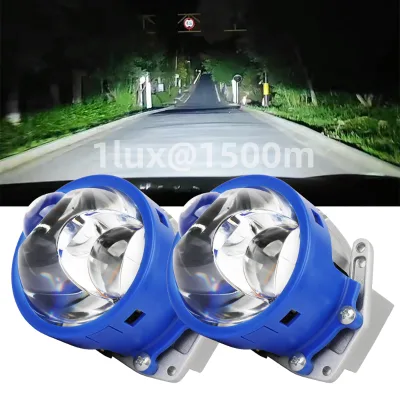
Led Headlight Dual 1500M High Low Beam 3 Inch Laser Bi Led Projector Lens
$74.00 - $78.00
MOQ: 5 pairs
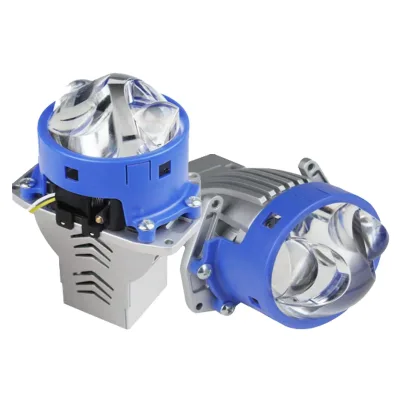
High Low Laser Spot Beam Dual Bi Led Projector Lens 3.0
$85.10 - $89.70
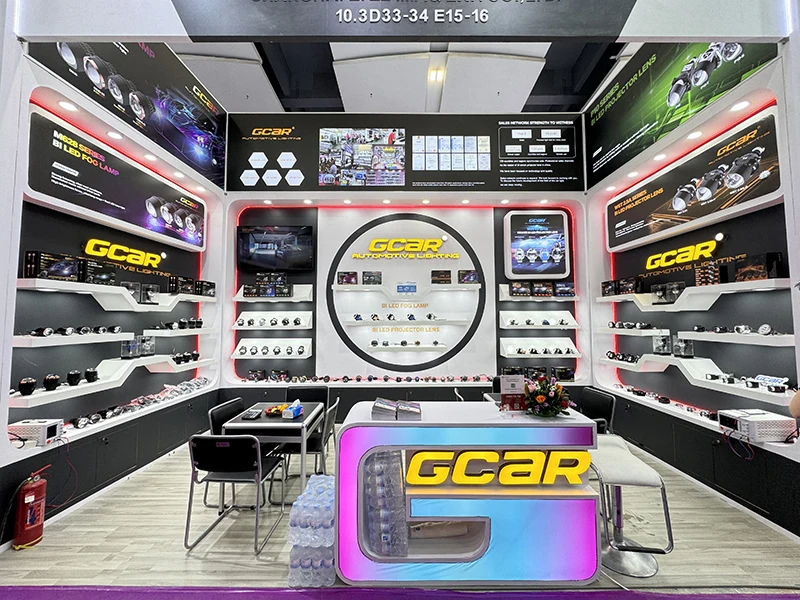
Guangzhou Weixin Auto Accessories Co., Ltd.
- Trading Company
- Guangdong, China
- Lead time7 days
- Avg. response≤ 5h
Main productsLED Fog Lamp,High Beam LED Lens,Mini LED Projector Lens,led angel eye,HID Projector Lens Kit
Main marketsSouthern Europe(8.33%), Northern Europe(8.33%), Central America(8.33%), Western Europe(8.33%), Eastern Asia(8.33%), Mid East(8.33%), Oceania(8.33%), Africa(8.33%), Southeast Asia(8.33%), Eastern Europe(8.33%), South America(8.33%), North America(8.33%)
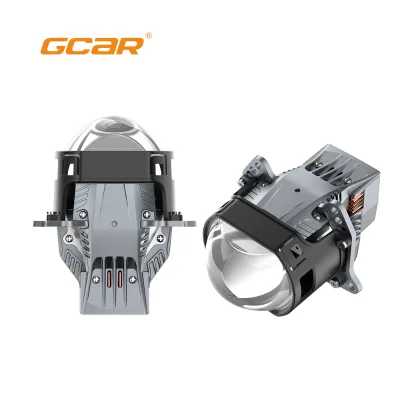
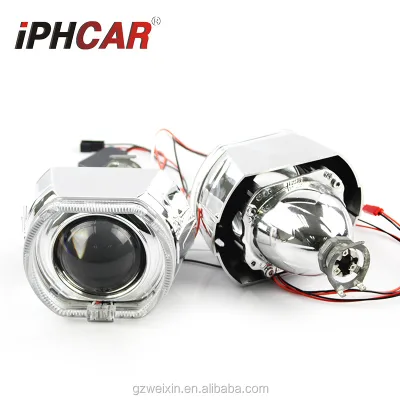
IPHCAR Square hid Projector Lens With square Angel Eyes Rings H1 2.5'' Projector Lens With Shroud
$32.2993 - $38.7588
MOQ: 12 Minimum
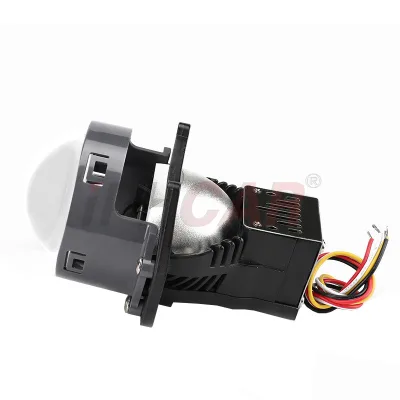
Wholesale 3.0 Inch 55W 5500K Universal Laser Projector Led Lenses Headlights
$19.75 - $23.50
MOQ: 20 pieces
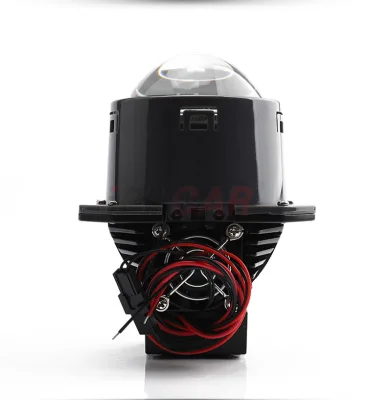
Brand New Led Projector Lens 3inch Lens White and Yellow Light 5500k Oem Odm Available
$35.00 - $41.00
MOQ: 10 sets
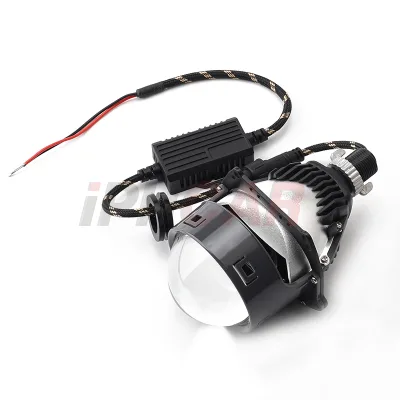
3.0 Inch 65W 5500K H4 Universal Stabilise Bi Selenoide Proyector Led Lenses
$23.6316 - $27.2289
MOQ: 20 pieces
Changzhou Jiecheng Photoelectric Technology Co., Ltd.
- Manufacturer, Trading Company
- Jiangsu, China
- Lead time30 days
- Avg. response≤ 1h
Main productsAuto Parts
Main marketsDomestic Market(75.00%), North America(5.00%), South America(5.00%), Western Europe(5.00%), Mid East(5.00%), Southeast Asia(5.00%)
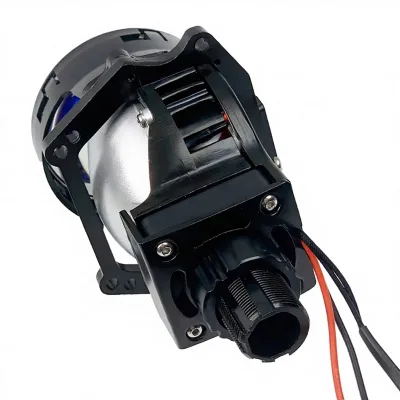
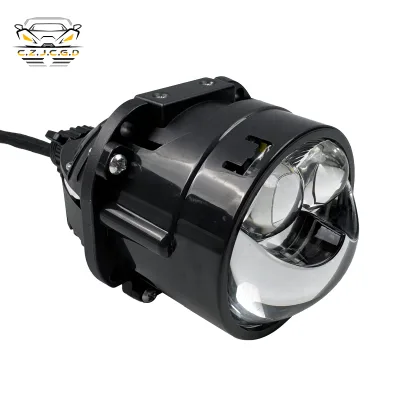
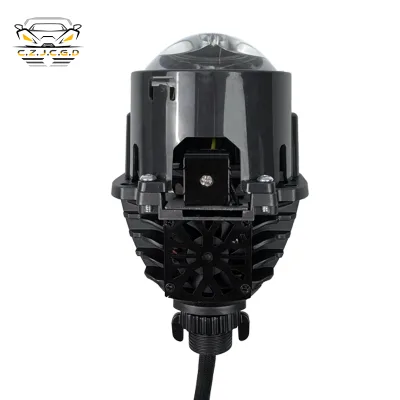
Wide Spectrum and Natural Light LED Projector Lens for Comfortable Vision
$35.4684 - $39.5777
MOQ: 2 pairs
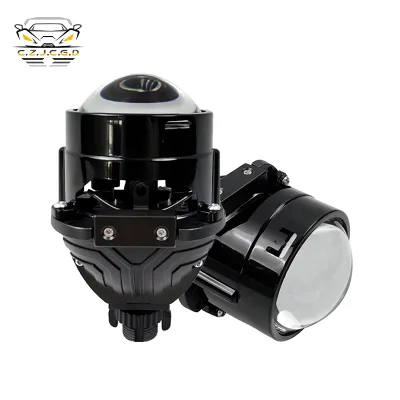
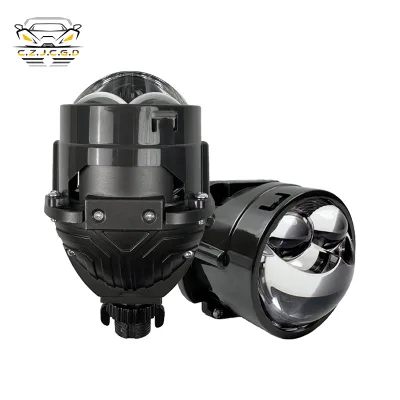
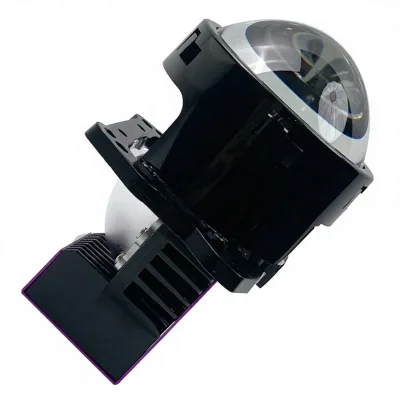
LED Projector Lens 3inch 65W With HI/Low Beam 5800K Double Reflector Lens
$31.8202 - $35.949
MOQ: 2 pairs
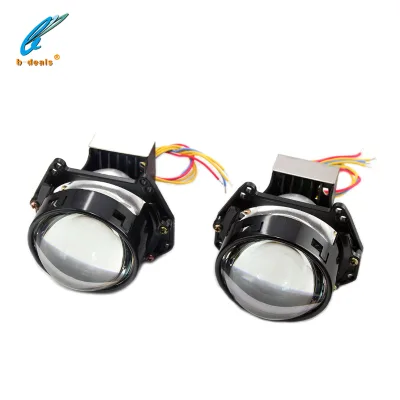
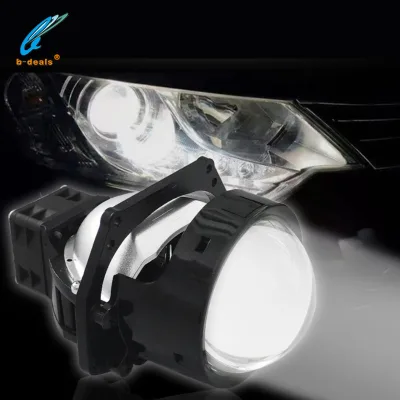
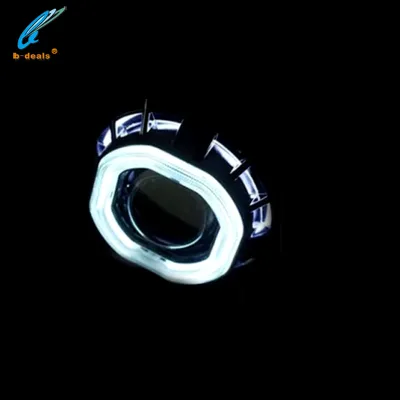
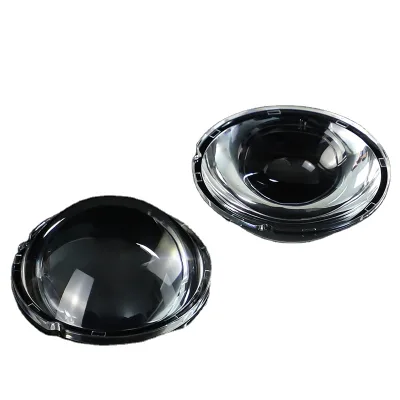
Guangzhou B-Deals Electronic Technology Co., Ltd.
- Manufacturer, Trading Company
- Guangdong, China
- Lead time30 days
- Avg. response≤ 6h
Main productsLed Angel Eye,LED Gear Shift Knob,LED DRL,LED Mirror Lights,Projector Lens
Main marketsWestern Europe(28.00%), South America(20.00%), Eastern Europe(15.00%), Eastern Asia(10.00%), North America(5.00%), Southeast Asia(5.00%), Mid East(5.00%), Oceania(5.00%), Africa(5.00%), South Asia(2.00%)

Guangdong Liangjian Lighting Co., Ltd.
- Verified by CTI
- Combined
- China Guangdong
- Lead time23 days
- Avg. response≤ 4h
Main productsLED headlight
Main marketsSouth America,Africa,Southeast Asia/ Mideast,East Asia(Japan/ South Korea),Domestic,Europe,Australia,North America

Bi LED Projector Headlights Lens High Beam Universal Projector Lens for Car Lights
$23.68 - $25.68
MOQ: 10 Sets


Bi LED Projector Lens for Car Headlight Upgrades Universal Factory Custom
$23.68 - $25.68
MOQ: 10 Sets


Projector Lens with High Low Beam for Car Retrofit Headlamp Upgrade Wholesale
$23.68 - $25.68
MOQ: 10 Sets
Guangzhou Ilovecar Auto Parts Co., Ltd.
- Verified by TüVRheinland
- Trading Company
- Lead time7 days
- Avg. response≤ 11h
Main productsCar LED Projector, Car HID Projector, Car LED Fog Lights, Car Headlight, Car Headlight Ballast
Main marketsSoutheast Asia(20%), Eastern Europe(13%), Oceania(12%)
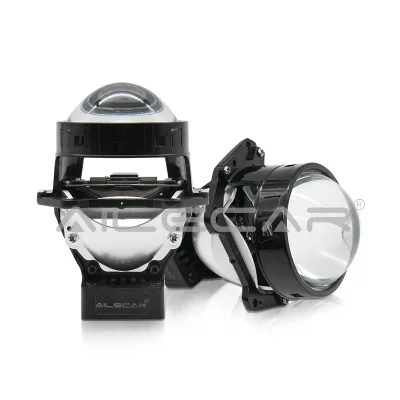
Fengfan Classic 3.0 Inch Headlight Projector Lens LED High Low Beam 47W 54W 5500K Projector Lens
$18.4954 - $20.5493
MOQ: 1 pieces
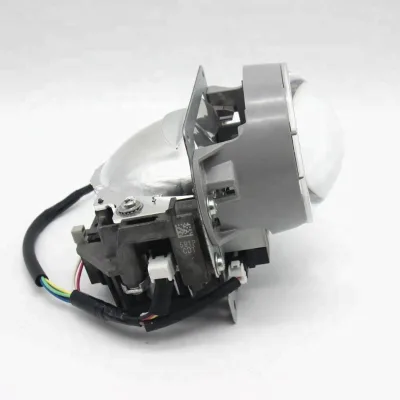
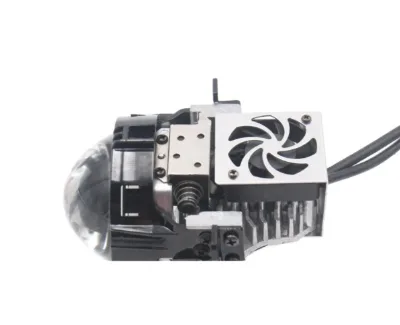
DIY Headlight 35W 6000K High and Low Beam Bi Led Projector Lens 3.0 Inch Headlight Projector Lens
$27.50 - $35.00
MOQ: 2 pairs
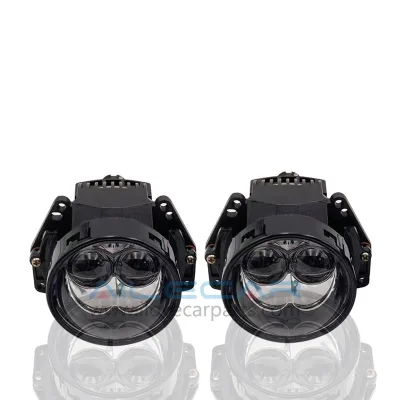
$63.00 - $66.00
MOQ: 2 pairs
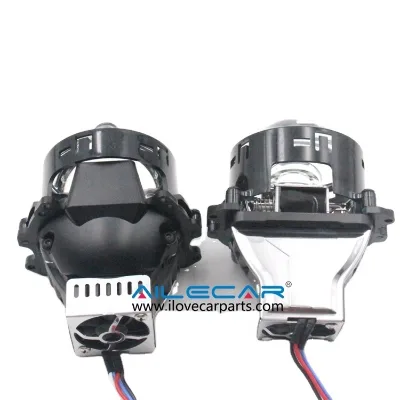
Rectangular High Beam Light 3.0''inch 55W Bi-LED Projector Lens for Sale
$55.00 - $60.00
MOQ: 5 Minimum
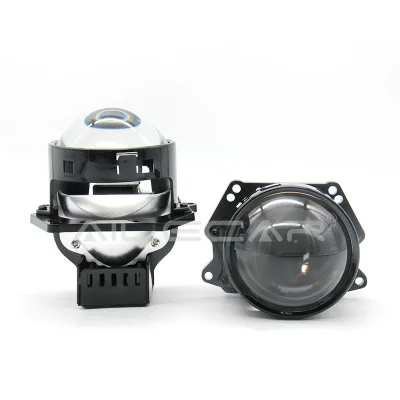
$14.0044 - $16.2544
MOQ: 5 pieces
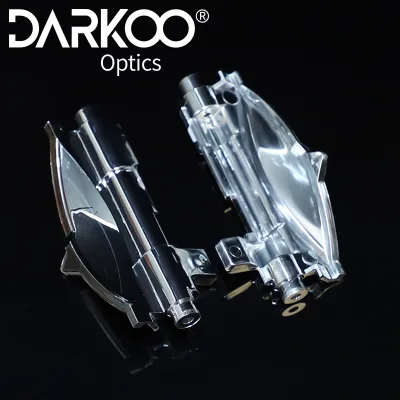
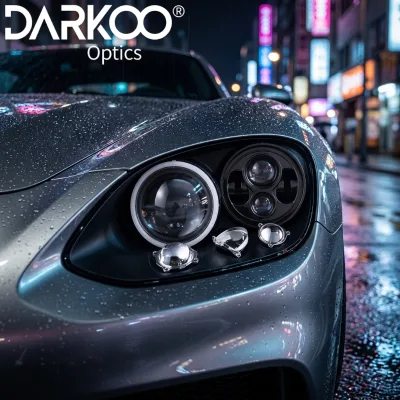
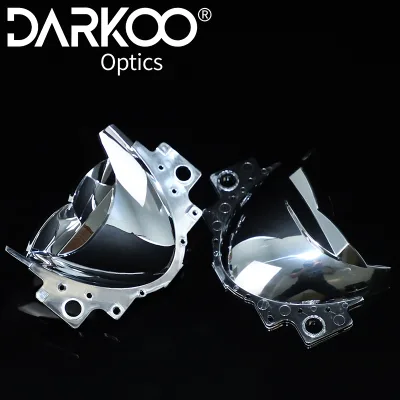
Darkoo Optics (zhongshan) Co., Ltd.
- Verified by SGS Group
- Manufacturer, Trading Company
- Lead time7 days
- Avg. response≤ 8h
Main productsLED Lens, LED Optical Lens, LED Light Lens, COB Reflector, LED Linear Lens
Main marketsDomestic Market(40%), Southern Europe(8%), South America(6%)
Guangzhou Aes Car Parts Co., Ltd.
- Manufacturer
- Guangdong, China
- Lead time20 days
- Avg. response≤ 4h
Main productsbi led headlight projector lens,bi led fog lens,bi led auxiliary lens,bi led matrix lens,led bulbs
Main marketsSoutheast Asia(35.00%), Domestic Market(16.00%), Mid East(8.00%), Western Europe(5.00%), Africa(5.00%), Eastern Europe(5.00%), South America(5.00%), Eastern Asia(5.00%), South Asia(5.00%), Central America(3.00%), Southern Europe(3.00%), Northern Europe(2.00%), North America(2.00%), Oceania(1.00%)
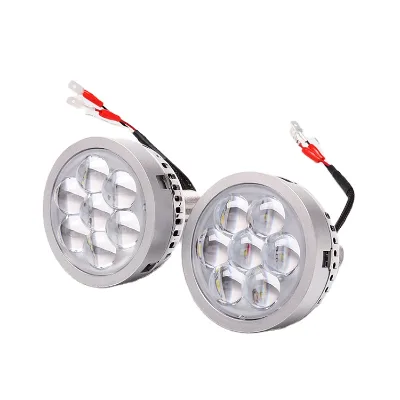
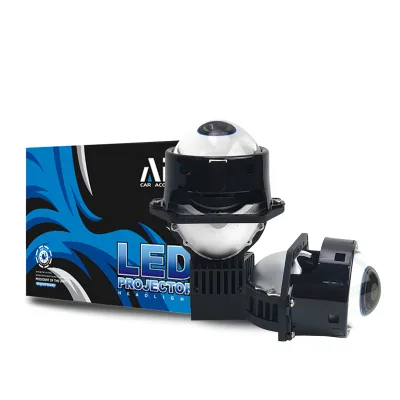
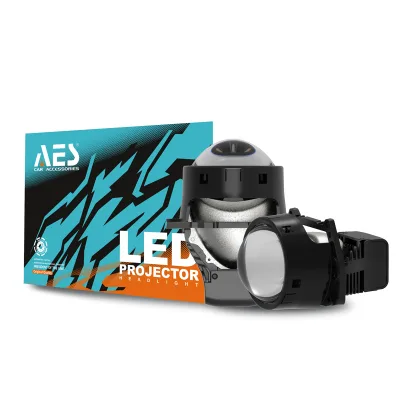
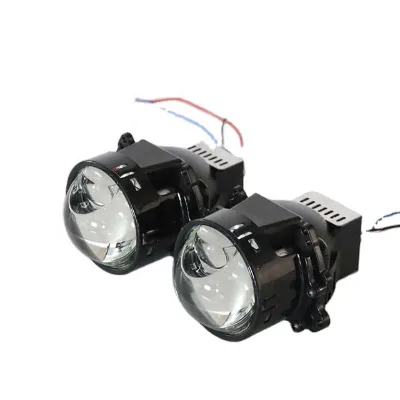
Auto Headlamp Short Size 3.0 Inch Led Projector Lens A14 X Bi Led Lens for D1s D2s Car Led Headlight
$37.00 - $43.00
MOQ: 50 sets
Guangzhou Can Hephaestus Electronics Co., Ltd.
- Manufacturer, Trading Company, Distributor/Wholesaler
- Guangdong, China
- Lead time15 days
- Avg. response≤ 2h
Main productsCar Decorative lights Systems,Car LED headlights,LED strip light,LED motorcycle light,LED work light
Main marketsSouth America(30.00%), North America(20.00%), Western Europe(18.00%), Central America(5.00%), Mid East(5.00%), Eastern Europe(5.00%), Africa(5.00%), Southeast Asia(5.00%), Domestic Market(1.00%), South Asia(1.00%), Southern Europe(1.00%), Northern Europe(1.00%), Eastern Asia(1.00%), Oceania(1.00%)
Danyang Hengwei Automotive Parts Co., Ltd.
- Manufacturer, Trading Company
- Jiangsu, China
- Lead time7 days
- Avg. response≤ 2h
Main productsFog Lamp Lens,Laser Projector Lens,Motorcycle Spotlights,Matrix Module Headlights,LED Automotive headlight
Main marketsDomestic Market(66.00%), Southeast Asia(30.00%), Mid East(2.00%), Eastern Asia(2.00%)
Star Technology (puyang City) Co., Ltd.
- Manufacturer, Trading Company
- Henan, China
- Lead time30 days
- Avg. response≤ 7h
Main productsCompliant with IATF 16949 standard Lens Highlight,Auto Car Light,Fog Lamp,Led Optical Projector,Car Spotlight
Main marketsSoutheast Asia(20.00%), South America(20.00%), North America(20.00%), South Asia(10.00%), Western Europe(10.00%), Mid East(10.00%), Eastern Europe(10.00%)
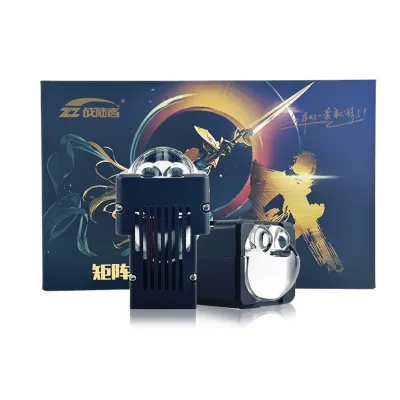
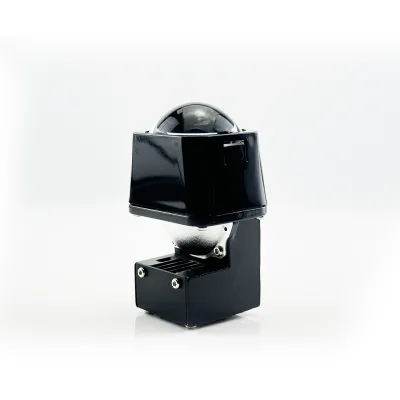
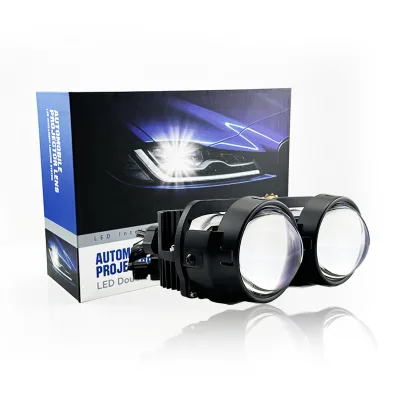
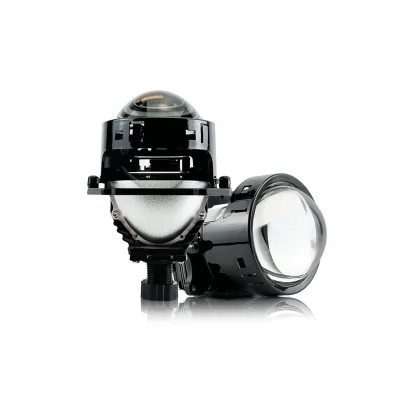
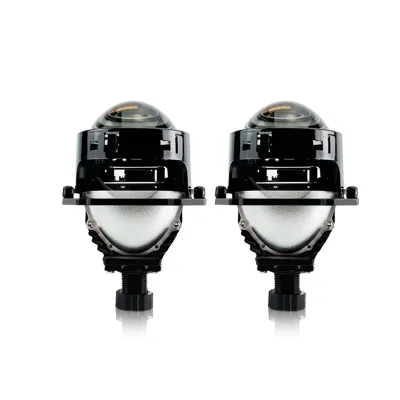
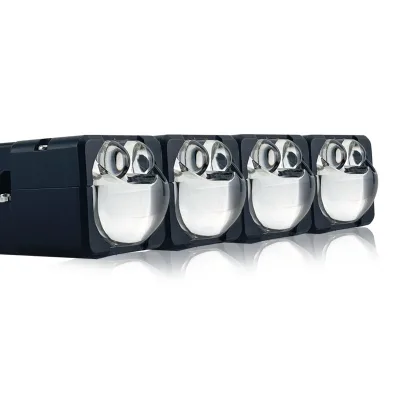
3.0 Inch Bi-LED Projector Lens with High Low Beam Focus Beam with Sharp Cut Off Line
$15.5404
MOQ: 50 Minimum
Guangzhou Aoyi Auto Part Co.,limited
- Manufacturer, Trading Company
- Guangdong, China
- Lead time15 days
- Avg. response≤ 4h
Main productsLED Projector Lens,Projector Shrouds,Headlight Covers,LED DRL,for BMW Angel Eyes
Main marketsNorthern Europe(20.00%), Southeast Asia(20.00%), North America(20.00%), Africa(10.00%), Central America(10.00%), Mid East(10.00%), Oceania(10.00%)
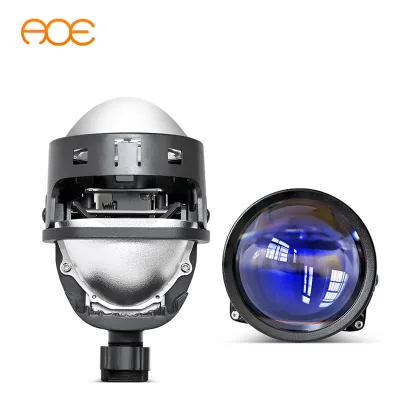
New 65W LED Projector Lens for 2.5inch 3inch Headlights Premium Product Type
$38.60 - $44.90
MOQ: 5 sets
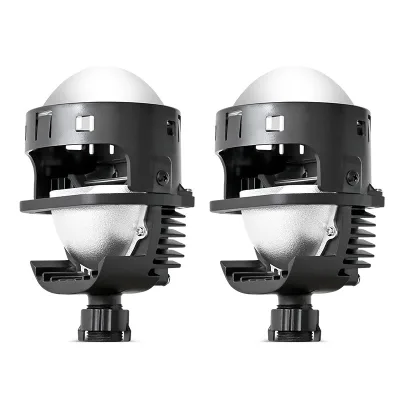
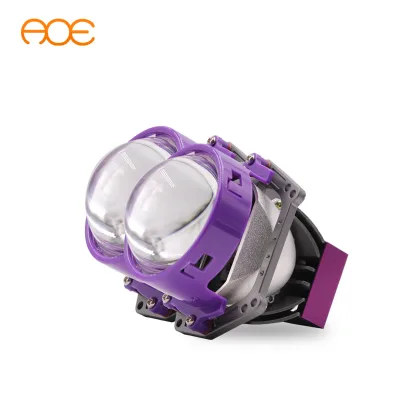
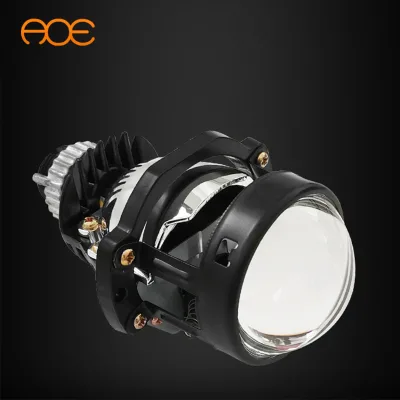
$25.6197 - $29.4265
MOQ: 10 sets
Guangzhou Good Driver Automotive Electronics Co., Ltd.
- Verified by TüVRheinland
- Manufacturer, Trading Company
- Lead time15 days
- Avg. response≤ 4h
Main productsLED Headlight Bulbs, H4 Mini Projector Lens, Fog Lamp, Motorcycle Auxiliary Spotlights, Bi Led Projector Lens
Main marketsSouth America(15%), Southeast Asia(15%), North America(10%)

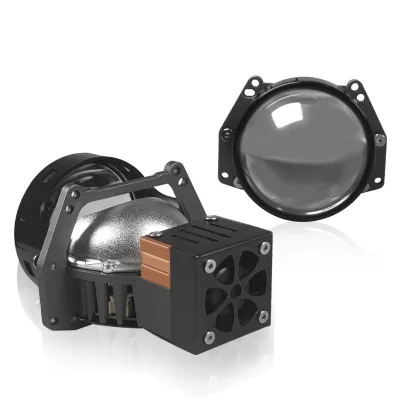
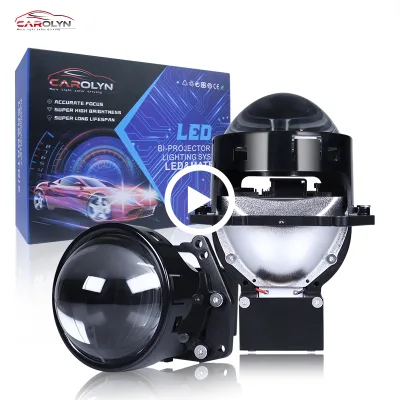
$19.2484 - $20.5718
MOQ: 10 pieces
Guangzhou Good Driver Automotive Electronics Co., Ltd.
- Manufacturer
- Lead time旺季: "1 - 500":90,"> 500":"To be negotiated", 淡季: "1 - 500":90,"> 500":"To be negotiated"
- Avg. response≤ 2h
Main productsbi led projector lens,led headlight bulb,fog light,erternal light for car,mini h4 lens
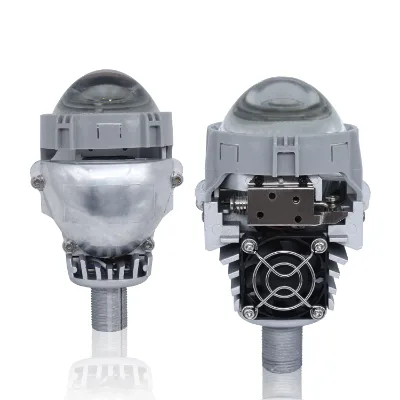
$13.00 - $17.00
MOQ: 10 pieces
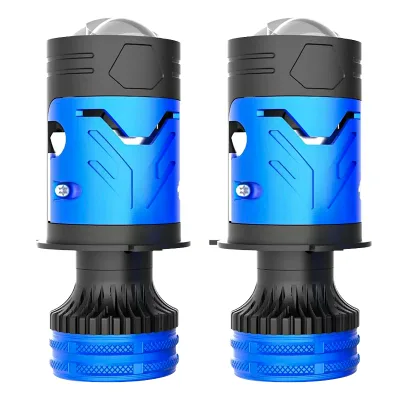
$10.1512 - $12.8173
MOQ: 10 pieces
Guangzhou Aoyi Electronic Technology Co., Ltd.
- Verified by Intertek
- Manufacturer, Trading Company
- Lead time30 days
- Avg. response≤ 1h
Main productsLED Headlight Bulbs, Bi-LED Fog Light Projector Lenses, LED Work Lights, Car Interior Ambient Llighting, HID Xenon Headlight Kits
Main marketsNorth America(40%), South America(25%), Domestic Market(17%)
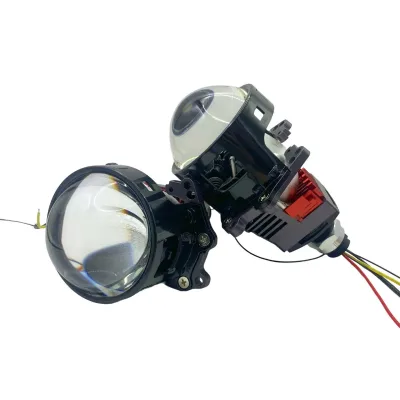
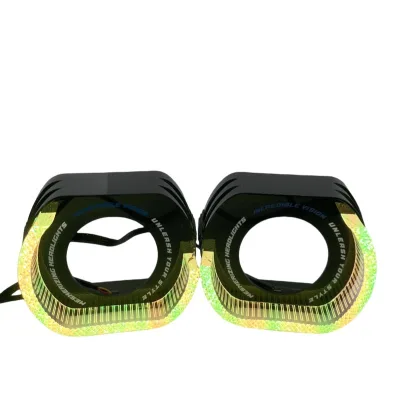
$16.42 - $33.57
MOQ: 10 Minimum
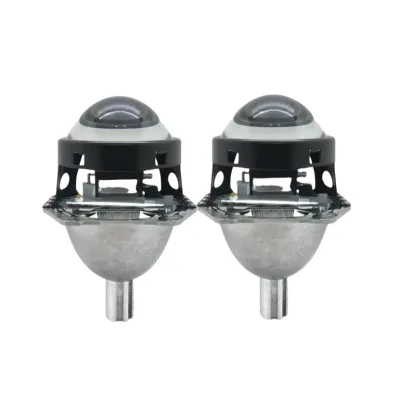
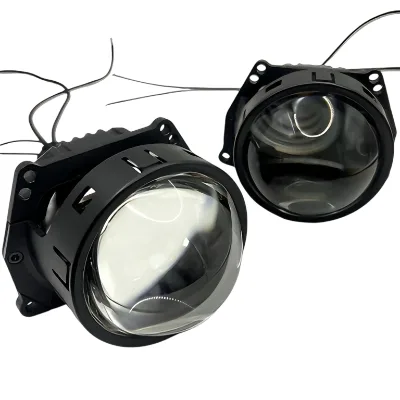

- Verified by BV
- Combined
- China Guangdong
- Lead time15 days
- Avg. response≤ 2h
Main productsAuto Headlight Bulb, Auto Miniature Bulb, LED Lighting, Halogen Headlamp, HID, Sealed Beam, Auto Part, Auto Fuse, Auto Car Light, Auto Lighting
Main marketsSoutheast Asia/ Mideast,East Asia(Japan/ South Korea),Europe,North America


High Quality 3-Color LED Bi Projector Lens W32eco 2.0 Inch High/Low Beam
$38.98 - $41.56
MOQ: 10 Pieces


Comprehensive Sourcing Guide
LED Projector Lens Supplier Concentration and Factory Types
The current supplier landscape for LED projector lenses reveals a distinct geographic concentration in China, with specific manufacturing hubs identified in Guangdong and Jiangsu provinces. Suppliers in Guangdong are often characterized as combined entities capable of handling both Original Design Manufacturing (ODM) and Original Equipment Manufacturing (OEM) requests, indicating a flexible production model that can adapt to custom specifications. These facilities typically operate with a verified status through third-party inspection bodies like CTI, which adds a layer of trust regarding their operational legitimacy. In contrast, suppliers located in Jiangsu province present a different operational profile, often listing themselves as both trading companies and manufacturers. This dual classification suggests a hybrid business model where direct factory production is supported by trading infrastructure for export and logistics management. The presence of ISO 9001 certification among Jiangsu-based suppliers highlights a commitment to standardized quality management systems, which is a critical differentiator when evaluating the consistency of mass production runs.
Understanding these factory types is essential for buyers seeking specific levels of control over their supply chain. Combined factories in Guangdong offer the advantage of direct customization capabilities, allowing for tailored solutions such as specific lens configurations or integrated wiring harnesses. This is particularly relevant for products like the Projector LED Lens, which features detailed attributes such as waterproof ratings and specific power outputs. On the other hand, the trading company-manufacturer hybrids in Jiangsu may provide a broader catalog of main products, including headlight projector lenses, foglamp projector lenses, and bi-LED projector lenses. This breadth of inventory can simplify sourcing for buyers who require multiple lighting components from a single source. However, the trading component may introduce an additional layer of communication complexity compared to dealing directly with a pure manufacturing entity. Buyers must carefully assess whether the flexibility of a combined factory or the product diversity of a hybrid supplier better aligns with their specific project requirements and volume needs.
How to Verify LED Projector Lens Suppliers
Verification of LED Projector Lens suppliers requires a multi-layered approach that goes beyond basic company registration checks. Buyers should prioritize suppliers who display third-party verification badges, such as CTI verification, which indicates that an independent inspection agency has assessed the supplier’s business operations and physical premises. This verification is a strong indicator of legitimacy but should be complemented by an examination of system certifications. For instance, the presence of ISO 9001 certification, as observed in some Jiangsu-based suppliers, provides evidence of a structured quality management system. This certification is particularly important for ensuring that production processes are consistent and that defects are minimized during high-volume manufacturing. Buyers should request copies of these certificates and verify their validity through the issuing bodies to ensure they are current and not expired. Additionally, product-specific certifications such as E-mark and DOT are crucial for LED projector lenses intended for automotive use, as they confirm compliance with international safety and performance standards.
Beyond documentation, buyers must scrutinize the technical evidence provided in product listings to gauge supplier competence. Detailed product attributes, such as lumens output, color temperature, and waterproof ratings (e.g., IP67), serve as proxies for the supplier’s technical understanding and manufacturing precision. A supplier that provides comprehensive data on wattage, such as distinguishing between high beam and low beam power consumption, demonstrates a higher level of product knowledge. Buyers should also verify the supplier’s response time, which is a metric indicating their operational efficiency and customer service readiness. A response time of approximately 2.47 to 2.77 hours suggests a responsive team capable of addressing technical queries and order modifications promptly. Furthermore, buyers should look for evidence of customization capabilities, such as the availability of custom headlight designs or specific mounting brackets made from stainless steel. These details indicate that the supplier is not merely a passive reseller but an active participant in the product development process, capable of supporting unique engineering requirements.
What to Compare Across LED Projector Lens Suppliers
When evaluating multiple suppliers, buyers must compare key operational metrics to determine the best fit for their procurement strategy. One of the most critical factors is the minimum order quantity (MOQ), which varies significantly across different product lines and suppliers. For example, standard LED projector lenses may have an MOQ of 10 units, making them accessible for small-scale testing or niche applications, while other variants like mini LED projector lenses might require an MOQ of 100 units. This disparity requires buyers to align their order volumes with supplier capabilities to avoid excessive inventory costs or production delays. Additionally, price ranges must be analyzed in conjunction with MOQs. Prices for LED projector lenses can range from as low as $2.00 to over $17.00 per unit, depending on the complexity of the lens, power output, and included certifications. Buyers should calculate the total landed cost, considering that higher-priced items with lower MOQs might be more suitable for initial market testing, while lower-priced items with higher MOQs are better for scaling production.
Another vital dimension for comparison is the lead time and response speed, which directly impact supply chain reliability. Lead times for LED projector lenses can vary, with some suppliers indicating a standard lead time of 30 days, while others may have different production schedules. Buyers should also consider the supplier’s response time, as a faster response can facilitate quicker negotiations and problem resolution. The range of main products offered by each supplier is also a significant differentiator. Some suppliers focus exclusively on projector lenses, while others offer a comprehensive suite of automotive lighting products, including fog lamps and bi-LED lenses. This product breadth can be advantageous for buyers seeking a one-stop solution for their lighting needs. Furthermore, buyers should compare the specific technical specifications of the lenses, such as lumens output, color temperature, and material composition. Suppliers offering lenses with higher lumens and specific color temperatures, such as 6500K for white light or 4300K for yellow light, cater to different market preferences and regulatory requirements.
Common LED Projector Lens Sourcing Risks
Sourcing LED projector lenses involves several inherent risks that buyers must proactively manage to ensure product quality and supply chain stability. One significant risk is the discrepancy between advertised specifications and actual product performance. Suppliers may list high lumens outputs or specific color temperatures that are not consistently achieved in mass production. For instance, a lens advertised with 7500 lumens might perform differently under real-world conditions, leading to customer dissatisfaction and potential returns. Buyers must mitigate this risk by requesting sample units for rigorous testing before committing to large orders. Additionally, the risk of non-compliance with international standards is a major concern, especially for automotive lighting products. While some suppliers display E-mark and DOT certifications, buyers must verify that these certifications apply to the specific models being ordered and are not generic claims. Failure to ensure compliance can result in legal liabilities and market access restrictions in target regions.
Another common risk is the variability in build quality and durability, which can be influenced by the materials used and the manufacturing processes. For example, the mounting bracket material, such as stainless steel, and the waterproof rating, such as IP67, are critical for ensuring the lens can withstand harsh environmental conditions. Buyers should be cautious of suppliers who do not provide detailed information on these attributes, as this may indicate a lack of quality control. Furthermore, the risk of communication breakdowns can lead to errors in customization requests, such as incorrect wiring configurations or lens dimensions. Suppliers with longer response times or those operating across significant time zones may face challenges in maintaining clear communication. Buyers should establish clear communication protocols and document all technical specifications in writing to minimize misunderstandings. Additionally, the risk of supply chain disruptions, such as delays in raw material procurement or production bottlenecks, can impact lead times. Buyers should maintain a buffer stock and diversify their supplier base to mitigate the impact of such disruptions.
LED Projector Lens Regional Sourcing and Logistics
Regional sourcing of LED projector lenses from China offers distinct logistical advantages and challenges that buyers must navigate. Suppliers located in Guangdong and Jiangsu provinces benefit from established manufacturing ecosystems and robust logistics infrastructure. Guangdong, in particular, is known for its electronics and automotive parts manufacturing clusters, which provide easy access to components and skilled labor. This concentration of suppliers can lead to competitive pricing and faster production cycles. However, buyers must also consider the logistical implications of sourcing from these regions. Shipping times and costs can vary depending on the destination country and the chosen shipping method. For instance, air freight may be faster but more expensive, while sea freight is more cost-effective for larger volumes but requires longer lead times. Buyers should work closely with their suppliers to determine the most efficient shipping routes and consolidate shipments where possible to reduce costs.
In addition to shipping, buyers must account for customs clearance and import regulations in their destination markets. LED projector lenses are subject to specific regulatory requirements, including safety standards and labeling obligations. Buyers should ensure that their suppliers provide all necessary documentation, such as certificates of origin and compliance certificates, to facilitate smooth customs clearance. Furthermore, the packaging of LED projector lenses must be designed to protect the products during transit. Suppliers often use carton paper packaging, but buyers should verify that the packaging is sufficient to prevent damage during handling and storage. For products with specific dimensions, such as the Mini LED Projector Lens with dimensions of 9.235cm, buyers should consider the impact of packaging on shipping volume and costs. By understanding the regional logistics landscape, buyers can optimize their supply chain and ensure timely delivery of LED projector lenses to their customers.
LED Projector Lens Commercial Terms and Order Planning
Effective order planning for LED projector lenses requires careful attention to commercial terms and financial arrangements. Buyers should negotiate clear payment terms that align with their cash flow needs and risk tolerance. Common payment methods include Telegraphic Transfer (TT) and Letters of Credit (LC), each with its own advantages and disadvantages. For smaller orders, buyers may opt for partial payments upfront with the balance due upon shipment, while larger orders may require more structured payment schedules. Additionally, buyers should consider the use of escrow services, which provide a secure payment mechanism by holding funds until the goods are received and verified. This can mitigate the risk of non-delivery or non-conformance, providing an added layer of protection for the buyer. Buyers should also clarify the Incoterms, such as FOB or CIF, to determine who is responsible for shipping costs and insurance.
Beyond payment terms, buyers must plan for after-sales support and warranty provisions. LED projector lenses are electronic components that may experience failures over time, and buyers should ensure that their suppliers offer adequate warranty coverage. This includes clear definitions of what constitutes a defect and the process for claiming replacements or refunds. Buyers should also consider the availability of spare parts and technical support, which can be crucial for maintaining customer satisfaction. Furthermore, buyers should establish a clear process for handling returns and exchanges, including the responsibilities for return shipping costs. By carefully planning these commercial terms, buyers can build a sustainable and resilient supply chain for LED projector lenses. This includes maintaining open communication with suppliers, regularly reviewing performance metrics, and adapting to market changes. A proactive approach to order planning and commercial terms can significantly reduce risks and enhance the overall sourcing experience.
FAQs
What is the price range for LED projector lenses?
Prices typically range from $2.00 to $23.07 per unit depending on specifications. Mini LED projector lenses start around $2.00 with a minimum order of 100 units. Standard projector lenses cost between $2.50 and $4.00 with a minimum order of 10 units. High-power bi-LED options range from $11.70 to $23.07 with lower minimums of 4 units.
What are the minimum order quantities for these lenses?
Minimum order quantities vary by product type and supplier. Mini LED projector lenses require a minimum order of 100 units. Standard projector lenses have a minimum order of 10 units. High-power bi-LED projector lenses have a minimum order of 4 units. Buyers should verify specific MOQs with suppliers before placing orders.
How long does delivery take for LED projector lenses?
Lead times vary by supplier location and product type. Some suppliers in Guangdong, China, have a lead time of 30 days. Other suppliers in Jiangsu, China, may have different lead times. Buyers should confirm specific delivery schedules with suppliers to ensure timely receipt of goods for their projects.
What certifications are available for LED projector lenses?
Certifications vary by supplier and product. Some LED projector lenses are certified with E-mark and DOT standards. Other suppliers may have ISO 9001 system certification. Buyers should verify specific certifications required for their target markets with suppliers to ensure compliance with local regulations.
Where are LED projector lenses manufactured?
LED projector lenses are manufactured in China. Specific locations include Guangdong and Jiangsu provinces. Suppliers in these regions offer various LED Projector Lens products. Buyers can source from these locations for competitive pricing and diverse product options.
What is the response time for supplier inquiries?
Supplier response times vary. Some suppliers respond within 2.47 hours. Others may respond within 2.77 hours. Buyers should expect prompt responses from suppliers in China. Faster response times can help streamline the sourcing process and address questions quickly.