Lightweight Travel Laptop Case Suppliers and Manufacturers
Compare 28 verified suppliers offering lightweight travel laptop cases with ISO 9001, GRS, and CE certifications. Review response times, lead times, and customization options to select the right partner for your needs; review the available evidence before requesting comparable quotations from suitable candidates.
Updated
Suppliers List
- Verified by SGS Group
- Manufacturer, Trading Company
- Lead time30 days
- Avg. response≤ 2h
Main productsDry Backpack, Cooler Bag, Hiking Backpack, Tactical Bag, Waterproof Duffel Bag
Main marketsWestern Europe(45%), North America(25%), Northern Europe(15%)

Guangzhou Qingqing Leather Goods Co., Ltd.
- Trading Company
- China Guangdong
- Lead time0 days
- Avg. response≤ 7h
Main productsBackpack, Bag


15.6 Inch Laptop Case Computer Bag for Work Business Trip Laptop Carrying Case
$7.00 - $9.80
MOQ: 3 Pieces

17.3 Inch for Men, Laptop Case Computer Bag for Work Business Trip Laptop Carrying Case
$8.50 - $12.50
MOQ: 3 Pieces


Anhui Three Six Seven Travel Products Co., Ltd.
- Manufacturer, Trading Company
- Lead time旺季: "1 - 50":10,"> 50":"To be negotiated", 淡季: "1 - 50":10,"> 50":"To be negotiated"
- Avg. response≤ 3h
Main productsBackpack, School Bags, Messenger bags, Women Bags, Fanny pack
- Verified by Intertek
- Manufacturer, Trading Company
- Lead time30 days
- Avg. response≤ 2h
Main productsEVA Packaging Cases, EVA Mats
Main marketsEastern Europe(25%), North America(20%), Central America(15%)
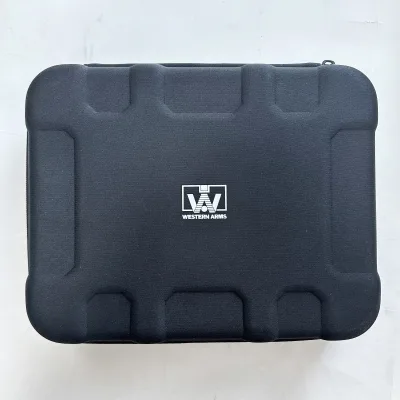
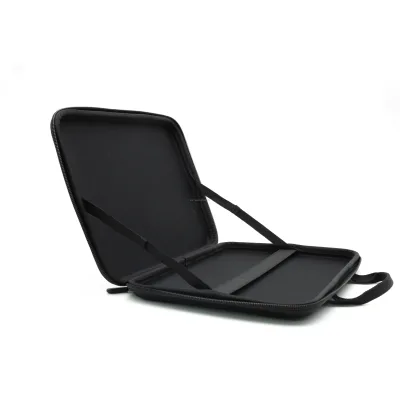
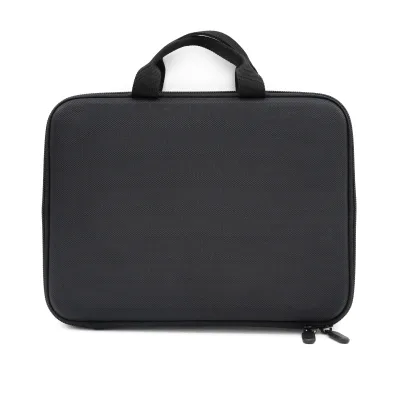
OEM universal business laptop bag EVA Protective Carrying notebook Case for office
$2.10 - $2.90
MOQ: 300
Baoding Hongyue Luggage Manufacturing Co., Ltd.
- Manufacturer, Trading Company
- Hebei, China
- Lead time0 days
- Avg. response≤ 2h
Main productsLaptop Backpacks,Outdoor Backpacks,Drawsting Bags,Gym Bags,Women bags
Main marketsWestern Europe(18.00%), North America(16.00%), Central America(16.00%), Southern Europe(13.00%), Northern Europe(10.00%), Mid East(9.00%), Southeast Asia(8.00%), Eastern Europe(6.00%), South America(4.00%)

- Verified by CTI
- Manufacturer/Factory
- China Fujian
- Lead time23 days
- Avg. response≤ 6h
Main productsTrolley Luggage, Travel Bags, School Bag, Cooler Bag, Special Backpack, Delivery Bag, Picnic Bag, Hunting Bag, Duffel Bag, Rolling Bag
Main marketsMid East,North America,Southeast Asia,Western Europe


Lightweight ABS Hardshell Travel Luggage Business Carry on Laptop Suitcase
$5.99 - $10.95
MOQ: 100 Pieces


Quanzhou Song Hu Bags Co., Ltd.
- Verified by BV
- Combined
- China Fujian
- Lead time30 days
- Avg. response≤ 2h
Main productsTravel Bag, Backpacks, School Bag, Cooler Bag, Bike Bags, Laptop Documents Briefcase, Documents Bag, Sports Bag, Hydration Bag, Mountain Backpacks
Main marketsDomestic
- Verified by SGS Group
- Manufacturer, Trading Company
- Lead time29 days
- Avg. response≤ 2h
Main productsRunning vest, Cooler Bag, Hiking Backpack, Tactical Bag, Gym bag
Main marketsWestern Europe(45%), North America(25%), Northern Europe(15%)
Dongguan Naisi Plastic Technology Co., Ltd.
- Verified by Intertek
- Manufacturer, Trading Company
- Lead time25 days
- Avg. response≤ 2h
Main productsEva Case, Eva Laptop Sleeve, Tool Case, Carry Case, Eva Bag
Main marketsNorth America(40%), Western Europe(40%), Eastern Asia(10%)
Guangzhou Maplestory Case Co., Ltd.
- Verified by SGS Group
- Manufacturer, Trading Company
- Lead time35 days
- Avg. response≤ 2h
Main productsLaptop Bag/ Laptop Sleeve/ Laptop Backpack/ Tech Organizer/ Cable Organizer Bag
Shenzhen Mihe Outdoor Products Co., Ltd.
- Verified by TüVRheinland
- Manufacturer, Trading Company
- Lead time30 days
- Avg. response≤ 2h
Main productsCamera Bag, Backpack, Diaper Bag, Cosmetic Bag, Storage Bag
Main marketsNorth America(50%), Western Europe(15%), Oceania(10%)

XinMao Packaging Products Dongguan Co., Ltd.
- Verified by SGS
- Manufacturer
- China Guangdong
- Lead time15 days
- Avg. response≤ 14h
Main productsNeoprene Bag, Laptop Sleeve, Bottle / Can Cooler, Phone / Camera Bag, Ice / Lunch Bag, Key Chain / Glasses Holder, Neoprene Gloves, Shopping Bag, Cosmetic/Pennies/Stationery Pouch, Felt Bag
Main marketsEurope,Australia

Small Fresh Customization Protective Laptop Bag Waterproof Notebook Sleeve Case
$0.185 - $2.585
MOQ: 500 Pieces

Business Travel Laptop Felt Sleeve Bag Laptop Bag Protective Case Cover
$0.835 - $1.785
MOQ: 500 Pieces

Neoprene Eco Friendly Laptop Sleeve Case Notebook Case Pouch Bag Laptop Bag Handbag
$1.974 - $2.183
MOQ: 500 Pieces

Customed High Quality Neoprene Laptop Case - Durable, Soft and for Notebook Carrying Bag
$3.565 - $3.885
MOQ: 500 Pieces


Customed Logo Waterproof Neoprene Laptop Sleeve Case Bag for Laptop Bag
$0.941 - $1.962
MOQ: 500 Pieces
Jiangxi Brilliant Technology Co., Ltd.
- Verified by TüVRheinland
- Manufacturer, Trading Company
- Lead time20 days
- Avg. response≤ 2h
Main productsEVA Bags & Cases
Main marketsNorth America(50%), Eastern Asia(20%), Domestic Market(11%)
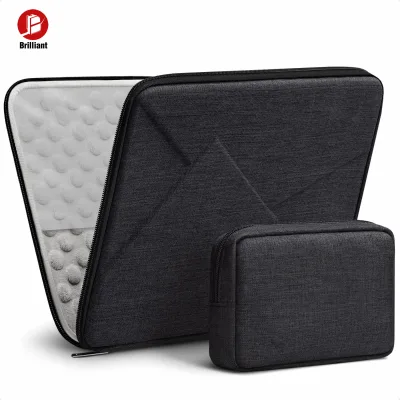
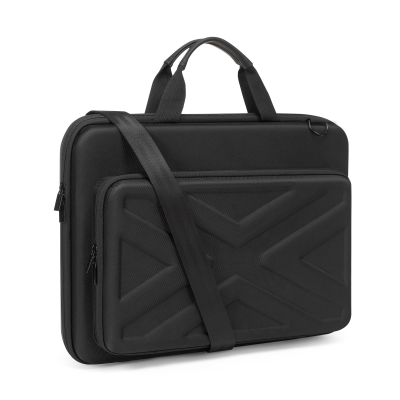
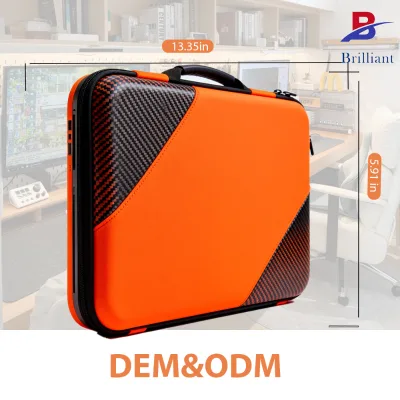
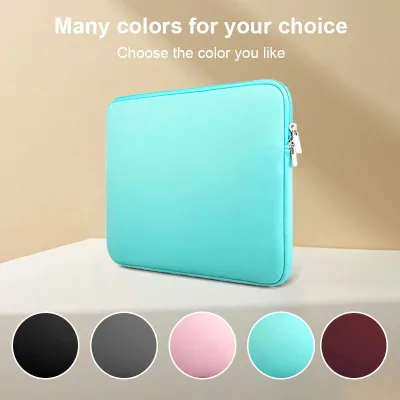
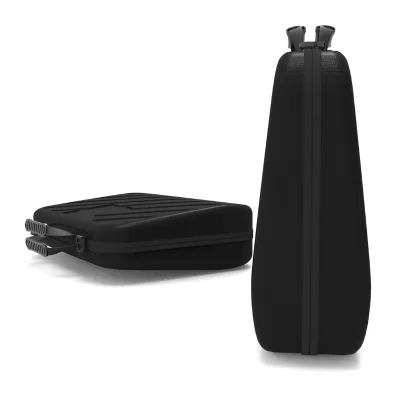
$1.52 - $2.6502
MOQ: 500 bags
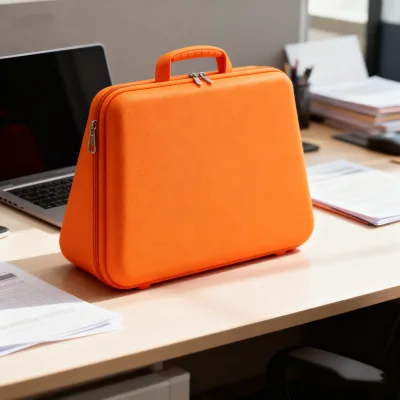
Shenzhen Charming Luggage Co., Ltd.
- Manufacturer, Trading Company
- Lead time旺季: "1 - 10":7,"11 - 5000":30,"> 5000":"To be negotiated", 淡季: "1 - 10":7,"11 - 5000":30,"> 5000":"To be negotiated"
- Avg. response≤ 2h
Main productsTool Bag, Tote Bag, Backpack, Storage Bag, Waist Bag
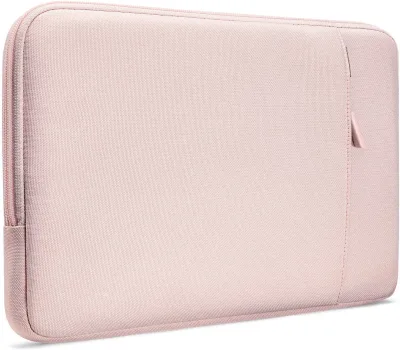
$2.0476 - $2.2125
MOQ: 300 pieces
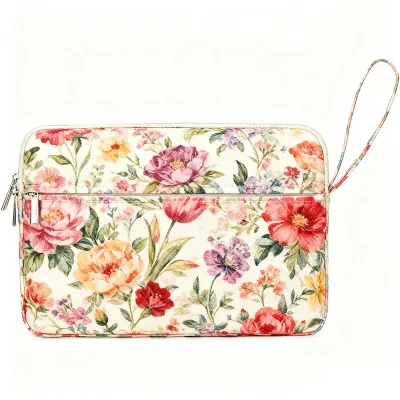
Custom Waterproof Pattern Laptop Sleeve 14 Inch Laptop Case Bag Laptop Sleeve with Handle
$2.983 - $4.3186
MOQ: 500 pieces

Dongguan Runhong Sports Products Co., Ltd.
- Verified by SGS
- Manufacturer
- China Guangdong
- Lead time15 days
- Avg. response≤ 25h
Main productsLoptop Bag, Cup Covers, Lunch Bag, Wine Bags, Stubby Holders, Cooler Bags, Koozies, Beach Tote Bag
Main marketsSouth America,Southeast Asia/ Mideast,Europe,Australia,North America


Laptop Sleeve, Durable Briefcase Shockproof Protective Case, Handbags Portable Laptop Bag
$1.70 - $1.80
MOQ: 300 Pieces


ANHUI GOOD LUCK INDUSTRIAL CO., LTD.
- Verified by BV
- Trading Company
- China Anhui
- Lead time15 days
- Avg. response≤ 5h
Main productsCosmetic Bag, Backpack, Lunch Bag, Cooler Bag, Shopping Bag, Diaper Bag, Sports Bag, Handbag, Beach Bag, Make up Bag
Main marketsSouth America,Africa,Southeast Asia/ Mideast,East Asia(Japan/ South Korea),Domestic,Europe,Australia,North America

Wholesale Laptop Bag Covers Portable Computer Bag Commute Travel Laptop Sleeve
$4.36 - $5.63
MOQ: 10 Pieces


15inch Laptop Sleeve Nylon Laptop Bag Travel Waterproof Shockproof Protective Laptop-Case
$2.20 - $3.20
MOQ: 500 Pieces

Design Shockproof Waterproof Durable Laptop Sleeve Business Style Portable Laptop Bag
$5.17 - $6.40
MOQ: 10 Pieces

Custom 16'' Laptop Protective Case Portable 3-Layer Laptop Bag with Multi-Partition Storage
$6.80 - $8.00
MOQ: 200 Pieces

Custom Logo Design Business Style Shockproof Computer Case Waterproof Laptop Bag
$4.40 - $5.60
MOQ: 10 Pieces
- Verified by SGS Group
- Manufacturer, Trading Company
- Lead time30 days
- Avg. response≤ 4h
Main productsDuffel Bag, Sling Bag,Tote Bag, Bike Bag, Diaper Bag
Main marketsOceania(17%), Mid East(15%), North America(10%)
Anyang He Xun In This Trading Co., Ltd.
- Verified by TüVRheinland
- Manufacturer, Trading Company
- Lead time15 days
- Avg. response≤ 1h
Main productsBackpack, Laptop Backpack, School Backpack, Drawstring Bag, Tote Bag
Main marketsDomestic Market(88%), North America(5%), Southeast Asia(4%)

Xiamen Le Young Imp. & Exp. Co., Ltd
- Verified by BV
- Trading Company,Manufacturer/Factory
- China Fujian
- Lead time23 days
- Avg. response≤ 4h
Main productsLeather Folder, Trave Wallet, Leather Notebook, Leather Compendium, Leather Portfolio, Leather Diary, Leather Journal, Hotel Supply, Leather Card Holder, Leather Wallet
Main marketsSouth America,Eastern Europe,Mid East,North America,Southeast Asia,Eastern Asia,Oceania,Western Europe,Africa

Customized Laptop Bag Three Folding Supporter Tablet Sleeve Portable Laptop Case
$5.25 - $5.57
MOQ: 300 Pieces

Waterproof Laptop Sleeve Bag 13 14 15.6 Inch Cover Notebook Computer Case
$4.25 - $6.88
MOQ: 100 Pieces

Shockproof Computer Bag Soft Padded Laptop Sleeve Carrying Case 13 Inch/14 Inch
$2.45 - $2.98
MOQ: 300 Pieces
Dongguan Brilliant Packaging Co., Ltd.
- Manufacturer, Trading Company
- Lead time旺季: "1 - 5000":31,"5001 - 10000":36,"> 10000":"To be negotiated", 淡季: "1 - 5000":31,"5001 - 10000":36,"> 10000":"To be negotiated"
- Avg. response≤ 3h
Main productsEVA Case, ABS Case
- Verified by Intertek
- Manufacturer, Trading Company
- Lead time30 days
- Avg. response≤ 2h
Main productsAluminum Case, Flight Case, Tool Case, Bags, Accessories Of Cases And Bags
Main marketsEastern Asia(25%), North America(19%), South Asia(15%)
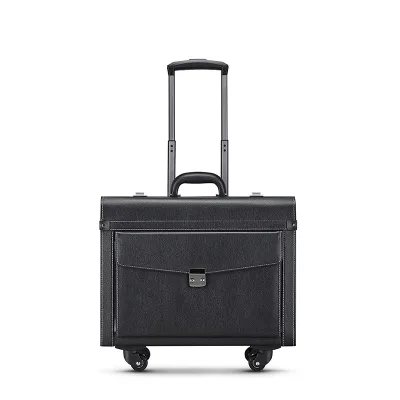
Laptop Attache Leather Classic Travel Wheeled pilot case
$40.00 - $50.00

Shenzhen Gymtion Industrial Co., Ltd
- Verified by SGS
- Trading Company,Manufacturer/Factory
- China Guangdong
- Lead time23 days
- Avg. response≤ 5h
Main productsTote Bag, Shopping Bag, Clear Bag
Main marketsEastern Europe,Mid East,North America,Oceania,Western Europe


$4.00 - $5.30
MOQ: 500 Pieces

- Verified by TUVRHEINLAND
- Trading Company,Manufacturer/Factory,Group Corporation
- China Zhejiang
- Lead time23 days
- Avg. response≤ 18h
Main productsLuggage, Shool Bag, Suitcase, Packpack, Trollycase, Kids Bag, Schoolbag, Luggage Set, Children Backpack, Kids Luggage
Main marketsSouth America,Eastern Europe,Mid East,North America,Southeast Asia,Eastern Asia,Oceania,Western Europe,Africa

New Design Unisex Travel Laptop New Design Waterproof Lightweight Backpack
$11.08 - $12.67
MOQ: 100 Pieces

Dongguan Chfine Luggages And Cases Co., Ltd.
- Verified by SGS Group
- Manufacturer, Trading Company
- Lead time5 days
- Avg. response≤ 3h
Main productsEVA Case, EVA Bag, EVA Headphone Case, EVA Tool Case, EVA Glasses Case
Main marketsDomestic Market(40%), North America(30%), Western Europe(20%)
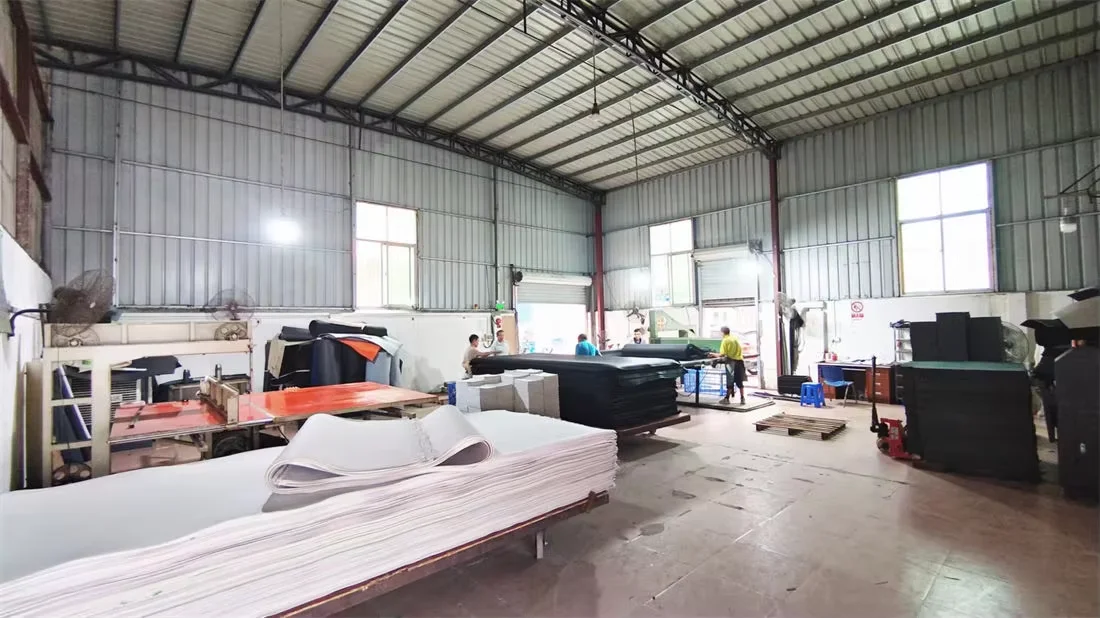
Dongguan Yirui Packaging Products Co., Ltd.
- Manufacturer
- Guangdong, China
- Lead time25 days
- Avg. response≤ 4h
Main productsEVA Case,PU Case,Custom Case,Tool Case,Handbag
Main marketsNorth America(40.00%), Eastern Europe(20.00%), Western Europe(20.00%), Northern Europe(10.00%), South America(10.00%)

Smart Industrial (Asia) Corporation Limited
- Manufacturer/Factory
- China Guangdong
- Lead time23 days
- Avg. response≤ 11h
Main productsLaptop Bag, Backpack, School Bag, Handbag, Messenger Bag, Briefcase, Camera Bag, Trolley Bag, Tablet Case, iPad Case
Main marketsSouth America,Eastern Europe,Mid East,North America,Southeast Asia,Eastern Asia,Oceania,Western Europe,Africa

QUANZHOU DANKIN IMP AND EXP CO., LTD.
- Manufacturer/Factory
- China Fujian
- Lead time45 days
- Avg. response≤ 3h
Main productsBackpack, Cooler Bag, Tool Bag, Laptop Bag, Gun Bag, Travel Bag, Hiking Bag, Tennis Bag, Running Bag, Diaper Bag
Main marketsSouth America,Eastern Europe,Mid East,North America,Southeast Asia,Eastern Asia,Oceania,Western Europe,Africa

Shenzhen Risinno Gift Co., Ltd
- Verified by SGS
- Trading Company,Manufacturer/Factory,Group Corporation
- China Guangdong
- Lead time38 days
- Avg. response≤ 23h
Main productsSmart Glasses, Smart Rings, Smart Bracelets, Smart Watches, Tablet PC, Earphones, Headphones, Keyboard Mouse, Laptop Bags, Barcode Scanners & Digital Accessories
Main marketsSouth America,Eastern Europe,Mid East,North America,Southeast Asia,Eastern Asia,Oceania,Western Europe

Waterproof Business Notebook Laptop Cases Computer Laptop Bag Laptop Sleeve for MacBook
$2.62 - $3.75
MOQ: 1 Pieces

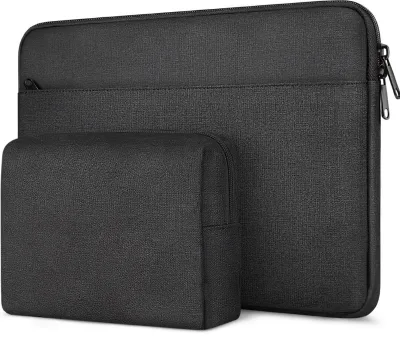
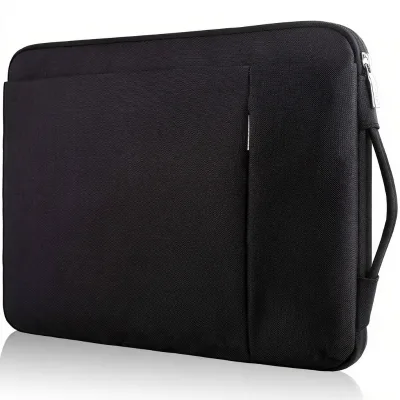
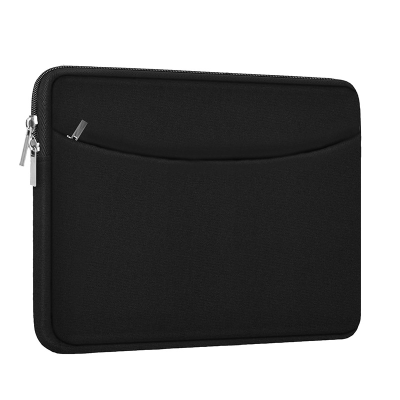
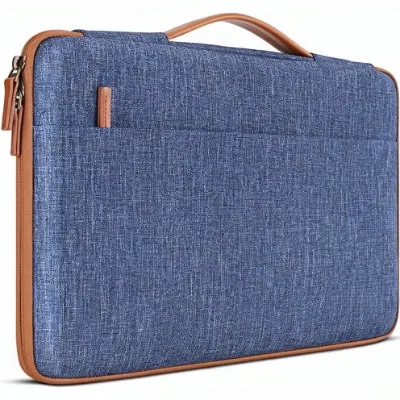



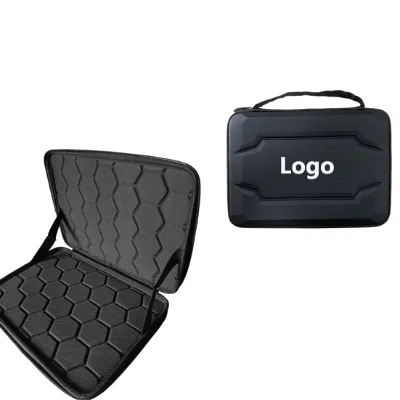
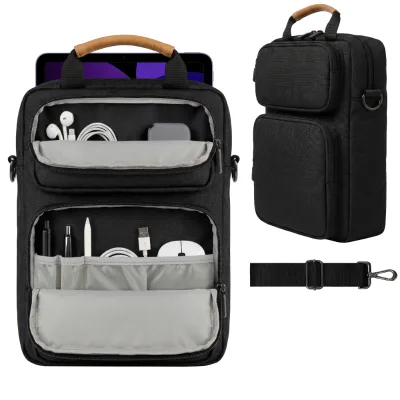
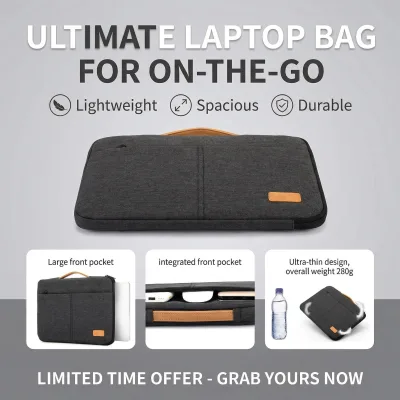
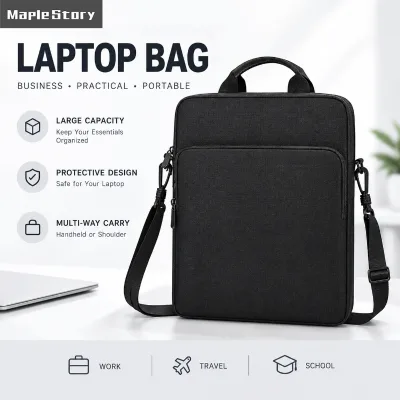


Comprehensive Sourcing Guide
Lightweight Travel Laptop Case Supplier Concentration and Factory Types
The current supplier landscape for lightweight travel laptop cases reveals a mix of manufacturing and trading company structures, with a notable concentration of facilities in China. Specific data points indicate that some suppliers operate from Guangdong, a region known for its extensive electronics and bag manufacturing clusters. When evaluating potential partners, buyers should look for suppliers explicitly listing their company type as either a Manufacturer or a Trading Company, as this distinction dictates the supply chain depth and pricing structure. Manufacturers typically offer direct control over production processes, while trading companies may aggregate products from various factories to provide a broader catalog.
Evidence suggests that the primary product focus for many suppliers in this sector includes dry backpacks, cooler bags, and tactical bags alongside laptop cases. This diversification indicates that factories often possess the necessary machinery for polyester processing and waterproofing, which are critical for the Lightweight Travel Laptop Case category. Buyers should verify if a supplier's main product list aligns with their specific needs, as a factory specializing in tactical gear might have different quality controls than one focused on fashion leisure bags. The presence of both manufacturer and trading company types allows for flexibility, but the buyer must confirm the actual production capability to ensure the Lightweight Travel Laptop Case meets durability standards.
How to Verify Lightweight Travel Laptop Case Suppliers
Verification of supplier credibility relies heavily on third-party audit reports and system certifications rather than self-declared claims. Available data indicates that some suppliers hold ISO 9001, GRS, and CE certifications, which serve as foundational evidence of quality management and environmental compliance. Additionally, verification by recognized bodies like SGS Group provides a layer of trust regarding the supplier's operational legitimacy. Buyers should prioritize suppliers who display these specific credentials, as they confirm adherence to international standards for production and material safety. The absence of such certifications does not automatically disqualify a supplier, but it necessitates a more rigorous on-site or virtual audit process before proceeding.
Beyond certifications, response time and verification status are critical indicators of a supplier's reliability and engagement level. Current observations show response times ranging from approximately two hours to over six hours, which can significantly impact the speed of the sourcing process. A faster response time often correlates with a more active sales team and better communication channels, essential for resolving issues related to Lightweight Travel Laptop Case specifications. Buyers should also check if the supplier is verified by external agencies, as this status often implies a baseline of financial and operational stability. Relying on these objective metrics helps mitigate the risk of engaging with unresponsive or non-compliant partners in the competitive bag and case market.
What to Compare Across Lightweight Travel Laptop Case Suppliers
When comparing suppliers, buyers must analyze key operational dimensions such as lead time, minimum order quantity, and customization capabilities. Data shows lead times can vary, with some suppliers indicating a standard thirty-day window while others report zero days, suggesting immediate stock availability or drop-shipping models. Minimum order quantities also differ significantly, ranging from as low as three units to as high as five hundred units, which directly influences the feasibility for small versus large buyers. Understanding these variances is crucial for aligning supplier capacity with the buyer's inventory strategy and cash flow requirements for lightweight travel laptop cases.
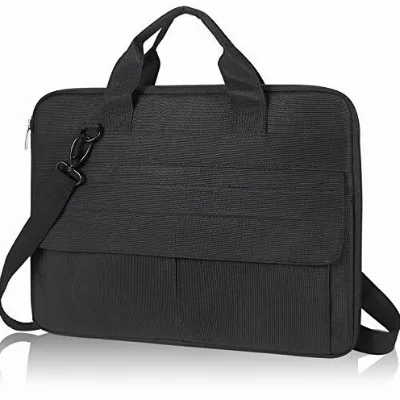
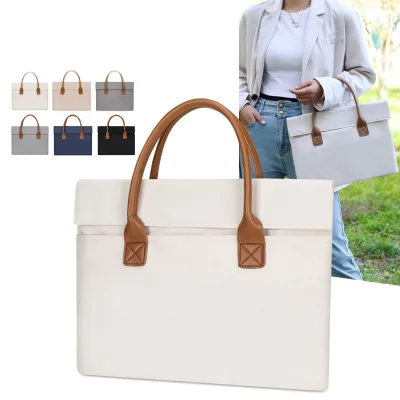
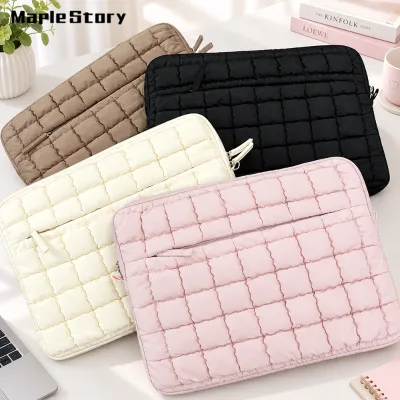
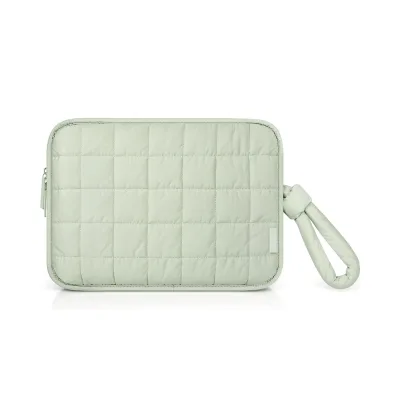
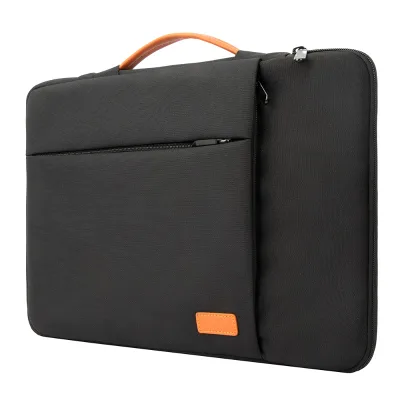
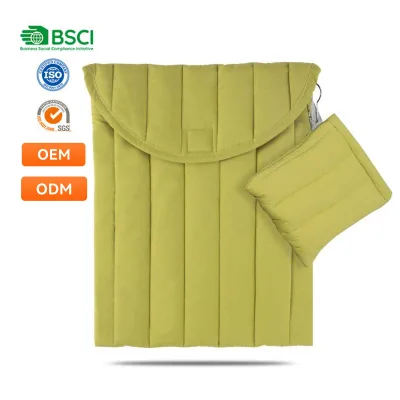
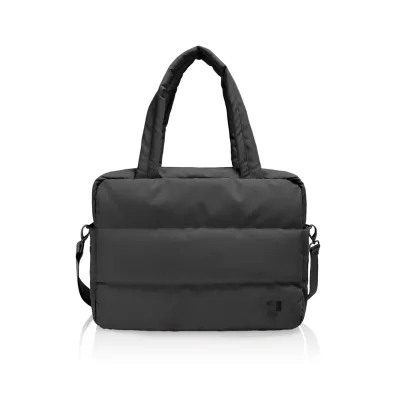
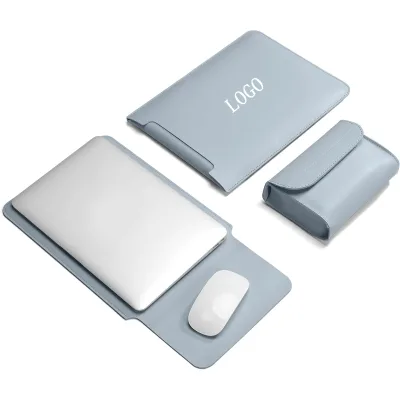
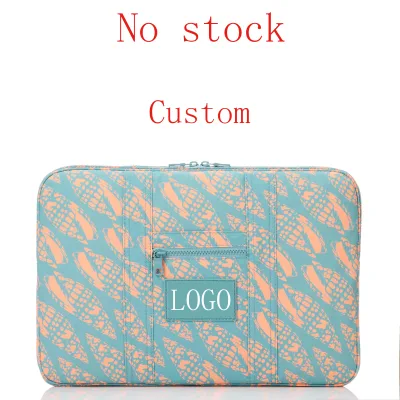
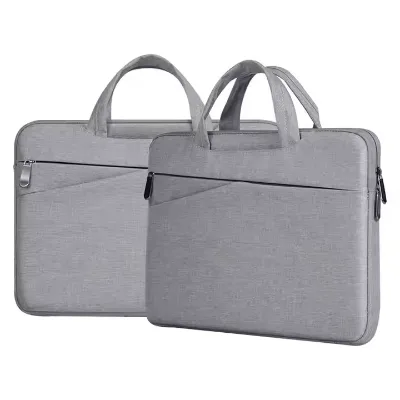
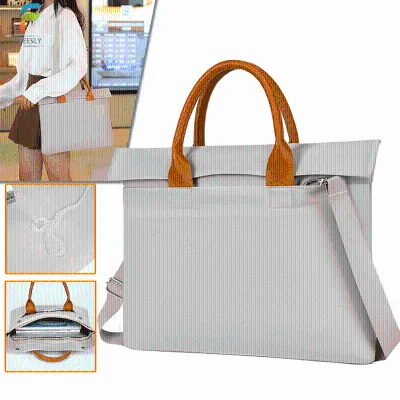
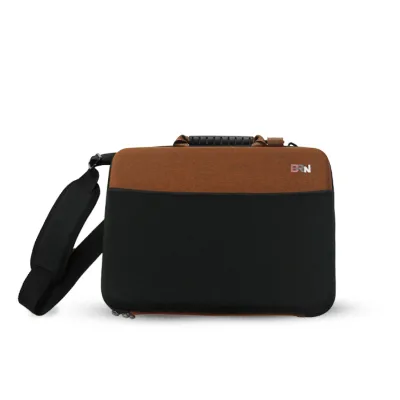
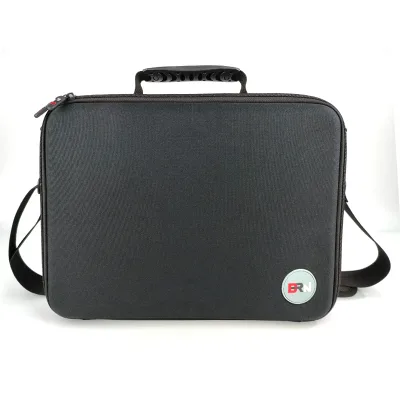
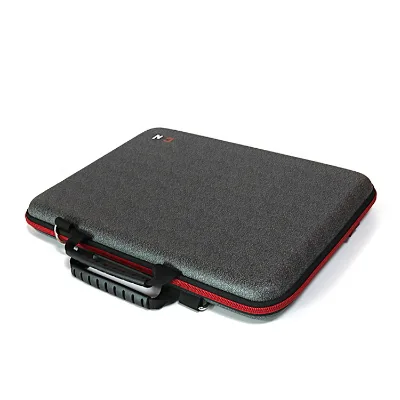
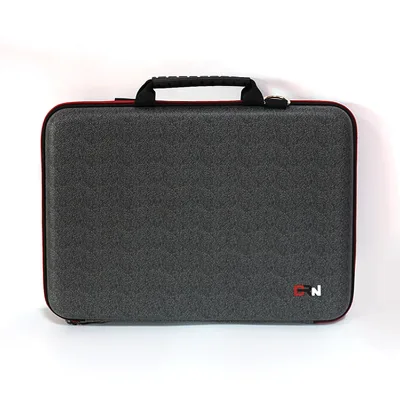
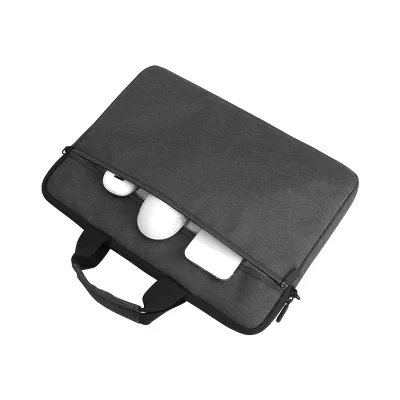
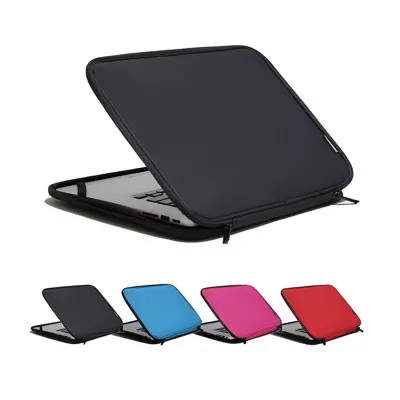
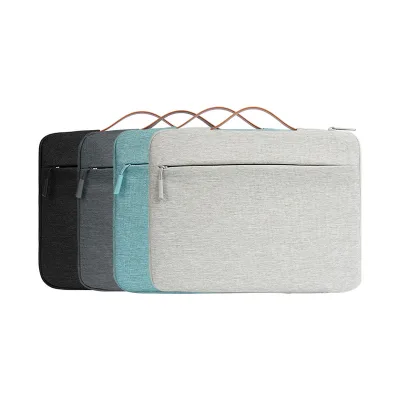
Customization capacity and product attributes provide another vital layer of comparison for sourcing decisions. Suppliers demonstrate varying levels of flexibility, with some offering light customization, sample processing, and graphic processing, while others support full OEM and ODM services. Product evidence highlights specific attributes like waterproof features, material composition such as polyester, and size options ranging from 13 inches to 17.3 inches. Buyers should compare these technical specifications to ensure the Lightweight Travel Laptop Case meets their functional requirements. Additionally, price ranges observed in the data, from roughly four dollars to nearly forty dollars, reflect differences in material quality, brand positioning, and feature sets, requiring a careful cost-benefit analysis.
Common Lightweight Travel Laptop Case Sourcing Risks
One significant risk in sourcing lightweight travel laptop cases involves the discrepancy between advertised features and actual product performance. While product evidence lists attributes like waterproofing and shockproof protection, these claims must be validated through physical testing or detailed specification sheets. Some listings mention features such as anti-theft mechanisms or specific interior structures, but without independent verification, these may not meet the rigorous demands of travel environments. Buyers should request sample units to test the durability of zippers, the effectiveness of waterproof coatings, and the structural integrity of the case before committing to a large order.
Another risk stems from inconsistent lead times and production capacity, which can disrupt supply chain planning. Although some suppliers report a thirty-day lead time, others indicate zero days, creating uncertainty about actual production schedules. This inconsistency can lead to delays if a supplier overpromises on their capacity to handle custom orders or high-volume requests. Furthermore, the variation in minimum order quantities poses a risk for buyers seeking small batches, as some suppliers may not accommodate orders below their threshold. Buyers must clarify these operational constraints early to avoid bottlenecks and ensure the timely delivery of lightweight travel laptop cases that meet their specific market needs.
Lightweight Travel Laptop Case Regional Sourcing and Logistics
Regional sourcing strategies should focus on identifying manufacturing hubs that specialize in bag and case production, with China emerging as a primary location based on available data. Specific supplier locations, such as Guangdong, offer access to established supply chains for materials like polyester and advanced manufacturing equipment. Buyers should verify the place of origin for each product, as this influences shipping costs, import duties, and the overall logistics timeline. Understanding the geographic concentration of suppliers helps in planning efficient freight routes and negotiating favorable shipping terms for lightweight travel laptop cases.
Logistics planning must also account for the specific packaging and standard dimensions provided by suppliers. Product evidence indicates packing standards such as carton sizes and dimensions like 41306CM or 16.89 x 13.07 x 1.93 inches, which are critical for calculating container loads and freight costs. Buyers should use these standardized dimensions to optimize their shipping strategy and minimize wasted space in transit. Additionally, the origin location impacts the lead time for delivery, as suppliers in different regions may have varying relationships with logistics providers. By aligning sourcing decisions with regional logistics capabilities, buyers can streamline the supply chain and reduce the overall cost of importing lightweight travel laptop cases.
Lightweight Travel Laptop Case Commercial Terms and Order Planning
Commercial terms and order planning require a detailed understanding of pricing structures and payment security mechanisms. The observed price range for lightweight travel laptop cases spans from approximately four dollars to nearly forty dollars, reflecting differences in material quality, brand value, and feature complexity. Buyers should carefully evaluate the price per unit against the minimum order quantity to determine the total investment required. Some suppliers offer prices as low as 4.30 dollars for basic models, while premium options with advanced features may cost upwards of 39.12 dollars. This variance necessitates a clear budget allocation strategy to ensure cost-effectiveness without compromising on quality.
Order planning must also consider the availability of escrow services and the specific terms of customization. While some suppliers offer OEM and ODM capabilities, the extent of these services and the associated costs should be clarified before finalizing an order. Buyers should verify if the supplier supports sample processing and graphic customization, as these services often incur additional fees or longer lead times. Additionally, the response time of the supplier, which can range from two to six hours, plays a role in the efficiency of the negotiation and order placement process. By establishing clear commercial terms and understanding the customization landscape, buyers can effectively manage their procurement workflow for lightweight travel laptop cases.
FAQs
What is the price range for lightweight laptop cases?
Prices for lightweight laptop cases typically range from $4.30 to $39.12 depending on features and size. Basic polyester sleeves start around $4.30, while premium waterproof options with anti-theft features cost approximately $8.28. Larger 17.3-inch models may reach higher price points up to $39.12 for specialized protective designs.
What certifications do these suppliers hold?
Suppliers offering these products often hold ISO 9001, GRS, and CE certifications. These credentials verify quality management systems and environmental standards. Verification by SGS Group further ensures product reliability. Buyers should confirm specific certification validity directly with manufacturers to ensure compliance with international trade requirements and safety standards.
What are the typical lead times for orders?
Standard lead times for lightweight laptop cases are generally around 30 days. Some trading companies may list zero days, indicating immediate stock availability. However, custom OEM or ODM orders typically require the full production cycle. Buyers should verify exact timelines with suppliers to align with their shipping schedules and project deadlines.
What customization options are available for laptop bags?
Manufacturers provide light customization, sample processing, and graphic processing services. Customization is available for OEM and ODM requirements, allowing for specific branding and design adjustments. Buyers can request tailored features such as interior slot pockets or specific closure types. These options support unique product requirements for different market segments.
What is the minimum order quantity for these products?
Minimum order quantities vary significantly by supplier and product type. Some items require a minimum of 500 units, while others accept orders as low as 3 pieces. This flexibility allows buyers to test market demand with smaller initial purchases. Always check the specific MOQ for each product listing to plan inventory effectively.
Where are these laptop case suppliers located?
Suppliers are primarily located in China, with specific manufacturing hubs in Guangdong and Fujian provinces. These regions are known for strong textile and bag manufacturing capabilities. Buyers can source directly from these locations to benefit from established supply chains. Geographic proximity to ports often facilitates efficient export logistics for international orders.
How quickly do suppliers respond to inquiries?
Response times for supplier inquiries vary, with some responding within 2 hours and others taking up to 6.18 hours. Faster response times often indicate higher operational efficiency and customer service priority. Buyers should expect varying reply speeds depending on the supplier type, whether they are manufacturers or trading companies, and current workload levels.