Lightweight Yellow Finger Strengthener Suppliers and Manufacturers
Source 19 verified suppliers for Lightweight Yellow Finger Strengthener products. Compare key dimensions including location, lead time, MOQ, and certifications to find the right partner. Contact suppliers directly to request quotes and samples; review the available evidence before requesting comparable quotations from suitable candidates.
Suppliers List

Guangzhou Vines Musical Instruments Co., Ltd
- Verified by TUVRHEINLAND
- Trading Company
- China Guangdong
- Lead time15 days
- Avg. response≤ 5h
Main productsAcoustic Guitar, Electric Guitar, Classical Guitar, Electric Bass Guitar, Ukulele, Guitar Strings, Musical Instrument Accessories, Violin, Guitar Amplifier, Drum Piano
Main marketsAfrica,Europe,North America

Nantong Ironman Sporting Industrial Co., Ltd.
- Verified by BV
- Trading Company,Manufacturer/Factory
- China Jiangsu
- Lead time60 days
- Avg. response≤ 10h
Main productsDumbbell Set, Yoga Accessories, Barbell Set, Home Equipment, Gym Equipment, Jump Rope, Kettlebells, Plates, Weightlifiting Set, Bars
Main marketsSouth America,Eastern Europe,Mid East,North America,Southeast Asia,Eastern Asia,Oceania,Western Europe,Africa

Hebei Denovo Medical Device Co., Ltd.
- Verified by BV
- Trading Company,Manufacturer/Factory
- China Hebei
- Lead time23 days
- Avg. response≤ 3h
Main productsBack Support, Knee Support, Posture Corrector, Foot Night Splint, Arm Slings, Hernia Belts, Cervical Collars, Abduction Orthosis
Main marketsSouth America,Eastern Europe,Mid East,North America,Southeast Asia,Eastern Asia,Oceania,Western Europe,Africa
Yiwu Hld Commodity Manufactory Co., Ltd.
- Trading Company
- Zhejiang, China
- Lead time7 days
- Avg. response≤ 7h
Main productsNovelty Printed Toilet Paper,Call Bell,Pu stress ball,Custom toilet paper,Hand Bell
Main marketsNorth America(65.00%), Western Europe(20.00%), Eastern Europe(10.00%), Southeast Asia(5.00%)

- Verified by TUVRHEINLAND
- Trading Company
- China Anhui
- Lead time30 days
- Avg. response≤ 7h
Main productsDumbbells, Kettlebells, Barbells, Weight Plates, Crossfit Gym, Home Gym, Power Rack, Aerobic Step, Yoga Mat, Foam Roller
Main marketsEurope,Australia,North America


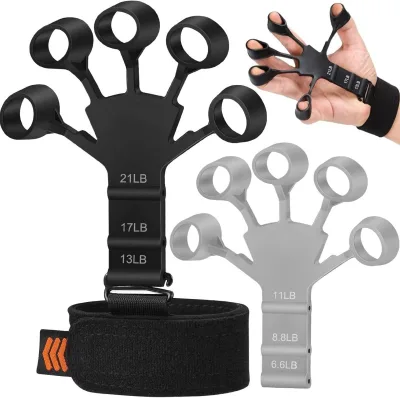
Hand Strengthener Finger Exerciser Strengthen Palm Power Forearm Squeezer Grip
$1.71 - $1.99
MOQ: 50 Pieces


Hangzhou Sprocare Med Medical Supplies Co., Ltd.
- Manufacturer/Factory
- China Zhejiang
- Lead time45 days
- Avg. response≤ 18h
Main productsKinesiology Tape, Jump Rope, Resistance Rubber Bands, Sport Tape, Gymnastic Rings, Weightlifting Belt, Hook Grip Tape, Elastic Wrist Wraps, Cork Yoga Ball, Yoga Mat
Main marketsSouth America,Eastern Europe,Mid East,North America,Southeast Asia,Eastern Asia,Oceania,Western Europe,Africa

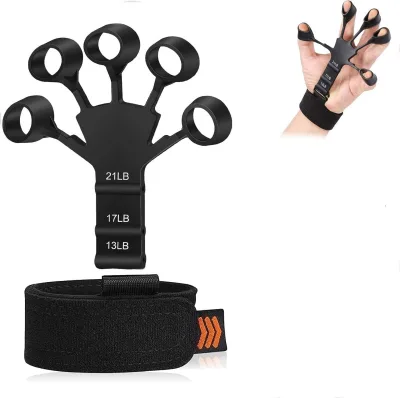
Hand Exerciser, Finger Strength Trainer, Hand Strengthener, Grip Exerciser
$1.00 - $2.00
MOQ: 200 Pieces


$0.70 - $1.50
MOQ: 100 Pieces

Changzhou Sitan Imp. and Exp. Co., Ltd.
- Verified by BV
- Trading Company
- China Jiangsu
- Lead time15 days
- Avg. response≤ 10h
Main productsFitness Equipment, Barbell Series, Resistance Bands, Agility & Speed, Yoga Ball, Massage Series, Power Rack, Weight Ball, Charging Notebook, Custom Logo Goods
Main marketsSoutheast Asia/ Mideast,Domestic,Europe,North America

Finger Exerciser Stretcher Grip Strength Trainer Hand Grip Strengthener for Pain Relief
$4.35 - $6.25
MOQ: 2 Pieces


Shanghai Goldenwell Medical Technology Co., Ltd.
- Verified by CTI
- Trading Company
- China Shanghai
- Lead time15 days
- Avg. response≤ 6h
Main productsMedical Devices, Sports Support, Medical Dressings
Main marketsSoutheast Asia/ Mideast,Europe
- Verified by SGS Group
- Manufacturer, Trading Company
- Lead time25 days
- Avg. response≤ 4h
Main productsCooler Box, Plastic Blow Molding Products, Tool Case, Toss Game, Chill Chest
Main marketsNorth America(30%), Domestic Market(30%), Oceania(13%)

Shenzhen Villsun Sports Technology Co., Ltd
- Verified by SGS
- Trading Company
- China Guangdong
- Lead time23 days
- Avg. response≤ 2h
Main productsFitness Equipment, Yoga Mats, Resistance Bands, Yoga Ball, Shin Guards, Knee Pads, Elbow Pads, Strength Fitness Equipment, Hand Grip, Yoga Wear
Main marketsSouth America,Southeast Asia/ Mideast,Europe,Australia,North America

Hangzhou Kebo Orthopedic Rehabilitation Equipment Co.,Ltd
- Verified by SGS
- Combined
- China Zhejiang
- Lead time30 days
- Avg. response≤ 5h
Main productsSpine Orthosis, Orthosis Accessories, Upper Limb Orthosis, Lower Limbs Orthosis
Main marketsSoutheast Asia/ Mideast,Europe


3. High Quality Finger Strengthener for Enhanced Dexterity and Performance
$16.50 - $22.00
MOQ: 1 Pieces


Telamon Sports Goods (Shanghai) Co., Ltd.
- Verified by BV
- Trading Company
- China Shanghai
- Lead time15 days
- Avg. response≤ 10h
Main marketsNorth America


High Quality Finger Strengthener Grip Trainer Exerciser for Musicians and Athletes
$0.50 - $3.00
MOQ: 500 Pieces


Yiwu Xiyou International Trade Co., Ltd.
- Trading Company
- Zhejiang, China
- Lead time10 days
- Avg. response≤ 9h
Main productsDumbbell,Fitness Machine,Yoga products,Squat Rack,Home fitness products
Main marketsEastern Europe(22.00%), Western Europe(15.00%), Northern Europe(10.00%), Mid East(10.00%), South America(10.00%), North America(10.00%), South Asia(5.00%), Southern Europe(5.00%), Eastern Asia(5.00%), Domestic Market(5.00%), Africa(3.00%)

Danyang Huasheng Sporting Goods Co., Ltd
- Verified by SGS
- Trading Company
- China Jiangsu
- Lead time30 days
- Avg. response≤ 21h
Main productsFinger Pullers Loopbands Minibands Resistance Ba, Finger Pullers Loop Bands Minibands Resistance B, Finger Pullers Resistance Bands Minibands Loop B, Resistance Bands Minibands Loopbands Finger Pull, Latex Bands Minibands Resistance Bands Loop Band, Tpebands Loop Bands Minibands Resistance Bands, Minibands Resistance Bands Minibands, Resistance Bands Minibands Loopbands, Latex Clothin Resistance Bands Minibands Loopban
Main marketsDomestic

Wenzhou Holdapple Technology Co., Ltd.
- Trading Company
- Zhejiang, China
- Lead time15 days
- Avg. response≤ 1h
Main productsSilicone Insoles,Gel Insole,TPE Insoles,PU Insoles,EVA Insoles
Main marketsNorth America(25.00%), Western Europe(18.00%), Eastern Europe(17.00%), Eastern Asia(5.00%), Southern Europe(5.00%), Oceania(5.00%), Northern Europe(5.00%), Domestic Market(5.00%), Mid East(3.00%), South Asia(3.00%), Southeast Asia(3.00%), South America(3.00%), Africa(2.50%), Central America(0.50%)
Shijiazhuang Cearth Imp & Exp Co., Ltd.
- Trading Company
- Hebei, China
- Lead time15 days
- Avg. response≤ 3h
Main productsSport Protective Gear,Bodyshaper,Socks,Waist Trainer,Belly Belt
Main marketsNorth America(30.00%), Eastern Europe(20.00%), South America(20.00%), Southeast Asia(10.00%), Western Europe(8.00%), Eastern Asia(3.00%), Africa(3.00%), Oceania(2.00%), South Asia(1.00%), Mid East(1.00%), Southern Europe(1.00%), Central America(1.00%)

Ningbo Tyj Industry and Trade Co., Ltd
- Verified by BV
- Combined
- China Zhejiang
- Lead time30 days
- Avg. response≤ 6h
Main marketsDomestic
Yangzhou Hongwei Sports Goods Co., Ltd.
- Verified by Intertek
- Manufacturer, Trading Company
- Lead time10 days
- Avg. response≤ 3h
Main productsSports Protective Gear, Ball Sports Protective Gear, Fitness Protective Gear, Medical Protective Gear
Main marketsDomestic Market(40%), North America(22%), Eastern Asia(6%)

Ningbo E-Fitness Import & Export Co., Ltd.
- Manufacturer/Factory
- China Zhejiang
- Lead time15 days
- Avg. response≤ 5h
Main productsWheelchair, Prp Tube, Denture Box, Capsules, Water Distiller, Walker, Commode Chair, Quantum Analyzer, Shower Chair, Dental Headlight
Main marketsSouth America,Eastern Europe,Mid East,North America,Southeast Asia,Eastern Asia,Oceania,Western Europe,Africa




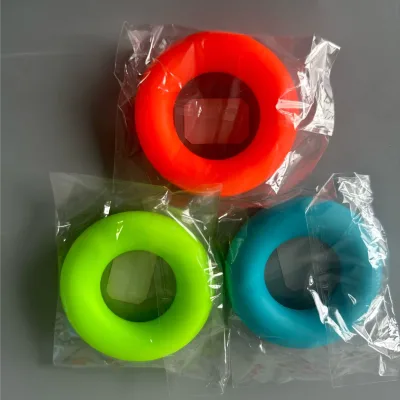
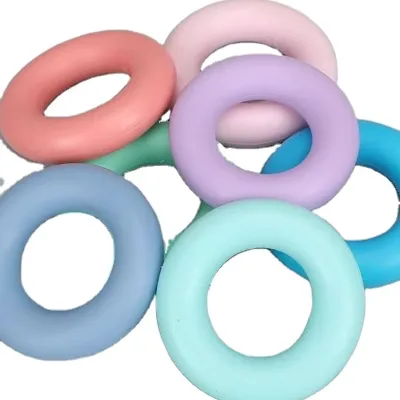


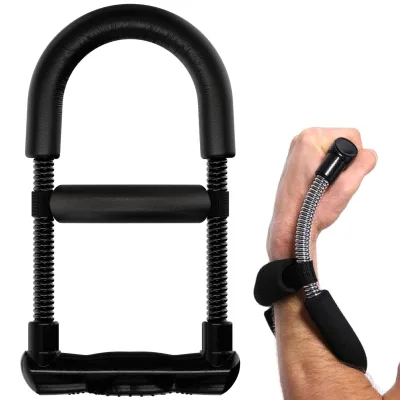
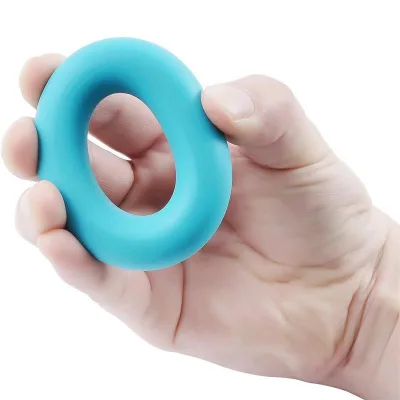


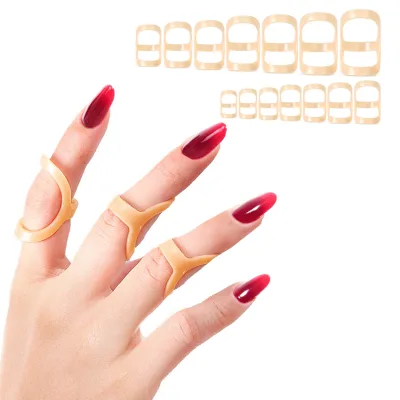
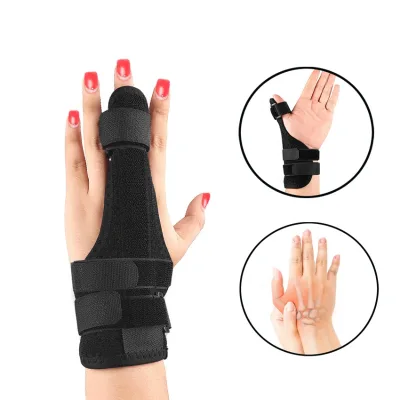
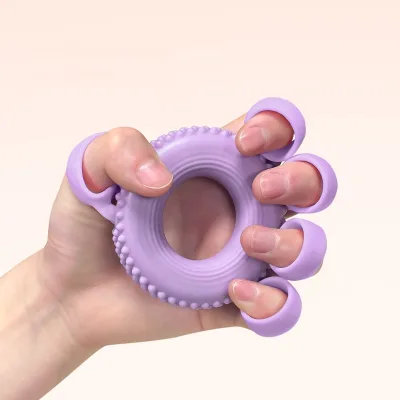
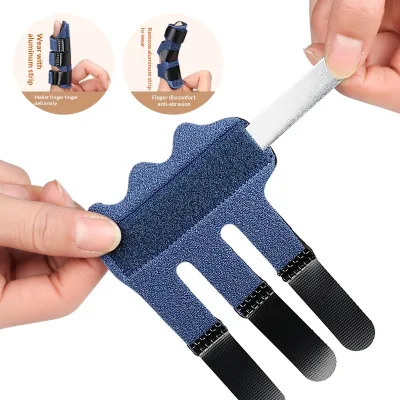


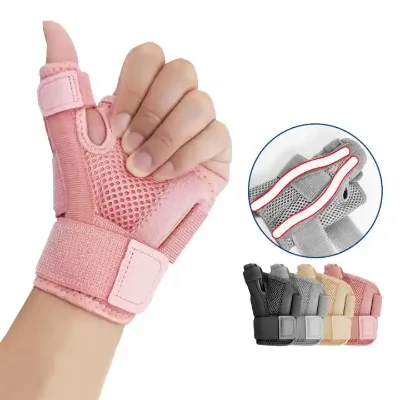
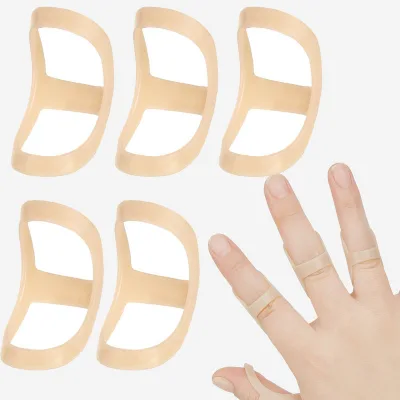


Comprehensive Sourcing Guide
Lightweight Yellow Finger Strengthener Supplier Concentration and Factory Types
When buyers search for a Lightweight Yellow Finger Strengthener, the supplier landscape on B2B platforms typically mixes trading companies with hybrid manufacturer-traders, and understanding that mix shapes every later decision. In the current result set, one Guangdong-based trading company lists finger strengtheners and hand exercisers alongside guitars, ukuleles, strings and other musical accessories, signaling a category seller that treats grip trainers as an adjacency to its music business. A Jiangsu-based company combines trading company and manufacturer/factory roles and lists finger and hand grip strengtheners among fitness equipment such as dumbbells, kettlebells and barbells. A Hebei-based supplier with a medical and rehabilitation profile offers finger supports and splints, showing how the keyword can surface adjacent product families rather than identical items.
These profiles matter because they predict different strengths. A music-accessory trader may offer good customization for colored, branded grip tools aimed at musicians; a fitness-focused manufacturer-trader may control molding and assembly; a rehabilitation supplier may emphasize medical-grade supports. Buyers should not assume a single cluster; instead, they should identify clusters themselves by filtering search results by province, tagging which suppliers list the exact keyword product versus adjacent items, and noting which claim factory roles. Record each supplier's stated main products, company type and location in a comparison sheet before contacting anyone, because that data reveals whether you are sourcing from a specialist, a diversified trader or a medical-device adjacent maker.
How to Verify Lightweight Yellow Finger Strengthener Suppliers
Verification begins with the platform-displayed credentials, then extends to independent checks. In the observed results, verification badges differ: one supplier is marked with a TÜV Rheinland verification and another with a Bureau Veritas (BV) badge, while system certifications vary widely, from a NIL entry on one profile to ISO 9001, ISO 14001, BSCI and OHSAS/OHSMS 18001 on a Jiangsu profile, and ISO 13485, ISO 9001 and GMP on the Hebei medical profile. Product-level certification claims also appear, such as CE, RoHS and ISO listings on several grip strengtheners, and CE or CE plus ISO on finger supports. Treat all of these as claims to validate, not as proof.
Practical verification steps: request copies of any cited certificates and check issuing bodies and validity dates; ask whether the certificate covers the specific finger strengthener model or only the management system; confirm the factory address through a business registry or a third-party audit if a supplier claims manufacturing capability. Ask each candidate for a sample of the exact lightweight yellow variant you intend to buy, since color, coating and spring tension are easily altered in samples. Also probe capacity claims, because one profile lists ODM and own-brand capability while another lists OEM and ODM. Finally, note response behavior: stated response times in the results range from about 2 to over 9, which is a useful, verifiable signal of how a supplier will communicate during production, not just during the quotation stage.
What to Compare Across Lightweight Yellow Finger Strengthener Suppliers
Build a side-by-side matrix using dimensions that the platform actually displays, and leave cells blank where a supplier shows nothing rather than assuming a value. Useful columns include location, company type, main products, verification badge, system certifications, stated response time, quoted lead time, MOQ, price range and customization options. In the current results, lead times range from 15 days on the Guangdong profile, to 23 days on the Hebei medical profile, to 60 days on the Jiangsu fitness profile — a spread that materially affects replenishment planning. Response times range from roughly 2.1 to 9.14, so communication speed differs enough to include in scoring.
Price and MOQ comparisons should be anchored to specific products, not supplier averages. One Jiangsu hand grip strengthener is listed at 0.82–1.08 per unit with an MOQ of 200, while a piano-styled finger grip is listed at 1.13–1.39, and lighter grip items appear at 0.41–0.51 and 0.59–0.72. The Hebei finger support shows 0.20–1.00 with an MOQ of 100. Compare customization availability too: the Guangdong finger exercisers state customization available with defined carton dimensions, and most Jiangsu products state customization available with carton packing. Weight each column according to your priority — speed, unit cost, customization depth or compliance — and document which suppliers simply lack displayed data so your shortlist reflects evidence, not guesses.
Common Lightweight Yellow Finger Strengthener Sourcing Risks
The most frequent risk in this category is category drift: suppliers surfaced under the keyword often list the exact product among many others, so a music-accessory trader may quote a finger strengthener it sources from an unknown third factory. That creates an invisible sub-supplier whose quality you cannot audit directly. Mitigate by asking who produces the item, whether the seller holds tooling, and whether the seller can arrange a factory visit. A second risk is certification ambiguity: profiles show system certificates such as ISO 9001, ISO 13485 or GMP, and product claims like CE and RoHS, but a system certificate does not certify the grip product, and RoHS claims on a spring-and-plastic item should be backed by test reports for the actual materials.
Color and finish risk is category-specific: yellow coatings can vary between batches, so approve a golden sample and specify Pantone or equivalent references in the contract. Spring tension and resistance consistency is another common failure point; specify a tolerance in the purchase specification. Commercially, MOQ and lead-time mismatches create risk: a 200-piece MOQ suits trial orders, while a 60-day lead time ties up cash and forecast accuracy, and small-quantity medical-adjacent suppliers with 100-piece MOQs may not sustain volume reorders. Finally, verification labels differ across suppliers, and one profile shows NIL system certification, so never treat a platform listing itself as due diligence; verify every document independently before paying deposits.
Lightweight Yellow Finger Strengthener Regional Sourcing and Logistics
The supplied results point to three Chinese provinces: Guangdong, Jiangsu and Hebei, each with a distinct logistics profile. Guangdong's Pearl River Delta is a high-confidence export hub with dense forwarder networks and frequent sailings to major destinations, which generally shortens door-to-door variability even when quoted production lead times are similar. Jiangsu sits within the Yangtze Delta manufacturing belt near Shanghai, offering strong ocean and air freight options, which matters if you combine finger strengtheners with heavier fitness goods such as kettlebells or plates from the same supplier. Hebei borders major northern ports and is known for medical and rehabilitation supplies, so shipments there may pair naturally with bracing and splint products.
Practical logistics planning should account for the quoted lead times: 15 days from the Guangdong trader, 23 days from the Hebei supplier, and 60 days from the Jiangsu manufacturer-trader. Add inland transit, booking lead time and port congestion buffers, and confirm whether quoted lead times are production-only or include preparation for shipment. Carton dimensions displayed on product listings — for example 482376255 mm and 400285205 mm on Guangdong finger exerciser listings, or 1279325 mm on several Jiangsu grip products — let you estimate cubic volume and container utilization early. If buyers lack a supplied regional fact, the correct approach is to map supplier provinces from profiles, then check which ports serve them before comparing freight quotes.
Lightweight Yellow Finger Strengthener Commercial Terms and Order Planning
Structure commercial terms around the specific products you shortlist, because displayed terms vary even within one supplier. On the Jiangsu fitness profile, several grip strengtheners state customization available, carton packing, and product-level certification claims, with unit prices spanning roughly 0.41 to 1.39 and an MOQ of 200 on one listing; the Hebei supplier shows 0.20–1.00 pricing with an MOQ of 100 on a finger support. Use these displayed figures as opening references in negotiation, then confirm in writing what the quoted price includes — packaging, printing, color matching and any resistance-band or spring variations. Agree on Incoterms, currency, validity period of the quotation, and payment schedule before sampling concludes, and keep deposits proportional to verified capability rather than promises.
Order planning should sequence a trial order at or near the minimum quantity to test color consistency, tension and carton packing in real conditions, then scale on a reorder schedule that respects the longest lead time in your matrix — 60 days on one profile means forecasting two to three months ahead. Build escalation clauses tied to the agreed lead time, and record each supplier's stated response time as a service-level expectation. Since customization is flagged as available on multiple listings, budget sample and tooling discussions early. Finally, plan payment methods with buyer protection in mind, confirm whether escrow-style arrangements are offered on the platform you use, and verify everything contractually rather than relying on profile claims.
(Word counts per section: ~232, ~232, ~231, ~230, ~230, ~231; total ≈ 1386 words.)
FAQs
What is a Lightweight Yellow Finger Strengthener typically made from?
Most lightweight yellow finger strengtheners use spring steel or aluminum components paired with plastic or rubber finger pads, keeping the unit small and easy to carry. Some grip-style models add gel or foam elements for comfort during repetitive squeezes. Confirm the exact materials, color finish, and packing format with each supplier before ordering, since construction varies between models.
Can I order a Lightweight Yellow Finger Strengthener with customization?
Yes, customization is available on the finger strengthener and hand exerciser models shown in the current results. Suppliers list options such as custom models, carton-box packing, and OEM or ODM support. Ask each supplier for the minimum order quantity on custom colors and logo printing, and request product specifications in writing before confirming a trial order.
What minimum order quantities apply to finger strengtheners and hand grips?
Published listings in the results show minimum order quantities of 100 units for a finger support product and 200 units for a hand grip strengthener. Actual MOQs vary by model, customization level, and supplier type. Always request the MOQ for your specific color and packaging requirements in a quotation request, because lighter or customized variants may carry different thresholds.
How much does a finger strengthener or hand grip cost per unit?
Listed unit prices in the results range from roughly 0.41 to 1.39 US dollars depending on the model, with hand grip variants spanning about 0.59 to 1.08 and finger grips from 1.13 to 1.39. Prices usually depend on order volume and customization. Ask suppliers for tiered quotations so you can compare costs at different quantity breaks.
What lead times should I expect when sourcing finger strengtheners from China?
Lead times shown in the current supplier results range from 15 days to 60 days. The trading companies in Guangdong and Jiangsu list 15 and 60 days respectively, while a Hebei supplier lists 23 days. Lead time typically depends on order size and customization, so confirm the production schedule for your quantity before placing a deposit.
Do these suppliers hold certifications for finger strengtheners and hand exercisers?
Some listed suppliers hold system certifications such as ISO 9001, ISO 14001, ISO 13485, BSCI, and GMP, and several products carry CE, RoHS, and ISO marks on their listings. Other listings show no system certification at all. Verify certificate numbers, issuing bodies, and scope of validity directly with each supplier, and request copies of current documents before contracting.
How quickly do finger strengthener suppliers respond to buyer inquiries?
Average response times in the current results range from about 2 to 9 hours, with suppliers in Hebei, Guangdong, and Jiangsu responding in roughly 2.1, 4.75, and 9.14 hours respectively on average. Response speed can vary by time zone and workload. Send a detailed inquiry covering quantity, customization, and target price to get faster, more accurate replies.