Lightweight Titanium Full-Frame Optical Glasses Suppliers and Manufacturers
Explore 15 verified suppliers offering Lightweight Titanium Full-Frame Optical Glasses with ODM and OEM capabilities. Compare response times, lead times, and certifications like SGS and BV to find the right partner. Contact suppliers directly to request samples and pricing details.
Suppliers List

Wenzhou Yangming Eyewear Accessories Co., Ltd
- Verified by SGS
- Combined
- China Zhejiang
- Lead time30 days
- Avg. response≤ 3h
Main marketsDomestic


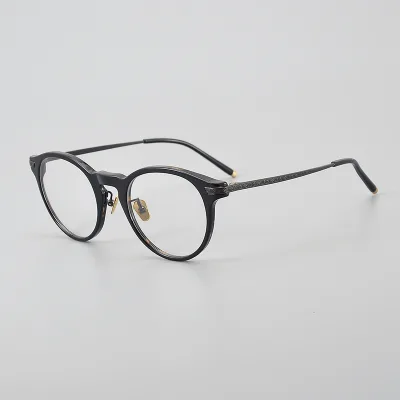
Ultra-Light β Titanium Full-Frame Glasses with Premium Retro Style, Suitable for Prescription Lenses
$5.20 - $5.60
MOQ: 12 Pieces


Danyang Sanhon Optical Co., Ltd
- Verified by BV
- Trading Company
- China Jiangsu
- Lead time15 days
- Avg. response≤ 8h
Main productsOptical Lenses, Optical Glasses
Main marketsSouth America

Wenzhou Nighthawk Glasses Co., Ltd
- Verified by BV
- Trading Company
- China Zhejiang
- Lead time15 days
- Avg. response≤ 1h
Main productsSunglasses, Optical Frames, Reading Glasses, Eyewear Cases, Kids Frames
Main marketsNorth America

Wenzhou Readsun Optical Co., Ltd.
- Verified by SGS
- Trading Company,Manufacturer/Factory
- China Zhejiang
- Lead time60 days
- Avg. response≤ 6h
Main productsSunglasses, Reading Glasses, Optical Frame, Plastic Sunglasses, Kid's Sunglasses, Metal Sunglasses, Sport Sunglasses, Titanium Optical Frame, LED Reading Glasses, Promotion Sunglasses
Main marketsSouth America,Eastern Europe,Mid East,North America,Southeast Asia,Eastern Asia,Oceania,Western Europe,Africa

Luxury Pure Titanium Optical Frame, Titanium Eye Glass Frames Optical Glasses
$8.00 - $15.00
MOQ: 300 Pieces


- Verified by SGS
- Trading Company
- China Zhejiang
- Lead time30 days
- Avg. response≤ 3h
Main productsOptical Frames, Sunglasses, Reading Glasses, Blue Block Glasses, Glasses Cases, Clean Cloth, Glasses Accessories, Clip on Glasses, Glasses Lenses
Main marketsSouth America,Africa,Southeast Asia/ Mideast,Europe,North America

Premium Optical Titanium Eyeglasses Frame 100% Titanium Glasses Eyewear Optical Prescription Glasses
$15.80 - $17.80
MOQ: 12 Pieces


Wenzhou Ouyuan Optical Co., Ltd.
- Verified by SGS
- Trading Company
- China Zhejiang
- Lead time60 days
- Avg. response≤ 4h
Main productsSunglasses, OEM ODM Sunglasses, Custom Sunglasses, Glasses, Eyeglass, Glasses Case, Estuche Para Gafas, Reading Glasses, Polarized Lens, Gafas De Sol
Main marketsEurope,North America

100% Pure Titanium Eyeglasses Optical Frames Popular Glasses Titanium Glasses Frames
$7.70 - $10.00
MOQ: 12 Pieces


Titanium Optical Frame Good Quality Glasses for Men and Women Titan Eyewear Titanium Glasses Frames
$6.90 - $7.20
MOQ: 12 Pieces


- Verified by BV
- Trading Company
- China Zhejiang
- Lead time30 days
- Avg. response≤ 6h
Main productsSunglass, Optical Frame, Sports Sunglasses, Kid's Optical Frames, Reading Glasses, Polarized Sunglasses, Eyeglasses Frame, Sun Glasses, Eyewear Frame, Sunglasses Case
Main marketsEurope,North America

Executive Optical Glasses Titanium Frame Titan Metal Eyeglasses Eye Glasses Frames
$7.60 - $8.00
MOQ: 12 Pieces


Wholesale Optical Glasses Eyeglasses New High Quality Trendy Titanium Round Eyewear Frame
$7.60 - $8.00
MOQ: 12 Pieces


Sky & Sea Optical MFY Co., Ltd.
- Verified by SGS
- Combined
- China Zhejiang
- Lead time60 days
- Avg. response≤ 3h
Main productsOptical Frame, Sunglasses, Reading Glasses, 3D Glasses, Blocking Pad, Eyeglasses, Optical Frames, Glasses Case, Safety Glasses, Lens Cleaner
Main marketsSouth America,Europe,North America

$9.00 - $10.50
MOQ: 12 Pieces

High Titanium Optical Frame Good Quality Glasses for Men and Women Eyeglasses Frames
$17.00 - $20.00
MOQ: 12 Pieces

High Quality Men Titanium Rimless Glasses Frames Women Optical Frame Eyeglasses
$9.00 - $10.50
MOQ: 12 Pieces

Titanium Acetate Eyeglasses Frame for Optical Eye Glasses Round Retro Design Eyewear Glasses
$17.00 - $20.00
MOQ: 12 Pieces

High Quality Titanium Optical Frame for Men and Women Eyeglasses Frames
$17.00 - $20.00
MOQ: 12 Pieces

$17.00 - $20.00
MOQ: 12 Pieces
Danyang Feng Chao Glasses Co., Ltd.
- Verified by SGS Group
- Manufacturer, Trading Company
- Lead time7 days
- Avg. response≤ 2h
Main productsEyeglasses Frames, Glasses
Main marketsSoutheast Asia(50%), South America(10%), South Asia(10%)

WENZHOU GUANDE GLASSES CO., LTD.
- Verified by CTI
- Trading Company
- China Zhejiang
- Lead time60 days
- Avg. response≤ 2h
Main productsOptical Frame, Sunglasses, Reading Glasses, Kids Frame, Eyewear Manufacturer / Supplier in China, Offering High Quality New Arrival Tr90 Optical F, Offering New Design Handmade Pearl Acetate Eye, New Fashion Metal Polarized Sunglasses, New Fashion Acetate Polarized Sunglasses, High Quality Stainless Steel Optical Frame
Main marketsDomestic,Europe

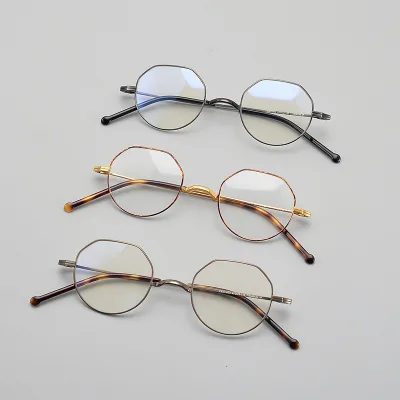
Fashion Titanium Frame Glasses Rimless Optical Frames Polygon Glasses Eyeglasses Frames
$4.20 - $6.80
MOQ: 12 Pieces


Gd High Quality Square Titanium Men Metal Optical Frame Eyeglasses Glasses Frames for Men
$5.80 - $6.80
MOQ: 12 Pieces

Wenzhou Sunray Technology Co., Ltd.
- Verified by SGS
- Manufacturer/Factory
- China Zhejiang
- Lead time23 days
- Avg. response≤ 5h
Main productsSunglasses, Custom Sunglasses, Polarized Sunglass, Reading Glasses, Jewelry Boxes, Paper Boxes, Gift Boxes, Packaging Box, Custom Packaging Box, Packing Box
Main marketsSouth America,Eastern Europe,Mid East,North America,Southeast Asia,Eastern Asia,Oceania,Western Europe,Africa

Xiamen Langxue Spectacles Co., Ltd.
- Combined
- China Fujian
- Lead time30 days
- Avg. response≤ 10h
Main productsSunglasses, Eyeglasses, Reading Glasses, Metal Sunglasses, Optical Frames, Safety Glasses, Eyewears, Optical Glass, Spectacles, Sports Sunglasses
Main marketsSouth America,Domestic,Europe,North America


Full-Rim Metal Eyeglasses Frame Lightweight Unisex Anti-Blue Durable Stylish
$6.00 - $9.00
MOQ: 900 Pieces


Fashionable Titanium Optical Frame Eyeglasses Stylish Classic Square Titanium Spectacle Frames
$5.50 - $10.00
MOQ: 600 Pieces

$5.50 - $10.00
MOQ: 600 Pieces

High Quality Optical Titanium Eyeglasses Frame 100% Titanium Eyewear Optical Frame
$5.50 - $10.00
MOQ: 600 Pieces

Danyang Xinjingjie Glasses Co., Ltd.
- Trading Company
- China Jiangsu
- Lead time0 days
- Avg. response≤ 6h
Main productsEyeglasses Accessories, Kids Eyeglasses, Sunglasses, Optical Glasses, Sun Lens/ Tinted Lens, Blue Cut Lenses

Wenzhou Higo Optical Co., Ltd.
- Combined
- China Zhejiang
- Lead time45 days
- Avg. response≤ 13h
Main productsEyeglass, Optical Frames, Eyewear, Optical Frame, Spectacle Frame
Main marketsDomestic,Europe

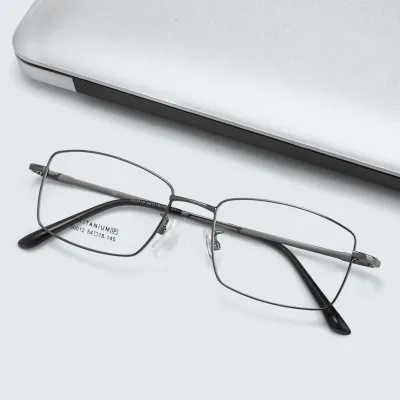
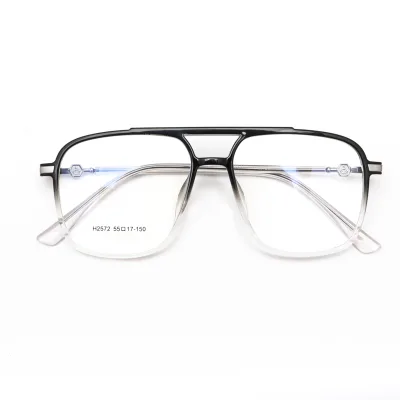
Men Women Ultra Light Titanium Eyeglasses Frame Glasses Optical Eyewear
$11.00 - $12.00
MOQ: 12 Pieces

High Quality Customized Rectangle Titanium Optical Frame Glasses Eyewear Eyeglasses
$8.00 - $11.00
MOQ: 15 Pieces

Huizhou Yiteng Technology Co., Ltd.
- Trading Company
- Guangdong, China
- Lead time0 days
- Avg. response≤ 8h
Main productsPhone fixing tools,cell phone case,Headphones
Main marketsEastern Europe(20.00%), South America(20.00%), North America(20.00%), Northern Europe(10.00%), Southeast Asia(10.00%)




Comprehensive Sourcing Guide
Lightweight Titanium Full-Frame Optical Glasses Supplier Concentration and Factory Types
Current data indicates a concentration of suppliers in China, specifically within the Zhejiang and Jiangsu provinces. These regions host a mix of combined manufacturing entities and trading companies that specialize in eyewear production. The Zhejiang cluster appears to feature combined companies capable of both Original Design Manufacturing and Original Equipment Manufacturing, suggesting a robust local supply chain for frame fabrication. In contrast, suppliers in Jiangsu are identified as trading companies, which may source from various factories rather than operating their own production lines directly. This distinction is critical for buyers seeking direct factory relationships versus those prioritizing a broader product range through a single intermediary.
When evaluating the factory type, buyers should verify whether the entity is a combined manufacturer or a trading company based on their stated company type. Combined entities often provide greater control over the production process, potentially offering more flexibility for customizations like frame material adjustments or specific model modifications. Trading companies, while potentially offering a wider array of styles, might introduce an additional layer between the buyer and the actual production facility. Understanding this structural difference helps in determining the appropriate communication channel and the depth of technical support available during the sourcing process for Lightweight Titanium Full-Frame Optical Glasses.
How to Verify Lightweight Titanium Full-Frame Optical Glasses Suppliers
Verification of supplier credentials is a primary step in ensuring product quality and business reliability. The available data shows that some suppliers hold SGS verification status, while others are verified by BV. These third-party certifications serve as a baseline indicator that the supplier has undergone specific audits regarding their business operations or product quality standards. Buyers should prioritize suppliers with these recognized verification marks, as they provide an external validation of the company's legitimacy. However, the absence of a specific certification in the current results does not necessarily disqualify a supplier, but it does require the buyer to request additional proof of their operational standards directly.
Beyond third-party verification, buyers must scrutinize the specific product attributes listed in the supplier's catalog to ensure they match the required specifications for Lightweight Titanium Full-Frame Optical Glasses. The data reveals variations in frame materials, with some products listed as pure titanium, semi-titanium, or aluminum magnesium+titanium alloys. It is essential to confirm that the "Frame Material" attribute explicitly states the intended composition, as terms like "semi-titanium" may imply a different structural integrity compared to "pure titanium." Additionally, checking the "Customization" attribute confirms whether the supplier can accommodate specific design requests, which is often a key differentiator between a standard trading company and a capable manufacturing partner.
What to Compare Across Lightweight Titanium Full-Frame Optical Glasses Suppliers
Comparing suppliers requires a systematic analysis of operational metrics such as lead time, minimum order quantity, and response speed. The observed data shows a significant variance in lead times, ranging from 15 days to 30 days depending on the supplier. A shorter lead time of 15 days might be preferable for urgent orders, while a 30-day window could indicate a more complex production schedule or higher volume capacity. Similarly, response times vary widely, with some suppliers responding in under an hour while others take several hours. Buyers should weigh these factors against their own inventory needs and the urgency of their market demands to select a partner that aligns with their timeline constraints.
Minimum Order Quantity (MOQ) and pricing structures are equally critical comparison points for commercial viability. The data indicates MOQs can range from as low as 1 piece to 12 pieces, offering flexibility for different order sizes. Pricing also fluctuates, with observed ranges between $5.20 and $15.00 per unit depending on the specific model and material composition. Buyers must calculate the total cost of ownership, including shipping and potential customization fees, rather than focusing solely on the unit price. A supplier with a slightly higher unit price but a lower MOQ might be more suitable for a startup testing the market, whereas a supplier with a higher MOQ but lower per-unit cost could be better for established brands seeking volume discounts.
Common Lightweight Titanium Full-Frame Optical Glasses Sourcing Risks
One significant risk in sourcing Lightweight Titanium Full-Frame Optical Glasses involves the ambiguity of material specifications. The product data lists various frame materials, including pure titanium, semi-titanium, and aluminum magnesium+titanium alloys. Without clear, standardized definitions, a buyer might receive a product that does not meet the expected weight or durability requirements. For instance, "semi-titanium" may contain a lower percentage of titanium than "pure titanium," affecting the final weight and corrosion resistance. Buyers must explicitly request material composition certificates or detailed technical sheets to ensure the frame material matches the advertised "lightweight" and "titanium" claims before finalizing any order.
Another risk pertains to the consistency of product standards and packaging. The data shows different packing configurations, such as "1PC/Poly Bag" or "White Box with Small Plastic Bag Inside," which can impact the perceived value and protection of the goods during transit. Inconsistent packaging standards might lead to damaged frames upon arrival, especially for delicate optical components. Furthermore, the lack of a unified standard across different models, such as varying frame dimensions like "55-17-148" versus "49-22-143," can complicate inventory management for buyers who need uniform sizing. Establishing clear quality control protocols and packaging requirements in the initial agreement is essential to mitigate these potential logistical and quality issues.
Lightweight Titanium Full-Frame Optical Glasses Regional Sourcing and Logistics
Sourcing from China, specifically the Zhejiang and Jiangsu provinces, offers distinct logistical advantages and challenges. The concentration of suppliers in these regions suggests a mature ecosystem for eyewear manufacturing, which can streamline the initial communication and sampling phases. However, the distance from these manufacturing hubs to international markets necessitates careful planning for shipping and customs clearance. Buyers should be aware that lead times of 15 to 30 days are estimates that do not include transit time, which can vary significantly based on the shipping method chosen, such as air freight or sea freight. Understanding the specific location of the factory within these provinces can help in estimating the time required for sample delivery and bulk shipment.
Logistics planning must also account for the specific packaging requirements observed in the supplier data. Some suppliers use poly bags, while others utilize white boxes with inner plastic bags, which affects the volume and weight of the shipment. For buyers importing large quantities, optimizing the carton size is crucial to reduce shipping costs. The data indicates that cartons can hold up to 300 pieces, which is a significant volume for sea freight but might require consolidation for smaller orders. Buyers should verify the exact dimensions and weight of the packed cartons to ensure they fit within their logistics budget and storage capacity, avoiding unexpected surcharges or storage issues upon arrival at the destination port.
Lightweight Titanium Full-Frame Optical Glasses Commercial Terms and Order Planning
Commercial terms for Lightweight Titanium Full-Frame Optical Glasses often include specific customization options and pricing tiers. The data confirms that customization is available across multiple product listings, allowing buyers to tailor frames to their brand's specific needs. However, the extent of customization, such as logo placement or specific color finishes, should be clarified before placing an order. Pricing varies based on the model and material, with ranges observed from $5.20 to $15.00. Buyers should negotiate based on the total order volume, as higher quantities often unlock better pricing tiers. It is also important to confirm whether the quoted price includes all necessary components, such as lenses or cases, to avoid hidden costs later in the process.
Order planning should be aligned with the supplier's response time and lead time to ensure timely delivery. With response times ranging from 0.37 to 7.66 hours, communication efficiency can vary greatly between suppliers. A supplier with a faster response time may be better suited for handling urgent inquiries or last-minute changes. Additionally, the lead time of 15 to 30 days must be factored into the overall production schedule. Buyers should plan their inventory replenishment cycles to account for these lead times, ensuring they have sufficient stock to meet market demand without overstocking. Establishing a clear timeline for sample approval, production, and shipping is vital for maintaining a smooth supply chain and meeting customer expectations.
FAQs
What is the price range for Lightweight Titanium Full-Frame Optical Glasses?
Prices for these glasses typically range from 5.20 to 15.00 USD per unit. Specific models vary, with some starting at 6.00 USD and others reaching up to 8.40 USD. Buyers should check individual listings for exact pricing based on frame material and customization options.
What is the minimum order quantity for titanium optical frames?
The minimum order quantity varies by supplier, with some requiring 12 pieces while others accept orders as low as 1 piece. Most standard listings indicate a minimum of 12 units per order. Buyers must verify the specific MOQ for each product model before placing an order.
How long does it take to receive these glasses after ordering?
Lead times for these optical frames generally range from 15 to 30 days depending on the supplier. Some manufacturers in Jiangsu offer faster 15-day delivery, while others in Zhejiang may require up to 30 days. Buyers should confirm the specific timeline with the seller.
Are these titanium frames suitable for myopia correction?
Yes, many listed models are specifically designed for myopia correction with compatible lenses. The product attributes confirm suitability for myopia, presbyopia, and astigmatism. Buyers should ensure the selected frame supports the required lens type and optical attributes for their specific vision needs.
What materials are used for the lenses in these frames?
The lenses for these frames are primarily made of acrylic material. Some listings specify acrylic lenses with myopia clip attributes. Buyers should verify the exact lens material and optical properties listed for each product to ensure they meet their specific vision correction requirements.
Where are these lightweight titanium glasses manufactured?
These glasses are manufactured in China, specifically in provinces like Zhejiang and Jiangsu. Some products originate from Danyang in Jiangsu. Buyers should check the product origin details for each listing to confirm the specific manufacturing location and associated logistics.
Can these frames be customized for specific needs?
Customization is available for many of these titanium optical frames. Buyers can request specific modifications based on their requirements. The product attributes indicate that customization options are open, allowing for tailored solutions regarding frame style, color, or specific optical adjustments.