Lipolysis Endo Fiber Suppliers and Manufacturers
Compare 14 verified suppliers offering Lipolysis Endo Fiber with details on location, lead times, and certifications. Review response times and pricing to select the right partner for your medical or beauty equipment needs today; review the available evidence before requesting comparable quotations from suitable candidates.
Suppliers List

Beijing Sunrise Science&Technology Co., Ltd.
- Trading Company
- China Beijing
- Lead time15 days
- Avg. response≤ 3h
Main productsIPL Laser, Hair Removal Laser, 808nm Diode Laser, CO2 Fractional Laser, Cavitation, Hifu, ND YAG Laser, Tattoo Removal Laser, E-Light Beauty Machine
Main marketsSouth America,Africa,Southeast Asia/ Mideast,East Asia(Japan/ South Korea),Domestic,Europe,Australia,North America


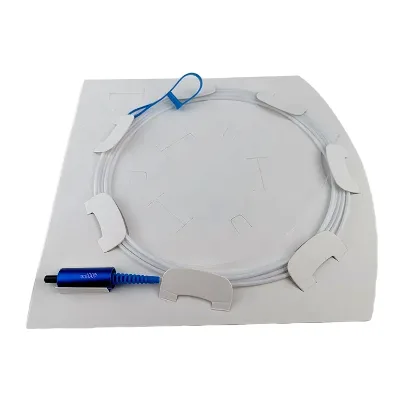
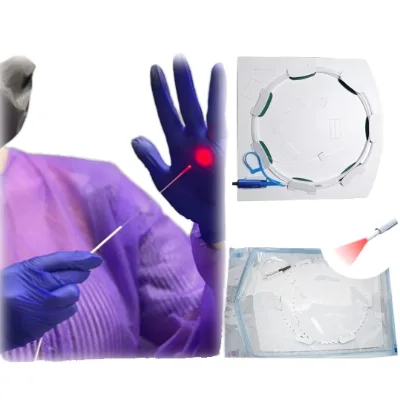
Endolaser Fiber for Lipolysis Cut Soft Tissue Endolifting Optical Fiber SMA905
$75.00 - $155.00
Moq: 1


Baoding Triangel Rsd Electronics Technology Limited
- Verified by SGS
- Trading Company
- China Hebei
- Lead time15 days
- Avg. response≤ 6h
Main productsClass IV Therapy Laser 980nm Machine, Laser Hair Removal Machine 808nm, Cryolipolysis Fat Freezen, Diode Laser 980nm 1470nm Machine, Shockwave Machine, Q-Switched ND: YAG Tattoo Removal Laser, Picosecond Laser, Vascular Removal Laser 980nm Machine, Fiber-Coupled Diode Laser Euiqpment, Endolaser and Lipolysis Laser
Main marketsSouth America,Southeast Asia/ Mideast

Medical Liposuction Laser Plastic Surgery Fiber for Lipolysis Fat Diode Lipo
$4399.00 - $4999.00
Moq: 1

980nm+1470nm Endo Fiber Lift-Laser Liposuction Endolaser Face Lift Lipolysis Machine
$1999.00 - $4399.00
Moq: 1


Shijiazhuang Biofice Science & Technology Co., Ltd.
- Trading Company
- Hebei, China
- Lead time0 days
- Avg. response≤ 2h
Main productsBody Contouring/Slimming Equipment,Hair Removal Equipment,Tattoo/Wrinkles Removal Equipment,Skin Rejuvenation Equipment,Anti-aging Equipment
Main marketsNorth America(40.0%), South Asia(10.0%), Central America(10.0%), Mid East(10.0%), Southeast Asia(10.0%), Eastern Europe(10.0%), South America(10.0%)
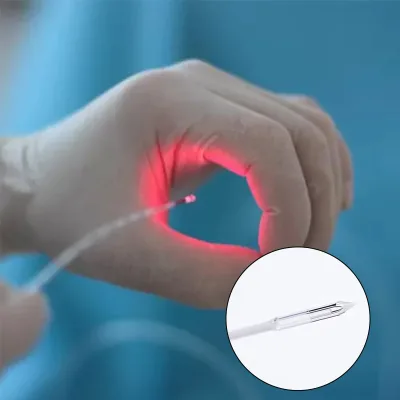
Endolaser Fiber for Lipolysis Cut Soft Tissue Endo Optical Fiber SMA905 Medical Use
$86.81 - $101.11
Moq: 1
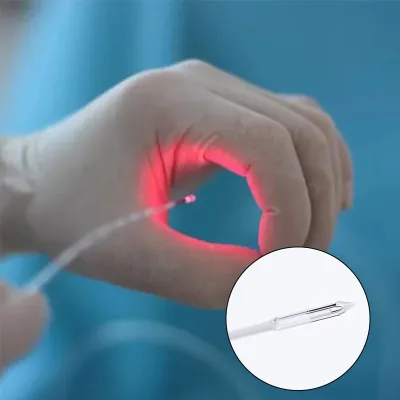
1470nm 980nm Endo Diode Laser Fiber Lipolysis Fat Reduce Fiber for Medical Doctor Use
$86.93 - $101.25
Moq: 1

Wuhan Pioon Technology Co., Ltd
- Verified by SGS
- Manufacturer/Factory
- China Hubei
- Lead time0 days
- Avg. response≤ 1h
Main productsMedical Laser, Diode Laser, Surgery Laser, Dental Laser, Lipolysis Laser, Conical Fiber, Dental Laser Handpiece and Tips, Radial Fiber, Surgery Diode Laser Handpieces, Bare Fiber
Main marketsSouth America,Eastern Europe,Mid East,North America,Southeast Asia,Eastern Asia,Oceania,Western Europe,Africa

Beijing Yuwei Laser Technology Co., Ltd.
- Verified by SGS
- Combined
- China Beijing
- Lead time15 days
- Avg. response≤ 3h
Main marketsSouth America,Southeast Asia/ Mideast,Europe

Aesthetics Endo Laser Liposucion Laser Fibra Endolaser Lipolysis 980 Nm 1470 Machine
$38.00 - $220.00
Moq: 1

Liposuction Endolifting Diode Laser Machine Face Lifting Endolaser 200μm Fiber
$1350.00 - $2650.00
Moq: 1

Endolifting Machine for Liposuction Laser Slimming Endolifting Lipolysis Machine for Clinic
$1450.00 - $2650.00
Moq: 1


- Verified by SGS
- Trading Company
- China Beijing
- Lead time15 days
- Avg. response≤ 7h
Main productsPmst Physical Therapy Equipment, Shockwave Therapy Pain Relief, 980nm 1470nm Laser Physiotherapy Machine, 810nm 980nm 1064nm Laser Physical Therapy Device, Cryolipolysis EMS Ultrasound Lipolysis, Pets Animals Pain Remove Devices, Hifu Face Antiage Beauty Machine, IPL Laser Hair Removal Machine Dpl, Picosecond Laser Tattoo Removal Beauty Equipment, Pressotherapy Pain Relief Devices
Main marketsSoutheast Asia/ Mideast,East Asia(Japan/ South Korea),Europe,Australia,North America

Endolift 980nm 1470nm 635nm Medical Liposuction Machine Surgery Fiber for Lipolysis Laser
$1580.00 - $2680.00
Moq: 1

Aesthetics Endo Laser Endolifting 1470nm Liposuction Laser Lift-Laser Fibra Endolaser Lipolysis
$2900.00 - $3700.00
Moq: 1


980nm 1470nm Endolift Machine Weight Loss Diode Laser 980 1470 Liposuction Lipolysis
$1580.00 - $2580.00
Moq: 1


Changsha GOMECY Electronics Limited
- Verified by SGS
- Manufacturer/Factory,Group Corporation
- China Beijing
- Lead time15 days
- Avg. response≤ 9h
Main productsPhysiotherapy & Rehabilitation, Diode Laser Hair Removal, Laser & Light-Based Treatments, 980nm &1470nm Diode Laser, Body Sculpting & Slimming, Pmst & Tecar & Shockwave Physical Therapy, CO2 Fractional Laser Beauty Machine, Salon & SPA Essentials, Facial & Body Treatment, Multi-Functional Salon Systems
Main marketsSouth America,Mid East,North America,Southeast Asia,Eastern Asia,Oceania,Western Europe,Africa


Endo Laser Lift Surgery 980nm 1470nm Lipolysis Laser Fat Removal Endolaser Machine
$2899.00 - $3499.00
Moq: 1


Shanghai Lumsail Industrial Inc.
- Manufacturer
- China Shanghai
- Lead time15 days
- Avg. response≤ 5h
Main productsShockwave Therapy System, Body Composition Analyzer, LED PDT Phototherapy System, Facial Skin Analyzer, Liposuction System, Laser Hair Regrowth System, IPL Elight Beauty Machine, CO2 Surgical Fractional Laser, Cryolipolysis Body Slimming System
Main marketsSouth America,Africa,Southeast Asia/ Mideast,East Asia(Japan/ South Korea),Domestic,Europe,Australia,North America
Beijing Sunrise Science & Technology Limited
- Verified by TüVRheinland
- Trading Company
- Lead time5 days
Main products980+1470nm Diode Laser, Diode Laser Hair Removal, Body Slimming Machine, Picosecond Laser Machine, Focused Shockwave
Main marketsWestern Europe(30%), North America(20%), Southeast Asia(10%)

Zhejiang Yilian Medical Technology Co., Ltd.
- Verified by SGS
- Combined
- China Zhejiang
- Lead time30 days
- Avg. response≤ 8h
Main marketsDomestic
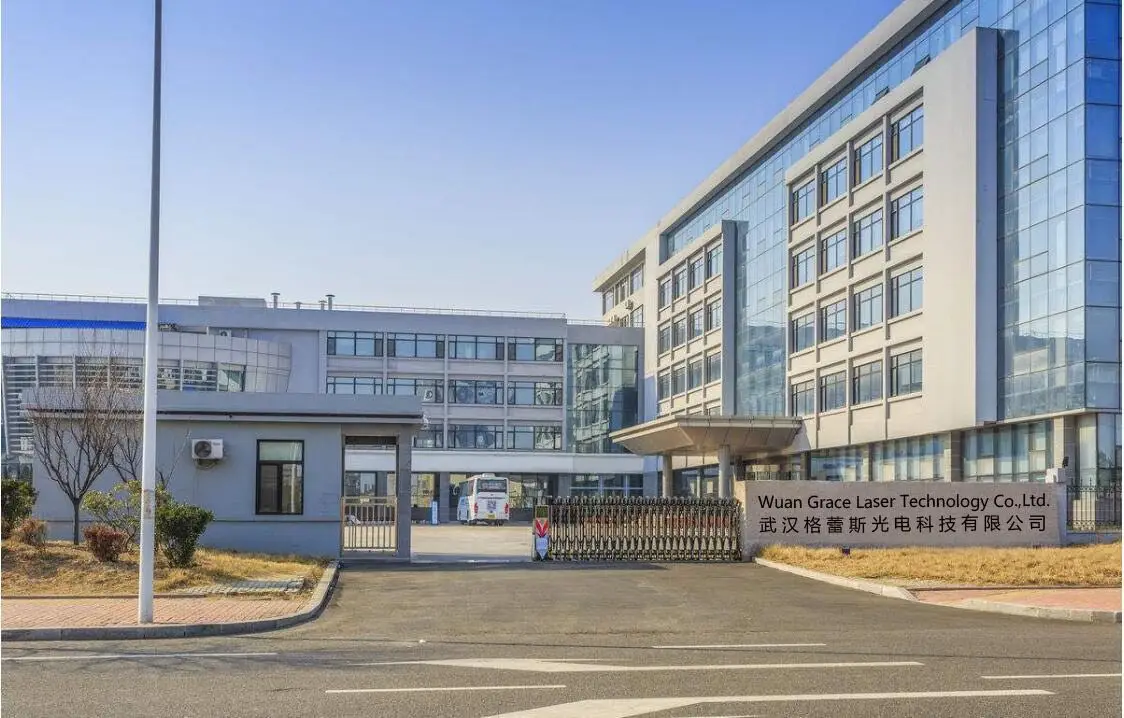
Wuhan Gaze Laser Technology Co., Ltd.
- Trading Company
- Hubei, China
- Lead time5 days
- Avg. response≤ 3h
Main productsderma pen,medical laser,beauty equipment,Surgical laser,physicalTherapy laser
Main marketsSoutheast Asia(20.0%), Northern Europe(20.0%), Domestic Market(15.0%), South America(15.0%), North America(15.0%), Mid East(5.0%), Eastern Europe(5.0%), Eastern Asia(5.0%)
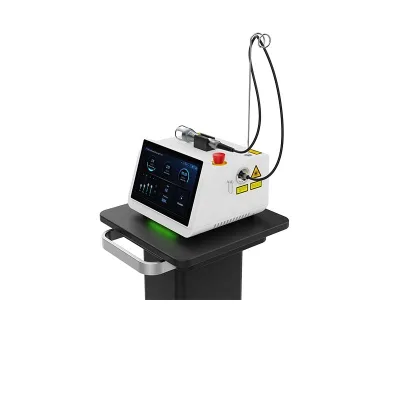
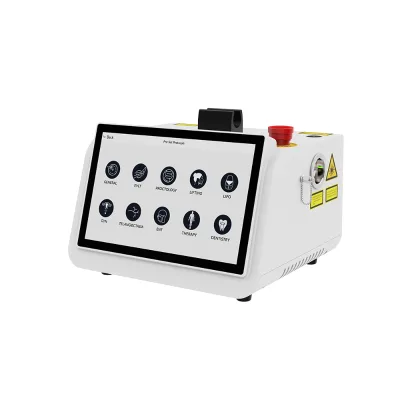
2025 new laser fiber radial fiber bare fiber for 1470nm liposuction slimming laser
$5106.37 - $6127.64
Moq: 1
Shijiazhuang Biofice Science & Technology Co., Ltd.
- Trading Company
- Lead time旺季: "1 - 10":7,"> 10":"To be negotiated", 淡季: "1 - 10":7,"> 10":"To be negotiated"
- Avg. response≤ 3h
Main productsBody Contouring/Slimming Equipment,Hair Removal Equipment,Tattoo/Wrinkles Removal Equipment,Skin Rejuvenation Equipment,Anti-aging Equipment
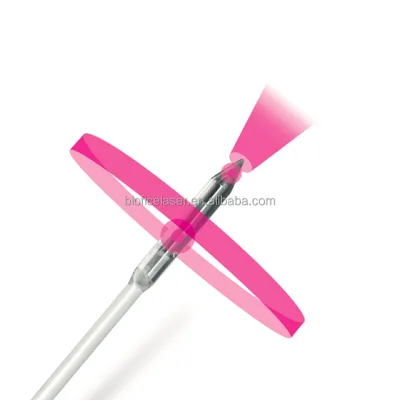
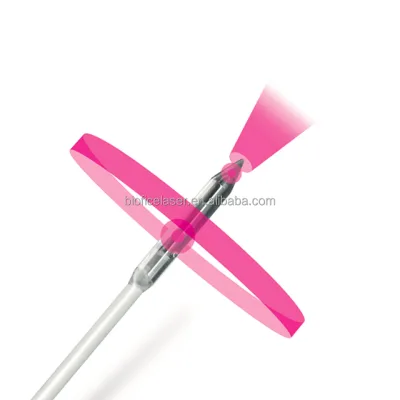
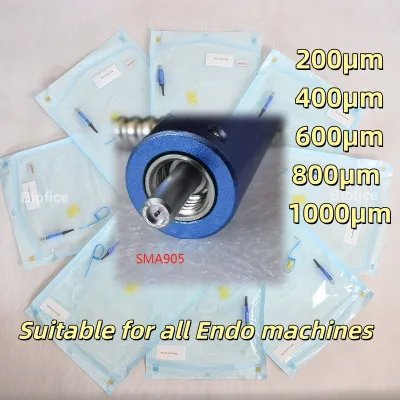
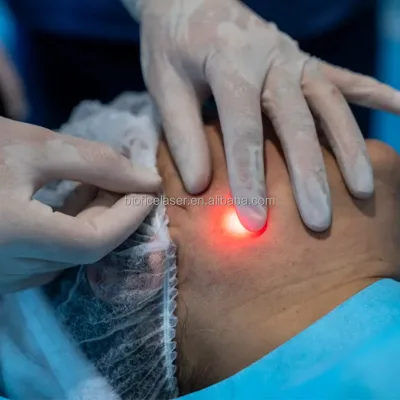
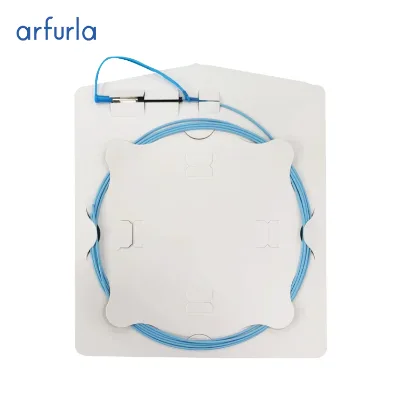
SMA 905 400um 600um Sterilized Surgical Optics Fiber Endo Skin Face Lifting Laser Fiber
$88.08 - $102.59
Moq: 1
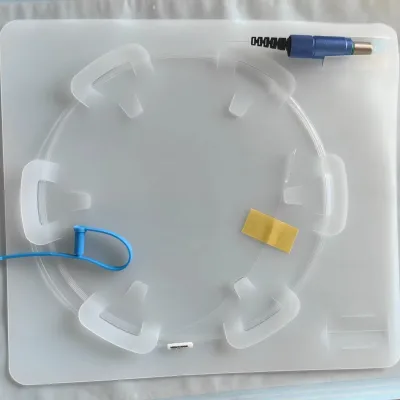
Endolaser Fiber Professional Facelift Fiber Medical Disposable 600um Fiber for Sale
$86.63 - $100.90
Moq: 1
Hangzhou Arfurla Science & Technology Co., Ltd.
- Trading Company
- Zhejiang, China
- Lead time15 days
- Avg. response≤ 2h
Main productsDiode laser 980nm 1470nm,Diode laser 808nm/755nm/1064nm,Portable/Vertical co2 fractional laser,Picosure Q switched Nd yag laser,Portable/Vertical Microneedle machine
Main marketsNorth America(30.0%), South Asia(10.0%), Northern Europe(10.0%), Eastern Asia(9.0%), Eastern Europe(9.0%), South America(9.0%), Southern Europe(9.0%), Western Europe(8.0%), Africa(2.0%), Southeast Asia(2.0%), Mid East(1.0%), Central America(1.0%)
Hangzhou Arfurla Science & Technology Co., Ltd.
- Trading Company
- Lead time旺季: "1 - 20":11,"> 20":"To be negotiated", 淡季: "1 - 20":11,"> 20":"To be negotiated"
- Avg. response≤ 2h
Main productsLipolysis laser,Co2 fractional laser,Long pulse tattoo removal,Hair removal laser,Pigment removal laser




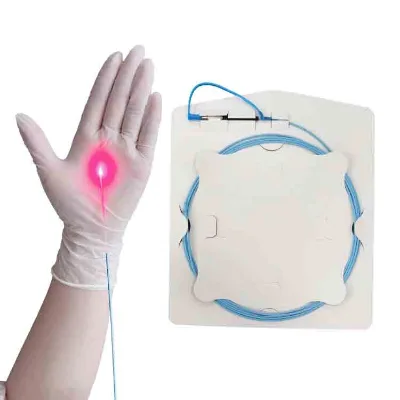
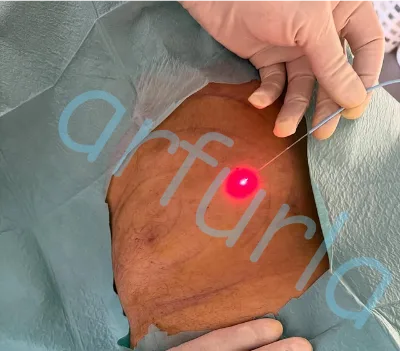
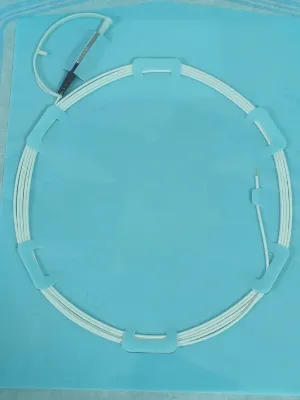
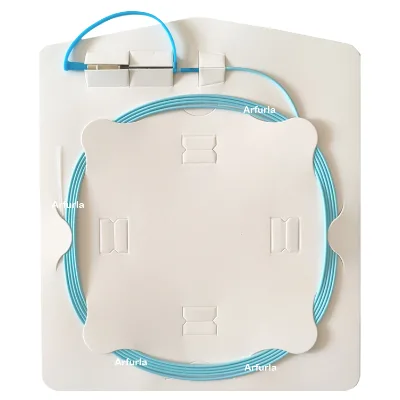
Comprehensive Sourcing Guide
Lipolysis Endo Fiber Supplier Concentration and Factory Types
Current data indicates a concentration of suppliers in China, specifically within Beijing and Hebei regions, where manufacturing clusters for laser equipment and optical fibers are active. These locations host a mix of trading companies and manufacturers offering products such as Radial Fiber 1470nm Laser Liposuction Endolaser Fibers and dual-wavelength diode laser systems. The presence of these specific geographic markers suggests that buyers should prioritize regions with documented factory output for optical components and laser beauty equipment. When evaluating potential partners, it is essential to distinguish between trading companies that aggregate products and actual factories that produce the fiber optics and laser modules. The available evidence shows that some entities list main products including IPL lasers, hair removal systems, and various diode laser machines, indicating a broad capability in aesthetic medical technology.
Buyers must verify the specific factory type before committing to a partnership, as trading companies may offer faster logistics but less control over production quality compared to direct manufacturers. The observed supplier profiles include entities with response times ranging from approximately 2.8 to 5.2 hours, which can influence the speed of initial negotiations and technical clarifications. Since the data confirms the existence of suppliers in Beijing and Hebei, buyers should focus their search on these verified locations to ensure proximity to established supply chains for optical fibers and laser components. It is crucial to confirm whether a supplier is a direct producer of the 400um or 600um fibers or a reseller of third-party goods. This distinction impacts the ability to customize fiber lengths, interfaces, and transmission efficiencies to meet specific surgical or aesthetic requirements.
How to Verify Lipolysis Endo Fiber Suppliers
Verification of suppliers requires a rigorous check of certifications and product attributes to ensure compliance with medical and safety standards. The available evidence highlights that certain products carry CE certification, which is a critical indicator for medical devices intended for procedures like lipolysis and endolifting. Buyers should explicitly request proof of these certifications and cross-reference them with the specific product models, such as the 980nm and 1470nm dual-wavelength systems. Additionally, some suppliers are verified by third-party agencies like SGS, which adds a layer of credibility regarding their business operations and product claims. It is imperative to confirm that the certification applies to the specific fiber or laser machine being purchased, as certifications can sometimes be generic to the company rather than the specific item.
Beyond certifications, buyers must validate the technical specifications provided in the product attributes to ensure they match the intended application. The data shows specific details such as laser transmission efficiency exceeding 90%, fiber interfaces like SMA905, and lengths of 3 meters, which are vital for surgical precision. Buyers should ask for detailed test reports or factory inspection videos that demonstrate the fiber's performance in applications like vascular removal, dentistry, or urology. The presence of customization options is another key verification point, as the evidence indicates that customization is available for various product lines. Confirming the ability to customize fiber dimensions and packaging, such as aluminum alloy boxes, ensures the product meets the specific logistical and clinical needs of the buyer.
What to Compare Across Lipolysis Endo Fiber Suppliers
When comparing suppliers, buyers should focus on key operational metrics such as lead times, minimum order quantities, and response speeds to determine the most suitable partner. The observed data reveals lead times of around 15 days for certain products, while response times vary between 2.79 and 5.20 hours, indicating differences in customer service efficiency. These metrics are critical for planning inventory and managing project timelines, especially for medical equipment that may be needed for urgent procedures. Buyers should also compare the price ranges, which can vary significantly from as low as $75 to over $2,950 depending on the product complexity, such as standalone fibers versus complete laser machines. Understanding these price variations helps in budgeting and identifying suppliers that offer the best value for specific technical requirements.
Another vital comparison point is the range of main products and the depth of technical support offered by each supplier. Some suppliers list a broad portfolio including IPL lasers, cavitation machines, and HIFU devices, while others focus specifically on endolaser fibers and diode laser systems. This specialization can indicate a deeper expertise in the specific niche of lipolysis and endolifting technologies. Buyers should also evaluate the product attributes, such as the availability of dual-wavelength options (980nm and 1470nm) and the specific applications supported, including microsurgery, anorectal procedures, and skin tightening. Comparing these technical capabilities ensures that the selected supplier can provide the exact equipment needed for the buyer's specific medical or aesthetic practice.
Common Lipolysis Endo Fiber Sourcing Risks
One significant risk in sourcing lipolysis endo fibers is the potential mismatch between advertised specifications and actual product performance, particularly regarding laser transmission efficiency and fiber durability. The evidence shows claims of transmission efficiency exceeding 90%, but without independent verification, these figures may not reflect real-world surgical conditions. Buyers must be cautious of suppliers who do not provide detailed test data or who offer vague descriptions of fiber interfaces and lengths. The risk is compounded if the supplier is a trading company that sources from multiple factories, as quality control may vary across different production batches. Ensuring that the fiber interface, such as SMA905, is compatible with existing laser machines is essential to avoid costly downtime or equipment damage during procedures.
Another risk involves the reliability of the supply chain and the consistency of product availability, especially for customized orders. While some suppliers indicate a lead time of 15 days, this can fluctuate based on raw material availability or production capacity. Buyers should be wary of suppliers who do not clearly communicate their production status or who lack a track record of fulfilling orders on time. The variability in response times, ranging from under 3 hours to over 5 hours, can also indicate differences in operational maturity and customer support reliability. Additionally, the risk of receiving non-compliant products is present if the supplier does not adhere to the stated certifications or standards. Buyers must verify that the product origin, such as Beijing or Hebei, aligns with the claimed manufacturing capabilities to mitigate these risks.
Lipolysis Endo Fiber Regional Sourcing and Logistics
Sourcing from China, specifically from Beijing and Hebei, offers access to established manufacturing hubs for laser equipment and optical fibers, but buyers must account for regional logistics complexities. The concentration of suppliers in these areas suggests a robust local supply chain for components like diode lasers and optical fibers, which can facilitate faster production and shipping. However, buyers should verify the specific shipping terms and lead times associated with these regions, as logistics can vary based on the supplier's location and the destination country. The evidence indicates that products are often packed in aluminum alloy boxes, which provides protection during transit but may require specific handling instructions to prevent damage. Understanding the regional logistics network is crucial for estimating delivery times and managing inventory levels effectively.
Buyers should also consider the impact of regional regulations and customs procedures when sourcing from China. Different regions may have varying export requirements or documentation needs that can affect the speed and cost of shipping. For instance, suppliers in Beijing and Hebei may have different relationships with local customs authorities, which can influence the clearance process. It is essential to confirm that the supplier is experienced in handling international shipments and can provide all necessary documentation, such as certificates of origin and compliance reports. Additionally, buyers should evaluate the supplier's ability to handle customs duties and taxes in the destination country to avoid unexpected costs. Proper planning of regional logistics ensures a smooth supply chain and minimizes the risk of delays or additional expenses.
Lipolysis Endo Fiber Commercial Terms and Order Planning
Commercial terms for Lipolysis Endo Fiber orders often include specific minimum order quantities and pricing structures that vary by product type and customization level. The data shows that some products have an MOQ of 1, making them accessible for small-scale buyers, while others may have higher thresholds depending on the complexity of the equipment. Buyers should carefully review the price ranges, which can span from $75 to nearly $3,000, to ensure they are budgeting appropriately for their needs. It is also important to clarify the payment terms, such as the use of escrow services, to protect against fraud and ensure that funds are released only upon satisfactory delivery. Understanding these commercial terms helps in negotiating favorable conditions and managing financial risks effectively.
Order planning for lipolysis endo fibers requires a clear understanding of lead times and production schedules to ensure timely delivery. The observed lead time of 15 days for certain products provides a baseline for planning, but buyers should confirm this with the supplier to account for any potential delays. Customization options, such as specific fiber lengths or interfaces, may extend the lead time, so it is crucial to discuss these requirements early in the ordering process. Buyers should also plan for potential inventory needs, especially if they rely on these products for regular medical or aesthetic procedures. By aligning order planning with the supplier's production capabilities and lead times, buyers can maintain a steady supply of high-quality lipolysis endo fibers and avoid disruptions in their operations.
FAQs
What is the typical lead time for Lipolysis Endo Fiber orders?
The typical lead time for these orders is 15 days based on current supplier data. Buyers should confirm specific delivery schedules with individual vendors as production capacity may vary. This timeframe applies to standard configurations and may extend for custom requests requiring additional manufacturing steps.
What is the minimum order quantity for optical fibers?
The minimum order quantity for optical fibers is one unit according to available product listings. This low threshold allows buyers to test product quality before committing to larger volumes. Suppliers typically offer flexible packaging options to accommodate small initial orders without requiring bulk purchases.
Which certifications are available for medical lipolysis laser equipment?
CE certification is available for medical lipolysis laser equipment found in the current results. Buyers must verify specific certification documents directly with suppliers to ensure compliance with local regulations. Not all listed products may carry this certification, so individual product verification is essential before purchase.
Where are the suppliers of these laser fibers located?
Suppliers offering these laser fibers are located in Beijing and Hebei, China. Buyers should verify the exact shipping origin for each order as locations may differ between vendors. Geographic proximity to manufacturing hubs often influences lead times and shipping costs for international buyers.
What is the price range for endolaser fibers?
The price range for endolaser fibers spans from 75 to 2950 units depending on specifications. Basic optical fibers start at lower prices while complete laser systems command higher costs. Buyers should request detailed quotes to understand pricing variations based on wavelength, fiber diameter, and included accessories.
How quickly do suppliers typically respond to inquiries?
Suppliers typically respond within 2.79 to 5.20 hours based on recorded response times. Faster response rates indicate higher availability for immediate order processing and technical support. Buyers should prioritize vendors with shorter response times to ensure efficient communication during the sourcing process.
What customization options are available for these fibers?
Customization is available for fiber length, interface type, and specific application requirements. Buyers can request modifications to meet unique surgical or aesthetic needs. Suppliers confirm customization availability in product attributes, but specific details must be negotiated directly to ensure the final product meets exact specifications.