Livestock and Poultry Transportation Cargo Truck Suppliers and Manufacturers
Source Livestock and Poultry Transportation Cargo Truck options from 22 verified suppliers in China. Compare key dimensions including lead times, MOQs, response speeds, and certifications to identify the right partner. Request quotes today to secure competitive pricing and reliable delivery schedules.
Updated
Suppliers List

Hubei Manten Automobile Co., Ltd.
- Verified by BV
- Trading Company
- China Hubei
- Lead time45 days
- Avg. response≤ 10h
Main productsTank Truck, Garbage Truck, Fire Fighting Truck, Truck with Crane, Concrete Mixer Truck, Dump Truck, Aerial Plateform Truck, LED Mobile Truck, Sewage Suction Truck, LPG Tanker
Main marketsAfrica

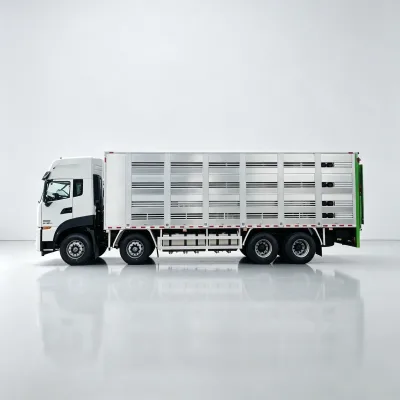
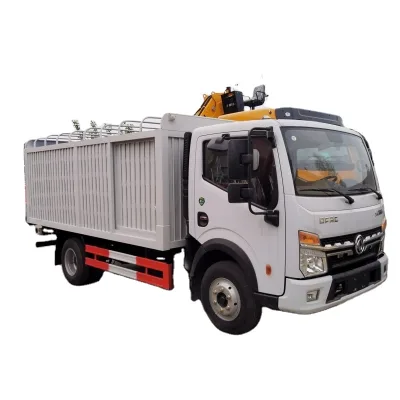
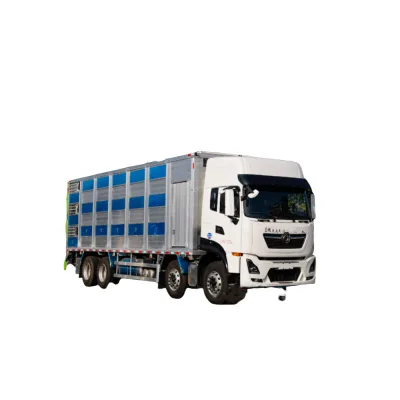
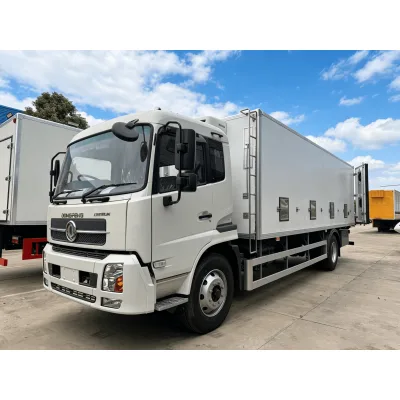
Chicken Tranport Truck/Mature Live Chicken Cargo Truck/Livestock and Poultry Carrier
$9500.00 - $45000.00
MOQ: 1 Pieces

10-30 Tons Capacity 2 Floors Livestock (Poultry, Pig, Cow, Sheep) Transport Truck
$38500.00 - $65000.00
MOQ: 1 Pieces


Chengli Special Automobile Co., Ltd.
- Combined
- China Hubei
- Lead time30 days
- Avg. response≤ 7h
Main productsFuel Tank, LPG Tank, Water Tank, Dump Truck, Refrigerator Truck, Concrete Mixer Truck, Side Tipper, Tractor Head, Semi Trailer, Light Truck
Main marketsSouth America,Africa,Southeast Asia/ Mideast,East Asia(Japan/ South Korea),Domestic,Europe,Australia,North America


4X2 Drive Configuration Sinotruk Livestock Transport Truck for Pig Transfer
$50000.00 - $67000.00
MOQ: 1 Pieces
Hubei Daqi Automobile Co., Ltd.
- Manufacturer, Trading Company
- Hubei, China
- Lead time30 days
- Avg. response≤ 2h
Main productsGarbage Truck,Command Truck,Dump Truck,Aerial Work Platform Truck,Wrecker Truck
Main marketsAfrica(27.00%), Mid East(20.00%), Southeast Asia(15.00%), South America(15.00%), South Asia(10.00%), North America(5.00%), Central America(5.00%), Oceania(2.00%), Eastern Asia(1.00%)

Hubei Kehua Special Automobile Co., Ltd.
- Verified by SGS
- Combined
- China Hubei
- Lead time15 days
- Avg. response≤ 1h
Main productsGarbage Truck, Road Sweeper Truck, Emergency Rescue, Refrigerated Truck, Water Tank Truck, Sewage Suction Truck, Wrecker Truck, Aerial Working Truck, Truck with Crane
Main marketsDomestic

$51000.00 - $53000.00
MOQ: 1 Pieces

$58000.00 - $60000.00
MOQ: 1 Pieces

$58000.00 - $60000.00
MOQ: 1 Pieces

$57000.00 - $59000.00
MOQ: 1 Pieces

$51000.00 - $53000.00
MOQ: 1 Pieces
Hubei Xindongri Special Vehicle Co., Ltd.
- Manufacturer, Trading Company
- Lead time旺季: "1 - 1":35,"2 - 5":60,"> 5":"To be negotiated", 淡季: "1 - 1":35,"2 - 5":60,"> 5":"To be negotiated"
- Avg. response≤ 1h
Main productsFire Truck, Aerial Work Vehicle, Sanitation Vehicle
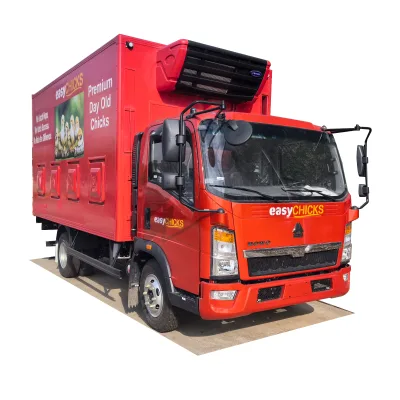
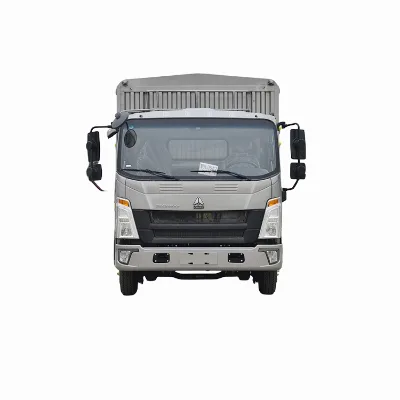
2026 Brand New China Hot Sale Livestock and Poultry Transportation Truck
$14690.3797 - $15518.0067
MOQ: 1 units
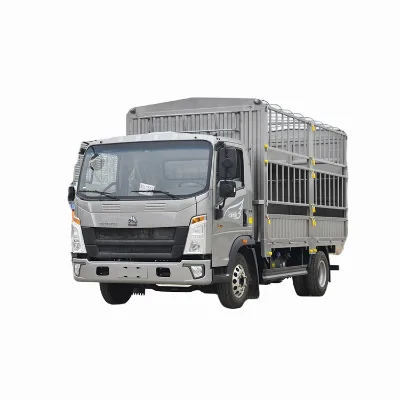
Howo 3ton Brand New Livestock Pig Transportation Truck for Sale
$14690.3797 - $15518.0067
MOQ: 1 units
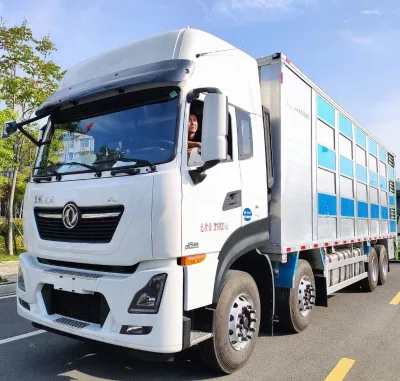
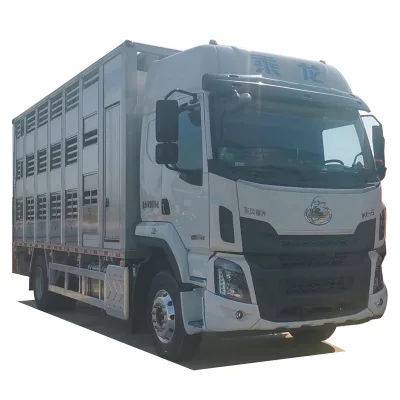
New Design Live Animal Transport Truck Livestock Pig Delivery Truck for Sale
$14600.00 - $16000.00
Chengli Special Automobile Co., Ltd.
- Manufacturer, Trading Company
- Lead time旺季: "1 - 1":20,"> 1":"To be negotiated", 淡季: "1 - 1":20,"> 1":"To be negotiated"
- Avg. response≤ 7h
Main productsSpecial Truck,Pressure Tank,truck crane,vacuum truck,garabge truck

Hubei Kangmu Special Vehicle Equipment Co., Ltd
- Verified by TUVRHEINLAND
- Combined
- China Hubei
- Lead time30 days
- Avg. response≤ 4h
Main productsBulk Feed Truck, Livestock Transport Truck, Sewage Suction Truck, Garbage Truck, Water Tank Truck, Road Sweeper Truck, Aerial Platform Truck, Truck Mounted Crane, Refrigerated Truck, Fire Truck
Main marketsDomestic


Good Quality Livestock and Poultry Transport Truck for Animal Transport with A/C for Sale
$33333.00 - $99999.00
MOQ: 1 Pieces


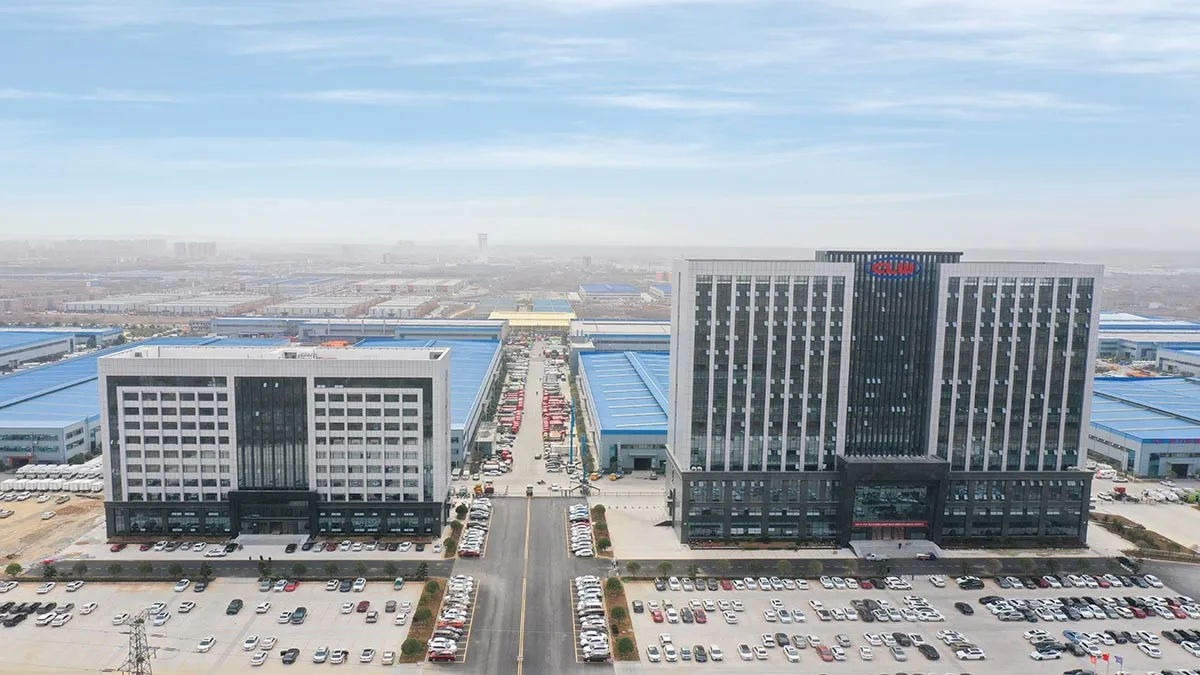
Hubei Feng Yuan Special Automobile Co., Ltd.
- Manufacturer, Trading Company
- Hubei, China
- Lead time0 days
- Avg. response≤ 4h
Main productsgarbage truck,water tank truck,sweeper truck,sewage suction truck,dump truck
Main marketsAfrica(40.00%), Southeast Asia(20.00%), South Asia(10.00%), Eastern Asia(10.00%), Mid East(10.00%), North America(10.00%)

HENAN ULIKE INDUSTRY CO., LTD.
- Verified by TUVRHEINLAND
- Manufacturer/Factory
- China Henan
- Lead time23 days
- Avg. response≤ 2h
Main productsDump Truck, Excavator, Wheel Loader, Road Roller, Motor Garder, Mobile Concrete Mixing Batching Plant, Fixed Concrete Mixing Batching Plant, Mixer Truck, Farm Tractor, Parts
Main marketsSouth America,Eastern Europe,Mid East,North America,Southeast Asia,Eastern Asia,Oceania,Western Europe,Africa


Livestock Carrier Transfer Vehicle Cow Transport Truck Poultry Transfer Truck
$13580.00 - $16580.00
MOQ: 1 unit

Livestock Transport Truck with Animal Transport Truck for All Livestock Poultry Delivery
$10000.00 - $16000.00
MOQ: 1 unit
Hubei Ocean Automobile Industry Co., Ltd.
- Verified by TüVRheinland
- Manufacturer, Trading Company
- Lead time30 days
- Avg. response≤ 3h
Main productsRefrigerated Truck, Sanitation Truck, Ambulance, Tank Truck, Dump Truck
Main marketsAfrica(60%), North America(10%), South America(10%)

HUBEI FURICH VEHICLE CO., LTD.
- Verified by BV
- Trading Company
- China Hubei
- Lead time30 days
- Avg. response≤ 5h
Main productsElectric Car, EV Car, New Energy Car, Electric Vehicle, Pure Electric Car, Electric Mini Car, Electric Sedan, New Energy Vehicle, Electric MPV, Electric SUV
Main marketsSouth America,Africa,Southeast Asia/ Mideast

Dongfeng Animal Transport Truck – Livestock and Poultry Carrier for Farms
$40000.00 - $49000.00
MOQ: 1 unit

Factory Price Dongfeng Livestock and Poultry Transport Truck for Farm Animal Transportation
$40000.00 - $49000.00
MOQ: 1 unit
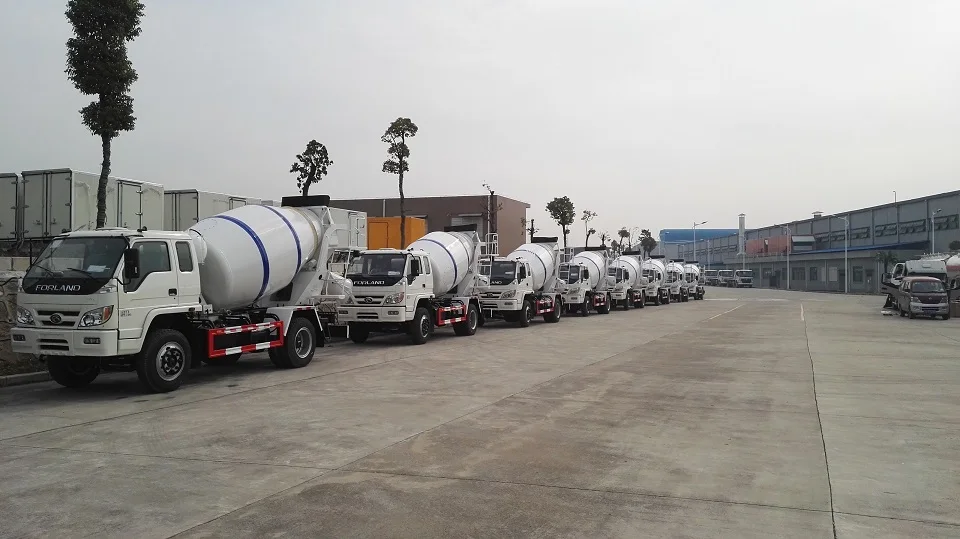
Chusheng Vehicle Group Co.,ltd
- Manufacturer, Trading Company
- Hubei, China
- Lead time20 days
- Avg. response≤ 13h
Main productsDump Truck,Mixer Truck,fuel tanker,water truck,garbage truck
Main marketsAfrica(20.00%), Southeast Asia(20.00%), South America(20.00%), Eastern Asia(20.00%), Mid East(10.00%), North America(1.00%)
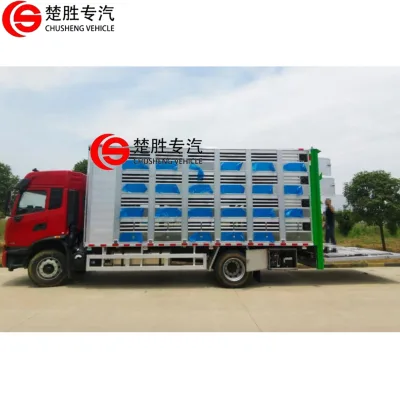
Dongfeng Livestock Poultry Transport Truck Farm Animal Transport Truck
$41554.0182 - $50890.8469
MOQ: 1 units
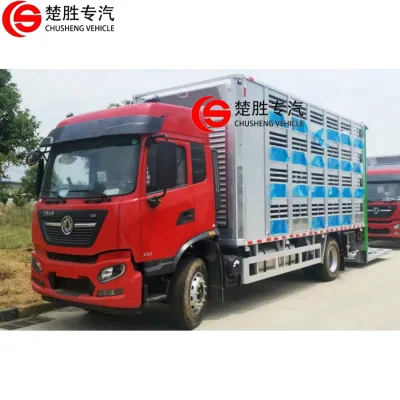
Livestock Poultry Transport Truck Day Old Chicken Hauling Truck for Sale
$41554.0182 - $50890.8469
MOQ: 1 units
Hubei Manten Automobile Co., Ltd.
- Trading Company
- Hubei, China
- Lead time35 days
- Avg. response≤ 3h
Main productsOil Tanker Truck,Compression Garbage Truck,Fire Fighting Truck,Aerial Platform Truck,Sewage Suction Vehicle
Main marketsAfrica(45.00%), Southeast Asia(25.00%), Mid East(15.00%), South America(15.00%)
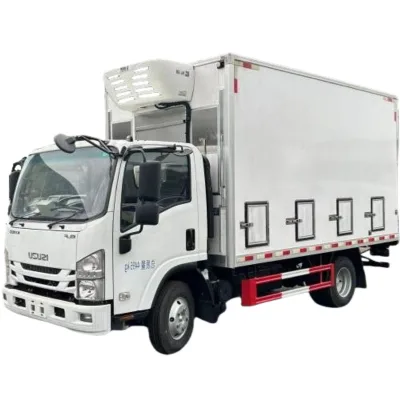
Japan Brand Pig and Chicken Transport Truck for All Livestock and Poultry Delivery
$15422.0598
MOQ: 1 Minimum
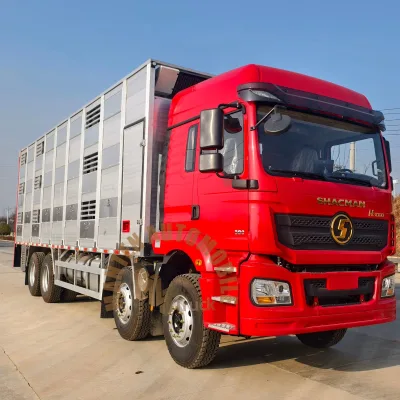
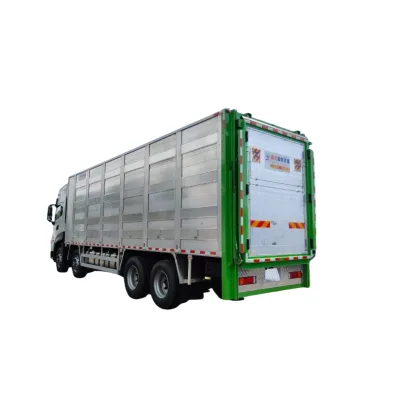
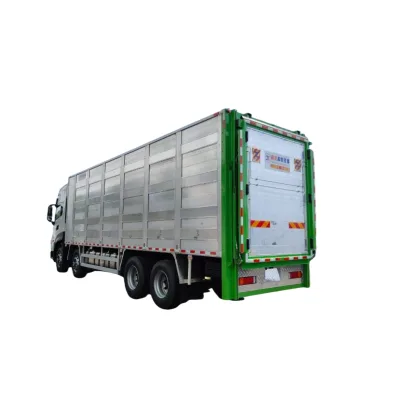
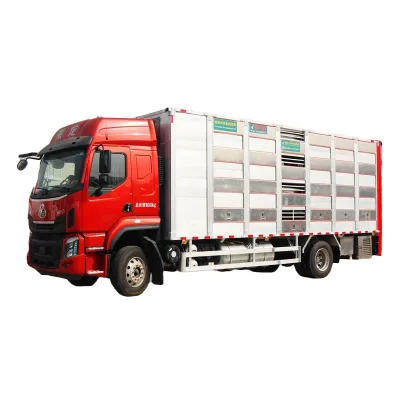
Hot Selling All Livestock Pig Sheep Cow Cattle Herds Transportation Truck with Large Capacity
$57370.0625
MOQ: 1 Minimum

Suizhou Xinchuang Special Vehicle Co., Ltd.
- Trading Company
- Hubei, China
- Lead time30 days
- Avg. response≤ 1h
Main productsTanker Truck,Garbage Truck,Vacuum Truck,Tow Truck,Truck Mounted Crane
Main marketsNorth America(17.00%), South America(11.00%), Southeast Asia(9.00%), Central America(8.00%), Africa(8.00%), Western Europe(8.00%), Southern Europe(7.00%), South Asia(7.00%), Mid East(6.00%), Domestic Market(5.00%), Oceania(5.00%), Eastern Europe(4.00%), Eastern Asia(3.00%), Northern Europe(2.00%)
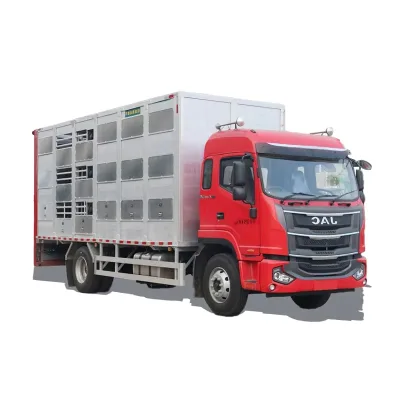
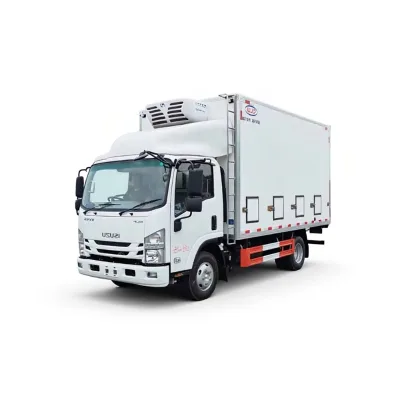
JAC 4x2 Livestock Transport Truck 241HP Cattle Chicken Sheep Poultry Hauler Truck
$49000.00 - $50000.00

Hubei Kairuiwei Automobile Co., Ltd.
- Trading Company
- Hubei, China
- Lead time20 days
- Avg. response≤ 1h
Main productsWater truck,fuel tanker truck,ambulance,fire truck,wrecker tow truck
Main marketsSoutheast Asia(30.00%), South America(30.00%), Central America(20.00%), Northern Europe(10.00%), Eastern Europe(10.00%)
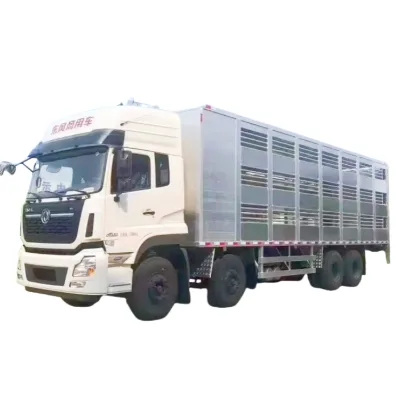
$4114.3379 - $5143.1793
MOQ: 1 units
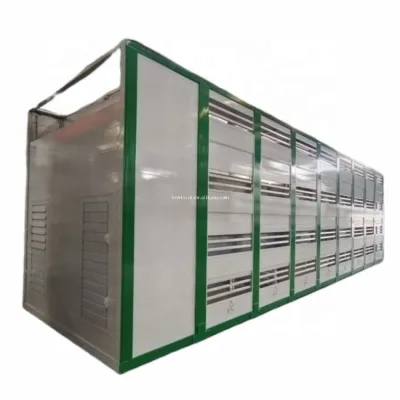
$2999.00 - $3999.00
MOQ: 1 units
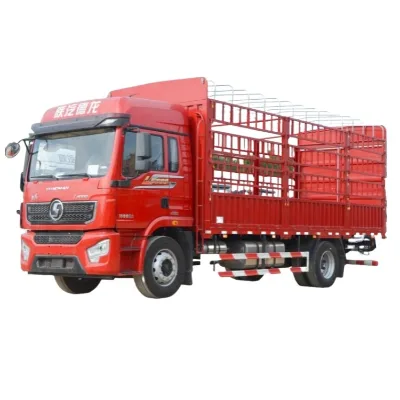
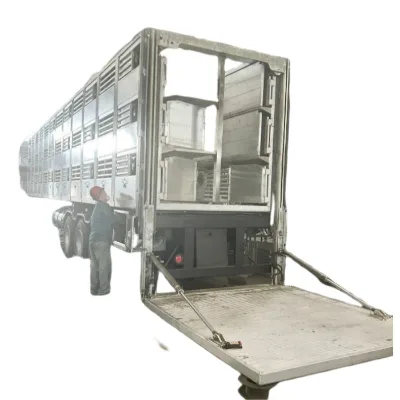
Special sheep cow Transport Truck trailer heavy versatile cattle Haulers Animal Transport Truck Van
$4114.3379 - $5143.1793
MOQ: 1 sets
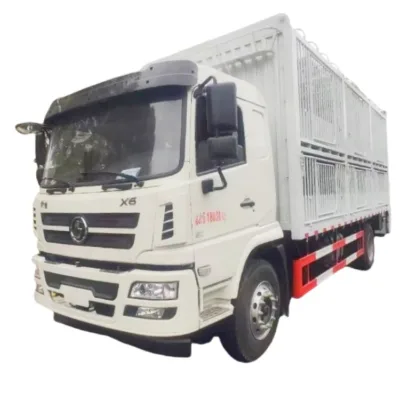
Shacman 6.8meters Pig Cows Horse Sheep Truck Livestock Shipping Truck
$4086.3013 - $5108.1321
MOQ: 1 sets
- Manufacturer, Trading Company
- Hubei, China
- Lead time0 days
- Avg. response≤ 2h
Main productsTanker Truck, Sewage Suction Truck, Chemical Tanker Truck, Water Sprinkler Truck, Garbage Truck
Main marketsEastern Asia(30.00%), Eastern Europe(30.00%), South America(30.00%), Domestic Market(10.00%)
$13000.00 - $15000.00
MOQ: 1
$21594.6797 - $22957.4507
MOQ: 1 sets
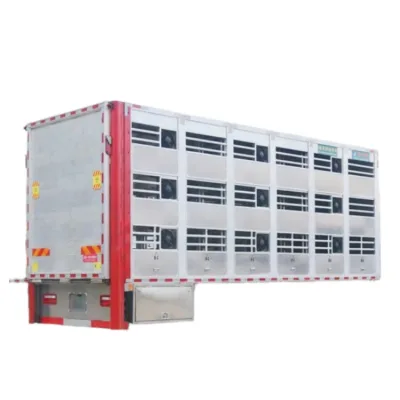
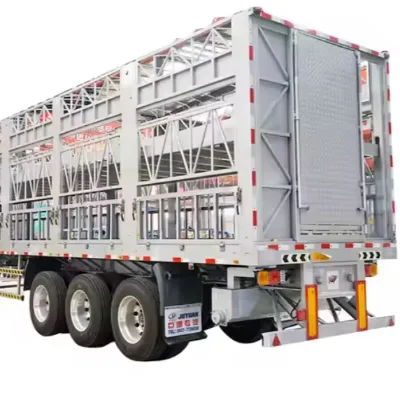
$14674.9488 - $18868.0905
MOQ: 1 sets
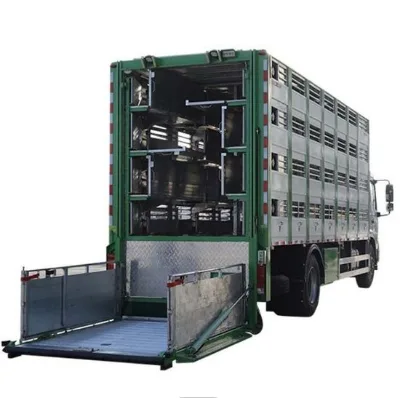
Factory Direct Double-Door Livestock Truck for 25-Cow Special Transportation Design
$14674.9488 - $18868.0905
MOQ: 1 sets
Hubei Changheng Special Automotive Sales Co., Ltd.
- Trading Company
- Hubei, China
- Lead time30 days
- Avg. response≤ 3h
Main productscompressed garbage truck,hook arm garbage truck,swing garbage truck,crane truck,asphalt distribution truck
Main marketsMid East(30.00%), Africa(30.00%), South Asia(10.00%), Eastern Asia(10.00%), Southeast Asia(10.00%), South America(10.00%)
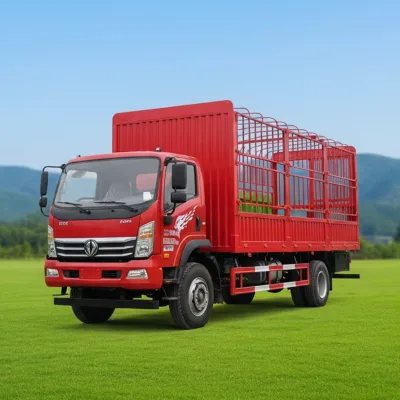
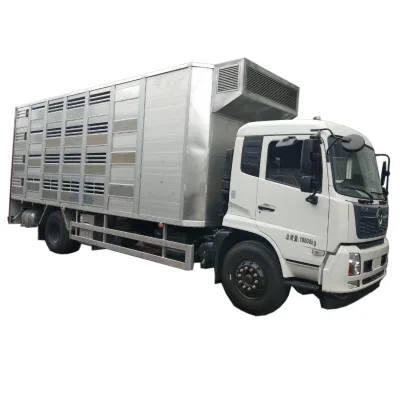
$47720.1682 - $48550.0841
MOQ: 1 units
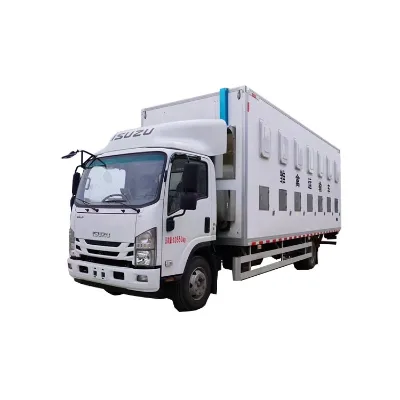
$26676.6536 - $27497.4738
MOQ: 1 units

Hubei Chengli International Trade Co., Ltd.
- Verified by BV
- Combined
- China Hubei
- Lead time23 days
- Avg. response≤ 5h
Main marketsSoutheast Asia/ Mideast


Export Customization Foton 4X2 Poultry Transport Truck Poultry Transportation Vehicle
$26800.00 - $27800.00
MOQ: 1 set


Wuhan Clw Group Truck Trade Co., Ltd.
- Trading Company
- Hubei, China
- Lead time0 days
- Avg. response≤ 20h
Main productsRoad Sweeper,Garbage truck,Refrigerator truck,LPG tank truck,Truck Cargo Crane
Main marketsDomestic Market(30.00%), Eastern Asia(20.00%), South Asia(20.00%), Mid East(9.00%), Africa(9.00%), Central America(2.00%), Southeast Asia(2.00%), South America(2.00%), North America(1.00%), Oceania(1.00%)

QINGDAO HETANCH TRUCK CO., LTD.
- Verified by BV
- Trading Company,Manufacturer/Factory
- China Shandong
- Lead time38 days
- Avg. response≤ 5h
Main productsTruck, Semi Trailer, Garbage Truck, Dump Truck, Concrete Mixer Truck, Tractor Truck, Cargo Truck, Tipper Truck, Wrecker Truck, Tank Trailer
Main marketsSouth America,Mid East,Southeast Asia,Oceania,Africa


70 80 90 pcs Carrier Live Pig Hog Goat Sheep Transport Livestock Truck
$32000.00 - $55000.00
MOQ: 1 Pieces

Live Goats Carrier Truck Live Hogs Hauler Truck Livestock Transport Truck
$32000.00 - $55000.00
MOQ: 1 Pieces


Livestock Hauler Carrier Truck Live Goats Hogs Transport Truck For Sale
$32000.00 - $55000.00
MOQ: 1 Pieces

Shandong Juyuan Auto Trade Co., Ltd.
- Verified by SGS
- Manufacturer
- China Shandong
- Lead time30 days
- Avg. response≤ 3h
Main productsSemi-Trailer, Tractor, Dump Truck, Low Flatbed Trailer, Container Semi Trailer, Dump Semi Trailer, Fence Trailer, Tanker Semi Trailer, Concrete Pump Truck, Concrete Mixer Truck
Main marketsOthers(foreignTradeCapacity.exportBusinessCapacityMarketOther),Southeast Asia/ Mideast


8X4 Livestock Fence Truck for Cross Region Freight Transport Service
$14800.00 - $17600.00
MOQ: 1 Sets

Hubei Chenyang Special Vehicles Co., Ltd.
- Verified by TUVRHEINLAND
- Trading Company
- China Hubei
- Lead time120 days
- Avg. response≤ 1h
Main productsspecial purpose vehicles
Main marketsSoutheast Asia/ Mideast
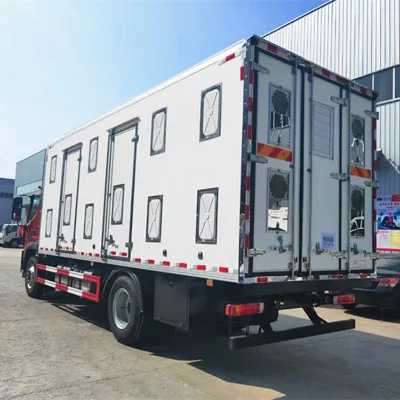
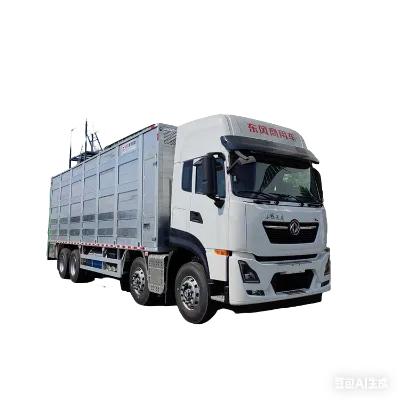
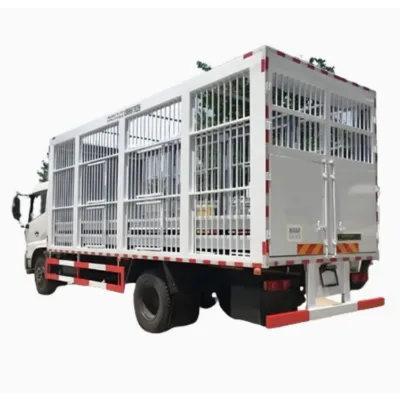
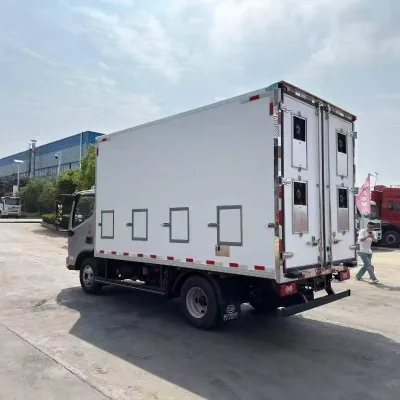
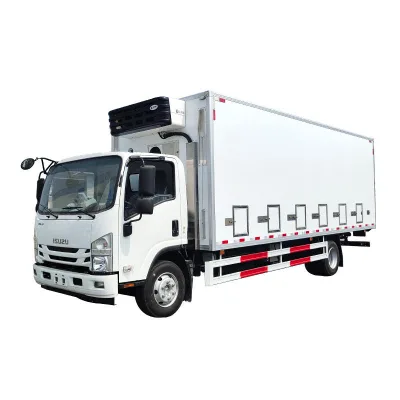
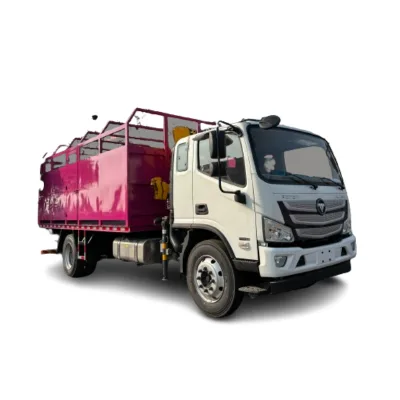
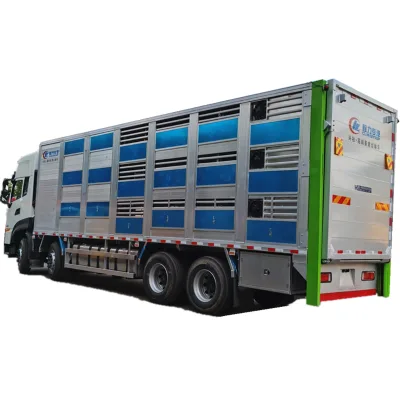
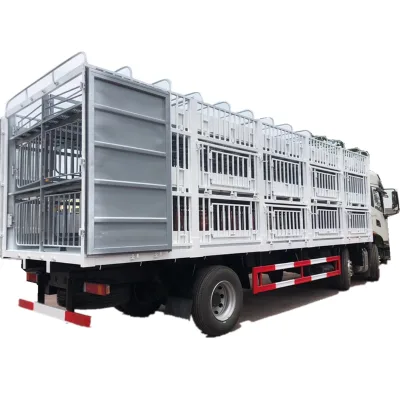
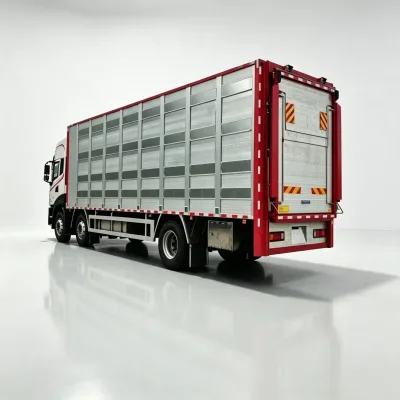
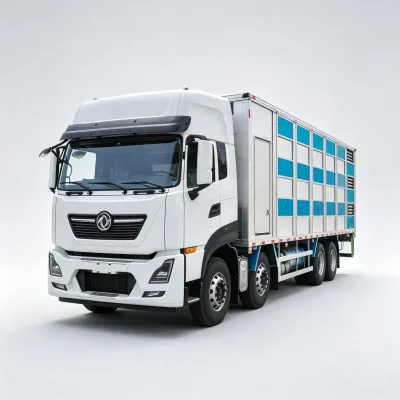
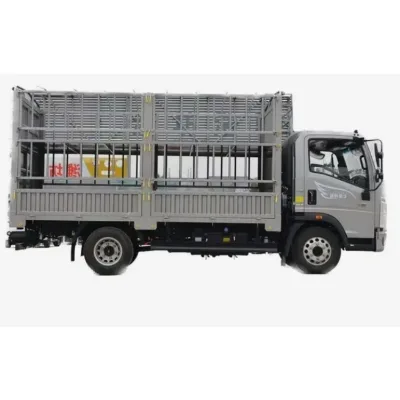
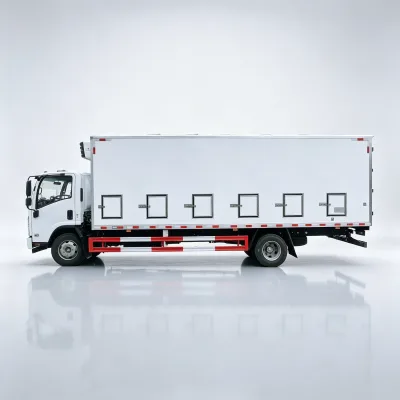


Comprehensive Sourcing Guide
Livestock and Poultry Transportation Cargo Truck Supplier Concentration and Factory Types
The current supplier landscape for livestock and poultry transportation cargo trucks reveals a distinct concentration of manufacturing and trading entities within specific industrial regions. Evidence indicates that a significant portion of available suppliers are located in China Hubei, a region known for its heavy vehicle manufacturing capabilities. This geographic clustering suggests that buyers seeking these specialized vehicles will likely encounter a high density of options in this area, facilitating easier comparison of local supply chains. The presence of suppliers in this specific location implies that logistics and shipping routes may be optimized for this region, potentially influencing freight costs and delivery schedules for international buyers. Understanding this concentration helps buyers narrow their search parameters and focus on suppliers with established regional footprints, rather than scattering efforts across unrelated geographic markets.
Supplier types in this category vary, with the data showing a mix of trading companies and combined entity structures. Some suppliers are identified as trading companies, which may offer a broader range of vehicle models or access to multiple OEM factories, while others operate as combined entities capable of offering both own brand and OEM services. This distinction is crucial for buyers who need to determine whether they are dealing directly with a manufacturer or an intermediary. Trading companies might provide more flexible customization options and consolidated shipping, whereas combined entities with OEM capabilities may offer more direct control over production specifications. Buyers should carefully review the company type listed for each supplier to align their procurement strategy with their need for direct manufacturing access versus flexible trading services, ensuring they select a partner whose operational model matches their specific volume and customization requirements.
How to Verify Livestock and Poultry Transportation Cargo Truck Suppliers
Verifying the credibility and operational capacity of Livestock and Poultry Transportation Cargo Truck suppliers requires a multi-layered approach that goes beyond basic company profiles. One critical step is to check for third-party verification badges, such as BV verification, which indicates that an independent agency has assessed the supplier’s business legitimacy. This verification provides a baseline level of trust, confirming that the entity exists and operates as declared. However, buyers should not rely solely on this badge; they must also scrutinize the specific certifications listed for the products themselves. For instance, some suppliers display certifications like ISOCCC, CE, or ISO9001:2000, which are essential for ensuring that the vehicles meet international safety and quality standards. Buyers should request copies of these certificates and verify their validity with the issuing bodies to ensure compliance with local regulations in their destination market.
Another vital aspect of verification is assessing the supplier’s responsiveness and technical documentation. The response time metric, which can vary significantly between suppliers, serves as an indicator of their operational efficiency and customer service quality. A faster response time, such as under ten hours, often correlates with a more agile and attentive support team, which is crucial for resolving technical queries or customizing vehicle specifications. Additionally, buyers should examine the detailed product attributes provided, such as engine models, emission standards, and tire certifications. Suppliers that provide comprehensive technical data, including specific horsepower ratings, transmission types, and loading capacities, demonstrate a higher level of transparency and professionalism. Buyers should cross-reference these details with their own technical requirements to ensure the supplier can deliver a vehicle that meets their specific operational needs, rather than relying on generic descriptions.
What to Compare Across Livestock and Poultry Transportation Cargo Truck Suppliers
When evaluating multiple suppliers for livestock and poultry transportation cargo trucks, buyers must compare key operational metrics to identify the most suitable partner. Lead time is a primary differentiator, with some suppliers offering delivery windows of around thirty days, while others may require up to forty-five days. This variance can significantly impact a buyer’s operational planning, especially if they have tight schedules for livestock movement. Buyers should align their choice with their urgency, selecting suppliers with shorter lead times if rapid deployment is necessary, or those with longer lead times if they can accommodate extended waiting periods for potentially lower costs or more thorough production processes. Additionally, the minimum order quantity (MOQ) is a critical factor; many suppliers in this category have an MOQ of just one unit, which is ideal for small-scale operators or those testing the market, while others may have higher thresholds that suit larger fleet expansions.
Price ranges and customization capabilities also require careful comparison across different suppliers. The cost of these specialized trucks can vary widely, with some models priced between nine thousand and forty-five thousand dollars, while others may range from thirty-eight thousand to sixty-five thousand dollars depending on capacity and features. Buyers should not only look at the base price but also evaluate the cost of customization, such as adding specific ventilation systems, lifting floors, or branded logos. Suppliers that offer available customization options provide greater flexibility to tailor the vehicle to specific livestock types, whether it is day-old chicks, pigs, or cattle. Furthermore, comparing the after-sales service offerings and warranty periods, such as three-year warranties, can provide long-term value assurance. Buyers should prioritize suppliers who offer comprehensive support and clear warranty terms to mitigate the risks associated with heavy vehicle maintenance and operational downtime.
Common Livestock and Poultry Transportation Cargo Truck Sourcing Risks
Sourcing livestock and poultry transportation cargo trucks involves several inherent risks that buyers must proactively manage to ensure a successful procurement outcome. One significant risk is the mismatch between advertised specifications and the actual delivered product. Suppliers may list generic attributes, such as standard wheelbase or basic suspension types, but fail to disclose critical details like specific engine emissions standards or tire certifications required for local road legality. Buyers who do not thoroughly verify these technical details may receive vehicles that are non-compliant with their regional regulations, leading to costly modifications or legal issues. To mitigate this, buyers must insist on detailed technical datasheets and confirm that all components, from the engine to the ventilation systems, meet their exact operational and regulatory requirements before finalizing the order.
Another common risk is the variability in supplier reliability and communication quality. While some suppliers demonstrate fast response times and clear communication, others may be slower or less transparent, leading to delays in production or shipping. This inconsistency can disrupt a buyer’s logistics chain, especially if they are coordinating the transport of live animals with tight schedules. Additionally, the risk of quality inconsistencies in manufacturing cannot be ignored, particularly when dealing with trading companies that may source from multiple factories. Buyers should conduct thorough due diligence, including requesting video inspections or third-party quality control reports, to ensure that the vehicles are built to the specified standards. Understanding these risks allows buyers to implement stricter contractual terms and verification processes, reducing the likelihood of receiving substandard or non-compliant livestock transport vehicles.
Livestock and Poultry Transportation Cargo Truck Regional Sourcing and Logistics
Regional sourcing plays a pivotal role in determining the overall cost and efficiency of acquiring livestock and poultry transportation cargo trucks. With a notable concentration of suppliers in China Hubei, buyers benefit from accessing a established manufacturing hub known for heavy vehicle production. This geographic advantage often translates to more competitive pricing and a wider selection of vehicle models, as suppliers in this region have developed specialized expertise in constructing trucks for various livestock types. Buyers should leverage this regional concentration by focusing their search on suppliers located in Hubei, as they are likely to have optimized supply chains and established relationships with component manufacturers. This focus can simplify the sourcing process and provide buyers with a clearer understanding of the local industrial capabilities and logistical infrastructure available for their orders.
Logistics and shipping methods are also influenced by the supplier’s location and the nature of the product. Livestock transport trucks are large, heavy vehicles that typically require specialized shipping arrangements, such as Ro-Ro (Roll-on/Roll-off), bulk shipping, or containerized transport. Buyers must work closely with their suppliers to determine the most cost-effective and secure shipping method for their specific destination. The supplier’s packing specifications, whether naked, waxed, or in containers, will impact the shipping cost and the protection of the vehicle during transit. Additionally, buyers should consider the lead time for shipping, which can vary based on port availability and route efficiency. By understanding the logistical implications of sourcing from specific regions, buyers can better plan their inventory and budget for the total landed cost of their livestock transport trucks, ensuring a smooth transition from factory to final destination.
Livestock and Poultry Transportation Cargo Truck Commercial Terms and Order Planning
Effective order planning for livestock and poultry transportation cargo trucks requires a clear understanding of the commercial terms and payment structures offered by suppliers. Buyers should carefully review the pricing models, which may range from fixed prices for standard models to negotiable rates for customized vehicles. It is essential to clarify whether the quoted price includes taxes, duties, and shipping costs, as these factors can significantly impact the final expenditure. Additionally, buyers should inquire about the payment terms, such as deposit requirements and balance payments upon shipment or delivery. Understanding these financial terms helps buyers manage their cash flow and avoid unexpected costs that could strain their operational budget. Suppliers that offer transparent and flexible payment options can provide greater financial stability and trust, facilitating a smoother transaction process for both parties involved in the procurement.
Warranty and after-sales service are critical components of the commercial agreement that buyers must not overlook. Many suppliers offer warranties, such as three-year coverage, which provide protection against manufacturing defects and ensure long-term vehicle reliability. Buyers should verify the scope of this warranty, including what components are covered and the process for claiming repairs or replacements. Furthermore, the availability of after-sales support, such as technical assistance and spare parts supply, is crucial for maintaining the vehicle’s operational efficiency. Buyers should assess the supplier’s commitment to post-sale service, as this can significantly reduce downtime and maintenance costs over the vehicle’s lifespan. By integrating these commercial terms into their order planning, buyers can ensure that they are not only acquiring a high-quality vehicle but also securing the necessary support and financial protections to sustain their livestock transportation operations effectively.
FAQs
What is the price range for livestock transport trucks?
Prices for livestock transport trucks typically range from $9,500 to $65,000 depending on specifications. Basic models start near $9,500, while larger capacity units with advanced features can reach $65,000. Buyers should verify exact pricing based on desired load capacity and customization options.
What is the minimum order quantity for these trucks?
The minimum order quantity is generally one unit, allowing buyers to purchase single vehicles for immediate operational needs. This low MOQ facilitates testing supplier quality and logistics before committing to larger fleet orders. Confirm specific MOQ requirements with the supplier during negotiation.
How long does delivery take for these trucks?
Lead times for livestock transport trucks typically range from 30 to 45 days after order confirmation. This duration accounts for manufacturing, quality checks, and preparation for shipping. Buyers should confirm specific delivery schedules with suppliers to align with their operational timelines.
What certifications do these trucks have?
Many livestock transport trucks come with ISO9001:2015 and ISO14001:2015 certifications, ensuring quality and environmental management standards. Some models also hold CE and ISOCCC certifications. Buyers should request valid certification documents to verify compliance with international standards before finalizing purchases.
Can these trucks be customized for specific needs?
Customization is available for livestock transport trucks, allowing modifications to branding, color, and specific functional features. Buyers can request tailored solutions such as specialized ventilation or loading mechanisms. Confirm customization options and any associated costs with the supplier prior to placing an order.
Where are these trucks manufactured?
These trucks are primarily manufactured in Hubei, China, a major hub for commercial vehicle production. The region offers established supply chains and manufacturing expertise for heavy-duty vehicles. Buyers should verify the specific origin of each model to ensure alignment with their sourcing preferences.