Refrigerated Truck for Frozen Goods Suppliers and Manufacturers
Source 24 verified Refrigerated Truck for Frozen Goods suppliers from China Hubei. Compare ISO 9001 certified factories with response times under 17 hours, lead times of 23-30 days, and prices from $5,800. Request quotes today; review the available evidence before requesting comparable quotations from suitable candidates.
Updated
Suppliers List

Hubei Chengyuan Special Vehicle Co., Ltd
- Verified by SGS
- Manufacturer/Factory
- China Hubei
- Lead time23 days
- Avg. response≤ 4h
Main productsGarabge Compress Truck Waste Collect Truck H
Main marketsSouth America,Mid East,Southeast Asia,Eastern Asia


Compact Refrigerated Trucks for Frozen Food and Ice Cream Transport
$5800.00 - $29000.00
MOQ: 1 Pieces


High Quality 1.5t Refrigerated Cold Freezer Truck for Efficient Transport
$5800.00 - $29000.00
MOQ: 1 Pieces

$5800.00 - $29000.00
MOQ: 1 Pieces

Hubei Huate Special Equipment Co., Ltd.
- Verified by SGS
- Combined
- China Hubei
- Lead time30 days
- Avg. response≤ 5h
Main productsTank Container, Chemical Tank Truck, Tank Semi-Trailer Truck, Road Suction Truck, Electric Water Cannon, Oil Tanker Discharge Valve, Fuel Hose Reel, Manhole Cover, Mobile Fueling Machine, Fuel Truck
Main marketsSouth America,Africa,Others(foreignTradeCapacity.exportBusinessCapacityMarketOther),Southeast Asia/ Mideast,East Asia(Japan/ South Korea),Europe,Australia,North America

Foton Ford Refrigerated Delivery Truck Cooling Truck for Frozen Goods
$15000.00 - $17000.00
MOQ: 1 pieces


High-Performance Electric Refrigerated Delivery Truck for Fresh Goods
$13350.00 - $22000.00
MOQ: 1 Pieces

High-Performance Electric Refrigerated Delivery Truck for Fresh Goods
$13350.00 - $22000.00
MOQ: 1 Pieces

$15000.00 - $17000.00
MOQ: 1 pieces

Suizhou Leshen Special Vehicle Co., Ltd.
- Verified by BV
- Manufacturer/Factory
- China Hubei
- Lead time23 days
- Avg. response≤ 17h
Main productsFuel Truck, Water Truck, Tank Trailer, Vacuum Tank Truck, Garbage Truck, Chemical Liquid Tank Truck, Sweep Truck, Fire Truck, Dump Truck, LED Advertising Truck
Main marketsSouth America,Mid East,Southeast Asia,Eastern Asia,Oceania,Africa


5-8t Refrigerator Truck, Refrigerated Truck, Refrigerated Trucks for Sale
$13500.00 - $19000.00
MOQ: 1 Pieces


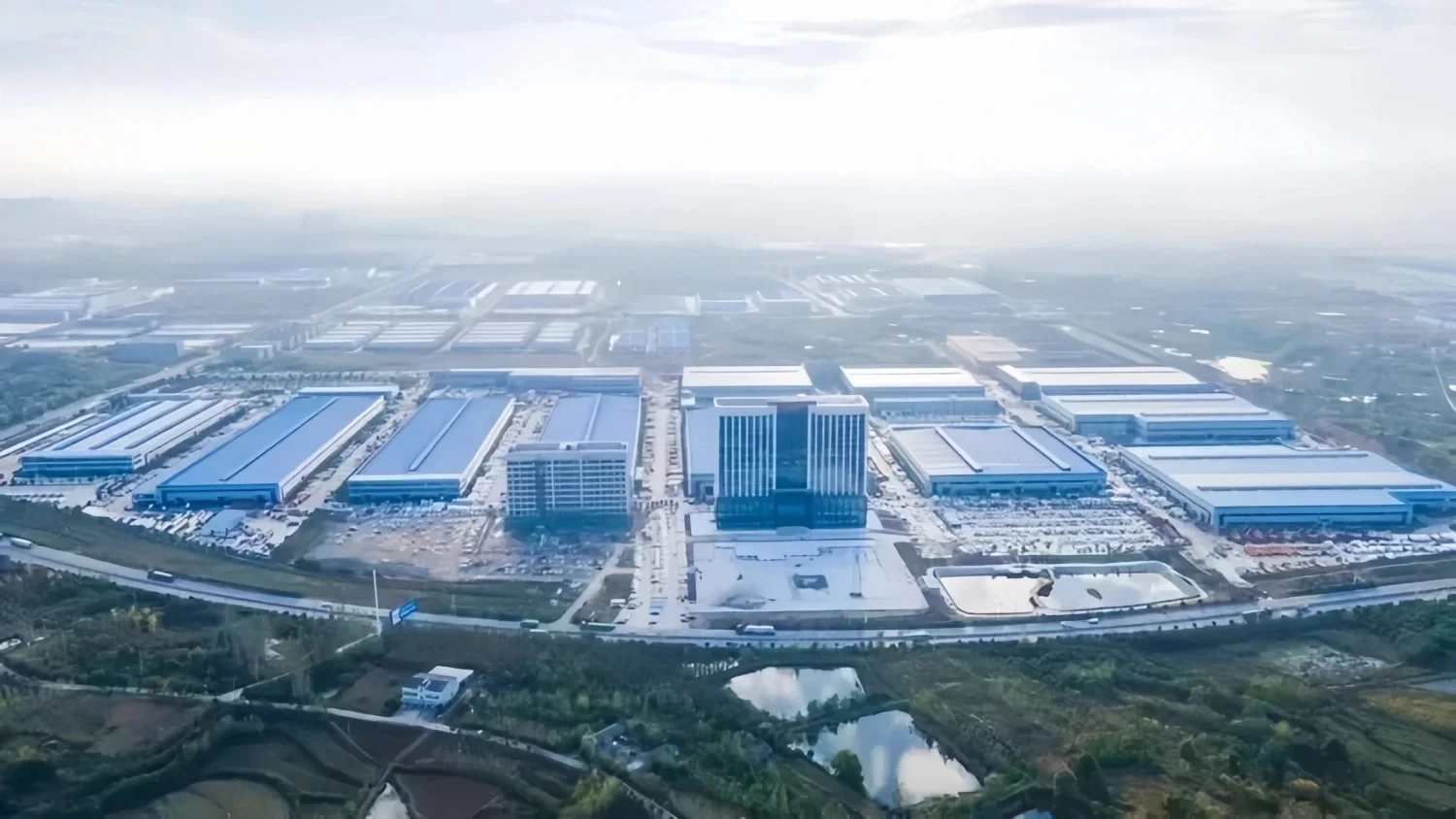
Hubei Kairuiwei Automobile Co., Ltd.
- Trading Company
- Hubei, China
- Lead time20 days
- Avg. response≤ 1h
Main productsWater truck,fuel tanker truck,ambulance,fire truck,wrecker tow truck
Main marketsSoutheast Asia(30.00%), South America(30.00%), Central America(20.00%), Northern Europe(10.00%), Eastern Europe(10.00%)
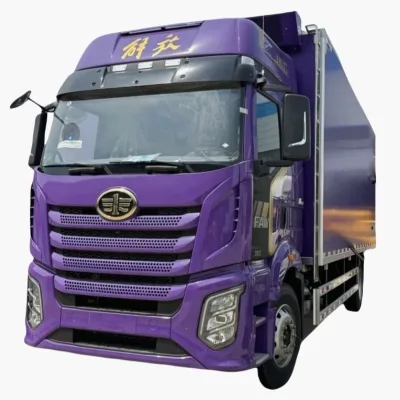
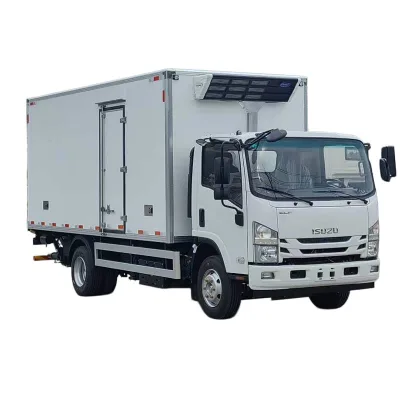
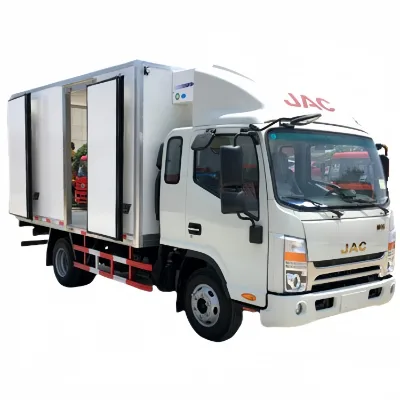
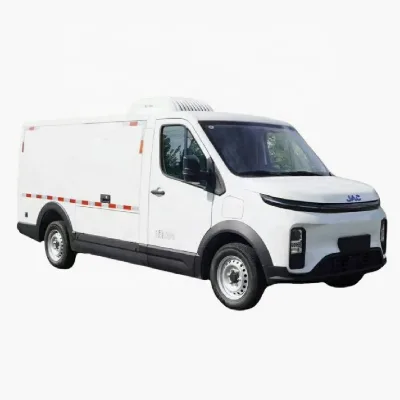
FAW Refrigerated Truck for Long Distance Frozen Food Transport
$3899.00 - $7999.00
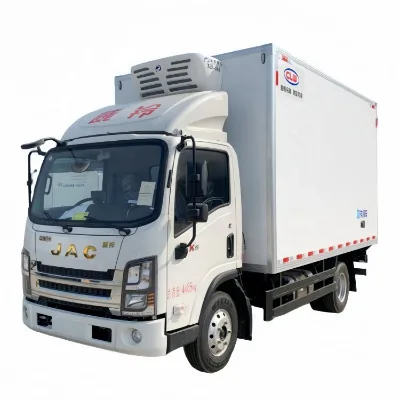
$3674.0862 - $4532.3355
MOQ: 1 units
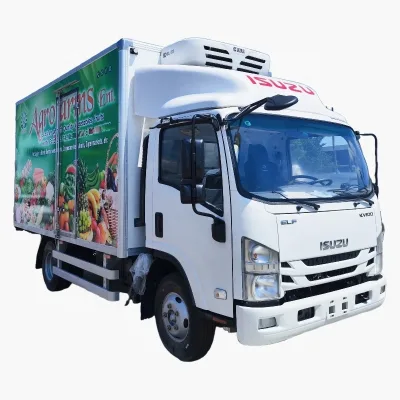

Hubei Guangshun Special Vehicle Co., Ltd
- Verified by TUVRHEINLAND
- Trading Company
- China Hubei
- Lead time30 days
- Avg. response≤ 4h
Main productsTank Truck, Mobile Emergency Generator Power Truck, Fire Fighting Truck, Garbage Truck, Vacuum Truck, Refrigerated Truck, Wrecker Tow Truck, Crane Truck
Main marketsDomestic

Reliable Cold Temperature Storage Refrigerated Van Truck for Food Goods
$4800.00 - $21800.00
MOQ: 1 unit

Hot Selling Manual Transmission Refrigerated Truck for Fresh and Frozen Goods
$4800.00 - $12800.00
MOQ: 1 unit


4X2 Frozen Food Transport Vehicle Refrigerated Truck with Fully Automatic Temperature Control
$4800.00 - $12800.00
MOQ: 1 unit

Stable Temperature Control New Condition 4*2 6ton 8ton Refrigerated Truck
$4800.00 - $12800.00
MOQ: 1 unit
Hubei Huate Special Equipment Co., Ltd.
- Verified by TüVRheinland
- Manufacturer, Trading Company
- Lead time30 days
- Avg. response≤ 4h
Main productsFuel Tanker Manhole Cover, Fuel Dispenser, Refueling Truck, API Adaptor Valve, Emergency Shut Off Valve
Main marketsDomestic Market(70%), Mid East(10%), South America(7%)

Guangzhou Snowfall Refrigeration Equipment Co., Ltd.
- Combined
- China Guangdong
- Lead time30 days
- Avg. response≤ 3h
Main productsTruck Refregeration Equipment, Composite Panel, FRP Panel, Truck Kit, Truck Body, Truck Refrigeration Units, Sandwich Panel, Freezer Box, Refrigeration Truck, Truck Refregeration
Main marketsSouth America,Africa,Southeast Asia/ Mideast,East Asia(Japan/ South Korea),Europe,Australia,North America
Hubei Daqi Automobile Co., Ltd.
- Manufacturer, Trading Company
- Hubei, China
- Lead time30 days
- Avg. response≤ 2h
Main productsGarbage Truck,Command Truck,Dump Truck,Aerial Work Platform Truck,Wrecker Truck
Main marketsAfrica(27.00%), Mid East(20.00%), Southeast Asia(15.00%), South America(15.00%), South Asia(10.00%), North America(5.00%), Central America(5.00%), Oceania(2.00%), Eastern Asia(1.00%)
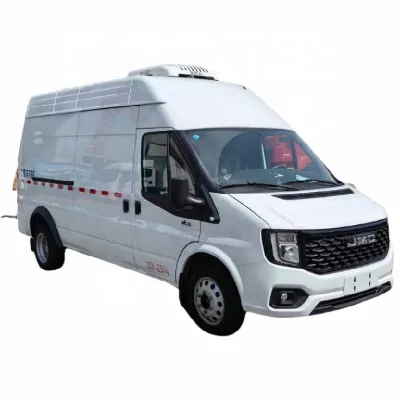
New Diesel Refrigerated Trucks for Meat Flowers Frozen Food Logistics Transport
$4038.4595 - $5076.6236
MOQ: 1 sets
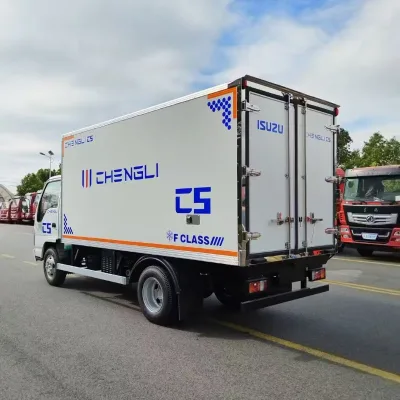
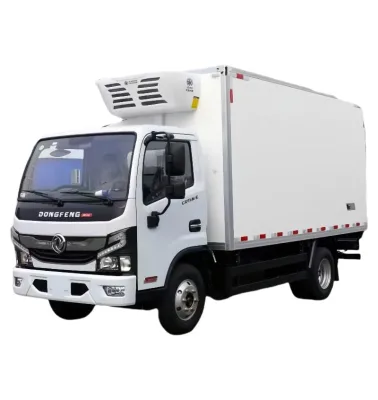
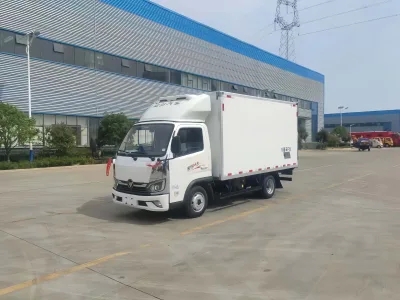
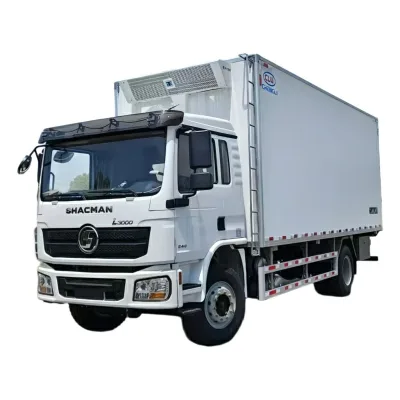
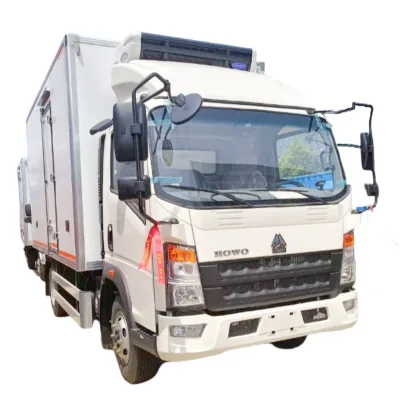
Refrigerated Truck 3Ton 5Ton 7Ton 10Ton Diesel Left/Right Hand Drive Diesel Refrigerator Truck
$4013.4359 - $5045.1672
MOQ: 1 sets

Hubei Weiyu Special Vehicles Co., Ltd.
- Verified by TUVRHEINLAND
- Trading Company,Manufacturer/Factory,Group Corporation
- China Hubei
- Lead time45 days
- Avg. response≤ 4h
Main productsGarbage Truck, Fire Truck, LPG Tank, LED Adversiting Truck, Dump Truck, Wrecker Truck, Used Truck, Water Truck, Refrigerator Truck, Fuel Truck
Main marketsSouth America,Eastern Europe,Mid East,Southeast Asia,Eastern Asia,Oceania,Africa


Frozen Trucks Food Delivery Refrigerated Truck Customized Box Length and Refrigerated Temperature
$12100.00 - $21500.00
MOQ: 1 Pieces

10 Ton Refrigerated Box Food Freezing Freezer Cooling Refrigeration Truck
$21750.00 - $26650.00
MOQ: 1 Pieces

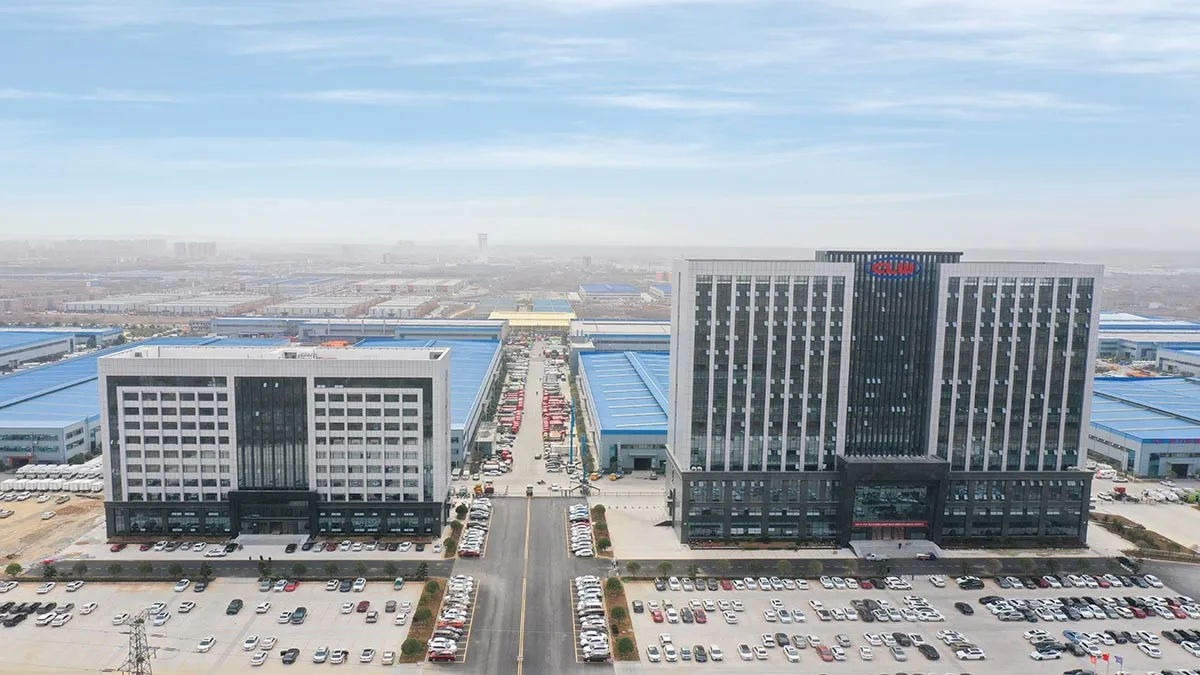
Hubei Feng Yuan Special Automobile Co., Ltd.
- Manufacturer, Trading Company
- Hubei, China
- Lead time0 days
- Avg. response≤ 4h
Main productsgarbage truck,water tank truck,sweeper truck,sewage suction truck,dump truck
Main marketsAfrica(40.00%), Southeast Asia(20.00%), South Asia(10.00%), Eastern Asia(10.00%), Mid East(10.00%), North America(10.00%)

Hubei Hengsheng Special Automobile Co., Ltd
- Verified by TUVRHEINLAND
- Combined
- China Hubei
- Lead time30 days
- Avg. response≤ 3h
Main productsTruck Mounted Crane, Aerial Platform Truck, Refrigerated Truck, Fire Fighting Truck, Water Tank Truck, Garbage Truck, Asphalt Spreader Truck, Ambulance, Dump Truck, Road Sweeper Truck
Main marketsDomestic

Refrigerated Lorry / Freezer Truck with Temperature Control for Frozen & Chilled Goods
$8600.00 - $19600.00
MOQ: 1 Pieces

Frozen Goods Box Truck Multi-Type New or Used Refrigerated Trucks for Sale
$7600.00 - $42500.00
MOQ: 1 Pieces

4X2 Cooler Refrigerated Truck Freezer Box Truck for Fresh Produce Transportation
$8900.00 - $57800.00
MOQ: 1 Pieces

8X4 Refrigerated Van Freezer Truck Cooling Box Truck for Fresh Produce
$7600.00 - $42500.00
MOQ: 1 Pieces

Hubei Ocean Automobile Industry Co., Ltd.
- Verified by TüVRheinland
- Manufacturer, Trading Company
- Lead time30 days
- Avg. response≤ 3h
Main productsRefrigerated Truck, Sanitation Truck, Ambulance, Tank Truck, Dump Truck
Main marketsAfrica(60%), North America(10%), South America(10%)
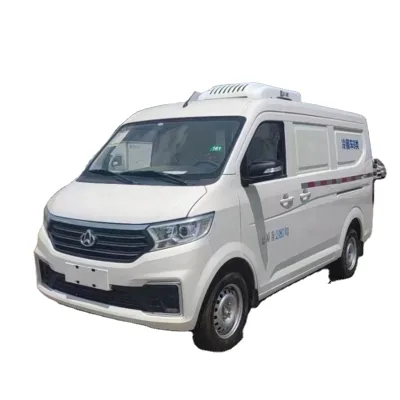
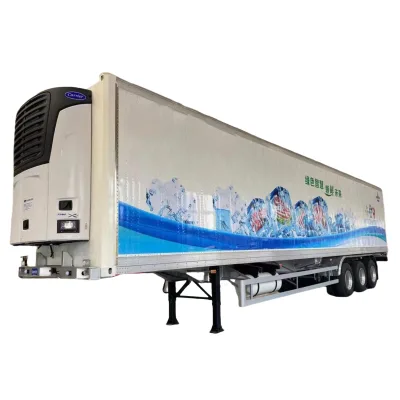
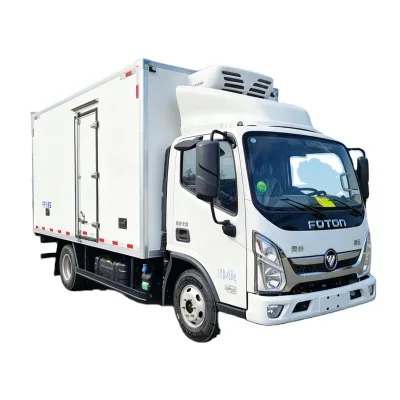
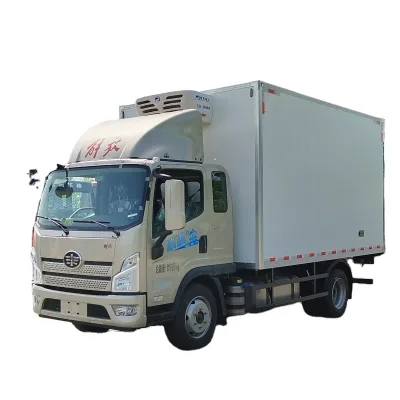
$19000.00 - $20000.00
MOQ: 1 units

Dibao Runli International Trade (Hubei) Co., Ltd
- Verified by TUVRHEINLAND
- Trading Company
- China Hubei
- Lead time30 days
- Avg. response≤ 5h
Main productsAerial Platform Truck, Mini Dump Truck, Refrigerated Truck, Fire Truck·, Truck Mounted Crane, Fuel Truck, Wrecker Truck, Water Truck, Garbage Truck, Medical Vehicle
Main marketsOthers(foreignTradeCapacity.exportBusinessCapacityMarketOther)


4X2 Insulated Refrigerated Freezer Cold Frozen Refrigerator Ice Cream Truck
$17000.00 - $18500.00
MOQ: 1 Pieces


Chengli Special Automobile Co., Ltd.
- Manufacturer, Trading Company
- Lead time旺季: "1 - 1":15,"> 1":"To be negotiated", 淡季: "1 - 1":15,"> 1":"To be negotiated"
- Avg. response≤ 6h
Main productsSpecial Truck
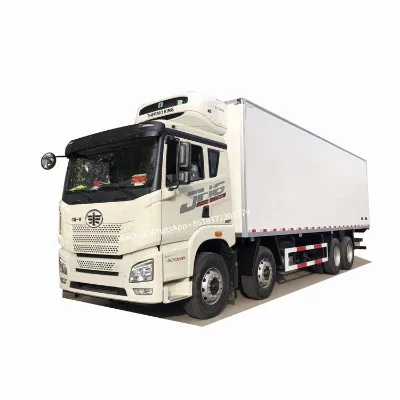
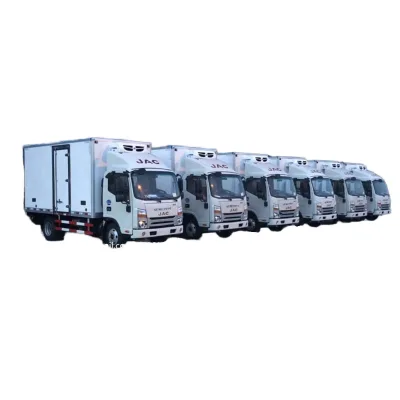
JAC 5 Tons Truck Refrigerated Trucks with Cold king Refrigeration Unit
$16500.00 - $17000.00

Hubei Hongyu Special Automobile Co., Ltd
- Verified by CTI
- Combined
- China Hubei
- Lead time23 days
- Avg. response≤ 3h
Main productsFuel Tank Truck, Water Truck, Refrigerated Truck, Cargo Truck, Garbage Truck, Dump Truck, Electric Truck, Truck Mounted Crane, Wrecker Truck, Aerial Platform Truck
Main marketsAfrica,Southeast Asia/ Mideast,North America

3-5t Refrigerator Truck, Refrigerated Truck, Refrigerated Trucks for Sale
$8900.00 - $11600.00
MOQ: 1 Pieces

6.8 Meters Fresh Goods Dual Temperature Refrigerator Refrigerated Truck Food Frozen Truck
$19800.00 - $27500.00
MOQ: 1 Pieces

Hubei Xindongri Special Vehicle Co., Ltd.
- Manufacturer, Trading Company
- Lead time旺季: "1 - 1":45,"2 - 3":60,"> 3":"To be negotiated", 淡季: "1 - 1":45,"2 - 3":60,"> 3":"To be negotiated"
- Avg. response≤ 1h
Main productsFire Truck, Aerial Work Vehicle, Sanitation Vehicle
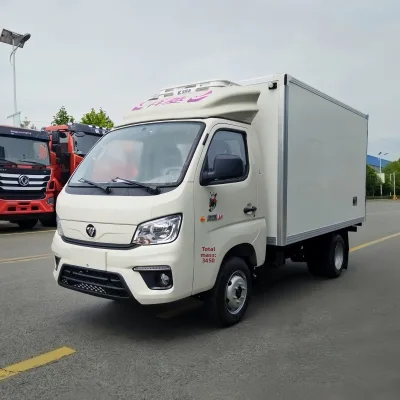
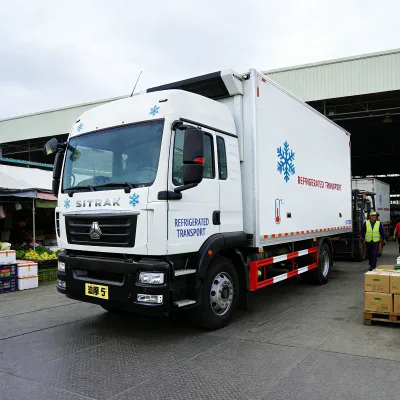
Deep Freezer Truck -20°C Insulated Box Truck for Frozen Goods Delivery
$43000.00 - $46000.00
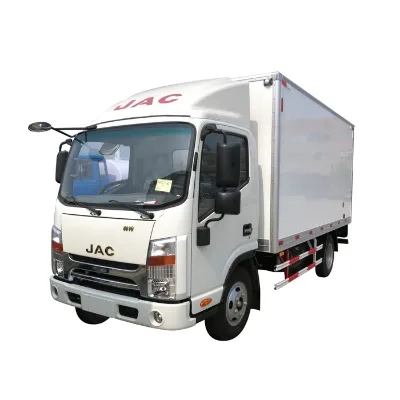
$13000.00 - $13300.00
MOQ: 1 units

Hubei Shenghang Special Automobile Co., Ltd
- Verified by TUVRHEINLAND
- Trading Company
- China Hubei
- Lead time60 days
- Avg. response≤ 1h
Main productsGarbage Truck, Water Truck, Refrigerated Truck, Ambulance, Wrecker Truck, Aerial Platform Truck, Truck Mounted Crane, Suction Sewage Truck, Dump Truck
Main marketsDomestic


DFAC 4X2 5 Ton -18℃ Cold Chain Refrigerated Truck for Frozen & Chilled Goods
$9800.00 - $15700.00
MOQ: 1 Pieces


205HP Freezer Truck Reliable Cold Chain Truck for Frozen Goods and Fresh Cargo Transportation
$15900.00 - $24800.00
MOQ: 1 Pieces
Wuhan Clw Group Truck Trade Co., Ltd.
- Trading Company
- Hubei, China
- Lead time0 days
- Avg. response≤ 20h
Main productsRoad Sweeper,Garbage truck,Refrigerator truck,LPG tank truck,Truck Cargo Crane
Main marketsDomestic Market(30.00%), Eastern Asia(20.00%), South Asia(20.00%), Mid East(9.00%), Africa(9.00%), Central America(2.00%), Southeast Asia(2.00%), South America(2.00%), North America(1.00%), Oceania(1.00%)
Hubei Lihang Special Vehicle Co., Ltd.
- Trading Company
- Lead time旺季: "1 - 6":60,"> 6":"To be negotiated", 淡季: "1 - 6":60,"> 6":"To be negotiated"
- Avg. response≤ 1h
Main productsTruck,Road Sweeper,Garbage Truck,Water Truck,Tanker Truck
Chengli Special Automobile Co., Ltd.
- Manufacturer, Trading Company
- Lead time旺季: "1 - 1":20,"> 1":"To be negotiated", 淡季: "1 - 1":20,"> 1":"To be negotiated"
- Avg. response≤ 3h
Main productsgarbage Trucks,water tank trucks,fuel tank trucks,sewage tank trucks,Aerial Working Basket trucks
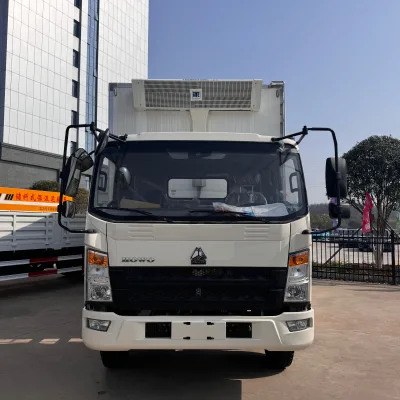
Export Special Refrigerated Truck Fresh Food Transportation Truck Refrigerator Truck
$3290.00 - $3350.00
MOQ: 1 units
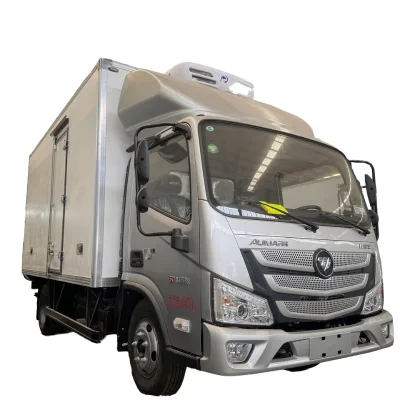
Factory Direct Sale 4*2 Refrigerator Trucks for Transporting Chilled Goods
$2790.00 - $2890.00
MOQ: 1 units
ChengLi Special Automobile Co., Ltd.
- Manufacturer, Trading Company
- Hubei, China
- Lead time20 days
- Avg. response≤ 3h
Main productsGarbage truck,Wrecker truck,Truck with crane,Sewage suction truck,Water truck
Main marketsAfrica(35.00%), South America(15.00%), Southeast Asia(15.00%), Mid East(10.00%), South Asia(10.00%), Oceania(5.00%), Central America(5.00%), Eastern Asia(5.00%)
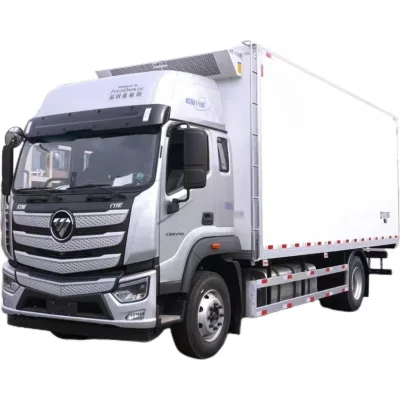
$48000.00 - $48500.00
MOQ: 1 units
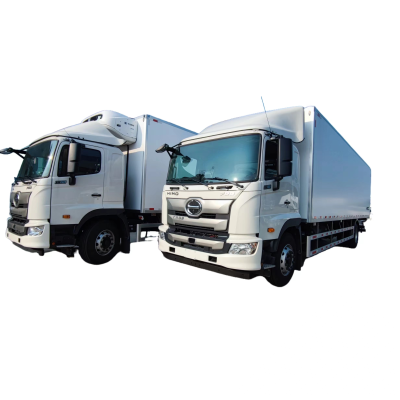
$43362.2482 - $43878.4654
MOQ: 1 units
- Manufacturer, Trading Company
- Lead time旺季: "1 - 1":30,"> 1":"To be negotiated", 淡季: "1 - 1":30,"> 1":"To be negotiated"
Main productsRefrigerator Truck/Garbage Truck/Water Tank Truck, Fire Truck, Ambulance, Dump Trucks, Wrecker Truck

Hubei Longshangxing Environmental Technology Co., Ltd
- Verified by CTI
- Trading Company
- China Hubei
- Lead time60 days
- Avg. response≤ 1h
Main marketsDomestic
- Verified by SGS Group
- Manufacturer, Trading Company
- Lead time7 days
- Avg. response≤ 2h
Main productsTanker Truck, Sewage Suction Truck, Chemical Tanker Truck, Water Sprinkler Truck, Garbage Truck
Main marketsSoutheast Asia(20%), Africa(20%), Mid East(20%)
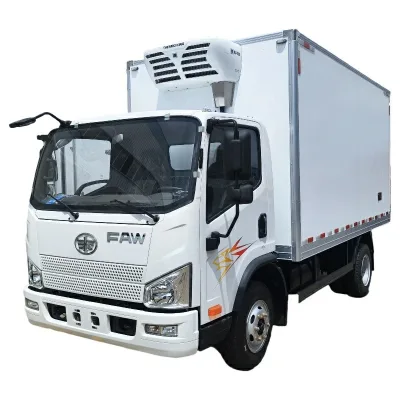
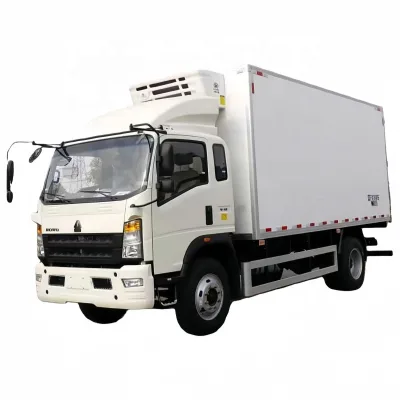
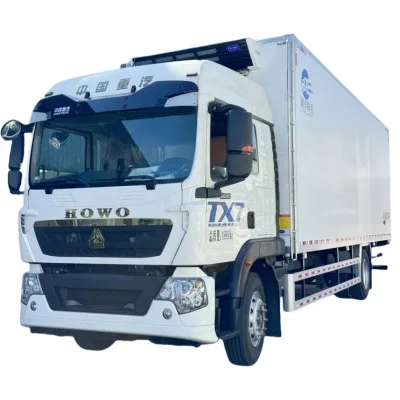
Top Seller Refrigerated Box Truck Howo Small Refrigerated Trucks for Frozen Meat and Chicken
$17968.3812 - $21562.0574
MOQ: 1 sets
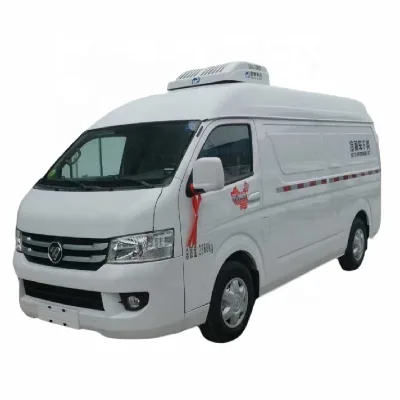
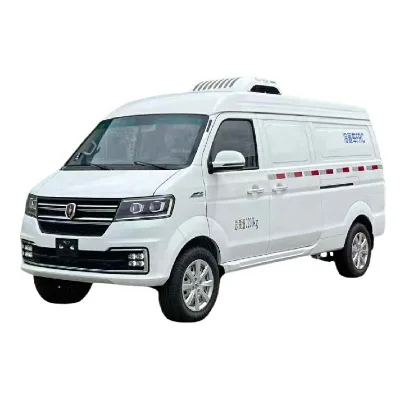
Brand New Refrigerator Trucks for Meat Flowers Frozen Food Logistics Transport
$9306.8165 - $12447.474
MOQ: 1 sets
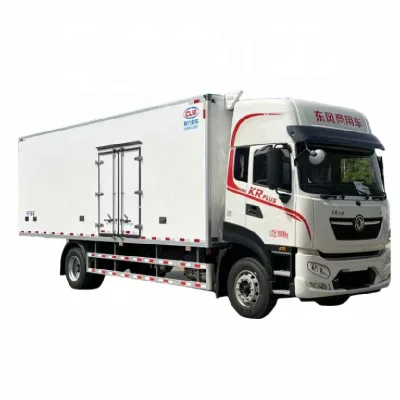
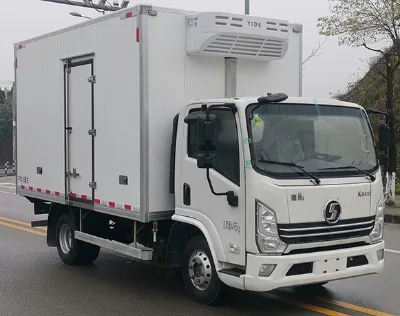
Factory Supply New Manual Gasoline Refrigerator Trucks 10-15T for Frozen Meat Ice Cream Transport
$13609.5159 - $24706.5058
MOQ: 1 sets
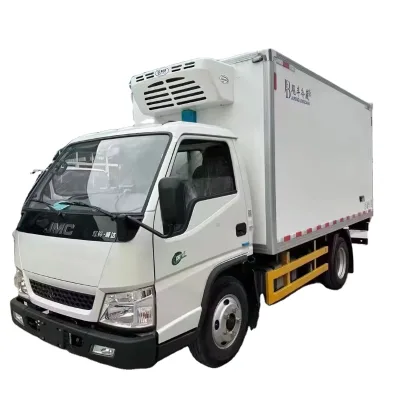
Factory Price Refrigerator Trucks with Themo king Truck Refrigeration Units for Sale
$9890.00 - $14890.00
MOQ: 1 sets


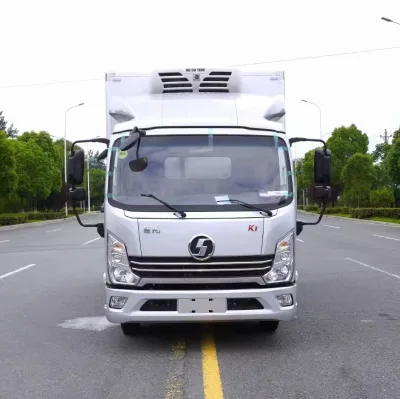
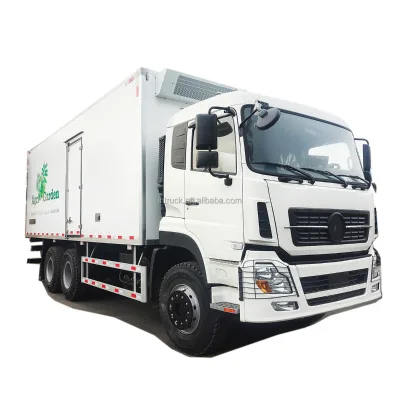
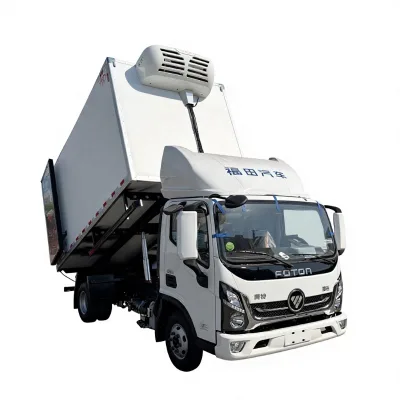
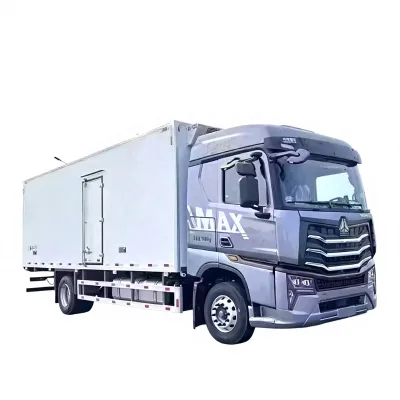


Comprehensive Sourcing Guide
Refrigerated Truck for Frozen Goods Supplier Concentration and Factory Types
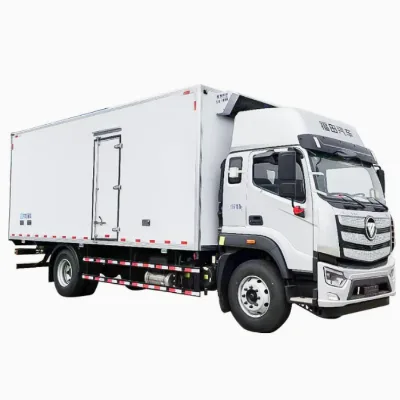
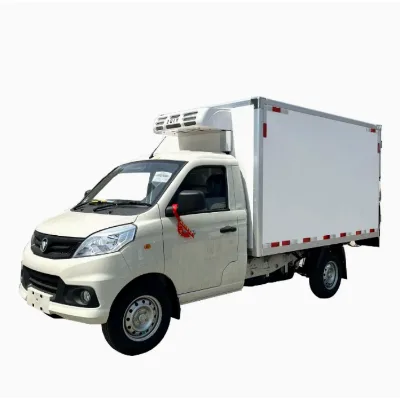
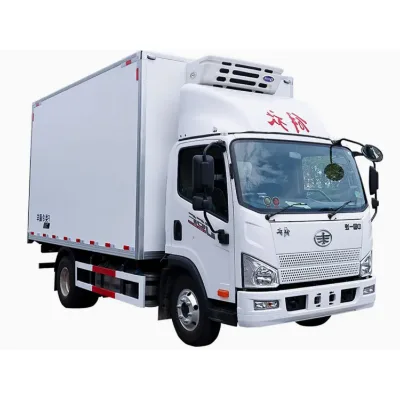
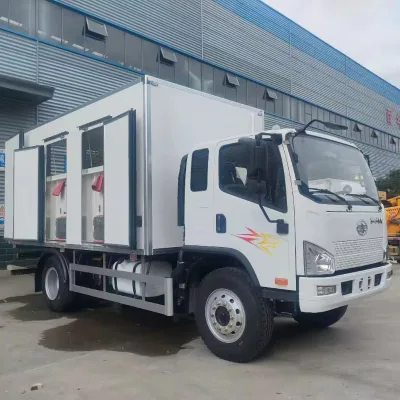
The current supplier landscape for refrigerated trucks for frozen goods reveals a distinct concentration of manufacturing activity within China Hubei, a region that has emerged as a significant hub for heavy vehicle production. This geographic clustering suggests a mature industrial ecosystem where specialized components, such as refrigeration units and chassis fabrication, are readily available to support large-scale assembly operations. Buyers evaluating suppliers should recognize that this concentration often correlates with established supply chains for raw materials like steel and aluminum, which are critical for constructing the insulated cargo boxes and durable chassis required for frozen goods transport. The presence of multiple manufacturers in this specific location indicates that logistics and shipping infrastructure are likely optimized for exporting these large vehicles, potentially offering buyers more competitive freight options when consolidating orders from factories based in this region.
Supplier types in this category vary significantly, ranging from pure manufacturers and factories to combined entities that may include trading or service components. Many of the observed suppliers identify as Manufacturer/Factory or Combined, indicating a direct link to production facilities rather than acting solely as intermediaries. This distinction is crucial for buyers seeking customization, as factories typically offer more flexibility in modifying chassis specifications, refrigeration unit placements, and box dimensions to meet specific frozen goods requirements. The ability to produce OEM or ODM solutions is a key differentiator, allowing buyers to brand vehicles or tailor technical specifications without being limited to off-the-shelf models. Understanding whether a supplier is a direct factory or a combined entity helps buyers assess the depth of their technical expertise and their capacity to handle complex engineering requests for specialized cold chain logistics vehicles.
How to Verify Refrigerated Truck for Frozen Goods Suppliers
Verification is a critical step in ensuring the reliability and quality of Refrigerated Truck for Frozen Goods suppliers, particularly when dealing with complex machinery that requires precise engineering. Buyers should prioritize suppliers who hold recognized system certifications, such as ISO 9001 and ISO 14000, which demonstrate a commitment to quality management and environmental standards in their manufacturing processes. These certifications are not merely decorative; they indicate that the supplier has established rigorous internal controls for production consistency, which is vital for ensuring that each refrigerated unit maintains the required temperature stability for frozen goods. Additionally, third-party verification badges from reputable agencies like SGS or BV provide an extra layer of confidence, as these organizations conduct independent audits of the supplier’s facilities, financial stability, and operational capabilities.
Beyond certifications, buyers should carefully examine the supplier’s response time and verification status to gauge their professionalism and operational efficiency. A supplier with a rapid response time, such as those averaging under four hours, is often more responsive to technical inquiries and negotiation processes, which can streamline the procurement timeline. It is also important to verify the supplier’s claim of being a Manufacturer/Factory or Combined entity through direct communication and request for factory photos or video tours. Buyers should ask for specific details about the production line, including the assembly process for the refrigeration units and the insulation materials used in the cargo box. This due diligence helps prevent misunderstandings regarding the supplier’s actual capabilities and ensures that the partner has the necessary infrastructure to deliver high-quality refrigerated trucks for frozen goods.
What to Compare Across Refrigerated Truck for Frozen Goods Suppliers
When comparing suppliers, lead time is a primary metric that directly impacts inventory planning and delivery schedules for frozen goods logistics. Suppliers in this category typically offer lead times ranging from twenty-three to thirty days, depending on the complexity of the order and the availability of specific components like refrigeration units. Buyers should compare these timelines against their operational needs, considering that longer lead times may be necessary for customized orders involving specific chassis models or unique box dimensions. Additionally, the minimum order quantity (MOQ) is a significant factor, with many suppliers offering an MOQ of just one unit, which allows for flexible testing and small-scale deployments. This low barrier to entry is advantageous for buyers who wish to trial a supplier’s quality before committing to larger fleet purchases.
Response speed and product specifications are also critical comparison points that influence the overall sourcing experience. Suppliers with faster response times, such as those averaging under five hours, are generally more efficient in handling technical queries and providing detailed quotations. Buyers should compare the technical specifications of the trucks, including horsepower, transmission type, and emission standards, to ensure they meet local regulatory requirements and operational demands. The availability of customization options, such as different box sizes or refrigeration capacities, should also be evaluated, as this flexibility can be crucial for adapting to specific frozen goods transport needs. By systematically comparing these attributes, buyers can identify suppliers that offer the best balance of speed, flexibility, and technical capability for their specific procurement requirements.
Common Refrigerated Truck for Frozen Goods Sourcing Risks
One of the primary risks in sourcing refrigerated trucks for frozen goods is the potential mismatch between advertised specifications and actual product performance, particularly regarding refrigeration efficiency and insulation quality. Buyers must be cautious of suppliers who provide vague details about the cooling units or the materials used in the cargo box, as these components are critical for maintaining the low temperatures required for frozen goods. Inconsistent temperature control can lead to product spoilage and significant financial losses, making it essential to verify the technical specifications of the refrigeration system, including compressor type and cooling capacity. Buyers should request detailed technical datasheets and, if possible, conduct factory inspections to ensure that the manufacturing processes adhere to strict quality standards.
Another significant risk is the variability in after-sales support and warranty terms, which can vary widely among suppliers. Buyers should carefully review the warranty coverage for both the chassis and the refrigeration unit, as these components often have different warranty periods and service requirements. Suppliers with longer response times or limited technical support infrastructure may struggle to provide timely maintenance and repair services, leading to extended vehicle downtime. Additionally, buyers should be aware of potential hidden costs, such as shipping fees for large vehicles and customs duties, which can impact the total cost of ownership. To mitigate these risks, buyers should establish clear communication channels with suppliers and request detailed service agreements that outline the scope of support and response times for technical issues.
Refrigerated Truck for Frozen Goods Regional Sourcing and Logistics
Sourcing refrigerated trucks for frozen goods from China Hubei offers distinct logistical advantages due to the region’s established industrial infrastructure and proximity to major shipping ports. This concentration of manufacturers facilitates efficient consolidation of orders, allowing buyers to reduce shipping costs by combining multiple vehicles into a single container or bulk shipment. The local supply chain for components like steel, aluminum, and refrigeration units is well-developed, which can lead to more competitive pricing and faster production cycles. Buyers should consider the logistical implications of sourcing from this region, including the potential for reduced transit times and lower freight rates compared to sourcing from more distant manufacturing hubs.
However, buyers must also account for the complexities of international shipping and customs clearance when importing large vehicles from China. The dimensions and weight of refrigerated trucks require specialized handling and packaging, often involving nude packing or wooden box protection to prevent damage during transit. Buyers should work closely with their freight forwarders to ensure that the vehicles are properly secured and that all necessary documentation, such as certificates of origin and inspection reports, is prepared in advance. Additionally, buyers should be aware of local import regulations and emission standards in their destination country, as these requirements may necessitate specific modifications to the vehicles. Proper planning and coordination with logistics partners are essential to ensure a smooth and cost-effective delivery process.
Refrigerated Truck for Frozen Goods Commercial Terms and Order Planning
Commercial terms for refrigerated trucks for frozen goods vary significantly based on the supplier’s pricing structure and the customization level required. Prices for these vehicles can range from approximately five thousand eight hundred dollars to over thirty-two thousand dollars, depending on factors such as chassis type, refrigeration capacity, and box dimensions. Buyers should carefully analyze the price ranges provided by different suppliers to understand the value proposition and identify any potential outliers. It is also important to consider the total cost of ownership, including maintenance, fuel efficiency, and depreciation, when evaluating the initial purchase price. Suppliers offering lower prices may compromise on quality or after-sales support, so buyers should balance cost considerations with long-term operational needs.
Order planning should take into account the supplier’s production capacity and lead times to ensure timely delivery. Buyers should establish a clear timeline for order placement, production, and shipping, allowing for buffer periods to handle any unexpected delays. Communication with the supplier regarding production status and quality control checkpoints is essential to maintain transparency and manage expectations. Additionally, buyers should negotiate favorable payment terms, such as partial payments upon order placement and the remainder upon shipment, to mitigate financial risk. By carefully planning the order process and maintaining open communication with suppliers, buyers can ensure a smooth procurement experience and receive high-quality refrigerated trucks for frozen goods that meet their operational requirements.
FAQs
What is the price range for refrigerated trucks for frozen goods?
Prices for refrigerated trucks for frozen goods typically range from $5,800 to $32,576. The cost varies based on capacity, engine type, and customization options. Buyers can find entry-level models starting near $5,800, while specialized heavy-duty units may reach higher price points depending on specific configuration requirements.
What is the minimum order quantity for these trucks?
The minimum order quantity is generally one unit. Suppliers offer flexible purchasing options, allowing buyers to order single vehicles for immediate operational needs. This low MOQ supports small businesses and fleet expansions without requiring bulk commitments, making it easier to test specific models before scaling up.
How long does delivery take for these refrigerated trucks?
Lead times for these trucks typically range from 23 to 30 days. This timeframe accounts for manufacturing, quality checks, and preparation for shipment. Buyers should confirm exact schedules with suppliers, as production capacity and specific customization requests can influence the final delivery date for each order.
Are these trucks customizable for specific business needs?
Yes, customization is available for most refrigerated trucks for frozen goods. Suppliers offer OEM and ODM services, allowing adjustments to dimensions, cooling systems, and interior layouts. Buyers can specify unique requirements to ensure the vehicle meets their specific logistical and operational standards for transporting frozen products.
What certifications do these suppliers hold?
Suppliers typically hold ISO 9001 and ISO 14000 certifications. These standards ensure quality management and environmental responsibility in manufacturing processes. Some suppliers also undergo third-party verifications like SGS or BV, providing additional assurance of product reliability and compliance with international industry standards for commercial vehicle production.
Where are these refrigerated trucks manufactured?
These trucks are primarily manufactured in China, specifically in the Hubei region. This area is a known hub for commercial vehicle production, offering robust supply chains and manufacturing expertise. Buyers sourcing from this location benefit from established industrial infrastructure and competitive pricing structures for heavy-duty transport equipment.