Low Speed Chemical Adhesive Extruder Suppliers and Manufacturers
Source 28 verified suppliers for Low Speed Chemical Adhesive Extruder systems. Compare key dimensions including lead times, MOQs, response speeds, and certifications like CE and ISO9001:2008. Request quotes to evaluate pricing and automation features; review the available evidence before requesting comparable quotations from suitable candidates.
Updated
Suppliers List

- Verified by TUVRHEINLAND
- Combined
- China Jiangsu
- Lead time60 days
- Avg. response≤ 9h
Main productsTwin Screw Extruder, Plastic Screw Extruder, Spare Parts, Relevant Equipment, Mini Plastic Extruder, Plastic Machine, Extruder Machine Double Screw, Plastic Recycling Extruder Machine, Recycled Plastic Extruder, Plastic Extruder WPC
Main marketsAfrica,Southeast Asia/ Mideast,East Asia(Japan/ South Korea),Domestic
Nanjing Cowin Extrusion Machinery Co., Ltd.
- Manufacturer, Trading Company
- Jiangsu, China
- Lead time45 days
- Avg. response≤ 7h
Main productsPlastic Extruder
Main marketsDomestic Market(75.00%), South Asia(4.00%), Mid East(4.00%), Africa(3.00%), Western Europe(3.00%), Southeast Asia(3.00%), North America(2.00%), Eastern Europe(2.00%), South America(2.00%), Central America(2.00%)
Slc International Trade Co., Ltd.
- Trading Company
- Jiangsu, China
- Lead time50 days
- Avg. response≤ 2h
Main productsFilling Machine,Package Machine,Planetary Mixer,Adhesive Production Line,Contract Filling
Main marketsDomestic Market(40.00%), North America(20.00%), Western Europe(12.00%), Eastern Europe(10.00%), South Asia(5.00%), Southeast Asia(2.00%), Eastern Asia(2.00%), South America(2.00%), Mid East(2.00%), Africa(1.00%), Southern Europe(1.00%), Northern Europe(1.00%), Central America(1.00%), Oceania(1.00%)

Nanjing Kairong Machinery Tech. Co., Ltd.
- Combined
- China Jiangsu
- Lead time60 days
- Avg. response≤ 4h
Main productsExtruder, Twin Screw Extruder, Plastic Granulator, Plastic Pelletizing Line, Plastic Extruder, Plastic Granulating Line, Pelletizer, Loss in Weight Feeder, Plastic Mixer, Plastic Recycling
Main marketsSouth America,Africa,Southeast Asia/ Mideast,East Asia(Japan/ South Korea),Europe,Australia,North America
Qingdao Chaoguangyue Industry Co., Ltd.
- Manufacturer, Trading Company
- Shandong, China
- Lead time15 days
- Avg. response≤ 6h
Main productsRubber Machine,Rubber Vulcanizer,rubber mixing mill,rubber kneader,rubber extruder
Main marketsSouth America(30.00%), Africa(20.00%), Mid East(20.00%), South Asia(10.00%), North America(10.00%), Northern Europe(5.00%), Southern Europe(5.00%)
Hebei Shuangda Rubber Machinery Co., Ltd.
- Verified by SGS Group
- Manufacturer, Trading Company
- Lead time60 days
- Avg. response≤ 4h
Main productsRubber Extruder, Silicone Extruder, Plastic Extruder, Rubber Hose Extruder, Rubber Sealing Strip Extruder, Butyl Rubber Extruder
Main marketsDomestic Market(39%), North America(9%), Southeast Asia(9%)

Shijiazhuang Ouyun Machinery Equipment Co., Ltd.
- Verified by TUVRHEINLAND
- Combined
- China Hebei
- Lead time15 days
- Avg. response≤ 7h
Main productsWrought in Machine, Scroll Bending Machine, Twisting Machine, End Forging Machine, Coil Rolling Machine, Cold Rolling Embossing Machine, Square Tube Bending Machine, Stainless Steel Pipe Bending Machine, Aluminum Spacer Bar Mill Line, Coil Making Machine
Main marketsSoutheast Asia/ Mideast,Domestic,Europe

Reliable Hot-Melt Adhesive Extruder for Enhanced Production Efficiency
$7799.00 - $8399.00
MOQ: 1 Sets

Versatile Hot-Melt Adhesive Extruder with Silicone Dispensing Features
$7799.00 - $8399.00
MOQ: 1 Sets

Zhejiang Zhuxin Machinery Co., Ltd.
- Verified by BV
- Combined
- China Zhejiang
- Lead time30 days
- Avg. response≤ 4h
Main productsFilm Blowing Machine, Bag Making Machine, Printing Machine, Paper Bag Machine, Film Overwrapping Machine, Paper Bag Making Machine, Plastic Bag Making Machine, Punching Machine, Recycling Machine, Flexo Printing Machine
Main marketsAfrica,Southeast Asia/ Mideast,Europe


Extruder Film Machine Used for Macromolecule Adhesive Film with Good Quality
$8500.00 - $15000.00
MOQ: 1 Sets
Nanjing Henglande Machinery Technology Co., Ltd.
- Manufacturer, Trading Company
- Jiangsu, China
- Lead time40 days
- Avg. response≤ 20h
Main productsExtruder,Barrel,Screw Element,Die head
Main marketsDomestic Market(30.00%), Southeast Asia(20.00%), Africa(15.00%), Mid East(15.00%), North America(10.00%), South America(10.00%)
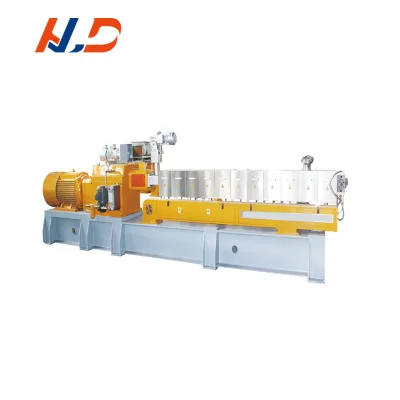
75 Type Twin Screw Extruder for PVC Processing, Energy Saving, Low Maintenance & Efficient Extrusion
$42850.00 - $42857.00
MOQ: 1 sets
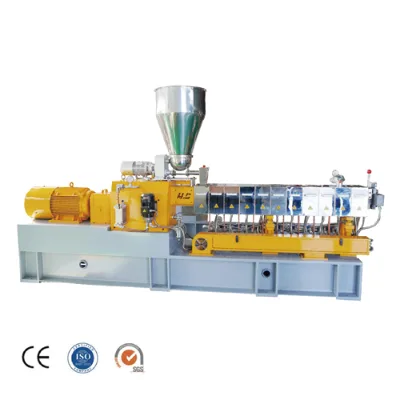
$37000.00 - $37143.00
MOQ: 1 sets
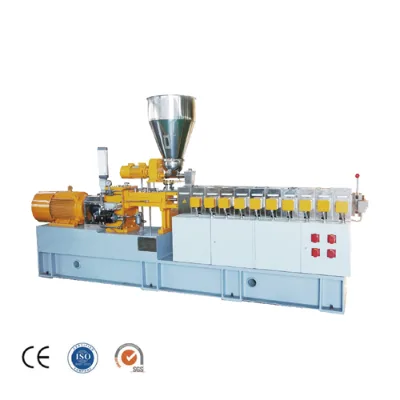
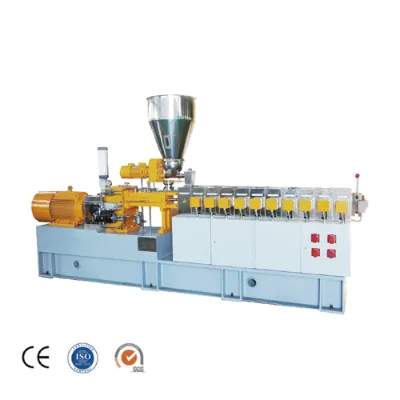
$35714.00 - $35720.00
MOQ: 1 sets
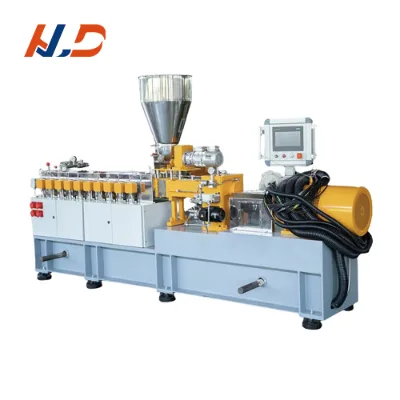
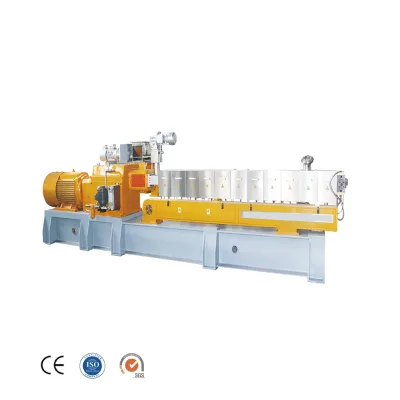
Durable Twin Screw Extruder for PP Processing, High Wear Resistance & Long Lifespan, TSE-50 Model
$30000.00 - $31000.00
MOQ: 1 sets

Ruian City Jiayuan Machinery Co., Ltd.
- Verified by BV
- Combined
- China Zhejiang
- Lead time30 days
- Avg. response≤ 4h
Main productsHot Melt Coating Machine, Die Cutting Machine, Slitting Machine, Paper Core Machine, Computer Transverse Slicer, Hot Melt Coating and Laminatingmachine, Hot Melt Extruding Machine, Hot Melt Adhesive Coating Machine, Melter Coater and Spray Machine, Hot Melt Machine
Main marketsSoutheast Asia/ Mideast,Domestic
Nanjing Gs-Mach Intelligent Equipment Co., Ltd.
- Verified by TüVRheinland
- Manufacturer, Trading Company
- Jiangsu, China
- Lead time50 days
- Avg. response≤ 10h
Main productsTwin Screw Extruder Machine, Plastic Sheet Extruder Machine, Kneader Compounding Machine, Stone Paper Machine, Plastic Lamination Machine
Main marketsMid East(50%), South America(20%), Southeast Asia(20%)
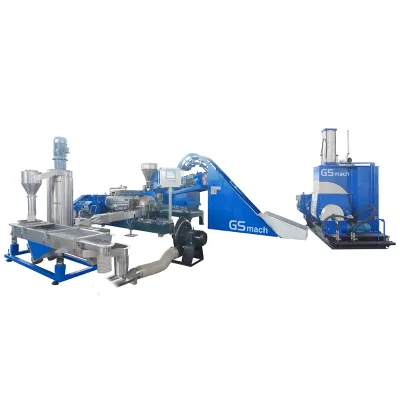
Flame Retardant Hffr Cross-Linked XLPE Plastic Extruder Compounding Extruder
$61860.7968 - $82481.0624
MOQ: 1 Minimum
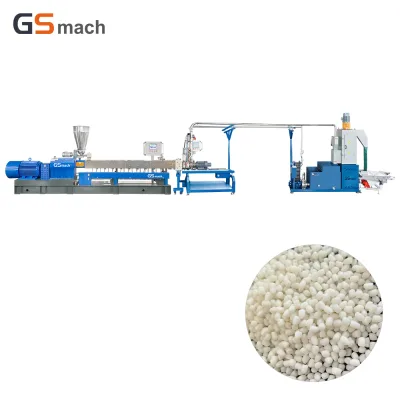
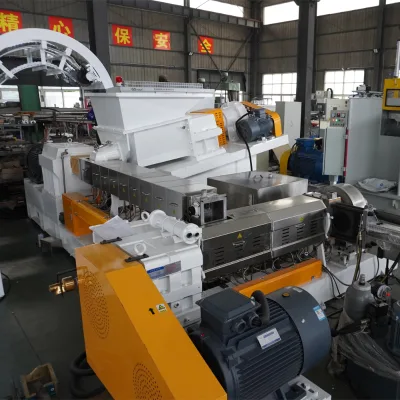
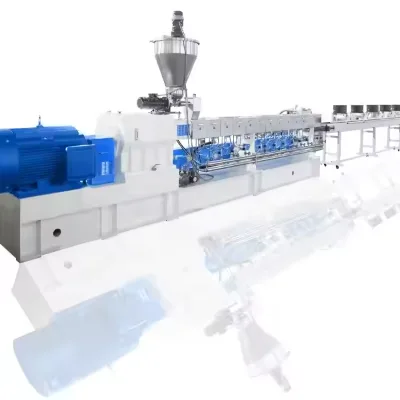
Twin Extruder Manufacturer Hot Melt Adhesive Pelletizer Eva Granules Making Machine
$45000.00 - $67000.00
Qingdao Jinjiedong Plastic Machinery Co., Ltd.
- Manufacturer, Trading Company
- Shandong, China
- Lead time65 days
- Avg. response≤ 2h
Main productsSpiral Wound pipe Repair Machine,PVC Production Line,Trenchless Pipeline rehabilitation technology Equipment,Large diameter pipeline repair equipment,No-dig underground pipe renew
Main marketsSouth America(21.00%), North America(19.00%), Mid East(17.00%), Eastern Europe(13.00%), Southeast Asia(11.00%), Domestic Market(8.00%), Africa(5.00%), Central America(2.00%), Northern Europe(1.00%), Eastern Asia(1.00%), Western Europe(1.00%), Oceania(1.00%)
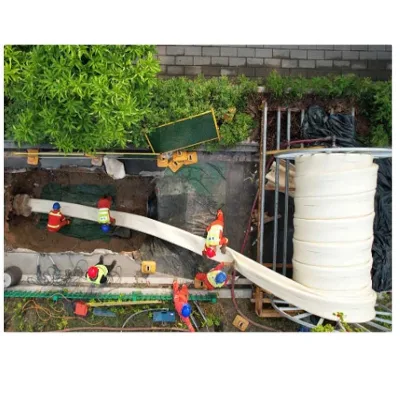
Advanced Plastic Extruder: High - Output, Easy - to - Operate, Tailored for Diverse Production Needs
$278000.00 - $279000.00
MOQ: 1 rolls
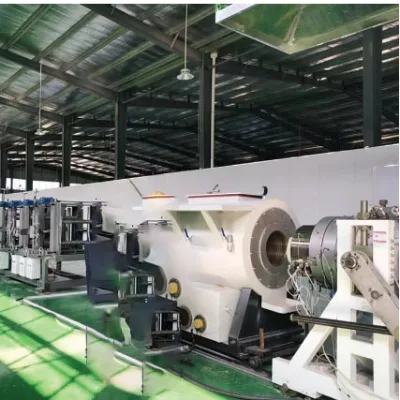
Used Extruder Machine with Good Condition, Multifunctional, Easy - to - Install, Hot Sell
$291500.00 - $292500.00
MOQ: 1 sets

Henan Kaichuang Machinery Equipment Co., Ltd
- Verified by BV
- Combined
- China Henan
- Lead time23 days
- Avg. response≤ 8h
Main productsBrick Making Machine, Jaw Crusher, Hammer Crusher, Stone Crusher, Uncoiling Machine
Main marketsDomestic

Jwell Machinery( Liyang)Co., Ltd.
- Verified by BV
- Combined
- China Jiangsu
- Lead time30 days
- Avg. response≤ 2h
Main productsExtrusion Machine Line, Plastic Extruder, Plastic Pipe Extrusion Machine, Plastic Machinery, Plastic Board Extrusion Machine, Plastic Sheet Profile Extrusion =Machine, Blow Molding Extrusion Machine, Plastic Recycling Pelletizing Machine, Chemical Fibers Production Line, Screw and Barrel
Main marketsDomestic

Jwell Electric Driven Type Silicone Adhesive Hot Melt Glue Compounding Extruder
$30000.00 - $130000.00
MOQ: 1 Pieces

Machine After Polymerization Processing Extruder of China Manufacturer
$40000.00 - $130000.00
MOQ: 1 Pieces
Nanjing Haisi Extrusion Equipment Co., Ltd.
- Manufacturer, Trading Company
- Jiangsu, China
- Lead time50 days
- Avg. response≤ 8h
Main productsTwin Screw Extruder,Single Screw Extruder,Two-stage Extrusion Line,Crusher,Mixer & Dryer
Main marketsDomestic Market(50.00%), Southeast Asia(11.00%), Eastern Europe(8.00%), South Asia(6.00%), Western Europe(5.00%), North America(5.00%), Eastern Asia(5.00%), Mid East(3.00%), Oceania(2.00%), Africa(1.00%), Southern Europe(1.00%), Northern Europe(1.00%), Central America(1.00%), South America(1.00%)

Xingtai Yinghua Rubber Machinery Manufacturing Co., Ltd.
- Verified by BV
- Trading Company,Manufacturer/Factory
- China Hebei
- Lead time90 days
- Avg. response≤ 1h
Main productsRubber Extruder, Rubber Vulcanizing Press, Rubber Products, Rubber Strip
Main marketsSouth America,Eastern Europe,Mid East,North America,Southeast Asia,Eastern Asia,Oceania,Western Europe,Africa


Advanced Composite Rubber Extruder for Enhanced Production Efficiency
$20300.00 - $24600.00
MOQ: 1 Sets


- Trading Company
- Anhui, China
- Lead time120 days
- Avg. response≤ 6h
Main productspower cable making machine,optic fiber cable machine,data cable machine,lan cable equipment,cable material
Main marketsEastern Europe(20.00%), Mid East(20.00%), Southeast Asia(20.00%), South Asia(10.00%), South America(10.00%), Africa(10.00%), North America(10.00%)
Hebei Xulang Machinery Equipment Manufacturing Co., Ltd.
- Verified by SGS Group
- Manufacturer, Trading Company
- Lead time0 days
Main productsRubber Extrusion Line, Silicone Extrusion Line, Butyl Rubber Extrusion Line, Plastic Extrusion Line, Rubber And Plastic Extruder Machine
Main marketsDomestic Market(40%), Mid East(20%), South Asia(20%)
$25000.00 - $31000.00
MOQ: 1 sets
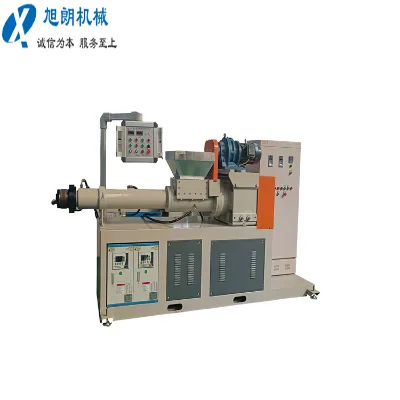
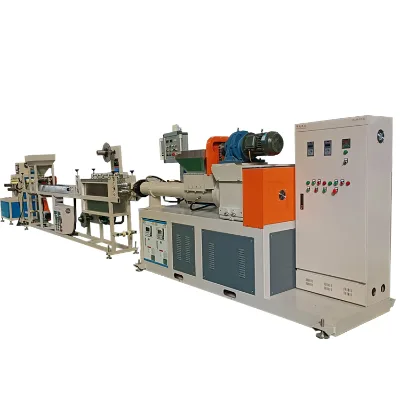
High Quality Butyl Extruder for Hot Butyl Glue Premium Rubber Extruder
$25000.00 - $27000.00

WENZHOU BOSEN MACHINERY CO., LTD.
- Trading Company,Manufacturer/Factory
- China Zhejiang
- Lead time30 days
- Avg. response≤ 7h
Main productsPrinting Machine, Film Blowing Machine, Slitting Machine, Recycle Machine, Plastic Bag Making Machine, Packaging Machine, Biodegradable Bag Making Machine, Flexo Printing Machine, Bag Making Machine, Laminating Machine
Main marketsSouth America,Eastern Europe,Mid East,North America,Southeast Asia,Eastern Asia,Oceania,Western Europe,Africa

Wenzhou Howie Machinery Co., Ltd
- Verified by CTI
- Trading Company,Manufacturer/Factory
- China Zhejiang
- Lead time60 days
- Avg. response≤ 4h
Main productsHot Melt Coating and Laminating Machine, Hot Melt Extruding Machine, Plastic Recycling Machine
Main marketsSouth America,Eastern Europe,Mid East,North America,Southeast Asia,Eastern Asia,Oceania,Western Europe,Africa

Small Narrow Butyl Rubber Adhesive Tape Extruder with Hot Melt Coating and Laminator
$10000.00 - $70000.00
MOQ: 1 Pieces

Compact Narrow Width Butyl Adhesive Strip Extruder with Automatic Coating and Lamination System
$10000.00 - $70000.00
MOQ: 1 Pieces

Compact Small Butyl Hot Melt Adhesive Extruder Laminator for Industrial Applications
$10000.00 - $70000.00
MOQ: 1 Pieces

Fully Automatic Butyl Adhesive Tape Small Extruder with Coating Laminator
$10000.00 - $70000.00
MOQ: 1 Pieces

NANTONG MULTI TECH ENGINEERING CO., LTD.
- Trading Company,Manufacturer/Factory
- China Jiangsu
- Lead time45 days
- Avg. response≤ 25h
Main productsMixer, Grinder, Mill, Liquid Filling, Cream Paste Filling, Packing Machine, Lab Tester, Ink Production Line, Paint Production Line, Coating Productio Line
Main marketsSouth America,Eastern Europe,Mid East,North America,Southeast Asia,Eastern Asia


High Viscosity Heavy Paste Extruder for Ink, Paint, Glue, Liquid Silicone Sealant
$4900.00
MOQ: 1 Pieces
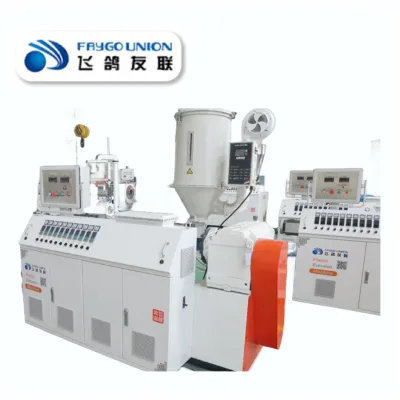
Jiangsu Faygo Union Machinery Co., Ltd.
- Verified by Intertek
- Manufacturer, Trading Company
- Lead time15 days
- Avg. response≤ 3h
Main productsPipe Making Machine, Blow Molding Machine, Plastic Profile Making Machine, Plastic Recycling Machine, 3-in-1 Blowing Filling Capping Machine
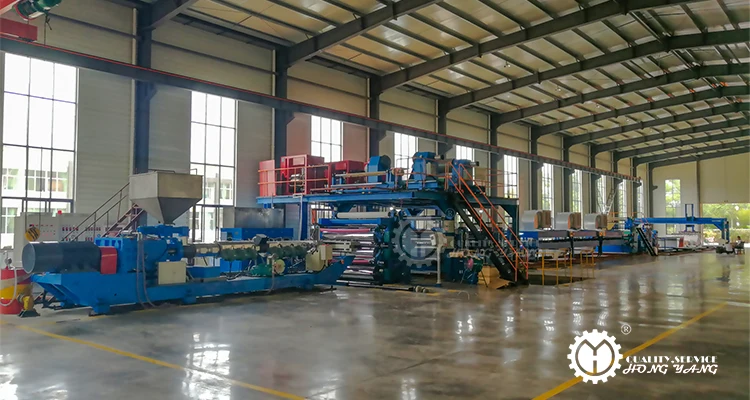
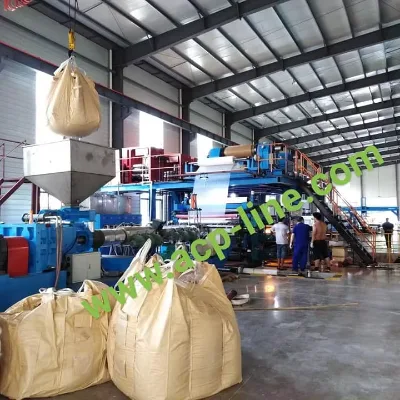
Zhangjiagang Hongyang Machinery Equipment Co., Ltd.
- Manufacturer
- Jiangsu, China
- Lead time90 days
- Avg. response≤ 5h
Main productsACP Line/Aluminum Honeycomb Composite Panel Product Line/Coating Line/Metal Composite Panel Line/A2 ACP Line/3D Aluminum Core Composite Panel Product Line/Aluminum Corrugated Composite Panel Product Line/A2 FRB1 PE ACP Line/Super High Grade FRB1 ACP Line
Main marketsDomestic Market(56.00%), Mid East(19.00%), South America(5.00%), Western Europe(5.00%), Eastern Asia(5.00%), Africa(5.00%), Southeast Asia(5.00%)

Zhejiang Pengxiang Machinery Manufacturing Co., Ltd.
- Verified by BV
- Combined
- China Zhejiang
- Lead time30 days
- Avg. response≤ 21h
Main marketsSoutheast Asia/ Mideast,Domestic

Superior Extruder for Enhanced 3-Layer Self-Adhesive Film Making
$120000.00 - $170000.00
MOQ: 1 Pieces

High-Performance Five-Layer Lamination Film Extruder for Superior Quality
$180000.00 - $200000.00
MOQ: 1 Pieces

Changchun Intelligent Instrument Equipment Co.,Ltd.
- Verified by TUVRHEINLAND
- Combined
- China Jilin
- Lead time30 days
- Avg. response≤ 2h
Main productsMaterial Testing Machine, Torque Rheometer, Voltage Breakdown Tester, Capillary Rheometer, Melt Flow Index Tester
Main marketsDomestic

Advanced Polymer and Rubber Compounding Extruder for High Efficiency
$22000.00 - $30000.00
MOQ: 1 Sets

Robust Rubber Mixing Extruder for Enhanced Polymer Compounding Efficiency
$22000.00 - $30000.00
MOQ: 1 Sets

Versatile Polymer Extruder for Advanced Rubber Compounding Solutions
$22000.00 - $30000.00
MOQ: 1 Sets

Advanced Polymer Extruder for High-Quality Material Processing Solutions
$22000.00 - $30000.00
MOQ: 1 Sets


Zhejiang Sayeah Machinery Co., Ltd
- Verified by SGS
- Manufacturer/Factory
- China Zhejiang
- Lead time90 days
- Avg. response≤ 3h
Main productsPlastic Extruder, Thermoformiing Machine, Plastic Cup Making Machine
Main marketsSouth America,Eastern Europe,Mid East,North America,Southeast Asia,Eastern Asia,Oceania,Western Europe,Africa

Shanghai Maxtech Plastic Machinery Co., Ltd.
- Manufacturer/Factory
- China Shanghai
- Lead time120 days
- Avg. response≤ 7h
Main productsPlastic Extruder, Plastic Sheet Extruder, Plastic Board Extruder, Plastic Forming Sheet Extrusion, Pet Sheet Extrusion Line, PP PS Sheet Extrusion, PVC Sheet Extruder Llne, PE High Barrier Sheet Extrusion Machine
Main marketsSouth America,Eastern Europe,Mid East,North America,Southeast Asia,Eastern Asia,Western Europe,Africa

Zhongshan Longshine Zhenglong Heavy Industry Machinery Co., Ltd.
- Combined
- China Guangdong
- Lead time30 days
- Avg. response≤ 14h
Main productsDrawing Machine, Wire and Cable Extruder, LED Strip Extrusion Machine, Cable Drawing Machine, LED Rope Extruder, High Speed Braiding Machines, Bunchine /Twist Machine, Annealing with Tin-Coatting Machine, Stranding/Bunching Machine Series, Construction Extrusion
Main marketsSouth America,Africa,Southeast Asia/ Mideast,East Asia(Japan/ South Korea),Domestic,Europe




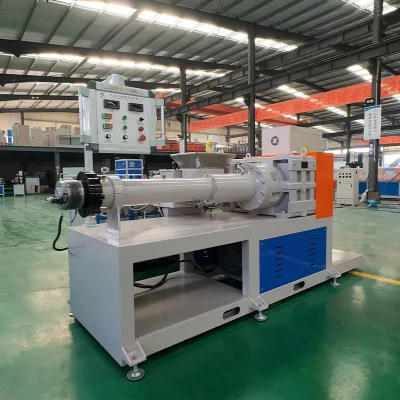
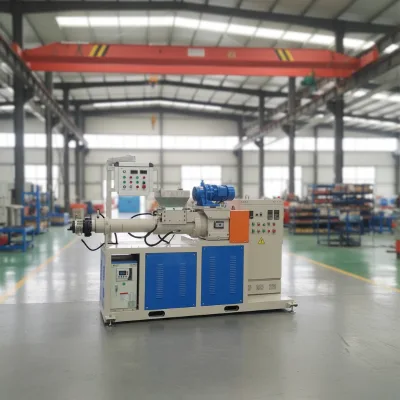


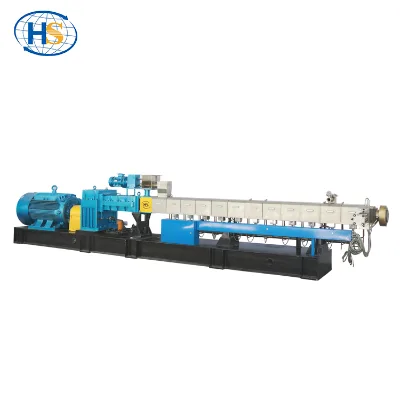
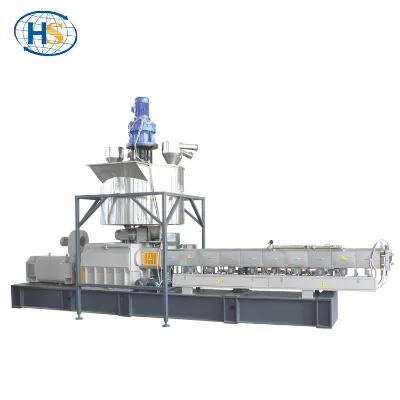




Comprehensive Sourcing Guide
Low Speed Chemical Adhesive Extruder Supplier Concentration and Factory Types
The current supplier landscape for low speed chemical adhesive extruders reveals a distinct concentration of manufacturing and trading entities within specific industrial regions. Data indicates that a significant portion of available suppliers are located in Jiangsu, China, a region known for its robust machinery manufacturing infrastructure. This geographic clustering suggests that buyers seeking these specialized machines will likely encounter vendors operating from this primary hub. The presence of suppliers in this area often correlates with established supply chains for raw materials and component parts, which can influence production efficiency and cost structures. When evaluating potential partners, it is crucial to recognize that location is a primary filter for narrowing down the vast array of global suppliers to those with proven regional expertise.
Beyond location, the types of companies offering these extruders vary, encompassing both pure manufacturers and combined entities that blend manufacturing with trading capabilities. Some suppliers are identified as manufacturers, implying direct control over the production process, while others are classified as trading companies or combined firms. This distinction is vital for buyers because it affects transparency, pricing flexibility, and direct communication with engineering teams. A combined company type might offer broader product ranges but could introduce layers of communication between the buyer and the actual production floor. Understanding whether a supplier is a factory or a trader helps in assessing the authenticity of technical claims and the reliability of after-sales support, which are critical for complex machinery like twin screw extruders used in adhesive formulation.
How to Verify Low Speed Chemical Adhesive Extruder Suppliers
Verification of suppliers requires a multi-layered approach that goes beyond basic profile reviews, focusing on tangible evidence of capability and compliance. One critical step is to check for third-party verification badges, such as those from TÜV Rheinland, which indicate that a supplier has undergone rigorous audits of their business operations and manufacturing facilities. These verifications provide a baseline of trust, confirming that the entity exists and operates within legal and ethical standards. Buyers should prioritize suppliers who display such independent verification marks, as they reduce the risk of engaging with fraudulent or non-existent entities. Additionally, examining the supplier’s response time can offer insights into their operational efficiency; a faster response often correlates with a more organized and customer-centric organization, which is essential for handling complex machinery orders.
Another essential verification method involves scrutinizing product-specific certifications and test reports. For chemical adhesive extruders, certifications such as CE or ISO9001:2008 are common indicators of adherence to international quality and safety standards. Buyers must verify that these certifications are current and applicable to the specific models being considered. Furthermore, looking for evidence of machinery test reports and video outgoing inspections provides concrete proof of the machine’s functionality before shipment. Suppliers that provide detailed specifications, such as screw speed, output capacity, and power consumption, demonstrate a higher level of transparency. By cross-referencing these technical details with certification documents, buyers can ensure that the supplier’s claims are substantiated by verifiable data, thereby minimizing the risk of receiving equipment that does not meet their specific chemical processing requirements.
What to Compare Across Low Speed Chemical Adhesive Extruder Suppliers
When comparing suppliers, buyers should focus on key operational metrics such as lead time, minimum order quantity (MOQ), and pricing structures to determine the best fit for their procurement needs. Lead times can vary significantly, with some suppliers offering delivery within 45 days, while others may require up to 60 days or more. This difference can impact production schedules and inventory management, making it a critical factor in supplier selection. Similarly, MOQs are often set at one unit, allowing for flexibility in initial orders, but buyers should confirm if bulk discounts or tiered pricing are available for larger volumes. Comparing these logistical parameters helps in aligning supplier capabilities with the buyer’s operational tempo and financial planning, ensuring that the procurement process remains smooth and predictable.
Technical specifications and customization options are equally important dimensions for comparison. Suppliers may offer different screw configurations, such as twin-screw designs with varying L/D ratios, or different automation levels, ranging from manual to fully computerized systems. Buyers should compare the output capacity, measured in kilograms per hour, and power consumption, measured in kilowatts, to ensure the machine meets their production volume and energy efficiency goals. Additionally, the availability of customization services can be a decisive factor, especially for specialized chemical adhesive applications that require unique processing conditions. By creating a comparison matrix that includes these technical and logistical attributes, buyers can objectively evaluate suppliers and select the one that offers the best balance of performance, cost, and service support for their specific Low Speed Chemical Adhesive Extruder needs.
Common Low Speed Chemical Adhesive Extruder Sourcing Risks
One of the primary risks in sourcing low speed chemical adhesive extruders is the potential mismatch between advertised specifications and actual machine performance. Suppliers may list high output capacities or advanced features that are not consistently achievable in real-world applications, particularly when processing complex chemical formulations. This discrepancy can lead to production bottlenecks and increased operational costs. To mitigate this risk, buyers should request detailed machinery test reports and video inspections that demonstrate the machine’s performance under conditions similar to their own. Engaging with suppliers who provide transparent and verifiable data helps in setting realistic expectations and avoiding costly surprises after installation. Additionally, verifying the warranty terms for core components, such as motors and gearboxes, ensures that buyers have recourse in case of premature failure.
Another significant risk is the variability in after-sales service and technical support. Complex extruders require regular maintenance and occasional repairs, and the quality of support can vary widely among suppliers. Some suppliers offer field maintenance and repair services, while others may only provide online support, which can be insufficient for urgent issues. Buyers should carefully review the after-sales service provisions listed in product descriptions and clarify the scope of support before finalizing a contract. Inadequate support can lead to prolonged downtime and reduced productivity. Furthermore, the risk of intellectual property infringement or substandard component quality exists, particularly when sourcing from unverified suppliers. By prioritizing suppliers with strong verification badges and clear service agreements, buyers can protect their investment and ensure long-term operational reliability.
Low Speed Chemical Adhesive Extruder Regional Sourcing and Logistics
Sourcing from regional hubs like Jiangsu, China, offers logistical advantages but also presents specific challenges that buyers must navigate. The concentration of suppliers in this region facilitates easier access to a wide variety of models and specifications, but it also means that buyers need to be diligent in verifying the authenticity and quality of the products. Logistics from this region typically involve container shipping, which requires careful planning to ensure that the heavy machinery is packed and transported securely. Buyers should confirm the packing details, such as whether the machine is shipped in a standard container, and inquire about the total weight and dimensions to calculate freight costs accurately. Understanding the shipping process helps in budgeting for additional expenses like insurance, customs duties, and inland transportation at the destination.
Additionally, regional sourcing impacts the timeline for installation and commissioning. Suppliers in Jiangsu may have established relationships with local logistics providers, which can streamline the export process. However, buyers should also consider the time zone difference and language barriers that may affect communication during the shipping and installation phases. It is advisable to establish clear communication channels and request detailed shipping documentation in advance. Furthermore, buyers should verify if the supplier offers assistance with customs clearance or if they expect the buyer to handle these procedures independently. By understanding the logistical nuances of sourcing from this region, buyers can plan their procurement timeline more effectively and avoid delays that could disrupt their production schedules.
Low Speed Chemical Adhesive Extruder Commercial Terms and Order Planning
Commercial terms for low speed chemical adhesive extruders often include a range of prices that reflect the complexity and specifications of the machine. Prices can vary significantly, with some models starting around $25,000 and others reaching up to $54,000 or more, depending on features like automation level, output capacity, and customization options. Buyers should carefully review the price ranges provided by suppliers and clarify what is included in the quoted price, such as installation, training, and spare parts. Understanding the total cost of ownership is essential for accurate budgeting and financial planning. Additionally, buyers should inquire about payment terms, such as deposits and balance payments, and ensure that they are aligned with their cash flow management strategies.
Order planning also involves considering the lead time and production schedule. Suppliers may have different lead times based on current order volumes and machine configuration. Buyers should confirm the estimated lead time at the time of order placement and factor it into their production planning. It is also important to discuss the warranty period and the coverage for core components, as this affects long-term maintenance costs. Some suppliers offer a one-year warranty, while others may provide extended coverage for an additional fee. By negotiating clear commercial terms and planning for potential delays, buyers can secure a reliable supply of low speed chemical adhesive extruders that meet their operational needs and budget constraints.
FAQs
What is the price range for twin screw adhesive extruders?
Prices for twin screw extruders typically range from $25,000 to $54,000 depending on the model and specifications. Specific models like the SM36 start around $25,000, while larger units such as the SMB63 can reach up to $54,000. Buyers should verify exact pricing for their required output capacity and customization needs.
What is the minimum order quantity for these machines?
The minimum order quantity is generally one unit for most twin screw extruder models listed. This allows buyers to purchase a single machine for initial testing or small-scale production. It is advisable to confirm the MOQ directly with the supplier, as bulk discounts or specific terms may apply for larger orders.
How long does delivery take for these extruders?
Lead times for these extruders vary between 45 and 60 days from order confirmation. Some suppliers offer faster turnaround times of 45 days, while others may require up to 60 days for manufacturing and preparation. Buyers should request a specific production schedule to ensure the machine arrives within their required project timeline.
Are these extruders certified for international standards?
Many twin screw extruders come with CE certification, ensuring compliance with European safety and quality standards. Some models also hold ISO9001:2008 certification for quality management systems. Buyers should verify the specific certifications required for their region and request valid certificates from the supplier before finalizing the purchase to ensure regulatory compliance.
What is the typical response time from suppliers?
Suppliers typically respond to inquiries within 7 to 8.23 hours on average. This quick response time indicates active customer support and efficient communication channels. Buyers can expect timely answers regarding technical specifications, pricing, and shipping details, facilitating a smoother sourcing process and quicker decision-making for procurement teams.
Where are these extruder manufacturers located?
Most manufacturers of these twin screw extruders are located in Jiangsu, China. This region is a known hub for plastic processing machinery and industrial equipment. Buyers can expect suppliers to be based in this area, which may influence shipping logistics and lead times. Verifying the exact factory location is recommended for site visits or audits.