Men Outdoor Stainless Steel Bracelet Suppliers and Manufacturers
Find 30 verified suppliers offering Men Outdoor Stainless Steel Bracelet options with customization, specific materials like 316L, and varying lead times. Compare response times, certifications, and pricing to source the right partner for your needs; review the available evidence before requesting comparable quotations from suitable candidates.
Updated
Suppliers List

Yan Miao (Yiwu City) International Trade Co., Ltd.
- Verified by SGS
- Trading Company
- China Zhejiang
- Lead time0 days
- Avg. response≤ 1h
Main productsDrip Irrigation System, Irrigation Fittings, Drip Irrigation Pipe, Micro Irrigation System, Garden Irrigation System, Agricultural Irrigation System, Greenhouse Irrigation System, Irrigation Equipment, Irrigation Accessories, Water Saving Irrigation

Shenzhen Amengwei Jewelry Co., Ltd.
- Trading Company,Manufacturer/Factory
- China Guangdong
- Lead time23 days
- Avg. response≤ 18h
Main productsBody Piercing Jewelry, Hinged Segment Ring, Nose Ring Belly Ring, Stainless Steel Jewelry, Labret Lip Ring, Earring, Necklace, Bracelet, Ring
Main marketsSouth America,Eastern Europe,Mid East,North America,Southeast Asia,Eastern Asia,Oceania,Western Europe,Africa

Guangzhou Anfook & Dakerden Jewelry Co., Ltd
- Trading Company
- China Guangdong
- Lead time0 days
- Avg. response≤ 14h
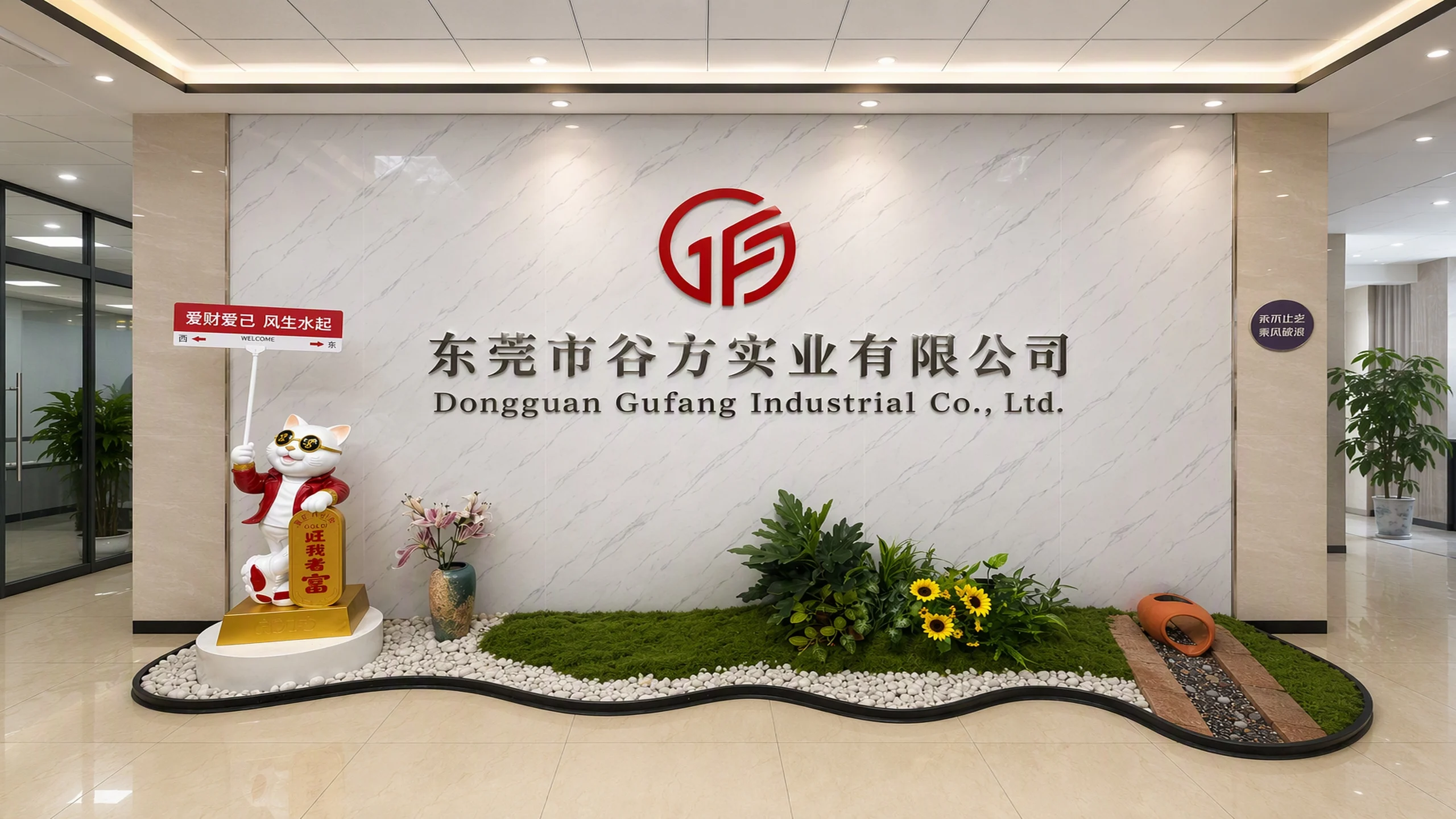
Dongguan Gufang Industrial Co., Ltd.
- Trading Company
- Guangdong, China
- Lead time25 days
- Avg. response≤ 2h
Main productsWatch strap,Leather strap,Whoop strap,Apple watcg strap,Smart watch strap
Main marketsNorthern Europe(25.00%), Eastern Europe(25.00%), South America(20.00%), North America(20.00%), Eastern Asia(10.00%)
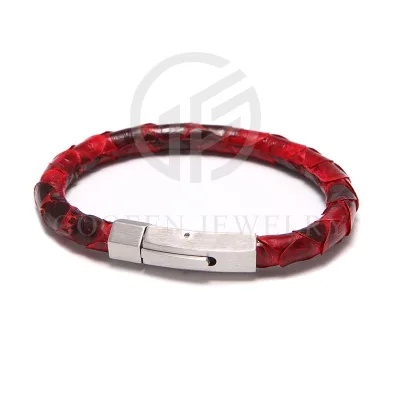
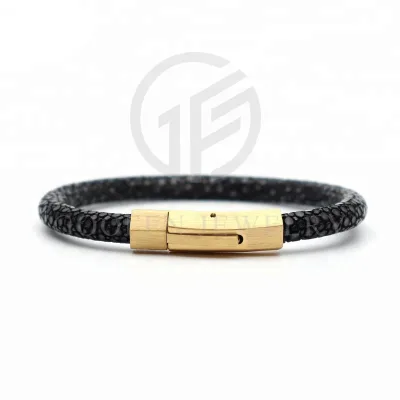
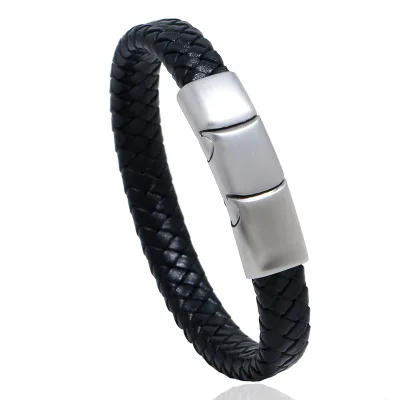
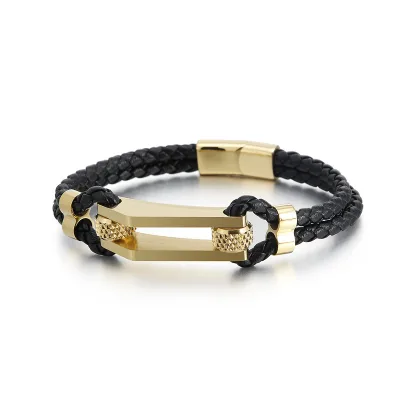
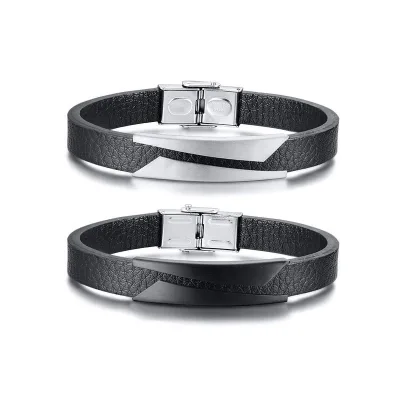
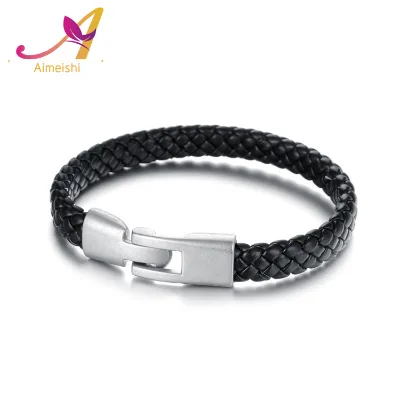
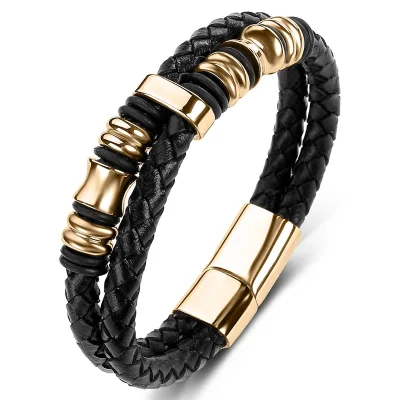
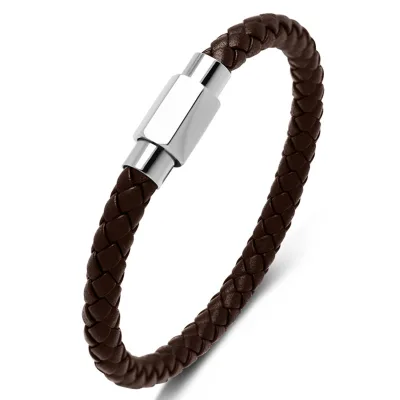
2023 Fashion Summer jewelry various leather colors stainless steel men brushed lock bracelet
$15.2478 - $17.5578
MOQ: 20 pieces
Shenzhen Fendi Jewelry Co., Ltd.
- Manufacturer, Trading Company, Distributor/Wholesaler
- Guangdong, China
- Lead time10 days
- Avg. response≤ 4h
Main productsFashion Jewelry,Body Jewelry,Silicone Gift,Bags,Clothes
Main marketsSouth America(20.00%), North America(20.00%), Central America(10.00%), Mid East(10.00%), Northern Europe(5.00%), Southeast Asia(5.00%), Western Europe(5.00%), Southern Europe(5.00%), Eastern Europe(5.00%), Domestic Market(5.00%), South Asia(5.00%), Eastern Asia(3.00%), Oceania(1.00%), Africa(1.00%)

Shenzhen Hengda Xin Jewelry Co., Ltd.
- Verified by BV
- Combined
- China Guangdong
- Lead time15 days
- Avg. response≤ 2h
Main productsJewelry, Stainless Steel Fittings, Stainless Steel Jewelry, Necklace, Bracelet, Stud Earrings, Ring, Pendant, Fashion Jewelry, Fashion Accessories
Main marketsSoutheast Asia/ Mideast,East Asia(Japan/ South Korea),Domestic,Europe,Australia,North America

Guangdong Kalen Jewelry Company Limited
- Verified by SGS
- Combined
- China Guangdong
- Lead time30 days
- Avg. response≤ 6h
Main productsStainless Steel Jewelry, Fashion Accessories, Bracelets, Necklaces, Rings, Earrings, Pendants, Bangles, Jewelry Sets, Cufflinks
Main marketsSouth America,Europe,Australia,North America


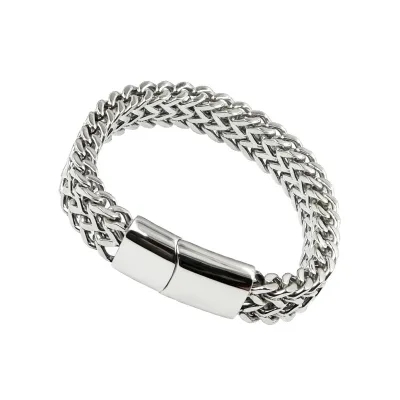
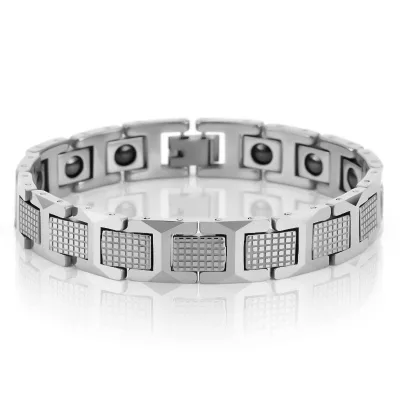
Popular Fashion Domineering Flower Pattern Men's Stainless Steel Bracelet
$10.58 - $15.62
MOQ: 30 Pieces


Yiwu City Youtu Jewelry Co., Ltd.
- Trading Company
- Zhejiang Province, China
- Lead time15 days
- Avg. response≤ 5h
Main productscrystal keychain,leather keychain,genuine leather bracelet,metal pendants necklace,stainless steel necklace
Main marketsSouthern Europe(10.00%), Northern Europe(10.00%), Central America(10.00%), Western Europe(10.00%), Mid East(10.00%), Africa(10.00%), Southeast Asia(10.00%), Eastern Europe(10.00%), South America(10.00%), North America(10.00%)

Guangzhou IO Jewelry Co., Ltd.
- Combined
- China Guangdong
- Lead time30 days
- Avg. response≤ 7h
Main productsJewelry, Fashion Jewelry, Stainless Steel Jewelry, Custom Jewelry, Stainless Steel Beads, Stainless Steel Charms, Stainless Steel Rings, Stainless Steel Pendants, Beads, Charms
Main marketsSouth America,Domestic,Europe,Australia,North America
Yiwu City Mj Jewelry Co., Ltd.
- Manufacturer, Trading Company
- Lead time旺季: "1 - 50":7,"51 - 500":15,"> 500":"To be negotiated", 淡季: "1 - 50":7,"51 - 500":15,"> 500":"To be negotiated"
- Avg. response≤ 3h
Main productsWaterproof Jewelry, Stainless Steel Necklace, Stainless Steel Ring, Stainless Steel Earring, Stainless Steel Bracelet
- Manufacturer, Trading Company
- Lead time旺季: "1 - 2":10,"3 - 60":12,"61 - 120":15,"> 120":"To be negotiated", 淡季: "1 - 2":10,"3 - 60":12,"61 - 120":15,"> 120":"To be negotiated"
- Avg. response≤ 4h
Main productsJewelry, Bracelet, Necklace, Earrings, Accessories

Yiwu Huaiyan E-commerce Co.,Ltd
- Verified by SGS
- Trading Company
- China Zhejiang
- Lead time15 days
- Avg. response≤ 1h
Main productsNecklace, Bracelet, Bracelets, Earrings, Ring, Headwear, Leather Bracelet
Main marketsNorth America
- Verified by TüVRheinland
- Manufacturer, Trading Company
- Lead time7 days
- Avg. response≤ 2h
Main productsFashion Jewelry
Main marketsNorth America(75%), South America(8%), Southeast Asia(7%)
Shenzhen Alin Accessory Co., Ltd.
- Trading Company
- Guangdong, China
- Lead time0 days
- Avg. response≤ 3h
Main productsStainless Steel Jewelry, Tungsten Jewelry, Black Titanium Jewelry, Tantalum Jewelry, Titanium Jewelry
Main marketsNorth America(30.00%), Oceania(20.00%), Eastern Europe(20.00%), Western Europe(10.00%), Southern Europe(10.00%), Northern Europe(10.00%)

Shenzhen Hengfeng Jewelry Co., Limited
- Verified by SGS
- Combined
- China Guangdong
- Lead time30 days
- Avg. response≤ 1h
Main marketsSouth America,Africa,Southeast Asia/ Mideast,East Asia(Japan/ South Korea),Europe,Australia,North America
Guangzhou Ouyuan Hardware Jewelry Company Limited
- Verified by TüVRheinland
- Manufacturer, Trading Company
- Lead time15 days
- Avg. response≤ 3h
Main productsTungsten Carbide Ring, Ceramic Ring, Stainless Steel Ring, Titanium Ring, Leather Bracelet
Main marketsSouth America(20%), Mid East(15%), North America(10%)
YiChun InLove Jewelry Co., Ltd.
- Trading Company
- Jiangxi, China
- Lead time15 days
- Avg. response≤ 1h
Main productsStainless Steel Jewelry,Metal keychains,Rubber Cartoon keychains,925 Sterling Silver Jewelry,Brass Jewelry
Main marketsNorth America(60.00%), Northern Europe(20.00%), Southern Europe(10.00%), Western Europe(10.00%)
Guangzhou Aimeishi Jewelry Co., Ltd.
- Manufacturer
- Guangdong, China
- Lead time7 days
- Avg. response≤ 3h
Main productsBracelet,Ring,Earring,Necklace,Jewelry Set
Main marketsNorth America(35.00%), South America(15.00%), Southern Europe(10.00%), Northern Europe(10.00%), Western Europe(10.00%), Eastern Europe(10.00%), Southeast Asia(5.00%), South Asia(1.00%), Mid East(1.00%), Africa(1.00%), Central America(1.00%), Eastern Asia(1.00%)
Shenzhen Lanson Gifts Co., Ltd.
- Manufacturer, Trading Company
- Guangdong, China
- Lead time0 days
- Avg. response≤ 5h
Main productsMakeup Mirrors,Makeup tools,Hair accessories,Nail tools,Luxury wears
Main marketsNorth America(30.00%), Central America(10.00%), Western Europe(10.00%), Southern Europe(10.00%), Northern Europe(10.00%), Eastern Europe(10.00%), South America(10.00%), Mid East(5.00%), Africa(5.00%)
- Manufacturer, Trading Company, Distributor/Wholesaler
- Fujian, China
- Lead time15 days
- Avg. response≤ 7h
Main productsNecklaces,Rings,Bracelets&bangles,Keychains,Earrings
Main marketsNorth America(20.00%), Central America(20.00%), Northern Europe(15.00%), Western Europe(15.00%), Oceania(10.00%), Southern Europe(10.00%), Eastern Europe(10.00%)
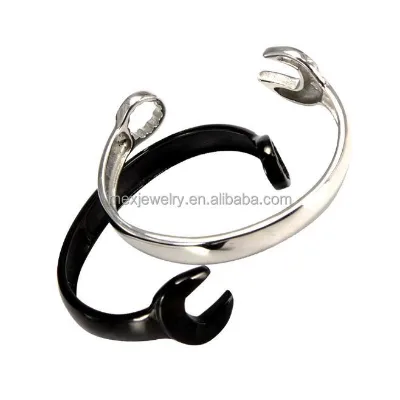
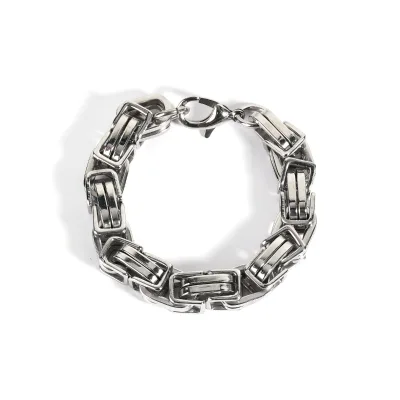
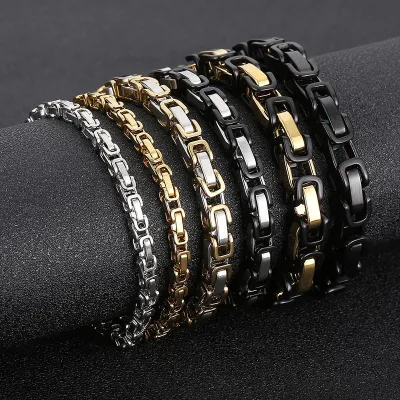
Black Silver Color Mens Spanner Wrench Cuff Bangle Bracelet Men 316L Stainless Steel Jewelry
$6.1039 - $10.2217
MOQ: 50 Minimum
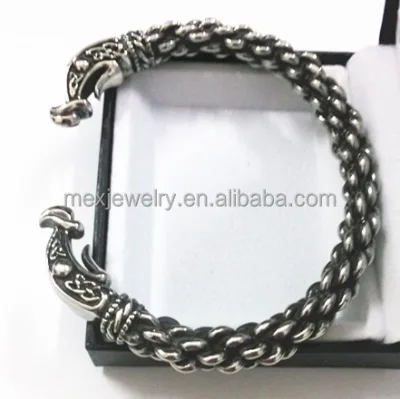
Stainless Steel Large Viking Dragon Solid Head Men's Chunky Bracelet High Quality
$3.1044 - $8.2775
MOQ: 200 Minimum
Shenzhen Chaoshang Shijie Hardware Products Co., Ltd.
- Manufacturer, Trading Company
- Guangdong, China
- Lead time0 days
- Avg. response≤ 2h
Main productsJewery,Crafst,Gifst,Metal parts,Accessories
Main marketsSouth America(15.00%), Southeast Asia(15.00%), Western Europe(10.00%), North America(10.00%), Eastern Europe(10.00%), Southern Europe(5.00%), Northern Europe(5.00%), Central America(5.00%), Africa(5.00%), Domestic Market(5.00%), Mid East(5.00%), Oceania(5.00%), Eastern Asia(3.00%), South Asia(2.00%)
Dongguan Mange Stainless Steel Jewelry Co., Ltd.
- Manufacturer, Trading Company
- Guangdong, China
- Lead time0 days
- Avg. response≤ 2h
Main productsStainless steel jewelry,Jewelry accessories
Main marketsSouthern Europe(20.00%), Domestic Market(10.00%), North America(10.00%), Northern Europe(10.00%), Western Europe(10.00%), Eastern Asia(10.00%), Southeast Asia(10.00%), Eastern Europe(10.00%), South America(10.00%)
- Trading Company
- Zhejiang, China
- Lead time25 days
- Avg. response≤ 4h
Main productsNecklace,Bracelet,Ring,Earring,Jewelry Accessories
Main marketsDomestic Market(100.00%), South America(100.00%), Mid East(100.00%), North America(34.00%), Western Europe(20.00%), Southern Europe(10.00%), Northern Europe(10.00%), Oceania(10.00%), Southeast Asia(5.00%), Eastern Europe(5.00%), Eastern Asia(2.00%), Central America(2.00%), Africa(1.00%), South Asia(1.00%)
SENHUA TRADING (HONG KONG) LIMITED
- Trading Company
- Hong Kong S.A.R.
- Lead time7 days
- Avg. response≤ 2h
Main productsFine Jewelry,Fashion Jewelry,Jewelry findings & accessories,Jewelry packaging,Jewelry tool
Main marketsNorth America(25.00%), Mid East(10.00%), Eastern Europe(8.00%), Western Europe(8.00%), Northern Europe(8.00%), Southern Europe(8.00%), South America(7.00%), Oceania(5.00%), Central America(5.00%), South Asia(5.00%), Southeast Asia(3.00%), Africa(3.00%), Eastern Asia(3.00%), Domestic Market(2.00%)
Shenzhen Xinyashang Jewelry Co., Ltd.
- Verified by SGS Group
- Manufacturer, Trading Company
- Lead time30 days
- Avg. response≤ 4h
Main productsBracelet, Earring, Pendant, Necklace, Ring
Main marketsNorth America(41%), Western Europe(35%), Eastern Asia(10%)
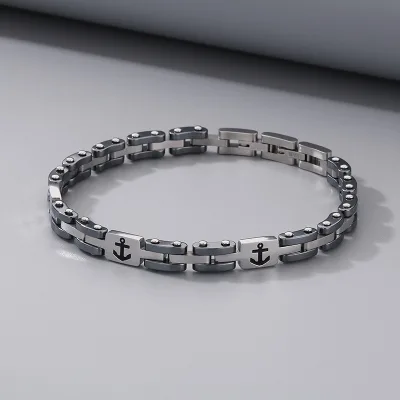
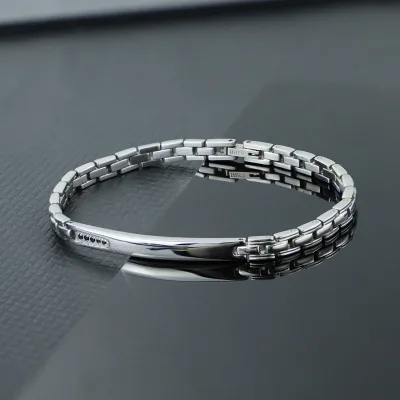
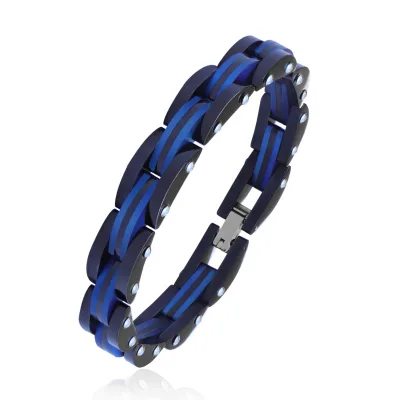
$7.7169 - $8.4364
MOQ: 50 pieces

Shenzhen Marvel Electronic Co., Ltd.
- Verified by TUVRHEINLAND
- Trading Company
- China Guangdong
- Lead time15 days
- Avg. response≤ 10h
Main productsCustom Jewelry, Silver Jewelry, Earring, Necklace, Bracelet, Nose Ring, Jewelry Set, Fashion Jewelry, Brooch
Main marketsEurope,North America

Dongguan Hongsheng Craft Gifts Co., Ltd.
- Verified by TUVRHEINLAND
- Trading Company
- China Guangdong
- Lead time30 days
- Avg. response≤ 5h
Main productsStainless Steel Ring, Stainless Steel Pendant Charm, Stainless Steel Leather Bracelet, Stainless Steel Bracelet Bangle, Stainless Steel Earring, Stainless Steel Chain, Leather Cord, Clothing Accessories, Key Chains, Rubber Products
Main marketsSouth America,Europe

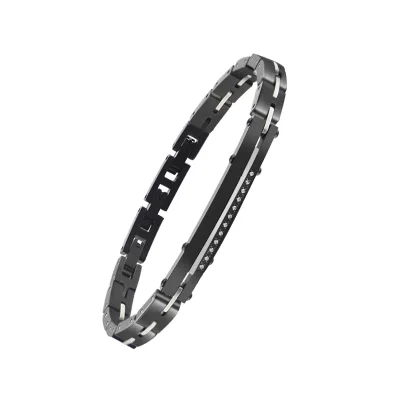
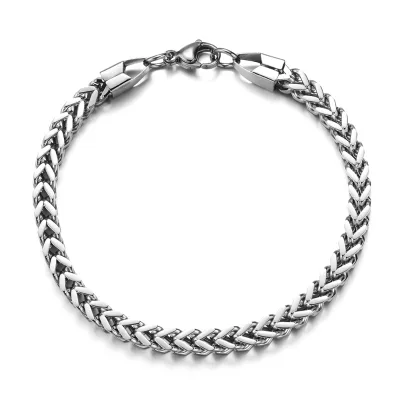
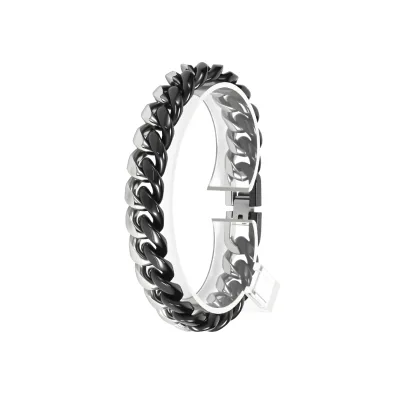
Titanium Steel Bracelet Men's Simple Stainless Steel Chain Bracelet Bangle
$2.60 - $2.80
MOQ: 50 Pieces

Yiwu Feiling Jewelry Co., Ltd.
- Trading Company
- Zhejiang, China
- Lead time15 days
- Avg. response≤ 3h
Main productsbracelet,necklace,earring,rings,sunglasses
Main marketsNorth America(30.00%), South America(15.00%), Central America(10.00%), Western Europe(8.00%), Eastern Europe(7.00%), Southern Europe(6.00%), Northern Europe(5.00%), Africa(5.00%), Southeast Asia(5.00%), Mid East(5.00%), South Asia(2.00%), Eastern Asia(2.00%)
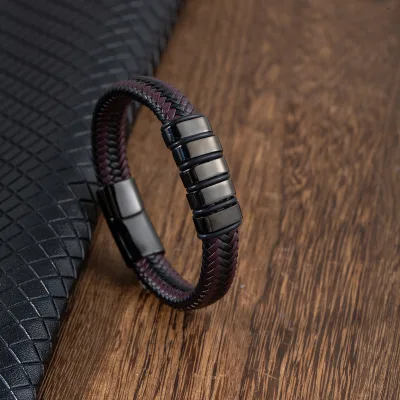
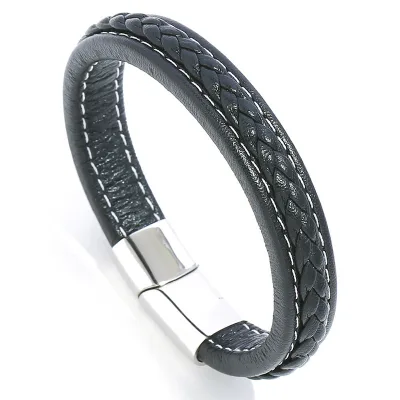
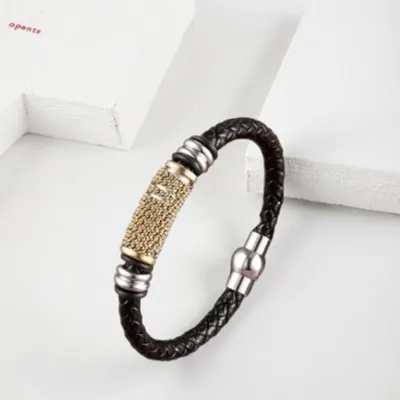
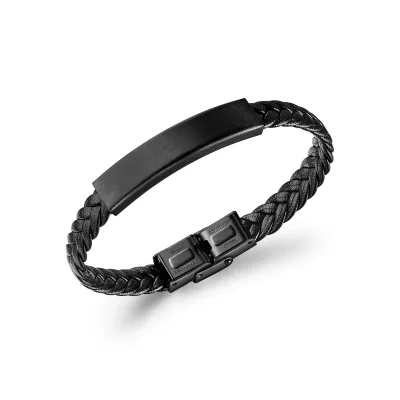
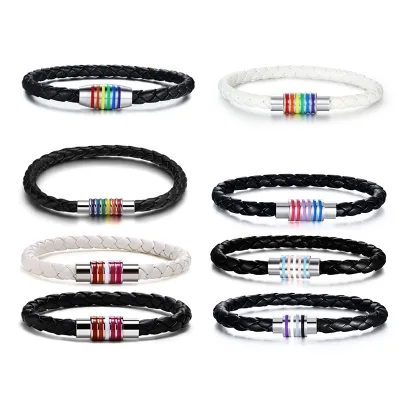
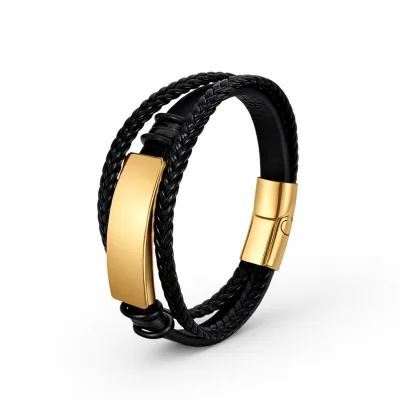
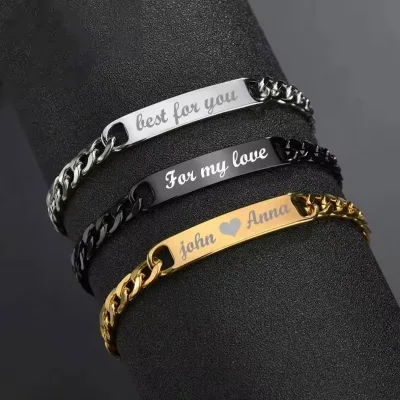
Hot Sale Stainless Steel Woven Braided Leather Custom Name Engraved Man s With Magnetic Clasp
$2.9755 - $3.1809
MOQ: 3 pieces
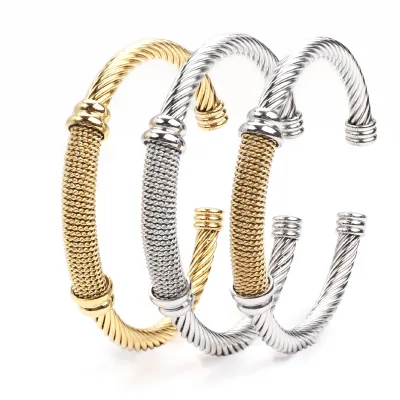
$2.8466 - $3.3488
MOQ: 3 Minimum

Guangzhou Huifu Jewelry Co., Ltd.
- Verified by BV
- Manufacturer/Factory
- China Guangdong
- Lead time90 days
- Avg. response≤ 4h
Main productsJewelry, Stainless Steel Jewelry, Stainless Steel Ring, Stainless Steel Pendant, Stainless Steel Earring, Fashion Jewelry, Ring, Necklace, Pendant, Bracelet
Main marketsEastern Europe,Mid East,North America,Western Europe,Africa
- Verified by Intertek
- Trading Company
- Lead time10 days
- Avg. response≤ 2h
Main productsBracelets, Necklace, Earring, Ring, Anklets
Main marketsNorth America(50%), Northern Europe(20%), Southern Europe(14%)


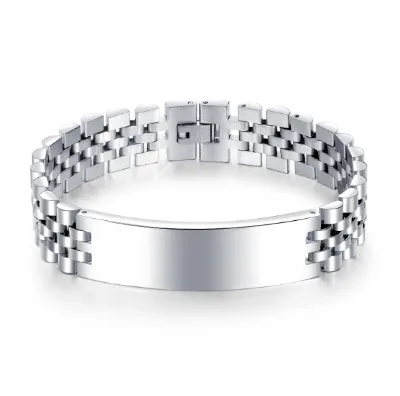
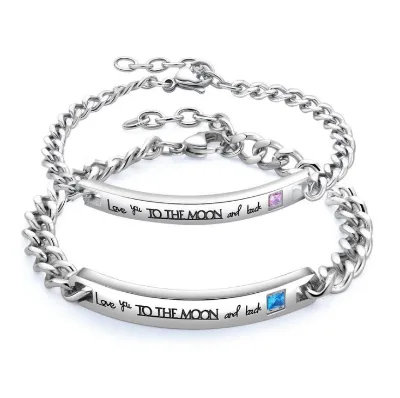
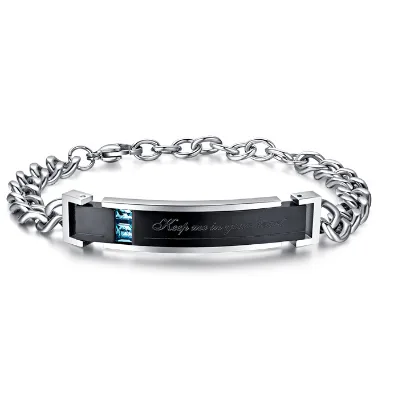










Comprehensive Sourcing Guide
Men Outdoor Stainless Steel Bracelet Supplier Concentration and Factory Types
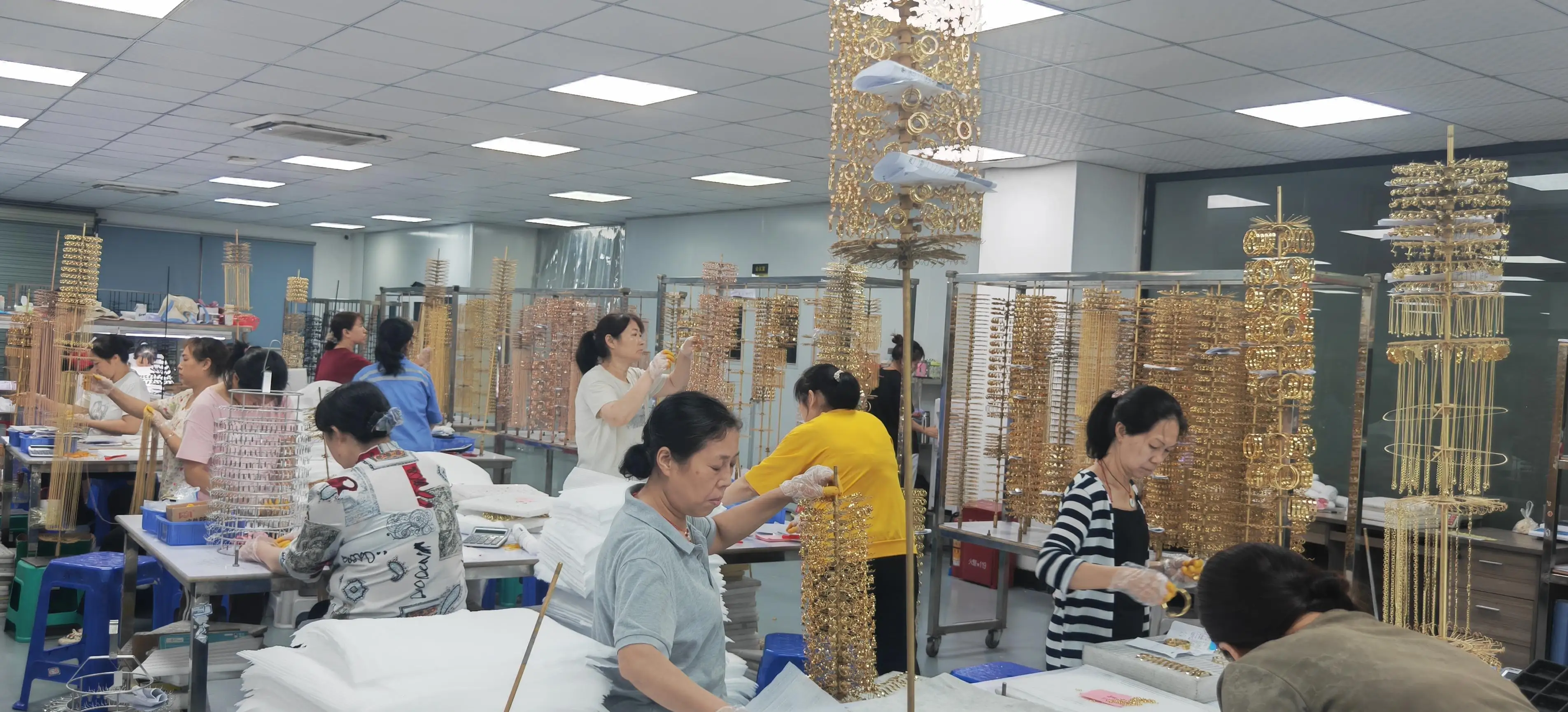
The current supplier landscape for men’s outdoor stainless steel bracelets reveals a distinct split between trading companies and manufacturing factories, primarily concentrated in China. Data indicates that suppliers are located in key industrial provinces such as Zhejiang and Guangdong, which are known for their robust jewelry and accessory manufacturing ecosystems. In Zhejiang, the focus often leans toward specialized irrigation systems, yet the presence of trading companies suggests a broader catalog that may include fashion accessories like stainless steel bracelets. Meanwhile, Guangdong-based suppliers explicitly list body piercing jewelry, stainless steel jewelry, and bracelets as main products, indicating a higher concentration of direct manufacturing capabilities in this region. This geographic distribution allows buyers to identify clusters of expertise, though the specific factory types vary significantly. Some entities operate strictly as trading companies, acting as intermediaries that aggregate products from various workshops, while others are verified manufacturers with their own production lines. Understanding this distinction is crucial for sourcing, as trading companies may offer a wider variety of styles but less control over the production process, whereas factories might provide better customization options and direct quality oversight. Buyers should look for suppliers that clearly state their company type to align with their specific sourcing strategy, whether that involves high-volume standard orders or bespoke outdoor gear.
Verification status also plays a pivotal role in identifying reliable factory types. For instance, some suppliers hold SGS verification, which adds a layer of trust regarding their operational standards and product quality. This verification is particularly important for stainless steel products, where material authenticity is a common concern. The presence of certifications such as ISO 9000, ISO 9001, and ISO 14001 among certain manufacturers further signals a commitment to quality management and environmental standards. These certifications are not merely decorative; they reflect a structured approach to production that can reduce the risk of defects in durable goods like outdoor bracelets. Additionally, some suppliers offer OEM and ODM services, indicating they have the engineering capacity to develop new designs or modify existing ones for specific market needs. This capability is essential for buyers looking to create unique outdoor accessories that stand out in a competitive market. By examining the combination of location, company type, and verification status, buyers can effectively filter through the available options to find partners that match their operational requirements. It is important to note that while some suppliers may claim to be manufacturers, their actual capabilities should be validated through these documented credentials and direct communication.
How to Verify Men Outdoor Stainless Steel Bracelet Suppliers
Verifying suppliers for men’s outdoor stainless steel bracelets requires a multi-layered approach that goes beyond surface-level claims. The first step is to scrutinize the supplier’s verification badges and certifications. For example, SGS verification is a strong indicator of a supplier’s adherence to international quality standards, while ISO certifications like ISO 9001 and ISO 14001 demonstrate a systematic approach to production and environmental management. Buyers should request copies of these certificates and verify their validity through the issuing bodies. Additionally, checking the supplier’s response time can provide insights into their operational efficiency and customer service quality. A response time of less than one hour, such as 0.62 hours, suggests a highly responsive team that is likely to handle inquiries and issues promptly. In contrast, a longer response time, such as 17.82 hours, may indicate a larger organization with more complex internal processes or potentially slower communication channels. This metric is particularly important for buyers who need quick turnaround times for samples or urgent orders. By comparing these response times across different suppliers, buyers can gauge the level of support they can expect throughout the sourcing process.
Another critical aspect of verification is examining the supplier’s product details and customization capabilities. Look for clear specifications regarding materials, such as 316L stainless steel, which is known for its corrosion resistance and durability, making it ideal for outdoor use. Suppliers should provide detailed product attributes, including customization options, packaging standards, and origin information. For instance, some suppliers offer standard packaging or customized options, which can be crucial for branding purposes. Additionally, check if the supplier allows logo engraving or other personalization services, as this can add value to the final product. It is also important to verify the supplier’s production capacity and lead times. Some suppliers may have a lead time of zero days for certain items, indicating they have stock available, while others may have longer lead times, such as 23 days, for custom orders. Understanding these timelines helps buyers plan their inventory and manage customer expectations effectively. Finally, always request samples before placing large orders to physically assess the quality of the stainless steel, the finish, and the overall craftsmanship. This hands-on verification is the most reliable way to ensure that the supplier can meet your specific quality standards.
What to Compare Across Men Outdoor Stainless Steel Bracelet Suppliers
When comparing suppliers for men’s outdoor stainless steel bracelets, several key dimensions must be evaluated to ensure the best value and quality. One of the primary factors is the price range, which can vary significantly based on materials and customization options. For example, prices for stainless steel bracelets can range from as low as $0.99 for PU leather combinations to over $8.99 for intricate link designs. Buyers should analyze these price points in the context of the product’s features, such as the type of stainless steel used (e.g., 316L vs. 316) and the complexity of the design. Additionally, the Minimum Order Quantity (MOQ) is a critical consideration, as it impacts inventory management and cash flow. Some suppliers may have an MOQ of just 10 pieces, making them suitable for small businesses or testing new markets, while others may require orders of 200 pieces or more. This difference can be decisive for buyers who are just starting out or those who prefer to keep their inventory lean. By comparing MOQs alongside prices, buyers can identify suppliers that offer the most flexible terms for their specific business model.
Another important aspect to compare is the supplier’s main products and specialization. While some suppliers focus exclusively on stainless steel jewelry, others may have a broader catalog that includes irrigation systems or other accessories. This diversification can indicate a trading company that aggregates products from various sources, which may offer more variety but less control over quality. In contrast, suppliers with a focused product line, such as body piercing jewelry and stainless steel bracelets, may have deeper expertise and better quality control in their niche. Additionally, the supplier’s response time and lead time should be compared to assess their operational efficiency. A supplier with a quick response time and short lead time may be better suited for fast-moving markets, while a supplier with longer lead times might offer more competitive pricing for bulk orders. It is also worth noting the supplier’s customization capabilities, including options for logo engraving, packaging, and material selection. These factors collectively determine the supplier’s ability to meet the specific needs of the buyer, so a thorough comparison across these dimensions is essential for making an informed decision.
Common Men Outdoor Stainless Steel Bracelet Sourcing Risks
Sourcing men’s outdoor stainless steel bracelets comes with several inherent risks that buyers must actively manage to ensure a successful procurement process. One of the most significant risks is material misrepresentation, where suppliers may claim to use high-grade 316L stainless steel but deliver lower-quality alternatives. This discrepancy can lead to product failures, especially in outdoor environments where corrosion resistance is critical. To mitigate this risk, buyers should insist on detailed material specifications and request third-party testing reports to verify the steel grade. Additionally, the risk of inconsistent quality across batches is a common issue, particularly with suppliers who have large production volumes. Variations in finish, clasp strength, or leather quality can result in customer dissatisfaction and returns. Implementing strict quality control measures, such as pre-shipment inspections and sample approvals, can help catch these issues early. Buyers should also be cautious of suppliers who offer extremely low prices, as this may indicate compromised materials or poor workmanship. While cost savings are important, they should not come at the expense of product durability and brand reputation.
Another major risk is the lack of transparency in supply chain operations, which can lead to delays and communication breakdowns. Suppliers with long lead times or poor response rates may struggle to meet tight deadlines, causing disruptions in the buyer’s inventory planning. This is particularly problematic for seasonal products or limited-edition releases where timing is crucial. Furthermore, the risk of intellectual property infringement exists if suppliers reuse designs or logos without proper authorization. Buyers must ensure that their designs are protected and that suppliers adhere to confidentiality agreements. Additionally, the risk of logistical issues, such as damaged goods during shipping, can be mitigated by choosing suppliers with reliable packaging and shipping partners. Buyers should also be aware of the potential for hidden costs, such as customs duties or additional fees for customization, which can impact the final landed cost. By identifying and addressing these risks proactively, buyers can build a more resilient supply chain and protect their business interests. It is essential to maintain open communication with suppliers and regularly audit their processes to ensure compliance with agreed-upon standards.
Men Outdoor Stainless Steel Bracelet Regional Sourcing and Logistics
Regional sourcing plays a vital role in determining the efficiency and cost-effectiveness of procuring men’s outdoor stainless steel bracelets. The current data highlights two primary manufacturing hubs in China: Zhejiang and Guangdong. Zhejiang is known for its diverse industrial base, including irrigation systems, but also hosts trading companies that may offer a wide range of accessories. Guangdong, on the other hand, is a major center for jewelry and fashion accessories, with many suppliers specializing in stainless steel jewelry and body piercing items. This regional specialization allows buyers to target suppliers based on their specific expertise. For instance, sourcing from Guangdong may provide access to a higher concentration of manufacturers with direct experience in stainless steel jewelry production, potentially leading to better quality and more competitive pricing. Logistics from these regions are generally well-developed, with established shipping routes to global markets. However, buyers should consider the impact of regional logistics on lead times and shipping costs. Suppliers in Guangdong may have faster access to major ports, reducing transit times for international orders.
Understanding the logistical implications of regional sourcing is crucial for optimizing the supply chain. Buyers should evaluate the supplier’s location in relation to their own distribution centers to minimize shipping costs and delivery times. For example, sourcing from Zhejiang may be more cost-effective for buyers in certain parts of Asia, while Guangdong may offer better logistics for buyers in Europe or North America. Additionally, the supplier’s ability to handle export documentation and customs clearance can significantly impact the smoothness of the logistics process. Buyers should choose suppliers who have experience in international trade and can provide all necessary documentation, such as certificates of origin and material safety data sheets. It is also important to consider the environmental impact of shipping, as some buyers may prefer suppliers with sustainable logistics practices. By carefully selecting suppliers based on their regional advantages and logistical capabilities, buyers can enhance the efficiency of their supply chain and reduce overall costs. This strategic approach to regional sourcing ensures that buyers can leverage the strengths of different manufacturing hubs to meet their specific business needs.
Men Outdoor Stainless Steel Bracelet Commercial Terms and Order Planning
Effective commercial terms and order planning are essential for managing the procurement of men’s outdoor stainless steel bracelets successfully. One of the key commercial terms to negotiate is the payment structure, which can vary from upfront deposits to open account terms for trusted partners. Buyers should aim for payment terms that align with their cash flow needs while ensuring the supplier’s security. Additionally, the Minimum Order Quantity (MOQ) is a critical factor in order planning, as it determines the scale of production and inventory levels. Suppliers with low MOQs, such as 10 pieces, offer flexibility for small businesses, while those with higher MOQs, like 200 pieces, may
FAQs
What is the price range for men's stainless steel bracelets?
Prices for men's stainless steel bracelets typically range from $0.99 to $8.99 per unit. Specific items like vintage braided PU leather bracelets start at $0.99, while titanium steel retro styles cost between $4.50 and $5.99. Higher-end link bracelets are priced between $7.99 and $8.99. Buyers should verify exact costs based on customization needs and order volume.
What is the minimum order quantity for these bracelets?
Minimum order quantities vary by supplier and product type. Some suppliers require a minimum of 200 pieces for standard stainless steel bracelets. Others offer lower thresholds, such as 10 pieces per color for cross bracelets. Buyers seeking small batches should look for suppliers explicitly stating low MOQs or small quantity availability to meet their initial procurement needs.
Are customization options available for stainless steel bracelets?
Yes, customization is widely available for men's stainless steel bracelets. Suppliers offer options for custom logos, such as engraving, and various packaging choices like OPP bags or gift boxes. Materials can include 316L stainless steel or genuine leather. Buyers can request specific colors, lengths, and styles to align with their brand identity and target market preferences.
Where are these suppliers located?
Suppliers for men's stainless steel bracelets are primarily located in China. Key manufacturing hubs include Zhejiang and Guangdong provinces. These regions are known for producing a wide variety of jewelry and accessories. Buyers can filter results by these specific locations to find suppliers with established supply chains and efficient logistics for international shipping.
What certifications do the suppliers hold?
Some suppliers hold ISO 9001 and ISO 14001 certifications, indicating adherence to quality and environmental management standards. Others may have SGS verification. Buyers should verify specific certification documents directly with suppliers to ensure compliance with their market regulations. These credentials help assure product quality and responsible manufacturing practices.
What is the typical lead time for orders?
Lead times vary significantly among suppliers. Some manufacturers report a lead time of 23 days for production. Others may offer faster shipping options for ready stock or smaller orders. Buyers should confirm specific lead times with suppliers before placing orders to ensure timely delivery, especially for time-sensitive retail seasons or promotional campaigns.