Handmade Cotton Rope Bracelet Suppliers and Manufacturers
Explore 26 verified suppliers offering handmade cotton rope bracelets with varying lead times, MOQs, and certifications. Compare response times, production capacities, and product standards to select the right partner. Contact suppliers directly to request samples and confirm pricing details; review the available evidence before requesting comparable quotations from suitable candidates.
Updated
Suppliers List

Shenzhen Hengda Xin Jewelry Co., Ltd.
- Verified by BV
- Combined
- China Guangdong
- Lead time15 days
- Avg. response≤ 2h
Main productsJewelry, Stainless Steel Fittings, Stainless Steel Jewelry, Necklace, Bracelet, Stud Earrings, Ring, Pendant, Fashion Jewelry, Fashion Accessories
Main marketsSoutheast Asia/ Mideast,East Asia(Japan/ South Korea),Domestic,Europe,Australia,North America


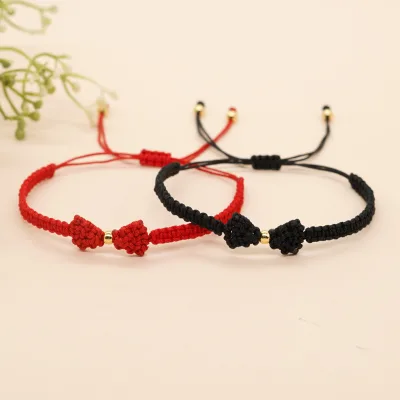
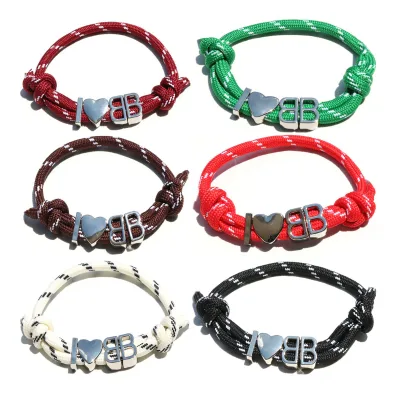
Hand Woven Bow 8-Charcter Hand Rope Bracelet Friendship Flat Knot Adujstable Bracelet
$1.66 - $1.68
MOQ: 100 piece


Guangxin District Bofeng Jewelry Factory
- Manufacturer
- Jiangxi, China
- Lead time20 days
- Avg. response≤ 2h
Main productsnecklace,bracelet,ring,earring,anklet
Main marketsDomestic Market(60.00%), Western Europe(5.00%), South Asia(4.00%), Northern Europe(4.00%), Eastern Asia(4.00%), Oceania(3.00%), Southern Europe(3.00%), Central America(3.00%), Southeast Asia(3.00%), South America(3.00%), Eastern Europe(3.00%), Mid East(3.00%), North America(2.00%)
Lianyungang Jialin Jewelry Co., Ltd.
- Trading Company
- Jiangsu, China
- Lead time25 days
- Avg. response≤ 4h
Main productsFashion Jewelry Necklaces,Fashion Jewelry Earrings,Fashion Jewelry Rings,Fashion Jewelry Bracelets & Bangles,Crystal Crafts
Main marketsNorth America(50.00%), Oceania(22.00%), Southeast Asia(7.00%), Domestic Market(4.00%), South America(3.00%), Eastern Europe(3.00%), Mid East(2.00%), Central America(2.00%), South Asia(2.00%), Western Europe(2.00%), Northern Europe(1.00%), Southern Europe(1.00%), Eastern Asia(1.00%)
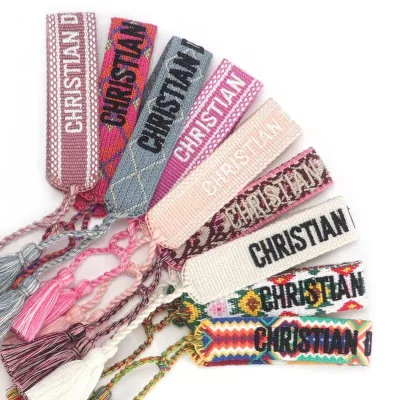
$2.5573 - $2.9275
MOQ: 10 Minimum
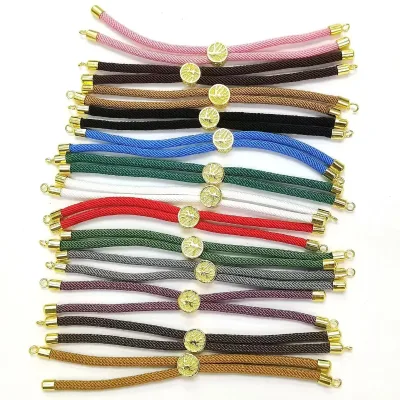
$0.57 - $0.59
MOQ: 20 pieces
Yiwu Shichen Trading Co., Ltd.
- Verified by TüVRheinland
- Manufacturer, Trading Company
- Lead time180 days
- Avg. response≤ 5h
Main productsAnklets, Necklaces, Bracelets & Bangles, Earrings, Rings
Main marketsNorth America(60%), South America(10%), Oceania(10%)
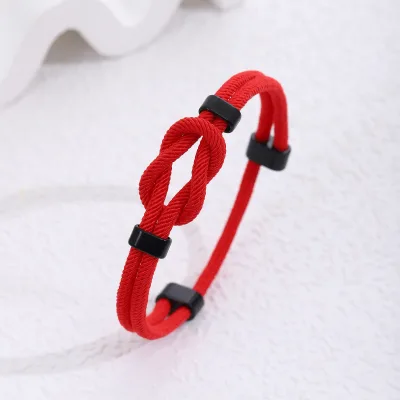
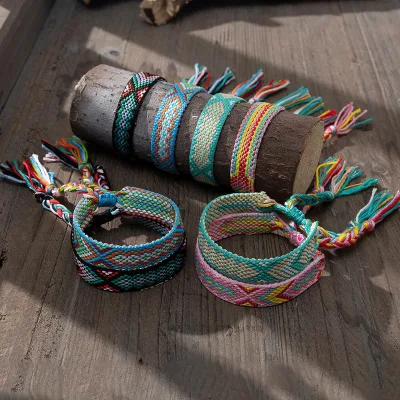
$1.10 - $1.35
MOQ: 5 pieces
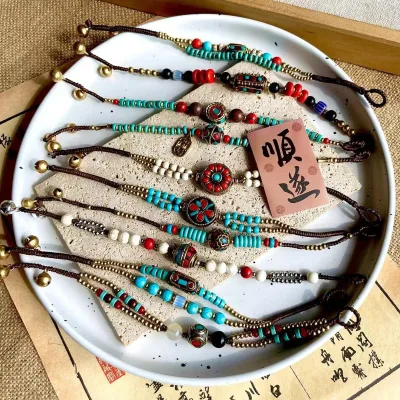

Yan Miao (Yiwu City) International Trade Co., Ltd.
- Verified by SGS
- Trading Company
- China Zhejiang
- Lead time0 days
- Avg. response≤ 1h
Main productsDrip Irrigation System, Irrigation Fittings, Drip Irrigation Pipe, Micro Irrigation System, Garden Irrigation System, Agricultural Irrigation System, Greenhouse Irrigation System, Irrigation Equipment, Irrigation Accessories, Water Saving Irrigation

Yiwu For Charming E-Commerce Firm
- Trading Company
- Zhejiang, China
- Lead time25 days
- Avg. response≤ 6h
Main productsGifts and Crafts,Keychain,Hardware,Brooch,BAG CHAIN
Main marketsNorth America(18.00%), Western Europe(15.00%), South America(10.00%), Southern Europe(10.00%), Northern Europe(10.00%), Eastern Europe(10.00%), Central America(8.00%), Mid East(5.00%), South Asia(5.00%), Oceania(4.00%), Eastern Asia(2.00%), Southeast Asia(2.00%), Africa(1.00%)
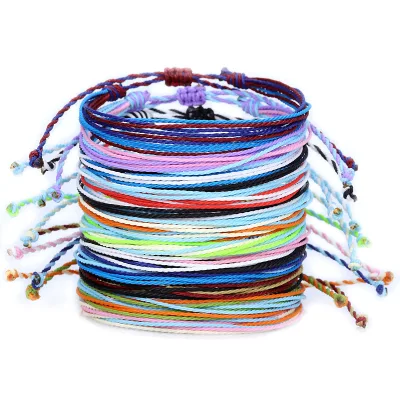
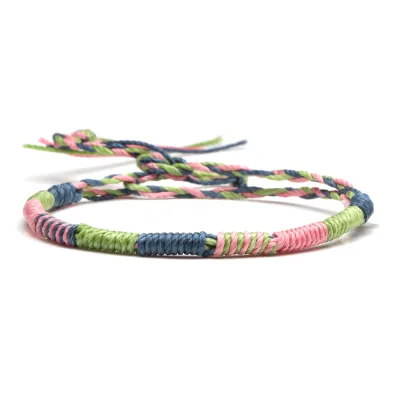
Men and Women Accessories Wax Cord Woven Bracelet Handmade Beach Surf Rope Braided Bracelet
$0.42 - $0.67
MOQ: 100 pieces
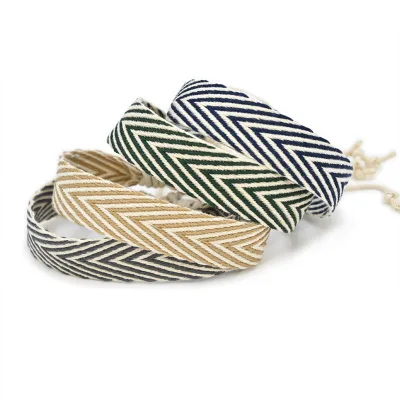

- Verified by SGS
- Manufacturer/Factory
- China Zhejiang
- Lead time30 days
- Avg. response≤ 2h
Main productsNecklace, Bracelets, Earring, Ring, Brooch, Phone Lanyard, Key Chain, Body Jewelry, Hair Clip, Hair Band
Main marketsSouth America,Eastern Europe,Mid East,North America,Southeast Asia,Eastern Asia,Oceania,Western Europe,Africa


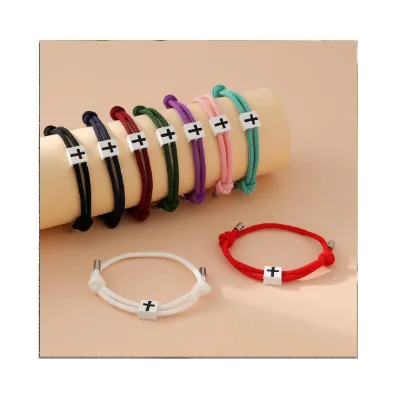
Handmade Fashionable 26 Letters Adjustable Rope Bracelet for Trendy Accessories
$0.14 - $0.25
MOQ: 12 Pieces


- Verified by SGS
- Trading Company
- China Zhejiang
- Lead time0 days
- Avg. response≤ 11h
Main productsTents, BBQ Grill, Luggage, Kids Toy, Fitness Equpments, Cookware, Kitchen Utensils and Gadgets, Yoga Mat, Bathroom Rugs, Pets Items
Main marketsSouth America,Eastern Europe,Mid East,North America,Southeast Asia,Eastern Asia,Oceania,Western Europe,Africa


Length Adjustable Hand Braided Red Rope Buckle Bracelet for Men and Women
$0.586 - $0.59
MOQ: 5000 Pieces

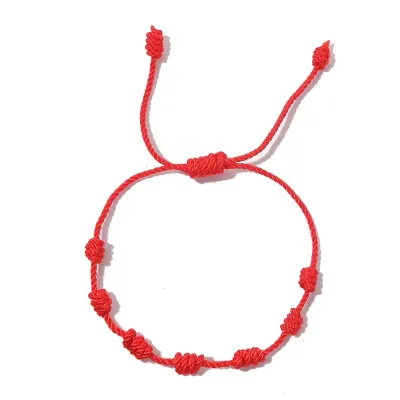
Woven Friendship Braided Red Rope with Diamonds Handmade Braided Charm Adjustable Bracelet
$1.21 - $1.23
MOQ: 500 Pieces

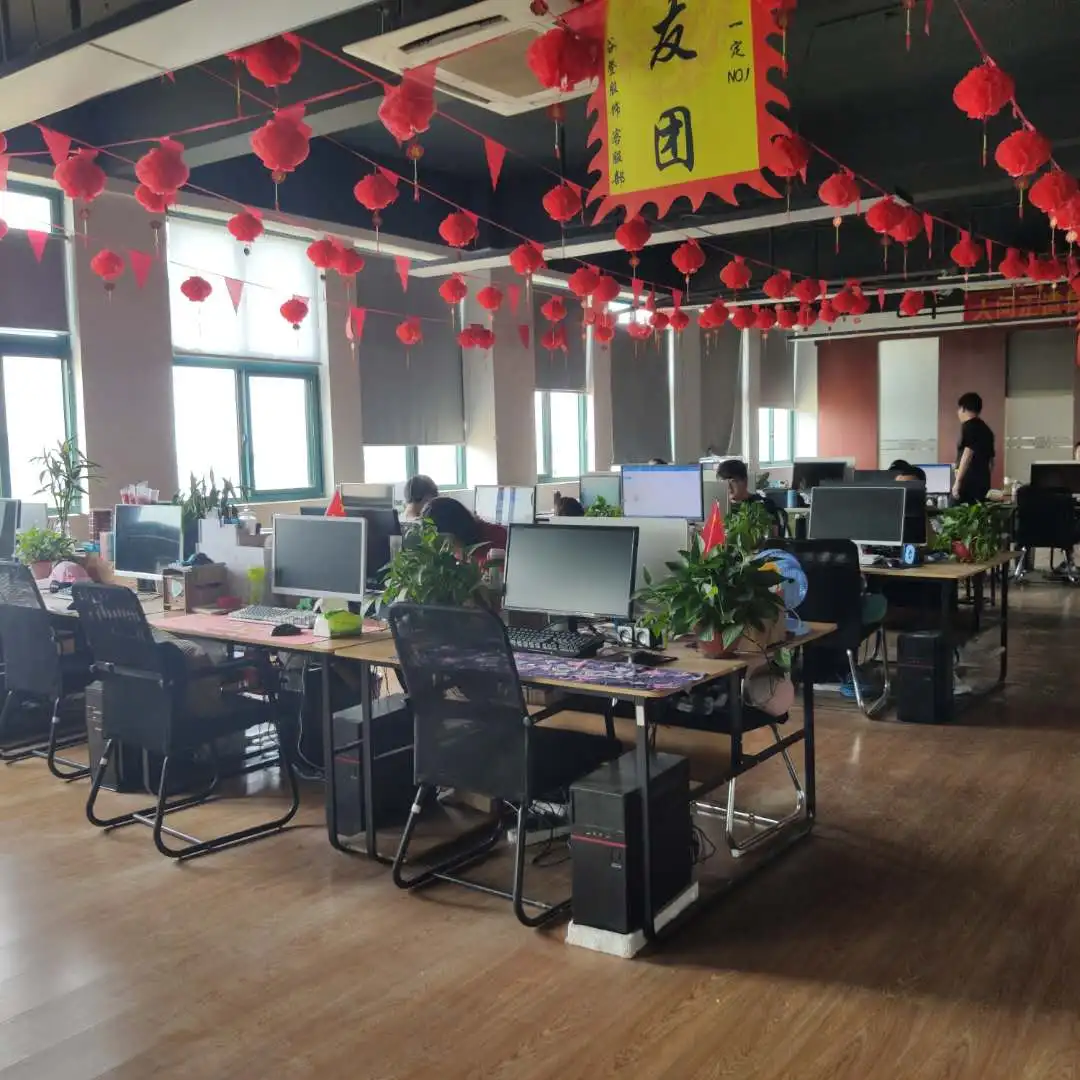
- Trading Company
- Zhejiang, China
- Lead time3 days
- Avg. response≤ 2h
Main productsNecklaces,Earrings,Bracelets&Bangles,Rings,Brooches
Main marketsNorth America(50.00%), South Asia(15.00%), South America(8.00%), Northern Europe(8.00%), Mid East(4.00%), Central America(4.00%), Southern Europe(3.00%), Western Europe(3.00%), Africa(2.00%), Eastern Europe(2.00%), Oceania(1.00%)
Sanming City Hanhe Handicrafts Co., Ltd.
- Verified by TüVRheinland
- Manufacturer, Trading Company
- Lead time12 days
- Avg. response≤ 3h
Main productsParacord Dog Collar And Leash, Paracord Phone Strap, Paracord Bracelet, Paracord Bottle Strap, Paracord Ducked Lanyard
Main marketsNorth America(35%), Domestic Market(20%), South America(14%)
- Verified by TüVRheinland
- Manufacturer, Trading Company
- Lead time5 days
- Avg. response≤ 2h
Main productsFashion Jewelry
Main marketsNorth America(50%), Domestic Market(30%), South America(10%)

- Manufacturer, Trading Company
- Zhejiang, China
- Lead time20 days
- Avg. response≤ 5h
Main productsBracelet,Necklace,Anklet,Key Ring
Main marketsNorth America(59.60%), Western Europe(37.80%), Africa(1.60%), Northern Europe(0.50%), Oceania(0.50%)

- Verified by CTI
- Trading Company
- China Zhejiang
- Lead time15 days
- Avg. response≤ 6h
Main productsJewelry, Brooch, Belt, Necklace, Agent, Bracelet, China Trim, China Ring, China Hair Accessory, China Earring
Main marketsSouth America

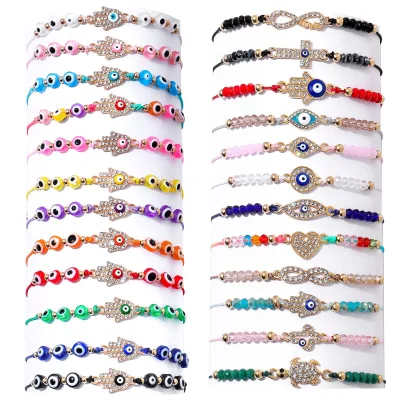
Spanish Retro Hand-Made Rope Bohemian Style National Diamond Eye Bracelet
$1.98 - $2.15
MOQ: 50 Pieces


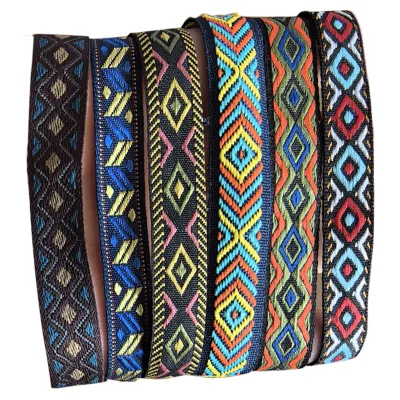
National Style Multicolor Hand-Woven Bracelet Braided Rope for Bracelet Accessory
$0.08 - $0.10
MOQ: 100 Pieces
- Trading Company
- Zhejiang, China
- Lead time5 days
- Avg. response≤ 2h
Main productsFashion Charm Bracelets,Fashion Jewelry,Hair Accessories,Hair Clips,Baseball Caps
Main marketsCentral America(80.00%), Western Europe(8.00%), Domestic Market(1.00%), South Asia(1.00%), Southern Europe(1.00%), Northern Europe(1.00%), North America(1.00%), South America(1.00%), Eastern Asia(1.00%), Mid East(1.00%), Oceania(1.00%), Africa(1.00%), Southeast Asia(1.00%), Eastern Europe(1.00%)

- Verified by TUVRHEINLAND
- Trading Company
- China Zhejiang
- Lead time15 days
- Avg. response≤ 3h
Main productsLanyard, Promotional Gift, Baseball Cap, Bags, T-Shirt, Ceramic Mug, Sport Water Bottle, PU Toys
Main marketsEurope,Australia,North America

Hangzhou Daishang International Trade Co., Ltd.
- Verified by SGS
- Trading Company
- China Zhejiang
- Lead time15 days
- Avg. response≤ 3h
Main productsBracelet/Bangle, Necklace, Earring, Ring, Jewelry Sets
Main marketsEurope,North America
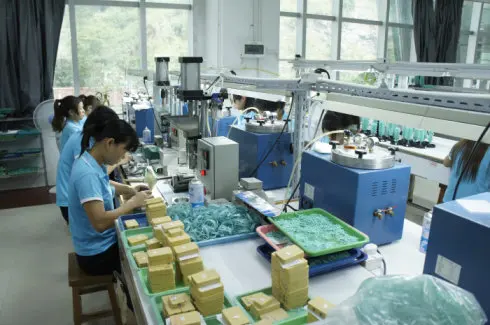
Guangzhou Bangmingwei Jewelry Co., Ltd.
- Trading Company
- Guangdong, China
- Lead time5 days
- Avg. response≤ 3h
Main productsBracelet/ Necklace/ Ring/ Earring/ Jewelry accessories
Main marketsNorth America(50.00%), South America(20.00%), Mid East(15.00%), Eastern Europe(10.00%), Africa(5.00%)
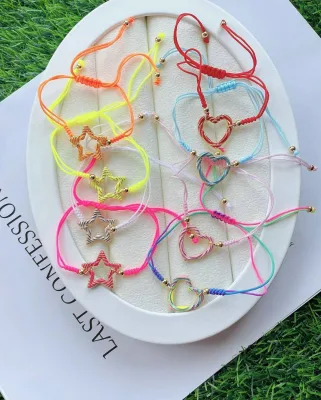
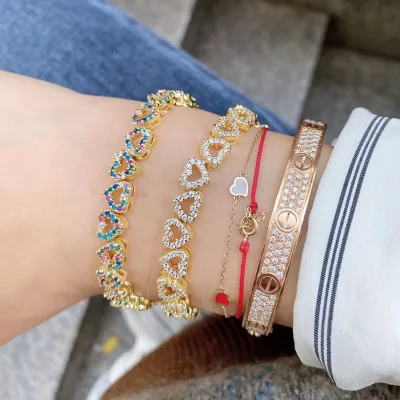
handmade enamel plated heart charms thread bracelet star charms rope woven adjustable bracelet
$0.50 - $5.00
MOQ: 10 Minimum

Jingzhou Luhang Electronic Commerce Co., Ltd.
- Trading Company
- Hubei, China
- Lead time7 days
- Avg. response≤ 10h
Main productsSemi-precious stone crafts,Semi-precious stone jewelry,Healing stone,Jade carving,Crystal point
Main marketsNorth America(25.00%), South America(15.00%), Western Europe(10.00%), Eastern Europe(10.00%), Southeast Asia(8.00%), Northern Europe(5.00%), Africa(5.00%), Eastern Asia(5.00%), Southern Europe(5.00%), Oceania(5.00%), South Asia(3.00%), Central America(2.00%), Mid East(2.00%)
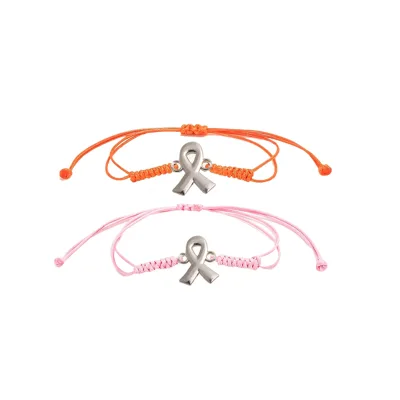
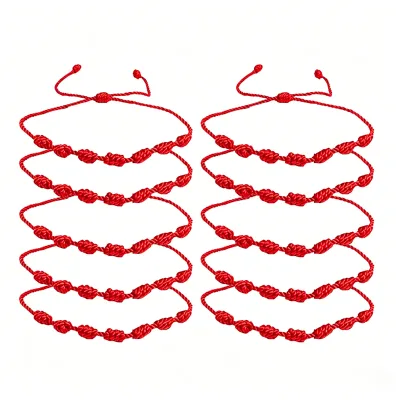
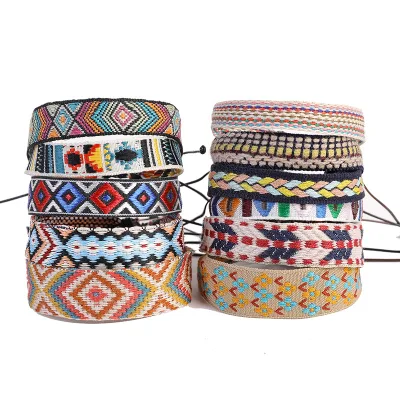
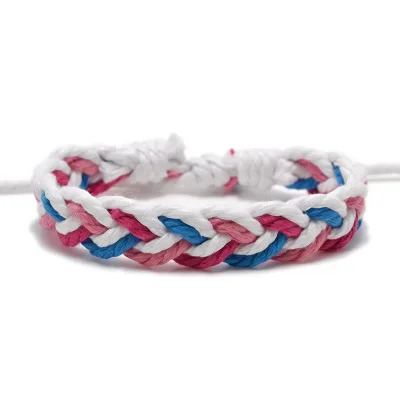
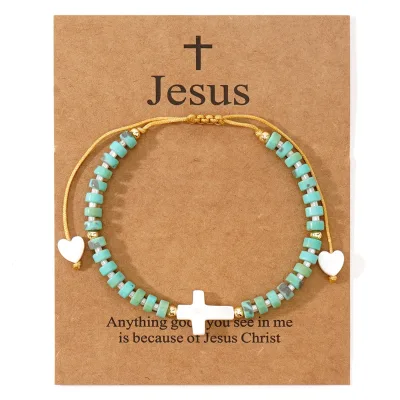
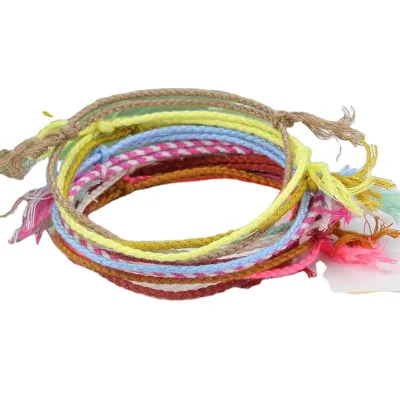
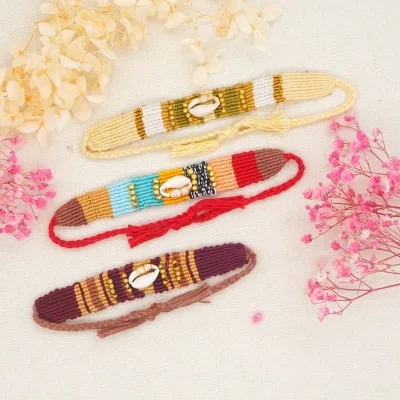
Handwoven Cotton Thread Woven Bracelet Bohemian Style Simple and Versatile Bracelet Wholesale
$0.1125 - $0.1649
MOQ: 20 pieces
Dongguan Cherry Stainless Steel Jewelry Co., Ltd.
- Verified by TüVRheinland
- Manufacturer, Trading Company
- Lead time35 days
- Avg. response≤ 3h
Main productsStainless Steel Necklace, Stainless Steel Bracelet, Stainless Steel Earrings, Stainless Steel Ring, Stainless Steel Key Chain
Main marketsNorth America(25%), South America(10%), Western Europe(10%)

Yiwu Phonbon Import & Export Co., Ltd.
- Trading Company
- Zhejiang, China
- Lead time15 days
- Avg. response≤ 7h
Main productsmedal,lapel pin,metal coins,cross,rosary
Main marketsWestern Europe(16.67%), Southeast Asia(16.67%), Southern Europe(15.00%), Eastern Europe(15.00%), South America(10.00%), Africa(5.00%), Northern Europe(5.00%), Central America(5.00%), North America(5.00%), Mid East(3.00%), Eastern Asia(2.00%), South Asia(1.00%), Oceania(0.66%)
Yiwu Feiling Jewelry Co., Ltd.
- Trading Company
- Zhejiang, China
- Lead time15 days
- Avg. response≤ 3h
Main productsbracelet,necklace,earring,rings,sunglasses
Main marketsNorth America(30.00%), South America(15.00%), Central America(10.00%), Western Europe(8.00%), Eastern Europe(7.00%), Southern Europe(6.00%), Northern Europe(5.00%), Africa(5.00%), Southeast Asia(5.00%), Mid East(5.00%), South Asia(2.00%), Eastern Asia(2.00%)
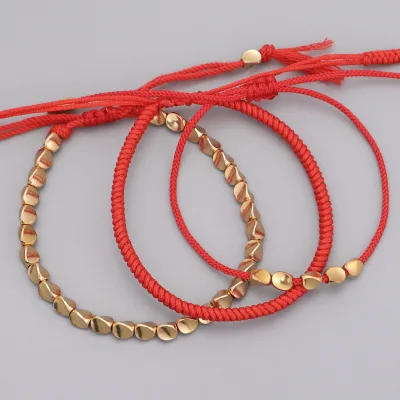
Handmade Wristband Rope Braided Macrame Woven Red Thread Lucky Buddhist Tibetan for Women Men
$0.8709 - $2.4584
MOQ: 12 Minimum
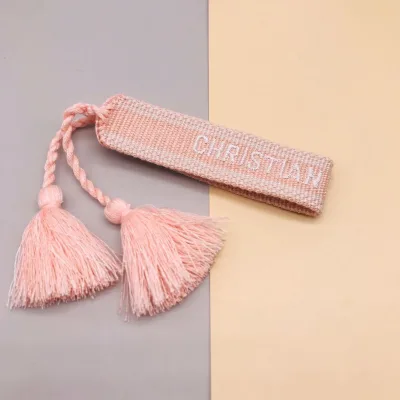
2020 Hot Selling Nepal String s Handmade Rainbow Colorful Rope Braided Thread Friendship s
$22.349 - $48.995
MOQ: 12 Minimum
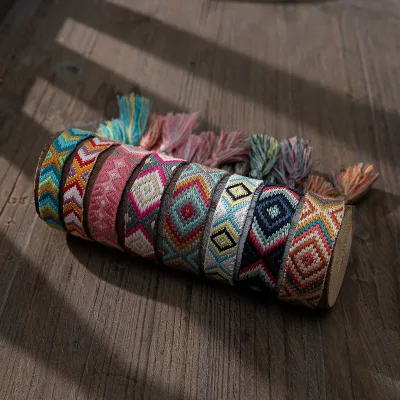
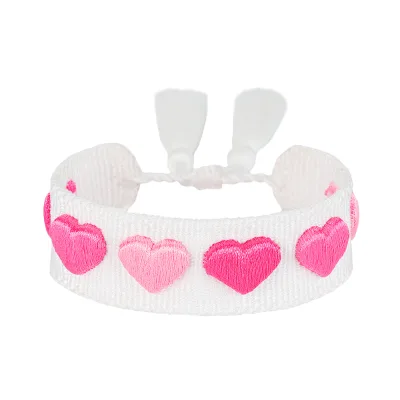
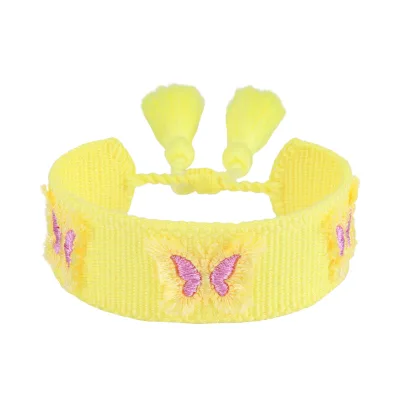
Bohemian Friendship s Adjustable Wristbands Braided Handmade Wrap Boho Adjustable Woven Charm Tassel
$1.0883 - $1.1917
MOQ: 12 pieces
Huizhou Zhuoteng Electronic Commerce Co., Ltd.
- Trading Company
- Guangdong, China
- Lead time0 days
- Avg. response≤ 5h
Main productskids Clothing,baby Clothing,Toddler Clothing,kids dresses,Children's pajamas
Main marketsNorth America(80.00%), Southeast Asia(5.00%), South America(5.00%)

Zhongshan Xinyuan Silicone Rubber Co. Ltd
- Verified by TUVRHEINLAND
- Combined
- China Guangdong
- Lead time15 days
- Avg. response≤ 2h
Main productsSilicone Mold, Silicone Ice Cube Tray, Silicone Wristband, Silicone Tea Infuser, Silicone Bakeware, Silicone Keychain, Silicone Cup Coaster, Silicone Bag
Main marketsSouth America,Southeast Asia/ Mideast,Domestic,Europe,North America
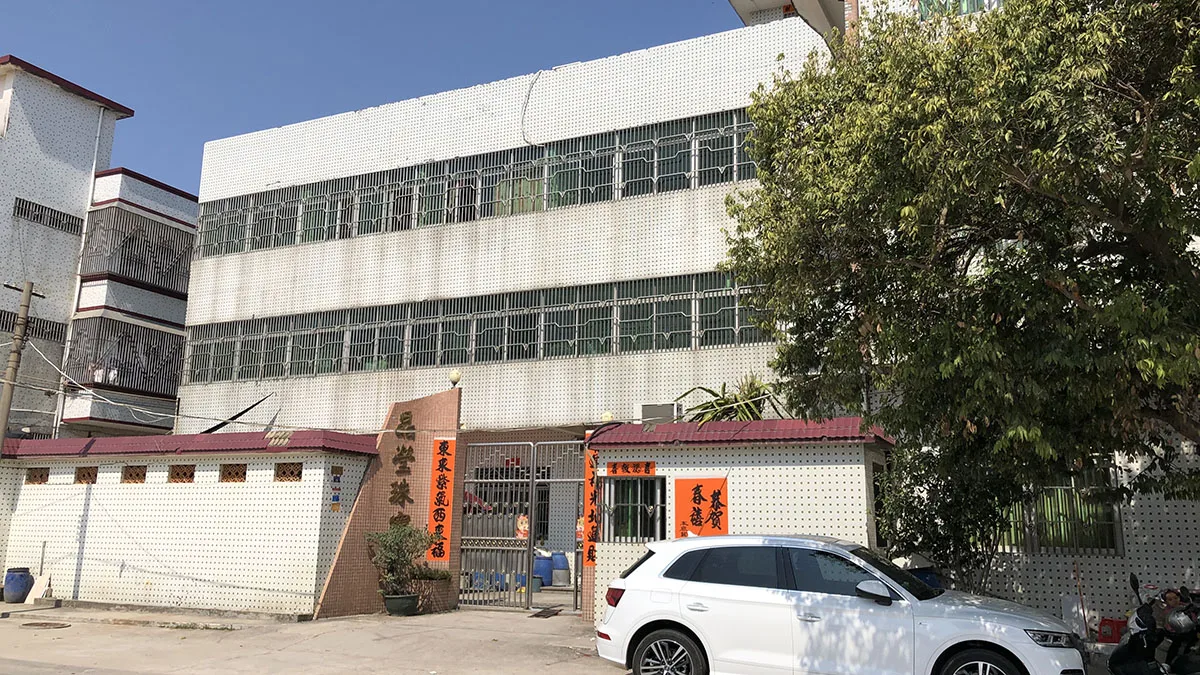
Guangzhou Liwan Jingcai Jewelry Firm
- Distributor/Wholesaler
- Guangdong, China
- Lead time7 days
- Avg. response≤ 5h
Main productsJewelry,Body Jewelry,Bracelets & Bangles,Loose Gemstone,Necklaces
Main marketsNorth America(40.00%), Western Europe(20.00%), Eastern Asia(20.00%), Eastern Europe(10.00%), Northern Europe(5.00%), Oceania(5.00%)
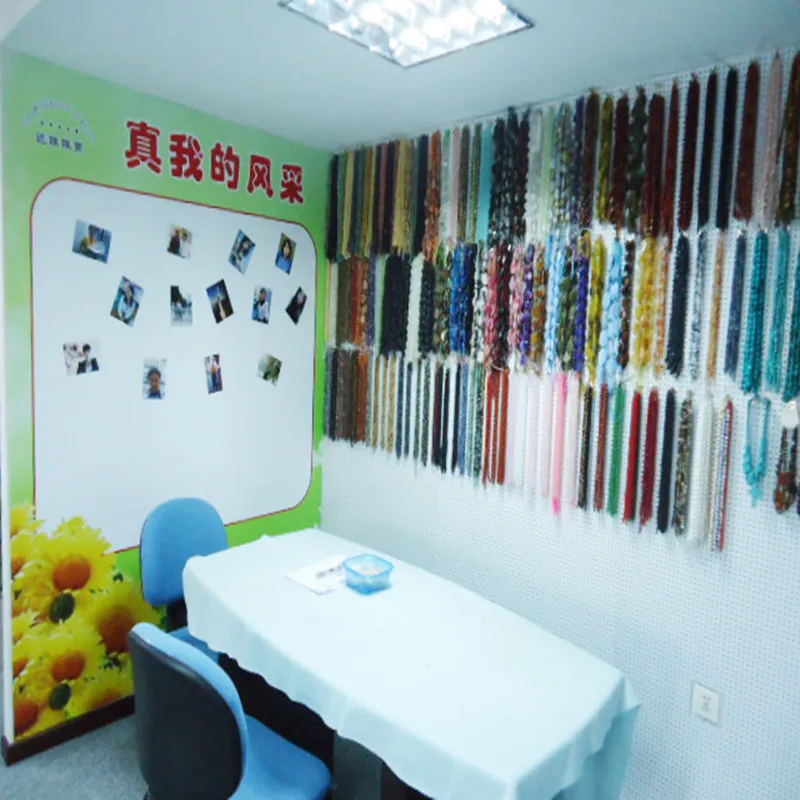
Guangzhou Charmingbeads Jewelry Co., Ltd.
- Manufacturer, Trading Company
- Guangdong, China
- Lead time8 days
- Avg. response≤ 7h
Main productsJewelry Accessory
Main marketsNorth America(45.00%), South America(8.00%), Western Europe(8.00%), Central America(7.00%), Northern Europe(7.00%), South Asia(5.00%), Oceania(5.00%), Eastern Europe(5.00%), Mid East(3.00%), Southeast Asia(3.00%), Eastern Asia(2.00%), Africa(2.00%)

East Sunrise Jewelry Co., Limited
- Verified by SGS
- Manufacturer/Factory
- China Guangdong
- Lead time23 days
- Avg. response≤ 9h
Main productsPendant, Necklace, Bracelet, Ring, Earring, Carving, Ornament, Loose Bead, Jewelry, Semi-Precious Stones
Main marketsSouth America,Eastern Europe,Mid East,North America,Southeast Asia,Eastern Asia,Oceania,Western Europe,Africa

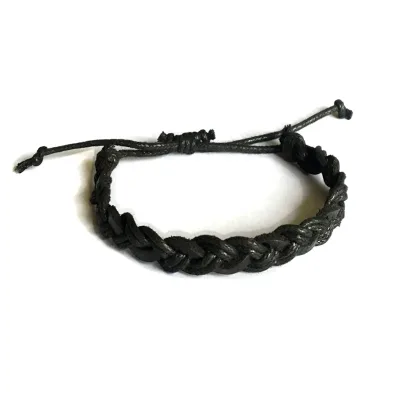
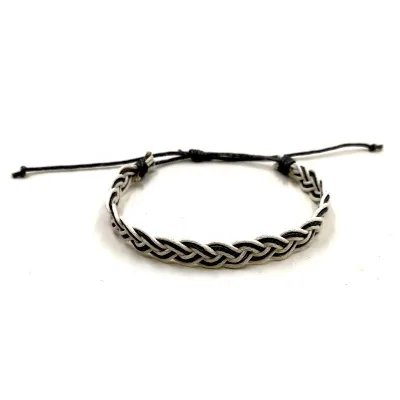
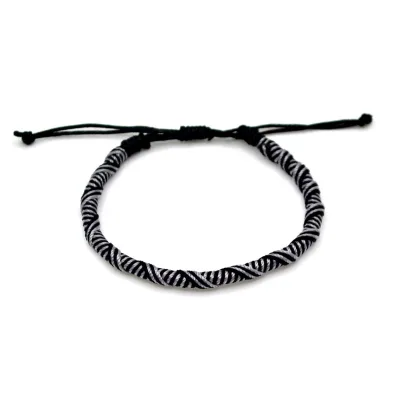
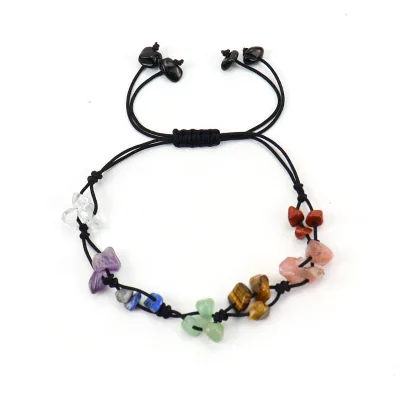
Handwoven Stone Bracelet Irregular Crushed Stone Mixed Bracelet Fashion Bracelet
Negotiable
MOQ: 100 Pieces








Comprehensive Sourcing Guide
Handmade Cotton Rope Bracelet Supplier Concentration and Factory Types
The landscape for sourcing handmade cotton rope bracelets reveals a distinct split between manufacturing capabilities and trading operations, requiring buyers to carefully assess the underlying business model before committing to large orders. Current data indicates that suppliers are primarily located in regions such as Guangdong and Jiangxi in China, with some specific product origins noted in Zhejiang. These geographic clusters often correlate with specialized industrial zones, where Guangdong is known for its robust jewelry and fashion accessory infrastructure, while Jiangxi may offer different cost structures or material access. Understanding these regional concentrations helps buyers anticipate logistical advantages and potential supply chain bottlenecks. For instance, suppliers in Guangdong might leverage established export channels, whereas those in other provinces might focus on domestic market agility or specific raw material sourcing. Buyers should verify the exact location of the factory rather than relying solely on the company’s registered address, as trading companies often list headquarters in major cities while manufacturing occurs in peripheral industrial towns. This distinction is critical for evaluating the true cost structure and communication efficiency, as direct factory contact often reduces layers of markup and improves transparency regarding production schedules.
Company types vary significantly, ranging from pure manufacturers to combined entities that handle both production and sales. The available data shows a mix of manufacturer and combined company types, each offering different value propositions. Manufacturers typically provide greater control over customization, quality assurance, and pricing, as they own the production equipment and labor force. In contrast, combined companies may offer a broader product range, including stainless steel fittings or other jewelry accessories, which can be advantageous for buyers seeking a one-stop-shop solution. However, this breadth might come at the cost of specialized expertise in cotton rope techniques. Buyers must determine whether their priority is deep customization of the handmade aspect or the convenience of sourcing multiple accessory types from a single vendor. It is also important to note that some suppliers may claim manufacturing capabilities while actually outsourcing production, so verifying the actual production facility is essential. The presence of OEM and ODM capabilities in some supplier profiles suggests a willingness to adapt to specific design requirements, but the extent of this flexibility varies by company type. Understanding this dynamic allows buyers to align their sourcing strategy with their specific needs for customization, volume, and product diversity.
How to Verify Handmade Cotton Rope Bracelet Suppliers
Verification is a critical step in ensuring that the suppliers you engage with are legitimate and capable of delivering on their promises. One of the primary methods for establishing credibility is through third-party verification services, such as Bureau Veritas (BV), which can confirm the existence and operational status of a business. The data indicates that some suppliers hold BV verification, providing an additional layer of trust regarding their business legitimacy. However, verification alone does not guarantee product quality or production capacity, so buyers should look for supplementary evidence such as factory audit reports or video tours of the production floor. These materials can provide insight into the actual working conditions, the scale of operations, and the specific techniques used in crafting the handmade cotton rope bracelets. Additionally, checking for relevant certifications is important, although the data shows that some products may have no specific certificate type listed, while others might adhere to standards like CE or SGS. Buyers should clarify with suppliers whether their products meet the regulatory requirements of their target market, especially if exporting to regions with strict safety or material standards.
Response time and communication efficiency are also key indicators of a supplier’s reliability and professionalism. The available data shows response times ranging from approximately 1.61 hours to 2 hours, which suggests a generally responsive market. However, buyers should not rely solely on these average figures, as individual supplier performance can vary significantly. It is advisable to test communication by sending detailed inquiries about customization options, material sourcing, and production timelines. A supplier’s ability to provide clear, timely, and accurate responses is a strong indicator of their operational efficiency and customer service quality. Furthermore, buyers should verify the supplier’s main products to ensure they specialize in the desired items. For example, some suppliers list jewelry, necklaces, and rings as their main products, which might indicate a broader focus rather than a specialization in cotton rope bracelets. This specialization can impact the depth of expertise and the quality of the final product. By combining verification checks with direct communication tests, buyers can build a more accurate picture of a supplier’s capabilities and reliability before entering into any contractual agreements.
What to Compare Across Handmade Cotton Rope Bracelet Suppliers
When evaluating multiple suppliers, it is essential to compare key operational metrics to identify the best fit for your specific business needs. Lead time is a critical factor, with data showing variations such as 15 days and 20 days for different suppliers. These differences can significantly impact your inventory management and ability to meet customer demand, so it is important to align lead times with your sales cycles. Additionally, minimum order quantities (MOQ) vary, with some suppliers requiring as low as 12 pieces for certain items, while others may have higher thresholds, such as 100 pieces for specific designs. Understanding these MOQs helps buyers determine the feasibility of starting with smaller test orders or committing to larger volumes for better pricing. Price is another crucial comparison point, with data indicating price ranges from as low as $0.16 to over $1.95 per unit, depending on the product complexity and materials used. Buyers should request detailed quotations that break down costs, including customization fees, packaging, and shipping, to ensure a transparent comparison.
Customization options and product attributes also play a significant role in supplier selection. The data shows that customization is available for many products, allowing for logo printing, specific designs, and material choices. Buyers should assess the extent of these customization capabilities, including the ability to create unique patterns or incorporate specific charms. Product attributes such as material composition, style, and intended occasion should be carefully reviewed to ensure they align with your target market’s preferences. For instance, some bracelets are designed for informal occasions, while others may have a more formal or health-related appeal. Additionally, packaging details, such as OPP bags or independent transportation logistics packaging, can affect the perceived value of the product and the ease of distribution. By systematically comparing these factors, buyers can make informed decisions that balance cost, quality, and flexibility. It is also important to consider the supplier’s ability to handle different order sizes and their responsiveness to changes in demand, as these factors can impact long-term partnership success.
Common Handmade Cotton Rope Bracelet Sourcing Risks
Sourcing handmade cotton rope bracelets involves several potential risks that buyers must proactively manage to ensure a smooth procurement process. One significant risk is the variability in product quality, as handmade items can differ in craftsmanship, consistency, and durability. Without strict quality control measures, buyers may receive batches with inconsistent stitching, loose threads, or uneven coloring. To mitigate this risk, buyers should request samples before placing bulk orders and clearly define quality standards in their contracts. Additionally, the lack of standardized certifications for some products, as indicated by the "None" certificate type in some data points, can pose challenges in markets with strict regulatory requirements. Buyers must verify that their products comply with local laws and regulations, particularly regarding material safety and labeling. This may involve conducting independent testing or requiring suppliers to provide relevant documentation.
Another risk is the potential for delays in production and delivery, which can disrupt supply chains and lead to missed sales opportunities. Lead times can vary significantly between suppliers, and external factors such as raw material shortages or labor issues can further exacerbate these delays. Buyers should establish clear communication channels with suppliers and request regular updates on production progress. It is also advisable to include penalty clauses in contracts for late deliveries to incentivize timely performance. Furthermore, the risk of intellectual property infringement exists, especially when working with suppliers who offer extensive customization options. Buyers should ensure that their designs are protected and that suppliers adhere to confidentiality agreements. By identifying and addressing these risks early in the sourcing process, buyers can build a more resilient supply chain and protect their business interests. Proactive risk management involves not only selecting reliable suppliers but also implementing robust monitoring and contingency planning strategies.
Handmade Cotton Rope Bracelet Regional Sourcing and Logistics
Regional sourcing decisions significantly impact logistics costs, lead times, and overall supply chain efficiency for handmade cotton rope bracelets. The data indicates that suppliers are located in various regions, including Guangdong, Jiangxi, and Zhejiang in China. Each of these regions offers distinct advantages and challenges. Guangdong, for instance, is a major hub for jewelry and fashion accessories, providing access to a wide range of materials and skilled labor. This concentration can lead to competitive pricing and faster production times due to established supply networks. However, buyers must also consider the logistical implications of sourcing from this region, including shipping costs and customs procedures. Jiangxi and Zhejiang may offer different cost structures or material access, potentially providing alternative options for buyers seeking to diversify their supply base. Understanding the specific strengths of each region allows buyers to make strategic sourcing decisions that align with their business goals.
Logistics planning is crucial for managing the flow of goods from supplier to end customer. Buyers should evaluate the supplier’s packaging methods, as indicated by data showing options like OPP bags or independent transportation logistics packaging. Proper packaging protects the products during transit and enhances their presentation upon arrival. Additionally, buyers should consider the supplier’s experience with international shipping and their ability to handle customs documentation. Some suppliers may offer more comprehensive logistics support, including assistance with freight forwarding and insurance. It is also important to factor in the time required for transportation, which can vary based on the destination and mode of shipping. By carefully assessing regional sourcing options and logistics capabilities, buyers can optimize their supply chain for cost, speed, and reliability. This involves not only selecting the right suppliers but also establishing efficient communication and coordination mechanisms to ensure smooth operations.
Handmade Cotton Rope Bracelet Commercial Terms and Order Planning
Commercial terms and order planning are fundamental to successful procurement of handmade cotton rope bracelets. Buyers must negotiate clear payment terms, delivery schedules, and return policies to protect their interests. The data shows that some suppliers accept OEM and ODM orders, indicating flexibility in production processes. Buyers should clarify the specific terms for customization, including any additional costs or minimum order requirements for custom designs. It is also important to establish a clear timeline for order placement, production, and delivery to avoid misunderstandings. Lead times, such as 15 or 20 days, should be factored into the overall order planning process, allowing for buffer time to handle potential delays. Additionally, buyers should consider the scalability of the supplier’s production capacity to ensure they can meet future demand without compromising quality.
Order planning also involves managing inventory levels and forecasting demand. Buyers should analyze sales data and market trends to determine the optimal order quantities and timing. Working with suppliers who offer flexible MOQs, such as 12 pieces for certain items, can facilitate smaller, more frequent orders, reducing inventory holding costs and minimizing the risk of overstocking. Conversely, larger orders may offer better unit prices but require more careful planning to ensure adequate sales velocity. Buyers should also consider the supplier’s ability to handle rush orders or changes in design, as market preferences can shift rapidly. By developing a comprehensive order planning strategy that incorporates commercial terms, lead times, and market dynamics, buyers can optimize their procurement process and enhance their competitive position. This involves continuous monitoring of supplier performance and adjusting strategies as needed to respond to changing business conditions.
FAQs
What is the typical lead time for handmade cotton rope bracelets?
Manufacturers generally require 15 to 20 days to produce and ship orders. This timeframe accounts for material sourcing, handcrafting processes, and quality checks. Buyers should confirm specific delivery windows with suppliers before placing bulk orders to ensure timely arrival for events or retail needs.
What is the minimum order quantity for these bracelets?
Minimum order quantities vary significantly by supplier and product type. Some manufacturers accept orders as low as 12 pieces for friendship styles, while others require 100 pieces for stainless steel or natural stone woven designs. Buyers must check individual product listings to determine the exact MOQ applicable to their specific style choice.
Are customization and logo printing available for these items?
Yes, customization is widely available across many suppliers. Buyers can often request custom logos, specific colors, or unique woven patterns. Most manufacturers support OEM and ODM services, allowing for tailored designs. However, customization usually requires meeting specific minimum order quantities and may impact the overall production lead time.
Where are these bracelets typically manufactured?
Production primarily occurs in China, with key manufacturing hubs located in Guangdong and Jiangxi provinces. Some specific items may originate from Zhejiang. Buyers should verify the exact place of origin for each product listing, as this can influence shipping costs, lead times, and compliance with specific regional trade regulations.
What certifications do these jewelry suppliers hold?
Many verified suppliers hold ISO9001:2015 system certifications, ensuring standardized quality management processes. Product-specific standards like CE and SGS may also apply depending on the materials used. Buyers should request valid certification documents directly from suppliers to verify compliance with international safety and quality standards before finalizing procurement agreements.
How quickly do suppliers typically respond to inquiries?
Response times generally range from 1.6 to 2 hours for active suppliers. Fast response rates indicate efficient communication channels and readiness to handle sourcing requests. Buyers should prioritize suppliers with quick response times to ensure smooth negotiation, timely sample approval, and effective coordination throughout the manufacturing and shipping process.
What is the price range for handmade cotton rope bracelets?
Prices vary based on materials and complexity, typically ranging from $0.16 to $1.95 per unit. Simple cotton wax thread styles are more affordable, while stainless steel or natural stone woven designs command higher prices. Buyers should compare quotes from multiple suppliers to find the best value for their specific budget and quality requirements.