Metal Button Making Machine Suppliers and Manufacturers
Explore 12 verified Metal Button Making Machine suppliers offering cold heading, rivet, and button production lines. Compare locations in China, response times, lead times, certifications, and pricing to source reliable factories for your manufacturing needs today; review the available evidence before requesting comparable quotations from suitable candidates.
Suppliers List

HARBIN RAINBOW TECHNOLOGY CO., LTD.
- Verified by SGS
- Trading Company
- China Heilongjiang
- Lead time60 days
- Avg. response≤ 6h
Main productsCold Heading Machine, Bolt and Nut Making Machine, Cold Former Machine, Thread Rolling Machine, Mesh Belt Furnace, Screw Heading Machine, Bolt Making Machine, Nut Making Machine, Zinc Plating Line, Heat Treatment Furnace for Screw
Main marketsSouth America,Africa,Southeast Asia/ Mideast,East Asia(Japan/ South Korea),Europe,Australia,North America


Trimetal Contact Rivet Making Machines Bimetal Button Rivet Making Machine
$3000.00 - $30000.00
MOQ: 1 Sets

High Quality Bi-Metal/Tri-Metal Contactes Rivets Button Making Machine
$8800.00 - $9000.00
MOQ: 1 Pieces


Zibo hangyu Machinery Co., Ltd.
- Verified by SGS
- Combined
- China Shandong
- Lead time15 days
- Avg. response≤ 5h
Main productsPunching Machine, Bending Machine, Hydraulic Press, Feeder, Mold, Chemical Equipment, Plate Shears, Automatic Design, Refractory, Industrial Ceramics
Main marketsOthers(foreignTradeCapacity.exportBusinessCapacityMarketOther)

Shandong Xiangqiu Truck Maintenance Equipment Co., Ltd.
- Verified by BV
- Manufacturer/Factory
- China Shandong
- Lead time23 days
- Avg. response≤ 5h
Main productsRiveting Machine, Brake Lining Remover, Bearing Oiler, Bearing Cleaning Machine, Tire Protection Trailer, Bearing Oiling Cleaning Machine
Main marketsSouth America,Eastern Europe,Mid East,North America,Southeast Asia,Eastern Asia,Oceania,Western Europe,Africa

Automatic Jeans Button Attaching Metal Buttons Making Machine for Button
$1200.00 - $1300.00
MOQ: 1 Boxes

Electronic Bimetal Rivet Machine Tri Metal Button Rivet Making Machine
$1200.00 - $1300.00
MOQ: 1 Boxes
Dongguan Yishuo Hardware Machinery Co., Ltd.
- Manufacturer, Trading Company
- Guangdong, China
- Lead time15 days
- Avg. response≤ 6h
Main productsButton making machine,Riveting machine,Button doffing machine,Eyelet machine,hardware
Main marketsDomestic Market(10.00%), Northern Europe(10.00%), Central America(10.00%), Eastern Asia(10.00%), Mid East(10.00%), Africa(10.00%), Southeast Asia(10.00%), Eastern Europe(10.00%), South America(10.00%), North America(10.00%)
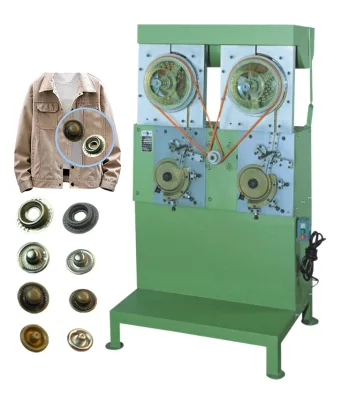
Automatic Button Making Machine Electric Button Making Machine
$2600.00 - $3300.00
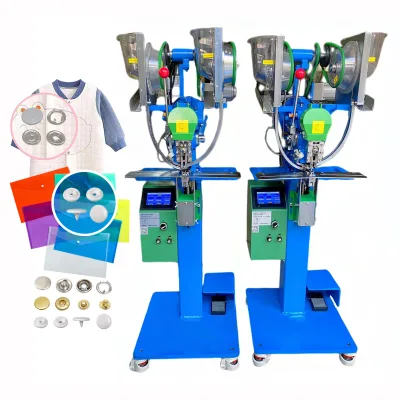
Button Press Machine Snap Machine Button Plastic Button Making Machine Price
$2500.00 - $3800.00
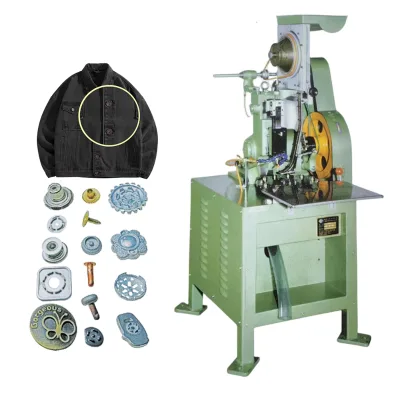
Jeans Press Buttons Machine Making Machines
$4600.00 - $7200.00
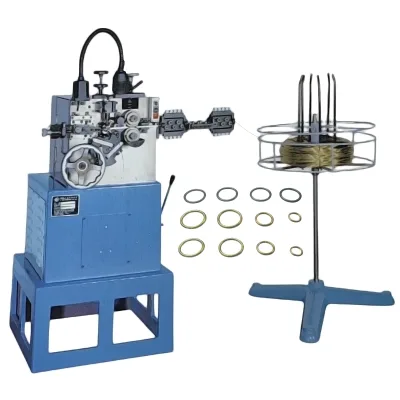
Fully Automatic Button Female Fastener Spring Making Machine
$4100.00 - $6820.00

- Verified by BV
- Combined
- China Shandong
- Lead time15 days
- Avg. response≤ 6h
Main productsSnap Button Machine, Punching Machine, Eyelet Machine
Main marketsSouth America,Africa,Southeast Asia/ Mideast,Europe,North America

Zhengzhou Hento Machinery Co., Ltd.
- Verified by SGS
- Trading Company,Manufacturer/Factory,Group Corporation
- China Henan
- Lead time15 days
- Avg. response≤ 7h
Main productsMeat Processing Machinery, Egg Processing Machinery, Dairy Processing Machinery, Fruit & Vegetable Processing Machinery, Grain Product Making Machines, Snack Machines, Nuts Processing Machinery, Packing Machines, Drying Machines, Commodity Making Machines
Main marketsSouth America,Eastern Europe,Mid East,North America,Southeast Asia,Eastern Asia,Oceania,Western Europe,Africa

Yiwu Dongcheng Digital Technology Co., Ltd.
- Manufacturer, Trading Company
- Zhejiang, China
- Lead time15 days
- Avg. response≤ 4h
Main productsBadge Making Machine, Badge Parts, Finished Badge Button
Main marketsNorth America(50.00%), Domestic Market(20.00%), South Asia(10.00%), Western Europe(10.00%), Southeast Asia(10.00%)
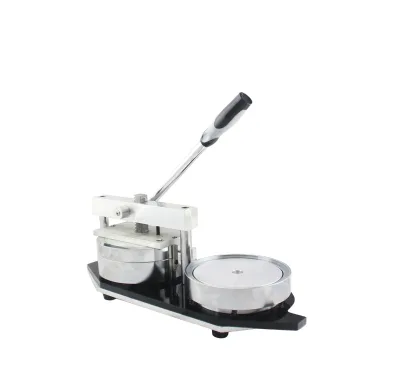
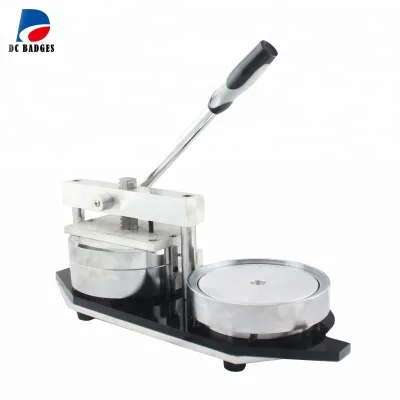
Yiwu Factory Wholesale Metal 158mm Size Round Badge DIY Button Maker DCMA-006
$305.57 - $336.23
MOQ: 1 packs
Henan Xifa Network Technology Co., Ltd.
- Verified by Intertek
- Manufacturer, Trading Company
- Lead time7 days
- Avg. response≤ 2h
Main productsAnimal Cages, Tractors, Feed Processing Machinery, Excavators
Main marketsNorth America(20%), Domestic Market(20%), Africa(15%)
Jiangxi Mide Industrial Co., Ltd.
- Trading Company
- Lead time旺季: "1 - 1":7,"> 1":"To be negotiated", 淡季: "1 - 1":7,"> 1":"To be negotiated"
- Avg. response≤ 3h
Main productsElectric Scaffolding, Electric Hoist, Cranes, Electric Forkift, Lift Platform

Shandong Soar Machinery Co., Ltd.
- Manufacturer/Factory
- China Shandong
- Lead time15 days
- Avg. response≤ 6h
Main productsPipe Processing Machine, Plasm Cutting Machine, Lase Cutting Machine, Hole Punching Machine, Rust Removing&Polishing Machine, Riveting Machine, Aluminum Profile Processing Machine, Drilling and Tapping Machine, Wire Bending Machine, Diesel Generator
Main marketsSouth America,Mid East,North America,Southeast Asia,Eastern Asia


The Professional Button Production Machine: Efficient Button Machines for The Apparel Industry
$550.00 - $5600.00
MOQ: 1 Pieces

Wenzhou Quanfeng Garment Accessories Co., Ltd.
- Trading Company,Manufacturer/Factory
- China Zhejiang
- Lead time23 days
- Avg. response≤ 9h
Main productsLabel Printing Material, Polyester Satin, Seal Tag, Rubber Label, Plastic Seal Tag, Woven Label, Label Ribbon, TTR Ribbon, Woven Edge Satin Ribbon, Cotton Tape
Main marketsSouth America,Eastern Europe,Mid East,North America,Southeast Asia,Eastern Asia,Oceania,Western Europe,Africa

Zhangjiagang Sino-Tech Machinery Co., Ltd.
- Verified by BV
- Combined
- China Jiangsu
- Lead time30 days
- Avg. response≤ 10h
Main productsExtrusion Blow Molding Machine, PVC Pipe Bending Machine, Plastic Extrusion Machine, Plastic Pulverizer, Plastic Profile Extrusion Machine, Pet Bottle Blow Molding Machine, Plastic Sheet Production Line, Plastic Recyling Machine, Plastic Pelletizing Line, Injection Molding Machine
Main marketsAfrica,Europe,Australia


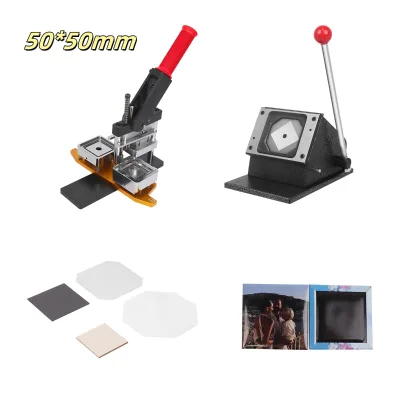
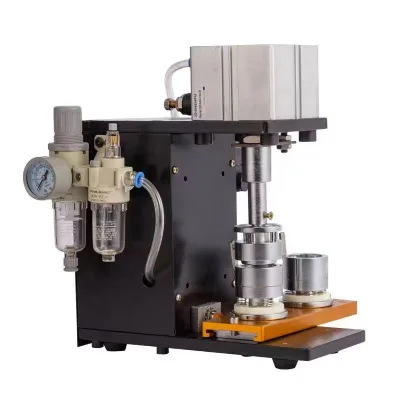


Comprehensive Sourcing Guide
Metal Button Making Machine Supplier Concentration and Factory Types
Current data indicates that suppliers for metal button making machines are concentrated in specific Chinese provinces, with Heilongjiang and Shandong appearing as verified locations in the search results. These regions host a mix of trading companies and combined manufacturing entities that specialize in cold heading, thread rolling, and rivet making equipment. The presence of these facilities suggests a regional cluster where supply chains for components like molds and hydraulic presses are established, though buyers must verify if a specific factory is the original manufacturer or a trading intermediary. Some suppliers list main products including cold former machines and zinc plating lines, indicating a broader industrial capability beyond just button production.
Factory types vary significantly among the available results, ranging from pure trading companies to combined entities offering both manufacturing and design services. The verified data shows some suppliers are classified as trading companies, which may affect direct communication with the engineering team, while others are listed as combined firms capable of ODM and OEM work. This distinction is critical because a trading company might source the machine from a third-party factory, potentially adding layers to the supply chain. Buyers should examine the company type field carefully to determine if they are dealing directly with the production floor or a reseller, as this impacts technical support and customization capabilities for specialized bi-metal or tri-metal button machines.
How to Verify Metal Button Making Machine Suppliers
Verification of suppliers requires checking specific credentials and response metrics provided in the search data, such as SGS verification status and response times. Some results explicitly list SGS as a verification badge, which serves as a third-party confirmation of the supplier's business legitimacy, though this does not guarantee product quality without further inspection. Response times are also a measurable metric, with observed values like 5.17 hours or 4.03 hours indicating the speed of initial communication. A faster response time often correlates with a more active sales team, but buyers should not assume this reflects the speed of technical support or after-sales service. It is essential to cross-reference these digital metrics with physical evidence of the factory's operations before committing to a large order.
Beyond digital badges, buyers must verify the actual product specifications and certifications listed against the machine's intended use. The data shows various certifications like CE, ISO, and CCC attached to specific machine models, but these must be confirmed as valid for the specific unit being purchased. For instance, some machines list "ISOCondition:New" which requires clarification to ensure the certification is current and not a formatting error in the listing. Additionally, the warranty terms, such as the 12-month warranty frequently mentioned, should be scrutinized for what they cover, including parts, labor, and shipping. Buyers should request copies of the actual certificates and warranty documents directly from the supplier to ensure they match the claims made in the product attributes.
What to Compare Across Metal Button Making Machine Suppliers
When comparing suppliers, lead time is a primary differentiator that affects project scheduling and inventory planning. The available data reveals a wide range of lead times, with some suppliers offering 15 days while others require up to 60 days for delivery. This variance often depends on the complexity of the machine, such as whether it is a standard cold heading unit or a customized bi-metal rivet machine. Buyers must align their production schedules with these timelines, understanding that a shorter lead time might come at a higher cost or with limited customization options. It is crucial to ask if the quoted lead time includes manufacturing, testing, and packaging, or if it only covers the production phase.
Minimum Order Quantity (MOQ) and pricing structures also vary significantly across the supplier pool, influencing the feasibility of small-batch or pilot orders. Some listings show an MOQ of just one unit with prices ranging from $1,200 to $14,000, while others may have different thresholds for customized machinery. Price ranges can be broad, with some machines listed between $3,000 and $30,000 depending on features like automation grade or power source. Buyers should compare the total cost of ownership, including the price per unit, shipping costs, and any additional fees for customization. It is important to verify if the quoted price includes the specific power source, such as pneumatic or electric, and the type of automation required for the specific button or rivet application.
Common Metal Button Making Machine Sourcing Risks
One significant risk involves the discrepancy between the claimed product capabilities and the actual machine performance, particularly regarding automation and forging methods. The data lists various forging forming methods like mold forging and cold forging, but buyers must ensure the machine can handle the specific material thickness and speed required for their production line. There is a risk that a supplier might list a machine as "Automatic" while the actual operation requires significant manual intervention or has a lower capacity than advertised. Buyers should request a video demonstration of the machine running the specific type of button or rivet they intend to produce to verify the claimed automation level and output capacity.
Another risk is the ambiguity in warranty and after-sales support terms, which can lead to costly downtime if the machine fails. While many listings mention a 12-month warranty, the scope of this coverage is often unclear in the initial product data. Buyers need to clarify if the warranty covers international shipping for replacement parts, the cost of technician travel, and the availability of spare parts like molds or dies. Some suppliers list "000-000 Shots" for mould life, which is a red flag indicating missing or placeholder data that requires immediate clarification. Without a clear understanding of the support structure, a buyer could face significant delays and expenses if the machine requires repairs shortly after installation.
Metal Button Making Machine Regional Sourcing and Logistics
Sourcing from regions like Heilongjiang and Shandong offers access to established industrial clusters, but logistics planning must account for the specific shipping requirements of heavy machinery. The data indicates that products are often packed in wooden boxes or seaworthy packaging, which is essential for protecting the equipment during transit. Buyers should verify the exact dimensions and weight of the packed machine, as some listings mention standard weights like 2500kg, which impacts freight costs and container selection. Understanding the origin location helps in estimating transit times and potential customs duties, as shipping from different provinces within China may involve different port logistics and handling procedures.
Logistics also involve the coordination of installation and commissioning, which can be complicated by the distance between the buyer and the supplier. Some suppliers offer vertical installation options, but the buyer must determine if the supplier provides on-site technical support or if the installation is left to local contractors. The response time of the supplier, such as the 4.03 hours observed, is a good indicator of their availability for remote troubleshooting, but it does not guarantee physical presence. Buyers should negotiate clear terms regarding who bears the cost of shipping, insurance, and any necessary on-site assistance to avoid unexpected expenses that can arise from logistical misunderstandings.
Metal Button Making Machine Commercial Terms and Order Planning
Commercial terms for metal button making machines often include specific payment structures and delivery conditions that must be clearly defined before order placement. The data shows price ranges that vary based on the machine's features, such as whether it is customized or non-customized, and the power source used. Buyers should ensure that the contract explicitly states the final price, including any taxes, duties, and shipping costs, to avoid hidden fees. It is also important to clarify the payment schedule, such as whether a deposit is required before production begins and when the balance is due, to manage cash flow effectively.
Order planning must account for the customization options available, as many suppliers offer tailored solutions for specific button or rivet types. The data indicates that some machines are customized while others are non-customized, and this choice affects the lead time and final cost. Buyers should provide detailed specifications regarding the material, such as carbon steel or bi-metal contacts, and the required tolerances, which can be as tight as 0.01mm. Clear communication of these requirements ensures that the machine meets the production needs and reduces the risk of receiving equipment that does not fit the intended application. Planning for these customizations early in the process helps streamline the manufacturing and delivery timeline.
FAQs
What is the typical lead time for metal button making machines?
The typical lead time for these machines is 60 days based on current supplier data. Some suppliers in Shandong offer a faster 15-day turnaround for specific orders. Buyers should confirm exact delivery schedules with the trading company before placing an order to ensure production aligns with project timelines.
What is the minimum order quantity for these machines?
The minimum order quantity is one unit for most bi-metal and tri-metal rivet machines listed. This low threshold allows small businesses to purchase single units without needing bulk commitments. Buyers can verify specific MOQ requirements for customized models directly with the supplier to confirm availability.
Are these machines available with pneumatic or electric power sources?
Yes, machines are available with both pneumatic and electric power sources depending on the model. Some bi-metal button machines use pneumatic systems while others operate electrically. Buyers should check the specific product attributes to select the power source that matches their factory infrastructure and operational needs.
What certifications do these metal button machines hold?
Many machines hold CE, ISO, and CCC certifications as indicated in the product specifications. Some suppliers also display SGS verification for their company status. Buyers should request specific certification documents for each machine model to ensure compliance with local safety and quality standards before finalizing any purchase.
What is the price range for bi-metal button making machines?
Prices for bi-metal button making machines range from 3,000 to 30,000 units depending on the model and specifications. Some specific models are listed between 12,000 and 14,000 units. Buyers should compare multiple listings to find the best price for their required capacity and automation features.
Where are these metal button making machines manufactured?
These machines are manufactured in China, specifically in regions like Heilongjiang and Shandong. Some product origins are listed as Jiangsu for specific models. Buyers should verify the exact manufacturing location with the supplier to understand shipping logistics and potential regional quality differences.
Do these machines come with a warranty?
Most listed machines come with a 12-month warranty covering manufacturing defects. This warranty applies to new condition units sold by verified trading companies. Buyers should review the specific warranty terms provided by the supplier to understand coverage limits and claim procedures for their specific machine model.