Metal Coin Pusher Game Board Suppliers and Manufacturers
Compare 14 verified suppliers offering metal coin pusher game boards with ISO, CE, and CCC certifications. Review response times, lead times, and pricing to source the right equipment for your arcade or amusement center today; review the available evidence before requesting comparable quotations from suitable candidates.
Updated
Suppliers List

Guangzhou Colorful Park Animation Technology Co., Ltd
- Verified by SGS
- Combined
- China Guangdong
- Lead time15 days
- Avg. response≤ 7h
Main productsGame Machine, Video Game, Arcade Game Machines, Vending Machine, Car Racing Game Machine, 5D 7D 9d Cinema, Key Master Machine, Claw Crane Machine, Kiddle Ride, Amusement Machine
Main marketsAfrica,Southeast Asia/ Mideast,Europe,North America


Coin Pusher Game Machine Machine Arcade Video Game Machine Motorcycle Arcade Games
$2200.00 - $2800.00
MOQ: 1 Pieces


Guangzhou Hanzhijun Electronic Technology Co., Ltd.
- Manufacturer
- China Guangdong
- Lead time15 days
- Avg. response≤ 7h
Main productsGame Machine, Arcade Game Machine, Amusement Machine, Slot Game Machine, Fishing Hunter Game Machine, Kids Amusement Machine, Toy Crane Claw Gift Machine
Main marketsNorth America


Newest Indoor Push Coin Game Machine Bonus Coin Pusher Coin Pusher Machine for Sale
$440.00 - $570.00
MOQ: 1 Pieces

Arcade Quarter Pusher Coin Operated Game Machine with 2 Bonus Holes Coin Pusher
$500.00 - $510.00
MOQ: 1 Pieces

Pushing Coins Machine Quick Coin Redemption Game Token 6 Players Coin Pushers Arcade Game Machine
$600.00 - $700.00
MOQ: 1 Pieces

$440.00 - $570.00
MOQ: 1 Pieces

Jiangmen Huazhi Technology Co., Ltd.
- Verified by BV
- Manufacturer/Factory
- China Guangdong
- Lead time15 days
- Avg. response≤ 5h
Main productsSheet Metal Fabrication Laser Cutting Services, Custom Metal Cabinets, Electrical Cabinets Cases Boxes, Telecommunication Cabinets Shelf Racks, Industrial Device Enclosures, Smart Equipment Cabinets, Stainless Steel Workbench, Tool Cabinets, EV Chargeing Cabinets, Self-Service Kiosk Enclosures
Main marketsNorth America,Western Europe


High Quality Customized Inch Metal Amusement Skill Coin Pusher Machine for Sale
$99.00 - $100.00
MOQ: 10 Sets

Guangzhou EPARK Electronic Technology Co., Ltd.
- Verified by SGS
- Combined
- China Guangdong
- Lead time15 days
- Avg. response≤ 4h
Main products9d Vr, Racing Game Machines, Boxing Machine, Kids Game Machine, Claw Machine, Arcade Game Machine, Vr Simulator Series, Kiddie Ride, Basketball Game Machine, Amusement Game Machine
Main marketsSouth America,Africa,Southeast Asia/ Mideast

Guangzhou Jisu Animation Technology Co., Ltd.
- Verified by SGS
- Manufacturer
- China Guangdong
- Lead time15 days
- Avg. response≤ 4h
Main marketsSoutheast Asia/ Mideast,Domestic


Factory Direct Sales High - Efficiency Luxury Coin Pusher Game Machine Coin Pusher for Sale
$390.00 - $468.00
MOQ: 1 Pieces

Guangzhou Yue Jin Electronic Business Firm
- Manufacturer, Trading Company, Distributor/Wholesaler
- Guangdong, China
- Lead time15 days
- Avg. response≤ 2h
Main productsCoin-operated arcade machine,Claw machine,retro arcade,simulation game,Arcade game console accessories
Main marketsSouth America(30.00%), North America(30.00%), Eastern Europe(10.00%), Southern Europe(5.00%), Northern Europe(5.00%), Central America(5.00%), Western Europe(5.00%), Mid East(5.00%), Africa(5.00%)
Guangzhou Colorful park Animation Technology Co., Ltd.
- Verified by Intertek
- Manufacturer, Trading Company
- Lead time10 days
- Avg. response≤ 3h
Main productsGame Machine, Claw Machine, Boxing Machine, VR, Coin Operated Machine
Main marketsNorth America(21%), South America(17%), Eastern Europe(9%)

Guangzhou Riteng Electronics Co., Ltd.
- Verified by TUVRHEINLAND
- Combined
- China Guangdong
- Lead time30 days
- Avg. response≤ 5h
Main productsArcade Game Machine, Lottery Game Machine, Kids Game Machine, Air Hockey Game Machine, Racing Game Machine, Shooting Game Machine, Basketball Game Machine, Gift Game Machine, Roulette Game Machine, Slot Game Machine
Main marketsSoutheast Asia/ Mideast,East Asia(Japan/ South Korea),Domestic,Europe,North America

Singapore Coin Pusher Supplier Australia Local Arcade Coin Pusher Arcade
$480.00 - $550.00
MOQ: 1 Pieces


Bennis International Trade (Guangzhou) Co., Ltd.
- Trading Company
- China Guangdong
- Lead time15 days
- Avg. response≤ 15h
Main productsSlot Machine, Game Machine, Skill Game, Slot Game
Main marketsSouth America,Southeast Asia/ Mideast,North America


Hot Coin Pusher Multigame Game Machine Kit 43-Inch Monitor Vertical Arcade Cabinet
$1070.00 - $1120.00
MOQ: 1 Pieces

Guangzhou Elong Animation Technology Company Limited
- Manufacturer, Trading Company
- Guangdong, China
- Lead time15 days
- Avg. response≤ 2h
Main productsCommercial arcade machines,Racing simulators,Shooting arcade machines,Redemption machines,Claw machines
Main marketsAfrica(15.00%), Southeast Asia(15.00%), Mid East(13.00%), Western Europe(10.00%), Northern Europe(10.00%), Eastern Asia(8.33%), South Asia(8.00%), Domestic Market(5.00%), Eastern Europe(5.00%), North America(5.00%), Southern Europe(2.00%), Central America(2.00%), South America(1.00%), Oceania(1.00%)

Guangzhou Ama Amusement Equipment Co, . Ltd
- Verified by SGS
- Combined
- China Guangdong
- Lead time30 days
- Avg. response≤ 5h
Main productsCoin Operated Game Meachine, Toy Crane Machine, Swing Machine, Kiddie Ride, Cotton Candy Machine, Kiddy Ride, Amusement Game, Prize Game, Soft Play, Arcade Game Machine
Main marketsSouth America,Africa,Southeast Asia/ Mideast,East Asia(Japan/ South Korea),Europe,Australia,North America

Hot Sale 6 Players Coin Pusher Machine Coin Operated Push Coin Arcade Game Machine
$580.00 - $850.00
MOQ: 1 piece

Coin Pusher Arcade Game Machine Indoor Coin Operated Prize Redemption Game for Amusement Parks
$520.00 - $580.00
MOQ: 1 piece

Black Hardware Material Single Player Game Machine Booth Coin Pusher Machine
$400.00 - $538.00
MOQ: 1 piece
- Manufacturer
- Guangdong, China
- Lead time15 days
- Avg. response≤ 2h
Main productsCoin Pusher,Quarter Pusher,Coin Pusher Machine,Bonus Hole Coin Pusher,Coin Pusher Game Machine
Main marketsCentral America(20.00%), South America(20.00%), North America(20.00%), Southern Europe(10.00%), Northern Europe(10.00%), Eastern Europe(10.00%), Western Europe(10.00%)
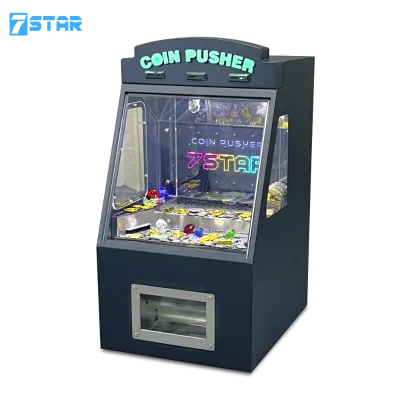
365 for Coin Pusher Mini Tabletop Arcade Game Classic Fun Coin Operated Toy for Home Use
$550.00 - $680.00
MOQ: 1 pieces

- Manufacturer/Factory
- China Guangdong
- Lead time0 days
- Avg. response≤ 10h
Main productsSlot Game Machine, Slot Game Board, Software Development, Skill Game Board, Skill Game Machine Board, Reel Game


Coin Operated Coin Pusher Arcade Game with Mega Bonus and Shared Prize Pool
$5280.00 - $5700.00
MOQ: 1 Sets


Guangzhou Baby Bear Animation Technology Co., Ltd.
- Verified by TüVRheinland
- Manufacturer, Trading Company
- Lead time0 days
- Avg. response≤ 1h
Main productsClaw Machine, Arcade Game Machine, Racing Game Machine, Amusement Equipment, Vr Simulator
Main marketsNorth America(60%), Western Europe(10%), Southern Europe(10%)
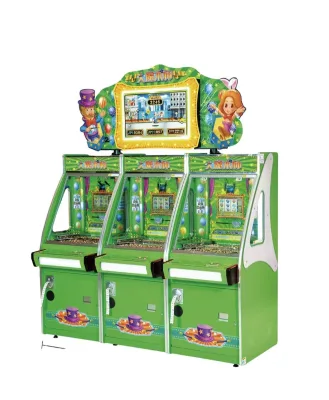
$12668.5152 - $12775.5178
MOQ: 1 pieces
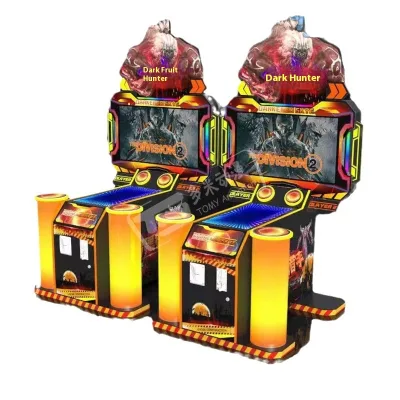
$838.5326 - $875.5713
MOQ: 1 pieces


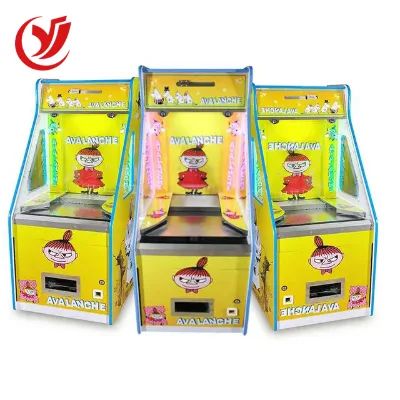
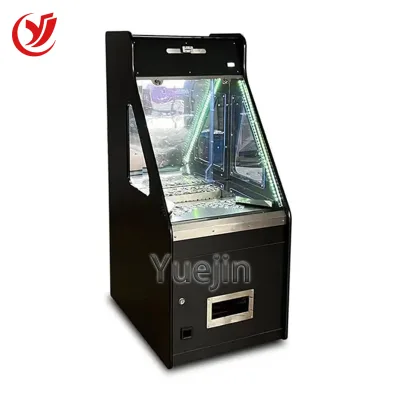
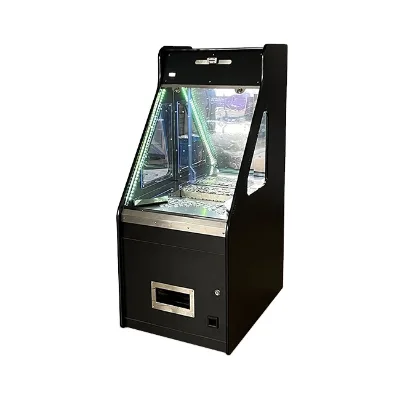
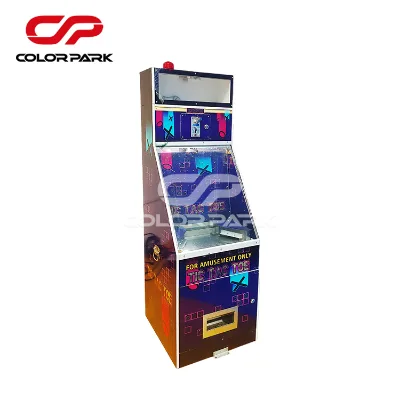
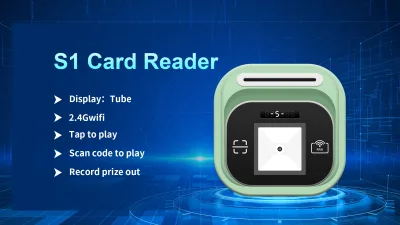
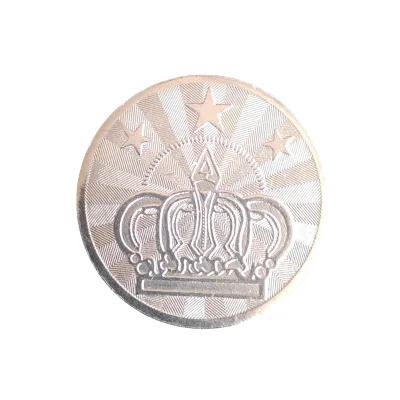
Comprehensive Sourcing Guide
Metal Coin Pusher Game Board Supplier Concentration and Factory Types
When sourcing a Metal Coin Pusher Game Board, the first structural question is where the supplying companies actually sit. In the current results, the location evidence points to Guangdong, China, which aligns with the product origins listed on individual listings, such as Guangzhou. This regional concentration matters because amusement machine manufacturing tends to cluster around component ecosystems — coin acceptors, metal cabinets, wiring harnesses, redemption ticket printers — and suppliers located inside such clusters can usually shorten lead times and simplify replacement parts. Confirm a supplier's province and city directly, since platform-level location labels can be broader than the actual factory address shown on product listings.
The second structural question is what kind of company you are dealing with. The results distinguish between combined companies and manufacturers, and main product ranges vary accordingly: some list broad portfolios spanning arcade machines, vending machines, 5D cinema and claw machines, while others focus tightly on game machines, slot games, fishing hunter machines and toy crane gift machines. A focused manufacturer may offer deeper engineering control over a coin pusher board and cabinet, while a combined exporter may consolidate multiple arcade categories in one shipment. Research capacity labels such as ODM, OEM and own-brand further indicate whether customization of artwork, coin mechanisms or board layout is realistic. Read company type, product breadth and capacity labels together rather than treating any single label as proof of factory depth.
How to Verify Metal Coin Pusher Game Board Suppliers
Verification begins with the platform signals shown on the results page. One supplier in the current set carries an SGS verification mark, while others display no system certification at the company level. Treat this asymmetry as normal: verification badges and management-system certifications are displayed unevenly, and their absence is not proof of a weak factory. What matters is whether you can confirm the claim independently — request the verification scope, ask for the certificate number where a product listing shows marks such as ISO, CE or CCC, and check that the certificate holder's legal name matches the supplier you are contracting with. Discrepancies between a listing name and a certificate name are a standard early warning.
Beyond documents, verify that the supplier actually builds the product category you need. The listings in this category include coin pusher models, lottery game machines, prize machines and racing simulators, so a supplier showing coin pusher titles with detailed attributes — model numbers, dimensions, coin capacity, player counts — is easier to trust than one with thin listings. Ask which products are made in-house versus sourced from neighboring workshops, and request factory photos or a video walkthrough of the coin pusher production area. Response time is also a verification signal: measured response times in this set sit around seven hours, so a supplier that consistently answers in one working day is more likely to support you during production. Keep a simple verification log per supplier covering badges, certificates, product depth and reply speed.
What to Compare Across Metal Coin Pusher Game Board Suppliers
Build a comparison sheet using only dimensions that are actually displayed, and mark anything missing as "verify." Useful labels in this category include company type (manufacturer versus combined), main products, research capacity (ODM, OEM, own brand), location, response time, lead time, MOQ and verification status. For example, one result shows a 15-day lead time and an MOQ of one unit on a coin-operated arcade listing, while other listings show no lead time at all — never assume uniform terms across the board. Response times observed here cluster around six to seven hours, which gives you a benchmark for flagging slow communicators before you invest effort in sampling.
Product-level data is where real differentiation appears. Compare coin capacity (one listing specifies several thousand coins), currency detection (multiple currencies supported), player counts, machine dimensions such as L1840×W990×H1860mm, materials, and warranty terms — several listings here state a 15-month warranty. Certification claims on product pages, such as ISO, CE or CCC on one listing and CE alone on a racing simulator listing, should be compared like-for-like by product, not by supplier. Price bands vary widely even within coin pushers: observed ranges run from roughly 100–450 USD and 220–300 USD on pusher-style machines up to 500+ USD on specific metal coin pusher models. Record every attribute with its source listing so later quotation negotiations start from documented facts.
Common Metal Coin Pusher Game Board Sourcing Risks
The most common risk in this category is certification mismatch. Listings may display ISO, CE or CCC marks, yet the company-level certification field can read NIL, as it does for one supplier in the current results. This gap means the mark may apply only to a specific product, an older audit, or not at all in verifiable form. Before wiring funds, require the certificate document itself, confirm the issuing body, and check the scope covers coin-operated amusement equipment with metal cabinets. A second risk is specification drift: coin pusher boards are frequently customized, and a supplier promising customization without a signed specification sheet — coin acceptor type, payout logic, board dimensions, metal gauge — can deliver a unit that looks right but plays wrong.
Logistics and after-sales risks follow. Packing for these machines is typically bubble pack with paper, stretch films and wood crating, and flimsy crating on a heavy metal cabinet invites transit damage to the playfield and coin channel. Confirm packing method in writing, as shown in attributes like "Bubble Film or Wood Frame." Warranty terms of 15 months appear on several listings, but a warranty is only as good as spare-parts availability for coin mechanisms, control boards and ticket dispensers — ask which parts ship free and at what response speed. Finally, beware of catalog breadth masking category inexperience: a company listing 5D cinema, vending and key master machines alongside pushers may not manufacture the pusher itself. Confirm the actual production location for your specific model.
Metal Coin Pusher Game Board Regional Sourcing and Logistics
The location data in this category is consistent: Guangdong, China, with product origins listed in Guangzhou, sits at the center of the results. This is one of China's established amusement machine manufacturing regions, which has practical consequences for your logistics plan. Coastal export proximity supports both full-container and less-than-container shipments of crated machines, and a dense supplier base means you can feasibly split an order — pusher cabinets from one factory, prize or redemption units from another — and consolidate in one port. When results show a location at province level only, push suppliers to confirm the factory city and whether it differs from the registered office.
Because regional concentration is evidenced here, use it, but still run your own cluster confirmation: ask each supplier for the nearest major port, typical export documentation for coin-operated amusement machines, and experience shipping to your market, since plug type matters — one listing specifies a US plug, which signals market-specific configuration. Machine dimensions drive freight cost directly: a pusher at 2600×2250×699mm and a compact prize unit at 153×73×73cm occupy very different container volumes, so model mix affects whether you ship flat-packed components or fully assembled crated cabinets. Wooden crating is standard in the observed packing attributes, but fumigation or heat-treatment requirements for wood packaging vary by destination country, so confirm compliance before the order is finalized.
Metal Coin Pusher Game Board Commercial Terms and Order Planning
Commercial terms in this category reward careful comparison. Observed MOQs are low — one coin pusher listing states an MOQ of one — which makes sampling affordable and lets you test a model before committing volume. Price ranges, however, span a wide band: roughly 100–450 USD on a golden castle-style pusher, 220–300 USD on a kids coin pusher, and 440–510 USD on specific indoor bonus pusher models, with racing simulators far higher at 2200–2800 USD. Treat listed prices as starting points for negotiation, not quotes; confirm what configuration, currency mechanism and certification level the quoted price includes. Lead time evidence is thinner — one result shows 15 days — so request a written production schedule tied to your order quantity.
Order planning should sequence verification before payment method decisions. Start with one sample unit at MOQ, inspect cabinet metal thickness, coin path durability and board behavior under continuous play, then scale. Where a platform offers escrow-style protection, confirm the supplier accepts it; escrow availability is a listed dimension you should check per supplier, not assume. Align milestone payments with the production schedule, and specify packing — bubble pack, well paper, stretch films, wood — exactly as the better listings do. Confirm warranty handling in writing: several listings state 15 months, so document what triggers a claim, who pays return freight, and whether spare boards and coin mechanisms ship alongside the initial order. Plan reorders around the supplier's stated response time to avoid downtime during peak seasons.
(word count: ~1400 across sections; each section within 225–235)
FAQs
What certifications do metal coin pusher game boards have?
Metal coin pusher game boards typically carry ISO, CE, and CCC certifications to ensure safety and quality standards. These credentials verify that the equipment meets international regulatory requirements for amusement machines. Buyers should always request specific certification documents to confirm compliance before placing orders for their arcade or playroom installations.
What is the minimum order quantity for these machines?
The minimum order quantity for metal coin pusher game boards is generally one unit. This low MOQ allows buyers to test the product quality and market response before committing to larger bulk purchases. It provides flexibility for small arcade operators or those looking to expand their current game inventory with minimal initial risk.
How long does production and delivery take?
Production lead times for these amusement machines are typically around fifteen days. This timeframe covers manufacturing, quality checks, and preparation for shipping. Buyers should account for additional transit time depending on their destination. Confirming the exact schedule with the supplier ensures timely arrival for your specific business opening or event requirements.
Are customization options available for these game machines?
Customization is available for metal coin pusher game boards, allowing buyers to tailor features to their needs. Options often include customized colors, branding, and specific game mechanics. Suppliers support OEM and ODM services to create unique products. This flexibility helps businesses differentiate their arcade offerings and attract specific target demographics effectively.
What is the warranty period for these machines?
The standard warranty period for these coin pusher machines is fifteen months. This coverage protects buyers against manufacturing defects and ensures operational reliability during the initial period. It is advisable to review the specific warranty terms provided by the supplier to understand what components are covered and the process for claiming support.
Where are these game machines manufactured?
These metal coin pusher game machines are manufactured in Guangdong, China. This region is a major hub for amusement equipment production, offering robust supply chains and manufacturing expertise. Buyers sourcing from this location benefit from established industrial infrastructure and a wide variety of available models and customization options for their arcade businesses.
What is the price range for these machines?
Prices for metal coin pusher game boards range from approximately one hundred to five hundred dollars per unit. The cost varies based on the model, features, and customization requirements. Simple coin pusher units are more affordable, while complex redemption or lottery machines may cost more. Buyers should compare specific product listings for accurate pricing.