Mitsubishi Engine Connecting Rod Suppliers and Manufacturers
Compare 23 verified suppliers offering Mitsubishi Engine Connecting Rod with varying lead times, certifications, and customization options. Review response times and MOQs to select the right partner for your engine parts needs today; review the available evidence before requesting comparable quotations from suitable candidates.
Suppliers List

Ningbo Haishu Yinlian Machinery Co., Ltd.
- Verified by BV
- Combined
- China Zhejiang
- Lead time30 days
- Avg. response≤ 10h
Main productsConnecting Rod, Piston, Refrigeration Compressor Parts, Connecting Rod manufacturer, Piston manufacturer, Compressor Parts Supplier, Air Compressor Parts, Compressor Parts, Aluminum Connecting Rod, Compressor Connecting Rod
Main marketsSoutheast Asia/ Mideast,Europe,North America

Luoyang Diron Parts Trading Co., Ltd.
- Combined
- China Henan
- Lead time30 days
- Avg. response≤ 8h
Main productsCylinder Head, Cylinder Block, Crankshaft, Pumps, Turbo, Friction, Shaft and Cartridge, Bushing and Pin/ Bolt and Nut, Universal Joints, Liner
Main marketsSouth America,Africa,Southeast Asia/ Mideast,East Asia(Japan/ South Korea),Domestic,Europe

Hangzhou Raja Machinery Co., Ltd.
- Trading Company
- China Zhejiang
- Lead time23 days
- Avg. response≤ 2h
Main productsDiesel Generator, Diesel Engine, Diesel Engine Parts, Diesel Water Pump, Diesel Silent Generator, Diesel Welding Generator, Diesel Open Type Generator, Brush Cutter, Gasoline Generator
Main marketsEastern Europe,Mid East,North America,Western Europe,Africa

Henan Forging Emperor Industry Co.,Ltd.
- Verified by BV
- Manufacturer/Factory
- China Henan
- Lead time45 days
- Avg. response≤ 6h
Main productsForging, Casting, Machining, Machining Parts, CNC Machining Parts, Casting Part, CNC Parts, Hot Die Forging, Machinery Parts, Customized Part
Main marketsSouth America,Eastern Europe,Mid East,North America,Southeast Asia,Eastern Asia,Oceania,Western Europe,Africa
Hunan Goway Auto Parts Co., Ltd.
- Verified by TüVRheinland
- Manufacturer, Trading Company
- Lead time15 days
- Avg. response≤ 1h
Main productsCylinder Head, Cylinder Block, Auto Parts
Main marketsNorth America(30%), Western Europe(30%), Oceania(25%)
Zhejiang Evergreat Auto Parts Co., Ltd.
- Trading Company
- Zhejiang, China
- Lead time45 days
- Avg. response≤ 10h
Main productsTransmission parts,Suspension parts,Engine parts,Electrical parts,Lighting parts
Main marketsWestern Europe(25.00%), North America(20.00%), South America(20.00%), Southern Europe(10.00%), Central America(10.00%), Eastern Europe(10.00%), Northern Europe(5.00%)

Junmeng (Guangzhou) Import and Export Trading Co., Ltd
- Verified by TUVRHEINLAND
- Trading Company
- China Guangdong
- Lead time15 days
- Avg. response≤ 7h
Main productsPiston, Piston Ring, Connecting Rod, Crankshaft, Liner Kit, Valve, Valve Guide, Valve Seat, Cylinder Liner, Piston Pin
Main marketsDomestic

Hangzhou Kebo Orthopedic Rehabilitation Equipment Co.,Ltd
- Verified by SGS
- Combined
- China Zhejiang
- Lead time30 days
- Avg. response≤ 5h
Main productsSpine Orthosis, Orthosis Accessories, Upper Limb Orthosis, Lower Limbs Orthosis
Main marketsSoutheast Asia/ Mideast,Europe


Premium Quality Connecting Rod for Automotive Engine Applications with CE
$13.50 - $18.00
MOQ: 1 Pieces


Hubei Zhonghetong Electromechanical Equipment Co., Ltd
- Verified by SGS
- Trading Company,Manufacturer/Factory
- China Hubei
- Lead time15 days
- Avg. response≤ 25h
Main productsEngineering Machinery Parts
Main marketsSouth America,Eastern Europe,Mid East,North America,Southeast Asia,Western Europe,Africa

Jinan Carman International Trade Co., Ltd.
- Verified by SGS
- Trading Company
- China Shandong
- Lead time15 days
- Avg. response≤ 3h
Main productsAuto Parts, Loaders, Fans, Excavator, Tire, Plastci Radiator Tanks, Plastic Fan Housing for Cars, Cooling Fan for Cars, Car Cooling System, Mechinery
Main marketsSouth America,Africa,Southeast Asia/ Mideast,Europe,North America

Ningbo Yinzhou Nord Machinery Co., Ltd.
- Verified by SGS
- Trading Company,Manufacturer/Factory,Group Corporation
- China Zhejiang
- Lead time45 days
- Avg. response≤ 13h
Main productsInvestment Casting, Precision Casting, Steel Casting China, Sand Casting, Lost Wax Casting, Lost Foam Casting, Open Die Forging, Steel Forging, Excavator Buckets, Mini Excavator Buckets
Main marketsSouth America,Eastern Europe,Mid East,North America,Southeast Asia,Western Europe,Africa

Auto Parts Engine Component Transfer Motion Metal Forging Connecting Rod
$1.80 - $2.00
MOQ: 1000 Pieces

$7.50 - $15.00
MOQ: 100 Pieces
Guangzhou Syangse Auto Parts Co., Ltd.
- Verified by SGS
- Trading Company
- China Guangdong
- Lead time15 days
- Avg. response≤ 9h
Main productsConnecting Rod, Crankshaft, Cylinder Head, Injector, Piston, Piston Ring, Bearing, Valve, Gasket
Main marketsNorth America


Engines Parts Me052763 Con Rod 6D22 Engine Connecting Rod for Mitsubishi Diesel
$13.00 - $15.00
MOQ: 50 Pieces


Auto Engine Part S4s S6s S4f Connecting Rod 32A19-00012 Con Rod for Mitsubishi
$11.00 - $12.00
MOQ: 50 Pieces

Guangzhou 329 Engineering Machinery Parts Company
- Trading Company,Manufacturer/Factory
- China Guangdong
- Lead time38 days
- Avg. response≤ 1h
Main productsExcavator, Track, Engine, Hydraulic Pump, Hydraulic Motor, Radiator, Filter, Motor, Sensor, Seal
Main marketsSouth America,Mid East,North America,Southeast Asia,Eastern Asia,Oceania,Western Europe,Africa

- Verified by SGS
- Trading Company
- China Guizhou
- Lead time23 days
- Avg. response≤ 15h
Main productsMachine Tool, Auto Spare Parts, Crankshaft, Camshaft, Packing Machine, Labeling Machine, Filling Machine, Crown Wheel and Pinion, Connecting Rod, Piston Ring
Main marketsAfrica

Piston Engine Parts Customized Forged Connecting Rod with OEM Standard
$10.00 - $100.00
MOQ: 10 Pieces

Forged Customized Manufacturer Connecting Rod Diesel Gasoline Auto Parts
$10.00 - $100.00
MOQ: 10 Pieces

OEM Excavator Auto Spare Parts Connecting Rod Diesel Engine Crankshaft
$80.00 - $150.00
MOQ: 10 Pieces
Demahe (henan) Power Technology Co., Ltd.
- Trading Company
- Henan, China
- Lead time30 days
- Avg. response≤ 2h
Main productsEngine,Cylinder Block,Cylinder Head,Crankshaft,Camshaft
Main marketsAfrica(30.00%), Eastern Europe(20.00%), South America(20.00%), North America(10.00%), Southeast Asia(10.00%), Oceania(7.00%), Eastern Asia(2.00%), Central America(1.00%)

Guangzhou Disong Machinery Equipment Co., Ltd.
- Trading Company,Manufacturer/Factory
- China Guangdong
- Lead time15 days
- Avg. response≤ 14h
Main productsExcavator Part, Machinery Engine Part, Wheel Loader Part, Bulldozer Parts, Dump Truck Parts, Generator Set Parts, Heavy Truck Parts, Hydraulic Parts, Electronic Parts, Seal and Gasket
Main marketsSouth America,Eastern Europe,Mid East,North America,Southeast Asia,Eastern Asia,Oceania,Western Europe,Africa

Chengdu Zhijin Machinery Equipment Co., Ltd.
- Manufacturer/Factory
- China Sichuan
- Lead time0 days
- Avg. response≤ 13h
Main productsHydraulic Cylinder, Hydraulic RAM, Valve, Custom Made Metal Parts, Casting, Forging, Machining, Pulley, Pins, Fabricated Parts

Shenzhen Taifeng Internal Combustion Engine Parts Co., Ltd
- Verified by CTI
- Trading Company
- China Guangdong
- Lead time15 days
- Avg. response≤ 3h
Main productsEngine Parts, Excavator Part, Diesel Generator Set, Diesel Engine Part, Fuel Injector, Fuel Pump, Liner Kit, Cylinder Head, Cylinder Block, Crankshaft
Main marketsDomestic

Excavator Engine Connecting Rod 6211-31-3100 for Komatsu 6D140 Connect Rod
$49.00 - $98.00
MOQ: 1 Pieces

Mitsubishi Heavy Industries S6r Engine Connecting Rod 37519-20100 for Excavators
$255.00 - $500.00
MOQ: 1 Pieces

Premium Engine Connecting Rod 37519-20100 for Excavators by Mitsubishi Heavy Industries S6r
$255.00 - $500.00
MOQ: 1 Pieces


Huizhou Hompi Industrial Co., Ltd.
- Verified by SGS
- Trading Company
- China Guangdong
- Lead time15 days
- Avg. response≤ 3h
Main productsCylinder Head, Crankshaft, Camshaft, Turbo Charger, Connecting Rod, Cylinder Liner, Piston
Main marketsSouth America
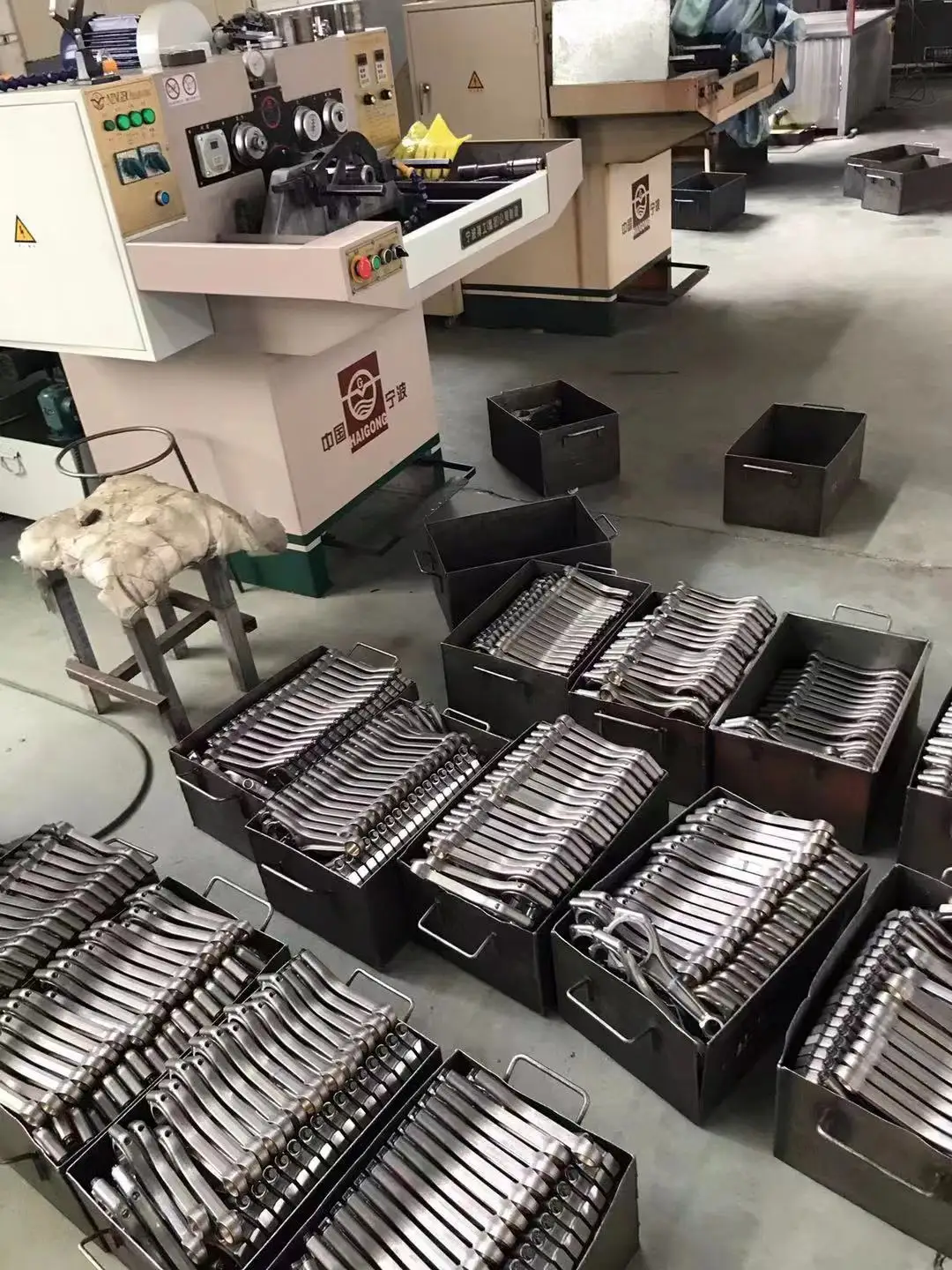
Xiangcheng Shunjun Auto Parts Co., Ltd.
- Manufacturer, Trading Company
- Henan, China
- Lead time7 days
- Avg. response≤ 2h
Main productsConnecting rod,Fuel injector,Fuel injection pump,crankshaft,plunger
Main marketsSouth America(15.00%), Africa(10.00%), Southeast Asia(10.00%), Domestic Market(10.00%), Mid East(10.00%), Eastern Europe(5.00%), South Asia(5.00%), Southern Europe(5.00%), Northern Europe(5.00%), Central America(5.00%), Western Europe(5.00%), Eastern Asia(5.00%), North America(5.00%), Oceania(5.00%)

Hubei Kingland Industrial Co., Ltd.
- Verified by CTI
- Trading Company
- China Hubei
- Lead time15 days
- Avg. response≤ 7h
Main productsFuel Injector, Fuel Pump, Piston Kit, Liner Kit, Bearing, Gasket Set, Water Pump, Turbocharger, Sensor, Valve Kit
Main marketsSouth America,Africa,Southeast Asia/ Mideast,East Asia(Japan/ South Korea),Europe,North America
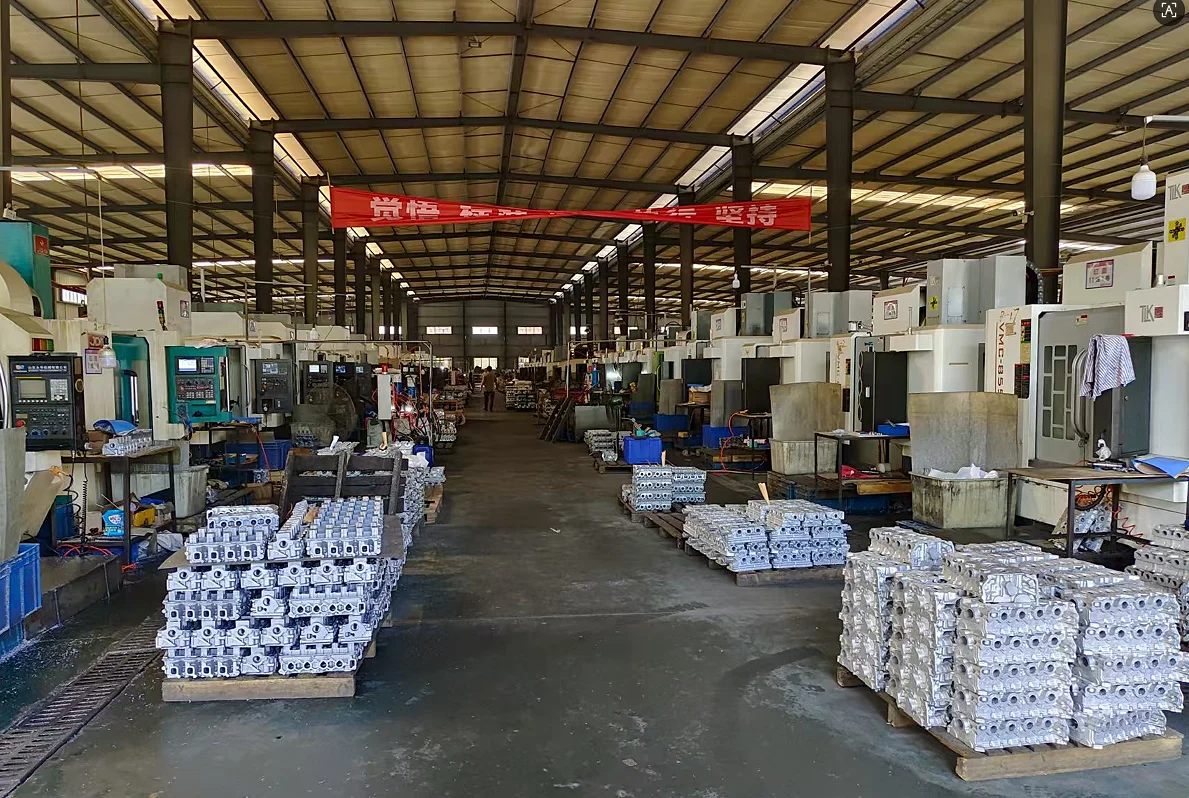
XIMENG (Chongqing) Auto Parts Co., Ltd.
- Trading Company
- chongqing, China
- Lead time0 days
- Avg. response≤ 7h
Main productsEngine parts,steering parts,suspension parts,body parts,transmission parts
Main marketsSouth Asia(10.00%), Africa(10.00%), Central America(10.00%), Mid East(10.00%), South America(10.00%), North America(10.00%), Domestic Market(5.00%), Oceania(5.00%), Southern Europe(5.00%), Northern Europe(5.00%), Southeast Asia(5.00%), Western Europe(5.00%), Eastern Asia(5.00%), Eastern Europe(5.00%)
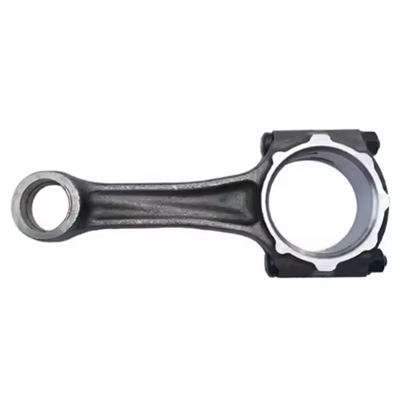
4M41 Connecting Rod ME191368 ME 191368 ME-191368 ME203280 for MITSUBISHI L200 Triton 3.2L 16V
$14.00 - $17.00
MOQ: 30 pieces
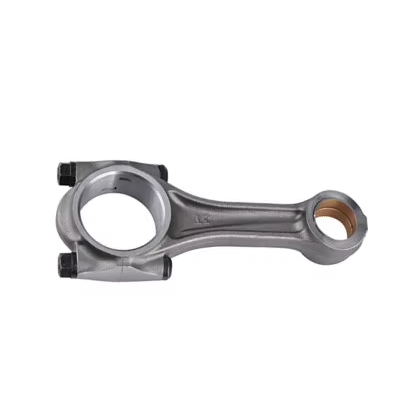
6D16T Connecting Rod ME072401 for M-ITSUBISHI
$15.00 - $23.00
Chongqing Xingmenghe Technology Co., Ltd.
- Trading Company
- Chongqing, China
- Lead time10 days
- Avg. response≤ 6h
Main productsEngine,Cylinder head,Crankshaft,Oil pump,Camshaft
Main marketsNorth America(20.00%), Mid East(15.00%), Northern Europe(10.00%), Eastern Asia(10.00%), Eastern Europe(10.00%), Central America(5.00%), Western Europe(5.00%), Southeast Asia(5.00%), South America(5.00%), Southern Europe(5.00%), Africa(4.00%), Domestic Market(2.00%), South Asia(2.00%), Oceania(2.00%)
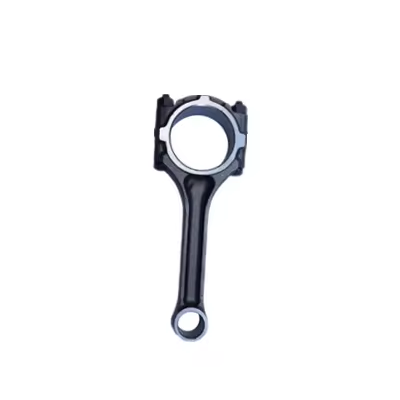
4G13 4G15 Conrod MD312667 MD117080 MD-312667 Connecting Rod for MITSUBISHI 4G13 4G15
$7.06 - $9.41
MOQ: 20 pieces






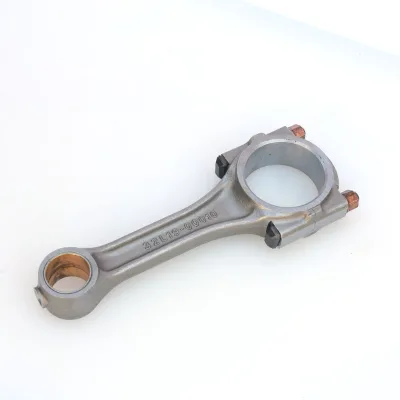


Comprehensive Sourcing Guide
Mitsubishi Engine Connecting Rod Supplier Concentration and Factory Types
Current data indicates a concentration of manufacturing capabilities within China, specifically highlighting Zhejiang and Henan as active regions for engine component production. Suppliers in these areas offer a mix of combined entities, trading companies, and direct manufacturers capable of handling complex forging and casting operations. The observed supplier base includes those specializing in aluminum connecting rods, steel forged parts, and various piston assemblies, suggesting a robust ecosystem for engine component sourcing. Buyers should note that while some entities are verified by third-party agencies like BV, others operate with different verification statuses, requiring careful distinction between trading intermediaries and production facilities.
Factory types vary significantly across the available results, ranging from pure manufacturers with ODM and OEM capabilities to trading companies that aggregate products from multiple sources. Some suppliers list specific capabilities such as hot die forging, CNC machining, and casting, while others focus on broader categories like diesel engine parts or general machinery accessories. The presence of combined company types suggests a hybrid model where some entities may manage both production and sales, potentially affecting lead times and communication efficiency. Buyers must verify the actual production capacity of each supplier, as the distinction between a factory and a trader directly impacts quality control and customization flexibility for specific Mitsubishi engine requirements.
How to Verify Mitsubishi Engine Connecting Rod Suppliers
Verification processes should prioritize checking for recognized third-party certifications and established business credentials rather than relying solely on self-reported claims. The available data shows some suppliers holding ISO 9001, TS 16949, or ISO 9000 certifications, while others display no system certification or only generic labels like "BV" verification. Buyers must confirm the validity of these credentials through independent channels, as the presence of a certification label does not guarantee compliance with specific automotive standards required for Mitsubishi engines. It is essential to request current, valid certificates that explicitly cover the manufacturing of connecting rods and engine components, rather than accepting broad industry certifications that may not apply to the specific product line.
Response times and verification status provide additional layers of due diligence for assessing supplier reliability. Observed response times vary from approximately 1.57 hours to over 9 hours, indicating differences in operational readiness and customer service infrastructure. A faster response time often correlates with a more active sales team and better communication channels, which is critical when discussing technical specifications for engine parts. Buyers should also examine the supplier's main product list to ensure they specialize in engine components rather than general machinery, as specialized focus often implies deeper technical knowledge and better quality control measures. Always request proof of recent production runs or client references to validate the supplier's actual capability before proceeding with any order.
What to Compare Across Mitsubishi Engine Connecting Rod Suppliers
When evaluating potential partners, buyers should systematically compare lead times, minimum order quantities, and pricing structures to ensure alignment with project requirements. The data reveals lead times ranging from 23 to 45 days, with some suppliers offering faster turnaround options while others require longer production windows. Minimum order quantities also vary, with some suppliers accepting orders as low as one unit, while others enforce higher thresholds like 1000 units. These differences significantly impact inventory planning and cash flow, making it essential to match supplier capabilities with the buyer's specific volume needs and delivery schedules. Buyers must clarify whether the quoted lead time includes raw material procurement, production, and shipping, as these factors can vary widely between different supplier models.
Pricing and customization options are critical comparison points that directly influence the total cost of ownership. Some suppliers offer fixed pricing for standard models, while others provide custom manufacturing services with variable costs based on material and processing requirements. The observed price points range from low-cost standard parts to higher-value custom forged components, reflecting differences in material quality, such as iron versus steel, and manufacturing techniques like casting versus forging. Buyers should compare the scope of customization available, including tolerance levels, surface treatments, and packaging options, to ensure the final product meets exact engineering specifications. It is also vital to verify if the quoted price includes all necessary certifications and testing, as these add-ons can significantly alter the final cost structure.
Common Mitsubishi Engine Connecting Rod Sourcing Risks
One significant risk involves the discrepancy between claimed certifications and actual product compliance, particularly regarding automotive industry standards. While some suppliers list certifications like TS 16949 or ISO 9001, others may lack specific automotive qualifications or display generic labels that do not guarantee engine part quality. Buyers must be vigilant in verifying that the supplier's quality management system specifically covers the production of connecting rods and that their testing protocols align with Mitsubishi's stringent requirements. Relying on unverified claims can lead to the receipt of substandard parts that fail under operational stress, potentially causing engine damage and costly downtime for the end user.
Another critical risk is the inconsistency in material specifications and manufacturing techniques across different suppliers. The available data shows variations in materials, ranging from iron to steel, and techniques including casting, forging, and machining. Without precise verification, a buyer might receive parts made from inferior materials or produced using outdated methods that do not meet performance standards. Additionally, the lack of standardized packaging and labeling can lead to confusion during logistics and quality inspection. Buyers should explicitly define material grades, heat treatment processes, and dimensional tolerances in their purchase orders to mitigate the risk of receiving non-compliant components that could compromise engine integrity.
Mitsubishi Engine Connecting Rod Regional Sourcing and Logistics
Sourcing from regions like Zhejiang and Henan offers access to established manufacturing clusters, but buyers must account for regional logistics complexities and shipping durations. The concentration of suppliers in these areas suggests a mature supply chain, yet the distance from international ports can impact transit times and freight costs. Buyers should calculate the total landed cost, including inland transportation from the factory to the port, customs clearance fees, and ocean freight charges, as these variables can fluctuate based on the specific origin city and shipping method selected. Understanding the local infrastructure and port efficiency is crucial for planning reliable delivery schedules and avoiding unexpected delays in the supply chain.
Logistics planning must also consider the specific packaging requirements and handling instructions for engine components to prevent damage during transit. The data indicates that suppliers use various packaging methods, from wooden boxes and plywood cases to anti-tarnish paper and cartons. Buyers should verify that the packaging is robust enough to protect the connecting rods from corrosion, impact, and environmental factors during long-distance shipping. Additionally, coordinating with the supplier on export documentation and compliance with international trade regulations is essential to ensure smooth customs clearance. Failure to address these logistical details can result in damaged goods, delayed shipments, and increased costs, undermining the efficiency of the entire sourcing operation.
Mitsubishi Engine Connecting Rod Commercial Terms and Order Planning
Commercial terms regarding payment, warranty, and liability must be clearly defined to protect the buyer's interests throughout the transaction. While some suppliers offer warranties, such as a 24-month coverage period, others may not provide explicit warranty terms, leaving the buyer exposed to potential quality issues. Buyers should negotiate clear terms that specify the duration and scope of the warranty, including coverage for defects in material and workmanship. Additionally, establishing a robust dispute resolution mechanism and defining the responsibilities for returns or replacements is essential for managing risk and ensuring accountability in the event of non-conforming products.
Order planning requires a strategic approach to align production schedules with demand forecasts and inventory levels. The observed lead times of 23 to 45 days necessitate careful advance planning to avoid stockouts or production bottlenecks. Buyers should factor in buffer time for potential delays in raw material procurement or production scheduling, especially when dealing with custom orders that require specific tooling or molds. Establishing a long-term partnership with a reliable supplier can help stabilize lead times and improve communication, allowing for more accurate demand forecasting. Regular review of order history and supplier performance metrics will enable continuous improvement in the sourcing process and ensure a steady supply of high-quality connecting rods.
FAQs
Where are these connecting rod suppliers located?
Suppliers are located in China, specifically in Zhejiang and Henan provinces. Ningbo in Zhejiang is a noted origin for specific models. Buyers should verify the exact factory address before ordering to ensure logistics compatibility.
What is the typical lead time for orders?
Lead times vary between 23 and 45 days depending on the supplier. Some manufacturers offer a 30-day window while others require up to 45 days. Buyers must confirm the specific delivery schedule with the chosen vendor.
Do suppliers offer customization for connecting rods?
Yes, customization is available for many connecting rod models listed. Buyers can request specific models like 168 or 160 with neutral packing. OEM and ODM services are offered by combined companies and manufacturers to meet unique engine requirements.
What certifications do the suppliers hold?
Certifications include ISO 9001, TS 16949, and BV verification for some suppliers. Others list CE or ISO standards alongside material specifications. Buyers should verify current certification status directly as some entries show no system certification.
What is the minimum order quantity required?
Minimum order quantities range from 1 unit to 1000 units depending on the product. Some suppliers accept single units while others require bulk orders of 1000 pieces. Buyers need to check the specific MOQ for their desired model.
How fast do suppliers typically respond to inquiries?
Response times vary significantly, ranging from 1.57 hours to 9.31 hours. Trading companies and manufacturers show different speeds. Buyers should expect a response within this window but should verify current availability for immediate assistance.
What materials are used for these connecting rods?
Materials include iron, steel, and aluminum for various engine types. Some products specify iron for diesel engines while others use steel for forging. Buyers must confirm the material composition matches their engine specifications before placing an order.
Are prices fixed or negotiable for these parts?
Prices listed range from 3.00 to 100.00 per unit depending on the model and quantity. Some items show fixed prices while others allow negotiation based on volume. Buyers should request a quote to confirm the final price for their order.