Mist Spray Hand Sanitizer Bottle Suppliers and Manufacturers
Explore 16 verified suppliers offering Mist Spray Hand Sanitizer Bottle options with ISO certifications and OEM capabilities. Compare lead times, MOQs, and response rates to find the right factory. Contact suppliers directly to request samples and pricing details; review the available evidence before requesting comparable quotations from suitable candidates.
Suppliers List

YUYAO YIHE COMMODITY CO., LTD.
- Verified by TUVRHEINLAND
- Manufacturer/Factory
- China Zhejiang
- Lead time23 days
- Avg. response≤ 4h
Main products20ml Pocket Perfume Bottle with Caps, Trigger Sprayer, Lotion Pump, Mist Sprayer, Pet Bottle, Disc Top Cap, Flip Top Cap, Foam Sprayer, Foam Sprayer Bottle, Perfume Sprayer
Main marketsSouth America,Eastern Europe,Mid East,North America,Southeast Asia,Eastern Asia,Oceania,Western Europe
Ningbo Subir Commodity Co., Ltd
- Verified by TUVRHEINLAND
- Combined
- China Zhejiang
- Lead time30 days
- Avg. response≤ 24h
Main productsSpray Bottle, Credit Card Spray Bottle, Card Spray Bottle, Refillable Spray Bottle, Hand Sanitizing Spray Bottle, Perfume Tester, Perfume Vials, Perfume Spray Bottle, Pocket Spray Bottle, Plastic Bottle
Main marketsEurope,North America

ningbo crown commodity co.,ltd
- Verified by SGS
- Combined
- China Zhejiang
- Lead time30 days
- Avg. response≤ 25h
Main productsPerfume Sprayer, Lotion Pump, Trigger Sprayer, Pet Bottle, Cosmetic Package, Eyeliner Package
Main marketsAfrica,Southeast Asia/ Mideast,Europe,North America


20ml Hand Sanitizer Spray, Plastic Spray Perfume Bottle
Contact supplier

Outstanding Design & Manufacture Co., Ltd.
- Verified by BV
- Combined
- China Shanghai
- Lead time30 days
- Avg. response≤ 9h
Main productsScented Candle, Reed Diffuser, Car Air Freshener, Aroma Diffuser, Incense Gift Set, Scented Sachet, Oil Burner, Fragrance Oil, Essential Oil, Fragrance Lamp
Main marketsEurope,Australia,North America

guangzhou huaxin plastic product co.ltd
- Verified by CTI
- Combined
- China Guangdong
- Lead time30 days
- Avg. response≤ 4h
Main productsPlastic Tube, Cosmetic Tube, Soft Tube, Plastic Tube Packaging, PE Tube, Clear Plastic Tube, Hand Cream Tube, Eye Cream Tube, Pet Bottle, Cosmetic Jar
Main marketsSouth America,Africa,Southeast Asia/ Mideast,East Asia(Japan/ South Korea),Domestic,Europe,Australia,North America

Plastic Bottle Manufacturers Disinfection Packaging Hand Sanitizer Bottle Watering Sprayer Bottle
$1.00 - $2.50
MOQ: 10000 Pieces

45ml Empty Hand Sanitizer Bottles Disinfectant Bottle Mist Spray with Silicone Set
$0.35 - $0.38
MOQ: 5000 Pieces


$0.22 - $0.24
MOQ: 5000 Pieces

20ml Plastic Refillable Alcohol Hand Sanitizer Spray Pocket Spray Bottle
$0.38 - $0.40
MOQ: 10000 Pieces
Ningbo Boolong Packaging Co., Ltd.
- Verified by TüVRheinland
- Manufacturer, Trading Company
- Lead time15 days
- Avg. response≤ 3h
Main productsCream Pump, Roll On Bottle, Airless Bottle, All Plastic Trigger Sprayer, Deodorant Stick Tube
Main marketsNorth America(28%), Eastern Europe(19%), Western Europe(16%)

Shandong Retouch Wash and Sterilize Technology Co., Ltd.
- Verified by TUVRHEINLAND
- Combined
- China Shandong
- Lead time15 days
- Avg. response≤ 10h
Main productsDisinfectant, Hand Sanitizer, Povidone Iodine Disinfectant, Hydrogen Peroxide Disinfectant, Surface Disinfectant, Endoscope Disinfectant, Medical Instrument Disinfenctant, Medical Consumables, Quick Biological Reader, Sterilizing Biological Indicato
Main marketsSouth America,Africa,Southeast Asia/ Mideast,Australia

Hand Sanitizer Pen Spray CE Approved Mini Sanitizer Bottle Manufacturers
$0.30 - $0.35
MOQ: 10000 Pieces


100ml Small Plastic Bottle Hand Sanitizer Spray Hand Sanitizer Use Handrub Disinfection
$0.35 - $0.40
MOQ: 10000 Pieces

Shenzhen Bona Pharma Technology Co., Ltd.
- Verified by TUVRHEINLAND
- Manufacturer/Factory
- China Guangdong
- Lead time30 days
- Avg. response≤ 21h
Main productsSpray Pumps, Pharmaceutical Packagings, Plastic Bottles, Medical Packaging, Cosmetic Packages, Pharmaceutical Deliverys, Drug Delivery System, Vaginal Applicators, Eye Drops, Vials
Main marketsSouth America,Eastern Europe,Mid East,North America,Southeast Asia,Eastern Asia,Oceania,Western Europe,Africa

Ningbo Beixuan International Trading Co., Ltd.
- Verified by TUVRHEINLAND
- Manufacturer/Factory
- China Zhejiang
- Lead time15 days
- Avg. response≤ 10h
Main productsPlastic Bottle, Plastic Cup, Plastic Honey Jar, Plastic Food Container, Glass Juice/ Beverage Bottle, Glass Jar, Glass Wine Bottle, Glass Essential Oil Bottles, Cosmetic & Perfume Glass Bottles, Paper Cup
Main marketsSouth America,Eastern Europe,Mid East,North America,Southeast Asia,Eastern Asia,Oceania,Western Europe,Africa

250ml Foam Bottle Hand Sanitizer Mousse Bottle Facial Cleanser Spray Bottle
$0.09 - $0.16
MOQ: 30000 Pieces


Empty Spray Plastic Portable Hand Sanitizer Bottle Alcohol Disinfectant Bottle
$0.14
MOQ: 1000000 Pieces

300ml Squat Aluminum Bottle Disinfection Spray Bottle Hand Sanitizer Lotion Aluminum Can
$0.25 - $0.45
MOQ: 500 Pieces


YUYAO SHUOHONG COMMODITY CO., LTD.
- Verified by BV
- Combined
- China Zhejiang
- Lead time23 days
- Avg. response≤ 7h
Main productsMist Sprayer, Lotion Pump, Trigger Sprayer, Perfume Atomizer, Plastic Cap, Plastic Bottle, Cream Jar, Plastic Tube, Foam Pump, out Spring Lotion Pump
Main marketsSouth America,Africa,Southeast Asia/ Mideast,East Asia(Japan/ South Korea),Europe,Australia,North America


150ml Fine Sprayer Mist Pump Bottle Cosmetic Packing Container Bottles
$0.23 - $0.26
MOQ: 10000 Pieces
Impac International Trading Co., Ltd. (zhangjiagang)
- Verified by Intertek
- Trading Company
- Lead time30 days
- Avg. response≤ 5h
Main productsAcrylic Bottles And Jars, Plastic Bottles And Jars, Glass Bottles And Jars, Cosmetic Packaging, Spray Bottles
Main marketsNorth America(45%), Western Europe(25%), South America(8%)
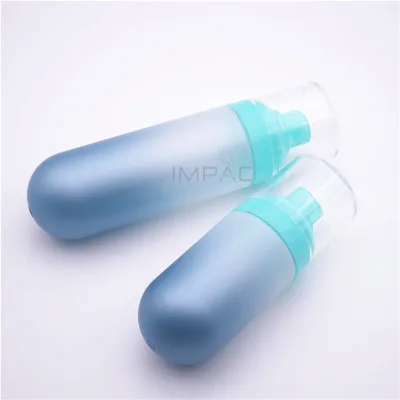
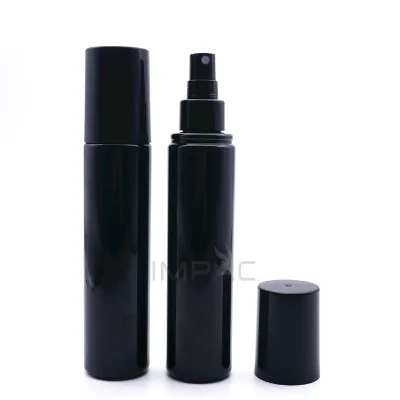
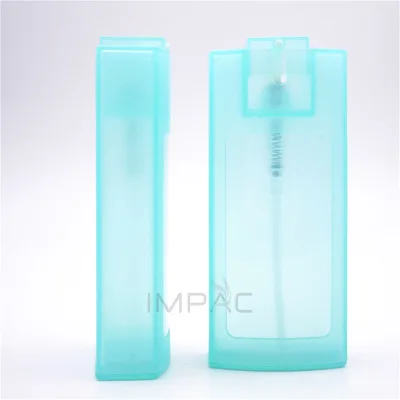
square matte custom plastic bottle for hand sanitizer mist spray container 75ml
Contact supplier
MOQ: 10

Wuxi Meishang Packaging Technology Co., Ltd.
- Verified by BV
- Trading Company,Manufacturer/Factory
- China Jiangsu
- Lead time23 days
- Avg. response≤ 7h
Main productsPerfume Bottle, Dropper, Spray, Plastic Bottle, Essential Oil Bottle, Lotion Pump, Plastic Cap, Trigger Spray, Glass Bottle, Disc Top Cap
Main marketsSouth America,Mid East,North America,Southeast Asia,Western Europe,Africa

Jiangxi Weichi Machinery Technology Co., Ltd.
- Verified by TUVRHEINLAND
- Combined
- China Zhejiang
- Lead time23 days
- Avg. response≤ 2h
Main productsConnector Shell, Connector, Bathtub Faucet, Aluminum Shell, Beer Tap, Stainless Steel Faucet, Pet Bottle, Stainless Steel Beer Valve, PE Pipe, Plastic Bottle
Main marketsDomestic

Yuyao Luhang Daily Necessities Co., Ltd.
- Verified by TUVRHEINLAND
- Combined
- China Zhejiang
- Lead time23 days
- Avg. response≤ 9h
Main productsTrigger Sprayer, Lotion Pump, Fine Mist Sprayer, Sprayer Pen&Card Sprayer, Treatment Pump, Foam Pump, Nail&Cleaning Pump, Plastic Cap, Airless Bottle, Bottle
Main marketsSouth America,Others(foreignTradeCapacity.exportBusinessCapacityMarketOther),Southeast Asia/ Mideast,Domestic

Cangzhou Byu Import And Export Co., Ltd.
- Trading Company
- Hebei, China
- Lead time15 days
- Avg. response≤ 18h
Main productsAerosol spray valve,Metered valves,Aerosol aluminium can,Plastic cap,Aerosol tin can
Main marketsMid East(15.00%), Southeast Asia(10.00%), South Asia(10.00%), Central America(9.00%), Eastern Asia(8.00%), Western Europe(8.00%), Africa(8.00%), Southern Europe(6.00%), Domestic Market(5.00%), Northern Europe(5.00%), Eastern Europe(5.00%), South America(5.00%), Oceania(4.00%), North America(2.00%)
$0.10 - $0.21
MOQ: 30000 Minimum
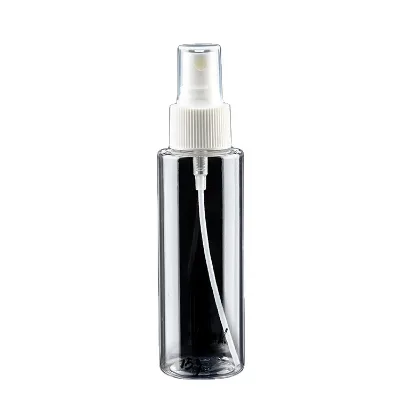
$0.10 - $0.20
MOQ: 30000 Minimum

- Verified by TUVRHEINLAND
- Trading Company,Manufacturer/Factory
- China Jiangsu
- Lead time23 days
- Avg. response≤ 4h
Main productsMedal, Coin, Lapel Pin, PVC Patch, Embroidery Patch, Keychain, Button Badge, Silicone Wristband, Lanyards, Gift
Main marketsSouth America,Eastern Europe,Mid East,North America,Oceania,Western Europe




Comprehensive Sourcing Guide
Mist Spray Hand Sanitizer Bottle Supplier Concentration and Factory Types
Suppliers of mist spray hand sanitizer bottles are concentrated in China, and one of the locations surfaced in current supplier results is Zhejiang province, which is presented alongside a manufacturer/factory company type. Zhejiang is widely associated with plastic packaging and sprayer components, so a cluster in that province is consistent with the product mix shown there, including pocket perfume bottles, trigger sprayers, lotion pumps, mist sprayers, PET bottles and disc top caps. That range matters because a hand sanitizer spray bottle is rarely a single-part product: the body, the actuator and the pump or sprayer mechanism must be matched, and factories that already make sprayers and closures in-house tend to control tolerance and leak performance better than assemblers.
Company type is the first filter to apply. A manufacturer/factory listing suggests direct control over molding and assembly, while a combined company type may operate both production and trading functions, which can still be acceptable but changes who you negotiate with and who is accountable for defects. Main-product profiles are a useful proxy for specialization: a supplier whose catalog is dominated by sprayers, pumps and small-format bottles is more likely to have mature tooling for fine-mist actuators than a general plastics maker. Since results change between searches, do not assume a fixed ratio of factories to trading companies on any page. Instead, treat location, company type and main products as three independent signals, and shortlist only suppliers where all three point to sprayer and small-bottle specialization.
How to Verify Mist Spray Hand Sanitizer Bottle Suppliers
Verification starts with third-party status. In the current results, one supplier is marked as verified by TUVRHEINLAND and another by SGS, and at least one carries ISO 9001 and ISO 14001 system certifications. These are meaningful but narrow signals: verification confirms identity and on-site assessment by the issuing body, while ISO 9001 addresses quality management systems and ISO 14001 addresses environmental management. None of these certifications proves that a specific fine-mist actuator seals correctly or that a sanitizer formulation is compatible with the plastic. Ask which entity holds the certificate, request the certificate number and scope, and check expiry dates directly with the issuing scheme rather than relying on a badge alone.
Beyond documents, verify capability against your product. Request samples of the exact bottle and sprayer combination, then test spray pattern, priming consistency, leak behavior under pressure and compatibility with your sanitizer liquid, since alcohol content can stress seals and cause crazing in some plastics. Confirm the factory's daily capacity from documented figures rather than marketing claims; one listed product line shows a stated daily capacity of 50,000 pieces, which you should validate with production records or an audit. Run a video walk-through of molding, assembly and QC stations, and ask whether the sprayer mechanism is produced internally or bought in, because outsourced pumps are the most common point of quality drift. Keep records of every claim so later discrepancies are easy to demonstrate.
What to Compare Across Mist Spray Hand Sanitizer Bottle Suppliers
Build a side-by-side comparison using the attributes actually displayed in supplier results, and record "not shown" where a field is missing rather than guessing. Useful displayed dimensions include response time, lead time, company type, location, verification status, system certifications and main products. In the current results, response times range from roughly three hours to well over twenty hours, and lead times from about 23 days to about 30 days. That spread is commercially significant: slow response during sampling usually predicts slow response during a production problem, so treat response speed as a proxy for account management quality, not just courtesy.
Compare product-level data as well as company-level data. One listed 100–500 ml round PET pump-sprayer bottle shows a MOQ of 10,000 pieces, prices between roughly $0.05 and $0.054, degradable material, free samples and a 20–25 day lead time. A sub-30 ml PP screw sprayer lists prices from about $0.03 to $0.27 with samples available only for a fee, and a flat pocket spray bottle line shows about $0.13–$0.14 at 10,000 pieces MOQ. Note how sample policy, price band and volume tier interact. Also weigh R&D capacity labels: OEM and ODM/OEM indicators tell you who can execute custom colors, molds and artwork. Normalize every field into your own spreadsheet so incomplete supplier profiles do not quietly win on appearance.
Common Mist Spray Hand Sanitizer Bottle Sourcing Risks
The most frequent risk is treating all spray performance as equivalent. A fine-mist actuator, a liquid-column screw sprayer and a trigger sprayer behave very differently with sanitizer viscosity and alcohol content, and suppliers' listings mix these types freely. A sub-30 ml PP injection-molded sprayer with liquid-column spray may be listed in the same catalog as full-cone trigger sprayers in 24/410 and 28/410 neck finishes. Ordering the wrong spray type or neck finish, or assuming a cap from one line fits a bottle from another, produces unusable stock. Confirm neck finish codes and spray pattern in writing, on a signed sample, before mass production.
The second risk cluster involves terms and timing. MOQs of 10,000 pieces are standard in this category, but sample policies differ: some lines offer free samples while others charge, and a supplier quoting free samples on one product may charge on another. Lead times of 20–25 days can stretch during peak sanitizer demand, so build buffer into any launch calendar. Compatibility risk is also real: degradable or recycled plastics may behave differently with alcohol-based formulas, so run fill-and-age tests. Finally, beware of catalog drift — a supplier showing verified status and one certification set today may present differently next quarter, and search results change. Re-verify certificates at contract stage, and never rely on a listing screenshot as your only evidence of a supplier's current standing.
Mist Spray Hand Sanitizer Bottle Regional Sourcing and Logistics
The only region surfaced in the current supplier results as a concrete location is Zhejiang, China, tied to a manufacturer/factory profile making sprayers, pumps, PET bottles and pocket perfume formats. Zhejiang's role in plastic packaging and dispensing components means tooling, molding, sprayer assembly and carton supply are typically available within a short radius, which shortens iteration cycles when you adjust an actuator or bottle design. A related listing shows a product origin of Yuyao, a city within Zhejiang associated with plastics production, which reinforces the province-level cluster signal. Do not extrapolate this to other provinces; if your search surfaces no regional data, identify clusters by asking suppliers where their molding and assembly actually occur and cross-checking addresses on certificates.
Logistically, confirm the export path from the factory rather than assuming a nearby port is usable for your volume. Packing is specified on some listings as export cartons or corrugated brown cartons, but carton strength, drop testing and palletization are your responsibility to specify for sanitizer liquids, which are often classified with shipping restrictions depending on alcohol content and packaging. Confirm whether your freight forwarder accepts the filled product or whether you will ship empty bottles and fill locally, which changes carton counts, weight and cost dramatically. Calculate landed cost including the MOQ of 10,000 pieces per SKU, carton dimensions, and any hazardous-goods surcharges, then compare that total across candidate regions before narrowing to one factory.
Mist Spray Hand Sanitizer Bottle Commercial Terms and Order Planning
Plan orders around the terms actually visible in results: MOQs of 10,000 pieces, lead times of roughly 20–30 days, and unit prices in the $0.03 to $0.35 band depending on size, material and spray type. Price alone is misleading without the sample policy attached — free samples on some lines versus fee-based samples on others changes your pre-production budget, and a paid sample usually buys faster attention and a more faithful production-spec unit. Negotiate payment terms that tie the final balance to passing your inspection, not to shipment, and put spray-pattern and leak-acceptance criteria into the contract as measurable specifications with AQL levels.
Structure your first order to validate before scaling: order the minimum 10,000 pieces in one color and size, confirm fill compatibility and sprayer priming on the production batch, then repeat with variants. If you need custom colors, confirm that customization is genuinely available — several listings state customization and OEM support, and one offers ODM/OEM capacity — but custom molds and collars add tooling lead time beyond the quoted 20–30 day production window, so sequence tooling approval before committing to launch dates. Plan reorders against real consumption plus lead-time buffer, and re-confirm pricing at each reorder since small plastic parts track resin prices. Finally, keep a second qualified supplier for the same neck finish so a single factory's downtime or sprayer shortage cannot halt your filling line.
FAQs
What is the typical MOQ for mist spray hand sanitizer bottles?
Listed suppliers commonly set the MOQ at 10,000 pieces per order for mist spray hand sanitizer bottles. This applies across pocket spray, fine mist, and trigger-style models in the current results. Smaller trial quantities are generally not offered, so plan your inventory accordingly. Some suppliers provide samples free of charge, while others charge a sample fee you should confirm before ordering.
How long does production usually take?
Lead times for mist spray hand sanitizer bottles in the current results range from 20 to 30 days, with one manufacturer reporting an average of 23 days. Actual timing depends on order size, customization such as custom colors, and the supplier's production schedule. Confirm the lead time for your specific bottle style and quantity before placing a purchase order.
What do these bottles typically cost per unit?
Prices in the current results range from roughly $0.03 to $0.35 per piece depending on style and size. Small pocket spray bottles sit at the lower end, while 45ml fine mist bottles with nozzles cost more. Volume, material, and customization all influence the final unit price, so request quotations based on your exact specifications.
Which certifications should I verify before ordering?
Some suppliers in these results hold ISO 9001 and ISO 14001 system certifications, and verification badges from TUV Rheinland or SGS are shown on certain profiles. Not every supplier lists certifications, so ask each candidate for current certificate copies and check validity directly with the issuing body before committing to an order.
Can suppliers customize bottle colors and sizes?
Yes, customization is listed as available across the sampled products, including custom colors, volumes from under 30ml up to 500ml, and different spray types like fine mist or trigger sprayers. OEM and ODM capabilities are reported by several suppliers. Provide your artwork, target volume, and spray specifications early, since custom requirements can affect both price and lead time.
Where are these suppliers located?
The supplier results indicate manufacturers based in Zhejiang, China, with products originating in areas such as Yuyao. Zhejiang is a established cluster for plastic packaging and sprayer components, which supports component sourcing. When comparing options, confirm each factory's exact address and arrange an inspection or third-party audit if the order value justifies it.
How quickly do suppliers respond to inquiries?
Average response times in the current results range from about 3 hours to over 24 hours, so responsiveness varies significantly between suppliers. A fast responder can shorten your quoting and sampling stages considerably. Send the same detailed inquiry to several suppliers, including volume, bottle size, and customization needs, and compare both reply speed and answer quality.
Are samples available before bulk production?
Yes, sample availability is noted in the product listings, with some suppliers offering free samples and others charging a fee. Samples let you check spray performance, mist quality, sealing, and material feel before committing to a 10,000-piece MOQ. Ask about sample cost, shipping charges, and how long sampling takes, then test units thoroughly before approving mass production.