Modern Durable Aluminum Tube Suppliers and Manufacturers
Source Modern Durable Aluminum Tube from 24 verified suppliers in China. Compare response times, lead times, and certifications like ISO9001:2015. Filter by MOQ and pricing to find the right partner; review the available evidence before requesting comparable quotations from suitable candidates.
Updated
Suppliers List

- Verified by CTI
- Combined
- China Jiangsu
- Lead time45 days
- Avg. response≤ 9h
Main productsElectrical Metal Conduits, Stainless Steel Conduits, Aluminium Conduits, Pipeconduits, Electrical Conduit Fitting, Junction Box, C Channel, Flexible Conduit, Power Bridge System
Main marketsSouth America,Southeast Asia/ Mideast,Domestic,North America

Guangzhou Pusen Building Materials Technology Co., Ltd.
- Verified by BV
- Combined
- China Guangdong
- Lead time30 days
- Avg. response≤ 1h
Main marketsDomestic

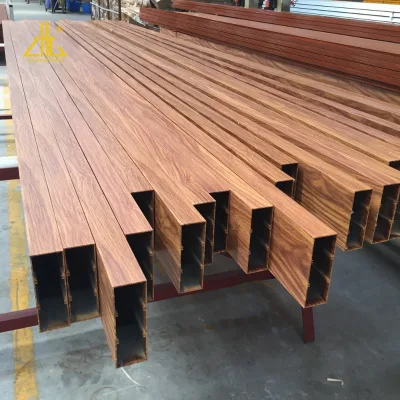
Elegant Contemporary Aluminum Tubes for Unique Home Design Solutions
$20.00 - $50.00
MOQ: 10 Square Meters

Elegant Contemporary Aluminum Tubes for Versatile Home Design Solutions
$20.00 - $50.00
MOQ: 10 Square Meters

Customizable Elegant Aluminum Tubes for Modern Home Design Solutions
$20.00 - $50.00
MOQ: 10 Square Meters

Elegant Customizable Aluminum Tubes for Contemporary Interior Design Needs
$20.00 - $50.00
MOQ: 10 Square Meters

Stylish Customizable Aluminum Tubes for Modern Living Space Solutions
$20.00 - $50.00
MOQ: 10 Square Meters

Haihong (jiangsu) Steel International Trade Co., Ltd.
- Trading Company
- Jiangsu, China
- Lead time10 days
- Avg. response≤ 3h
Main productsRoofing Sheet Color Coated,Color Steel Plates,Galvanized Steel Coil,Prepainted Galvanized Steel Coil,Steel Plates
Main marketsSoutheast Asia(30.00%), Eastern Europe(20.00%), North America(10.00%), Central America(10.00%), Eastern Asia(9.00%), South America(5.00%), Western Europe(4.00%), South Asia(3.00%), Mid East(3.00%), Northern Europe(3.00%), Oceania(1.00%), Southern Europe(1.00%), Africa(1.00%)
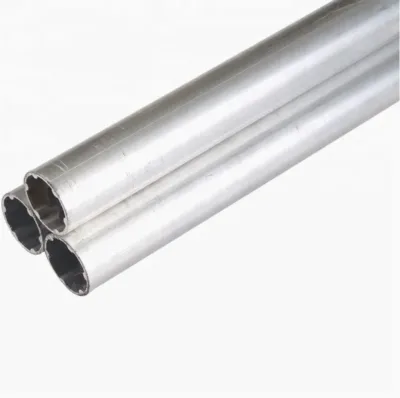
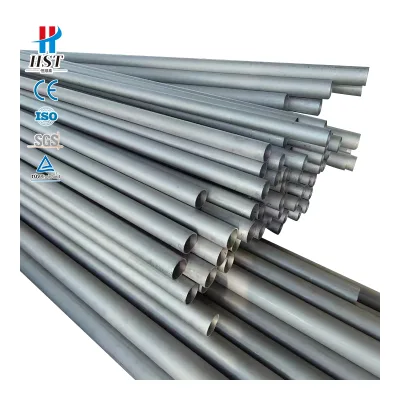
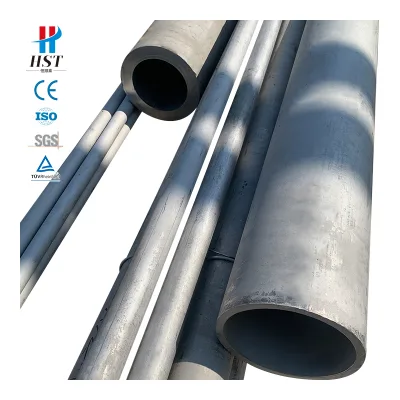
Durable Factory Direct Aluminum Pipe,High Strength Tube for Construction and Structural Applications
$768.9908 - $1845.5779
MOQ: 1 Minimum
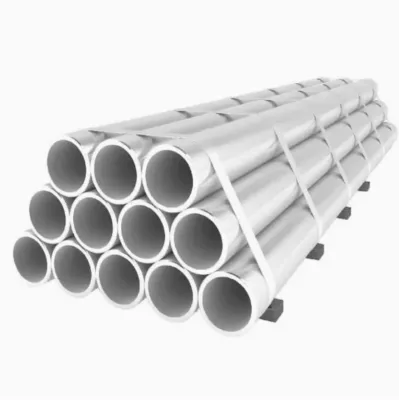
Aluminum Alloy Round Tube,1000 Series Aluminum Tube for Industrial Use
$358.8624 - $1537.9816
MOQ: 1 Minimum
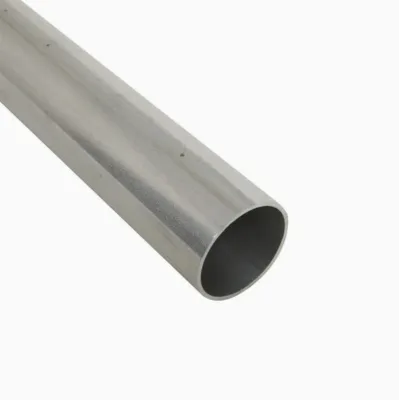
Aluminum Round Tube, Thin Wall Aluminum Pipe for Forming and Industrial Applications
$358.8624 - $1127.8532
MOQ: 1 Minimum
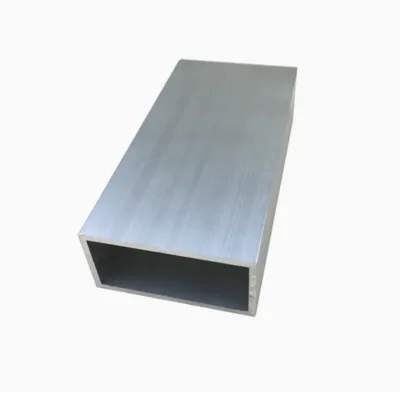
$871.5229 - $1230.3853
MOQ: 1 Minimum
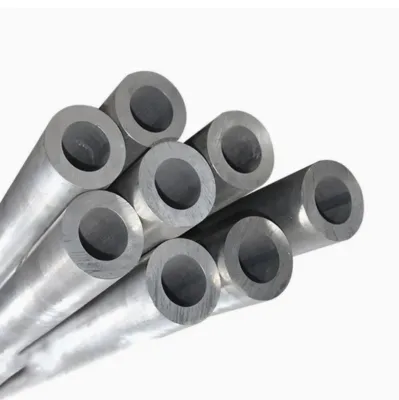
Excellent Weldability ASTM B210-04 AA6063 6061 H112 Aluminum Tube with Forging Process
$464.2602 - $1753.8689
MOQ: 1 Minimum
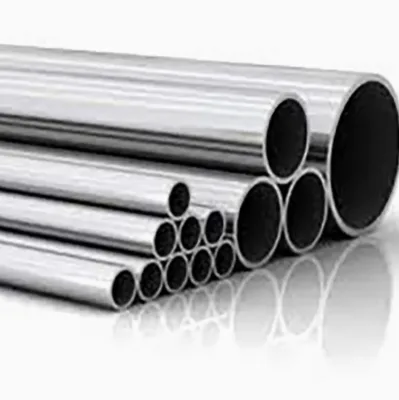
ASTM B210-04 2024 2018 H21 T5 Seamless Extruded Aluminum Tube with Good Weldability
$563.9266 - $1537.9816
MOQ: 1 Minimum

Shandong Chentai Aluminum Co., Ltd.
- Verified by SGS
- Trading Company
- China Shandong
- Lead time23 days
- Avg. response≤ 7h
Main productsAluminum Profile / Extrusion, Aluminum Tube / Pipe, Aluminum Casting, Aluminum Window, Aluminum Radiator, Thermal Break Aluminum, Aluminum Accessories, Aluminum Door, Aluminum Hardware, Custom Aluminum Accessories
Main marketsAfrica

Custom Aluminum Construction Tube for Reliable Structural Implementation
$3600.00 - $4000.00
MOQ: 10 Tons


Reliable Heavy Duty Aluminum Tube for Industrial Implementation Projects
$3600.00 - $4000.00
MOQ: 10 Tons


Versatile Structural Aluminum Tube for Efficient Construction and Implementation
$3600.00 - $4000.00
MOQ: 10 Tons
Wuxi East Ai Machinery Technology Co., Ltd.
- Verified by SGS Group
- Manufacturer, Trading Company
- Lead time15 days
- Avg. response≤ 3h
Main productsHoned Tube/Chrome Plated Rod/Hydraulic Cylinder/Skived Roller Burnished Tube, Hydraulic Power Pack/Pneumatic Aluminum Tube
Main marketsMid East(39%), Eastern Europe(30%), Southeast Asia(20%)
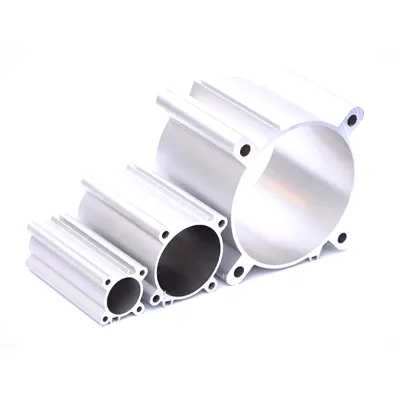
Sturdy Aluminum Square Tube for Structural Frameworks
$981.00 - $1095.00
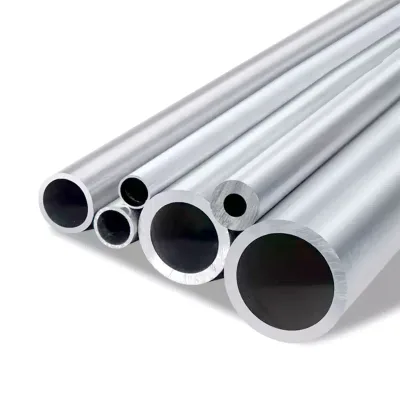
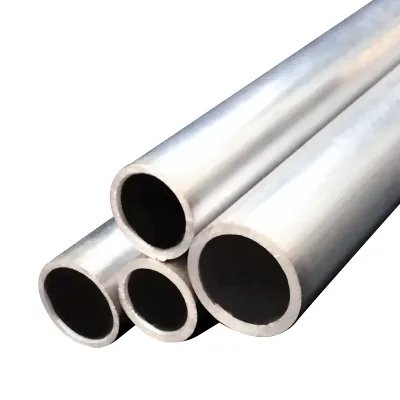
Durable Extrusion Aluminum Tubes for Heavy Industrial Use
$500.00 - $600.00
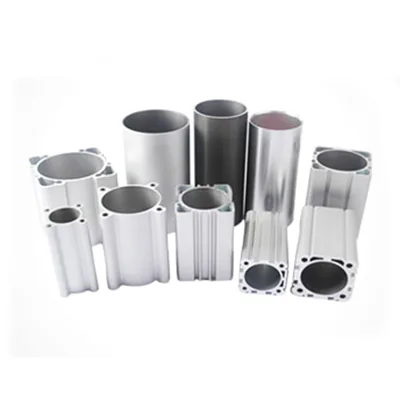
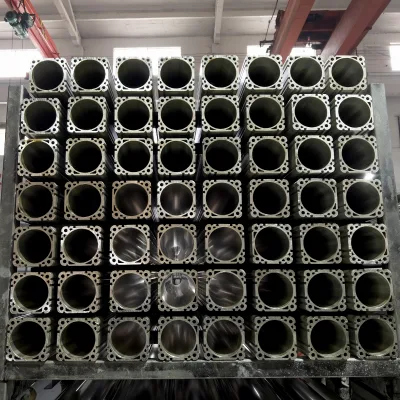
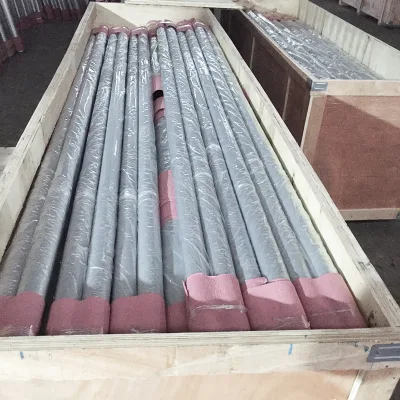

NANJING MAJESTIC AUTO PARTS CO., LTD.
- Manufacturer/Factory
- China Jiangsu
- Lead time23 days
- Avg. response≤ 10h
Main productsRadiator Tube, Radiator, Cooling System, Heat Exchanger System, Aluminum Tube, High Frequency Welded Tube, Intercooler Tube, Oil Cooler Tube, Intercooler, Oil Cooler
Main marketsSouth America,Eastern Europe,Mid East,North America,Southeast Asia,Eastern Asia
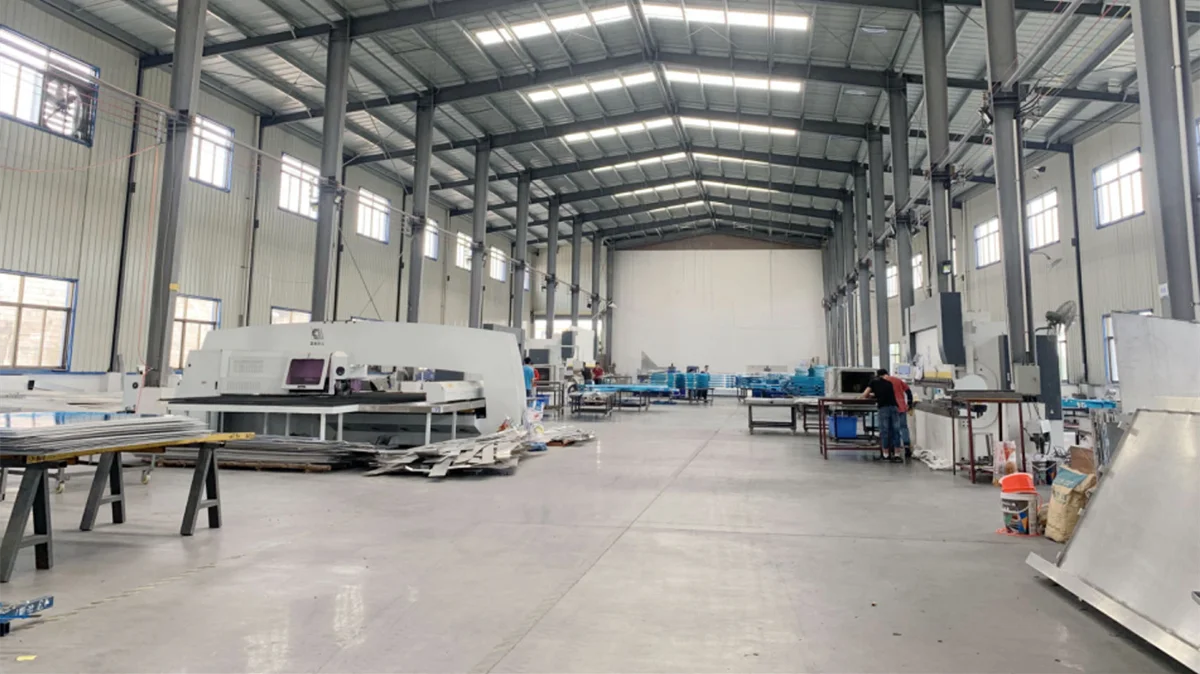
Foshan Lvzhibao Aluminium Co., Ltd.
- Trading Company
- Guangdong, China
- Lead time20 days
- Avg. response≤ 5h
Main productsAluminum Facade Panel,Aluminum AC cover,Aluminum Ceiling,Aluminum cladding,Aluminum wall panel
Main marketsWestern Europe(15.00%), Southeast Asia(15.00%), Mid East(15.00%), North America(12.00%), Africa(10.00%), Domestic Market(10.00%), South Asia(8.00%), South America(8.00%), Oceania(7.00%)

Alumag Aluminum Tech(Taicang) Co., Ltd.
- Verified by BV
- Combined
- China Jiangsu
- Lead time15 days
- Avg. response≤ 6h
Main productsAluminum Extrusion Profile, Aluminum Tube, Seamless Pipe, Aluminum Bar, Aluminum Plate, Aluminium Machining, CNC Aluminum Machining, Forging, Stamping, Magnesium Alloy
Main marketsSoutheast Asia/ Mideast,Domestic,Europe,Australia
Xiamen Boland Refrigeration Equipment Co., Ltd.
- Trading Company
- Fujian, China
- Lead time30 days
- Avg. response≤ 5h
Main productsCopper Pipes,Refrigerant Gas,Capacitors,Compressor,Motor
Main marketsAfrica(36.00%), Mid East(21.00%), South America(21.00%), Southeast Asia(14.00%), Eastern Europe(6.00%), Western Europe(2.00%)
Jiangsu Jinmeicheng Metal Products Co., Ltd.
- Manufacturer
- Jiangsu, China
- Lead time30 days
- Avg. response≤ 2h
Main productsAluminum profile,Finned Tube,Aluminum Charging Room,Aluminum roller shutter door,Aluminum Flight Case
Main marketsDomestic Market(94.00%), North America(5.00%), Northern Europe(1.00%)

King 9 Technology Company Limited
- Trading Company,Manufacturer/Factory
- China Guangdong
- Lead time15 days
- Avg. response≤ 9h
Main productsMetal Joints, Pipe Joint Systems, ABS Coated Pipe, Flow Racks, Assembly Workstation, Lean Pipe System, ESD Pipe and Joints, Caster Wheel, Aluminum Profile, Pipe Racking System
Main marketsSouth America,Eastern Europe,Mid East,North America,Southeast Asia,Eastern Asia,Oceania,Western Europe,Africa
- Verified by SGS Group
- Trading Company
- Lead time30 days
- Avg. response≤ 4h
Main productsSteel Pipe, Steel Plate, Steel Bar, Steel Coil, Aluminum Products
Main marketsSouth Asia(16%), Western Europe(15%), South America(12%)
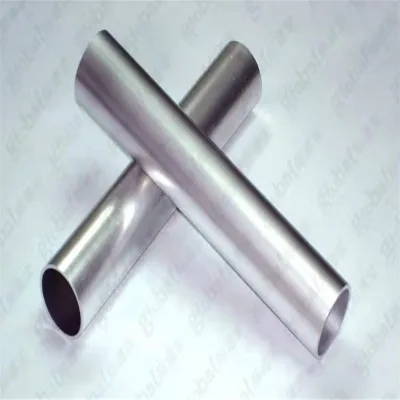
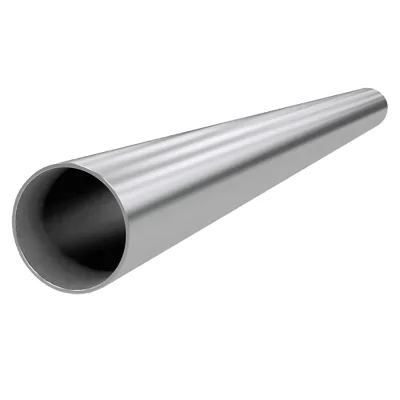
$1.7602 - $2.7953
MOQ: 500 kilograms
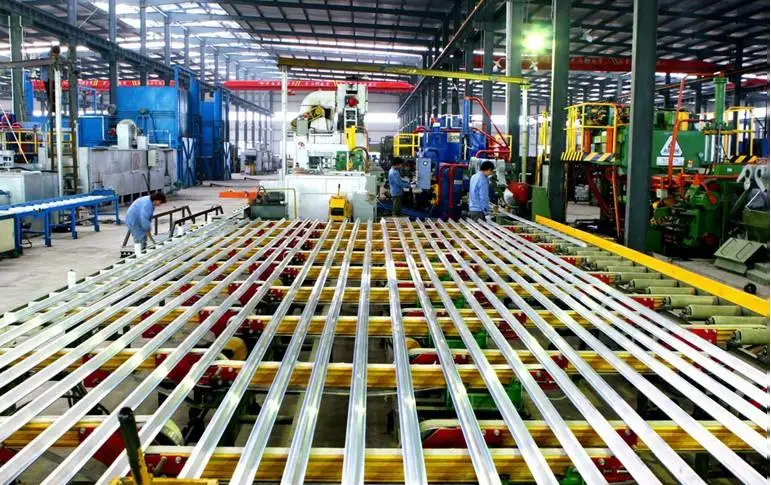
MapleLeaf Industry Technology Company Limited
- Manufacturer, Trading Company, Distributor/Wholesaler
- Guangdong, China
- Lead time0 days
- Avg. response≤ 2h
Main productsShower Door,Aluminum Profiles,Aluminum Heatsink,Industrial Aluminum Profiles,Aluminum Windows and Doors
Main marketsNorth America(80.00%), Southern Europe(5.00%), Northern Europe(5.00%), Central America(5.00%), Oceania(5.00%)
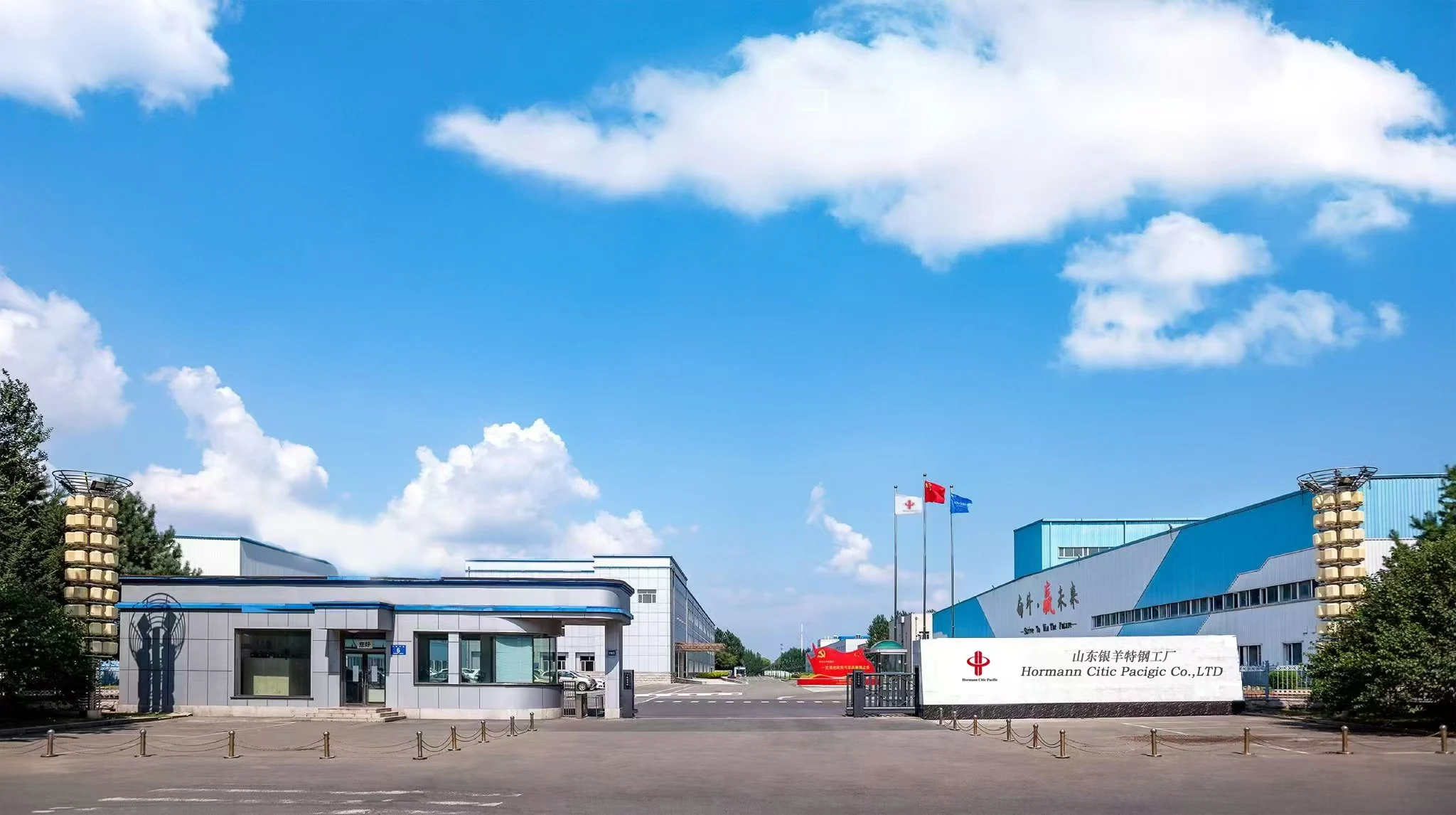
- Trading Company
- Shandong, China
- Lead time6 days
- Avg. response≤ 3h
Main productsStainless steel,Metal doors and Windows,Seamless steel pipe,copper-aluminum,Galvanized steel coil
Main marketsNorth America(31.00%), Southeast Asia(23.00%), Northern Europe(15.00%), Western Europe(10.00%)
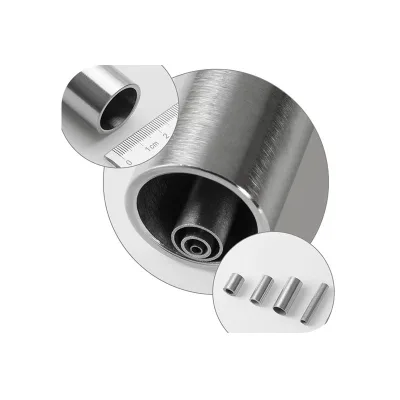
Aluminum Alloy Aluminum Tube 6063 Precision Capillary 8*1.5mm Aluminum Tube
$116.3601 - $1164.6456
MOQ: 1 Minimum
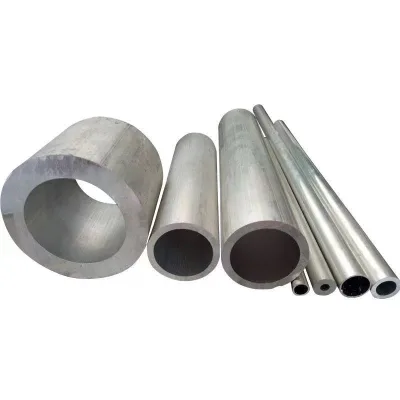
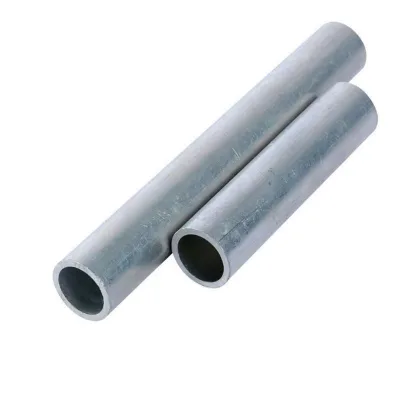
High Precise Aluminum Pipe 7005/7075 T6 Aluminium Tube /telescopic Aluminium Tubing
$574.5744 - $1333.8327
MOQ: 1 Minimum
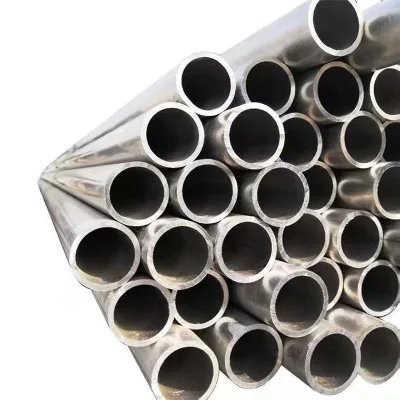
$860.00 - $1860.00
MOQ: 1 Minimum
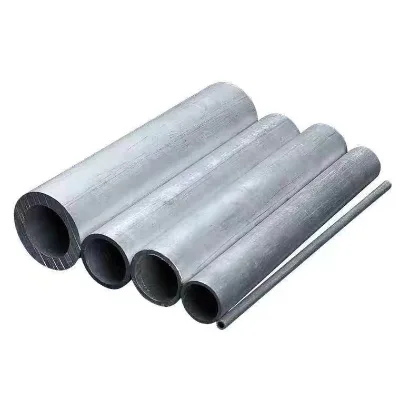
Custom 6063 Aluminum Alloy Pneumatic air Cylinder Pipe Tubes Industrialaluminum Extrusions
$660.00 - $1500.00
MOQ: 1 Minimum

- Verified by BV
- Trading Company
- China Jiangsu
- Lead time15 days
- Avg. response≤ 5h
Main productsCarbine Steel, Stainless Steel, Copper, Aluminum, Nickel, Gi, Titanium, PPGI, Nickel Alloy, 304 Stainless Steel
Main marketsEastern Europe,Mid East,North America,Southeast Asia,Eastern Asia
Nanjing Metalli Industrial Co., Limited
- Trading Company
- Lead time旺季: "1 - 5000":35,"5001 - 10000":45,"> 10000":"To be negotiated", 淡季: "1 - 5000":35,"5001 - 10000":45,"> 10000":"To be negotiated"
- Avg. response≤ 3h
Main productsSheet metal fabrication,Metal assemble,Metal stamping,Deep drawing,Aluminum extrusion

Zhenjiang Runfa Aluminium Co., Ltd.
- Verified by TUVRHEINLAND
- Manufacturer/Factory
- China Jiangsu
- Lead time30 days
- Avg. response≤ 11h
Main productsAluminum Coil, Aluminum Foil, Aluminum Strip / Tape, Aluminum Sheet, Aluminum Corrugated Sheet, Aluminum Checkered Sheet, Aluminum Fin Stock Foil for Air Conditioner, Aluminum Hydrophilic Foil, Aluminum Strip for Cable, Aluminum Narrow Strip
Main marketsSouth America,Eastern Europe,Mid East,North America,Southeast Asia,Eastern Asia,Oceania,Western Europe,Africa

Suzhou Jieyou Fluid Technology Co., Ltd.
- Verified by SGS
- Combined
- China Jiangsu
- Lead time15 days
- Avg. response≤ 8h
Main productsCompressed Air Pipe, Compressed Air Pipe System, Pipe Fitting
Main marketsOthers(foreignTradeCapacity.exportBusinessCapacityMarketOther),Southeast Asia/ Mideast
Suzhou Hengxinyu Aluminum Technology Co., Ltd.
- Verified by TüVRheinland
- Manufacturer, Trading Company
- Lead time10 days
- Avg. response≤ 2h
Main productsCustom Aluminum Extrusions, CNC Machining Parts, Metal Processing, Custom Heat Sinks, Custom T Slot Aluminum Profiles
Main marketsDomestic Market(30%), Eastern Europe(20%), Western Europe(15%)

Liaocheng Hengjiude Mechanical Equipment Co., Ltd.
- Verified by BV
- Combined
- China Shandong
- Lead time15 days
- Avg. response≤ 2h
Main productsCarbon Steel Series, Stainless Steel Series, PPGI/PPGL, Rebar Series, Profile Steel Series, Alloy Series, Elbow/Flange Series, Copper Series, Aluminum Series
Main marketsDomestic
Guangdong Zhonglian Aluminium Profiles Co., Ltd.
- Verified by SGS Group
- Manufacturer, Trading Company
- Lead time20 days
- Avg. response≤ 5h
Main productsAluminium Profile, Boat Aluminum Profile, Aluminum Tube, CNC Aluminum
Main marketsDomestic Market(80%), South America(8%), Northern Europe(5%)
Jiangsu Hengshuntai Steel Co., Ltd.
- Verified by SGS Group
- Trading Company
- Lead time10 days
- Avg. response≤ 2h
Main productsStainless Steel Sheet, Stainless Steel Bar, Stainless Steel Coil, Stainless Steel Pipe, Carbon Steel Products
Main marketsNorth America(18%), Eastern Europe(12%), Western Europe(12%)

Changzhou Xirun Machinery Manufacturing Co., Ltd.
- Combined
- China Jiangsu
- Lead time0 days
- Avg. response≤ 19h
Main productsAluminium Tube Line, Aerosol Can Production Line, Aluminum Can, Aluminium Can Line, Toothpaste Production Line, Aluminum Slug / Aluminum Circle Sheet/Pl, Filling Sealing Machine, Aerosol Can, Aluminium Tube Production Line, Aluminium Tube

Suzhou Yuncheng Ex/Im Co., Ltd.
- Trading Company,Manufacturer/Factory,Group Corporation
- China Jiangsu
- Lead time23 days
- Avg. response≤ 25h
Main productsTct Saw Blade, Diamond Saw Blade, Glue Gun, Empty Aluminium Tube, Aluminium Collapsible Tube, Foam Gun, Caulking Gun, Pasty Liquid Filling Machine, Filling and Screw-Cap Machine, Filling and Sealing Machine
Main marketsSouth America,Eastern Europe,Mid East,North America,Southeast Asia,Eastern Asia,Oceania,Western Europe,Africa














Comprehensive Sourcing Guide
Modern Durable Aluminum Tube Supplier Concentration and Factory Types
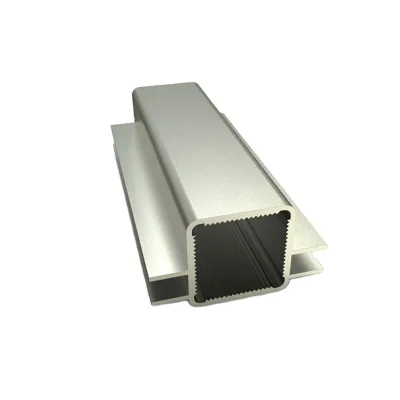
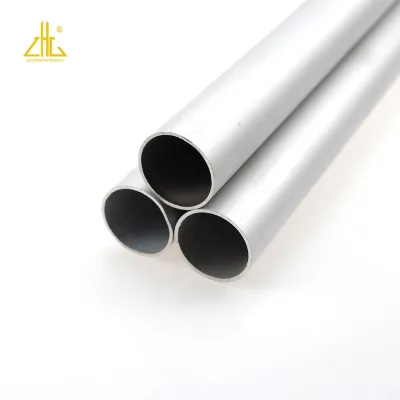
The current supplier landscape for modern durable aluminum tubes reveals a distinct split between manufacturing capabilities and trading operations, primarily concentrated in China. Factories located in Jiangsu and Guangdong offer different structural advantages for buyers seeking specific production models. In Jiangsu, suppliers often operate as combined entities or trading companies that provide a wide array of metal conduits, including electrical metal conduits, stainless steel conduits, and aluminum conduits. These entities frequently list main products that encompass pipe conduits, electrical conduit fittings, junction boxes, C channels, flexible conduits, and power bridge systems. This breadth suggests that many Jiangsu-based suppliers are integrated into broader electrical infrastructure supply chains, offering aluminum tubes as part of a comprehensive conduit solution rather than as standalone architectural elements. The presence of ODM, OEM, and own brand capabilities indicates that these factories can adapt to custom specifications, which is critical for buyers requiring specific temper grades or dimensional tolerances for structural applications.
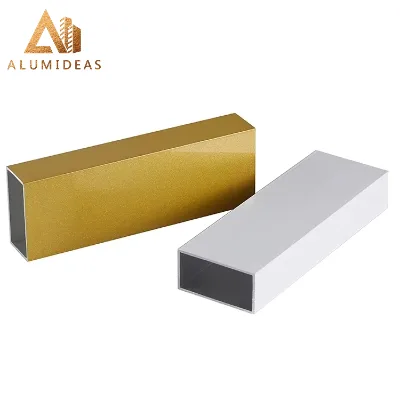
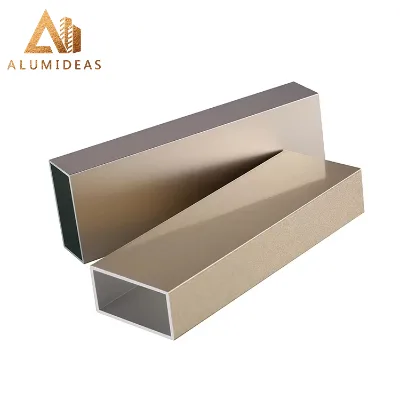
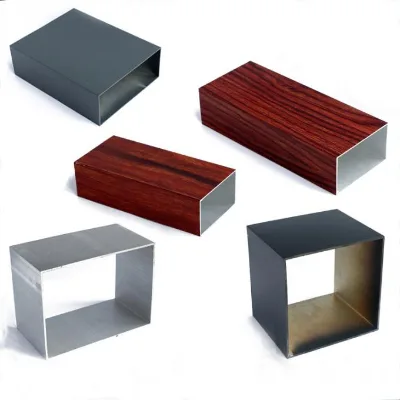
Conversely, suppliers in Guangdong often present themselves with a focus on decorative and interior design applications, such as elegant contemporary aluminum tubes for home design solutions. These suppliers may specialize in aluminum alloy tubes used for ceilings, curtain walls, and interior partitions, emphasizing features like oxidation resistance, fireproofing, and moisture-proofing. The product evidence shows a strong alignment with construction and real estate sectors, where aesthetic customization is as important as durability. While some Guangdong suppliers hold ISO9001:2015 and ISO14001:2015 certifications, indicating a structured quality management system, others may rely on different verification methods. Buyers must distinguish between suppliers who manufacture the raw aluminum profiles and those who simply trade finished decorative tubes. Understanding whether a supplier is a factory with extrusion capabilities or a trading company sourcing from multiple mills is essential for determining price stability and production control. The concentration in these two provinces highlights the diversity of the aluminum tube market, ranging from industrial structural components to high-end architectural finishes.
How to Verify Modern Durable Aluminum Tube Suppliers
Verifying the legitimacy and capability of Modern Durable Aluminum Tube suppliers requires a multi-layered approach that goes beyond basic company profiles. Buyers should prioritize suppliers who have undergone third-party verification processes, such as CTI or BV, as these provide an external audit of the supplier’s business scope and operational reality. For instance, some suppliers in the current results are verified by CTI, while others hold BV verification, each offering a different layer of assurance regarding the company’s legal standing and physical existence. It is crucial to check whether the verification covers the specific product lines you intend to purchase, as a supplier may be verified for trading electrical conduits but not necessarily for manufacturing high-grade aluminum tubes. Additionally, buyers should look for system certifications like ISO9001:2015 and ISO14001:2015, which signal adherence to international quality and environmental standards. However, the absence of displayed certifications does not automatically disqualify a supplier; it may simply mean they have not uploaded the documents to the platform. In such cases, buyers should request copies of these certificates directly and verify their validity with the issuing body.
Beyond certifications, buyers must assess the supplier’s response time and communication efficiency, as these are strong indicators of operational maturity. A response time of less than one hour, such as the 0.90 hours observed in some results, suggests a dedicated sales team that can address technical queries and negotiation points rapidly. In contrast, a response time of several hours or days may indicate a less structured sales process, which could lead to delays in order processing or problem resolution. Buyers should also examine the supplier’s main products to ensure alignment with their specific needs. A supplier listing electrical metal conduits and junction boxes as main products may have different expertise than one listing roofing sheets and color-coated steel plates. While both may sell aluminum tubes, their core competency and supply chain relationships will differ. Buyers should ask for detailed product specifications, including temper grades, chemical compositions, and dimensional tolerances, to gauge the supplier’s technical knowledge. Requesting samples before placing a bulk order is another critical verification step, allowing buyers to physically inspect the surface treatment, oxidation resistance, and structural integrity of the modern durable aluminum tubes.
What to Compare Across Modern Durable Aluminum Tube Suppliers
When evaluating multiple suppliers for modern durable aluminum tubes, buyers must compare key operational metrics to determine the best fit for their project requirements. Lead time is a critical factor, with some suppliers offering a 30-day lead time while others may require up to 45 days. This difference can significantly impact project schedules, especially for large-scale construction or industrial installations. Buyers should also compare the minimum order quantity (MOQ), which can vary widely from as low as 10 units for decorative tubes to 50,000 units for industrial-grade pipes. A lower MOQ may be preferable for small projects or prototyping, while a higher MOQ might offer better unit economics for bulk purchases. Price is another essential comparison point, with ranges varying from $4.45 to $102.66 per unit for certain aluminum tubes, and up to $1,845.58 for specialized structural applications. Buyers should not focus solely on the lowest price but should consider the total cost of ownership, including shipping, tariffs, and potential quality issues.
In addition to price and quantity, buyers should compare the customization capabilities and product specifications offered by each supplier. Some suppliers provide customization options for color, size, and surface treatment, which is vital for architectural projects requiring specific aesthetic finishes. Others may offer standard sizes with limited customization, which is suitable for industrial applications where standardization is key. Buyers should also compare the supplier’s capacity for OEM and ODM services, as this indicates their ability to produce branded or uniquely designed products. The response time is another comparative metric, with faster responses often correlating with better customer service and more efficient order processing. Buyers should also consider the supplier’s location, as proximity to ports or logistics hubs can reduce shipping costs and transit times. By systematically comparing these factors, buyers can create a weighted scoring matrix to objectively evaluate suppliers and select the one that best balances cost, quality, and service.
Common Modern Durable Aluminum Tube Sourcing Risks
Sourcing modern durable aluminum tubes from international suppliers involves several risks that buyers must proactively manage to ensure project success. One significant risk is the discrepancy between the quoted specifications and the actual delivered product. For example, a supplier may quote an aluminum tube with a specific temper grade, such as T3-T8, but deliver a product with a different temper that does not meet the structural requirements. This risk is heightened when dealing with trading companies that may not have direct control over the manufacturing process. Buyers should mitigate this risk by including detailed technical specifications in the purchase contract and requiring pre-shipment inspections by third-party agencies. Another risk is the variability in surface treatment quality, particularly for decorative aluminum tubes used in interior design. Issues such as uneven spray coating, poor oxidation resistance, or color fading can occur if the supplier uses substandard materials or processes. Buyers should request samples and conduct rigorous testing to verify the surface treatment quality before committing to a large order.
Logistical risks are also prevalent in international aluminum tube sourcing, especially for long and heavy products that are prone to damage during transit. Aluminum tubes, particularly those with large diameters or thin walls, can be easily bent or dented if not packed properly. Buyers should ensure that the supplier uses robust packaging methods, such as bundle packing with protective foam or standard export cartons, to prevent damage. Additionally, buyers should be aware of potential delays in shipping due to port congestion, customs clearance issues, or weather conditions. To mitigate these risks, buyers should work with suppliers who have experience in exporting to their destination country and who can provide accurate shipping estimates. Another risk is the financial instability of the supplier, which can lead to order cancellations or quality compromises. Buyers should verify the supplier’s financial health through credit reports or by checking their business registration details. By identifying and addressing these risks early in the sourcing process, buyers can protect their interests and ensure the timely delivery of high-quality modern durable aluminum tubes.
Modern Durable Aluminum Tube Regional Sourcing and Logistics
The regional location of suppliers significantly influences the logistics and cost structure for sourcing modern durable aluminum tubes. Suppliers in Jiangsu, China, are often positioned near major industrial hubs and ports, which can facilitate efficient export logistics for heavy and bulky products like aluminum conduits and structural tubes. The proximity to manufacturing clusters in this region allows for faster raw material procurement and production, potentially reducing lead times. Buyers sourcing from Jiangsu should consider the availability of direct shipping routes to their destination, as this can impact transit times and freight costs. Additionally, the presence of trading companies in Jiangsu may offer consolidated shipping options, allowing buyers to combine multiple products into a single shipment to achieve economies of scale. However, buyers should also be aware of potential regional trade policies or tariffs that may affect the cost of importing aluminum products from this area.
In contrast, suppliers in Guangdong, China, are often located in a region known for its advanced manufacturing and export-oriented industries. This region’s logistics infrastructure is highly developed, with access to major international shipping lanes and efficient customs clearance processes. Buyers sourcing decorative aluminum tubes from Guangdong may benefit from the region’s expertise in high-value, low-volume products, which often require specialized handling and packaging. The logistics costs for these products may be higher due to the need for careful handling to prevent surface damage, but the faster response times and higher service levels can offset these costs. Buyers should also consider the impact of regional labor costs and environmental regulations on the final price of the aluminum tubes. By understanding the logistical advantages and challenges associated with each region, buyers can make informed decisions about where to source their modern durable aluminum tubes and how to optimize their supply chain.
Modern Durable Aluminum Tube Commercial Terms and Order Planning
Effective order planning for modern durable aluminum tubes requires careful attention to commercial terms that protect the buyer’s interests and ensure smooth transaction execution. Buyers should negotiate clear payment terms, such as using escrow services or letters of credit, to mitigate the risk of non-delivery or non-payment. Escrow services provide a secure platform where funds are held until the buyer confirms receipt and quality of the goods, offering an additional layer of protection. Buyers should also specify the Incoterms, such as FOB or CIF, to define the responsibilities of each party regarding shipping and insurance. Clear Incoterms help avoid disputes over who bears the cost and risk of loss during transit. Additionally, buyers should include detailed quality assurance clauses in the contract, specifying the acceptable tolerances for dimensions, weight, and surface finish. These clauses should also outline the procedures for handling non-conforming goods, including return policies and compensation mechanisms.
Lead time commitments are another critical commercial term that buyers must plan for. Suppliers may offer different lead times based on the order quantity and customization requirements, so buyers should align their project schedules with these commitments. It is advisable to include penalty clauses for delays in delivery, which incentivize the supplier to meet the agreed-upon timeline. Buyers should also consider the impact of currency fluctuations on the final cost, especially for long-term contracts. Negotiating fixed-price contracts or including currency adjustment clauses can help manage this risk. Furthermore, buyers should plan for after-sales support, including warranty periods and technical assistance, to address any issues that may arise after installation. By establishing comprehensive commercial terms and planning orders meticulously, buyers can minimize risks and ensure a successful sourcing experience for modern durable aluminum tubes.
FAQs
What is the price range for modern durable aluminum tubes?
Prices for aluminum tubes typically range from $4.45 to $102.66 per unit, depending on specifications. Some structural options are priced between $20.00 and $50.00. Heavy-duty industrial pipes may cost between $768.99 and $1845.58. Buyers should verify exact quotes based on quantity and customization needs.
What are the minimum order quantities for aluminum tubes?
MOQs vary significantly by supplier and product type. Standard conduit tubes often require a minimum of 50,000 units. Decorative ceiling tubes may have an MOQ of just 10 units. Some industrial suppliers accept orders starting from 1 unit. Buyers must check specific listings to confirm the applicable minimum order quantity.
How long does production take for aluminum tubes?
Lead times generally range from 10 to 45 days. Some suppliers offer faster turnaround times of 10 days for standard items. Others require up to 45 days for complex orders. Response times also vary, with some suppliers replying within less than one day. Buyers should confirm production schedules before placing orders.
Where are aluminum tube manufacturers located?
Manufacturers are primarily located in China, specifically in Jiangsu and Guangdong provinces. Jiangsu suppliers often focus on electrical conduits and industrial pipes. Guangdong suppliers frequently specialize in decorative and contemporary design tubes. Buyers can filter results by these specific regions to find suitable suppliers for their projects.
What certifications do aluminum tube suppliers hold?
Certification status varies by supplier. Some manufacturers hold ISO9001:2015 and ISO14001:2015 certificates. Others may not display system certifications in their profiles. Verification services like CTI and BV are used to confirm supplier credentials. Buyers should request specific certification documents to ensure compliance with their project requirements.
What customization options are available for aluminum tubes?
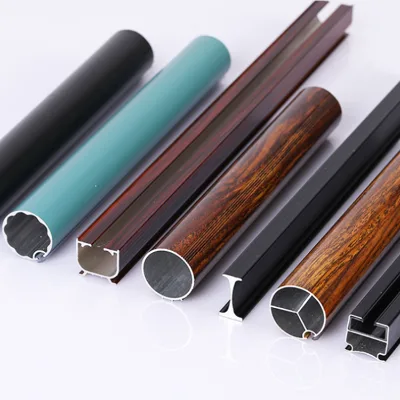
Customization is widely available for color, size, and branding. Suppliers offer ODM and OEM services for tailored solutions. Colors include grey, silver white, black, and golden options. Standard sizes range from 1/2 inch to 6 inches. Buyers can request specific models and surface treatments to meet unique design or structural needs.