Source Modern Glass Dining Table for Hotel, Home, and Restaurant
Explore 30 listings for the Modern Glass Dining Table, comparing models like DT-287 and CX-DT-170. Buyers can evaluate sizes, materials, and customization options for hotel, home, and restaurant applications; compare the available evidence and request quotations based on your requirements.
Updated
Key considerations
Products List

$30.00 - $40.00
MOQ: 50 Pieces


Modern Dining Room Furniture Stainless Steel Black Glass Dining Tables
$445.00 - $452.00
MOQ: 5 Pieces


$150.00 - $180.00
MOQ: 30 Pieces


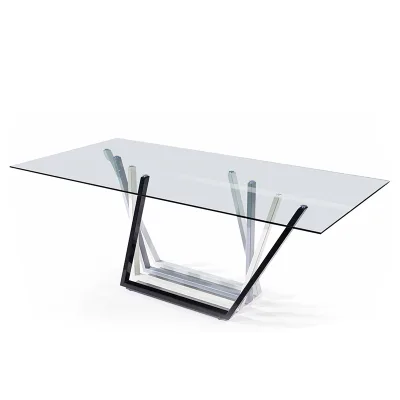
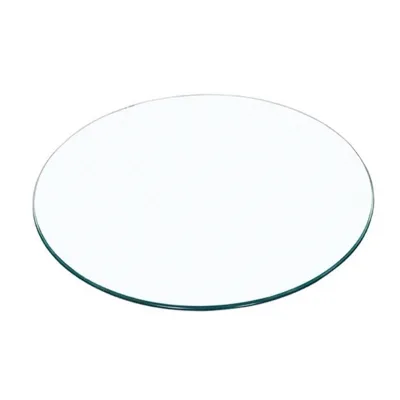
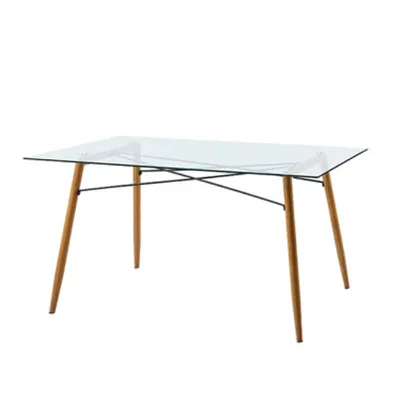
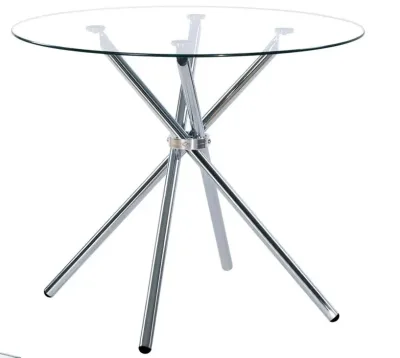
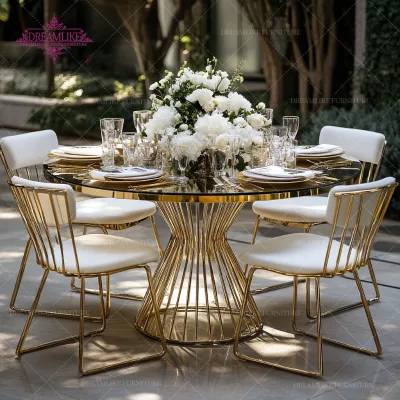
Contemporary Round Gold Dining Table with Stainless Steel Frame Modern Home Furniture
$265.00 - $300.00
MOQ: 3 Minimum

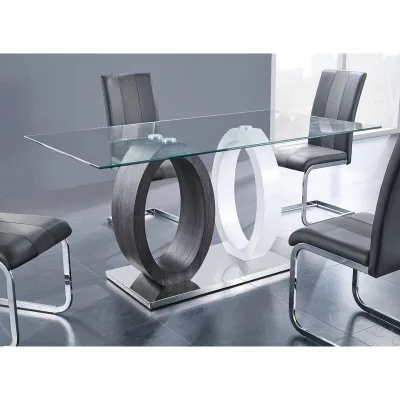
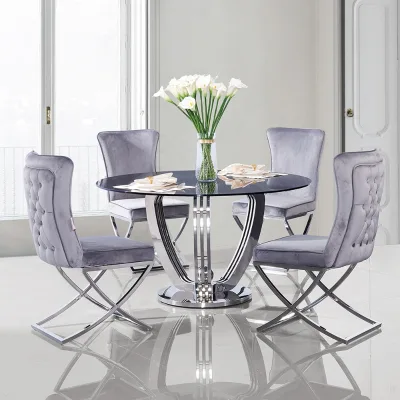
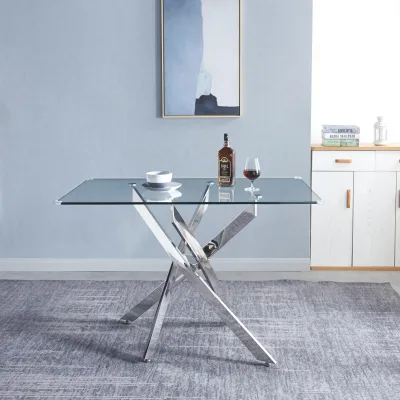
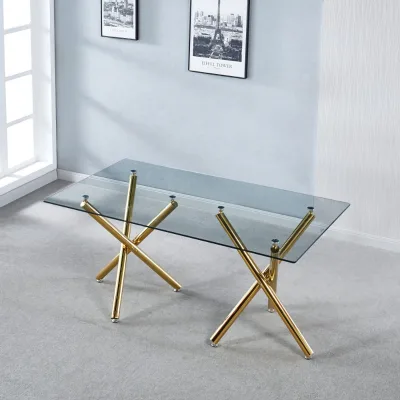
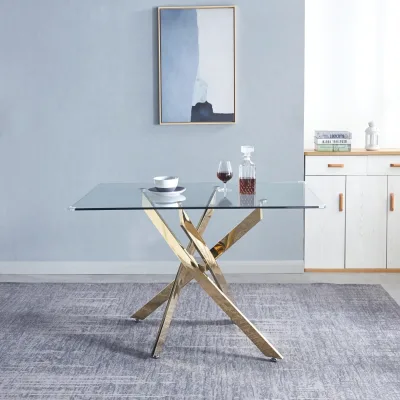

Home Dining Room Furniture Classic Design Simple Modern Glass Dining Tables
$82.00 - $103.00
MOQ: 1 Pieces

Modern Home Furniture Dining Restaurant Glass Dining Table Simple Design
$96.00 - $120.00
MOQ: 1 Pieces

Comprehensive Sourcing Guide
Modern Glass Dining Table Sourcing Guide
Sourcing modern glass dining tables requires a careful balance of aesthetic precision and structural integrity, particularly when dealing with materials like tempered glass and stainless steel frames. Buyers must navigate a market where design elements such as rectangular or round shapes and fixed rotary bases define the functional utility of the piece. The observed product range indicates a strong emphasis on contemporary styles, often featuring white or black finishes that complement modern interior design schemes. Understanding these visual and structural attributes is the first step in defining accurate procurement specifications that align with end-user expectations.
The procurement landscape for these items is characterized by a wide variety of models, each with distinct dimensional and material properties. From the DT-287 with its specific 12070cm size to the CX-DT-170 featuring a 1300800mm top, the diversity in standard sizes necessitates rigorous verification before placing orders. Buyers should recognize that while many products are marketed as new and customized, the actual customization capabilities vary significantly between suppliers. Establishing clear communication regarding these variations ensures that the final delivered product matches the intended design vision without unexpected deviations in form or function.
Product Scope and Observed Listing Signals
The current market listings reveal a diverse array of modern glass dining tables, primarily originating from Hebei Province, China. Key models such as the DT-506 and DT-R10 demonstrate the prevalence of specific dimensional standards, with the latter measuring 10001000760mm. These listings often highlight the use of 12-15mm tempered glass tops, which are frequently paired with artificial marble or metal bases. The presence of both customized and non-customized options suggests that buyers have flexibility in tailoring products to specific project requirements, though this must be explicitly confirmed during the inquiry phase to avoid misunderstandings regarding production capabilities.
Observations also indicate that packaging and logistics play a crucial role in the overall product offering. Products like the DT-506 are packed in cartons with specific gross weights and volumes, such as 34.1kgs and 0.081cbm, which directly impact shipping costs and container loading efficiency. The 40HQ container capacity for certain models, reaching up to 840 pieces, highlights the importance of dimensional optimization in procurement planning. Buyers should carefully review these packing details to ensure that the selected models align with their logistical constraints and budgetary limits, as inefficient packing can significantly increase per-unit landed costs.
Technical Specifications to Verify
Verifying the technical specifications of modern glass dining tables is essential to ensure durability and safety. Buyers must confirm the exact thickness of the tempered glass, which typically ranges from 12 to 15mm in observed listings, and verify the type of metal frame used, such as 201# stainless steel. The base style, often described as a leg style, should be inspected for stability and finish quality, with options including silver, gold, rose gold, or black coatings. Additionally, the material composition of the tabletop, whether it is pure glass or a combination of glass and marble, must be clearly defined to prevent discrepancies between the ordered sample and the bulk production.
Dimensional accuracy is another critical technical aspect that requires strict verification. Models like the CX-DT-130 specify a table size of 1300*800mm, while others may offer round or rectangular configurations with varying heights. Buyers should request detailed technical drawings or CAD files to confirm these dimensions, especially for customized orders where standard sizes may not apply. Furthermore, the weight of the product, such as the 28kg gross weight observed for certain models, should be cross-referenced with the material specifications to ensure that the product meets the expected structural integrity and load-bearing capacity for dining use.
Compliance and Safety Documentation
Safety compliance is paramount when sourcing glass furniture, particularly for hotel and home applications where user interaction is frequent. Buyers should request documentation confirming that the glass used is indeed tempered, as this process significantly enhances impact resistance and reduces the risk of injury upon breakage. While specific certification names are not provided in the observed data, buyers must insist on proof of compliance with relevant local and international safety standards for glass and metal furniture. This includes verifying that the manufacturing process adheres to quality control protocols that ensure consistent thickness and edge finishing, which are critical for preventing sharp edges and structural failures.
Warranty and after-sales support are also key components of the compliance and safety framework. Observed listings indicate a standard warranty period of two years, which provides a baseline for buyer protection against manufacturing defects. However, buyers should clarify the specific terms of this warranty, including what constitutes valid coverage and the process for claiming replacements or repairs. Additionally, ensuring that the supplier provides proper installation guidelines and maintenance instructions is essential for prolonging the lifespan of the glass and metal components, thereby reducing long-term liability and customer dissatisfaction in the end market.
Cost Drivers and Commercial Terms
The cost of modern glass dining tables is influenced by several key factors, including material quality, customization level, and packaging efficiency. The use of high-grade materials such as 201# stainless steel and 20-40mm artificial marble can significantly increase the unit price compared to standard metal and glass combinations. Customization options, such as specific glass colors like clear, black, or grey, or bespoke frame finishes, often incur additional charges due to the complexity of the production process. Buyers should carefully evaluate these variables to understand the true cost drivers and negotiate effectively based on the specific requirements of their order.
Commercial terms, including minimum order quantities (MOQ) and payment conditions, also play a significant role in the overall procurement cost. Observed MOQs range from 1 to 100 pieces, offering flexibility for both small-scale and large-volume buyers. However, larger orders may benefit from economies of scale, particularly in terms of shipping costs, where container loading efficiency becomes a critical factor. Buyers should also consider the lead time and production capacity of the supplier, as these factors can impact the ability to meet project deadlines and may influence the negotiation of favorable payment terms or discounts for bulk purchases.
Supplier Qualification and Quality Control
Qualifying suppliers for modern glass dining tables requires a thorough assessment of their manufacturing capabilities and quality control processes. Buyers should verify the supplier’s business type, ensuring they are a manufacturer rather than a trading company, to gain better control over production quality and pricing. Inspecting the supplier’s facility, either through virtual tours or third-party audits, can provide insights into their production lines, raw material storage, and finished goods inspection procedures. This due diligence helps mitigate the risk of receiving substandard products and ensures that the supplier has the capacity to meet the required production volumes and timelines.
Quality control measures should be explicitly defined in the purchase agreement, including pre-production sample approvals and in-process inspections. Buyers should request detailed quality inspection reports that cover critical aspects such as glass thickness, frame weld quality, and surface finish consistency. Implementing a robust quality control plan, which may include third-party inspection services before shipment, is essential for identifying and rectifying defects early in the production process. This proactive approach not only ensures that the delivered products meet the specified standards but also helps maintain the supplier’s reputation and reliability in the long term.
Long-Term Procurement Checks
Establishing long-term procurement relationships for modern glass dining tables involves continuous monitoring of supplier performance and market trends. Buyers should regularly review supplier performance metrics, such as on-time delivery rates, product defect rates, and responsiveness to issues, to ensure consistent quality and service. Building a diversified supplier base can also help mitigate risks associated with supply chain disruptions, allowing buyers to switch suppliers if necessary without compromising project timelines. Additionally, staying informed about emerging design trends and material innovations can help buyers stay competitive and meet evolving customer demands in the modern furniture market.
Sustainability and ethical sourcing practices are increasingly important considerations for long-term procurement strategies. Buyers should inquire about the supplier’s environmental policies, including waste management, energy usage, and responsible sourcing of raw materials like glass and steel. Ensuring that the supplier adheres to ethical labor practices and complies with relevant environmental regulations can enhance the brand’s reputation and appeal to environmentally conscious consumers. By integrating these considerations into their procurement strategy, buyers can build resilient and sustainable supply chains that support long-term business growth and success.
FAQs
What materials are used in these modern glass dining tables?
The tables utilize tempered glass tops ranging from 12 to 15mm thickness, paired with metal frames. Some models feature 201 stainless steel frames with options for clear, black, or grey glass. Others combine glass with artificial marble tops that are 20 to 40mm thick, ensuring durability and a modern aesthetic for home or hotel use.
Can I customize the color and size of the glass table?
Yes, customization is available for both color and dimensions. Buyers can select glass colors like clear, black, or grey, and steel colors such as silver, gold, or rose gold. Standard sizes include 120x70cm and 1300x800mm, but specific dimensions can be tailored to meet unique space requirements and design preferences for residential or commercial settings.
What is the minimum order quantity for these dining tables?
The minimum order quantity ranges from 1 to 100 pieces depending on the specific model and customization level. Standard items may have lower MOQs, while customized orders might require higher volumes. This flexibility allows buyers to test the market with small batches or fulfill large commercial projects efficiently without excessive inventory commitment.
Where are these modern glass dining tables manufactured?
These tables are manufactured in China, specifically originating from Hebei Province. The production facilities are located in mainland China, ensuring consistent quality control and efficient logistics for international shipping. Buyers can expect reliable supply chain management and adherence to standard packaging methods like carton packing for safe delivery.
What warranty is provided for the glass and metal components?
A two-year warranty is provided for the structural components, including the metal frames and glass tops. This coverage ensures protection against manufacturing defects and material failures. Buyers benefit from long-term reliability and support, making these tables suitable for high-traffic environments like hotels or busy family homes where durability is essential.
How are the tables packed for international shipping?
The tables are packed in cartons to ensure safe transit. Each unit is typically packed individually, with two cartons containing one piece. This method protects the tempered glass and metal frames from damage during handling. The packaging is designed to optimize container space, allowing for efficient loading in 20GP or 40HQ containers.