Steel Cabinets Suppliers and Manufacturers in China
Explore 32 verified suppliers offering Steel Cabinets with varying lead times, certifications, and response speeds. Buyers can compare locations, MOQs, and product specifications like voltage and material before requesting quotes directly from factories; review the available evidence before requesting comparable quotations from suitable candidates.
Updated
Suppliers List

Zhejiang Guozhen Electric Co., LTD.
- Verified by TUVRHEINLAND
- Manufacturer/Factory
- China Zhejiang
- Lead time0 days
- Avg. response≤ 12h
Main productsDistribution Box, Terminal Strip, Stainless Steel Cable Tie, Power Station, Solar Combiner Box
Main marketsSouth America,Mid East,North America,Southeast Asia,Africa

Jinhua Bonuo Furniture Co, Ltd
- Trading Company,Manufacturer/Factory
- China Zhejiang
- Lead time45 days
- Avg. response≤ 3h
Main productsMetal Cabinets, Fire Cabinets, Fire Equipment, Lab Furniture, Fire Furniture, Metal Beds, Fume Hood, Chemical Cabinet, Tool Cabinet, Lab Workcase
Main marketsSouth America,Eastern Europe,Mid East,North America,Southeast Asia,Eastern Asia,Western Europe,Africa
Foshan Bo Jun Precision Sheet Metal Co., Ltd.
- Verified by TüVRheinland
- Manufacturer, Trading Company
- Lead time15 days
- Avg. response≤ 3h
Main productsGarden Supplies
Main marketsNorth America(29%), Domestic Market(20%), Eastern Europe(12%)

Shenzhen CBDMART Industry Co., Ltd.
- Verified by TUVRHEINLAND
- Trading Company
- China Guangdong
- Lead time45 days
- Avg. response≤ 5h
Main productsStaircase, Railing, Aluminum Window&Door, Kitchen Cabinet, Wooden Door, Closet, Vanity, Partition, Shower Room, Flooring
Main marketsSouth America,Eastern Europe,Mid East,North America,Southeast Asia,Eastern Asia,Oceania,Western Europe,Africa
Luoyang Huasha Import And Export Trade Co., Ltd.
- Verified by Intertek
- Manufacturer, Trading Company
- Lead time25 days
Main productsMetal Filing Cabinet, Lockers, Mobile Pedestal Cabinet, Shelves, Wardrobes
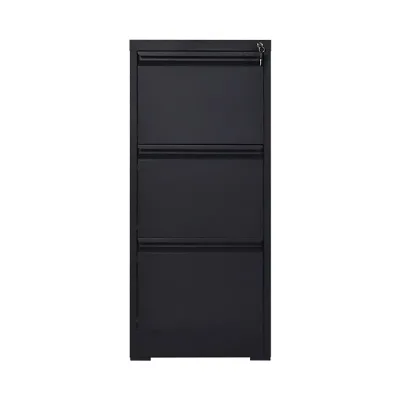
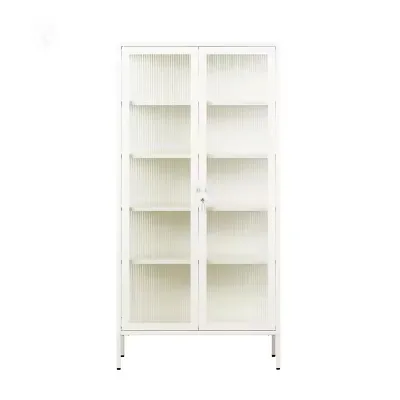
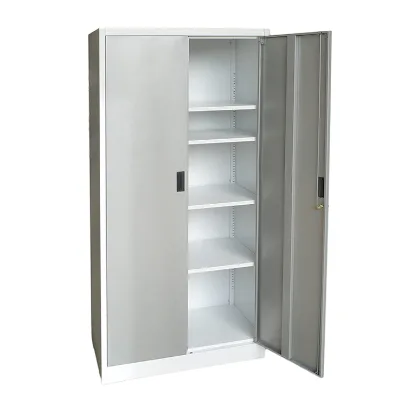
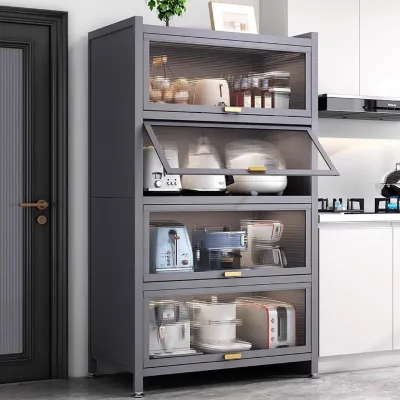
High Quality Steel Cabinet with Glass Door and 4 Adjustable Shelves for Kitchen
$54.5486 - $57.695
MOQ: 50 pieces

Zhuhai Shengwo Machinery Technology Co., Ltd.
- Verified by BV
- Combined
- China Guangdong
- Lead time30 days
- Avg. response≤ 5h
Main productsSheet Metal
Main marketsEurope

Dongguan Webber Steel Furniture Co., Ltd.
- Verified by SGS
- Manufacturer
- China Guangdong
- Lead time15 days
- Avg. response≤ 6h
Main productsFurniture, Office Furniture, Morden Furniture, Chinese Furniture, Mobile Filing Cabinet, School Furniture, Server Racks, File Cabinet, Network Cabinet, Household Furniture
Main marketsEast Asia(Japan/ South Korea),Europe,North America
Luoyang Great Office Furniture Co., Ltd.
- Verified by TüVRheinland
- Trading Company
- Lead time20 days
- Avg. response≤ 2h
Main productsCompact Shelving, File Cabinets, Clothes Wardrobe Cabinet, Safes, Metal Beds
Main marketsSoutheast Asia(14%), Western Europe(13%), North America(12%)
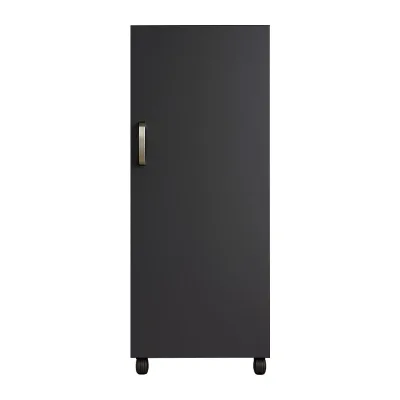
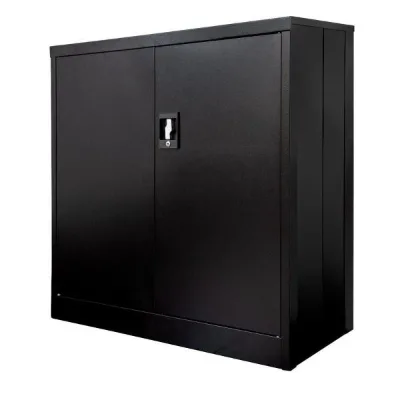
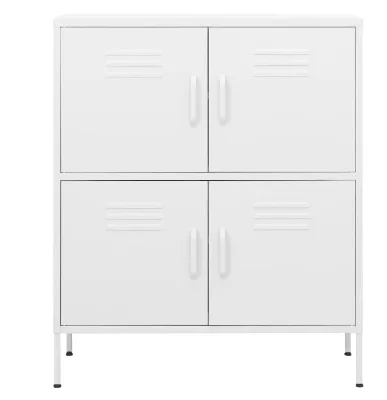
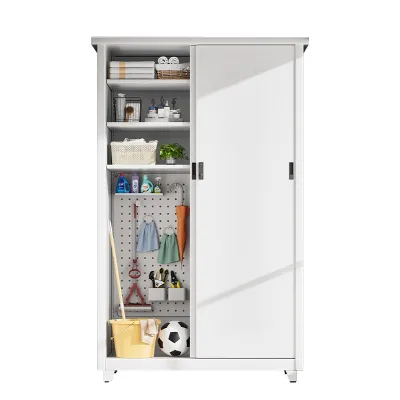
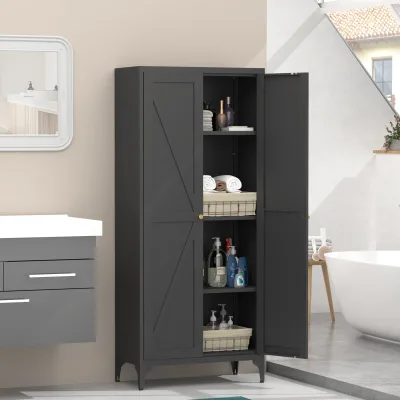
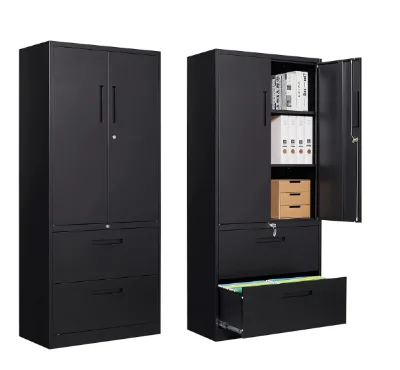
$59.2929 - $61.7978
MOQ: 10 pieces
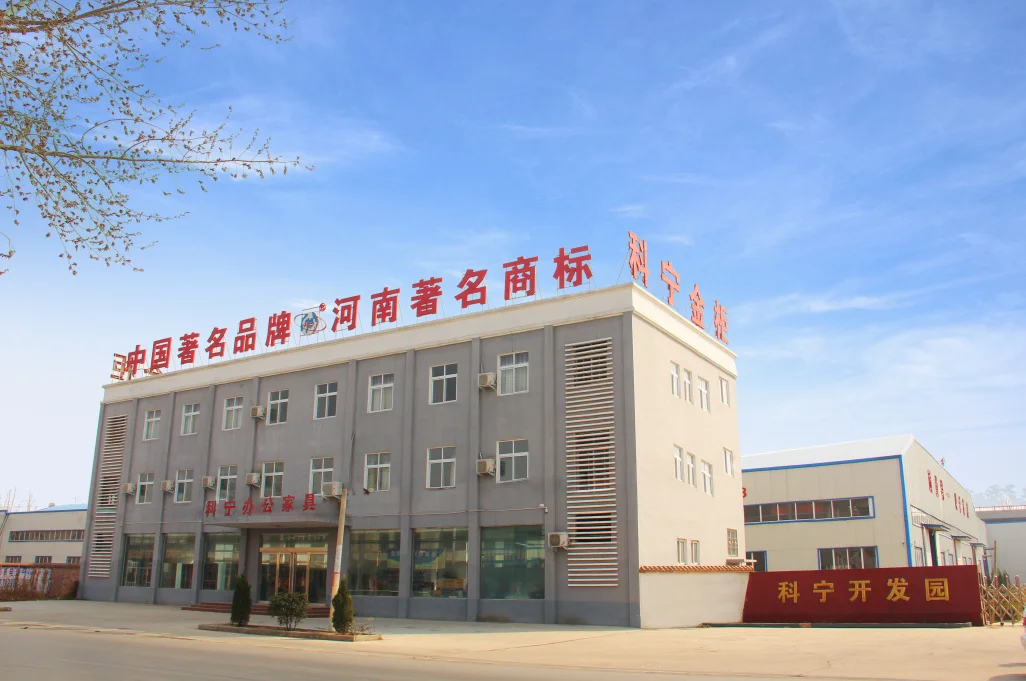
Luoyang Kening Office Furniture Co., Ltd.
- Manufacturer, Trading Company
- Henan, China
- Lead time30 days
- Avg. response≤ 4h
Main productsFiling Cabinets,Wardrobes,Lockers,Metal Beds
Main marketsSoutheast Asia(30.00%), Mid East(20.00%), South Asia(10.00%), South America(10.00%), Oceania(10.00%), North America(10.00%), Africa(10.00%)

Luoyang Woma Trading Co., Ltd.
- Verified by TUVRHEINLAND
- Combined
- China Henan
- Lead time30 days
- Avg. response≤ 6h
Main productsSteel Locker, Mobile Shelving, Filing Cabinet, Safe, Home Furniture, Parcel Locker, Steel Bed, Goods Rack
Main marketsSouth America,Africa,Southeast Asia/ Mideast,Europe,Australia
Luoyang CBNT Steel Cabinet Co., Ltd.
- Verified by SGS Group
- Manufacturer, Trading Company
- Lead time25 days
- Avg. response≤ 1h
Main productsOffice Furniture
Main marketsMid East(37%), Oceania(20%), North America(5%)
Luoyang Sanjian Cabinet Co., Ltd.
- Manufacturer, Trading Company
- Henan, China
- Lead time20 days
- Avg. response≤ 2h
Main productsSteel Office Furniture,Steel Locker,Matel Cabinet,Mass Shelf,School Furniture
Main marketsDomestic Market(80.00%), Africa(15.00%), Southeast Asia(3.00%), Mid East(2.00%)
Shanxi Anbight Industrial Trading Co., Ltd.
- Trading Company
- Shanxi, China
- Lead time30 days
- Avg. response≤ 4h
Main productsmetal stamping and deep drawing,metal and plastic machining,casting parts,horse riding gear,plastic and rubber parts
Main marketsWestern Europe(55.00%), North America(30.00%), Oceania(10.00%), Northern Europe(5.00%)
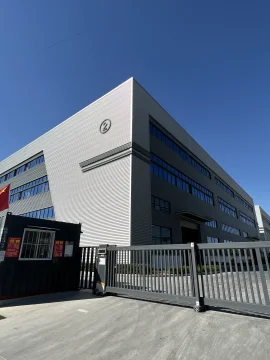
Luoyang Fukaixiang Furniture Co., Ltd.
- Manufacturer, Trading Company
- Henan, China
- Lead time20 days
- Avg. response≤ 1h
Main productsSteel Office Furniture,home furniture,File cabinet,Steel locker,Storage cabinet
Main marketsDomestic Market(80.00%), Africa(15.00%), Southeast Asia(3.00%), Mid East(2.00%)
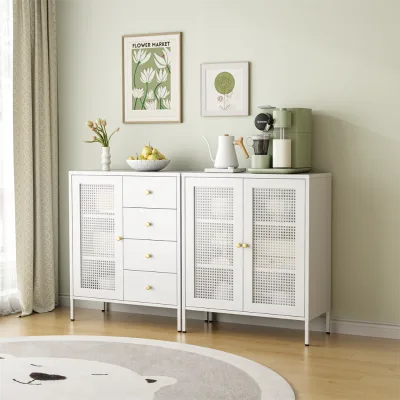
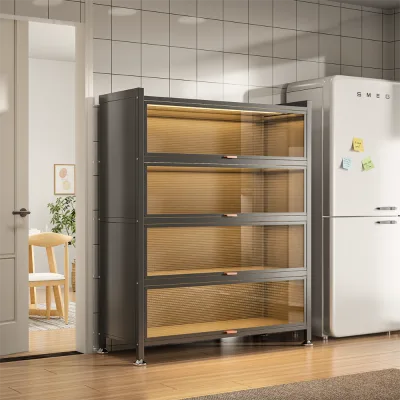
Household Steel Cabinet with Rattan Door and 3 Drawers for Kitchen and Living Room Organization
$62.00 - $124.00
MOQ: 10 Minimum
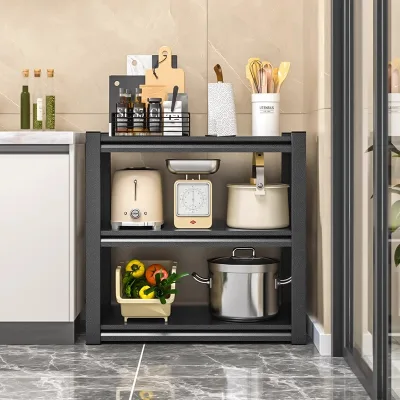
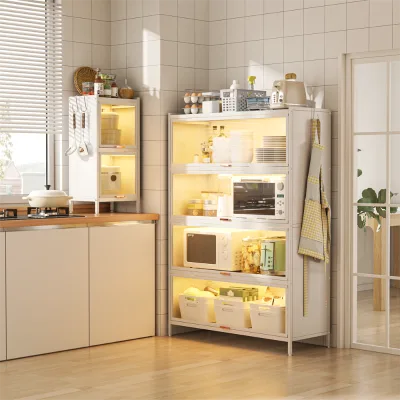
Modern Furniture Kitchen Cart Steel Frame Cabinet with Storage Shelves for Pantry Organization
$5.6977 - $7.2417
MOQ: 30 pieces

Hangzhou Times Import and Export Co., Ltd.
- Manufacturer/Factory
- China Zhejiang
- Lead time0 days
- Avg. response≤ 21h
Main productsEMT, IMC, Steel Conduit, Socket Sets, Cable Tray, Accessories, Wrench, Conduit Box

LUOYANG SALOFER FURNITURE CO., LTD.
- Verified by CTI
- Trading Company,Manufacturer/Factory
- China Henan
- Lead time23 days
- Avg. response≤ 4h
Main productsBunk Bed Steel Bed Single Bed, Office Desk Office Table Computer Table, Tool Cabinet Workbench Tool Chest Tool Box, Monitoring Command Desk, Mobile Shelving Storage Rack, Filing Cabinet Drawer Filing Cabinet, Lateral Filing Cabinet Vertical Filing Cabinet, Storage Locker Folding Locker Cellphone Locker, Student Desk and Chair Book Shelf, Safe Box Electronic Locker
Main marketsSouth America,Eastern Europe,Mid East,North America,Southeast Asia,Eastern Asia,Oceania,Western Europe,Africa
Luoyang Jin Feng Office Furniture Co., Ltd.
- Verified by SGS Group
- Manufacturer, Trading Company
- Lead time30 days
- Avg. response≤ 1h
Main productsSteel Filing Cabinet, Steel Shelving, Tool Cabinet, Steel Locker, Steel Wardrobes
Main marketsWestern Europe(31%), North America(30%), South America(15%)
Foshan Hale Modular Furniture Co., Ltd.
- Manufacturer, Trading Company, Distributor/Wholesaler
- Guangdong, China
- Lead time0 days
- Avg. response≤ 7h
Main productsBookcases,bedside tables,storage cabinets,shoe cabinets,coffee tables
Main marketsNorth America(30.00%), Southeast Asia(20.00%), Eastern Asia(20.00%), Eastern Europe(15.00%), Northern Europe(15.00%)
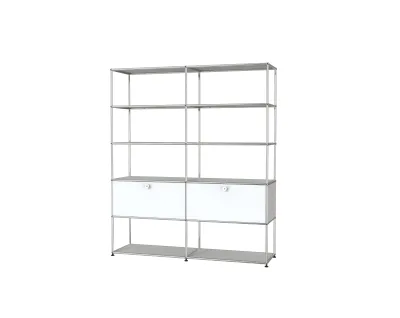
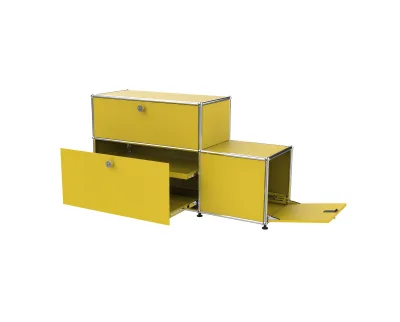
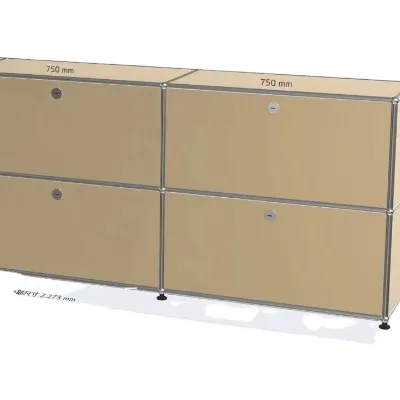
Stainless Steel Modular Custom Living Room Cabinet
$320.00 - $400.00

Luoyang Changyuan Office Furniture Co., Ltd.
- Manufacturer, Trading Company
- Hennan, China
- Lead time20 days
- Avg. response≤ 3h
Main productsSteel Cabinet,Filling Cabinet,wardrobe,Steel locker,drawer cabinet
Main marketsDomestic Market(60.00%), Mid East(10.00%), South America(8.00%), Southeast Asia(8.00%), South Asia(6.00%), Africa(6.00%), Eastern Europe(2.00%)

HEBEI GIONLEE MACHINERY EQUIPMENT SALES CO., LTD.
- Verified by BV
- Trading Company
- China Hebei
- Lead time30 days
- Avg. response≤ 2h
Main productsMetal Welding Parts, Metal Stamping Part, Sheet Metal Fabrication, Deep Drawn Parts, CNC Machining Part, Ready Made Fasteners, Plastic Parts, Rubber Parts, Parking Heater, Machine
Main marketsSouth America,Southeast Asia/ Mideast,East Asia(Japan/ South Korea),Europe,North America
Luoyang Cuide Import And Export Trade Co., Ltd.
- Trading Company
- Henan, China
- Lead time20 days
- Avg. response≤ 3h
Main productsMobile Pedestal cabinet,filing cabinet,locker,office desk,steel bed
Main marketsSoutheast Asia(30.00%), Western Europe(30.00%), North America(20.00%), Eastern Asia(20.00%)

Henan Steelart Science and Technology Co., Ltd.
- Verified by BV
- Trading Company
- China Henan
- Lead time30 days
- Avg. response≤ 6h
Main productsOutdoor Garden Shed, Garage Cabinet, Metal Locker, Filing Cabinet
Main marketsSouth America,Africa,North America


Metal Cabinet Storage Modern Metal Storage Cabinet Metal Office Storage Cabinet
$36.00 - $39.00
MOQ: 100 Pieces


Henan Iyanen Furniture Manufacturing Co., Ltd.
- Verified by SGS Group
- Manufacturer, Trading Company
- Lead time20 days
- Avg. response≤ 1h
Main productsWardrobes, Heavy Duty Shelf, Office Cabinet, Steel Locker, Storage Cabinet
Main marketsNorth America(20%), Southeast Asia(15%), Mid East(15%)
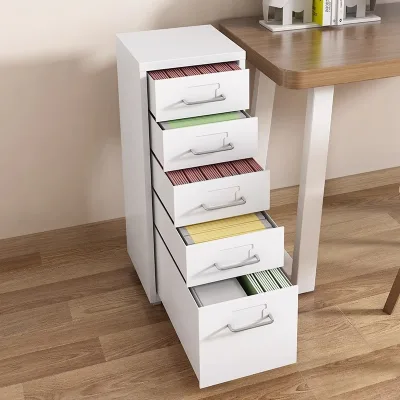
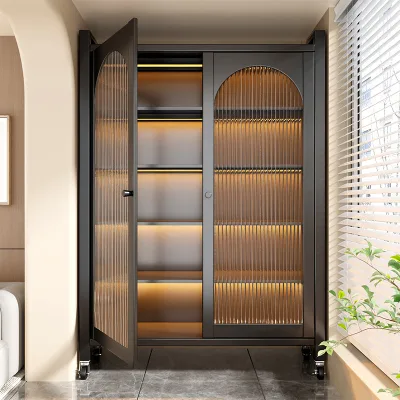
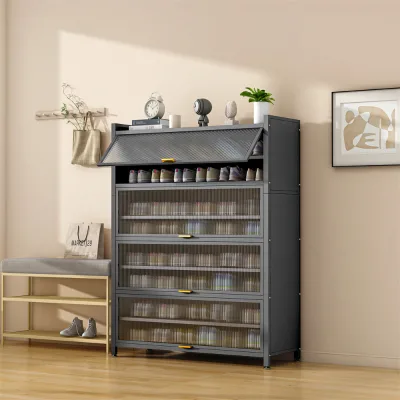
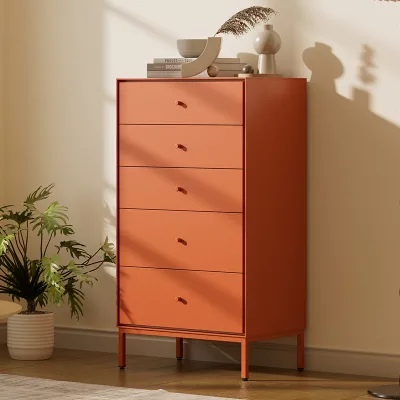
$70.8817 - $76.7548
MOQ: 10 pieces
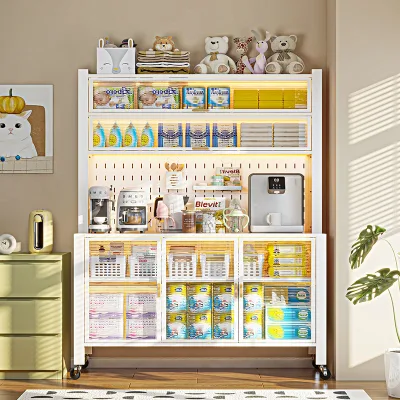
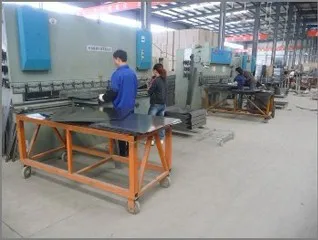
Luoyang Hanghai Office Furniture Co., Ltd.
- Manufacturer, Trading Company
- Henan, China
- Lead time25 days
- Avg. response≤ 3h
Main productsLocker,Filing Cabinet,Metal Mailbox,Storage Shelves,Wardrobe
Main marketsDomestic Market(60.00%), Southeast Asia(7.00%), North America(5.00%), Northern Europe(3.00%), Western Europe(3.00%), South America(2.00%), Africa(1.00%), Central America(1.00%), Southern Europe(1.00%), Eastern Asia(1.00%), Mid East(1.00%), Oceania(0.50%), Eastern Europe(0.50%), South Asia(0.30%)

Luoyang Orpheus Industrial Limited Company
- Manufacturer/Factory
- China Henan
- Lead time23 days
- Avg. response≤ 6h
Main productsSteel Furniture, Steel Locker, Steel Cabinet, Office Furniture, Home Furniture, School Furniture, Mailbox, Smart Locker, Bunk Beds, Filing Cabinet
Main marketsSouth America,Eastern Europe,Mid East,North America,Southeast Asia,Eastern Asia,Oceania,Western Europe,Africa

GGMGASTRO (QINGDAO) INTERNATIONAL CO., LTD.
- Verified by BV
- Trading Company,Manufacturer/Factory
- China Shandong
- Lead time23 days
- Avg. response≤ 1h
Main productsCommercial Refrigerator, Kitchen Equipment, Catering Equipment, Bakery Eqipment, Ice Maker, Stainless Steel Sink, Meat Slicer, Fryer, Induction Cooker, Contact Grill
Main marketsSouth America,Eastern Europe,Mid East,Southeast Asia,Western Europe

Zhejiang Tianqi Electric Co., Ltd.
- Verified by BV
- Combined
- China Zhejiang
- Lead time30 days
- Avg. response≤ 22h
Main productsWall Mount Enclosures, Plastic Enclosure, Floor Standing Cabinet, Analog Panel Meter, Digital Panel Meter, Polyester Enclosure, Distribution Box, Metal Enclosure, Knock Down Cabinet, Assemble Cabinet
Main marketsSouth America,Africa,Southeast Asia/ Mideast,East Asia(Japan/ South Korea),Europe,Australia,North America

Ningbo Junmao Environmental Protection Equipment Co., Ltd.
- Combined
- China Zhejiang
- Lead time30 days
- Avg. response≤ 24h
Main productsRack System, Goods Shelf, Steel Cabinet, Square Wire Drawer, Metal Plate of Air Condition, Plastic Products, Carbage Treatment Cart for Ships
Main marketsSouth America,Africa,Southeast Asia/ Mideast,East Asia(Japan/ South Korea),Domestic,Europe,Australia,North America

Zhejiang B&J Electrical Co., Ltd.
- Verified by BV
- Combined
- China Zhejiang
- Lead time23 days
- Avg. response≤ 4h
Main productsEnclosure Box, Plastic Junction Enclosure, Industrial Cabinet, Electric Box, Junction Box, Terminal Enclosure, Control Cabinet, Wall-Mounting Enclosure, Nice Box, Switch Enclosure
Main marketsAfrica,Southeast Asia/ Mideast,East Asia(Japan/ South Korea),Europe,Australia,North America


Negotiable
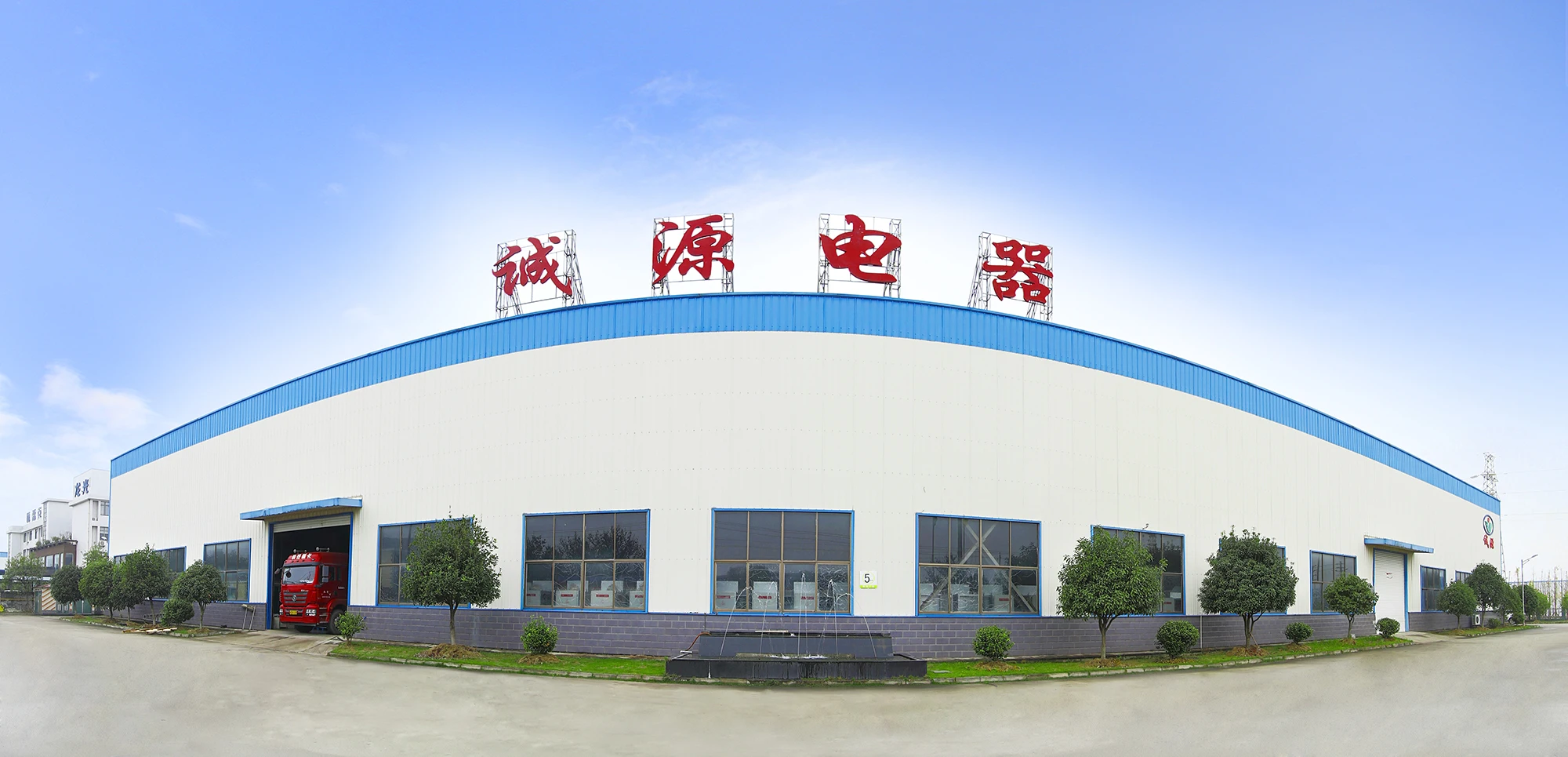
Hunan Chengyuan Electrical Co., Ltd.
- Manufacturer, Trading Company
- Hunan, China
- Lead time0 days
- Avg. response≤ 1h
Main productsHigh and low voltage switchgear, Power distribution cabinet, Intelligent and XBJ1 compact box substation, Photovoltaic grid-connected cabinet, Fire pump automatic inspection control equipment
Main marketsDomestic Market(87.00%), Mid East(7.00%), Southeast Asia(6.00%)

Anhui Tangxing Equipment Technology Co., Ltd.
- Verified by SGS
- Combined
- China Anhui
- Lead time60 days
- Avg. response≤ 3h
Main productsPipe Jacking Machine, Construction Machine, Trenchless Machinery, Tbm, Auger Boring Machine, Microtunnelling Macihne, Slurry Balance Pipe Jacking Machine, Rock Pipe Jacking Machine, No-Dig Machinery, Tunnel Boring Machine
Main marketsOthers(foreignTradeCapacity.exportBusinessCapacityMarketOther),Southeast Asia/ Mideast,East Asia(Japan/ South Korea),Domestic,Australia

Luoyang Fenglong Office Furniture Co., Ltd.
- Manufacturer
- Henan, China
- Lead time20 days
- Avg. response≤ 1h
Main productsSTEEL OFFICE FURNITURE,STEEL HOME FURNITURE,CABINETS,RACKS,BUNK BED
Main marketsSoutheast Asia(30.00%), Western Europe(30.00%), Oceania(10.00%), Domestic Market(10.00%), South America(5.00%), South Asia(5.00%), North America(5.00%), Mid East(5.00%)








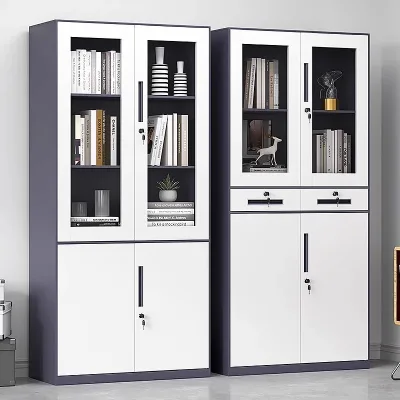
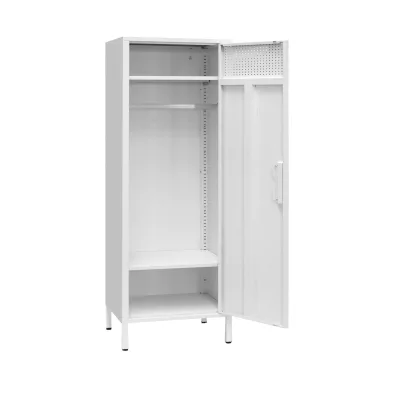


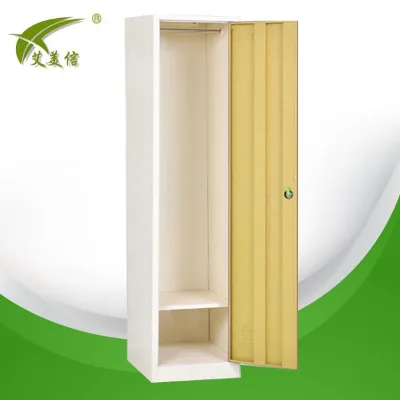
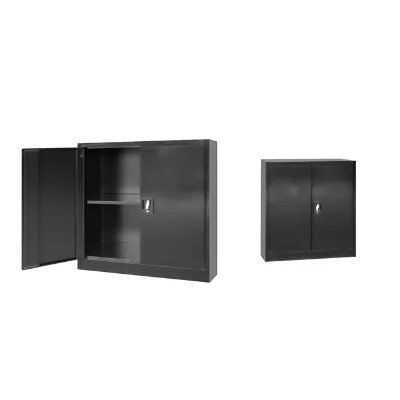




Comprehensive Sourcing Guide
Steel Cabinets Supplier Concentration and Factory Types
The current supplier landscape for Steel Cabinets reveals a diverse mix of manufacturing capabilities, primarily concentrated in specific industrial hubs within China. Evidence indicates that a significant portion of these suppliers are located in Zhejiang, with Wenzhou emerging as a notable production center for electrical and storage enclosures. This geographic clustering suggests a mature supply chain ecosystem where raw material access and specialized labor are readily available. Buyers should recognize that this concentration often correlates with competitive pricing and established logistical routes, particularly for bulk orders of metal distribution boxes and general storage units. The presence of manufacturers in this region implies that buyers can expect a high degree of standardization in production processes, which is critical for maintaining consistency across large procurement volumes.
Company types vary significantly among the available suppliers, ranging from pure manufacturers to hybrid entities that operate as both trading companies and factories. This distinction is crucial for buyers who need to understand the source of their products. Some suppliers are identified as Manufacturer/Factory entities, capable of offering OEM and ODM services, which allows for greater customization of cabinet designs and specifications. Others operate as Trading Companies or a combination of both, which may offer a broader range of product lines but potentially less direct control over the manufacturing process. Understanding this structural difference helps buyers assess who holds the actual production capability and who is facilitating the transaction. This knowledge is essential for negotiating terms, verifying quality control measures, and ensuring that the supplier can meet specific technical requirements for low-voltage distribution boxes or heavy-duty storage solutions.
How to Verify Steel Cabinets Suppliers
Verification is a critical step in mitigating risk when sourcing Steel Cabinets, as the market contains a mix of verified and unverified entities. Buyers should prioritize suppliers who have undergone third-party verification processes, such as those conducted by TÜV Rheinland. This type of external validation provides a layer of assurance regarding the supplier’s business legitimacy and operational capacity. When evaluating potential partners, look for explicit verification badges or statements in the supplier profile, as these indicate that an independent party has assessed the company’s physical presence and business scope. This step is particularly important for new buyers who may not have established relationships with Chinese manufacturers and need an objective measure of reliability before committing to large orders.
Beyond basic verification, buyers must scrutinize the certifications held by the supplier to ensure compliance with international standards. The available data shows that some suppliers hold ISO 9001 certification, which indicates a commitment to quality management systems. Others may possess additional credentials such as BSCI, ANSI/ESD, or OHSAS/OHSMS 18001, which are relevant for specific applications like laboratory furniture or industrial safety cabinets. These certifications are not merely decorative; they reflect the supplier’s internal processes for quality control, environmental management, and occupational health. Buyers should request copies of these certificates and verify their validity through the issuing bodies. Additionally, checking the supplier’s response time can provide indirect evidence of their operational efficiency, with faster response times often correlating with more organized and responsive management teams.
What to Compare Across Steel Cabinets Suppliers
When comparing suppliers, buyers should focus on key operational metrics that directly impact cost and delivery, such as lead time, minimum order quantity (MOQ), and response speed. The data indicates a wide range in lead times, with some suppliers offering immediate availability or very short cycles, while others have lead times extending up to 45 days. This variance is often linked to the complexity of the product, such as custom versus standard designs, and the supplier’s current production load. Buyers must align their project timelines with these lead times to avoid delays. Similarly, MOQs vary significantly, ranging from as low as 50 units for certain electrical enclosures to 500 units for standard metal cabinets. Understanding these thresholds is essential for budgeting and inventory planning, especially for smaller buyers who may need to consolidate orders or negotiate exceptions.
Product specifications and customization capabilities are another critical area for comparison. Suppliers offer a variety of materials, including stainless steel and painted steel, with options for low-voltage distribution boxes or heavy-duty storage units. Buyers should compare attributes such as shell material, structure type, and customization availability. For instance, some suppliers offer fully packaged types with specific dimensions like 400x300x200 mm, while others provide custom solutions for laboratory or industrial use. Price ranges also differ, with some products starting at $7.00 and others at $150.00, reflecting differences in material quality, coating processes, and intended application. Buyers should not just look at the lowest price but evaluate the total value, including warranty terms, packaging quality, and the supplier’s ability to meet specific technical requirements like waterproof and dustproof standards.
Common Steel Cabinets Sourcing Risks
One of the primary risks in sourcing Steel Cabinets is the discrepancy between advertised specifications and actual product quality. Buyers may encounter suppliers who claim to offer stainless Steel Cabinets but deliver products with inferior materials or inadequate coatings. This risk is heightened when dealing with suppliers who do not provide detailed product attributes or who use vague terminology. For example, a supplier might list a cabinet as "stainless steel" without specifying the grade, which can lead to corrosion issues in harsh environments. To mitigate this, buyers must request detailed material certificates and sample inspections before placing bulk orders. Additionally, the risk of non-compliance with safety standards is significant, particularly for electrical distribution boxes that must meet specific voltage and protection ratings. Buyers should verify that the products comply with relevant international standards and that the supplier has the necessary testing capabilities.
Another common risk is the inconsistency in lead times and communication. While some suppliers boast rapid response times, others may be slow to reply or fail to provide accurate updates on production status. This can lead to delays in project timelines and increased logistical costs. Buyers should be cautious of suppliers who provide vague or overly optimistic lead time estimates without a clear production schedule. Furthermore, the risk of intellectual property infringement exists when working with suppliers who offer OEM services. Buyers must ensure that their designs and specifications are protected through proper contracts and non-disclosure agreements. It is also important to verify the supplier’s financial stability and reputation to avoid the risk of non-delivery or bankruptcy. Conducting thorough due diligence and maintaining clear communication channels can help mitigate these risks and ensure a smoother sourcing process.
Steel Cabinets Regional Sourcing and Logistics
Sourcing Steel Cabinets from specific regions like Zhejiang offers distinct logistical advantages, particularly for buyers looking to optimize shipping costs and delivery times. The concentration of manufacturers in this area facilitates efficient consolidation of goods, allowing buyers to combine multiple items into single shipments. This is especially beneficial for orders that include a mix of electrical enclosures, storage cabinets, and laboratory furniture. Buyers should leverage this geographic advantage by working with suppliers who have established relationships with local freight forwarders. This can result in better shipping rates and more reliable transit times. Additionally, the proximity to major ports in China reduces the complexity of export documentation and customs clearance, streamlining the overall logistics process.
However, buyers must also consider the environmental and regulatory aspects of sourcing from this region. Zhejiang is known for its robust industrial infrastructure, but it is also subject to strict environmental regulations that can impact production schedules. Buyers should inquire about the supplier’s compliance with these regulations to avoid potential disruptions. Furthermore, the choice of packaging is critical for protecting Steel Cabinets during transit. Suppliers typically use carton packaging or standard corrugated boxes, but buyers should verify that the packaging is sufficient to prevent damage during long-distance shipping. For heavy-duty cabinets, additional protective measures may be required. Buyers should also consider the impact of tariffs and trade policies on their total landed cost, as these factors can significantly affect the final price of the products.
Steel Cabinets Commercial Terms and Order Planning
Effective order planning requires a clear understanding of the commercial terms offered by suppliers, including payment methods, warranty policies, and after-sales support. Many suppliers offer flexible payment terms, such as partial upfront payments and balance upon shipment, which can help manage cash flow. Buyers should negotiate terms that align with their financial capabilities and risk tolerance. Additionally, warranty periods vary, with some suppliers offering up to three years of coverage for their products. This is particularly important for industrial and laboratory cabinets that are subject to heavy use. Buyers should ensure that the warranty covers both material defects and workmanship issues, and that the supplier has a clear process for handling claims.
Customization is a key factor in order planning, as many buyers require specific dimensions, colors, or features for their Steel Cabinets. Suppliers that offer OEM and ODM services can accommodate these needs, but buyers must provide detailed specifications and approve samples before mass production. This process can add time to the order cycle, so buyers should plan accordingly. Furthermore, buyers should consider the scalability of their orders, as some suppliers may have limitations on production capacity. For large orders, buyers may need to split shipments or negotiate priority production slots. By carefully planning these commercial aspects, buyers can ensure a smooth procurement process and receive products that meet their specific requirements.
FAQs
What is the price range for steel distribution boxes?
Steel distribution boxes are available with prices ranging from 7 to 26 dollars per unit depending on the specific model and customization options. Some standard metal cabinets start at 7 dollars while specialized outdoor power distribution units may reach 26 dollars. Buyers should verify exact pricing based on their required dimensions and material specifications.
What are the minimum order quantities for these products?
Minimum order quantities vary significantly across different steel cabinet types listed in the results. Some metal distribution boxes require a minimum of 50 units, while others need 300 or 500 units. Specialized storage cabinets like acid steel safety units may have a lower threshold of just 5 units for purchase.
Where are these steel cabinet manufacturers located?
The primary manufacturing locations for these Steel Cabinets are in Zhejiang, China, specifically in Wenzhou. All observed products originate from this region, indicating a concentrated supply chain hub for metal enclosures and electrical distribution equipment in this specific area of China.
How long does it take to receive these Steel Cabinets?
Lead times for Steel Cabinets vary by supplier and product type, with some listing zero days while others require up to 45 days. Standard metal enclosures may have shorter delivery windows, whereas custom lab furniture or specialized safety cabinets often require a longer production period of approximately 45 days.
What certifications do these steel cabinet suppliers hold?
Suppliers offer various certifications including ISO 9001, ISO 9000, BSCI, and RoHS compliance. Some manufacturers also hold OHSAS 18001 and ANSI/ESD standards. Verification by TÜV Rheinland is also noted for certain suppliers, ensuring quality and safety standards are met for industrial and commercial applications.
Can these Steel Cabinets be customized for specific needs?
Yes, customization is available for most steel cabinet products listed in the results. Buyers can request specific sizes, materials like stainless steel, and tailored features for laboratory or industrial use. Customization options include different layer counts, colors, and specific applications for hospitals or research institutes.
What materials are used to construct these Steel Cabinets?
These cabinets are primarily constructed from stainless steel or standard steel with epoxy resin powder coating. Some products feature metal enclosures designed for protection against water and dust. The shell material is consistently noted as stainless steel or steel to ensure durability in industrial and laboratory environments.