Eco Friendly Metering Salt Shaker Suppliers and Manufacturers
Source Eco Friendly Metering Salt Shaker from 31 verified suppliers in Zhejiang and Jiangsu, China. Compare key dimensions including lead times, MOQs, response speeds, and material options like bamboo or glass. Contact suppliers directly to request quotes and verify production capabilities.
Updated
Suppliers List

Xiamen Ehang Household Products Co., Ltd.
- Trading Company
- zhejiang, China
- Lead time37 days
- Avg. response≤ 5h
Main productsKitchenware,bamboo and wooden products,Houseware,Kitchen gadgets,Garden
Main marketsSoutheast Asia(20.00%), North America(20.00%), Southern Europe(10.00%), Northern Europe(10.00%), Western Europe(10.00%), South America(10.00%), Eastern Europe(10.00%), Central America(5.00%), Domestic Market(1.00%), Mid East(1.00%), Oceania(1.00%), Eastern Asia(1.00%), Africa(1.00%)
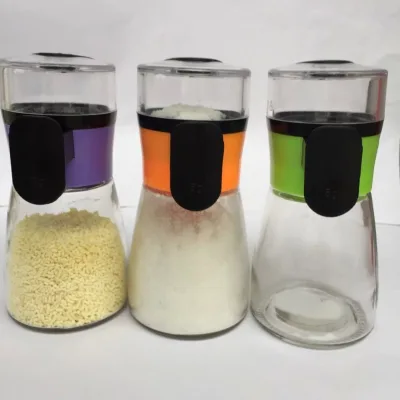
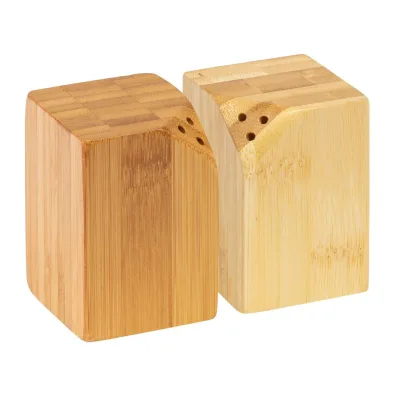
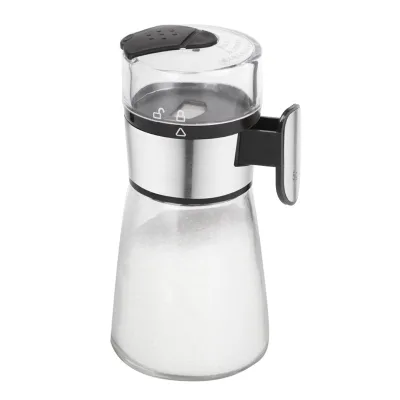
$0.8269 - $4.13
MOQ: 1000 Minimum

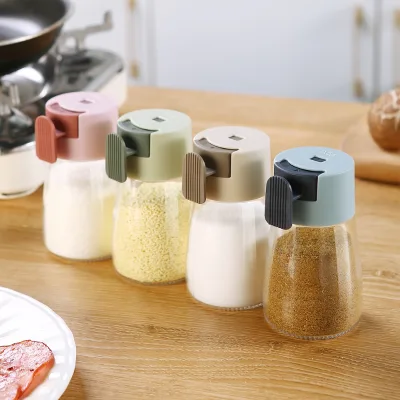
Xuzhou Xirui Glass Products Co., Ltd.
- Manufacturer, Trading Company
- Jiangsu, China
- Lead time20 days
- Avg. response≤ 2h
Main productsPlastic Lid Products, Match Gift Bottle/Water Bottle, Lunch Box
Main marketsDomestic Market(40.00%), North America(20.00%), Mid East(20.00%), Western Europe(10.00%), Southeast Asia(10.00%)
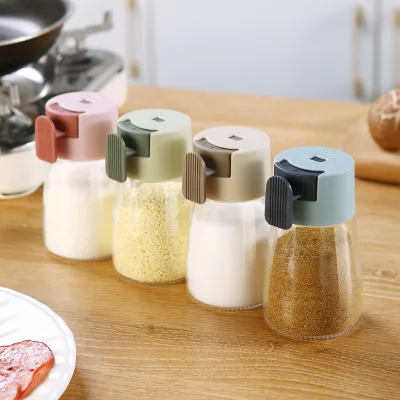
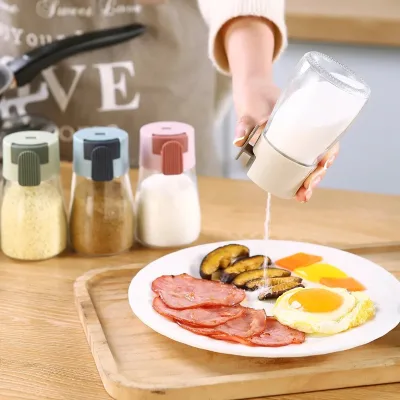
$0.22 - $0.40
MOQ: 200 pieces
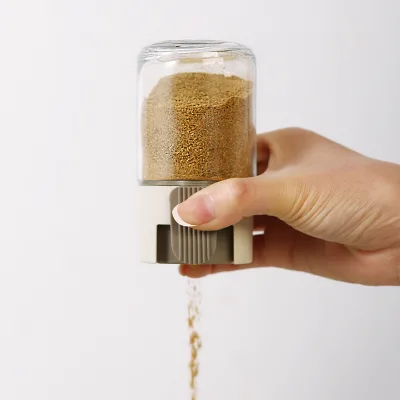
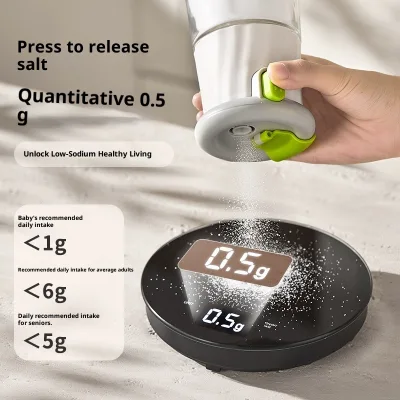
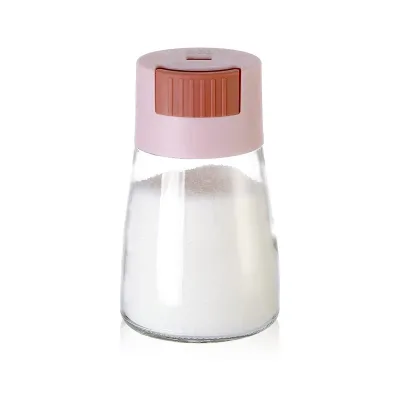
Quantitative 0.5g Spice Tool Sugar Shaker Salt Shaker Push Type Spice Dispenser
$0.16 - $0.20
MOQ: 200

Xiamen Sinogrinder Houseware Co., Ltd.
- Verified by TUVRHEINLAND
- Trading Company
- China Fujian
- Lead time23 days
- Avg. response≤ 2h
Main productsPepper Grinder, Coffee Grinder, Salt Grinder, Spice Grinder, Salt and Pepper Grinder Set, Spice Bottle, Electric Pepper and Salt Grinder Set, Spice Jar, Salt and Pepper Grinder, Seasoning Bottle
Main marketsSouth America,Others(foreignTradeCapacity.exportBusinessCapacityMarketOther),Southeast Asia/ Mideast

Xuzhou Honghua Glass Technology Co., Ltd.
- Verified by CTI
- Combined
- China Jiangsu
- Lead time15 days
- Avg. response≤ 4h
Main productsGlass Bottle, Glass Jar, Candle Jar, Lunch Box, Glassware, Class Cup
Main marketsSouth America,Africa,Others(foreignTradeCapacity.exportBusinessCapacityMarketOther),Southeast Asia/ Mideast,East Asia(Japan/ South Korea),Domestic,Europe,Australia,North America


Salt Output 0.5g/Time Seal Pot Seasoning Ration Bottle Control Spice Dispenser Glass Salt Shaker
$0.19 - $0.23
MOQ: 1000 Pieces
Ningbo Equator Import And Export CO., Ltd.
- Verified by SGS Group
- Trading Company
- Lead time10 days
- Avg. response≤ 8h
Main productsAutomobile Accessories, Household Goods, Household Appliances, Electronic and Tool Equipment
Main marketsNorth America(20%), South America(15%), Eastern Europe(10%)
- Verified by TüVRheinland
- Manufacturer, Trading Company
- Lead time25 days
- Avg. response≤ 3h
Main productsDrinkware, Ceramicware, Barware, Kitchenware, Glass Bottles
Main marketsNorth America(20%), South America(20%), Southeast Asia(20%)
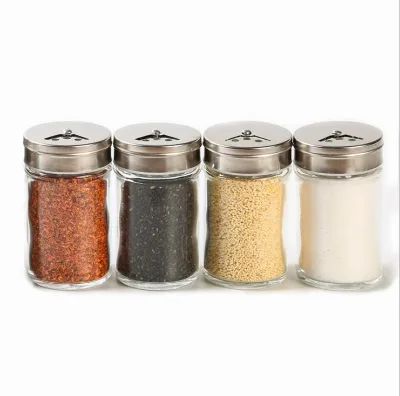
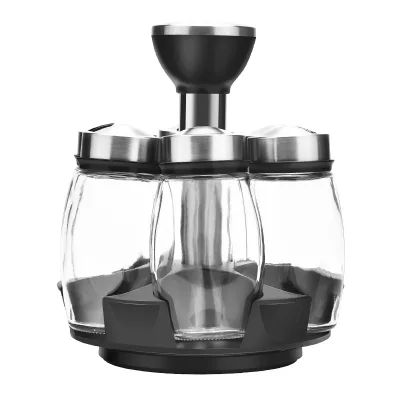
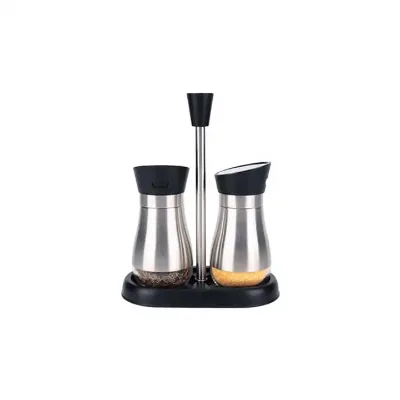
Hot Selling Glass Spice Shaker /salt Grinder Glass/salt Pepper Spice Shaker
$0.34 - $0.38
MOQ: 500 pieces

Jinjiang Jiaxing Supply Management Co., Ltd.
- Verified by TUVRHEINLAND
- Trading Company
- China Fujian
- Lead time30 days
- Avg. response≤ 2h
Main productsEVA Clogs, Flip Flop, Shoe Charms, Shopping Bags, Wristbands, Gifts, Promotional Gifts, Slipper, Sport Cap, Ball
Main marketsNorth America
- Verified by SGS Group
- Trading Company
- Lead time20 days
- Avg. response≤ 4h
Main productsHome Storage & Organization, Hooks & Wall Organization, Storage Racks & Shelving Units, Festive & Party Supplies
Main marketsConfidential(40%), Confidential(15%), Confidential(15%)
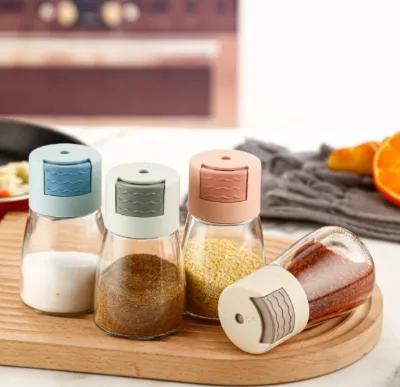
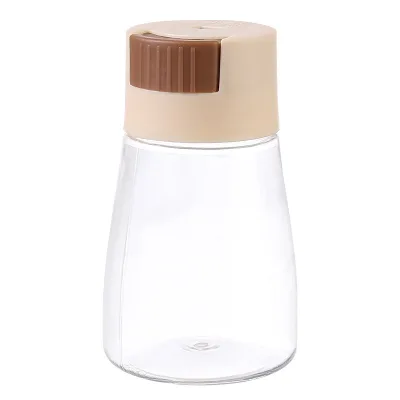
Press-type Seasoning Bottle Quantitative Salt Shaker Metering Salt Control Jar Kitchen Supplies
$0.30 - $0.70
MOQ: 50 pieces
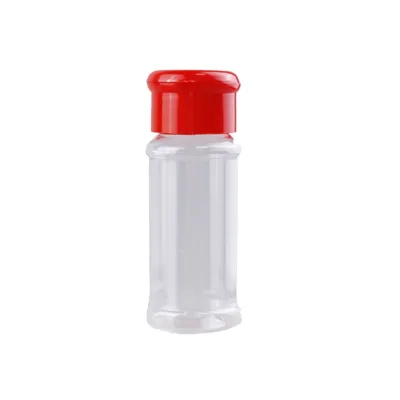
Kitchen 100ml Plastic Food Grade Seasonsing Salt and Pepper Shaker Bottle Barbecue Seasoning Bottle
$0.05 - $0.15
MOQ: 50 pieces
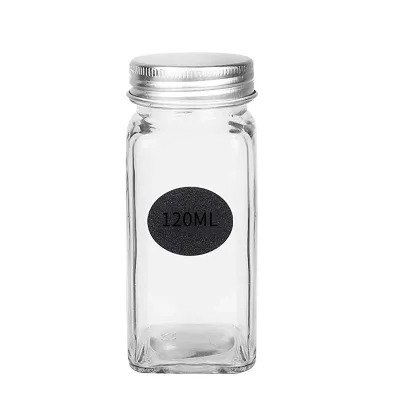
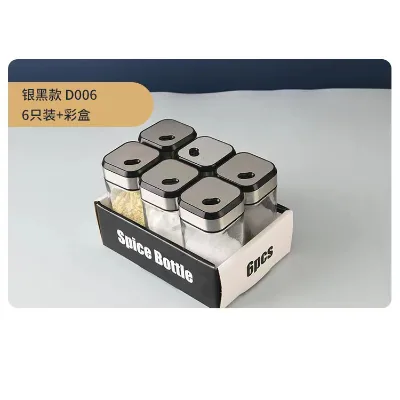
120ML Seasoning Shaker Bottles Kitchen Salt and Pepper Empty Square Spice Bottles
$0.10 - $0.20
MOQ: 500 pieces
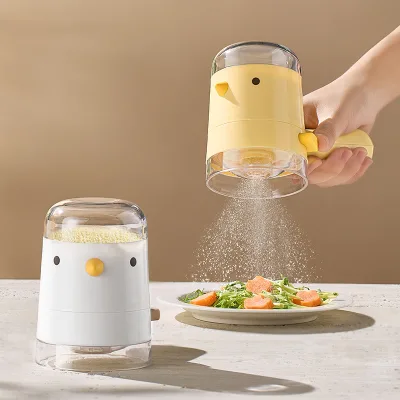
$1.3392 - $1.5444
MOQ: 500 pieces

Yancheng Xinboyuan Glass Co., Ltd.
- Verified by BV
- Trading Company,Manufacturer/Factory
- China Jiangsu
- Lead time23 days
- Avg. response≤ 7h
Main productsGlass Table Lamp, Glass Perfume Bottles, Glass Lampshade, Glass Labware, Glass Bottles & Jars, Glass Candlesticks, Borosilicate Mug & Cups, Glass Vases & Terrariums, Glass Beakers, Glass Reagent Bottles
Main marketsEastern Europe,Mid East,North America,Western Europe


Borosilicate Glass Salt and Pepper Shakers, Glass Egg Shape Salt Pepper Shaker
$1.05 - $1.80
MOQ: 50 Pieces
Xuzhou Maersk Glass Technology Co., Ltd.
- Verified by TüVRheinland
- Manufacturer, Trading Company
- Lead time15 days
- Avg. response≤ 2h
Main productsGlass Bottles, Glass Jars, Violet Glass Jars, Flower Jars, Concentrate Jars
Main marketsNorth America(30%), Southeast Asia(20%), Western Europe(20%)
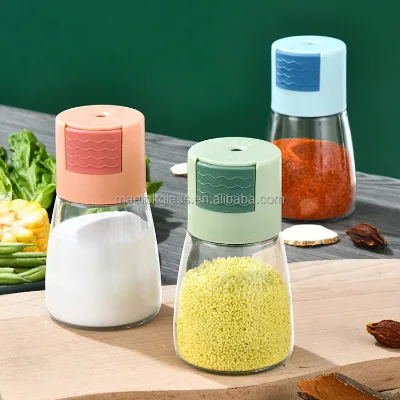
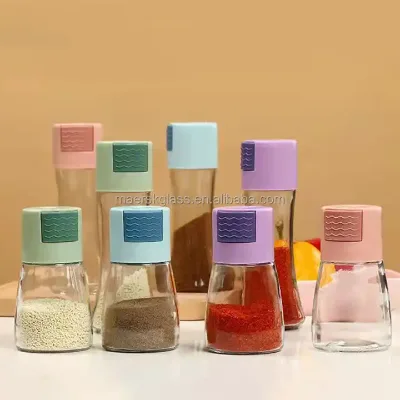
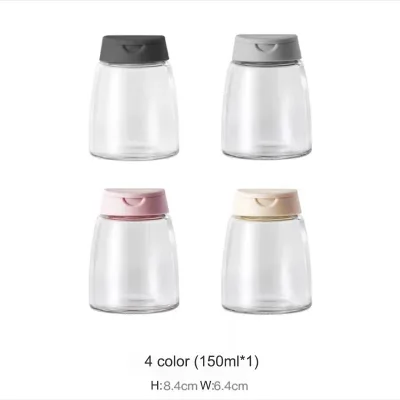
Wholesale Metering Controlled Salt Shaker Bottle Kitchen Sealed Glass Seasoning Jar
$0.35 - $0.52
MOQ: 500

Xuzhou Crystal Glass Products Co., Ltd.
- Verified by SGS
- Trading Company
- China Jiangsu
- Lead time30 days
- Avg. response≤ 4h
Main productsGlass Bottle, Beverage Bottle, Wine Bottle, Mason Jar, Food Storage Jar, Spice Bottle, Spice Grinder, Table Glassware, Cosmetic Bottle, Cup
Main marketsOthers(foreignTradeCapacity.exportBusinessCapacityMarketOther),Europe


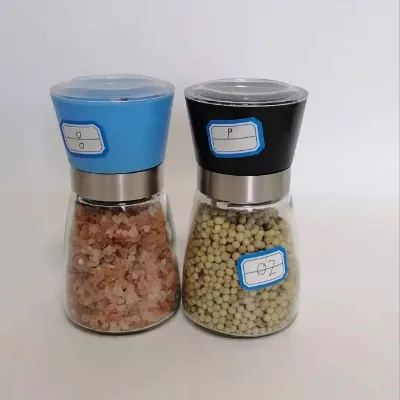
Salt and Pepper Grinder Salt and Pepper Shakers with Adjustable Grinder
$0.65 - $2.00
MOQ: 3000 Pieces


EVER GREATER IMP. & EXP. CO., LIMITED
- Verified by TUVRHEINLAND
- Trading Company
- China Zhejiang
- Lead time15 days
- Avg. response≤ 6h
Main productsDisposable Cup, Paper Cup, Pet Cup, PLA Cup, Sleeve, Coaster, Food Packag Box, Pizza Box, Cake Box, Paper Box
Main marketsSoutheast Asia/ Mideast,Europe,Australia,North America


Private Custom Manufacturers Direct Kitchen Beautiful Kitchen Props Salt Shaker
$4.00 - $6.30
MOQ: 500 Pieces

Ningbo Beixuan International Trading Co., Ltd.
- Verified by TUVRHEINLAND
- Manufacturer/Factory
- China Zhejiang
- Lead time15 days
- Avg. response≤ 10h
Main productsPlastic Bottle, Plastic Cup, Plastic Honey Jar, Plastic Food Container, Glass Juice/ Beverage Bottle, Glass Jar, Glass Wine Bottle, Glass Essential Oil Bottles, Cosmetic & Perfume Glass Bottles, Paper Cup
Main marketsSouth America,Eastern Europe,Mid East,North America,Southeast Asia,Eastern Asia,Oceania,Western Europe,Africa

Xuzhou Xulang Glass Manufacturing Company., Ltd
- Verified by TUVRHEINLAND
- Trading Company,Manufacturer/Factory
- China Jiangsu
- Lead time30 days
- Avg. response≤ 3h
Main productsGlass Bottle, Glass Jar, Spice Grinder, Cup, Milk Bottle
Main marketsSouth America,Eastern Europe,Mid East,North America,Southeast Asia,Eastern Asia,Oceania,Western Europe,Africa


Glass Salt and Pepper Shakers Set/Oval Salt Shaker Set with Stripe/Spice Jar
$0.10 - $0.22
MOQ: 2000 Pieces

4oz Salt and Pepper Shakers Glass Mason Jar Spice Jars Salt Shakers with Handle
$0.56 - $0.68
MOQ: 2000 Pieces

$0.55 - $0.62
MOQ: 2000 Pieces

Hefei Vast Source Company Limited
- Manufacturer/Factory
- China Anhui
- Lead time23 days
- Avg. response≤ 9h
Main productsGlass Bottle, Glass Jar, Glass Cup, Plastic Bottle, Cap, Lid, Aluminum Can, Paper Cup, Straw
Main marketsSouth America,Eastern Europe,Mid East,North America,Southeast Asia,Eastern Asia,Oceania,Western Europe,Africa


Custom Label 4oz Seasonings Salt Shakers Retangular Seasoning Bottle for Spice
$0.10 - $0.25
MOQ: 1000 Pieces
- Trading Company
- Lead time旺季: "1 - 500":10,"501 - 2000":30,"2001 - 5000":45,"> 5000":"To be negotiated", 淡季: "1 - 500":10,"501 - 2000":30,"2001 - 5000":45,"> 5000":"To be negotiated"
- Avg. response≤ 5h
Main productsKitchen Products
Xuzhou Honghua Glass Technology Co., Ltd.
- Verified by TüVRheinland
- Manufacturer, Trading Company
- Lead time15 days
- Avg. response≤ 2h
Main productsGlass Bottle, Glass Jar, Glass Cup, Wine Glass, Kitchen Glassware
Main marketsNorth America(30%), Western Europe(17%), Southern Europe(12%)

Huangshan Auliz Industrial Co., Ltd.
- Verified by TUVRHEINLAND
- Trading Company
- China Anhui
- Lead time30 days
- Avg. response≤ 14h
Main productsSalt and Pepper Grinder, Coffee Mill, Wine Opener, Cutting Board, Oil Sprayer, Defrosting Tray, Cleaning Brush, French Press, Measuring Scoop, Plastic Funnel
Main marketsSoutheast Asia/ Mideast,East Asia(Japan/ South Korea),Domestic,Europe,Australia,North America

Egg Shape Stainless Steel Spice Shaker Tumbler Salt and Pepper Spice Shaker for Kitchen
$2.55 - $2.89
MOQ: 1000 Pieces

80ml Glass Bottle Manual Salt and Pepper Mill Custom Salt and Pepper Shakers for Restaurant
$0.65 - $0.85
MOQ: 100 Pieces

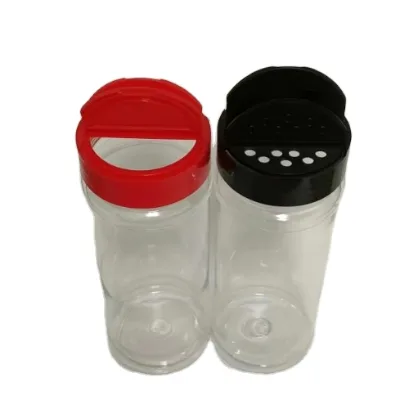
Low Price 100ml Plastic Spice Shaker Bottle Kitchen Mini Salt and Pepper Shaker in Custom Size
$0.30 - $0.40
MOQ: 100 pieces

$2.52 - $2.79
MOQ: 500 pieces

New Smart USB Electric Salt and Pepper Mill Rechargeable Automatic Salt and Pepper Shaker Grinder
$5.80 - $6.40
MOQ: 200 sets

$0.88 - $1.28
MOQ: 100 pieces

JINAN ROYALTOP IMP&EXP CO., LTD.
- Verified by BV
- Trading Company
- China Shandong
- Lead time23 days
- Avg. response≤ 4h
Main productsSalt and Pepper Grinder, Spice Mill, Spice Bottle, Electric Pepper Grinder, Water Bottle, Food Storage Container, Spice Jar, Kitchen Oil Bottle, Coffee Pot, Manual Coffee Grinder
Main marketsSouth America,Africa,Southeast Asia/ Mideast,East Asia(Japan/ South Korea),Europe,Australia,North America


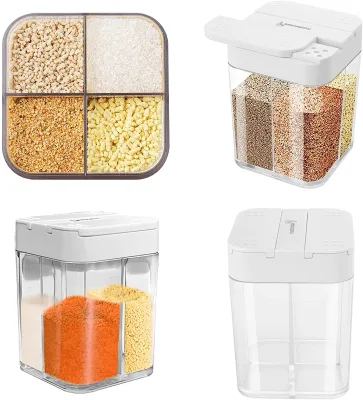
4 in 1 Plastic Salt and Pepper Shaker for Kitchen Cooking and Seasoning
$0.30 - $0.35
MOQ: 5000 Pieces

Wholesale Disposable Plastic Salt and Pepper Bottle Spice Shaker with Manual Grinder Lid
$0.42 - $0.55
MOQ: 3000 Pieces


$0.40 - $0.60
MOQ: 15000 Pieces

Ningbo Happy Valley Household Co., Ltd.
- Verified by SGS
- Trading Company
- China Zhejiang
- Lead time30 days
- Avg. response≤ 18h
Main productsPot Lid, Glass Pot Lid, Kitchen Utensil Set, Kitchen Tool, Bento Box, Lunch Box, Plastic Lunch Box, Silicone Lunch Box, Collapsible Bucket, Plastic Bucket
Main marketsEurope
Shenzhen Nicebest International Import & Export Co., Limited
- Verified by TüVRheinland
- Trading Company
- Lead time2 days
- Avg. response≤ 5h
Main productsKitchen Tabletop, Bathroom Products, Home Decoraction
Main marketsNorth America(40%), South America(30%), Mid East(10%)

Xuzhou Selead Packaging Material Co., Ltd.
- Verified by SGS
- Trading Company
- China Jiangsu
- Lead time15 days
- Avg. response≤ 5h
Main productsGlass Bottle, Plastic Bottle, Water Bottle, Glass Jar, Mason Jar, Wine Bottle, Cosmetic Bottle, Beverage Bottle, Glass, Candle Holder
Main marketsAfrica,Southeast Asia/ Mideast,Europe,North America


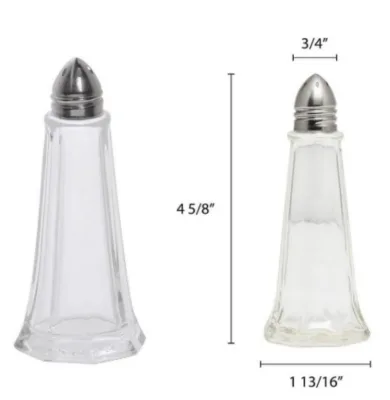
Adjustable Ceramic Sea Salt Grinder & Pepper Grinder Tall Glass Salt and Pepper Shakers
$0.55 - $2.00
MOQ: 5000 Pieces

Hot Sale New Salt Pepper Grinder High Quality Salt and Pepper Spice Grinder Mill Shaker Bottles
$0.55 - $2.00
MOQ: 5000 Pieces


Ningbo Partner Leisure Products Co., Ltd.
- Trading Company
- Zhejiang, China
- Lead time0 days
- Avg. response≤ 8h
Main productspet supplies,cooker,kitchen accessories,egg incubator,storage box
Main marketsNorth America(80.00%), South America(15.00%), Eastern Europe(5.00%)

Xuzhou Credible Glass Products Co., Ltd
- Trading Company
- Jiangsu, China
- Lead time30 days
- Avg. response≤ 2h
Main productsGlass container,glass bottle,Glassware,glass jar,glass cup
Main marketsNorth America(30.00%), Western Europe(15.00%), Africa(10.00%), Southeast Asia(10.00%), South Asia(10.00%), South America(5.00%), Eastern Europe(5.00%), Northern Europe(5.00%), Eastern Asia(3.00%), Oceania(2.00%), Southern Europe(2.00%), Domestic Market(1.00%), Mid East(1.00%), Central America(1.00%)

- Verified by TUVRHEINLAND
- Trading Company
- China Zhejiang
- Lead time15 days
- Avg. response≤ 5h
Main productsHome, Kitchen, Outdoors, Garden, Sports, Travel, Pet Supplies
Main marketsNorth America

Yiwu Changhong Trading Co., Ltd.
- Trading Company
- Zhejiang, China
- Lead time7 days
- Avg. response≤ 3h
Main productsWater bottle,kitchenware,clearing article,Household storage supplies,Festival items
Main marketsNorth America(20.00%), Mid East(20.00%), Southeast Asia(15.00%), Northern Europe(10.00%), Southern Europe(5.00%), Eastern Europe(5.00%), Central America(5.00%), South America(5.00%), Western Europe(5.00%), Oceania(5.00%), Africa(5.00%)
Zhejiang Kaside Industry And Trade Co., Ltd.
- Manufacturer
- Zhejiang, China
- Lead time15 days
- Avg. response≤ 3h
Main productsSalt/Pepper Mills; Coffee Mills
Main marketsNorth America(33.00%), Western Europe(31.00%), Northern Europe(9.00%), South America(7.00%), Eastern Europe(5.00%), Mid East(3.00%), Oceania(2.00%), Southern Europe(2.00%), Central America(2.00%), Domestic Market(2.00%), South Asia(1.00%), Eastern Asia(1.00%), Africa(1.00%), Southeast Asia(1.00%)
Dongguan Fukang Plastic Products Co., Ltd.
- Verified by SGS Group
- Manufacturer, Trading Company
- Lead time15 days
- Avg. response≤ 2h
Main productsPlastic Bottles
Main marketsDomestic Market(50%), North America(14%), Oceania(14%)
Foshan Kylin Trading Company Limited.
- Trading Company
- Guangdong, China
- Lead time30 days
- Avg. response≤ 2h
Main productsnapkin dispenser,bottle opener,ice bucket,tray,can carrier
Main marketsWestern Europe(30.00%), Southern Europe(10.00%), Mid East(10.00%), Eastern Europe(8.00%), Africa(7.00%), North America(5.00%), Northern Europe(5.00%), South America(5.00%), Central America(5.00%), Eastern Asia(4.00%), South Asia(4.00%), Southeast Asia(3.00%), Domestic Market(2.00%), Oceania(2.00%)
Hangzhou Hony Technology Co., Ltd.
- Trading Company
- Zhejiang, China
- Lead time20 days
- Avg. response≤ 4h
Main productsFood Storage Jars; Plastic Food Containers; Bamboo Fiber Products; Water Bottles; Kitchen Utensils & Gadgets,Plastic Storage Box/Plastic Storage Basket,kitchenware,baby products,dining products
Main marketsNorth America(80.00%), Eastern Europe(10.00%), South America(5.00%), Southeast Asia(3.00%), Domestic Market(2.00%)
Jinan Ruijin Packaging Technology Co., Ltd.
- Trading Company
- Shandong, China
- Lead time20 days
- Avg. response≤ 1h
Main productsPlastic spice bottle,Salt and pepper grinder mill,Oil and vinegar dispenser bottle,Glass test tube,Plastic spice bottle lid
Main marketsNorth America(22.00%), Mid East(16.00%), Southeast Asia(15.00%), Central America(13.00%), South America(13.00%), Eastern Europe(6.00%), Africa(3.00%), South Asia(2.00%)









Comprehensive Sourcing Guide
Eco Friendly Metering Salt Shaker Supplier Concentration and Factory Types
Buyers searching for eco friendly metering salt shakers will encounter two broad supplier archetypes: manufacturers that mold and assemble the dispensing mechanism in-house, and trading companies that consolidate shakers, bamboo houseware and kitchen gadgets from surrounding workshops. Supplier results for this category show companies in Zhejiang listing kitchenware, bamboo and wooden products, houseware, kitchen gadgets and garden items as main products, and a Jiangsu-based company that labels itself both manufacturer and trading company while listing plastic lid products, gift bottles and lunch boxes. This mix is typical: metering shakers are a small SKU inside wider kitchenware catalogs, so factory type on the profile does not always tell you who makes the shaker itself.
When a location is confirmed in supplier data, treat it as a cluster signal: Zhejiang and Jiangsu both appear in current results, and Zhejiang-origin products dispatch through the port of Ningbo in the listed product attributes. Where no location is shown, infer concentration from shipping clues on product pages, such as the port of dispatch field, the place-of-origin attribute, and the model numbering across a catalog, then ask each candidate directly which factory produces the metering head. Verify the answer by requesting workshop photos of the specific shaker line rather than generic facility images, because trading companies in this category legitimately sell items they do not manufacture.
How to Verify Eco Friendly Metering Salt Shaker Suppliers
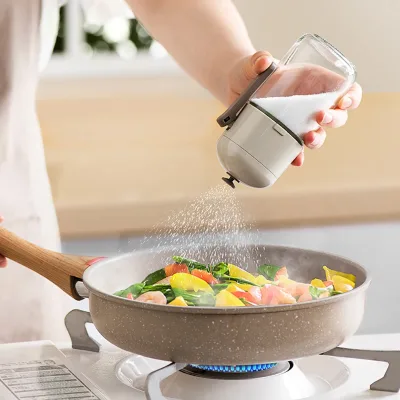
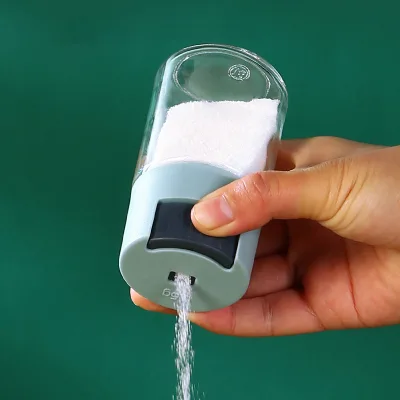
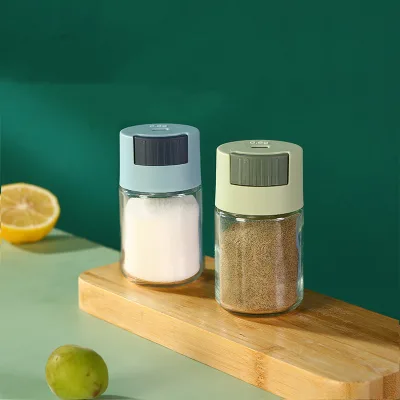
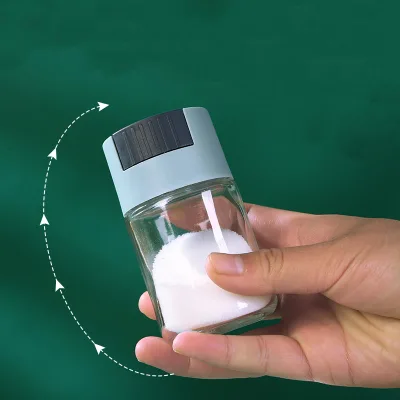
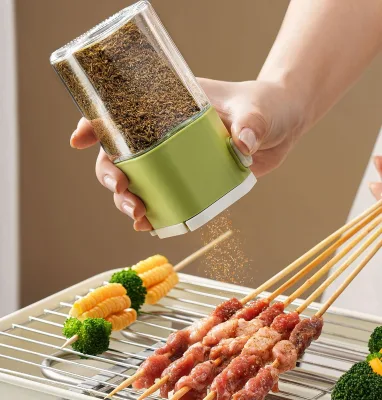
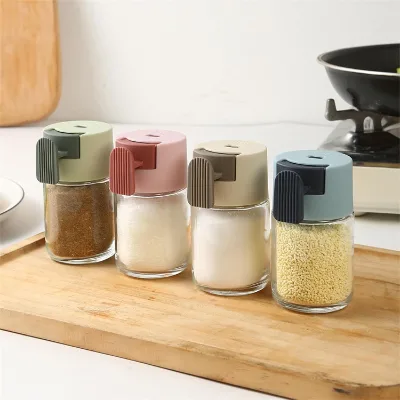
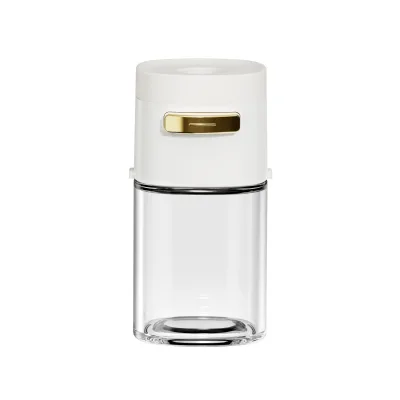
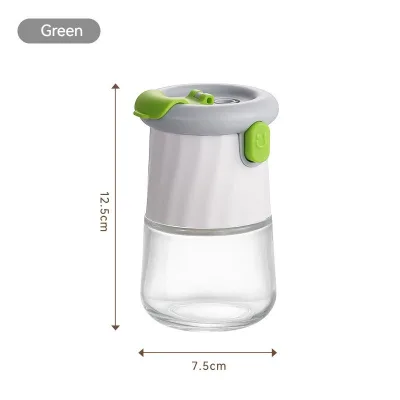
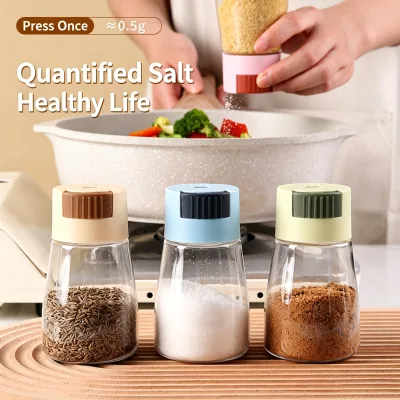
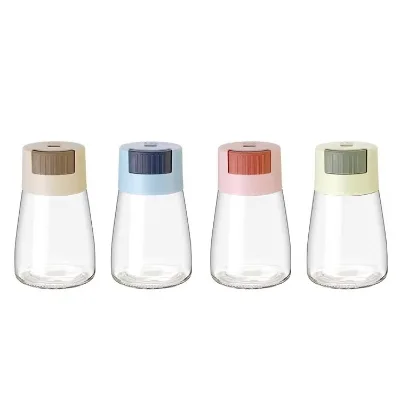
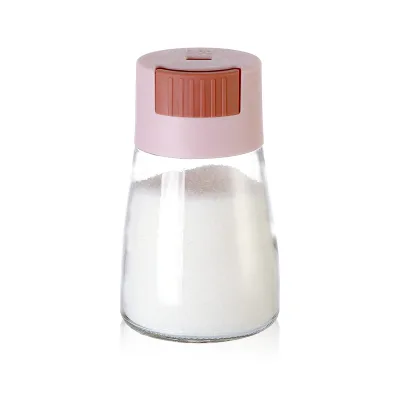
Verification starts with the product attributes already visible in supplier listings, then moves to evidence the buyer must request. Current results include a push-type 0.5g metering dispenser in glass with PP components described as food contact safe, a 160ml controlled shaker in plastic, and a bamboo salt and pepper shaker set marketed as eco friendly. These labels are claims, not proof. Ask each supplier for food-contact test reports covering both the glass or bamboo body and the plastic metering mechanism, since the two parts often come from different material vendors and only the assembly is under the seller's control.
Next, reconcile the profile with the product data. A Jiangsu supplier showing a two-hour response time and a twenty-day lead time behaves differently from a Zhejiang trading company showing a five-hour response time and a thirty-seven-day lead time; neither number is a guarantee, but the gap tells you what to test in your first inquiry. Message each candidate with a technical question specific to your SKU, such as dosing accuracy tolerance at 0.5g per press, and measure how long a substantive answer takes. Request the actual model numbers from the listings, like the ones already displayed in supplier attributes, and confirm they belong to the seller rather than a copied catalog. Finally, ask for the factory's business scope documentation and compare it to the main products listed, so you know whether the shaker comes from the seller's own line or a partner.
What to Compare Across Eco Friendly Metering Salt Shaker Suppliers
Build a comparison table using only the dimensions suppliers actually display, and leave cells blank where data is missing rather than assuming a value. Useful columns from current results include location, company type, main products, response time, lead time, MOQ, and unit price range. For example, glass and PP push-type metering shakers in the results show minimum orders as low as two hundred pieces with unit prices in the tens of cents, while a bamboo shaker set lists a five-hundred-piece MOQ with unit prices from two to eight dollars, and a plastic 160ml controlled shaker lists one thousand pieces. These spreads reflect material and mechanism differences, not quality rankings.
Compare capability alongside terms. Supply ability stated on product pages, such as twenty thousand units per month on two of the listed shakers, matters only if it covers your peak order, so ask what that figure includes. Response time and lead time tell you about communication and production speed; establishment year, where displayed, hints at stability but should be confirmed through business documents. Main products reveal whether your SKU is a core line or a side item, which affects priority during busy seasons. Company type matters for accountability: a manufacturer-trader hybrid may offer better pricing but split responsibility, so clarify in writing who owns defects in the metering mechanism, the part most likely to fail in this category.
Common Eco Friendly Metering Salt Shaker Sourcing Risks
The biggest risk in this category is dosing accuracy drift. Listings advertise quantitative dispensing, such as a 0.5g push-type meter, but supplier pages do not show test results for consistency across thousands of presses. Humidity, salt caking, and spring fatigue in the mechanism can change output over time, and no displayed attribute proves long-term performance. Mitigate by sampling from the exact production tooling, not showroom stock, and by defining an acceptance tolerance for per-press weight in your purchase agreement before deposit.
Material claims are the second risk area. Eco friendly appears as a listed feature on plastic, glass and bamboo shakers alike, yet the label is supplier self-declared. For bamboo and wooden items, confirm finish and adhesive food safety; for glass plus PP assemblies, confirm both components meet food-contact requirements in your market. Packaging and logo customization is offered across the observed listings, which is convenient but adds a proofing step where errors are costly. Third, watch for capacity mismatch: a stated twenty-thousand-unit monthly supply ability may refer to the seller's whole catalog. Fourth, lead time varies sharply in observed data, from twenty to thirty-seven days, so a late shaker order can miss a seasonal kitchenware window. Finally, low MOQs like two hundred pieces sometimes indicate stock configurations rather than made-to-order production, meaning your custom color or logo may not actually be available at that quantity.
Eco Friendly Metering Salt Shaker Regional Sourcing and Logistics
The confirmed sourcing regions in current results are Zhejiang and Jiangsu, and both carry logistics implications worth planning around. Product attributes for a Zhejiang-origin shaker list Ningbo as the port of dispatch, one of China's busiest container ports, which generally supports regular sailings and competitive freight for consolidated kitchenware cargo. Jiangsu suppliers sit within the broader Yangtze Delta manufacturing belt, so a mixed container of shakers, lids and lunch boxes from a single Jiangsen supplier with multiple product lines can simplify consolidation. When both regions are on your shortlist, ask each supplier for their default port and whether they can ship from an alternative if congestion arises.
Mode selection depends on order size and the shaker variant. Glass-bodied metering jars are heavy; one listed configuration shows a single gross weight of 2.5 kg, which raises sea freight cost per unit, while lighter plastic models ship far more cheaply by air when you need samples or launch stock fast. Bamboo sets are lighter still but vulnerable to moisture, so discuss carton lining and desiccants. Given observed lead times of twenty to thirty-seven days, add freight transit and customs clearance when working backward from a retail launch date. Ask each supplier whether the quoted price includes packaging designed for export stacking, because metering mechanisms can jam if cartons are crushed in transit. Finally, confirm incoterms in writing so port charges and insurance responsibilities are unambiguous before booking.
Eco Friendly Metering Salt Shaker Commercial Terms and Order Planning
Order planning should start from the MOQ and price structure visible in supplier results, then adapt it to your launch plan. Observed MOQs range from two hundred pieces on a glass quantitative shaker to five hundred on a bamboo set and one thousand on a plastic controlled shaker, with price bands from under a dollar to eight dollars per unit. A practical approach is to place a small pilot order at the lowest displayed MOQ tier to validate dosing accuracy, packaging and customer feedback, then consolidate reorders at higher volumes where pricing typically improves. Confirm whether the quoted range corresponds to specific quantity breakpoints and what customization, such as the customized packing and logo options shown in listings, triggers a higher minimum.
On payment and risk control, use structures that keep funds verifiable rather than wiring unprotected deposits; escrow-style arrangements through the platform you source on can protect the gap between payment and shipment. Negotiate a production schedule tied to the supplier's own lead time disclosure, and put inspection rights before balance payment into the contract. Because response times in the data range from two to five hours, fast replies are a reasonable baseline expectation, and slow pre-sale communication usually worsens after deposit. Finally, plan reorders around the stated supply ability of twenty thousand units per month where applicable, reserving capacity ahead of peak kitchenware seasons rather than competing for slots at short notice.
A good target is roughly 230 words per section; the draft above comes to approximately 1,385 words total across the six sections.
FAQs
What is the typical lead time for these shakers?
Manufacturers in Zhejiang report a lead time of 37 days, while suppliers in Jiangsu offer a faster turnaround of 20 days. Buyers should confirm the exact schedule with the supplier before placing an order to ensure timely delivery for their specific production needs.
What are the minimum order quantities for these products?
Minimum order quantities vary significantly by supplier and material. Bamboo options typically require a minimum of 500 pieces, while glass and plastic models may start at 200 or 1000 pieces. Always verify the specific MOQ with the supplier to align with your inventory requirements.
How quickly do suppliers respond to inquiries?
Response times differ among suppliers, with some in Jiangsu responding within 2 hours and others in Zhejiang taking up to 5 hours. Prompt communication helps clarify specifications and pricing. Buyers should expect varying response speeds and plan their sourcing timeline accordingly based on the supplier's location.
What materials are used for eco-friendly metering shakers?
Common materials include bamboo, plastic, and glass combined with polypropylene. Bamboo options are highlighted for their eco-friendly nature, while glass and plastic models offer durability and precise metering. Suppliers often provide customized colors and packaging to meet specific branding and sustainability goals for kitchenware products.
What is the price range for these salt shakers?
Prices range from approximately $0.16 to $8.00 per unit depending on material and design. Glass models can be as low as $0.16, while bamboo sets may reach $8.00. Volume discounts often apply, so buyers should request quotes based on their specific order quantity and customization needs.
Can I customize the logo and packaging?
Yes, most suppliers offer customized logo printing and packaging options. Bamboo shakers allow for customized logos and packing, while glass models also support customized packaging boxes. This flexibility helps brands maintain consistency. Buyers should discuss specific design requirements and minimum order thresholds for customization with the supplier.