Modern Glass Food Jar Suppliers and Manufacturers
Compare 29 verified suppliers offering Modern Glass Food Jar options with varying lead times, certifications, and customization capabilities. Review response times, MOQs, and product specifications to select the right partner for your kitchen storage needs; review the available evidence before requesting comparable quotations from suitable candidates.
Updated
Suppliers List
Atrih Ningbo Import & Export Co., Ltd.
- Verified by SGS Group
- Trading Company
- Lead time30 days
- Avg. response≤ 2h
Main productsGifts & Promotion, Home and Garden Products, Personal Care and Household Cleaning Products, Package Printing Products
Main marketsNorth America(40%), South America(30%), Eastern Europe(5%)

Zibo Green Light Industrial Co., Ltd.
- Verified by SGS
- Trading Company
- China Shandong
- Lead time30 days
- Avg. response≤ 13h
Main productsGlass Storage Jar, Glass Oil Vinegar Bottle, Glass Canister, Glass Dispenser, Glass Bowl and Plate, Glass Candle Holder, Glass Bathroom Products, Glass Vase, Glass Spice Jar
Main marketsEast Asia(Japan/ South Korea),Europe,North America


Glass Food Storage Jars with Stainless Steel Clip Lids and Embossed Stripes
$0.50 - $1.50
MOQ: 2000 Pieces


ANHUI IDEA TECHNOLOGY IMP AND EXP CO., LTD
- Verified by TUVRHEINLAND
- Trading Company
- China Anhui
- Lead time23 days
- Avg. response≤ 5h
Main productsGlass Jar, Glass Bottle, Pet Preform, Aluminum Cans, Glass Cup, Bottle Caps Jar Lids, Candle Jars, Perfume Bottle, Cosmetic Bottle
Main marketsSouth America,Africa,Southeast Asia/ Mideast,East Asia(Japan/ South Korea),Europe,Australia,North America

Ningbo Beixuan International Trading Co., Ltd.
- Verified by TUVRHEINLAND
- Manufacturer/Factory
- China Zhejiang
- Lead time15 days
- Avg. response≤ 10h
Main productsPlastic Bottle, Plastic Cup, Plastic Honey Jar, Plastic Food Container, Glass Juice/ Beverage Bottle, Glass Jar, Glass Wine Bottle, Glass Essential Oil Bottles, Cosmetic & Perfume Glass Bottles, Paper Cup
Main marketsSouth America,Eastern Europe,Mid East,North America,Southeast Asia,Eastern Asia,Oceania,Western Europe,Africa

- Verified by CTI
- Trading Company
- China Shanghai
- Lead time23 days
- Avg. response≤ 9h
Main productsGlass Bottle, Bottle, Vodka Glass Bottle, Whisky Glass Bottle, Glass Beer Bottle, Glass Wine Bottle, Beer Bottle, Glass Decanter, Glass Jars, Glass
Main marketsSouth America,Africa,Europe,Australia,North America

Anhui Creative Packaging Technology Co., Ltd.
- Verified by BV
- Trading Company,Manufacturer/Factory
- China Anhui
- Lead time23 days
- Avg. response≤ 6h
Main productsGlass Jars, Glass Bottles, Glass Liquor/Beer/Oil Bottles, Glass Cosmetic/Perfume Bottles, Glass Cup, Candle Jar, Preform, Lids/Cap, Aluminum Cans, Wine Glass
Main marketsSouth America,Eastern Europe,Mid East,North America,Southeast Asia,Eastern Asia,Oceania,Western Europe,Africa

Shandong Well Pack Industry Co., Ltd
- Verified by TUVRHEINLAND
- Trading Company
- China Shandong
- Lead time30 days
- Avg. response≤ 3h
Main productsLiquor Bottle, Beer Bottle, Glass Jar, Nail Polish Bottle, Water Bottle, Spirits Bottle, Wine Bottle
Main marketsEurope,North America

Hebei Zhuozhongxi Glass Products Co., Ltd.
- Verified by BV
- Manufacturer/Factory
- China Hebei
- Lead time15 days
- Avg. response≤ 4h
Main productsGlass Cup, Glass Teapot, Coffee Appliance, Tea Set, Glass Crafts, Glass Jug, Glass Food Storage Jar, Wine Glass, Candle Holders, Double Wall Glass
Main marketsSouth America,Eastern Europe,Mid East,North America,Southeast Asia,Eastern Asia,Oceania,Western Europe,Africa

LIANYUNGANG KAESHING INTERNATIONAL TRADING CO., LTD.
- Verified by TUVRHEINLAND
- Trading Company
- China Jiangsu
- Lead time15 days
- Avg. response≤ 4h
Main productsGlass Bottle, Glass Jar, Glass Cup, Glassware, High Borosilicate Glass Jar Bottle Mug, Glass Perfume Bottle, Glass Mug, Glass Decanter, Storage Jar, Fused Silica
Main marketsNorth America

Shanghai Vista Glass Co., Ltd.
- Verified by BV
- Combined
- China Shanghai
- Lead time30 days
- Avg. response≤ 8h
Main productsGlass Bottle, Glass Jar, Beer Bottle, Liquor Bottle, Wine Bottle, Vodka Bottle, Amber Bottle, Frost Bottle, Beverage Bottle, Champagne Bottle
Main marketsSoutheast Asia/ Mideast


Assorted Sizes Clear Glass Jar with Metal Lids for Food Storage Canning
$0.15 - $0.30
MOQ: 6000 Pieces


Golden Ace Industrial Co., Ltd.
- Verified by BV
- Combined
- China Shandong
- Lead time60 days
- Avg. response≤ 13h
Main productsGlassware, Kitchenware, Houseware, Glass Vase, Giftware
Main marketsAfrica,Southeast Asia/ Mideast,Europe,Australia,North America


Storage Containers with Lids Glass Jar Glass Containers for Food Storage
$6.70 - $7.00
MOQ: 300 Pieces


Jiangsu Fine Technology Co., Ltd.
- Manufacturer, Trading Company
- Jiangsu, China
- Lead time0 days
- Avg. response≤ 12h
Main productsGlass Teapot,Double Wall Glass Cup,Glass Terrarium,Borosilicate Glass Globe,Laboratory Glassware
Main marketsNorth America(25.00%), Domestic Market(20.00%), Southeast Asia(10.00%), Northern Europe(10.00%), Western Europe(8.00%), Southern Europe(7.00%), South America(5.00%), Eastern Asia(5.00%), Eastern Europe(5.00%), Oceania(5.00%)

Zibo Timestone International Co., Ltd.
- Manufacturer/Factory
- China Shandong
- Lead time45 days
- Avg. response≤ 11h
Main productsCeramic Dinnerware, Ceramic Mugs, Stainless Steel Bottles Mugs and Tumblers, Glass Bottles Mugs and Tumblers, Dinnerware, Tableware, Glassware, Kitchenware, Household Items, Ceramic Granding Balls and Filters
Main marketsSouth America,Eastern Europe,Mid East,North America,Southeast Asia,Eastern Asia,Oceania,Western Europe,Africa

Shuifu Huiyang Agricultural Technology Co., Ltd.
- Verified by SGS
- Trading Company
- China Yunnan
- Lead time23 days
- Avg. response≤ 4h
Main productsBamboo Products, Bamboo Crafts, Bamboo Chopsticks, Bamboo Skewers, Bamboo Weaving, Bamboo Tray, Bamboo Box, Bamboo Placemat, Bamboo Fruit Bowl, Lamp Shades
Main marketsDomestic
Shanghai Family Industry Development Co., Ltd.
- Verified by TüVRheinland
- Trading Company
- Lead time10 days
- Avg. response≤ 2h
Main productsCandle Jar, Storage Jar, Diffuser Bottle, Candle Accessories, Paper Box
Main marketsNorth America(40%), Southeast Asia(15%), Western Europe(15%)
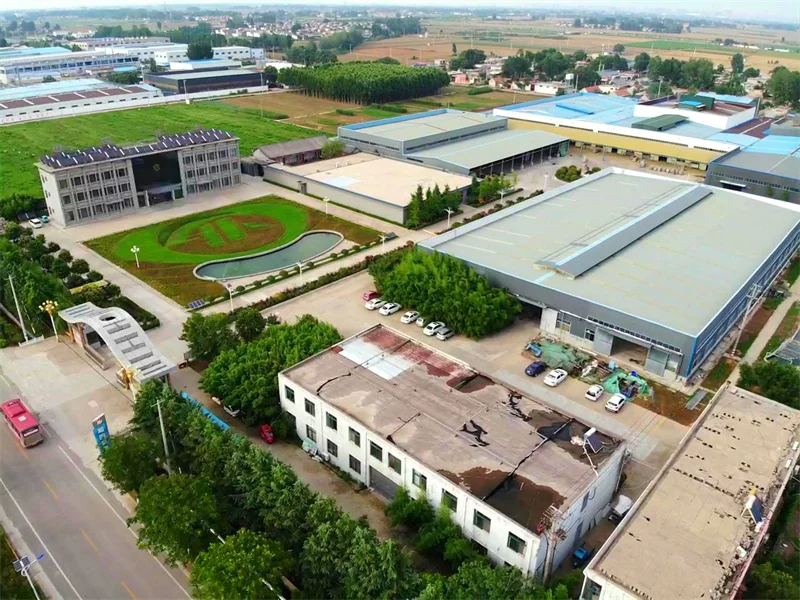
Shandong Houde Glass Products Co., Ltd.
- Manufacturer, Trading Company
- Shandong, China
- Lead time30 days
- Avg. response≤ 2h
Main productsGlass Storage Jar,candle jar,Glass Vase,Glass Cup,Glass storage containers
Main marketsDomestic Market(70.00%), North America(10.00%), Southern Europe(3.00%), Northern Europe(3.00%), Central America(3.00%), Western Europe(3.00%), South Asia(1.00%), South America(1.00%), Oceania(1.00%), Africa(1.00%), Southeast Asia(1.00%), Eastern Europe(1.00%), Eastern Asia(1.00%), Mid East(1.00%)
- Verified by TüVRheinland
- Manufacturer, Trading Company
- Lead time25 days
- Avg. response≤ 3h
Main productsDrinkware, Ceramicware, Barware, Kitchenware, Glass Bottles
Main marketsNorth America(20%), South America(20%), Southeast Asia(20%)

Zibo Chuangxinzhe International Trade Co., Ltd
- Verified by TUVRHEINLAND
- Trading Company
- China Shandong
- Lead time15 days
- Avg. response≤ 3h
Main productsGlass Bottle, Glass Jar, Bottle, Glass Storage Jar, Glass Tube, Mason Jar, Food Jar, Dropper Bottle, Empty Candle Jars, Perfume Bottle
Main marketsSouth America


Kitchen Jars Storage Glass Container with Lid for Food Storage Transparent Storage Spice Jars
$0.07 - $0.39
MOQ: 5000 Pieces

Sealed Glass Jar with Lid for Home Use, Suitable as a Food Storage Container
$0.019 - $2.99
MOQ: 2000 Pieces
Xuzhou Bolite Import & Export Trading Co., Ltd.
- Verified by SGS Group
- Trading Company
- Lead time30 days
- Avg. response≤ 3h
Main productsGlass Bottle and Accessories
Main marketsSoutheast Asia(26%), South Asia(12%), Domestic Market(12%)
- Trading Company
- Hebei, China
- Lead time0 days
- Avg. response≤ 5h
Main productsPlastic packaging,Metal packaging,Glass packaging,bamboo and wood packaging
Main marketsNorth America(70.00%), Western Europe(15.00%), Oceania(15.00%)

Zibo Melory Import & Export Trade Co., Ltd.
- Trading Company,Manufacturer/Factory
- China Shandong
- Lead time45 days
- Avg. response≤ 19h
Main productsGlass Candle Holder, Glass Jar, Glass Votive, Glass Diffuser, Glass Bottle, Glass Vase, Matches, Ceramic Candle Holder, Ceramic Holder for Incense, Glass Candle Jar
Main marketsSouth America,Eastern Europe,North America,Western Europe

Tianjin Jiaming Technology Co., Ltd.
- Verified by SGS
- Trading Company
- China Tianjin
- Lead time15 days
- Avg. response≤ 12h
Main productsGlass Jar, Glass Cup, Kitchen Utensils, Teapot, Glass Pitcher
Main marketsOthers(foreignTradeCapacity.exportBusinessCapacityMarketOther)

Xuzhou Yanjia Glassware Co., Ltd.
- Verified by BV
- Trading Company,Manufacturer/Factory
- China Jiangsu
- Lead time0 days
- Avg. response≤ 5h
Main productsGlass Bottle, Glass Jar, Honey Jar, Wine Bottle, Jam Jar, Juice Bottle, Glass Candle Jar, Tin Lid, Bottle Cap, Perfume Bottle

350ml 500ml 800ml Transparent Glass Food Storage Jar Round with Glass Lids
$0.22 - $0.54
MOQ: 3000 Pieces


Large Tall Round Glass Kitchen Containers Empty Food Storage Jar with Lids
$0.22 - $0.39
MOQ: 500 Pieces
Shijiazhuang Far East Import & Export Trading Co., Ltd.
- Trading Company
- Lead time旺季: "1 - 2000":120,"> 2000":"To be negotiated", 淡季: "1 - 2000":120,"> 2000":"To be negotiated"
- Avg. response≤ 8h
Main productsGlass Food Container, Glass Bakeware, Glass Drinkware, Glass Jar, Stainless Steel Food Container
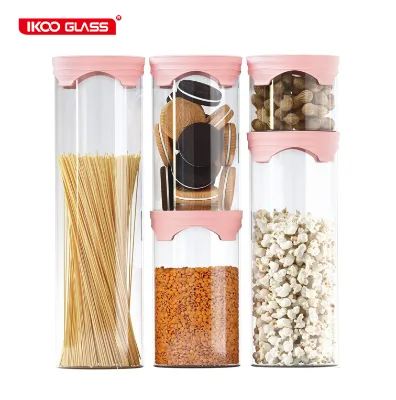
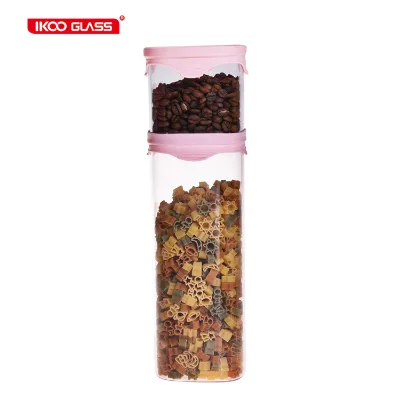
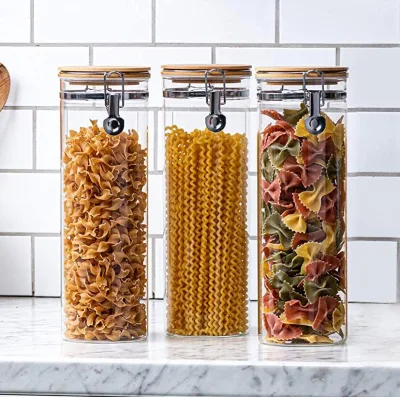
BPA Free Kitchen Storage Cereal Food Container Glass Jar 1000ml with Glass Lid
$1.10 - $2.80
MOQ: 1000
Xuzhou Huanzhou Glass Technology Co., Ltd.
- Verified by SGS Group
- Manufacturer, Trading Company
- Lead time20 days
- Avg. response≤ 5h
Main productsPerfume Bottle, Water Cup, Aromatherapy Bottle, Lotion Bottle, Candle Holder
Main marketsNorth America(30%), Southeast Asia(20%), South America(10%)
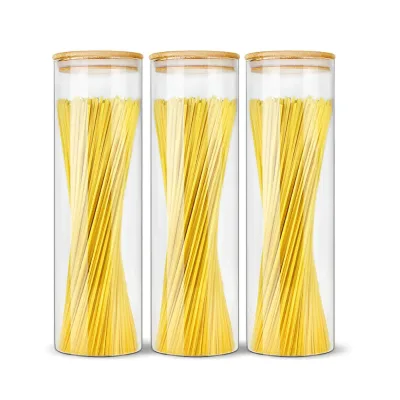
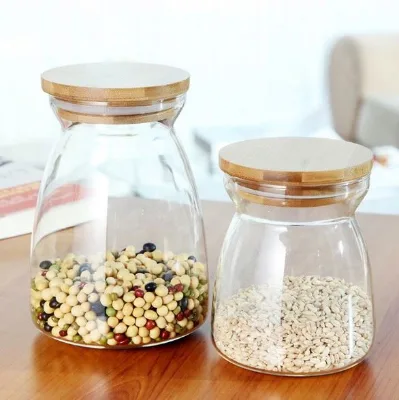
50oz Glass Jars with Bamboo Lids Glass Food Storage Containers Large Glass Bamboo Jars with Lids
$1.80 - $4.00
MOQ: 5000 pieces
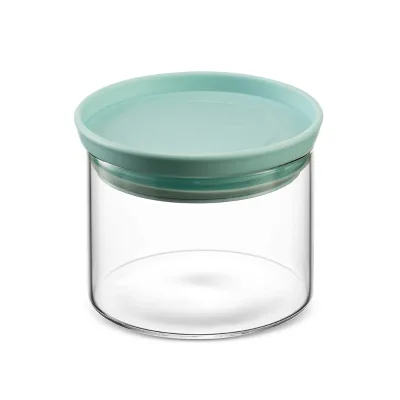
10oz Food Storage Containers Stackable Organization Canister Small Glass Jars
$0.8245 - $1.544
MOQ: 5000 pieces

Xiamen Sinogrinder Houseware Co., Ltd.
- Verified by TUVRHEINLAND
- Trading Company
- China Fujian
- Lead time23 days
- Avg. response≤ 2h
Main productsPepper Grinder, Coffee Grinder, Salt Grinder, Spice Grinder, Salt and Pepper Grinder Set, Spice Bottle, Electric Pepper and Salt Grinder Set, Spice Jar, Salt and Pepper Grinder, Seasoning Bottle
Main marketsSouth America,Others(foreignTradeCapacity.exportBusinessCapacityMarketOther),Southeast Asia/ Mideast

Xuzhou Selead Packaging Material Co., Ltd.
- Verified by SGS
- Trading Company
- China Jiangsu
- Lead time15 days
- Avg. response≤ 6h
Main productsGlass Bottle, Plastic Bottle, Water Bottle, Glass Jar, Mason Jar, Wine Bottle, Cosmetic Bottle, Beverage Bottle, Glass, Candle Holder
Main marketsAfrica,Southeast Asia/ Mideast,Europe,North America

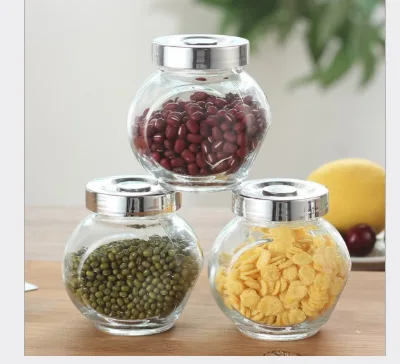
Wholesale Good Grade Glass Candy Containers Glass Food Storage Jar with Screw Lid
$0.10 - $0.80
MOQ: 5000 Pieces


Guangzhou Garbo International Trading Co., Ltd.
- Verified by TUVRHEINLAND
- Trading Company,Manufacturer/Factory
- China Guangdong
- Lead time45 days
- Avg. response≤ 5h
Main productsGlassware, Glass Cup, Glass Mug, Glass Bowl, Glass Candy Jar, Glass Pitcher, Glass Ice Cream Cup and Ice Bucket, Opal Glassware, Stainless Steel Cutlery, Ceramic Dinnerware
Main marketsSouth America,Eastern Europe,Mid East,North America,Southeast Asia,Eastern Asia,Oceania,Western Europe,Africa


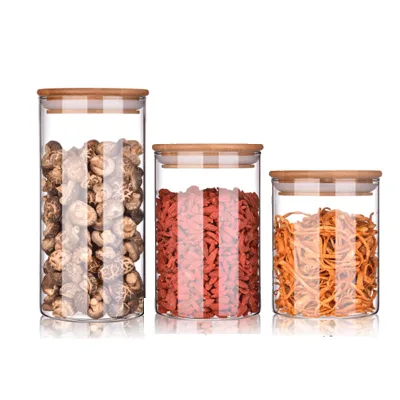
Hot Selling Multiple Sizes Borosilicate Glass Food Storage Jar with Bamboo Sealing Lid
$0.90 - $1.20
MOQ: 3000 Pieces

Qingdao Xinte Packaging Co., Ltd.
- Verified by TUVRHEINLAND
- Trading Company,Manufacturer/Factory
- China Shandong
- Lead time15 days
- Avg. response≤ 7h
Main productsGlass Jar, Glass Bottles, Plastic Bags, Perfume Bottle, Dropper Bottles, Paper Box, Tin Box, Glass Syringe, Glass Tubes, Plastic Bottle
Main marketsSouth America,Eastern Europe,North America






Comprehensive Sourcing Guide
Modern Glass Food Jar Supplier Concentration and Factory Types
The current supplier landscape for modern glass food jars is dominated by trading companies rather than direct manufacturers, which significantly influences how buyers should approach their sourcing strategy. This structural reality means that many listed entities act as intermediaries, aggregating products from various factories to offer a broader catalog to international buyers. For procurement teams, this distinction is critical because it affects communication channels, quality control processes, and the flexibility of order modifications. Trading companies often provide more comprehensive customer service and can consolidate shipments from multiple product lines, such as gifts, home and garden items, or personal care products, into a single order. However, this convenience comes with the potential for reduced transparency regarding the actual manufacturing origin and the specific production capabilities of the underlying factories. Buyers must therefore scrutinize the supplier’s profile to determine if they possess direct factory relationships or if they are purely reselling existing inventory.
Understanding the type of entity you are engaging with helps in setting realistic expectations for customization and lead times. Direct factories typically offer deeper customization options, such as specific mold modifications or unique glass formulations, but may have higher minimum order quantities and less flexible communication. In contrast, trading companies often excel in handling smaller, more diverse orders and providing graphic processing services for branding. The observed data indicates that many suppliers offer light customization, sample processing, and customized on-demand services, which are hallmarks of a trading company’s value proposition. These services allow buyers to tailor products without the heavy investment required for full-scale manufacturing setup. Consequently, buyers should evaluate whether their project requires the technical depth of a factory or the logistical and service flexibility of a trading company. This assessment will guide the selection process and ensure that the chosen partner aligns with the specific needs of the Modern Glass Food Jar procurement cycle.
How to Verify Modern Glass Food Jar Suppliers
Verification is a non-negotiable step in the sourcing process, particularly when dealing with trading companies that may obscure the true origin of goods. Buyers should prioritize suppliers that have undergone third-party verification, such as those certified by SGS Group, as this provides an additional layer of trust regarding the supplier’s business legitimacy and operational capabilities. The presence of such verification badges indicates that an independent agency has inspected the supplier’s facilities or business credentials, reducing the risk of engaging with fraudulent entities. However, verification alone is not sufficient; buyers must also examine the specific certifications held by the products themselves. For glass food containers, compliance with international safety standards is paramount to ensure that the materials do not leach harmful substances into food. Certifications such as FDA 21 CFR 177, LFGB, and EN 71 are critical indicators that the glass and any accompanying lids or accessories meet rigorous health and safety requirements.
Beyond certifications, buyers should assess the supplier’s responsiveness and historical performance metrics to gauge reliability. A quick response time, such as the two-hour average observed in some results, suggests a dedicated customer service team that can address inquiries and resolve issues promptly. This agility is particularly important during the sampling phase, where rapid feedback loops can accelerate the product development timeline. Additionally, buyers should request detailed product specifications and test reports to verify claims about material safety and durability. For instance, confirming that the glass is borosilicate or high-borosilicate can provide insights into its thermal shock resistance, which is essential for food storage applications. Buyers should also inquire about the supplier’s quality control processes, including how they handle defects and returns. By combining third-party verification, certification checks, and performance metrics, buyers can build a comprehensive profile of each potential supplier, ensuring that they partner with entities that are both legitimate and capable of delivering high-quality modern glass food jars.
What to Compare Across Modern Glass Food Jar Suppliers
When evaluating multiple suppliers, buyers must systematically compare key operational metrics to identify the most suitable partner for their specific needs. Lead time is a critical factor, as it directly impacts inventory management and time-to-market strategies. Some suppliers may offer a standard lead time of thirty days, while others might require up to fifty days, depending on the complexity of the order and current production capacity. Buyers should align these timelines with their sales forecasts to avoid stockouts or excessive inventory holding costs. Minimum order quantity (MOQ) is another vital comparison point, as it determines the financial risk associated with the initial order. Suppliers may have MOQs ranging from one thousand to two thousand pieces, which can be a significant barrier for small businesses or those testing new markets. Understanding these thresholds helps buyers plan their initial investments and negotiate more favorable terms based on projected volume.
Price and customization capabilities are also essential dimensions for comparison. The price range for modern glass food jars can vary significantly, with some products starting as low as one dollar and others reaching several dollars per unit, depending on features such as material quality, lid type, and packaging. Buyers should request detailed quotes that break down costs for the product, packaging, and shipping to ensure transparency. Additionally, the level of customization offered by each supplier should be assessed. Some suppliers provide graphic processing and logo printing services, which are valuable for brand differentiation, while others may only offer standard products. The ability to customize specifications, such as capacity or shape, can also be a deciding factor. By comparing lead times, MOQs, prices, and customization options across suppliers, buyers can make informed decisions that balance cost, speed, and product quality. This structured comparison ensures that the selected supplier meets all operational requirements and supports the buyer’s long-term business goals.
Common Modern Glass Food Jar Sourcing Risks
One of the primary risks in sourcing modern glass food jars is the potential for quality inconsistencies, particularly when dealing with trading companies that may source from multiple factories. Without direct oversight of the manufacturing process, buyers may receive products that do not meet the specified standards for durability, clarity, or safety. This risk is exacerbated if the supplier fails to provide adequate quality control documentation or if the third-party verification does not cover the specific production lines used for the order. Buyers must mitigate this risk by requesting pre-shipment inspections or by engaging third-party inspection services to verify product quality before payment. Additionally, the risk of material non-compliance is significant, as glass containers must meet strict food safety regulations. If a supplier cannot provide valid test reports for certifications like LFGB or FDA, the buyer faces the risk of regulatory penalties and product recalls in their target market.
Another common risk is the discrepancy between sample quality and bulk production. Suppliers may provide high-quality samples to secure the order but then cut corners during mass production to reduce costs. This issue is often linked to poor communication or a lack of clear specifications in the purchase contract. Buyers should ensure that all technical details, including dimensions, material grades, and packaging requirements, are explicitly documented in the agreement. Furthermore, the risk of delayed shipments can disrupt supply chains, especially if the supplier underestimates production capacity or faces unforeseen disruptions. Buyers should establish clear penalties for late deliveries and maintain open communication channels to monitor production progress. By identifying and addressing these risks proactively, buyers can protect their interests and ensure a smoother sourcing experience. It is essential to conduct thorough due diligence and maintain rigorous quality control measures throughout the procurement process to minimize these potential pitfalls.
Modern Glass Food Jar Regional Sourcing and Logistics
The geographic location of suppliers plays a crucial role in determining logistics costs and delivery times. Many suppliers for modern glass food jars are located in China, with specific clusters in regions like Zhejiang and Shandong. These areas are known for their robust manufacturing infrastructure and expertise in glass production, offering buyers access to a wide variety of products and competitive pricing. However, buyers must consider the logistical implications of sourcing from these regions, including shipping distances and customs procedures. For instance, suppliers in Shandong may have different shipping routes and port access compared to those in Zhejiang, which can affect transit times and freight costs. Buyers should evaluate the proximity of the supplier to major shipping ports to optimize logistics efficiency. Additionally, the type of packaging used by the supplier can impact shipping volume and cost, as glass products are heavy and fragile.
Logistics planning also involves understanding the supplier’s packaging capabilities and their ability to protect products during transit. Some suppliers offer bulk packing, while others provide more secure, individual packaging to prevent breakage. Buyers should assess the supplier’s packaging standards and request samples to evaluate their protective qualities. Furthermore, buyers should consider the impact of regional trade policies and tariffs on the final cost of goods. Sourcing from China may involve specific import duties and regulatory requirements in the buyer’s home country, which can affect the overall profitability of the order. By carefully evaluating the regional location of suppliers and their logistical capabilities, buyers can make informed decisions that minimize shipping costs and delivery times. This strategic approach ensures that the supply chain is efficient and resilient, supporting the buyer’s operational needs and market demands.
Modern Glass Food Jar Commercial Terms and Order Planning
Commercial terms and order planning are essential components of a successful sourcing strategy for modern glass food jars. Buyers must negotiate clear payment terms, such as T/T or L/C, to ensure financial security and cash flow management. The choice of payment method can influence the supplier’s willingness to accommodate custom orders or provide flexible delivery schedules. Additionally, buyers should establish clear expectations regarding warranty and after-sales support, including how defects are handled and whether replacements are provided. These terms should be explicitly stated in the purchase contract to avoid disputes. Order planning also involves forecasting demand accurately to determine the appropriate order quantity and frequency. Buyers should consider seasonal trends and market fluctuations when planning their orders to avoid overstocking or stockouts.
Effective order planning requires close collaboration with the supplier to align production schedules with delivery timelines. Buyers should provide accurate forecasts and maintain regular communication to adjust orders as needed. This collaborative approach helps to mitigate the risk of delays and ensures that products are available when needed. Furthermore, buyers should consider the total cost of ownership, including shipping, insurance, and customs duties, when evaluating supplier quotes. By understanding the full cost structure, buyers can make more informed decisions and negotiate better terms. Additionally, buyers should plan for potential disruptions in the supply chain by identifying alternative suppliers or maintaining safety stock. This proactive approach ensures business continuity and minimizes the impact of unforeseen events. By focusing on commercial terms and order planning, buyers can build a robust and efficient sourcing process that supports their long-term business objectives.
FAQs
What certifications do modern glass food jars have?
Suppliers offer jars certified under LFGB, FDA 21 CFR 177, EN 71, BS EN71, TPCH, PFAS, and EC 1935/2004. These standards ensure the glass and lids are food safe and suitable for kitchen storage. Buyers should verify specific test reports for their target market compliance requirements before placing orders.
What is the typical lead time for these jars?
Standard lead times are approximately 30 days for production. Some specific models, such as colored round jars with embossed designs, may require up to 50 days. Buyers should confirm exact timelines with suppliers based on order volume and customization needs to ensure timely delivery for their inventory planning.
What are the price ranges for glass storage jars?
Prices vary by design and material. Basic modern design jars range from $1.23 to $2.22 per unit. Borosilicate jars with wooden lids cost between $4.38 and $7.96. European style candy jars start at $0.40. Costs depend on capacity, lid type, and order quantity.
What customization options are available for glass jars?
Suppliers provide light customization, sample processing, graphic processing, and customized on-demand services. Options include printing techniques, various lid types like glass, bamboo, or stainless steel clips, and different shapes such as square, round, or irregular. Buyers can request specific capacities and branding for their products.
What are the minimum order quantities for these products?
MOQs vary by product type. Some glass candy jars require a minimum of 1000 pieces, while other storage jars may have an MOQ of 2000 pieces. Buyers should check specific product listings for exact MOQ requirements, as these thresholds impact pricing tiers and production scheduling for bulk orders.
Where are these glass jars manufactured?
Manufacturing locations include Zhejiang and Shandong in China. Products from Zhejiang often feature modern designs with specific dimensions. Shandong suppliers offer European style jars with irregular or round shapes. Buyers can filter suppliers by these regions to align with logistics preferences and regional supply chain strategies.
How quickly do suppliers respond to inquiries?
Response times vary among suppliers. Some trading companies respond within 2 hours, while others may take up to 12.88 hours. Faster response times indicate active sales teams ready to assist with quotes and samples. Buyers should prioritize suppliers with quicker response rates for efficient communication during the sourcing process.