Moving Head Stage Light with Lighting Truss Suppliers and Manufacturers
Compare 28 verified suppliers offering Moving Head Stage Light with Lighting Truss solutions from China and Zhejiang. Review response times, lead times, certifications, and product specs to source reliable partners for your next project; review the available evidence before requesting comparable quotations from suitable candidates.
Updated
Suppliers List

Guangzhou Ao Mei Di Stage Lighting Equipment Co., Ltd.
- Combined
- China Guangdong
- Lead time15 days
- Avg. response≤ 9h
Main productsStage Lighting Moving Head Light Beam Light
Main marketsSouth America,Africa,Southeast Asia/ Mideast,East Asia(Japan/ South Korea),Europe,Australia,North America
Zhejiang Cajoroy Optoelectronic Technology Co., Ltd.
- Verified by SGS Group
- Manufacturer, Trading Company
- Lead time15 days
- Avg. response≤ 3h
Main productsLed Solar Street Light, Led Stage Light, Led Ceiling Light, Led Panel Light, Led Flood Light
Main marketsNorth America(50%), Western Europe(30%), Mid East(10%)

Guangzhou HOMEI Lighting Equipment Factory
- Verified by TUVRHEINLAND
- Combined
- China Guangdong
- Lead time15 days
- Avg. response≤ 5h
Main productsLED Star Cloth, LED Video Curtain, RGB Star Curtain, LED Stage Light, LED Dance Floor, LED Starlit Dance Floor, LED Star Curtain, LED Twinkling Dance Floor, LED Moving Head, LED Parcans Light
Main marketsSouth America,Africa,Southeast Asia/ Mideast,East Asia(Japan/ South Korea),Domestic,Europe,Australia,North America

Guangzhou Brightsun Lighting Electronic Co., Ltd
- Verified by SGS
- Manufacturer/Factory
- China Guangdong
- Lead time23 days
- Avg. response≤ 1h
Main productsMoving Head Light, LED Moving Head Light, Batten Moving Head Light, Static Wash Light, Battery Wireless Light, LED PAR Light, Strobe Light, LED Blinder Light, Outdoor Moving Head Light, Fresnel & Ellipsoidals Lights
Main marketsSouth America,Eastern Europe,Mid East,North America,Southeast Asia,Eastern Asia,Oceania,Western Europe,Africa

Guangzhou Lingyue Stage Lighting Equipment Co., Ltd.
- Verified by TUVRHEINLAND
- Combined
- China Guangdong
- Lead time15 days
- Avg. response≤ 1h
Main productsMoving Head, Stage Light, Stage Lighting, LED PAR Light, Beam Light, Beam Spot Wash, Moving Head Light, Search Light, LED Moving Head Light, LED Wall Washer Light
Main marketsDomestic
Guangzhou Tianyue Performance Equipment Co., Ltd.
- Manufacturer, Trading Company
- Guangdong, China
- Lead time0 days
- Avg. response≤ 1h
Main productsmoving head lights,Led par light,Laser lights,Led effect lights,Stage effects equipments
Main marketsSouth America(25.00%), North America(20.00%), Northern Europe(15.00%), Western Europe(15.00%), Southeast Asia(15.00%), Eastern Europe(15.00%)
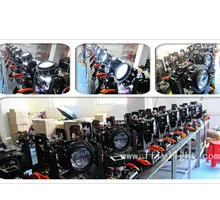
Guangzhou Forestfly Stage Lighting Equipment Co., Ltd.
- Manufacturer
- Guangdong, China
- Lead time15 days
- Avg. response≤ 5h
Main productsStage lighting,moving head light,Beam light,LED light,follow spot light
Main marketsWestern Europe(40.00%), Southeast Asia(20.00%), Domestic Market(10.00%), South Asia(10.00%), North America(10.00%), Africa(10.00%)
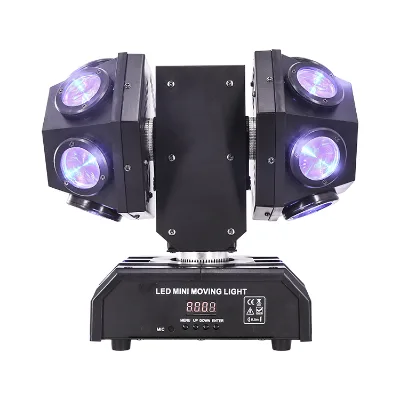
Stage Performance Surface Light Dyeing Lamp Head Moving Head Laser Light Wholesale
$100.00 - $107.00
MOQ: 2 pieces
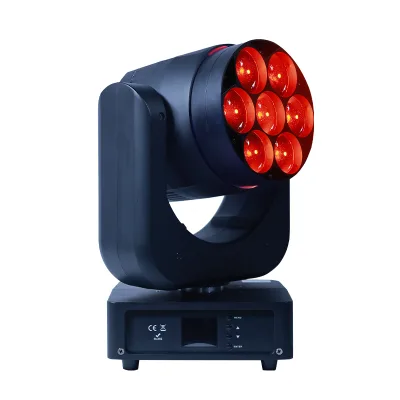
$155.0341 - $197.129
MOQ: 2 pieces
Guangzhou Homei Lighting Equipment Factory
- Verified by TüVRheinland
- Manufacturer, Trading Company
- Lead time7 days
- Avg. response≤ 1h
Main productsLED Dance Floor, LED Star Curtain, LED Par Can Light, LED Moving Head Light, LED Wall Washer Bar
Main marketsNorth America(24%), Eastern Europe(10%), Western Europe(10%)
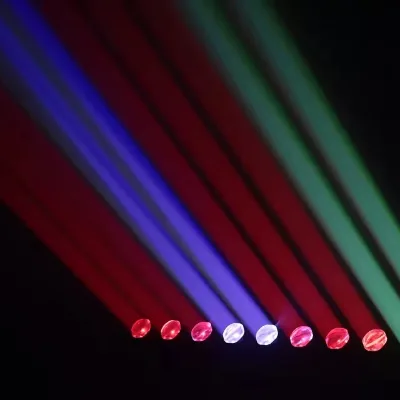
Steel Body and Plastic Shell 10pcs 40W LED Moving Head Beam Light for Stage Performance Wedding
$142.6658 - $157.1387
MOQ: 2 pieces
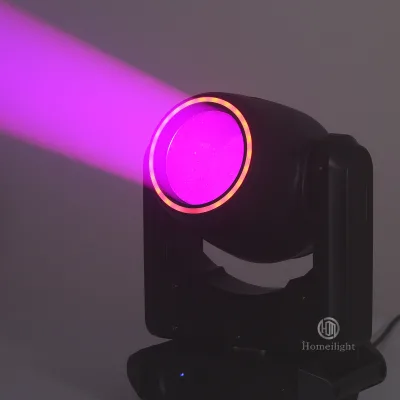
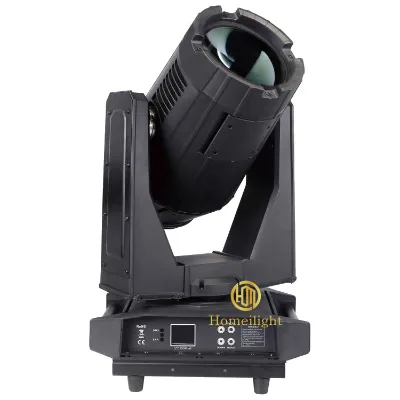
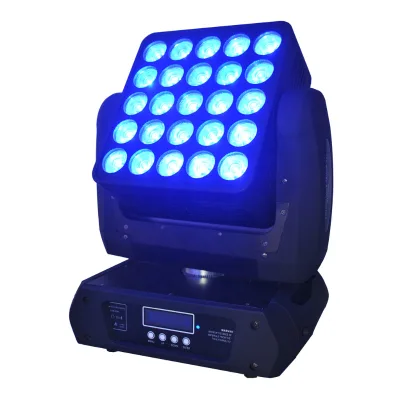
Outdoor IP65 Waterproof 350W Moving Head Stage Light Suitable for large performances
$550.00 - $580.00
MOQ: 1 pieces
Guangzhou Dance Night Stage Lighting Co., Ltd
- Manufacturer, Trading Company
- Guangdong, China
- Lead time30 days
- Avg. response≤ 4h
Main productsBeam Moving Light, Led Moving Light, Led Par Light, Laser Light, Led Face Ligh
Main marketsSouth America(60.00%), North America(10.00%), Africa(10.00%), Oceania(5.00%), Mid East(5.00%), Southeast Asia(5.00%), Eastern Asia(3.00%), Eastern Europe(2.00%)

Guangdong GBR Prolight Group Co.,Ltd
- Verified by BV
- Combined
- China Guangdong
- Lead time15 days
- Avg. response≤ 5h
Main productsMoving Head Light, Outdoor Moving Head Light, Beam Moving Head Light, Sharpy Beam Moving Head Light, Sky Searchlight, Wall Washer Light, LED PAR Light, LED Stage Light, LED Stage Moving Head Light, Outdoor LED Flood Light
Main marketsSouth America,Africa,Southeast Asia/ Mideast,East Asia(Japan/ South Korea),Domestic,Europe,Australia,North America

600W LED Spot Profile Moving Head Light with Framing Stage Lighting
$1250.00 - $1500.00
MOQ: 19 Pieces


High Quality Stage Effect 400W LED Moving Head Light for Stage Show Event
$531.00 - $693.00
MOQ: 19 Pieces
Guangzhou Huayang Stage Light Equipment Co., Ltd.
- Manufacturer
- Guangdong, China
- Lead time7 days
- Avg. response≤ 2h
Main productsbeam light,moving light,led par light,led wall wash light,laser light
Main marketsWestern Europe(20.00%), Northern Europe(20.00%), Africa(10.00%)
Qingyuan Xingxi Optoelectronic Technology Co., Ltd.
- Manufacturer
- Guangdong, China
- Lead time15 days
- Avg. response≤ 7h
Main productsLED par light,Moving head light,Beam light,smoke machine,LED lights
Main marketsNorth America(20.00%), Southeast Asia(15.00%), Eastern Europe(15.00%), Domestic Market(15.00%), Western Europe(10.00%), South America(5.00%), Eastern Asia(5.00%), South Asia(5.00%), Northern Europe(3.00%), Oceania(3.00%), Africa(2.00%), Central America(2.00%)
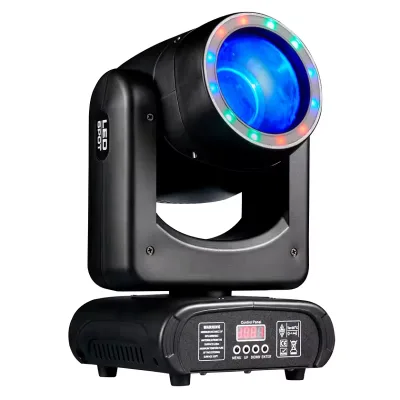
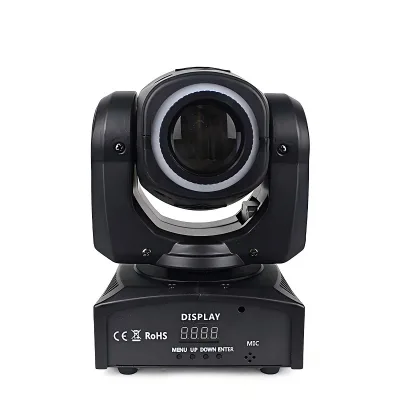
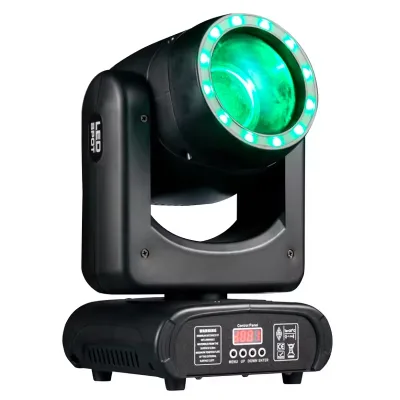
Factory Supply Stage Light Moving Head Spot Moving Head Light 120w Portable Stage Light
$100.00 - $105.00
MOQ: 10 pieces
Guangzhou Huineng Photoelectric Technology Co., Ltd.
- Verified by SGS Group
- Manufacturer, Trading Company
- Lead time7 days
- Avg. response≤ 3h
Main productsLED Display And Stage Lights
Main marketsSouth America(30%), North America(20%), Southern Europe(18%)
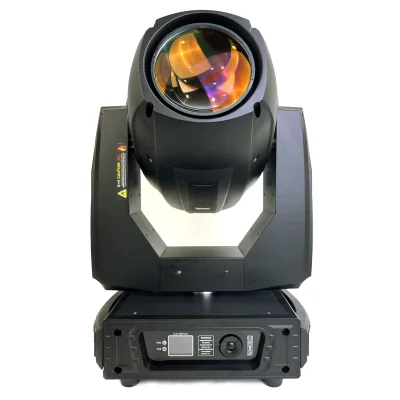
Stage Lights Moving Head RGB 3IN1 380w Led Moving Head Lights Brightness Spot Lighting for Wedding
$332.00 - $342.00
MOQ: 2 pieces
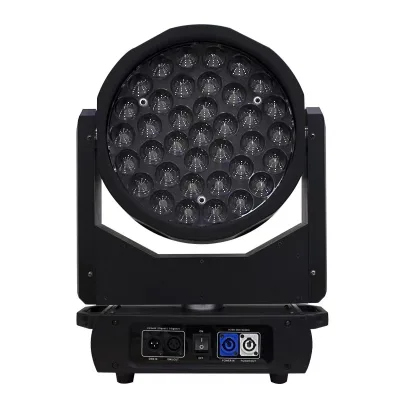
High Quality 37pcs 15w Led Moving Head Zoom Wash Strobe Effects Stage Lights for Wedding Party Stage
$210.00 - $215.00
MOQ: 2 units
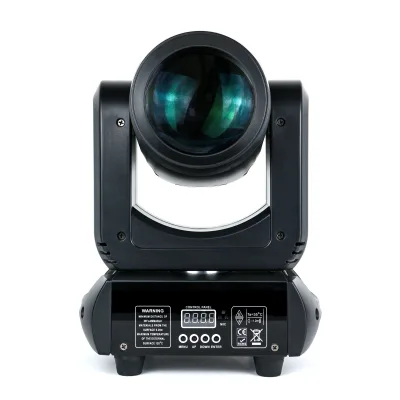
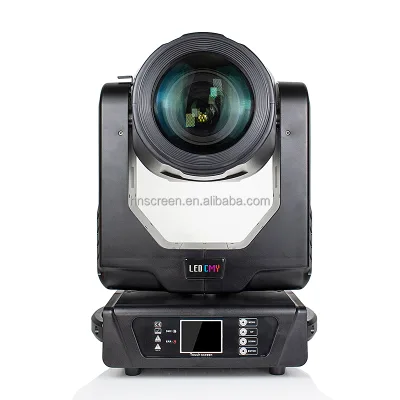
Led 500W 3in1 Moving Head Beam Light Strobe Lighting Automatic Focus Beam Lights for Party
$382.00 - $393.00
MOQ: 2 pieces
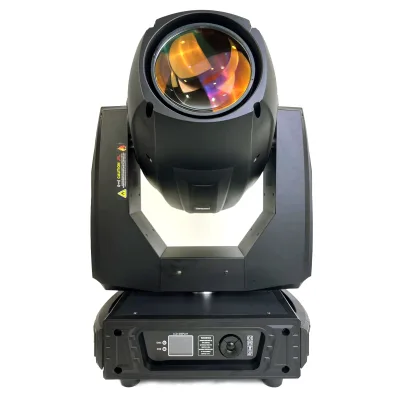
Factory Direct Sale 380w 3in1 Moving Head Light Suitable for bar Dance Wedding
$520.00 - $530.00
MOQ: 2 pieces
- Manufacturer, Trading Company
- Guangdong, China
- Lead time15 days
- Avg. response≤ 2h
Main productsStage Lighting,LED Wash Light,LED Moving Head Light,Moving Head Light,Lighting Controller and Accessories
Main marketsSoutheast Asia(20.77%), South Asia(17.91%), North America(10.22%), Domestic Market(9.77%), Mid East(8.19%), Western Europe(7.39%), Southern Europe(5.43%), Africa(5.11%), Eastern Europe(4.61%), South America(4.44%), Oceania(2.59%), Northern Europe(1.41%), Central America(1.33%), Eastern Asia(0.83%)
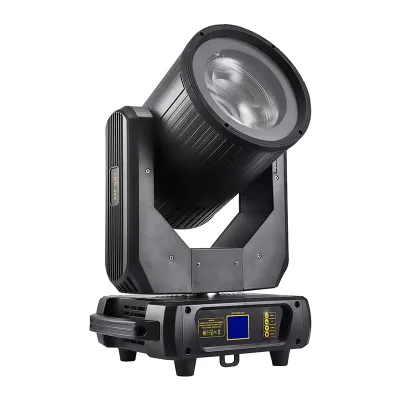
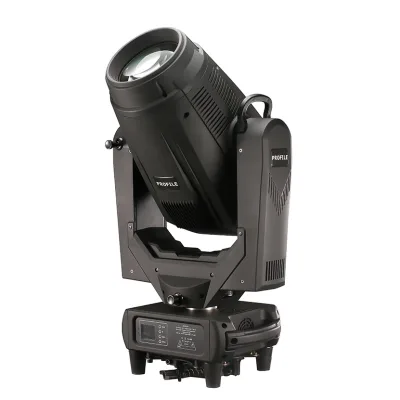
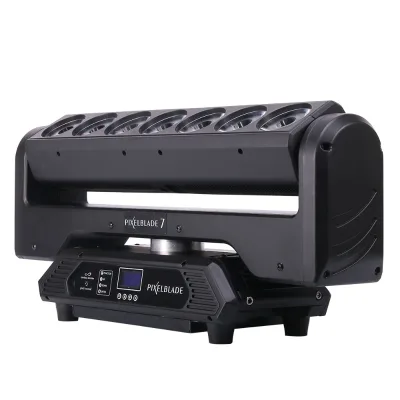
Stage Light 400W COB Zoom Moving Head Light with Color Wheel and CTO Function Surface Audience Light
$290.00 - $315.00
MOQ: 10 pieces
Guangzhou Xingchen Lighting Factory
- Manufacturer
- Guangdong, China
- Lead time5 days
- Avg. response≤ 2h
Main productsmoving light,par light,Lighting Control Console,flight case,special effect machine
Main marketsNorth America(15.00%), Mid East(10.00%), Central America(10.00%), Southeast Asia(10.00%), Eastern Europe(10.00%), South America(10.00%), Domestic Market(5.00%), South Asia(5.00%), Southern Europe(5.00%), Northern Europe(5.00%), Africa(5.00%), Western Europe(5.00%), Eastern Asia(5.00%)
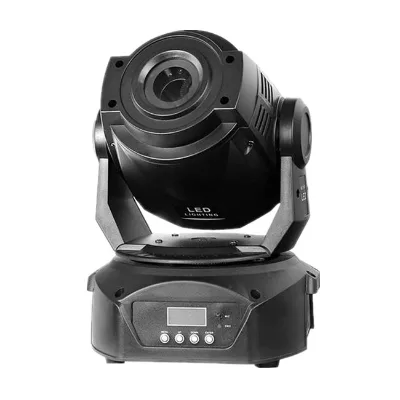
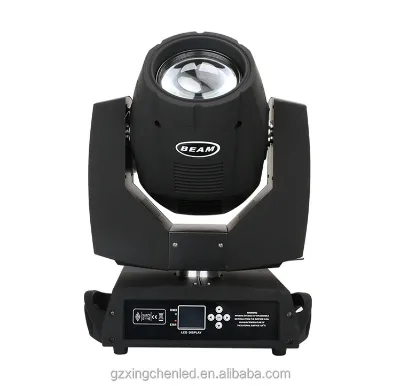
Night Club Lights Stage 200w Beam Moving Head Lyre Sharpy Beam 200 Moving Head
$185.062 - $200.4838
MOQ: 2 pieces
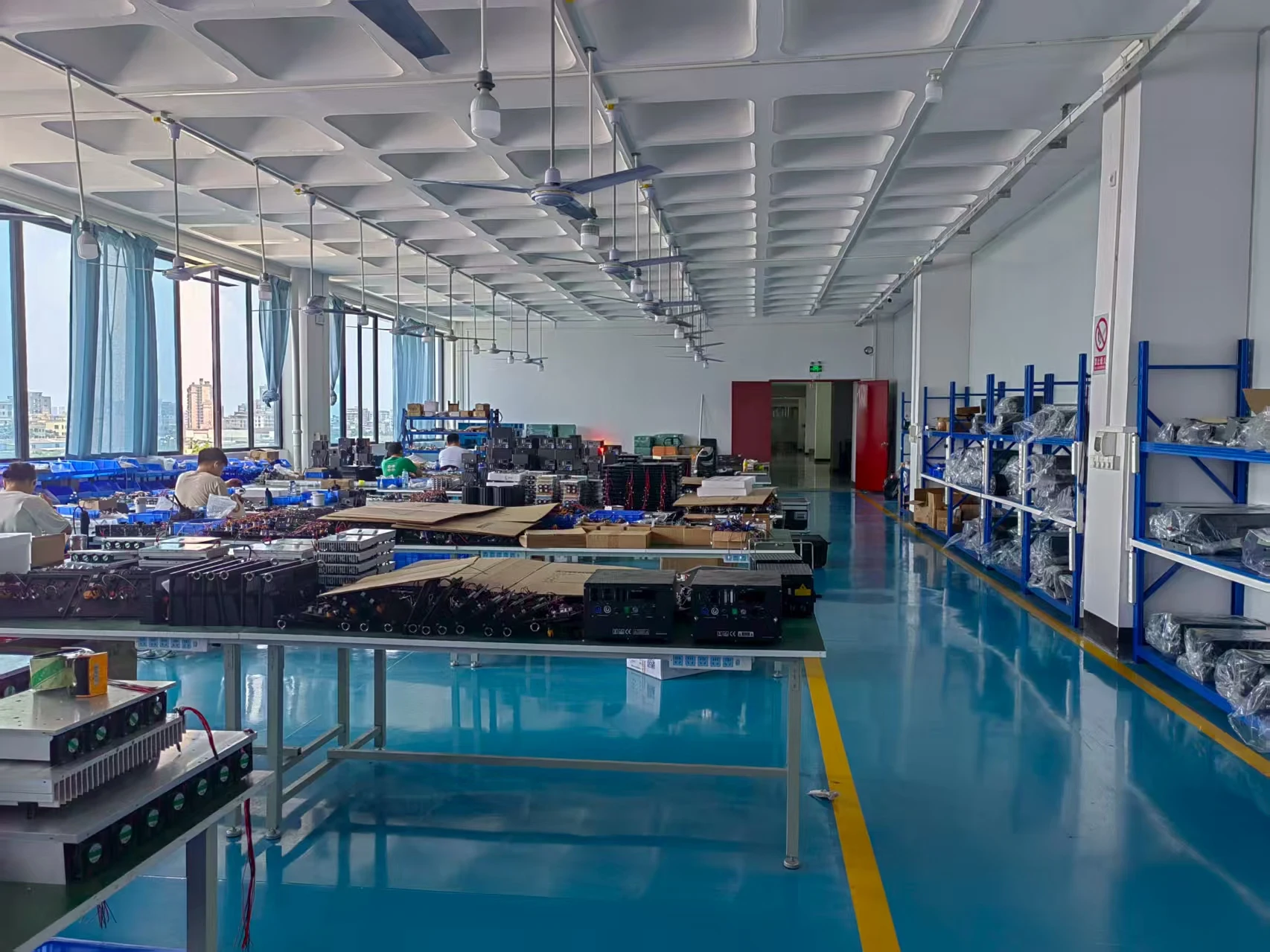
Guangzhou Hongqiao Light Electronics Co., Limited
- Manufacturer
- Guangdong, China
- Lead time7 days
- Avg. response≤ 2h
Main productsstage theater wedding dj light,led moving head,sharpy beam moving,RGB animation laser light,battery wireless uplight
Main marketsNorth America(20.00%), South America(13.00%), Southern Europe(8.00%), Oceania(8.00%), Eastern Asia(8.00%), Southeast Asia(8.00%), Eastern Europe(8.00%), Western Europe(7.00%), Northern Europe(5.00%), Central America(5.00%), Domestic Market(5.00%), South Asia(2.00%), Mid East(2.00%), Africa(1.00%)

Guangzhou X Lighting Co., Limited
- Verified by SGS
- Combined
- China Guangdong
- Lead time15 days
- Avg. response≤ 3h
Main productsKinetic Lights, Moving Head Lights, LED Moving Head Light, LED Screen Display, Effect Light, LED Dance Floor, Pixel Light, Laser Light, Stage Equipments, Stage Light
Main marketsSouth America,Southeast Asia/ Mideast,East Asia(Japan/ South Korea),Europe,Australia,North America
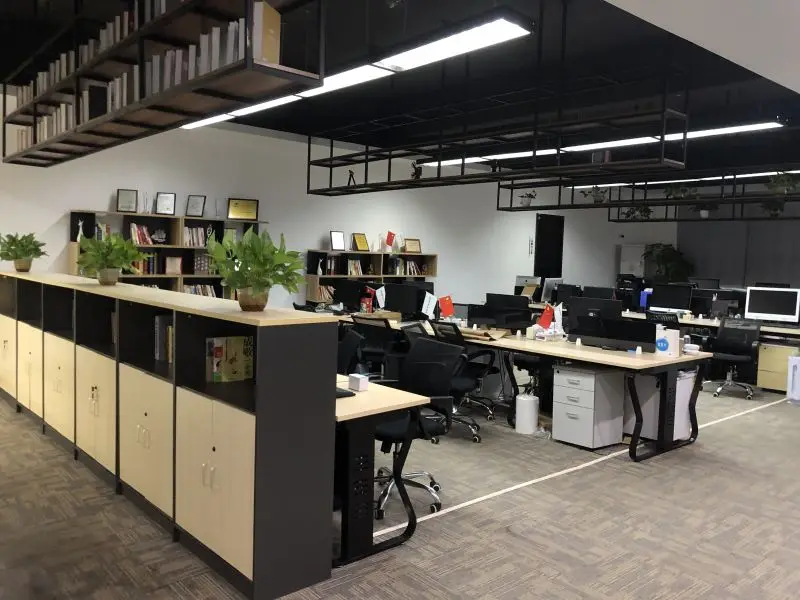
Ballet Star Technology (Guangzhou) Co., Ltd.
- Manufacturer, Trading Company, Distributor/Wholesaler
- Guangdong, China
- Lead time10 days
- Avg. response≤ 4h
Main productsSpecial effect equipment,Entertainment equipment,stage lighting,Intelligent electric appliance,Disinfection products
Main marketsMid East(20.00%), Northern Europe(20.00%), South America(20.00%), North America(20.00%), Western Europe(6.00%), Oceania(5.00%), Eastern Europe(5.00%), Eastern Asia(4.00%)
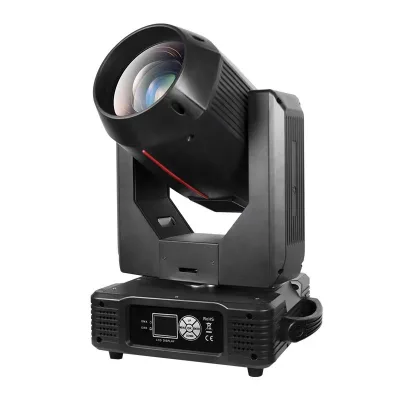
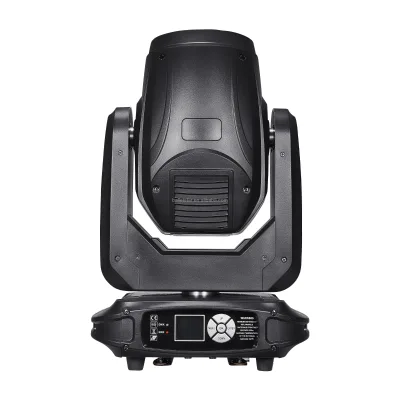
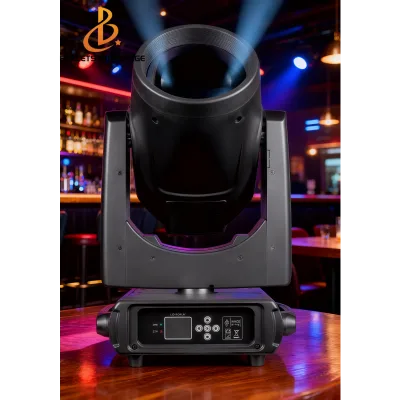
$175.00 - $195.00
MOQ: 2 pieces
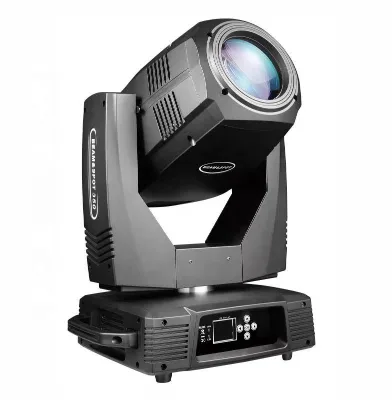
380w Beam Moving Lamp Stage Concert Activities Moving Headlights
$185.00 - $199.00
Guangzhou Cheng Wen Photoelectric Technology Co., Ltd.
- Verified by SGS Group
- Manufacturer, Trading Company
- Lead time7 days
- Avg. response≤ 4h
Main productsLED Screen, Stage Lights
Main marketsNorth America(13%), Southeast Asia(13%), South America(12%)
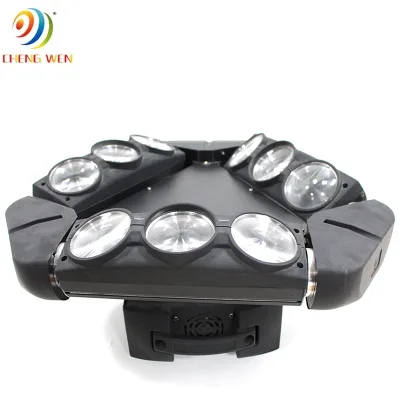
$185.00 - $195.00
MOQ: 2 pieces
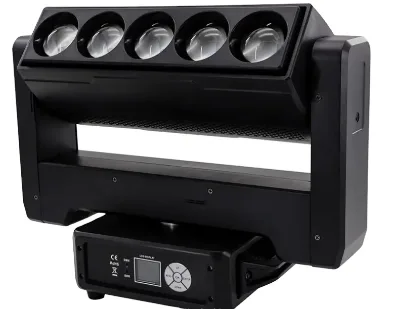
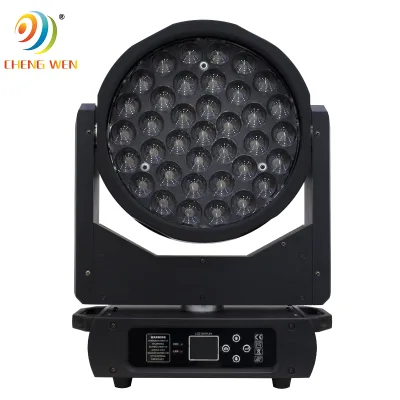
Factory Price CW-LM560D 5pcs 60W LED Double -sided Moving Head for Stage and Party Events
$351.00 - $354.00
MOQ: 2 pieces
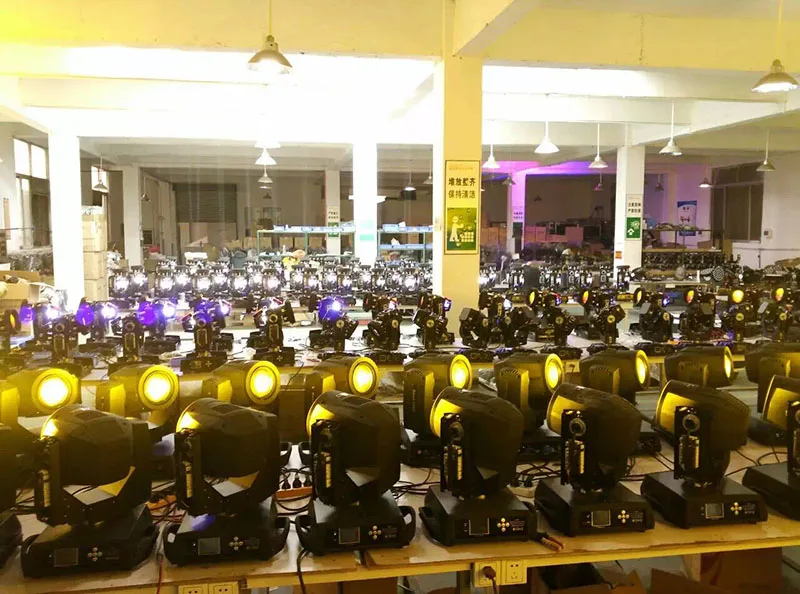
- Manufacturer, Trading Company
- Guangdong, China
- Lead time10 days
- Avg. response≤ 3h
Main productsLED Moving Light,LED Par Light,LED Wall Wash,Battery Uplight,LED Strobe Light
Main marketsWestern Europe(40.00%), South America(15.00%), Domestic Market(10.00%), North America(10.00%), Southeast Asia(10.00%), Northern Europe(5.00%), Africa(3.00%), Mid East(3.00%), Oceania(2.00%), Eastern Asia(2.00%)

Foshan Hongda Lighting Equipment Co., Ltd.
- Manufacturer, Distributor/Wholesaler
- Guangdong, China
- Lead time15 days
- Avg. response≤ 4h
Main productsBattery wireless led lights,moving head lights,laser lights,stage effects machines,led par light
Main marketsNorth America(35.00%), South America(15.00%), Eastern Europe(10.00%), Western Europe(9.00%), Southern Europe(8.00%), Central America(6.00%), Southeast Asia(5.00%), Northern Europe(4.00%), Eastern Asia(2.00%), Oceania(2.00%), South Asia(2.00%), Mid East(1.00%), Africa(1.00%)
Guangzhou Cheng Wen Photoelectric Technology Co., Ltd.
- Manufacturer, Trading Company
- Lead time旺季: "1 - 50":90,"51 - 100":120,"> 100":"To be negotiated", 淡季: "1 - 50":90,"51 - 100":120,"> 100":"To be negotiated"
- Avg. response≤ 4h
Main productsLED Screen, Stage Lights
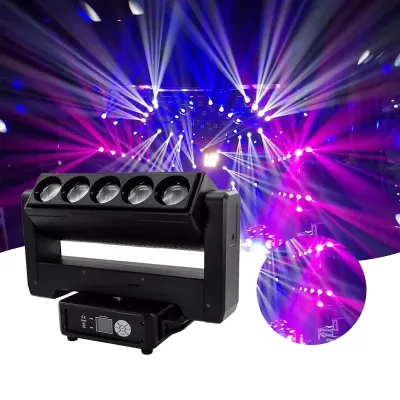
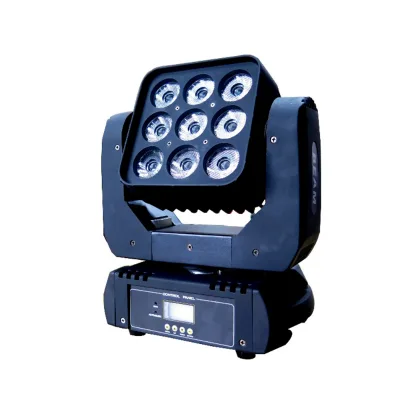
Mitushow 3x3 Matrix Led Moving Head Light 9x12w 4in1 Dmx Moving Head Matrix Beam
$137.2185 - $141.3767
MOQ: 2 pieces
Foshan Yilong Optoelectronics Co., Ltd.
- Manufacturer
- Guangdong, China
- Lead time10 days
- Avg. response≤ 7h
Main productsmoving head light,fog machine,laser light,led par lights,led moving head light
Main marketsMid East(10.00%), Southern Europe(10.00%), Northern Europe(10.00%), Southeast Asia(10.00%), Eastern Europe(10.00%), Western Europe(10.00%), North America(10.00%), South Asia(5.00%), Oceania(5.00%), Africa(5.00%), Central America(5.00%), South America(5.00%), Eastern Asia(5.00%)

Guangzhou Feituo Industry Co., Ltd.
- Manufacturer
- Guangdong, China
- Lead time3 days
- Avg. response≤ 4h
Main productsled moving head,led par light,led wall washer,dmx controller,laser light
Main marketsNorth America(20.00%), Western Europe(10.00%), Domestic Market(10.00%), Southeast Asia(10.00%), Eastern Europe(10.00%), Northern Europe(10.00%), South America(8.00%), Oceania(5.00%), Eastern Asia(5.00%), South Asia(3.00%), Central America(3.00%), Africa(2.00%), Mid East(2.00%), Southern Europe(2.00%)
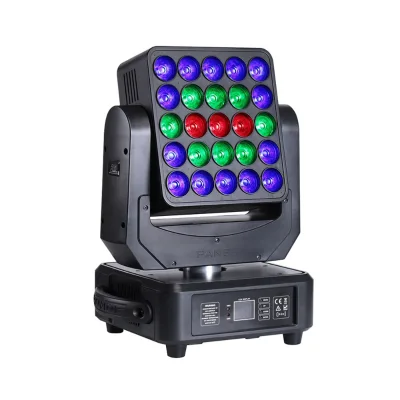
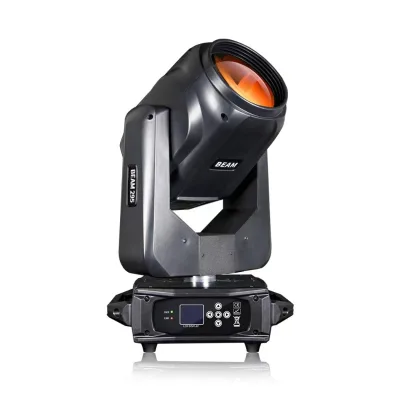
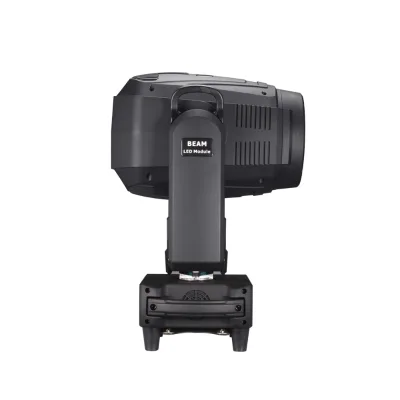
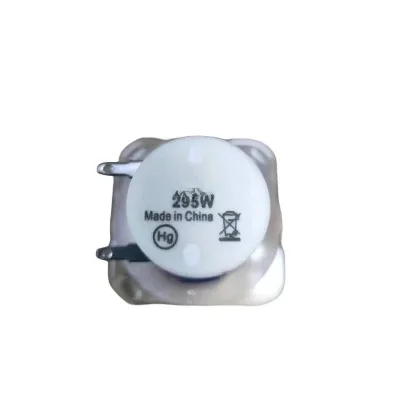
High Quality and Cheap Price 295w Led Moving Head Beam or Beam Moving Head
$149.0785 - $169.6403
MOQ: 2 Minimum
Guangzhou Xingke Stage Lighting Equipment Co., Ltd.
- Manufacturer, Trading Company, Distributor/Wholesaler
- Guangdong, China
- Lead time0 days
- Avg. response≤ 24h
Main productsstage lighting,laser light,led display,stage light console,stage effect machine
Main marketsCentral America(30.00%), Northern Europe(20.00%), South America(20.00%), Eastern Europe(20.00%), Southern Europe(10.00%)

Guangzhou Sanfei Stage Lighting Co., Ltd
- Verified by BV
- Manufacturer/Factory
- China Guangdong
- Lead time15 days
- Avg. response≤ 5h
Main productsMoving Head Light, LED Stage Light, LED Moving Head Spot Light, LED PAR Light, LED Effect Light, LED Waterproof Light, LED Auto-Show Light, Laser Light, LED Matrix Light, LED Beam Light
Main marketsSouth America,Eastern Europe,Mid East,North America,Southeast Asia,Eastern Asia,Oceania,Western Europe,Africa

3000W LED Moving Head Strobe Light IP65 for Outdoor Stage Concert/Performance
$352.00 - $394.00
MOQ: 10 Pieces

9 Bird Shaking Head 9X10W Light Stage Lamp Professional Stage Lighting
$139.99 - $169.99
MOQ: 1 Pieces

Guangzhou Star Light Stage Light Limited Company
- Manufacturer
- Guangdong, China
- Lead time15 days
- Avg. response≤ 3h
Main productsProfessional Lighting,Indoor Lighting,Stage Lights,Celebrate Lights,Commercial Lights
Main marketsSouth Asia(10.00%), Central America(10.00%), Southeast Asia(10.00%), Mid East(10.00%), South America(10.00%), North America(10.00%), Domestic Market(5.00%), Oceania(5.00%), Southern Europe(5.00%), Northern Europe(5.00%), Africa(5.00%), Western Europe(5.00%), Eastern Asia(5.00%), Eastern Europe(5.00%)
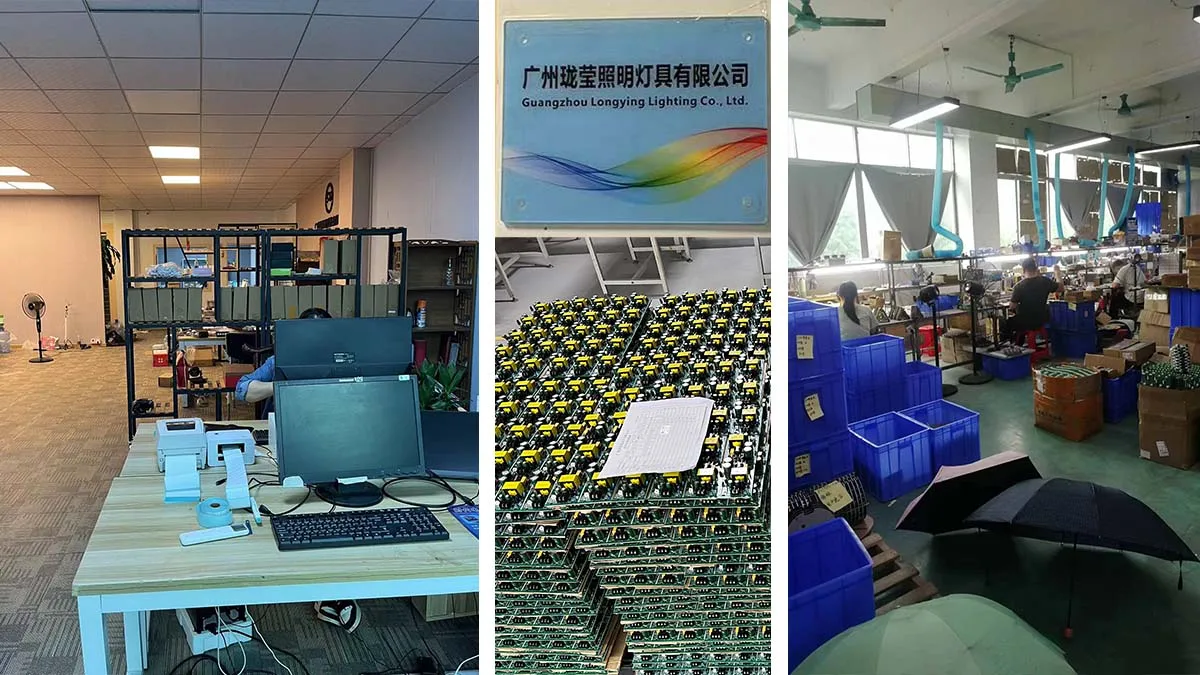
Guangzhou Longying Lighting Co.,ltd.
- Manufacturer, Trading Company
- Guangdong, China
- Lead time15 days
- Avg. response≤ 4h
Main productsStage light accessories,motherboard,power supply,led light,Chassis accessories
Main marketsWestern Europe(30.00%), North America(30.00%), Central America(15.00%), Domestic Market(10.00%), South America(10.00%), Oceania(5.00%)




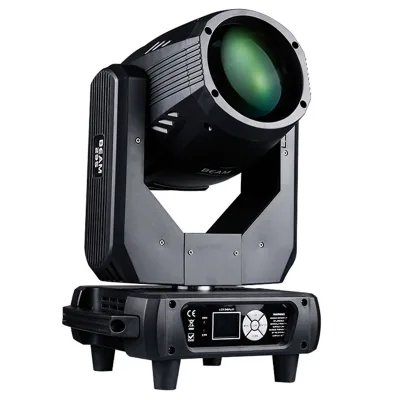
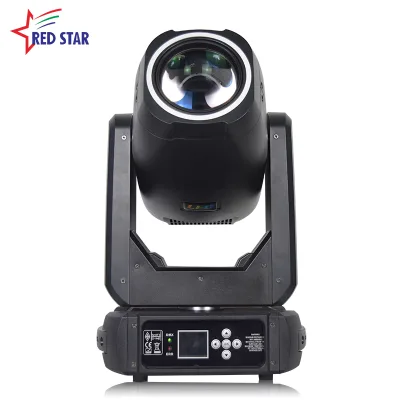
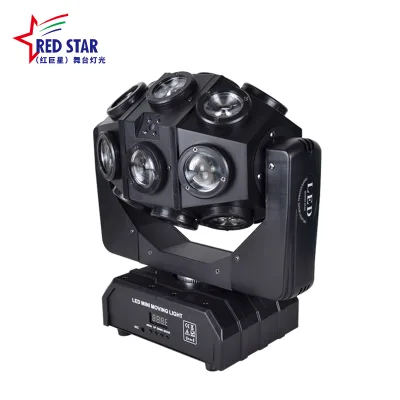
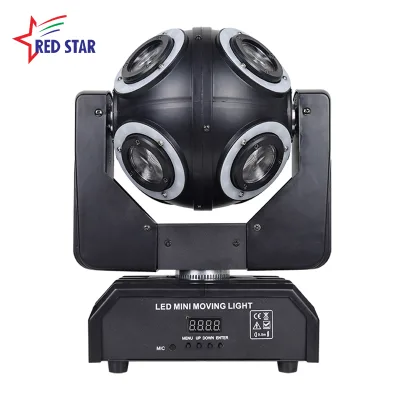


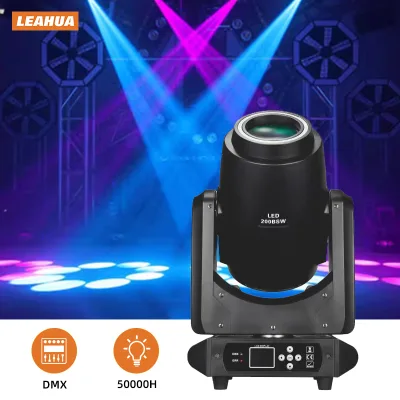
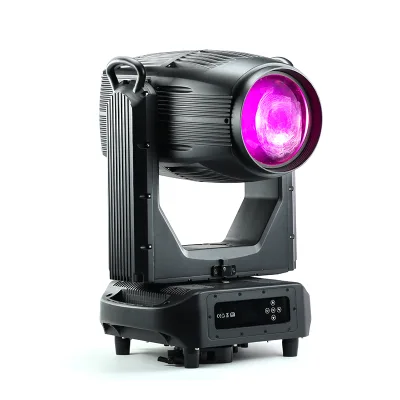
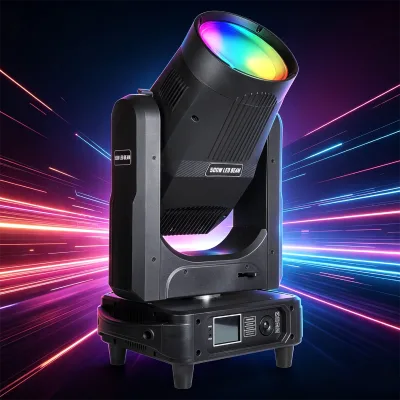
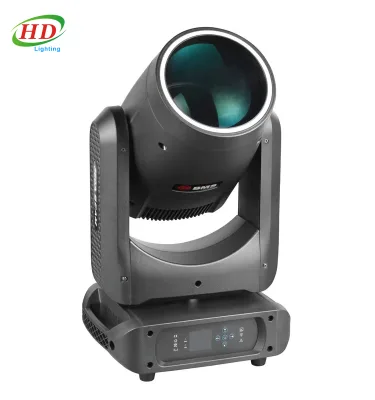
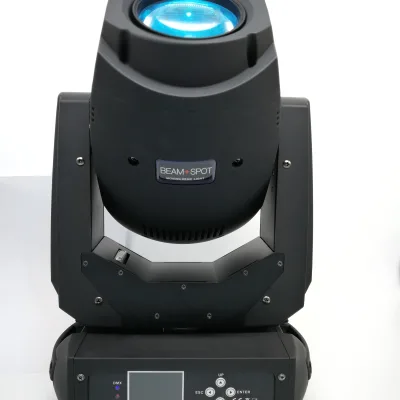
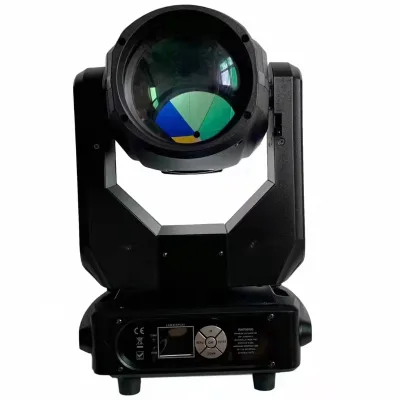
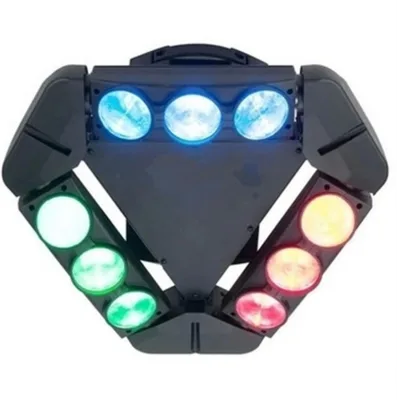
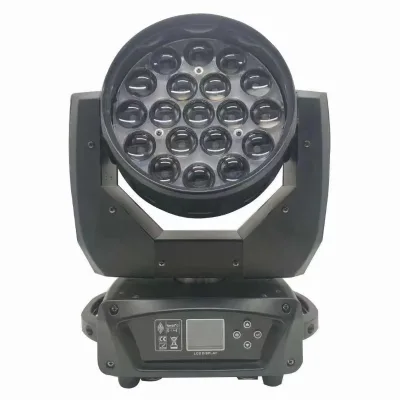
Comprehensive Sourcing Guide
Moving Head Stage Light with Lighting Truss Supplier Concentration and Factory Types
The sourcing landscape for moving head stage lights reveals distinct patterns in supplier concentration and operational models that buyers must navigate carefully. Evidence indicates that a significant portion of manufacturing activity is concentrated in specific industrial hubs, with Guangdong, China, emerging as a primary location for these specialized lighting products. This geographic clustering is not accidental but reflects decades of supply chain development, where component suppliers, assembly lines, and testing facilities have co-located to optimize logistics and reduce production costs. Buyers evaluating suppliers should recognize that this concentration often correlates with higher competition and potentially faster turnaround times, as factories in these regions are accustomed to serving both domestic and international markets with high-volume orders. However, the presence of a supplier in a known manufacturing hub does not automatically guarantee superior quality or competitive pricing, as the market is saturated with varying levels of operational maturity.
Supplier types in this category range from pure manufacturers to combined entities that operate as both factories and trading companies. The data shows that some suppliers identify as combined operations, offering a blend of direct manufacturing capabilities and trading services, which can provide buyers with greater flexibility in order sizes and product customization. Other suppliers are strictly manufacturers, focusing on OEM and ODM services for brands that require strict control over production processes and intellectual property. Additionally, some entities operate as trading companies, sourcing from multiple factories to offer a broader catalog of products, including related items like LED solar street lights and ceiling lights. This diversity in supplier types means that buyers must clearly define their needs regarding customization, volume, and direct factory access. Understanding whether a supplier is a manufacturer, a trading company, or a hybrid entity is crucial for negotiating terms, as each type has different cost structures, communication channels, and risk profiles that will impact the final procurement outcome.
How to Verify Moving Head Stage Light with Lighting Truss Suppliers
Verifying the legitimacy and capability of suppliers requires a multi-layered approach that goes beyond simple profile reviews. One critical step is to examine the system certifications displayed by the supplier, such as ISO9001:2015, which indicates a standardized quality management system. However, buyers should not rely solely on these certificates; they must verify the authenticity of these documents through the issuing bodies or request recent audit reports. Additionally, product-specific certifications like CE and RoHS are essential for ensuring compliance with international safety and environmental standards, particularly for electronic components like LED light sources. Some suppliers may also display third-party verification badges, such as SGS Group verification, which adds an extra layer of credibility regarding their business operations and product quality. Buyers should treat these badges as starting points for due diligence rather than definitive proof of reliability, as they represent snapshots in time and may not reflect current operational conditions.
Beyond certifications, buyers should assess the supplier's response time and communication efficiency as indicators of their operational health. Data shows that response times can vary significantly, with some suppliers responding within hours while others may take longer. A rapid response time often correlates with a well-staffed sales team and efficient internal processes, which are vital for resolving issues during production and shipping. Buyers should also look for evidence of the supplier's capacity for research and development, such as the ability to handle custom branding, ODM, and OEM projects. Suppliers that offer light customization, sample processing, and graphic processing services demonstrate a higher level of technical capability and customer focus. Furthermore, verifying the supplier's establishment year and historical performance can provide insights into their stability and experience in the market. Buyers should request references or case studies from previous clients to validate the supplier's claims about their capabilities and reliability before committing to large orders.
What to Compare Across Moving Head Stage Light with Lighting Truss Suppliers
When evaluating multiple suppliers, buyers must compare key operational metrics to determine the best fit for their specific needs. One of the most critical factors is the lead time, which can vary based on order volume and product complexity. For instance, some suppliers may offer a lead time of fifteen days for standard models, while others might require longer periods for customized orders. Buyers should also compare the minimum order quantity (MOQ) requirements, as these can range from single units for sampling to larger batches for full production runs. Understanding the MOQ is essential for managing inventory costs and cash flow, especially for smaller buyers or those testing new markets. Additionally, the price range for different models should be analyzed, keeping in mind that lower prices may not always reflect better value if quality or service is compromised. Buyers should request detailed quotations that break down costs for materials, labor, and shipping to ensure transparency.
Another important aspect to compare is the product specifications and customization options available from each supplier. Moving head stage lights come in various configurations, including different wattages, beam angles, and control channels, such as 16CH or 18CH DMX control. Buyers should compare the material quality, such as aluminum alloy construction, and the IP rating for durability in different environments. Some suppliers offer advanced features like adjustable speed strobes, multiple color options, and gobos, which can enhance the versatility of the lighting for various applications. The packaging standards and dimensions provided by suppliers also impact shipping costs and handling efficiency. Buyers should compare the packing details, such as carton sizes and weights, to optimize logistics. Furthermore, the availability of after-sales support, including warranty periods and technical assistance, should be a key differentiator in the comparison process. Suppliers that offer comprehensive support can reduce long-term risks and ensure smoother operations for the buyer.
Common Moving Head Stage Light with Lighting Truss Sourcing Risks
Sourcing moving head stage lights involves several inherent risks that buyers must proactively manage to avoid disruptions. One significant risk is the variability in product quality, which can arise from differences in manufacturing standards and component sourcing. Even with certifications like CE and RoHS, the actual performance of the LED light sources and control systems may vary between batches or suppliers. Buyers should be aware that some suppliers may use lower-quality components to reduce costs, which can lead to premature failures or inconsistent lighting effects. This risk is particularly acute when dealing with suppliers who do not provide detailed technical specifications or who are reluctant to share their supply chain information. To mitigate this, buyers should request samples for rigorous testing before placing large orders and consider hiring third-party inspection services to verify product quality during production.
Another common risk is the potential for delays in delivery, which can be caused by supply chain bottlenecks, production issues, or logistical challenges. Lead times are estimates and can be affected by factors such as raw material shortages, labor strikes, or customs clearance delays. Buyers should not assume that a quoted lead time is guaranteed and should build buffer time into their project schedules. Additionally, there is a risk of miscommunication regarding product specifications, which can result in receiving goods that do not meet the buyer's requirements. This is especially relevant for customized orders where precise technical details are critical. Buyers should ensure that all specifications are clearly documented in the purchase contract and that both parties have a shared understanding of the requirements. Furthermore, buyers should be cautious of suppliers who offer unusually low prices, as this may indicate hidden costs or compromised quality. Understanding the total cost of ownership, including shipping, duties, and potential returns, is essential for making informed sourcing decisions.
Moving Head Stage Light with Lighting Truss Regional Sourcing and Logistics
Regional sourcing strategies play a crucial role in optimizing logistics and reducing costs for moving head stage lights. Suppliers located in manufacturing hubs like Guangdong, China, often benefit from established infrastructure and proximity to major ports, which can facilitate faster and more cost-effective shipping. Buyers should consider the origin of the products when evaluating suppliers, as this can impact transit times and freight costs. For instance, products originating from Guangzhou City may have different shipping routes and costs compared to those from other regions. Buyers should also be aware of the packaging standards used by suppliers, as improper packaging can lead to damage during transit. The carton dimensions and weights provided by suppliers are essential for calculating shipping volumes and selecting the appropriate logistics partners.
Logistics planning should also account for the specific requirements of the destination market, including customs regulations and import duties. Buyers should verify the country of origin and ensure that all necessary documentation, such as certificates of origin and commercial invoices, are prepared correctly to avoid delays at customs. Additionally, buyers should consider the environmental conditions of the destination, as moving head stage lights may need to withstand specific temperature and humidity levels. Some suppliers offer products with higher IP ratings, such as IP54, which provide better protection against dust and water ingress, making them suitable for outdoor or harsh environments. Buyers should match the product specifications with the intended application to ensure durability and performance. Furthermore, buyers should explore options for consolidated shipping if they are sourcing from multiple suppliers, as this can reduce overall logistics costs and simplify the supply chain.
Moving Head Stage Light with Lighting Truss Commercial Terms and Order Planning
Effective commercial terms and order planning are essential for successful procurement of moving head stage lights. Buyers should negotiate clear payment terms that align with their cash flow needs, such as using escrow services to secure transactions and protect against fraud. Escrow provides a layer of security by holding funds until the buyer confirms receipt and satisfaction with the goods. Buyers should also clarify the warranty terms, including the duration and coverage of the warranty, as well as the process for claiming repairs or replacements. A standard warranty period of three years is common, but buyers should verify the specifics with each supplier. Additionally, buyers should discuss the return policy and procedures for handling defective products, as this can significantly impact the total cost of ownership.
Order planning should involve a detailed analysis of the buyer's demand forecast and inventory requirements. Buyers should consider the lead times and MOQs when determining order quantities to balance inventory costs with the risk of stockouts. For example, if a supplier has a lead time of fifteen days and an MOQ of two units, buyers can start with small orders to test the market before scaling up. Buyers should also plan for seasonal fluctuations in demand, as certain products may be more popular during specific times of the year. Communication with the supplier regarding production schedules and shipping dates is crucial to ensure timely delivery. Buyers should establish a regular communication cadence to monitor progress and address any issues promptly. Finally, buyers should review the supplier's capacity to handle large orders, as some suppliers may have limitations on their monthly supply ability, which could impact the buyer's ability to meet demand during peak periods.
FAQs
What certifications do these moving head lights have?
Most listed products carry CE and RoHS certifications. Some suppliers also hold ISO9001:2015 system certification. Additional certifications like FCC, EMC, and LVD are available from specific manufacturers. Always verify the exact certificate for your specific order requirements before purchasing.
How long does it take to receive the order?
Typical lead times for these stage lights are around 15 days. Some suppliers may offer faster response times within three days for inquiries. Production schedules vary by model and customization needs. Confirm the specific delivery date with the supplier before finalizing the purchase agreement.
What is the minimum order quantity for these lights?
Minimum order quantities vary by product model. Some items like the 200W LED light require only one unit. Other models such as the 260W beam light require a minimum of two units. Check the specific product page for the exact MOQ applicable to your selected item.
Where are these stage lights manufactured?
Manufacturing locations include Guangdong and Zhejiang provinces in China. Specific cities like Guangzhou are noted as origins for several models. The products are shipped from ports such as Ningbo. Verify the exact place of origin for each supplier to ensure compliance with your logistics needs.
Can these lights be customized for my event?
Customization is available for many moving head stage light models. Suppliers offer ODM and OEM services with own brand capabilities. Options include specific color mixing, gobos, and control channels. Contact the supplier directly to discuss your specific customization requirements and feasibility.
What is the response time for supplier inquiries?
Supplier response times vary, with some responding within three days. Others may take up to 8.25 days to reply to inquiries. Faster response times often indicate higher availability. Check the specific supplier profile for their current response time metrics before initiating contact.
What materials are used in these stage lights?
Most units are constructed from aluminum alloy for durability. Some models feature die-casting aluminum combined with tempered glass. The materials ensure heat resistance and structural integrity during operation. Verify the specific material composition for each product model to meet your safety and performance standards.