Moving Laser Strobe Beam Lights Suppliers and Manufacturers
Source 25 verified suppliers for Moving Laser Strobe Beam Lights. Compare grounded dimensions including ISO9001:2015 certification, Guangdong location, and 15-day lead times. Review specific product attributes and pricing to identify suitable manufacturers for your project needs; review the available evidence before requesting comparable quotations from suitable candidates.
Updated
Suppliers List

Guangdong GBR Prolight Group Co.,Ltd
- Verified by BV
- Combined
- China Guangdong
- Lead time15 days
- Avg. response≤ 5h
Main productsMoving Head Light, Outdoor Moving Head Light, Beam Moving Head Light, Sharpy Beam Moving Head Light, Sky Searchlight, Wall Washer Light, LED PAR Light, LED Stage Light, LED Stage Moving Head Light, Outdoor LED Flood Light
Main marketsSouth America,Africa,Southeast Asia/ Mideast,East Asia(Japan/ South Korea),Domestic,Europe,Australia,North America
Henan Xingze Lighting Technology Co., Ltd.
- Trading Company
- Henan, China
- Lead time0 days
- Avg. response≤ 2h
Main productswall washer light,solar street lamp,floodlight,tape lights,Smart street lamp
Main marketsWestern Europe(10.00%), Eastern Asia(10.00%), Mid East(10.00%), Oceania(10.00%), Africa(10.00%), Southeast Asia(10.00%), Eastern Europe(10.00%), South America(10.00%), North America(10.00%), South Asia(5.00%), Northern Europe(5.00%)

Foshan Canhong Technology Co., Ltd.
- Verified by BV
- Combined
- China Guangdong
- Lead time30 days
- Avg. response≤ 3h
Main productsStage Light
Main marketsDomestic

Guangdong Changyuan Stage Lighting Equipment Company Limited
- Verified by TUVRHEINLAND
- Combined
- China Guangdong
- Lead time15 days
- Avg. response≤ 23h
Main productsStage Light, LED Moving Head, Moving Head Light, Stage Effect, LED PAR Light, Battery Powered PAR Light, CO2 Machine, Foam Machine, Smoke Machine, Fire Machine
Main marketsDomestic


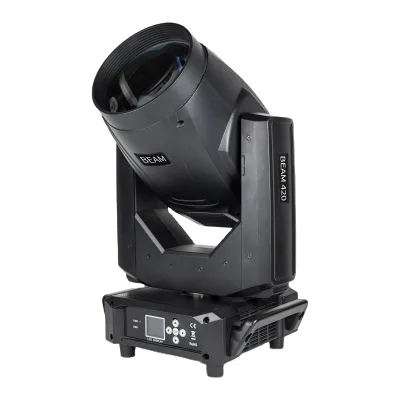
Newest Design Professional Stage/Disco/Show Lighting 380W Beam Head Moving Light
$1.00 - $439.00
MOQ: 1 Pieces


Guangzhou Ao Mei Di Stage Lighting Equipment Co., Ltd.
- Combined
- China Guangdong
- Lead time15 days
- Avg. response≤ 10h
Main productsStage Lighting Moving Head Light Beam Light
Main marketsSouth America,Africa,Southeast Asia/ Mideast,East Asia(Japan/ South Korea),Europe,Australia,North America


High Brightness Outdoor Stage Light Waterproof 350W Beam Moving Head Light
$625.00 - $650.00
MOQ: 2 Pieces


Guangzhou Xingchen Lighting Factory
- Manufacturer
- Guangdong, China
- Lead time5 days
- Avg. response≤ 2h
Main productsmoving light,par light,Lighting Control Console,flight case,special effect machine
Main marketsNorth America(15.00%), Mid East(10.00%), Central America(10.00%), Southeast Asia(10.00%), Eastern Europe(10.00%), South America(10.00%), Domestic Market(5.00%), South Asia(5.00%), Southern Europe(5.00%), Northern Europe(5.00%), Africa(5.00%), Western Europe(5.00%), Eastern Asia(5.00%)
Guangzhou Cheng Wen Photoelectric Technology Co., Ltd.
- Manufacturer, Trading Company
- Lead time旺季: "1 - 100":90,"101 - 200":100,"> 200":"To be negotiated", 淡季: "1 - 100":90,"101 - 200":100,"> 200":"To be negotiated"
- Avg. response≤ 4h
Main productsLED Screen, Stage Lights
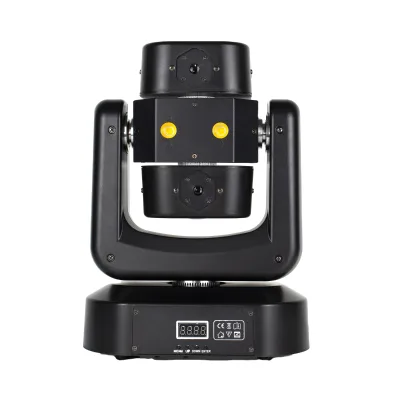
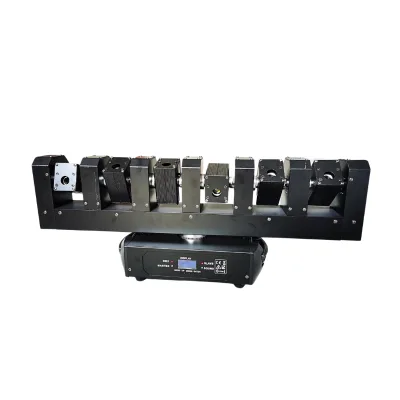
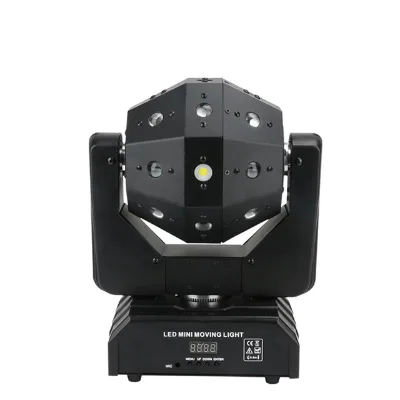
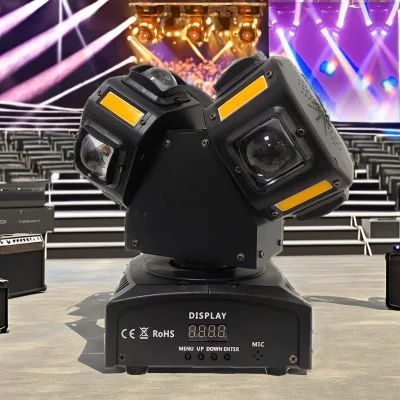
150W Arm Wind Fire Wheel LED Beam Laser Strobe Moving Head Laser Light
$282.186 - $284.2609
MOQ: 2 pieces
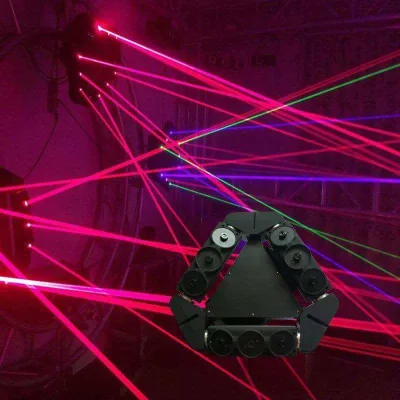
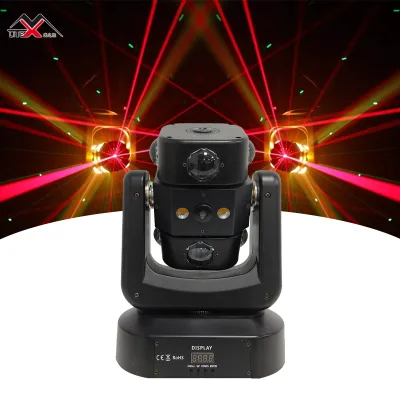
Rotalable Rgb Laser Light Multicolor 9-eye Spider Moving Head Laser Light Show
$232.3886
MOQ: 2 Minimum
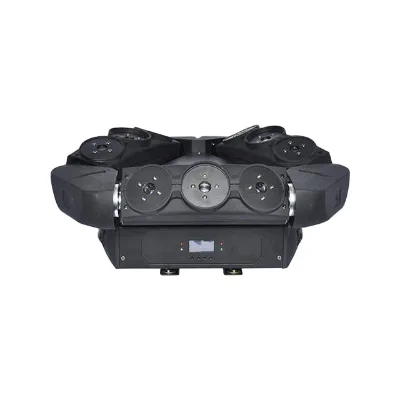
Cheap Price 9 Heads Moving Head Spider Light Laser Beam Full Color/single Green
$240.00 - $245.00
MOQ: 1 Minimum
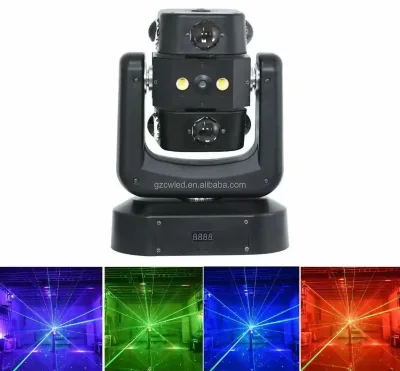
$197.5468 - $200.6345
MOQ: 2 pieces

Foshan Hongda Lighting Equipment Co., Ltd.
- Manufacturer, Distributor/Wholesaler
- Guangdong, China
- Lead time15 days
- Avg. response≤ 4h
Main productsBattery wireless led lights,moving head lights,laser lights,stage effects machines,led par light
Main marketsNorth America(35.00%), South America(15.00%), Eastern Europe(10.00%), Western Europe(9.00%), Southern Europe(8.00%), Central America(6.00%), Southeast Asia(5.00%), Northern Europe(4.00%), Eastern Asia(2.00%), Oceania(2.00%), South Asia(2.00%), Mid East(1.00%), Africa(1.00%)
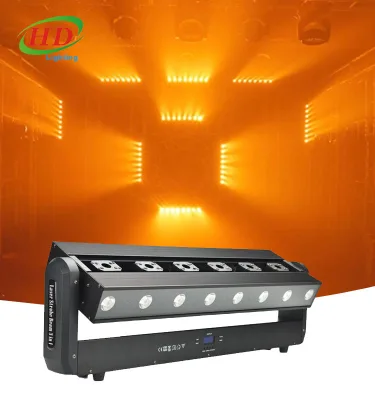
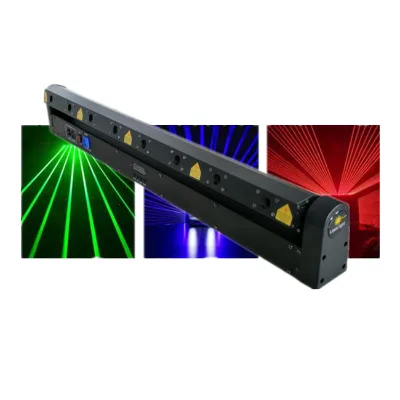
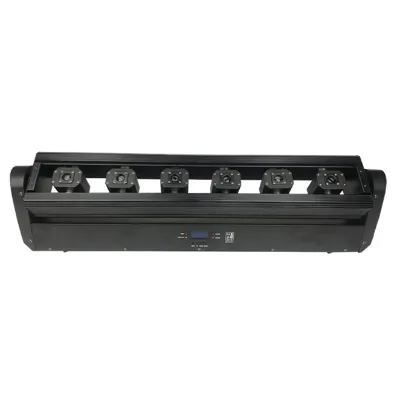
Foshan Stage Light 6 Eyes Red Laser Rgb Strobe Beam Lighting for Events
$260.00 - $310.00
MOQ: 2 pieces
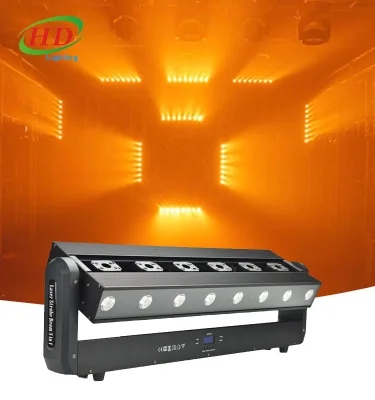
DMX Led bar Strobe 6 Eys Red Laser 3in1 Laser Strobe Beam Light
$260.00 - $310.00

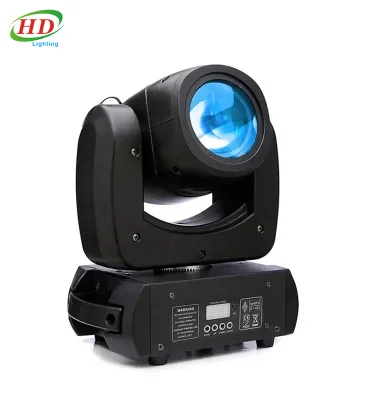
1000W Waterproof LED Strobe Light for Stage Lighting
$434.00 - $446.00
Guangzhou Baiyi Lighting Technology Co., Ltd.
- Manufacturer, Trading Company
- Guangdong, China
- Lead time15 days
- Avg. response≤ 2h
Main productsStage Lighting, Stage Effect Machine, Outdoor Lighting, DMX Controller, Stage Spare Parts
Main marketsEastern Europe(30.00%), Domestic Market(20.00%), North America(14.00%), South America(11.00%), Oceania(5.00%), Eastern Asia(5.00%), Africa(5.00%), Mid East(5.00%), Southeast Asia(5.00%)
Guangzhou Huineng Photoelectric Technology Co., Ltd.
- Verified by SGS Group
- Manufacturer, Trading Company
- Lead time7 days
- Avg. response≤ 3h
Main productsLED Display And Stage Lights
Main marketsSouth America(30%), North America(20%), Southern Europe(18%)
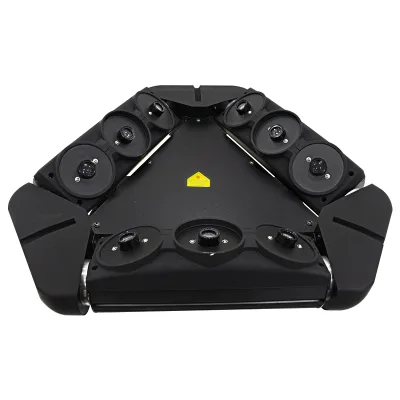
3*3pcs Leds Storm Laser Spider Beam Strobe Effect Moving Head Light
$228.0981 - $231.1814
MOQ: 2 pieces
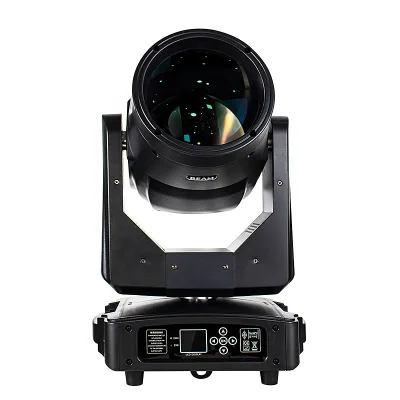
Guangzhou Baiyun District Jianggao Meizhixu Stage Lighting Equipment Factory
- Verified by TüVRheinland
- Manufacturer, Trading Company
- Lead time7 days
- Avg. response≤ 2h
Main productsLED Stage Lights
Main marketsNorth America(45%), Southeast Asia(12%), Domestic Market(10%)

Guangzhou Sanfei Stage Lighting Co., Ltd
- Verified by BV
- Manufacturer/Factory
- China Guangdong
- Lead time15 days
- Avg. response≤ 4h
Main productsMoving Head Light, LED Stage Light, LED Moving Head Spot Light, LED PAR Light, LED Effect Light, LED Waterproof Light, LED Auto-Show Light, Laser Light, LED Matrix Light, LED Beam Light
Main marketsSouth America,Eastern Europe,Mid East,North America,Southeast Asia,Eastern Asia,Oceania,Western Europe,Africa

High Quality 12PCS Storm Beam Light Full Color RGB 150W Laser Light 4 in 1 Head Moving Strobe
$132.35 - $139.71
MOQ: 1 Pieces

New Design Waterproof 480W Laser Beam Light Moving Head Light for Stage Lighting
$896.00 - $946.00
MOQ: 1 Pieces
Guangzhou Cheng Wen Photoelectric Technology Co., Ltd.
- Verified by SGS Group
- Manufacturer, Trading Company
- Lead time7 days
- Avg. response≤ 4h
Main productsLED Screen, Stage Lights
Main marketsNorth America(13%), Southeast Asia(13%), South America(12%)
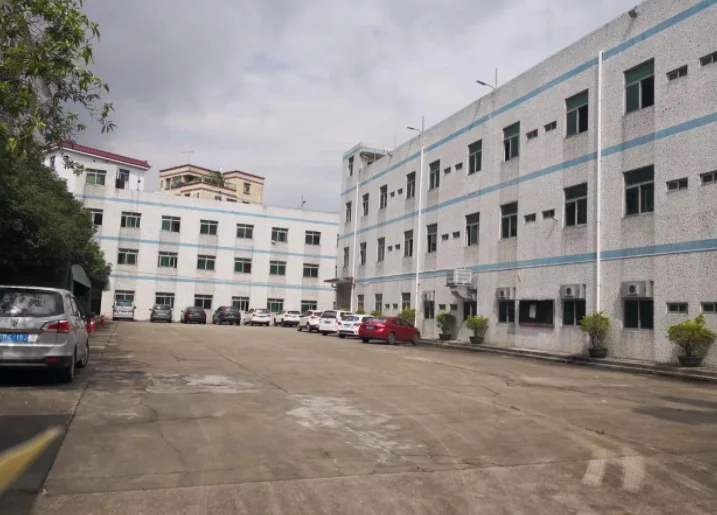
Shenzhen Gensheng Technology Co., Ltd.
- Manufacturer, Trading Company, Distributor/Wholesaler
- Guangdong, China
- Lead time20 days
- Avg. response≤ 8h
Main productsCommercial and Industrial Lighting,Indoor lighting,outdoor lighting,Smart strip light,holiday lighting
Main marketsNorth America(17.00%), South Asia(15.00%), Eastern Europe(10.00%), Oceania(9.00%), Southeast Asia(9.00%), Northern Europe(8.00%), Mid East(6.00%), Central America(5.00%), South America(5.00%), Domestic Market(5.00%), Western Europe(3.00%), Eastern Asia(3.00%), Africa(3.00%), Southern Europe(2.00%)

Guangzhou Star Light Stage Light Limited Company
- Manufacturer
- Guangdong, China
- Lead time15 days
- Avg. response≤ 5h
Main productsProfessional Lighting,Indoor Lighting,Stage Lights,Celebrate Lights,Commercial Lights
Main marketsSouth Asia(10.00%), Central America(10.00%), Southeast Asia(10.00%), Mid East(10.00%), South America(10.00%), North America(10.00%), Domestic Market(5.00%), Oceania(5.00%), Southern Europe(5.00%), Northern Europe(5.00%), Africa(5.00%), Western Europe(5.00%), Eastern Asia(5.00%), Eastern Europe(5.00%)
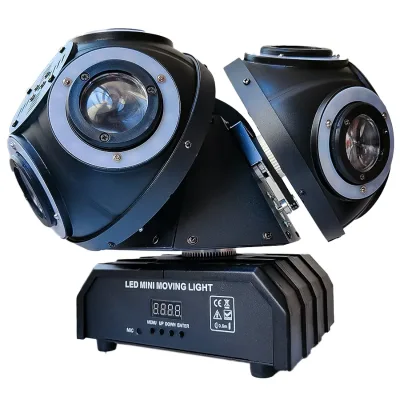
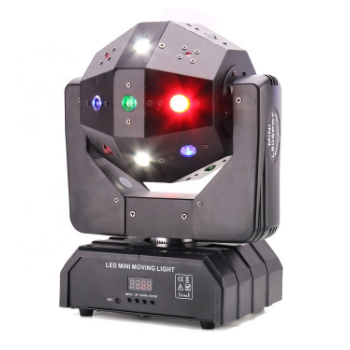
Professional 3W Led*16Pcs 3In1 Laser Light Beam 120w Beam Moving Light for Disco
$68.8893 - $69.9171
MOQ: 2 pieces
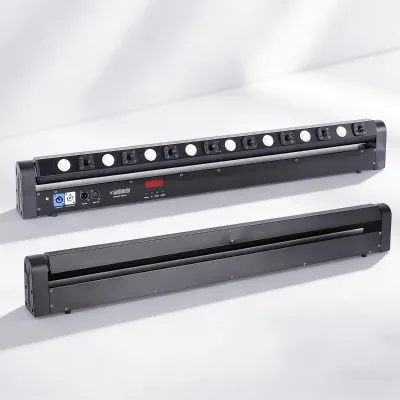
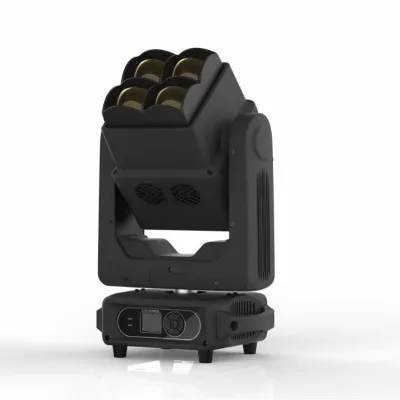
4*60W Double-sided Non-polar Moving Beam Light Auxiliary Light Flash Stage Light Wholesale
$203.00 - $204.00
MOQ: 2 pieces

Guangzhou HOMEI Lighting Equipment Factory
- Verified by TUVRHEINLAND
- Combined
- China Guangdong
- Lead time15 days
- Avg. response≤ 4h
Main productsLED Star Cloth, LED Video Curtain, RGB Star Curtain, LED Stage Light, LED Dance Floor, LED Starlit Dance Floor, LED Star Curtain, LED Twinkling Dance Floor, LED Moving Head, LED Parcans Light
Main marketsSouth America,Africa,Southeast Asia/ Mideast,East Asia(Japan/ South Korea),Domestic,Europe,Australia,North America
Zhejiang Cajoroy Optoelectronic Technology Co., Ltd.
- Verified by SGS Group
- Manufacturer, Trading Company
- Lead time15 days
- Avg. response≤ 3h
Main productsLed Solar Street Light, Led Stage Light, Led Ceiling Light, Led Panel Light, Led Flood Light
Main marketsNorth America(50%), Western Europe(30%), Mid East(10%)
Guangdong Knight Photoelectric Technology Co., Ltd.
- Verified by Intertek
- Manufacturer, Trading Company
- Lead time0 days
- Avg. response≤ 2h
Main productsIndoor Laser, Outdoor Laser, Build In FB4, Laser Beam Bar, OEM Laser
Main marketsNorth America(30%), Southeast Asia(15%), South America(5%)
Guangzhou Zenith Aurora Lighting Equipment Co., Ltd.
- Manufacturer
- Guangdong, China
- Lead time15 days
- Avg. response≤ 4h
Main productsStrobe light,Beam Moving Head,Led Moving Head,Led Beam Light,ebike
Main marketsEastern Asia(13.00%), Eastern Europe(12.00%), North America(12.00%), South America(11.00%), Southeast Asia(11.00%), Domestic Market(8.00%), Western Europe(5.00%), Oceania(4.00%), South Asia(4.00%), Southern Europe(4.00%), Northern Europe(4.00%), Central America(4.00%), Mid East(4.00%), Africa(4.00%)
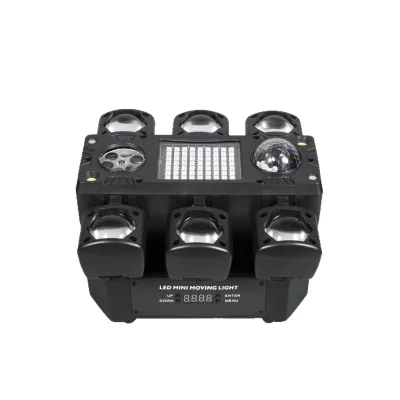
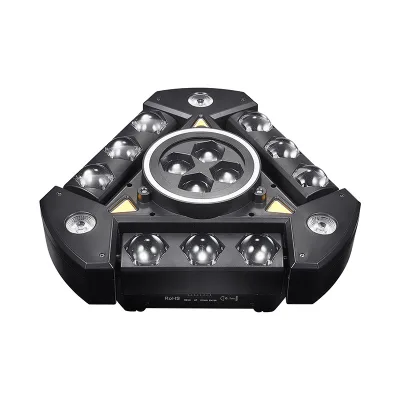
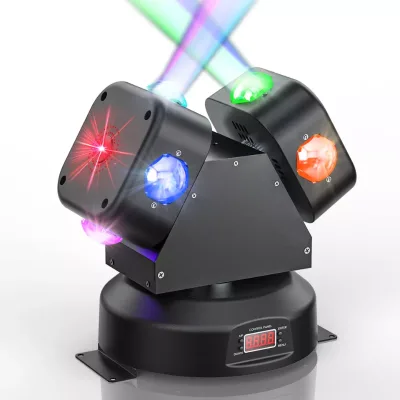
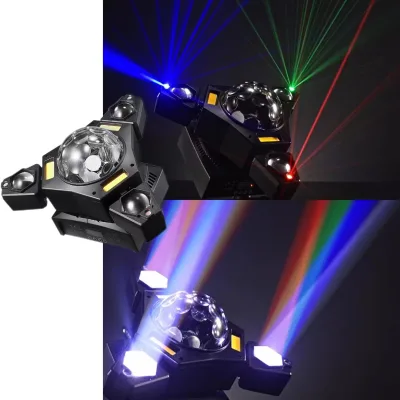
Led Three Heads Wind Fire Wheel Light Rgbw Lamp Beads Rg Laser Moving Head Light Disco Light
$94.00 - $106.00
MOQ: 2 pieces
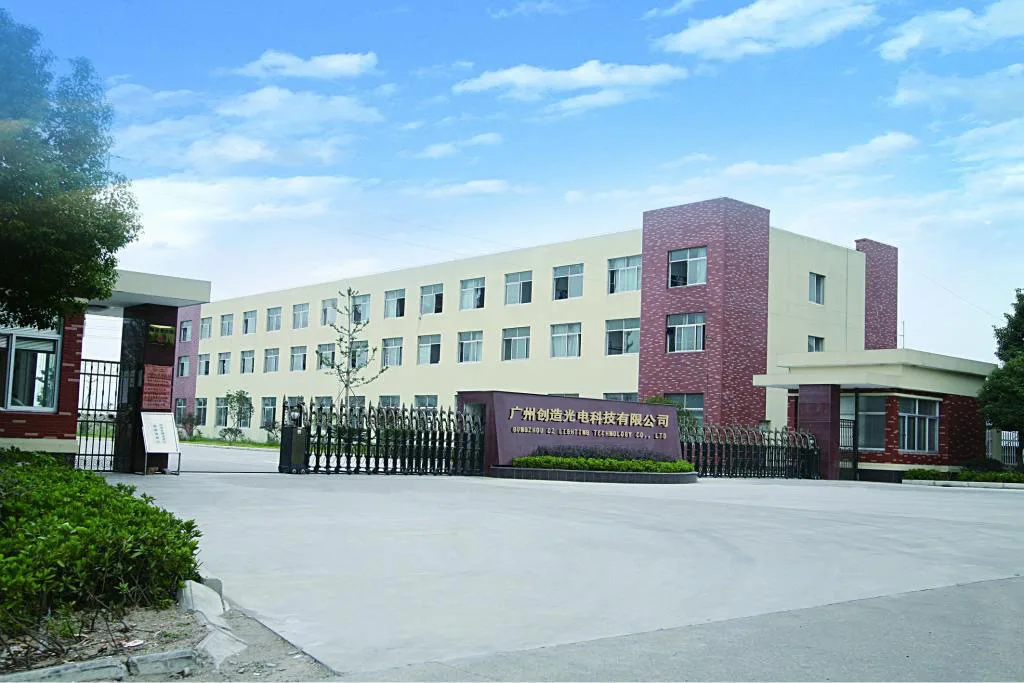
Guangzhou Create Optoelectronics Technology Co., Ltd.
- Manufacturer, Trading Company
- Guangdong, China
- Lead time7 days
- Avg. response≤ 2h
Main productsMoving Head Light,LED Moving Head Wash,LED Par Light,LED Studio Light,LED Wall Washer
Main marketsNorthern Europe(15.00%), North America(15.00%), Western Europe(10.00%), South America(10.00%), Southern Europe(10.00%), Southeast Asia(10.00%), Eastern Europe(10.00%), Eastern Asia(8.00%), Central America(5.00%), Domestic Market(5.00%), Oceania(2.00%)

- Verified by SGS
- Trading Company
- China Guangdong
- Lead time15 days
- Avg. response≤ 3h
Main productsStage Lights, Moving Head, LED Lights, LED Stage Light, LED Wash, LED Stage Fixture
Main marketsSoutheast Asia/ Mideast,Europe,North America


$720.00 - $750.00
MOQ: 2 Pieces

China Factory 200W Waterproof Cmy Moving Head Laser Beam Light Outdoor Stage Disco Event Light
$720.00 - $750.00
MOQ: 2 Pieces

$720.00 - $750.00
MOQ: 2 Pieces

$720.00 - $750.00
MOQ: 2 Pieces
Guangdong Lightful Light Co.,Ltd
- Manufacturer, Trading Company
- Guangdong, China
- Lead time0 days
- Avg. response≤ 2h
Main productslaser light,stage light,Laser bar,Animation laser,IP65 Waterproof laser
Main marketsEastern Europe(13.00%), Northern Europe(12.00%), Southeast Asia(12.00%), Western Europe(11.00%), North America(10.00%), Southern Europe(10.00%), Central America(10.00%), Mid East(6.00%), Eastern Asia(5.00%), Domestic Market(5.00%), South Asia(2.00%), South America(2.00%), Africa(2.00%)
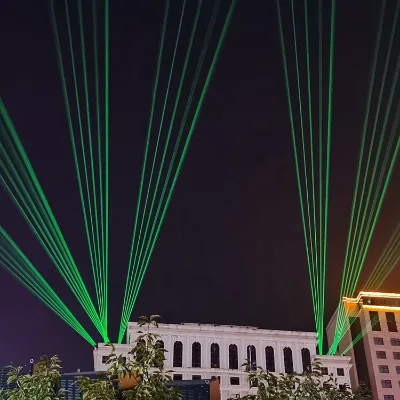
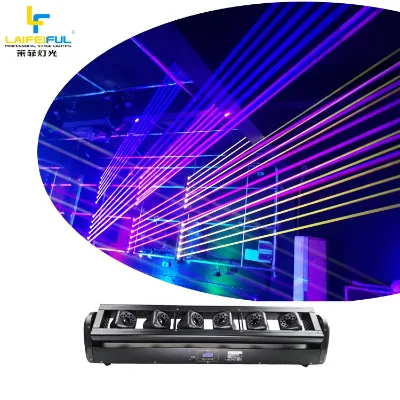
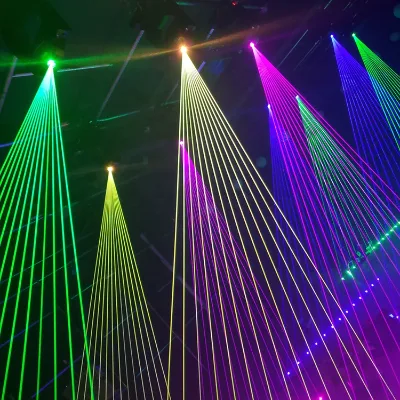
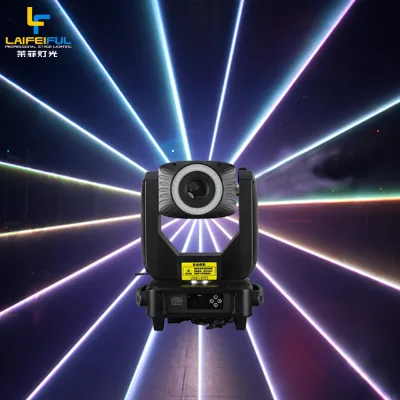
Moving Head Laser Professional 6W Moving Head Stage Laser Light With Ce Certificate
$1650.00 - $2300.00
MOQ: 2 sets
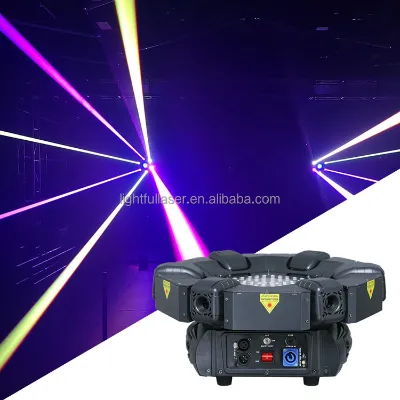
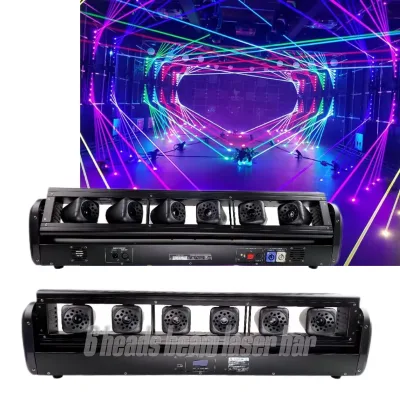
New 12watt Moving Head Light 6 Beam Lightful Laser Bar for Wedding
$880.00 - $980.00

Guangzhou Ectech Lighting Technology Co.
- Manufacturer, Trading Company, Distributor/Wholesaler
- Guangdong, China
- Lead time7 days
- Avg. response≤ 3h
Main productslaser light,stage lights,advertising lights,dj lights,party lights
Main marketsNorth America(30.00%), Northern Europe(20.00%), Central America(15.00%), Southeast Asia(15.00%), South Asia(10.00%), South America(7.00%), Mid East(3.00%)
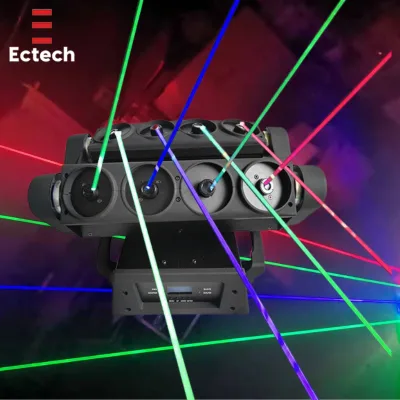
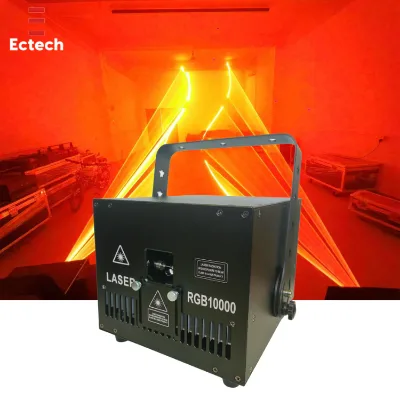
Specifications Good Price Programmable Laser Light Show System Rgb 10 Watts Laser Stage Light
$750.00 - $850.00
MOQ: 2 units
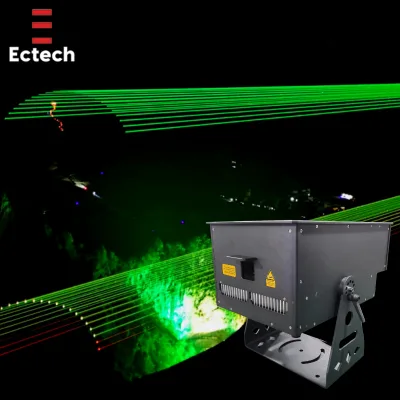
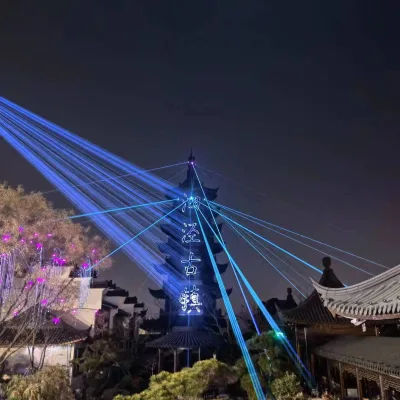
Outdoor Landscaping Lights IP65 High Power Green Laser Festival 10W 20W 30W Landmark Laser Light
$1561.5772 - $1847.8667
MOQ: 2 units
$700.00 - $880.00
MOQ: 2 units

Guangdong Future Optoelectronic Technology Co., Ltd.
- Manufacturer, Trading Company
- Guangdong, China
- Lead time7 days
- Avg. response≤ 2h
Main productsMoving Head Light , LED Moving Head Light , Laser Light, LED Retro Light , LED Par Light
Main marketsNorth America(50.00%), Western Europe(30.00%), South America(10.00%), Eastern Europe(10.00%)

Ningbo Sentek Electronics Co., Ltd.
- Verified by BV
- Combined
- China Zhejiang
- Lead time30 days
- Avg. response≤ 16h
Main productsSmoke Alarm, Smoke Detector, Fire Detector, Magnetic Contact, Co Alarm, Co Detector, Gas Detector, Carbon Monoxide Detector, Heat Detector, Smoke Sensor
Main marketsSouth America,Africa,Southeast Asia/ Mideast,East Asia(Japan/ South Korea),Europe,Australia,North America






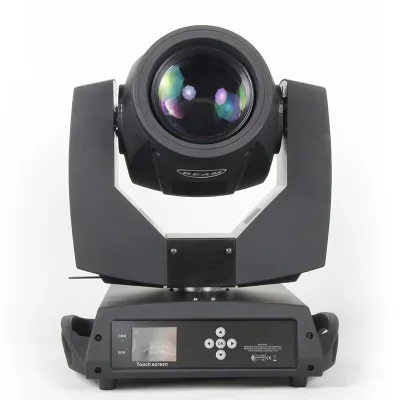
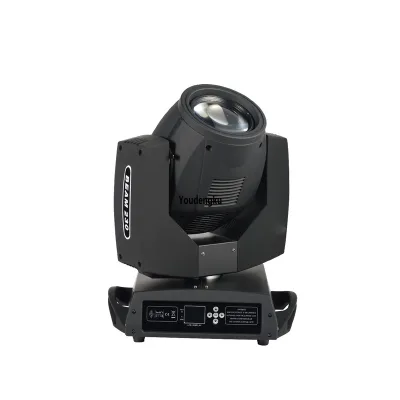
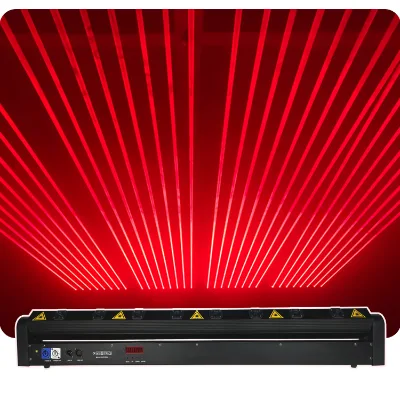
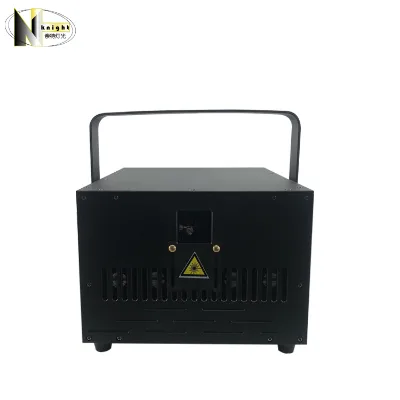


Comprehensive Sourcing Guide
Moving Laser Strobe Beam Lights Supplier Concentration and Factory Types
The current supplier landscape for Moving Laser Strobe Beam Lights reveals a distinct geographic concentration in China, with Guangdong serving as a primary manufacturing hub. This region hosts a mix of combined entities and trading companies, offering buyers a range of operational models. Factories in Guangdong often possess robust R&D capabilities, supporting OEM, ODM, and own-brand development, which is crucial for buyers seeking customized lighting solutions for large-scale events or architectural projects. The presence of established industrial clusters in this area suggests a mature supply chain for professional lighting components, including LED sources, aluminum alloy housings, and complex control systems. Buyers should recognize that while Guangdong is a verified location for these products, the specific factory type—whether a direct manufacturer or a trading company—impacts pricing structures and communication efficiency. Trading companies may offer broader product assortments, such as wall washer lights or solar street lamps, but might lack the direct technical oversight of a dedicated factory. Understanding this distinction helps in selecting a partner that aligns with specific project requirements, whether that involves high-volume production or specialized technical support.
In addition to Guangdong, other regions like Henan also appear in the supplier results, indicating a broader national distribution of lighting manufacturing capabilities. However, the depth of technical specialization often varies between these locations. Suppliers in these areas may focus on different aspects of the lighting industry, such as solar street lamps or general floodlights, which can influence their expertise in niche products like Moving Laser Strobe Beam Lights. The diversity in company types, from combined manufacturers to pure trading entities, means that buyers must carefully evaluate the core competencies of each supplier. A supplier listing main products like moving head lights and beam lights is likely more specialized than one with a diverse portfolio including smart street lamps. This specialization often correlates with better quality control and more accurate technical specifications for complex lighting equipment. Buyers should prioritize suppliers whose primary product lines align closely with Moving Laser Strobe Beam Lights to ensure they are dealing with experts in this specific domain rather than generalists who may not fully understand the intricate requirements of professional stage and architectural lighting applications.
How to Verify Moving Laser Strobe Beam Lights Suppliers
Verifying the credibility of suppliers for Moving Laser Strobe Beam Lights requires a multi-layered approach that goes beyond basic company profiles. One critical step is to check for third-party verification badges, such as BV verification, which indicates that an independent agency has assessed the supplier’s business legitimacy. This verification provides a baseline level of trust, confirming that the entity exists and operates as described. However, buyers should not rely solely on this badge; they must also scrutinize the specific certifications listed for the products themselves. For instance, many suppliers display CE and RoHS certifications, which are essential for compliance in many international markets. Some suppliers may also list additional standards like GB7000.15-GB7000.217-RoHS, which are relevant for the Chinese market but may need to be cross-referenced with local regulations in the buyer’s country. It is important to request copies of these certificates and verify their validity with the issuing bodies to ensure they are current and applicable to the specific models being considered. This due diligence helps prevent compliance issues that could lead to customs delays or product recalls.
Beyond certifications, buyers should assess the supplier’s responsiveness and transparency as indicators of reliability. Response times, such as the 4.46 hours observed for some suppliers, can signal how quickly a company can address technical queries or resolve issues during the procurement process. A faster response time often correlates with better customer service and more efficient project management. Additionally, buyers should inquire about the supplier’s quality assurance processes, including factory audits and product testing protocols. While some suppliers may claim ISO9001:2015 and ISO14001:2015 system certifications, buyers should ask for evidence of these certifications and understand how they are implemented in daily operations. It is also advisable to request product samples to verify the quality of materials, such as aluminum alloy housings, and the performance of key features like electronic strobes and DMX signal control. By combining verification badges, certification checks, responsiveness analysis, and physical sample evaluation, buyers can build a comprehensive picture of a supplier’s reliability and capability to deliver high-quality Moving Laser Strobe Beam Lights.
What to Compare Across Moving Laser Strobe Beam Lights Suppliers
When evaluating multiple suppliers for Moving Laser Strobe Beam Lights, buyers must compare a range of operational and product-specific metrics to identify the best fit for their needs. One key area of comparison is the minimum order quantity (MOQ) and pricing structure. Some suppliers may offer an MOQ of just one unit, which is ideal for small-scale projects or testing purposes, while others may require higher volumes, such as ten units, which can be more cost-effective for larger orders. Prices can vary significantly based on the power output and features of the lights; for example, a 60W LED zoom beam light might be priced around $452.94, whereas a 230W beam moving light could range from $235.00 to $255.00. Buyers should also compare the lead times, which can range from 15 days to potentially zero days for stock items, though a zero-day lead time may indicate a trading company rather than a manufacturer. Understanding these variations helps in planning inventory and managing project timelines effectively. Additionally, comparing the customization options available, such as logo printing or specific color temperature adjustments, can help buyers determine which supplier offers the flexibility needed for their brand or project requirements.
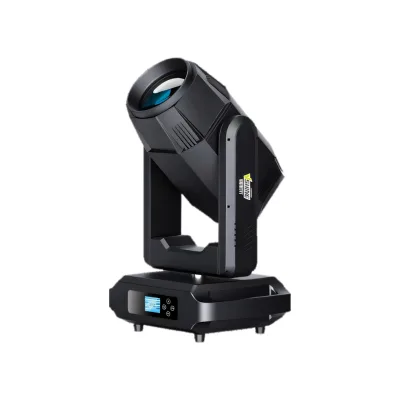
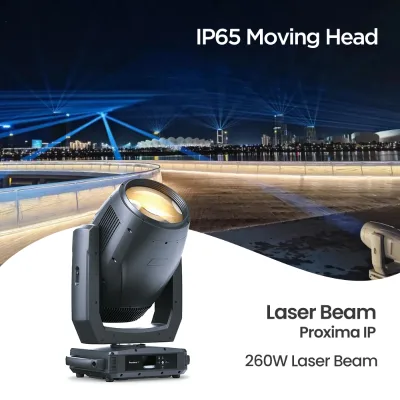
Another critical aspect of comparison is the technical specifications and build quality of the products. Buyers should examine details such as the IP rating, which indicates the level of protection against dust and water, crucial for outdoor applications. Some suppliers offer IP65-rated lights, while others may have different ratings that are less suitable for harsh environments. The control channels, strobe types, and light source technologies, such as LED versus Xenon bulbs, also vary between suppliers. For instance, a 420W beam moving head light might use a Xenon bulb with a 650W power consumption, while a 260W beam light might use LED technology with a cooler white emitting color. Buyers should also compare the packaging options, such as carton versus flight cases, which impact shipping costs and product protection. Furthermore, the rated lifespan of the lights, ranging from 2000 hours to 50,000 hours, is a significant factor in long-term value and maintenance costs. By systematically comparing these technical and operational details, buyers can make informed decisions that balance cost, quality, and functionality, ensuring they select the most suitable supplier for their specific Moving Laser Strobe Beam Lights requirements.
Common Moving Laser Strobe Beam Lights Sourcing Risks
Sourcing Moving Laser Strobe Beam Lights from international suppliers introduces several risks that buyers must proactively manage to ensure a smooth procurement process. One significant risk is the potential mismatch between product specifications and actual performance. Suppliers may list impressive technical details, such as high power outputs or advanced control features, but the actual products may not meet these claims. This discrepancy can lead to project failures, especially in critical applications like stage lighting or architectural illumination where reliability is paramount. Buyers should mitigate this risk by requesting detailed technical datasheets and conducting thorough sample testing before placing large orders. It is also important to verify the authenticity of certifications, as some suppliers may provide outdated or invalid documents. Ensuring that the products comply with local safety and environmental regulations is crucial to avoid legal issues and ensure the safety of end-users. Buyers should work with suppliers who are transparent about their manufacturing processes and willing to provide evidence of their compliance with international standards.
Another common risk is the variability in lead times and shipping reliability. While some suppliers may advertise short lead times, such as 15 days, delays can occur due to production bottlenecks, material shortages, or logistical issues. This can disrupt project schedules and lead to additional costs. Buyers should establish clear communication channels with their suppliers and request regular updates on production status. It is also advisable to include penalty clauses in contracts for late deliveries to incentivize timely performance. Additionally, buyers should be aware of the risks associated with different supplier types. Trading companies may offer faster shipping but might have less control over quality and production schedules compared to direct manufacturers. Buyers should carefully evaluate the trade-offs between speed, cost, and quality when choosing between these options. Furthermore, the risk of intellectual property infringement is a concern, especially when working with suppliers who offer OEM services. Buyers should ensure that their designs and branding are protected through proper legal agreements and that the supplier has a track record of respecting intellectual property rights. By identifying and addressing these risks early in the sourcing process, buyers can minimize disruptions and ensure the successful delivery of their Moving Laser Strobe Beam Lights.
Moving Laser Strobe Beam Lights Regional Sourcing and Logistics
The geographic location of suppliers plays a crucial role in the logistics and overall cost of sourcing Moving Laser Strobe Beam Lights. Most suppliers are located in China, with Guangdong being a prominent manufacturing hub. This region benefits from a well-developed infrastructure for electronics and lighting production, which can lead to more efficient manufacturing processes and competitive pricing. However, buyers must also consider the logistical implications of sourcing from this region. Shipping times and costs can vary depending on the destination country and the chosen shipping method. For instance, air freight may be faster but more expensive, while sea freight is more cost-effective for large volumes but takes longer. Buyers should work with suppliers who have experience in international shipping and can provide accurate estimates for delivery times and costs. Additionally, the packaging of the products, such as the use of flight cases versus standard cartons, can impact shipping efficiency and product protection. Buyers should discuss packaging options with their suppliers to ensure that the lights are securely packed and protected during transit.
Beyond China, other regions like Henan also host suppliers, though their focus may differ. Buyers should evaluate the logistical advantages of sourcing from different regions based on their specific needs. For example, if a buyer requires rapid delivery for a time-sensitive project, they may prefer suppliers with shorter lead times or those located closer to major shipping hubs. It is also important to consider the impact of regional trade policies and tariffs on the final cost of the products. Buyers should stay informed about any changes in trade regulations that could affect their sourcing strategy. Furthermore, buyers should assess the supplier’s ability to handle customs clearance and provide necessary documentation, such as commercial invoices and packing lists. A supplier with experience in international logistics can help streamline the customs process and reduce the risk of delays. By carefully considering the regional sourcing and logistics aspects, buyers can optimize their supply chain, reduce costs, and ensure the timely delivery of their Moving Laser Strobe Beam Lights.
Moving Laser Strobe Beam Lights Commercial Terms and Order Planning
Effective order planning and clear commercial terms are essential for successful procurement of Moving Laser Strobe Beam Lights. Buyers should negotiate payment terms that protect their interests, such as using escrow services or letter of credit arrangements, to ensure that funds are only released upon satisfactory delivery of the products. It is also important to define the scope of customization clearly, including any additional costs for logo printing, specific color temperatures, or custom packaging. Buyers should request detailed quotations that break down the costs of the products, shipping, and any applicable taxes or duties. This transparency helps in budgeting and avoiding unexpected expenses. Additionally, buyers should establish clear quality acceptance criteria and inspection procedures before shipment. This may include third-party inspections or pre-shipment checks to ensure that the products meet the agreed-upon specifications. By setting clear commercial terms and planning orders carefully, buyers can minimize risks
FAQs
What is the typical lead time for Moving Laser Strobe Beam Lights?
The typical lead time for these lights is 15 days. This duration allows for production and quality checks before shipment. Buyers should confirm specific timelines with suppliers, as rush orders may incur additional fees or require alternative scheduling arrangements.
What certifications are standard for professional stage moving head lights?
Standard certifications include CE and RoHS for product safety and environmental compliance. Many suppliers also hold ISO9001:2015 and ISO14001:2015 system certificates. Buyers should verify these documents to ensure the equipment meets international regulatory standards for professional lighting applications.
What is the minimum order quantity for beam moving head lights?
The minimum order quantity varies by supplier, with some accepting orders as low as one unit. Others may require a minimum of ten units for specific models. Buyers should check individual product listings to determine the exact MOQ applicable to their desired specifications.
What is the average response time for supplier inquiries?
Average response times for supplier inquiries are approximately 4.46 hours. Some trading companies may respond faster, within two hours. Prompt communication helps buyers clarify technical details and negotiate terms efficiently. Buyers should expect timely replies during standard business hours.
What is the price range for 230W beam moving lights?
The price range for 230W beam moving lights typically falls between 235 and 255 USD. Prices depend on customization options and order volume. Buyers should request detailed quotes to understand how specific features or packaging choices might affect the final unit cost.
Where are these professional lighting products primarily manufactured?
These products are primarily manufactured in Guangdong, China, a major hub for lighting production. Some suppliers are located in Henan, China. Buyers should verify the specific origin to assess logistics costs and supply chain reliability for their international shipments.
What control modes are supported by moving head beam lights?
Most moving head beam lights support DMX signal control for precise stage management. Some models offer adjustable speed strobes and LCD screen displays. Buyers should confirm the control channel count, such as 16CH or 32CH, to ensure compatibility with their existing lighting consoles.