Movable Big Capacity Lithium Battery Suppliers and Manufacturers
Explore 32 verified options for Movable Big Capacity Lithium Battery from Zhejiang, Guangdong, and Shandong. Compare response times, lead times, certifications, and prices to find the right partner. Contact suppliers directly to request quotes; review the available evidence before requesting comparable quotations from suitable candidates.
Updated
Suppliers List

Yueqing Shuntong Imp. & Exp. Co., Ltd.
- Verified by SGS
- Trading Company
- China Zhejiang
- Lead time15 days
- Avg. response≤ 6h
Main productsWarning Light, Siren, Switch, Socket, Voltage Stabilizer/Regulator, Audible Visual Alarm, Cooling Fans, Computer Parts, Strobe Light, Breaker
Main marketsSouth America,Southeast Asia/ Mideast

Naccon Power Technology Co., Ltd.
- Verified by BV
- Combined
- China Guangdong
- Lead time23 days
- Avg. response≤ 4h
Main productsBattery, Alkaline Battery Cell, AG/Cr Button Cells, NiMH Battery, Carbon Zinc Batetry, Li-ion Battery, Li -Polymer Rechargeable Battery, Zinc Air Battery, Ultra Alkaline Dry Battery, Rechargeable Battery
Main marketsAfrica,Southeast Asia/ Mideast,East Asia(Japan/ South Korea),Domestic,Europe,Australia,North America

Dezhou Nayu Import and Export Trading Co., Ltd.
- Trading Company,Manufacturer/Factory
- China Shandong
- Lead time0 days
- Avg. response≤ 25h
Main productsSolar Panels, Solar System

- Trading Company
- China Guangdong
- Lead time15 days
- Avg. response≤ 14h
Main productsHybrid Battery, Power Tool Battery, Two Way Radio Battery, Portable Energy Storage Power Supply
Main marketsSouth America,Africa,Southeast Asia/ Mideast,East Asia(Japan/ South Korea),Europe,Australia,North America

Zhejiang Shuntong Electric Co., Ltd.
- Verified by BV
- Trading Company,Manufacturer/Factory
- China Zhejiang
- Lead time23 days
- Avg. response≤ 8h
Main productsTransformers, Frequency Inverter, Inverter, Voltage Stabilizer, Fan
Main marketsSouth America,Eastern Europe,Mid East,North America,Southeast Asia,Eastern Asia,Oceania,Western Europe,Africa
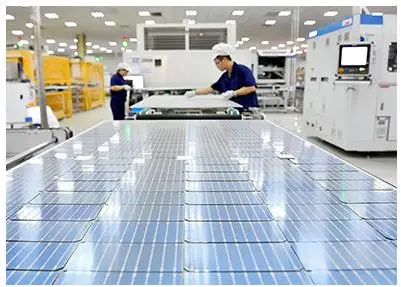
Anhui Garridon Trade Co., Ltd.
- Trading Company
- Anhui, China
- Lead time0 days
- Avg. response≤ 4h
Main productsSolar Panel,Solar System,Solar SystemSolar Inverter,Solar Battery,Solar Mounting System
Main marketsWestern Europe(25.00%), Africa(15.00%), South America(15.00%), Southeast Asia(11.00%), North America(10.00%), South Asia(7.00%), Eastern Europe(5.00%), Northern Europe(5.00%), Eastern Asia(4.00%), Mid East(3.00%)
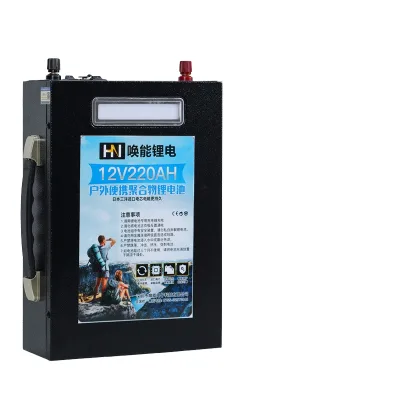
$37.7508 - $191.821
MOQ: 1 Minimum
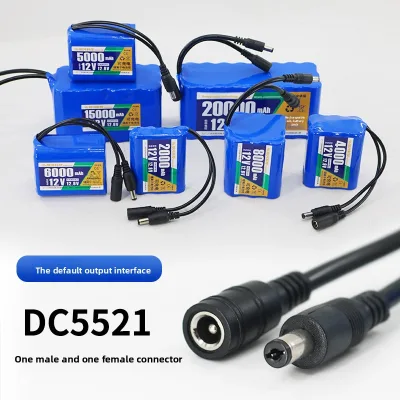
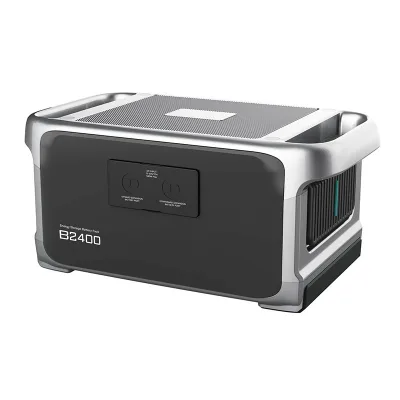

Guangzhou Dichen New Energy Co., Ltd.
- Verified by SGS
- Combined
- China Guangdong
- Lead time30 days
- Avg. response≤ 7h
Main productsLithium Ion Battery, LiFePO4 Battery, Battery Pack
Main marketsSoutheast Asia/ Mideast

Tiger Power (Wuxi) Co., Ltd. Shanghai Branch
- Verified by SGS
- Combined
- China Shanghai
- Lead time15 days
- Avg. response≤ 2h
Main productsForklift Lead-Acid Batteries
Main marketsDomestic

Powerful Lithium Battery 51.2V/280ah Designed for Versatile Applications
$2900.00 - $3500.00
MOQ: 1 Pieces


Better Technology Group Limited
- Verified by CTI
- Manufacturer/Factory
- China Fujian
- Lead time23 days
- Avg. response≤ 4h
Main productsTurnkey Solution for Battery Manufacturing, Battery Production Equipment, Automatic Battery Assembly Line, Solar Home Energy Storage Battery, Small-Scale I&C Energy Storage Cabinet, Lithium Battery Manufacturing Machine, 4G+GPS Smart Start-Stop Lithium Battery, Lead-Acid to Lithium Battery Conversion, Portable Power Station, Lead Acid Batteries
Main marketsSouth America,Eastern Europe,Mid East,North America,Southeast Asia,Eastern Asia,Oceania,Western Europe,Africa
Shenzhen Forange Technology Co., Ltd.
- Manufacturer, Trading Company, Distributor/Wholesaler
- Guangdong, China
- Lead time15 days
- Avg. response≤ 3h
Main productslithium ion battery pack,lithium polymer battery pack,Power battery pack,3C battery
Main marketsEastern Europe(30.00%), North America(30.00%), South Asia(20.00%), Southeast Asia(10.00%), Africa(5.00%), Mid East(5.00%)
Jiangsu Emss Science And Technology Co., Ltd.
- Trading Company
- Jiangsu, China
- Lead time5 days
- Avg. response≤ 2h
Main productsstair chair,stair trolley,transfer wheelchair,electric stair climbing,stair climbing wheelchair
Main marketsDomestic Market(30.00%), North America(10.00%), South America(5.00%), South Asia(5.00%), Southern Europe(5.00%), Northern Europe(5.00%), Central America(5.00%), Western Europe(5.00%), Eastern Asia(5.00%), Mid East(5.00%), Oceania(5.00%), Africa(5.00%), Southeast Asia(5.00%), Eastern Europe(5.00%)

Shenzhen Bingcell Technology Co., Ltd
- Manufacturer, Trading Company, Buying Office, Distributor/Wholesaler
- Guangdong, China
- Lead time7 days
- Avg. response≤ 5h
Main productsLithium-ion battery,LiFePO4 battery,Power Station,Li-Polymer battery,NI-MH battery
Main marketsWestern Europe(30.00%), North America(30.00%), Domestic Market(10.00%), Oceania(10.00%), Southeast Asia(10.00%), Eastern Europe(5.00%), Southern Europe(5.00%)
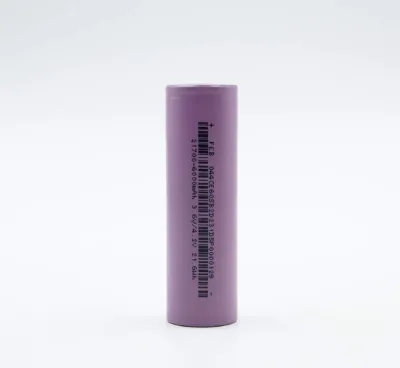
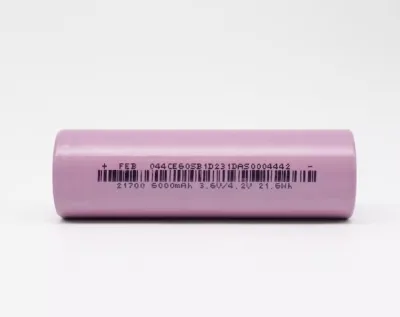
FEB 21700 6000mAh Cylindrical Lithium Ion Batteries for Solar Golf Carts Forklifts Boats Flashlights
$2.95 - $3.95
MOQ: 100 pieces
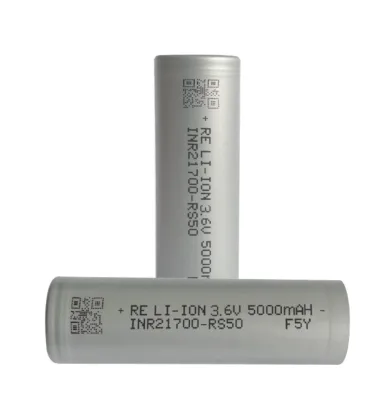
$2.3294 - $3.9858
MOQ: 100 pieces

Anhui Jianghuai Heavy-Duty Construction Machine Co., Ltd.
- Verified by BV
- Combined
- China Anhui
- Lead time60 days
- Avg. response≤ 19h
Main productsForklift, Forklift Truck, Electric Forklift, Electric Pallet Truck, Reach Truck, Truck, Electric Stacker, Diesel Forklift
Main marketsAfrica,Southeast Asia/ Mideast,Australia

Shenzhen Richlight Technology Co., Ltd.
- Verified by SGS
- Trading Company
- China Guangdong
- Lead time15 days
- Avg. response≤ 9h
Main productsPrimary Battery, Button Battery, Cell Battery, Chargeable Battery, Li/Socl2 Cell, Li/Mno2 Cell, Secondary Lithium Battery
Main marketsOthers(foreignTradeCapacity.exportBusinessCapacityMarketOther),Europe,North America
Shenzhen Joy Battery Technology Co., Ltd.
- Manufacturer
- Guangdong, China
- Lead time7 days
- Avg. response≤ 1h
Main productsLithium battery,Li-polymer battery,Ebike battery,18650 battery,LiFePO4 battery
Main marketsWestern Europe(20.00%), North America(20.00%), Central America(10.00%), Eastern Europe(10.00%), Southern Europe(10.00%), Oceania(10.00%), Northern Europe(10.00%), Eastern Asia(5.00%), Southeast Asia(5.00%)
$27.9519 - $28.9877
MOQ: 2 pieces
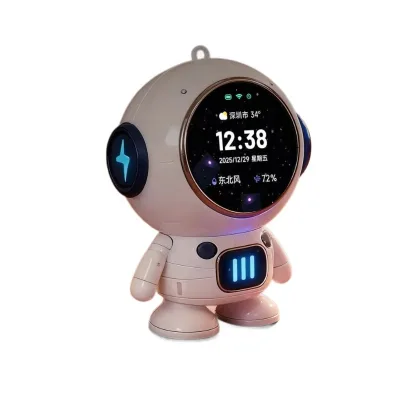
$29.8166 - $30.8449
MOQ: 2 pieces
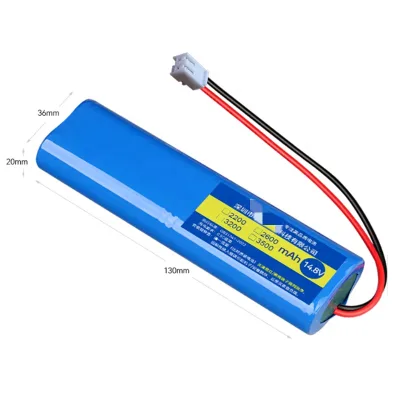
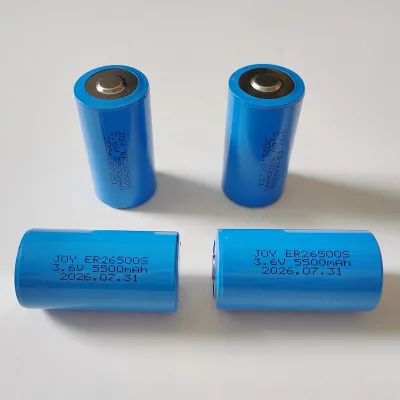
Guangzhou Gn New Energy Company Limited
- Manufacturer, Trading Company, Other
- Guangdong, China
- Lead time10 days
- Avg. response≤ 2h
Main productslithium ion battery,LiFePO4 battery,Home storage system,portable power station,LED car headlight
Main marketsNorthern Europe(15.00%), Southeast Asia(15.00%), North America(15.00%), South Asia(10.00%), Western Europe(10.00%), Eastern Europe(8.00%), Southern Europe(5.00%), Central America(5.00%), South America(5.00%), Eastern Asia(5.00%), Mid East(4.00%), Africa(3.00%)
Shenzhen Everwin Tech Co., Limited
- Verified by SGS Group
- Manufacturer, Trading Company
- Lead time20 days
- Avg. response≤ 2h
Main productsLithium Batteries, Lithium Ion Batteries, Lithium Iron Phosphate Batteries, Nickel Metal Hydride Batteries, Nickel Cadimium Batteries
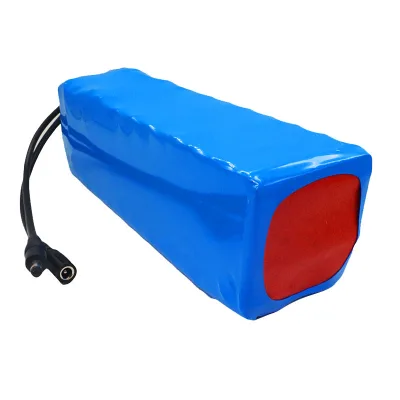
Massive Capacity 18650 Lithium Ion Battery Pack 11.1V 51000mAh Emergency Backup
$410.00
MOQ: 1 Minimum

Shenzhen Everexceed Industrial Co., Ltd.
- Verified by TUVRHEINLAND
- Combined
- China Guangdong
- Lead time30 days
- Avg. response≤ 3h
Main productsBattery, UPS Power, Solar Energy System, Charger, Inverter, Solar Controller, Switchgear, LED Lightings, Lead Acid Battery, NiCd Battery
Main marketsSouth America,Africa,Others(foreignTradeCapacity.exportBusinessCapacityMarketOther),Southeast Asia/ Mideast,Europe,Australia,North America

Shenzhen Mingfeng Technology Co., Ltd
- Verified by SGS
- Trading Company
- China Guangdong
- Lead time30 days
- Avg. response≤ 1h
Main productsE-Bike Battery, Drone Battery, Power Tools Battery, Garden Tools Battery, Emotorcycle Battery, Golf Cart Battery, Forklift Battery, Marine Battery, LiFePO4 Battery, Agv Battery
Main marketsOthers(foreignTradeCapacity.exportBusinessCapacityMarketOther)
Nanjing Oulu Electric Corp., Ltd.
- Verified by TüVRheinland
- Manufacturer, Trading Company
- Lead time3 days
- Avg. response≤ 2h
Main productsVariable Frequency Drivers, Servo Motors, Servo Drivers, Wind Turbine Generators, Energy Storage Batteries
Main marketsAfrica(40%), South America(30%), Southeast Asia(30%)
Changsha Diansutong Technology Co., Ltd.
- Trading Company
- Hunan, China
- Lead time15 days
- Avg. response≤ 1h
Main products18650 Lithium-on Batteries,21700 Lithium-ion Batteries,18650 Low-Temperature Batteries,Batteries Pack,Outdoor Portable Energy Storage
Main marketsWestern Europe(20.00%), Northern Europe(20.00%), Eastern Europe(20.00%), North America(20.00%), Domestic Market(15.00%), South America(5.00%)

TIANJIN ENERBYTE ELECTRONICS CO., LTD.
- Verified by BV
- Trading Company
- China Tianjin
- Lead time15 days
- Avg. response≤ 7h
Main productsLiFePO4 Battery, Ncm Battery, Lithium Battery, Li-ion Battery, LiFePO4 Battery Pack, Ncm Battery Pack, Lithium Battery Pack, Li-ion Battery Pack, Solar Energy Storage Battery, Lithium Ion Battery for EV
Main marketsNorth America

Zhejiang Youwe Electrical Appliances Co., Ltd.
- Verified by SGS
- Combined
- China Zhejiang
- Lead time30 days
- Avg. response≤ 2h
Main productsCordless Drill, Cordless Hammer Screwdriver, Electric Drill, Power Tools, Lithium Cordless Drill, Li-ion Electric Power Tools
Main marketsSoutheast Asia/ Mideast,East Asia(Japan/ South Korea),Europe

Foshan Golden Milky Way Intelligent Equipment Co., Ltd.
- Combined
- China Guangdong
- Lead time30 days
- Avg. response≤ 25h
Main productsProduction Line, Static Mixer, Filling Machine, Filler, Packing Machine, Planetary Mixer, Mixer, Mixing Machine, Sealant Machine, Battery Production Equipment
Main marketsSouth America,Africa,Southeast Asia/ Mideast,East Asia(Japan/ South Korea),Domestic,Europe,Australia,North America
Hunan Hualai Technology Co., Ltd.
- Trading Company
- Hunan, China
- Lead time0 days
- Avg. response≤ 8h
Main productswireless module,antenna,IC componets,resistor,battery
Main marketsNorthern Europe(10.00%), Western Europe(10.00%), Eastern Asia(10.00%), Southern Europe(10.00%), Oceania(10.00%), Africa(10.00%), Eastern Europe(10.00%), South America(10.00%), North America(10.00%), South Asia(5.00%), Mid East(5.00%)

- Verified by CTI
- Combined
- China Jiangsu
- Lead time15 days
- Avg. response≤ 7h
Main productsLiFePO4 Battery, Solar Battery, Lithium Battery, Lithium Ion Battery, Lithium Battery Pack, Battery, Inverter, Car DC AC Power Inverter, Solar Inverter, Power Supply
Main marketsEast Asia(Japan/ South Korea),Domestic


Reliable Eco-Friendly Lithium Battery Designed for Remote Area Power Use
$999.00 - $1299.00
MOQ: 1 Pieces

Shenzhen Chaoliyang Technology Development Co., Ltd.
- Verified by TüVRheinland
- Manufacturer, Trading Company
- Lead time7 days
- Avg. response≤ 4h
Main productsLithium Battery, Cylindrical Lithium Battery, Polymer Lithium Battery, 21700 Lithium Battery Pack, 18650 Lithium Battery Pack
Main marketsNorth America(25%), South America(10%), Eastern Europe(10%)
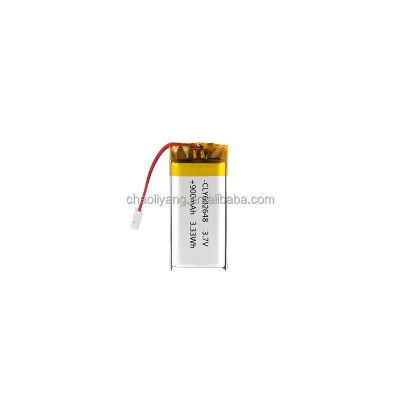
Hot Selling 3.7v 901720 Liion Battery 210mah Lithium for Bluetooth Mouse
$0.5921 - $0.799
MOQ: 100 pieces
Shenzhen Grenergy Technology Co., Ltd.
- Manufacturer, Trading Company
- Guangdong, China
- Lead time30 days
- Avg. response≤ 14h
Main productsSLA Replacement Lifepo4 Battery; Power Wall; Portable Power Station; Stacked Energy System; Rack Mounted Lifepo4 Battery,golf carts battery,Rv battery,home energy system,portable power station
Main marketsNorth America(29.00%), Domestic Market(26.00%), Eastern Europe(13.00%), Southern Europe(9.00%), Oceania(7.00%), Western Europe(7.00%), Northern Europe(5.00%), South America(1.00%), South Asia(1.00%), Eastern Asia(1.00%), Southeast Asia(1.00%)
- Verified by Intertek
- Manufacturer, Trading Company
- Lead time20 days
- Avg. response≤ 3h
Main productsGolf Cart Lithium Battery, Marine & RV Lithium Battery, Starting & Sodium-ion Batteries, Residential & C&I Energy Storage Systems, Trailer & Forklift Lithium Battery
Main marketsNorth America(23%), Eastern Europe(15%), South America(10%)
Guangdong Paili New Energy Co., Ltd.
- Manufacturer, Trading Company
- Guangdong, China
- Lead time30 days
- Avg. response≤ 1h
Main productsLi-ion batteries,lithium batteries,Li-polymer batteries,LiFePO4 batteries,Battery chargers
Main marketsNorthern Europe(20.00%), Central America(20.00%), Oceania(15.00%), South America(15.00%), Southeast Asia(10.00%), North America(10.00%), Eastern Asia(10.00%)
Anhui Koodsun Technology Co., Ltd
- Verified by TüVRheinland
- Manufacturer, Trading Company
- Lead time0 days
- Avg. response≤ 2h
Main productsSolar Energy System, Lithium Iron Phosphate Battery, Solar Energy Storage System, Solar Inverter, Solar Panel
Main marketsAfrica(20%), Mid East(15%), Western Europe(15%)
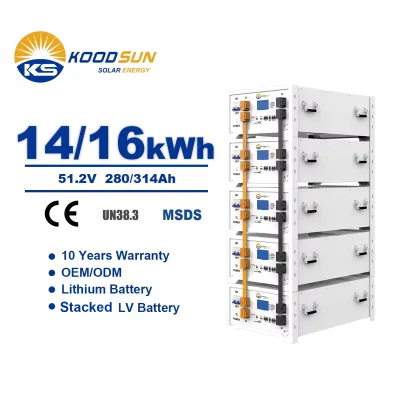
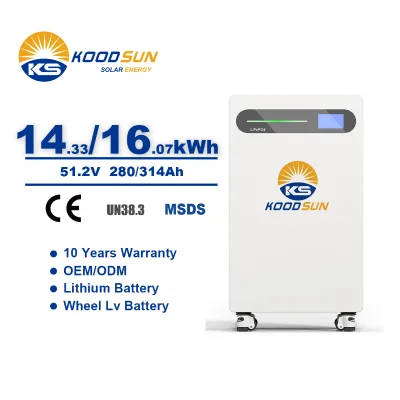
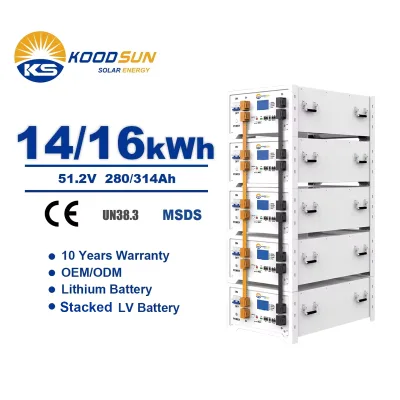
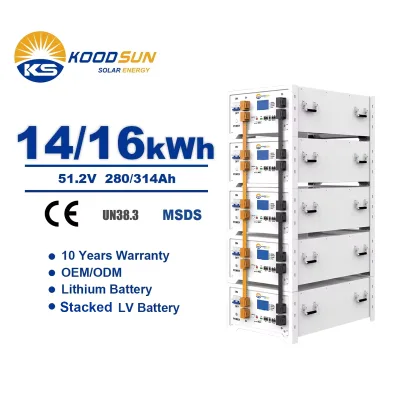
Modular 14kWh Low Voltage Battery 51.2V Stacked Design Saves Space for Home Business
$1014.0855 - $1026.4403
MOQ: 2 packs

Solid Power Industrial (Shenzhen) Co., Ltd.
- Verified by TUVRHEINLAND
- Trading Company,Manufacturer/Factory
- China Guangdong
- Lead time30 days
- Avg. response≤ 4h
Main productsSolar Battery, Lithium Battery, Lithium Ion Battery, Storage Battery, Gel Battery, Lead Acid Battery, AGM Battery, Deep Cycle Battery, VRLA Battery, LiFePO4 Battery
Main marketsSouth America,Eastern Europe,Mid East,North America,Southeast Asia,Eastern Asia,Oceania,Western Europe,Africa








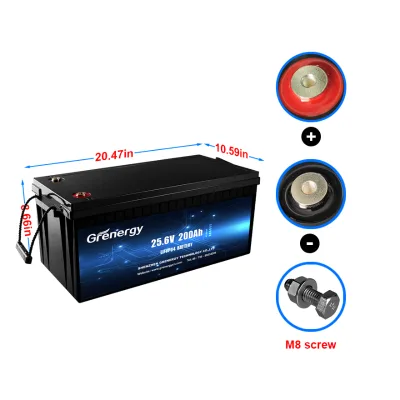
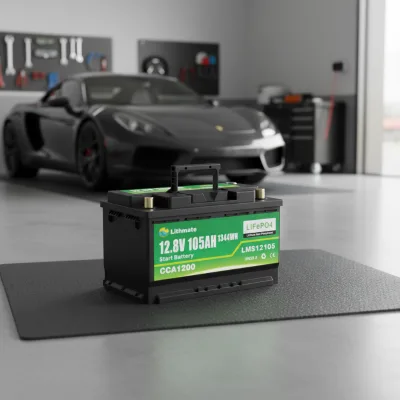
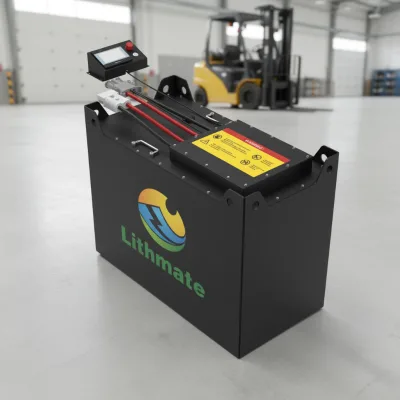
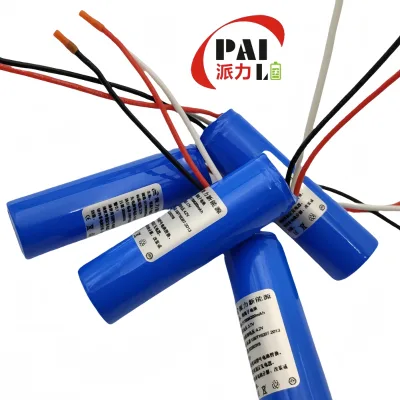


Comprehensive Sourcing Guide
Movable Big Capacity Lithium Battery Supplier Concentration and Factory Types
The current supplier landscape for movable big capacity lithium batteries reveals a distinct geographic concentration within China, specifically highlighting Zhejiang and Guangdong provinces as primary hubs for this category. Suppliers located in Zhejiang, such as those identified in the current results, often operate as trading companies that facilitate access to a diverse range of products including warning lights, sirens, and various electrical components alongside battery solutions. These entities frequently list main products that span from audible visual alarms to cooling fans, indicating a broad industrial supply chain capability rather than a narrow focus on energy storage alone. The presence of Zhejiang-based suppliers suggests that buyers can find vendors who integrate battery technology with broader electrical infrastructure needs, potentially offering bundled solutions for industrial or commercial applications. This concentration allows for efficient sourcing of complementary components, which can streamline the procurement process for projects requiring both power generation and distribution hardware.
In contrast, suppliers based in Guangdong province present a different operational profile, often categorized as combined entities that may blend manufacturing capabilities with trading functions. These Guangdong-based suppliers typically specialize in a wider array of battery chemistries, including alkaline cells, NiMH batteries, and various lithium-ion configurations, suggesting a deeper technical expertise in cell-level production. The distinction between trading companies in Zhejiang and combined entities in Guangdong is crucial for buyers assessing the source of their movable big capacity lithium batteries. Trading companies may offer greater flexibility in product variety and customization through their extensive networks, while combined entities might provide more direct control over production quality and technical specifications. Understanding this structural difference helps buyers align their sourcing strategy with their specific needs, whether they prioritize product diversity and logistical ease or technical depth and manufacturing oversight.
How to Verify Movable Big Capacity Lithium Battery Suppliers
Verification of suppliers for movable big capacity lithium batteries requires a careful examination of third-party credentials and company types to ensure reliability and compliance. Current data indicates that some suppliers hold SGS verification, which serves as a critical indicator of quality management systems and product safety standards. Buyers should prioritize suppliers with such verifications, as they demonstrate a commitment to international quality benchmarks. Additionally, the company type listed for each supplier, whether it is a trading company, manufacturer, or a combined entity, provides insight into the supply chain structure. For instance, a supplier identified as a trading company may have different verification processes compared to a manufacturer or a combined entity, which might have direct oversight of production lines. Buyers must cross-reference these company types with their specific requirements for direct factory access or flexible trading arrangements.
Beyond verification badges, the presence of specific certifications on product listings offers another layer of due diligence. Some suppliers list certifications such as CE, CB, TUV, and RoHS for their battery products, which are essential for market access in many regions. Buyers should verify that these certifications are current and applicable to the specific battery models being considered. Furthermore, the response time of suppliers can serve as a proxy for their operational efficiency and customer service quality. Suppliers with faster response times, such as those averaging under five hours, may indicate a more agile and responsive organization capable of handling urgent inquiries and custom requests. Conversely, slower response times might suggest a larger, more bureaucratic structure that could delay project timelines. Buyers should use these metrics to gauge the potential for smooth communication and problem resolution throughout the sourcing process.
What to Compare Across Movable Big Capacity Lithium Battery Suppliers
When evaluating suppliers for movable big capacity lithium batteries, comparing key operational metrics such as lead time, minimum order quantity, and pricing is essential for making informed decisions. Lead times vary significantly among suppliers, with some offering rapid turnaround times of around fifteen days, while others may have longer production cycles extending to twenty-three days or more. This variation can impact project scheduling and inventory management, making it crucial for buyers to align supplier lead times with their delivery requirements. Additionally, the minimum order quantity (MOQ) is a critical factor, as it determines the financial commitment required to initiate a purchase. Some suppliers may have low MOQs, allowing for smaller test orders, while others may require bulk purchases, which can be beneficial for established buyers with consistent demand.
Pricing structures also differ across suppliers, reflecting variations in product specifications, customization options, and economies of scale. For example, prices for large capacity rechargeable lithium batteries can range from approximately seventy-nine dollars to over four hundred dollars per unit, depending on the specific model and capacity. Buyers should compare these prices against the technical specifications and features offered, such as battery chemistry, voltage, and cycle life, to ensure they are receiving fair value. Furthermore, the availability of customization services, such as OEM or ODM capabilities, can add significant value for buyers seeking tailored solutions. Suppliers that offer flexible customization options may charge higher prices but can provide products that better meet specific application requirements. By systematically comparing these factors, buyers can identify suppliers that offer the best balance of cost, quality, and service for their Movable Big Capacity Lithium Battery needs.
Common Movable Big Capacity Lithium Battery Sourcing Risks
Sourcing movable big capacity lithium batteries involves several inherent risks that buyers must actively manage to ensure successful procurement outcomes. One significant risk is the potential mismatch between supplier claims and actual product performance, particularly regarding battery capacity and longevity. Buyers should be cautious of suppliers who do not provide detailed technical specifications or third-party test results for their batteries. Without verifiable data on cycle life, charge-discharge rates, and safety features, buyers may face unexpected failures or reduced performance in their applications. Additionally, the risk of supply chain disruptions is heightened when dealing with trading companies that rely on multiple manufacturers. Buyers should assess the stability of the supplier’s supply chain and their ability to maintain consistent production volumes, especially during peak demand periods.
Another critical risk is the variability in quality control standards among different suppliers. While some suppliers may have robust quality assurance processes, others may lack the necessary infrastructure to ensure consistent product quality. This variability can lead to defects, safety hazards, and non-compliance with international standards. Buyers should prioritize suppliers with established quality management systems and relevant certifications, such as ISO 9001, to mitigate these risks. Furthermore, the risk of intellectual property infringement is a concern when working with suppliers that offer OEM services. Buyers must ensure that their designs and specifications are protected and that suppliers adhere to strict confidentiality agreements. By identifying and addressing these risks early in the sourcing process, buyers can build a more resilient and reliable supply chain for their Movable Big Capacity Lithium Battery needs.
Movable Big Capacity Lithium Battery Regional Sourcing and Logistics
Regional sourcing of movable big capacity lithium batteries from China offers distinct logistical advantages and challenges that buyers must consider. Suppliers located in Zhejiang and Guangdong provinces benefit from well-developed infrastructure and proximity to major ports, facilitating efficient export operations. Zhejiang-based suppliers, often operating as trading companies, may leverage their location to offer flexible logistics solutions and consolidated shipping options. This can be particularly beneficial for buyers sourcing multiple products from different categories, as it simplifies the consolidation process and reduces shipping costs. Guangdong-based suppliers, with their focus on battery manufacturing, may have specialized logistics capabilities tailored to the safe transport of lithium batteries, which are subject to strict international shipping regulations.
Buyers should also consider the impact of regional sourcing on lead times and inventory management. Proximity to manufacturing hubs can reduce transit times and allow for more frequent replenishment cycles, which is crucial for maintaining stock levels of movable big capacity lithium batteries. However, buyers must also account for potential delays due to customs clearance, port congestion, and seasonal fluctuations in shipping capacity. Working with suppliers who have experience in international logistics can help mitigate these risks and ensure timely delivery. Additionally, buyers should evaluate the supplier’s ability to handle documentation and compliance requirements for cross-border shipments, including certificates of origin and safety data sheets. By understanding the logistical landscape of regional sourcing, buyers can optimize their supply chain and reduce the total cost of ownership for their Movable Big Capacity Lithium Battery purchases.
Movable Big Capacity Lithium Battery Commercial Terms and Order Planning
Commercial terms and order planning are critical components of sourcing movable big capacity lithium batteries, influencing both the financial and operational aspects of the procurement process. Payment terms, such as T/T, Western Union, or PayPal, vary among suppliers and can impact cash flow and risk management. Buyers should negotiate favorable payment terms that align with their financial policies and risk tolerance, such as partial payments upfront and the balance upon shipment or delivery. Additionally, the availability of escrow services can provide an extra layer of security for buyers, ensuring that funds are only released upon satisfactory receipt of goods. Understanding these commercial terms is essential for establishing a transparent and trustworthy business relationship with suppliers.
Order planning involves determining the optimal order quantity and frequency based on demand forecasts and storage capabilities. Buyers should consider the MOQs set by suppliers and evaluate whether they align with their consumption rates and inventory constraints. For suppliers with low MOQs, buyers may opt for smaller, more frequent orders to reduce holding costs and minimize the risk of obsolescence. Conversely, for suppliers with high MOQs, buyers may need to consolidate orders or collaborate with other buyers to achieve economies of scale. Furthermore, buyers should plan for potential price fluctuations and supply chain disruptions by maintaining a buffer stock or diversifying their supplier base. By carefully managing commercial terms and order planning, buyers can optimize their procurement strategy and ensure a steady supply of movable big capacity lithium batteries for their operations.
FAQs
What is the price range for large capacity lithium batteries?
Prices vary significantly based on capacity and chemistry. For instance, high-power lithium batteries can start around $79, while specialized lithium iron phosphate units may cost approximately $412. Other cylindrical options are available at lower price points, such as $0.78 to $0.86 per unit. Buyers should check specific product listings for exact pricing tailored to their volume requirements.
What are the typical lead times for these batteries?
Lead times depend on the supplier and product type. Some manufacturers offer rapid turnaround with lead times as short as 15 days. Others may require up to 23 days for production and shipping. Specific product listings often indicate delivery details within 10-15 days. Buyers should confirm exact timelines with suppliers before placing orders to ensure alignment with project schedules.
What certifications are available for these lithium batteries?
Many suppliers provide batteries with essential safety and quality certifications. Common certifications include CE, CB, TUV, and RoHS. Some products also carry SGS, MSDS, and UN38.3 documentation. These certifications ensure compliance with international standards for lithium-ion and lithium iron phosphate batteries. Buyers should verify specific certification requirements for their target markets when selecting suppliers.
What is the minimum order quantity for these batteries?
MOQs vary widely across different suppliers and product types. Some manufacturers accept orders as low as one unit for customization. Others require minimums of 1,000 pieces for standard cylindrical cells. High-power battery packs may have MOQs around five units. Buyers should review individual product listings to determine the specific MOQ applicable to their desired battery specifications and volume needs.
Where are these lithium battery suppliers located?
Suppliers are primarily located in major manufacturing hubs across China. Key locations include Zhejiang, Guangdong, and Shandong provinces. Zhejiang suppliers often specialize in large capacity packs and stabilizers. Guangdong manufacturers focus on cylindrical cells and button batteries. Shandong suppliers may offer solar-integrated systems. Buyers can filter results by these regions to find suppliers closest to their logistical preferences.
Do suppliers offer customization and OEM services?
Yes, many suppliers provide customization and OEM capabilities. Products often list customization as available, allowing for specific size, voltage, or capacity adjustments. Suppliers with ODM and OEM capacities can develop branded solutions. Some manufacturers also support own-brand development. Buyers seeking tailored battery solutions should verify OEM service availability and discuss technical specifications directly with potential suppliers.