Multi Function Car Cup Holder Suppliers and Manufacturers
Explore 28 verified suppliers offering Multi Function Car Cup Holder options with FCC, CE, and RoHS certifications. Compare response times, lead times, and pricing to find the right partner. Contact suppliers directly to request samples or custom designs; review the available evidence before requesting comparable quotations from suitable candidates.
Updated
Suppliers List
Shenzhen Wenchuangfu Electronic Plastic Product Co., Ltd.
- Verified by SGS Group
- Manufacturer, Trading Company
- Lead time5 days
- Avg. response≤ 7h
Main productsChicken Coop Door; Egg Incubator; Pet Toys; Mini Sealer; Phone Holder
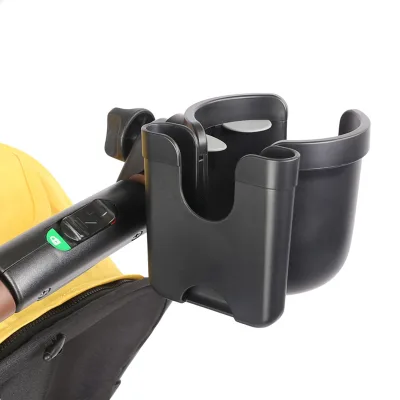
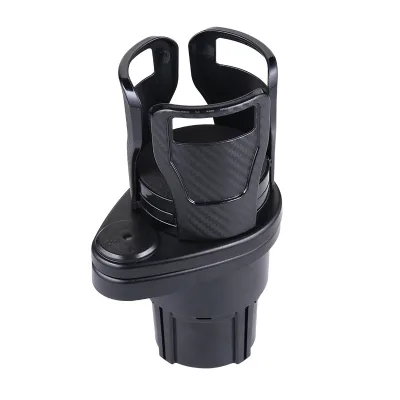
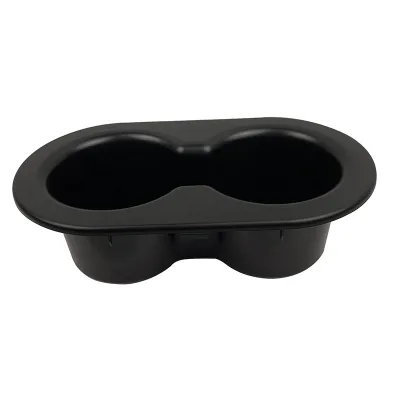
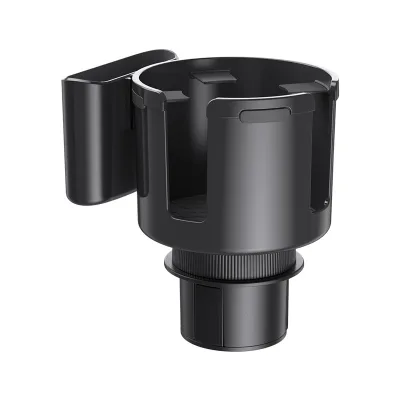
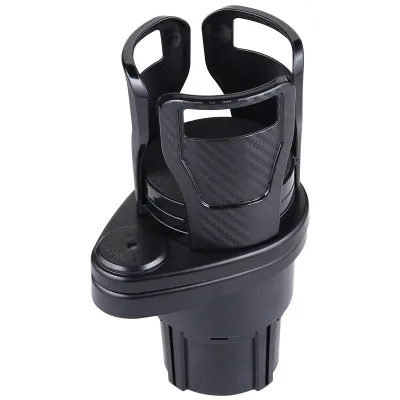
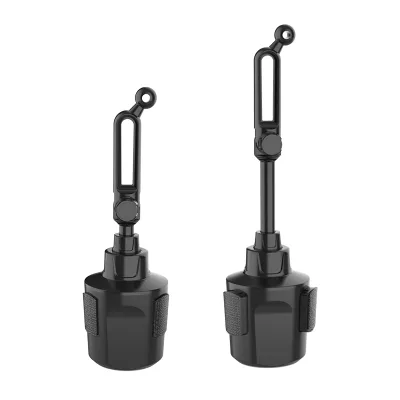
Car Cup Holder Expander Adjustable Cup Holder for Car
$4.10 - $12.00
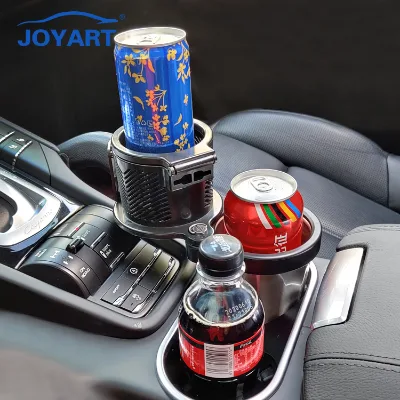
Dongguan Joyart Auto Accessories Products Co., Ltd.
- Manufacturer, Trading Company
- Guangdong, China
- Lead time15 days
- Avg. response≤ 3h
Main productsCar Accessories, Car Sunshade, Car Organizer, Automotive Tool, Car Air Freshener
Main marketsNorth America(30.00%), Domestic Market(15.00%), Mid East(15.00%), Southeast Asia(15.00%), Western Europe(10.00%), South America(5.00%), Oceania(5.00%), Eastern Asia(5.00%)
Ningbo Aggpo Import And Export Co., Ltd.
- Verified by SGS Group
- Trading Company
- Lead time5 days
- Avg. response≤ 5h
Main productsHousehold daily goods, Consumer goods, Pet goods, Sports goods, Hardware goods
Main marketsNorth America(30%), South America(30%), Western Europe(25%)
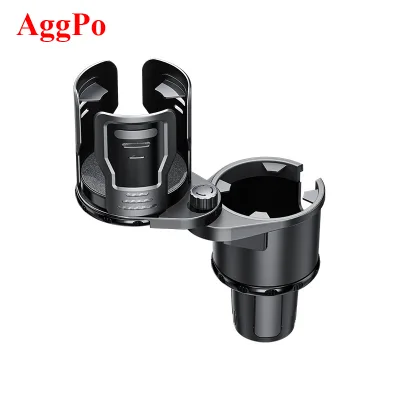
$5.00 - $6.00

Chengdu Qinliwei Import and Export Trade Co., Ltd.
- Trading Company,Manufacturer/Factory
- China Sichuan
- Lead time23 days
- Avg. response≤ 7h
Main productsGolf Products, CNC Products, Timer, Mat, Fashion Accessories, Digital Counter, Photographic Equipment
Main marketsNorth America,Western Europe

Ningbo Lonsign Auto Accessories Co., Ltd.
- Verified by SGS
- Trading Company
- China Zhejiang
- Lead time30 days
- Avg. response≤ 4h
Main productsSteering Wheel Cover, Car Organizer, Wiper Blade, Sunshade, Car Floor Mat, Seat Cover
Main marketsNorth America
Shanghai Anma Industry Co., Ltd.
- Trading Company
- Lead time旺季: "1 - 40000":35,"> 40000":"To be negotiated", 淡季: "1 - 40000":35,"> 40000":"To be negotiated"
- Avg. response≤ 5h
Main productsCar Mats, Car Seat Covers, Car Covers, Car Jacks, Car Air Compressor

Shenzhen Flyoung Technology Co., Ltd.
- Verified by SGS
- Trading Company
- China Guangdong
- Lead time23 days
- Avg. response≤ 2h
Main productsLaptop Stand, Mobile Phone Holder, Car Phone Holder, Laptop Cooling Pad, Tablet Holder, Car Mount, Phone Stand, Laptop Holder, Phone Holder
Main marketsEast Asia(Japan/ South Korea),Europe,North America


Cup Car Phone Holder Multiple Use Drink Holder Car Mount Front Seat Car Holder Cr03
$3.015 - $3.80
MOQ: 500 Pieces

Adjustable Plastic Car Mount Car Cup Holder Car Phone Holder Tablet Holder
$2.268 - $2.87
MOQ: 500 Pieces


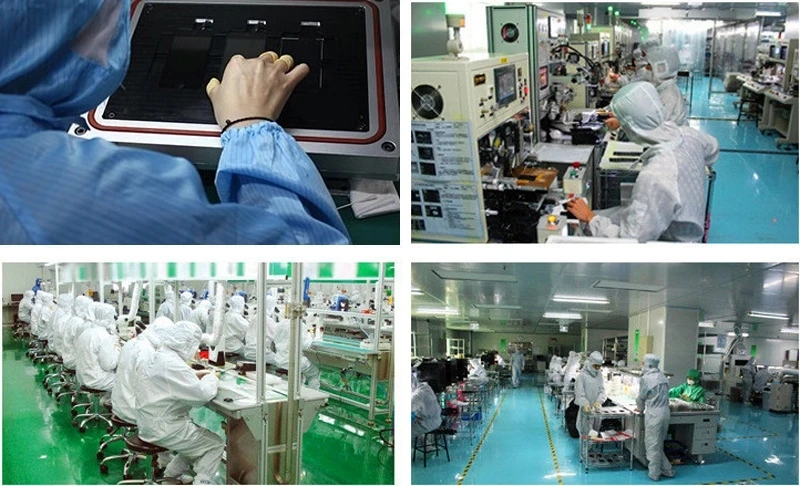
Shenzhen Jinbangde Electronic Technology Co., Ltd.
- Manufacturer, Trading Company, Other
- Guangdong, China
- Lead time0 days
- Avg. response≤ 1h
Main productspower bank,speaker,phone holder and phone case,gifts,power station
Main marketsWestern Europe(22.00%), Domestic Market(20.00%), Central America(20.00%), North America(10.00%), South America(10.00%), South Asia(6.00%), Southeast Asia(5.00%), Mid East(4.00%), Northern Europe(3.00%)

- Trading Company
- China Zhejiang
- Lead time0 days
- Avg. response≤ 7h
Main productsHousehold, Personal Care, Kitchenware, Fitness, Car Items, Tools, Health Care, Paint Brush, Magic Mesh, Beauty
Shenzhen Kasitong Technology Co., Ltd.
- Trading Company
- Guangdong, China
- Lead time3 days
- Avg. response≤ 4h
Main productsGarden Tools,Festive & Party Supplies,Home Decor,Household Sundries,Kitchen & Dining
Main marketsNorth America(35.00%), Southeast Asia(20.00%), Western Europe(10.00%), Eastern Asia(10.00%), South America(10.00%), Eastern Europe(10.00%), Domestic Market(5.00%)

Hebei Sinotools Industrial Co., Ltd.
- Verified by CTI
- Trading Company
- China Hebei
- Lead time30 days
- Avg. response≤ 3h
Main productsScrewdriver, Plier, Wrench, Hammer, Tape Measure, Pruning Shear, Knife, Tool Set
Main marketsEurope


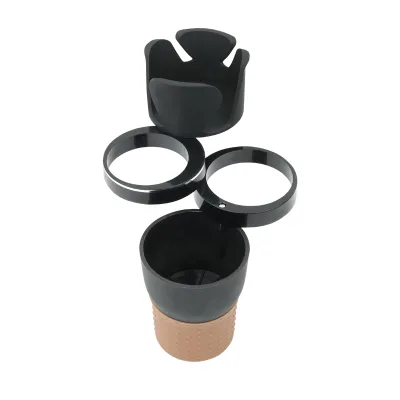
Customizable Logo Multi Expandable Base Auto Car Dual Cup Holder for Drink
$6.49 - $6.66
MOQ: 800 Pieces

Multi Functional Adjustable Drink Ring Cup Organizer Holder Adapter Extension with Tray for Car
$6.04 - $6.17
MOQ: 800 Pieces

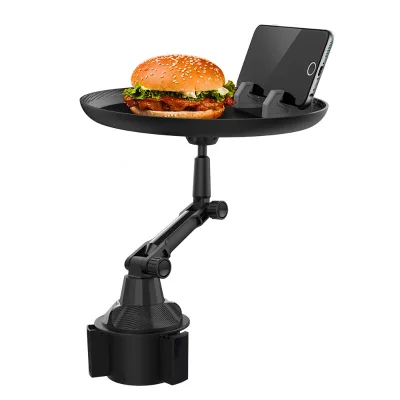
Universal Portable 360 Degree Rotating Car Cup Holder with Attachable Meal Tray Expan Desk
$5.25 - $5.49
MOQ: 800 Pieces


Universal Black Adjustable Single Car Cup Holder Expander Adapter for Coffee Water Bottles
$3.98 - $5.00
MOQ: 800 Pieces

- Trading Company
- China Zhejiang
- Lead time30 days
- Avg. response≤ 14h
Main productsHome Appliance, Cookware Set, Thermos, Home Storage, Furniture, Pet Supplies, Garden Tools, Outdoor Supplies, Baby Supplies, Houesehold Items
Main marketsSouth America,Africa,Southeast Asia/ Mideast,East Asia(Japan/ South Korea),Domestic,Europe,Australia,North America

- Verified by TUVRHEINLAND
- Trading Company,Manufacturer/Factory
- China Jiangsu
- Lead time23 days
- Avg. response≤ 4h
Main productsMedal, Coin, Lapel Pin, PVC Patch, Embroidery Patch, Keychain, Button Badge, Silicone Wristband, Lanyards, Gift
Main marketsSouth America,Eastern Europe,Mid East,North America,Oceania,Western Europe

Car Cup Holder Expander Adapter Slip-Proof Car Truck Drink Cup Holders
$10.00 - $11.00
MOQ: 100 Pieces


Shunping Qianyuan E-Commerce Co., Ltd.
- Trading Company
- Hebei, China
- Lead time15 days
- Avg. response≤ 12h
Main productsCar Cover,Car Seat Cover,Car Sunshade,Car Storage Bags,Auto Supplies
Main marketsNorth America(30.00%), Mid East(22.00%), Eastern Europe(20.00%), Southeast Asia(20.00%), South Asia(3.00%), Oceania(3.00%), Western Europe(1.00%), Africa(1.00%)
Shanghai Huaqi Industrial Co., Ltd.
- Verified by Intertek
- Trading Company
- Lead time30 days
- Avg. response≤ 5h
Main productsCar Cover, Car Mat, Car Seat Cover, Steering Wheel Cover, Wiper Blade
Main marketsNorth America(28%), South America(28%), Western Europe(12%)

- Verified by SGS
- Trading Company
- China Guangdong
- Lead time15 days
- Avg. response≤ 8h
Main productsMobile Phone Cases, Car Phone Holder, Bluetooth Speaker, Tablet Case, Wireless Charger, Power Bank, Earphone Headset, RC Drones, Consumer Electronics, Security Cameras
Main marketsOthers(foreignTradeCapacity.exportBusinessCapacityMarketOther),Europe

Multifunctional Adjustable Car Cup Holder Expander for Snack Bottles Coffee Cups Drinks
$5.29 - $7.16
MOQ: 1 Pieces

360 Degrees Rotating Universal Car Cup Holder for 4-13 Inch Mobile Phone Tablet Stand Bracket Holder
$3.30 - $4.60
MOQ: 2 Pieces
Guangzhou Jstar Industry and Trade Co., Ltd.
- Trading Company
- Guangdong, China
- Lead time15 days
- Avg. response≤ 2h
Main productsTruck Side light,Truck tail light,LED work light bar,Led warning light,LED headlight
Main marketsNorth America(25.00%), South America(12.00%), Mid East(10.00%), South Asia(5.00%), Southern Europe(5.00%), Northern Europe(5.00%), Central America(5.00%), Western Europe(5.00%), Eastern Asia(5.00%), Eastern Europe(5.00%), Oceania(5.00%), Africa(5.00%), Southeast Asia(5.00%), Domestic Market(3.00%)

Ningbo Govi Auto Parts Co., Ltd.
- Verified by BV
- Trading Company
- China Zhejiang
- Lead time30 days
- Avg. response≤ 13h
Main productsAir Filter, Flexible Pipe, Aluminum Pipe, Muffler, Silicone Hose, Auto Parts, Exhaust Tip, Oil Catch Tank, Spare Parts, Throttle Body
Main marketsSoutheast Asia/ Mideast,Australia,North America

Zhejiang Dayuan Electronics Co., Ltd.
- Manufacturer, Trading Company
- Zhejiang, China
- Lead time35 days
- Avg. response≤ 4h
Main productsAutomobile Products,Automotive Aftermarket Accessories,Mobile Accessories
Main marketsNorth America(47.00%), Western Europe(32.00%), Domestic Market(13.00%), Africa(8.00%)
Yiwu Carclean Auto Accessory Factory
- Manufacturer, Trading Company
- Zhejiang, China
- Lead time15 days
- Avg. response≤ 8h
Main productscar organizer bag,car sunshade,car clean brush,lady handbag,school bag
Main marketsNorthern Europe(20.00%), North America(20.00%), Southern Europe(10.00%), South America(10.00%), Central America(10.00%), Western Europe(10.00%), Eastern Asia(10.00%), Eastern Europe(10.00%)

- Trading Company
- China Jiangxi
- Lead time23 days
- Avg. response≤ 3h
Main productsDrawstring Bags, Canvas Bags, Plastic Case, Car Sunshade, Arm Sleeves, Cellphone Holder, Bandana, Headband, Scarf Scrunchie, Scarf
Main marketsEast Asia(Japan/ South Korea),Europe,Australia,North America

Best Selling Vehicle Innovative Car Smart Accessories ABS Multifunction Cup Holder
$2.00 - $4.80
MOQ: 60 Pieces


Autoline International Trading Co., Ltd.
- Verified by TüVRheinland
- Manufacturer, Trading Company
- Lead time30 days
- Avg. response≤ 9h
Main productsRV Accessories, Auto USB Socket, Auto Electric Appliance, Auto Plastic Accessories, Trailer Accessories
Main marketsNorth America(40%), Western Europe(20%), Eastern Europe(10%)
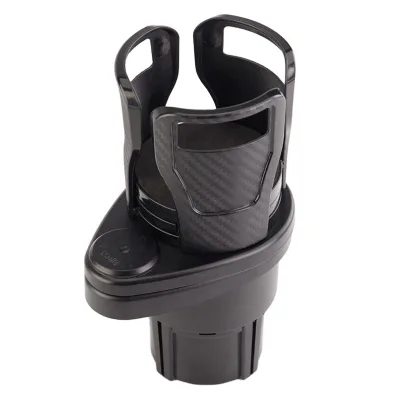
2 in 1 Multifunction Car Cup Holder Black Carbon Fiber Car Cup Holder Expander
$3.00 - $5.00
MOQ: 1 pieces
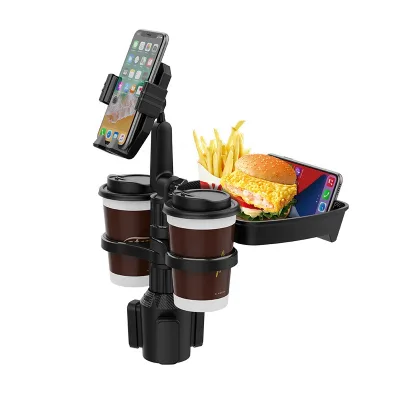
Yiwu Changyuan Supply Chain Management Co., Ltd.
- Trading Company
- Zhejiang, China
- Lead time15 days
- Avg. response≤ 8h
Main productsTire inflator,Wireless charging stand,Jumper Starter
Main marketsOceania(10.00%), Africa(10.00%), Mid East(10.00%), Eastern Europe(10.00%), South America(10.00%), North America(10.00%), Domestic Market(5.00%), South Asia(5.00%), Southern Europe(5.00%), Northern Europe(5.00%), Central America(5.00%), Western Europe(5.00%), Eastern Asia(5.00%), Southeast Asia(5.00%)

Henan Zlovy Enterprise Co., Ltd.
- Trading Company
- Henan, China
- Lead time1 days
- Avg. response≤ 8h
Main productsCoffee Pot,Coffee Tools,Water Bottle,Home Appliances,Baking Tools
Main marketsNorth America(35.00%), Western Europe(20.00%), Mid East(20.00%), Southeast Asia(15.00%), South America(10.00%)
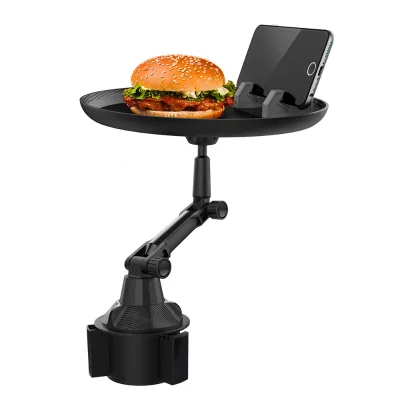
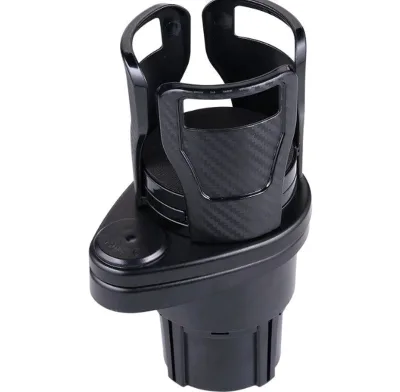
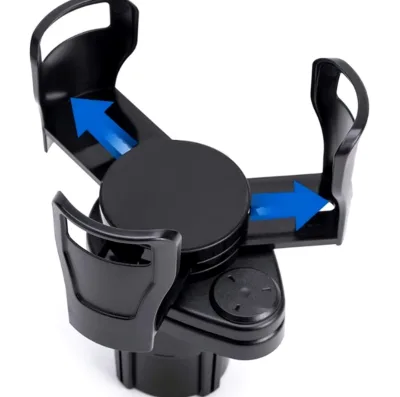
$0.49 - $1.19
MOQ: 10 pieces
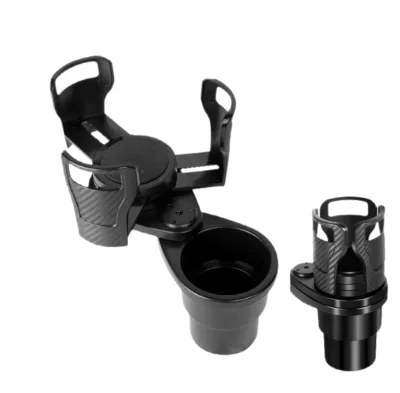
Dongguan Fujong Technology Limited
- Manufacturer, Trading Company
- Guangdong, China
- Lead time7 days
- Avg. response≤ 1h
Main productsCar accessory,Car Air Freshener,Car Seat Cover,Car Seat Cushion,Car Tissue Box
Main marketsNorth America(30.00%), Eastern Asia(20.00%), Central America(5.00%), Western Europe(5.00%), South America(5.00%), Mid East(5.00%), Domestic Market(5.00%), Southern Europe(5.00%), Southeast Asia(5.00%), Eastern Europe(5.00%), Africa(3.00%), Northern Europe(3.00%), Oceania(2.00%), South Asia(2.00%)

Shenzhen Leshiya Industrial Co., Ltd.
- Trading Company
- Guangdong, China
- Lead time15 days
- Avg. response≤ 6h
Main productsCar Holders, Table Holders, Bike Holders, Atmosphere Lamp, Fans
Main marketsNorth America(70.00%), South America(5.00%), Western Europe(5.00%), Eastern Europe(5.00%), Southeast Asia(5.00%), Eastern Asia(3.00%), Oceania(2.00%), Southern Europe(2.00%), Northern Europe(2.00%), Mid East(1.00%)

Shenzhen Hisdon Technology Co.,Ltd,
- Verified by BV
- Trading Company
- China Guangdong
- Lead time15 days
- Avg. response≤ 11h
Main productsPhone Holder, Mobile Phone Holder, Car Mount Holder, Laptop Stand Holder, Bicycle Phone Holder, Motorcycle Phone Holder, Magnetic Phone Holder, Tablet Phone Mount, Smartphone Holder, Bike Phone Mount
Main marketsSouth America,Southeast Asia/ Mideast,Domestic,Europe,North America

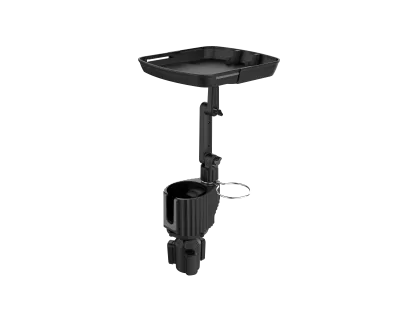
Cup Table Holder for Car Drink Holders Tray 360 Adjustable with Rotating
$3.95 - $4.55
MOQ: 100 Pieces


Dobond (Shanghai) Precision Machinery Co., Ltd.
- Verified by BV
- Trading Company,Manufacturer/Factory
- China Shanghai
- Lead time45 days
- Avg. response≤ 6h
Main productsRotary Dampers, Latches, Automotive, Motor Vehicle Parts, Components, Automobile Interiors, Interior Trim, Electrical Appliance, Furniture Parts, Toilet Seat
Main marketsSouth America,Eastern Europe,Mid East,North America,Southeast Asia,Eastern Asia,Oceania,Western Europe,Africa

Hot Selling Car Cup Holders Interior Decoration Drink Holder with IATF
$17.50 - $20.00
MOQ: 2000 Pieces

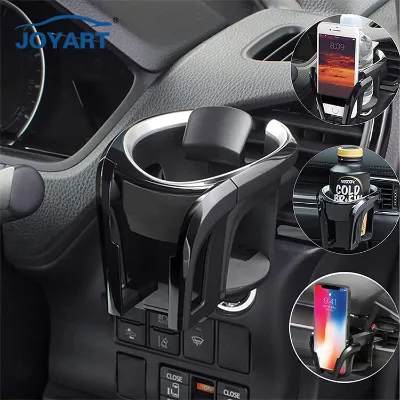
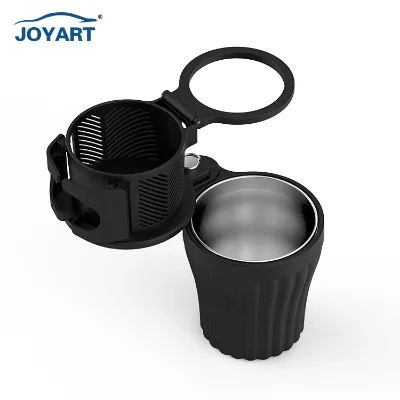
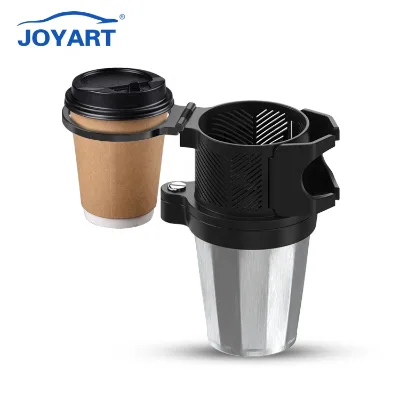
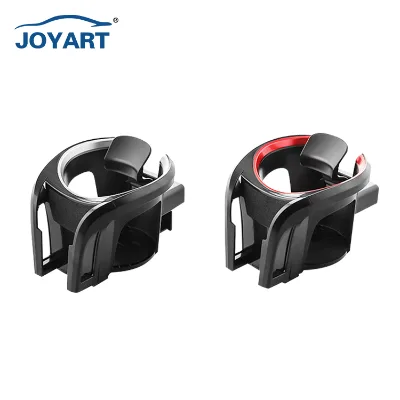


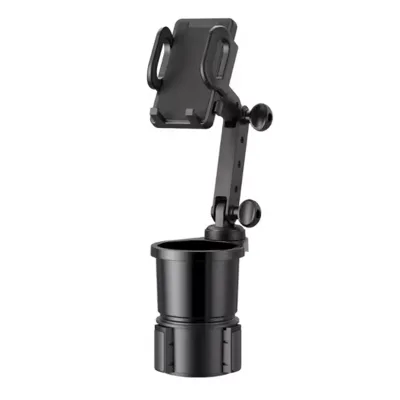


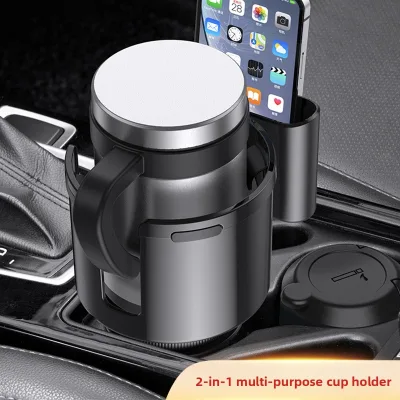
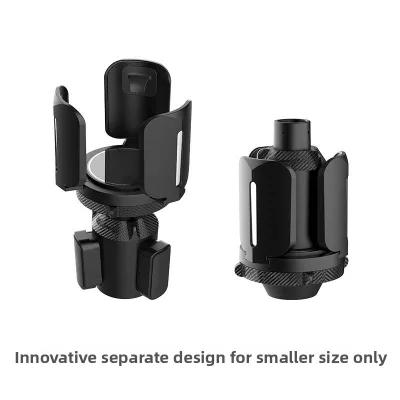


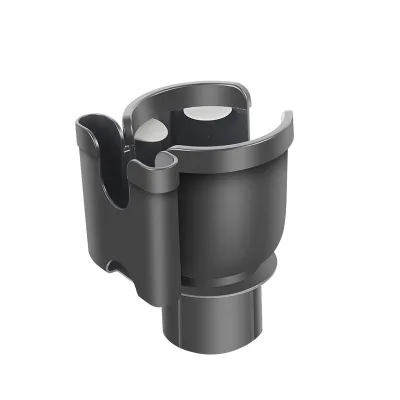
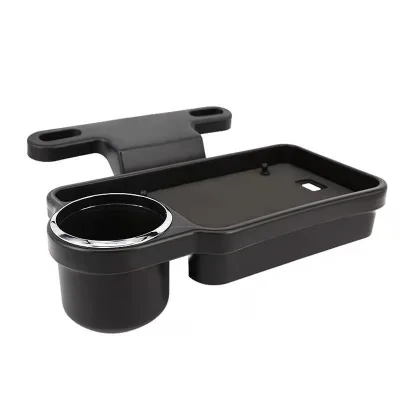
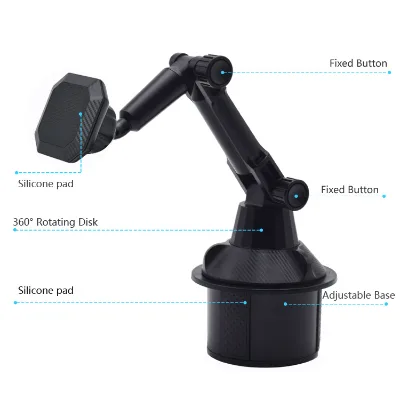
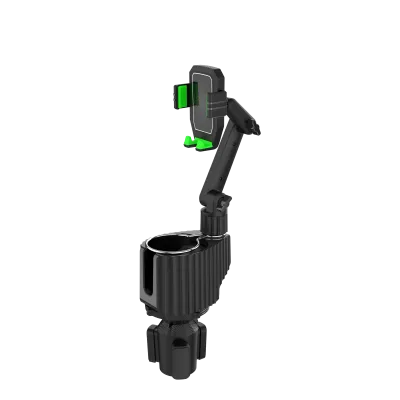
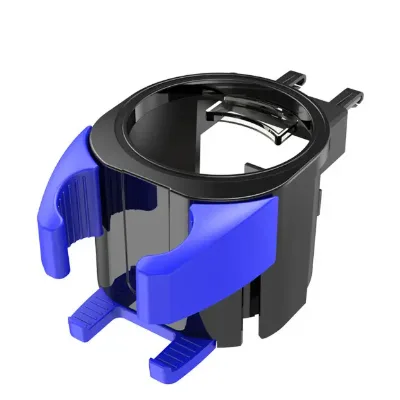
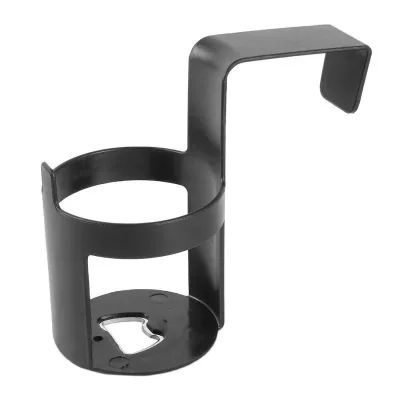


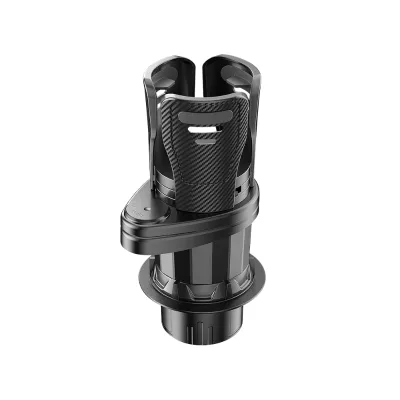
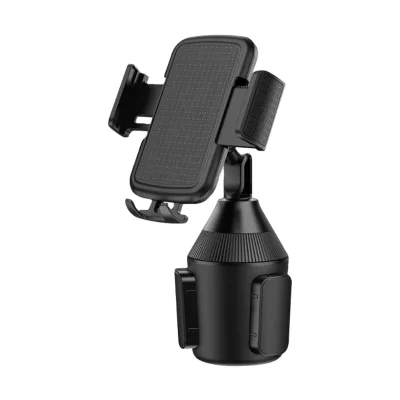
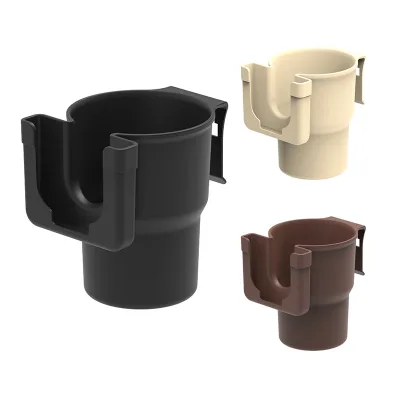
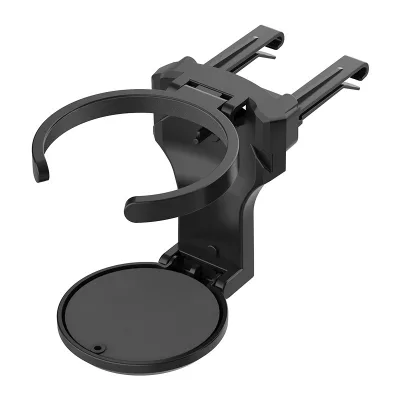
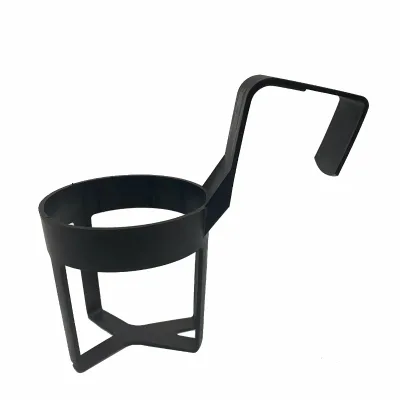
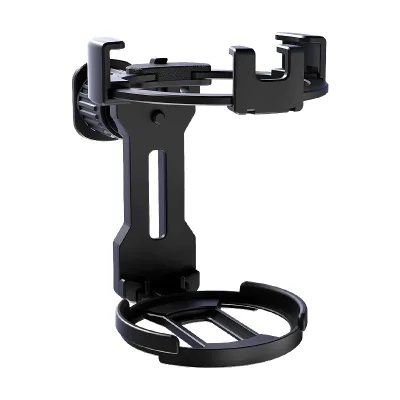
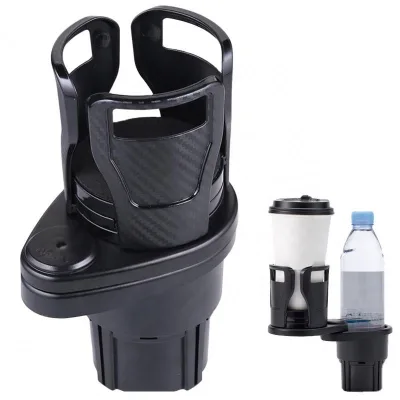
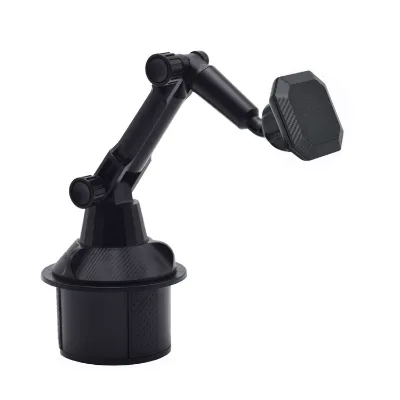
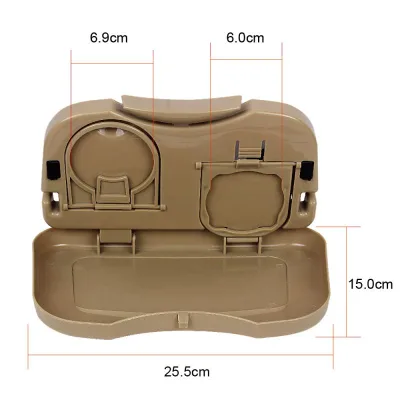
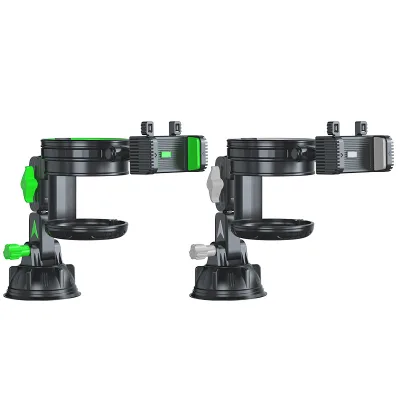
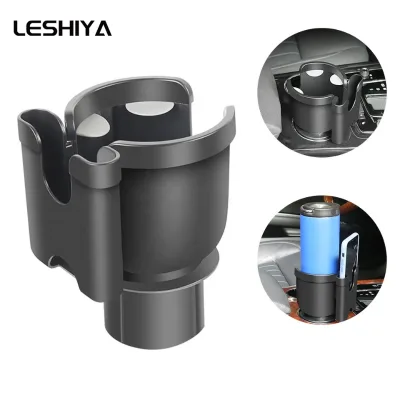
Comprehensive Sourcing Guide
Multi Function Car Cup Holder Supplier Concentration and Factory Types
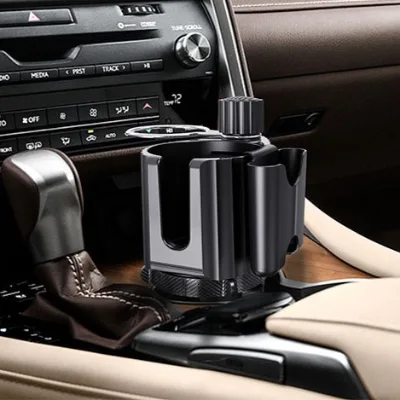
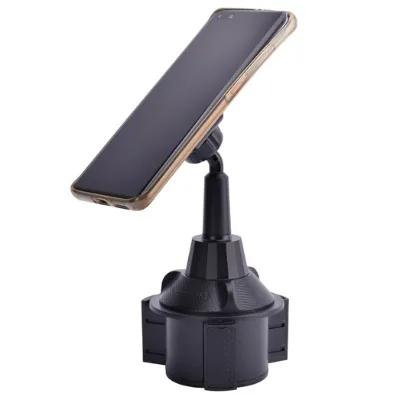
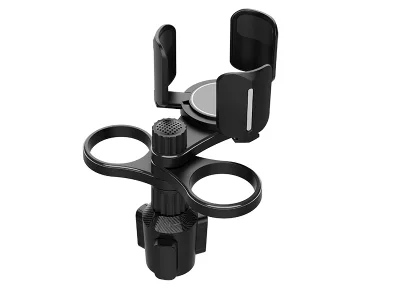
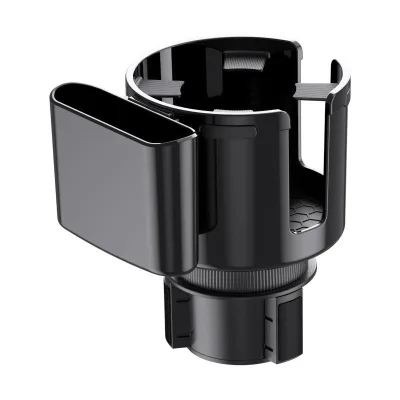
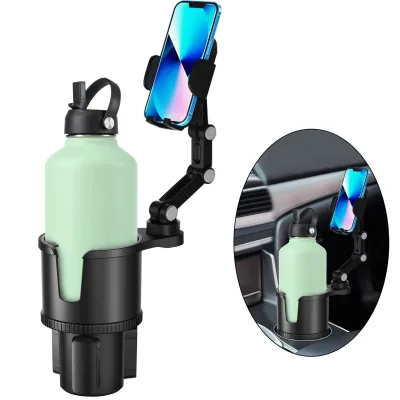
When sourcing a Multi Function Car Cup Holder, the first structural question is whether you are dealing with a manufacturer or a trading company. In this category, supplier listings commonly label companies as either type, and some present both labels at once, which usually indicates a factory that also exports through a trade division or a trading firm with contracted production. For a product like this—an ABS-based interior accessory with moving parts, adjustable bases, and combinations such as cup-and-phone holders—the distinction matters less than capacity evidence: sample processing, graphic processing, and customized on-demand development are the capabilities most often advertised, and they signal whether a supplier can handle your branding and design changes rather than only reselling stock molds.
Geographic concentration should be verified, not assumed. Some product records state a place of origin at the provincial level in China, which gives you a starting point for cluster research, but you should not treat one listing's origin field as proof that all suppliers sit in the same region. To identify real clusters yourself, examine where multiple listings' origin fields overlap, cross-check the factory address on business licenses, and ask each candidate which processes—tooling, injection molding, assembly, packaging—happen in-house versus at partner workshops. Suppliers whose main product lines include phone holders and similar vehicle interior accessories are more likely to have relevant tooling experience than generalist traders with unrelated catalogs.
How to Verify Multi Function Car Cup Holder Suppliers
Verification starts with third-party verification status. Some supplier results show an independent inspection group's verification badge, which means an auditor has confirmed basic company identity, but it does not certify product quality. Treat it as a filter, not an endorsement. Next, check declared system certifications: in this category, listings commonly declare FCC, CE, and RoHS. For an electronic-adjacent accessory—or even a purely mechanical one sold into regulated markets—ask for the actual certificate documents, confirm the certificate holder matches the legal entity you are contracting with, and verify certificate numbers against the issuing body's database rather than accepting screenshots.
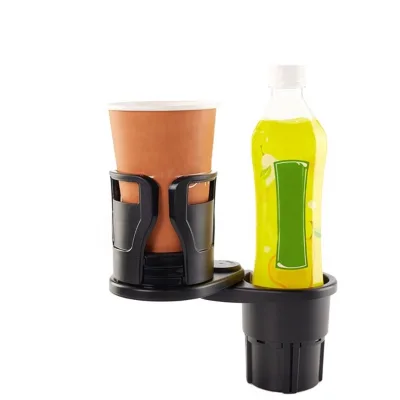
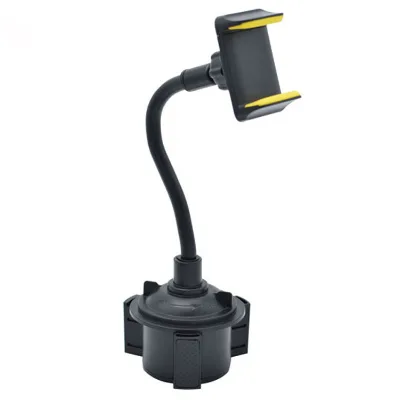
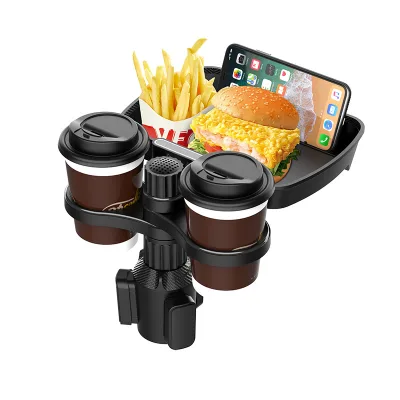
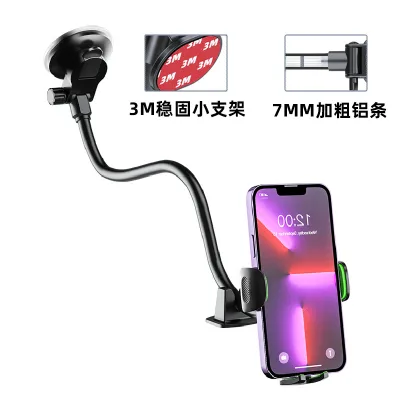
Beyond paperwork, verify capability with evidence tied to this product. Request samples of the specific models you are comparing, since a category like this ranges from simple two-layer storage racks to 360-degree rotatable, telescoping, or gooseneck-mounted holders, and build quality differs sharply across those structures. Ask which listed products are made on the supplier's own lines and which are sourced. Test the adjustment mechanisms, base stability, and mounting hardware, because failure modes in this category are almost always mechanical: cracked clamps, loose ball joints, worn friction pads. Finally, verify operational responsiveness before committing—some listings display a response-time figure, but you should measure reply speed yourself across a full business week, including a technical question, because slow pre-sale answers reliably predict slow problem-solving during production and after shipment.
What to Compare Across Multi Function Car Cup Holder Suppliers
Build a comparison sheet with the supplier-label dimensions actually displayed in search results, while remembering that not every supplier shows every attribute. The most useful columns are: company type (manufacturer, trading company, or both), verification status, declared system certifications, displayed response time, displayed lead time, main product lines, and any stated customization capabilities such as sample processing, graphic processing, or on-demand customization. Location matters too—where a listing declares a place of origin, record it, because it affects freight cost, factory-visit feasibility, and cluster-specific material sourcing.
Compare product-level evidence alongside supplier-level labels. In this category, listed models vary enormously: some records show single-unit prices spanning a wide band on one model depending on configuration, while adjacent models sit at very different price points entirely—so never average prices across suppliers; compare like-for-like model numbers. Record declared materials (ABS alone versus ABS with PC or aluminum components), declared weights, package dimensions, warranty statements, and whether OEM/ODM cooperation, custom logos, or samples are explicitly supported. A supplier advertising sample support and custom logo acceptance on the exact model you want is materially different from one whose customization claims exist only at company level. Also weigh the main-products line: a supplier whose catalog centers on car cup holders and phone holders will typically resolve tooling and fitment questions faster than one whose core products sit in unrelated categories, even if headline prices look identical.
Common Multi Function Car Cup Holder Sourcing Risks
The dominant risk in this category is mechanical quality drift. A Multi Function Car Cup Holder lives or dies on tolerances: telescoping bases that slip under cup weight, rotating joints that loosen after weeks of use, expanders that crack at the tooth points, and phone trays that cannot hold the weight they advertise. Because these are largely invisible in product photos, ordering samples from every shortlisted supplier—and stress-testing them with actual cup sizes and phone models—is not optional diligence but the core risk control for this category.
The second cluster of risks is commercial and informational. Supplier type ambiguity is one: a company labeled both manufacturer and trading company may quote you factory pricing while subcontracting production, so confirm who owns the molds and who controls quality inspection. Certification risk is another: FCC, CE, and RoHS declarations in listings may belong to a different entity, an earlier product version, or a certificate that has lapsed—verify holder, scope, and validity in writing. Fitment risk is specific to this category: some models declare universal fitment, others are designed for specific vehicles or mounting positions, and mismatched specifications are a leading cause of returns. Finally, watch communication risk signals: response-time figures shown in listings describe pre-sale behavior only, and long production-stage silences are the more expensive failure. Mitigate by defining milestone reporting—sample approval, pre-production sample, in-line inspection, pre-shipment inspection—in the purchase contract itself, not in chat messages.
Multi Function Car Cup Holder Regional Sourcing and Logistics
Regional strategy begins with what the evidence actually shows. Where listings declare a place of origin, use it: several product records in this category state Guangdong, China, which is meaningful for buyers because the province hosts dense vehicle-accessory supply chains—mold makers, ABS and PC resin distributors, packaging printers, and assemblers within short distances. Proximity among these inputs generally compresses sample turnaround and makes factory visits efficient, since you can audit several candidates in one trip. However, you should treat origin declarations as per-listing facts and confirm each supplier's own address, because not every result carries a location field and some trading companies list a manufacturing-region origin while operating elsewhere.
Logistics planning for this product is dominated by volume-to-weight economics. These holders are compact plastic assemblies—single gross weights in listings range from roughly 0.3 kg to several kilograms depending on model—so dimensional weight and carton utilization decide your per-unit freight cost more than product price does. Ask each supplier for the packed carton dimensions and units per carton for your exact model, then compare consolidated sea freight against air for sample and launch quantities. For time planning, use displayed lead-time figures only as a supplier-comparison signal, not as a delivery promise: actual lead time depends on whether your order reuses an existing mold or requires tooling changes, custom logos, or colorbox packaging, each of which extends the schedule. Confirm production and QC calendars in writing before paying a deposit.
Multi Function Car Cup Holder Commercial Terms and Order Planning
Commercial terms in this category reward itemized negotiation. Because listings often show price ranges rather than fixed prices—reflecting configuration, quantity, and packaging differences—insist that quotations specify: exact model number, material specification, color, packaging type (colorbox versus plain box appears in this category's records), logo application, quantity tiers, and Incoterms. Do not accept a range quoted against a photo. For customization, confirm in writing who owns any new tooling, what the mold amortization terms are, and whether the supplier's advertised OEM/ODM acceptance extends to structural changes or only surface branding—these are different commitments with different cost structures.
Order planning should sequence risk. First order: a paid sample batch from each finalist, evaluated against your stress tests. Second: a small production order with pre-shipment inspection rights, sized to validate the full process—custom packaging, label accuracy, carton drop performance—without overexposing capital. Only then scale. On payment, prefer structures that keep leverage until inspection has passed, and confirm whether the platform's escrow-style protections apply to your transaction; where they do not, use inspection-gated balances instead. Warranty statements matter at contract level: some models in this category declare twelve-month or one-year warranties, so define what that covers—defect rate thresholds, replacement versus credit, and who bears return freight—before signing. Finally, lock reordering terms: agree on lead-time commitments, price validity windows, and mold retention so that repeat orders of your chosen Multi Function Car Cup Holder do not restart negotiation from zero.
Word count check: approximately 1,390 words total across six sections, each within the 225–235 word band.
FAQs
What is the price range for multi function car cup holders?
Prices typically range from $0.95 to $12.00 per unit depending on the specific model and material quality. Basic plastic options start near $0.95, while advanced ABS or rotating designs cost between $3.00 and $12.00. Buyers should verify exact pricing based on order quantity and customization needs.
What certifications do these suppliers hold?
Suppliers generally hold FCC, CE, and RoHS system certifications to ensure product safety and compliance. Additionally, many are verified by SGS Group for quality assurance. These credentials help buyers trust the manufacturing standards and material safety of the car accessories they intend to source for their market.
What is the typical lead time for orders?
The standard lead time for production is approximately 5 days. This quick turnaround supports efficient inventory management for buyers. However, specific delivery schedules may vary based on order volume and customization requirements, so confirming the exact timeline with the supplier before placing the order is recommended.
Do suppliers offer OEM and ODM services?
Yes, many manufacturers accept OEM and ODM requests for customized designs. Buyers can often request custom logos, specific colors like black or carbon black, and tailored packaging options. This flexibility allows businesses to brand the products uniquely while leveraging the supplier's sample processing and graphic processing capabilities.
What materials are used in these cup holders?
Most multi-function cup holders are constructed from durable ABS plastic, with some models incorporating PC or aluminum tubes for added stability. These materials ensure the holders are stable, lightweight, and resistant to wear. The choice of material often influences the final price and the overall aesthetic of the product.
What is the minimum order quantity for these items?
Specific minimum order quantities are not explicitly stated in the current data. Buyers should directly contact suppliers to inquire about MOQs, as these can vary significantly between manufacturers and trading companies. Establishing this detail early helps in planning budget and inventory levels effectively for bulk purchases.