multi-display mini-itx industrial motherboard Suppliers and Manufacturers
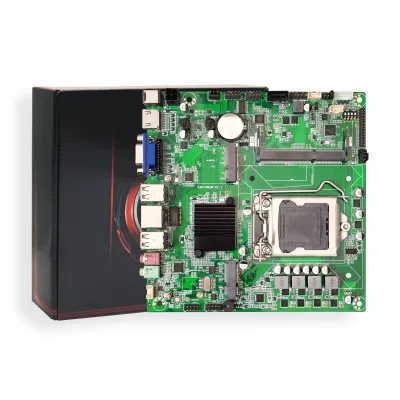
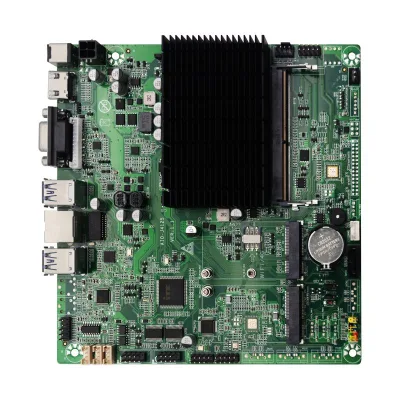
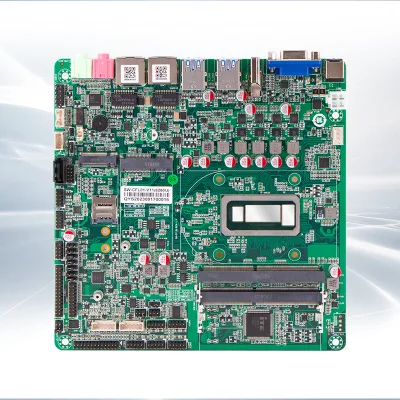
Compare 23 verified factories offering multi-display mini-itx industrial motherboard options with varying lead times, response speeds, and certifications. Review product specs like RAM capacity and chipset types to select the right partner for your project; review the available evidence before requesting comparable quotations from suitable candidates.
Updated
Suppliers List
Shenzhen Armortec Technology Co., Ltd.
- Manufacturer
- Guangdong, China
- Lead time4 days
- Avg. response≤ 3h
Main productsindustrial computer,industrial PC,firewall pc,embedded box pc,mini pc
Main marketsNorth America(50.00%), Western Europe(27.00%), Eastern Europe(10.00%), South America(5.00%), South Asia(3.00%), Domestic Market(1.00%), Mid East(1.00%), Northern Europe(1.00%), Oceania(1.00%), Eastern Asia(1.00%)
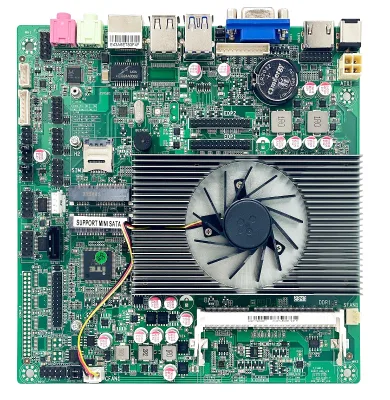
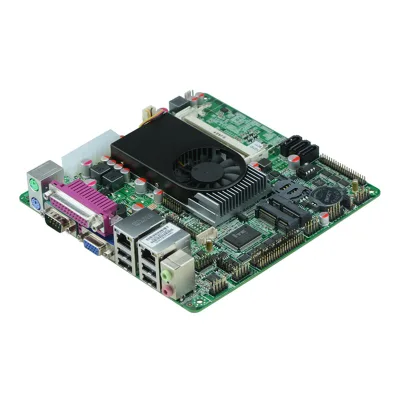
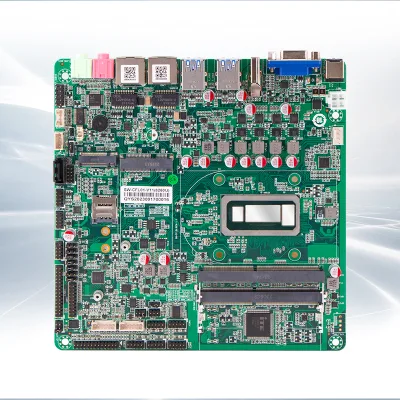
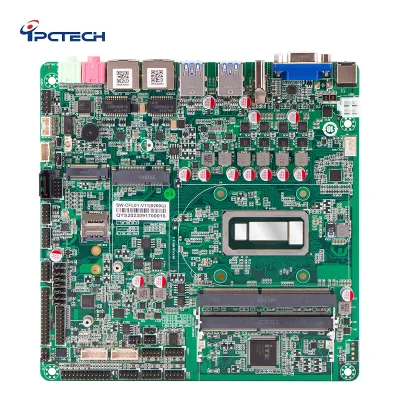
Mini Itx Industrial Motherboard Intel 1037U / 10COM/ Dual 24 Bits LVDS/POS Machine Industrial
$90.00 - $100.00
MOQ: 1 sets

R&O Industrial Technology Co., Limited
- Manufacturer/Factory,Group Corporation
- China Guangdong
- Lead time23 days
- Avg. response≤ 6h
Main productsMotherboard, Firewall Motherboard, Electronic Components, IC, Network Security Appliance, Mini PC, Chipset, Industrial Embedded Computer, OEM, Mainboard
Main marketsSouth America,Eastern Europe,Mid East,North America,Southeast Asia,Eastern Asia,Oceania,Western Europe,Africa

Shenzhen Piesia Electronic Technology Co., Ltd.
- Manufacturer/Factory
- China Guangdong
- Lead time15 days
- Avg. response≤ 6h
Main productsMotherboard, Mini Itx Motherboard, 3.5 Inch Embedded Motherboard, Industrial Motherboard, Industrial PC Parts, Main Board, Industrial PC, Network Motherboard, X86 Motherboard, Sbc Motherboard
Main marketsSouth America,Eastern Europe,Mid East,North America,Southeast Asia,Eastern Asia,Oceania,Western Europe,Africa


$98.00 - $299.00
MOQ: 1 Pieces

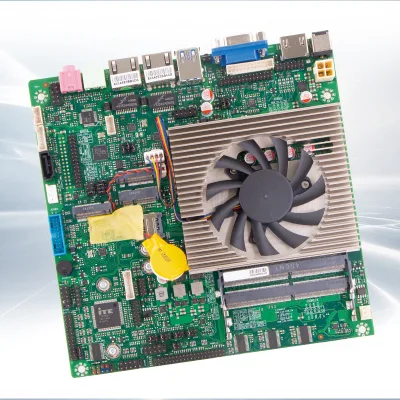
H81/B85 Intel 4th LGA1150 Triple Display 6*COM Industrial Mini Itx Motherboard
$57.00 - $71.00
MOQ: 1 Pieces


Shenzhen Grandtop Electronics Co., Ltd.
- Trading Company,Manufacturer/Factory
- China Guangdong
- Lead time30 days
- Avg. response≤ 4h
Main productsPCB Assembly, Robotic Control PCB Assembly, Industrial Control PCBA, Medical PCBA, Financial PCBA, Contract Manufacturer, Automatic Control PCB Assembly, OEM &ODM PCBA, Turnkey Service PCBA, One Stop PCB Assembly
Main marketsSouth America,Eastern Europe,Mid East,North America,Southeast Asia,Eastern Asia,Western Europe,Africa

OEM Intel 10th Gen 10110uta Core Industrial Computer Mainboard Mini Itx Motherboard
$125.90 - $152.90
MOQ: 2 Pieces

Intel Core Industrial Mainboard Mini Itx Motherboard with Immersion Gold Embedded Board
$102.90 - $149.90
MOQ: 2 Pieces

Manufacturer Embedded Intel Mini Itx Motherboard for X86 Industrial Grade PC Mainboard
$79.90 - $99.90
MOQ: 10 Pieces

Mini Itx I3 Motherboard for Industrial Computer with Processor 12th Generation
$131.90 - $149.90
MOQ: 10 Pieces

Factory Price OEM Intel Core 12th I7 Mini Itx Embedded Industrial Motherboard
$229.90 - $253.90
MOQ: 10 Pieces

Manufacturer OEM Multi LAN Fanless Mini Itx Industrial Motherboard for Windows 2000
$142.90 - $179.90
MOQ: 2 Pieces

Shenzhen Elsky Technology Co., Ltd.
- Verified by SGS
- Combined
- China Guangdong
- Lead time30 days
- Avg. response≤ 5h
Main productsMotherboard, Mini PC, OPS Mini PC, Industrial PC
Main marketsDomestic

OEM Industrial 6 COM Ports Mini Itx Motherboard for Factory Automation Control
$130.00 - $135.00
MOQ: 1 Pieces


$171.00 - $180.00
MOQ: 1 Pieces

Guangdong High Praise Technology Co., Ltd.
- Manufacturer, Trading Company
- Guangdong, China
- Lead time7 days
- Avg. response≤ 1h
Main productsITX Motherboard,Industrial Touch Panel,Android Motherboard,Mini PC,ARM Board
Main marketsEastern Europe(30.00%), Mid East(20.00%), South Asia(20.00%), North America(20.00%), South America(10.00%)
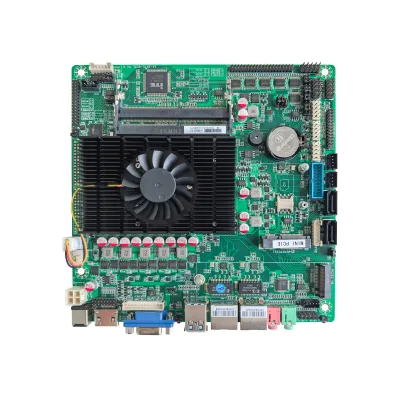
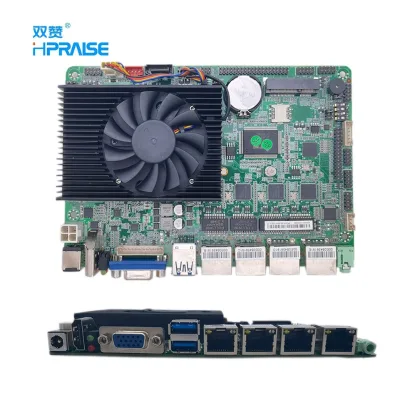
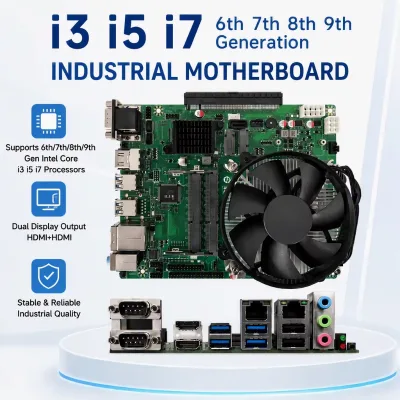
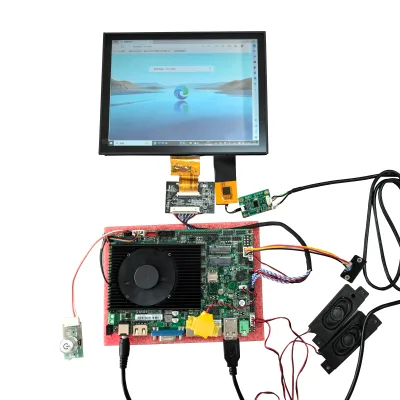
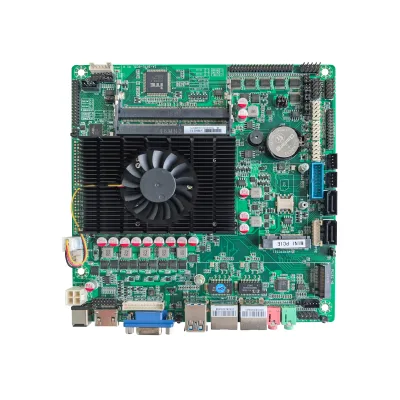
X86 Support Triple Display Industrial Motherboard Intel DDR4 I5-7300U VGA Mini-pc Motherboard I5
$79.00 - $93.00
MOQ: 1 pieces
Shenzhen Immediate Technology Co., Limited
- Trading Company
- Guangdong, China
- Lead time5 days
- Avg. response≤ 3h
Main productsMother Board,Asterisk Card,IPC Case,VOIP,MINI PC
Main marketsSouthern Europe(12.50%), Northern Europe(12.50%), Western Europe(12.50%), Mid East(12.50%), Southeast Asia(12.50%), Eastern Europe(12.50%), South America(12.50%), North America(12.50%)
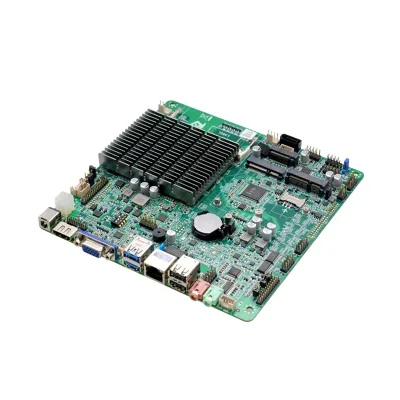
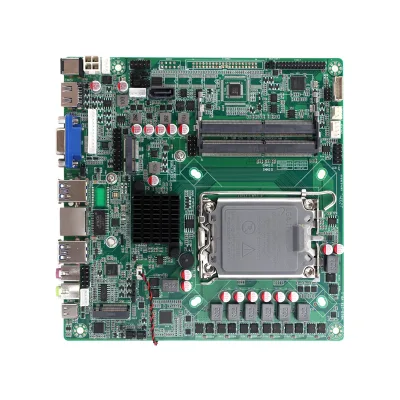
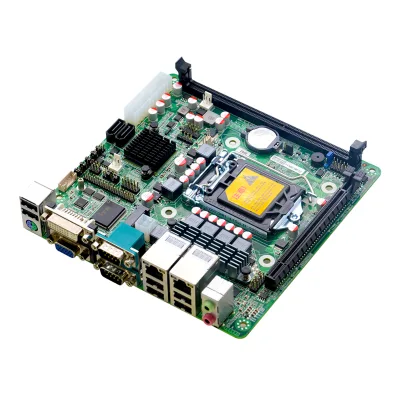
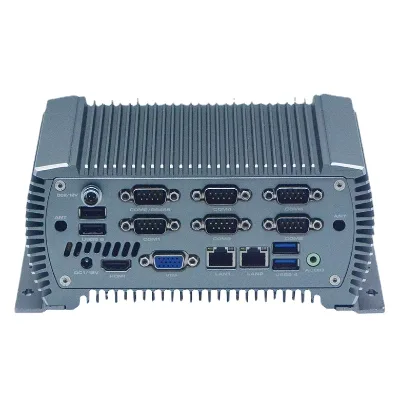
$100.00 - $129.00
MOQ: 1 Minimum
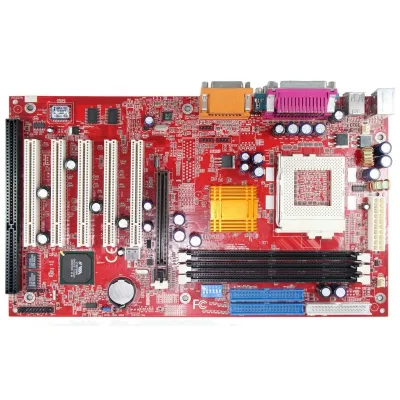
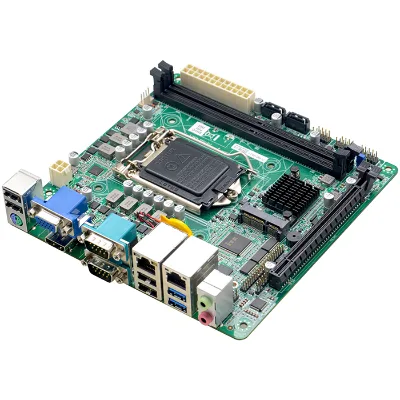
China Factory Wholesale ITX-P360 LGA1151 8th 9th Gen Mini ITX Motherboard
$122.5384 - $142.962
MOQ: 1 pieces
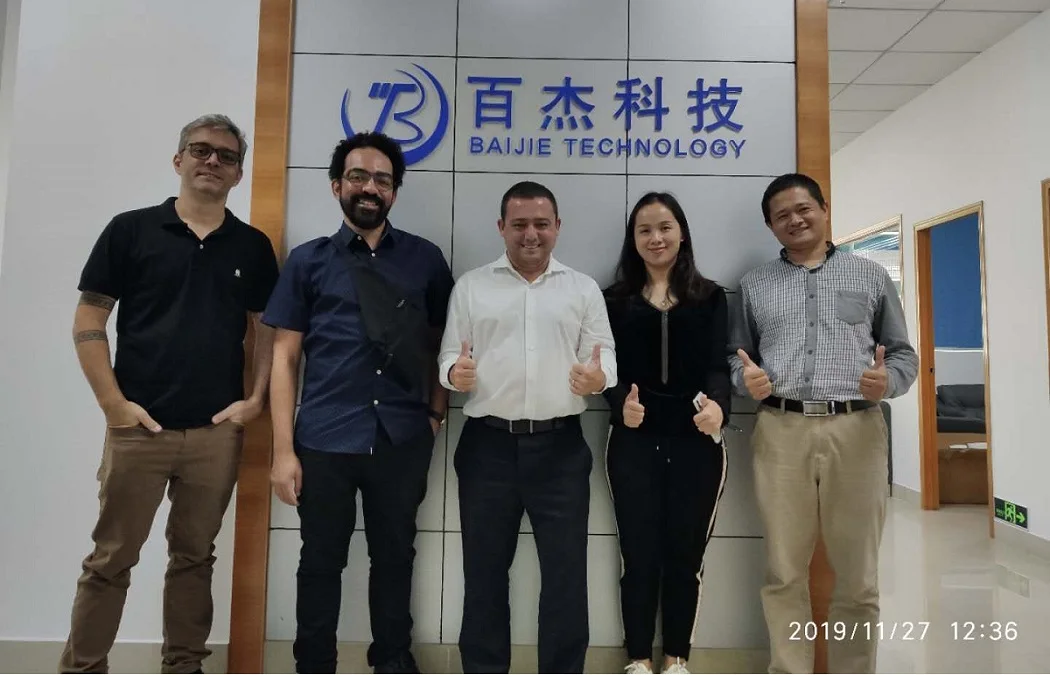
Shenzhen Baijie Technology Co., Ltd.
- Manufacturer, Trading Company
- Guangdong, China
- Lead time15 days
- Avg. response≤ 1h
Main productsDevelopment board,hardware customize,software service,embedded development board,core board
Main marketsNorth America(20.00%), Western Europe(10.00%), Domestic Market(10.00%), Mid East(10.00%), Oceania(10.00%), Southeast Asia(10.00%), Eastern Europe(10.00%), Eastern Asia(5.00%), South Asia(5.00%), Southern Europe(5.00%), Central America(5.00%)
Shenzhen Aiostar Electronics Co., Ltd.
- Verified by TüVRheinland
- Manufacturer, Trading Company
- Lead time15 days
- Avg. response≤ 5h
Main productsIndustrial Motherboard, OPS PC, Industrial Panel PC, Mini PC, Industrial PC
Main marketsNorth America(20%), Western Europe(16%), Eastern Europe(15%)

Shenzhen Sy Smartlink Technology Co., Ltd.
- Verified by SGS
- Trading Company
- China Guangdong
- Lead time30 days
- Avg. response≤ 4h
Main productsMotherboard, Notebook, Laptop, All-in-One PC, Tablet, Smart Industry, Desktop, Others
Main marketsEurope

Industrial Motherboard Processor Intel 2/3th I3/I5/I7 Lvds HDMI Mini-Itx Motherboard
$50.00 - $200.00
MOQ: 100 Pieces

Computer PC Mini-Itx Industrial Motherboard with Intel 4/5th I3/I5/I7 LGA1150 DDR4
$62.00 - $200.00
MOQ: 100 Pieces
Shenzhen Iwill Technology Co., Ltd.
- Verified by TüVRheinland
- Manufacturer, Trading Company
- Lead time3 days
- Avg. response≤ 1h
Main productsMini PC, Industrial PC, Network Server, Industrial Panel PC, Mini PC Motherboard
Main marketsNorth America(25%), South America(25%), Eastern Europe(10%)
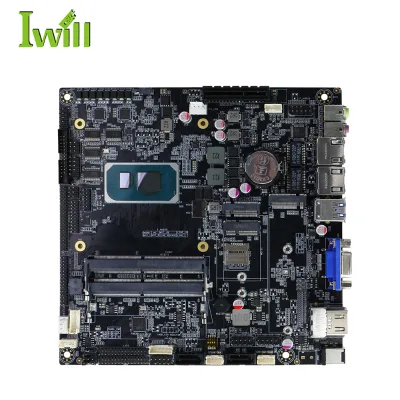
$236.3688 - $246.7355
MOQ: 1 pieces

Shenzhen Inctel Technology Co., Ltd.
- Manufacturer, Trading Company
- Guangdong, China
- Lead time5 days
- Avg. response≤ 3h
Main productsMini PC,Industrial PC,Network server,Touch Panel PC,Motherboard
Main marketsDomestic Market(17.00%), Africa(15.00%), South America(10.00%), North America(10.00%), Eastern Europe(10.00%), Northern Europe(5.00%), Central America(5.00%), Western Europe(5.00%), Southeast Asia(5.00%), Mid East(5.00%), Southern Europe(5.00%), South Asia(3.00%), Oceania(3.00%), Eastern Asia(2.00%)
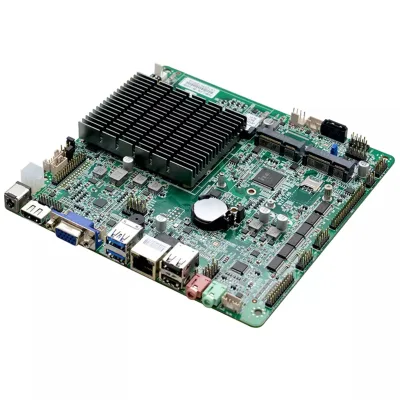
$135.00 - $150.00
MOQ: 1 pieces
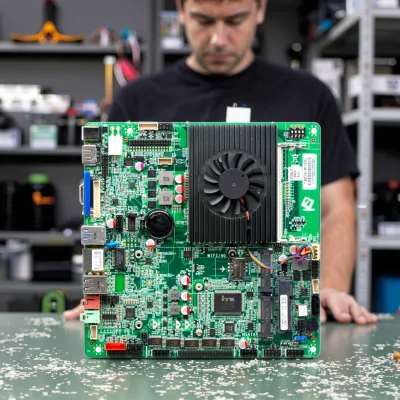
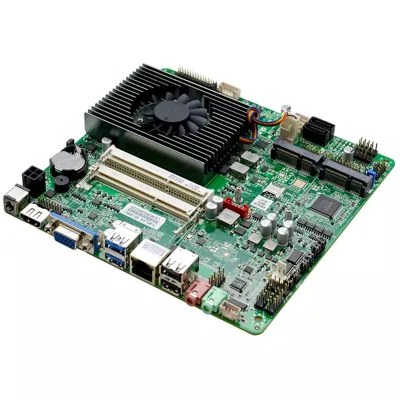
Shenzhen Itzr Technology Co., Ltd.
- Verified by Intertek
- Manufacturer, Trading Company
- Lead time45 days
- Avg. response≤ 7h
Main productsLaptop PC, Tablet PC, Motherboards, All In One PC, Mini PC
Main marketsNorthern Europe(50%), South America(21%), Southeast Asia(10%)
Shenzhen Evolution Computer Co., Ltd.
- Verified by Intertek
- Manufacturer, Trading Company
- Lead time7 days
- Avg. response≤ 2h
Main productsIndustrial PC, Panel PC, Motherboards, Mini PC, All-in-One PC
Main marketsDomestic Market(60%), Western Europe(16%), Southeast Asia(15%)
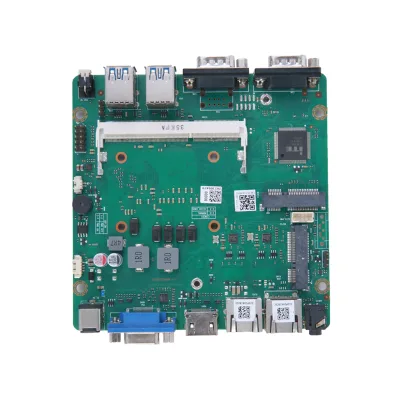
$56.395 - $70.7497
MOQ: 10 pieces
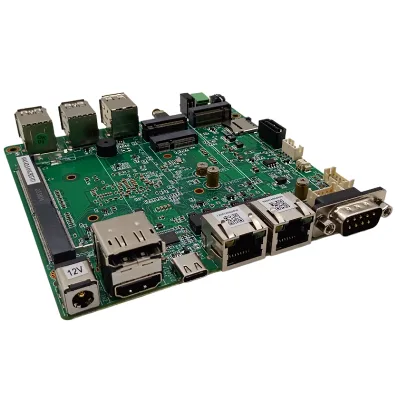
$131.245 - $141.4979
MOQ: 1 units
Shenzhen Jiexingtong Technology Co., Ltd.
- Manufacturer
- Guangdong, China
- Lead time7 days
- Avg. response≤ 4h
Main productsindustrial computer,Mini pc,Network server,Industrial panel pc,industrial mainboard
Main marketsNorth America(30.00%), South America(20.00%), Western Europe(14.00%), Eastern Europe(11.00%), Northern Europe(5.00%), Southern Europe(4.00%), Oceania(3.00%), Southeast Asia(3.00%), Eastern Asia(2.00%), Domestic Market(2.00%), Central America(2.00%), South Asia(2.00%), Africa(1.00%), Mid East(1.00%)
$109.5115 - $119.8438
MOQ: 1 pieces
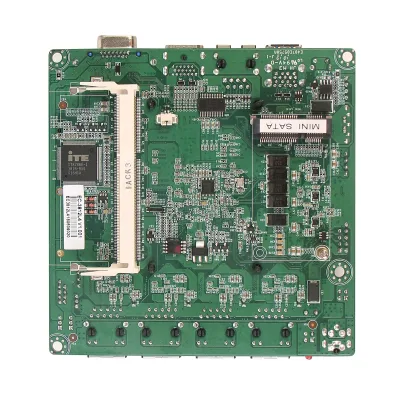
Industrial Motherboard for Automation High Speed, Robust Design, Supports Windows Linux
$234.803 - $306.5781
MOQ: 1 pieces
$195.2612 - $308.9045
MOQ: 1 pieces
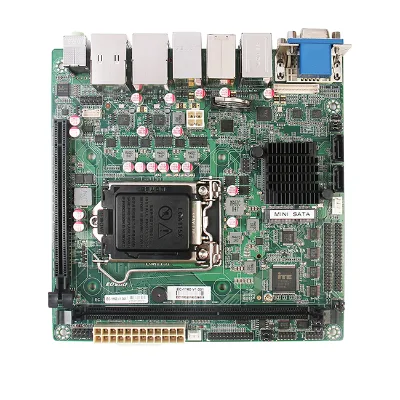
Shenzhen Angxun Technology Co., Ltd.
- Verified by TüVRheinland
- Manufacturer, Trading Company
- Lead time15 days
- Avg. response≤ 5h
Main productsMotherboards, Graphics Card
Main marketsDomestic Market(35%), North America(15%), South America(8%)
Zhengzhou Qiyang Technology Co., Ltd.
- Verified by Intertek
- Manufacturer, Trading Company
- Lead time5 days
- Avg. response≤ 2h
Main productsIndustrial Motherboard, Panel Pc, Industrial Mini Pc, Industrial Monitor, Industrial Pc

Shenzhen ITZR Technology Co., Ltd.
- Verified by TUVRHEINLAND
- Combined
- China Guangdong
- Lead time15 days
- Avg. response≤ 10h
Main productsLaptop, Motherboard, Tablet PC, All in One PC, Mobile, Graphics Cards, Mini PC, VGA Card, Ipc, Mainboard
Main marketsSouth America,Southeast Asia/ Mideast

Factory OEM Industrial Motherboard I3-4025u DDR3 Mini Computer Itx Mainboard Dual LAN 6 COM
$89.00 - $98.00
MOQ: 20 Pieces

Mini Itx Motherboard Hm65 17*17 Industrial Intel Socket 988 CPU All-in-One Professional
Negotiable
MOQ: 1 Pieces

Zhengzhou Qiyang Technology Co., Ltd.
- Verified by SGS
- Combined
- China Henan
- Lead time15 days
- Avg. response≤ 3h
Main productsIndustrial PC, Industrial Panel PC, Industrial Monitor, Industrial Motherboard, Fanless Mini PC, Embedded Box PC
Main marketsSouth America,Others(foreignTradeCapacity.exportBusinessCapacityMarketOther),Southeast Asia/ Mideast,Europe,North America

Customizable DC12V Industrial Mini Itx Motherboard with I3-8130u CPU 8*USB 2*RJ45
$96.00 - $114.00
MOQ: 1 pieces

Shenzhen Itzr Technology Co., Ltd.
- Manufacturer, Trading Company
- Lead time旺季: , 淡季:
- Avg. response≤ 6h
Main productsAll In One PC , Laptop, Motherboard, Graphic card, Tablet PC
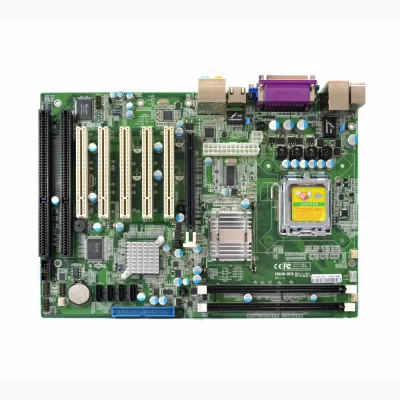
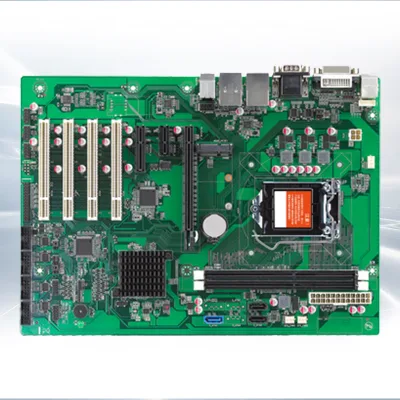
Industrial Mainboard Industrial Motherboard Five PCI Slot Two ISA Slot IMG31ISA
$102.1388 - $110.3933
MOQ: 20 pieces
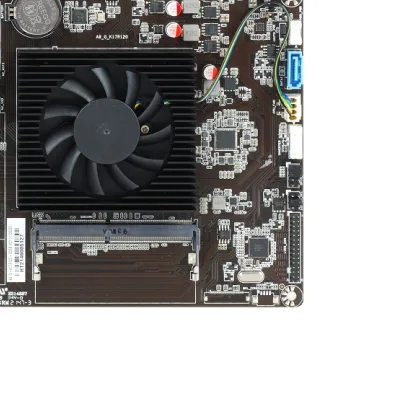
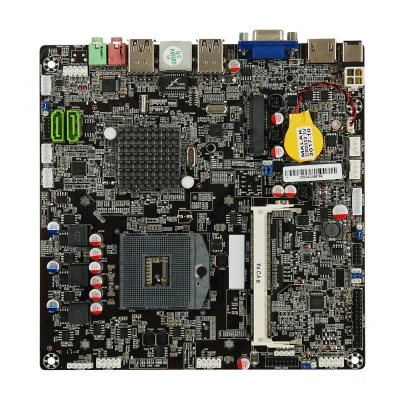
Embedded Motherboard ,Mini ITX HM65 17*17cm for AIO PC & IPC ,Support Laptop CPU
$36.00 - $40.50
MOQ: 100 pieces
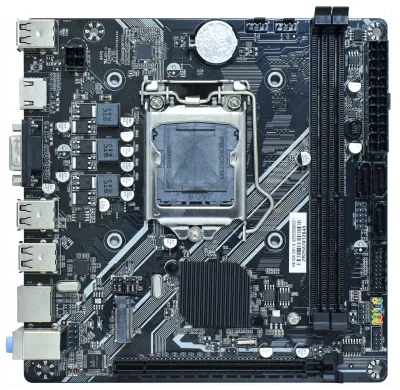
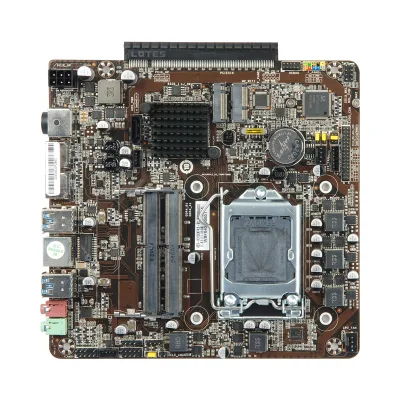
Shenzhen Huateng Technology Intelligence Information Co., Ltd.
- Manufacturer, Trading Company, Distributor/Wholesaler
- Guangdong, China
- Lead time3 days
- Avg. response≤ 7h
Main productsGraphics Card,Server,ai server,Rig case Chassis,deepseek products
Main marketsSouth America(15.00%), Africa(15.00%), Northern Europe(10.00%), North America(10.00%), Western Europe(10.00%), Eastern Europe(10.00%), Oceania(5.00%), Central America(5.00%), Southeast Asia(5.00%), South Asia(5.00%), Southern Europe(5.00%), Mid East(3.00%), Eastern Asia(2.00%)
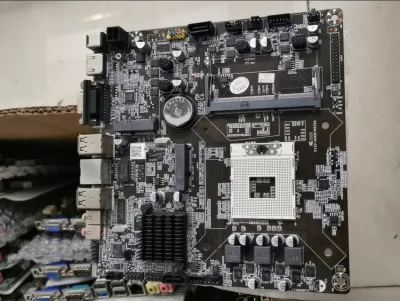
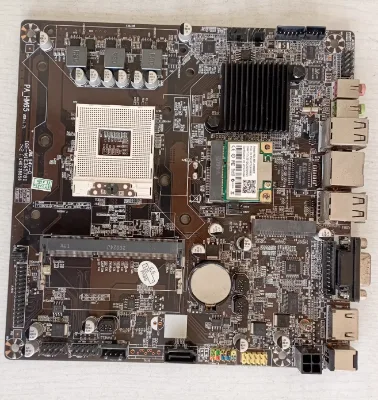
Motherboard HM65 Mother Board for Mini Pc or All in One Pc Mainboard DDR3 SODIMM Support 16GB
$17.5763 - $18.6092
MOQ: 1 pieces
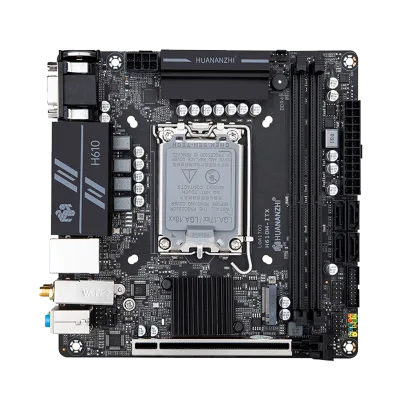
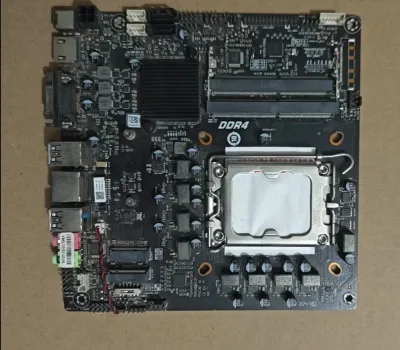
Mini-ITX Motherboard H610 Lga1700 M.2 SSD Double DDR4 128GB
$48.00 - $49.00

Shenzhen Beikong Industrial Control Co., Ltd.
- Manufacturer, Trading Company, Distributor/Wholesaler
- Guangdong, China
- Lead time7 days
- Avg. response≤ 4h
Main productsmini pc,IPC,firewall,router,Industrial computer
Main marketsDomestic Market(80.00%), North America(8.00%), South America(8.00%), Eastern Europe(2.00%), Western Europe(2.00%)
Shenzhen Kongduan Technology Co., Ltd.
- Manufacturer
- Guangdong, China
- Lead time0 days
- Avg. response≤ 6h
Main productsmainboard,Industrial Personal Computer,Network Interface Card,mini itx motherboard,nano itx motherboard
Main marketsMid East(9.00%), Domestic Market(7.00%), South Asia(7.00%), Southern Europe(7.00%), Northern Europe(7.00%), Central America(7.00%), Western Europe(7.00%), Eastern Asia(7.00%), North America(7.00%), Oceania(7.00%), Africa(7.00%), Southeast Asia(7.00%), Eastern Europe(7.00%), South America(7.00%)


Comprehensive Sourcing Guide
Multi-Display Mini-Itx Industrial Motherboard Supplier Concentration and Factory Types
The industrial motherboard sector exhibits distinct clustering patterns that buyers must navigate to identify reliable manufacturing partners. Current data indicates a significant concentration of suppliers in Guangdong, China, a region renowned for its robust electronics manufacturing ecosystem. This geographic concentration is not merely a statistical anomaly but a reflection of the supply chain maturity required for complex embedded systems. When evaluating potential partners, buyers should prioritize suppliers located in established industrial hubs where component sourcing, assembly lines, and testing facilities are co-located. This proximity reduces logistical friction and often correlates with higher production efficiency. However, buyers must remain cautious, as geographic location alone does not guarantee quality or reliability. It is essential to verify that the supplier’s physical address matches their operational capabilities and that they are not merely a trading entity operating out of a manufacturing zone. The presence of a factory in Guangdong suggests access to a dense network of sub-suppliers, which can be advantageous for rapid prototyping and scaling, but it requires due diligence to ensure the supplier is the actual manufacturer and not an intermediary.
Factory types within this niche vary significantly, ranging from pure manufacturers to group corporations that may include trading arms. Understanding the company type is crucial for setting expectations regarding communication, pricing, and customization capabilities. Manufacturers typically offer greater control over the production process, allowing for more flexible OEM and ODM services, which are often critical for industrial applications requiring specific form factors or interface configurations. In contrast, trading companies or group corporations might offer a broader range of products but may have less direct oversight over the manufacturing floor. Buyers should explicitly inquire about the supplier’s organizational structure to determine if they are dealing directly with the production team or a sales division. This distinction impacts response times, technical support quality, and the ability to resolve production issues quickly. Furthermore, some suppliers may list themselves as manufacturers while outsourcing key assembly steps, which can introduce variability in quality control. Therefore, verifying the actual manufacturing setup, including the presence of SMT lines and testing equipment, is a vital step in assessing the supplier’s true capacity and reliability in the industrial motherboard market.
How to Verify Multi-Display Mini-Itx Industrial Motherboard Suppliers
Verification of industrial motherboard suppliers requires a multi-layered approach that goes beyond basic profile checks. Buyers must rigorously assess the supplier’s technical documentation and product specifications to ensure alignment with their specific multi-display requirements. This involves examining detailed product attributes such as chipset compatibility, memory support, and interface configurations. For instance, verifying that the motherboard supports the necessary display outputs, such as HDMI, VGA, or LVDS, is critical for industrial applications like kiosks or surveillance systems. Buyers should request detailed datasheets and schematics to confirm that the supplier’s claims about multi-display capabilities are technically sound. Additionally, checking for certifications such as ISO 9001 can provide insight into the supplier’s quality management systems. While certifications do not guarantee product performance, they indicate a structured approach to manufacturing and quality control. Buyers should also verify the supplier’s response time and lead times, as these metrics can reflect their operational efficiency and customer service commitment. A supplier with a slow response time may struggle to provide timely support during critical project phases.
Beyond technical and operational metrics, buyers should investigate the supplier’s history and stability in the market. This includes reviewing their establishment year, past performance, and customer feedback, although specific historical data may not always be readily available. Buyers can use third-party verification services to confirm the supplier’s business registration and legal standing. It is also advisable to request samples or conduct factory audits if the order volume justifies it. These actions provide direct insight into the supplier’s manufacturing capabilities and quality control processes. Furthermore, buyers should be wary of suppliers who are unwilling to provide detailed product information or who have inconsistent data across their listings. Inconsistencies in product specifications, such as conflicting chipset information or unclear interface descriptions, can be red flags indicating a lack of technical expertise or transparency. By combining technical verification with operational and historical checks, buyers can build a comprehensive profile of each potential supplier, reducing the risk of partnering with unreliable or unqualified vendors. This thorough verification process is essential for ensuring that the selected supplier can meet the rigorous demands of industrial motherboard applications.
What to Compare Across Multi-Display Mini-Itx Industrial Motherboard Suppliers
When evaluating multiple suppliers, buyers must systematically compare key dimensions to identify the best fit for their specific needs. One critical factor is the lead time, which directly impacts project timelines and inventory management. Suppliers may offer varying lead times, ranging from rapid delivery for stock items to longer periods for customized orders. Buyers should align their procurement schedule with the supplier’s stated lead times to avoid production delays. Another important metric is the minimum order quantity (MOQ), which can vary significantly between suppliers. Some suppliers may offer low MOQs, making them suitable for small-scale projects or prototyping, while others may require larger volumes to achieve competitive pricing. Buyers should assess their own volume requirements and negotiate terms that balance cost efficiency with flexibility. Additionally, comparing response times is essential for ensuring effective communication throughout the procurement process. Suppliers with faster response times are generally more responsive to inquiries and issues, which can be crucial for resolving technical questions or addressing order changes.
Price is another significant factor, but it should be evaluated in the context of total value rather than just the unit cost. Buyers should consider the price range offered by different suppliers and assess what features or services are included in that price. For example, some suppliers may offer lower prices but exclude essential components or services, while others may provide a more comprehensive package. It is also important to compare the main products offered by each supplier to ensure they specialize in the type of industrial motherboards required. Suppliers with a focused product line may offer greater expertise and reliability in that specific niche. Furthermore, buyers should compare the customization capabilities of each supplier, including options for OEM and ODM services. This is particularly important for industrial applications that require specific form factors, interfaces, or software configurations. By systematically comparing these dimensions, buyers can make informed decisions that balance cost, quality, and service, ensuring they select a supplier that aligns with their strategic objectives and operational requirements.
Common Multi-Display Mini-Itx Industrial Motherboard Sourcing Risks
Sourcing industrial motherboards involves several inherent risks that buyers must proactively manage to ensure project success. One significant risk is the potential for technical incompatibility, particularly when dealing with multi-display configurations. Buyers must ensure that the selected motherboard supports the specific display interfaces and resolutions required for their application. Failure to verify these technical specifications can lead to costly delays and rework. Another risk is the variability in product quality, which can be exacerbated by suppliers who lack robust quality control processes. Buyers should be vigilant in assessing the supplier’s manufacturing capabilities and testing procedures to mitigate this risk. Additionally, there is a risk of supply chain disruptions, which can affect lead times and product availability. Buyers should diversify their supplier base and maintain open communication with their partners to stay informed about potential disruptions. This proactive approach can help buyers anticipate and mitigate supply chain risks, ensuring continuity of operations.
Intellectual property and customization risks are also prevalent in the industrial motherboard sector. Buyers who require customized solutions must ensure that their intellectual property is protected and that the supplier has the capability to deliver the required specifications. This involves clear contractual agreements and technical documentation that outline the customization requirements. Furthermore, buyers should be aware of the risk of counterfeit or substandard components, which can compromise the reliability of the final product. To mitigate this risk, buyers should request detailed component lists and verify the authenticity of key components such as chipsets and memory modules. Additionally, there is a risk of miscommunication regarding product specifications, which can lead to orders that do not meet the buyer’s needs. To address this, buyers should establish clear communication channels and require detailed product confirmations before placing orders. By identifying and addressing these common risks, buyers can enhance their sourcing strategy and reduce the likelihood of project failures or financial losses. This risk-aware approach is essential for building a resilient and reliable supply chain for industrial motherboard procurement.
Multi-Display Mini-Itx Industrial Motherboard Regional Sourcing and Logistics
Regional sourcing plays a pivotal role in determining the efficiency and cost-effectiveness of industrial motherboard procurement. Suppliers located in established manufacturing hubs, such as Guangdong, China, often benefit from a mature supply chain ecosystem that supports rapid production and distribution. This geographic concentration can lead to shorter lead times and lower logistics costs, particularly for buyers in nearby regions. However, buyers must also consider the logistical challenges associated with international shipping, including customs clearance, tariffs, and transit times. Understanding these factors is essential for accurate cost estimation and project planning. Buyers should work closely with their suppliers to determine the most efficient shipping methods and routes, taking into account the urgency of the order and the nature of the products. Additionally, buyers should be aware of the potential for regional disruptions, such as natural disasters or political instability, which can impact supply chain continuity. By diversifying their sourcing regions and maintaining flexible logistics strategies, buyers can mitigate these risks and ensure reliable delivery of their industrial motherboards.
Logistics planning also involves managing inventory and warehousing requirements, which can vary based on the supplier’s lead times and the buyer’s production schedule. Buyers should establish clear inventory management protocols to ensure that they have sufficient stock to meet demand while minimizing holding costs. This may involve working with suppliers to implement just-in-time delivery systems or maintaining safety stock for critical components. Furthermore, buyers should consider the environmental and regulatory requirements associated with shipping electronic components, including proper packaging and labeling to prevent damage during transit. By integrating regional sourcing insights with robust logistics planning, buyers can optimize their supply chain and enhance their operational efficiency. This holistic approach to sourcing and logistics is crucial for managing the complexities of industrial motherboard procurement and ensuring that projects are delivered on time and within budget. Buyers who prioritize these logistical considerations are better positioned to navigate the challenges of global supply chains and achieve their procurement objectives.
Multi-Display Mini-Itx Industrial Motherboard Commercial Terms and Order Planning
Commercial terms and order planning are critical components of successful industrial motherboard procurement. Buyers must carefully negotiate payment terms, warranties, and after-sales support to protect their interests and ensure long-term partnership viability. Common payment terms may include upfront deposits, milestone payments, or open account arrangements, depending on the supplier’s policies and the buyer’s creditworthiness. Buyers should assess the financial stability of their suppliers and choose payment terms that align with their cash flow requirements. Additionally, buyers should clarify the warranty period and return policies for defective products, as these terms can vary significantly between suppliers. Clear warranty terms provide buyers with recourse in case of product failures, reducing their financial risk. Furthermore, buyers should establish clear order planning protocols, including lead time expectations and production scheduling, to ensure that orders are fulfilled on time. This involves regular communication with suppliers to track production progress and address any potential delays.
Order planning also involves managing volume commitments and pricing tiers, which can impact the overall cost of procurement. Buyers should negotiate volume discounts and pricing structures that reflect their long-term partnership potential. This may involve committing to larger order volumes in exchange for lower unit prices or more favorable payment terms. Additionally, buyers should consider the total cost of ownership, including logistics, tariffs, and potential rework costs, when evaluating pricing offers. By integrating commercial terms with strategic order planning, buyers can optimize their procurement strategy and enhance their competitive position. This requires a collaborative approach with suppliers, where both parties work together to achieve mutual benefits and operational efficiency. Buyers who prioritize clear commercial terms and robust order planning are better equipped to manage the complexities of industrial motherboard sourcing and achieve their business objectives. This strategic focus on commercial and operational details is essential for building a sustainable and profitable supply chain.
FAQs
What is the price range for multi-display mini-itx industrial motherboards?
Prices for these motherboards typically range from $60 to $100 per unit. Specific models with integrated Intel processors and multiple display outputs fall within this bracket. Buyers should verify exact costs based on selected CPU generations and interface configurations before placing orders.
What is the minimum order quantity for these motherboards?
The minimum order quantity is generally one unit. This allows buyers to test samples or order small batches for prototyping. Suppliers often support single-item purchases, making it accessible for initial evaluation without requiring large upfront inventory commitments or bulk purchasing agreements.
How long does it take to receive an order?
Lead times vary significantly, ranging from four days to twenty-three days depending on the supplier. Some manufacturers offer rapid turnaround for stock items, while others may require longer production periods. Buyers should confirm specific delivery schedules with their chosen supplier to ensure project timelines are met.
Where are these industrial motherboards manufactured?
These motherboards are primarily manufactured in Guangdong, China. This region is a major hub for electronics production, offering robust supply chains for components like Intel chipsets and DDR memory. Buyers sourcing from this location benefit from established manufacturing infrastructure and competitive pricing structures.
What certifications do these suppliers hold?
Some suppliers hold ISO 9001 certification for their quality management systems. This indicates adherence to international standards for manufacturing processes and product consistency. Buyers should request valid certification documents to verify compliance, ensuring that the industrial motherboards meet required quality and reliability benchmarks for deployment.
What are the typical response times for suppliers?
Supplier response times typically range from three to five days. Prompt communication is essential for clarifying technical specifications and negotiating terms. Buyers should prioritize suppliers with faster response rates to ensure efficient project management and timely resolution of any inquiries regarding product availability or customization options.