Multifunctional Bamboo Shoe Rack Suppliers and Manufacturers
Explore 27 verified options for Multifunctional Bamboo Shoe Rack units with adjustable sizes and eco-friendly certifications. Compare lead times, MOQs, and response rates to select a factory in Fujian, China, then request samples for quality verification; review the available evidence before requesting comparable quotations from suitable candidates.
Suppliers List
Fuzhou Anyo Houseware Co., Ltd.
- Verified by TüVRheinland
- Manufacturer, Trading Company
- Lead time30 days
- Avg. response≤ 3h
Main productsLaundry Bags & Baskets, Kitchen & Tabletop, Home Furniture, Pet Products
Main marketsNorth America(70%), Western Europe(30%)
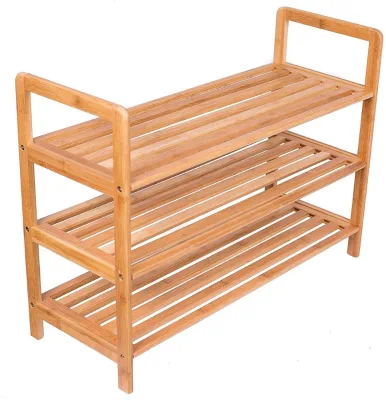
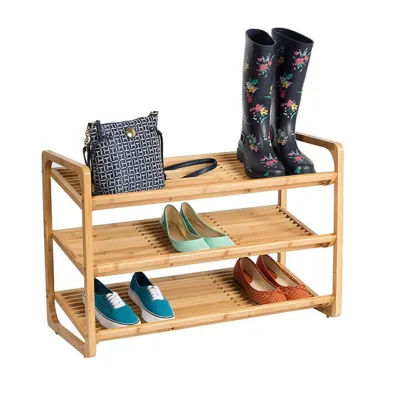
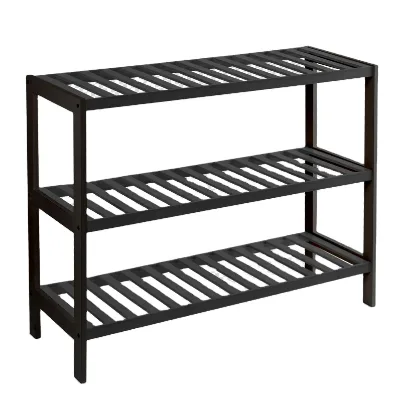
Bamboo Shoe Rack 3 Tier Bamboo Shoe Rack Bamboo Shelf Entryway Shoe Rack
$5.80 - $7.00
MOQ: 300 pieces
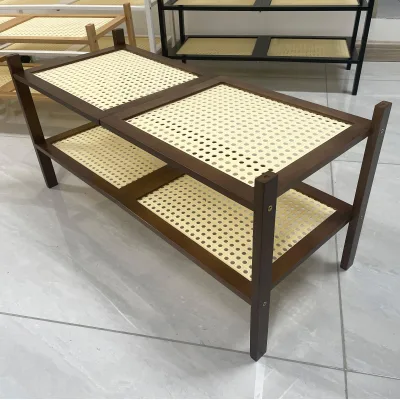
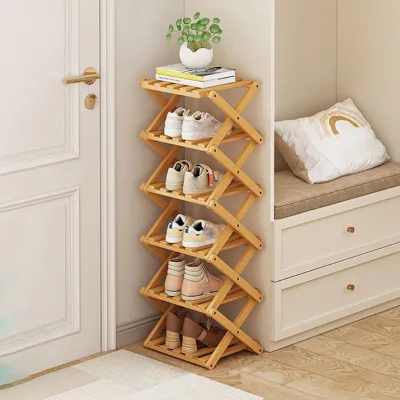
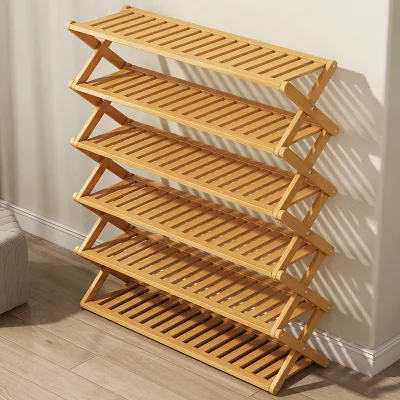
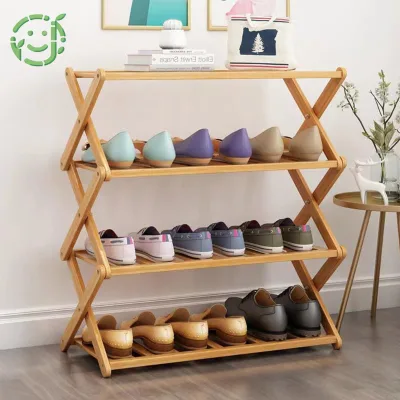
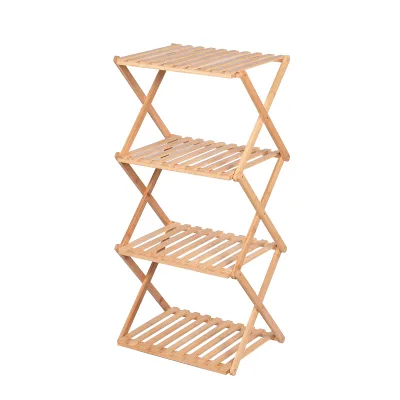
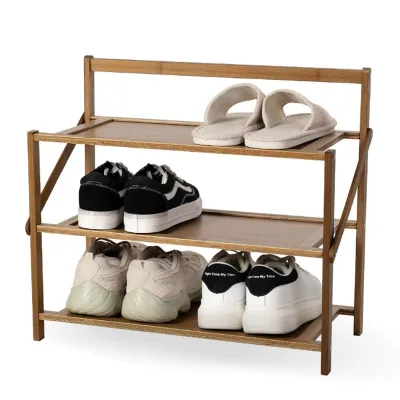
Multi-Functional Foldable Bamboo Shoe Rack Stackable Upright Rattan Storage Rack
$6.10 - $6.30
MOQ: 300 sets
Zhenghe Bamleader Houseware Co., Ltd.
- Verified by SGS Group
- Manufacturer, Trading Company
- Lead time40 days
- Avg. response≤ 2h
Main productsBamboo Spice Rack, Bamboo Outdoor Table, Bamboo Sofa Arm Tray, Bamboo Storage Rack, Bamboo Bread Box
Main marketsDomestic Market(88%), North America(6%), Southeast Asia(3%)
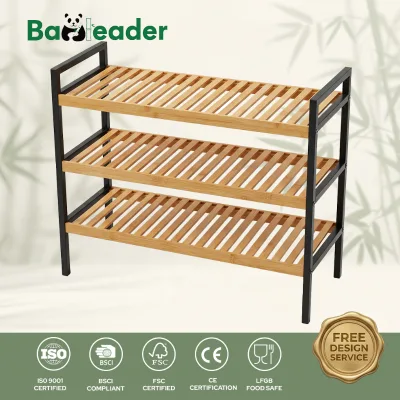
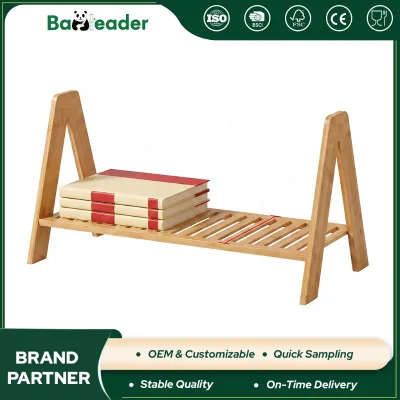
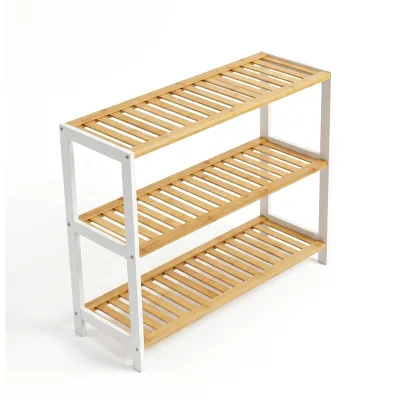
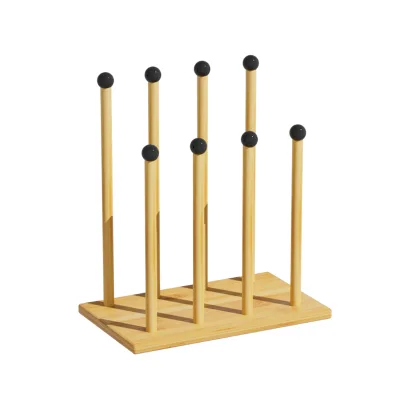
$9.90 - $12.99
MOQ: 300 sets
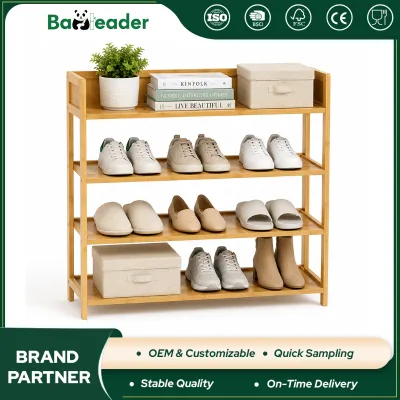
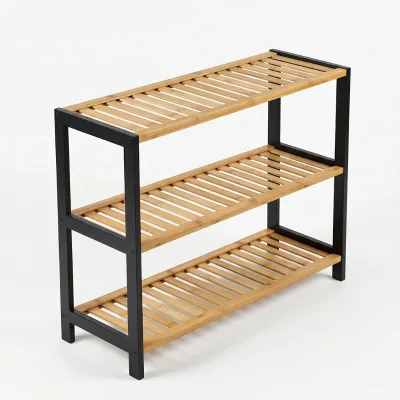

Shuifu Huiyang Agricultural Technology Co., Ltd.
- Verified by SGS
- Trading Company
- China Yunnan
- Lead time23 days
- Avg. response≤ 3h
Main productsBamboo Products, Bamboo Crafts, Bamboo Chopsticks, Bamboo Skewers, Bamboo Weaving, Bamboo Tray, Bamboo Box, Bamboo Placemat, Bamboo Fruit Bowl, Lamp Shades
Main marketsDomestic

Ningbo General Union Co., Ltd.
- Verified by BV
- Trading Company
- China Zhejiang
- Lead time30 days
- Avg. response≤ 10h
Main productsCleaning Brush, Bottle, Kitchenware, Storage Box, Outdoor, Pet, Fitness Equipment, Digital Devices, Camping, Pet Bottle
Main marketsSouth America,Africa,Southeast Asia/ Mideast,East Asia(Japan/ South Korea),Europe,Australia,North America

Fujian Hoyee Household Items Co., Ltd.
- Verified by BV
- Manufacturer/Factory
- China Fujian
- Lead time0 days
- Avg. response≤ 10h
Main productsBamboo Products, Cutting Board, Bathtub Caddy, Bath Mat, Bath Towel Rack, Shoes Rack, Office Organizer, Desk Organizer, Cheese Board, Serving Tray


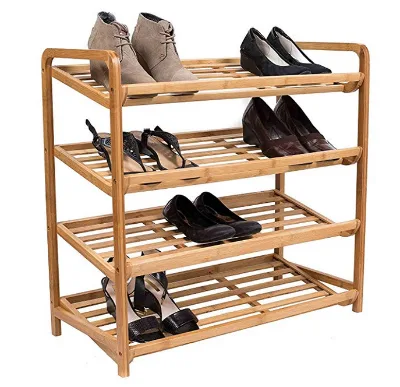
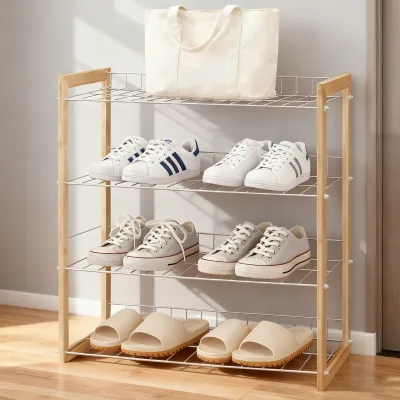
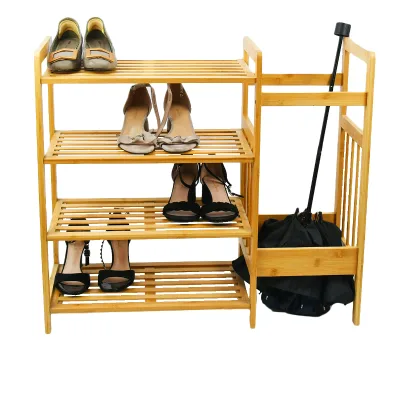
Amazing Natural Bamboo Shoe Rack Stackable Shoe Rack Cabinet Shoe Shelf with 4 Tiers
$16.20 - $18.40
MOQ: 2000 Pieces

Xiamen Chengfengxin Industry & Trade Co., Ltd.
- Verified by BV
- Trading Company
- China Fujian
- Lead time23 days
- Avg. response≤ 16h
Main productsBamboo Cutting Board, Bamboo Bathtub Rack Caddy, Bamboo Tablet Computer Desk, Bamboo Kitchenwares Holder Organization, Bamboo Home Storage, Home Office Collection, Eco-Friendly Kitchen Products, Bamboo Kitchen Tools, Bamboo Diffuser, Eco-Friendly Green Products
Main marketsSoutheast Asia/ Mideast,Europe,Australia,North America

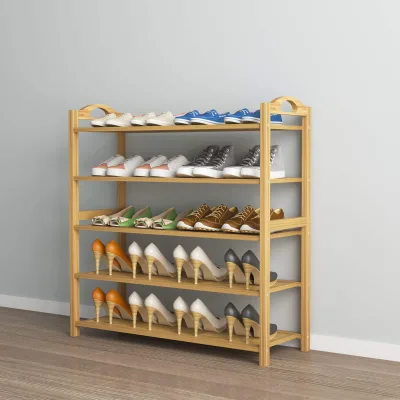
5 Tiers Multi-Function Storage Rack Wood Shelf Organizer Bamboo Shoe Rack
$3.00 - $8.00
MOQ: 500 Pieces


Caoxian Dachuang Wood Art Co., Ltd.
- Verified by SGS Group
- Manufacturer, Trading Company
- Lead time0 days
- Avg. response≤ 3h
Main productsGifts and Crafts, Wood Box, Wooden Fitness Products, Home Decor, Kitchen Supplies
Main marketsNorth America(35%), Western Europe(25%), Eastern Asia(10%)
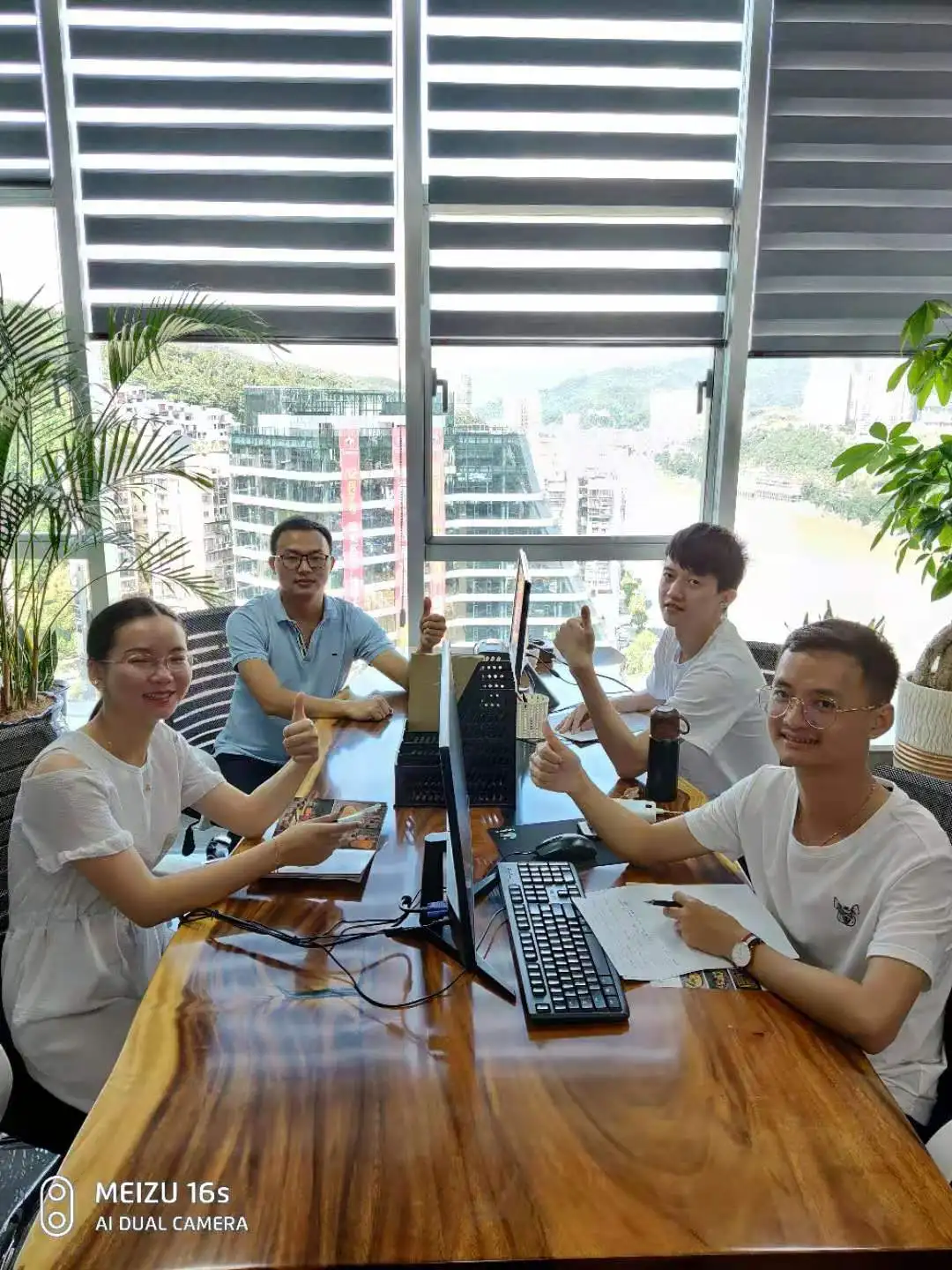
Fujian Hoyee Household Items Co., Ltd.
- Manufacturer, Trading Company
- Fujian, China
- Lead time30 days
- Avg. response≤ 3h
Main productsWood & Bamboo Products
Main marketsWestern Europe(30.00%), North America(30.00%), Northern Europe(15.00%), Southeast Asia(15.00%), South Asia(5.00%), South America(5.00%)
Fuzhou Xianxu Trading Co., Ltd.
- Verified by TüVRheinland
- Manufacturer, Trading Company
- Lead time60 days
- Avg. response≤ 6h
Main productsBamboo Wood Products
Main marketsNorth America(55%), Western Europe(35%), Southeast Asia(10%)

- Manufacturer/Factory
- China Fujian
- Lead time45 days
- Avg. response≤ 9h
Main productsBamboo Chopping Board, Bamboo Box, Bamboo Tray, Bamboo Bottle, Bamboo Products, Bamboo Cutlery, Bamboo Plywood, Bamboo Furniture, Bamboo Plate, Bamboo Broom
Main marketsSouth America,Eastern Europe,Mid East,North America,Southeast Asia,Oceania,Western Europe,Africa

XIAMEN TWO CITY IMP AND EXP CO., LTD.
- Verified by SGS
- Trading Company
- China Fujian
- Lead time30 days
- Avg. response≤ 4h
Main productsBamboo Panel, Bamboo Plywood, Bamboo Cutting Board, Bamboo Chopping Board, Bamboo Products, Bamboo Kitchenware, Bamboo Tableware, Bamboo Furniture, Wood Product, Wood Root Carving Product
Main marketsSoutheast Asia/ Mideast,Europe,North America

Cheap Price Bamboo Shoe Rack 3-Tier Multifunctional Organizer Storage Shelf
$5.89 - $9.88
MOQ: 500 Pieces


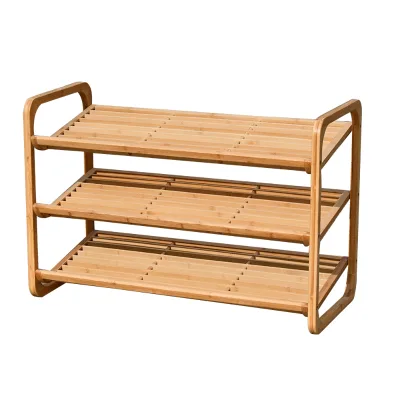
Wholesale 3 Tier Free Standing Bamboo Shoe Rack with Handles Wood Shoe Shelf Shoe Organizer
$4.87 - $8.99
MOQ: 500 Pieces


Xiamen Ebei Import & Export Co., Ltd.
- Verified by CTI
- Trading Company,Manufacturer/Factory
- China Fujian
- Lead time45 days
- Avg. response≤ 2h
Main productsEco-Friendly Products, Bamboo Tableware, Bamboo Furniture, Bamboo Kitchenware, Bamboo Office Supply, Bamboo Fibre Products, Biodegradable Products, Bamboo Towel, Solar Energy Products, Bamboo Garden Products
Main marketsSouth America,Eastern Europe,Mid East,North America,Southeast Asia,Eastern Asia,Oceania,Western Europe,Africa


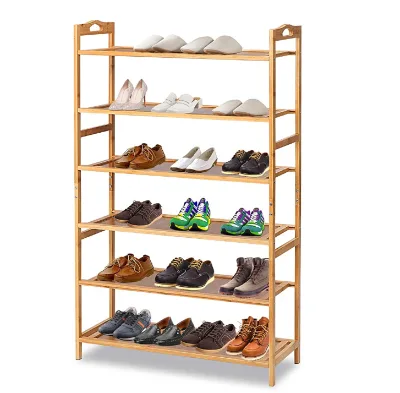
Bamboo Wood Shoe Rack 4/7 Tier Shoe Shelf Storage Organizer
MOQ: 500 Pieces


Bamboo Display Shelf Bamboo Storage Rack Bamboo Bookshelf
MOQ: 500 Pieces
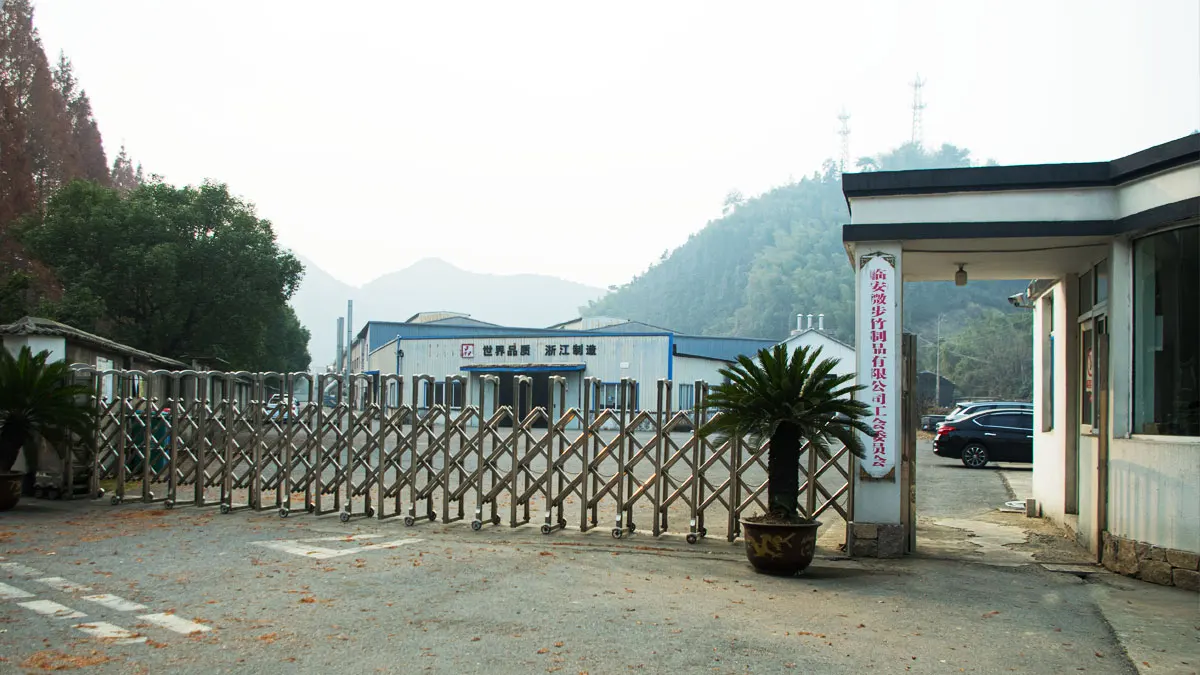
Hangzhou Bamsong Tech Co., Ltd.
- Trading Company
- Zhejiang, China
- Lead time0 days
- Avg. response≤ 1h
Main productsBamboo Furniture,Indoor and outdoor furniture,Pet Furniture,Office furniture,Custom Furniture
Main marketsWestern Europe(40.00%), North America(20.00%), Domestic Market(10.00%), Southern Europe(10.00%), Eastern Europe(10.00%), Southeast Asia(10.00%)
Ningbo Toprank Imp. & Exp. Co., Ltd.
- Verified by Intertek
- Trading Company
- Lead time30 days
- Avg. response≤ 9h
Main productsPlastic Storage Box, Food Storage and Containers, Storage Rack, Cosmetics Storage, Coffee Table
Main marketsNorth America(25%), Eastern Europe(25%), Africa(23%)
Fujian Zhenghe Jiuqiang Bamboo & Wood Co., Ltd.
- Verified by TüVRheinland
- Manufacturer, Trading Company
- Lead time35 days
- Avg. response≤ 1h
Main productsBamboo Kitchenware, Bamboo Bathroom Accessories, Bamboo Living Room Items, Bamboo Furniture, Bamboo Storage Products
Main marketsNorth America(50%), Western Europe(40%), Southeast Asia(10%)

Adidea (Xiamen) Industry And Trade Co., Ltd.
- Trading Company
- China Fujian
- Lead time30 days
- Avg. response≤ 18h
Main productsMetal Display Shelf, Display Stand, Metal Display Rack, MDF Display Showcase, Solid Wood Display Stand, Acrylic Display Stand, Supermarket Display Shelves, Wine Beverage Food Display Rack, Garment Bag Shoe Jewelry Display Stand, Tile Stone Granite Quartz Mosaic Display Stand
Main marketsSoutheast Asia/ Mideast,Europe,North America

Cheap 3-Tier Bamboo Shoe Rack Stand Organizer Storage Shelf Bamboo Shelf Rack
$20.00 - $25.00
MOQ: 100 Pieces

$10.00 - $15.00
MOQ: 100 Pieces
Fujian Zhengbiao Bamboo & Wood Co., Ltd.
- Verified by Intertek
- Manufacturer, Trading Company
- Lead time45 days
- Avg. response≤ 3h
Main productsBamboo And Wood Shelf, Bamboo And Wooden Shoe Cabinets, Bamboo And Wood Stool For Changing Shoes, Bamboo And Wood Coffee Table, Bamboo And Wood Coat Rack
Main marketsOceania(60%), Western Europe(17%), North America(13%)

Fuzhou Gway Bamboo Houseware Co., Ltd
- Verified by SGS
- Manufacturer/Factory
- China Fujian
- Lead time30 days
- Avg. response≤ 3h
Main productsBamboo and Wood Household Items, Bamboo and Wood Kitchen Supplies, Bamboo Furniture Board, Fabric Storage Bin / Box / Busket / Bag
Main marketsEastern Europe,Mid East,North America,Western Europe

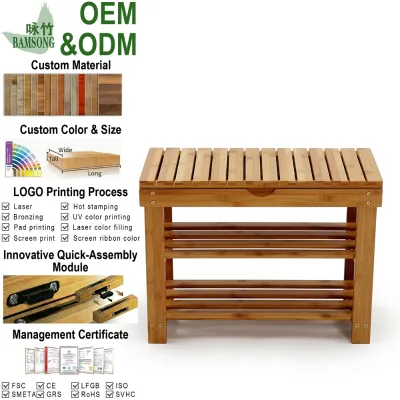
Simple Generous Three-Layer Space-Saving Bamboo Shoe Storage Organizer Holder Bench Rack
$9.18 - $19.78
MOQ: 300 Pieces


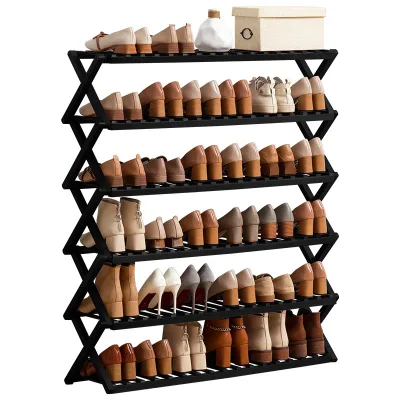
Wholesale 2-6 Tier Foldable Bamboo Plant Display Stand Shoe Shelves Shoe Rack
$11.85 - $12.85
MOQ: 300 Pieces


Xiamen F-Orchid Technology Co., Ltd.
- Verified by TUVRHEINLAND
- Trading Company
- China Fujian
- Lead time30 days
- Avg. response≤ 5h
Main productsStore Fixtures & Display Racks, Fitness Equipment & Sports Goods, Handicrafts, LED Boxes & Logo Signs, Treadmill, Retail Display, Furniture, Recumbent Bike, Elliptical Bike, Fitness Bike
Main marketsNorth America


$35.12 - $45.36
MOQ: 100 Pieces
Yifeng Jiaxing Craft Co., Ltd.
- Manufacturer, Trading Company
- Jiangxi, China
- Lead time0 days
- Avg. response≤ 2h
Main productsshoe rack,cloth rack,flower stand,plant stand,home storage
Main marketsCentral America(40.00%), Western Europe(15.00%), Eastern Europe(10.00%), Domestic Market(10.00%), Northern Europe(10.00%), Mid East(5.00%), North America(5.00%), Southeast Asia(5.00%)
Quanzhou Bestowal Trading Co., Ltd.
- Verified by Intertek
- Trading Company
- Lead time60 days
- Avg. response≤ 2h
Main productsBamboo Rack/Shelf, Bamboo Furniture, Bamboo Kitchenware Accessories
Main marketsMid East(35%), South Asia(30%), North America(25%)
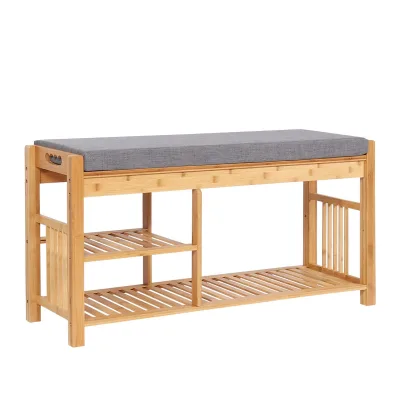
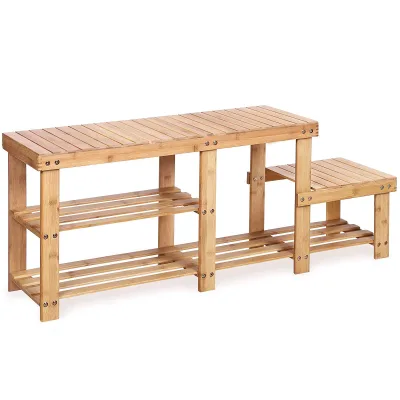
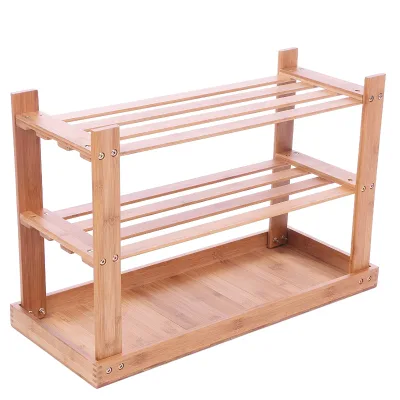
$9.40 - $10.73
MOQ: 300 pieces
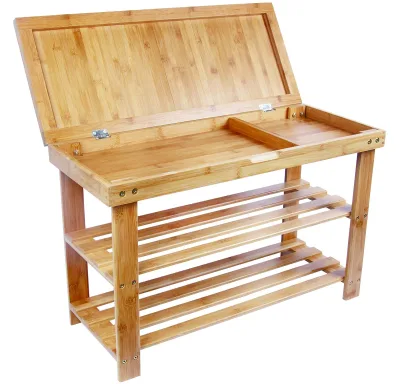
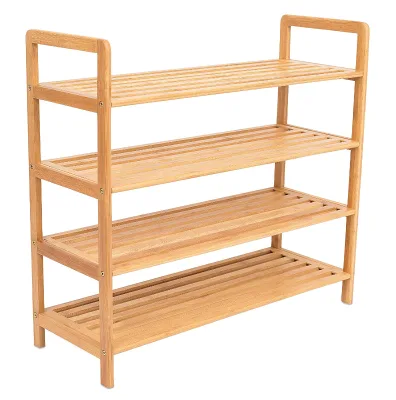
- Manufacturer, Trading Company
- Shandong, China
- Lead time0 days
- Avg. response≤ 1h
Main productsWooden Box,Wooden Shelf,Wooden Craft,cat tree,Wooden Furniture
Main marketsNorth America(50.00%), South America(20.00%), Mid East(10.00%), Southeast Asia(10.00%)
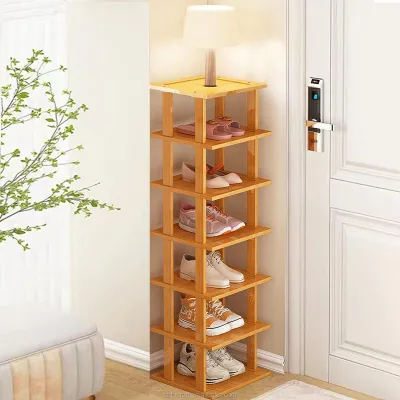
$6.11 - $10.19
MOQ: 200 pieces
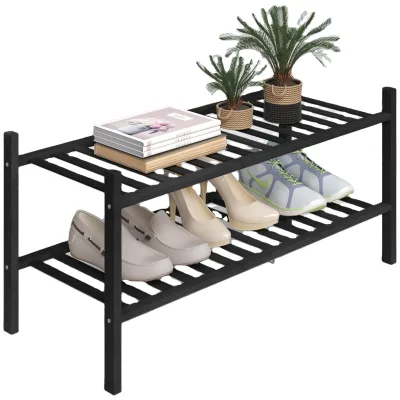
$13.54 - $14.47
MOQ: 200 pieces
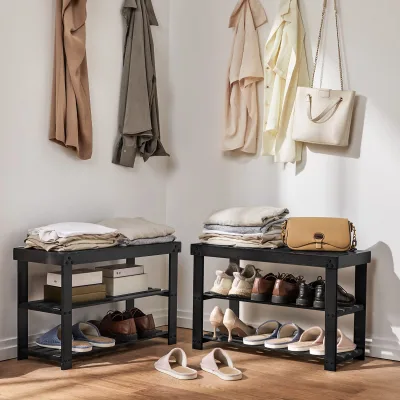
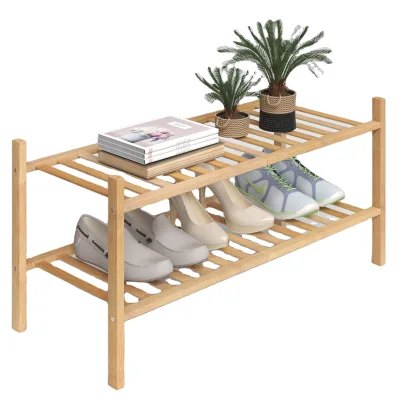
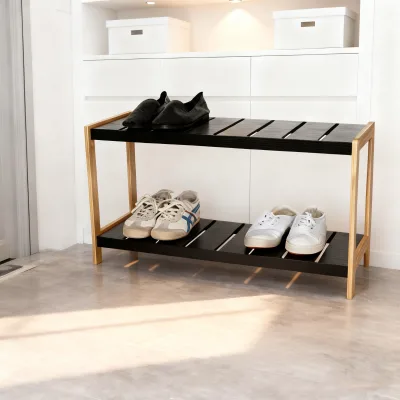
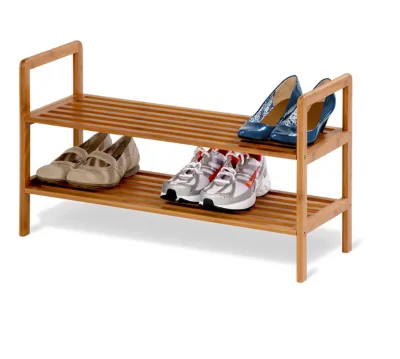
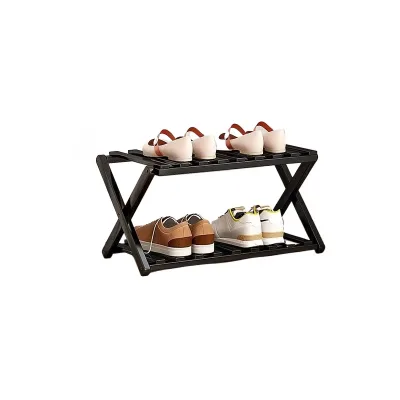
2-Tier Bamboo Wooden Shoe Rack for Entryway Hallway Bathroom Entryway & Closet-for Small Spaces
$5.92 - $6.63
MOQ: 200 sets
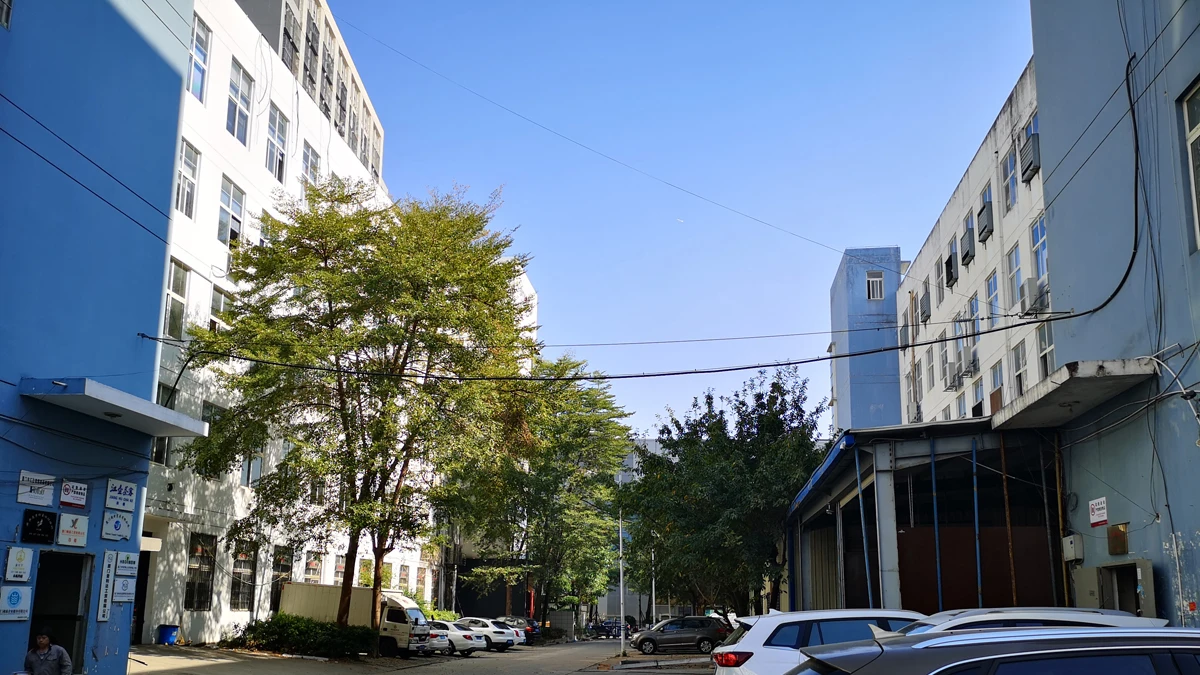
Xiamen Ehang Household Products Co., Ltd.
- Trading Company
- zhejiang, China
- Lead time37 days
- Avg. response≤ 7h
Main productsKitchenware,bamboo and wooden products,Houseware,Kitchen gadgets,Garden
Main marketsSoutheast Asia(20.00%), North America(20.00%), Southern Europe(10.00%), Northern Europe(10.00%), Western Europe(10.00%), South America(10.00%), Eastern Europe(10.00%), Central America(5.00%), Domestic Market(1.00%), Mid East(1.00%), Oceania(1.00%), Eastern Asia(1.00%), Africa(1.00%)
Xiamen Youlike Houseware Co., Ltd.
- Verified by TüVRheinland
- Trading Company
- Fujian, China
- Lead time25 days
- Avg. response≤ 3h
Main productsForklift and Forklift Attachment
Main marketsNorth America(55%), Western Europe(18%), Northern Europe(7%)
Yiwu Changming Import And Export Co., Ltd.
- Trading Company
- Zhejiang, China
- Lead time10 days
- Avg. response≤ 1h
Main productsHousehold Organizer,Cloth Rack,Kitchen Rack,Home Storage Rack,Appliance
Main marketsEastern Europe(95.00%), Eastern Asia(5.00%)

Ningbo Artisan Import & Export Co., Ltd.
- Verified by TUVRHEINLAND
- Trading Company
- China Zhejiang
- Lead time30 days
- Avg. response≤ 25h
Main productsMailbox, Shaggy Blanket, Bathrobe, Furniture, Bill Counter, Book Stand, Bamboo Shoes Rack, Bar Tools
Main marketsEurope

Ningbo V. K. Industry and Trading Co., Ltd.
- Verified by BV
- Trading Company
- China Zhejiang
- Lead time30 days
- Avg. response≤ 6h
Main productsIce Bath Tub, Cosmetic Glass Bottle, Hydroponics Grow Box, Baby Bottle, Inflatable Tent, Cream Jar, Reed Diffuser Bottle, Jewish Products, Mezuzah Case
Main marketsSouth America,Europe,Australia,North America




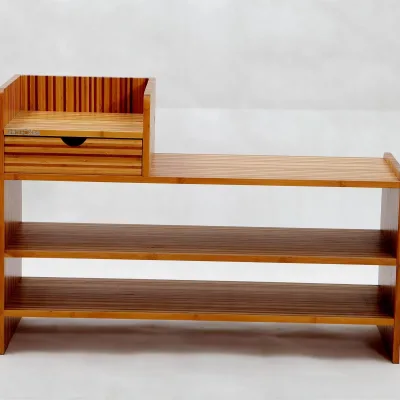
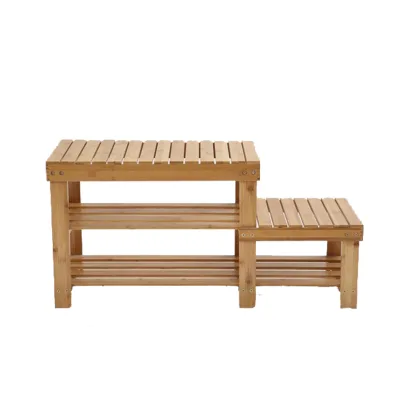
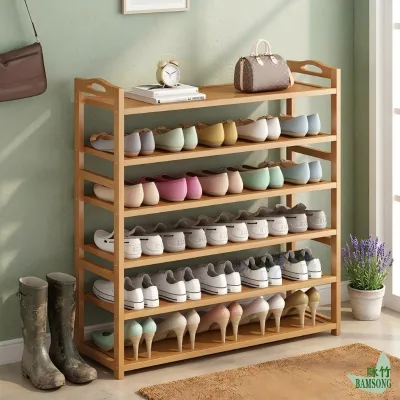
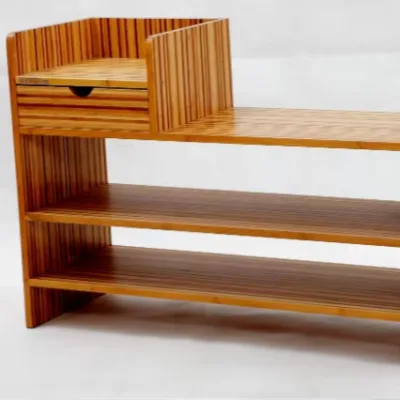


Comprehensive Sourcing Guide
Multifunctional Bamboo Shoe Rack Supplier Concentration and Factory Types
The current supplier landscape for multifunctional bamboo shoe racks reveals a mix of manufacturers and trading companies operating within the home furniture and storage organization sectors. Evidence indicates that specific product lines, such as bamboo shoe racks and storage shelves, are often categorized under main products like home furniture and kitchen tabletop items. This suggests that suppliers in this space frequently diversify their portfolios to include pet products and other home goods rather than specializing exclusively in footwear storage. Buyers should expect to encounter entities that function as both direct producers and intermediaries, each offering distinct advantages in terms of customization and supply chain flexibility.
When assessing the factory types available, it is crucial to note that some suppliers possess specific capabilities like sample processing, graphic processing, and customized on-demand production. These facilities often highlight their ability to handle light customization and graphic processing, which is essential for branding and design adaptation. The presence of these capabilities implies a manufacturing base equipped to handle varied order sizes and specific design requirements. However, without a confirmed cluster location in the provided data, buyers must verify the physical presence of these factories by requesting site audits or video tours to confirm that the claimed manufacturing capacity aligns with the actual production environment.
How to Verify Multifunctional Bamboo Shoe Rack Suppliers
Verification of suppliers in this category relies heavily on third-party audit reports and system certifications that validate operational standards. Available data points to specific verification bodies such as TüVRheinland and SGS Group, which serve as critical indicators of a supplier's reliability and adherence to international quality benchmarks. Buyers should prioritize suppliers who have undergone these rigorous external assessments, as these audits often cover production processes, quality control measures, and labor standards. The presence of such verification is a strong signal that the supplier maintains a level of transparency and operational integrity that is essential for long-term business relationships.
In addition to third-party verification, system certifications provide further assurance regarding product safety and environmental compliance. The observed data includes certifications such as FSC, BSCI, and various safety standards like ASTM F2613 and CPSIA, which are particularly relevant for products intended for home use. These certifications indicate that the supplier's materials and manufacturing processes meet specific regulatory requirements for safety and sustainability. Buyers must cross-reference these claims with the specific product listings to ensure that the certifications apply to the multifunctional bamboo shoe racks being sourced, rather than just other product lines within the supplier's broader catalog.
What to Compare Across Multifunctional Bamboo Shoe Rack Suppliers
Comparing suppliers requires a detailed analysis of key operational metrics such as minimum order quantities, lead times, and response speeds. The data shows that minimum order quantities for bamboo shoe racks can be as high as 300 pieces, which is a significant threshold for buyers testing new markets or launching small-scale projects. Lead times also vary, with some suppliers indicating a standard production window of 30 days, while others may extend to 35-40 days depending on the complexity of the order. Response times are another critical factor, with some suppliers demonstrating a rapid response capability of 2 to 3 days, which can significantly impact the speed of the negotiation and order placement process.
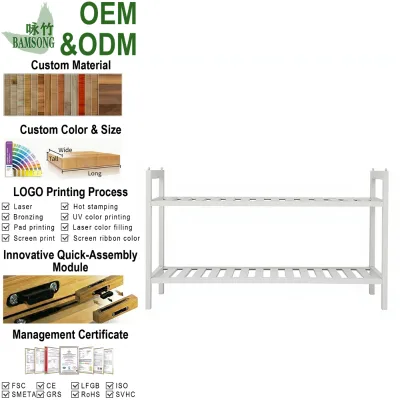
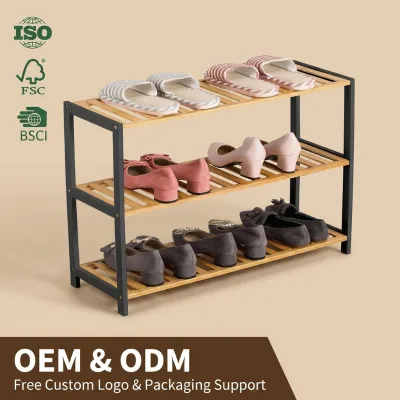
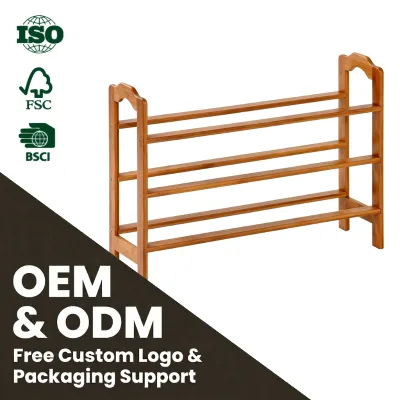
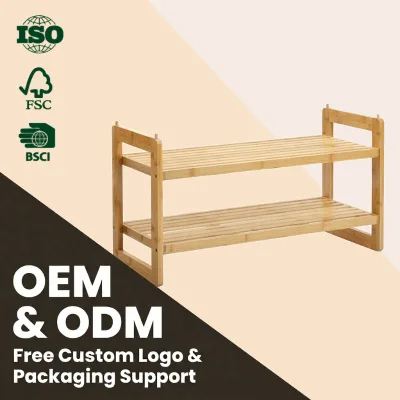
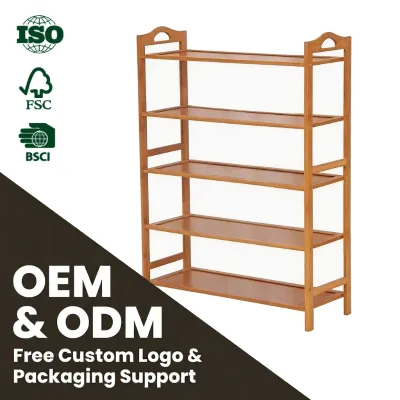
Beyond these operational metrics, buyers should evaluate the scope of customization and the specific attributes of the products offered. Some suppliers offer customized sizes, shapes, and colors, allowing for tailored solutions that fit specific retail requirements. The availability of OEM and ODM services, along with the ability to accept customized logos, adds value for brands looking to differentiate their offerings. However, not all suppliers may offer the same level of flexibility, so it is essential to verify the specific customization options available for each product model. Comparing these attributes side-by-side helps buyers identify the most suitable partner for their specific volume and design needs.
Common Multifunctional Bamboo Shoe Rack Sourcing Risks
One of the primary risks in sourcing multifunctional bamboo shoe racks involves the potential discrepancy between product descriptions and actual manufacturing capabilities. While suppliers may advertise features like eco-friendliness, durability, and multi-functionality, the actual material composition and construction quality can vary significantly. For instance, some products are described as having metal legs combined with bamboo, while others are entirely bamboo-based. Buyers must ensure that the material specifications, such as the use of specific bamboo types or the inclusion of metal components, match the product requirements to avoid receiving goods that do not meet their quality standards or design expectations.
Another significant risk relates to the consistency of production and the ability to meet delivery deadlines. The data indicates lead times that can range from 30 to 40 days, but these estimates may not account for potential delays in raw material sourcing or production bottlenecks. Additionally, the reliance on third-party logistics and the specific packing methods, such as customized or standard packaging, can introduce variables that affect the final delivery timeline. Buyers should mitigate these risks by establishing clear communication channels and requesting detailed production schedules to ensure that the supplier can adhere to the agreed-upon delivery dates without compromising on quality or quantity.
Multifunctional Bamboo Shoe Rack Regional Sourcing and Logistics
Regional sourcing for multifunctional bamboo shoe racks often centers around specific manufacturing hubs, with evidence pointing to Fujian, China as a key place of origin for many listed products. This region is known for its expertise in bamboo processing and furniture manufacturing, offering a concentrated pool of suppliers with established supply chains for raw materials and finished goods. However, without explicit confirmation of a broader cluster, buyers should verify the specific location of each supplier to understand the logistical implications of shipping from that region. The proximity to ports and the efficiency of local logistics networks can significantly impact shipping costs and delivery times.
Logistics planning must also consider the specific packaging requirements and the dimensions of the products being shipped. Some suppliers offer customized packaging, while others use standard methods, which can affect the volume and weight of the shipment. The data indicates that products may be shipped in single items or bulk packs, and the choice of packaging can influence the overall cost and efficiency of the logistics process. Buyers should work closely with their suppliers to determine the most cost-effective shipping method, taking into account the product dimensions, weight, and the specific requirements of the destination market to ensure a smooth and timely delivery.
Multifunctional Bamboo Shoe Rack Commercial Terms and Order Planning
Commercial terms for multifunctional bamboo shoe racks typically involve specific payment structures that balance the interests of both buyers and suppliers. The observed data suggests payment terms such as 30% in advance and 70% by copy of the bill of lading, which is a common arrangement in international trade. This structure helps mitigate risk for suppliers while providing buyers with some assurance that the goods will be shipped as agreed. Buyers should carefully review these terms to ensure they align with their cash flow management and risk tolerance, and they should be prepared to negotiate these terms based on the order volume and the strength of the business relationship.
Order planning for this category requires a strategic approach to managing inventory and production schedules. Given the minimum order quantities and lead times, buyers must plan their orders well in advance to avoid stockouts and ensure a steady supply of products. The ability to customize products, such as adjusting sizes or colors, adds complexity to the planning process, as it may require additional time for design approval and production setup. Buyers should maintain a clear timeline that accounts for all stages of the order process, from initial inquiry to final delivery, to ensure that the supply chain remains efficient and responsive to market demands.
FAQs
What is the typical lead time for bamboo shoe racks?
Manufacturers generally require 30 to 40 days to produce and ship orders. This timeframe allows for material preparation, assembly, and quality checks. Buyers should confirm specific delivery windows with suppliers before finalizing contracts to ensure timely arrival.
What is the minimum order quantity for these products?
The standard minimum order quantity is 300 pieces per model. This threshold applies to most listed bamboo shoe racks. Buyers seeking smaller quantities may need to negotiate directly with trading companies or accept higher per-unit pricing.
Are these shoe racks customizable for branding?
Yes, many suppliers offer OEM and ODM services. Buyers can request customized logos, sizes, and colors. Graphic processing and sample processing are available to meet specific design requirements. Confirm customization options and associated costs with the supplier.
What certifications do these bamboo products hold?
Products often carry FSC certification for sustainable sourcing. Additional standards may include BSCI, RoHS, REACH, and FDA compliance. These certifications ensure safety and ethical manufacturing. Verify specific certificates with the supplier to match your market regulations.
How quickly do suppliers respond to inquiries?
Suppliers typically respond within two to three days. Prompt communication helps clarify specifications and pricing. Buyers should expect replies within this window. Faster response times often indicate efficient customer service teams ready to assist with sourcing needs.
What materials are used in these shoe racks?
Most racks are constructed from natural bamboo or bamboo-wood blends. Some models feature metal legs for added stability. The material choice affects durability and aesthetic appeal. Buyers should specify their preferred material composition when requesting quotes.