Multifunctional Bamboo Phone Holder Suppliers and Manufacturers
Explore 30 verified options for Multifunctional Bamboo Phone Holder suppliers and manufacturers in Shandong and Fujian. Compare lead times, MOQs, and sample availability to source the right product for your needs today; review the available evidence before requesting comparable quotations from suitable candidates.
Suppliers List
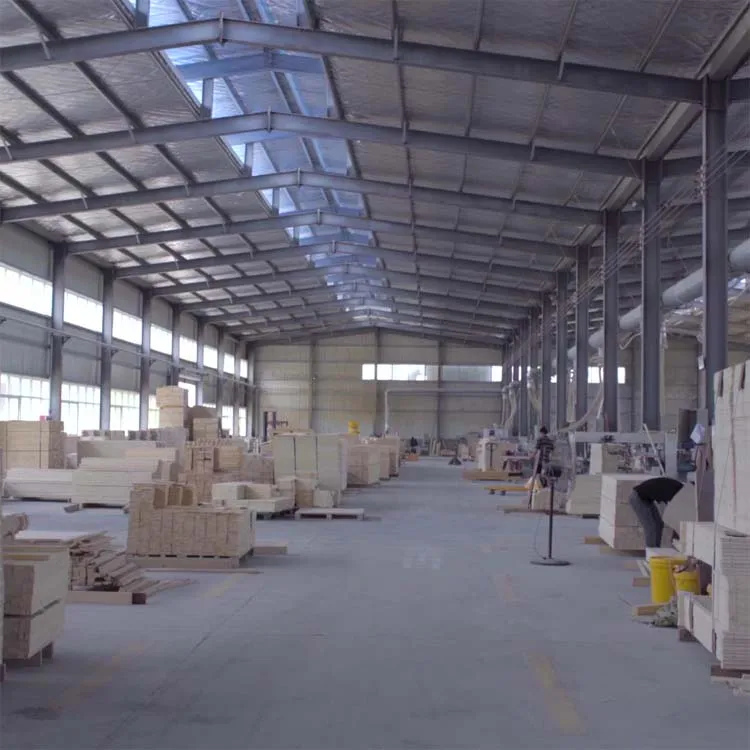
Cao County Mingrui Crafts Factory
- Manufacturer, Trading Company
- Shandong, China
- Lead time0 days
- Avg. response≤ 3h
Main productsWooden bird house,Wooden packing box,Wooden scraping board,Wooden pendant,Wooden base
Main marketsNorth America(30.0%), Western Europe(20.0%), Domestic Market(18.0%), South America(10.0%), Oceania(8.0%), Africa(5.0%), Northern Europe(5.0%), Southeast Asia(2.0%), Eastern Asia(2.0%)
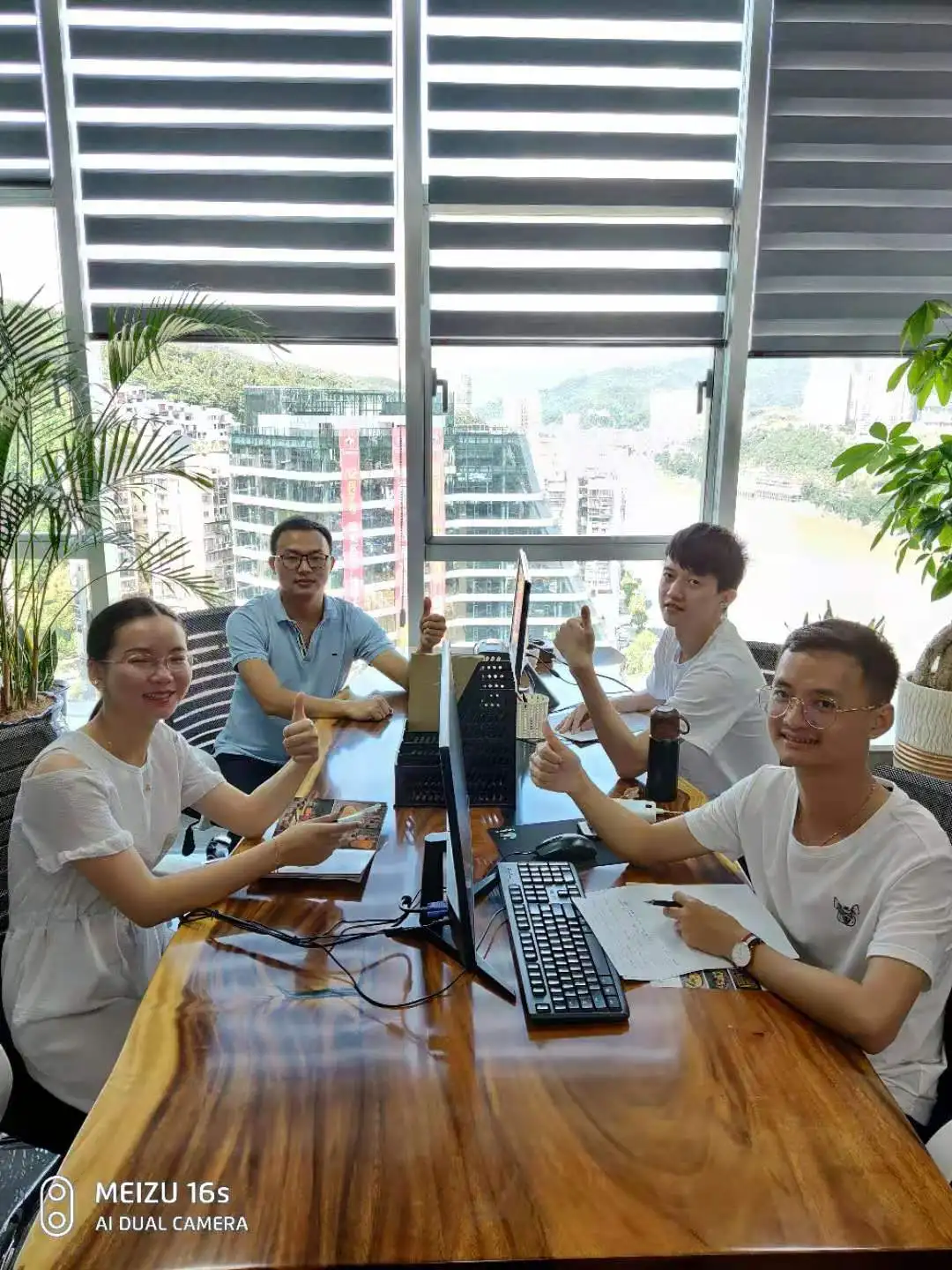
Fujian Hoyee Household Items Co., Ltd.
- Manufacturer, Trading Company
- Fujian, China
- Lead time30 days
- Avg. response≤ 3h
Main productsWood & Bamboo Products
Main marketsWestern Europe(30.0%), North America(30.0%), Northern Europe(15.0%), Southeast Asia(15.0%), South Asia(5.0%), South America(5.0%)
Fujian Hoyee Household Items Co., Ltd.
- Verified by BV
- Manufacturer/Factory
- China Fujian
- Lead time0 days
- Avg. response≤ 10h
Main productsBamboo Products, Cutting Board, Bathtub Caddy, Bath Mat, Bath Towel Rack, Shoes Rack, Office Organizer, Desk Organizer, Cheese Board, Serving Tray
Hangzhou Packaging Household Products Co., Ltd.
- Verified by Intertek
- Trading Company
- Lead time30 days
- Avg. response≤ 3h
Main productsWooden Cutting Board, Wooden Tray, Wooden Box, Wooden Barrel
Main marketsNorth America(62%), Eastern Europe(12%), Northern Europe(10%)

Xiamen Ebei Import & Export Co., Ltd.
- Verified by CTI
- Trading Company,Manufacturer/Factory
- China Fujian
- Lead time45 days
- Avg. response≤ 2h
Main productsEco-Friendly Products, Bamboo Tableware, Bamboo Furniture, Bamboo Kitchenware, Bamboo Office Supply, Bamboo Fibre Products, Biodegradable Products, Bamboo Towel, Solar Energy Products, Bamboo Garden Products
Main marketsSouth America,Eastern Europe,Mid East,North America,Southeast Asia,Eastern Asia,Oceania,Western Europe,Africa
Shuifu Huiyang Agricultural Technology Co., Ltd.
- Verified by SGS
- Trading Company
- China Yunnan
- Lead time23 days
- Avg. response≤ 2h
Main productsBamboo Products, Bamboo Crafts, Bamboo Chopsticks, Bamboo Skewers, Bamboo Weaving, Bamboo Tray, Bamboo Box, Bamboo Placemat, Bamboo Fruit Bowl, Lamp Shades
Main marketsDomestic

XIAMEN TWO CITY IMP AND EXP CO., LTD.
- Verified by SGS
- Trading Company
- China Fujian
- Lead time30 days
- Avg. response≤ 4h
Main productsBamboo Panel, Bamboo Plywood, Bamboo Cutting Board, Bamboo Chopping Board, Bamboo Products, Bamboo Kitchenware, Bamboo Tableware, Bamboo Furniture, Wood Product, Wood Root Carving Product
Main marketsSoutheast Asia/ Mideast,Europe,North America
Xianju Answell Artware Co., Ltd.
- Manufacturer, Trading Company
- Zhejiang, China
- Lead time42 days
- Avg. response≤ 8h
Main productsWooden Decoration,Wooden Pet Supplies
Main marketsEastern Europe(20.0%), Southern Europe(20.0%), Northern Europe(15.0%), Western Europe(15.0%), Oceania(10.0%), South America(5.0%), North America(5.0%), Central America(5.0%), Mid East(5.0%)
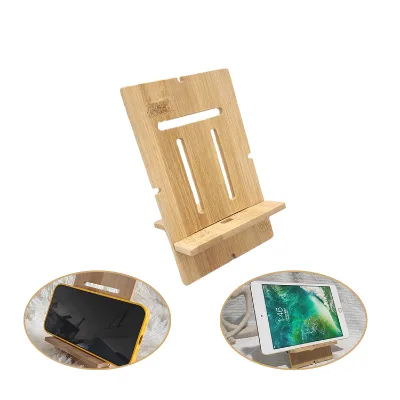
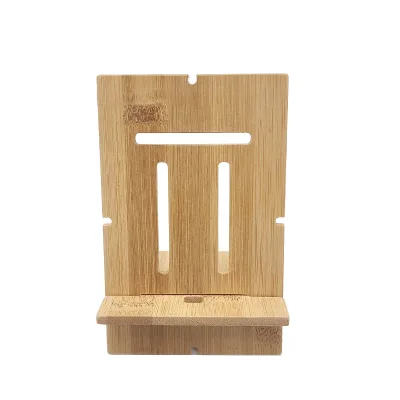
Logo Print High Quality Bamboo Mobile Phone Holder Custom Desktop Folding Cell Phone Stand
Contact supplier
Moq: 12
Anhui Xianwei E-Commerce Co., Ltd
- Verified by TUVRHEINLAND
- Manufacturer/Factory
- China Anhui
- Lead time0 days
- Avg. response≤ 5h
Main productsLamp, Cup, Tent
Main marketsSouth America,Eastern Europe,Mid East,North America,Southeast Asia,Eastern Asia,Oceania,Western Europe,Africa


Prosub DIY Printing Cellphone Stand Sublimation Blank Bamboo Mobile Phone Holder
$0.52 - $1.00
Moq: 100
Cao County Kailiyang Handicrafts Co., Ltd.
- Manufacturer, Trading Company
- Shandong, China
- Lead time0 days
- Avg. response≤ 3h
Main productsWood Box,Wood Tray,Wood Shelf,Wood Craft
Main marketsNorth America(45.0%), Oceania(15.0%), Domestic Market(10.0%), Eastern Europe(5.0%), Southeast Asia(5.0%), Eastern Asia(5.0%), Western Europe(5.0%), Northern Europe(5.0%), South Asia(5.0%)

NINGBO HAISHU HOPE-U INTERNATIONAL TRADING CO., LTD.
- Manufacturer/Factory
- China Zhejiang
- Lead time45 days
- Avg. response≤ 7h
Main productsGift, Beauty Device, Bluetooth Speaker, Skin Care, Cosmetics, Promotional Products, Camping Lamp, Fan, Keyboard and Mouse, Humidifier
Main marketsSouth America,Eastern Europe,North America,Southeast Asia,Western Europe
Caoxian Baisenwo Crafts Co., Ltd.
- Manufacturer, Trading Company
- Shandong, China
- Lead time25 days
- Avg. response≤ 5h
Main productsWooden Boxes,Wooden Pet Products,Wooden Kids' Products,Wooden Kitchen Products,Wooden Shelves
Main marketsNorth America(24.0%), Western Europe(20.0%), Mid East(10.0%), Domestic Market(8.0%), South America(6.0%), Eastern Asia(5.0%), Southern Europe(5.0%), Oceania(5.0%), Eastern Europe(5.0%), Northern Europe(5.0%), Southeast Asia(3.0%), Central America(2.0%), Africa(1.0%), South Asia(1.0%)
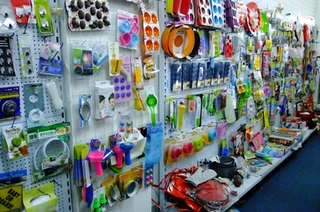
Ningbo Gemark Trading Co., Ltd.
- Trading Company
- Zhejiang, China
- Lead time30 days
- Avg. response≤ 3h
Main productsKitchen Tool,Cookie Cutter,Silicone Mold,Plastic lunch box,Measuring Spoon/Cup
Main marketsNorth America(50.0%), Western Europe(10.0%), Northern Europe(5.0%), Central America(5.0%), South America(5.0%), Eastern Asia(5.0%), Oceania(5.0%), Southern Europe(5.0%), Eastern Europe(5.0%), Southeast Asia(3.0%), South Asia(2.0%)

Ningbo Sv Plastic Hardware Co., Ltd.
- Verified by SGS
- Manufacturer/Factory
- China Zhejiang
- Lead time30 days
- Avg. response≤ 12h
Main productsInjection Molding, Mould, Plastic Injection, Plastic Tooling, OEM Plastic, Injection Mold, Peek Injection, Medical Injection, Ts16949 Injection, OEM Injection
Main marketsSouth America,Eastern Europe,Mid East,North America,Southeast Asia,Eastern Asia,Oceania,Western Europe,Africa


High Quality Multifunctional Plastic Cell Phone Holder Plastic Cell Phone Holder
$5.40 - $6.00
Moq: 500
Nanping Jianyang Eagle Bamboo And Wood Products Co., Ltd.
- Manufacturer
- Fujian, China
- Lead time30 days
- Avg. response≤ 2h
Main productsBamboo and wooden skewer,bamboo and wooden product,bamboo basket,bamboo and wooden chopstick,willow/rattan/grass picnic box
Main marketsWestern Europe(11.11%), Eastern Asia(11.11%), Mid East(11.11%), Oceania(11.11%), Africa(11.11%), Southeast Asia(11.11%), Eastern Europe(11.11%), South America(11.11%), North America(11.11%)
Zhejiang Hynawin E-Commerce Co., Ltd.
- Manufacturer, Trading Company
- Zhejiang, China
- Lead time15 days
- Avg. response≤ 6h
Main productsStorage Shelf,LED Light,Craft Items
Main marketsNorth America(40.0%), Eastern Asia(15.0%), Northern Europe(10.0%), Western Europe(6.0%), Domestic Market(5.0%), Southern Europe(5.0%), Central America(5.0%), Eastern Europe(5.0%), Oceania(3.0%), South Asia(2.0%), South America(1.0%), Mid East(1.0%), Africa(1.0%), Southeast Asia(1.0%)

- Verified by TUVRHEINLAND
- Trading Company,Manufacturer/Factory
- China Jiangsu
- Lead time23 days
- Avg. response≤ 3h
Main productsMedal, Coin, Lapel Pin, PVC Patch, Embroidery Patch, Keychain, Button Badge, Silicone Wristband, Lanyards, Gift
Main marketsSouth America,Eastern Europe,Mid East,North America,Oceania,Western Europe
Ningbo Hi-Tech Zone Sengfeng Imp. & Exp. Co., Ltd.
- Verified by BV
- Trading Company
- China Zhejiang
- Lead time30 days
- Avg. response≤ 2h
Main productsBallpoint Pen, Notebook, Stainless Steel Bottle, Flask Vacuum Bottle, Keychain, Pencil, Shopping Bag, Lanyard, Promotional Gifts, Gift Box
Main marketsSouth America,Africa,Southeast Asia/ Mideast,East Asia(Japan/ South Korea),Europe,Australia,North America
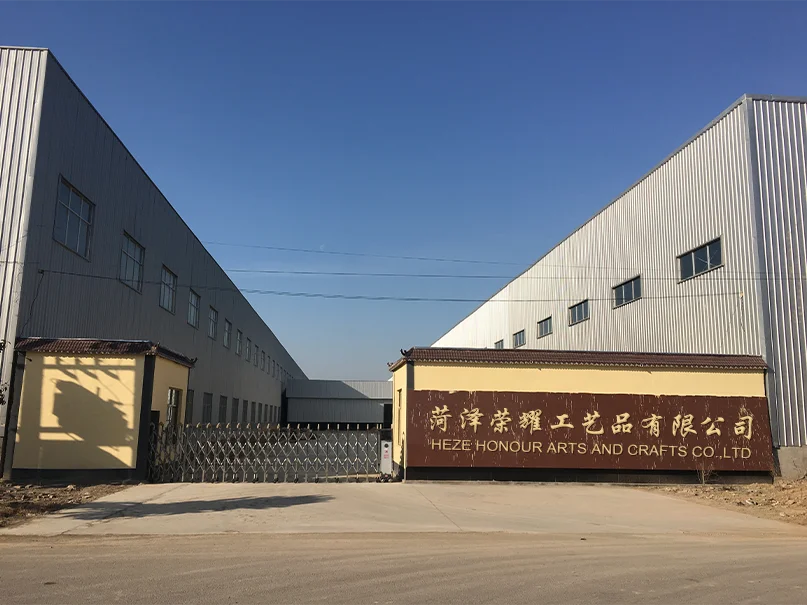
Heze Honour Arts And Crafts Co., Ltd.
- Manufacturer, Trading Company
- Shandong, China
- Lead time25 days
- Avg. response≤ 4h
Main productswooden box,wooden tray,wooden cutting board,Home decoration,wooden holder
Main marketsEastern Europe(47.0%), North America(40.0%), South America(2.0%), Domestic Market(1.0%), South Asia(1.0%), Southern Europe(1.0%), Northern Europe(1.0%), Central America(1.0%), Western Europe(1.0%), Eastern Asia(1.0%), Mid East(1.0%), Oceania(1.0%), Africa(1.0%), Southeast Asia(1.0%)

Xiamen Forever Rise Imp and Exp Co., Ltd.
- Verified by BV
- Trading Company
- China Fujian
- Lead time23 days
- Avg. response≤ 18h
Main productsBamboo Plywood, Bamboo Panel, Bamboo Chopping Board, Bamboo Pizza Board, Bamboo Kitchenwares, Bamboo Weaving Mat, Bamboo Table Top, Bamboo Skewer Sticks, Outdoor Bamboo Decking, Outdoor Wall Panel
Main marketsSoutheast Asia/ Mideast,East Asia(Japan/ South Korea),Europe,Australia,North America
Xiamen Eco Go Industry Co., Ltd.
- Verified by Intertek
- Trading Company
- Lead time0 days
- Avg. response≤ 4h
Main productsBamboo and Wooden Kitchenware, Bamboo and Wooden Office Items, Bamboo and Wooden Bathroom Items, Bamboo and Wooden Household Items
Main marketsNorth America(50%), Western Europe(38%), Northern Europe(5%)

Chinapack Ningbo Import & Export Co., Ltd.
- Verified by SGS
- Trading Company,Manufacturer/Factory
- China Zhejiang
- Lead time23 days
- Avg. response≤ 18h
Main productsSnowboard, Water Bottle, Promotional Hats, Glass Bottle, Ski Set, Snowboot, Snowboard Binding, Home Sock, Hood, Scarf
Main marketsSouth America,Eastern Europe,North America,Southeast Asia,Eastern Asia,Oceania,Western Europe

- Manufacturer/Factory
- China Fujian
- Lead time45 days
- Avg. response≤ 13h
Main productsBamboo Chopping Board, Bamboo Box, Bamboo Tray, Bamboo Bottle, Bamboo Products, Bamboo Cutlery, Bamboo Plywood, Bamboo Furniture, Bamboo Plate, Bamboo Broom
Main marketsSouth America,Eastern Europe,Mid East,North America,Southeast Asia,Oceania,Western Europe,Africa

Changzhou Sitan Imp. and Exp. Co., Ltd.
- Verified by BV
- Trading Company,Manufacturer/Factory
- China Jiangsu
- Lead time45 days
- Avg. response≤ 10h
Main productsFitness Equipment, Barbell Series, Resistance Bands, Agility & Speed, Yoga Ball, Massage Series, Power Rack, Weight Ball, Charging Notebook, Custom Logo Goods
Main marketsSouth America,Eastern Europe,Mid East,North America,Southeast Asia,Eastern Asia,Oceania,Western Europe,Africa
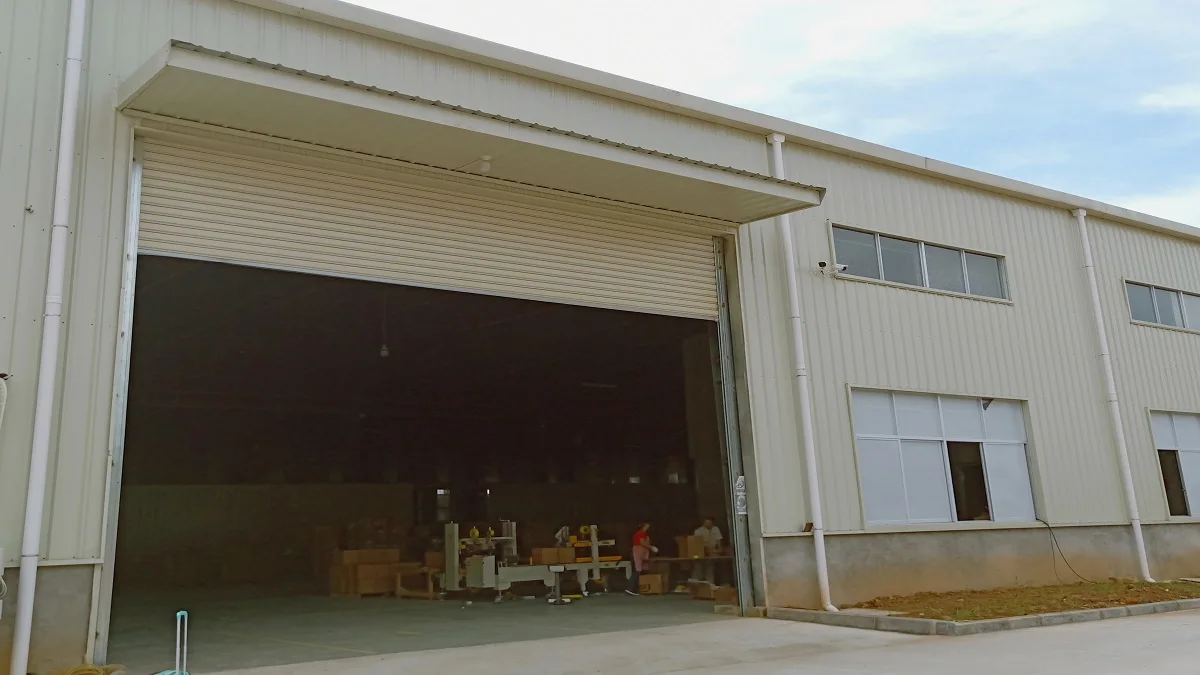
Zhangzhou Addreen Bamboo Co., Ltd.
- Manufacturer, Trading Company
- Fujian, China
- Lead time30 days
- Avg. response≤ 2h
Main productsBathroom rack,Bamboo Cutlery Tray,Bamboo Stash Box,Bamboo Cheese Board Set,Chopping board
Main marketsNorth America(35.0%), South America(22.0%), Mid East(15.0%), Eastern Europe(13.0%), Western Europe(8.0%), Northern Europe(4.0%), Southern Europe(3.0%)
Changsha Jmax Technology Co., Ltd.
- Trading Company
- Hunan, China
- Lead time5 days
- Avg. response≤ 3h
Main productsLaptop Adapter,USB HUB,Phone Charger,USB Cable,Phone Case
Main marketsNorth America(25.0%), Eastern Europe(15.0%), Western Europe(15.0%), Northern Europe(10.0%), Southeast Asia(10.0%), South Asia(5.0%), Southern Europe(5.0%), Oceania(5.0%), South America(5.0%), Mid East(5.0%)
Fuzhou Jiashu Import And Export Co.,ltd.
- Trading Company
- Fujian, China
- Lead time40 days
- Avg. response≤ 10h
Main productsWood/Bamboo Cutting Board, Wood/Bamboo Cheese Board Set, Wood/Bamboo Tray, Wood/Bamboo Bowls, Wood/Bamboo Cake Stand
Main marketsNorth America(35.0%), Western Europe(35.0%), Mid East(30.0%)

Shenzhen Flyoung Technology Co., Ltd.
- Verified by SGS
- Trading Company
- China Guangdong
- Lead time23 days
- Avg. response≤ 4h
Main productsLaptop Stand, Mobile Phone Holder, Car Phone Holder, Laptop Cooling Pad, Tablet Holder, Car Mount, Phone Stand, Laptop Holder, Phone Holder
Main marketsEast Asia(Japan/ South Korea),Europe,North America
Dongguan Prosub Technology Co., Ltd.
- Verified by SGS
- Combined
- China Guangdong
- Lead time15 days
- Avg. response≤ 6h
Main productsSublimation Blanks, Sublimation Phone Case Blanks, Sublimation Machine, 3D Sublimation Tansfer Film, Sublimation Keycaps, Sublimation Rock Slate, Phone Case Printing Machine, Sublimation Phone Cover, Sublimations, Sublimation Products
Main marketsSouth America,Southeast Asia/ Mideast,Europe,Australia,North America

Fuzhou Chongkang Gifts Trade Co., Ltd.
- Verified by SGS
- Manufacturer/Factory
- China Fujian
- Lead time23 days
- Avg. response≤ 6h
Main productsPromotional Gifts, Baseball Cap, Beanies Hat, Gift Bags, Scarf, Microfiber Cleaning Cloth, Keychain, USB Charging Line, Luggage Tag, Mobile Phone Holder
Main marketsSouth America,Eastern Europe,Mid East,North America,Southeast Asia,Eastern Asia,Oceania,Western Europe,Africa
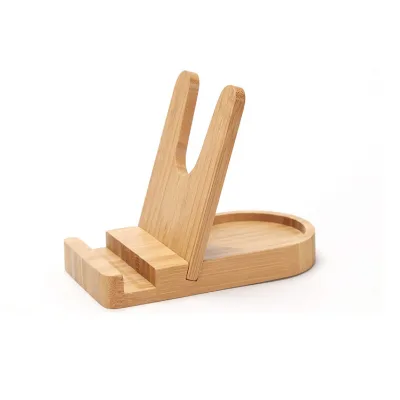
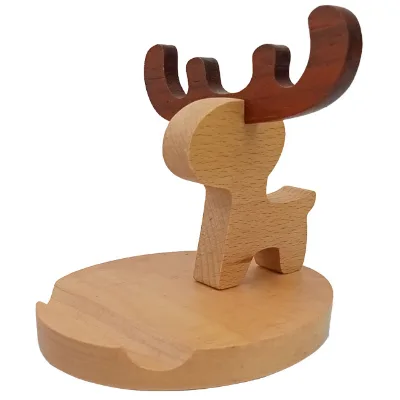
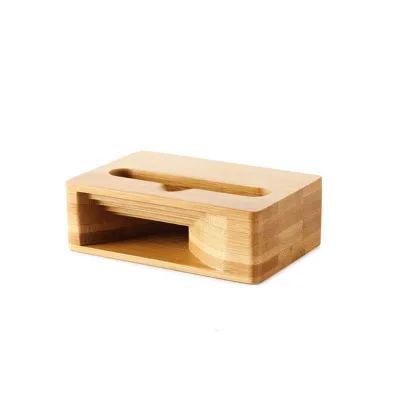
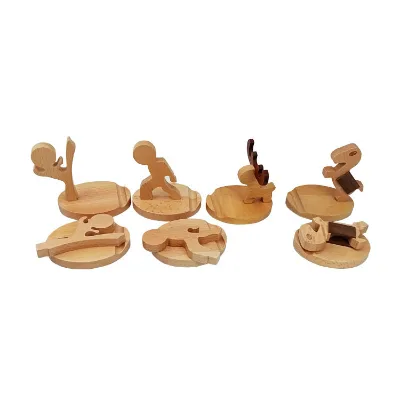
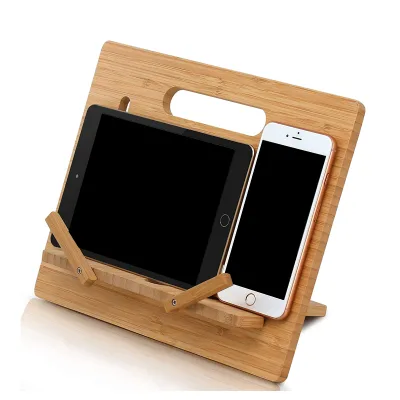
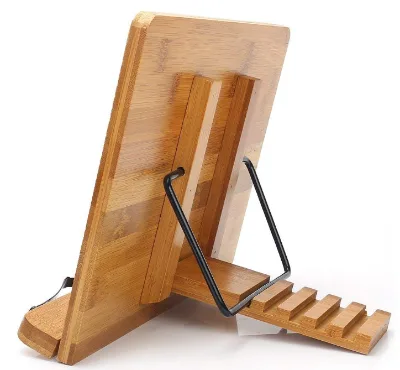


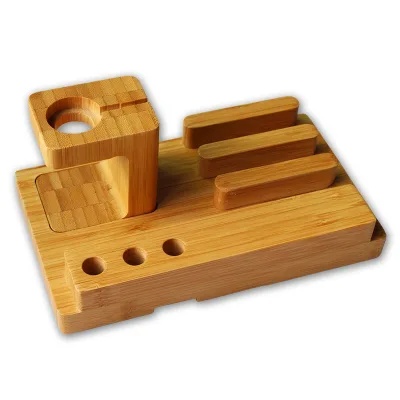
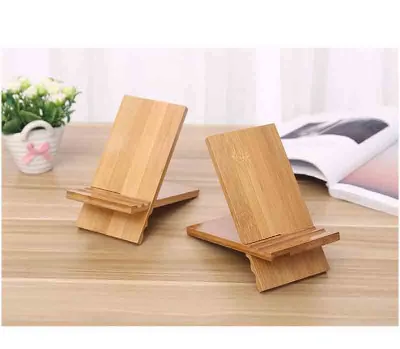




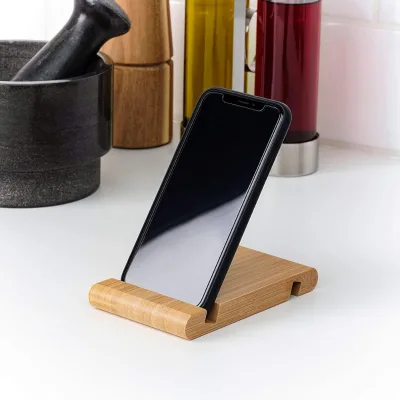
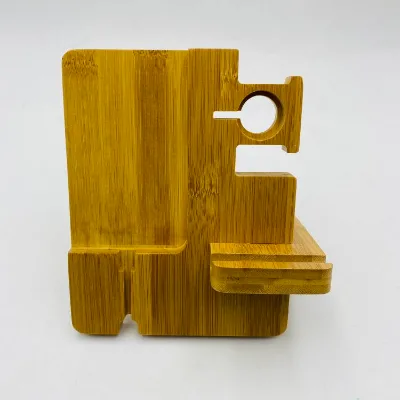
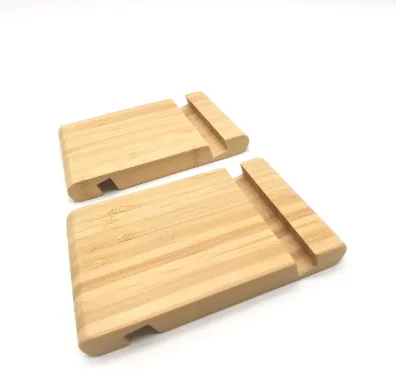
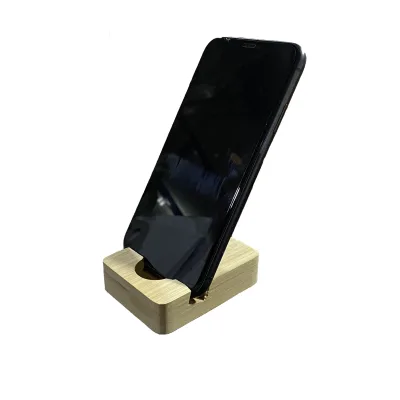


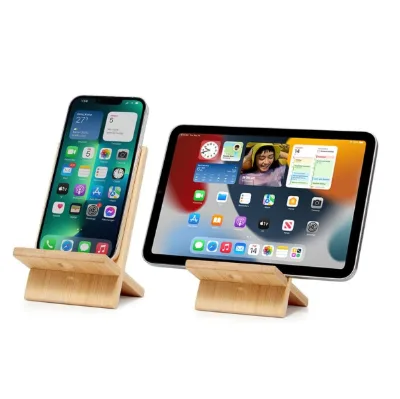
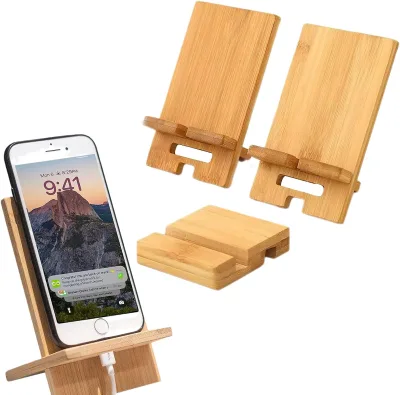
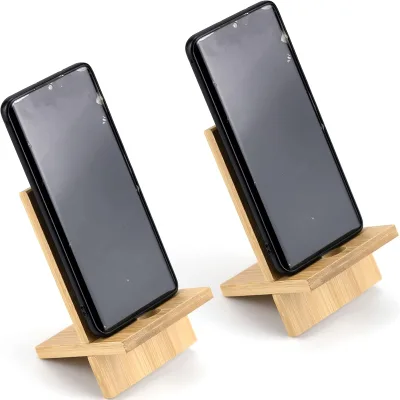


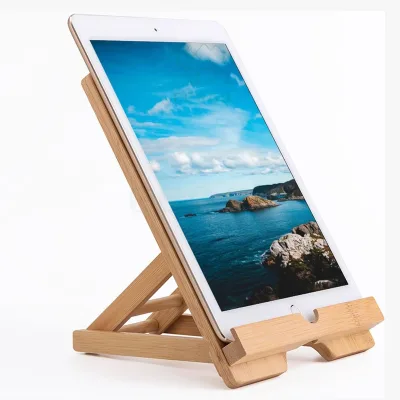
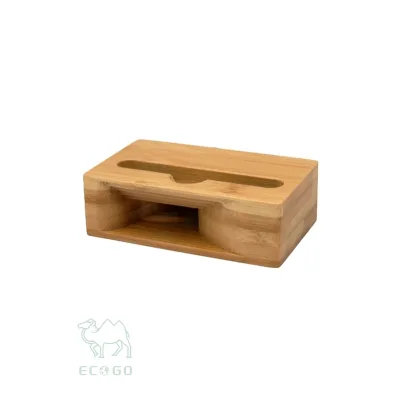


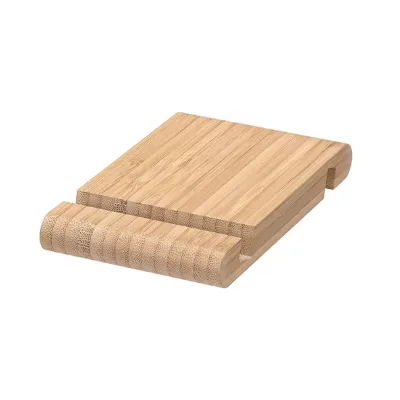
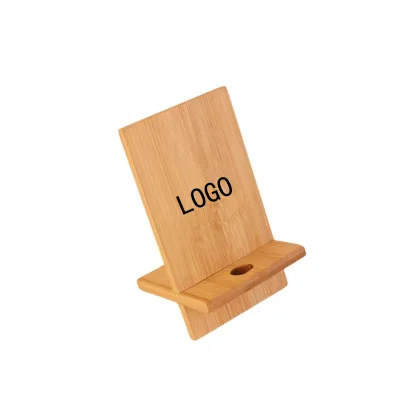
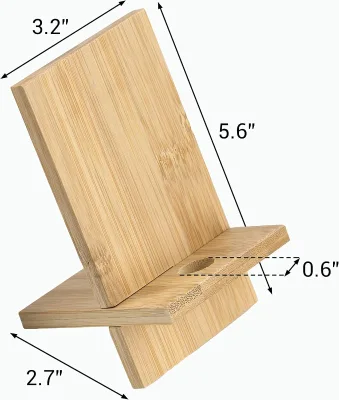
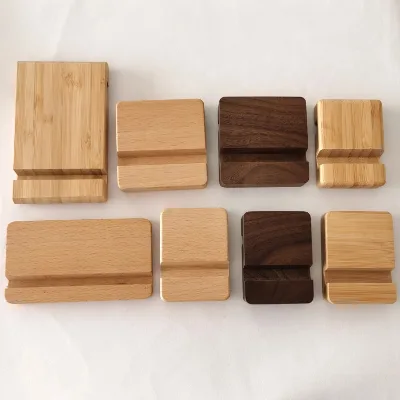
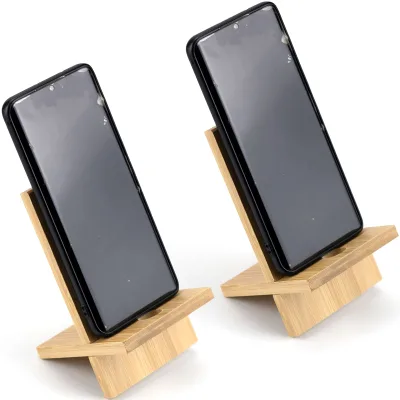
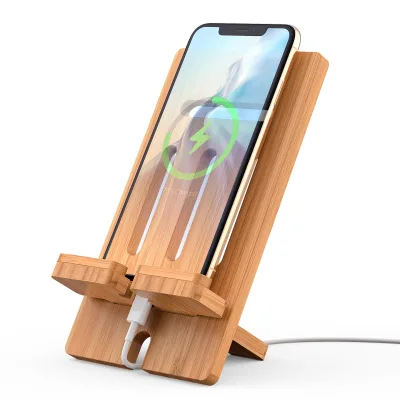


Comprehensive Sourcing Guide
Multifunctional Bamboo Phone Holder Supplier Concentration and Factory Types
Current data indicates a concentration of manufacturing activity in Shandong, China, where specific suppliers list this region as their place of origin for wooden and bamboo phone stands. These entities operate as both manufacturers and trading companies, suggesting a hybrid model where production capabilities may coexist with direct sales channels. The primary product lines observed include wooden bird houses, packing boxes, and various wooden bases, indicating that suppliers often diversify their woodcraft offerings beyond single-item phone holders. This clustering allows buyers to potentially source related wooden packaging or decorative items alongside their primary order, streamlining logistics for mixed inventory needs.
In Fujian, China, another distinct cluster appears focused on wood and bamboo products, though specific factory types are less detailed in the immediate results. Buyers should verify if these facilities are dedicated production units or trading entities by examining their company type designation and main product lists. The presence of both manufacturer and trading company labels in the Shandong results suggests that a single supplier might manage the entire process from raw material sourcing to final shipment. However, without explicit confirmation of factory ownership, buyers must treat the "manufacturer" label with caution and request proof of production capacity to ensure direct access to pricing and quality control measures.
How to Verify Multifunctional Bamboo Phone Holder Suppliers
Verification begins by cross-referencing the stated location, such as Shandong or Fujian, with the specific product attributes provided in the listing. Buyers should confirm that the "Place of Origin" matches the supplier's claimed address and check if the main products listed align with the specific item, such as a Multifunctional Bamboo Phone Holder. The response time metric is a critical verification tool; a three-day response window suggests a baseline level of engagement, but buyers must test this by sending a specific inquiry to gauge actual communication speed. Additionally, checking the sample time, which ranges from five to ten days in observed data, helps validate the supplier's ability to produce prototypes quickly for quality assessment before bulk commitment.
Buyers must also scrutinize the product evidence for consistency, ensuring that model numbers, materials like beech or bamboo, and dimensions match the physical sample received. For instance, a listing claiming a "Mobile Phone Wooden Stand" with a polished technique should be verified against the actual sample's finish and weight, which is listed as 0.5 kg in some cases. It is essential to request business licenses and factory photos to confirm the existence of the physical location claimed. If a supplier claims to be a manufacturer, they should provide evidence of their production line rather than just trading documentation. This rigorous verification process prevents reliance on unverified claims and ensures the supplier has the tangible capacity to fulfill the order specifications accurately.
What to Compare Across Multifunctional Bamboo Phone Holder Suppliers
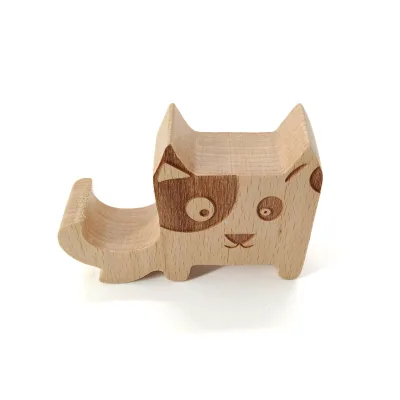
When evaluating potential partners, the minimum order quantity (MOQ) is a primary differentiator, with observed values ranging from a single piece to 500 units. Some suppliers offer an MOQ of just one piece, which is ideal for sampling or small boutique orders, while others require 200 or 500 pieces, necessitating a larger capital outlay. Buyers should compare these thresholds against their inventory needs to avoid overstocking or facing prohibitive entry costs. Alongside MOQ, the price range varies significantly, with some listings showing a minimum of 1.41 and a maximum of 3.44 per unit. This variance often reflects differences in material quality, such as beech versus generic wood, or the complexity of the design, like animal shapes versus simple square stands.
Lead times and sample delivery windows are equally critical comparison points, as they directly impact time-to-market. Observed delivery times span from 15 to 45 days, with sample times varying between 3 to 15 days depending on the supplier's current workload and location. A supplier offering a 30-day lead time might be more suitable for large, planned orders, whereas a 15-day window could be preferable for urgent restocking. Buyers should also compare customization options, such as the ability to accept custom logos or colors, which is noted in several product attributes. By systematically comparing these operational metrics, buyers can identify suppliers that align best with their specific volume requirements, budget constraints, and timeline expectations without relying on vague promises.
Common Multifunctional Bamboo Phone Holder Sourcing Risks
One significant risk involves the discrepancy between the claimed material and the actual product received, particularly when listings mention bamboo but the product attributes specify beech or generic wood. Buyers must verify the material composition through physical samples to ensure the product matches the description, as inconsistencies can lead to customer dissatisfaction and returns. Another risk is the variability in packaging standards, where some suppliers use cartons while others offer packing "according to your needs." Inconsistent packaging can lead to damage during transit, especially for delicate wooden items, and may increase the overall cost if the buyer has to arrange for additional protective measures.
Delivery time fluctuations present another substantial risk, as observed lead times can range from 15 to 45 days depending on the specific order and supplier capacity. A supplier promising a 30-day delivery might face delays due to raw material shortages or production bottlenecks, which can disrupt the buyer's supply chain. Furthermore, the reliance on a single supplier for a specific product type, such as a Multifunctional Bamboo Phone Holder, creates a vulnerability if that supplier encounters operational issues. Buyers should mitigate this by diversifying their supplier base and maintaining clear communication channels to address potential delays proactively. Understanding these risks allows buyers to implement safeguards and contingency plans before placing large orders.
Multifunctional Bamboo Phone Holder Regional Sourcing and Logistics
Sourcing from Shandong, China, offers access to a cluster of suppliers specializing in wood crafts, which can simplify logistics for buyers targeting this region. The proximity of multiple suppliers in this area may facilitate consolidated shipping, reducing freight costs for mixed orders that include wooden boxes or other crafts. However, buyers must verify the specific port of loading and shipping terms, as these details are not always explicitly stated in the initial product listings. The lead time of 30 days observed in some Fujian-based results suggests that regional differences can impact the overall shipping schedule, requiring careful coordination with freight forwarders to ensure timely delivery.
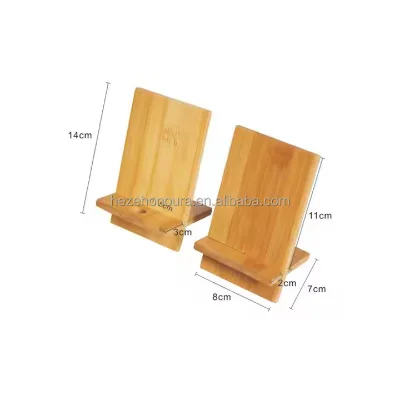
Logistics planning must also account for the single gross weight of the products, which varies from 0.065 kg to 0.5 kg per unit. This weight difference affects the total shipping volume and cost, particularly for air freight versus sea freight options. Buyers should calculate the total cubic meterage based on the single package size, which ranges from 9.6x7.9x10 cm to 12.5x17x15 cm, to optimize container loading. Additionally, the sample time of 5 to 15 days must be factored into the logistics timeline, as the initial sample shipment adds to the overall lead time before bulk production begins. By understanding these regional and logistical nuances, buyers can better estimate total landed costs and plan their inventory replenishment cycles effectively.
Multifunctional Bamboo Phone Holder Commercial Terms and Order Planning
Commercial terms regarding payment and customization are vital for successful order planning, with many suppliers accepting OEM and custom logo requests. Buyers should clarify the payment structure, such as whether escrow services are available to protect funds until the goods are shipped and verified. The ability to accept custom colors and logos is a key commercial term that adds value but may require additional time for setup and approval. Buyers must confirm the specific requirements for custom orders, such as the minimum quantity needed for logo printing, which can vary from 200 to 500 pieces depending on the supplier's policy.
Order planning should also consider the sample time and delivery time to ensure alignment with market demand. With sample times ranging from 3 to 10 days and delivery times up to 45 days, buyers need to build a buffer into their production schedule to accommodate potential delays. The price range of 1.41 to 3.44 per unit suggests that budget planning must account for volume discounts and potential price fluctuations based on material costs. Buyers should establish a clear timeline for sample approval, production, and shipping to avoid bottlenecks. By carefully managing these commercial terms and planning for variable lead times, buyers can ensure a smooth procurement process and maintain a reliable supply of multifunctional bamboo phone holders.
FAQs
What is the typical MOQ for bamboo phone holders?
Minimum order quantities vary by supplier and product design. Some manufacturers require 500 pieces for standard wooden stands, while others accept orders as low as 200 or even 1 piece for samples. Buyers should verify the specific MOQ with each supplier before placing bulk orders to ensure alignment with their inventory needs.
Where are these bamboo phone holders manufactured?
Most suppliers offering these products are located in Shandong, China. Some listings also indicate Fujian, China as a manufacturing hub for wood and bamboo products. Buyers can filter search results by these specific regions to find factories with established supply chains for wooden crafts and mobile accessories.
How long does production take for these items?
Production lead times generally range from 15 to 45 days depending on the order volume and customization requirements. Some suppliers list delivery times of 15-25 days for standard models, while others may require up to 45 days for complex designs. Sample times are typically shorter, ranging from 3 to 15 days.
What materials are used in these phone stands?
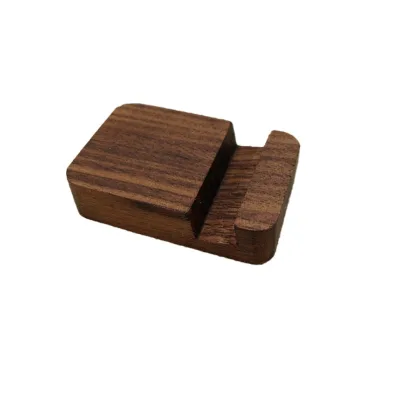
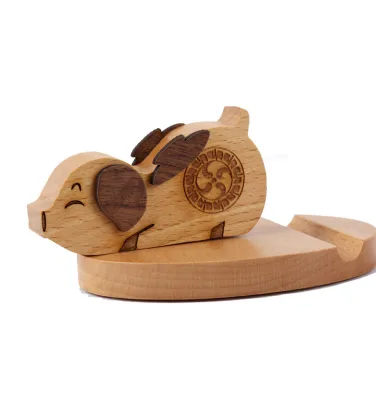
Common materials include beech wood, bamboo, and general wood varieties. Products are often described as multifunctional bamboo wood holders with polished finishes. Some designs feature painting patterns or irregular shapes, while others maintain a modern minimalist style. Buyers should check product specifications to confirm the exact material composition.
What is the price range for these holders?
Prices typically range from $1.41 to $3.44 per unit based on quantity and design complexity. Lower-priced items around $1.41 may have higher MOQs or simpler designs, while premium options with custom logos or intricate shapes cost more. Buyers should request quotes for their specific quantity to get accurate pricing.
Can I get a custom logo on these products?
Many suppliers accept custom logo requests for their wooden phone holders. Options include printing, engraving, or attaching labels to the product. Buyers should confirm logo customization details, such as file formats and additional costs, with the supplier during the inquiry process to ensure brand alignment.