Multifunctional Cassava Slicer Suppliers and Manufacturers
Source 19 verified suppliers for Multifunctional Cassava Slicer machines from China. Compare key dimensions including ISO certifications, response times, lead times, and pricing to identify the right partner. Review detailed specifications and request quotes directly from the listed factories; review the available evidence before requesting comparable quotations from suitable candidates.
Suppliers List

- Manufacturer/Factory,Group Corporation
- China Hubei
- Lead time23 days
- Avg. response≤ 6h
Main productsAgro Machine, Food Machine, Milking Machine, Tractor, Parboiled Rice Milling Machine, Thresher, Harvester, Solar Dryer, Seeder, Biogas Products
Main marketsSouth America,Eastern Europe,Mid East,North America,Southeast Asia,Eastern Asia,Oceania,Western Europe,Africa


Cassava Chipper and Slicer Machine Cassava Processing Machine Cassava Chipping Machine
$1650.00 - $1800.00
MOQ: 1 Pieces
Zhengzhou Inber Machinery Co., Ltd.
- Verified by CTI
- Trading Company,Manufacturer/Factory
- China Henan
- Lead time23 days
- Avg. response≤ 22h
Main productsFruit Processing Machines, Vegetable Processing Machines, Peanut Processing Machine, Food&Beverages Processing Machine, Peanut Butter Processing Machine, Chilli Paste Processing Machine, Vegetable Washing Machine, Cassava Processing Machine, Tortilla Making Machine, Meat Product Making Machine
Main marketsSouth America,Eastern Europe,Mid East,North America,Southeast Asia,Eastern Asia,Oceania,Western Europe,Africa

Good Working Cassava Slicer Machine Cassava Slicing Machine Cassava Slicer
$2800.00 - $20000.00
MOQ: 1 Pieces

Cassava Cutting Machine/Cassava Peeling Machine/Cassava Peeler and Slicer
$2800.00 - $20000.00
MOQ: 1 Sets


Henan Baixin Machinery Equipment Co., Ltd.
- Verified by SGS
- Combined
- China Henan
- Lead time15 days
- Avg. response≤ 3h
Main productsMesh Belt Continuous Dryer, Heat Pump Dryer, Microwave Dryer, French Fries Production Line
Main marketsSouth America,Africa,Southeast Asia/ Mideast,Europe


Electrical Cassava Chipper Cutter Slicer for Cassava Banana Lemon Corn Fruit Vegetable
$3300.00 - $3500.00
MOQ: 1 Pieces
Guangxi Shuanggao Agricultural Machinery Co., Ltd.
- Manufacturer, Trading Company
- Guangxi, China
- Lead time0 days
- Avg. response≤ 10h
Main productsSugarcane Planting Machine,Sugarcane Harvesting Machine,Cassava Planting Machine,Cassava Harvesting Machine,Soil Preparation and field Management Machine
Main marketsAfrica(50.0%), Southeast Asia(40.0%), Central America(5.0%), Eastern Asia(5.0%)
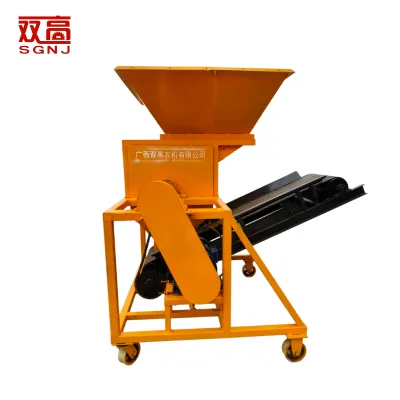
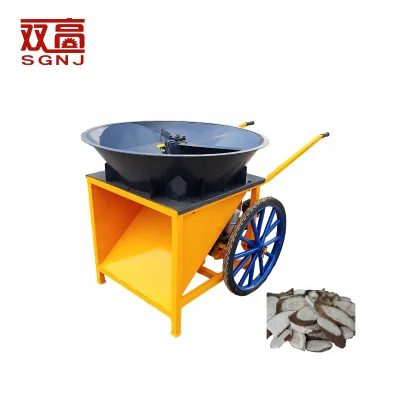
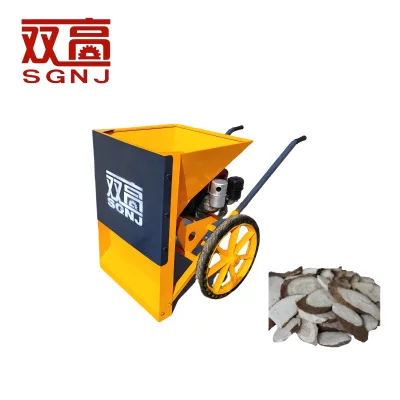
Cassava Potato Chipper Cassava Grater Machine
$800.00 - $1000.00

Hunan Dongfanghong Electromechanical Manufacturing Co., Ltd.
- Combined
- China Hunan
- Lead time30 days
- Avg. response≤ 11h
Main productsChaff Cutter, AC Motor, Corn Sheller, Feed Pellet Machine, Rice Milling Machine, Potato Grater, Feed Granulator, Fodder Chopper, Grinder Machine
Main marketsSoutheast Asia/ Mideast,Domestic,North America
Henan Domax Machinery Co., Ltd.
- Verified by SGS
- Trading Company,Manufacturer/Factory
- China Henan
- Lead time15 days
- Avg. response≤ 5h
Main productsMeat Processing Machine, Snacks Machine, Vegetables Processing Machine, Fruits Processing Machine, Nut Processing Machine, Hygiene Station, Recycling Machine, Farm Machine
Main marketsSouth America,Eastern Europe,Mid East,North America,Southeast Asia,Eastern Asia,Oceania,Western Europe,Africa

Cassava Peeling Slicing Machinery Cassava Cutting Processing Equipment Cassava Slicing Machine
$800.00 - $885.00
MOQ: 1 set

Cassava Peeling and Slicing Machine / Cassava Slicer Cassava Peeler and Chipper
$800.00 - $885.00
MOQ: 1 set

Cassava Peeler Chipper Machinery/Manioc Cassava Slicer Peeling Chipping Machine
$800.00 - $885.00
MOQ: 1 set

Industrial Cassava Peeling Slicing Machine Cassava Peeler and Cutter Machine
$800.00 - $885.00
MOQ: 1 set

Cassava Peeler Chipper Manioc Cassava Slicing Machine Cassava Skin Peeler and Chipping Machine
$800.00 - $885.00
MOQ: 1 set
Johtank (Shandong) Food Machinery Co., Ltd.
- Verified by SGS
- Combined
- China Shandong
- Lead time30 days
- Avg. response≤ 3h
Main productsPotato Chips Production Line, Frozen French Production Line, Banana Chips Making Machines, Sausage Production Line, Hamburger Patty Processing Line, Chicken Processing Assembly Line, Retort Machine, Pasteurization Machine, Fruit Processing Series Products, Vegetable Processing Series Products
Main marketsSouth America,Australia,North America

Cassava Slicing Machine Ginger Cutter Vegetable Chips Machine Food Slicer Machine
$1300.00
MOQ: 1 Pieces


Taizhou Shangyi Plastic Co., Ltd.
- Verified by TUVRHEINLAND
- Trading Company
- China Zhejiang
- Lead time23 days
- Avg. response≤ 20h
Main productsFood Container, Storage Container, Lunch Box, Bento Box, Plastic Laundry Basket, Plastic Storage Container, Plastic Cutting Board
Main marketsSouth America,Southeast Asia/ Mideast
- Verified by BV
- Trading Company
- China Zhejiang
- Lead time30 days
- Avg. response≤ 15h
Main marketsSouth America,Africa,Southeast Asia/ Mideast,East Asia(Japan/ South Korea),Europe,Australia,North America
Zhengzhou Jiewei Machinery Equipment Co., Ltd.
- Verified by SGS
- Trading Company,Manufacturer/Factory
- China Henan
- Lead time15 days
- Avg. response≤ 5h
Main productsAnimal Feed Grinding Machine, Oil Press Machine, Wood Rod Making Machine, Colliod Mill
Main marketsEastern Europe,Mid East,North America,Western Europe,Africa
Shanxi Jingwei Chemical Fiber Machinery Co.,Ltd
- Verified by BV
- Combined
- China Shanxi
- Lead time15 days
- Avg. response≤ 18h
Main productsgear pump
Main marketsOthers(foreignTradeCapacity.exportBusinessCapacityMarketOther),Domestic
- Verified by SGS
- Trading Company
- China Zhejiang
- Lead time30 days
- Avg. response≤ 5h
Main productsHousehold
Main marketsNorth America

Guang Zhou Ulink Foodtec Co., Ltd.
- Combined
- China Guangdong
- Lead time30 days
- Avg. response≤ 2h
Main productsVegetable Cleaning Equipment, Packing Equipment, Vegetable Fruit Washig Machine, Meat Cutting Machine, Vegetable and Fruit Cutting Machine, Meat Grinder Machine, Peeling Machine, Food Processing Machine, Vegetable Fruit Washing Machine, Vegetable Fruit Packing Machine
Main marketsSouth America,Africa,Southeast Asia/ Mideast,East Asia(Japan/ South Korea),Domestic,Australia,North America

Zhengzhou Honest Machinery Co., Ltd.
- Trading Company,Manufacturer/Factory
- China Henan
- Lead time15 days
- Avg. response≤ 6h
Main productsFood Machinery, Packing Machines, Microwave Equipment, Drying Machines, Grain Product Making Machines, Commodity Making Machines, Texitle Machines, Construction Machinery
Main marketsSouth America,Eastern Europe,Mid East,North America,Southeast Asia,Eastern Asia,Oceania,Western Europe,Africa

Hot Sale Banana Slicing Machine / Vegetable Cutter / Banana Slicer Machine / Vegetable Slicer
$399.00 - $899.00
MOQ: 1 set

Potato Cutter / Potato Cutting Machine / Tomato Dicer / Vegetable Dicer Machine / Vegetable Slicer
$899.00 - $1089.00
MOQ: 1 set

Potato Slicer / Vegetable Dicer / Potato Dicer / Vegetable Dicing Machine / Onion Cutting Machine
$899.00 - $1089.00
MOQ: 1 Set

Luohe Quality Mechanical Equipment Co., Ltd.
- Verified by SGS
- Manufacturer/Factory
- China Henan
- Lead time23 days
- Avg. response≤ 5h
Main productsJuice Extractor, Sausage Making Machine, Pita Bread Machine, Biscuit Making Machine
Main marketsSouth America,Eastern Europe,North America,Eastern Asia,Western Europe

Slicer Fruit Potato Onion Cutter Vegetable Cutter Chopper Vegetable Cutter
$1700.00 - $2000.00
MOQ: 1 Pieces

- Verified by BV
- Combined
- China Guangdong
- Lead time15 days
- Avg. response≤ 2h
Main productsHood Type Dishwasher, Conveyor Type Dishwasher, Ultrasonic Dishwasher, Undercounter Dishwasher, Bakery Equipment, Food Processor
Main marketsSouth America,Africa,Others(foreignTradeCapacity.exportBusinessCapacityMarketOther),North America

Multi-Functional Electric Vegetable Slicer Machine for Quick Food Preparation
$475.00 - $490.00
MOQ: 1 Pieces

- Verified by SGS
- Combined
- China Jiangxi
- Lead time30 days
- Avg. response≤ 2h
Main productsMeat Cutting Machine, Meat Grinder Machine, Precision Sausage Filling Equipment, Meatball Emulsifier Machinery, Meatball Forming Machine, Multi-Purpose Vegetable Cutter, Pre-Cut Vegetable Processing Equipment, Slicing Dicing & Julienning Equipment, Fish Processing Equipment, Food Packaging Equipment
Main marketsSoutheast Asia/ Mideast

Automatic Vegetable Slicer with Advanced Safety Features for Fast Results
$4900.00 - $6700.00
MOQ: 1 Pieces


Foshan Nanhai Sunleaf Metal Products Co., Ltd.
- Verified by SGS
- Combined
- China Guangdong
- Lead time30 days
- Avg. response≤ 2h
Main marketsEurope,North America

Ergonomic Light Green Vegetable Slicer for Effortless Salad Preparation
$58.00 - $62.00
MOQ: 50 Pieces


Professional Vegetable Slicer with Precision Sharp Blades for Easy Meal Prep
$60.00 - $65.00
MOQ: 50 Pieces

Ergonomic Vegetable Slicer with Comfort Grip Handle for Easy Salad Preparation
$65.00 - $70.00
MOQ: 50 Pieces

Zhengzhou Bogen Machinery Equipment Co., Ltd.
- Verified by CTI
- Trading Company
- China Henan
- Lead time30 days
- Avg. response≤ 3h
Main productsPeanut Butter Machine, Spice Grinder, Meat Grinder, Meat Slicer, Meat Chopper, Potato Washing and Peeling Machine, Vegetables and Fruits Cutting Machine, Sausage Stuffer, Sausage Filler, Sausage Making Machine
Main marketsAfrica,Europe,North America


Comprehensive Sourcing Guide
Multifunctional Cassava Slicer Supplier Concentration and Factory Types
Current data indicates that manufacturers of multifunctional cassava slicers are concentrated in specific Chinese provinces, with Hubei and Henan emerging as notable production hubs. Suppliers in these regions often operate as manufacturers, factories, or group corporations, offering a mix of in-house production and broader industrial capabilities. The presence of companies listing main products such as agro machines, food machinery, and tractors suggests a robust ecosystem where cassava processing equipment is part of a larger agricultural supply chain. This concentration allows buyers to access a variety of machine types, from simple cutters to complex processing lines, within a geographically clustered environment that may facilitate logistics and component sourcing.
Beyond the identified provinces, buyers should verify if other manufacturing clusters exist by examining the "From" or "Location" attributes in supplier profiles. Many suppliers list their origin as China, but specific provincial details are not always provided for every listing. To identify reliable clusters, buyers must look for suppliers that explicitly state their factory location and cross-reference this with their main product categories. A supplier listing "Food Machine" alongside "Cassava Processing Machine" in a specific province is a stronger signal of a dedicated cluster than a general trading company with no location specificity. This verification step ensures that the buyer is engaging with a genuine manufacturing base rather than a reseller with no direct production oversight.
How to Verify Multifunctional Cassava Slicer Suppliers
Verification of Multifunctional Cassava Slicer suppliers requires a rigorous check of their certification status and third-party audit results. Available data shows that some suppliers hold ISO 9001, ISO 14001, and ISO 14000 certifications, while others possess OHSAS 18001 or specific SGS and CTI verification badges. These credentials are critical indicators of a supplier's commitment to quality management systems and occupational health and safety standards. Buyers should prioritize suppliers displaying these specific system certifications, as they provide a baseline assurance that the manufacturing processes adhere to recognized international standards. The presence of a "Verified" status from agencies like CTI or SGS further validates the supplier's operational legitimacy and financial stability.
In addition to certifications, buyers must assess the supplier's response time and capacity for research and development. Data indicates response times can vary significantly, with some suppliers responding in under three hours while others take over twenty hours. A faster response time often correlates with a more active sales team and better communication channels, which is vital for resolving technical queries about machine specifications. Furthermore, checking the "rd_capacity" field reveals whether a supplier offers OEM, ODM, or own-brand services. Suppliers capable of customization and possessing their own brand names are more likely to have the engineering resources to adapt multifunctional slicers to specific buyer requirements, ensuring the final product meets precise operational needs.
What to Compare Across Multifunctional Cassava Slicer Suppliers
When comparing suppliers, buyers should focus on key operational metrics such as lead time, minimum order quantity, and pricing structures. The observed data reveals a wide range in lead times, with some suppliers offering a 15-day turnaround while others require up to 23 days. Similarly, minimum order quantities vary from a single unit to ten units, depending on the specific model and customization level. Pricing also fluctuates significantly, with some basic models listed around $200 and more complex, heavy-duty units reaching up to $20,000. Buyers must align these figures with their budget and timeline constraints, ensuring that the selected supplier can deliver within the required window without compromising on the order volume requirements.
Technical specifications and product attributes are equally critical when evaluating different supplier offerings. The Multifunctional Cassava Slicer market includes machines with varying motor powers, capacities, and dimensions. For instance, some models feature a 2.2kW motor with a capacity of 500-600kg/H, while others boast an 8HP engine capable of processing 3-5 tons per hour. Buyers should compare these technical details against their production goals to ensure the machine's throughput matches their farm or factory scale. Additionally, checking the voltage requirements, such as 220V versus 380V, and the material composition, like stainless steel construction, is essential for compatibility with existing power infrastructure and hygiene standards in the buyer's facility.
Common Multifunctional Cassava Slicer Sourcing Risks
One significant risk in sourcing multifunctional cassava slicers is the discrepancy between advertised specifications and actual product performance. While suppliers list attributes like slice thickness, weight, and capacity, these figures may vary based on the specific raw material used or the operational conditions. For example, a machine advertised with a capacity of 3-5 tons per hour might perform differently when processing fresh cassava versus dried tubers. Buyers must verify these claims through sample testing or detailed technical discussions to avoid purchasing equipment that underperforms in real-world scenarios. Relying solely on the provided product attributes without independent validation can lead to production bottlenecks and financial losses.
Another risk involves the variability in packaging and shipping standards, which can affect the condition of the machinery upon arrival. The data shows that suppliers use different packing methods, ranging from wooden cases to iron crates, with dimensions varying from compact 80x60x70cm units to large 1300x1100x1100mm machines. Inadequate packaging can result in damage during transit, especially for heavy components like motors and blades. Buyers should explicitly confirm the packing standards and insurance coverage with the supplier before finalizing the order. Ensuring that the packaging is robust enough to withstand international shipping is crucial for receiving the equipment in pristine condition and avoiding costly repairs or replacements.
Multifunctional Cassava Slicer Regional Sourcing and Logistics
Sourcing from China, particularly from provinces like Hubei and Henan, offers logistical advantages due to established export infrastructure. Suppliers in these regions are accustomed to shipping heavy machinery to international markets, including Africa and Southeast Asia, which are identified as key destination markets for these products. The proximity of manufacturing clusters to major ports can reduce transit times and shipping costs, making it an attractive option for buyers in these regions. However, buyers must verify the specific shipping terms and Incoterms to understand who bears the responsibility for freight, insurance, and customs clearance. Understanding these logistics details is essential for accurate cost estimation and timely delivery planning.
For buyers outside of China, the distance and potential customs complexities present additional challenges that require careful management. While the supplier location is confirmed as China, the final destination market influences the total landed cost and delivery timeline. Buyers should inquire about the supplier's experience with shipping to their specific country and request references from previous international clients. Additionally, verifying the supplier's ability to handle export documentation and compliance with local import regulations is vital. A supplier with a proven track record in the buyer's target market can navigate these hurdles more effectively, ensuring a smoother procurement process and reducing the risk of delays at the border.
Multifunctional Cassava Slicer Commercial Terms and Order Planning
Commercial terms for multifunctional cassava slicers often include specific conditions regarding customization, payment, and after-sales support. The data indicates that some suppliers offer customization services, allowing buyers to tailor the machine's voltage, capacity, or dimensions to their specific needs. However, other listings show "Non-Customized" options, which may limit flexibility. Buyers must clarify the extent of customization available and any associated costs before placing an order. Additionally, understanding the service offerings, such as spare parts availability, layout planning, and installation support, is crucial for long-term operational success. These services can significantly impact the total cost of ownership and the machine's longevity.
Order planning should also account for the supplier's capacity to handle volume and the potential for production delays. With lead times ranging from 15 to 23 days, buyers need to factor in this duration when scheduling their production cycles. It is advisable to place orders well in advance to accommodate any unforeseen delays in manufacturing or shipping. Furthermore, buyers should establish clear communication channels with the supplier to monitor production progress and address any issues promptly. By planning for these variables and maintaining a proactive approach to order management, buyers can mitigate risks and ensure a steady supply of high-quality multifunctional cassava slicers for their operations.
FAQs
What is the price range for multifunctional cassava slicers?
Prices for multifunctional cassava slicers vary significantly based on capacity and features. Basic models start around 200 dollars, while larger industrial units can reach up to 20,000 dollars. Buyers should verify specific pricing for their required capacity and customization needs before ordering.
What are the typical lead times for these machines?
Lead times for multifunctional cassava slicers generally range from 15 to 23 days depending on the supplier. Some manufacturers offer faster delivery within 15 days, while others may require up to 23 days for production and preparation. Confirm the exact timeline with your chosen vendor.
Do suppliers offer customization for these slicing machines?
Yes, many suppliers offer customization options for multifunctional cassava slicers to meet specific production needs. Some models allow for customized dimensions, voltage, and capacity adjustments. Buyers should check if the specific machine model supports the required customizations before finalizing their purchase.
What certifications do these manufacturers typically hold?
Manufacturers of multifunctional cassava slicers often hold ISO 9001 and ISO 14001 certifications. Some suppliers also possess OHSAS 18001 or ISO 14000 standards. These certifications indicate adherence to quality and environmental management systems, ensuring reliable production processes for the machinery.
Where are these machines primarily manufactured?
These machines are primarily manufactured in China, specifically in regions like Hubei and Henan. Suppliers in these locations offer a wide range of models suitable for various agricultural and industrial applications. Buyers should verify the specific origin of the machine they intend to purchase.
What is the minimum order quantity for these machines?
Minimum order quantities for multifunctional cassava slicers vary by supplier and model. Some vendors require a minimum of one unit, while others may set the threshold at ten units. Buyers must check the specific MOQ requirements for the machine model they are interested in purchasing.
How quickly do suppliers typically respond to inquiries?
Supplier response times for Multifunctional Cassava Slicer inquiries vary, with some responding within 2.36 hours and others taking up to 21.16 hours. Faster response times often indicate higher availability and readiness to assist with technical questions or order processing for potential buyers.