Multifunctional Corn Planter Suppliers and Manufacturers
Explore 28 verified suppliers offering Multifunctional Corn Planter options from China Shandong and Zhejiang. Compare response times, lead times, certifications like CE and ISO, and pricing details to find the right partner. Contact suppliers directly to request quotes and verify specifications.
Suppliers List

Yucheng Dadi Machinery Co., Ltd.
- Verified by TUVRHEINLAND
- Combined
- China Shandong
- Lead time15 days
- Avg. response≤ 14h
Main productsDisc Harrow, Disc Plough, Offsets Disc Harrow, Seeder, Disc Plow, Disc Blade
Main marketsOthers(foreignTradeCapacity.exportBusinessCapacityMarketOther),Domestic


$621.30


Taizhou Hongxiang Agricultural Technology Co., Ltd.
- Verified by SGS
- Manufacturer/Factory
- China Zhejiang
- Lead time15 days
- Avg. response≤ 25h
Main productsSeeder, Corn Threshing Machine, Sprayers, Agricultural Tools, Garden Tools, Agriculture, Machinery
Main marketsSouth America,Eastern Europe,Mid East,North America,Southeast Asia,Eastern Asia,Oceania,Western Europe,Africa

Shandong Grander Equipment Co., Ltd.
- Verified by TUVRHEINLAND
- Trading Company
- China Shandong
- Lead time15 days
- Avg. response≤ 7h
Main productsWood Chipper, Safety Products, Garden Tools, Disc Mower, Drum Mower, Tiller, Safety Gloves, Farm Machine, Garden Machine, Safety Shoes
Main marketsSouth America,Southeast Asia/ Mideast,Europe


Multi-Functional Home Farm Use Wheat Planter New Condition Corn Seeder
$100.00 - $120.00
MOQ: 1 Pieces


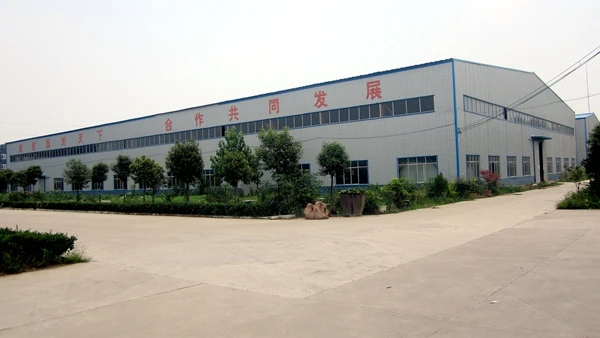
Zhengzhou Hongteng Machinery Co., Ltd.
- Trading Company
- Henan, China
- Lead time0 days
- Avg. response≤ 4h
Main productsFish pond aerator,Grain thresher,Cake machine,Seeder,Chaff cutter
Main marketsAfrica(20.00%), Eastern Asia(15.00%), Domestic Market(10.00%), Mid East(9.00%), South America(6.00%), South Asia(6.00%), North America(6.00%), Central America(5.00%), Southeast Asia(3.00%), Eastern Europe(2.00%)

Xi'an Yaao Agricultural Machinery Co., Ltd.
- Verified by TUVRHEINLAND
- Combined
- China Shaanxi
- Lead time15 days
- Avg. response≤ 2h
Main productsSeeder, Subsoiler, Cultivator, Rotary Tiller
Main marketsDomestic

Multifunctional Corn Maize Seeder Fertilizer Corn Planter/Planter Machine Farming Tools Equipment
$3890.00 - $4397.00
MOQ: 1 Sets


Henan Haojiu Technology Co., Ltd.
- Manufacturer, Trading Company
- Henan, China
- Lead time60 days
- Avg. response≤ 6h
Main productsrotary tiller,Corn seeder,corn harvester,lawn mower
Main marketsSouth America(20.00%), Africa(20.00%), Mid East(20.00%), North America(10.00%), Eastern Europe(10.00%), Oceania(10.00%), South Asia(10.00%)
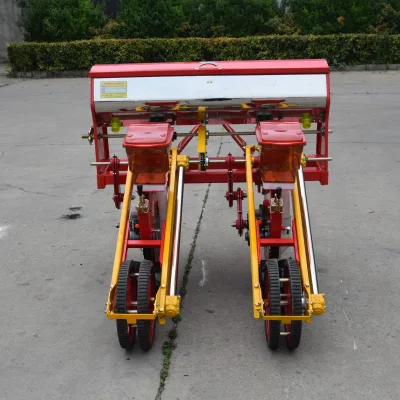
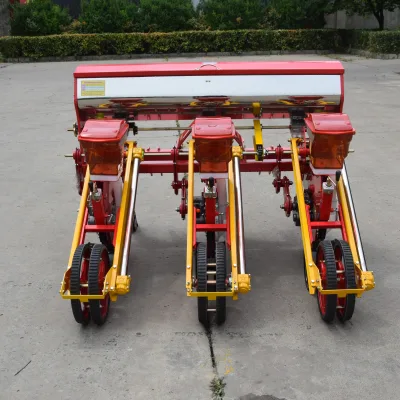
3 Row Tractor Driven Corn Planter Use/New Conditions for Farming and Farming
$300.00 - $600.00
MOQ: 1 sets
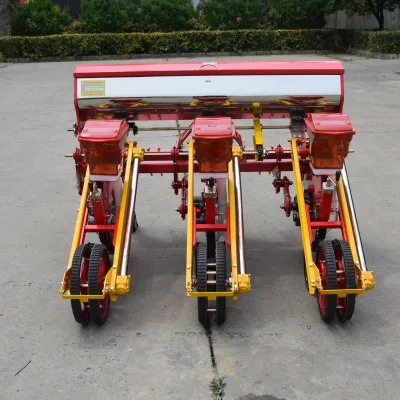
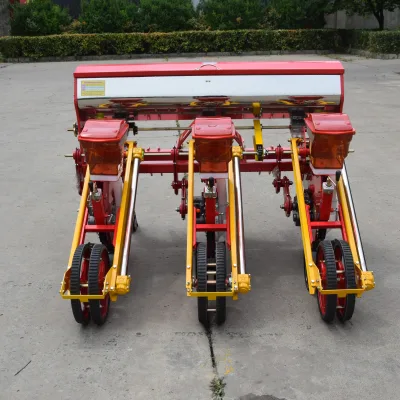
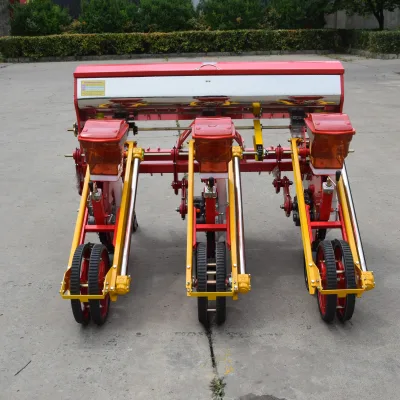
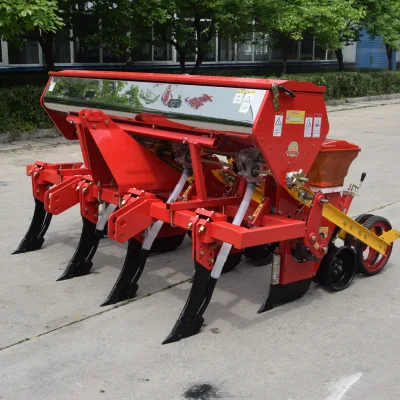
Durable Three-Row Corn Planting Machine for Large-Scale Farms
$300.00 - $600.00

Shandong Zhanhong Metal Products Co., Ltd
- Verified by BV
- Manufacturer/Factory
- China Shandong
- Lead time23 days
- Avg. response≤ 5h
Main productsFire Pit, Garden Planter, BBQ Fireplace, Screen
Main marketsEastern Europe,Mid East,North America,Eastern Asia,Oceania,Western Europe
Shandong Feichuang Machinery Manufacturing Co., Ltd.
- Verified by Intertek
- Manufacturer, Trading Company
- Lead time10 days
- Avg. response≤ 1h
Main productsTractor, Lawn Mower, Mixer
Main marketsDomestic Market(67%), Northern Europe(7%), Africa(6%)
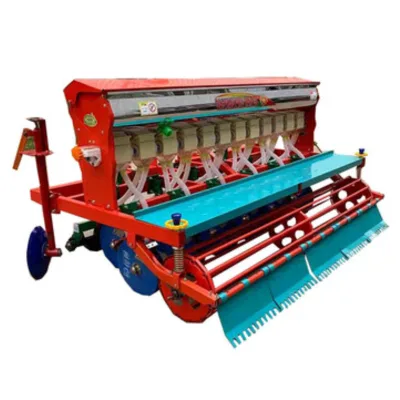
12 Rows and Multiple Rows Can Be Customized, Multi-function Wheat and Grain Planter
$467.33 - $468.82
MOQ: 1 sets
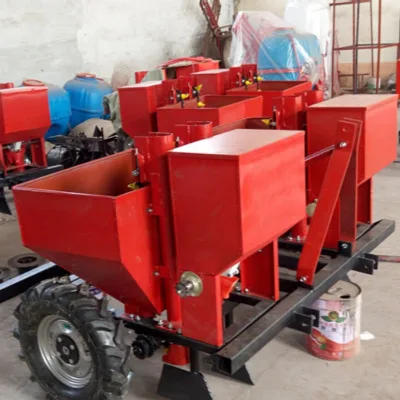
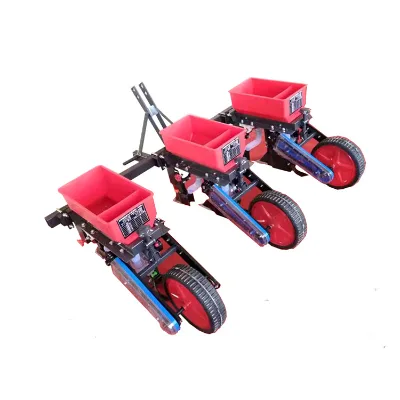
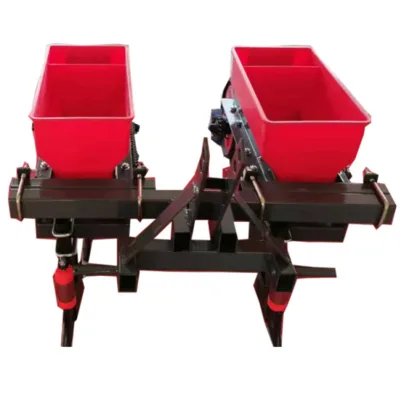
New 2-row Corn Planter Walking Tractor with Precision Corn Planter
$309.77 - $314.96
Linyi Taixin Industry and Trade Co., Ltd.
- Verified by SGS
- Combined
- China Shandong
- Lead time15 days
- Avg. response≤ 1h
Main productsHand Push Planter, Transplanting Machine, Manual Fertilizer Applicator, Backpack Electric Sprayer
Main marketsSouth America,Africa
Zhengzhou Share Machinery Co., Ltd.
- Trading Company
- Henan, China
- Lead time7 days
- Avg. response≤ 3h
Main productsConstruction Machinery/Industrial Machinery/Printing Machinery
Main marketsSouth America(20.00%), North America(20.00%), Africa(10.00%), Southeast Asia(10.00%), Eastern Europe(10.00%), Oceania(7.00%), South Asia(5.00%), Southern Europe(5.00%), Central America(5.00%), Western Europe(2.00%), Eastern Asia(2.00%), Northern Europe(2.00%), Mid East(2.00%)

Jinan Xinyiyin Import and Export Trading Co., Ltd.
- Verified by CTI
- Combined
- China Shandong
- Lead time23 days
- Avg. response≤ 3h
Main productsDisc Harrow, Disc Plough, Irrigation System, Harvesting Machine, Mower, Grain Cart, Manure Fertilizer Spreader, Farm Trailer, Land Leveler, Stone Picker
Main marketsDomestic
Henan Best Machinery Co., Ltd.
- Trading Company
- Henan, China
- Lead time7 days
- Avg. response≤ 6h
Main productsbrush cutter,farm cultivator,mini weeder,walking tractor,farm spraying machine
Main marketsEastern Asia(21.00%), Southeast Asia(19.00%), South America(10.00%), Africa(9.00%), Western Europe(7.00%), South Asia(7.00%), North America(6.00%), Oceania(5.00%), Mid East(5.00%), Eastern Europe(3.00%), Southern Europe(3.00%), Northern Europe(2.00%), Central America(2.00%), Domestic Market(1.00%)
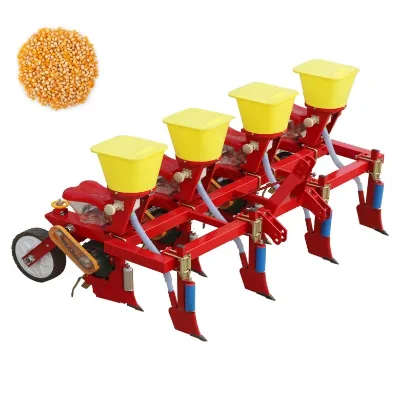
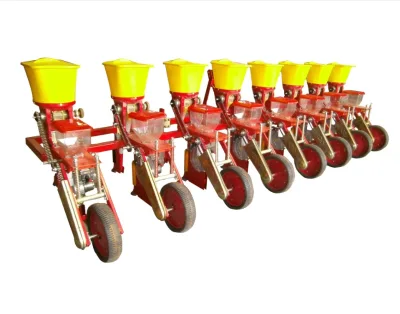
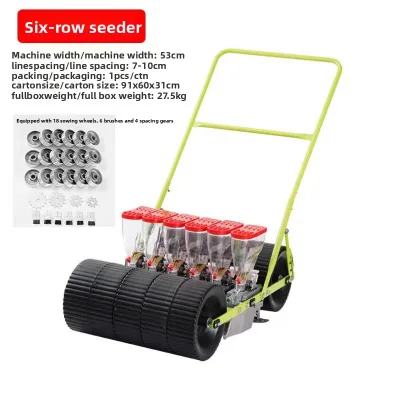
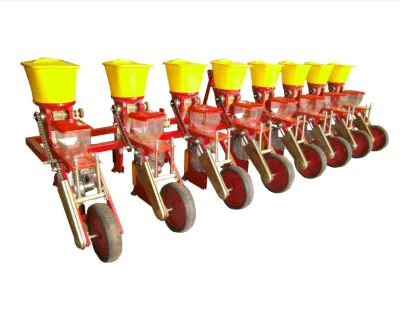
Durable and Easy-to-Use Vegetable Planter with Gearbox for High Productivity and 1 Year Warranty
$48.00 - $130.00
MOQ: 1 sets

Hunan CSAS Science and Technology Co., Ltd.
- Verified by SGS
- Trading Company
- China Hunan
- Lead time15 days
- Avg. response≤ 4h
Main productsImport and Export Agriculture Machinery Products, Farm Tractor, Rice Mill Machine/Production Line, Palm Oil Production Line, Feed Production Line, Solar Power Solar Energy, Li Battery, Inverter, Engine Machinery, Excavator
Main marketsAfrica


Durable Hand-Pushed Corn Planter for Seamless Seed and Fertilizer Mixing
$128.00 - $138.00
MOQ: 10 Pieces


Henan Share M&E Equipment Co.,Ltd
- Verified by SGS Group
- Trading Company
- Lead time7 days
- Avg. response≤ 3h
Main productsTextile Machinery, Printing Machinery, Construction Machinery, Wood Machinery
Main marketsNorth America(20%), South America(20%), Eastern Europe(10%)

Jiangsu Yueda Intelligent Agricultural Equipment Co., Ltd.
- Verified by CTI
- Combined
- China Jiangsu
- Lead time23 days
- Avg. response≤ 9h
Main productsTractor, Farm Tractor, Jinma Tractor, Small Tractor, Tractor Parts, Jinma Tractor Parts, Agricultural Tractor, Jinma Tractor Spare Parts, 4WD Tractor, Mini Tractor
Main marketsSouth America,Africa,Southeast Asia/ Mideast,Domestic,Europe,Australia,North America
Zhengzhou Guoyi Baifen Trading Co., Ltd.
- Trading Company
- Henan, China
- Lead time0 days
- Avg. response≤ 2h
Main productsVertical baler,Rotary dryer,Brick machine,Wood crusher,Briquette machine
Main marketsAfrica(25.00%), Southeast Asia(25.00%), South America(25.00%), North America(25.00%)

DANYANG TIANDA INTELLIGENT TECHNOLOGY CO., LTD.
- Manufacturer/Factory
- China Jiangsu
- Lead time15 days
- Avg. response≤ 2h
Main productsUav, Tractor, Harvester, Spare Parts, Power Tiller, Harrow, Rotary Tiller, Dozer, Rotovator, Wheel Loader
Main marketsEastern Europe,Mid East,North America,Southeast Asia,Africa


Corn Precision Seeder with Fertilizer 2-8 Rows Maize Planter Soybean Seeder
$880.00 - $1680.00
MOQ: 2 Pieces

Yucheng Hengshing Machinery Co., Ltd.
- Verified by BV
- Combined
- China Shandong
- Lead time30 days
- Avg. response≤ 20h
Main productsPlow, Disc Plough, Disc Harrow, Cultivator, Farm Mower, Farm Trailer, Potato Harvester, Potato Planter, Corn Thresher, Peanut Thresher
Main marketsSouth America,Africa,Southeast Asia/ Mideast,Europe,Australia,North America

Farm High Efficiency Wheat Planter for Tractor
Contact supplier

Farm Machinery 3 Point Wheat Planter Hot Sale
Contact supplier

Farm Tractor Ychs 4rows Corn Planter Made in China
Contact supplier
Dezhou Hongyou Agricultural Machinery Co., Ltd.
- Verified by TüVRheinland
- Manufacturer, Trading Company
- Lead time30 days
- Avg. response≤ 1h
Main productsPotato Harvester, Potato Planter, Stone Picker, Seeding Killer, Ridge Laminating Machine
Main marketsDomestic Market(40%), Southeast Asia(30%), Africa(19%)
Yucheng Yijia Machinery Co., Ltd.
- Verified by BV
- Combined
- China Shandong
- Lead time30 days
- Avg. response≤ 4h
Main productsDisc Harrow, Disc Plough, Disc Blade, Mower
Main marketsSouth America,Africa,Southeast Asia/ Mideast,Europe,North America

2cm Series - Multi-Functional, High-Efficiency, Advanced Potato Planter
$628.00 - $660.00
MOQ: 1 Pieces


YUCHENG LIANSHENG MACHINERY CO., LTD.
- Verified by SGS
- Trading Company,Manufacturer/Factory
- China Shandong
- Lead time23 days
- Avg. response≤ 8h
Main productsPlough, Harrow, Seeding Machine, Mower, Thresher, Harvester, Boom Sprayer, Fertilizer Spreader, Agricultural Spare Parts, Grain Harvesting Equipment
Main marketsSouth America,Eastern Europe,Mid East,North America,Southeast Asia,Eastern Asia,Oceania,Western Europe,Africa


The Garlic Planter Tractor Can Drive Multiple Rows of Customizable Planters
$770.00 - $800.00
MOQ: 1 Pieces

Corn and Wheat Seeder Maize and Wheat Dual-Use Planter Dual Purpose Seeder
$450.00 - $500.00
MOQ: 1 Pieces

$1100.00 - $1300.00
MOQ: 1 Pieces

HENAN JINBAILAI INDUSTRIAL CO., LTD.
- Verified by BV
- Trading Company
- China Henan
- Lead time23 days
- Avg. response≤ 4h
Main productsBBQ, Gas Fire Pit, Wood Fireplace, Stove, Steel Planter, Metal Decors, Garden Furniture, Garden Landscape
Main marketsEurope,North America

Landale New Materials (shandong) Co., Ltd.
- Manufacturer, Trading Company
- Shandong, China
- Lead time7 days
- Avg. response≤ 3h
Main productsweeder machine,mini-tiller,Small agricultural machinery,polycarbonate sheet,Specialized processing parts of polycarbonate plates
Main marketsNorth America(20.00%), Eastern Europe(15.00%), Western Europe(10.00%), Eastern Asia(10.00%), South Asia(9.00%), Central America(6.00%), Northern Europe(5.00%), Southeast Asia(5.00%), South America(5.00%), Mid East(5.00%), Southern Europe(3.00%), Africa(3.00%), Domestic Market(2.00%), Oceania(2.00%)
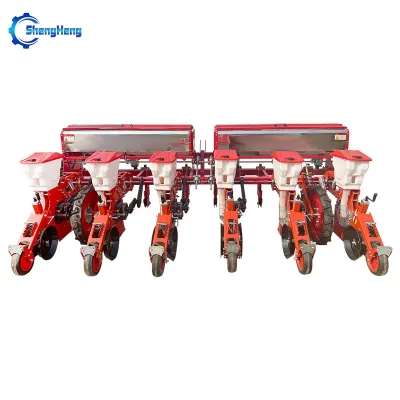
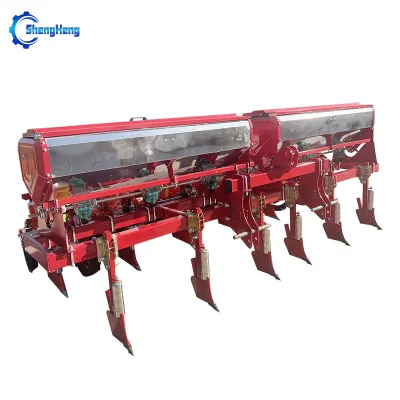
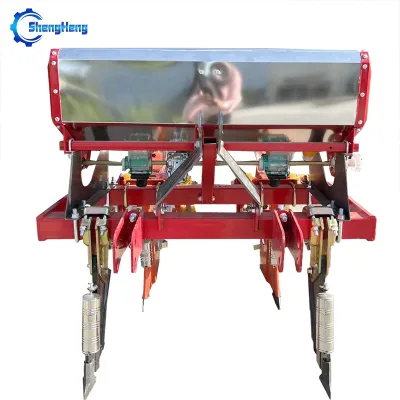
High-quality 2-5 Row Suspended Corn Planters Can Adapt to Uneven Ground
$529.31 - $1293.18
MOQ: 1 units
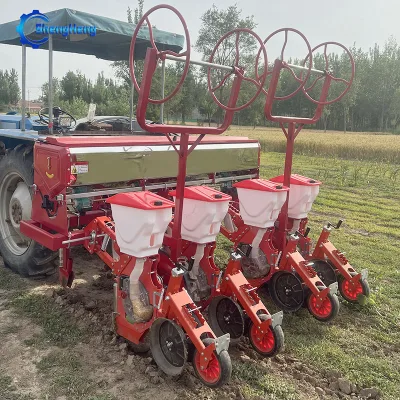
High-quality Tractor Rear-mounted Suspended Corn Planter High-precision Sowing Equipment
$519.00 - $1268.00
MOQ: 1
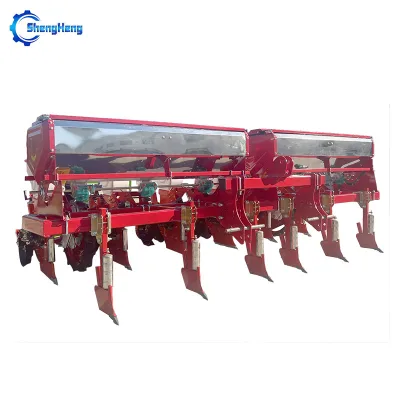
Corn Seeders / -specific Machines / Large Are Divided Into Flat Seeding Type And Suspended .
$519.00 - $1268.00
MOQ: 1
$519.00 - $1268.00
MOQ: 1 units

Jiangsu World Agriculture Machinery Co., Ltd.
- Verified by TUVRHEINLAND
- Manufacturer/Factory
- China Jiangsu
- Lead time15 days
- Avg. response≤ 15h
Main productsAgricultural Machinery, Farm Machinery, Combine Harvester, Rice Harvester, Corn Harvester, Cotton Harvester, Sugarcane Harvester, Tractor, Farm Tractor, Rice Transplanter
Main marketsSouth America,Eastern Europe,Mid East,North America,Southeast Asia,Eastern Asia,Oceania,Africa

Efficient No-Tillage Planter for High-Yield, Sustainable Crop Production
$12200.00 - $12800.00
MOQ: 1 Pieces

Durable No-Tillage Planter for Precision Seeding in All Soil Conditions
$12200.00 - $12800.00
MOQ: 1 Pieces

Reliable No-Tillage Planter for Minimal Soil Disturbance and Maximum Yields
$12200.00 - $12800.00
MOQ: 1 Pieces
Dezhou Haomin Machinery Equipment Co., Ltd.
- Trading Company
- Shandong Province, China
- Lead time30 days
- Avg. response≤ 1h
Main productsTillage machinery,Harvesting machinery,Fertilizer,Sowing machinery,Spraying machinery
Main marketsDomestic Market(46.00%), Africa(20.00%), Southeast Asia(15.00%), South America(8.00%), Eastern Asia(3.00%), Central America(2.00%), North America(2.00%), South Asia(2.00%), Oceania(1.00%), Mid East(1.00%)

XINGTAI VOKIN RUBBER & PLASTIC PRODUCTS CO., LTD.
- Combined
- China Hebei
- Lead time30 days
- Avg. response≤ 9h
Main productsSeeder Wheel, Semi-Pneumatic Tie, Press Wheel, Closing Wheel, Depth Wheel, Agricultural Machine Parts, Farm Machinery Parts
Main marketsDomestic

Sichuan Zhifang Net Industry Co., Ltd.
- Verified by CTI
- Manufacturer/Factory
- China Sichuan
- Lead time23 days
- Avg. response≤ 13h
Main productsShade Net, Shade Sail, Insect Net, Ground Cover, Anti Bird Net, Anti Hail Net, Fence Screen, Balcony Screen, Planting Bag, Root Control Container
Main marketsSouth America,Eastern Europe,Mid East,North America,Southeast Asia,Eastern Asia,Oceania,Western Europe,Africa

High Strength Air Pruning Light Weight Durable Root Control Propagation Pot Planter Containers
$2.40 - $6.80
MOQ: 500 Pieces

Shanghai Welland Home and Living Company Limited
- Verified by SGS
- Trading Company
- China Shanghai
- Lead time30 days
- Avg. response≤ 4h
Main productsTable, Stool, Chair, Wall Shelf, Wall Hook, Home Decor, Wood Vent, Cabinet, Storge Holder, Garden Furniture
Main marketsSoutheast Asia/ Mideast,Europe












Comprehensive Sourcing Guide
Multifunctional Corn Planter Supplier Concentration and Factory Types
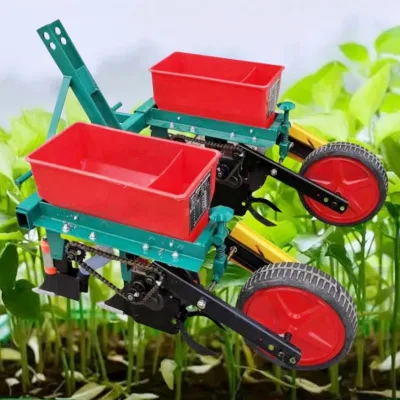
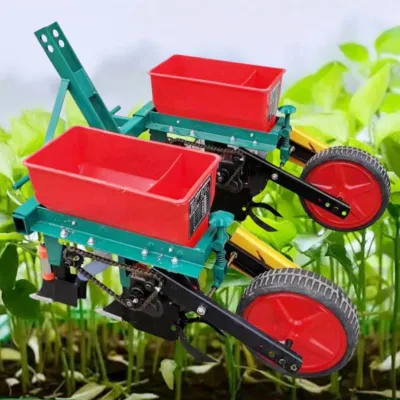
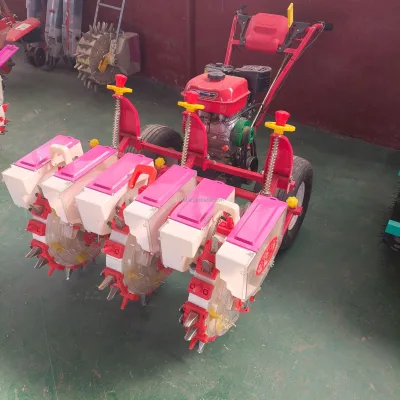
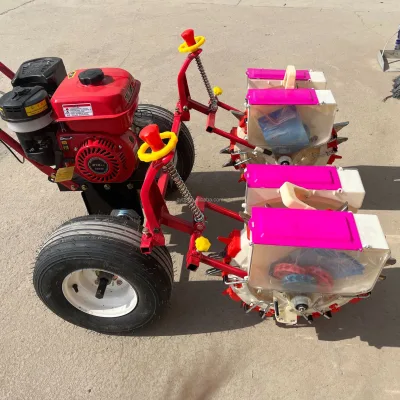
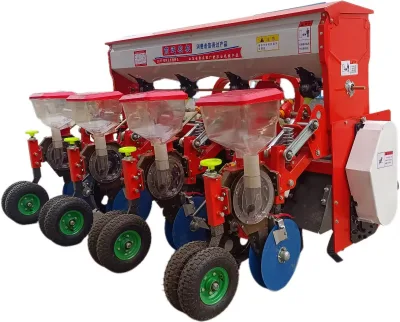
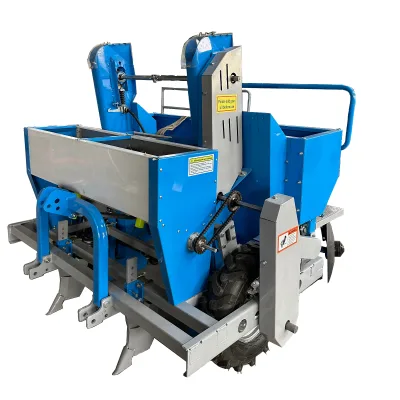
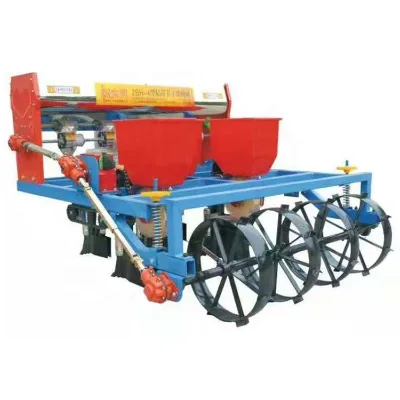
Suppliers of multifunctional corn planters on current results cluster heavily in Shandong province, China. These companies typically operate as combined manufacturers and traders, listing disc harrows, disc ploughs, seeders, disc blades and offset disc harrows alongside their corn planter lines. That breadth signals a tillage-and-seeding equipment cluster where the same factory base produces matched implements, which is useful if you want a tractor-powered planter that pairs with discs or ploughs from one origin. Shandong results include models such as six-row multifunctional planters, 2/3/4/5/6-row corn planters, four-row tractor planters and five-row fertilizer planters, indicating genuine depth in this specific category rather than incidental listings.
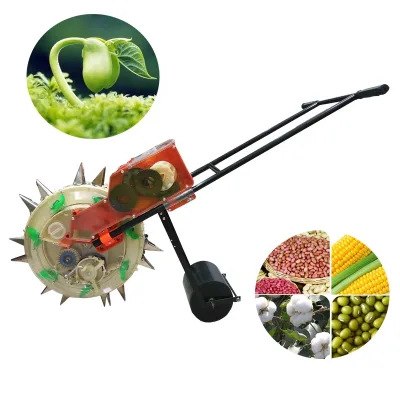
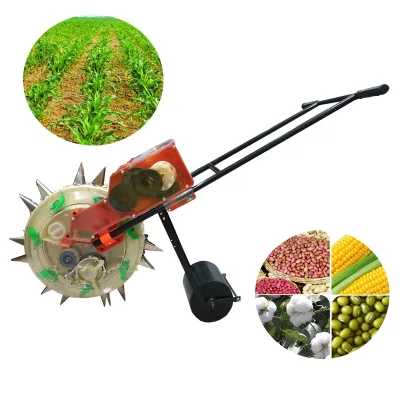
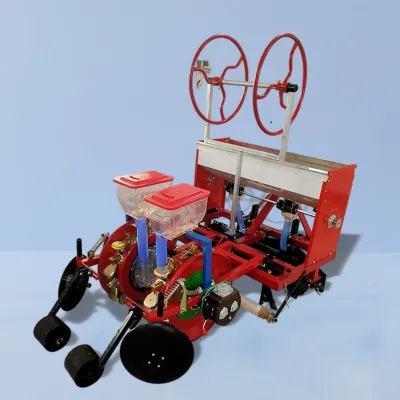
A second concentration appears in Zhejiang province, where a verified factory focuses on seeders, corn threshing machines, sprayers and agricultural hand tools. This factory type differs from the Shandong pattern: it is explicitly a manufacturer/factory with its own brand plus OEM capability, and its corn seeder listings skew toward simpler, manually powered machines for corn, beans and peanut. When mapping the landscape, buyers should therefore distinguish implement-scale Shandong workshops producing tractor-mounted multi-row machines from Zhejiang-style factories producing lighter seeders and ancillary farm equipment. Both types can supply the keyword, but their tooling, quality systems and typical order profiles differ. Use location, company type and main-product fields on supplier results to classify candidates before any outreach, and expect cluster identity to correlate with machine scale.
How to Verify Multifunctional Corn Planter Suppliers
Verification should start with the platform-displayed credentials, because several suppliers in this category carry them. Current results show third-party verification marks from TUV Rheinland on a Shandong supplier and SGS on a Zhejiang manufacturer, which are stronger signals than self-declared badges. System certifications also appear: the Zhejiang factory lists ISO 9000 and ISO 9001 quality management certification, while individual product listings on the Shandong side declare CE certification and reference ISO 9001:2008 or ISO 9001:2000 standards. Treat product-attribute certifications as claims to confirm: ask the supplier for the actual certificate documents matching the model you intend to buy, since a CE mark on one listing does not automatically extend to every model in a catalog.
Beyond documents, check that the supplier's main products align with the machine you need. A Shandong supplier whose primary catalog is disc harrows, disc ploughs, seeders and disc blades is plausibly a working implement factory; a supplier listing corn planters among unrelated goods deserves closer scrutiny. Ask for the manufacturing facility address, distinguish factory from trading company, and request the production range for the specific planter series, since several Shandong listings cover multiple row configurations. For the Zhejiang manufacturer, its own-brand plus OEM structure means you can clarify whether you are buying under its brand or your own. Finally, verify responsiveness directly: the response times shown on results vary significantly between suppliers in this category, so test the displayed speed with a technical question, not just a price inquiry.
What to Compare Across Multifunctional Corn Planter Suppliers
Build a comparison sheet from the attributes suppliers actually display. Lead time is one: at least one Shandong result shows a 15-day lead time, which is a concrete figure to use as a benchmark when other suppliers state theirs. Response time is another; current results show measured response times ranging from roughly thirteen hours to twenty-five hours, a meaningful spread for suppliers you will need for customization questions. Minimum order quantity varies too, with some listings at MOQ 1 and others at MOQ 2, so confirm the MOQ for the exact row configuration you want rather than assuming it applies across a series.
Compare price ranges against machine specifications. Shandong listings include a four-row corn planter quoted at a single fixed price point around the seven-hundred-dollar mark, a multi-row wheat and corn seeder starting near seven hundred twenty dollars, and a six-row multifunctional planter listed at about fourteen hundred dollars; Zhejiang-style single-barrel manual seeders are a different price class entirely. Weigh those numbers against rows, matched tractor horsepower (12–80 HP on one listing), weight (180–420 kg), drill depth and productivity figures shown in the specifications. Also compare customization availability, which is declared on most planter listings, along with packing format, since iron frame versus customer-specified packing affects shipping cost. Do not assume every supplier displays every attribute; where a field is missing, ask the supplier directly and record their answer in your sheet rather than leaving the cell blank.
Common Multifunctional Corn Planter Sourcing Risks
The most common risk is treating a listed model name as a verified specification. Listings carry generic labels such as "multifunctional planter" or "corn planter for sale," and attributes like "Quality: Best" or "Price: Best" are self-declared marketing text, not evidence. One Shandong listing states a quality standard as simply "high," which is unverifiable on its own. Require the actual model designation (for example, the 2BCYF or 2B CYE series designations shown in results), the applicable standard, and test documentation for planting accuracy, seed spacing and fertilizer depth before you commit funds.
A second risk is certification mismatch. Certifications appear at product level (CE on one planter, CE plus ISO 9001:2008 on another) while factory-level system certification appears separately on other suppliers; if you verify only the factory certificate, you may ship a model that was never covered by it. Third, packing and shipping risks arise from implement-scale machinery: iron frame packing is standard on several Shandong listings, and an iron frame box is not equivalent to export-grade crating for sea freight, so confirm how the machine is secured, drained and protected. Fourth, customization is widely advertised, but there is no evidence in results about how quickly customized machines ship relative to the 15-day lead time shown for standard units, so pin down lead time changes in writing. Finally, beware of scope creep: suppliers selling everything from seeders to threshers may be aggregating goods from other workshops, in which case quality accountability sits with someone other than the party invoicing you.
Multifunctional Corn Planter Regional Sourcing and Logistics
The evidence points to two workable sourcing regions with different logistics profiles. Shandong suppliers, based around Yucheng and the wider province, ship tractor-mounted planters in the 180–420 kg range packed in iron frames or iron frame boxes, and one shows a 15-day lead time. For buyers planning sea freight, this weight class means one unit per crate is typical, and a six-row machine at roughly fourteen hundred dollars will carry a proportionally higher freight share than a three-row unit. Shandong's implement cluster also means you can consolidate: a supplier listing disc harrows, ploughs and seeders alongside planters may load mixed implements into a single container, reducing per-unit freight.
Zhejiang-based factories, oriented toward seeders, sprayers and hand tools, handle lighter cargo, so a single-barrel manual seeder is far cheaper to ship and easier to air-freight in samples. When planning logistics, confirm with each supplier the actual packed dimensions and gross weight per model, since results show weight ranges rather than per-model figures, and ask whether packing is the standard iron frame or per customer requirement, as one listing states. Port of loading, container consolidation options and inland haulage from the Shandong production area are questions to raise before ordering, not after. Also confirm whether the supplier has exported tractor-mounted planters to your market before, because implement shipping experience affects how well machines arrive. Keep customs classification for agricultural planting machinery in mind early, as it varies by destination and affects landed cost.
Multifunctional Corn Planter Commercial Terms and Order Planning
Commercial terms in this category are comparatively accessible for trial orders. Displayed MOQs on planter listings run from one to two units, so a pilot purchase of a four-row or five-row machine to validate seed metering and fertilizer placement is realistic before scaling. Prices in current results are fixed single figures for several models (around seven hundred and fourteen hundred dollars depending on rows and function), which simplifies quotation comparison, but confirm whether the figure includes packing, export documentation and inland delivery to port. Payment and transaction protection: some suppliers on results are third-party verified, but the results do not show escrow arrangements, so ask each supplier directly what secure payment or trade-protection mechanisms they support and confirm before transferring funds.
Order planning should anchor on lead time and customization lead time separately. Use the shown 15-day lead time as a reference for standard units and negotiate an explicit delivery date for any customized configuration, since customization is offered across most listings but its timing impact is undocumented. Sequence your order: first unit for field testing, then a batch aligned to your planting season, working backward from sowing dates so machines arrive with time for commissioning. Confirm packing (iron frame, iron frame box, or customer requirement) in the contract, along with the exact model number, row count, matched horsepower and certification documents to be supplied. Finally, plan spare parts and wear items such as metering components when negotiating, because a combined factory supplying matched tillage implements can often include consumables in the same shipment.
FAQs
What is the minimum order quantity for corn planters?
The minimum order quantity varies by model, with some units available for a single piece while others require two units. Buyers should check specific product listings to confirm the exact MOQ before placing an order for their agricultural needs.
How long does it take to receive the machinery?
Lead times for delivery are typically around fifteen days from the date of order confirmation. This duration allows for proper manufacturing and quality checks before the equipment is shipped from the supplier location in China to the buyer.
Are these corn planters certified for international markets?
Yes, many models carry CE certification and comply with ISO9001 standards to ensure safety and quality. Some suppliers also hold verification from recognized bodies like TUV Rheinland or SGS to demonstrate their commitment to meeting global industrial requirements.
What power sources are compatible with these planters?
Most multifunctional corn planters are designed to operate with tractor power sources ranging from twelve to eighty horsepower. Some manual options exist for smaller operations, but the primary designs rely on tractors for efficient field performance and productivity.
Can I customize the number of rows on the planter?
Customization is available for various row configurations including three, four, five, or six rows depending on the specific model. Buyers can select the configuration that best fits their field size and crop requirements when reviewing the available product specifications.
What is the price range for these agricultural machines?
Prices for these corn planters generally range from approximately six hundred twenty-one dollars to fourteen hundred dollars per unit. The final cost depends on the specific model features, row count, and customization options selected by the buyer during the purchasing process.
Where are these suppliers located and how fast do they respond?
Suppliers are primarily located in Shandong and Zhejiang provinces in China. Response times vary, with some suppliers replying within thirteen hours while others may take up to twenty-five hours to address initial inquiries regarding product availability and shipping details.