nbr rubber o-ring Suppliers and Manufacturers
Source 25 verified suppliers for nbr rubber o-ring components. Compare dimensions including ISO9001 certification, lead times, MOQs, and response rates. Review product specs and request quotes directly from factories in China; review the available evidence before requesting comparable quotations from suitable candidates.
Updated
Suppliers List

Quanzhou Shengda Rubber Products Co., Ltd.
- Verified by TUVRHEINLAND
- Combined
- China Fujian
- Lead time15 days
- Avg. response≤ 3h
Main productsO Ring, Toilet Seat Hinge Top Fix Rubber Well Nut, Rubber Seal, Silicone Gasket, Silicone Washer
Main marketsEurope

Xiamen Neway Rubber & Plastic Products Co., Ltd.
- Verified by BV
- Combined
- China Fujian
- Lead time15 days
- Avg. response≤ 3h
Main productsPlastic Injection Molding, Plastic Parts, Silicone Rubber Parts, Gasket Seals, Rubber Grommet, Mould, O Ring, Extrusion Strip, Metal Parts, Suction Cup
Main marketsSouth America,Africa,Southeast Asia/ Mideast,East Asia(Japan/ South Korea),Europe,Australia,North America

Ningbo Boman Mechanical & Technology Co., Ltd.
- Manufacturer/Factory
- China Zhejiang
- Lead time15 days
- Avg. response≤ 6h
Main productsOil Seal, O Ring, Customize Molded Rubber Part, Bonded Seal, Extrusion Strip, Rubber Ball, Valve Stem Seal, Rubber Product, Plastic Products, Silicone Product
Main marketsSouth America,Eastern Europe,Mid East,North America,Southeast Asia,Eastern Asia,Western Europe
Jiangsu Keyuan Rubber & Plastic Products Co., Ltd.
- Verified by Intertek
- Manufacturer, Trading Company
- Lead time20 days
- Avg. response≤ 1h
Main productsSilicone Gasket, Plastic Products, Polyurethane Products, Silicone Seals
Main marketsDomestic Market(90%), South America(5%), Eastern Europe(5%)
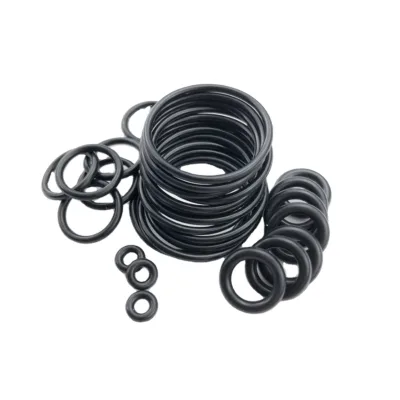
Customize Eco-friendly Plastic O Ring Color Rubber O Ring Nbr Silicone O-ring
$0.12 - $0.22
MOQ: 10 pieces
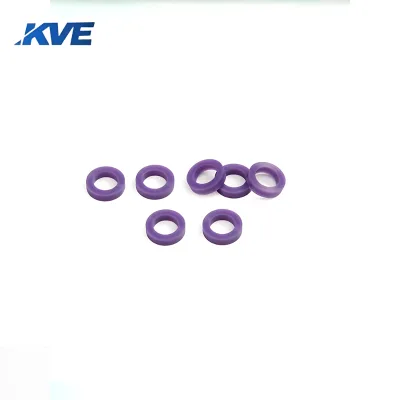
Shenzhen Dingzhi Rubber Products Co., Ltd.
- Manufacturer, Trading Company, Distributor/Wholesaler
- Guangdong, China
- Lead time5 days
- Avg. response≤ 6h
Main productsSilicone sheet,O-ring,Silicone foam string,Silicone sucker,Latex sheet
Main marketsDomestic Market(20.00%), South Asia(15.00%), South America(10.00%), Southern Europe(10.00%), Northern Europe(10.00%), Central America(10.00%), Western Europe(10.00%), North America(10.00%), Eastern Asia(5.00%)
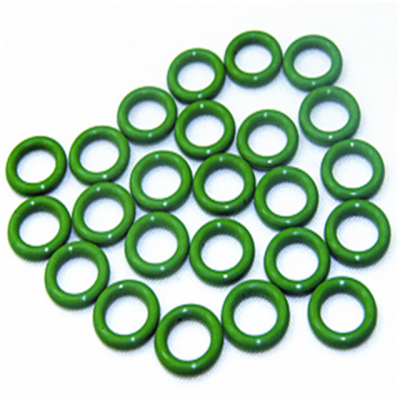
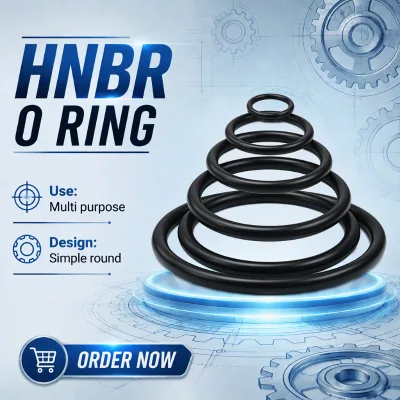
$0.05

Jiangyin No.3 Rubber Manufacturer Co., Ltd.
- Verified by BV
- Combined
- China Jiangsu
- Lead time23 days
- Avg. response≤ 10h
Main productsO Ring, Oil Seal, Skeleton Oil Seal, Silicone Oil Seal O-Ring, Fluorine Oil Seal O-Ring, Various Rubber Seals, Rubber Gasket, Y Type Circle, U-Seal Ring
Main marketsSouth America,Africa,Southeast Asia/ Mideast,East Asia(Japan/ South Korea),Domestic,Europe,Australia,North America

- Verified by SGS
- Trading Company
- China Hebei
- Lead time15 days
- Avg. response≤ 3h
Main productsOil Seal, Oring, Gaskets, Diaphragm, Mounts and Bushings
Main marketsSoutheast Asia/ Mideast,North America
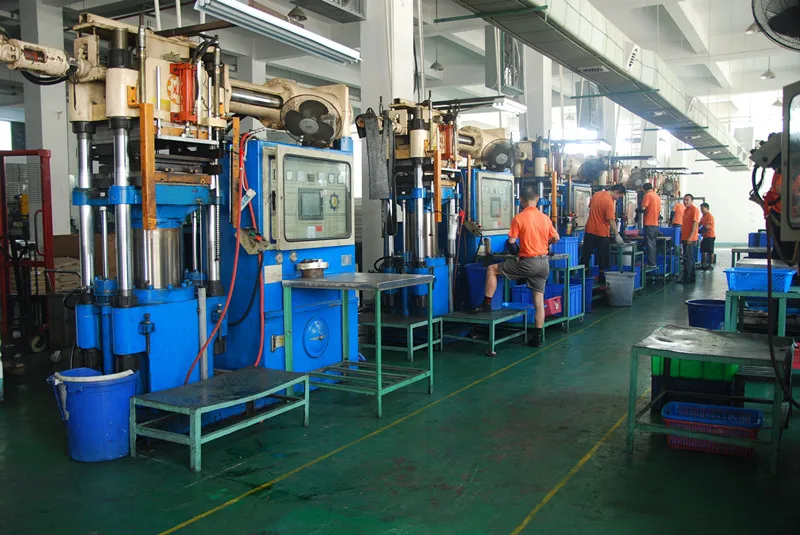
Xiamen Lindas Hardware Industrial Co., Ltd.
- Manufacturer, Trading Company
- Fujian, China
- Lead time20 days
- Avg. response≤ 4h
Main productsRubber Products,Rubber Moulds,Plastic Moulds,Rubber Parts,Metal parts
Main marketsNorth America(46.22%), Northern Europe(31.98%), South Asia(16.83%), Western Europe(1.82%), Eastern Europe(1.41%), Oceania(0.57%), Domestic Market(0.40%), Southern Europe(0.39%), Mid East(0.21%), Eastern Asia(0.17%)
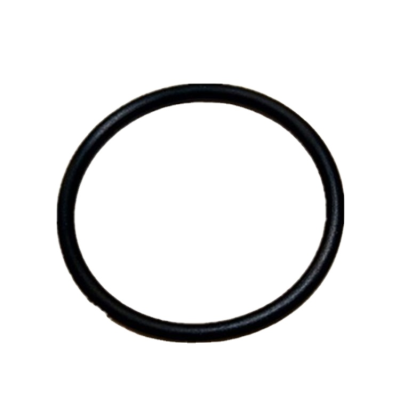
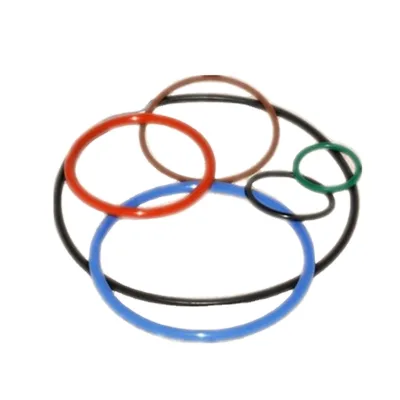
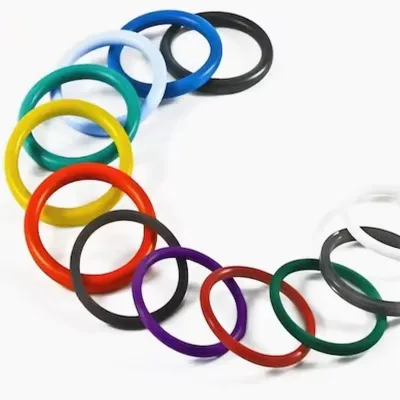
Factory Direct Standard Size Rubber O-RING for Sale
$0.05 - $0.30

SHANGHAI QINUO INDUSTRY CO., LTD.
- Verified by SGS
- Combined
- China Shanghai
- Lead time15 days
- Avg. response≤ 2h
Main productsRubber O Ring, Rubber Seal, Rubber Product, Rubber Part, Oilfield Product, Wireline Tool, Completion Tool Repair Kit
Main marketsEurope,North America
Guangzhou Yidu Technology Co., Ltd.
- Manufacturer, Trading Company, Distributor/Wholesaler
- Guangdong, China
- Lead time10 days
- Avg. response≤ 2h
Main productsMetal raw material,Ti powder,machine,equipment,Tool kits
Main marketsNorth America(25.00%), Eastern Europe(20.00%), Western Europe(10.00%), Mid East(10.00%), Southern Europe(10.00%), Northern Europe(10.00%), Africa(5.00%), South America(5.00%), Central America(5.00%)
Tianjin King Seal Trading Co., Ltd.
- Verified by TüVRheinland
- Trading Company
- Lead time10 days
- Avg. response≤ 4h
Main productsRubber Diaphragm, Gasket Washer, Other Hardware, Rubber O Ring, Rubber Oil Seal
Main marketsOceania(14%), North America(12%), Western Europe(12%)

Shenzhen Jiuhong Century Seal Technology Co., Ltd.
- Manufacturer/Factory
- China Guangdong
- Lead time23 days
- Avg. response≤ 23h
Main productsRubber O-Ring, Rubber Gasket, Rubber Seal, Oil Seal, O-Ring Kit, Transmission Kit, OEM Silicone Product, OEM Rubber Product
Main marketsSouth America,Eastern Europe,Mid East,North America,Southeast Asia,Eastern Asia,Oceania,Western Europe,Africa
Jiangyin No.3 Rubber Manufacturer Co., Ltd.
- Verified by SGS Group
- Manufacturer, Trading Company
- Lead time7 days
- Avg. response≤ 1h
Main productsOil Seals, Rubber O Ring, Rubber Gasket, Rubber End Cap Cover, Heat Exchanger Gasket
Main marketsDomestic Market(35%), Western Europe(20%), North America(15%)
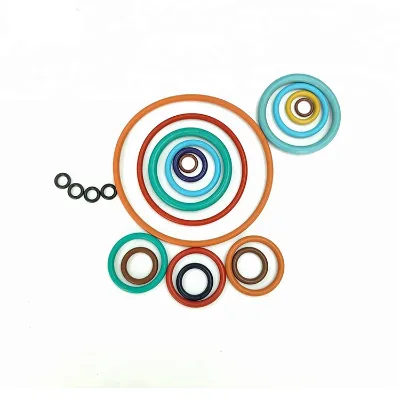
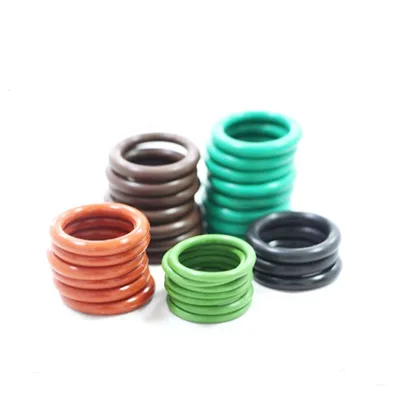
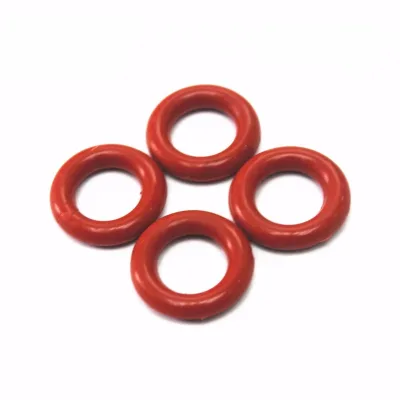
70 shore nbr sealing o-ring rubber buna o ring
$0.01 - $0.05
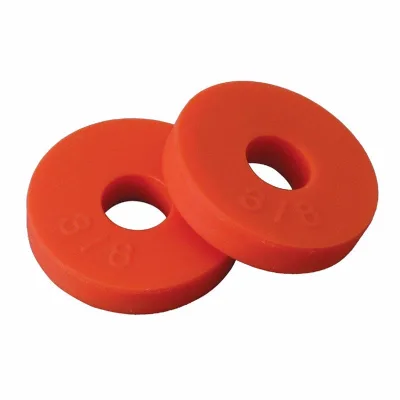
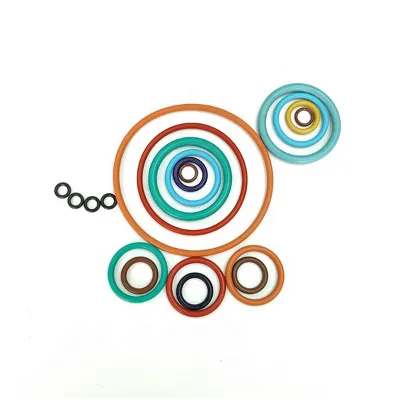
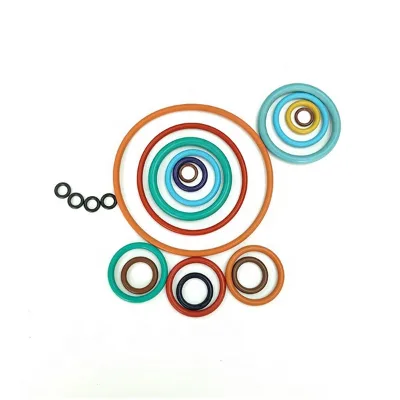
40 shore nbr o ring 3 metal 1cm rubber Of Low Price
$0.01 - $0.05
Dongguan Huaqi Sealing Co., Ltd.
- Verified by Intertek
- Manufacturer, Trading Company
- Lead time15 days
- Avg. response≤ 1h
Main productsSilicone Rubber Sheet, Silicone Foam Sheet, Silicone Tube, Sealing O Ring, Suction Cup
Main marketsNorth America(49%), Domestic Market(43%), Southeast Asia(5%)

Hengshui Zenuo Rubber & Plastic Products Co., Ltd.
- Manufacturer, Trading Company
- Hebei, China
- Lead time0 days
- Avg. response≤ 1h
Main productsseal ring,silicone tube,PTFE gasket,O ring,plastic parts
Main marketsSouthern Europe(10.00%), Western Europe(10.00%), Southeast Asia(10.00%), Eastern Europe(10.00%), Eastern Asia(10.00%), North America(10.00%), Domestic Market(5.00%), South Asia(5.00%), Oceania(5.00%), Northern Europe(5.00%), Central America(5.00%), Africa(5.00%), South America(5.00%), Mid East(5.00%)
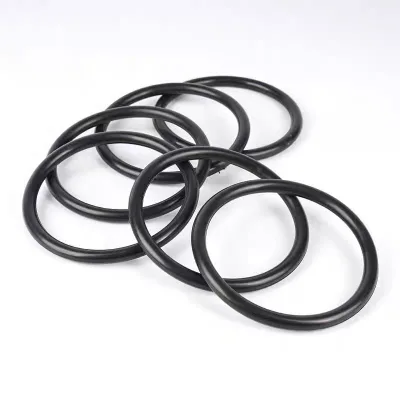
Premium Black Nitrile Nitrile Ring NBR 72 Shore Rubber O-ring NBR O-ring
$0.0102 - $0.1022
MOQ: 100 pieces
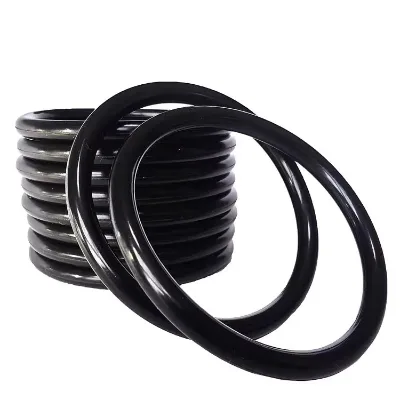
$0.0103 - $0.1033
MOQ: 100 pieces
Xiamen Lead Rubber & Plastic Industry Co., Ltd.
- Verified by TüVRheinland
- Manufacturer, Trading Company
- Lead time15 days
- Avg. response≤ 3h
Main productsRubber Molded Parts, Rubber Gasket Seal, Silicone Products, Plastic Injection Products, Rubber Mold
Main marketsNorth America(60%), Western Europe(20%), Southeast Asia(15%)
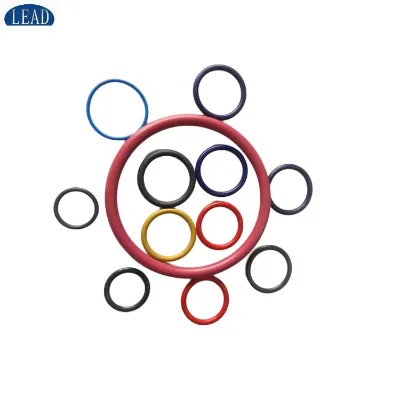
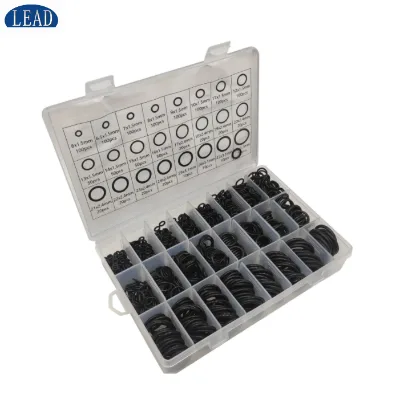
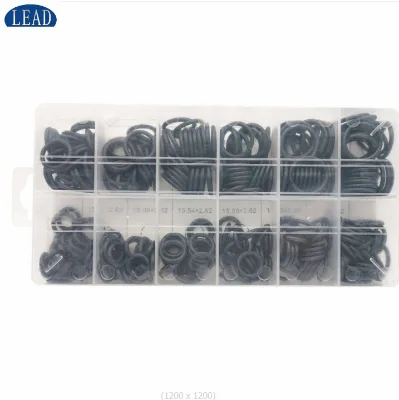
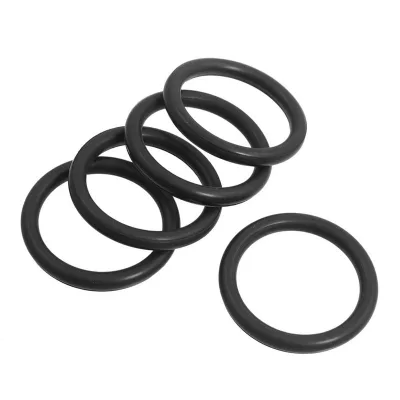
Latex O-ring Nbr Rubber O Ring for Water Pump
MOQ: 50 Minimum
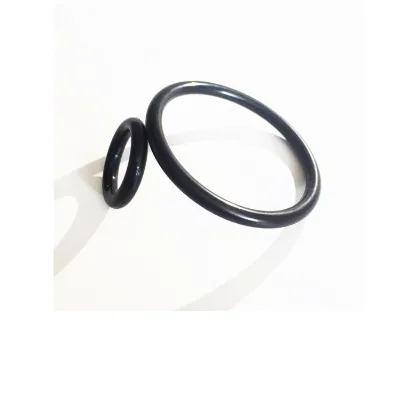
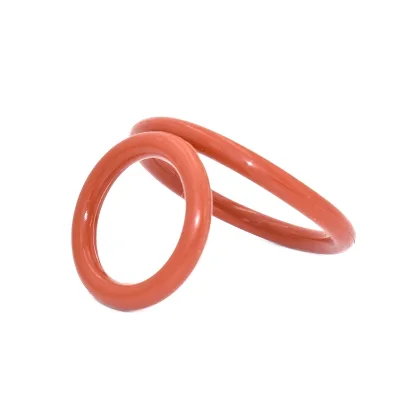
High Quality Nitrile Nbr O-ring Rubber O Ring
$0.01 - $0.10

Ningbo Haga Pump Seal Technology Co., Ltd.
- Verified by BV
- Combined
- China Zhejiang
- Lead time23 days
- Avg. response≤ 6h
Main productsMechanical Seals, Silicon Carbide Seal Ring, Tungsten Carbide Seal Ring, Alumina Ceramic Seal Ring, O Ring, Packing and Gasket, Hydraulic Seal, Slurry Pump, Pump Bush and Sleeve, PTFE Gasket
Main marketsSouth America,Africa,Southeast Asia/ Mideast,Europe
Hebei Sanyong New Material Technology Co., Ltd.
- Verified by TüVRheinland
- Manufacturer, Trading Company
- Lead time15 days
- Avg. response≤ 3h
Main productsSilicone Seal, Custom Gasket, Rubber Oil Seal, Seal Part, Seal Oring
Main marketsDomestic Market(50%), North America(5%), Eastern Europe(5%)
Nanjing Hovoo Machinery Technology Co., Ltd.
- Verified by Intertek
- Trading Company
- Lead time5 days
- Avg. response≤ 1h
Main productsO-ring, Step seal, Piston Seals, Seal kit, Diaphragm
Main marketsDomestic Market(70%), Eastern Europe(16%), North America(10%)

Ningbo Yombo Rubber & Plastic Products Co., Ltd.
- Combined
- China Zhejiang
- Lead time30 days
- Avg. response≤ 21h
Main productsPlastic Products, Rubber Products, Silicon Rubber Products, Rubber Roof Flashing, Roof Flashing, Rubber Seal, Master Flash, Rubber Auto Parts, Rubber Parts, Plastic Parts
Main marketsDomestic,Europe,Australia,North America

ISO9001 & Ts16949 Approved Custom NBR Various Size Rubber Seal Ring O-Ring
$0.01 - $0.50
MOQ: 10 Pieces


Shenzhen Conghui Precision Hardware Co., Ltd.
- Verified by TUVRHEINLAND
- Trading Company,Manufacturer/Factory
- China Guangdong
- Lead time75 days
- Avg. response≤ 3h
Main productsFasteners, CNC Parts, Hex Bolts, Squre Nuts, Stamping Parts, Wrench, Furniture Insert Nut, Flat Washers, Self Tapping Screws, Security Screws
Main marketsSouth America,Eastern Europe,Mid East,North America,Southeast Asia,Oceania,Africa

Factory Wholesale Pressure Resistence O Ring Nitrile Buna-N Oring Nitrile Rubber O-Ring NBR O Ring
$0.01 - $0.05
MOQ: 1000 Pieces


Hengshui Chuangcheng Sealing Technology Co., Ltd.
- Verified by TüVRheinland
- Manufacturer, Trading Company
- Lead time15 days
- Avg. response≤ 3h
Main productsO Ring, O Ring Cord, Rubber Bellow, Oil Seal, Rubber Gasket
Main marketsDomestic Market(50%), North America(5%), Eastern Europe(5%)
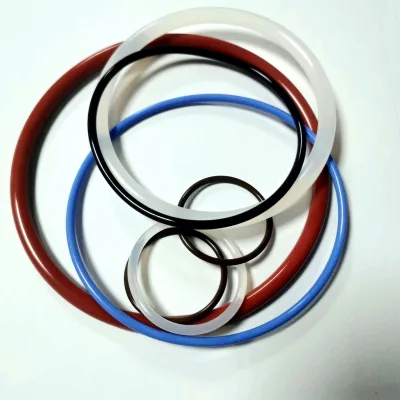
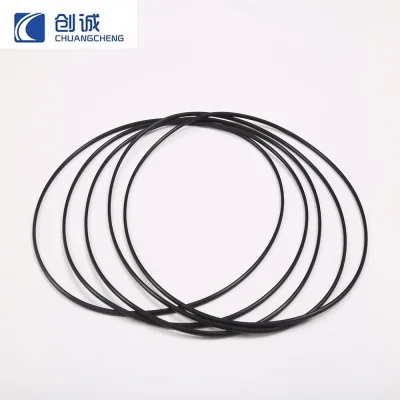
Specializing in the Production of Nbr Seals,Corrosion-resistant and High-temperature O-rings
$1.20 - $1.50
MOQ: 100 pieces

Changzhou Santian Vehicle Industry Technology Co., Ltd.
- Verified by SGS
- Combined
- China Jiangsu
- Lead time30 days
- Avg. response≤ 2h
Main marketsDomestic
Xingtai Longcheng Sealing Co., Ltd.
- Verified by Intertek
- Manufacturer, Trading Company
- Lead time10 days
- Avg. response≤ 3h
Main productsRubber O-Ring, Rubber X-Ring, Custom Rubber Parts
Main marketsSoutheast Asia(35%), North America(20%), South America(10%)
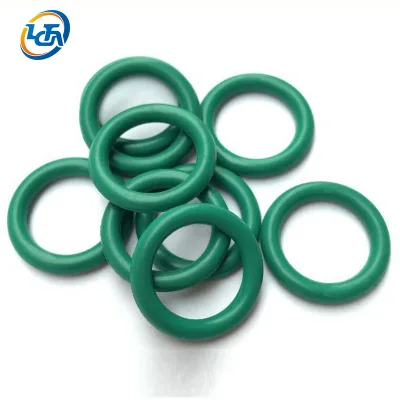
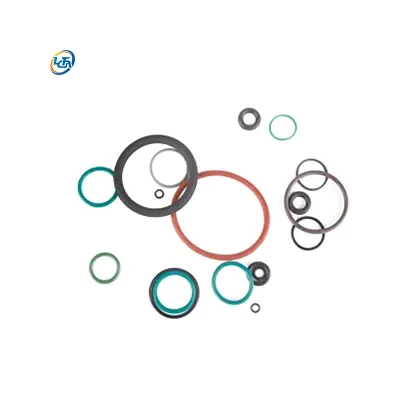
Standard/Nonstandard O-ring Silicone O-ring Rubber Nbr/epdm O Ring for O Ring Kit
$0.01 - $0.10
MOQ: 20 pieces

Dongguan Huaqi Sealing Co., Ltd.
- Verified by TUVRHEINLAND
- Combined
- China Guangdong
- Lead time15 days
- Avg. response≤ 3h
Main productsSilicone Rubber Sheet, Silicone Foam Sheet, Silicone Tube, Rubber Tube, Rubber Strips, Oil Seals, Suction Cup
Main marketsSoutheast Asia/ Mideast,Domestic

Excellent Oil Resistance High Cost Performance Good Elasticity NBR O Ring
$0.10 - $0.36
MOQ: 100 Pieces


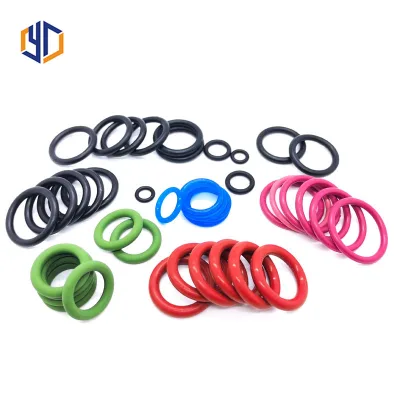






Comprehensive Sourcing Guide
Nbr Rubber O-Ring Supplier Concentration and Factory Types
The sourcing landscape for NBR rubber O-rings features a mix of combined trading entities and dedicated manufacturing factories, each offering distinct advantages for different procurement strategies. Current data indicates that suppliers are concentrated in specific industrial hubs, with notable presence in China Fujian and China Zhejiang regions. These locations serve as key manufacturing clusters where supply chains for rubber components are well-established. Buyers should recognize that the company type significantly influences the service model; combined companies often provide broader product ranges including plastic injection molding and metal parts, while manufacturer/factory entities focus deeply on specialized rubber processing capabilities. Understanding this distinction helps in aligning supplier selection with specific project needs, whether requiring simple commodity seals or complex custom molded parts.
When evaluating the factory types available, it is crucial to look beyond the basic classification to understand their operational capacity. Many suppliers in these regions offer both OEM and ODM services, indicating a flexibility to produce custom designs or adapt existing standards. Some manufacturers maintain their own brands alongside contract manufacturing capabilities, which can impact quality control consistency and intellectual property handling. The presence of RD capacity for both OEM and ODM suggests that these facilities are equipped to handle engineering challenges, from material formulation to tooling design. Buyers should verify if the supplier’s primary focus aligns with their volume requirements, as factories with high automation may offer better consistency for large orders, whereas combined entities might provide more personalized service for smaller, diverse orders.
How to Verify Nbr Rubber O-Ring Suppliers
Verification is a critical step in mitigating risk when sourcing NBR rubber O-rings, as the market contains a variety of supplier types with differing levels of transparency. Buyers should prioritize suppliers who have undergone third-party verification processes, such as those conducted by TÜV Rheinland or Bureau Veritas (BV). These verifications provide an additional layer of confidence regarding the supplier’s business legitimacy and operational capabilities. It is important to check the specific scope of these verifications to ensure they cover the relevant manufacturing processes and quality management systems. Suppliers displaying these badges have typically undergone on-site audits, which can reveal insights into their production environment, workforce, and compliance with international standards that are not visible through online listings alone.
Beyond third-party verification, buyers must scrutinize the certifications and system standards claimed by the supplier. Common certifications in this sector include ISO9001:2015 for quality management and ISO14001:2015 for environmental management, which indicate a structured approach to production and sustainability. Some suppliers may also hold industry-specific certifications like IATF16949, which is crucial for automotive applications requiring rigorous quality control. Additionally, product-specific certifications such as RoHS, Reach, MSDS, LFGB, and FDA compliance should be verified if the O-rings are intended for sensitive industries like food processing or medical devices. Buyers should request copies of these certificates and check their validity dates, ensuring that the supplier’s claims are backed by current, authentic documentation from accredited bodies.
What to Compare Across Nbr Rubber O-Ring Suppliers
When comparing suppliers, several key dimensions must be evaluated to determine the best fit for specific procurement needs. Response time is a significant indicator of supplier efficiency and communication quality; data shows response times ranging from approximately 2.53 to 5.19 hours, with faster responses often correlating with better customer service and quicker issue resolution. Lead times for production also vary, with some suppliers offering standard lead times around 15 days, while others may have ranges of 10-20 days depending on order complexity and material availability. Buyers should compare these timelines against their project schedules to avoid delays, keeping in mind that custom orders or non-standard sizes may extend these periods.
Minimum Order Quantity (MOQ) and pricing structures are equally critical factors in supplier comparison. MOQs can range significantly, from as low as 1 piece for custom prototypes to 10,000 pieces for standard bulk orders, allowing buyers to select suppliers based on their volume requirements. Pricing for NBR rubber O-rings is typically low, with ranges observed from $0.0045 to $0.95 per unit, depending on material grade, size, and customization level. Buyers should analyze the price-to-MOQ ratio to understand the cost implications of scaling orders. Additionally, comparing main products and capabilities, such as the ability to produce flat gaskets, rotary seals, or high-pressure applications, ensures that the supplier’s technical expertise matches the specific performance requirements of the O-rings needed.
Common Nbr Rubber O-Ring Sourcing Risks
One of the primary risks in sourcing NBR rubber O-rings is the variability in material quality and performance characteristics. NBR (Nitrile Butadiene Rubber) is known for its oil resistance, but the specific formulation can vary widely between suppliers, affecting durability and compatibility with different fluids. Buyers must ensure that the material specifications, such as Shore hardness ranging from 35-90A, match their application requirements. There is also a risk associated with non-standard or custom orders, where deviations from standard dimensions or tolerances can lead to sealing failures. Suppliers claiming "customizable" standards must be rigorously evaluated to ensure they have the engineering capability to maintain precision in non-standard geometries, as errors in custom molds can be costly to rectify.
Another significant risk is the reliability of supply chain logistics and packaging integrity. O-rings are small components that are susceptible to loss, contamination, or damage during transit if not packaged correctly. Suppliers may use various packing methods, from polybags and cartons to bulk packaging, each with different levels of protection. Buyers should assess the supplier’s packaging standards to prevent issues like oxidation or physical deformation of the seals. Furthermore, there is a risk related to intellectual property and design confidentiality, especially when working with suppliers offering OEM/ODM services. Buyers must establish clear agreements regarding the handling of proprietary designs and drawings, ensuring that sensitive information is protected and not shared with unauthorized parties or competitors.
Nbr Rubber O-Ring Regional Sourcing and Logistics
Sourcing from specific regions like China Fujian and China Zhejiang offers access to established manufacturing ecosystems with specialized expertise in rubber and plastic components. These regions benefit from dense supply chains for raw materials, tooling, and logistics, which can reduce lead times and costs. Buyers should consider the logistical advantages of these hubs, including proximity to major ports and efficient export infrastructure. However, regional concentration also means that buyers should diversify their supplier base to mitigate risks associated with regional disruptions, such as natural disasters or policy changes. Understanding the local industrial landscape can help buyers negotiate better terms and gain insights into the supplier’s operational context, including their access to skilled labor and advanced manufacturing technologies.
Logistics planning must account for the specific shipping methods and lead times associated with regional suppliers. Data indicates that suppliers offer various shipping options, including sea, air, and express delivery, with packing methods tailored to customer requests. Buyers should evaluate the total landed cost, including freight, insurance, and customs duties, rather than just the unit price. For urgent orders, air freight or express services may be necessary, despite higher costs, while bulk orders can benefit from sea freight for cost efficiency. Additionally, buyers should verify the supplier’s experience with international shipping regulations and documentation to ensure smooth customs clearance. Proper planning of logistics can significantly impact the overall procurement timeline and inventory management strategy, making it a critical component of the sourcing process.
Nbr Rubber O-Ring Commercial Terms and Order Planning
Commercial terms and order planning are essential for ensuring a smooth procurement process and maintaining healthy supplier relationships. Buyers should clearly define the payment terms, delivery schedules, and quality acceptance criteria before placing orders. It is advisable to start with sample orders to verify product quality and supplier responsiveness, especially for new suppliers or custom designs. Sample times can range from 3-7 days, allowing for quick validation of material and dimensional accuracy. Establishing a clear communication channel and agreeing on a detailed purchase order with specific technical requirements can prevent misunderstandings and disputes later in the process. Buyers should also consider the supplier’s flexibility in handling changes or cancellations, as this can impact project agility.
Long-term order planning should involve regular reviews of supplier performance metrics, including on-time delivery rates, defect rates, and responsiveness to inquiries. Building a relationship with reliable suppliers can lead to better pricing, priority production slots, and improved support during peak seasons. Buyers should also plan for inventory management, considering the storage life of rubber components, which can be up to 10 years under proper conditions. However, it is crucial to store O-rings correctly to prevent degradation. By integrating commercial terms with strategic order planning, buyers can optimize their supply chain, reduce costs, and ensure a consistent supply of high-quality NBR rubber O-rings for their manufacturing needs.
FAQs
What is the price range for NBR rubber O-rings?
Prices for NBR rubber O-rings typically range from $0.01 to $0.95 per unit depending on specifications. Standard metric sizes often start at $0.01, while specialized high-performance variants can reach higher price points. Buyers should verify exact costs based on quantity and customization needs.
What is the minimum order quantity for these seals?
Minimum order quantities vary significantly by supplier and product type. Some manufacturers accept orders as low as one piece for samples, while standard bulk orders often require a minimum of 100 units. High-volume standard rings may have a minimum requirement of 10,000 pieces for pricing efficiency.
How long does production take for custom orders?
Production lead times generally range from 10 to 20 days for standard manufacturing processes. Some suppliers offer faster turnaround times of approximately 15 days for specific items. Sample preparation typically requires three to seven days before bulk production begins, depending on design complexity.
Are these suppliers verified for quality and safety?
Many suppliers hold ISO9001:2015 and ISO14001:2015 certifications for quality and environmental management. Some also possess IATF16949, RoHS, and Reach certifications for automotive and safety compliance. Third-party verifications from TÜV Rheinland and Bureau Veritas further confirm supplier reliability and manufacturing standards.
Where are these rubber seal manufacturers located?
Manufacturers are primarily located in China, specifically in the Fujian and Zhejiang provinces. Key production hubs include Quanzhou in Fujian. These regions are known for specialized rubber and plastic component manufacturing, offering efficient supply chains for global buyers seeking O-rings and seals.
What customization options are available for O-rings?
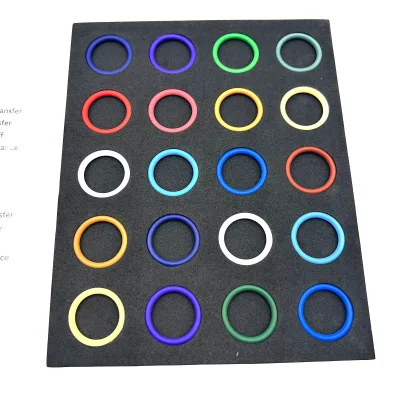
Customization is widely available, including specific shapes, colors, and material grades like HNBR or FKM. Suppliers offer OEM and ODM services with custom logo and packaging options. Buyers can provide drawings in formats like STEP or IGES for precise manufacturing according to their technical requirements.