Cohesive Sterile Wound Care Dressing Suppliers and Manufacturers
Compare 28 verified suppliers offering Cohesive Sterile Wound Care Dressing with EN ISO 13485 and MDR certifications. Review response times, lead times, and customization options to select a manufacturer for your medical needs; review the available evidence before requesting comparable quotations from suitable candidates.
Updated
Suppliers List
Jiaxing Fuluo Medical Supplies Co., Ltd.
- Verified by SGS Group
- Manufacturer, Trading Company
- Lead time30 days
- Avg. response≤ 6h
Main productsMedical Tape, Wound Dressings, Medical Bandage, Kinesiology Tape, Sports Tape
Main marketsDomestic Market(55%), Eastern Asia(10%), Western Europe(10%)

Foosin Medical Supplies Inc., Ltd.
- Verified by SGS
- Combined
- China Shandong
- Lead time30 days
- Avg. response≤ 6h
Main productsSurgical Suture, Suture Needle, Ophthalmic Sutures, Cardiovascular Sutures, Cosmetic Sutures, O&B Sutures, Nylon Suture, Silk Suture, Absorbable Suture, Nonabsorbable Suture
Main marketsSouth America,Southeast Asia/ Mideast,Europe


Factory Supply Foam Dressing for Wound Care High Quality Medical Wound Care PU
$0.01 - $1.00
MOQ: 1000 Pieces

Zhejiang Bangli Medical Products Co., Ltd.
- Combined
- China Zhejiang
- Lead time30 days
- Avg. response≤ 14h
Main productsBandage, Medical Tape, Cooling Gel Patch, Cohesive Bandage, Nasal Strips, Adhesive Bandage, Zinc Oxide Plaster, Pain Relief Patch, Wound Dressing, Capsicum Plaster
Main marketsEurope


Medical IV Dressing Hot Sell Wound Dressing Pad/Adhesive Sterile Wound Dressing
$0.08 - $0.15
MOQ: 10000 Pieces

ANJI HONGDE MEDICAL PRODUCTS CO., LTD.
- Combined
- China Zhejiang
- Lead time30 days
- Avg. response≤ 6h
Main productsFlocked Swab, Bandage, Tape, Gauze Roll/Swab/Ponge Swab, Cotton Roll/Cotton Ball/ Dental Cotton, Face Mask, Tongue Depressor, Vasline/Paraffin Gauze
Main marketsDomestic

Ningbo Yiyuankang International Trade Co., Ltd.
- Combined
- China Zhejiang
- Lead time30 days
- Avg. response≤ 23h
Main productsMedical Bandage, Tape, Medical First Aid, Alcohol Pad, Face Mask, Adhesive Bandage, Bandage
Main marketsSouth America,Africa,Southeast Asia/ Mideast,East Asia(Japan/ South Korea),Europe,Australia,North America


Medical Sterile Adhesive Non-Woven Wound Dressing with Absorbant Pad
$0.02 - $0.026
MOQ: 100000 Pieces

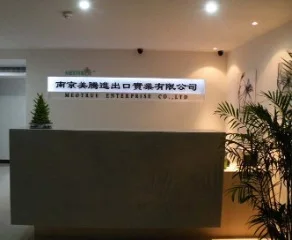
- Manufacturer, Trading Company
- Jiangsu, China
- Lead time30 days
- Avg. response≤ 16h
Main productsMedical Devices,Medical Disposable (All for export)
Main marketsAfrica(33.33%), Mid East(30.00%), Southeast Asia(26.67%), Eastern Europe(5.00%), Southern Europe(3.33%), Western Europe(1.67%)
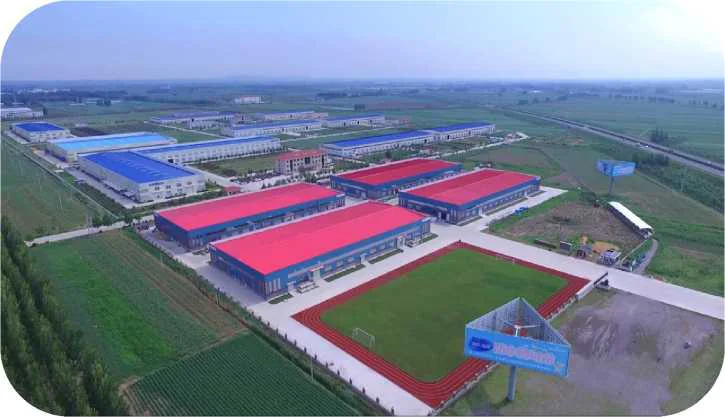
Hynaut Health Technology Co., LTD
- Manufacturer, Trading Company
- Shandong, China
- Lead time0 days
- Avg. response≤ 9h
Main productsWound Plaster/Alcohol Prep Pads/Medical Face Mask/Protective Face Mask/Sterile Wound Dressings/Medical Adhesive Tapes/Examination Gloves/Fever Relief Patches
Main marketsDomestic Market(32.00%), North America(18.00%), Oceania(9.00%), Western Europe(6.00%), Mid East(6.00%), Eastern Asia(5.00%), South America(5.00%), South Asia(5.00%), Southeast Asia(5.00%), Africa(3.00%), Eastern Europe(2.00%), Northern Europe(2.00%), Southern Europe(2.00%)
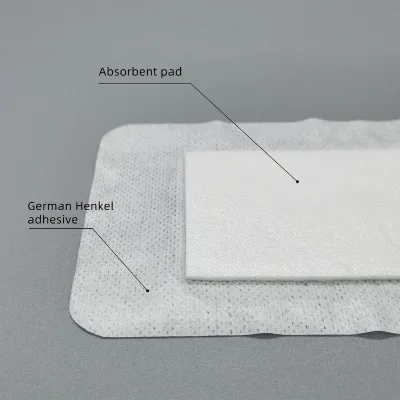
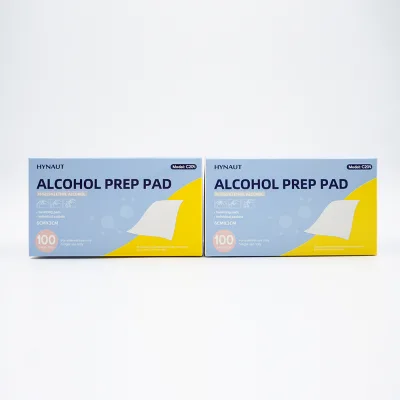
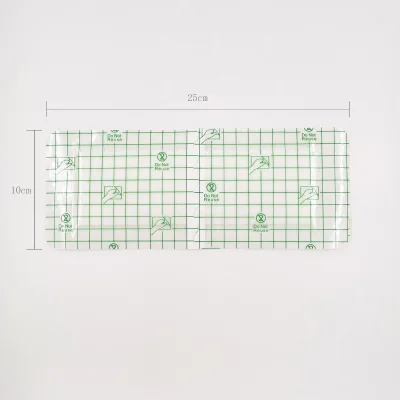
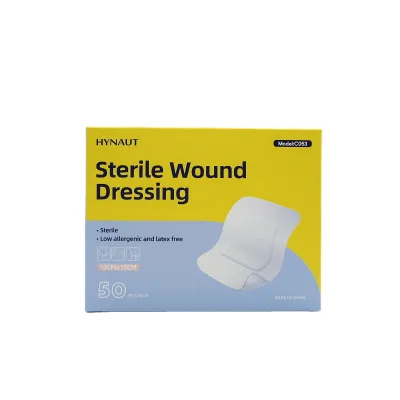
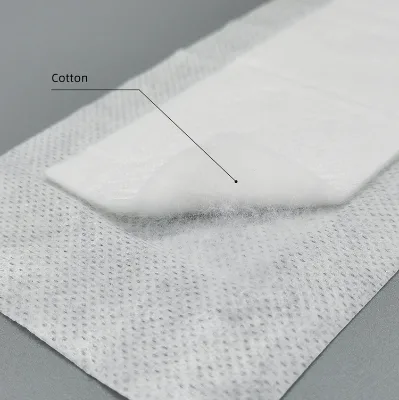
2024 Best Seller CE ISO Sterile Wound Treatment Therapy Super Absorbent Flexible Wound Dressing
$0.031 - $0.3112
MOQ: 100000 Minimum
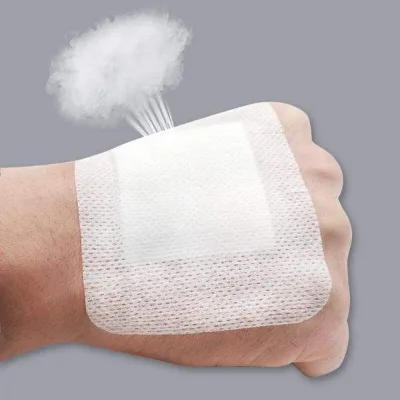

Henan Yuenai Trading Co., Ltd.
- Trading Company
- Henan, China
- Lead time5 days
- Avg. response≤ 2h
Main productsMedical consumables,safety butterfly needle,Vacuum blood collection,wheelchair,Medical equipment
Main marketsEastern Asia(30.00%), Southeast Asia(20.00%), Western Europe(20.00%), Africa(20.00%), Mid East(10.00%)
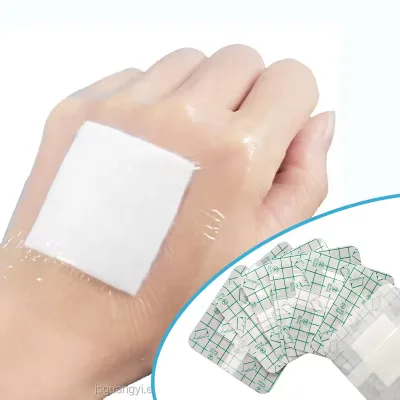
Waterproof Transparent Wound Dressing Adhesive Dressing for Wound Care
$0.0623 - $0.0831
MOQ: 1000 pieces
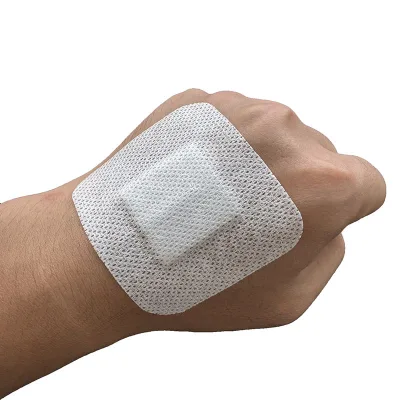
Jining Jianda Medical Device Technology Co., Ltd.
- Verified by Intertek
- Manufacturer, Trading Company
- Lead time15 days
- Avg. response≤ 2h
Main productsSurgical pack, Surgical gown, Medical surgical mask, Underpad, Wound dressing
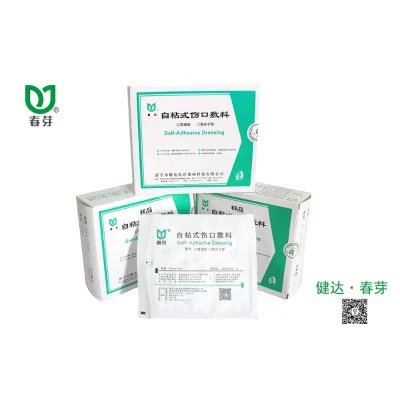
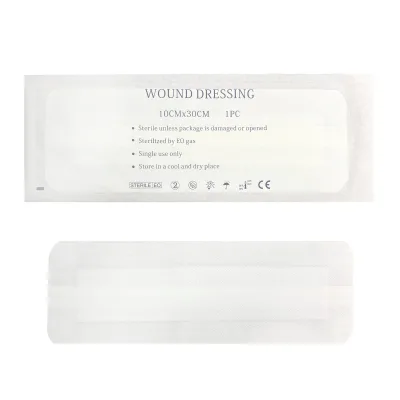
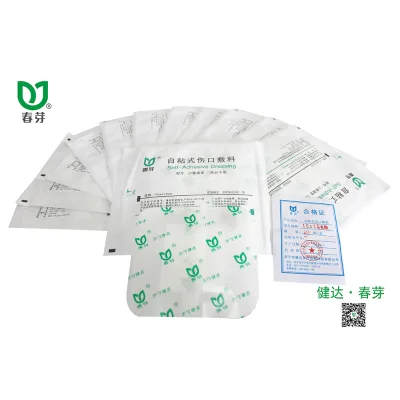
$0.06 - $0.76
MOQ: 3000 Minimum
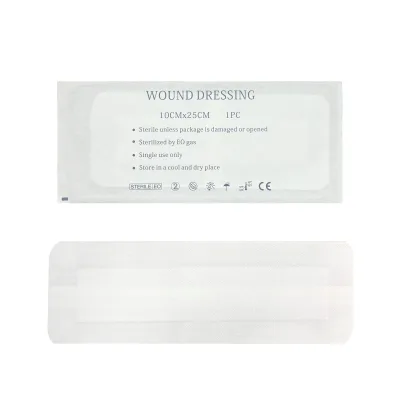
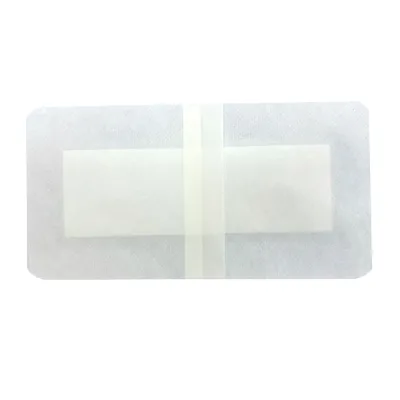
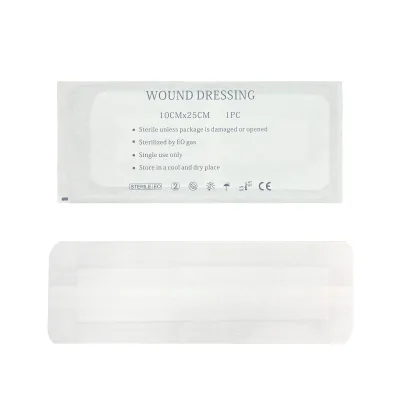

- Trading Company
- China Shandong
- Lead time23 days
- Avg. response≤ 25h
Main productsMedical equipment, Laboratory Products, Light Industry &Lamp; Daily Use, Medical Disposables, Medical Masks, Sanitinary Mask, Non-Woven Products, Plastic Products, Cosmestics Products, Latex Products
Main marketsAfrica,Europe,North America

Lianyungang Baishun Medical Treatment Articles Co., Ltd.
- Trading Company,Manufacturer/Factory
- China Jiangsu
- Lead time23 days
- Avg. response≤ 11h
Main productsCotton Roll, Gauze Roll, Cotton Pad, Gauze Swab, Dental Cotton, Lab Sponge, Zigzag Cotton, Bandage, Cotton Coil, Jumbo Gauze Roll
Main marketsSouth America,Eastern Europe,Mid East,North America,Southeast Asia,Eastern Asia,Oceania,Western Europe,Africa

Shanghai Goldenwell Medical Technology Co., Ltd.
- Verified by CTI
- Trading Company
- China Shanghai
- Lead time15 days
- Avg. response≤ 5h
Main productsMedical Devices, Sports Support, Medical Dressings
Main marketsSoutheast Asia/ Mideast,Europe
JcMed (TIANJIN) IMPORT&EXPORT CO., LTD.
- Verified by TüVRheinland
- Trading Company
- Lead time30 days
- Avg. response≤ 4h
Main productsFunctional Dressings, In Vitro Diagnostic Products, Sharps Container, First Aid Products, Minimally Invasive Surgical Products
Main marketsNorth America(40%), Southeast Asia(25%), Mid East(10%)
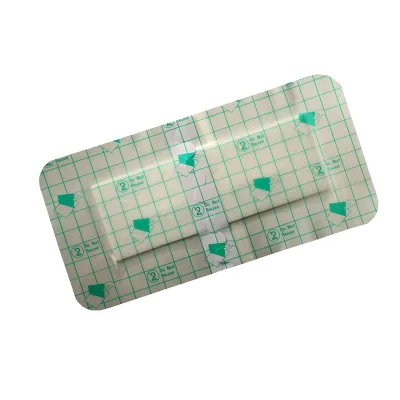
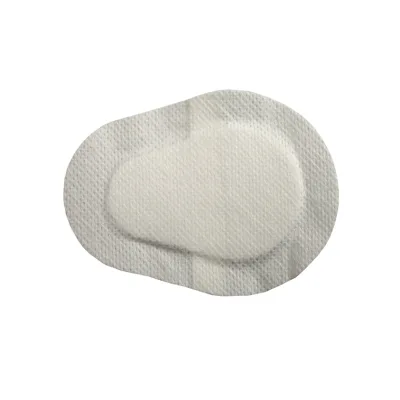
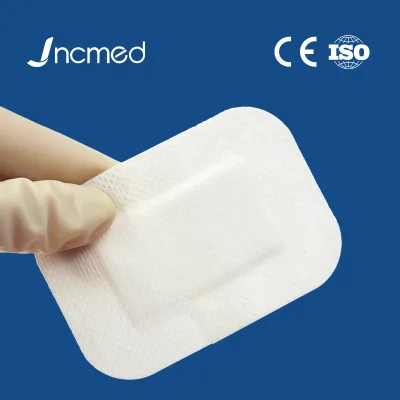
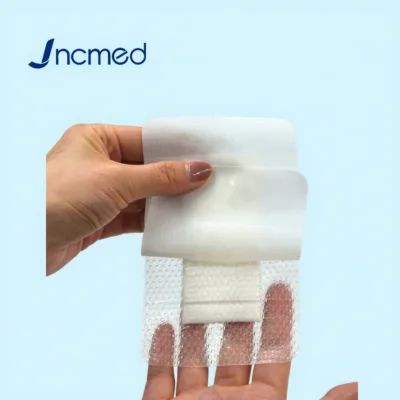
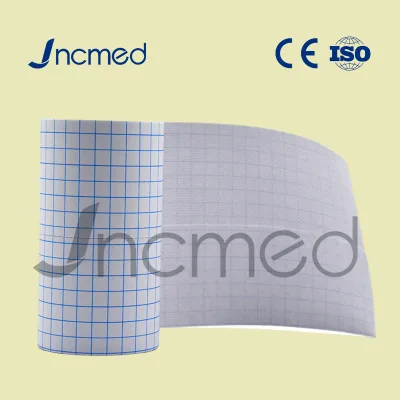
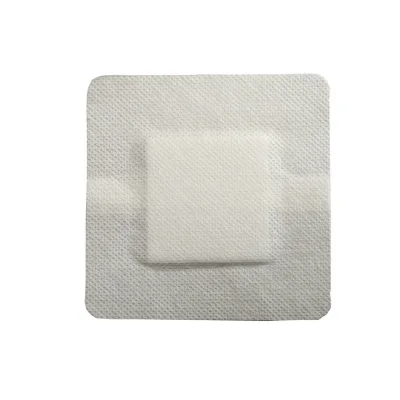
Breathable Non-woven Adhesive Medical Tape Wound Dressing Fixation Bandage Wound Dressing
$0.6986 - $3.7789
MOQ: 2 Minimum

Hangzhou Wehere Medical Technology Co., Ltd.
- Verified by BV
- Trading Company
- China Zhejiang
- Lead time30 days
- Avg. response≤ 3h
Main productsProtective Gown, Face Mask, Thermometer, Dust Mask, Respirator, Pulse Oximeter, Forehead Thermometer, Cadaver Bag, Isolation Gown, Surgical Drape
Main marketsSouth America,Africa,East Asia(Japan/ South Korea),Europe


Self Adhesive Medical Sterile Hydrocolloid Wound Care Dressing Hydrocolloid
$0.15 - $2.25
MOQ: 5000 piece

- Trading Company
- China Jiangsu
- Lead time15 days
- Avg. response≤ 5h
Main productsSyringes, Infusion Sets, Mercury Free Thermometer, Medical Bandage, Medical Tape
Main marketsSouth America,Africa,Southeast Asia/ Mideast,East Asia(Japan/ South Korea),Europe,Australia,North America


Medical Hydrocolloid Wound Dressing Adhesive Absorbent Dressing for Wound Care
$0.40 - $0.80
MOQ: 5000 Pieces

Plain Non-Adhesive Wound Care Environment Friendly Material Foam Dressing
$0.40 - $0.80
MOQ: 5000 Pieces
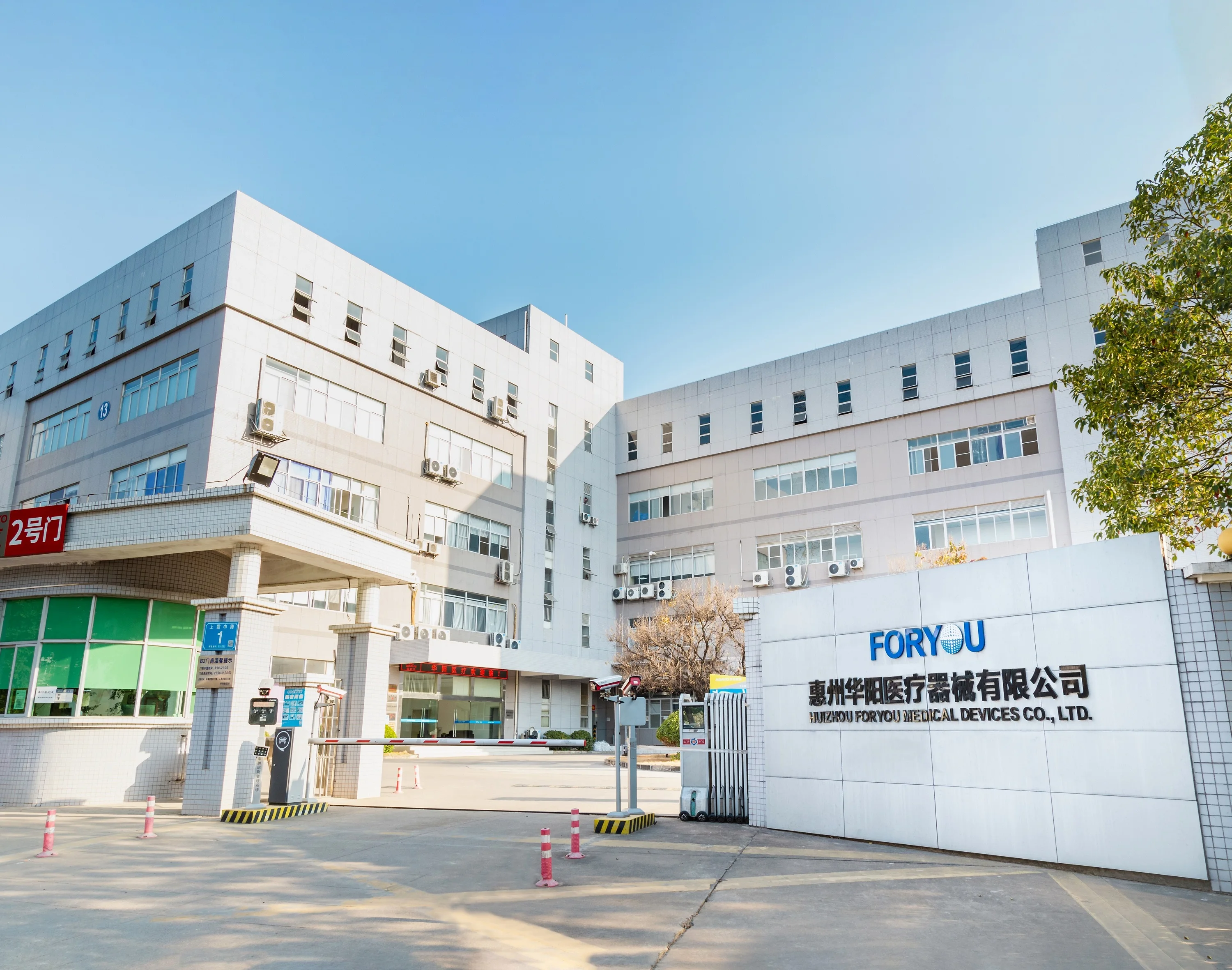
Huizhou Foryou Medical Devices Co., Ltd.
- Manufacturer, Trading Company
- Guangdong, China
- Lead time30 days
- Avg. response≤ 20h
Main productsSilicone Foam Dressing/Medical Hydrogel Dressing/Super Absorbent Dressing/Silicone Ag Foam Dressing/PHMB Alginate Dressing
Main marketsCentral America(100.00%), North America(35.00%), Western Europe(15.00%), Eastern Europe(10.00%), Northern Europe(5.00%), South America(5.00%), Eastern Asia(5.00%), Southern Europe(5.00%), Mid East(5.00%), Oceania(5.00%), Africa(5.00%), Southeast Asia(5.00%)
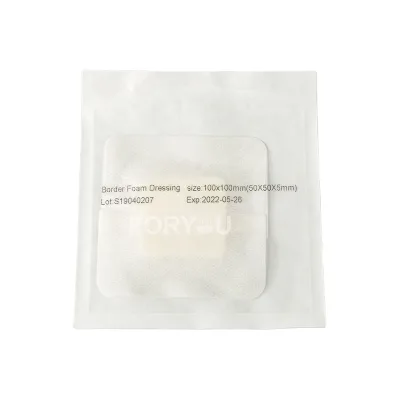
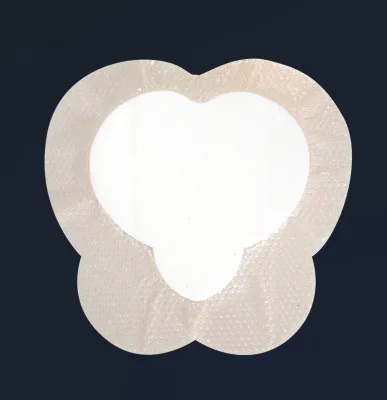
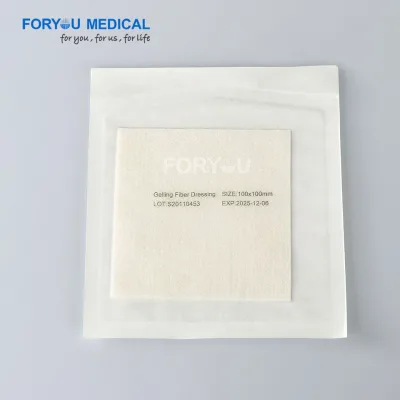
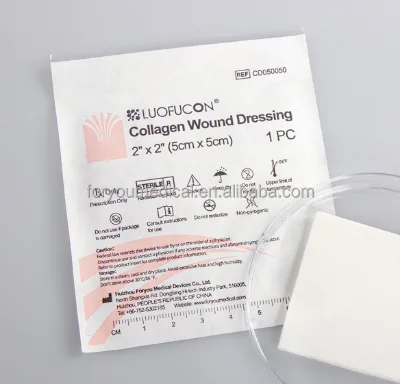
Sterile Wound Dressing Non-woven Foam Dressing Border Adhesive for Health Care
$1.0263 - $10.2611
MOQ: 10 Minimum
Hebei Dianya Medical Technology Co., Ltd.
- Verified by SGS Group
- Trading Company
- Hebei, China
- Lead time30 days
- Avg. response≤ 2h
Main productsHousehold Medical Devices, Medical Consumables, Professional Medical Devices
Changzhou Hualian Health Dressing Co., Ltd.
- Manufacturer, Trading Company
- Jiangsu, China
- Lead time45 days
- Avg. response≤ 20h
Main productsMedical Tapes,Sport Tapes,Plasters,Wound Dressing
Main marketsNorth America(30.00%), Western Europe(16.00%), Eastern Europe(8.00%), Eastern Asia(8.00%), South America(7.00%), Mid East(6.00%), Domestic Market(5.00%), Southeast Asia(5.00%), Africa(5.00%), Oceania(3.00%), Central America(2.00%), Southern Europe(2.00%), Northern Europe(2.00%), South Asia(1.00%)

Anqing Topeak Medical Co., Ltd.
- Trading Company
- China Anhui
- Lead time15 days
- Avg. response≤ 6h
Main productsDental Bibs, Non Woven SMS, Mirco Applicator, Face Mask, Saliva Ejector, Dental Needle, Sterilization Pouch, Sterilization Reel, Isolation Gown, Coverall
Main marketsSouth America,Others(foreignTradeCapacity.exportBusinessCapacityMarketOther),Southeast Asia/ Mideast,East Asia(Japan/ South Korea),Europe

Yangzhou Goldenwell Import&Export Co., Ltd.
- Verified by BV
- Trading Company,Manufacturer/Factory
- China Jiangsu
- Lead time23 days
- Avg. response≤ 6h
Main productsMedical Devices, Syringe, Medical Tape, Medical Bandage
Main marketsSouth America,Eastern Europe,Mid East,North America,Southeast Asia,Eastern Asia,Oceania,Western Europe,Africa

Anhui Jinye Industrial Co., Ltd.
- Verified by SGS
- Trading Company,Manufacturer/Factory
- China Anhui
- Lead time120 days
- Avg. response≤ 5h
Main productsFace Mask, Nitrile Glove, PE Glove, PE Apron, CPE Gown, Coveralls, Disposable Isolation Gown, Shoe Cover, Lab Coat, Clip Cap
Main marketsSouth America,Eastern Europe,Mid East,North America,Southeast Asia,Eastern Asia,Oceania,Western Europe,Africa


Non Woven Waterproof IV. Wound Dressing with Low-Allergy Acrylic Adhesive
$0.10 - $0.50
MOQ: 10000 Pieces
Ningbo Chinmed Technology Co., Ltd.
- Verified by TüVRheinland
- Manufacturer, Trading Company
- Lead time25 days
- Avg. response≤ 8h
Main productsHydrocolloid Blister Plasters, Silicone Foam Dressings, Hydrocolloid Dressings, Transparent Dressings, Wound Skin Closures
Main marketsOceania(34%), Domestic Market(27%), North America(14%)
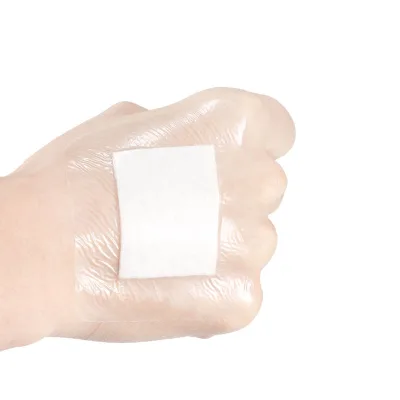
Absorbent Pad Transparent Surgical Wound Dressing From China Adhesive Dressing for Wounds
$0.0512 - $0.123
MOQ: 20 Minimum
$0.16 - $1.49
MOQ: 20000 Minimum
- Verified by TüVRheinland
- Trading Company
- Lead time35 days
- Avg. response≤ 6h
Main productsSyringe, Gauze, Wound Dressing, Bandage
Main marketsSouth America(20%), Mid East(17%), North America(13%)
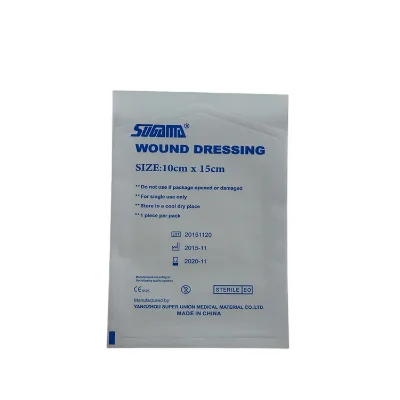
$0.0051 - $0.0328
MOQ: 10 Minimum
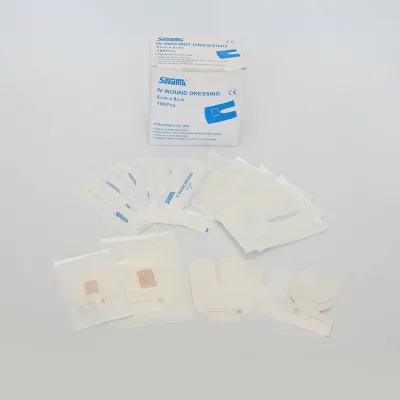
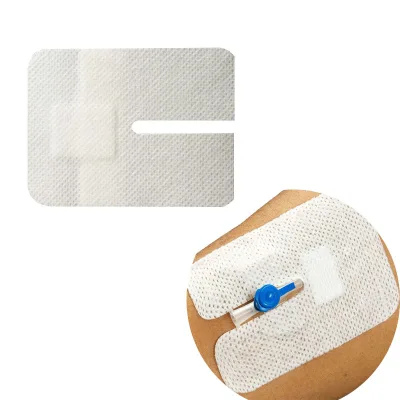
Medical Dressing Wound Care Iv Cannula Fixing Dressing 10*15cm With Absorbnet Pad
$0.021 - $0.0419
MOQ: 10000 Minimum

Yiwu Medco Health Care Co., Limited
- Verified by SGS
- Manufacturer/Factory
- China Zhejiang
- Lead time30 days
- Avg. response≤ 13h
Main productsDiagnostic Instrument, Rehabilitation Device, Hospital Furnitures, Hospital Equipment, Laboratory Equipment, Autoclave and Lamps and X-ray Related Items, Health Care Articles, Medical Dressing and Hygienic, Medical Disposables, Laboratory Supply
Main marketsSouth America,Eastern Europe,Mid East,North America,Southeast Asia,Eastern Asia,Oceania,Western Europe,Africa

CE ISO Approved Medical Sterile Packing Wound Treatment Non Woven Medical Adhesive Wound Dressing
$0.02 - $0.20
MOQ: 6000 Pieces

CE ISO Approved Medical Sterile Packing Wound Treatment Non Woven Medical Adhesive Wound Dressing
$0.02 - $0.20
MOQ: 6000 Pieces

- Manufacturer, Trading Company
- Shanghai, China
- Lead time45 days
- Avg. response≤ 3h
Main productsAdvanced Wound Dressing, Traditioanl Wound Dressing, Emergency First Aid, PPE Sanitary, Durable Medical Device
Main marketsNorth America(40.00%), Southern Europe(30.00%), Eastern Asia(10.00%), Oceania(10.00%), Southeast Asia(10.00%)
- Manufacturer, Trading Company
- Lead time旺季: "1 - 100000":15,"> 100000":"To be negotiated", 淡季: "1 - 100000":15,"> 100000":"To be negotiated"
- Avg. response≤ 2h
Main productsMedical Supplies, Laboratory Consumables, Medical Equipment
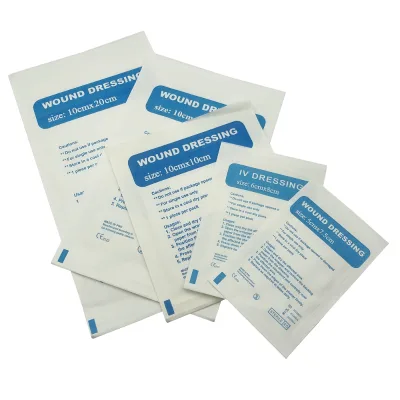
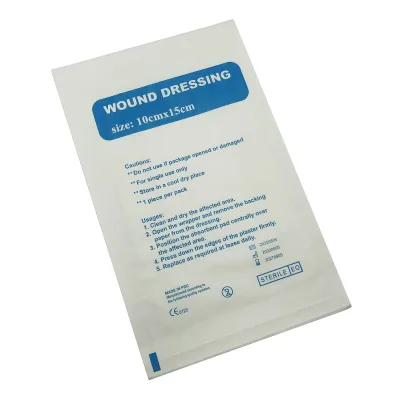
$0.031 - $0.1765
MOQ: 1000 Minimum
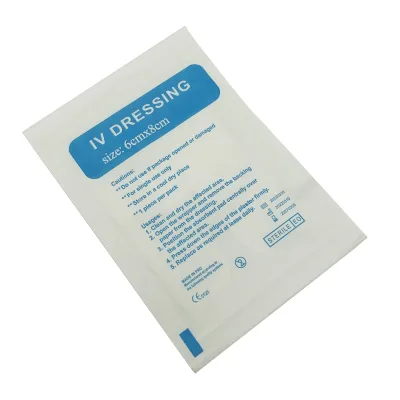
Medical Supplies Disposable Surgical Wound Care Self Adhesive Pu Non-woven Wound Dressing
$0.0307 - $0.175
MOQ: 1 Minimum

PLANET (ANHUI) INTERNATIONAL CO., LTD.
- Verified by BV
- Combined
- China Jiangsu
- Lead time60 days
- Avg. response≤ 3h
Main productsBandage, First Aid Kits, Band Aid, Wound Dressing, Foot Patch, Knee Brace, Knee Support, Knee Pad, Adhesive Tape, Compression Stocks
Main marketsNorth America

China Tianjin Recare Co., Ltd.
- Verified by TUVRHEINLAND
- Combined
- China Tianjin
- Lead time15 days
- Avg. response≤ 5h
Main productsCondom, Rapid Test, Lubricant, Wipe, Probe Cover, Band-Aid, Gauze, Cotton Wool, Glove
Main marketsSouth America,Africa,Others(foreignTradeCapacity.exportBusinessCapacityMarketOther),Southeast Asia/ Mideast,Europe,Australia








Comprehensive Sourcing Guide
Cohesive Sterile Wound Care Dressing Supplier Concentration and Factory Types
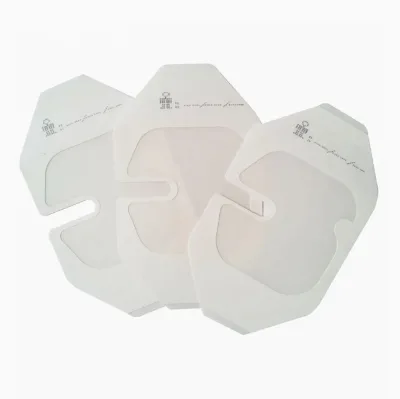
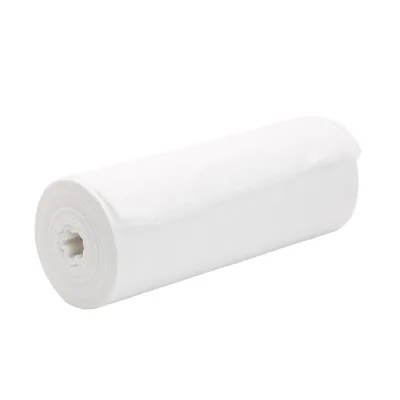
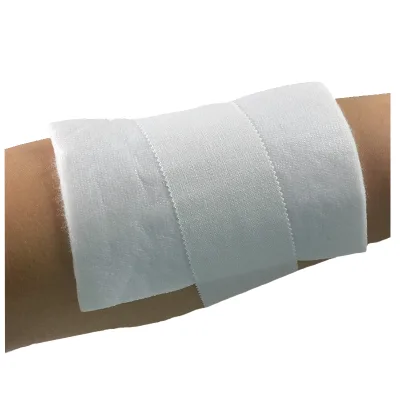
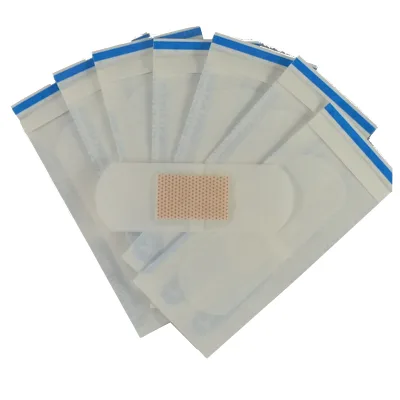
The current supplier landscape for Cohesive Sterile Wound Care Dressing reveals a diverse mix of manufacturing capabilities and business models. Data indicates that twenty-eight suppliers are currently active in this category, offering a range of options for buyers seeking specific production capacities. These entities are categorized primarily as manufacturers and trading companies, with some operating as combined entities that blend both roles. This structural diversity allows buyers to choose between direct factory engagement for cost efficiency or trading companies for streamlined logistics and broader product assortments. The presence of both types ensures that the market can accommodate varying order volumes and customization needs, from small-scale sample requests to large-volume industrial contracts.
Manufacturers in this sector often emphasize their ability to handle light customization, sample processing, and graphic processing on demand. This flexibility is crucial for buyers who require specific branding or unique product specifications for their Cohesive Sterile Wound Care Dressing lines. The suppliers listed demonstrate capabilities in producing various medical consumables, including wound dressings, medical bandages, and kinesiology tapes, which suggests a robust infrastructure for medical device production. By focusing on these core competencies, factories can offer tailored solutions that align with specific buyer requirements, ensuring that the final product meets precise quality and functional standards. This adaptability is a key differentiator in a competitive market where customization often drives value.
How to Verify Cohesive Sterile Wound Care Dressing Suppliers
Verification is a critical step in ensuring the reliability and compliance of suppliers offering Cohesive Sterile Wound Care Dressing. Buyers should prioritize suppliers who have undergone third-party verification processes, such as those conducted by SGS Group. This verification status provides an additional layer of confidence regarding the supplier’s operational legitimacy and adherence to stated business practices. In addition to general verification, it is essential to examine the specific system certifications held by the supplier. The presence of EN ISO 13485 and MDR certifications indicates a commitment to quality management systems specifically tailored for medical devices, which is paramount for products intended for wound care and medical use.
Beyond certifications, buyers must scrutinize the product-specific evidence provided by suppliers. This includes checking for CE and ISO certifications on individual product listings, which serve as indicators of regulatory compliance in key markets. The instrument classification of the products, often listed as Class I or Class II, also provides insight into the regulatory scrutiny the product has undergone. Buyers should verify that the sterilization methods, such as EO or Ozone disinfection, are clearly stated and align with their safety requirements. Additionally, confirming the shelf life and material composition, such as non-woven fabrics or PU materials, ensures that the product meets the expected performance and durability standards for Cohesive Sterile Wound Care Dressing applications.
What to Compare Across Cohesive Sterile Wound Care Dressing Suppliers
When evaluating multiple suppliers, buyers should compare key operational metrics to determine the best fit for their procurement needs. Response time is a significant factor, with some suppliers indicating a response time of six hours, which can facilitate quicker decision-making and issue resolution. Lead times also vary, with some suppliers offering a thirty-day turnaround, which is crucial for inventory planning and supply chain stability. Buyers should assess these timelines against their project deadlines to ensure that the supplier can meet their delivery expectations without causing delays in their own operations. Comparing these operational efficiencies helps in selecting a supplier that aligns with the buyer’s logistical requirements.
Another critical aspect of comparison is the minimum order quantity (MOQ) and pricing structure. Some suppliers offer an MOQ of one, which is ideal for testing new products or small-scale orders, while others may require higher volumes, such as fifty units, reflecting their production model. Price ranges also differ significantly, with some products listed between $0.51 and $1.54 per unit, while others may have different pricing tiers based on customization or volume. Buyers should also consider the main products offered by each supplier, as those specializing in wound dressings may offer better expertise and consistency compared to general medical supply traders. Evaluating these factors holistically allows buyers to balance cost, volume, and service quality effectively.
Common Cohesive Sterile Wound Care Dressing Sourcing Risks
Sourcing Cohesive Sterile Wound Care Dressing involves several potential risks that buyers must actively manage to ensure product integrity and supply continuity. One significant risk is the variability in product specifications and quality across different suppliers. While some products are described as sterile and hypoallergenic, others may have different material compositions or sterilization methods, such as EO versus Ozone. Buyers must carefully review product attributes to ensure that the specifications match their clinical or commercial requirements. Failure to verify these details can lead to receiving products that do not meet the expected performance standards, potentially impacting patient safety or product efficacy.
Another risk is the inconsistency in supplier capabilities and reliability. Although some suppliers are verified and hold relevant certifications, the actual production quality and adherence to standards can vary. Buyers should be cautious of suppliers who do not provide clear evidence of their manufacturing processes or quality control measures. Additionally, the risk of stockouts or production delays can disrupt supply chains, especially if suppliers do not maintain adequate inventory or have limited production capacity. Buyers should assess the supplier’s stock status and production flexibility to mitigate these risks. By conducting thorough due diligence and maintaining open communication with suppliers, buyers can reduce the likelihood of encountering these common sourcing challenges.
Cohesive Sterile Wound Care Dressing Regional Sourcing and Logistics
The geographic location of suppliers plays a crucial role in determining logistics costs and delivery times for Cohesive Sterile Wound Care Dressing. Many suppliers are located in China, with specific mentions of regions such as Zhejiang and Shandong. These areas are known for their robust manufacturing infrastructure and expertise in medical device production. Sourcing from these regions can offer competitive pricing and access to a wide range of suppliers. However, buyers must consider the logistical implications of importing from these locations, including shipping times, customs clearance, and potential tariffs. Understanding the regional distribution of suppliers helps buyers optimize their supply chain and reduce overall procurement costs.
Logistics planning should also account for the packaging and handling requirements of the products. Some suppliers provide individual packaging for their wound dressings, which can simplify storage and distribution for buyers. The single gross weight and package dimensions of the products are important factors in calculating shipping costs and optimizing container space. Buyers should work closely with suppliers to understand the packaging specifications and ensure that the products are protected during transit. Additionally, considering the shelf life of the products, which is often listed as three years, allows buyers to plan inventory levels more effectively. By aligning logistics strategies with supplier locations and product characteristics, buyers can enhance the efficiency and reliability of their supply chain.
Cohesive Sterile Wound Care Dressing Commercial Terms and Order Planning
Commercial terms and order planning are essential components of successful procurement for Cohesive Sterile Wound Care Dressing. Buyers should negotiate clear terms regarding payment, delivery, and returns to protect their interests and ensure smooth transactions. Understanding the supplier’s pricing structure, including any discounts for bulk orders or long-term contracts, can help buyers optimize their costs. Additionally, buyers should clarify the lead times and production schedules to align with their inventory needs and avoid stockouts. Establishing a reliable communication channel with the supplier is crucial for addressing any issues that may arise during the order process, such as delays or quality concerns.
Order planning should also consider the customization options available from suppliers. Many suppliers offer ODM services and customized branding, which can be valuable for buyers looking to differentiate their products in the market. Buyers should assess the feasibility and cost implications of these customization options to determine if they align with their business strategy. Furthermore, buyers should evaluate the supplier’s capacity for handling large orders and their ability to maintain consistent quality across batches. By carefully planning their orders and negotiating favorable commercial terms, buyers can build a strong and sustainable supply relationship with their Cohesive Sterile Wound Care Dressing suppliers.
FAQs
What certifications do sterile wound dressings have?
Manufacturers typically hold EN ISO 13485 and MDR system certifications. Products often display CE and ISO marks on packaging. Verify specific Class I or Class II instrument classifications for your intended medical use case and regional compliance requirements.
What is the typical lead time for orders?
Standard production lead times are approximately 30 days. This duration applies to most bulk manufacturing runs for cohesive sterile wound care dressings. Confirm exact schedules with suppliers, as capacity and customization needs may affect final delivery dates.
What is the minimum order quantity for these products?
Minimum order quantities vary significantly by product type. Some items allow an MOQ of just one unit, while others require fifty units. Check specific product listings to determine the exact threshold for your desired Cohesive Sterile Wound Care Dressing style.
How quickly do suppliers respond to inquiries?
Suppliers generally respond to inquiries within six hours. This response time helps facilitate faster communication regarding pricing, samples, and customization options. Prompt replies are essential for efficient B2B sourcing and timely decision-making for your medical supply needs.
What materials are used in these dressings?
Common materials include non-woven fabrics, PU, and 100% cotton. Some dressings feature soft cloth or absorbent gauze pads. Select materials based on breathability, hypoallergenic properties, and specific wound care requirements to ensure optimal patient comfort and healing outcomes.
Are samples available for testing?
Samples are often provided freely for evaluation. This allows buyers to test quality, adhesion, and sterility before committing to bulk orders. Contact suppliers directly to request samples of cohesive sterile wound care dressings and verify their suitability for your application.
Where are these medical products manufactured?
Products are primarily manufactured in China, specifically in regions like Zhejiang and Shandong. These locations host numerous verified manufacturers and trading companies. Sourcing from these areas offers access to a wide variety of medical consumables and competitive pricing structures.