Nissan Car Starter Motor Suppliers and Manufacturers
Explore 16 verified options for Nissan Car Starter Motor from China Hebei, Zhejiang, and Anhui. Compare lead times, MOQs, prices, and customization capabilities to source reliable parts efficiently. Review product specifications and certifications before placing orders; review the available evidence before requesting comparable quotations from suitable candidates.
Suppliers List

Cangzhou Rangna Automotive Parts Co., Ltd.
- Verified by BV
- Combined
- China Hebei
- Lead time15 days
Main productsAlternator, Starter, Regulator, Rotor, Stator, Relay, Switch, Rectifier, Brush Holder, Pulley
Main marketsDomestic


High Quality Car Starter Motor Factory Price 12V 1.4kw 3610023161 Starter Motor
$30.76 - $40.20
MOQ: 1 Pieces


High Quality Car Starter Motor Factory Price 12V 2.2kw Ok60118400 Starter Motor
$49.20 - $57.80
MOQ: 1 Pieces

Wenzhou Huihai Auto Parts Co., Ltd.
- Manufacturer/Factory
- China Zhejiang
- Lead time0 days
Main productsCar Alternators, Starter Motor, Auto Alternator, Car Starter Motor, Alternator Parts, Starter Parts, Truck Alternator, Car Parts


$20.00 - $35.00
MOQ: 30 Pieces

Anhui Aljieao Auto Parts Co., Ltd
- Verified by CTI
- Trading Company
- China Anhui
- Lead time23 days
Main productsUrea Pump, Nox Sensor, Truck Lamp
Main marketsSouth America,Africa,Southeast Asia/ Mideast,East Asia(Japan/ South Korea),Europe,Australia,North America
Guangzhou Heshun Auto Electric Appliance Co., Ltd.
- Verified by TüVRheinland
- Trading Company
- Lead time5 days
- Avg. response≤ 4h
Main productsRadiator Fan, Blower Motor, Radiator, Car Condenser, Thermostat
Main marketsMid East(40%), Southeast Asia(30%), North America(10%)

Ningbo Yinzhou Zongone Imp& Exp Co., Ltd
- Verified by SGS
- Manufacturer/Factory
- China Zhejiang
- Lead time45 days
Main productsStarter Motors, Alternator Regulators, Alternators, Starter Drives, Starter Armatures, Starter Field Cases, Starter Solenoids, Alternator Pulley, Alternator Stators, Alternator Rotors
Main marketsSouth America,Eastern Europe,Mid East,North America,Southeast Asia,Eastern Asia,Oceania,Western Europe,Africa
Aipsi (Huzhou) Auto Parts Co., Ltd.
- Verified by SGS
- Trading Company
- China Zhejiang
- Lead time15 days
Main productsAuto Spare Parts, Auto Parts, Spare Parts
Main marketsAfrica,Southeast Asia/ Mideast,North America

AIPSI Automotive Starter Motor for Nissanteanaj32/2.5 Car Motor 23300-Jn00A
$17.50 - $18.50
MOQ: 50 Pieces

AIPSI Automotive Starter Motor for Nissan R30/Marchk13 Car Motor 23300-1hc0d
$14.00 - $14.50
MOQ: 50 Pieces

AIPSI Automotive Starter Motor for Nissan D22 Ka24 Car Motor 23300-49A01
$14.50 - $15.00
MOQ: 50 Pieces

AIPSI Automotive Starter Motor for Nissan Fuga 3.5 Car Motor 23300-8y00A
$17.50 - $18.00
MOQ: 50 Pieces

Liaocheng Mote Electromechanical Co., Ltd
- Verified by SGS
- Trading Company
- China Shandong
- Lead time30 days
Main productsStarter, Alternator, Starter Accessories, Alternator Accessories
Main marketsSouth America,Others(foreignTradeCapacity.exportBusinessCapacityMarketOther)


Premier Auto New Densocar Engine Starter Motor, Car Starter Motor 12volt 23300-Ee00A 1.4kw
$40.00 - $55.00
MOQ: 30 Pieces


6004AA2005 6004AA2004 6004AA0019 for Bosch Car 12V 1.4kw 9t for Nissan Starter Motor
$62.00 - $65.00
MOQ: 30 Pieces

12V 2.5kw 13t Dsn1493 Starter for Toyota for Denso Engine Starter Motor
$40.00 - $55.00
MOQ: 30 Pieces

CHONGQING NEW KAINIU INDUSTRY CO., LTD
- Verified by SGS
- Manufacturer/Factory
- China Chongqing
- Lead time38 days
Main productsTricycle, Cargo Tricycle, Passenger Tricycle, Multi Funcrtion Tricycle, Electric Tricycle, Agriculture Machineray, Generator, Tricycle Parts, Motorcycle Engine Parts, Motorcycle Part
Main marketsSouth America,Southeast Asia,Africa

Ruian Jilong Automobile Electric Appliances Co.,Ltd.
- Trading Company,Manufacturer/Factory
- China Zhejiang
- Lead time60 days
Main productsStarter Motor, Starter Armature, Starter Field Case Assembly, Starter Drive, Brush Holder, Alternator, Alternator Rotor, Alternator Stator, Door Lock Actuator, Tailgate Switch
Main marketsSouth America,Eastern Europe,Mid East,North America

Hebei Hongdu Technology Co., Ltd.
- Verified by SGS
- Manufacturer/Factory
- China Hebei
- Lead time30 days
Main productsTerminal, Cable Clamp, Spacer Damper
Main marketsSouth America,Eastern Europe,Mid East,North America,Southeast Asia,Eastern Asia,Oceania,Western Europe,Africa
Huangshan Benma Group Co., Ltd.
- Manufacturer, Trading Company
- Lead time旺季: "1 - 15":14,"> 15":"To be negotiated", 淡季: "1 - 15":14,"> 15":"To be negotiated"
- Avg. response≤ 5h
Main productsPower Steering Rack, Brake Pad, Brake Caliper, Air Condition Compressor, Clutch
Anhui Tla Machinery Equipment Co., Ltd.
- Verified by SGS
- Trading Company
- China Anhui
- Lead time30 days
Main productsForklift Parts, Forklift Spare Parts, Forklift Attachment, Forklift Radiator, Forklift Wheel, Forklift Air Filter, Forklift Accessories, Forklift Parts Hydraulic Pump, Forklift PU Wheel, Forklift Sensors
Main marketsSouth America,Africa,Southeast Asia/ Mideast,Europe,North America

Yute Motor(Guangdong) Mechanical Parts Co., Ltd.
- Verified by TUVRHEINLAND
- Combined
- China Guangdong
- Lead time15 days
Main productsStarter Motor, Alternator, Compressor, Turbocharger, Stop Solenoid, Throttle Motor, DC Motor, Blower, Control Panel
Main marketsSouth America,Others(foreignTradeCapacity.exportBusinessCapacityMarketOther),Domestic

Hubei Diyue Auto Parts Co., Ltd.
- Verified by SGS
- Trading Company
- China Hubei
- Lead time15 days
Main productsDiesel Engine Parts, Auto Spare Parts, Engine Assembly, Fuel Pump Oil Pump Doser Pump Urea Pump, Fuel Injector, Ecm & ECU, Filter Fleetguard, Turbocharger Holset, Sensor Nox Sensor Wiring Harness, Bearing Rocker Arm Tappet Valves
Main marketsEurope
Shanghai Borui Hong Industrial Trading Co., Ltd
- Verified by CTI
- Trading Company,Manufacturer/Factory
- China Shanghai
- Lead time15 days
Main productsThree Phase Transformer, Diesel Generator, Gasoline Generator, Generator Genset, Control Cabinet, Transformer Core, Generator Accessories, Tiller, Marine Engine, Transformer Accessories
Main marketsSouth America,North America,Southeast Asia,Africa

Guangzhou Disong Machinery Equipment Co., Ltd.
- Trading Company,Manufacturer/Factory
- China Guangdong
- Lead time15 days
Main productsExcavator Part, Machinery Engine Part, Wheel Loader Part, Bulldozer Parts, Dump Truck Parts, Generator Set Parts, Heavy Truck Parts, Hydraulic Parts, Electronic Parts, Seal and Gasket
Main marketsSouth America,Eastern Europe,Mid East,North America,Southeast Asia,Eastern Asia,Oceania,Western Europe,Africa






Comprehensive Sourcing Guide
Nissan Car Starter Motor Supplier Concentration and Factory Types
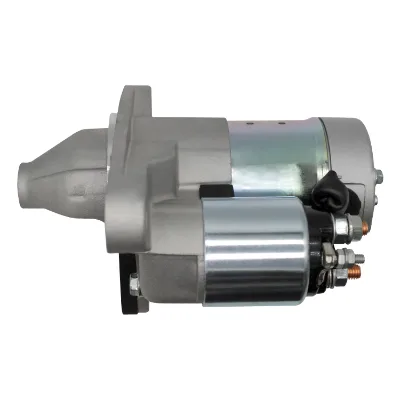
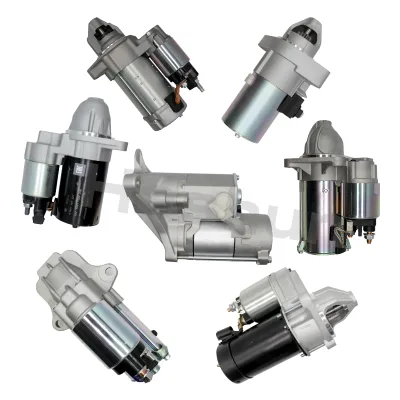
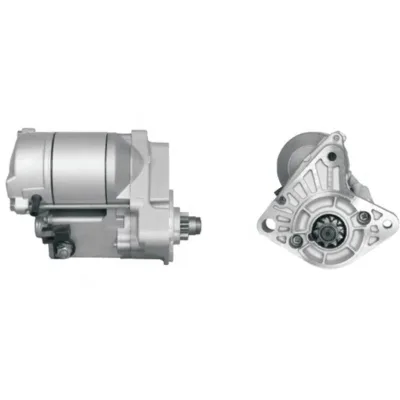
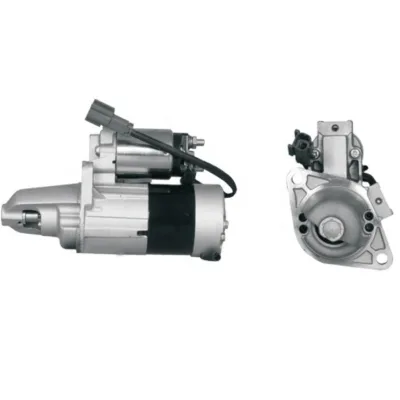
The current supplier landscape for Nissan car starter motors reveals a distinct concentration of manufacturing activity within specific Chinese provinces, with Hebei emerging as a primary hub for production. Fact-based observations indicate that a significant portion of available suppliers are located in Hebei, China, where they specialize in producing a wide array of automotive electrical components including alternators, starters, regulators, and rotors. These facilities often operate as combined entities capable of handling both Original Design Manufacturing and Original Equipment Manufacturing, suggesting a flexible production environment that can adapt to various client specifications. The presence of these combined company types implies that buyers may encounter suppliers who manage the entire production cycle internally, from raw material sourcing to final assembly, which can streamline communication and quality control processes.
In contrast to the Hebei cluster, other regions such as Zhejiang and Anhui also host suppliers, though their product focus and company structures differ. Suppliers in Zhejiang are identified as manufacturers or factories with a broader inventory that includes truck alternators and starter parts, while those in Anhui appear to function primarily as trading companies dealing in related automotive systems like urea pumps and sensors. This variation in company type is critical for buyers to understand, as a trading company may offer a wider range of compatible parts but might have less direct control over the manufacturing process compared to a dedicated factory. Buyers should verify the specific operational model of each potential partner, as the distinction between a manufacturer and a trading company directly impacts lead times, customization capabilities, and the ability to resolve technical issues related to the starter motor assembly.
How to Verify Nissan Car Starter Motor Suppliers
Verification of Nissan Car Starter Motor suppliers requires a rigorous examination of their business credentials and operational history, starting with the confirmation of their verification status. Current data indicates that some suppliers have undergone verification by recognized third-party agencies such as BV, which serves as a baseline indicator of legitimacy. However, the absence of specific system certifications like ISO standards in the provided facts means buyers cannot assume universal compliance with international quality management systems. Instead, buyers must actively request and review specific certification documents for each supplier, ensuring that the claimed standards match the actual production capabilities required for automotive electrical components. Relying solely on a general verification badge without confirming specific product certifications can lead to sourcing risks, particularly when dealing with critical engine components like starter motors.
Beyond formal certifications, buyers should scrutinize the detailed product attributes and specifications provided by each supplier to ensure alignment with Nissan vehicle requirements. The available product evidence shows specific models such as QDJ 23300-EN20A and 23300-VK500, which are designed for specific Nissan engines, indicating that suppliers possess targeted technical knowledge. Buyers must verify that the listed attributes, such as the electromagnetic-operated control system and deceleration driving type, match the exact specifications of their target vehicles. Additionally, the presence of specific component brands like Zhengpeng for clutch pulleys and Yunyi for rectifier bridges in some listings suggests a level of supply chain transparency that buyers should seek. Confirming these component origins and ensuring they meet OEM standards is essential for maintaining vehicle reliability and performance.
What to Compare Across Nissan Car Starter Motor Suppliers
When evaluating multiple suppliers for Nissan car starter motors, buyers must systematically compare key operational metrics such as lead times, minimum order quantities, and pricing structures to determine the most suitable partner. The data reveals a range of lead times, with some suppliers indicating a standard 15-day production window, while others list zero days, which may imply immediate stock availability or a need for further clarification on actual dispatch times. Minimum order quantities also vary significantly, with some suppliers offering a low entry point of just one piece, while others require a minimum of thirty units. This disparity allows buyers to select partners that align with their inventory strategy, whether they are seeking small-batch testing or bulk procurement for large-scale distribution.
Pricing and customization capabilities represent another critical dimension for comparison across the supplier base. Product listings show price ranges from approximately $20 to $68, depending on the voltage, power output, and specific model compatibility, such as 12V 2.2KW versus 24V 4.5KW units. Buyers should analyze these price points in the context of the supplier's capacity for customization, as many listings explicitly state that customization is available. This flexibility is particularly valuable for buyers requiring specific modifications or branding. Furthermore, the main products offered by each supplier provide insight into their specialization; those focusing exclusively on starter motors and alternators may offer deeper technical expertise compared to general trading companies. A comprehensive comparison of these factors ensures that the selected supplier can meet both the technical and commercial requirements of the procurement.
Common Nissan Car Starter Motor Sourcing Risks
One of the primary risks in sourcing Nissan car starter motors is the potential mismatch between product specifications and actual vehicle requirements, which can lead to installation failures or performance issues. The product evidence highlights various models with different voltage ratings and power outputs, such as 12V and 24V variants, which are not universally interchangeable. Buyers must exercise extreme caution when selecting a model, ensuring that the specific part number, such as QDJ36100-23161 or 23300-00q0d, matches the exact engine configuration of the target Nissan vehicle. Relying on generic descriptions like "High Quality Car Starter Motor" without verifying the precise model number can result in the procurement of incompatible parts, leading to costly returns and project delays.
Another significant risk involves the variability in supplier reliability and the lack of standardized quality certifications across the supplier pool. While some suppliers display verification badges, the absence of specific system certifications in the provided facts suggests that quality control processes may vary widely between manufacturers. Buyers face the challenge of ensuring that every unit produced meets the rigorous standards required for automotive applications, especially given the critical nature of starter motors in vehicle operation. Without a uniform certification standard, buyers must implement their own rigorous inspection protocols or rely on third-party quality assurance services to mitigate the risk of receiving substandard products. This uncertainty underscores the importance of thorough due diligence before committing to large orders.
Nissan Car Starter Motor Regional Sourcing and Logistics
The geographical location of suppliers plays a pivotal role in determining logistics efficiency and shipping costs for Nissan car starter motors. The concentration of manufacturers in Hebei, China, offers a strategic advantage for buyers seeking direct factory access, as this region is a known hub for automotive electrical components. Sourcing from this cluster can potentially reduce lead times and transportation costs, provided that the logistics network is well-established. However, buyers must also consider the presence of suppliers in other regions like Zhejiang and Anhui, which may offer different logistical benefits depending on the buyer's location and shipping preferences. Understanding the specific location of each supplier is essential for calculating accurate delivery timelines and freight expenses.
Logistics planning must also account for the packaging standards and shipping requirements associated with the products. The available data indicates that many starter motors are packed in cartons with specific dimensions, such as 303025cm, which influences how they can be consolidated for shipping. Buyers should verify the packing details with each supplier to ensure that the packaging is robust enough to prevent damage during transit, especially for heavy components like the 9kg units listed. Additionally, the origin of the products, consistently listed as China Hebei or China, confirms the need for international shipping arrangements. Buyers should work closely with their logistics partners to optimize container loading and ensure that the shipping terms align with the supplier's location to minimize delays and maximize cost efficiency.
Nissan Car Starter Motor Commercial Terms and Order Planning
Commercial terms and order planning for Nissan car starter motors require careful attention to payment structures, delivery schedules, and the flexibility of order quantities. The variation in minimum order quantities, ranging from single units to thirty-piece batches, allows buyers to tailor their orders to their specific budget and inventory needs. However, buyers must clarify the payment terms associated with these different order sizes, as suppliers may have different requirements for small versus bulk orders. Understanding these terms is crucial for maintaining cash flow and ensuring that the procurement process remains financially viable. Buyers should also inquire about the availability of escrow services or other secure payment methods to protect their interests during the transaction.
Lead time management is another critical aspect of order planning that directly impacts the overall supply chain efficiency. With some suppliers indicating a 15-day lead time and others listing zero days, buyers must establish clear expectations regarding production and delivery schedules. It is essential to confirm whether the zero-day lead time refers to immediate stock availability or a specific production capability, as this distinction can affect the ability to meet urgent demand. Buyers should also plan for potential delays by building buffer time into their schedules, especially when dealing with customized orders or suppliers with less established track records. By proactively managing these commercial terms and planning for logistical variables, buyers can ensure a smooth and reliable sourcing experience for their Nissan Car Starter Motor needs.
FAQs
What is the price range for Nissan starter motors?
Prices for Nissan starter motors typically range from $20 to $68.50 depending on specifications. Lower-cost options around $20 to $35 are available for standard assemblies, while high-power 24V 4.5kw models cost between $58 and $68.50. Buyers should verify exact pricing based on the specific model and quantity ordered.
What is the minimum order quantity for these parts?
The minimum order quantity varies by supplier. Some suppliers offer an MOQ of just 1 piece, allowing for small trial orders. Other manufacturers require a minimum of 30 pieces per order. Buyers should check the specific listing to confirm the applicable MOQ before placing an order.
Where are these starter motors manufactured?
These starter motors are primarily manufactured in China. Specific production locations include Hebei and Zhejiang provinces. Suppliers in these regions offer various models, including those for Nissan engines. Buyers can filter results by these locations to find suppliers matching their logistical preferences.
What is the typical lead time for delivery?
Lead times vary significantly among suppliers. Some manufacturers list a lead time of 15 days for production and shipping. Others indicate a lead time of zero days, suggesting immediate availability or very fast processing. Buyers should confirm the exact timeline with the supplier before finalizing the purchase.
Are OEM and ODM services available?
Yes, many suppliers offer both OEM and ODM services. This allows buyers to customize starter motors with specific branding or design requirements. Combined companies and manufacturers in China provide these flexible production options. Buyers seeking custom solutions should verify the customization availability directly with the supplier.
What certifications do these suppliers hold?
Certification details vary by supplier. Some suppliers are verified by Bureau Veritas, indicating a level of operational verification. However, specific system certifications like ISO are not consistently listed for all suppliers. Buyers should request current certification documents directly from the supplier to ensure compliance with their standards.